
Most cars today are built with planned obsolescence in mind, but a handful manage to defy the odds. These are the vehicles that quietly build cult followings among owners because they just keep running with minimal trouble, year after year.
While the usual suspects like the Camry and Accord often dominate reliability rankings, there’s a more unique set of models that deserve recognition for their longevity.
These are the cars Americans often keep for decades, thanks to durable engineering, reasonable upkeep, and an ability to stay relevant long after the showroom shine has faded.
1. Toyota Avalon
Often overshadowed by the Camry, the Avalon is Toyota’s hidden gem in the full-size sedan category. Built with the same bulletproof reliability but with more space and comfort, Avalons frequently last 250,000 miles or more without major drama.
For families who don’t want an SUV but value decades of dependable driving, the Avalon has quietly become a long-term favorite.
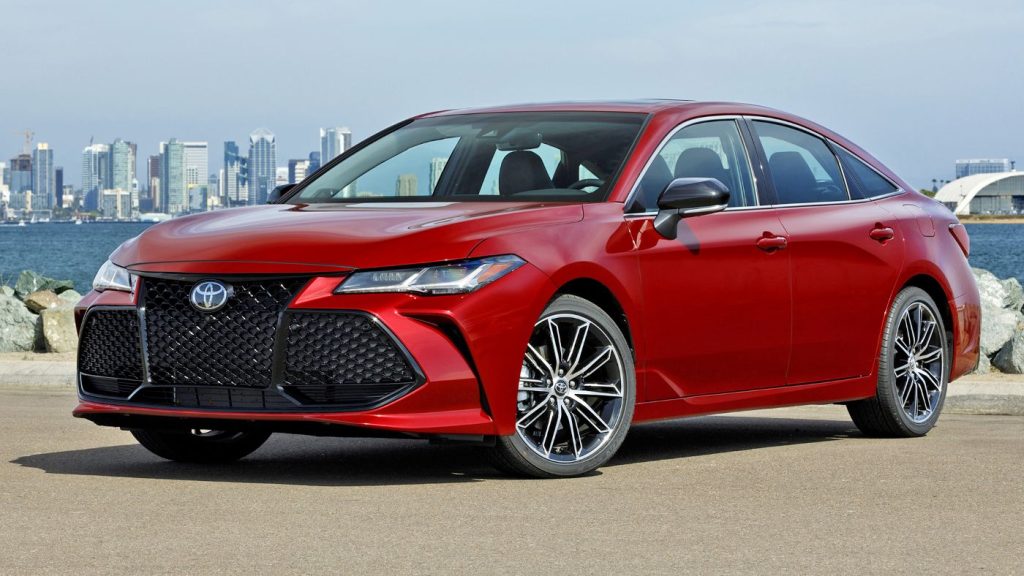
The 2018 Toyota Avalon stands out as one of the best large sedans on the market, blending comfort, quality, and impressive fuel economy in a package that appeals to both commuters and road-trippers.
With its cushioned ride, quiet cabin, and spacious interior, the Avalon delivers a refined driving experience that emphasizes relaxation without sacrificing capability.
Even though it’s primarily designed as a premium daily driver, the Avalon offers enough power and performance from its standard V6 engine to make highway passing and city merging effortless.
The Avalon lineup begins with a well-equipped base model that already includes features such as leather upholstery, heated seats, a V6 engine, and advanced driver-assistance systems.
Higher trims build on this foundation by adding navigation, premium audio, heated rear seats, upgraded leather, and even rear-seat climate controls, allowing buyers to enjoy a near-luxury experience without stepping into a premium brand.
Performance-wise, the Avalon’s 268-horsepower V6 pairs with a six-speed automatic transmission to deliver a smooth, responsive drive. It accelerates from zero to 60 mph in just 6.5 seconds, quick for a full-size sedan. Even more impressive, it maintains strong fuel efficiency, achieving 28.6 mpg in real-world tests, a figure that outpaces its EPA highway estimate.
For those who want a little extra sportiness, the Touring trim sharpens handling with larger wheels and firmer suspension tuning, though the Avalon’s main mission remains comfort and refinement. Inside, the car impresses with a clean and uncluttered design, quality materials, and plenty of space to stretch out.
Front seats are supportive for long drives, while the quiet cabin and strong climate control ensure that both driver and passengers remain comfortable in any conditions. The rear seats are roomy as well, though utility falls slightly short since they don’t fold down, limiting cargo flexibility despite a generous trunk.
While rivals such as the Chevrolet Impala, Kia Cadenza, and Nissan Maxima also provide compelling options in the large sedan category, the 2018 Toyota Avalon continues to set itself apart.
Its balance of performance, comfort, and efficiency makes it an appealing choice for those seeking a big sedan that can handle long journeys just as well as daily errands.
2. Volvo 240
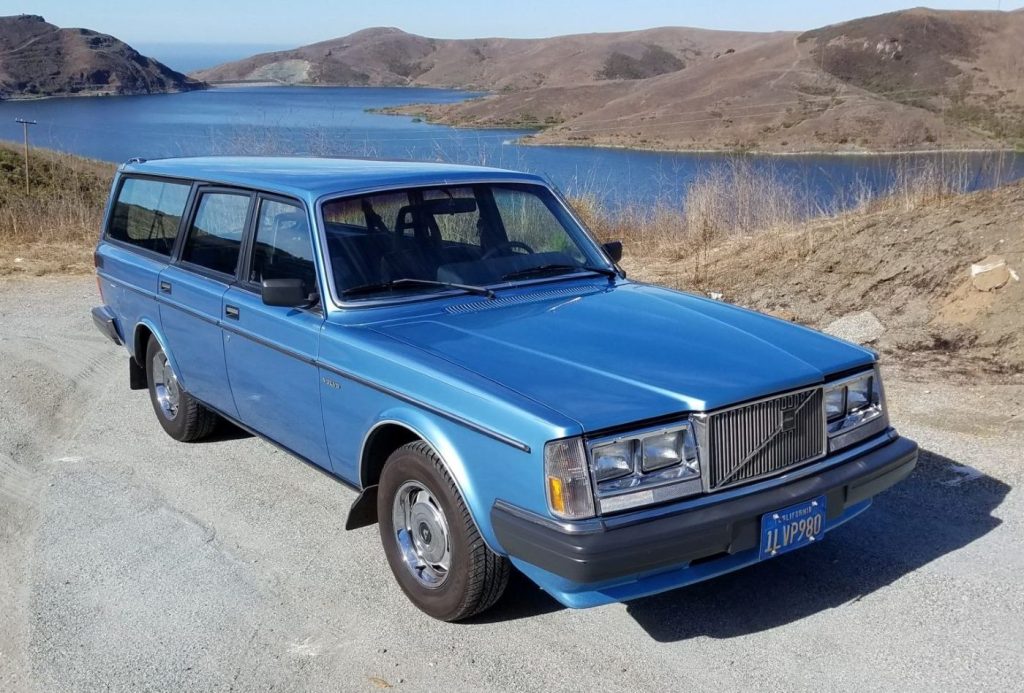
Ask any mechanic about long-lasting classics, and the Volvo 240 will inevitably come up. Built from the late ’70s through the early ’90s, this boxy Swedish sedan and wagon has achieved near-mythical status for its durability.
Many 240s are still daily drivers today, with odometers well past 400,000 miles. Its simple design, robust safety, and timeless appeal make it a car people keep for decades.
Also Read: 11 Best Engines That Stay Smooth After Decades of Use
3. Buick LeSabre
Buick may not be the first name you think of for reliability, but the LeSabre was one of the most dependable American sedans of its era.
Known for its comfortable ride and rock-solid 3800 V6 engine, the LeSabre could easily cover decades of service with minimal issues. Many families kept theirs well into the 2000s, passing them down like heirlooms.
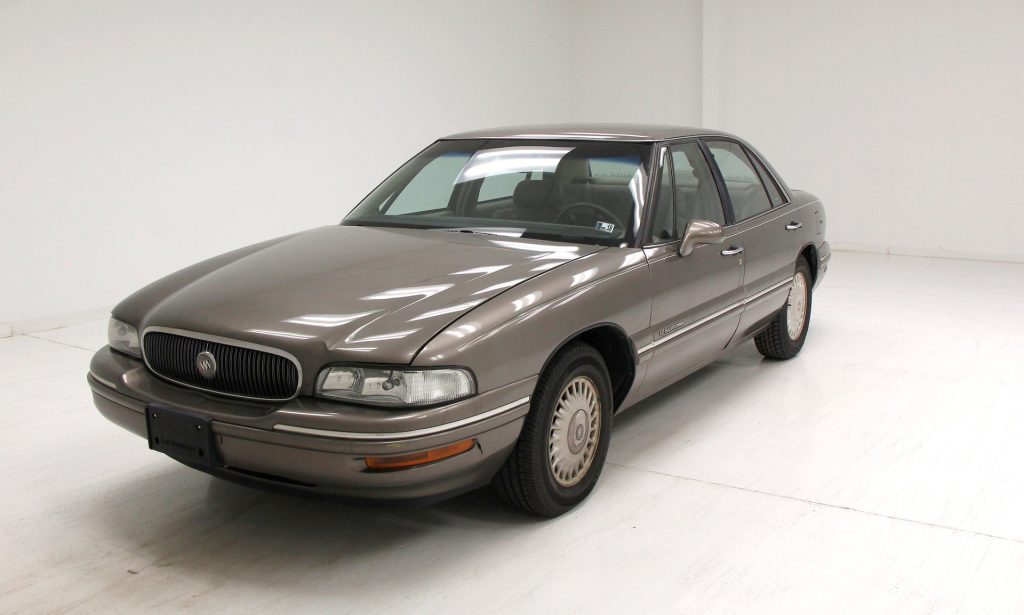
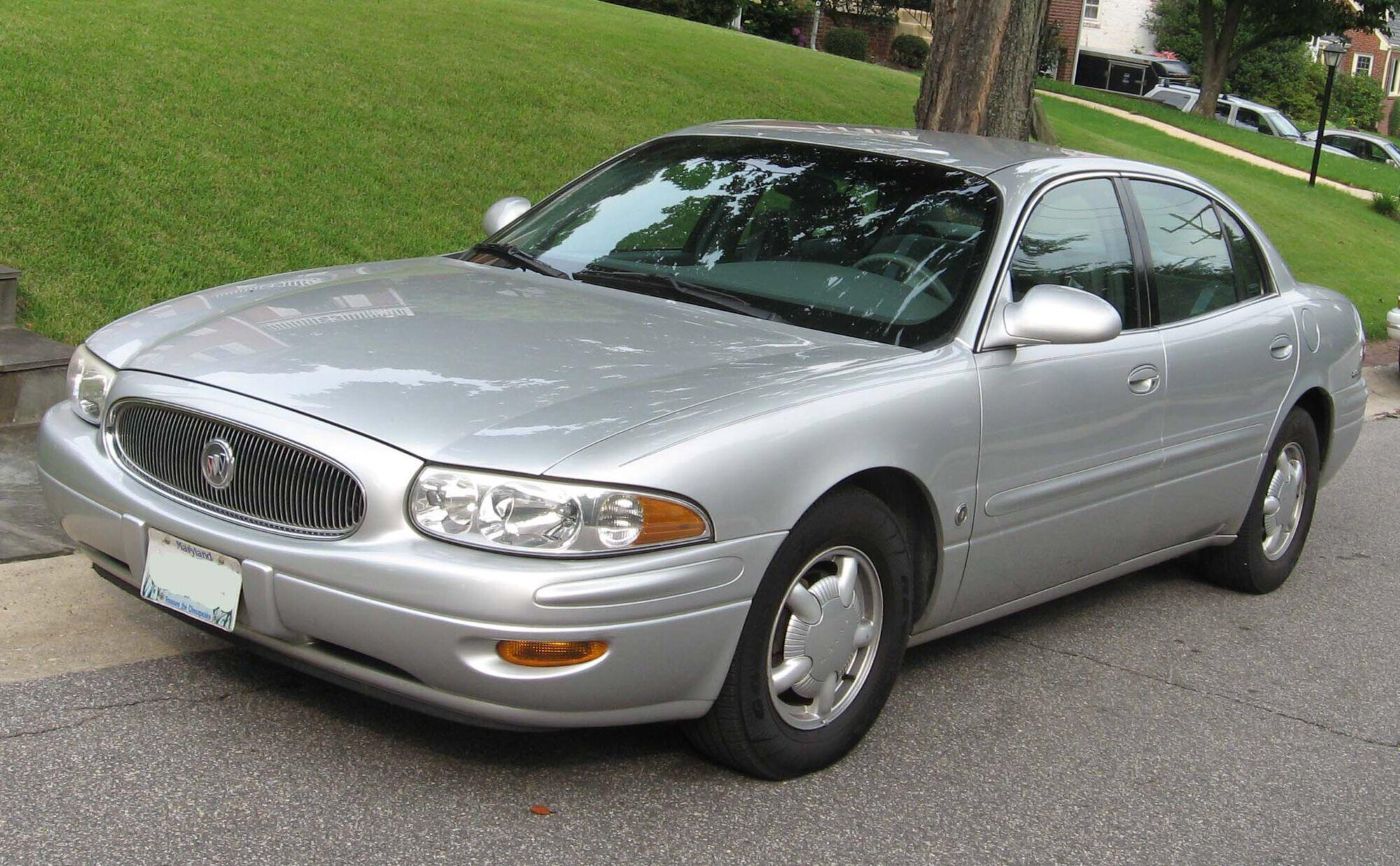
After seven years as the best-selling full-size sedan in the United States, the 2000 Buick LeSabre arrived with a sleeker exterior design and more powerful performance in an effort to maintain its leadership in the segment.
General Motors had seen strong sales from the seventh generation, but after eight years on the market and several incremental updates, the design was beginning to feel dated.
Rather than developing an entirely new model, Buick built the eighth-generation LeSabre on the proven G-platform, which had underpinned the previous two generations.
However, significant improvements were made, including a slightly longer wheelbase that created additional interior space without increasing the overall length. The automaker also refined the electronics and, most notably, enhanced the engine, which delivered noticeably greater power than before.
Up front, the 2000 LeSabre wore Buick’s signature oval-shaped waterfall grille with the brand’s emblem proudly displayed at its center.
Flanking the grille, the headlights were swept back into the fenders, incorporating turn signal indicators on their outer edges. The bumper wrapped around the front and housed additional lighting elements, while a broad secondary air intake in the lower apron helped keep the engine cool.
The car’s profile reflected the bio-design influence of the era, with flowing, organic lines and smooth, rounded surfaces. A low-slung nose led into a steeply raked panoramic windshield, while the roofline arched gracefully before tapering into a curved rear glass.
Buick continued the clean aesthetic with flush-mounted door handles and body-colored side mirrors. At the rear, elongated taillights appeared to stretch across the entire width of the car, though the center section on the trunk lid was purely decorative.
Buyers could choose between two trims: the entry-level Custom, which came with steel wheels and hubcaps, and the upscale Limited, which featured standard 15-inch alloy wheels with an option to upgrade to 16-inch alloys.
Inside, the LeSabre offered a more contemporary environment with a rounded dashboard design that extended around both the gauge cluster and the center stack. A four-spoke steering wheel with integrated buttons and an airbag faced the driver, while side airbags came standard for added safety.
The instrument cluster included three main dials: a central speedometer, a tachometer to the left, and combined fuel and coolant temperature gauges to the right. Seating options included either dual front buckets or a front bench that could seat three passengers.
A wide rear bench offered seating for three adults, and thanks to the car’s wider body, hip room increased by two inches in both rows compared with the prior generation. Practicality was also a strong suit, with a trunk measuring 18 cubic feet (510 liters) and a wide opening that made it easier to load bulky items.
Powering the 2000 Buick LeSabre was the reliable 3.8-liter Series II V6 engine. Producing 205 horsepower (208 PS), it sent power to the front wheels through a four-speed automatic transmission.
Standard all-speed traction control improved handling and safety, while independent suspension at all four corners contributed to the sedan’s comfortable ride. On the Limited trim, an optional rear anti-roll bar could be added to further enhance stability.
Together, these updates ensured that the LeSabre continued to deliver the spaciousness, dependability, and refinement that had made it a long-time favorite among American full-size sedan buyers.
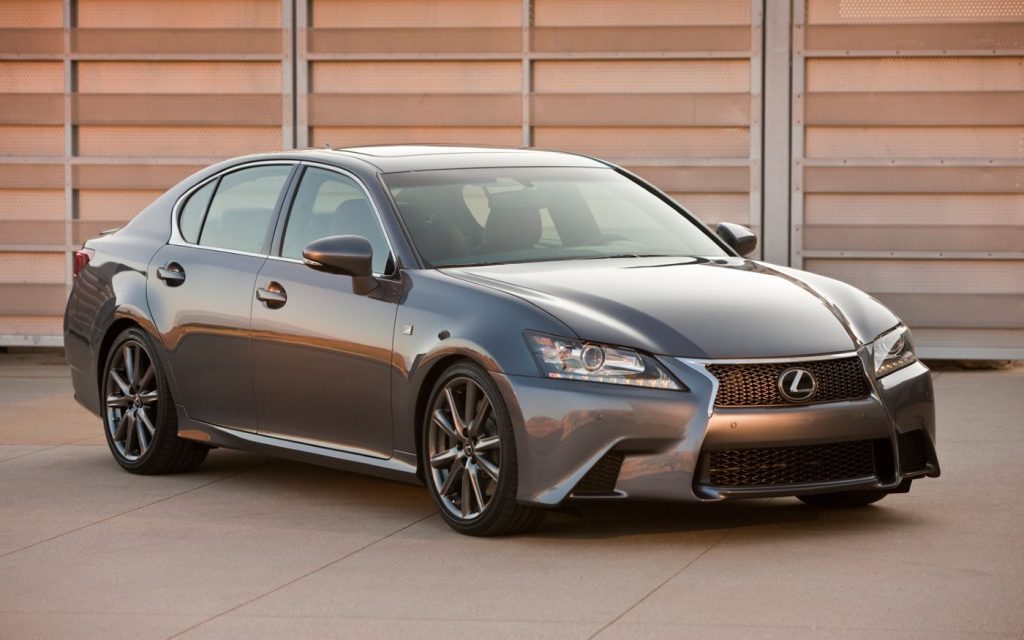
4. Lexus GS
While the LS gets much of the luxury reliability spotlight, the Lexus GS offers the same long-lasting Toyota DNA in a sportier package.
Owners often keep these sedans for decades thanks to their smooth inline-six or V8 engines that rarely give trouble. For drivers who want both performance and staying power, the GS is a quiet achiever.
5. Mercury Grand Marquis
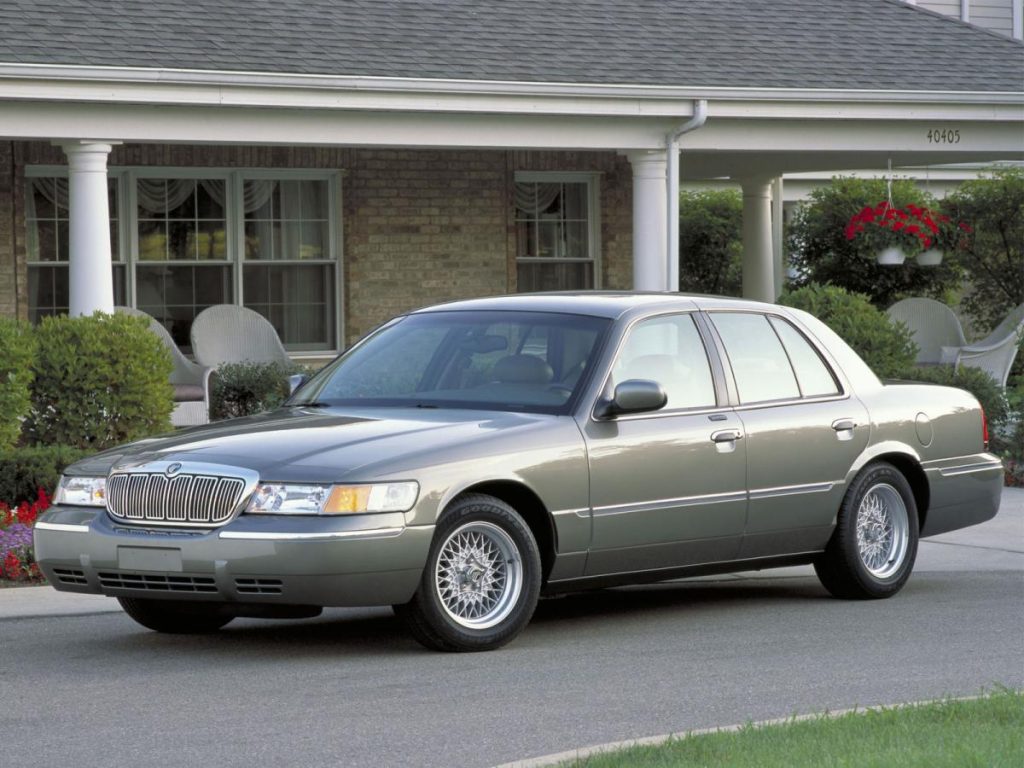
The Mercury Grand Marquis, a cousin of the Ford Crown Victoria, was a staple of American roads for decades. Known for its massive trunk, plush ride, and bulletproof V8, the Grand Marquis earned a reputation for outlasting rivals.
Retired police officers, retirees, and families alike held onto them for years because they just wouldn’t quit.
The 2003 Mercury Grand Marquis LSE remains one of the last traditional full-size American sedans, built with body-on-frame construction and a rear-wheel-drive layout. It earned a reputation for delivering a smooth, composed ride, an exceptionally roomy interior, and the solid strength of a V8 engine.
Buyers who chose this car often did so because they valued comfort and long-term durability over flashy technology or modern design trends.
In today’s market, its estimated value in 2025 is about $3,098, based on average U.S. pricing with depreciation included. Fuel economy is rated at 16 miles per gallon in the city and 23 miles per gallon on the highway, while acceleration from zero to sixty miles per hour takes just 7.37 seconds.
Power comes from a 4.6-liter V8 engine with a single overhead camshaft and sixteen valves, producing 239 horsepower at 4,900 rpm and 287 pound-feet of torque at 4,100 rpm.
This engine is paired with a four-speed automatic transmission, and power is sent to the rear wheels. Together, this setup provides a reliable and familiar driving experience that emphasizes comfort over aggressive performance.
In terms of size and practicality, the Grand Marquis LSE has a curb weight of 3,957 pounds and carries a fuel tank capacity of 19 gallons. Trunk space is generous, offering 20.6 cubic feet of cargo capacity, while the EPA-rated interior volume measures 129.6 cubic feet, making it one of the roomiest sedans in its class.
Its exterior proportions further highlight its full-size stature, stretching to a length of 211.9 inches, a width of 78.2 inches, and a height of 56.8 inches, with a wheelbase of 114.7 inches. The turning circle is 40.3 feet, which is expected for a sedan of this size.
The 2003 Grand Marquis LSE continues to appeal to those who appreciate the classic large sedan experience. As one of the last sedans designed in the traditional American style, it represents a bygone era of comfort-oriented, full-size automobiles.
6. Acura Legend
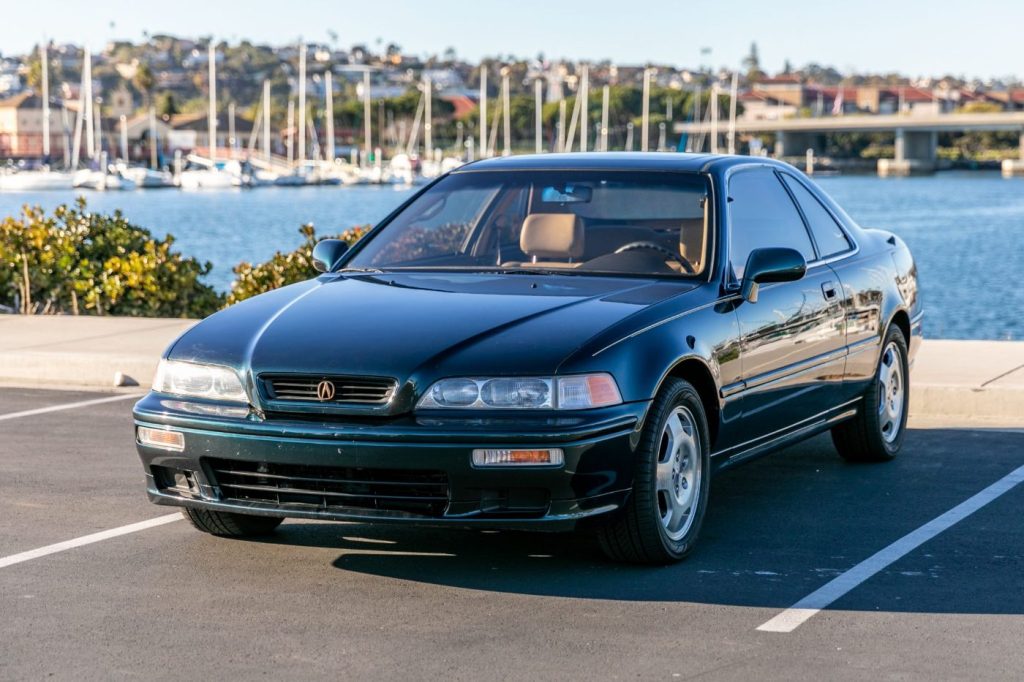
Before Acura became known mainly for the MDX and TLX, it built the Legend, a luxury sedan from the late ’80s and ’90s that lived up to its name.
Many Legends are still admired today for their refined build quality and engines that run smoothly well past 250,000 miles. It’s one of those cars that enthusiasts and practical owners alike often regret selling.
In the late 1980s, three major Japanese automakers launched new luxury divisions aimed primarily at the North American market. This move was driven by voluntary restrictions on Japanese car exports to the United States, which encouraged manufacturers to increase per-vehicle profits by offering higher-end models.
Honda led the way, introducing its Acura brand in 1986, three years before Toyota debuted Lexus and Nissan revealed Infiniti. The first Acura to arrive was the Legend, which served as the flagship of the lineup, accompanied by the smaller Integra hatchback.
Much like the Integra, the Legend was marketed under the Honda name in other parts of the world. For Honda, the Legend was a significant step up in size, measuring nearly a foot longer than the Accord of the same era, though its width was only about an inch and a half greater.
Perhaps the most notable breakthrough was found under the hood, where Honda introduced its very first V-6 engine. Displacing 2.5 liters, the engine produced 151 horsepower and 154 pound-feet of torque.
While these figures may appear modest by today’s standards, the motor was advanced for its time, featuring multi-port fuel injection and four valves per cylinder, although it used only a single camshaft per head.
The engineering stood in contrast to many domestic competitors, which still relied on carburetors and pushrod designs. In terms of chassis, while much of the industry leaned on simpler MacPherson struts and beam axles for front-wheel-drive cars, the Legend employed a fully independent suspension setup, combining double wishbones up front with struts in the rear.
Adding to its appeal, Honda offered a manual transmission option across the entire model run, at a time when most luxury cars came exclusively with automatics.
Also Read: 5 Most Popular Convertibles and 5 That Are a Nightmare to Own
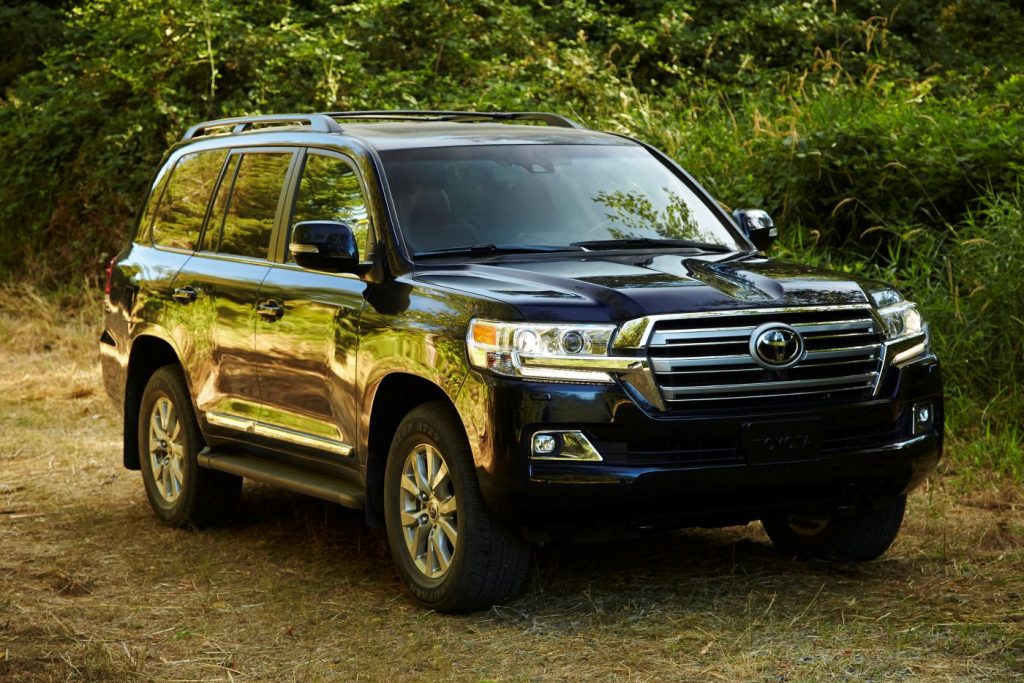
7. Toyota Land Cruiser
The Land Cruiser is more than just an SUV, it’s an icon of reliability worldwide. In the U.S., it’s prized for its ability to run decades without major issues, even when used for towing, off-roading, or cross-country adventures.
Owners frequently hold onto them because nothing else feels as capable or as unshakably dependable.
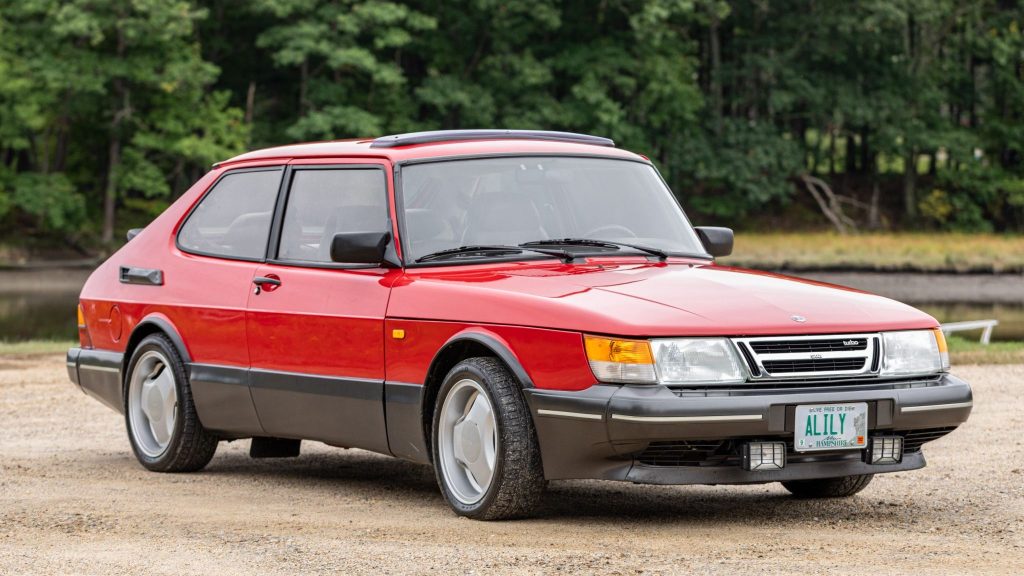
8. Saab 900
Though Saab as a brand is gone, the 900 earned a cult following for being quirky, safe, and unusually long-lasting.
These hatchbacks and convertibles were built with unique engineering touches that made them surprisingly robust. Many Saab enthusiasts still daily-drive their 900s decades later, a testament to just how overbuilt they were.
When General Motors acquired Saab, many enthusiasts feared that the brand’s distinctive quirks, the very traits that had attracted a loyal following, would disappear as GM began reshaping the lineup.
Those worries were put to rest in 1994 with the debut of the new 900. The model retained the unmistakable Saab styling and driving dynamics, while the spirited turbocharged engine returned with even greater power, ensuring that the fun factor remained intact.
For the following model year, the Saab 900 received a series of cosmetic updates that enhanced both comfort and style. Among these changes were adjustable lumbar support for the driver’s seat, a standard rear spoiler, alloy wheels, wider tires on all turbocharged variants and the V6 convertible, and a new reflective rear panel.
For the current year, the car carries forward unchanged, yet the variety of trims and powertrains keeps the lineup compelling. The base coupe and sedan, which are technically hatchbacks despite their traditional silhouette, are powered by a 2.3-liter twin-cam four-cylinder producing 150 horsepower.
The SE five-door hatch comes standard with a 170-horsepower GM-sourced V6, though buyers may opt for the robust 185-horsepower turbocharged engine that pushes this sedan into genuine performance territory.
The SE Turbo three-door hatch also carries the same upgraded motor, and with it, the 900 manages a zero-to-sixty time only a tenth of a second behind the Ford Mustang GT.
The interior showcases Saab’s characteristic blend of comfort and practicality. A high seating position paired with orthopedically designed seats offers excellent support and a commanding view over the short hood.
The relatively upright windshield contributes to superb forward visibility, while the dashboard is organized with clear analog gauges and user-friendly knobs, details that underscore Saab’s unique design philosophy. When the rear seats are folded flat, the 900 provides cargo capacity that rivals many sport utility vehicles and minivans, making it as practical as it is distinctive.
Perhaps most importantly, the Saab 900 maintains the brand’s eccentric charm. The ignition switch remains mounted on the floor, and the key still requires the shifter to be in reverse before it can be removed.
These idiosyncrasies are exactly what keep a devoted group of buyers returning, willingly paying more than $21,000 each year for the chance to own a car with such unmistakable character. While other vehicles may offer similar levels of performance, comfort, or utility, none deliver them with the same offbeat flair that defines Saab.
9. Lincoln Town Car
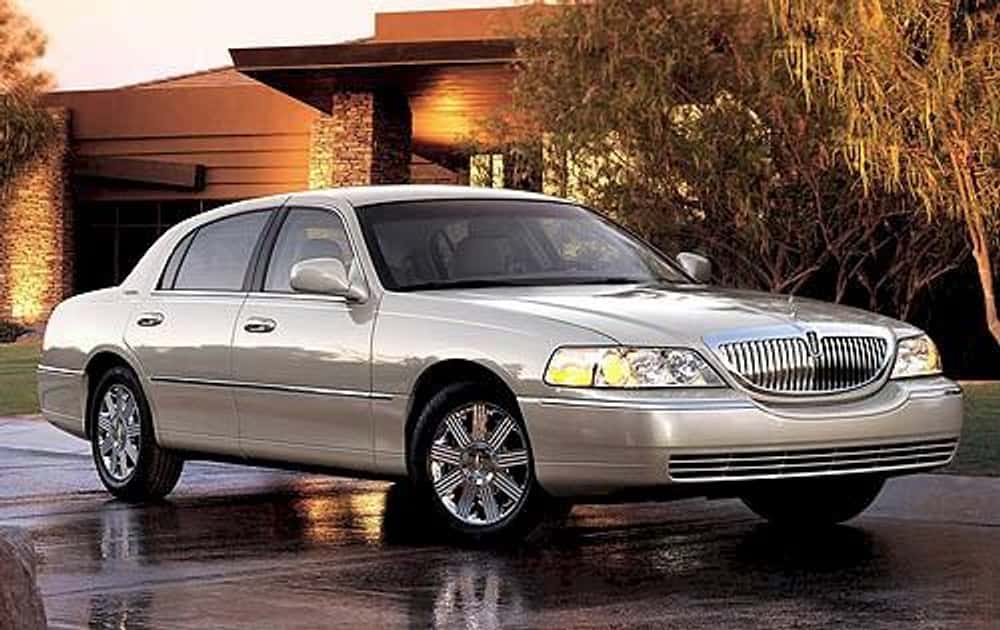
The Lincoln Town Car was the luxury limo of choice for decades, beloved by chauffeurs and executives alike.
Known for its smooth ride, massive interior, and stout V8 engine, the Town Car was often kept in fleets for hundreds of thousands of miles. Even today, many owners refuse to part with theirs because of its unmatched comfort and reliability.
Following the 2003 update, Lincoln gave the third-generation Town Car another refresh in 2007, though the changes were relatively minor, aimed at maintaining appeal among its traditional customer base.
At a time when the global financial crisis was straining automakers’ budgets, Lincoln could still rely on the loyalty of buyers who appreciated the Town Car’s old-fashioned values. While the brand was working to modernize its broader lineup and prepare a new flagship sedan, the Town Car remained the crown jewel of Lincoln’s four-door offerings.
With its classic body-on-frame architecture, naturally aspirated V8 engine, and the availability of a long-wheelbase version, it continued to attract customers who favored traditional American luxury. By 2008, the Town Car managed to blend its heritage character with updated features, offering an appealing mix for both established and newer buyers.
Styling updates for 2008 highlighted the Town Car’s imposing presence. The front fascia was defined by a broad, chrome-plated grille with a shield-like design, complemented by a stand-up Lincoln hood ornament that was now included on all trims.
Quad-beam halogen headlights were standard, while high-intensity-discharge lamps were available on select models. The front bumper also received attention, featuring a revised apron with a wide central air intake accented by horizontal slats, flanked by rectangular fog lights.
At the rear, Lincoln added a chrome trim piece surrounding the license plate holder, emphasizing the vehicle’s upscale status.
Dual exhaust outlets, neatly integrated into the bumper as in previous years, carried over, and buyers could also opt for a power-operated trunk lid for added convenience. All trims rode on 17-inch aluminum wheels with either 10 or 12 spokes, underscoring the car’s luxury appeal.
10. Mazda Millenia
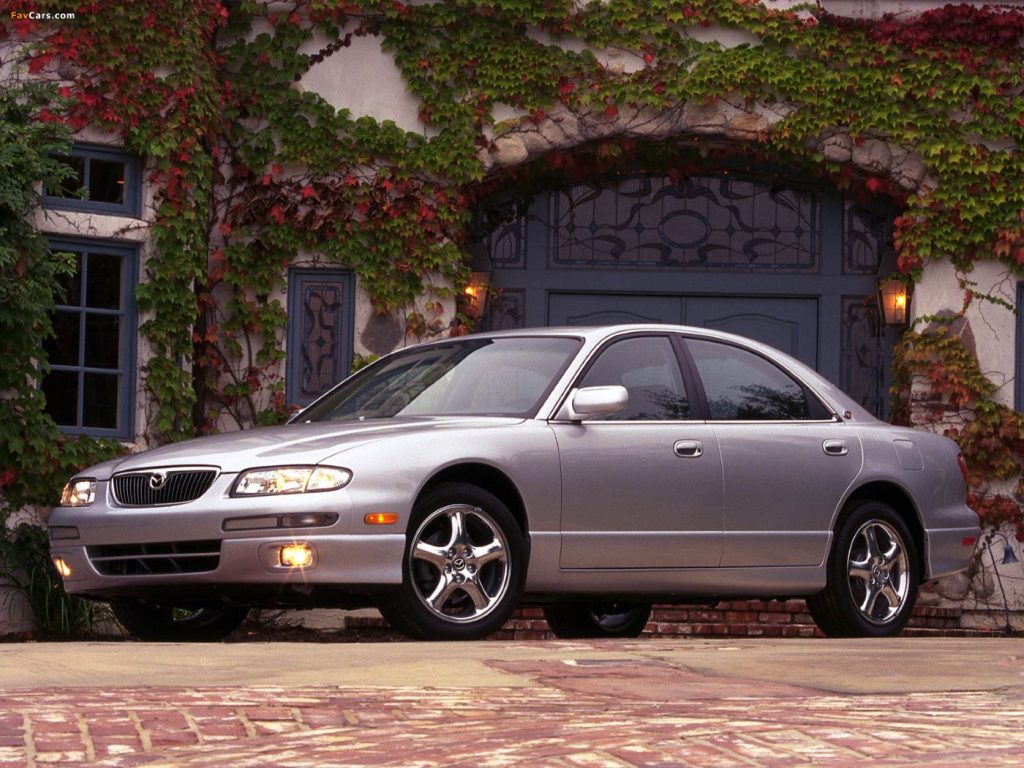
A bit of an underdog, the Mazda Millenia was built in the 1990s as a luxury experiment, but its unusual engineering gave it staying power.
Many Millenias are still on the road decades later, thanks to sturdy drivetrains and owners who appreciate their sleeper reliability. While not a household name, it’s one of those cars that surprises people with just how long it lasts.
Unlike the predictable reliability champs, this list focuses on models that often fly under the radar. They’re the cars mechanics nod at approvingly, the ones still running in the background of American life while newer vehicles cycle through leases and trade-ins.
Their strength lies in solid engines, overbuilt components, and a reputation that keeps loyal owners holding onto them for decades.
