
When it comes to vehicle ownership, few things are more frustrating than failing a smog test. These emissions inspections are mandatory in many states and regions, designed to ensure that vehicles meet environmental standards by limiting the pollutants they release into the atmosphere.
A failed smog test not only means additional expenses for repairs but also delays in registration renewal and the inconvenience of retesting.
For environmentally conscious drivers and those seeking hassle-free vehicle ownership, choosing a car with a stellar track record for passing smog tests can save significant time, money, and stress.
The automotive industry has made tremendous strides in reducing vehicle emissions over the past few decades. Thanks to advanced engineering, sophisticated emission control systems, and increasingly stringent environmental regulations, modern vehicles are cleaner and more efficient than ever before.
However, not all cars are created equal when it comes to emissions performance. Some models consistently demonstrate exceptional reliability in meeting and exceeding smog test requirements, year after year, with minimal maintenance needed for their emission control systems.
This comprehensive guide explores twelve vehicles that have earned reputations for rarely failing smog tests. These cars represent various segments of the automotive market, from compact sedans to SUVs, ensuring that drivers with different needs and preferences can find a reliable option.
Each vehicle featured here has demonstrated consistent performance in emissions testing, backed by owner testimonials, mechanic recommendations, and smog test center data.
Whether you’re shopping for a used car and want to avoid future emissions headaches, or you’re simply curious about which vehicles offer the most reliable emissions systems, this list provides valuable insights into the automotive industry’s cleanest and most dependable performers.
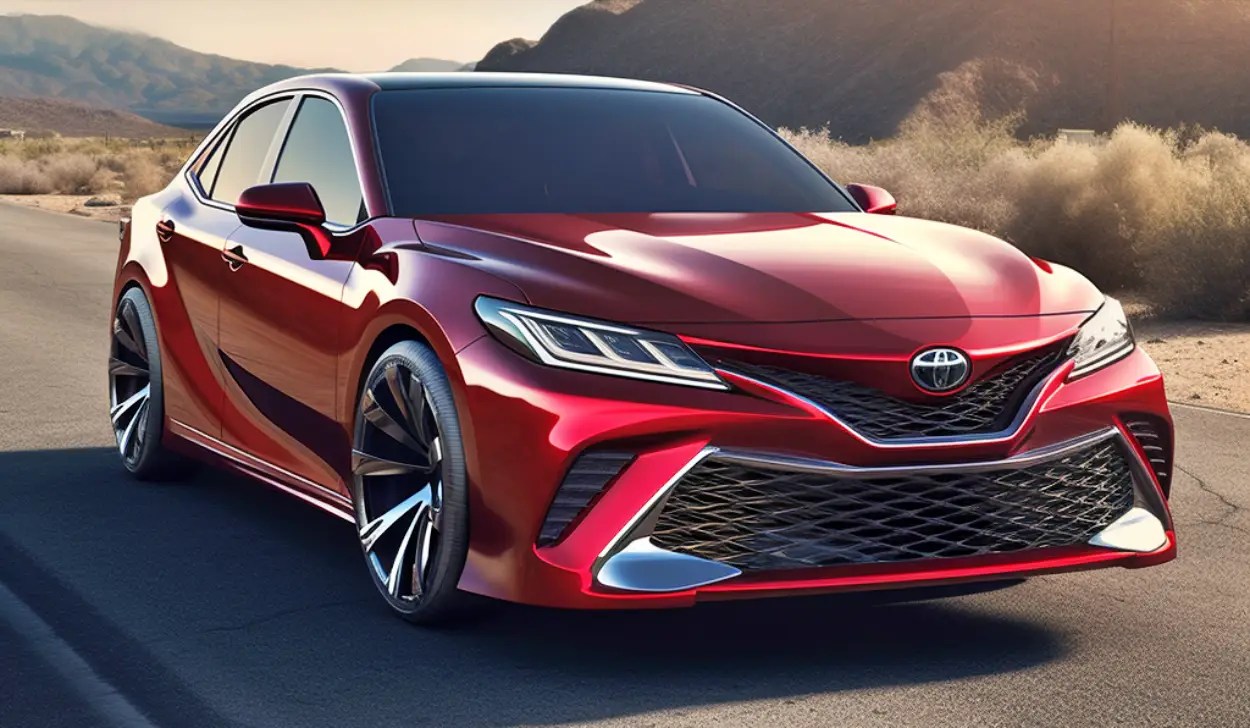
1. Toyota Camry
The Toyota Camry stands as one of the most reliable vehicles when it comes to passing smog tests, a reputation built over decades of engineering excellence and commitment to environmental responsibility.
This mid-size sedan has consistently proven itself as a champion of clean emissions, with smog test failure rates that are remarkably low compared to industry averages.
The Camry’s success in emissions testing isn’t accidental it’s the result of meticulous design, quality manufacturing, and Toyota’s renowned attention to detail in every component of the emission control system.
At the heart of the Camry’s emissions success is its sophisticated engine management system, which precisely controls fuel injection, ignition timing, and air-fuel mixture to optimize combustion efficiency.
This precision means fewer unburned hydrocarbons and lower carbon monoxide emissions, two primary components measured during smog tests.
Toyota engineers have designed the Camry’s powertrain with generous tolerances and high-quality materials that resist degradation over time, meaning that even high-mileage Camrys often pass smog tests with flying colors.
The catalytic converter system in the Camry deserves special recognition. Toyota uses premium-grade catalytic converters with higher concentrations of precious metals like platinum, palladium, and rhodium compared to many competitors.
These converters efficiently transform harmful pollutants into less harmful substances, and their robust construction ensures they remain effective for well over 100,000 miles.
The positioning of the catalytic converter is also optimized to reach operating temperature quickly, which is crucial for reducing cold-start emissions a common failure point for many vehicles during smog testing.
Oxygen sensors in the Camry are another area where Toyota’s engineering prowess shines through. These sensors monitor the exhaust gases and provide real-time feedback to the engine control unit, allowing continuous adjustments to maintain optimal air-fuel ratios.
The Camry typically uses multiple oxygen sensors strategically placed throughout the exhaust system, and Toyota’s sensors are known for their longevity and accuracy.
When these sensors do eventually wear out, they trigger a check engine light, alerting owners to address the issue before it affects emissions performance.
Model years from 2007 onward have been particularly stellar performers, as these vehicles benefit from Toyota’s refined emission control technologies developed in response to increasingly strict California emissions standards.
Hybrid Camry models are especially noteworthy, with their combination of gasoline engine and electric motor resulting in exceptionally low emissions.
Many hybrid Camry owners report never having had a concern during smog testing throughout their vehicle’s entire lifespan. Whether you choose a four-cylinder, V6, or hybrid variant, the Camry’s track record speaks for itself as one of the cleanest, most reliable vehicles for passing emissions tests consistently.
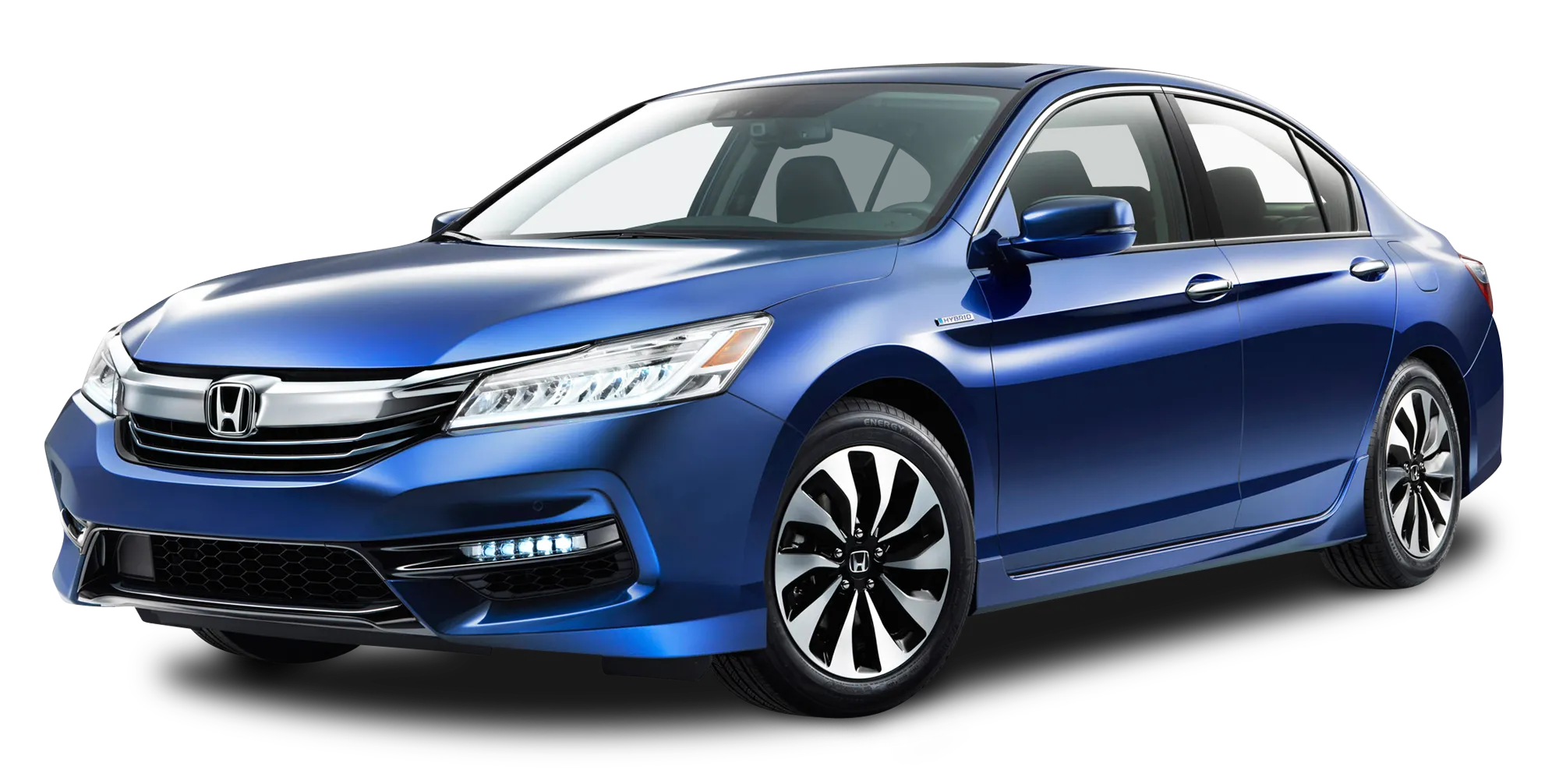
2. Honda Accord
The Honda Accord shares the podium with the Camry as one of the most dependable vehicles for smog test compliance, and for good reason.
Honda’s engineering philosophy emphasizes efficiency, reliability, and environmental responsibility, qualities that manifest clearly in the Accord’s emissions performance.
Across multiple generations and engine configurations, the Accord has maintained an impressive track record of passing smog tests, making it a favorite among drivers in states with strict emissions requirements and smog technicians who appreciate working on well-designed vehicles.
Honda’s Variable Valve Timing and Lift Electronic Control (VTEC) technology, featured in Accord engines, plays a significant role in the vehicle’s emissions success.
This system optimizes valve timing and lift across different engine speeds, ensuring efficient combustion throughout the entire rev range.
The result is more complete fuel burning, which translates to lower emissions of hydrocarbons and carbon monoxide. Unlike some variable valve timing systems that can develop issues over time, Honda’s VTEC system is remarkably durable and maintains its effectiveness even after hundreds of thousands of miles.
The Accord’s exhaust system is engineered with emissions compliance as a primary consideration. Honda uses high-quality stainless steel components that resist corrosion far better than the mild steel used by some manufacturers.
This corrosion resistance is particularly important for the catalytic converter housing and exhaust manifold, as rust and deterioration in these areas can lead to leaks that cause smog test failures.
The catalytic converters themselves are generously sized and use efficient catalyst formulations that remain effective well beyond the federally mandated warranty period.
One of the Accord’s standout features is its sophisticated onboard diagnostics system. The vehicle’s computer constantly monitors emissions-related components and can detect even minor issues before they result in raised emissions.
When a problem is detected, the check engine light illuminates, giving owners advance warning to address the issue before smog test time.
This proactive approach, combined with Honda’s generally reliable components, means that Accord owners rarely experience surprise smog test failures.
The diagnostic system is also relatively accessible to technicians, making troubleshooting and repairs straightforward when issues do arise.
Honda Accord models from the 2008 onward generations have been particularly impressive in smog testing, benefiting from refined emission control strategies and improved component durability.
Hybrid Accord models, though less common than hybrid Camrys, offer even lower emissions and virtually guaranteed smog test passage.
Four-cylinder Accords are especially popular among environmentally conscious drivers, as they combine excellent fuel economy with clean emissions in a spacious, comfortable package that doesn’t sacrifice driving dynamics.
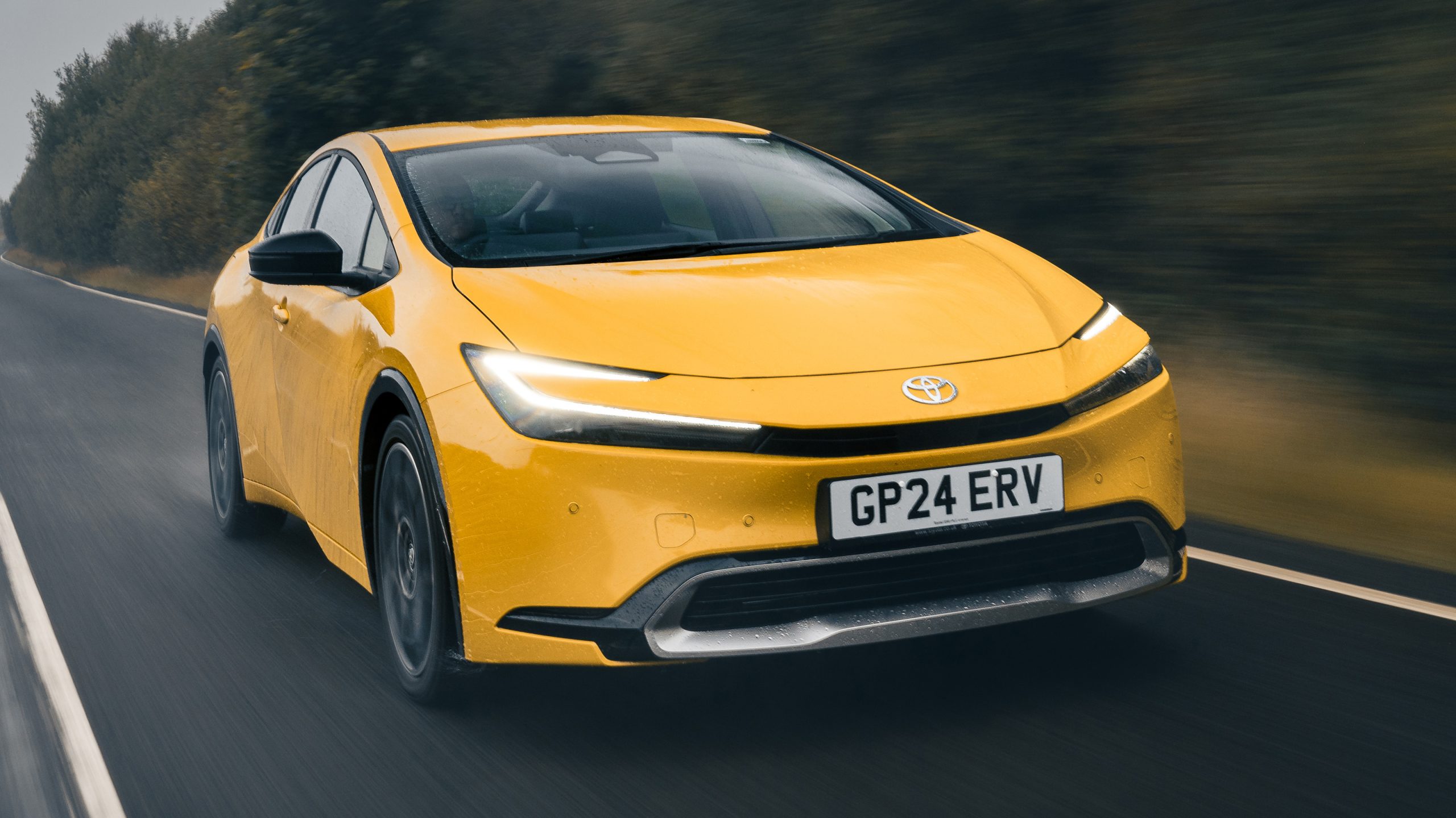
3. Toyota Prius
The Toyota Prius has revolutionized automotive emissions, setting standards that few vehicles can match. As the world’s best-selling hybrid vehicle, the Prius has built an unparalleled reputation for passing smog tests with ease, often recording emissions levels so low that they barely register on testing equipment.
The Prius represents Toyota’s commitment to environmental sustainability, combining a gasoline engine with one or more electric motors to create a propulsion system that produces a fraction of the emissions generated by conventional vehicles while maintaining impressive reliability.
The hybrid powertrain configuration is the primary reason for the Prius’s exceptional emissions performance. During low-speed driving, parking lot maneuvering, and brief stops, the Prius operates exclusively on electric power, producing zero tailpipe emissions.
When the gasoline engine does run, it operates in highly efficient modes thanks to the Atkinson cycle engine design, which prioritizes fuel efficiency and clean combustion over raw power output.
This engine operates within a narrow, optimal efficiency band, avoiding the fuel-rich conditions during acceleration that cause emissions spikes in conventional vehicles.
The power split device, a planetary gear set that seamlessly blends power from the gasoline engine and electric motor, ensures that the engine rarely operates outside its most efficient range.
This consistency means that combustion is always optimized, resulting in minimal production of harmful pollutants. The engine can also shut off completely during deceleration and coasting, periods when conventional vehicles continue to burn fuel and generate emissions.
During smog testing, which involves measuring emissions during simulated driving conditions, the Prius frequently runs in electric-only mode for portions of the test, resulting in readings that are exceptionally low.
The Prius’s catalytic converter system is engineered specifically for the unique demands of hybrid operation. Because the gasoline engine cycles on and off frequently, the catalytic converter must remain effective even when cycling between hot and cold states.
Toyota addresses this challenge with high-capacity converters that retain heat longer and specially formulated catalyst materials that activate quickly.
The second and third generations are particularly abundant in the used car market and represent outstanding choices for buyers prioritizing emissions compliance.
The Prius Prime plug-in hybrid variant offers even lower emissions thanks to its larger battery pack and increased electric-only range, though the standard Prius already exceeds most drivers’ emissions requirements by substantial margins. For anyone concerned about smog test compliance, the Prius represents perhaps the safest choice available.
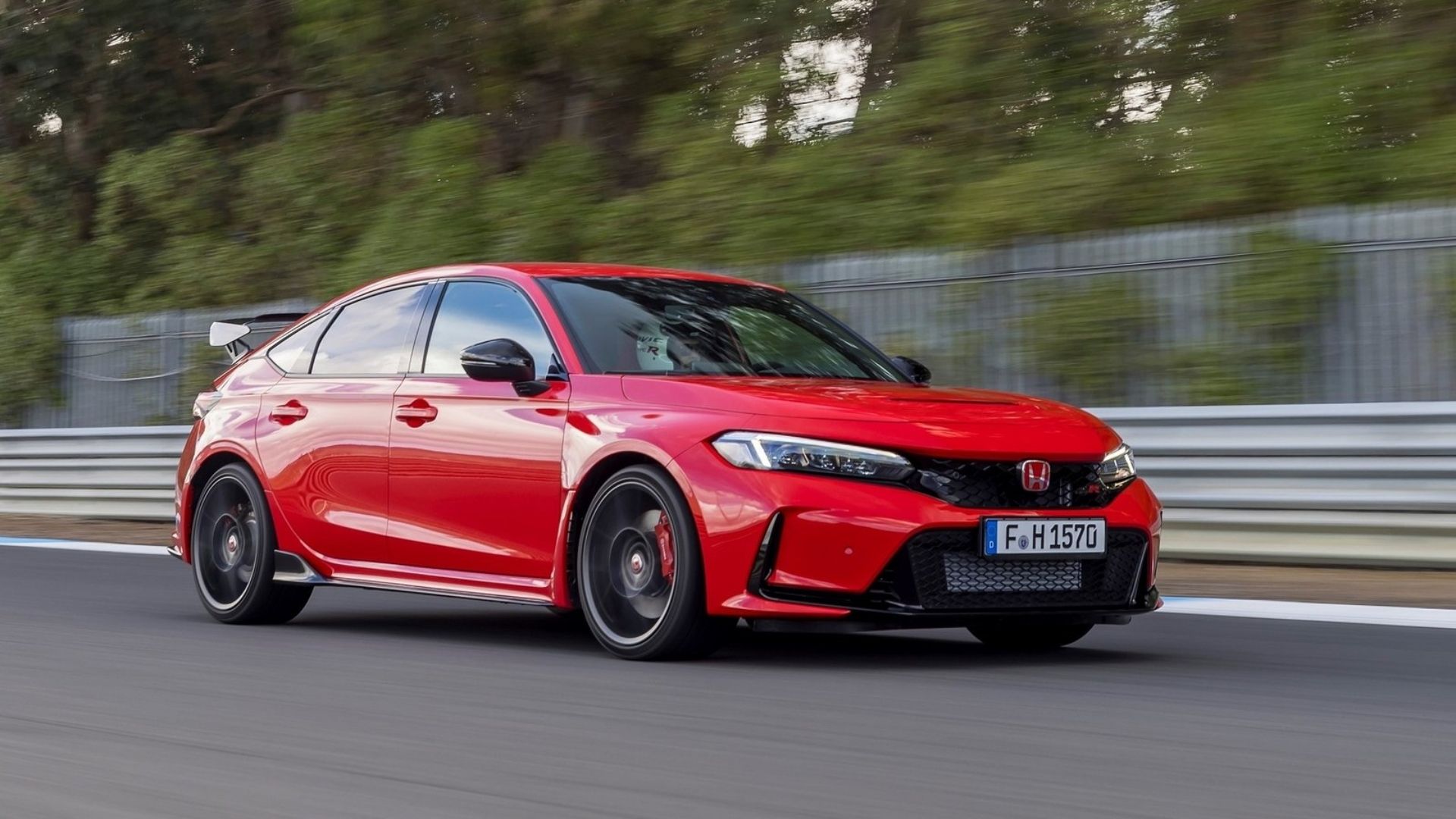
4. Honda Civic
The Honda Civic has earned its place as one of the most reliable vehicles for emissions testing through decades of consistent performance and engineering refinement.
This compact car combines affordability, practicality, and impressive fuel economy with an outstanding track record of passing smog tests, making it an ideal choice for drivers seeking a reliable, environmentally responsible vehicle.
The Civic’s success in emissions compliance stems from Honda’s meticulous attention to engine efficiency and emission control system design across multiple generations and engine configurations.
Honda’s engineering philosophy for the Civic emphasizes getting the fundamentals right, and this approach is evident in the vehicle’s combustion efficiency.
The Civic’s engines, whether the economical four-cylinder base models or the more spirited turbocharged variants in recent years, are designed to achieve complete fuel combustion under a wide range of operating conditions.
This efficiency means fewer unburned hydrocarbons in the exhaust stream, directly translating to lower emissions readings during smog tests.
The precision fuel injection systems in Civic models consistently deliver the optimal amount of fuel for prevailing conditions, avoiding the rich or lean conditions that increase emissions.
The exhaust gas recirculation (EGR) system in the Civic is particularly noteworthy for its reliability and effectiveness. This system routes a controlled amount of exhaust gas back into the intake manifold, reducing combustion temperatures and consequently lowering nitrogen oxide (NOx) emissions.
Honda’s EGR valves are engineered to resist carbon buildup, a common failure point in many vehicles that can cause the valve to stick open or closed, resulting in raised emissions and rough engine operation.
The Civic’s EGR system typically operates flawlessly for the vehicle’s lifetime with minimal maintenance, contributing significantly to its smog test success.
Maintenance requirements for keeping a Civic in smog-compliant condition are straightforward and affordable. Regular oil changes using the specified oil grade, timely replacement of air filters, and addressing check engine lights promptly are usually sufficient to ensure continued smog test success.
Honda’s vehicles respond particularly well to preventive maintenance, with emission control components that maintain their effectiveness when the engine is properly cared for.
The Civic’s reputation for reliability extends specifically to emissions-related components, with many owners reporting never having experienced an emissions-related failure throughout their ownership experience.
Also Read: 12 Cars That Rarely Need Timing Belt Replacements
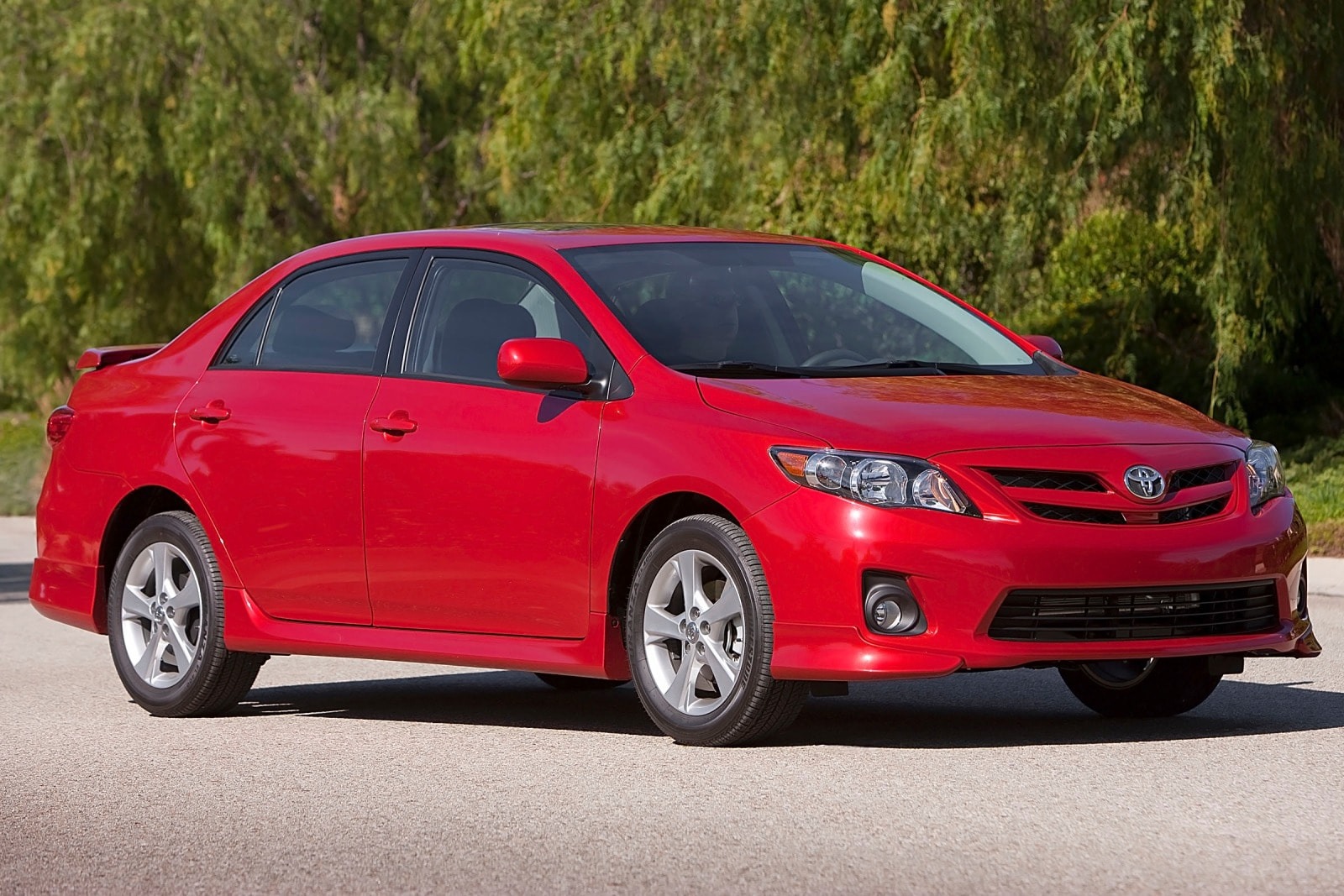
5. Toyota Corolla
The Toyota Corolla stands as one of the world’s best-selling vehicles, and its exceptional reliability in passing smog tests is a significant factor in its enduring popularity.
This compact sedan embodies Toyota’s philosophy of building vehicles that are economical to own, simple to maintain, and consistently dependable in meeting regulatory requirements.
The Corolla’s track record for emissions compliance is so strong that smog technicians often remark on how reliably these vehicles pass testing, regardless of age or mileage, provided basic maintenance has been performed.
Toyota engineers the Corolla with emissions compliance as a fundamental design priority rather than an afterthought. Every aspect of the powertrain is optimized to minimize pollutant generation while maintaining adequate performance for daily driving.
The result is a vehicle that typically operates well within emissions limits, providing substantial margins that accommodate the gradual degradation of emission control components over time.
This engineering buffer means that even higher-mileage Corollas often pass smog tests without requiring any special preparation or repairs.
The Corolla’s engine lineup has historically featured simple, proven designs that prioritize reliability over cutting-edge technology. This conservative approach pays dividends for emissions compliance, as fewer complex systems mean fewer potential failure points.
The four-cylinder engines used across various Corolla generations are known for maintaining compression, avoiding oil consumption issues, and running cleanly even after extensive use.
These engines respond well to proper maintenance, with routine services like oil changes and spark plug replacements being sufficient to maintain emissions compliance in most cases.
The variable valve timing system employed in modern Corollas contributes significantly to emissions performance. Toyota’s VVT-i (Variable Valve Timing with intelligence) system adjusts valve timing based on engine speed and load, optimizing both power delivery and combustion efficiency.
This optimization ensures that fuel burns completely across a wide range of driving conditions, from gentle cruising to highway merging.
The system’s mechanical simplicity and robust construction mean it continues operating effectively with minimal maintenance, unlike some competitors’ variable valve systems that require frequent servicing or develop issues over time.
The Corolla’s exhaust system benefits from Toyota’s extensive experience in emission control technologies. The catalytic converter is positioned close to the engine exhaust manifold, allowing it to reach operating temperature quickly and begin processing emissions sooner after cold starts.
This positioning, combined with high-quality catalyst materials, ensures effective emissions reduction from nearly the moment the engine starts.
Toyota also uses corrosion-resistant materials throughout the exhaust system, helping maintain system integrity in areas with harsh winters where road salt accelerates exhaust component degradation.
Toyota’s recommended maintenance schedule for the Corolla is designed specifically to ensure continued emissions compliance. The service intervals for critical items like engine oil, spark plugs, and air filters are conservatively set to provide margins of safety.
Following this schedule, or even approximating it reasonably closely, is usually sufficient to guarantee smog test passage. The Corolla’s tolerance for slightly extended service intervals, while not recommended, speaks to the robustness of its design and the quality of its components.
6. Subaru Outback
The Subaru Outback has established itself as a reliable performer in emissions testing, combining the brand’s renowned all-wheel-drive capability with clean-running engines and effective emission control systems.
This wagon-styled crossover appeals to outdoor enthusiasts and families who need capable, practical transportation, and its consistent smog test success means owners can focus on adventures rather than worrying about emissions compliance.
Subaru’s commitment to environmental responsibility, exemplified by their zero-landfill manufacturing facilities, extends to designing vehicles that maintain low emissions throughout their operational lives.
Subaru’s horizontally opposed “boxer” engine configuration contributes to the Outback’s emissions performance in several ways. The engine’s low center of gravity and balanced design allow for smooth operation with minimal vibration, which helps maintain precise engine control and consistent combustion characteristics.
The boxer engine’s design also facilitates excellent cooling, keeping combustion chamber temperatures optimal for complete fuel burning while avoiding the excessive temperatures that promote nitrogen oxide formation. This inherent balance in the engine design translates to steady, predictable emissions output.
The Outback’s all-wheel-drive system, while primarily designed for traction and stability, indirectly benefits emissions by ensuring efficient power delivery in various conditions.
The symmetrical all-wheel-drive configuration minimizes drivetrain losses compared to some competing systems, meaning more of the engine’s power reaches the wheels rather than being lost to friction and heat.

This efficiency translates to lower fuel consumption and consequently lower emissions for a given level of performance. Subaru’s continuously variable transmission (CVT), standard in most Outback models, further enhances efficiency by keeping the engine operating in its most efficient range.
The evaporative emission system in the Outback benefits from Subaru’s experience building vehicles for diverse climates and conditions.
The system effectively prevents fuel vapor escape in both hot and cold environments, using high-quality seals and a robust charcoal canister design.
The purge valve that allows captured vapors to be drawn into the engine and burned is particularly reliable in Subaru applications, with a design that resists the sticking and malfunction common in some other brands. Regular fuel cap replacement at recommended intervals helps maintain system integrity.
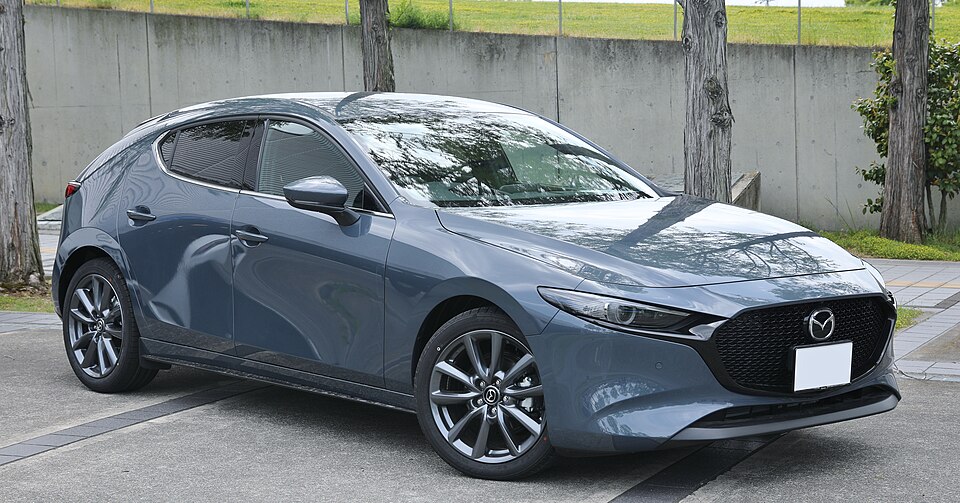
7. Mazda3
The Mazda3 represents the Japanese automaker’s commitment to building engaging, efficient vehicles that deliver both driving pleasure and environmental responsibility.
This compact car has earned recognition for reliable smog test performance through thoughtful engineering and Mazda’s “Jinba Ittai” philosophy of creating unity between car and driver.
The Mazda3’s clean emissions stem from Skyactiv engine technology, which emphasizes efficiency through innovative design rather than relying solely on complex add-on emission control systems, resulting in a vehicle that maintains low emissions with minimal maintenance requirements.
Mazda’s Skyactiv-G gasoline engines, featured in the Mazda3, achieve an impressive compression ratio that would typically cause knocking in conventional engines.
Mazda overcomes this challenge through careful combustion chamber design, optimized fuel injection strategies, and sophisticated engine management.
The high compression ratio improves thermal efficiency, meaning more of the fuel’s energy is converted to useful work rather than waste heat, resulting in lower fuel consumption and reduced emissions.
This fundamental efficiency advantage means the Mazda3 produces fewer pollutants at the source rather than relying entirely on downstream emission controls to clean up exhaust gases.
The direct fuel injection system in Skyactiv engines precisely meters fuel delivery, injecting it at high pressure directly into the combustion chamber.
This precision allows for stratified charge operation in some conditions, where a fuel-rich mixture near the spark plug is surrounded by leaner mixture elsewhere in the cylinder, enabling stable combustion with less fuel.
The injectors are positioned to create optimal fuel spray patterns that promote thorough mixing with air and complete combustion. Mazda’s fuel injection systems have proven reliable and maintain their precision spray characteristics over time, avoiding the deterioration that can increase emissions in aging vehicles.
The charcoal canister that captures fuel vapors uses a high-capacity design that effectively stores vapors under various temperature conditions.
The purge valve operates reliably, and Mazda’s programming strategy for vapor purging is conservative, avoiding the aggressive purging that can cause drivability issues in some vehicles.
These design choices collectively ensure the Mazda3’s evaporative system continues functioning effectively throughout the vehicle’s life.
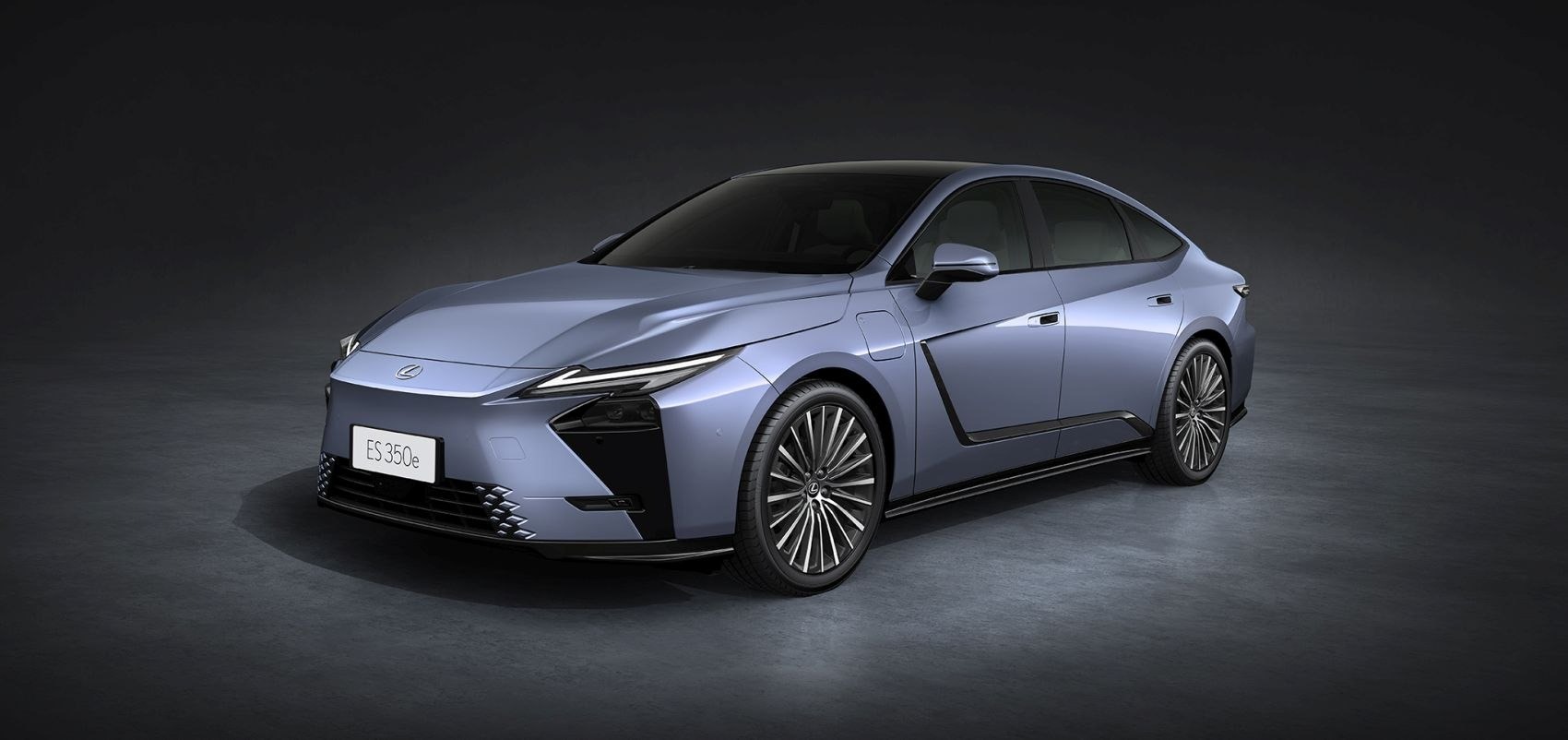
8. Lexus ES
The Lexus ES luxury sedan brings Toyota’s renowned reliability and emissions performance to the premium segment, offering owners the confidence that comes with exceptional build quality and meticulous engineering.
This mid-size luxury vehicle consistently demonstrates outstanding smog test performance, maintaining low emissions while delivering the refined, quiet operation expected from a luxury brand.
The ES’s success in emissions testing reflects Lexus’s approach of over-engineering critical systems, using premium components, and implementing comprehensive quality control measures that ensure vehicles perform reliably throughout their operational lives.
The Lexus ES shares its fundamental platform and many components with the Toyota Camry, benefiting from the proven emissions technologies that make the Camry such a reliable performer in smog testing.
However, the ES takes these foundations further with additional refinement, higher-quality materials, and enhanced engineering that raise performance in all aspects, including emissions control.
The luxury positioning allows Lexus to use more expensive catalyst materials, tighter manufacturing tolerances, and more sophisticated engine management strategies than would be practical in more affordably priced vehicles.
The ES’s engine lineup has historically featured smooth, refined powerplants that prioritize quiet operation and linear power delivery over outright performance.
These characteristics align well with low emissions, as the moderate power outputs and conservative tuning keep combustion temperatures and cylinder pressures within ranges that minimize nitrogen oxide formation.
The federal emissions warranty covers many key components for eight years or 80,000 miles, and Lexus often addresses emissions-related concerns beyond the warranty period as a matter of customer satisfaction.
This support, combined with the ES’s inherent reliability, means owners rarely face unexpected emissions-related expenses. The vehicle’s strong residual values and long-term dependability make it an excellent choice for buyers seeking a luxury vehicle that won’t present emissions headaches.
9. Honda CR-V
The Honda CR-V has dominated the compact SUV segment for years, combining practicality, reliability, and strong fuel economy with consistently excellent emissions performance.
This versatile vehicle appeals to families and individuals seeking higher seating positions and cargo capacity without sacrificing the efficiency and emissions cleanliness typically associated with smaller cars.
The CR-V’s track record for passing smog tests is comparable to Honda’s sedan offerings, demonstrating that the company’s engineering excellence extends across their entire product lineup.
Honda engineers the CR-V with the same attention to emissions compliance that characterizes all their vehicles, applying lessons learned across their entire model range.
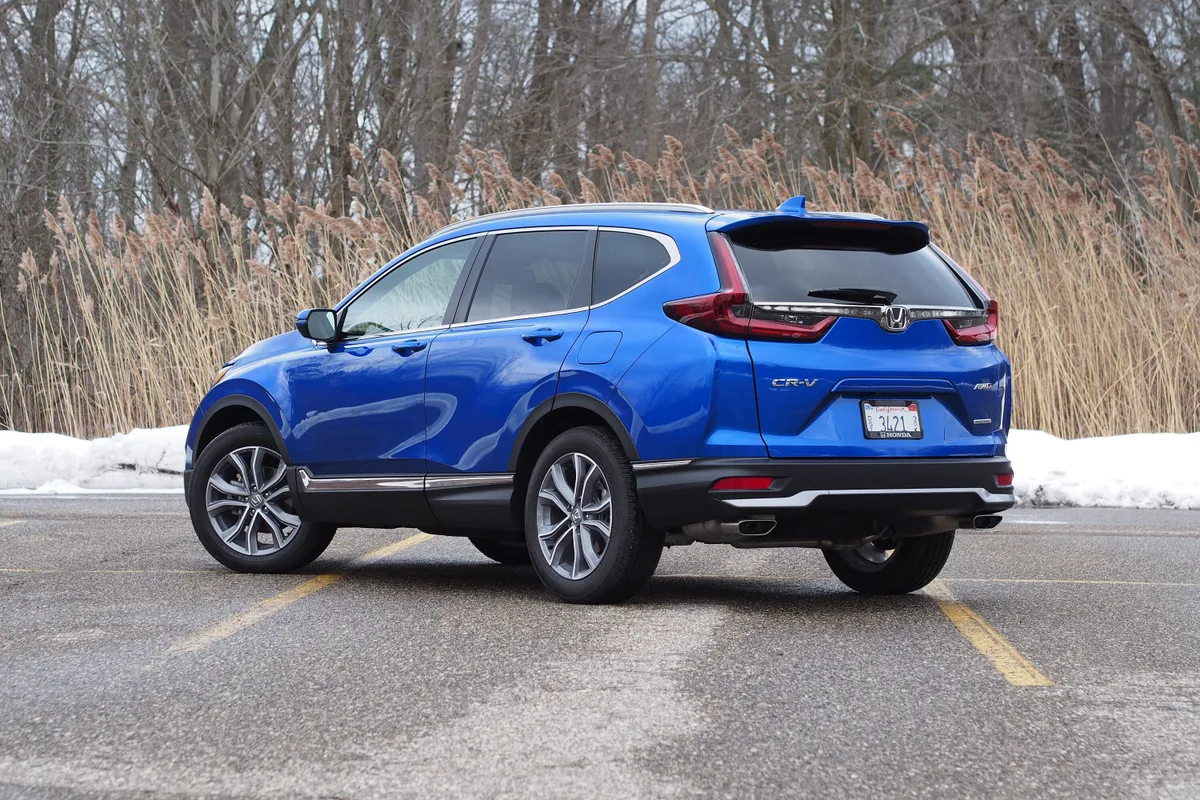
The compact SUV format presents unique challenges for emissions control compared to sedans, primarily due to increased weight and aerodynamic drag, but Honda addresses these challenges through efficient powertrain design and comprehensive emission control systems.
The result is a vehicle that achieves emissions levels comparable to much smaller cars while providing SUV versatility. Honda’s diagnostic systems in the CR-V provide comprehensive monitoring of all emission-related components, with the ability to detect even minor issues before they result in raised emissions or drivability problems.
The system can identify misfires in individual cylinders, detect catalyst efficiency degradation, monitor oxygen sensor response times, and verify evaporative system integrity through automated leak tests.
When issues are detected, specific diagnostic codes are stored that guide technicians to the problem source, facilitating quick, accurate repairs.
This sophisticated monitoring helps ensure that CR-Vs remain in smog-compliant condition throughout their operational lives, alerting owners to address issues before test time.
10. Toyota RAV4
The Toyota RAV4 has become America’s best-selling SUV, a position it has earned through exceptional reliability, practicality, and consistent emissions performance that rivals smaller, lighter vehicles.
This compact SUV delivers the versatility and capability that modern buyers demand while maintaining the clean emissions and environmental responsibility that have become hallmarks of the Toyota brand.
The RAV4’s success in passing smog tests consistently across multiple generations and hundreds of thousands of miles makes it an ideal choice for environmentally conscious buyers who need SUV functionality. Toyota applies the same engineering rigor to the RAV4 that has made their sedans so successful in emissions compliance.
The SUV format presents inherent challenges for emissions control, primarily due to increased vehicle weight and aerodynamic drag compared to passenger cars, but Toyota addresses these challenges through sophisticated powertrain engineering and comprehensive emission control systems.
The RAV4 achieves emissions levels that often surprise smog technicians who expect higher readings from SUVs, demonstrating that vehicle size need not be incompatible with clean operation.
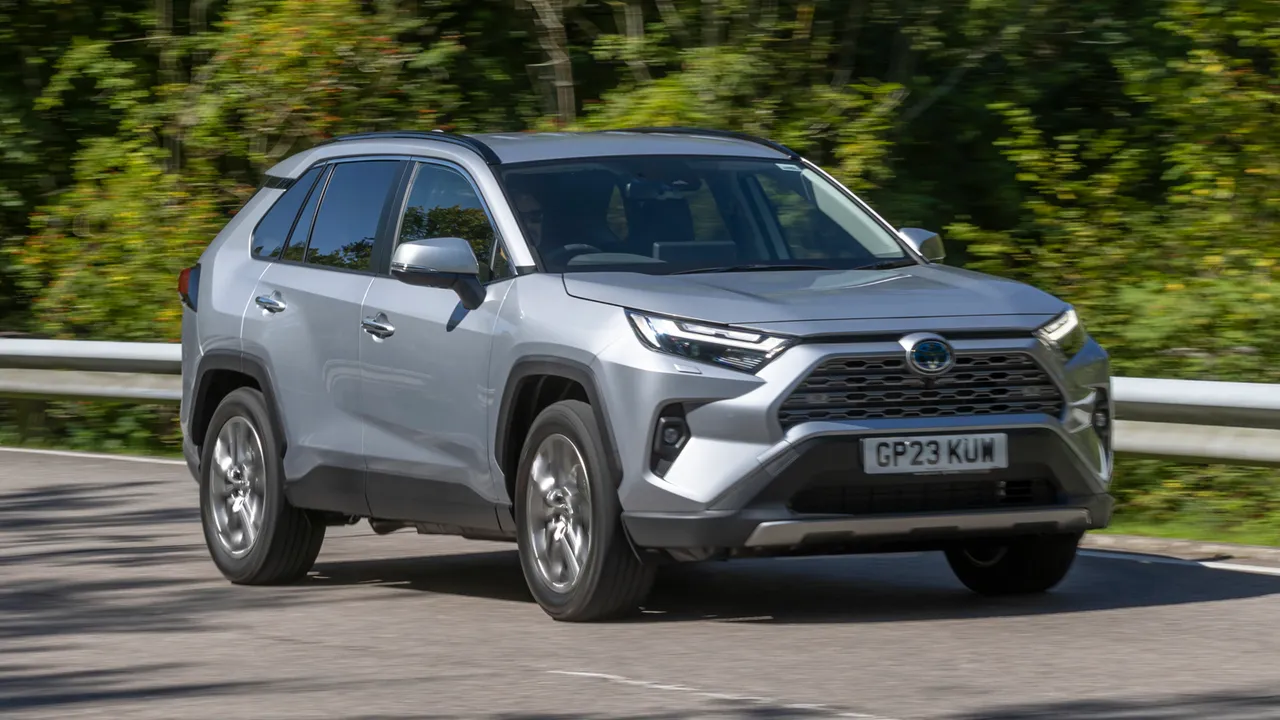
The RAV4’s engine lineup has evolved over multiple generations, with each iteration bringing improved efficiency and reduced emissions.
Current models offer both conventional gasoline and hybrid powertrains, with the hybrid variant providing exceptional emissions performance that approaches passenger car levels.
The gasoline engines feature Toyota’s proven D-4S dual injection system, which combines direct and port injection to optimize combustion efficiency across varying operating conditions.
Toyota’s recommended maintenance intervals are conservative, providing margins that accommodate slight delays without compromising emissions performance.
The RAV4 responds particularly well to preventive maintenance, with emission control components that maintain their effectiveness when basic service requirements are met consistently.
11. Mazda CX-5
The Mazda CX-5 brings the Japanese automaker’s Skyactiv technology to the compact SUV segment, delivering engaging driving dynamics and impressive efficiency alongside consistently excellent emissions performance. This vehicle demonstrates that SUVs need not compromise environmental responsibility for utility and driving enjoyment.
The CX-5’s clean emissions stem from Mazda’s philosophy of optimizing fundamental engine efficiency rather than relying primarily on complex emission control systems to clean up exhaust gases, resulting in a vehicle that maintains low emissions with straightforward maintenance requirements.
Mazda’s Skyactiv-G engines, featured across the CX-5 lineup, achieve remarkable efficiency through high compression ratios that would cause knocking in conventional designs.
Mazda prevents knocking through careful combustion chamber engineering, including a unique cavity shape that promotes stable combustion, and sophisticated fuel injection strategies that precisely control mixture formation.
The high compression ratio improves thermal efficiency substantially, meaning more of the fuel’s energy converts to useful work rather than waste heat, resulting in lower fuel consumption and reduced emissions at the source.
This fundamental efficiency advantage means the CX-5 produces fewer pollutants before emission control systems even begin processing exhaust gases.

The direct injection fuel system in the CX-5 delivers fuel at high pressure directly into the combustion chamber, allowing precise control over mixture formation and combustion timing.
Mazda’s implementation uses multi-hole injectors that create fine fuel sprays for thorough mixing with intake air, promoting complete combustion.
The fuel injection timing is carefully calibrated to avoid the particulate emissions that sometimes plague direct injection engines, and Mazda has refined their strategies through successive model years to optimize the balance between efficiency, emissions, and performance.
Mazda’s service intervals are designed to maintain optimal engine condition and emission control system performance. The CX-5 responds well to preventive maintenance, with emission control components that maintain their effectiveness when basic services are performed consistently.
Many CX-5 owners report never experiencing emissions-related issues throughout their ownership, testifying to the durability and reliability of Mazda’s emission control systems.
12. Nissan Leaf
The Nissan Leaf occupies a unique position on this list as the only fully electric vehicle, representing the ultimate in emissions performance for smog testing purposes.
This pioneering electric vehicle produces zero tailpipe emissions, making smog test passage not just likely but guaranteed in most testing jurisdictions.
The Leaf demonstrates that emissions compliance need not involve compromise, offering practical, affordable electric transportation that eliminates tailpipe pollutants entirely while providing the reliability and low operating costs that have made it one of the world’s best-selling electric vehicles.
The fundamental advantage of the Leaf for emissions compliance is its complete absence of a combustion engine and consequently no tailpipe emissions whatsoever.
There are no hydrocarbons, carbon monoxide, or nitrogen oxides produced during vehicle operation, eliminating the pollutants that smog tests are designed to measure.
In jurisdictions where smog testing applies to electric vehicles at all, the Leaf typically passes by default or receives exemptions from testing requirements.
This zero-emission operation represents the cleanest possible outcome for local air quality, contributing no pollutants to the immediate environment where the vehicle operates.
Many states and regions have recognized the inherently clean nature of electric vehicles by exempting them from periodic smog testing requirements altogether.
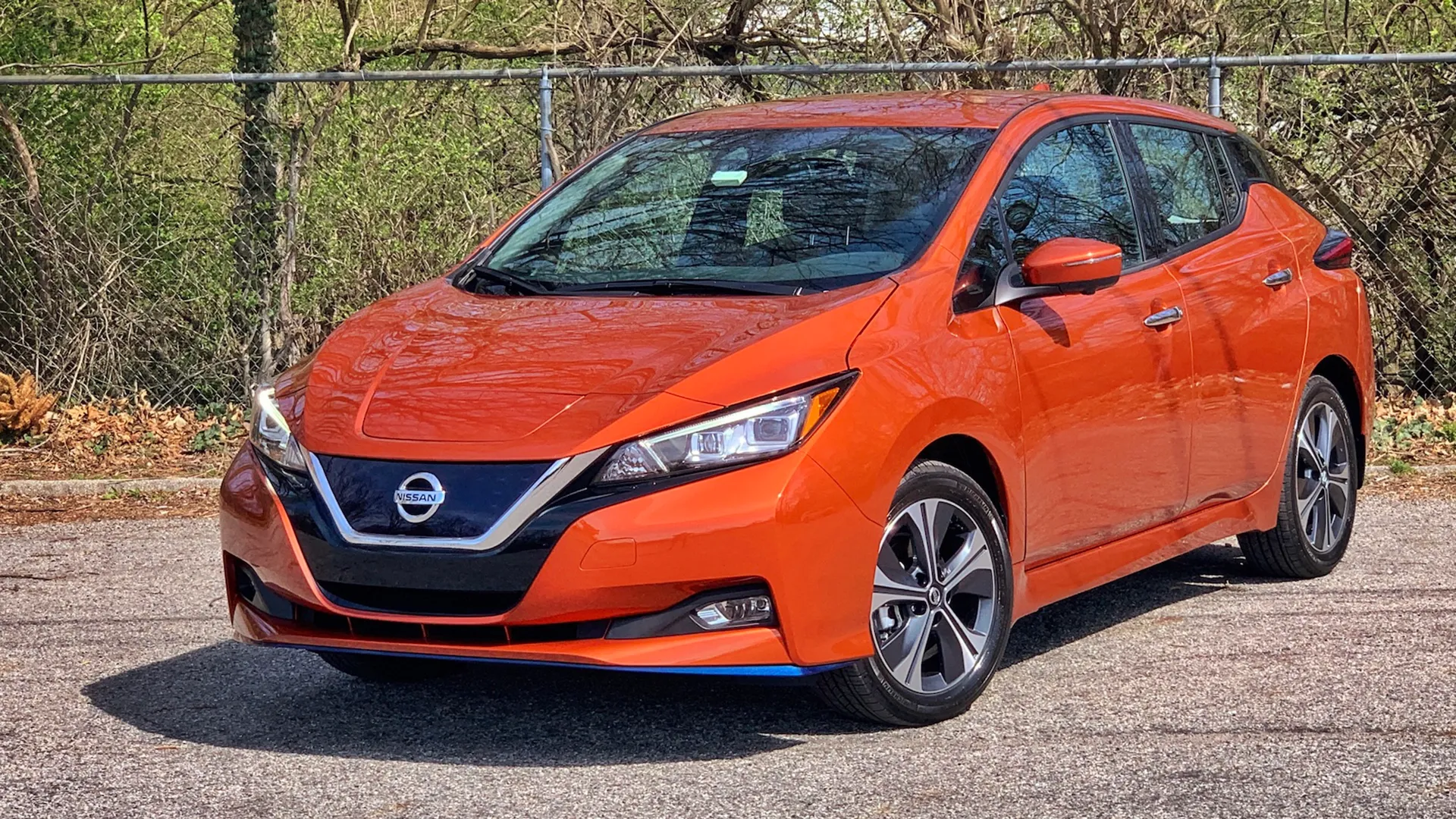
In these jurisdictions, Leaf owners enjoy the benefit of never needing to visit a smog test station, eliminating the time, expense, and potential inconvenience associated with emissions testing.
This exemption represents a significant ownership advantage, particularly for drivers in areas where smog testing is required biennially or annually for conventional vehicles. The Leaf owner simply renews registration without the prerequisite smog certificate, streamlining vehicle ownership.
The Leaf represents the future of automotive emissions compliance, demonstrating that zero-emission transportation is practical, affordable, and reliable with current technology.
As charging infrastructure continues expanding and range capabilities improve across the electric vehicle sector, vehicles like the Leaf will increasingly replace combustion-powered cars, dramatically improving air quality in urban areas where vehicle emissions contribute significantly to pollution.
For buyers seeking absolute certainty regarding smog test compliance, combined with low operating costs and environmental responsibility, the Nissan Leaf offers compelling advantages that conventional vehicles, regardless of how clean their combustion systems, cannot match.
Also Read: 10 Cars That Keep Their Luxury Touch Forever
