
Living in snow states comes with beautiful winter world, skiing opportunities, and cozy fireside evenings, but it also brings one of the most destructive forces for vehicle owners: rust.
Every winter, municipalities across the northern United States and Canada dump millions of tons of road salt onto highways and streets to keep traffic moving safely through ice and snow.
While this salt undeniably saves lives by improving traction, it creates a corrosive nightmare for vehicles, eating away at metal components with relentless efficiency.
The combination of salt, moisture, freezing temperatures, and the constant cycle of thawing and refreezing creates the perfect environment for oxidation to take hold, turning once-pristine SUVs into rust buckets within just a few years.
The financial impact of rust cannot be overstated. Beyond the obvious aesthetic damage of bubbling paint and brown stains creeping up from wheel wells and door edges, rust compromises structural integrity, safety systems, and mechanical components.
Frame rust can make a vehicle unsafe to drive and essentially worthless in the used car market. Exhaust systems corrode and fail prematurely. Brake lines rust through, creating potentially catastrophic safety hazards.
Suspension components weaken and break. The average cost to repair serious rust damage easily runs into thousands of dollars, and in many cases, the damage is so extensive that the vehicle becomes a total loss long before its engine or transmission would have worn out.
Understanding which SUVs offer superior rust resistance involves looking beyond marketing claims to examine real-world performance data, manufacturing processes, and owner experiences across years of harsh winter driving.
The ten SUVs featured in this comprehensive guide have earned their reputations through proven performance in some of North America’s harshest climates, demonstrating that it is indeed possible to drive through snow state winters without watching your investment dissolve into rust.
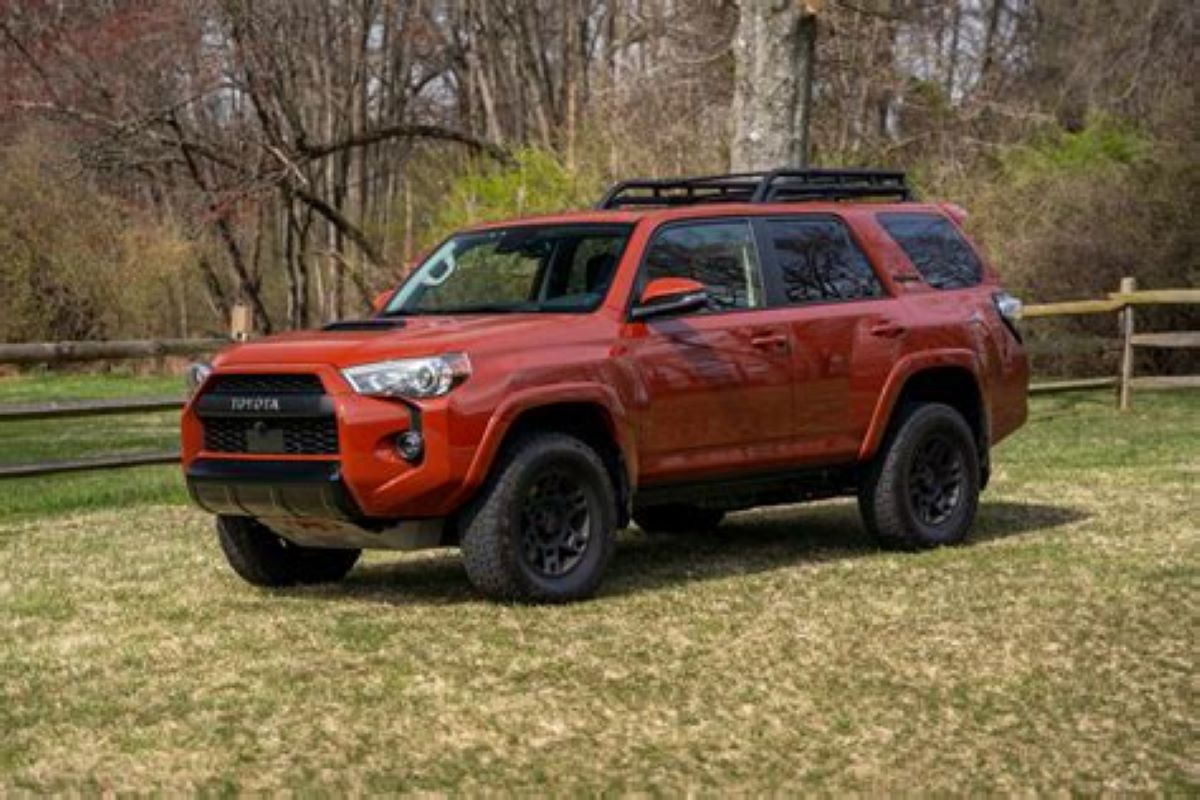
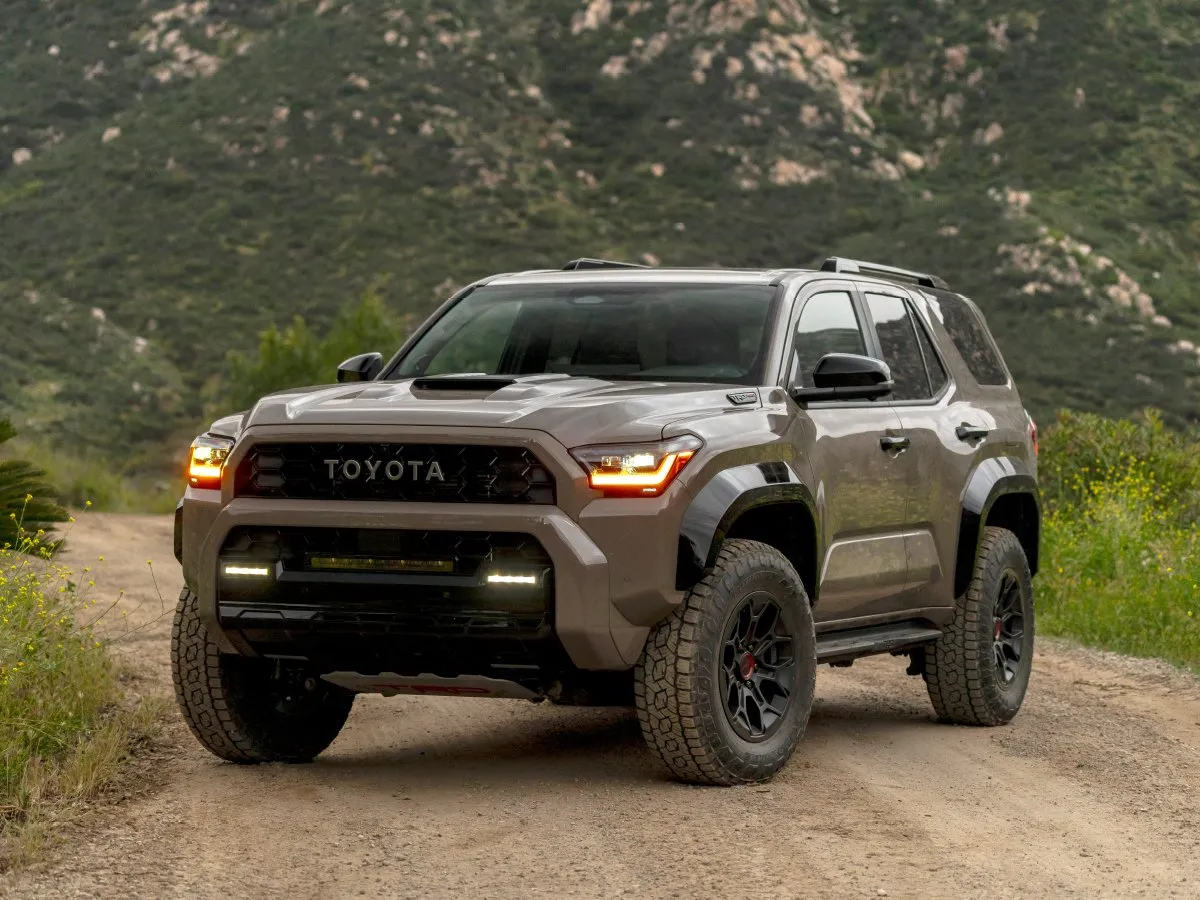
1. Toyota 4Runner
The Toyota 4Runner stands as a legendary example of rust resistance done right, combining old-school body-on-frame construction with modern corrosion protection technologies that have made it a favorite among off-road enthusiasts and winter warriors alike.
Toyota’s approach to building the 4Runner emphasizes long-term durability over short-term cost savings, resulting in a vehicle that can withstand decades of exposure to road salt, mud, snow, and harsh weather conditions without the structural rust that plagues many modern SUVs.
The 4Runner’s reputation for longevity isn’t just marketing hype; it’s validated by countless examples of high-mileage trucks still running strong in harsh climates from Alaska to Maine.
Toyota’s corrosion resistance strategy for the 4Runner begins with the fundamental architecture of body-on-frame construction, which provides inherent advantages for rust prevention compared to unibody designs.
The separate frame and body allow Toyota to apply extensive protective coatings to the frame before the body is mounted, ensuring comprehensive coverage of this critical structural component.
The frame itself receives multiple stages of protective treatment, including thorough cleaning, phosphate conversion coating, primer application, and a durable topcoat specifically formulated to resist chip damage and chemical exposure.
This multi-layer protection system creates redundant barriers against corrosion, ensuring that even if the outer layer becomes damaged, underlying protection remains intact.
The 4Runner’s body panels incorporate extensive use of galvanized steel, where zinc coating provides sacrificial protection that prevents rust from forming even in areas where paint becomes chipped or scratched.
Toyota’s galvanization process involves immersing steel panels in molten zinc or applying zinc through electrochemical deposition, creating a metallurgical bond that becomes an integral part of the steel itself rather than simply a surface coating.
This approach means that exposed edges, cut lines, and drilled holes all receive protection, eliminating many of the vulnerable entry points where rust typically initiates in other vehicles.
Real-world validation of the 4Runner’s exceptional rust resistance comes from owners across North America’s harshest climates, where fifteen and twenty-year-old examples remain structurally sound and mechanically reliable despite decades of winter driving.
Professional vehicle inspectors and mechanics frequently comment on the remarkable condition of older 4Runner frames and bodies compared to other vehicles of similar age and usage.
This proven longevity has created strong demand for used 4Runners in snow states, where buyers recognize that Toyota’s engineering investment translates directly into long-term value and reliability.
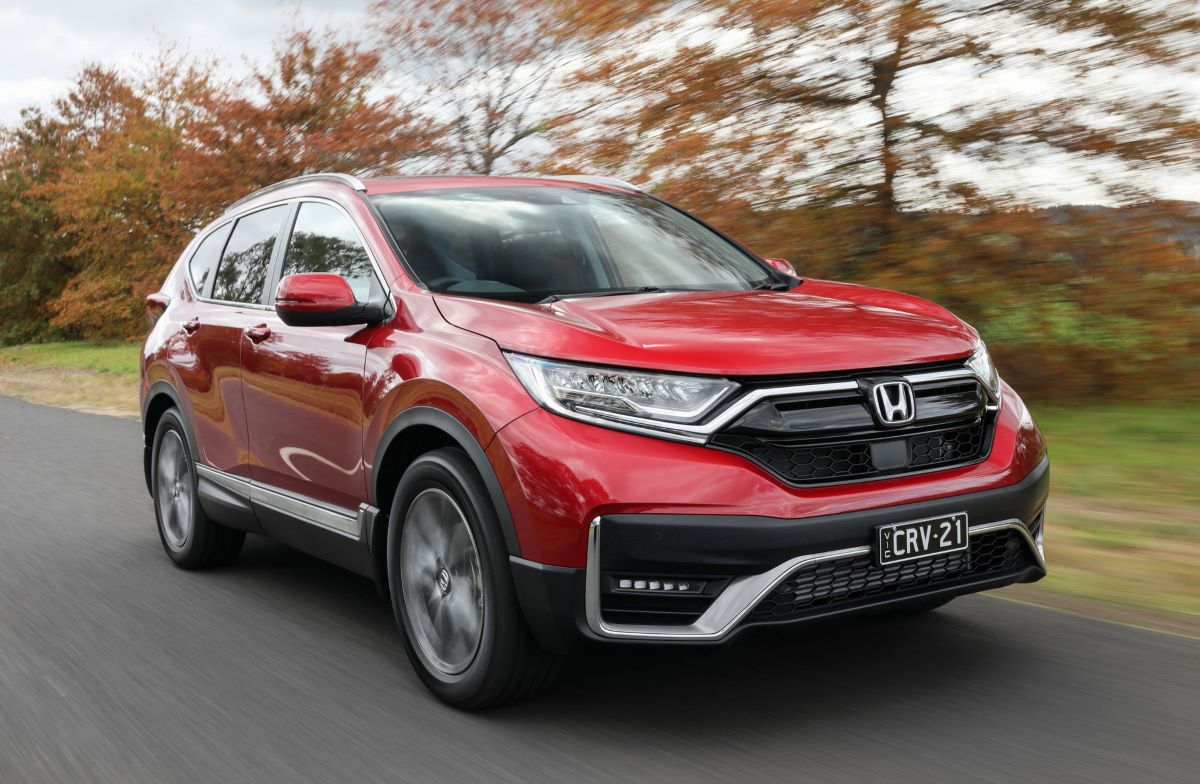
2. Honda CR-V
The Honda CR-V represents the gold standard for corrosion resistance in the compact crossover segment, combining Honda’s legendary reliability with comprehensive rust prevention technologies that ensure exceptional longevity even under harsh winter conditions.
Honda’s engineering philosophy emphasizes practical, real-world durability over flashy features, resulting in systematic corrosion protection that addresses fundamental causes of rust formation rather than masking problems with temporary solutions.
The CR-V’s exceptional rust resistance reflects decades of Honda’s experience building vehicles for global markets, including regions where humid coastal environments and road salt application create extremely challenging operating conditions.
Honda’s approach to corrosion prevention in the CR-V starts with extensive use of galvanized steel throughout the unibody structure, creating a foundation that resists oxidation even when surface coatings become damaged.
The galvanization process Honda employs involves precisely controlled electrochemical deposition that ensures uniform zinc coating thickness across complex body panel geometries, including the deep recesses and tight corners where traditional spray coatings might leave gaps.
This comprehensive galvanization extends to structural members, floor panels, door frames, and even many reinforcement pieces that remain hidden once the vehicle is assembled, demonstrating Honda’s commitment to long-term durability throughout the entire structure.
The CR-V’s paint system represents another critical layer in Honda’s corrosion defense strategy, with multiple stages of surface preparation and coating application that create a durable barrier against environmental exposure.
Before any paint reaches the metal, each body undergoes thorough cleaning and phosphate treatment that removes contaminants and creates a chemically reactive surface that bonds strongly with subsequent primer layers.
Honda applies multiple coats of primer, base color, and clear protective topcoat in carefully controlled environments that ensure proper adhesion, uniform thickness, and complete coverage.
The clear coat itself is formulated with UV inhibitors and impact-resistant polymers that maintain their protective properties through years of sun exposure, rock chips, and chemical contact.
Honda’s quality control processes ensure consistent corrosion protection across all CR-V production, with comprehensive inspection protocols that verify coating thickness, sealing effectiveness, and system integrity.
This attention to manufacturing excellence, combined with the CR-V’s proven design, has resulted in exceptional real-world longevity in snow belt states.
Owners routinely report minimal rust development even after a decade or more of winter driving, and used CR-V models from northern climates command strong resale values because buyers recognize their proven durability and reliability.
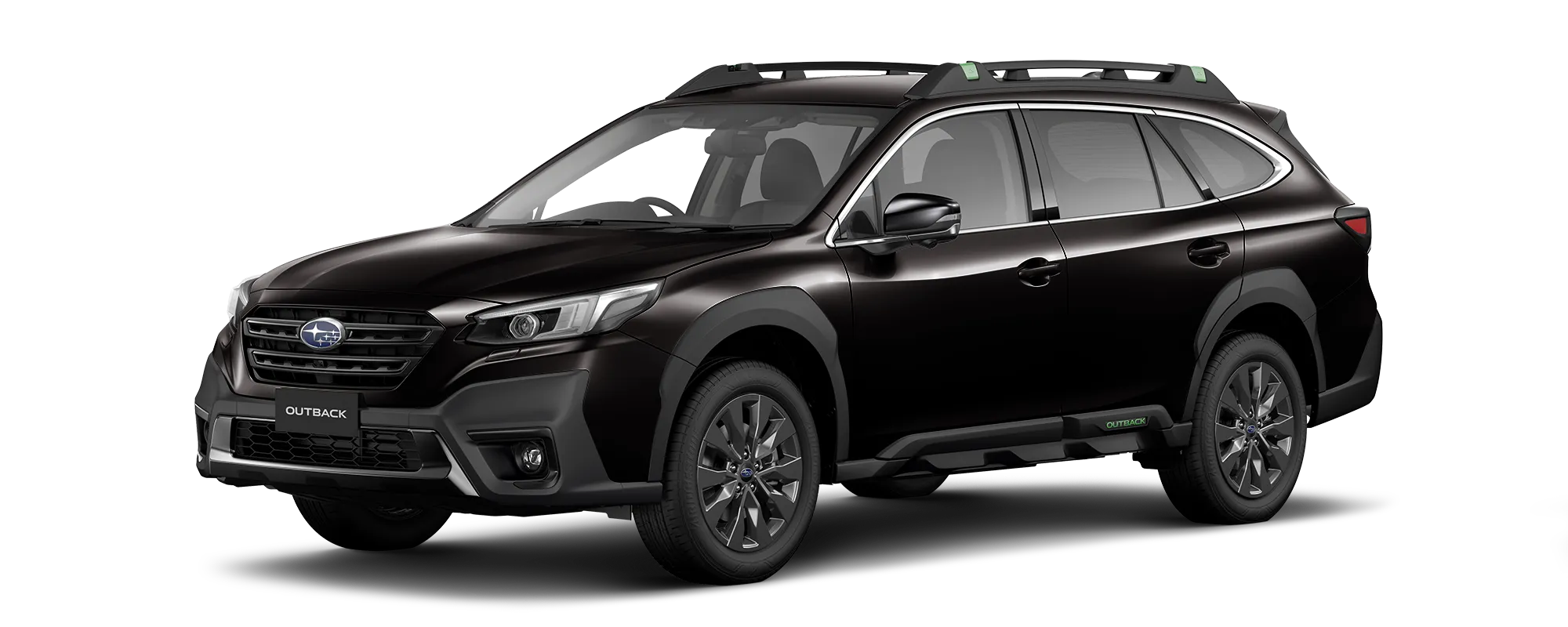
3. Subaru Outback
The Subaru Outback has become synonymous with winter capability and long-term durability, earning a devoted following among drivers in snow states who depend on their vehicles through harsh winters year after year.
While some debate whether the Outback qualifies as an SUV or a wagon, its raised ground clearance, rugged styling, and standard all-wheel drive place it firmly in the adventure-ready category that buyers seek when shopping for winter-capable vehicles.
More importantly, the Outback’s exceptional rust resistance has made it a favorite in regions where road salt application and harsh weather conditions typically destroy lesser vehicles within just a few short years.
Subaru’s approach to corrosion prevention reflects the company’s deep understanding of harsh climate challenges, developed through decades of experience in the Japanese market where humid coastal environments and heavy snowfall in mountainous regions create demanding operating conditions.
This experience informs every aspect of the Outback’s construction, from material selection through manufacturing processes to final assembly quality control.
Subaru uses extensive galvanization throughout the Outback’s unibody structure, applying zinc coating to body panels, floor sections, and structural reinforcements that form the vehicle’s foundation.
The galvanization process creates a metallurgical bond between zinc and steel that provides sacrificial protection, meaning the zinc corrodes preferentially to protect the underlying steel even when surface coatings become damaged.
The Outback’s body design incorporates numerous features specifically engineered to prevent water and salt accumulation in areas where corrosion typically initiates. Subaru’s engineers have paid meticulous attention to seam configurations and joint designs, using overlapping arrangements that shed water naturally while preventing salt-laden spray from penetrating into hidden cavities.
Door frames feature multiple sealing barriers with strategically placed drain holes that ensure water cannot become trapped against metal surfaces.
The rocker panels, wheel wells, and lower body sections where road spray concentrates receive additional protection through reinforced coatings and careful sealing of potential entry points.
Subaru’s paint system for the Outback includes multiple stages of surface preparation and coating application that create comprehensive protection against environmental exposure and mechanical damage.
The process begins with thorough cleaning and phosphate treatment that removes any surface contaminants and creates a chemically reactive layer that bonds strongly with subsequent primer coats.
Multiple layers of primer, color coat, and protective clear coat are applied in carefully controlled conditions that ensure proper adhesion, uniform coverage, and optimal curing.
The clear coat incorporates advanced polymers that resist UV degradation, impact damage, and chemical exposure, maintaining their protective properties through years of harsh weather and road spray.
The Outback’s mechanical systems benefit from Subaru’s comprehensive approach to corrosion resistance, with exhaust components manufactured from stainless steel or aluminized steel that resists rust far longer than the conventional steel found on many competing vehicles.
This proven longevity has created strong demand for used Outbacks in harsh climate areas, where buyers specifically seek them out for their combination of all-wheel drive capability and proven resistance to rust and corrosion.
4. Subaru Forester
The Subaru Forester shares much of the Outback’s exceptional rust resistance while offering a more traditional SUV body style with greater vertical cargo space and a commanding driving position that many buyers prefer.
The Forester has earned a reputation as one of the most durable compact SUVs available, particularly in snow belt states where its combination of all-wheel drive capability and comprehensive corrosion protection makes it an ideal choice for families who need reliable year-round transportation.
Subaru’s systematic approach to rust prevention in the Forester reflects the same engineering philosophy that has made all of their vehicles favorites among drivers in harsh climates.
Subaru’s corrosion protection strategy for the Forester begins with extensive galvanization throughout the vehicle’s unibody construction, creating a foundation that resists rust formation even when surface coatings become damaged through normal wear.
The galvanization process applies zinc coating to body panels, structural members, and even many hidden reinforcement pieces, ensuring comprehensive protection throughout the entire structure rather than just the visible exterior surfaces.
This metallurgical bond between zinc and steel provides long-term protection that doesn’t rely solely on intact paint, meaning that the inevitable rock chips, scratches, and abrasion that occur during normal use don’t immediately lead to rust formation.
The Forester’s body engineering incorporates thoughtful design features that prevent water and salt from accumulating in vulnerable locations where corrosion typically initiates.
Body seams use overlapping configurations that shed water naturally while preventing salt spray from penetrating into hidden cavities where moisture would accelerate oxidation.
Door frames feature multiple sealing barriers with properly positioned drain holes that ensure water exits rather than pooling against metal surfaces.
The wheel wells, lower body panels, and rocker sections that receive the most concentrated road spray exposure are designed with smooth surfaces and proper drainage that minimize salt accumulation and allow for easier cleaning during winter months.
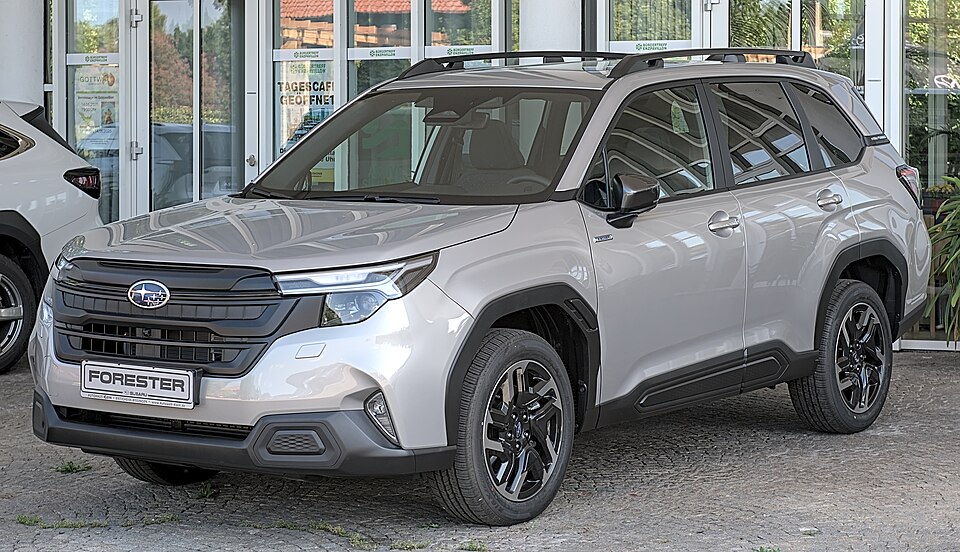
Subaru’s multi-stage paint system for the Forester creates multiple layers of protection against environmental exposure and mechanical damage.
The process includes thorough surface preparation through cleaning and phosphate treatment, followed by multiple coats of primer that bond strongly to the prepared metal surface.
Color coats and protective clear coat layers are applied in controlled environments that ensure proper curing and optimal adhesion. The clear coat formulation includes impact-resistant polymers and UV inhibitors that maintain protective properties through years of sun exposure, temperature extremes, and chemical contact from road salt and de-icing chemicals.
The Forester’s undercarriage receives comprehensive protective treatment through coatings applied to floor panels, frame rails, and suspension mounting points.
These protective layers use materials specifically formulated to remain flexible and adherent through the extreme temperature variations common in northern climates, where components might experience minus twenty degrees during nighttime parking and then warm rapidly during daytime driving.
The exhaust system incorporates stainless steel or aluminized steel components that resist corrosion far longer than conventional steel, while brake lines use materials and coatings designed to prevent the rust-induced failures that can create serious safety hazards.
Field performance data from Forester owners in snow belt regions consistently validates Subaru’s corrosion prevention efforts, with many vehicles showing minimal rust development even after ten or fifteen years of winter driving through salt-covered roads.
Professional vehicle inspectors frequently note the exceptional condition of older Forester bodies and undercarriages when compared to other compact SUVs of similar age from the same geographic areas.
This proven longevity contributes to strong resale values and high customer satisfaction, as Forester owners recognize that Subaru’s engineering investment translates directly into long-term reliability and reduced ownership costs.
Also Read: 11 Best Engines That Stay Smooth After Decades of Use
5. Audi Q5
The Audi Q5 represents German engineering excellence applied to the challenge of corrosion resistance, combining luxury appointments with industrial-grade protection against the harsh realities of winter driving in snow belt states.
Audi’s commitment to building vehicles that maintain their structural integrity, mechanical reliability, and aesthetic appeal throughout extended service lives has resulted in comprehensive anti-corrosion systems that rival or exceed those found in much more expensive vehicles.
The Q5’s rust resistance reflects Audi’s systematic approach to materials science, manufacturing precision, and quality control that ensures consistent protection across all production units.
Audi’s corrosion protection strategy begins with advanced galvanization processes that create comprehensive zinc coating throughout the Q5’s body structure.
The company uses both hot-dip galvanization and electro-galvanization depending on the specific component and required protection level, ensuring that every steel panel receives appropriate corrosion resistance.
This extensive galvanization extends to structural members, body panels, reinforcements, and even many hidden brackets and mounting points, creating redundant protection that doesn’t rely solely on intact paint and coatings.
The metallurgical bond between zinc and steel ensures that protection continues functioning even when surface layers become damaged through rock chips, scratches, or abrasion.
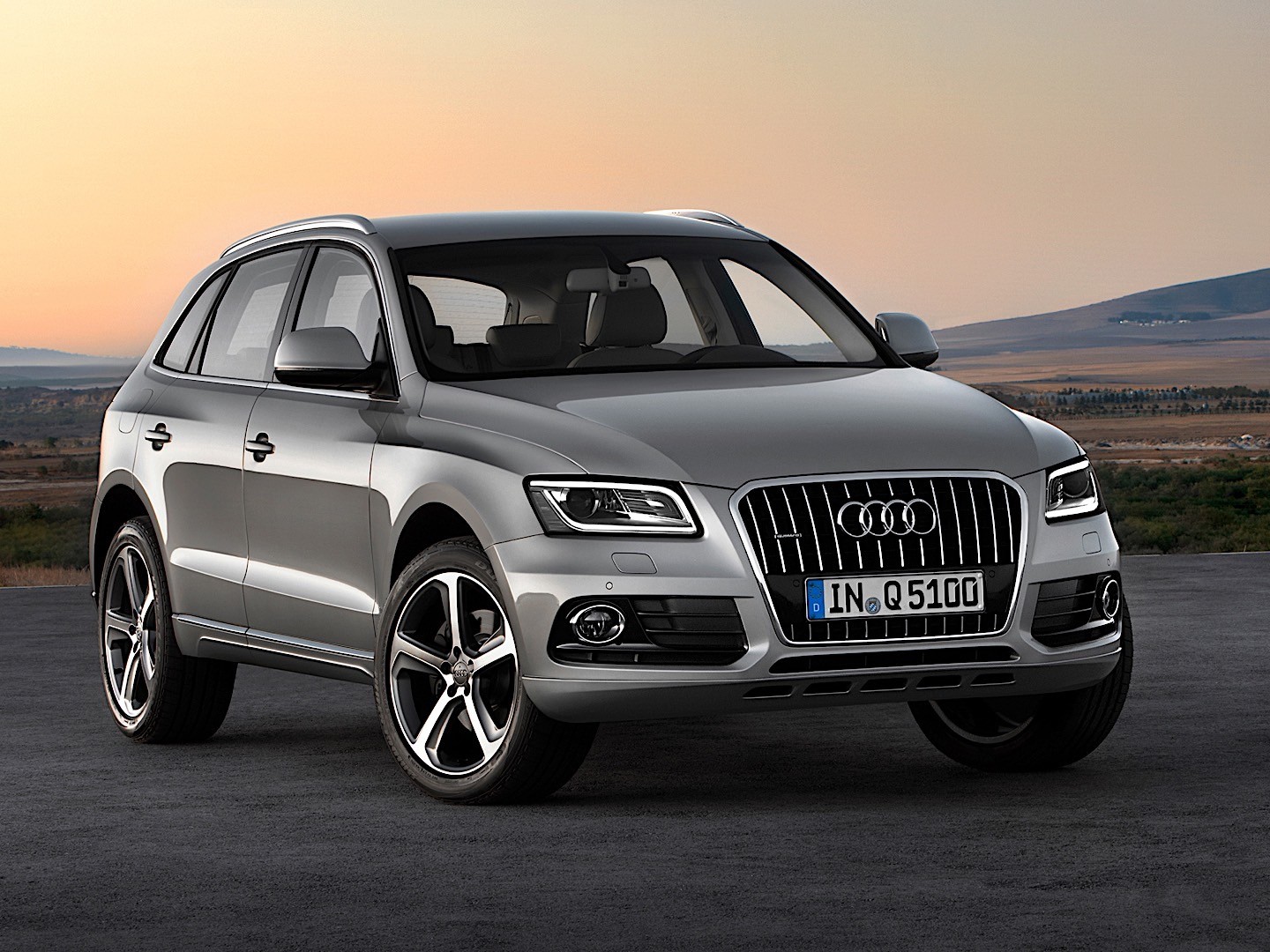
The Q5’s paint system represents one of the most sophisticated corrosion barriers in the automotive industry, with multiple stages of surface preparation and coating application performed in precisely controlled environments.
Before any paint reaches the metal, each body undergoes thorough cleaning followed by phosphate conversion coating that removes all contaminants and creates a chemically reactive surface that bonds strongly with subsequent layers.
Audi then applies cathodic electrocoat primer, where electrical current is used to deposit primer uniformly across all metal surfaces, including complex geometries, deep recesses, and tight corners that traditional spray application might miss. This electrocoat process ensures complete coverage without gaps or thin spots that could allow moisture penetration.
Audi’s quality control procedures for the Q5 include comprehensive inspection protocols that verify coating thickness, sealing effectiveness, and corrosion protection system integrity before vehicles leave the factory.
This rigorous approach ensures consistent protection across all production units, regardless of when or where they were manufactured.
Real-world performance validates Audi’s engineering efforts, with Q5 owners in snow belt states reporting minimal rust development even after years of winter driving, and used examples from northern climates commanding strong resale values because buyers recognize their proven durability and long-term reliability.
6. Volvo XC60
The Volvo XC60 embodies Swedish engineering expertise developed through decades of experience building vehicles for Scandinavian winters, where harsh weather conditions and extensive road salt application create some of the most challenging automotive environments.
Volvo’s comprehensive approach to corrosion resistance reflects the company’s understanding that rust doesn’t just affect appearance and resale value, but can also compromise the safety systems and structural integrity that the brand prioritizes above all else.
The XC60’s exceptional rust prevention capabilities stem from Volvo’s systematic integration of advanced materials, precision manufacturing, and thoughtful design that addresses corrosion at multiple levels.
Volvo’s corrosion protection philosophy emphasizes prevention through superior materials and manufacturing processes rather than relying primarily on protective coatings that may degrade over time.
The XC60’s body structure incorporates extensive galvanization throughout load-bearing and cosmetic areas, with zinc coating applied through precisely controlled electrochemical processes that ensure uniform coverage across complex geometries.
This comprehensive galvanization creates a sacrificial barrier that protects underlying steel even when surface coatings become damaged, ensuring long-term protection that extends well beyond the initial paint warranty period.
Volvo’s galvanization standards are among the most stringent in the automotive industry, reflecting the company’s commitment to building vehicles that maintain their integrity throughout extended service lives.
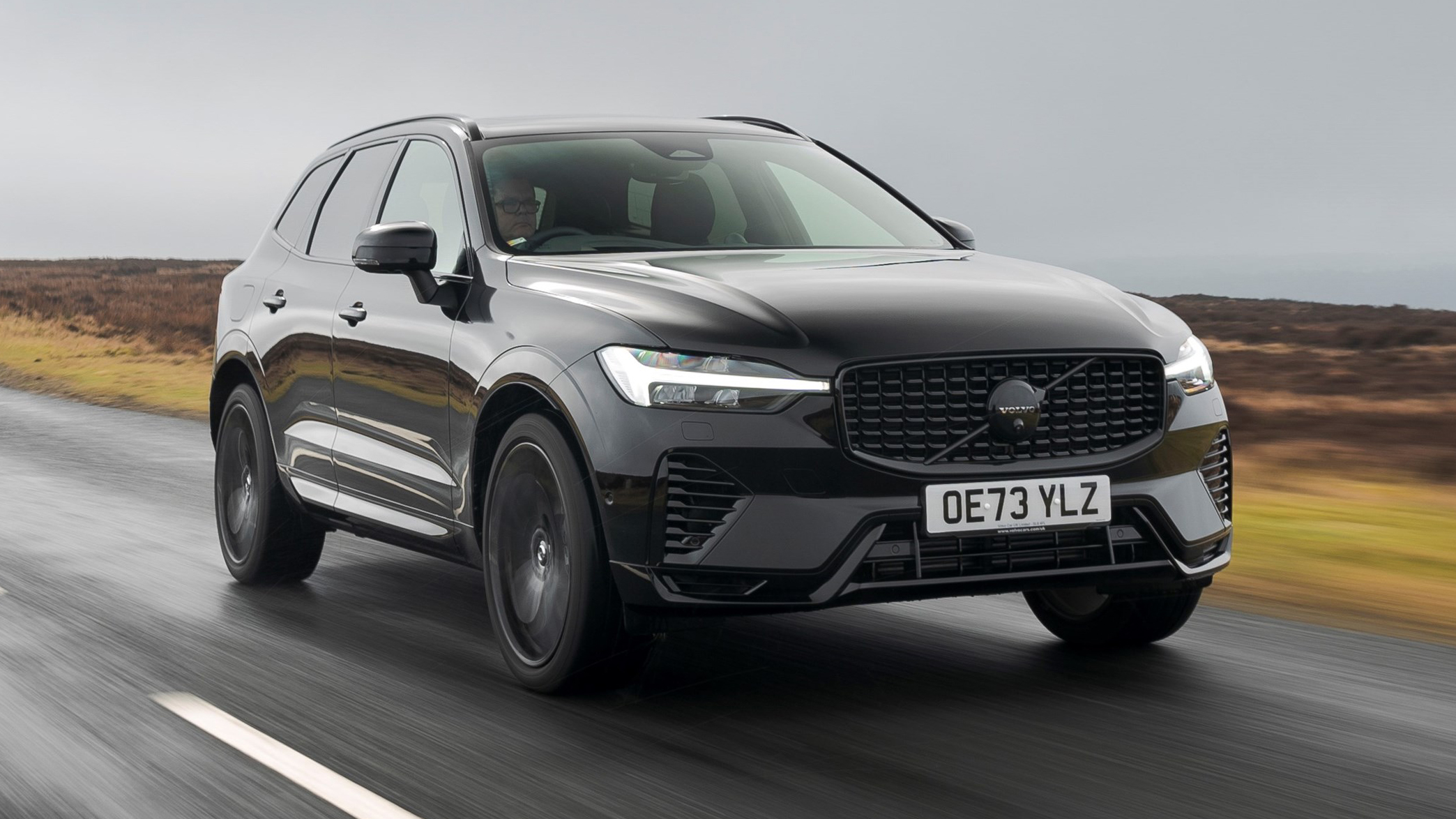
The XC60’s paint system includes multiple stages of surface preparation and coating application that create comprehensive protection against environmental exposure.
The process begins with thorough cleaning and phosphate treatment that removes any surface contaminants and creates a chemically reactive layer that bonds strongly with subsequent primer applications.
Volvo applies multiple coats of primer, with cathodic electrocoat deposition ensuring complete coverage of all metal surfaces including the complex recesses and tight corners where traditional spray application might leave vulnerable gaps.
Color coats and protective clear coat layers follow, each applied in carefully controlled environments that ensure proper curing, optimal adhesion, and uniform thickness throughout.
Field performance data from XC60 owners in snow belt regions consistently validates Volvo’s corrosion prevention efforts, with many vehicles showing minimal rust development even after extensive winter driving through salt-covered roads.
Professional automotive inspectors frequently comment on the exceptional condition of older XC60 bodies and undercarriages when compared to other luxury SUVs of similar age from the same geographic areas.
This proven longevity, combined with Volvo’s reputation for safety and reliability, has created strong demand for used XC60 models in harsh climate regions, where buyers recognize that the vehicle’s engineering excellence translates directly into long-term value.
7. Lexus RX
The Lexus RX represents Toyota’s luxury division approach to corrosion resistance, combining the legendary durability that has made Toyota vehicles favorites in harsh climates with the enhanced materials, manufacturing precision, and quality control standards that define the Lexus brand.
As one of the best-selling luxury SUVs in North America, the RX has earned a reputation not just for comfort and refinement but also for exceptional longevity and resistance to rust even under the harsh conditions common in snow belt states.
Lexus applies more rigorous standards for materials selection, manufacturing processes, and final inspection than those used in mainstream Toyota vehicles, resulting in corrosion protection that rivals European luxury brands while maintaining Toyota’s reputation for reliability.
Lexus’s corrosion protection strategy for the RX begins with premium materials and advanced manufacturing processes that create comprehensive barriers against environmental degradation.
The vehicle’s unibody structure incorporates high-grade galvanized steel throughout structural and cosmetic applications, with zinc coating applied through precisely controlled electrochemical processes that ensure uniform thickness and optimal adhesion characteristics.
This premium galvanization creates a metallurgical bond between zinc and steel that provides long-term sacrificial protection, meaning the zinc corrodes preferentially to protect underlying steel even when surface coatings become damaged through normal use.
The extensive galvanization extends to body panels, structural reinforcements, floor sections, and even many hidden brackets and mounting points.
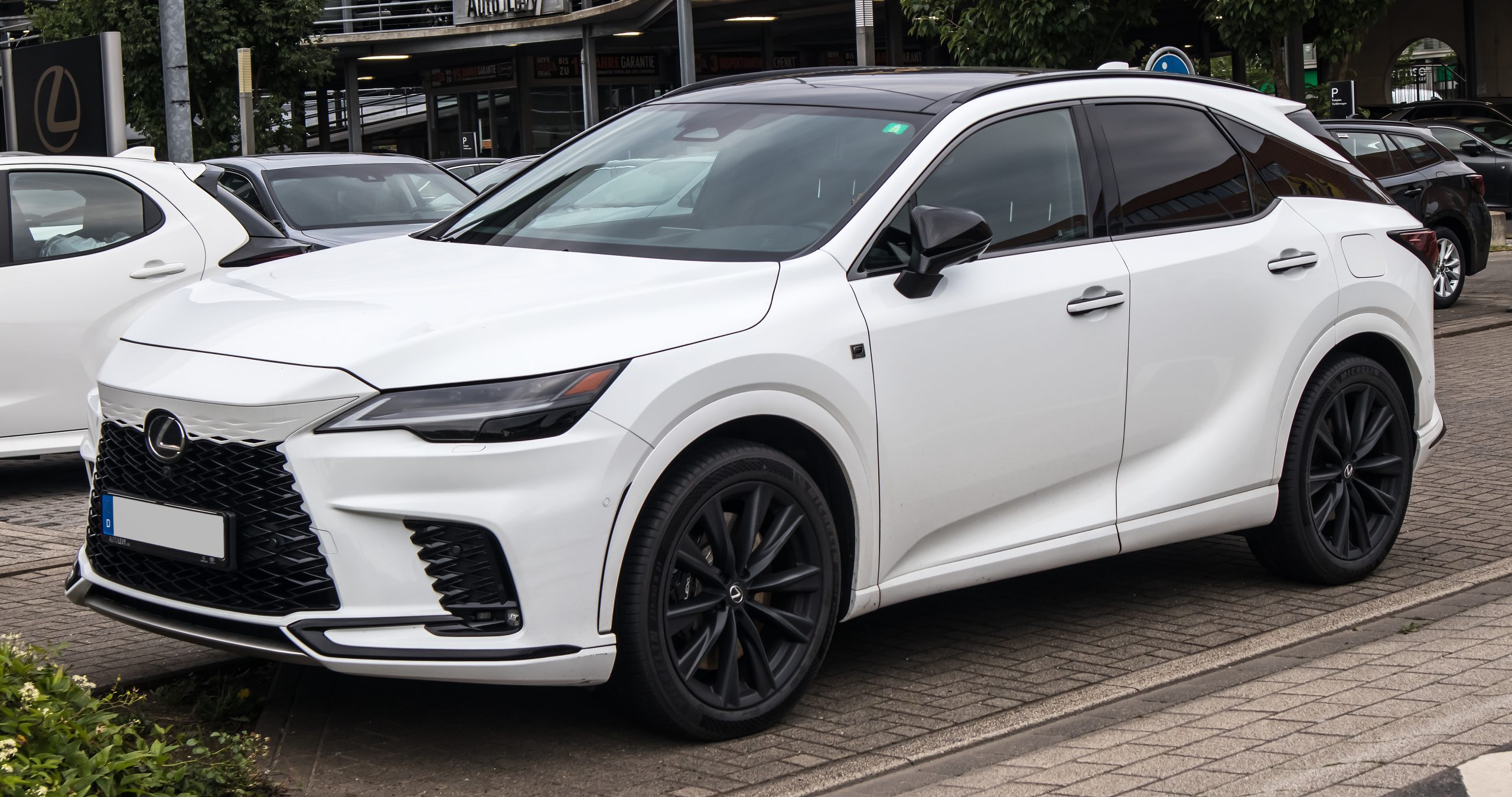
Real-world performance data from RX owners in snow belt states consistently demonstrates the effectiveness of Lexus’s comprehensive approach to rust prevention.
Professional automotive inspectors frequently comment on the exceptional condition of older RX models, particularly when compared to other luxury SUVs of similar age and usage patterns.
Many owners report minimal rust development even after a decade or more of winter driving through salt-covered roads, with only superficial surface oxidation in areas of heavy stone chip damage.
This exceptional longevity has contributed to outstanding resale values and extremely high customer satisfaction ratings, making the RX an excellent choice for luxury SUV buyers who prioritize long-term reliability and durability.
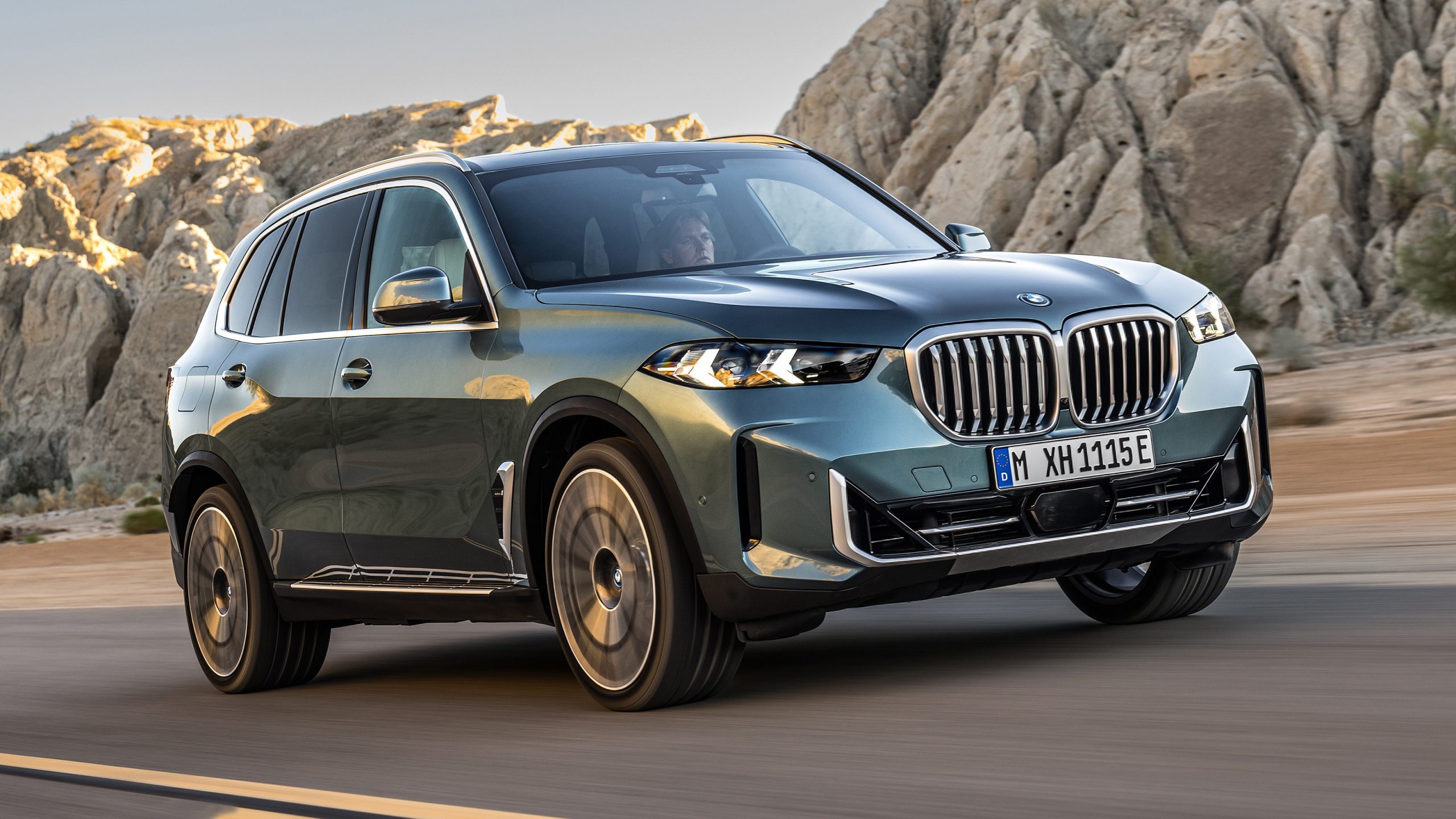
8. BMW X5
The BMW X5 exemplifies Bavarian engineering excellence applied to the challenge of building luxury SUVs that maintain their structural integrity, mechanical reliability, and aesthetic appeal throughout extended service in harsh winter climates.
BMW’s comprehensive approach to corrosion resistance reflects the company’s understanding that premium vehicles must deliver exceptional longevity to justify their higher purchase prices and maintain brand reputation for engineering excellence.
The X5’s rust resistance stems from BMW’s systematic integration of advanced materials science, precision manufacturing processes, and rigorous quality control procedures that ensure consistent protection across all production units.
BMW’s corrosion protection strategy for the X5 begins with extensive use of high-grade galvanized steel throughout the vehicle’s body structure, with zinc coating applied through both hot-dip and electro-galvanization processes depending on the specific component and required protection level.
This comprehensive galvanization creates metallurgical bonds between zinc and steel that provide long-term sacrificial protection even when surface coatings become damaged through rock chips, scratches, or abrasion during normal use.
The galvanization extends to structural members, body panels, floor sections, reinforcements, and even many hidden brackets and mounting points, creating redundant protection layers throughout the entire structure.
The X5’s paint system incorporates BMW’s advanced cathodic electrocoat process, where electrical current deposits primer uniformly across all metal surfaces with precision that traditional spray application cannot match.
This electrocoat primer reaches into complex geometries, deep recesses, and tight corners, ensuring complete coverage without gaps or thin spots that could allow moisture penetration.
Following the electrocoat primer, the X5 receives multiple layers of primer surfacer, color coat, and protective clear coat, each applied and cured under carefully monitored conditions that ensure optimal adhesion, uniform thickness, and complete coverage.
The clear coat formulation incorporates advanced polymers that provide exceptional resistance to UV degradation, impact damage, and chemical exposure from road salt and modern de-icing chemicals.
Real-world validation of the X5’s exceptional rust resistance comes from owners in snow belt states who report minimal corrosion development even after years of winter driving through salt-covered roads.
Professional automotive inspectors consistently comment on the remarkable condition of older X5 models compared to other luxury SUVs of similar age and usage patterns.
This proven longevity has contributed to strong resale values and high customer satisfaction ratings, making the X5 an excellent choice for buyers who demand both luxury appointments and exceptional durability in harsh winter environments.
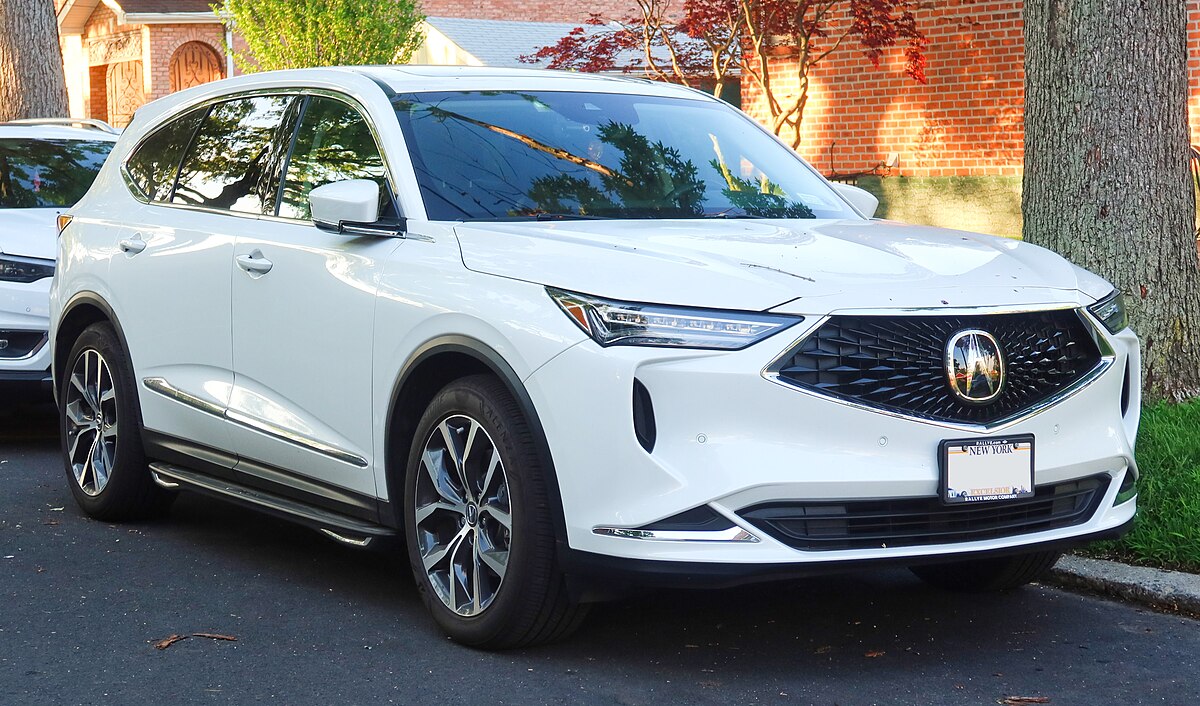
9. Acura MDX
The Acura MDX represents Honda’s luxury division approach to building three-row SUVs that combine family-friendly practicality with exceptional rust resistance and long-term durability.
As Honda’s premium brand, Acura applies enhanced materials specifications, manufacturing precision, and quality control standards that exceed those used in mainstream Honda vehicles, resulting in corrosion protection systems that deliver luxury-vehicle longevity while maintaining Honda’s reputation for reliability and practical value.
The MDX has earned strong customer loyalty particularly in snow belt states, where its combination of all-wheel drive capability, spacious interior, and proven rust resistance makes it an ideal choice for families who need reliable year-round transportation.
Acura’s corrosion protection strategy for the MDX begins with premium-grade galvanized steel used extensively throughout the vehicle’s unibody construction.
The galvanization process applies zinc coating through precisely controlled electrochemical techniques that ensure uniform thickness and optimal adhesion characteristics across all treated surfaces.
This metallurgical bond between zinc and steel creates sacrificial protection that continues functioning even when surface paint becomes damaged through rock chips, scratches, or normal wear.
The comprehensive galvanization extends beyond visible body panels to include structural reinforcements, floor sections, door frames, and even many hidden mounting brackets and connection points.
The MDX’s sophisticated paint system includes multiple stages of surface preparation and coating application that create comprehensive protection against environmental exposure and mechanical damage.
he process begins with thorough cleaning and advanced phosphate treatment that removes all surface contaminants and creates a chemically reactive layer that bonds strongly with subsequent primer applications.
Acura applies premium electrocoat primer that ensures complete, uniform coverage of all metal surfaces including the complex geometries and tight recesses where traditional spray application might leave vulnerable gaps.
Multiple layers of primer surfacer, color coat, and protective clear coat follow, each carefully applied and cured to ensure optimal adhesion and uniform thickness.
Field performance data from MDX owners in snow belt regions consistently validates Acura’s corrosion prevention efforts, with many vehicles showing minimal rust development even after extensive winter driving through salt-covered roads.
Professional automotive inspectors frequently note the exceptional condition of older MDX bodies and undercarriages when compared to other three-row SUVs of similar age from the same geographic areas.
This proven longevity, combined with the MDX’s reputation for reliability and family-friendly features, has created strong demand for used models in harsh climate regions, where buyers recognize that Acura’s engineering excellence translates directly into long-term value and reduced ownership costs.
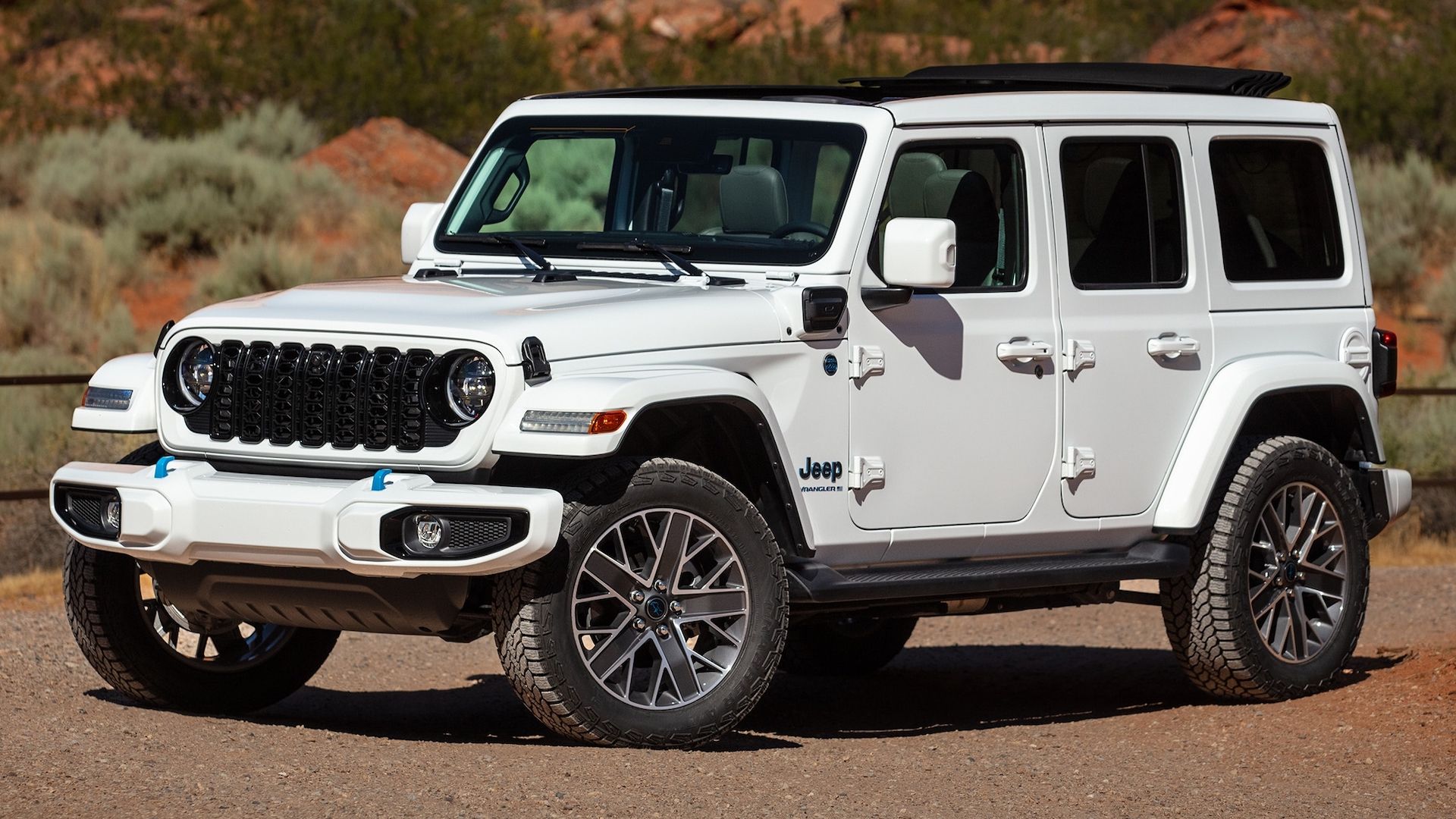
10. Jeep Wrangler
The Jeep Wrangler occupies a unique position in discussions of rust-resistant SUVs, combining legendary off-road capability with increasingly sophisticated corrosion protection that has improved dramatically in recent generations.
While older Wrangler models earned unfortunate reputations for rust problems, particularly in the frame and body tub areas, modern Wranglers benefit from comprehensive engineering improvements that address the corrosion issues that plagued earlier generations.
The current Wrangler represents Jeep’s commitment to building vehicles that can withstand not just the mechanical abuse of serious off-road adventures but also the chemical assault of road salt and harsh winter conditions common in snow belt states.
The most significant improvement in recent Wrangler rust resistance comes from the adoption of aluminum body panels for many exterior components, replacing the traditional steel construction that was vulnerable to corrosion.
Aluminum naturally resists rust formation because it doesn’t contain iron, the element that oxidizes to create the familiar brown rust that plagues steel vehicles.
When aluminum does oxidize, it forms a stable aluminum oxide layer that actually protects the underlying metal rather than continuing to corrode deeper as steel rust does.
The Wrangler’s aluminum hood, fenders, doors, and tailgate significantly reduce the visible rust problems that affected earlier generations, particularly in areas exposed to direct road spray and salt accumulation.
The Wrangler’s frame construction has also received substantial corrosion protection improvements in recent generations, addressing one of the most critical rust concerns that affected older models.
Modern Wrangler frames receive multiple stages of protective coating, including thorough cleaning, phosphate treatment, primer application, and durable topcoat specifically formulated to resist chip damage and chemical exposure.
Jeep applies these protective layers using advanced processes that ensure comprehensive coverage of frame members, including the complex geometries and hidden surfaces where traditional coating methods might leave vulnerable gaps.
The frame coating is designed to remain flexible and adherent through extreme temperature variations while providing long-term barrier protection against road salt and moisture.
The Wrangler’s proven ability to withstand mechanical abuse during off-road adventures, combined with its improved corrosion resistance, makes it an appealing choice for active families and outdoor enthusiasts in snow states.
While it may not match the refined on-road manners of car-based crossovers, the Wrangler delivers genuine capability and character that resonates with buyers seeking vehicles that can handle both winter commutes and weekend adventures.
The strong enthusiast community and excellent resale values further enhance the Wrangler’s appeal, making it a practical choice for buyers who prioritize versatility and durability over pure refinement.
Also Read: Why Owners Won’t Sell Their 300k-Mile SUVs
