
Car accidents test more than just driving skills. They put vehicles through trials that reveal whether a car is built to last or ready for the scrapyard.
Some cars are known for walking away from fender benders without a hiccup, while others survive serious collisions and keep running strong. These vehicles earn reputations not just for safety, but for resilience, toughness, and sheer staying power.
Drivers often remember stories of cars that kept going long after they should have been retired. It might be a sedan that held alignment even after multiple hits or a pickup that shrugged off dents and still towed heavy loads.
The secret lies in engineering choices, strong frames, and reliable mechanical parts that can take punishment. When paired with straightforward repairability, these vehicles often remain on the road longer than expected.
Insurance adjusters and mechanics frequently see patterns. Certain cars resist structural damage better. Others have engines and transmissions that keep working even if the exterior suffers.
Owners of these models often develop confidence that their vehicles will not give up easily. These traits make them popular in secondhand markets and among people who need a dependable machine for work or daily life.
This list highlights twelve cars known for their ability to keep going after accidents. Some are family sedans with reputations for toughness. Others are trucks and SUVs that can take hits without losing function.
A few are sports cars or compacts that surprise drivers with how well they recover. Each one has proven, time and again, that durability is not just a slogan. It is a real measure of value that shows when conditions get rough.
Also Read: Top 12 Longest-Lasting Pickups Ever Built
1. Toyota Camry
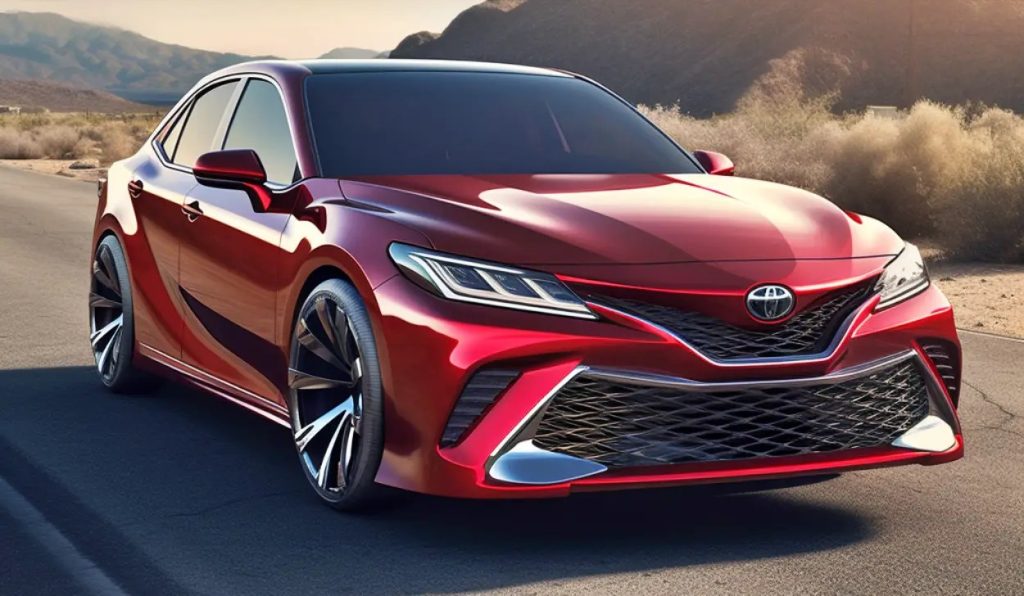
The Toyota Camry has built a long reputation for being dependable in nearly every situation. One of its standout qualities is how it handles impacts and keeps running even after damage that would sideline other cars. The Camry is not marketed as a rugged machine, but its design and engineering have proven to be remarkably resilient.
Owners often report that their Camrys continue driving smoothly after collisions, even when body panels take a hit. The unibody construction provides strength without adding unnecessary weight.
This design helps the car absorb impacts effectively while protecting the mechanical components underneath. The suspension and steering system also tend to remain aligned, avoiding the costly repairs many drivers face after accidents.
Another reason the Camry holds up so well is its drivetrain reliability. Toyota’s four-cylinder and V6 engines are known for running well past 200,000 miles, often without needing major work. After a collision, these engines usually stay intact and functional.
The automatic transmissions are equally durable, giving the Camry a strong chance of staying on the road long after a crash.
Repairability also plays a role in the Camry’s resilience. Replacement parts are widely available and often affordable.
Mechanics are familiar with the model, which means repairs after an accident can be straightforward. Even when repairs are not perfect, the Camry usually continues to function without serious performance issues.
For many families, the Camry offers peace of mind. It not only protects passengers during accidents but also proves that it can remain dependable afterward.
This ability to recover and keep going is why so many older Camrys are still on the road today. A car that can take a hit and still perform earns its place among vehicles that refuse to quit.
2. Honda Accord
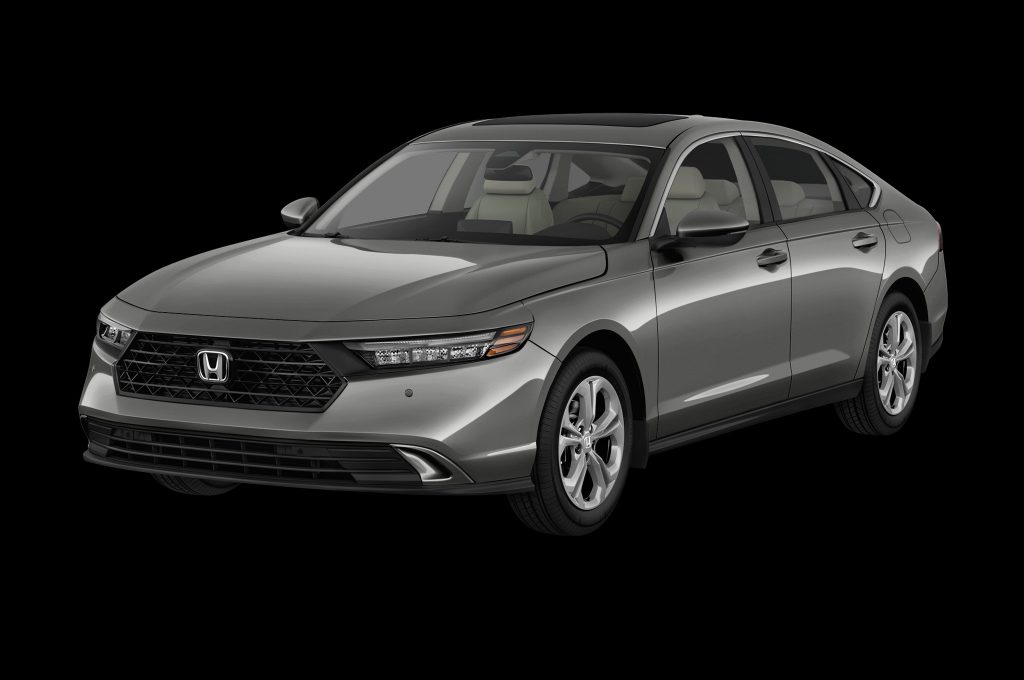
The Honda Accord is another midsize sedan recognized for its toughness and ability to stay functional after collisions. Its popularity across generations comes not just from comfort and performance, but also from durability in real-world situations where accidents happen.
One strength of the Accord lies in its balanced chassis design. The car’s structure absorbs force well, limiting damage to the drivetrain.
Even after significant impacts, owners often report that their cars still start up and drive with minimal trouble. Honda engineered the Accord with strong front and rear crumple zones, which protect critical systems and help the car remain drivable.
The Accord’s engines add to this resilience. Both the four-cylinder and V6 options are known for long lifespans, often running reliably even when the car has sustained body damage.
Transmission systems also hold up well, which means fewer breakdowns after accidents. Many mechanics note that these cars often need cosmetic repairs rather than major mechanical fixes.
Repair costs are another reason the Accord continues to thrive after collisions. With such a large number of Accords on the road, replacement parts are easy to find.
Affordable repairs mean drivers are more likely to fix their cars instead of giving up on them. In some cases, even if the car does not look perfect, it still runs smoothly and serves its purpose.
Drivers also value the Accord’s consistency. Whether it is used as a commuter car or a family vehicle, it provides confidence that it will remain reliable even under stress.
Its ability to keep functioning after impacts has made it a trusted option for decades. The Accord shows that a midsize sedan can be both practical and resilient, making it a clear fit for this list.
3. Ford F-150
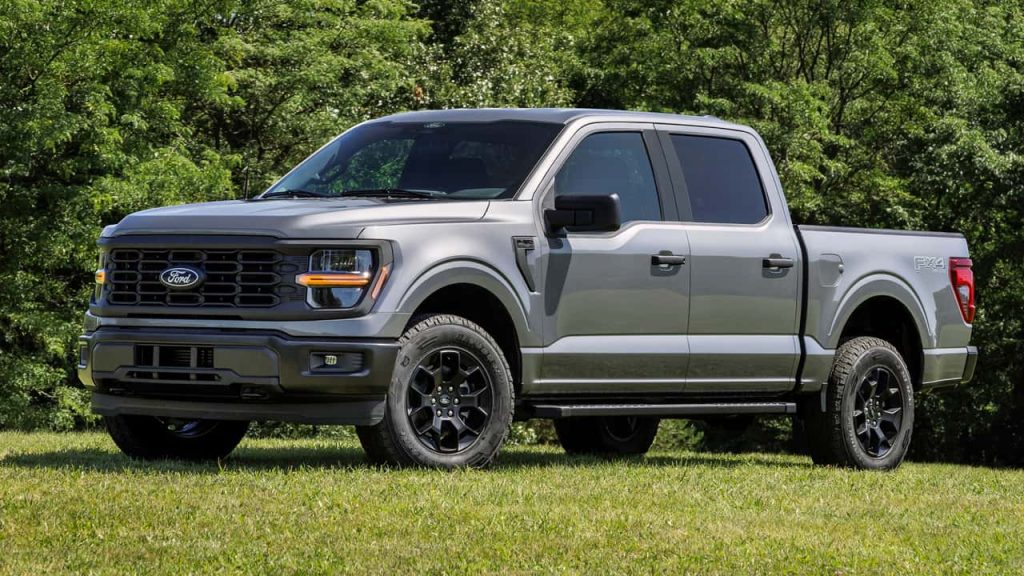
The Ford F-150 has long been America’s best-selling truck, and part of its reputation comes from toughness in real-world conditions. Beyond towing capacity and worksite performance, the F-150 has shown time and again that it can withstand collisions and keep going.
Owners frequently rely on it not only for daily driving but also for demanding tasks, and the truck rarely disappoints when put to the test.
The F-150’s body-on-frame construction is a major reason behind its resilience. This design allows the truck to absorb impacts while protecting its drivetrain and suspension. Even when the frame takes a hit, the truck often remains operational.
Many drivers report that their F-150 continues to drive normally after collisions that would disable smaller vehicles.
Engines in the F-150 add to this staying power. Ford has equipped the truck with a range of reliable V6 and V8 options over the years. These engines are well known for durability and can keep running strong even after the truck sustains body damage. Combined with heavy-duty transmissions, the powertrain is built to withstand punishment.
Repairability is also straightforward. With such a massive number of F-150s on the road, parts are easy to find and mechanics are deeply familiar with the platform. This availability makes repairs less costly and ensures that trucks remain in service rather than being scrapped.
For drivers who depend on their vehicles every day, the F-150 provides confidence. It not only handles impacts well but also continues to work hard long after.
Whether used on farms, construction sites, or highways, the F-150 shows why it is considered one of the toughest trucks around. Its ability to keep moving after collisions secures its place on this list.
4. Subaru Outback
The Subaru Outback is known for blending car-like comfort with SUV toughness, and that toughness extends to its resilience after collisions. Owners often report that their Outbacks remain roadworthy even when damaged, making them favorites in regions where reliability is essential.
One of the Outback’s advantages is its strong unibody platform, which has been reinforced for safety and durability.
Subaru designs its cars with structural rigidity in mind, and the Outback’s frame holds up well in accidents. Even when the exterior panels are dented or scraped, the underlying structure often stays intact, keeping the vehicle functional.
Another key factor is Subaru’s famous all-wheel-drive system. After an impact, drivetrains in many Outbacks remain undisturbed, allowing the car to continue handling rough roads and harsh weather conditions.
The engine lineup, particularly the long-lasting four-cylinder boxer engines, also contributes to resilience. These engines are compact, durable, and known to keep running reliably even after accidents.
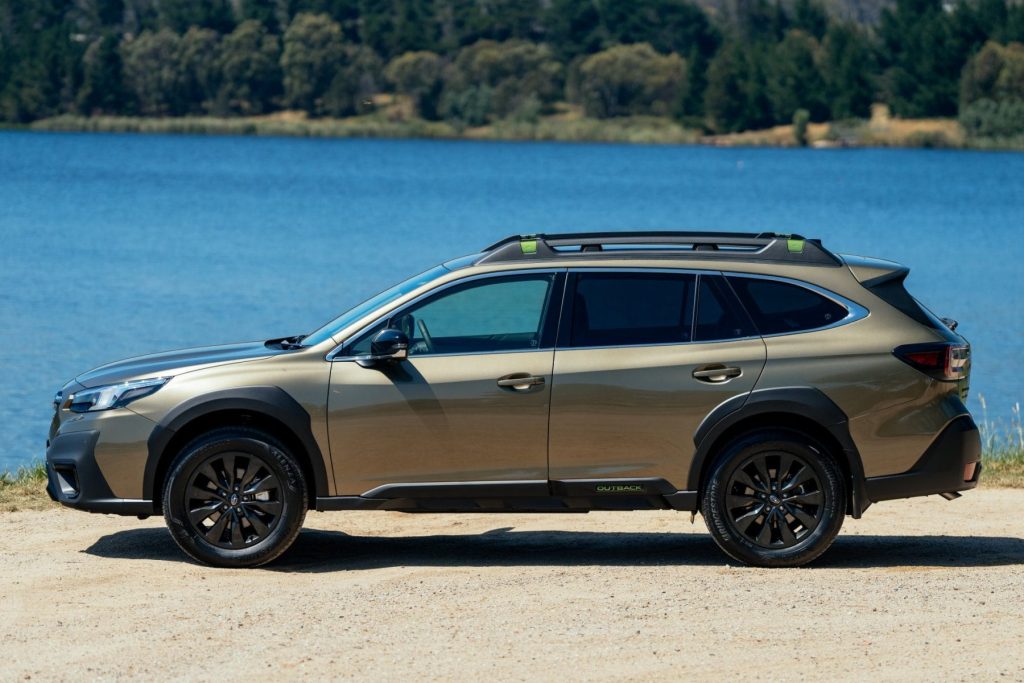
Repairability is also favorable. Subaru has built a loyal following, and parts are widely available. Many mechanics are experienced in handling Outbacks, making repairs more efficient and less costly. Even when repairs are mostly cosmetic, the vehicle typically continues to perform well.
For families, adventurers, and commuters alike, the Outback offers peace of mind. Its strong safety record pairs with durability that extends beyond the crash itself.
Many drivers have trusted their Outbacks for years, confident that even after taking damage, the car will remain dependable. That combination of reliability and resilience explains why the Outback earns a spot among vehicles that refuse to quit.
5. Jeep Wrangler
The Jeep Wrangler has always been associated with ruggedness, and that quality extends to how it handles accidents. Its design focuses on off-road toughness, which naturally makes it resilient when faced with collisions.
Owners often find that even after crashes, the Wrangler can still drive, climb, and perform tasks that would disable other vehicles.
One reason is its body-on-frame construction. This design is stronger than typical unibody setups and allows the Wrangler to absorb heavy impacts without losing function.
The solid axles and reinforced suspension further protect critical systems. After an accident, it is common for the Wrangler to remain operational, even if the body shows visible damage.
The powertrain also contributes to resilience. The Wrangler’s engines, especially the long-serving inline-six and later V6 options, are built for durability.
These engines are compact and well-protected, which means they often continue to run reliably even after impacts. Transmissions and transfer cases are equally tough, ensuring that four-wheel drive stays functional.
Another advantage is the simplicity of repair. Wranglers have a huge aftermarket following, and parts are widely available.
Many owners also work on their vehicles themselves, which keeps repair costs manageable. Even if the Wrangler looks battered, it often continues to serve faithfully on and off the road.
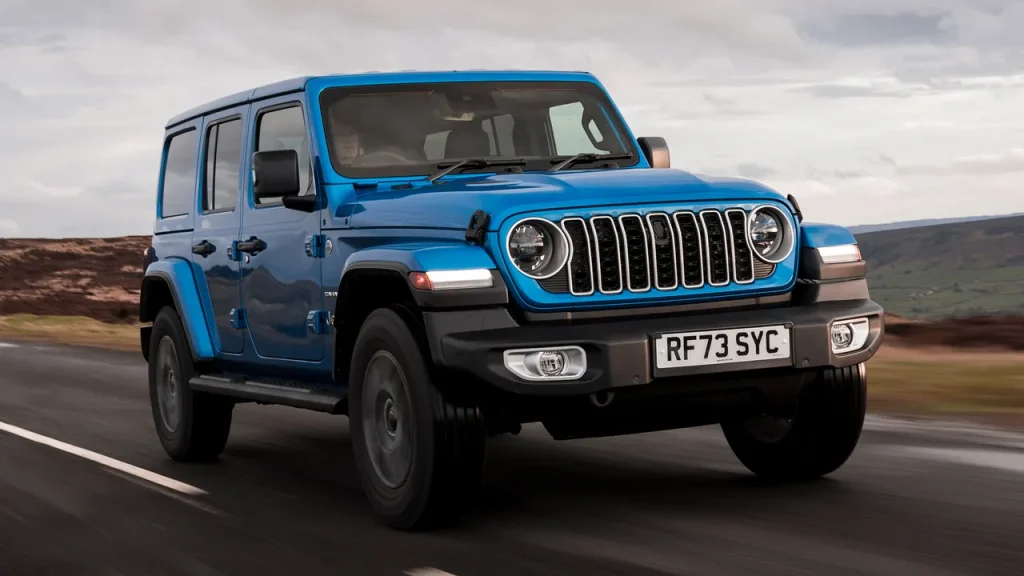
The Wrangler’s reputation is built on its ability to keep going no matter what. For drivers who value a vehicle that refuses to quit, even after crashes, the Wrangler stands out as one of the toughest choices.
It has proven over decades that it is more than just a fun off-roader. It is a vehicle built to take hits and continue forward with confidence.
6. Volvo XC90
The Volvo XC90 is often praised for its safety, but what sets it apart is how well it performs after an accident. Volvo designed the XC90 not only to protect passengers during a crash but also to remain functional afterward. Many owners find that their vehicles continue to run smoothly even after sustaining body damage.
One of the XC90’s strengths is its reinforced structure. The SUV is engineered with high-strength steel in critical areas, helping absorb impacts while shielding the drivetrain and suspension. Even in serious collisions, many XC90s remain drivable, with engines and transmissions untouched.
Speaking of engines, Volvo equipped the XC90 with reliable four- and six-cylinder options that are known for long lifespans.
These engines are designed to handle stress and often continue working well after impacts. The automatic transmissions are equally dependable, reducing the likelihood of major failures following a crash.
Repairability also works in the XC90’s favor. Volvo parts are accessible, and many shops are familiar with the brand’s long-standing focus on safety.
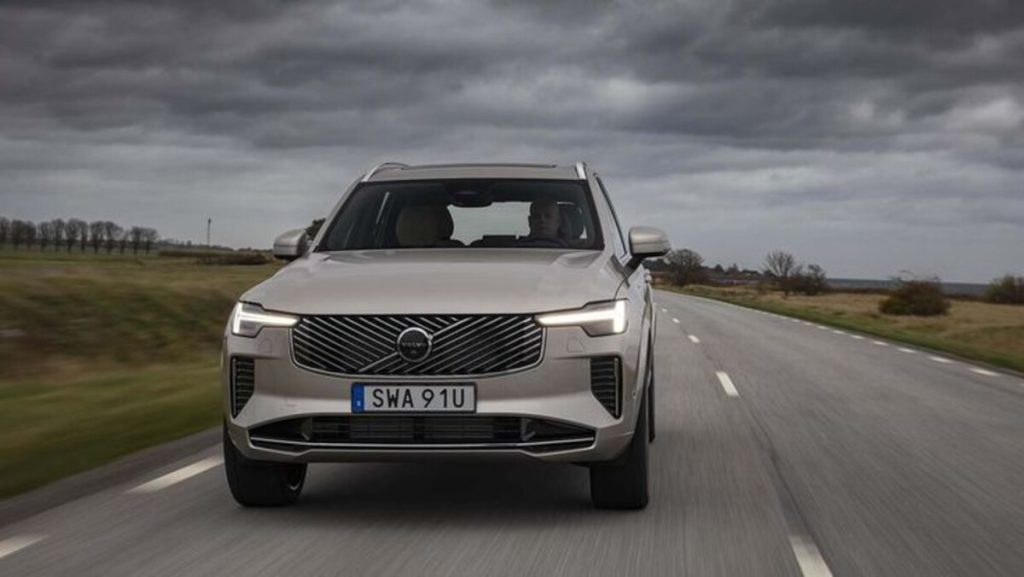
Repairs may not always be cheap, but they are usually straightforward, and the car often remains usable even while awaiting cosmetic fixes.
For families, the XC90 provides both protection and staying power. It reassures drivers that even after damage, the vehicle will continue to function.
That combination of safety engineering and durability makes the XC90 a unique entry on this list. It proves that an SUV can protect lives and still refuse to quit after collisions.
7. Chevrolet Silverado
The Chevrolet Silverado has earned its reputation as one of the toughest trucks on American roads. Beyond its capability as a workhorse, it has proven itself in accident scenarios where other vehicles might give up.
Many owners can share stories of their Silverados surviving crashes and continuing to perform daily duties with little interruption.
One factor behind this resilience is the Silverado’s strong body-on-frame design. This construction allows the truck to absorb damage in one area while keeping the drivetrain and suspension intact.
Even after significant collisions, many Silverados remain drivable, often with only cosmetic issues. The frame itself is built to take punishment, giving drivers confidence that the truck will keep moving.
The powertrain further adds to its durability. Chevrolet’s range of small-block V8 engines, in particular, are known for longevity and toughness.
These engines frequently keep running reliably even after impacts that might damage lesser motors. Paired with sturdy automatic transmissions, the Silverado is built to withstand years of heavy use and occasional accidents.
Repair costs are also manageable due to the truck’s popularity. Replacement parts are widely available, and mechanics are highly familiar with the Silverado’s design.
Even after collisions, many trucks are quickly repaired and returned to service. For drivers who rely on their vehicles for work, this reliability is critical.
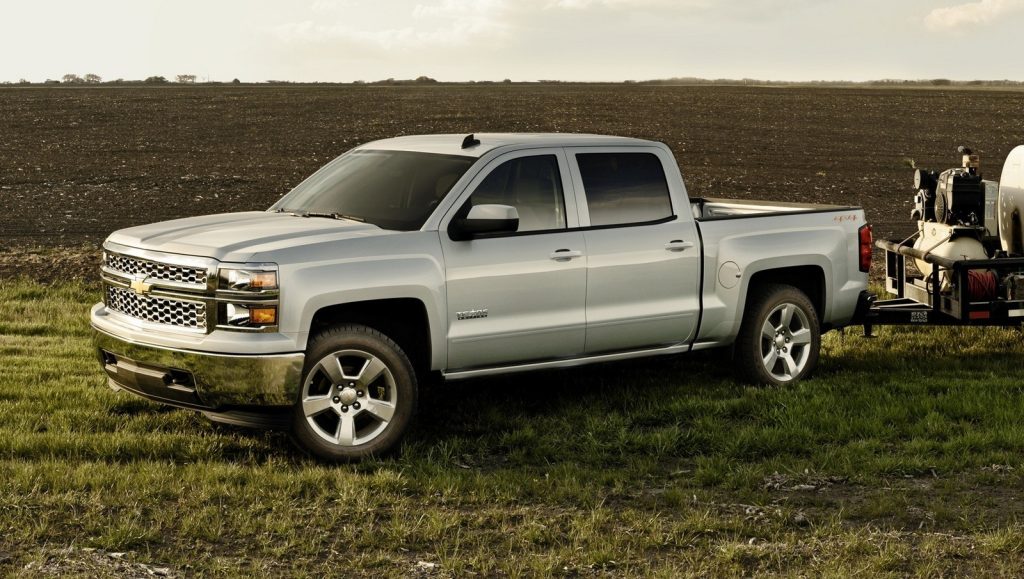
The Silverado is not only a capable truck when conditions are ideal. It is also a dependable machine when things go wrong. Its ability to withstand crashes and remain functional has made it a trusted vehicle for decades.
This staying power is why so many Silverados, even older models, continue to be seen on highways and job sites across the country.
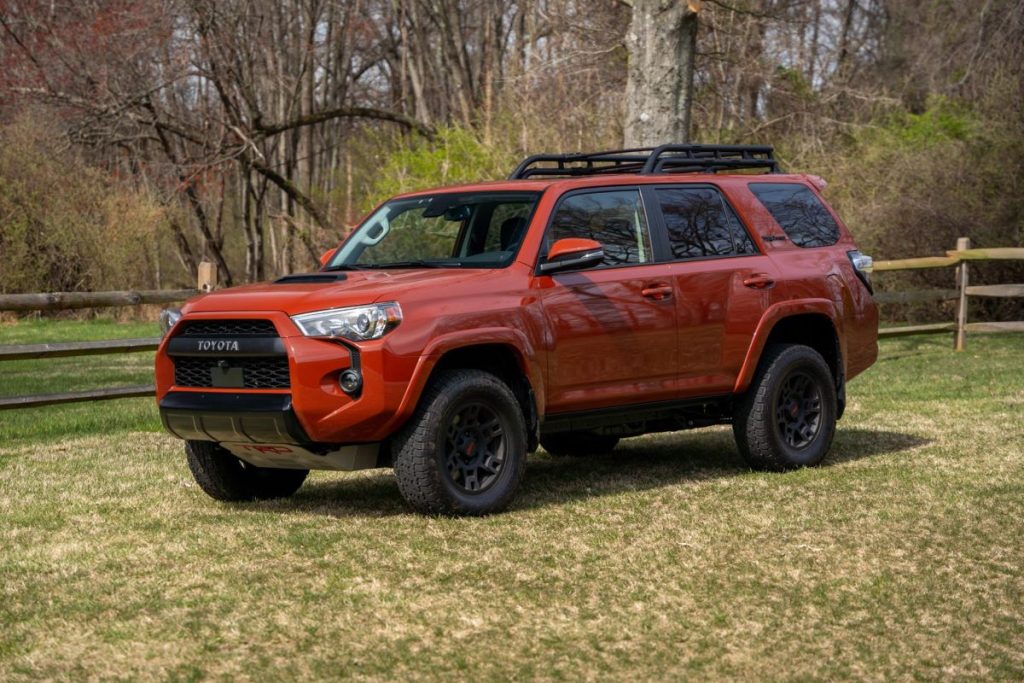
8. Toyota 4Runner
The Toyota 4Runner has become a favorite among SUV enthusiasts for its durability, and that reputation extends to how it performs after accidents.
Unlike many modern crossovers, the 4Runner retains a body-on-frame construction, giving it extra strength to withstand impacts. This makes it a reliable option not just for off-road adventures but also for real-world collision resilience.
The structure of the 4Runner allows it to absorb hits while keeping vital systems intact. Even when the exterior suffers dents or scrapes, the underlying frame and suspension usually remain unaffected. Owners often report being able to drive their 4Runners away from crashes without serious mechanical issues.
Toyota’s engines also play a role in this toughness. The V6 powertrains used in the 4Runner are proven for longevity, often surpassing 250,000 miles with proper maintenance.
These engines are compact enough to avoid major damage in many front-end collisions, allowing the SUV to continue running well. The automatic transmissions paired with them are also built for endurance.
Parts availability is another factor. Toyota has sold the 4Runner for decades, so replacement parts are easy to source.
Repairs are straightforward, and many vehicles remain in service even with cosmetic imperfections. Drivers often choose to keep their 4Runners running because the mechanical strength outweighs appearance concerns.
For families and adventurers alike, the 4Runner inspires confidence. It provides safety in accidents but also proves capable of continuing the journey afterward.
That ability to keep performing, even when damaged, is why the 4Runner is seen as one of the most resilient SUVs on the road today.
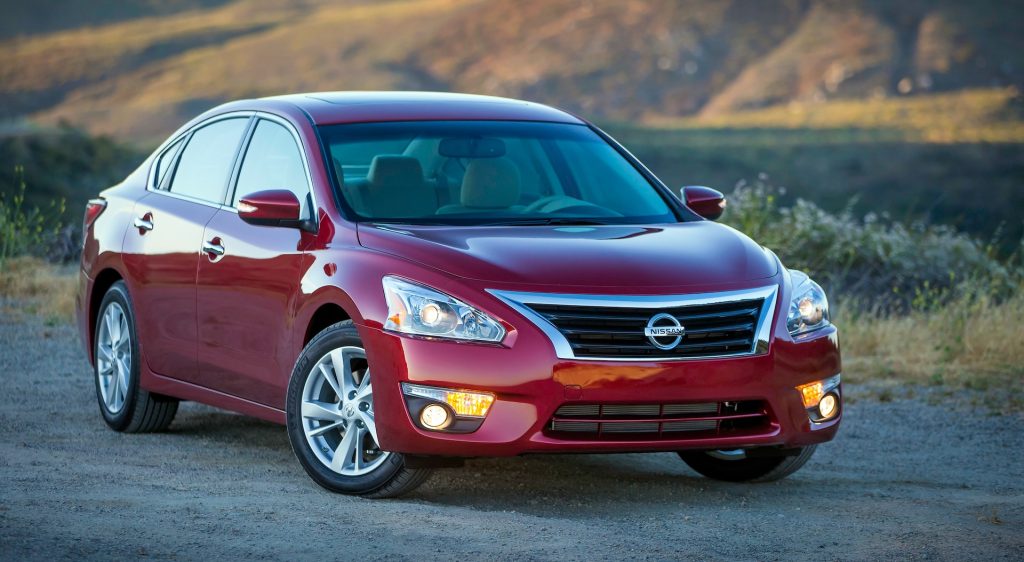
9. Nissan Altima
The Nissan Altima has long been a popular midsize sedan, and one of the reasons behind its steady following is resilience.
While many cars in its class are written off after collisions, the Altima often keeps going. Drivers appreciate its ability to handle accidents and still provide reliable transportation afterward.
Part of this comes from its balanced engineering. The Altima’s unibody design is reinforced to provide strength without making the car heavy.
This setup helps the structure absorb impacts while protecting mechanical systems. In many crashes, the suspension and drivetrain remain intact, allowing the car to continue driving even when the body shows damage.
Engines are another strength. Nissan’s four-cylinder engines, in particular, have a reputation for longevity and durability.
These motors often survive impacts that damage body panels, continuing to run without major issues. Paired with transmissions that hold up well, the Altima frequently avoids mechanical failure after accidents.
Repairability also makes a difference. With so many Altimas sold, replacement parts are easy to source. Mechanics are very familiar with the car, which keeps repair costs lower than some rivals. Even if an Altima does not look perfect after repairs, it usually continues to serve reliably.
For commuters and families, the Altima provides peace of mind. It is comfortable, efficient, and able to withstand more punishment than many expect.
The fact that so many older Altimas are still on the road is proof of how well they survive difficult situations, including collisions. This mix of comfort and toughness earns the Altima a solid place among cars that refuse to quit.
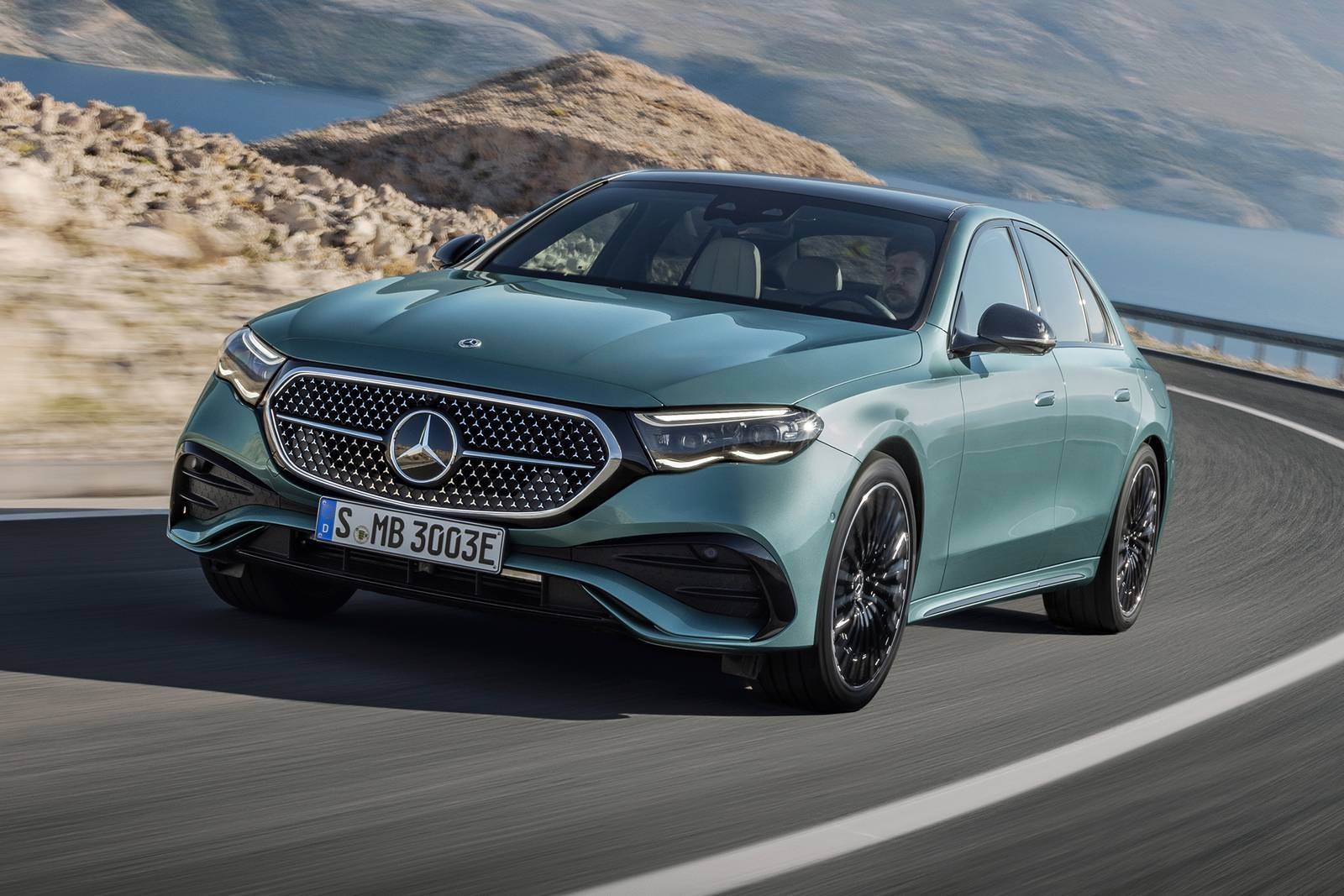
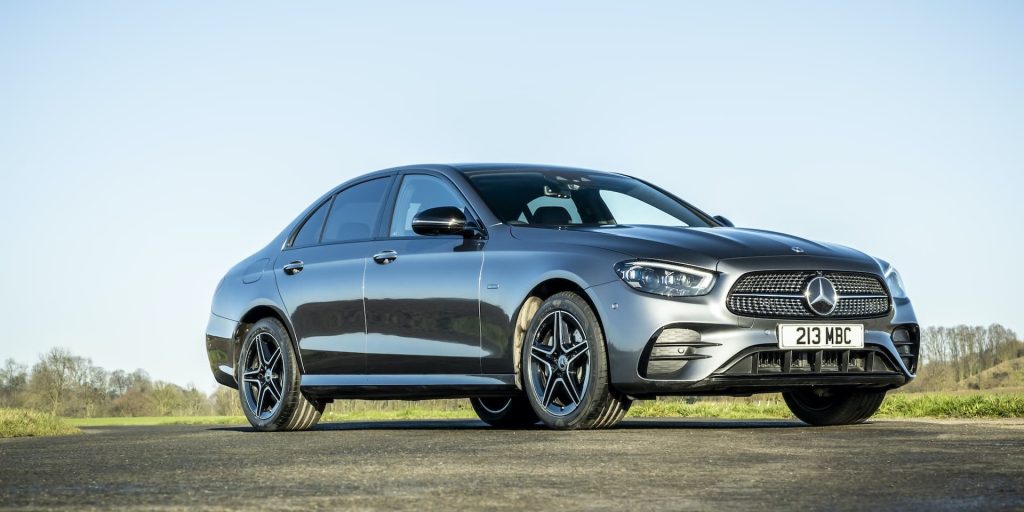
10. Mercedes-Benz E-Class
The Mercedes-Benz E-Class combines luxury with remarkable strength. Known worldwide for comfort and refinement, it also has a long history of being one of the most durable sedans in its segment. Even after collisions, many E-Class models remain fully functional, a quality that separates it from other luxury cars.
One reason is the engineering philosophy behind Mercedes vehicles. The E-Class is built with a strong chassis designed to absorb force while protecting essential systems.
In many cases, even serious crashes do not disable the engine or transmission. Owners often report that their cars continue to run smoothly after bodywork is damaged.
Engines in the E-Class are especially durable. From the reliable inline-sixes of earlier generations to the more recent turbocharged options, these powerplants are built for endurance.
Many continue to operate without trouble even when the car’s exterior suffers in an accident. Transmissions are also robust, further enhancing post-collision reliability.
Repair support helps the E-Class remain on the road. Mercedes has sold millions of these sedans worldwide, which means parts are accessible and skilled technicians are available.
While repairs may be more expensive than mainstream brands, the car often continues to function while awaiting cosmetic fixes.
For drivers, the E-Class delivers a rare combination: luxury and resilience. It offers comfort and advanced technology while also showing toughness when tested by collisions.
That dual character explains why so many E-Class sedans remain on the road decades after being built, often with accident histories that would have ended other cars’ service lives.
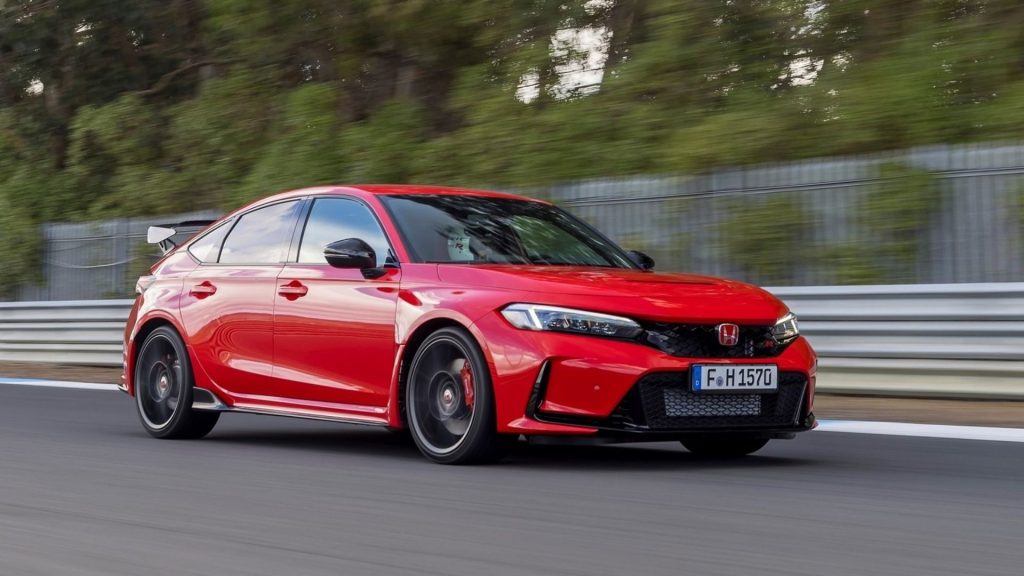
11. Honda Civic
The Honda Civic has become one of the most trusted compact cars worldwide, thanks to its balance of efficiency, affordability, and durability.
One trait that often gets overlooked is how well it holds up after accidents. While smaller cars are usually more vulnerable, the Civic has consistently proven that it can take damage and keep moving.
Part of this strength comes from its reinforced unibody structure. Honda engineers designed the Civic to handle impacts by distributing crash energy away from critical components. Even when the body panels or bumpers are damaged, the underlying structure often keeps the drivetrain and suspension safe.
Engines are another highlight. The Civic’s four-cylinder motors are widely regarded as some of the most durable in the segment. These engines often run past 200,000 miles with proper care and can continue functioning even after collisions that leave cosmetic scars.
Transmissions, especially the manual options, are equally resilient, giving Civics an edge in post-accident reliability.
Repairability makes the Civic even more appealing. With millions of Civics sold, parts are affordable and easy to find. Mechanics everywhere are familiar with the model, which keeps repair costs down. This means Civics that might otherwise be scrapped often receive repairs and return to service quickly.
For drivers, the Civic represents a car that goes beyond efficiency. It shows toughness in real situations where accidents occur. Many owners can recall times when their Civics kept going despite visible damage, proving that compact cars can be just as resilient as larger vehicles.
This lasting dependability explains why the Civic continues to be one of the most common cars on the road today.
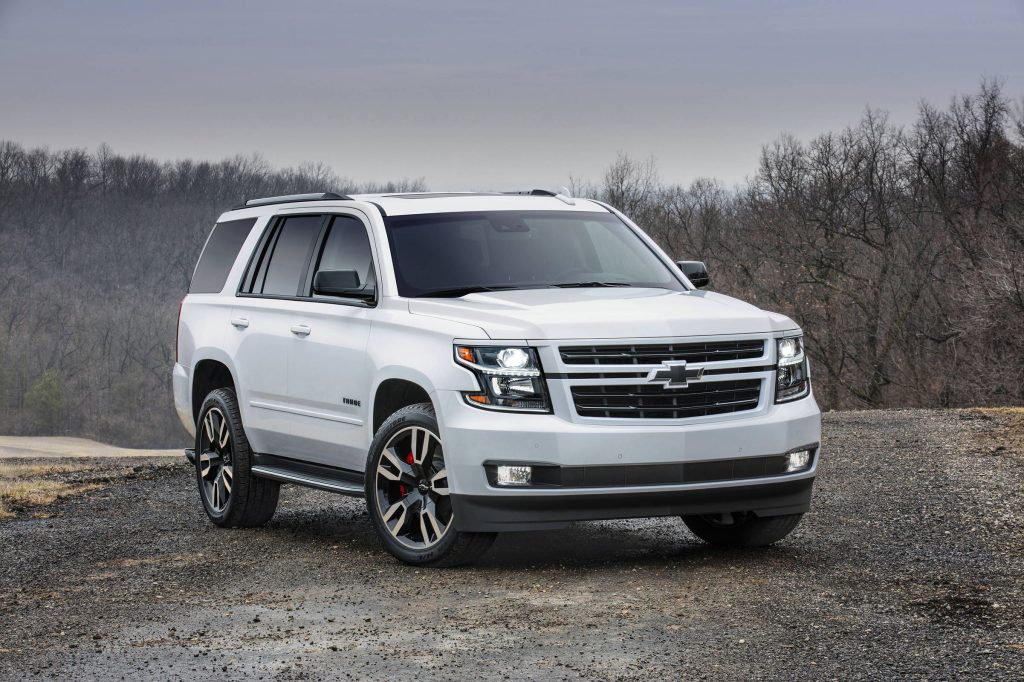
12. Chevrolet Tahoe
The Chevrolet Tahoe stands out as one of the most durable full-size SUVs on the market. Known for its size and power, it also has the strength to remain functional after collisions. Families, law enforcement agencies, and businesses rely on the Tahoe not just for space but for toughness when accidents happen.
The Tahoe benefits from body-on-frame construction, which provides superior strength compared to many crossovers. This design helps absorb impacts while protecting the engine, transmission, and suspension components. Even in collisions that cause visible damage, the Tahoe often remains drivable.
Engines are another key to its resilience. Chevrolet’s V8 engines used in the Tahoe are built for long service lives, often exceeding 250,000 miles with proper maintenance.
These engines are shielded within a large engine bay, which helps them avoid serious damage during impacts. The automatic transmissions paired with them are also robust, further supporting reliability after accidents.
Repair support is another advantage. The Tahoe shares many parts with other GM trucks and SUVs, making repairs simpler and often more affordable.
Mechanics are well-versed in servicing them, ensuring that damaged Tahoes are brought back to life instead of being discarded.
For drivers, the Tahoe offers more than comfort and towing ability. It represents a vehicle that can endure the unexpected and still deliver dependable performance.
Its ability to keep going after collisions is one of the reasons it is trusted by families and professionals alike. The Tahoe earns its place as a full-size SUV that refuses to quit.
