
Plug-in hybrid electric vehicles (PHEVs) have grown in popularity due to their ability to combine electric-only driving with conventional gasoline power.
While these vehicles offer impressive fuel efficiency and reduced emissions, their long-term reliability and aging characteristics vary significantly.
Some plug-in hybrids continue to perform well after many years, maintaining battery capacity, drivability, and overall mechanical health. Others, however, experience premature battery degradation, electronic issues, or costly maintenance that diminishes their appeal over time.
Understanding which plug-in hybrids age gracefully and which do not is crucial for buyers seeking long-term ownership satisfaction.
Factors such as battery chemistry, thermal management, build quality, software reliability, and maintenance accessibility play a major role in determining how well a PHEV retains its performance over the years.
This article highlights two groups of vehicles: PHEVs that have proven durability and reliability over time, and those that tend to experience early issues. Each entry provides insights into engineering strengths, real-world performance observations, and maintenance considerations.
By reviewing both sides, readers gain a clearer picture of how design choices impact longevity, allowing them to make informed decisions when investing in a plug-in hybrid.
Also Read: 5 Diesel Engines That Refuse to Die vs 5 That Constantly Break
5 Plug-in Hybrids That Age Well
Certain plug-in hybrids are recognized for their ability to retain battery health, drivetrain reliability, and overall performance over many years.
These vehicles combine solid engineering, effective thermal management, and well-calibrated software to ensure that both the electric and gasoline systems remain dependable with regular maintenance.
PHEVs that age well also tend to have predictable maintenance needs, which reduces long-term ownership costs and supports consistent performance.
In this section, we highlight five plug-in hybrids that demonstrate durability and reliability over time. Each example examines the reasons behind their longevity, including robust battery chemistry, effective cooling systems, and proven hybrid components.
Real-world owner experiences further illustrate how these vehicles perform in daily use, including long-term electric range retention, fuel efficiency, and general drivability.
Some of these models also benefit from widely available parts and service networks, making it easier to maintain their performance over many years.
Understanding which plug-in hybrids age gracefully is valuable for buyers considering long-term ownership or high-mileage use.
These vehicles demonstrate that well-executed engineering and thoughtful design can result in PHEVs that not only reduce emissions and fuel costs but also maintain reliability, performance, and resale value over time.
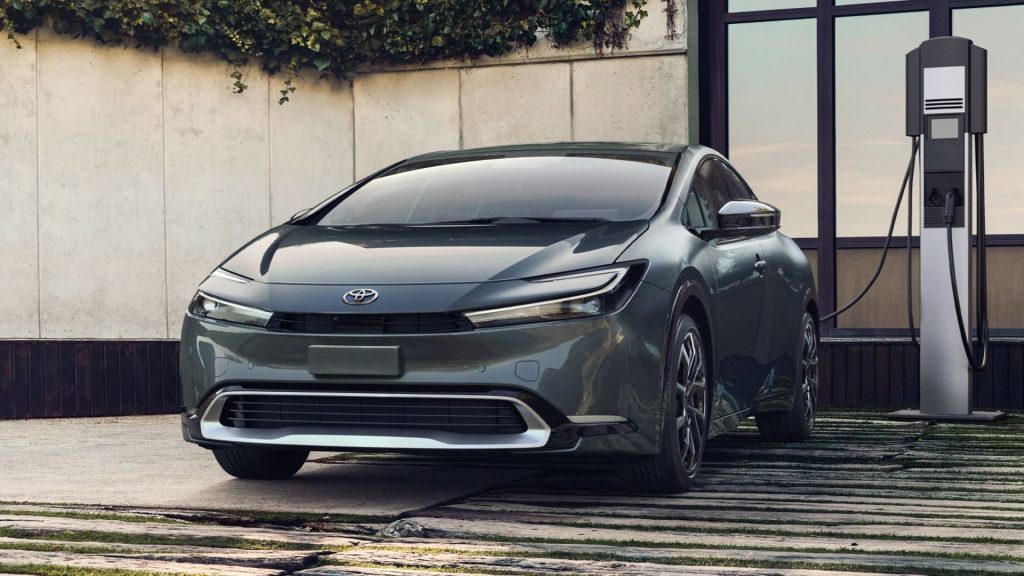
1. Toyota Prius Prime (2017–Present)
The Toyota Prius Prime has established itself as a plug-in hybrid that ages exceptionally well. Building on the long-standing reputation of the conventional Prius, the Prime combines a reliable hybrid powertrain with a high-quality lithium-ion battery that demonstrates excellent longevity.
Owners report minimal capacity loss even after many years, and the engine, inverter, and electric motors are known for durability under daily driving conditions.
A key factor behind the Prius Prime’s reliability is Toyota’s meticulous battery thermal management system. The battery is maintained within optimal temperature ranges, which minimizes degradation from heat exposure or rapid charge cycles.
The powertrain is also designed with redundancy and proven engineering principles, reducing the likelihood of component failures.
Routine maintenance, including standard oil changes, coolant checks, and software updates, keeps the vehicle running efficiently without unexpected repairs.
Software and electronics in the Prius Prime are well-tested, and the regenerative braking system further contributes to reduced mechanical wear on brakes and drivetrain components.
Real-world observations indicate that many Prius Prime owners experience consistent electric range performance even after 100,000 miles or more.
This durability extends to both city and highway driving, making it a practical and dependable choice for those seeking a long-term plug-in hybrid.
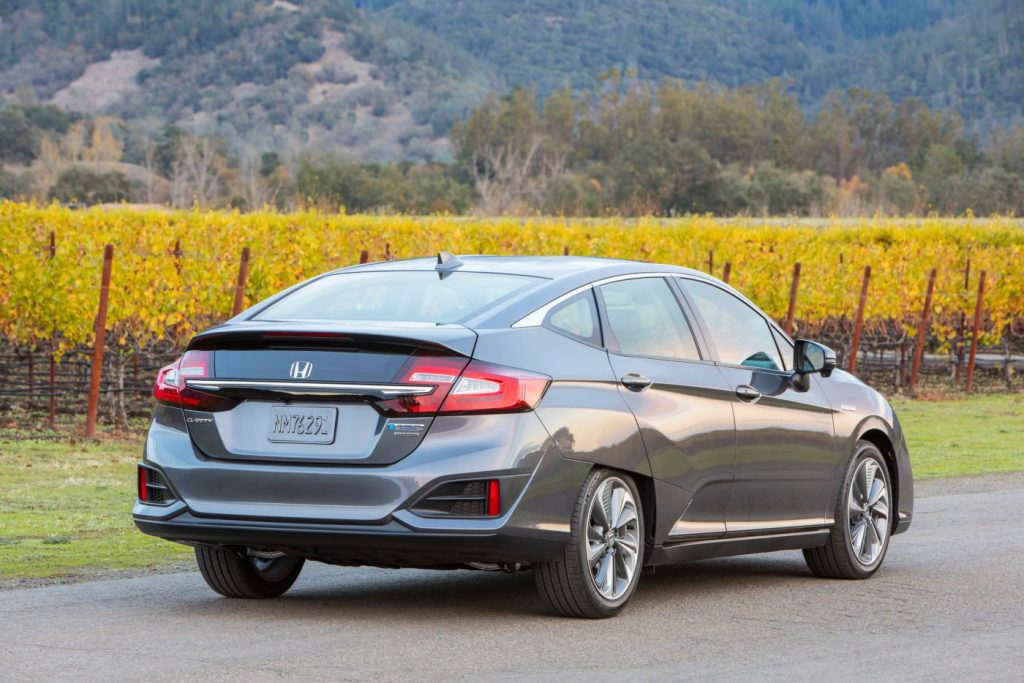
2. Honda Clarity Plug-in Hybrid (2018–2021)
The Honda Clarity Plug-in Hybrid is another example of a PHEV that ages gracefully. Featuring a 1.5L Atkinson-cycle engine paired with a reliable electric motor and a high-quality lithium-ion battery, the Clarity demonstrates consistent performance and minimal degradation over time.
Owners have reported maintaining most of the original electric-only range even after several years of regular use.
Honda’s attention to battery management and thermal regulation is a major reason for the Clarity’s longevity. The cooling system and battery monitoring software keep cells within safe operating parameters, preventing premature wear.
The hybrid system’s mechanical components, including the electric motor and transmission, have proven durable under both city commuting and highway driving conditions.
Routine maintenance is straightforward, primarily consisting of oil changes, coolant checks, and software updates. Unlike some plug-in hybrids that require frequent and costly battery servicing, the Clarity’s design ensures predictable maintenance costs.
Regenerative braking also reduces wear on conventional brakes, further enhancing long-term reliability. Overall, the Clarity Plug-in Hybrid delivers a combination of strong electric range retention, dependable mechanical components, and ease of ownership, making it a standout example of a PHEV that performs reliably for years.
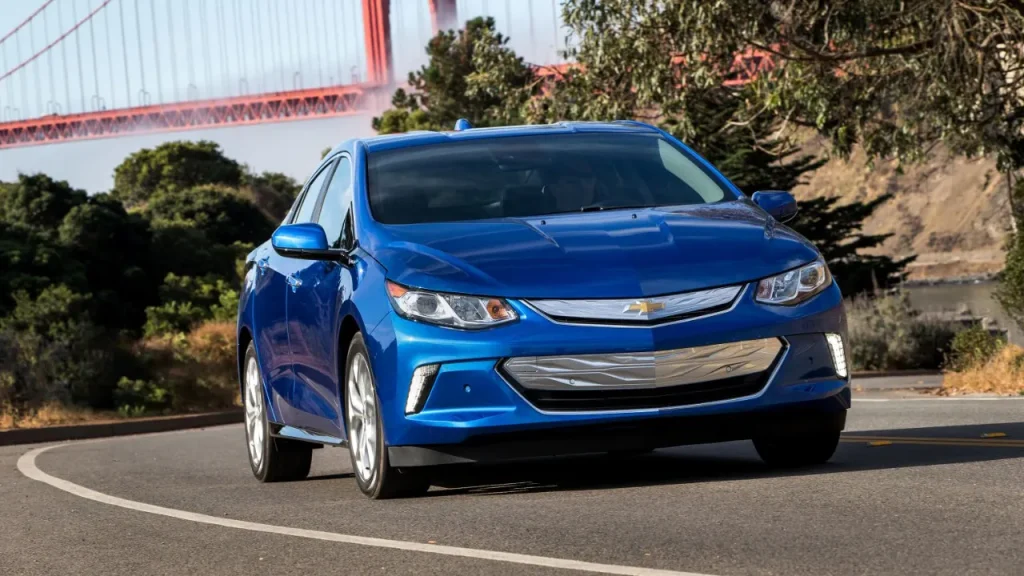
3. Chevrolet Volt (2011–2019)
The Chevrolet Volt is widely regarded as one of the most durable plug-in hybrids ever produced.
Combining a gasoline engine with an electric drivetrain and a high-capacity lithium-ion battery, the Volt consistently demonstrates longevity and reliability in real-world usage.
Owners have reported minimal battery degradation even after many years and tens of thousands of charge cycles, with the electric-only range often remaining close to original specifications.
Several factors contribute to the Volt’s durability. The battery system incorporates active thermal management, including both heating and cooling elements, to maintain optimal operating temperatures under various conditions.
This prevents excessive degradation from heat exposure, which is a common issue in other plug-in hybrids. Additionally, the Volt’s gasoline engine is based on proven GM technology, and the drivetrain integrates seamlessly with the electric system, reducing stress on key components.
Routine maintenance is relatively straightforward, primarily involving oil changes, coolant checks, and periodic inspection of hybrid components. The regenerative braking system reduces wear on conventional brakes, further enhancing long-term reliability.
Real-world reports indicate that many Volts maintain their drivability and battery performance beyond 150,000 miles, making them an excellent choice for owners seeking a dependable plug-in hybrid over a long lifespan.
The combination of robust engineering, thoughtful battery management, and low-maintenance components allows the Volt to age gracefully while maintaining both efficiency and reliability.
4. Hyundai Ioniq Plug-in Hybrid (2017–Present)
The Hyundai Ioniq Plug-in Hybrid is another PHEV that performs well over time. Featuring a 1.6L engine paired with a durable electric motor and a lithium-ion polymer battery, the Ioniq maintains electric range and mechanical performance even after years of ownership.
Its combination of lightweight design, efficient powertrain, and robust battery management contributes to long-term reliability.
Hyundai’s engineering emphasizes battery longevity, with an effective thermal management system that regulates cell temperatures and prevents accelerated degradation.
The hybrid system’s electric motor and transmission are straightforward and durable, reducing the likelihood of unexpected failures. Real-world users report consistent performance for both city and highway driving, with minimal loss of electric-only range over tens of thousands of miles.
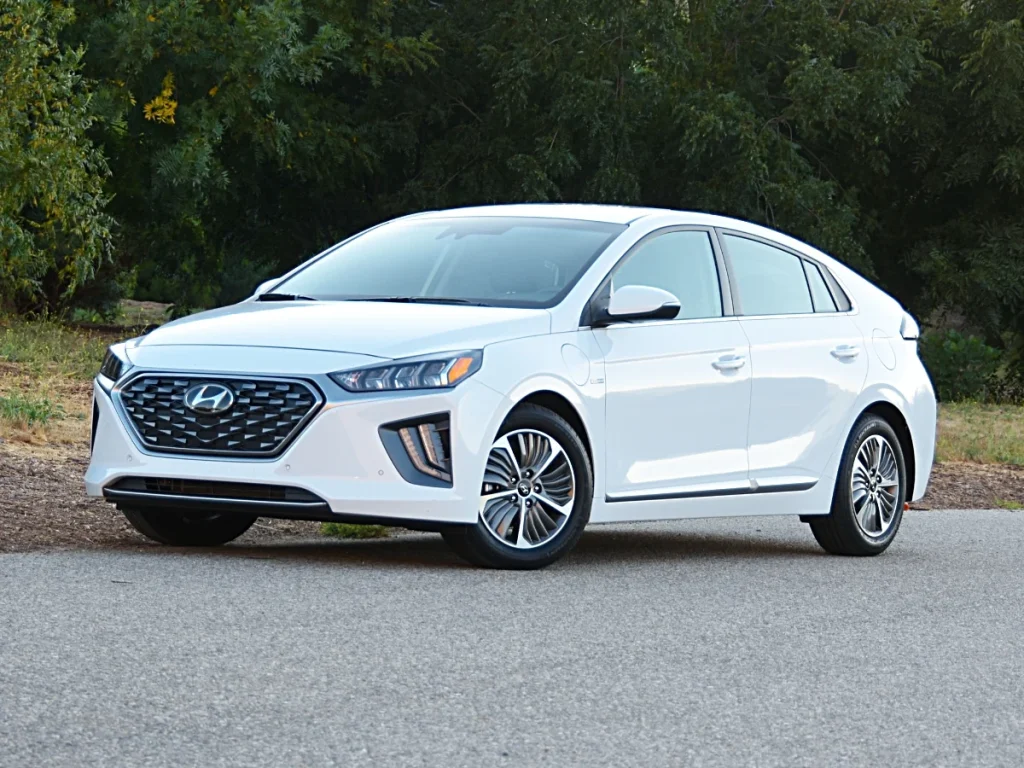
Maintenance requirements are predictable and manageable, consisting mainly of oil changes, battery coolant monitoring, and software updates. Regenerative braking minimizes wear on mechanical brakes, further supporting reliability.
The Ioniq also benefits from a strong warranty and service network, providing owners with confidence in long-term ownership.
Its blend of electric efficiency, proven mechanical components, and well-maintained battery systems makes the Hyundai Ioniq Plug-in Hybrid a standout example of a PHEV that ages gracefully and maintains dependable performance.
5. BMW 330e Plug-in Hybrid (2016–Present)
The BMW 330e Plug-in Hybrid combines the brand’s performance engineering with reliable hybrid technology, making it a PHEV that ages well.
Featuring a 2.0L turbocharged engine paired with a high-quality electric motor and lithium-ion battery, the 330e delivers smooth performance and consistent electric range retention over time.
Owners frequently report minimal battery degradation and steady hybrid system performance even after several years of regular use.
One key factor behind its durability is BMW’s effective battery thermal management. The system keeps the battery cells within optimal temperature ranges, reducing the risk of heat-related degradation or premature capacity loss.
The hybrid powertrain components, including the electric motor, inverter, and transmission, are engineered for longevity, with robust materials and well-tested control systems.
Routine maintenance such as oil changes, coolant checks, and software updates, helps ensure continued performance without unexpected repairs.
Additionally, the 330e benefits from regenerative braking, which reduces wear on conventional brakes and supports long-term drivability.
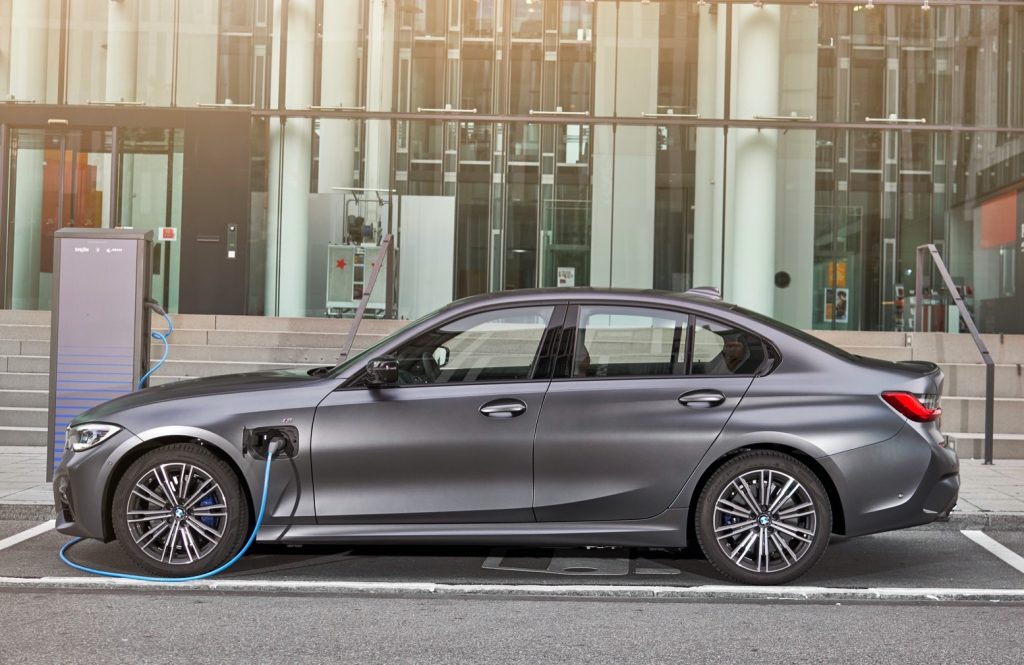
The integration of electric and gasoline power is smooth and reliable, with few reported mechanical issues over extended use. Real-world observations indicate that many BMW 330e owners maintain both fuel efficiency and electric-only range after high-mileage use.
Its combination of performance, engineering quality, and predictable maintenance requirements make the 330e a strong example of a plug-in hybrid that retains value and functionality over time.
5 Plug-in Hybrids That Don’t
While many plug-in hybrids maintain performance and reliability over time, others experience premature degradation, costly repairs, or reduced drivability as they age.
Common issues include rapid battery capacity loss, thermal management failures, software glitches, and mechanical wear in hybrid components.
These problems can lead to diminished electric range, reduced fuel efficiency, and expensive maintenance, making some PHEVs less desirable for long-term ownership.
Several factors contribute to early decline in plug-in hybrids. Battery chemistry and insufficient cooling can accelerate capacity loss, while complex or poorly integrated electric and gasoline systems increase the likelihood of component failure.
Additionally, vehicles with limited service networks or proprietary parts can pose challenges for owners when repairs become necessary.
Real-world reports often highlight certain models where these vulnerabilities appear well before typical warranty periods expire, leaving owners facing unexpected costs and inconvenience.
In this section, we examine five plug-in hybrids that tend to struggle as they age. Each entry highlights the reasons for their declining reliability, including design weaknesses, battery limitations, or maintenance sensitivities.
By understanding these vulnerabilities, prospective buyers and current owners can make informed decisions and anticipate potential challenges.
This overview demonstrates that not all PHEVs retain performance over time, and careful evaluation is essential to avoid costly surprises in long-term ownership.
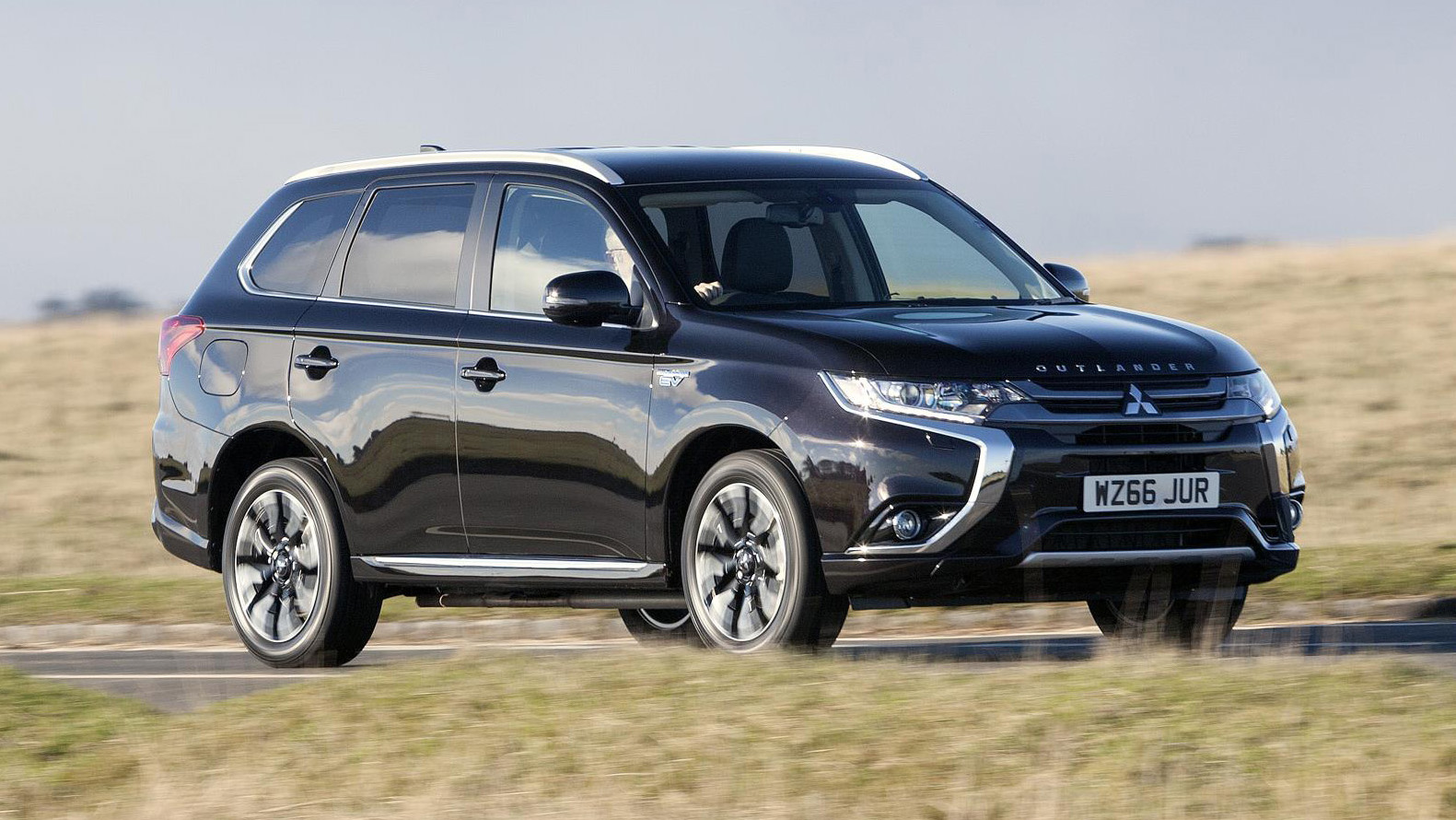
1. Mitsubishi Outlander PHEV (2014–2021)
The Mitsubishi Outlander PHEV, despite its popularity and SUV practicality, has shown early signs of aging in several areas. Owners frequently report reduced electric-only range over time, often due to gradual lithium-ion battery degradation.
This loss of capacity can appear after just a few years of regular use, impacting the vehicle’s overall efficiency and making it less appealing compared to newer plug-in hybrids.
Battery thermal management is a key factor in the Outlander PHEV’s vulnerabilities. The system is less effective at regulating cell temperatures under heavy loads or extreme climates, accelerating capacity loss.
Additionally, the integration of the gasoline engine and electric drivetrain can be complex, with some owners experiencing issues in the power control unit or electric motor components. Software glitches occasionally affect charging and regenerative braking performance, requiring dealer intervention.
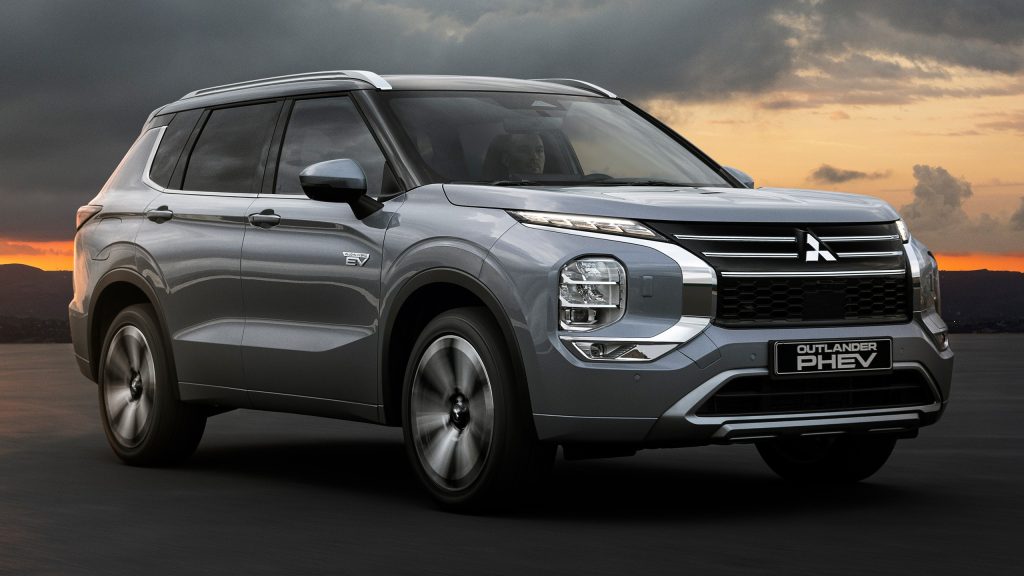
Maintenance can be more demanding than expected, with parts and service less widely available in certain regions, adding to long-term costs. Regenerative braking systems, while reducing conventional brake wear, can experience uneven performance as the vehicle ages.
Despite its initial appeal and utility, the Outlander PHEV demonstrates that battery longevity and system integration are critical to sustained performance, and shortcomings in these areas can cause the vehicle to age less gracefully than competitors.
2. Volvo XC90 T8 Twin Engine (2016–2021)
The Volvo XC90 T8 Twin Engine is a high-performance plug-in hybrid SUV that faces aging challenges over time.
Owners have reported battery capacity loss, decreased electric-only range, and occasional issues with hybrid system electronics, particularly the control modules that manage power distribution between the gasoline engine and electric motor. These problems tend to appear after several years of regular use or high-mileage driving.
One contributing factor is the thermal management of the battery system. While the T8 features a complex cooling system, prolonged use in hot climates or frequent rapid charging can accelerate battery degradation.
The integration of a turbocharged and supercharged gasoline engine with the hybrid drivetrain increases mechanical complexity, making certain components more susceptible to wear or failure.
Maintenance and software updates are critical to prevent further issues, yet service requirements can be costly and require specialized knowledge.
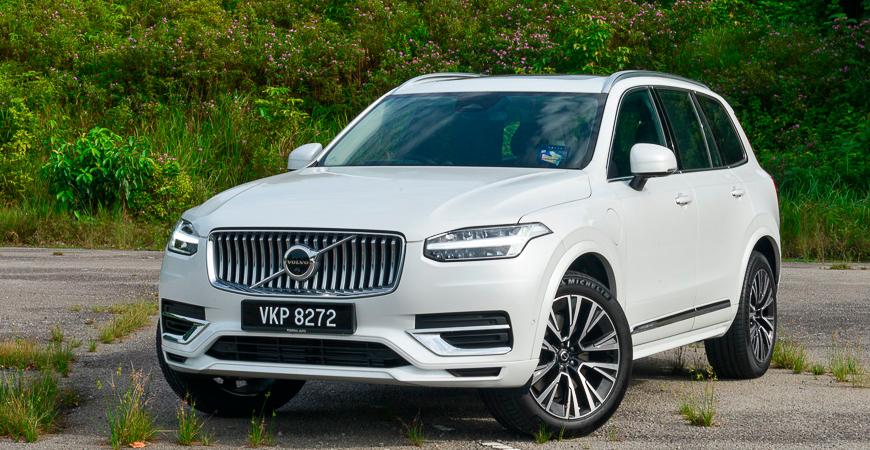
In addition, regenerative braking and energy recovery systems may lose efficiency over time, impacting fuel economy and overall performance.
Owners have also noted that certain software updates can temporarily limit electric range or charging speed, indicating that electronic systems play a significant role in long-term reliability.
These factors make the Volvo XC90 T8 less predictable in aging compared to other plug-in hybrids, emphasizing the importance of design simplicity, battery management, and service accessibility for PHEVs to maintain long-term value.
3. BMW i8 (2014–2020)
The BMW i8 is a visually striking plug-in hybrid sports car, but it faces challenges as it ages. Owners frequently report battery capacity loss and reduced electric-only range, often noticeable within five to seven years of use.
The combination of a high-voltage lithium-ion battery and complex hybrid drivetrain requires careful maintenance, and replacement components can be expensive and difficult to source.
Thermal management plays a critical role in the i8’s aging issues. The battery and power electronics are sensitive to heat, and prolonged high-performance driving can accelerate capacity degradation.
The electric motor, inverter, and gasoline engine integration are sophisticated, but mechanical and electronic components can experience wear or software-related issues over time. Regenerative braking, while reducing wear on conventional brakes, can become less effective as system components degrade.
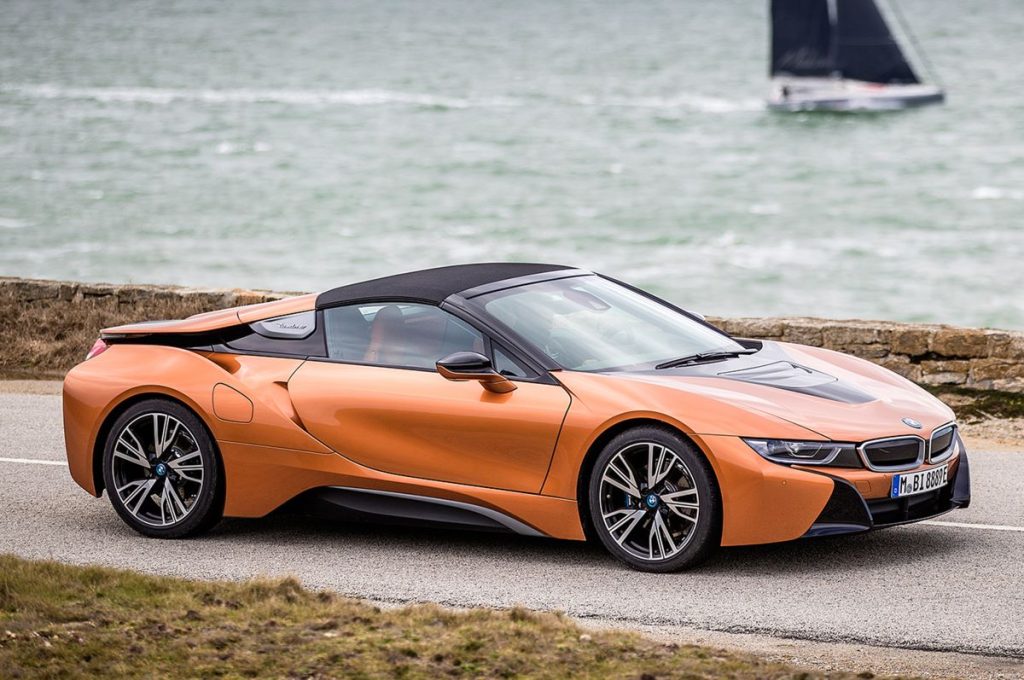
Maintenance and repairs are costly due to the exotic materials used in the i8, including carbon-fiber-reinforced plastic chassis elements and specialized electronics.
Even minor battery performance issues can affect overall drivability, diminishing the sporty, efficient experience that buyers expect.
While the i8 offers excellent performance and futuristic design, its complex systems and high-maintenance requirements make it a plug-in hybrid that does not always age gracefully, particularly compared to more conventional or utility-focused PHEVs.
4. Porsche Panamera 4 E-Hybrid (2017–2021)
The Porsche Panamera 4 E-Hybrid combines luxury, performance, and hybrid efficiency, but owners have noted early aging issues in both battery and hybrid components.
Loss of battery capacity, decreased electric-only range, and occasional software glitches affecting energy management are common problems that tend to appear after moderate mileage.
The vehicle’s high-output hybrid system, pairing a turbocharged gasoline engine with an electric motor, generates significant heat, which can stress battery cells and electronic components.
Thermal management is effective but not infallible, and repeated high-performance driving or frequent rapid charging can accelerate wear. In addition, regenerative braking and energy recovery systems may lose efficiency over time, reducing overall fuel economy.
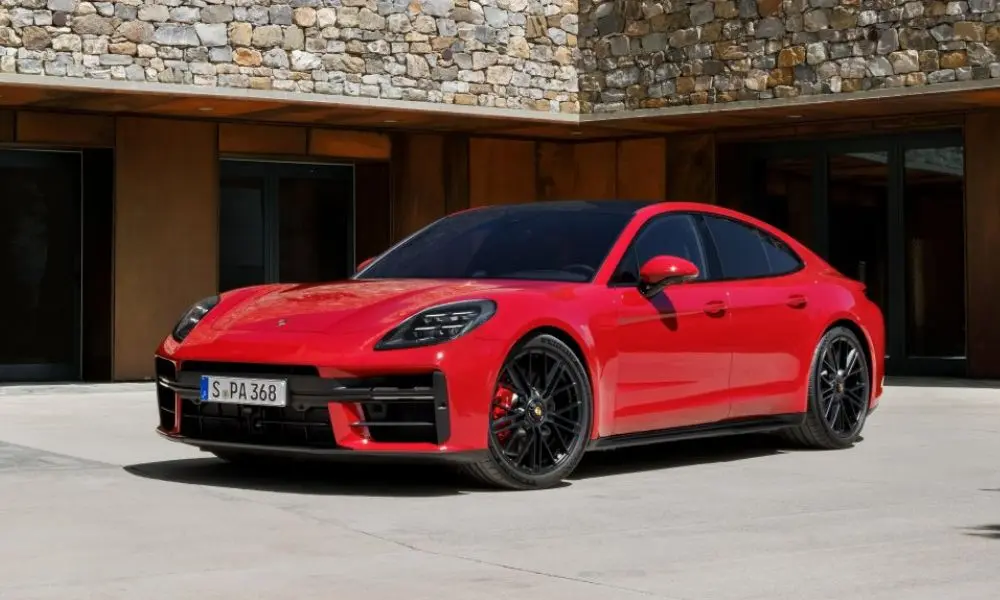
Maintenance costs for the Panamera 4 E-Hybrid are high, and specialized service is often required to address battery or electronic issues. Software updates sometimes temporarily reduce electric range or charging speed, further complicating long-term reliability.
While the Panamera delivers performance and luxury, these aging concerns highlight the challenges of integrating high-performance engines with PHEV systems.
Owners may face diminished electric range and costly maintenance sooner than expected, making it less suitable for buyers seeking a low-maintenance, long-term plug-in hybrid.
5. Ford Fusion Energi (2013–2020)
The Ford Fusion Energi, a popular mid-size plug-in hybrid, has shown signs of aging that make it less dependable over time.
Owners have reported noticeable battery capacity loss after several years, leading to reduced electric-only range and lower overall fuel efficiency. In some cases, the hybrid system’s power control module can develop faults, causing unexpected performance issues or warning lights.
One contributing factor is the battery thermal management system, which is less robust than those in some competitors. Extended exposure to heat or repeated rapid charging can accelerate battery degradation.
Additionally, the integration of the gasoline engine with the electric motor has presented occasional mechanical and electronic issues, including inverter faults or sensor errors, particularly in higher-mileage vehicles.
Regenerative braking efficiency can also decline as components age, reducing both braking feel and energy recovery performance.
Maintenance and repair costs for the Fusion Energi are generally higher than standard gasoline models, due in part to the complexity of the hybrid system.
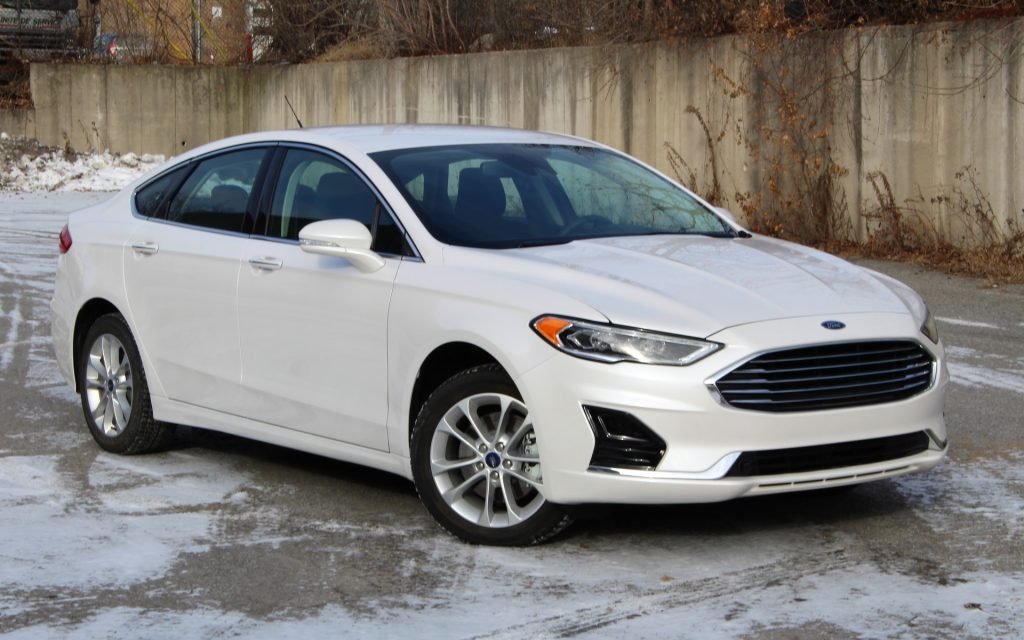
Battery replacement or repairs to the power electronics can be costly, especially after warranty coverage expires.
While the Fusion Energi provides a practical and efficient PHEV experience initially, its propensity for early battery degradation and hybrid system issues makes it less suitable for buyers seeking a long-term, low-maintenance plug-in hybrid.
These challenges highlight the importance of battery quality, thermal management, and simplified hybrid design in ensuring longevity.
Plug-in hybrids (PHEVs) display a wide spectrum of long-term reliability, with some models aging gracefully while others encounter premature degradation and costly maintenance.
PHEVs that age well, such as the Toyota Prius Prime, Honda Clarity Plug-in Hybrid, Chevrolet Volt, Hyundai Ioniq Plug-in Hybrid, and BMW 330e, share common traits that contribute to their durability.
Key factors include robust battery chemistry, effective thermal management, and reliable integration of electric motors with gasoline engines.
These vehicles maintain electric-only range, fuel efficiency, and overall performance over many years, often exceeding 100,000 miles with minimal issues.
Regenerative braking systems, predictable maintenance schedules, and widely available service networks further enhance their longevity, providing owners with a dependable, low-stress ownership experience.
In contrast, PHEVs that don’t age well, such as the Mitsubishi Outlander PHEV, Volvo XC90 T8, BMW i8, Porsche Panamera 4 E-Hybrid, and Ford Fusion Energi, face challenges that reduce their appeal over time.
Common problems include rapid battery capacity loss, thermal management shortcomings, software or electronic faults, and hybrid drivetrain complexities.
High-performance or luxury PHEVs are particularly prone to these issues, as aggressive power output and intricate systems accelerate wear. Maintenance can be costly, and limited service accessibility further complicates long-term ownership.
Loss of electric range, decreased fuel efficiency, and occasional drivability issues highlight the importance of design simplicity, robust battery systems, and reliable hybrid integration for sustained performance.
Comparing these two groups demonstrates that long-term reliability in plug-in hybrids is strongly influenced by battery quality, thermal regulation, and the seamless integration of hybrid components.
Buyers seeking PHEVs that retain performance and efficiency over time should prioritize models with proven durability, well-tested systems, and predictable maintenance requirements, ensuring both peace of mind and consistent ownership value.
Also Read: 5 Cars With Interiors That Stay Premium vs 5 That Feel Cheap
