
When drivers choose a car, they often form a relationship with it that goes far beyond simple transportation. Some vehicles build trust, consistency, and satisfaction, leading to repeat purchases and brand loyalty.
Others, however, create frustration and regret, leaving owners eager to switch brands at the next opportunity. By studying which cars keep people loyal and which push them away, we can better understand the qualities that matter most to everyday drivers.
Reliability, comfort, performance, and ownership experience all influence whether an owner feels proud to keep returning to the same badge or decides never to touch it again.
This comparison looks at ten vehicles that stand out on opposite ends of the spectrum. Five are models that have earned long-term loyalty because they deliver dependable service, hold their value, and fit seamlessly into daily life.
The other five are examples of cars that often lose owners quickly, either because of poor reliability, expensive maintenance, or disappointing real-world performance.
Together, they highlight the difference between vehicles that inspire confidence and those that struggle to maintain it. Understanding this split can guide future buyers toward smarter choices and help avoid the costly mistake of ending up with a car they regret.
Also Read: 5 Diesel Engines That Refuse to Die vs 5 That Constantly Break
5 Cars That Keep Owners Loyal
Loyalty in the automotive world is hard-earned. Drivers who return to the same car or brand often do so because of a consistent record of reliability, comfort, and value.
These vehicles do more than get people from point A to point B; they provide peace of mind over years of ownership. Service visits are predictable, resale values remain steady, and the ownership experience is free of the kinds of headaches that drive people away.
The five cars highlighted here have shown remarkable ability to retain their owners over multiple generations. Some have reputations built on bulletproof engineering, while others combine practicality with thoughtful features that make everyday driving enjoyable.
What unites them is the confidence they inspire. Whether it is through durability, strong dealer support, or an ability to stay modern with each redesign, these models manage to convince drivers that sticking around is a wise choice.
For buyers researching their next purchase, these examples show the qualities that consistently build long-lasting satisfaction.
Each entry in this list demonstrates why owners keep coming back and why these vehicles stand as benchmarks for loyalty in an industry where many cars struggle to keep their drivers happy.
1. Toyota Camry
The Toyota Camry has been a cornerstone of owner loyalty for decades. It represents everything a family sedan should be: dependable, efficient, and comfortable. Owners appreciate the fact that the Camry rarely surprises them with unexpected issues.
Instead, it delivers year after year of steady performance, which creates trust that translates into repeat sales. Many Camry buyers are not just returning customers but also second- or third-generation owners, passing down the habit of choosing this sedan through families.
Reliability is the core reason behind this loyalty. Toyota’s conservative engineering ensures that the Camry’s engines and transmissions are among the longest-lasting in the industry.
Owners often report crossing 200,000 miles with only routine maintenance, which means the car continues serving well beyond what many rivals manage. Insurance rates and repair costs are also relatively low, which adds to the appeal of keeping one for the long haul.
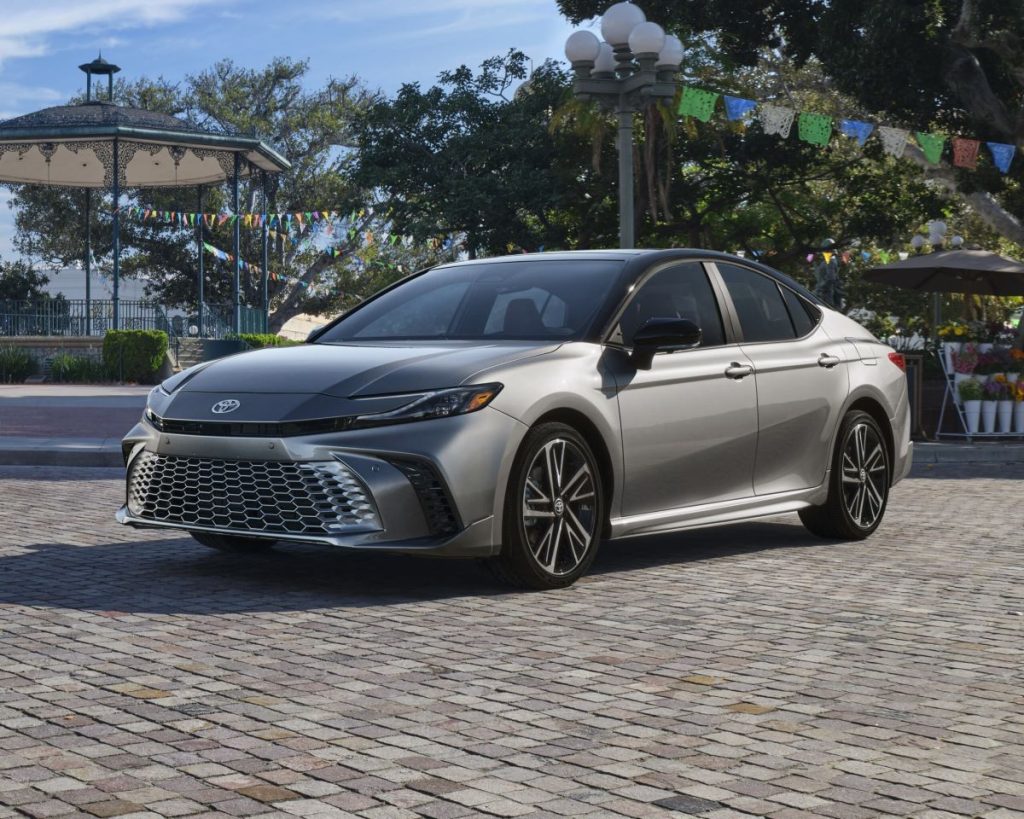
Comfort and practicality play a major role as well. The Camry’s interior is spacious, its ride is smooth, and it comes with a strong record for safety features. These traits make it easy to live with every day, whether for commuting or long-distance travel.
For all these reasons, the Camry is not just another sedan it is a car that earns loyalty through trustworthiness, value, and consistency.
Writing about it in this context makes sense because no discussion of loyalty is complete without including the benchmark model that countless families return to year after year.
2. Honda Accord
The Honda Accord has built its reputation on a careful mix of reliability, refinement, and practicality, making it one of the strongest loyalty builders in the midsize sedan segment. Owners often describe it as a car that simply does everything well.
From smooth engines to roomy interiors and strong fuel efficiency, the Accord offers a balance that keeps families and commuters returning when it is time for a new car.
One of the main reasons for repeat ownership is the Accord’s engineering quality. Honda has long focused on creating engines and transmissions that deliver both durability and engaging performance.
Many Accords remain on the road for decades, routinely hitting 250,000 miles or more. This kind of long-term dependability builds trust that few competitors can match.
The Accord also maintains strong resale values, which adds another layer of appeal. Owners who trade in or sell their Accord are often pleasantly surprised by how much value it retains, which makes upgrading to a newer model financially easier.
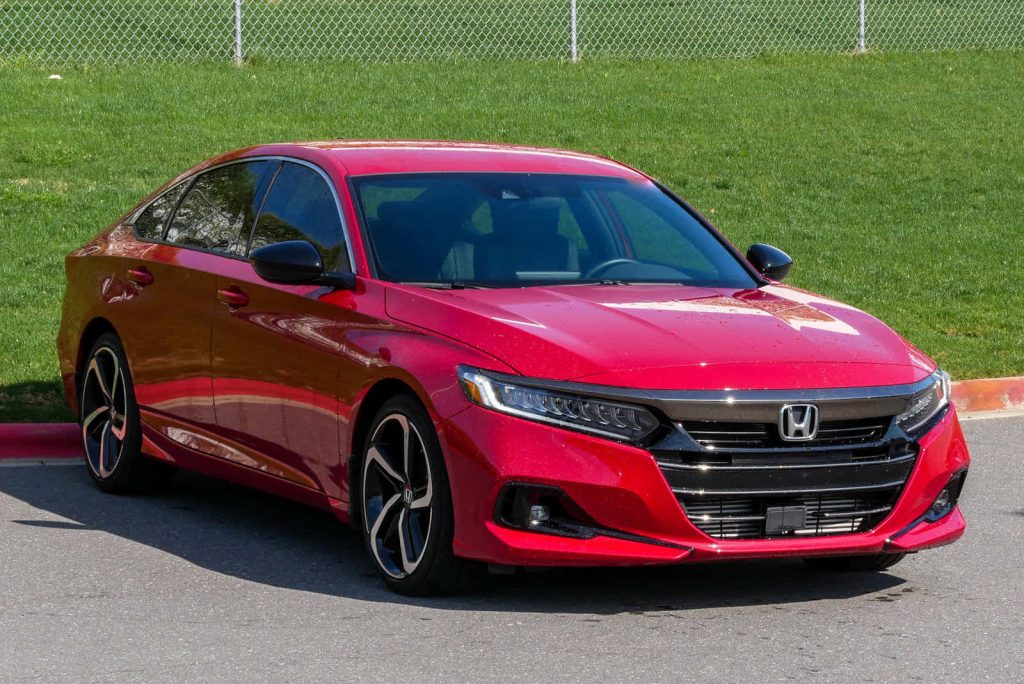
Add to that the car’s reputation for safety, responsive handling, and consistent design updates, and it is easy to see why loyalty rates remain high.
Writing about the Accord in this context matters because it illustrates how thoughtful engineering and consistency can create lifelong customers. Generations of drivers who grew up riding in Accords often end up buying them themselves, keeping the cycle of loyalty alive.
3. Subaru Outback
The Subaru Outback stands as one of the few wagons to achieve cult-like loyalty in the modern market.
Owners who buy one often find themselves unwilling to switch to anything else, largely because of the Outback’s unique blend of versatility, comfort, and all-weather capability.
It is not just a vehicle for commuting; it is a trusted partner for outdoor activities, family trips, and daily life.
Subaru’s standard all-wheel drive is central to this loyalty. In regions where winters are harsh or terrain is unpredictable, the Outback provides confidence that few rivals can match.
Owners trust that no matter the conditions, the car will get them where they need to go. Paired with strong safety ratings and roomy interiors, it appeals to both adventurous drivers and practical families.
Longevity also plays a role. Outbacks are known to run reliably for hundreds of thousands of miles with routine care, making them cost-effective in the long run.
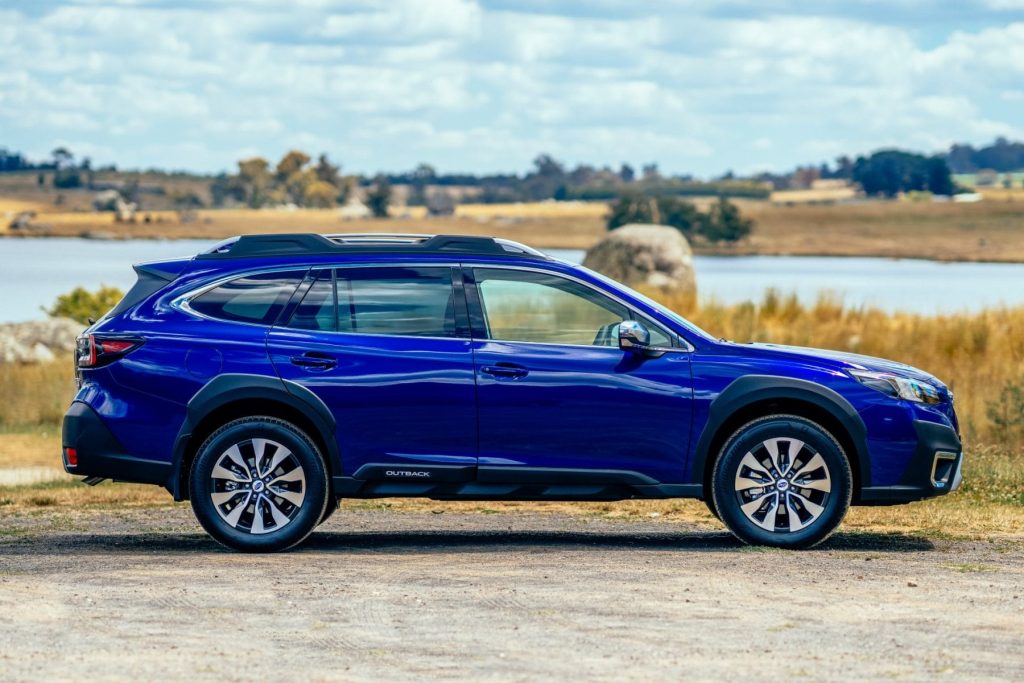
Subaru’s strong community of enthusiasts adds another factor, as it builds a sense of belonging among owners who value the brand’s identity.
Highlighting the Outback here makes sense because it shows how a car can build loyalty not just through mechanical dependability but also by fitting into a lifestyle.
For many, once they experience an Outback’s mix of ruggedness and everyday practicality, leaving it behind feels unnecessary. That is why Subaru’s wagon continues to keep its customers loyal across generations.
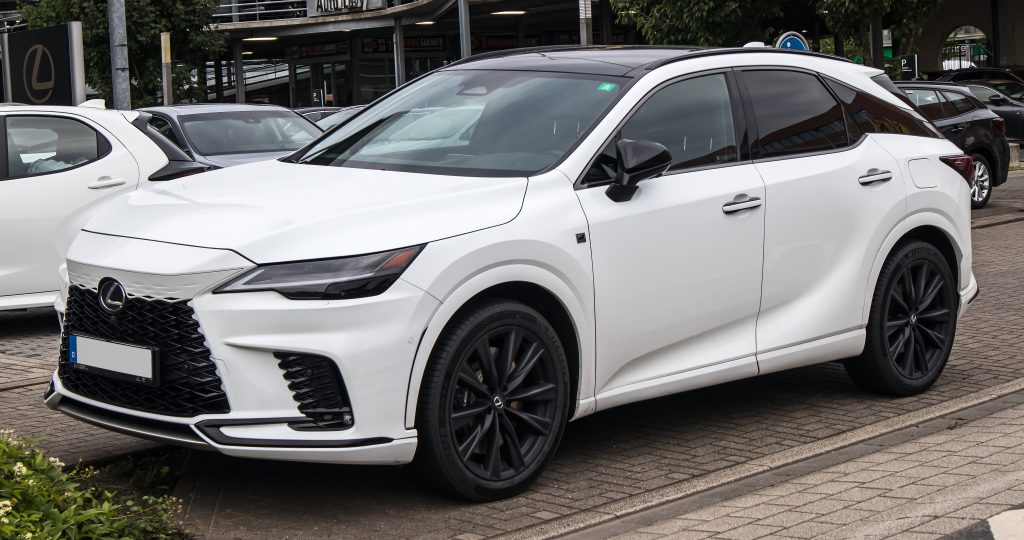
4. Lexus RX
The Lexus RX has earned a reputation as one of the most reliable luxury crossovers on the market, and that reliability is a major reason why its owners keep coming back.
It combines the comfort and refinement expected from a premium brand with Toyota’s track record of durability. This rare mix makes the RX a standout in its class, where many competitors struggle with long-term reliability.
Owners often praise the RX for providing a luxury experience without the headaches that sometimes accompany European models.
The ride is smooth, the interior is upscale, and maintenance costs are lower than rivals from Mercedes-Benz, BMW, or Audi. Over the years, the RX has become a safe bet for those who want the benefits of luxury without the risks of high repair bills or early breakdowns.
Resale values also support loyalty. Lexus models, particularly the RX, tend to hold their worth far better than most luxury vehicles.
This means that upgrading to a newer model becomes a financially sound decision. Families and retirees alike value the dependability and comfort that carry over from one generation to the next.
Including the RX in this list highlights how luxury does not need to come at the expense of loyalty. Instead of offering flash without long-term support, the RX has proven that refinement and reliability can coexist.
Owners who once choose it for peace of mind often find themselves purchasing the next generation, maintaining brand loyalty with ease.
5. Ford F-150
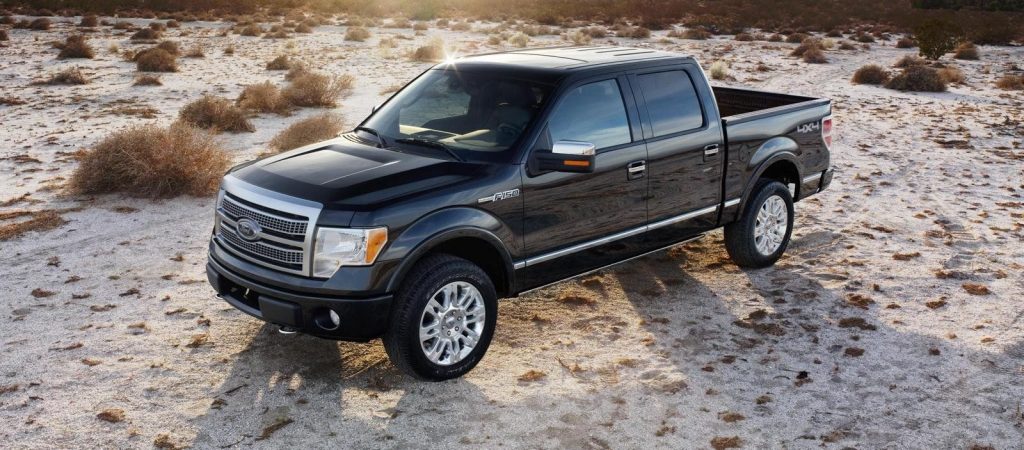
The Ford F-150 is not only the best-selling truck in America but also one of the most effective loyalty builders in the industry.
Its dominance in the pickup market stems from a combination of versatility, durability, and constant innovation, which together keep customers returning generation after generation.
Owners often rely on their trucks for both work and personal use, and the F-150 has a long-standing reputation for meeting those needs without compromise.
Whether towing, hauling, or simply serving as a family vehicle, the F-150 has proven itself capable. Ford has also been careful to expand its trims and options, allowing buyers to customize the truck to match their specific lifestyle.
Durability is another loyalty driver. Many F-150s last for decades with proper maintenance, and the widespread availability of parts and service makes ownership straightforward.
Ford’s dealer network also plays a role, ensuring that customers rarely struggle to find support when needed.
Another factor is how the F-150 evolves while staying familiar. With each new generation, Ford introduces advanced features while keeping the core traits that loyal customers value. This makes upgrading seamless, reinforcing the habit of sticking with the brand.
Writing about the F-150 here matters because it demonstrates how loyalty is built not only on reliability but also on relevance.
It shows how a truck that adapts to changing times while honoring its roots can create a cycle where once an owner chooses an F-150, they rarely look elsewhere.
5 Cars That Lose Owners Fast
Not every car leaves a lasting positive impression. Some vehicles may attract buyers initially with stylish looks, appealing marketing, or competitive pricing, but they fail to retain those owners for long.
Common complaints include costly repairs, disappointing performance, poor build quality, or frustrating ownership experiences that make drivers eager to switch brands.
Unlike vehicles that inspire loyalty, these cars are remembered for the problems they create rather than the satisfaction they bring.
When a car consistently loses owners, it is often because expectations do not match reality. A model may look strong on paper yet struggle in day-to-day use.
Reliability ratings, resale values, and service records reveal these weaknesses over time, leaving many buyers unwilling to return for a second try.
While every automaker has some models that succeed, these five examples show how quickly reputation can crumble when engineering or customer support falls short.
Highlighting them is not meant to dismiss every version of these cars but to explain why so many owners decide not to stay.
Understanding their shortcomings is valuable for future buyers, as it shows the risks of focusing on style or promises without considering long-term dependability.
1. Fiat 500
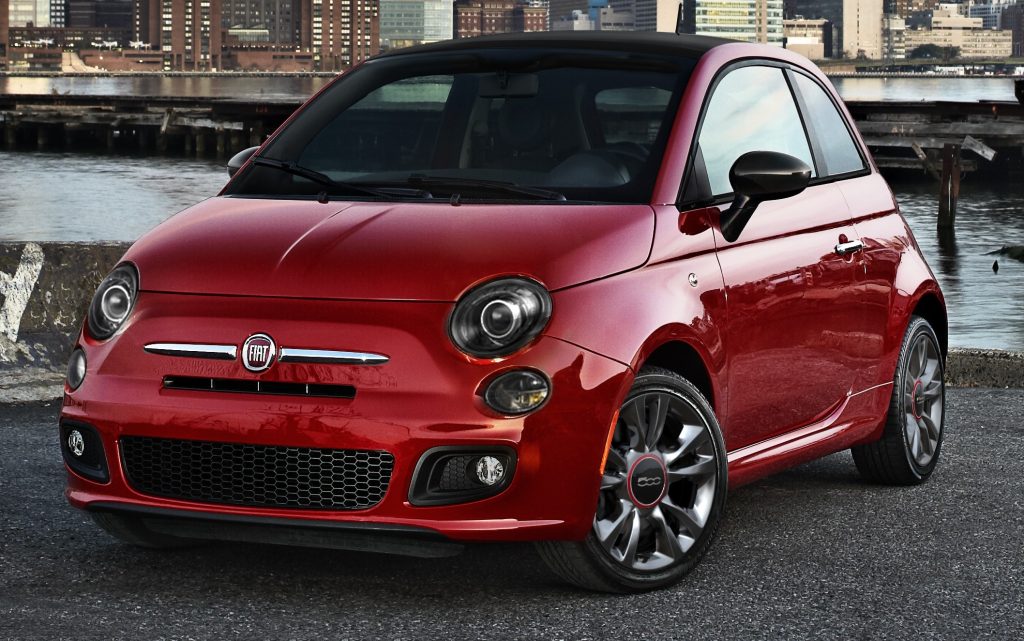
The Fiat 500 arrived with charm and retro styling that drew plenty of attention, but many owners soon discovered that looks do not make up for frustrating ownership. Loyalty rates for the 500 are among the lowest in its class, as drivers often abandon the brand after dealing with reliability issues and costly repairs.
The car’s small size is appealing for city driving, yet it also creates limitations. The cramped interior, limited cargo space, and stiff ride make it less practical than rivals. For a vehicle meant to serve as daily transportation, these shortcomings quickly become noticeable.
Mechanical concerns are a bigger issue. Owners have reported electrical glitches, transmission troubles, and premature wear on key components.
Such problems not only reduce trust but also create high maintenance costs relative to the car’s size and price point. Fiat’s limited dealer network in many regions only adds to the frustration, as service options are not always convenient.
Resale values for the 500 are weak, which discourages repeat ownership. Once burned by poor dependability and low trade-in value, many buyers move on to more established small cars from brands like Honda or Toyota.
Writing about the Fiat 500 here highlights how a car that initially wins hearts can just as quickly lose them when everyday reliability and practicality fail to deliver. Its story shows how brand loyalty evaporates when problems outweigh charm.
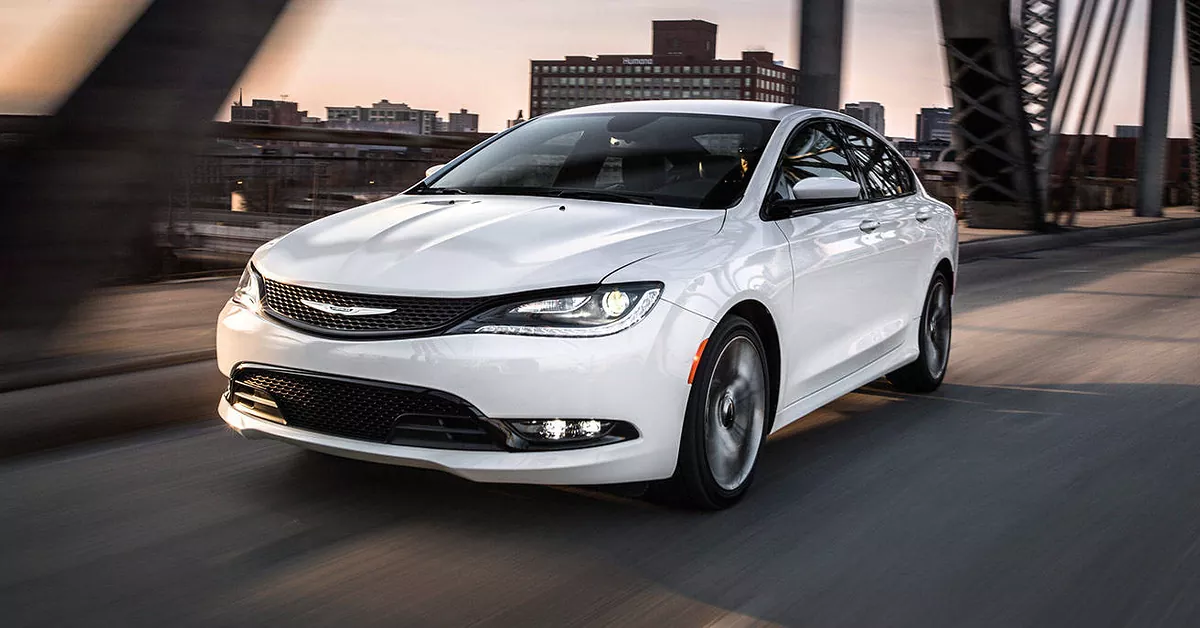
2. Chrysler 200
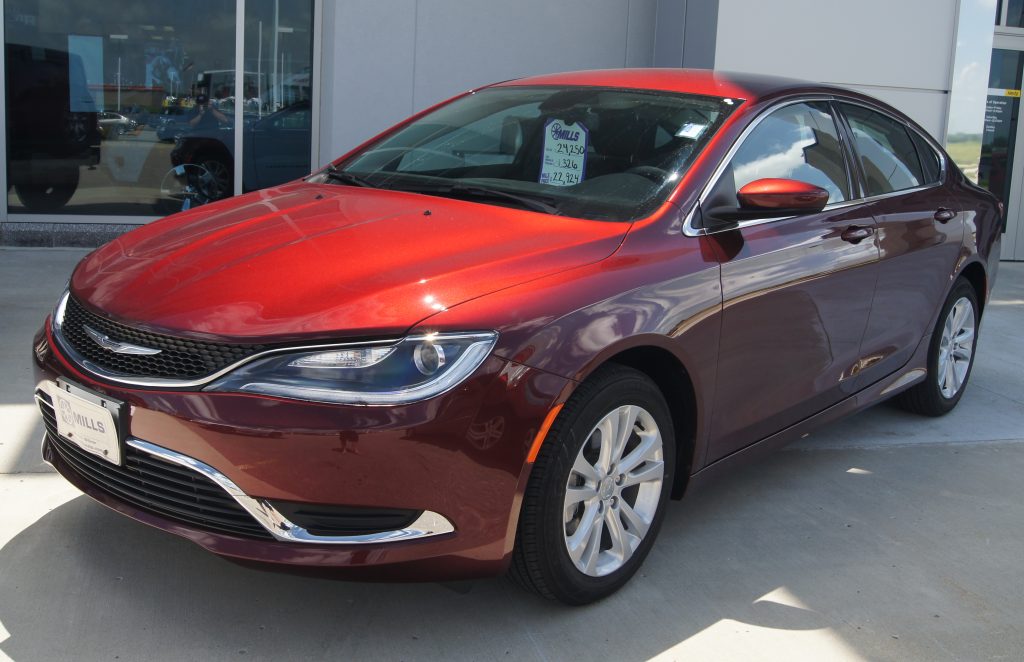
The Chrysler 200 was marketed as a stylish midsize sedan with modern features, but ownership experiences often told a different story.
Many buyers who took a chance on the 200 quickly regretted it, and loyalty rates for the model remain extremely low. The biggest issue came from its mechanical flaws, particularly the transmission.
The nine-speed automatic that was supposed to give the car an edge in fuel economy instead became one of its biggest liabilities. Owners reported harsh shifts, hesitation, and unpredictable performance, making the car unpleasant to drive.
Reliability ratings dropped as repair costs mounted, and service visits became far too common. A vehicle that was meant to compete with stalwarts like the Honda Accord or Toyota Camry never managed to match their consistency.
Interior comfort also disappointed many buyers. Despite stylish advertising, the cabin was cramped, especially in the rear seats. Build quality felt inconsistent, with rattles and wear showing up earlier than expected. These issues created frustration and made it hard for owners to see long-term value.
Because of these flaws, resale values fell sharply, leaving many owners financially frustrated at trade-in time. Highlighting the Chrysler 200 here matters because it demonstrates how quickly trust erodes when engineering misses the mark.
A strong design on paper was not enough to create repeat customers, and most who bought one left the brand entirely after experiencing its flaws firsthand.
3. Nissan Versa
The Nissan Versa is one of the most affordable cars on the market, and its low entry price often attracts first-time buyers.
Unfortunately, many of those buyers never return to the brand after owning one. The problem is that affordability often came at the expense of quality, refinement, and long-term satisfaction.
Owners frequently describe the Versa as underpowered, noisy, and uncomfortable on longer drives. Its basic interior materials wear quickly, and the lack of features compared to rivals leaves it feeling outdated even in newer models.
While cost-conscious buyers may accept these trade-offs initially, disappointment sets in over time when the car struggles to provide comfort or confidence.
Reliability has also been a sore point. The Versa’s continuously variable transmission (CVT) has been a frequent source of complaints, with many reports of early failure or expensive repairs. Combined with sluggish performance, this issue makes the ownership experience frustrating.
Resale values are among the lowest in the subcompact segment, meaning owners often take a financial hit when trying to trade in or sell their car.
Instead of upgrading to another Nissan, many buyers move to competing brands that provide better reliability and features for only slightly higher prices.
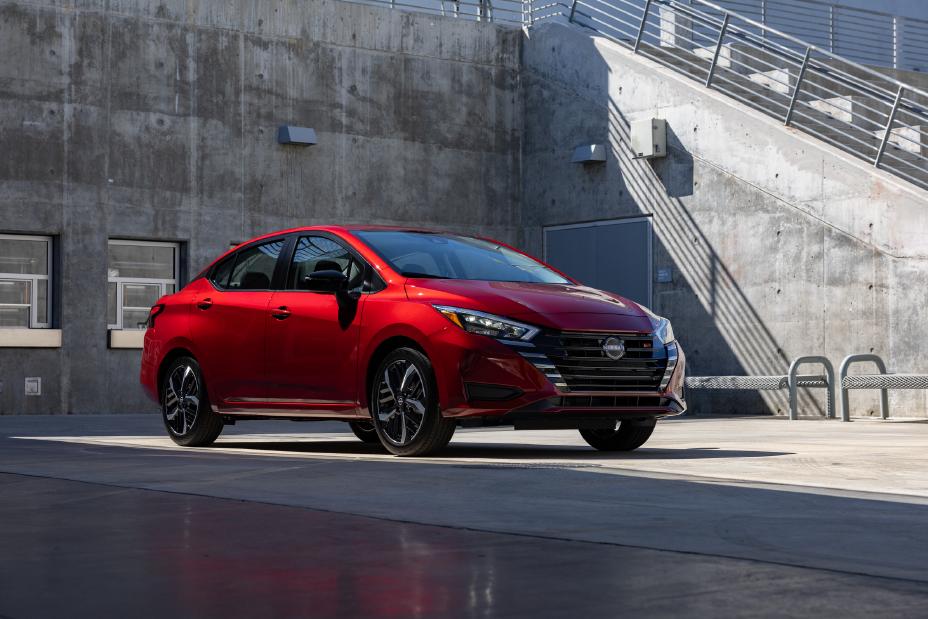
Writing about the Versa here highlights how a car that draws people in with affordability can lose them just as quickly when quality fails to meet expectations. It is a prime example of how cost-cutting can hurt loyalty in the long run.
4. Chevrolet Spark
The Chevrolet Spark entered the market as a budget-friendly city car aimed at young buyers and urban drivers.
While its compact size and low price initially made it appealing, loyalty rates for the Spark are low because many owners outgrow its limitations or grow frustrated with its shortcomings.
One of the biggest issues is performance. The Spark’s small engine delivers sluggish acceleration, making highway driving stressful and limiting confidence in certain situations.
Owners often describe it as underpowered and tiring to drive for extended trips. This lack of versatility becomes a major drawback, especially when compared to rivals that balance efficiency with better drivability.
Interior quality also leaves much to be desired. While Chevrolet included modern infotainment options in some trims, the overall materials and cabin feel are basic. Wear and tear appear quickly, which reduces satisfaction for long-term owners.
Combined with limited space for passengers and cargo, the Spark often feels like a short-term solution rather than a lasting investment.
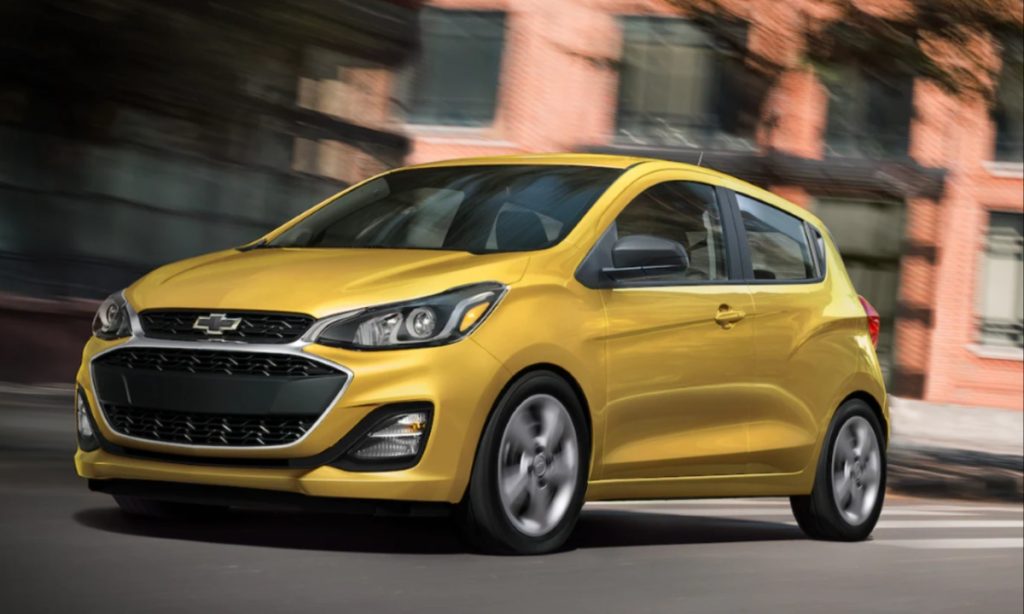
Resale value is another problem. The Spark depreciates quickly, and many owners find themselves with a car that is worth far less than expected at trade-in time. This discourages repeat purchases and drives people to other brands with stronger reputations for longevity.
Writing about the Spark here makes sense because it shows how a car that looks appealing as an entry-level option can ultimately fail to create lasting trust. Once buyers experience its limitations, they often leave Chevrolet for more rewarding alternatives.
5. Dodge Journey
The Dodge Journey is often cited as one of the least satisfying SUVs in its class, with loyalty rates reflecting its poor reputation. While it was marketed as an affordable family crossover, ownership experiences frequently revealed major shortcomings that discouraged repeat buyers.
One of the biggest problems was outdated design. The Journey lingered on the market for years with minimal updates, leaving it behind rivals in safety technology, fuel efficiency, and overall refinement. Owners expecting a modern SUV often found themselves with a vehicle that felt stuck in the past.
Mechanical reliability was another key issue. Reports of failing transmissions, weak brakes, and electrical problems were common, leading to high maintenance costs.
For a family vehicle, such unpredictability created frustration and distrust. When paired with below-average crash-test scores, the Journey did little to inspire confidence in long-term ownership.
Interior quality and space also disappointed many families. While advertised as a three-row SUV, the rear seats were cramped, and the cabin materials felt cheap compared to competitors.
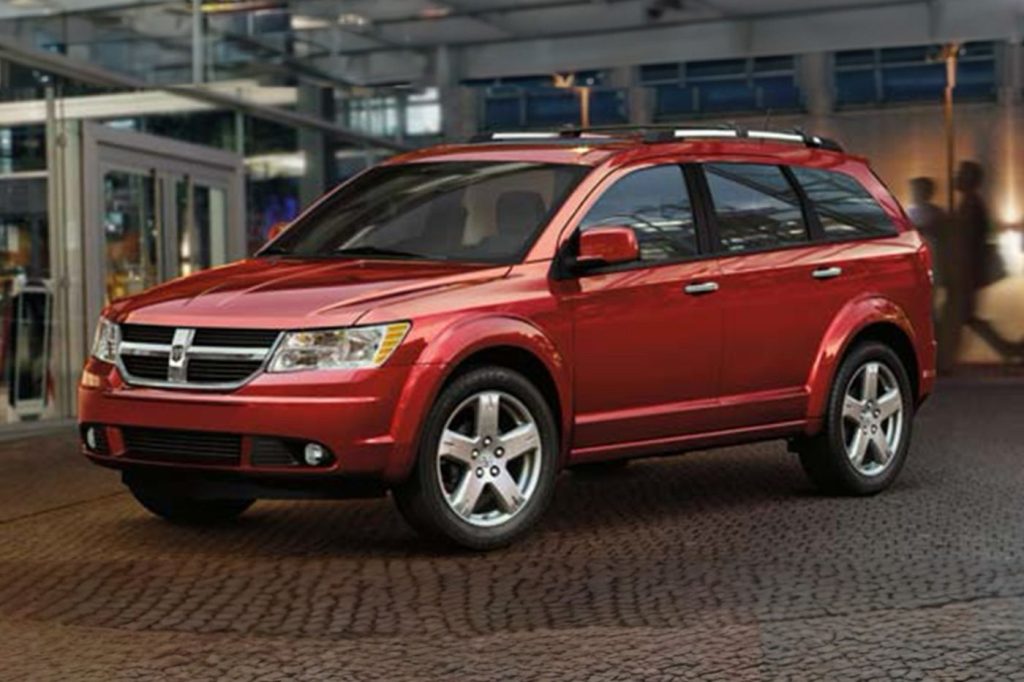
This combination of poor usability and low durability meant that owners rarely stayed loyal when it came time to replace the vehicle.
Including the Dodge Journey in this list is important because it highlights how neglect and outdated design can destroy brand trust.
Buyers drawn in by low prices often left disappointed, and few returned for another Dodge SUV. Its story reflects how failing to evolve with customer needs leads to declining loyalty over time.
Also Read: 5 Ford SUVs That Rarely Break vs 5 That Constantly Do
