
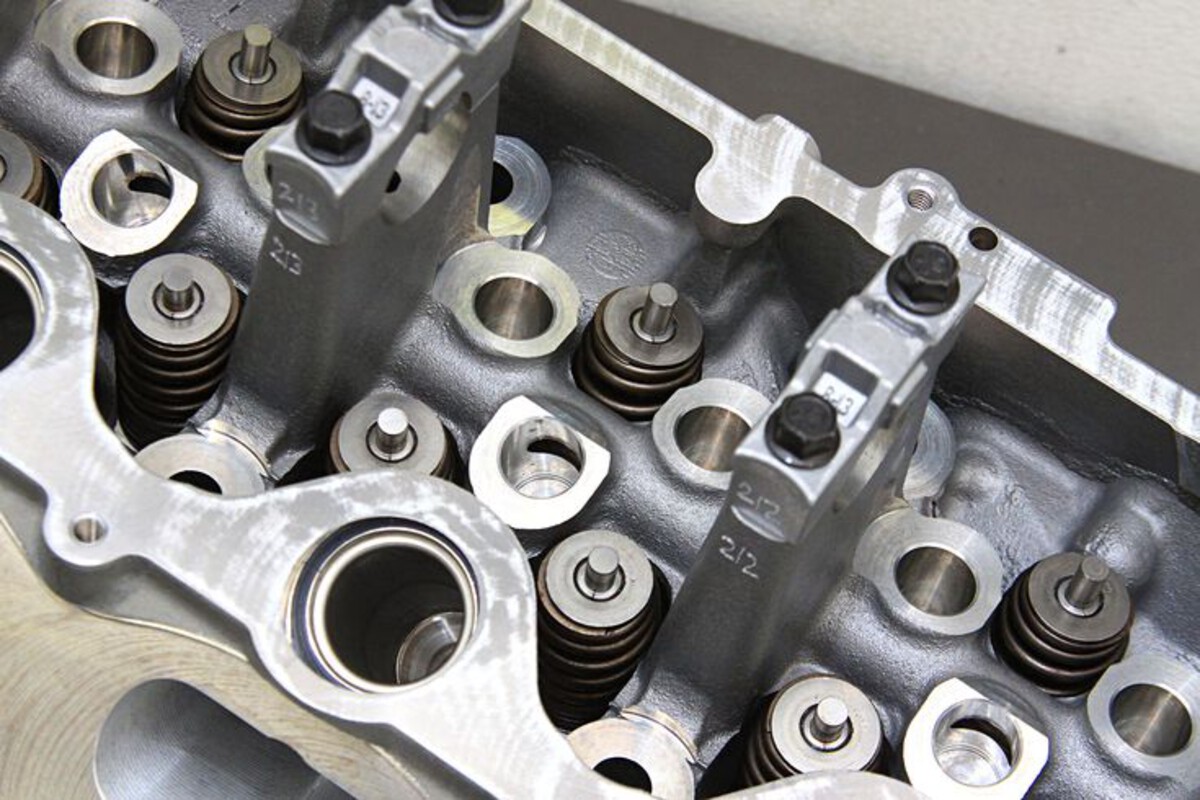
V8 engines have long stood as symbols of strength, endurance, and performance. Some of them are engineered so well that they remain in service for decades, even passing half a million miles without needing major repairs.
Others, however, fall short of expectations and struggle to last even a fraction of that distance. Looking at both extremes shows how engineering choices, materials, and design philosophy can determine whether an engine becomes legendary or notorious.
The cars and trucks built with these engines reflect their character. When the powerplant is reliable, it often outlasts the vehicle itself, becoming a benchmark of durability.
Owners trust these engines to handle heavy towing, long road trips, and years of daily use. On the other side are V8s that leave owners frustrated.
Mechanical flaws, poor durability, or weak components mean they wear out prematurely, often costing more in repairs than they are worth.
By comparing five V8s that can run past 500,000 miles with five that often fail before 150,000, we can see the stark difference between designs that last and those that disappoint.
This perspective also provides guidance for enthusiasts, collectors, and everyday drivers deciding which engines deserve trust and which ones to avoid.
Also Read: 5 SUVs That Stay Valuable at Resale vs 5 That Drop Fast
5 V8 Engines That Run Past 500k
Engines that cross the 500,000-mile mark without major issues represent the highest standard of dependability. They are not only well-built but also engineered with longevity in mind.
Owners who maintain them properly often find that the rest of the vehicle wears out before the engine itself does. These powerplants prove that with robust design and careful attention to detail, a V8 can remain reliable for decades.
The engines highlighted in this section are celebrated for their durability. Each has developed a reputation among mechanics, drivers, and enthusiasts as a unit that just keeps going.
They may not always be the most powerful or technologically advanced, but they shine because of their ability to withstand years of stress.
Some serve in work trucks pulling heavy loads, others power performance cars that see demanding use, and yet they still reach mileages that many engines can only dream of.
Writing about these particular engines matters because they show the value of strong engineering and consistent design.
They set benchmarks in the automotive world for how long a well-built V8 should last. Their stories prove that endurance is as impressive as horsepower when it comes to engine design.
1. Toyota 4.7L i-Force V8
The Toyota 4.7L i-Force V8, found in vehicles like the Land Cruiser, Sequoia, and Tundra, has become a legend in durability. Known internally as the 2UZ-FE, this engine was built with longevity in mind.
Unlike many V8s that chase maximum output, Toyota prioritized balance, reliability, and rugged construction, which is why so many examples are still running strong after half a million miles.
One of the keys to its durability is its iron block paired with aluminum heads, a design that combines strength with weight savings. Its conservative output means it is never over-stressed, and its internal components are overbuilt compared to what the engine demands.
Owners frequently note that with basic maintenance like oil changes and timing belt replacements, the 2UZ-FE can easily exceed 500,000 miles.
Another reason for its long life is its versatility. These engines are used in heavy-duty applications, from off-road SUVs to full-size trucks, and they handle extreme conditions without complaint.

Whether pulling trailers, crossing deserts, or enduring harsh winters, the 4.7L continues to perform reliably. Including the 4.7L i-Force here is essential because it represents how a manufacturer can design an engine to prioritize strength over flash.
It is not the most powerful V8 Toyota ever made, but it is the one that countless owners trust to keep running indefinitely. Writing about it emphasizes how sound engineering and thoughtful design make an engine last far beyond expectations.
2. Chevrolet 5.3L Vortec V8
The Chevrolet 5.3L Vortec V8, part of the LS family, has earned a reputation as one of the most dependable truck engines ever produced.
Found in millions of Silverado and Suburban models, as well as GMC Sierra and Yukon vehicles, it combines practicality with rugged durability.
Many owners report these engines crossing the half-million-mile mark without major internal repairs, provided routine maintenance is followed.
One of the reasons for this longevity is its simple yet robust design. With cast-iron blocks in many versions and aluminum heads, the engine can withstand years of heavy-duty use.
The Vortec’s fuel injection system and relatively low-stress compression ratios mean it avoids many of the problems that plague more complicated V8s. Even when used for towing or commercial purposes, the engine continues to deliver consistent performance.
Mechanics often praise the 5.3L for being easy to service, with parts widely available at reasonable costs.
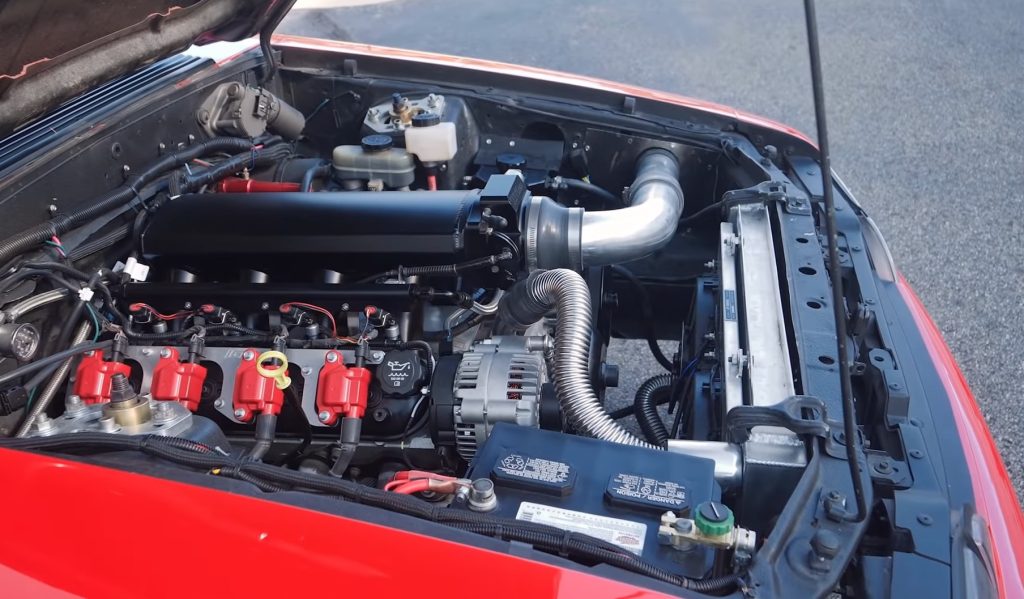
This keeps maintenance straightforward and affordable, encouraging owners to keep their vehicles for decades. Its proven track record in everything from family SUVs to work trucks shows that it was engineered with endurance as a priority.
Including the 5.3L Vortec here highlights how a mass-market engine can still achieve legendary longevity. It proves that thoughtful design combined with simplicity can create a V8 that owners confidently run well past 500,000 miles.
3. Ford 4.6L Modular V8
Ford’s 4.6L Modular V8 may not be the most powerful engine in the company’s history, but it is certainly one of the most durable. Used in Crown Victorias, F-150s, Mustangs, and countless fleet vehicles, the 4.6L built a reputation for reliability under demanding conditions.
Many taxis and police cars powered by this engine exceeded 500,000 miles, often with little more than routine service.
Part of its strength lies in its conservative design. With overhead cams, relatively low compression, and sturdy internal components, the engine is rarely pushed beyond its limits.
It was engineered for versatility, powering everything from sedans to trucks, and proved itself adaptable and reliable across decades of use. Owners often describe it as “bulletproof,” noting that it continues to run smoothly even with high mileage.
The modular family also benefited from widespread use, meaning parts availability and mechanic familiarity are exceptional. This has kept repair costs low and encouraged owners to stick with vehicles powered by the 4.6L long after they might have moved on otherwise.
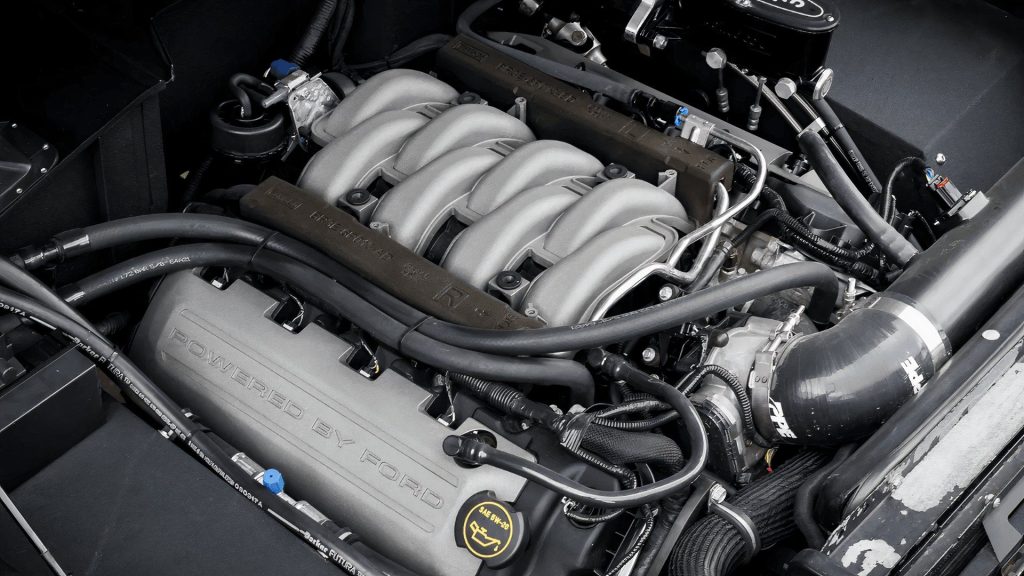
Highlighting the 4.6L Modular V8 here makes sense because it demonstrates how durability, not headline horsepower, creates lasting trust.
Its legacy is seen in the countless high-mileage examples still on the road today, showing that a carefully engineered V8 can remain relevant long after newer designs arrive.
4. Mercedes-Benz M119 5.0L V8
Among European V8s, few can match the reputation of the Mercedes-Benz M119 5.0L for durability. Introduced in the late 1980s and used in models such as the S-Class, E-Class, and SL, the M119 combined advanced technology with robust engineering.
Owners and specialists frequently report these engines running past 500,000 miles when maintained properly, a rare achievement for a high-performance German V8.
The M119 featured dual overhead cams, four valves per cylinder, and variable valve timing, which gave it both efficiency and power. Yet despite its complexity, it was engineered with durability in mind.
Forged internals, strong block construction, and high-quality materials ensured that the engine could handle years of demanding use. Even under heavy loads in large luxury sedans, the M119 proved itself capable of lasting decades.
What sets the M119 apart is how it manages to combine smoothness and refinement with longevity.
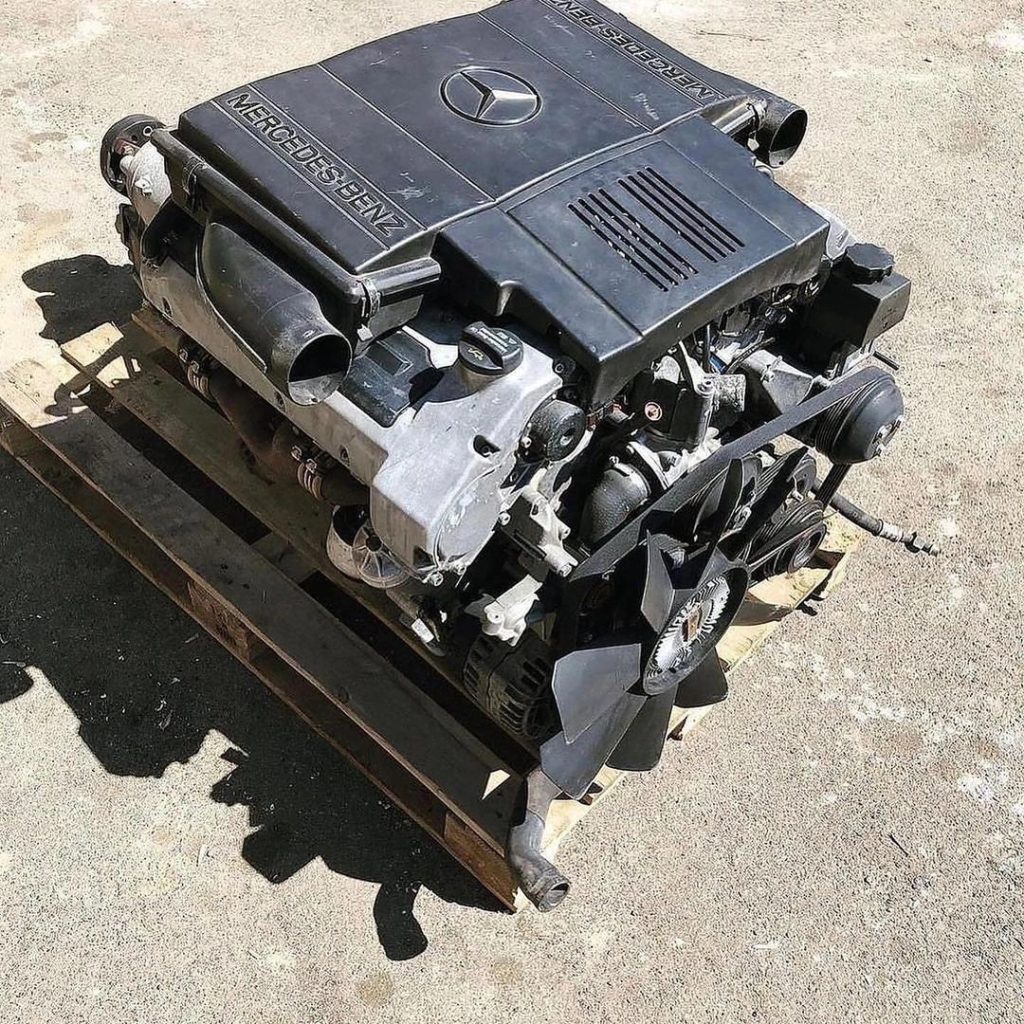
It was designed during an era when Mercedes focused heavily on over-engineering, prioritizing long-term durability over cost savings. As a result, these engines became known for their ability to run nearly indefinitely with consistent service.
Including the M119 here underscores how thoughtful German engineering can produce an engine that matches Toyota and GM for endurance.
It remains a favorite among collectors and enthusiasts not just for performance but for its ability to stay reliable long after rivals have failed.
5. Cummins 5.9L V8
Although Cummins is most famous for its inline-six diesels, the company also produced a 5.9L V8 that earned a loyal following for its rugged durability.
Used in heavy-duty trucks and industrial applications, this engine is known to last well beyond 500,000 miles with proper care. Its construction reflects Cummins’ focus on longevity, with heavy-duty materials and engineering designed to withstand extreme workloads.
The 5.9L V8 diesel was built for torque, not speed, which helped extend its life. By operating at lower stress levels than high-revving gasoline engines, it avoided the kind of wear that typically shortens engine life.
Fleet operators valued it for its reliability in hauling and towing, and many of these engines are still in service decades later.
Another factor in its longevity is ease of maintenance. Designed for commercial use, the engine was built to be serviced regularly, with components that are straightforward to replace or rebuild.

Parts availability remains strong, which has helped keep many of these engines alive long after their original vehicles were retired.
Including the Cummins 5.9L V8 emphasizes how diesel engineering principles translate into extraordinary endurance.
It shows how an engine designed for work, rather than performance alone, can surpass the half-million-mile mark with relative ease. Its reputation stands as proof that when reliability is the top priority, a V8 can become practically unstoppable.
5 That Don’t See 150k
While some V8 engines proudly reach half a million miles with regular care, others fail to inspire the same confidence. Not every V8 built has the pedigree, materials, or engineering to endure the punishment of decades and hundreds of thousands of miles.
In fact, there are several notorious examples where reliability issues, fragile internals, or flawed designs keep them from lasting much beyond 150,000 miles.
Owners who once believed they were getting power and dependability often found themselves facing expensive rebuilds or replacements far earlier than expected.
This section focuses on five such engines. Each one became known for issues that cut their lifespans short, whether it was oil starvation, poor cooling system design, timing component failures, or cost-cutting in construction.
Some were produced during eras when emissions regulations and cost pressures forced compromises, while others simply suffered from poor execution despite promising power figures.
The aim here is to highlight why these V8s failed to earn the same long-term respect as their tougher counterparts.
By looking at these engines, enthusiasts, mechanics, and buyers can understand the pitfalls that plagued them and why they stand as cautionary tales rather than examples of engineering triumph.
1. Cadillac Northstar V8
The Cadillac Northstar V8 promised advanced technology and refinement when it arrived in the early 1990s, but its reputation quickly soured as owners discovered serious durability issues.
The engine was engineered with features like aluminum construction, dual overhead cams, and a relatively high output for its time, making it appear cutting-edge. However, the complexity came at the expense of long-term reliability.
One of the most infamous problems involved the head bolts. They were prone to pulling out of the soft aluminum block, which caused head gasket failure. Once this happened, overheating was nearly inevitable, leading to catastrophic damage.
Many Northstar engines rarely saw more than 120,000–140,000 miles before requiring major repairs. Fixing the head bolt issue was not a simple job; it often required expensive machine work or full replacement.
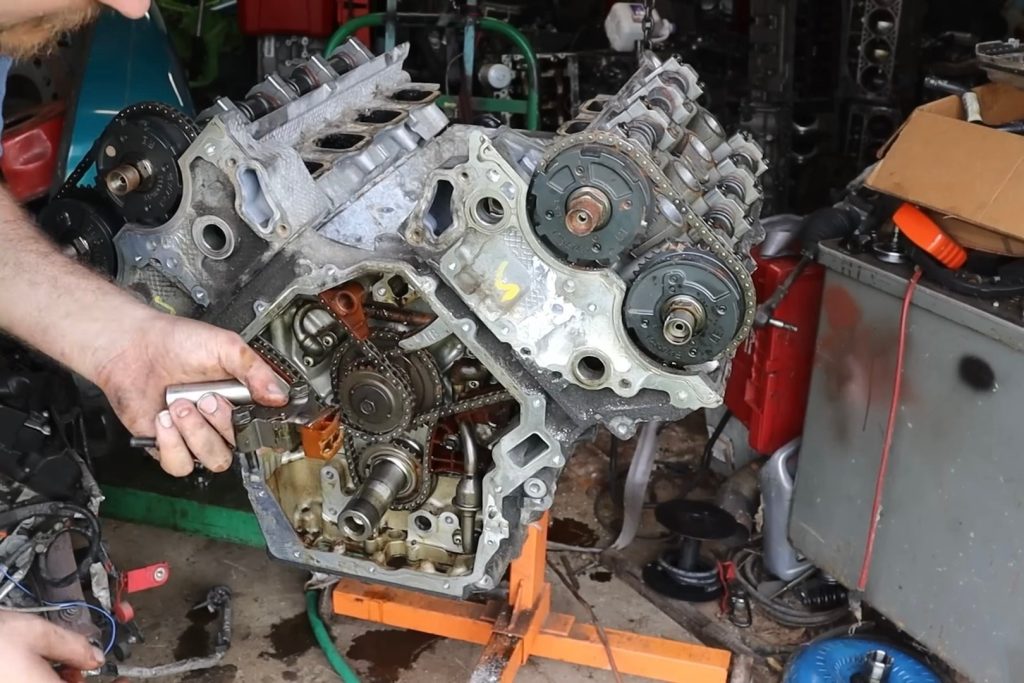
In addition, oil leaks, carbon buildup, and cooling system vulnerabilities further tarnished the engine’s reputation. For Cadillac, the Northstar was intended to be a statement of technological progress, but for owners, it became an ongoing headache.
I chose to write about this engine because it serves as a clear example of how overengineering without durability testing can harm a brand’s image.
The Northstar remains a cautionary story for those who value longevity, showing that power and technology mean little if an engine cannot last the distance.
2. Chrysler 2.7L V8
Although Chrysler had successes with larger displacement V8s, the 2.7L V8 was a glaring weak spot.
Released in the late 1990s, this engine was used in vehicles such as the Chrysler Concorde and the Intrepid, aimed at buyers who wanted V8 performance in a smaller package.
On paper, it offered decent power and efficiency. Unfortunately, poor design choices led to one of the shortest lifespans of any modern V8.
The 2.7L V8 suffered from chronic oil sludge buildup. Its narrow oil passages and undersized crankcase ventilation system made it extremely sensitive to oil change intervals. Even when serviced on time, sludge often formed inside, starving the engine of lubrication.
Once oil circulation was compromised, bearing failure and overheating followed shortly after. Many owners reported complete engine failures around 90,000 to 120,000 miles, well below expectations for a V8.
The reason I chose to highlight this engine is that it reflects how cost-cutting and rushed development can ruin an otherwise promising design.
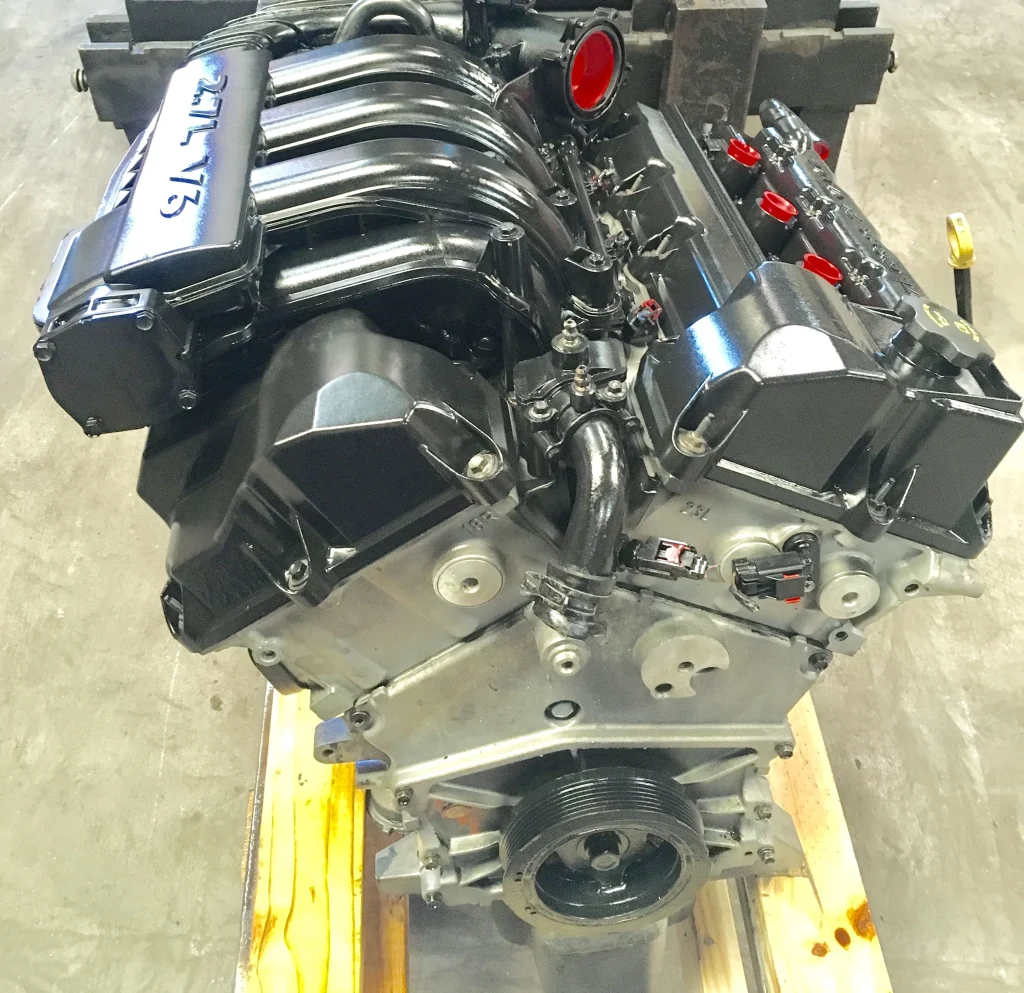
While Chrysler intended this engine to compete in a crowded market, the persistent sludge problem ensured it became infamous instead of respected.
The 2.7L V8 left a legacy of distrust, pushing buyers away from Chrysler products during a time when reliability mattered more than ever. It stands as an example of how cutting corners in engineering can doom an engine to a short, troubled life.
3. Jaguar AJ-V8 (Early Versions)
Jaguar’s AJ-V8, first introduced in the mid-1990s, was supposed to represent a modern leap for the brand, replacing aging inline-six and V12 engines. Lightweight aluminum construction, quad cams, and respectable horsepower made it seem impressive.
Unfortunately, early versions of this engine were plagued with serious reliability issues that cut their lifespans short.
The most infamous problem involved the use of Nikasil cylinder liners. While this material was intended to reduce friction and improve performance, it was highly sensitive to high-sulfur fuels. In markets like the United States, where such fuels were common at the time, the liners wore prematurely.
This caused compression loss, misfires, and ultimately engine failure, often before reaching 100,000 miles. Jaguar later revised the design by using steel liners, but by then the damage to the engine’s reputation had already been done.
Timing chain tensioner failures further added to the list of issues. The plastic guides wore out quickly, often disintegrating and allowing the chain to jump timing, which could destroy the engine.
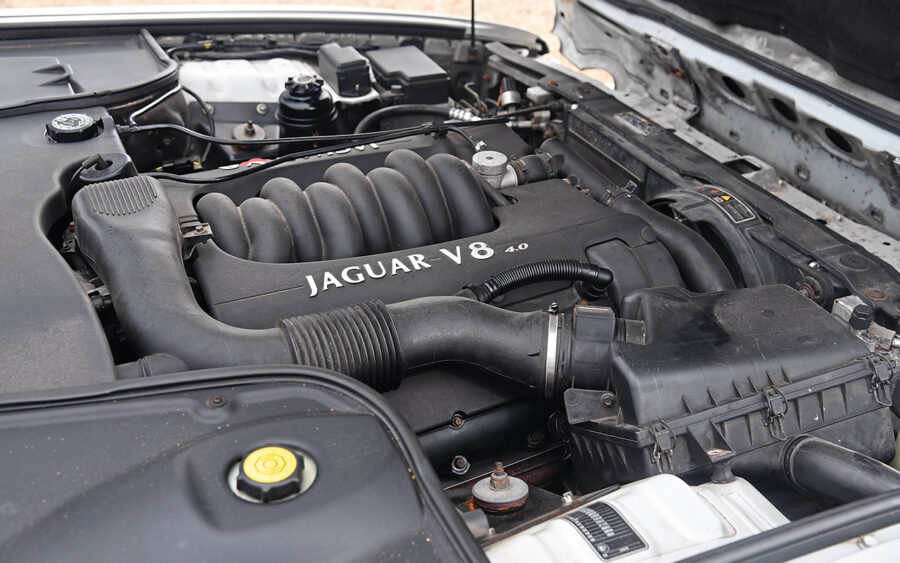
I am writing about this V8 because it shows how a luxury brand’s ambition to modernize can backfire when durability testing is overlooked.
Many Jaguar owners faced massive repair bills far too early in ownership, turning what should have been a refined performance experience into a financial burden.
The AJ-V8’s early problems continue to be a cautionary reminder of how poor material choices can destroy long-term dependability.
4. Oldsmobile 307 V8
The Oldsmobile 307, produced during the 1980s, was a V8 that looked durable on the surface but struggled to deliver longevity in practice.
As emissions standards tightened and automakers sought fuel efficiency, the 307 was built as a downsized version of Oldsmobile’s larger engines. While it was reliable in the short term, it lacked the strength and durability to endure high mileage.
One of the key problems with the 307 was its underpowered design. With low horsepower and weak internals, it often had to work harder than intended just to keep up with traffic. This constant strain led to premature wear, especially in the bottom end of the engine.
Additionally, its carburetor setup, used well into an era when competitors had switched to fuel injection, contributed to uneven fuel delivery and increased carbon buildup. Many of these engines were worn out by 120,000–140,000 miles.

I included the Oldsmobile 307 here because it highlights how downsizing without robust engineering compromises long-term life.
While the engine wasn’t plagued with sudden catastrophic failures like some others on this list, its slow decline in performance and durability meant that it often didn’t see 150,000 miles without needing major work.
For an era when V8s were expected to run endlessly, the 307 fell short of the mark, and it played a role in Oldsmobile’s declining reputation for engineering strength.
5. BMW N62 V8
BMW’s N62 V8, used in models like the 5 Series, 7 Series, and X5 during the early 2000s, promised smooth power delivery and refinement.
It was a sophisticated engine, featuring variable valve timing (VANOS), Valvetronic throttle control, and an aluminum construction. However, all of this complexity created numerous weak points that led to an early end for many of these engines.
The N62 was notorious for valve stem seal failure. This problem caused excessive oil consumption, leading to blue smoke, fouled spark plugs, and engine wear. Timing chain guide deterioration was another major issue.
The plastic guides often cracked or broke, resulting in chain slack and, in severe cases, complete engine failure. Cooling system weaknesses, including leaking valley pan gaskets, further contributed to its short service life.
While some engines managed to reach 150,000 miles with meticulous maintenance, many owners found themselves facing major repairs well before that milestone. The repair costs themselves often exceeded the car’s value, leading many to scrap their vehicles rather than rebuild the N62.
I chose to feature this engine because it represents the risks of excessive complexity without proven reliability.
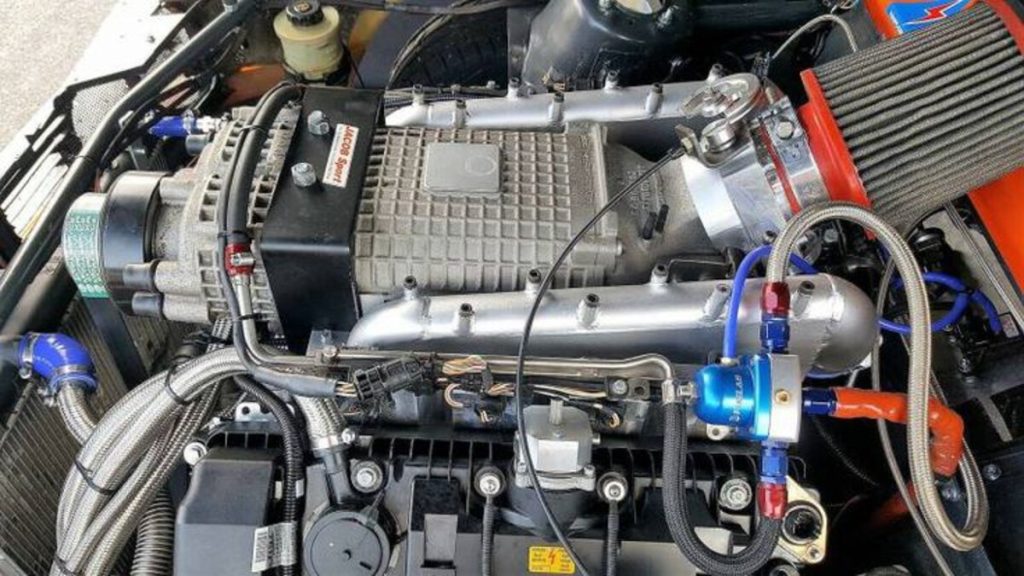
Although it delivered excellent performance when new, the N62 failed to provide the longevity expected of a V8. For many owners, it was less of a luxury experience and more of a costly lesson in why durability matters more than innovation.
V8 engines carry a reputation for power and durability, yet history shows a clear divide between those that prove nearly indestructible and those that fade quickly.
On one side are legends like Toyota’s 4.7L i-Force, Ford’s 7.3L Godzilla, and Chevrolet’s 6.0L Vortec, which thrive on simple engineering, strong materials, and designs that emphasize long service life.
With proper care, these powerplants consistently run well past 500,000 miles, earning the trust of owners and mechanics alike. They highlight how traditional engineering values strength, reliability, and ease of maintenance create engines that build loyalty for decades.
On the opposite end are examples like Cadillac’s Northstar, Chrysler’s 2.7L V8, Jaguar’s early AJ-V8, Oldsmobile’s 307, and BMW’s N62. Each offered appealing performance or innovation on paper, but flaws in design, materials, or execution cut their lives short.
Head gasket failures, oil sludge, weak liners, or fragile timing components left many of these engines struggling to reach even 150,000 miles. They serve as reminders that advanced features mean little if reliability is compromised.
The contrast between these two groups underscores why longevity remains a benchmark of true engineering success. Power fades, but dependability leaves a lasting mark on both brand reputation and driver loyalty.
Also Read: 5 Honda Sedans That Outlast Rivals vs 5 That Don’t
