
Cars often carry reputations that shape how people remember them. Some are dismissed early by critics, labeled as unreliable or uninspiring, only for time to prove otherwise.
These vehicles often surprise owners with durability, practicality, or refinement that outlasts the negative press. They may never have received glowing reviews when new, but years later, they stand strong as dependable companions still earning respect from loyal drivers.
On the other side are cars that lived down to their poor reputations. These models came with fanfare, clever marketing, or lofty promises but quickly fell apart under the weight of real-world ownership.
Critics who highlighted flaws such as weak engineering, poor build quality, or short lifespans were proven right as these cars confirmed every negative prediction. Instead of winning back public trust, they became reminders of how hype cannot substitute for substance.
This article highlights five cars from each camp. The first group showcases vehicles that managed to exceed expectations and prove their worth beyond initial skepticism.
The second group demonstrates how a poor reputation can be deserved when flaws are too significant to ignore. Together, they reveal the lasting power of both resilience and failure in shaping automotive legacies.
Also Read: 5 Honda Sedans That Outlast Rivals vs 5 That Don’t
5 Cars That Outlive Their Reputations
Not every car starts out as a critical darling. Some are underestimated, criticized for design compromises, or overlooked due to their brand’s reputation at the time.
Yet, certain vehicles quietly prove themselves over years of ownership, often becoming reliable workhorses or long-lasting family cars. These are the models that outlive the negative opinions once attached to them.
The cars in this section represent machines that were once dismissed, but time has revealed their strengths.
Some survived harsh use with ease, others aged better than rivals, and many built a following among owners who appreciated their quiet dependability. Their longevity, combined with real-world performance, helped them shrug off initial criticism.
I am writing about them because these cars show how reputation does not always match reality. First impressions may be shaped by early flaws, marketing missteps, or harsh critics, but consistent performance across decades changes the conversation.
By lasting longer and serving owners faithfully, these vehicles rewrote their stories. They prove that in the automotive world, real-world dependability and owner satisfaction ultimately matter more than headlines.
1. Toyota Camry (1990s Models)
The 1990s Toyota Camry was often criticized for being bland and uninspired. Reviewers dismissed it as a car with no personality, designed only to blend into traffic without offering excitement.
While those critiques weren’t wrong from a performance perspective, they overlooked the Camry’s true strength: its ability to outlast nearly everything else on the road.
Owners soon discovered that the 1990s Camry, particularly the XV10 generation, was built with remarkable durability.
Engines like the 2.2L four-cylinder and 3.0L V6 were engineered for long-term reliability, requiring little more than routine maintenance to cover hundreds of thousands of miles.
The automatic transmissions, though not flashy, were robust and rarely failed when serviced properly. The car’s simple design, sturdy build quality, and comfortable interior ensured that it stayed useful well beyond the lifespan of many competitors.
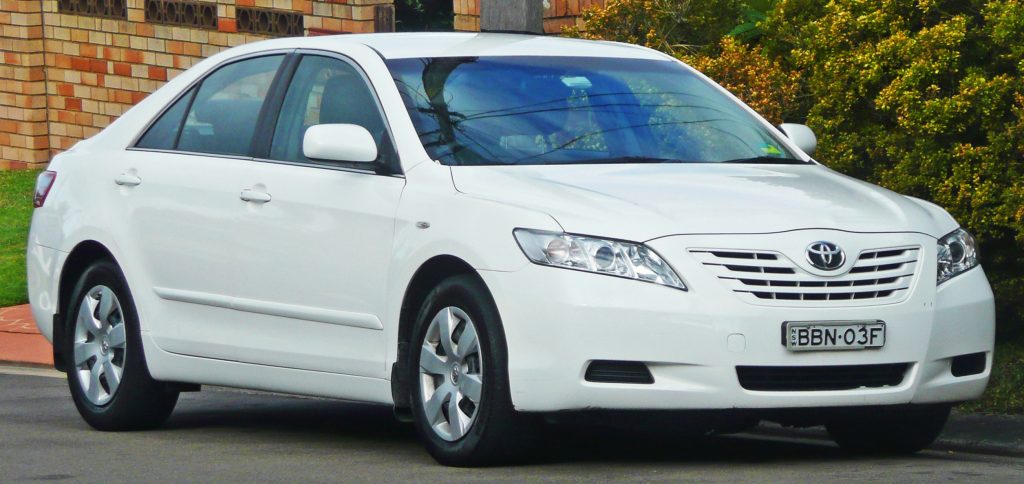
I chose the 1990s Camry for this list because it represents how a car can outlive its reputation for dullness. While critics complained about its lack of excitement, the Camry went on to become a symbol of durability and practicality.
Today, many examples from the 1990s are still running reliably, often with odometers showing 300,000 miles or more. The Camry proved that dependability is its own form of excellence, outlasting nearly all doubters.
2. Honda Accord (Early 2000s Models)
The early 2000s Honda Accord was often labeled as uninspiring and conservative. Critics noted its plain styling and unremarkable driving dynamics, suggesting it lacked excitement compared to sportier sedans. However, those critiques overlooked the Accord’s most important attribute: reliability.
Owners quickly found that the early 2000s Accord, especially the seventh-generation models with the 2.4L four-cylinder or 3.0L V6, could withstand decades of use with routine maintenance.
These engines rarely experienced catastrophic failures, and the transmissions, both manual and automatic, proved durable even under heavy daily driving.
Honda’s focus on build quality and robust materials ensured that interiors aged gracefully, often remaining functional and visually acceptable after hundreds of thousands of miles.
Another factor contributing to the Accord’s positive legacy is its resale value. Vehicles that remain dependable tend to retain value, and this Accord rewarded owners who maintained them with strong trade-in prices.
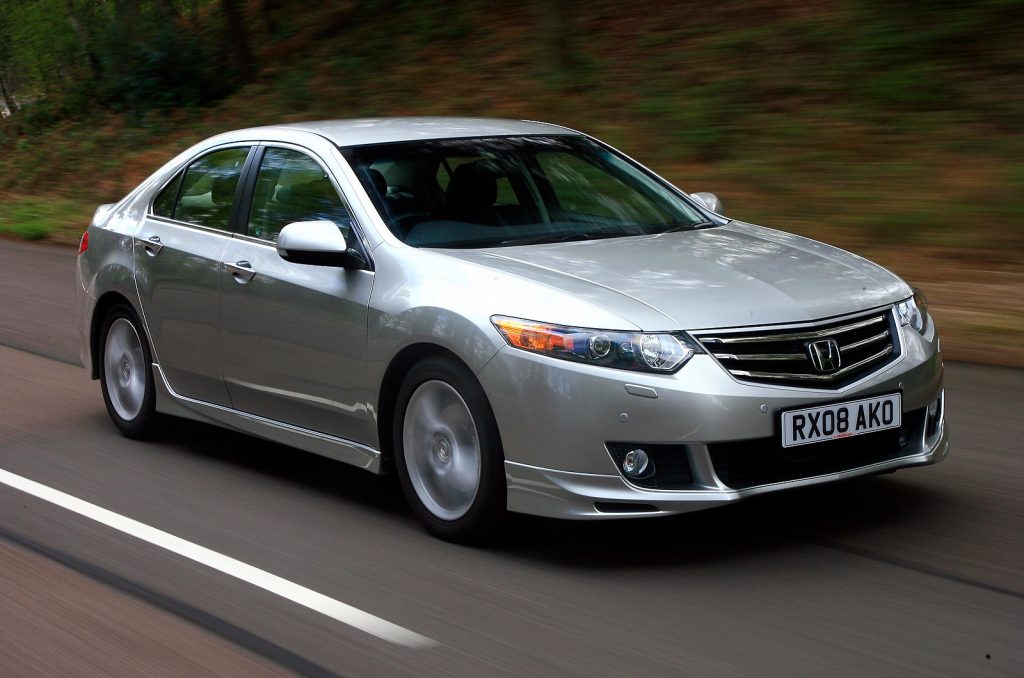
Its combination of practicality, fuel efficiency, and durability built a following that continues to view it as a dependable family sedan.
Highlighting the early 2000s Accord shows how a car can outlive its initial reputation for being boring. While critics focused on style and excitement, the Accord’s long-term performance revealed its true value.
Many owners still rely on these vehicles daily, proving that longevity and consistent reliability often outweigh flash in the long run.
3. Subaru Outback (Late 1990s Models)
The late 1990s Subaru Outback faced criticism for its unconventional design. Critics questioned its wagon-like appearance, higher ground clearance, and muted styling, suggesting it lacked appeal compared to traditional SUVs or sedans. Despite this, the Outback’s real-world performance told a different story.
Owners discovered that the Outback was exceptionally durable and versatile. Equipped with Subaru’s renowned all-wheel-drive system, these vehicles handled snow, rain, and rough terrain with confidence.
Engines like the 2.5L flat-four were designed for longevity, capable of exceeding 300,000 miles with routine maintenance. Reliability, combined with practical interior space and comfortable ride quality, made it a favorite for families and outdoor enthusiasts alike.
Another reason the Outback outlived its reputation is its strong community of loyal drivers. Enthusiasts and practical users alike appreciated its unique combination of all-weather capability, fuel efficiency, and long-term dependability.

This word-of-mouth advocacy helped reshape perceptions, turning an initially mocked wagon into a respected vehicle with a reputation for resilience.
Writing about the late 1990s Outback demonstrates how a car can overturn early criticism through performance and reliability.
While critics focused on looks and market position, owners experienced the true value of a practical and enduring vehicle. Its longevity and versatility helped cement Subaru’s reputation for building cars that endure far longer than early impressions might suggest.
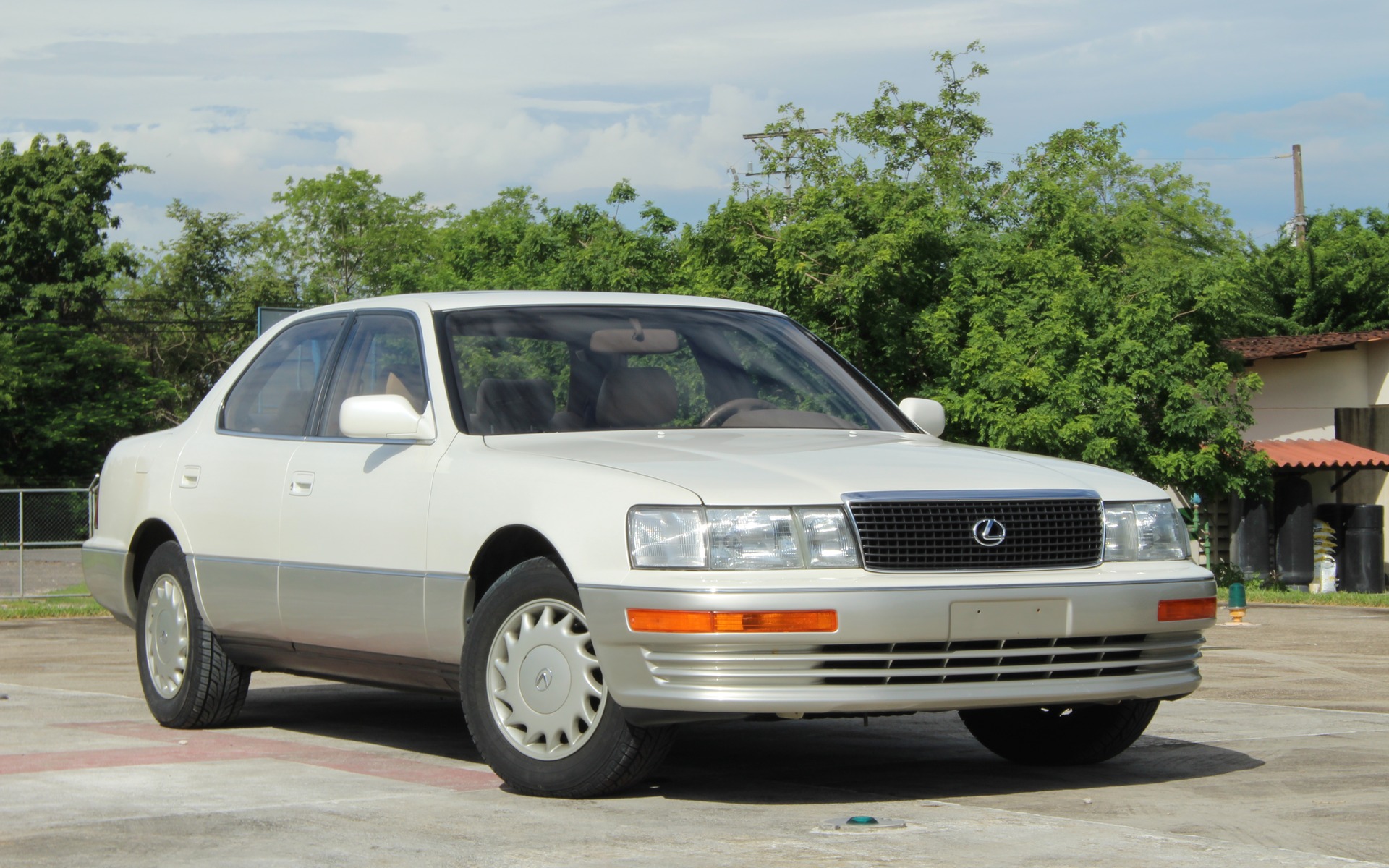
4. Lexus LS400 (1990s Models)
When first introduced in 1989, the Lexus LS400 drew attention for its quiet luxury and smooth ride, but critics initially questioned whether it could match the performance and prestige of established German brands. Skeptics doubted that a Japanese luxury sedan could deliver refinement, power, and long-term reliability in one package.
Owners soon proved the doubters wrong. The LS400’s 4.0L V8 engine, coupled with a smooth automatic transmission, offered remarkable durability.
Many examples have exceeded 300,000 miles without major repairs, showcasing exceptional engineering and attention to detail. The car’s build quality, from suspension components to interior finishes, contributed to its ability to age gracefully.
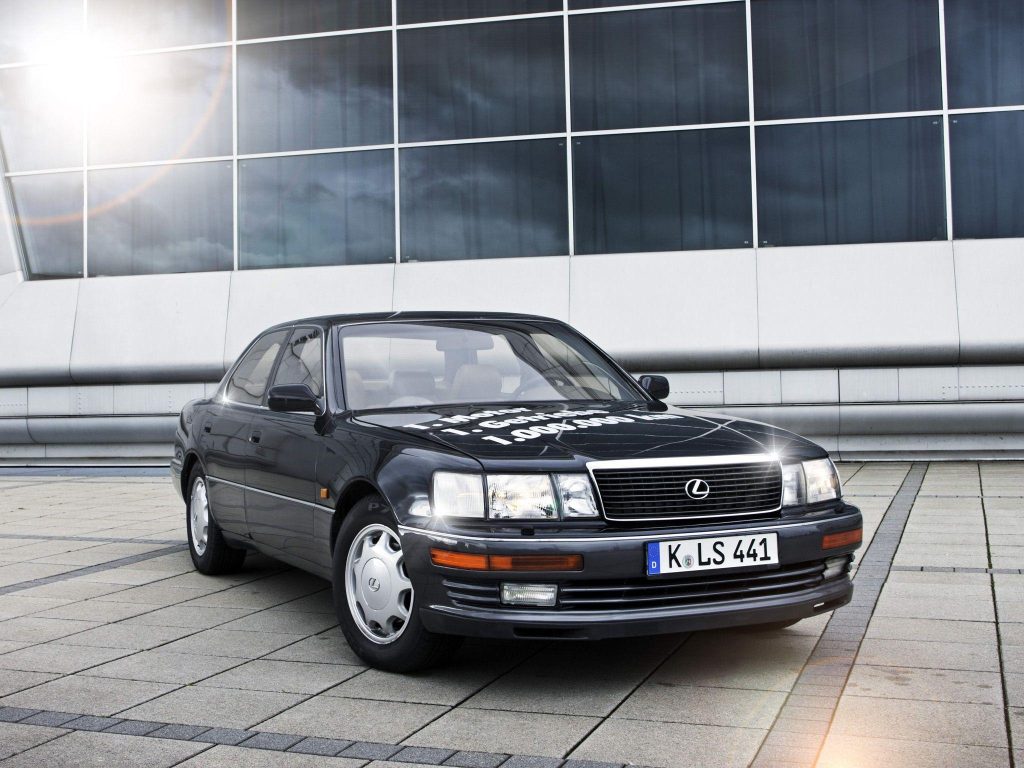
Its reputation for reliability helped transform Lexus into a respected luxury brand almost overnight. Owners praised its comfort, minimal maintenance issues, and solid resale values, proving that a car’s real-world performance can outshine critics’ initial impressions.
Including the LS400 here emphasizes how consistency and engineering excellence can redefine perception. While early critics underestimated it, the LS400’s enduring quality, durability, and comfort earned it long-term acclaim and solidified its place as a benchmark in luxury sedans.
5. Ford Crown Victoria (2000s Police/Taxi Models)
The Ford Crown Victoria, particularly in its 2000s Police Interceptor and taxi configurations, was often criticized for outdated styling and lackluster performance. Critics viewed it as a relic compared to modern sedans with advanced technology and sleek designs.
Yet the Crown Victoria proved its worth in the field. Its 4.6L Modular V8 was remarkably durable, capable of logging hundreds of thousands of miles under demanding conditions.
Police and taxi fleets relied on these engines daily, often pushing vehicles beyond 200,000 miles in a single year without significant mechanical failures.
The body-on-frame construction further contributed to longevity, allowing repairs and maintenance to be carried out efficiently.
Owners appreciated the Crown Victoria’s straightforward design, robust components, and minimal electronic complexity, which reduced potential points of failure.
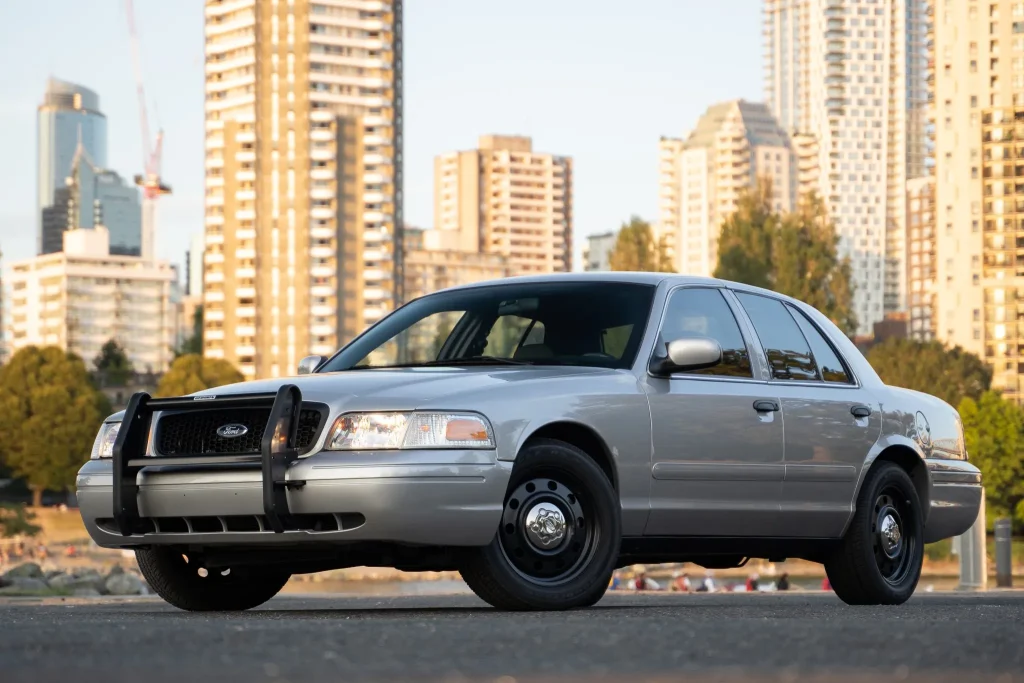
These practical attributes allowed the car to outlive its reputation for being outdated, demonstrating that reliability and serviceability often outweigh style in long-term ownership.
Writing about the Crown Victoria highlights how real-world performance can overturn critical skepticism. While critics dismissed its appearance and lack of modern features, the car earned respect for endurance and reliability.
Its continued presence in fleets today shows that practical design and engineering can turn initial doubt into lasting appreciation.
5 Cars That Prove Critics Right
While some cars defy their initial criticism, others confirm every doubt cast upon them. These vehicles may arrive with fanfare, attractive marketing, or bold claims, but real-world ownership often reveals serious flaws.
Poor reliability, underwhelming performance, and disappointing build quality turn early skepticism into long-term reality. Owners quickly realize that the problems critics highlighted were valid, and many find themselves eager to move on.
This section focuses on five cars whose reputations proved justified. Each one had issues severe enough to make them memorable for the wrong reasons.
Whether it was frequent mechanical failures, subpar driving experience, or design compromises that made everyday use frustrating, these cars consistently fell short of expectations. By examining them, it becomes clear how reputations can sometimes reflect reality.
Writing about these vehicles is valuable because it demonstrates that not all criticism is misplaced. Some cars earn their poor standing, and understanding the reasons behind their shortcomings helps prospective buyers make informed decisions.
These five examples illustrate how design, engineering, and quality control can align or misalign with expectations, showing the lasting consequences of neglecting reliability and user experience.
1. Dodge Neon (1995–2005 Models)
The Dodge Neon was widely criticized for poor build quality, unreliable engines, and lackluster driving dynamics. While it was initially marketed as an affordable, sporty compact, owners quickly discovered that these promises did not match reality.
The first-generation Neons, especially, were plagued by head gasket failures, transmission problems, and electrical issues. Even basic maintenance could not prevent these failures, leaving owners facing expensive repairs long before reaching 100,000 miles.
The suspension and steering components wore quickly, making the car less safe and frustrating to drive. Interiors were cheaply constructed, with plastics that cracked and trim pieces that deteriorated rapidly, reinforcing the car’s low-quality feel.
These issues confirmed critics’ warnings. Despite its low cost and attractive styling, the Neon could not compete with rivals like the Honda Civic or Toyota Corolla in terms of reliability or resale value. Owners often abandoned the brand after a single vehicle, creating one of the lowest loyalty rates in the compact segment.
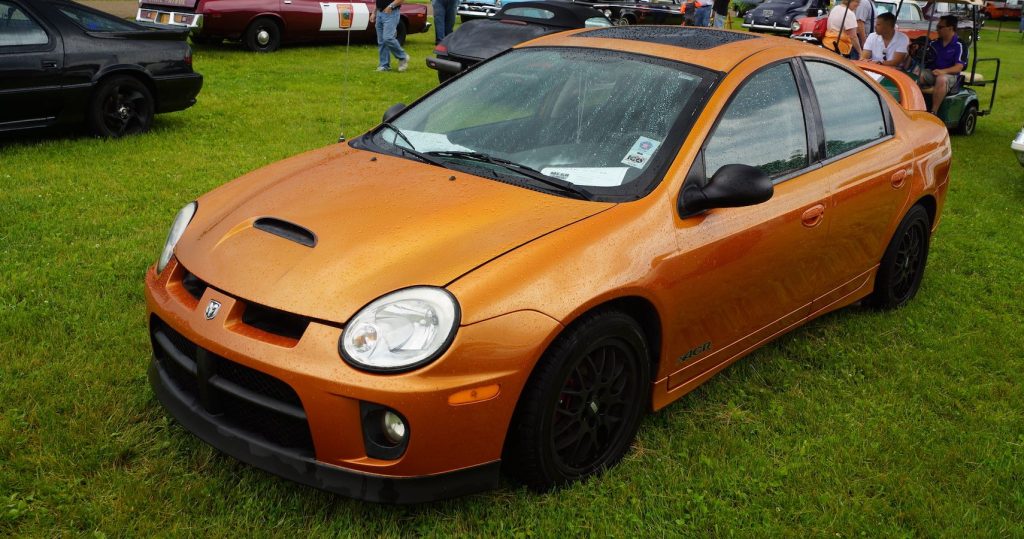
I included the Dodge Neon because it exemplifies how poor engineering and cost-cutting can validate negative reputations.
It serves as a cautionary tale that affordability alone does not compensate for weak design or mechanical issues. The Neon’s history highlights the importance of durability and build quality in sustaining long-term credibility with owners.
2. Pontiac Aztek (2001–2005 Models)
The Pontiac Aztek is often cited as one of the most notorious examples of a car that confirmed every criticism.
From its debut, critics slammed its unusual styling, impractical interior layout, and awkward proportions. While Pontiac tried to market it as a versatile crossover, buyers quickly found that the vehicle failed to live up to expectations.
Beyond aesthetics, the Aztek suffered from functional shortcomings. The interior was noisy, materials felt cheap, and storage solutions, while numerous, were often poorly executed.
Owners reported mechanical issues including transmission hesitations, premature wear on suspension components, and recurring electrical problems that made day-to-day use frustrating. These challenges compounded the negative perception and reinforced the critical consensus.
Resale value plummeted, and few owners considered buying another Pontiac afterward. Despite its initial concept of blending SUV capability with lifestyle utility, the Aztek’s execution left much to be desired.
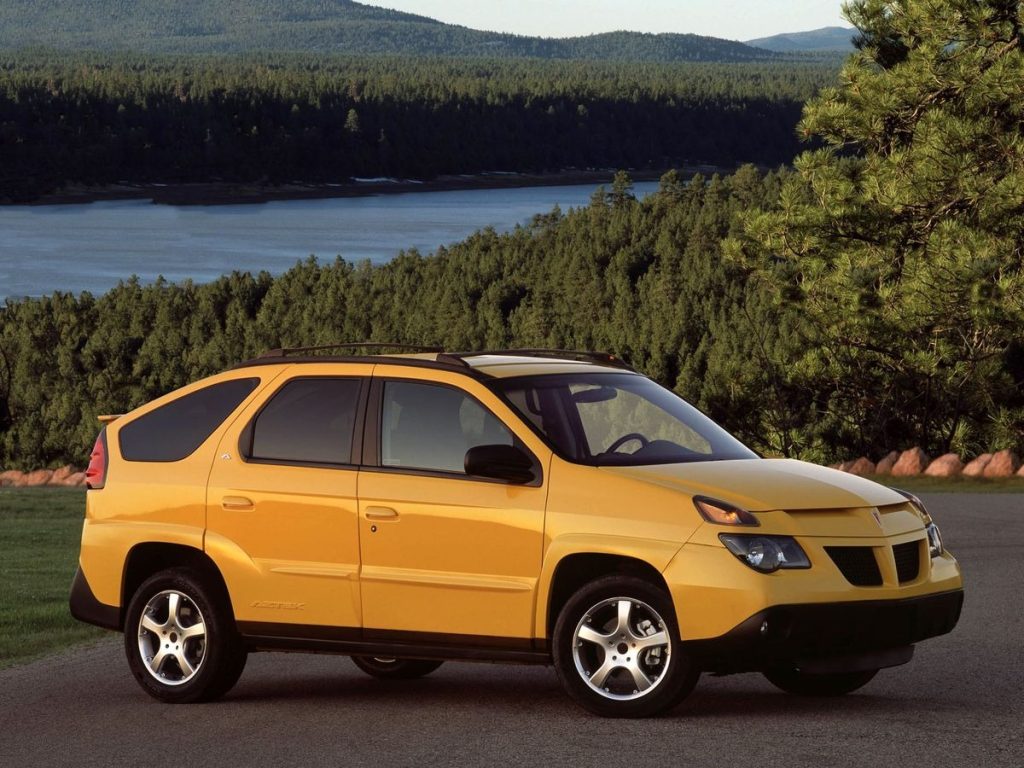
While it has gained some cult attention for its uniqueness, its reputation for poor design and flawed engineering persists.
Highlighting the Aztek shows how a car can live down to its critics’ warnings. Its combination of questionable styling, inconsistent reliability, and impracticality ensured that skepticism was well-founded.
The Aztek is a clear reminder that design innovation must be paired with quality and usability to succeed in the marketplace.
3. Fiat 500 (2007–2015 Models)
The modern Fiat 500, revived in 2007, attracted buyers with retro charm and European flair. Critics, however, quickly identified shortcomings that made ownership challenging. While visually appealing, the car was plagued by reliability issues and limited practicality.
Owners frequently reported electrical problems, including malfunctioning infotainment systems, sensor errors, and frequent warning lights. The small engine, while adequate for city driving, struggled on highways, leaving drivers frustrated with underwhelming performance.
Suspension and interior components also wore quickly, reducing the vehicle’s perceived quality. Additionally, the limited cargo space and tight cabin made it less versatile than competing subcompacts.
These issues confirmed the skepticism surrounding the car. Despite Fiat’s appeal and stylish marketing, the vehicle’s mechanical flaws and impracticality left many owners dissatisfied.
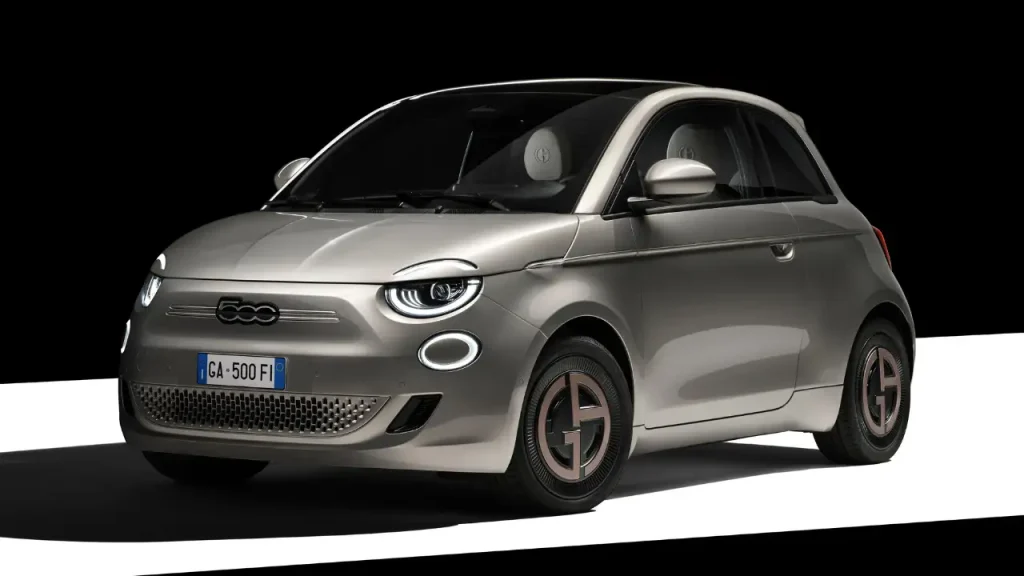
Loyalty rates remained low, and few buyers returned to the brand for subsequent vehicles. The modern 500 serves as a reminder that aesthetic appeal alone cannot compensate for reliability and functional shortcomings.
Writing about this Fiat highlights how critics’ assessments often align with real-world ownership experiences.
Buyers drawn by style and nostalgia learned that maintenance issues and limited usability could not be ignored, validating negative reviews and perceptions of the car’s performance.
4. Chevrolet Aveo (2004–2011 Models)
The Chevrolet Aveo was introduced as a low-cost subcompact, but critics quickly questioned its safety, performance, and overall build quality. While the car offered affordability, owners soon realized the compromises were significant.
The Aveo’s engine and transmission were prone to early wear, with many examples needing repairs well before 100,000 miles. Suspension components were weak, leading to handling concerns and frequent replacement.
Interior materials were cheap, with dashboards and panels prone to cracking and wear. Combined, these issues created a perception of a low-quality vehicle, confirming early critiques.
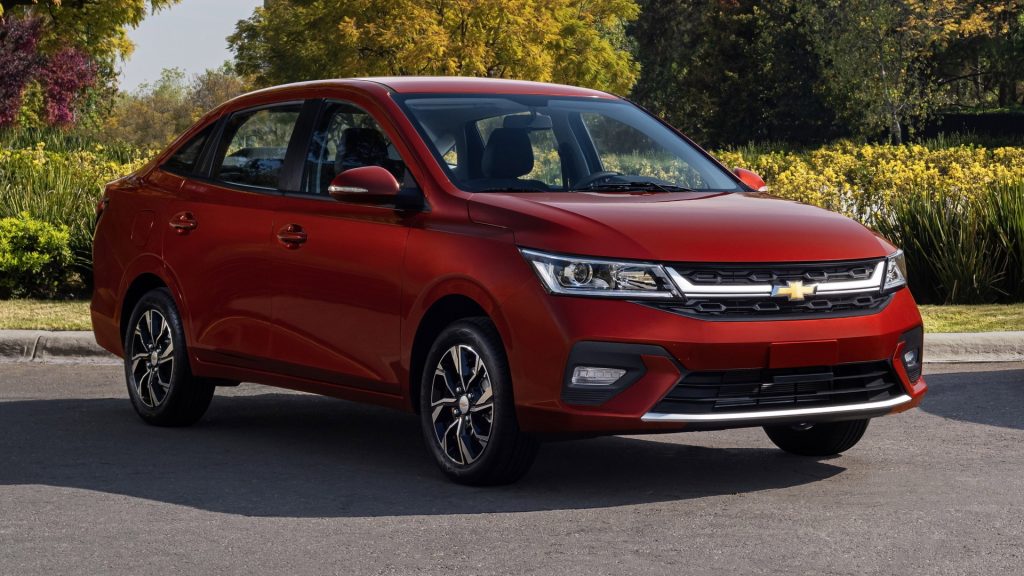
Safety ratings were another concern. The Aveo performed poorly in crash tests relative to competitors, further discouraging repeat ownership and emphasizing the gap between marketing promises and real-world performance. Resale values were low, and many owners quickly replaced the car with models from more reliable brands.
Including the Aveo illustrates how design and engineering compromises can validate negative reputations. While it offered a low entry price, the trade-offs in quality, reliability, and safety ensured that critics’ warnings were justified.
The car demonstrates that cost savings cannot replace fundamental attributes that make a vehicle worthwhile for owners over time.
5. Jeep Compass (First Generation, 2007–2016)
The first-generation Jeep Compass attempted to expand Jeep’s lineup with a compact SUV, but critics were quick to highlight its shortcomings. Compared to rugged Jeep models like the Wrangler, the Compass lacked off-road capability, suffered from underpowered engines, and had questionable build quality.
Owners frequently reported issues with the transmission, including hesitation, slipping, and premature failure. Electrical gremlins were common, with malfunctioning sensors, infotainment problems, and dashboard warning lights reducing owner satisfaction.
The suspension and drivetrain components wore faster than expected, particularly on models used for daily commuting or light off-road activity.
Interior quality was also a concern. While the Compass offered competitive features for the segment, materials felt cheap, and cabin fit-and-finish often disappointed owners. Reliability issues, combined with underwhelming performance, led to declining resale values and limited loyalty among buyers.
Highlighting the Jeep Compass underscores how a car can confirm critics’ warnings. While it filled a niche in Jeep’s lineup, its inability to match the brand’s off-road reputation or provide lasting reliability ensured that early skepticism was well-founded.
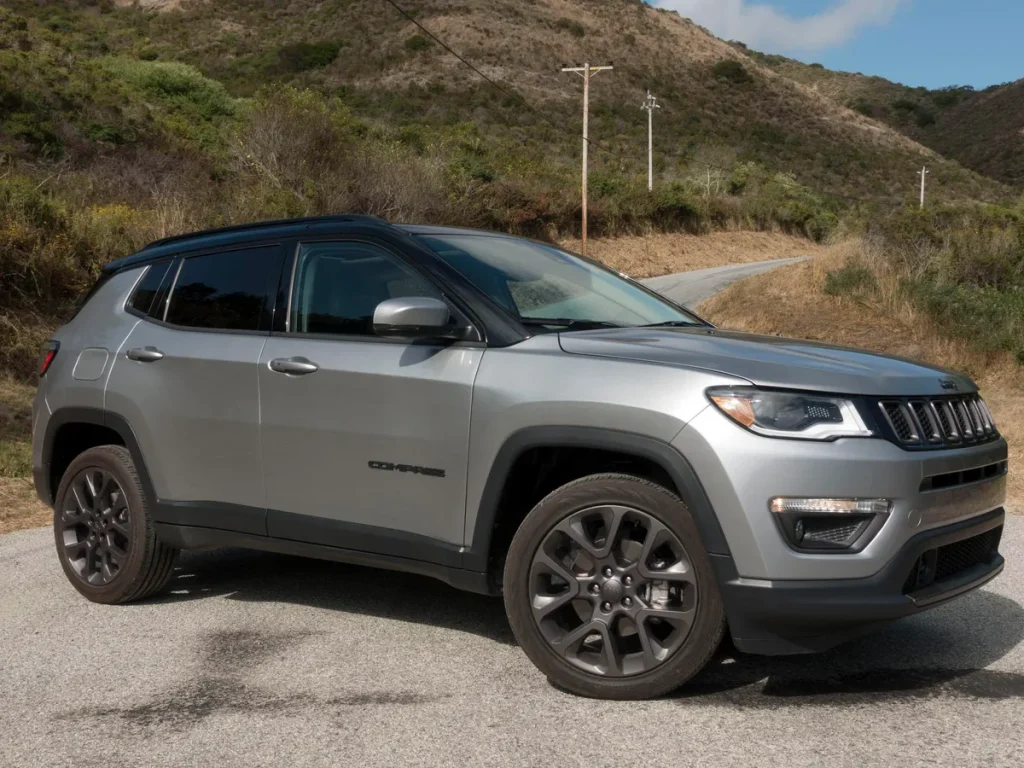
The Compass serves as an example of how styling and marketing cannot overcome fundamental design and engineering flaws in maintaining credibility with buyers.
The contrast between cars that outlive their reputations and those that prove critics right highlights the impact of engineering, design, and real-world performance on how vehicles are perceived over time.
Some cars enter the market amid skepticism, dismissed for bland styling, unremarkable performance, or conservative features.
Despite early criticism, these vehicles often demonstrate remarkable durability, reliability, and practicality, earning the respect of owners who rely on them daily.
Examples such as the 1990s Toyota Camry and early 2000s Honda Accord show that consistent performance and low-maintenance engineering can overcome initial doubts.
Both the Subaru Outback and Lexus LS400 exemplify how vehicles perceived as unconventional or underdog options can thrive over decades, combining dependable powertrains, well-engineered components, and comfort to outlast negative perceptions.
Even the Ford Crown Victoria, often dismissed for its outdated design, proved itself under the harsh demands of police and taxi service, showcasing that longevity and reliability can redefine a car’s legacy.
Conversely, cars that prove critics right illustrate the consequences of flawed design, poor build quality, or unreliable components.
Vehicles such as the Dodge Neon and Pontiac Aztek arrived with promise or unique concepts but quickly disappointed owners with mechanical failures, substandard materials, or impractical designs.
Modern examples like the Fiat 500, Chevrolet Aveo, and first-generation Jeep Compass continued this trend, demonstrating that aesthetic appeal, brand loyalty, or affordability cannot compensate for weaknesses in performance, reliability, or usability.
Owners of these vehicles often faced expensive repairs, declining resale value, and frustration, validating the early critical consensus.
Together, these two groups of vehicles emphasize the enduring importance of engineering integrity and real-world usability. While marketing, styling, and innovation influence initial perceptions, the true measure of a car’s success lies in how it performs over years and miles.
Cars that outlive criticism demonstrate that durability and owner satisfaction can reshape reputations, while vehicles that prove critics right show that design compromises and mechanical flaws leave a lasting negative impression.
These examples reinforce that, ultimately, reliability, functionality, and quality determine whether a vehicle earns lasting respect or confirms early skepticism.
Buyers, collectors, and enthusiasts can learn from both outcomes, recognizing that longevity and thoughtful engineering often matter far more than first impressions or flashy features.
Also Read: 5 Cars That Handle Abuse in Cities vs 5 That Constantly Fail
