
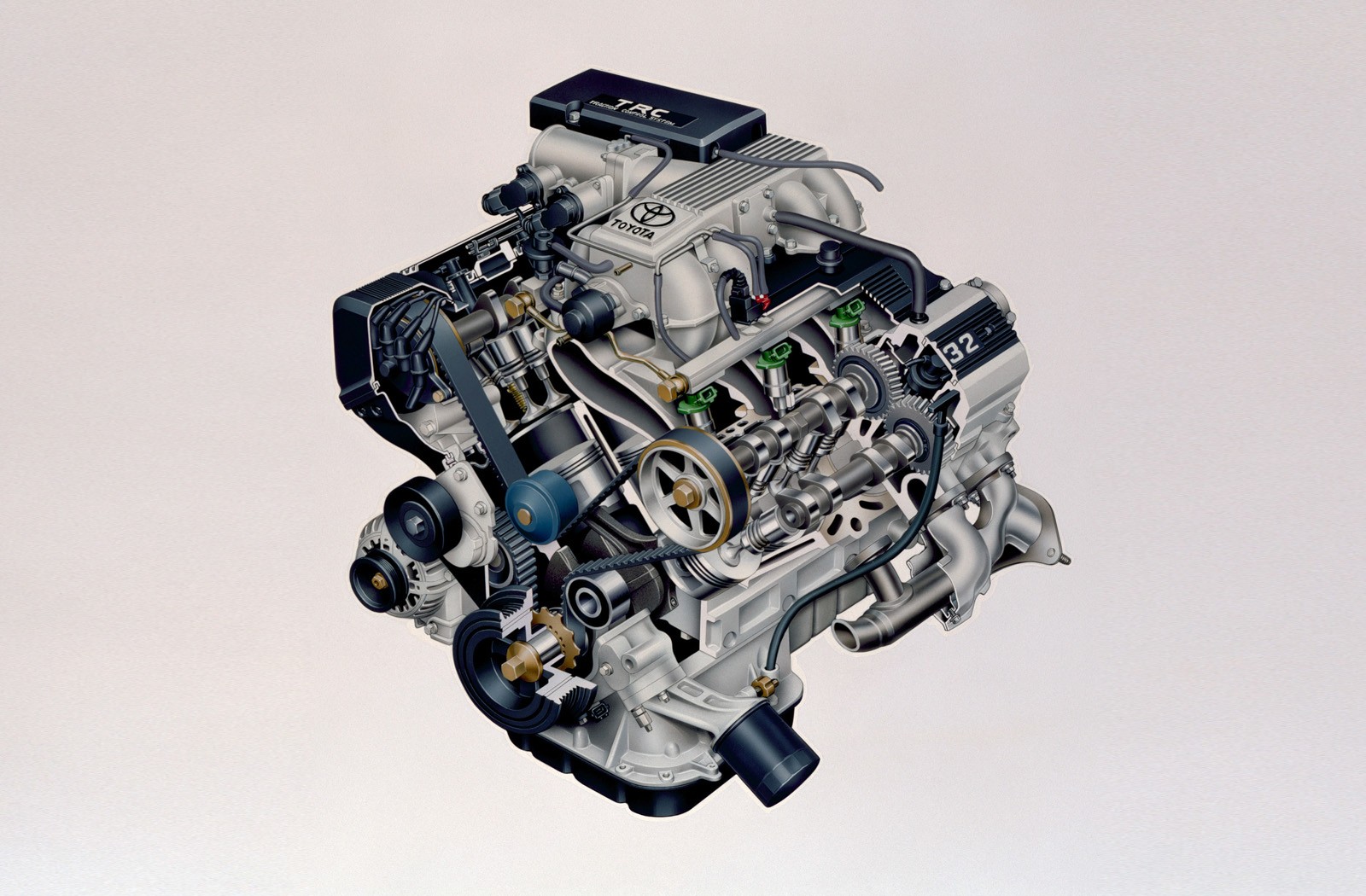
Some engines are legendary not because of speed or innovation, but because they simply keep going. These powerplants are renowned for longevity, reliability, and the ability to run long after others have failed.
Across decades of automotive history, certain engines have earned reputations as indestructible workhorses, thriving even under high mileage or challenging conditions.
Mechanical simplicity often plays a role. Engines that are designed with fewer complex systems, durable materials, and straightforward maintenance requirements tend to survive the test of time.
At the same time, careful engineering, quality manufacturing, and attention to detail allow some powerplants to endure even when subjected to heavy use.
Enthusiasts and mechanics alike respect these engines for their resilience, and vehicles equipped with them often command loyalty from owners who trust them for decades.
Cultural and historical significance also affects perception. Some engines, such as those found in iconic trucks, SUVs, or classic sports cars, have proven their reliability through both everyday driving and motorsport.
Others gained fame through widespread use in fleets or commercial applications, demonstrating robustness under constant stress.
Collectors and long-term owners often prioritize these engines because they represent mechanical honesty and dependability rather than flashy specifications.
The engines featured in this article cover a wide range of vehicles, from practical sedans and rugged trucks to high-performance sports cars. Each one has a story of enduring longevity, often surprising drivers and mechanics who expected them to fail.
Whether it is a high-mileage daily driver, an off-road legend, or a performance icon, these engines showcase what is possible when quality engineering meets diligent maintenance.
By examining sixteen engines that keep running after everyone gave up, this article highlights reliability, engineering brilliance, and resilience.
They are examples of mechanical endurance that continue to inspire admiration, proving that with the right design, an engine can outlast expectations by decades.
Also Read: 10 Engines That Rarely Overheat Even in Extreme Conditions
1. Toyota 2JZ-GTE
The Toyota 2JZ-GTE is an inline-six turbocharged engine that has achieved legendary status among car enthusiasts for both durability and performance.
Found primarily in the Toyota Supra Mk4, this engine is capable of running well beyond 300,000 miles with proper maintenance. Its robust cast-iron block and strong internals allow it to handle extreme boost levels without failure.
One key to the 2JZ-GTE’s longevity is its over-engineered construction. Toyota designed the block, head, and crankshaft to endure high stress, which has made it a favorite for tuners who push horsepower far beyond factory specifications. Even stock, the engine’s combination of reliability and performance is remarkable.
The engine features sequential twin turbos, which provide smooth power delivery across the rev range. Coupled with a well-designed cooling system, this setup ensures consistent performance and prevents overheating, even in demanding conditions.
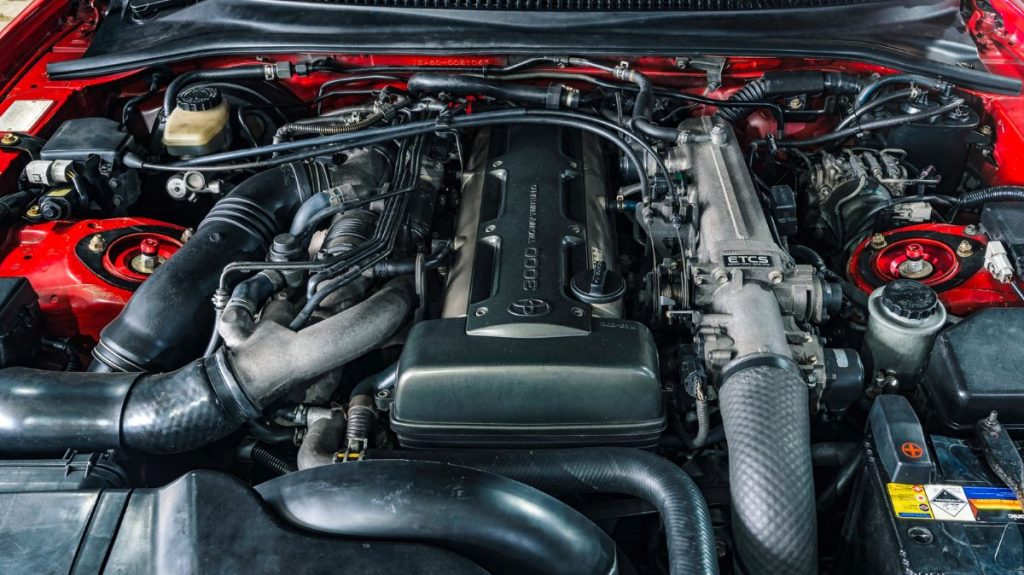
Many owners report their engines running flawlessly after hundreds of thousands of miles, often requiring only routine maintenance like oil changes, timing belt replacements, and basic tune-ups.
Another factor in the 2JZ-GTE’s endurance is its robust fuel and ignition system. High-quality injectors and a reliable ECU design ensure consistent combustion, while strong forged components reduce the risk of catastrophic failures.
Enthusiasts appreciate that the engine combines longevity with tunability, making it both a daily driver and a high-performance powerhouse.
Collectors and mechanics alike respect the 2JZ-GTE for its reliability under stress. It has proven its resilience not only on the streets but also in motorsports, drag racing, and endurance runs.
The engine’s durability, combined with its potential for extreme power output, ensures that it remains a benchmark for performance and longevity.
For anyone seeking an engine that refuses to quit, the Toyota 2JZ-GTE exemplifies mechanical endurance. Its reputation is well-earned, and decades after its release, it continues to impress with its ability to keep running when others fail.
2. Honda K20
The Honda K20 series is a family of naturally aspirated four-cylinder engines known for reliability, high-revving capability, and impressive efficiency.
Introduced in the early 2000s, the K20 became a mainstay in Honda’s Civic Type R, Integra, and Accord models. It is renowned for running cleanly past 250,000 miles when properly maintained.
One reason for its durability is the K20’s lightweight yet strong design. Its aluminum block and head reduce stress on components while maintaining structural integrity.
Honda engineered the K20 with precision, ensuring tight tolerances, efficient cooling, and consistent oil flow. These elements contribute to the engine’s long life and consistent performance.
The K20 also features VTEC, Honda’s variable valve timing system, which allows the engine to breathe efficiently across different RPM ranges.
Unlike many high-revving engines, the K20 manages to combine performance with reliability, making it suitable for both spirited driving and daily commuting.
Routine maintenance, including timely oil changes, coolant replacements, and valve adjustments, keeps the K20 in excellent condition.
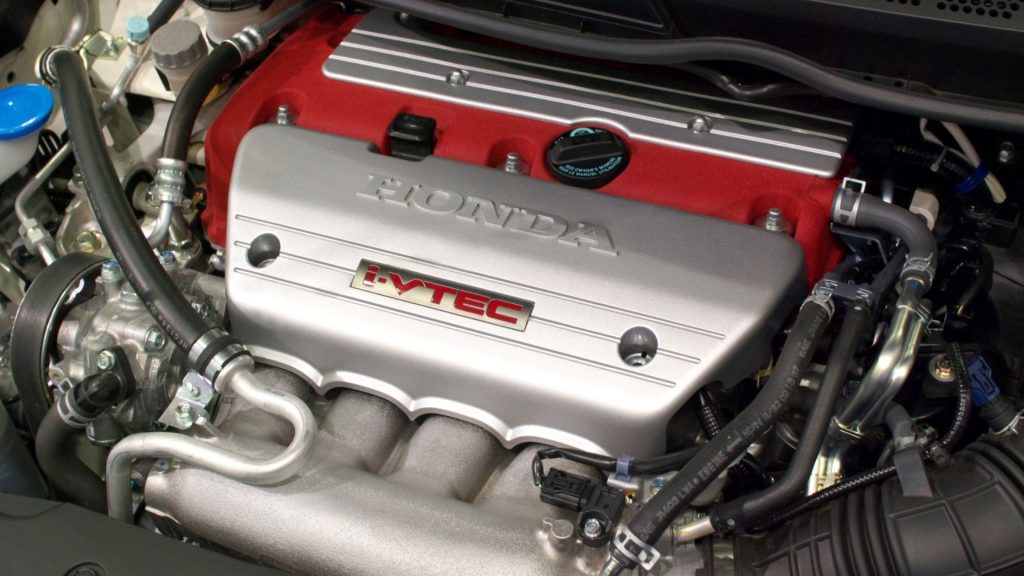
Its simple design, low internal friction, and high-quality components make failures rare. Enthusiasts often push these engines hard on the track, yet the K20 continues to deliver dependable performance for many years.
Additionally, the K20 enjoys widespread aftermarket support. Forged internals and upgraded components allow for performance modifications without sacrificing reliability.
Its reputation for longevity has created a loyal following, with many owners reporting engines still performing strongly beyond 300,000 miles.
The Honda K20 represents a balance of engineering excellence and practicality. Its ability to handle high RPMs, maintain reliability, and provide engaging performance has earned it a reputation as one of the engines that keep running after everyone gave up.
3. Mercedes-Benz OM617
The Mercedes-Benz OM617 is a straight-five diesel engine produced from the mid-1970s through the 1980s.
Known for its indestructible nature, it was installed in models such as the W123 series and the 300D. The OM617 gained fame for easily surpassing 500,000 miles with minimal repairs, with many examples still running today.
A major factor in the OM617’s longevity is its simple, overbuilt design. The cast-iron block, forged crankshaft, and durable cylinder head allow it to endure decades of continuous use.
Unlike modern engines with complex electronics, the OM617 relies on mechanical injection systems and simple components, reducing potential failure points.
The engine’s turbocharged variants provide improved efficiency and performance without sacrificing reliability. Its naturally aspirated versions were even more resilient, often running millions of kilometers when properly maintained.
Diesel’s inherent durability, combined with Mercedes’ focus on engineering longevity, ensures that these engines can survive extreme workloads.
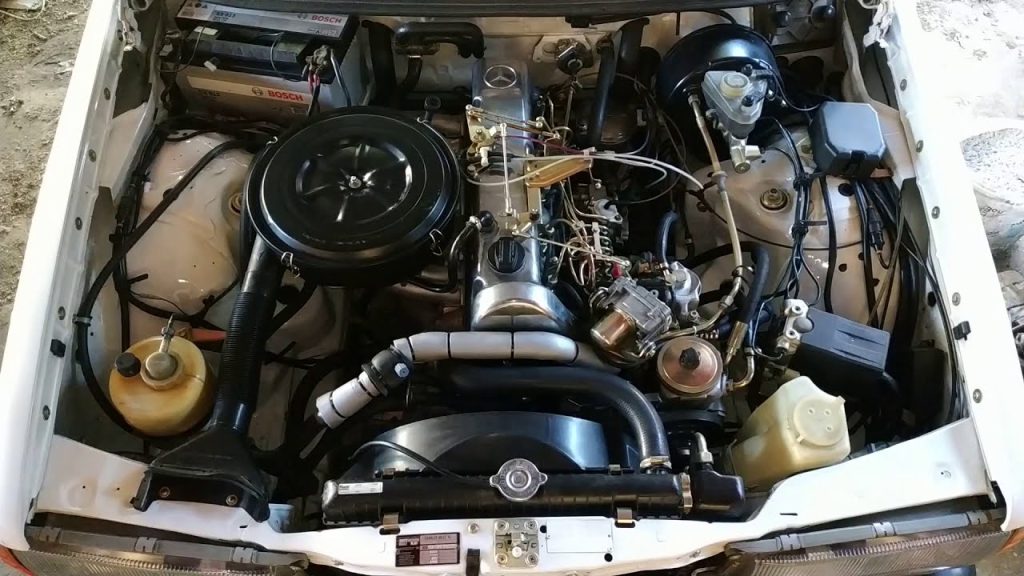
Routine maintenance is straightforward. Regular oil changes, fuel filter replacements, and valve adjustments are sufficient to keep the engine in excellent condition.
Many owners have reported original OM617 engines running flawlessly for hundreds of thousands of miles, often in challenging conditions such as hot climates or heavy-duty use.
The OM617’s reputation is reinforced by its presence in taxis, long-haul vehicles, and utility cars, where reliability is critical. Its mechanical simplicity, combined with robust construction, makes it nearly indestructible.
This engine is respected not only for its endurance but also for maintaining performance over decades, providing dependable torque and power under load.
Mercedes’ OM617 diesel proves that thoughtful engineering and quality materials create powerplants that outlast modern expectations.
Even decades later, these engines continue to operate reliably, earning their reputation as engines that refuse to quit when others fail.
4. Ford 4.6L Modular V8
The Ford 4.6L Modular V8, introduced in 1991, is part of Ford’s long-running modular engine family. Found in vehicles like the Mustang, Crown Victoria, and F-150, this engine has earned a reputation for reliability and longevity. Many examples continue running past 300,000 miles with proper maintenance.
One reason for its durability is the modular design, which allows for strong cast-iron or aluminum blocks and durable heads. The 4.6L features overhead camshafts and a simple valvetrain that, while modern, avoids unnecessary complexity. This combination ensures consistent performance over decades of use.
Routine maintenance, including oil changes, spark plug replacements, and cooling system care, keeps the engine healthy.
Many owners report engines that continue performing well even under high-mileage daily driving, heavy towing, or performance applications. Its ability to handle moderate tuning also contributes to its longevity.
The engine’s widespread use in both trucks and performance cars speaks to its versatility. Reliability under diverse conditions from highway cruising to track use, proves its resilience. Its design focuses on longevity and simplicity, reducing potential failure points that could otherwise limit life expectancy.
In addition, the 4.6L Modular has a strong aftermarket community. Upgrades, maintenance guides, and replacement parts are widely available, which helps keep these engines running for decades. Many examples still perform well after extensive use because owners can maintain them easily.
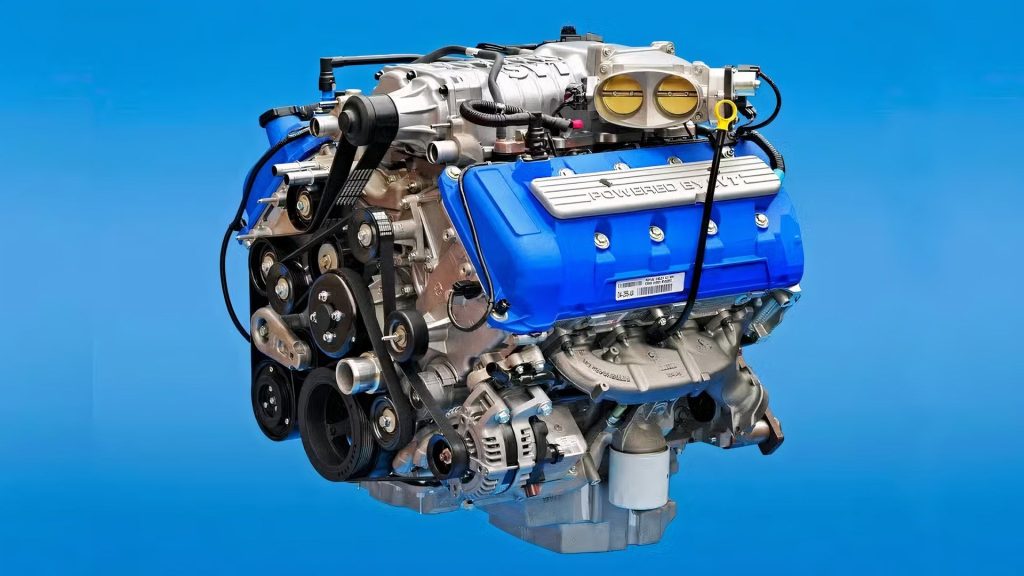
The Ford 4.6L V8 demonstrates that careful engineering combined with robust components can produce an engine that outlasts expectations. Its combination of versatility, reliability, and performance makes it one of the engines that keep running long after others are retired.
5. Toyota 1UZ-FE
The Toyota 1UZ-FE is a 4.0-liter V8 produced from 1989 through the early 2000s. Installed in vehicles like the Lexus LS400, SC400, and GS400, it became famous for smooth operation, reliability, and astonishing longevity. Many examples continue to operate flawlessly past 300,000 miles.
A key factor in the 1UZ-FE’s durability is its all-aluminum construction paired with a robust design. The engine features a timing belt, hydraulic lifters, and forged components designed to withstand decades of use. Precision engineering ensures low wear rates even under high-stress conditions.
The 1UZ-FE also features smooth power delivery, balanced internals, and a strong cooling system.
These factors prevent overheating and minimize stress, further extending life expectancy. Regular maintenance, including fluid changes and timing belt replacement, keeps the engine running reliably for hundreds of thousands of miles.
Owners appreciate that the 1UZ-FE combines luxury refinement with mechanical robustness. It produces smooth, consistent power while remaining largely trouble-free. Many vehicles with these engines still provide dependable performance despite high mileage, highlighting the design’s longevity focus.
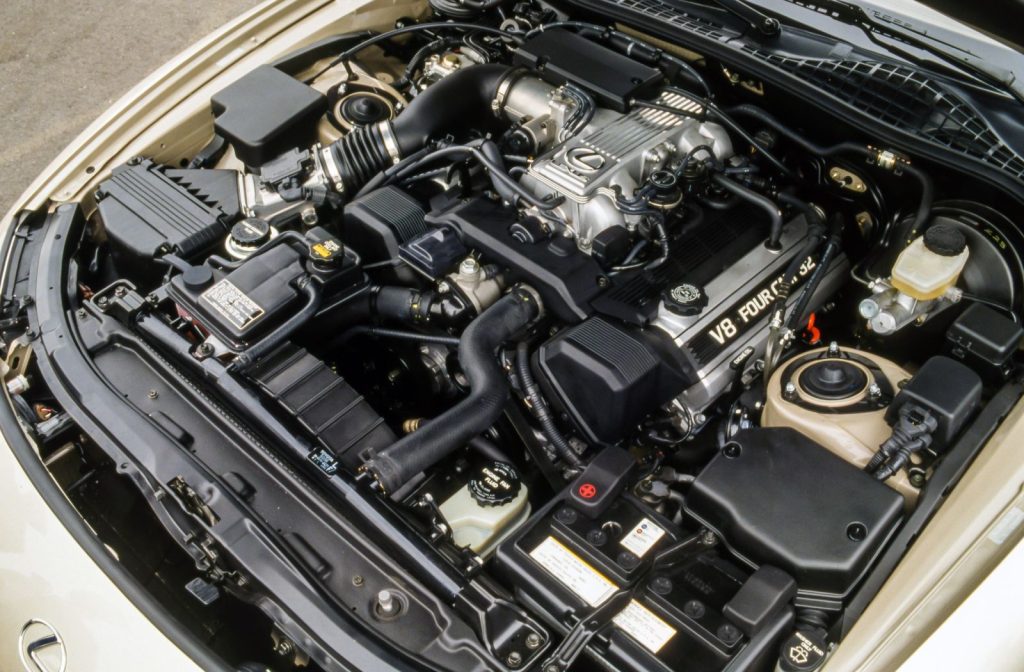
Its reputation for reliability has made it a benchmark for luxury engines, and it remains a favorite among enthusiasts who value durability. The 1UZ-FE proves that careful engineering and attention to detail can create an engine that outlasts expectations, even in long-term use or performance applications.
The Toyota 1UZ-FE is a clear example of a V8 that refuses to quit. Its smoothness, reliability, and engineering quality make it one of the engines that continue running when others fail.
6. Cummins 6BT 5.9
The Cummins 6BT 5.9 diesel engine is an industrial-grade powerplant widely used in Dodge Ram trucks, commercial vehicles, and industrial applications. Introduced in the late 1980s, it is legendary for its durability, longevity, and ability to handle heavy loads for hundreds of thousands of miles.
Its robust cast-iron block, forged crankshaft, and simple mechanical injection system contribute to unmatched reliability. Unlike modern engines with complex electronics, the 6BT is easy to maintain and highly tolerant of abuse, making it a favorite among truck owners and industrial operators.
Routine maintenance is straightforward. Oil changes, fuel filter replacements, and injector care are sufficient to keep the engine running reliably for decades. Many owners report mileage exceeding 500,000 miles with original internals, highlighting the engine’s toughness.
Performance is steady and predictable. While not designed for high RPMs, the 6BT produces consistent torque across a wide operating range, making it ideal for towing, hauling, and long-distance applications. Its simplicity also allows for easy repairs in remote or challenging environments.
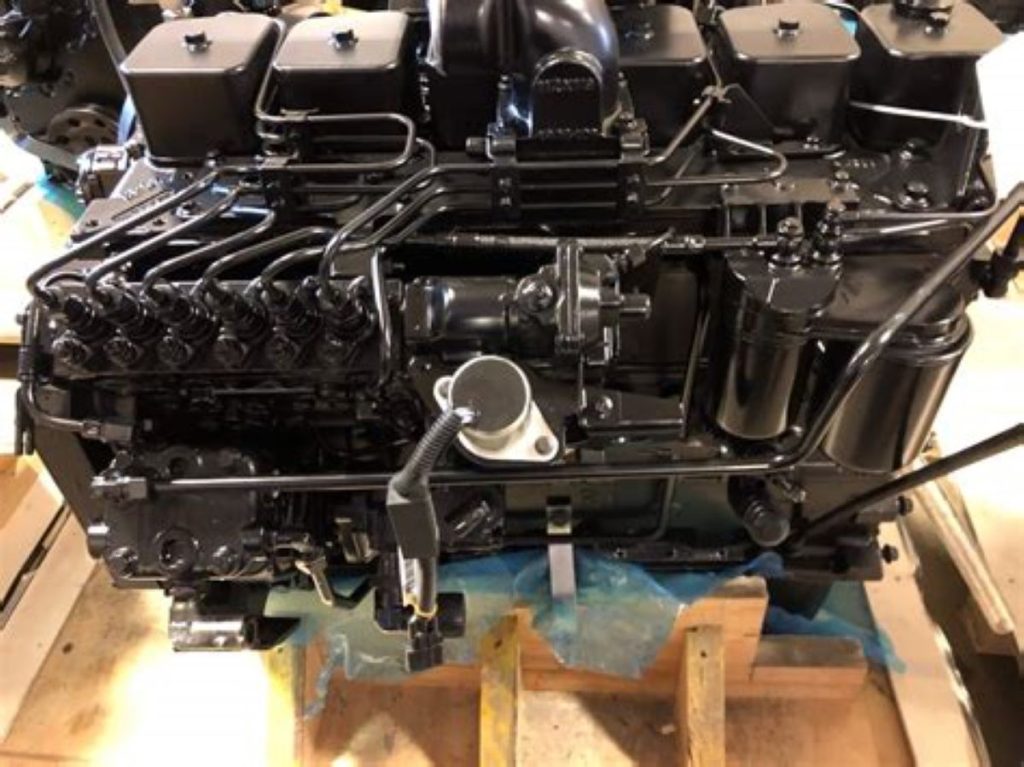
The Cummins 6BT 5.9 has earned a reputation as virtually indestructible. Its combination of strength, simplicity, and reliability ensures that it continues to operate long after other engines have failed.
This diesel powerplant exemplifies mechanical endurance and remains highly sought after in the used truck market.
7. BMW M50/M52
The BMW M50 and M52 inline-six engines, produced in the 1990s, are known for reliability, smoothness, and longevity. Found in models like the E36 3 Series, E39 5 Series, and Z3, these engines are praised for running cleanly well past 250,000 miles when maintained properly.
One reason for their durability is the combination of solid engineering and high-quality materials.
The cast-iron M50 block and aluminum M52 block provide strength while keeping weight reasonable. Balanced internals, strong crankshafts, and well-designed oil systems reduce wear and extend engine life.
The engines feature double overhead camshafts and VANOS variable valve timing in the M52, which enhances efficiency and performance without compromising reliability.
Unlike many modern engines, their mechanical simplicity minimizes failure points, allowing them to endure high mileage with basic maintenance.
Routine service, including oil changes, coolant flushes, and valve adjustments, ensures longevity.
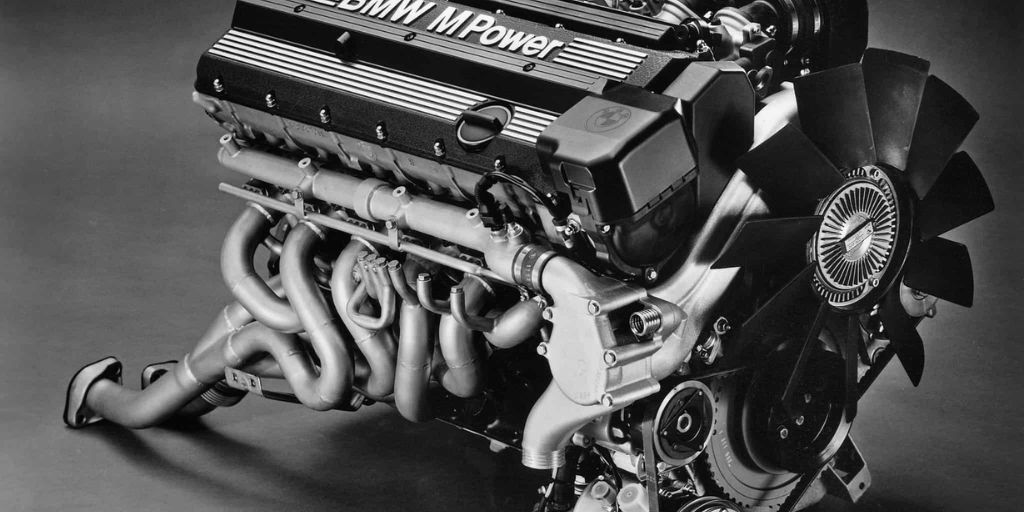
Many owners report that their engines run flawlessly beyond 300,000 miles. Rebuilt or maintained properly, these engines are still used in daily driving, track applications, and even tuning projects, thanks to their robust construction.
Another factor in their resilience is BMW’s engineering philosophy during that era. The M50 and M52 were overbuilt for their intended performance, providing durability without sacrificing driving enjoyment.
Components such as water pumps, timing belts, and cooling systems are straightforward to service, which helps keep these engines on the road longer.
The BMW M50 and M52 demonstrate that a naturally aspirated inline-six, when engineered and maintained properly, can continue performing reliably for decades.
Their smooth power delivery, robust components, and mechanical simplicity have earned them a reputation as engines that outlast expectations, proving endurance and performance can coexist.
8. Volkswagen 1.9L TDI (Pumpe Düse)
The Volkswagen 1.9L TDI Pumpe Düse diesel engine is celebrated for its efficiency, durability, and long lifespan. Used extensively in the early 2000s in models like the Golf, Jetta, and Passat, it remains a reliable choice for drivers seeking longevity.
The engine’s mechanical fuel injection system, known as Pumpe Düse or “pump-nozzle,” provides precise fuel delivery while minimizing complexity. Its cast-iron block and robust internal components allow it to endure hundreds of thousands of miles with minimal issues.
Routine maintenance is straightforward, including oil changes, fuel filter replacements, and timing belt service. Many owners report 400,000 miles or more on these engines without major repairs, demonstrating resilience unmatched in many modern diesels.
The 1.9L TDI also benefits from efficient thermal management. Its cooling system and low-friction design prevent overheating and reduce internal wear. Even under high loads or frequent highway driving, the engine maintains reliability and steady performance.
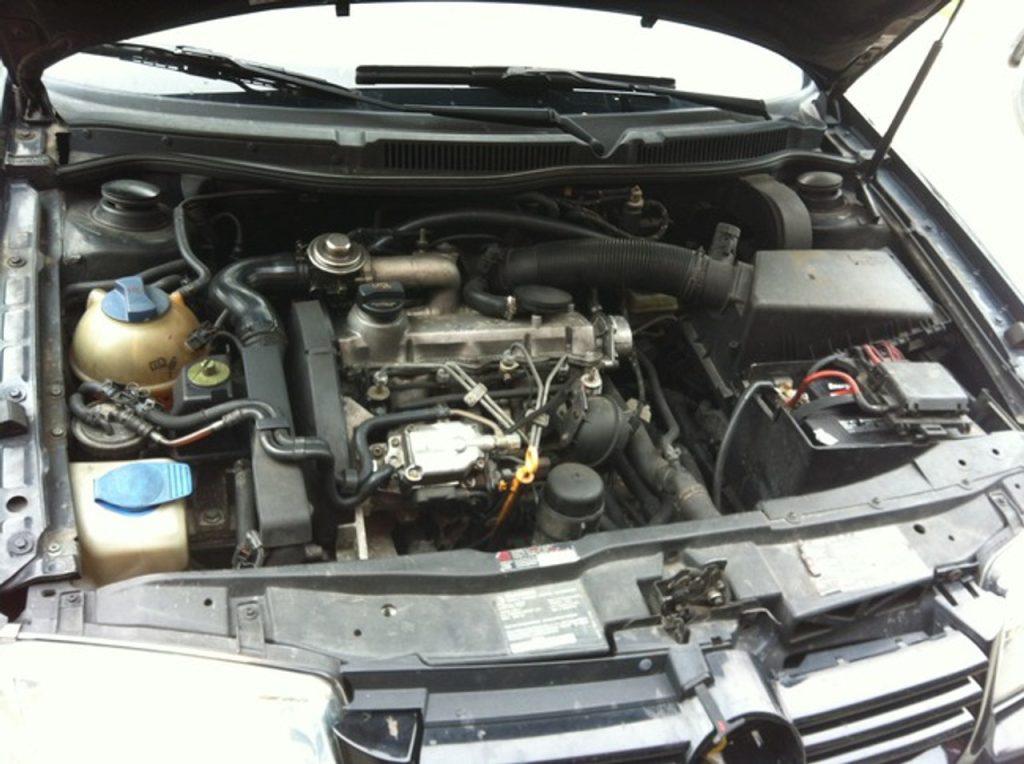
Its simplicity and robust construction make it easy to repair, even in less-equipped garages, contributing to its legendary longevity. Enthusiasts often modify these engines for additional power, and despite increased stress, many examples continue to operate reliably, showcasing the strength of the original design.
The Volkswagen 1.9L TDI Pumpe Düse proves that a diesel engine, when carefully engineered, can outlast expectations. Its balance of simplicity, efficiency, and durability ensures it remains one of the engines that keep running long after others have failed.
9. Subaru EJ25
The Subaru EJ25 flat-four engine, produced in various forms from the 1990s onward, is widely recognized for its endurance, all-wheel-drive compatibility, and reliability. Found in vehicles such as the Legacy, Outback, and Impreza, it has a strong reputation among enthusiasts and long-term owners.
Its horizontally opposed “boxer” layout lowers the center of gravity, improving balance and handling. This design also reduces stress on the engine block and internal components, contributing to longevity. Many EJ25 engines continue running past 250,000 miles with proper maintenance.
The engine features aluminum construction with reinforced internals, reliable cooling, and simple lubrication systems.
Regular maintenance, including oil changes, timing belt or chain replacements, and head gasket inspections, keeps the engine performing reliably. Despite occasional head gasket issues on older models, proper upkeep ensures long-term durability.
Another factor in the EJ25’s resilience is its compatibility with Subaru’s symmetrical all-wheel-drive system, which distributes stress evenly and maintains consistent performance. Many owners use EJ25-powered vehicles in harsh climates or off-road conditions, yet the engines continue to perform without major failures.
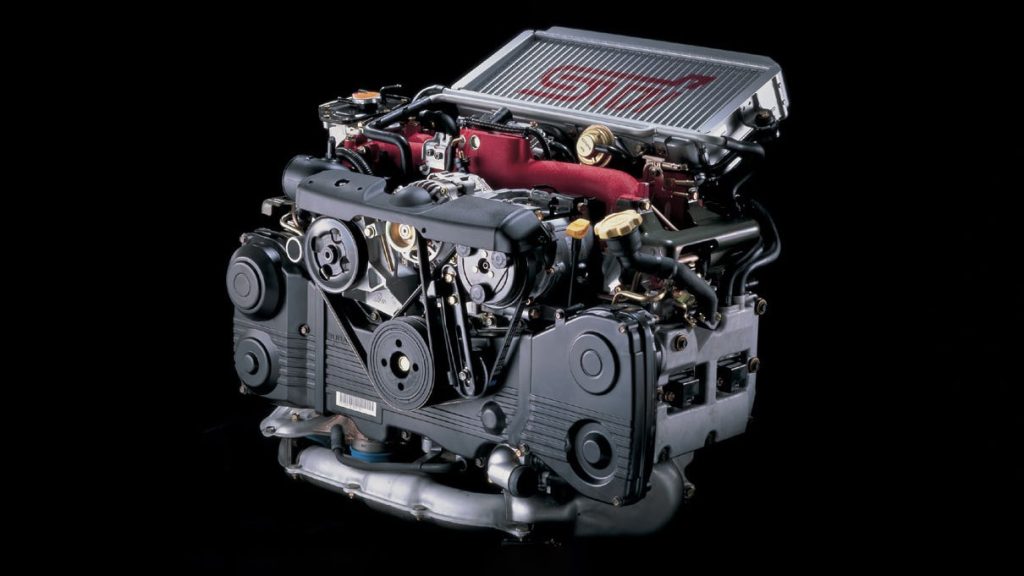
The Subaru EJ25 demonstrates that a well-engineered boxer engine can combine reliability, versatility, and endurance. Its longevity, paired with strong aftermarket support and ease of maintenance, makes it one of the engines that continue running even after others fail.
Subaru enthusiasts trust it for daily driving, long-distance travel, and performance applications, highlighting its enduring reputation.
10. Chevrolet Small-Block V8 (LS Series)
The Chevrolet LS series of small-block V8 engines, introduced in 1997, has earned a reputation for reliability, versatility, and long-lasting performance.
Found in countless GM vehicles, including the Corvette, Camaro, and trucks, these engines are capable of exceeding 300,000 miles with proper maintenance.
One key to their durability is the engine’s lightweight aluminum or cast-iron block paired with strong internals.
The LS design features deep-skirt construction, forged crankshafts, and robust cylinder heads, ensuring it can handle heavy loads and high-stress applications. This makes the engine ideal for daily driving, towing, and performance use.
Routine maintenance is straightforward, including oil changes, spark plug replacements, and cooling system upkeep. Many owners report LS engines running flawlessly for decades with minimal repairs. Its simple yet effective design reduces failure points common in modern, more complex engines.
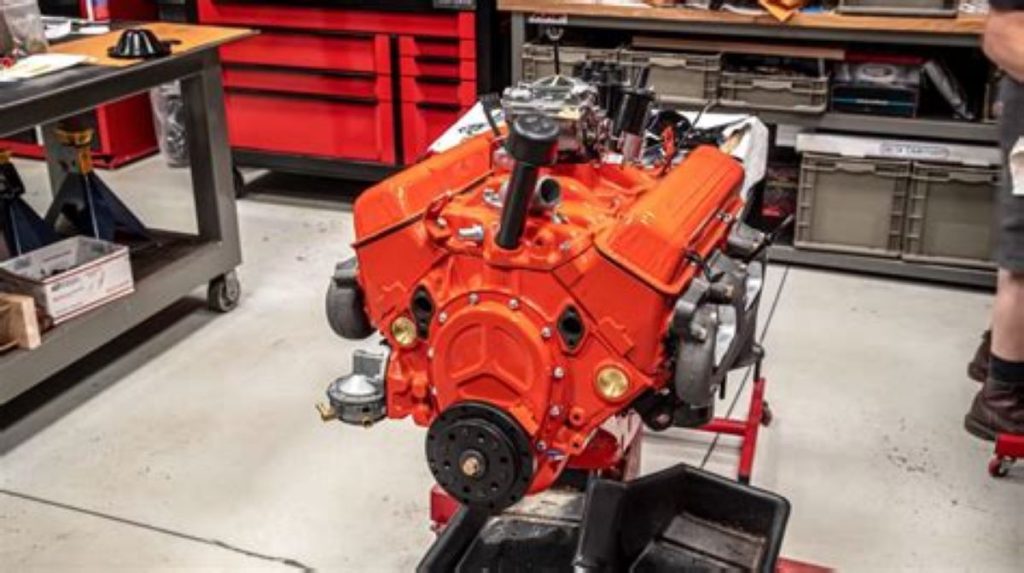
The LS also features a reliable fuel delivery and ignition system, contributing to consistent performance. Enthusiasts appreciate the engine’s ability to handle upgrades without sacrificing longevity, making it a favorite for street cars, racing, and engine swaps.
Another factor in its resilience is its wide availability and aftermarket support. Replacement parts are abundant, and rebuilds are straightforward, allowing owners to keep these engines running for decades. The LS’s versatility, reliability, and proven performance make it one of the most respected engines in automotive history.
The Chevrolet LS series exemplifies a combination of engineering, simplicity, and strength. Its durability ensures that it continues to operate even under high mileage or heavy use, making it a standout in the category of engines that refuse to quit when others fail.
11. Nissan RB26DETT
The Nissan RB26DETT inline-six twin-turbo engine, most famously used in the Skyline GT-R R32–R34, is legendary for both performance and durability. Despite its high power output, well-maintained examples frequently surpass 250,000 miles, demonstrating engineering excellence.
A major reason for its longevity is the overbuilt iron block, forged crankshaft, and durable cylinder heads. These components allow the RB26DETT to endure high boost levels and prolonged stress, making it suitable for both street and track applications.
The engine features sequential twin turbos and an efficient cooling system, ensuring consistent power delivery and temperature control. Routine maintenance, including oil changes, timing belt and chain care, and turbo inspections, keeps the engine running reliably even under extreme conditions.
The RB26DETT’s aftermarket support also contributes to its durability. Enthusiasts often increase power significantly, yet the stock internals are strong enough to tolerate modifications when upgraded appropriately.
Its mechanical simplicity, balanced design, and robust construction make failures rare in well-maintained examples.
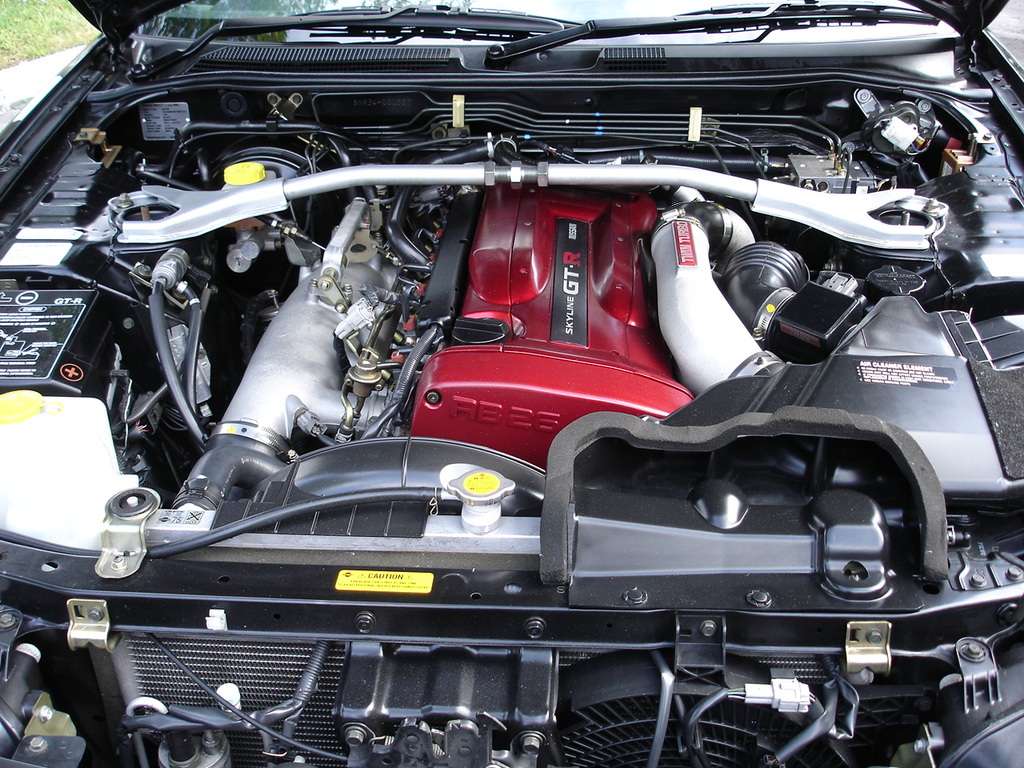
Many high-mileage RB26 engines are still in daily use today, reflecting the strength of Nissan’s engineering during this era. The combination of reliability, performance, and motorsport pedigree ensures the engine remains a benchmark in collectible and performance cars.
The Nissan RB26DETT is a clear example of a performance engine that keeps running long after others would fail. Its engineering, toughness, and reliability make it a standout among high-performance powerplants, earning respect from enthusiasts and mechanics alike.
12. Ford Powerstroke 7.3L Diesel
The Ford Powerstroke 7.3L diesel, produced from 1994 to 2003, is widely regarded as one of the most durable diesel engines ever built. Installed in Ford Super Duty trucks, it has become a symbol of long-lasting reliability, capable of exceeding 500,000 miles with proper care.
Its robust cast-iron block, forged crankshaft, and simple mechanical fuel injection system contribute to exceptional durability. Unlike modern diesels, the 7.3L avoids overly complex electronics, reducing potential failure points and making it easier to maintain and repair.
Routine maintenance, including oil changes, fuel filter replacements, and cooling system care, keeps the engine performing reliably for decades. Many owners report trucks still running strong after hundreds of thousands of miles, even under heavy towing and commercial workloads.
The Powerstroke 7.3L produces consistent torque across a wide RPM range, making it ideal for hauling and long-distance driving. Its reputation for mechanical simplicity and reliability has made it a favorite among fleet operators, contractors, and enthusiasts seeking a dependable workhorse.
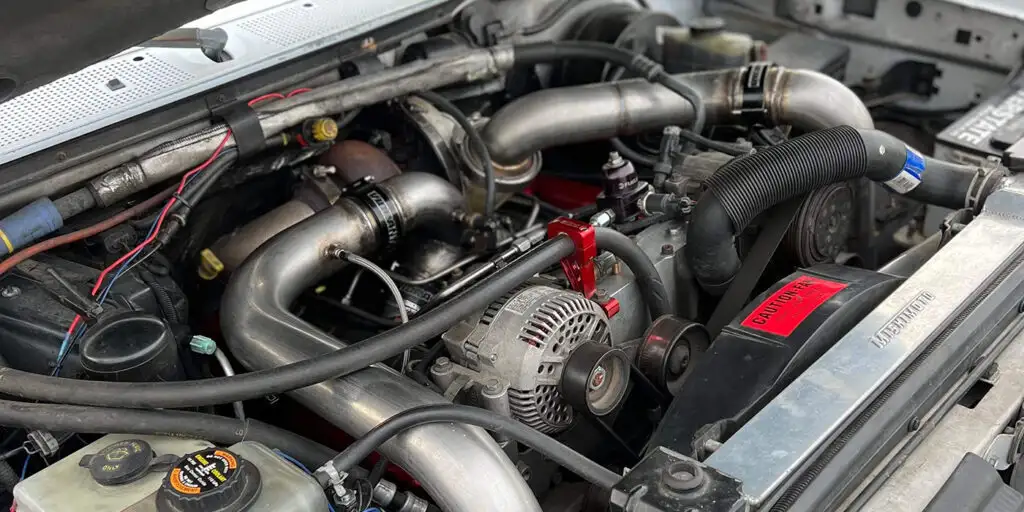
Another factor in its longevity is its aftermarket support. Replacement parts, rebuild kits, and performance upgrades are widely available, ensuring continued operation even after extended use. Its design emphasizes durability over high-speed performance, which is key to its extended lifespan.
The Ford 7.3L Powerstroke diesel exemplifies an engine built to last. Its combination of rugged construction, simplicity, and reliability ensures it continues to operate long after other engines would fail, earning a legendary reputation among diesel enthusiasts and professionals alike.
13. Lexus 2JZ-FE
The Lexus 2JZ-FE is the naturally aspirated sibling of the legendary 2JZ-GTE turbo engine. Found in vehicles such as the Lexus IS300 and Toyota Aristo, this inline-six is renowned for smooth operation, reliability, and impressive longevity. Many examples continue running strong past 300,000 miles.
One reason for its endurance is Toyota’s attention to over-engineering. The cast-iron block, durable crankshaft, and forged internals allow the engine to withstand stress without major wear. Its aluminum head, precise tolerances, and efficient cooling system further contribute to long-term reliability.
Unlike the turbocharged GTE variant, the 2JZ-FE’s naturally aspirated design places less stress on the internals, resulting in fewer failures over time. Routine maintenance, such as oil changes, timing belt replacements, and fluid checks, ensures the engine remains in excellent condition.
The engine delivers smooth and linear power across the rev range, making it suitable for daily driving and long-distance use. Its robust construction allows many owners to drive extensively without worrying about catastrophic failures or premature wear.
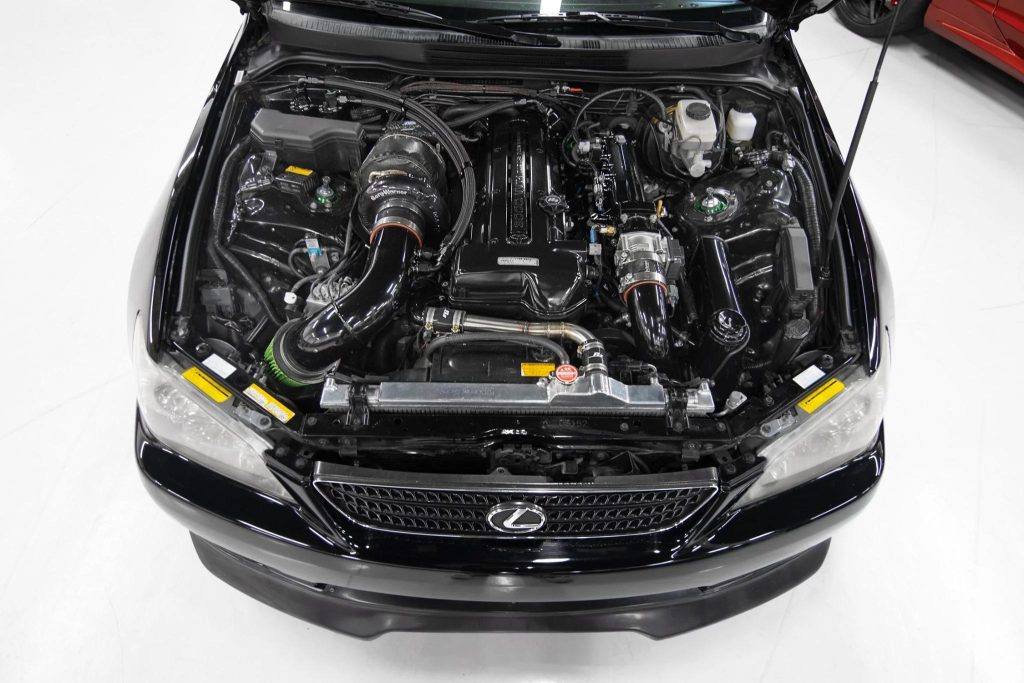
Additionally, aftermarket support and availability of replacement parts make it easy to maintain and repair. Many enthusiasts choose to lightly modify the 2JZ-FE for additional performance, and even under moderate tuning, it maintains its legendary reliability.
The Lexus 2JZ-FE proves that a naturally aspirated engine, when engineered with precision and quality, can deliver both performance and endurance.
Its reputation for longevity, smooth operation, and mechanical strength has made it a favorite among enthusiasts seeking an engine that refuses to quit, making it one of the engines that continue running after everyone else expected failure.
14. Toyota 22RE
The Toyota 22RE is a four-cylinder engine found in trucks and 4Runners during the 1980s and 1990s. It is widely recognized for unmatched durability, simplicity, and ability to exceed 300,000 miles with minimal maintenance. Its reputation among off-roaders and daily drivers is legendary.
A key factor in the 22RE’s longevity is its simple, robust design. The cast-iron block, reliable head, and straightforward valvetrain allow it to withstand heavy use in trucks, off-road applications, and harsh conditions. Components are easy to replace and maintain, which reduces downtime and increases lifespan.
The 22RE delivers consistent performance while remaining efficient and reliable. Its carbureted and later fuel-injected variants are simple, avoiding the complexity of modern engines that can cause failures. Cooling and lubrication systems are effective, keeping internal components healthy for decades of use.
Owners frequently report these engines exceeding 400,000 miles, often with minimal repairs beyond basic maintenance like oil changes, timing chain adjustments, and water pump replacements. Its ruggedness and forgiving design make it ideal for high-mileage daily driving.
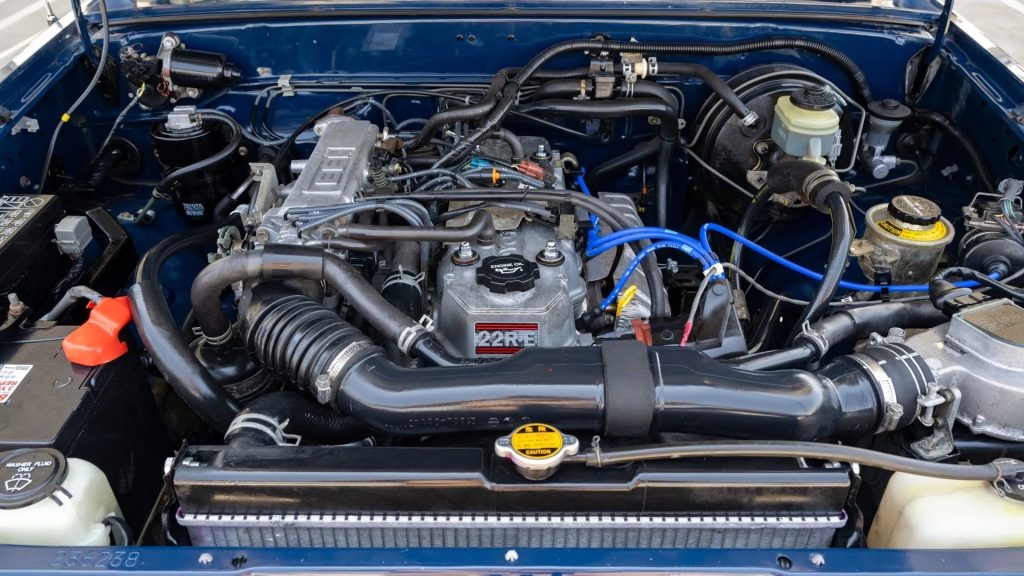
The Toyota 22RE has earned a reputation as an engine that refuses to quit. Its reliability, simplicity, and mechanical resilience have made it a favorite among truck enthusiasts, off-roaders, and collectors who value longevity.
Its combination of practicality and durability ensures it continues running long after other engines fail.
15. Mercedes-Benz M117 V8
The Mercedes-Benz M117 V8, produced in the 1970s and 1980s, is renowned for durability, smooth performance, and longevity. Found in models such as the S-Class, SL, and SEC, it continues to operate reliably with high mileage, often exceeding 300,000 miles.
Its robust cast-iron block, forged crankshaft, and strong cylinder heads make it virtually indestructible. Coupled with simple mechanical fuel injection and a durable valvetrain, the engine is resistant to common failures seen in more complex modern powerplants.
Routine maintenance, including oil changes, fuel system care, and valve adjustments, keeps the M117 in excellent condition. Many owners report their cars running smoothly decades after purchase, demonstrating the engine’s resilience under long-term use.
The M117 delivers smooth, refined power across a broad range of RPMs, making it ideal for luxury sedans and grand tourers. Its balanced design reduces stress on internal components, further extending longevity.
The engine’s engineering, combined with Mercedes-Benz’s focus on quality, ensures reliability in both daily driving and extended highway use.
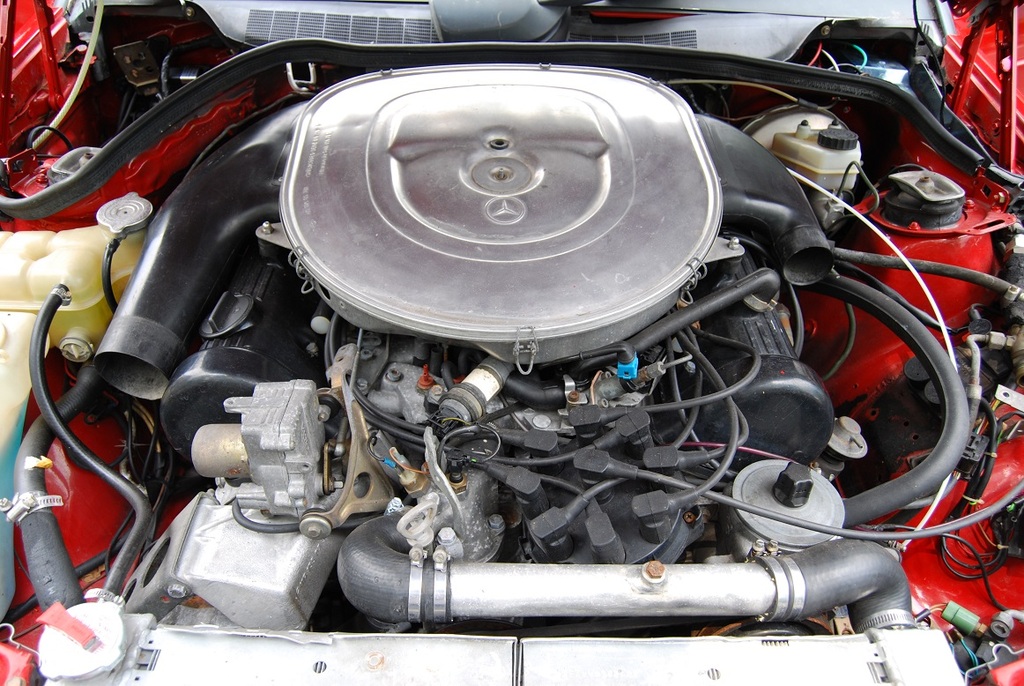
Its robust construction allows it to handle high mileage and age without major issues, making it a favorite among enthusiasts and collectors seeking long-lasting powerplants.
The Mercedes-Benz M117 V8 proves that precision engineering and durable materials can produce an engine that outlasts expectations. Its combination of strength, refinement, and longevity earns it a place among engines that continue running long after others have failed.
16. Cummins 6.7L ISB
The Cummins 6.7L ISB diesel engine, introduced in 2007, is widely regarded as one of the most reliable modern diesel engines. Found in Ram 2500 and 3500 trucks, this engine combines durability, efficiency, and power, making it a favorite among commercial users and enthusiasts alike.
Its robust cast-iron block, forged crankshaft, and durable cylinder heads provide the foundation for long-term reliability. Coupled with a high-pressure common-rail fuel system, the engine delivers consistent performance while maintaining durability even under heavy loads.
Routine maintenance is straightforward. Regular oil changes, fuel filter replacements, and coolant service keep the engine in excellent condition for hundreds of thousands of miles. Many owners report their 6.7L ISB engines still running flawlessly beyond 300,000 miles, even with frequent towing and hauling.
The engine produces strong, steady torque across a wide RPM range, which reduces stress on drivetrain components and contributes to long-term reliability. Its advanced design allows it to meet modern emissions requirements without compromising durability, a rare combination in heavy-duty diesels.
Another factor in the 6.7L ISB’s longevity is Cummins’ commitment to engineering and testing. Every component is built to withstand high stress, and the engine’s mechanical simplicity compared to more complex diesel systems makes it easier to service and maintain.
The Cummins 6.7L ISB demonstrates that modern engines can combine performance, efficiency, and durability. Its ability to operate reliably under heavy loads and high mileage makes it a standout in the world of diesel engines.
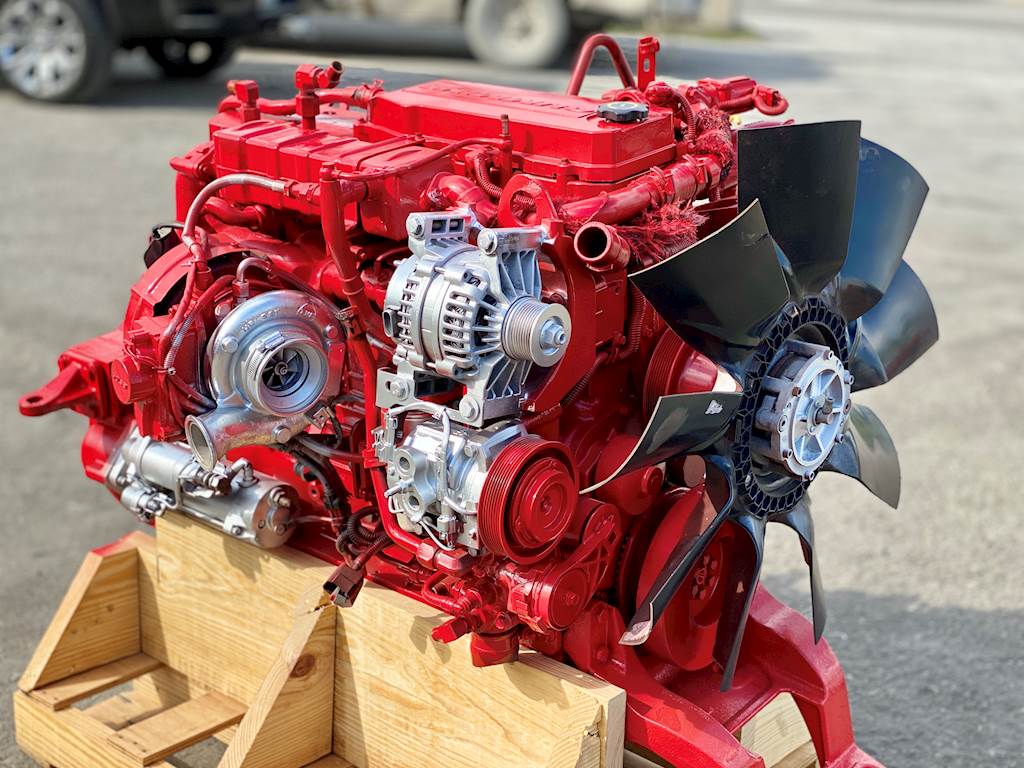
For truck owners and enthusiasts, it represents a powerplant that continues running long after other engines would fail, proving its place among the most enduring engines ever produced.
These sixteen engines represent the pinnacle of mechanical endurance, consistently running long after others fail.
From the Toyota 2JZ-GTE and 2JZ-FE to the Honda K20 and BMW M50/M52, each engine combines robust design, quality materials, and precise engineering to achieve remarkable longevity.
Diesel powerplants like the Cummins 6BT 5.9, 6.7L ISB, Mercedes OM617, and Volkswagen 1.9L TDI demonstrate that simplicity and durability often outlast modern complexity, thriving under heavy loads and high mileage.
Engines like the Subaru EJ25, Ford 4.6L Modular V8, and Chevrolet LS V8 show that reliability can coexist with performance and versatility. Even luxury engines, such as the Toyota 1UZ-FE and Mercedes M117, prove that refinement need not compromise durability.
These engines have earned trust through decades of use, demanding only routine maintenance to continue performing.
Collectively, they highlight what is possible when engineering prioritizes resilience, making them legends in automotive longevity.
Also Read: 12 Cars That Don’t Age Like Most Vehicles
