
Pickup trucks carry a reputation for toughness, but not every truck lives up to that promise. Some models have been engineered to withstand years of abuse, delivering dependable service to their owners with minimal fuss.
These are the trucks you see hauling loads daily, racking up hundreds of thousands of miles, and still refusing to quit. On the opposite side, there are trucks that struggle to maintain the same reputation.
For every reliable workhorse, there exists a model that spends too much time hooked up to a tow truck, plagued by design flaws or components that wear down far too soon.
This article takes a close look at both sides. First, we highlight five trucks that have earned the trust of owners by rarely breaking down, backed by strong engineering and proven records.
Then, we move to the less fortunate side with five trucks that have become known for constant breakdowns, draining wallets with repair bills and frequent trips to the shop.
The comparison paints a clear picture of how different design choices and engineering philosophies can make or break a truck’s long-term value.
Also Read: 12 Cars That Win Owner Loyalty for Generations
5 Trucks That Rarely Break Down
A reliable truck does more than just start every morning; it becomes part of the daily routine for its owner. Farmers, contractors, and families alike depend on trucks that can be counted on through heavy workloads, long commutes, or cross-country journeys.
What separates these models from the rest is not just a tough body or a strong engine, but a harmony between design, engineering, and consistent quality control.
These trucks have built their reputations on real-world experience. Owners report them staying on the road past 200,000 miles, often with minimal major repairs.
Their engines and transmissions are known to take punishment, their electrical systems tend to hold up better than rivals, and parts are usually built to last rather than wear prematurely.
That kind of dependability isn’t accidental; it comes from thoughtful design and years of refinement by manufacturers who understand what buyers need.
The following five trucks stand out because they rarely let their owners down. Each has been chosen based on reliability history, owner satisfaction, and proven durability.
They represent the gold standard for pickup longevity, and their reputations are why many are still sought after even as used models.
1. Toyota Tacoma
The Toyota Tacoma has long been recognized as a benchmark for midsize truck reliability. Since its introduction in the mid-1990s, the Tacoma has earned a reputation for being almost unbreakable, often outlasting competitors by hundreds of thousands of miles.
Owners regularly praise its ability to keep running with minimal mechanical issues, which is why resale values remain among the highest in the truck segment.
The Tacoma’s reliability can be traced back to Toyota’s commitment to building simple yet robust drivetrains. Engines like the 2.7-liter four-cylinder and 4.0-liter V6 are designed with fewer failure-prone components compared to rivals, meaning fewer points of weakness.
The transmissions, whether manual or automatic, are also widely known for their long service life. This straightforward engineering has kept repair costs lower, as major failures are less common.
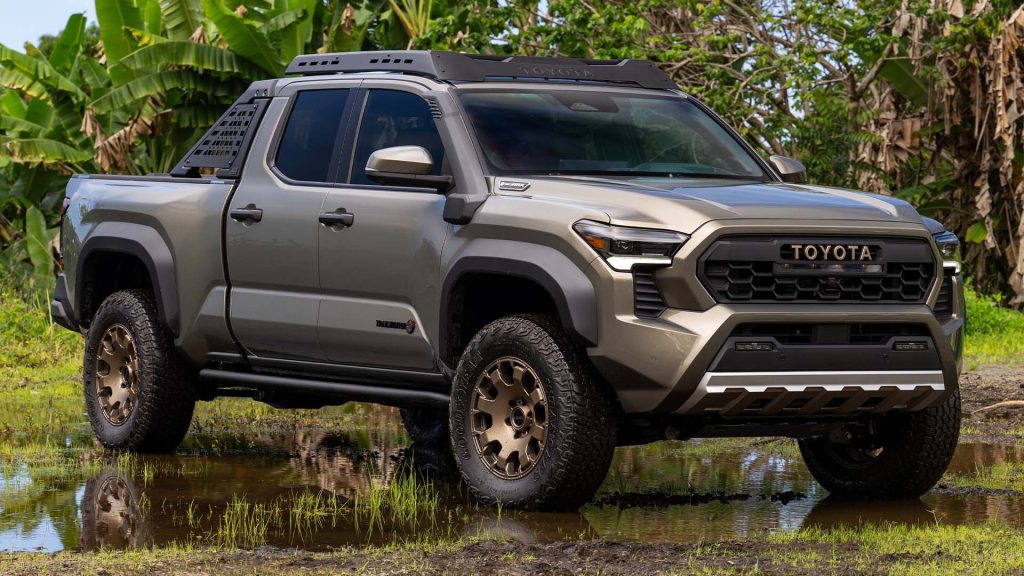
Another key factor is the Tacoma’s durability in harsh environments. From desert climates to snowy regions, the truck has proven itself across conditions that wear down lesser vehicles.
Many fleet operators and outdoor professionals prefer the Tacoma specifically because it won’t leave them stranded in remote areas.
I’m writing about the Tacoma because it consistently stands out as a truck owners keep for a decade or more.
It’s not about flashy technology or luxury trims; it’s about knowing that when the key turns, the truck will perform. That kind of trust explains why the Tacoma remains a legend among reliable pickups.
2. Ford F-150
The Ford F-150 is not only America’s best-selling truck but also one of the most dependable in its class when properly maintained.
With millions sold over decades, it has built a long track record, and many generations of F-150s have proven themselves capable of reaching high mileage with relatively few breakdowns. Its versatility and wide range of configurations have made it a truck that appeals to nearly every kind of driver.
Reliability for the F-150 comes from Ford’s constant refinement of its engines and transmissions. V8 options, particularly the 5.0-liter “Coyote,” have been praised for durability, while the EcoBoost V6 engines have shown impressive longevity despite initial skepticism.
The truck’s chassis and suspension are also engineered to handle heavy towing and hauling without wearing out prematurely, making it dependable even under constant strain.
Owners consistently report that the F-150 is a truck they can rely on daily. It’s common to see older models still on the road serving as work vehicles, which is proof of the platform’s strength.

Parts availability is another advantage, as widespread popularity means components are easier to source and often more affordable compared to rivals.
I’m including the F-150 because its reputation is more than just sales numbers; it has earned trust through consistent durability.
It may not be perfect, but it’s one of the few full-size trucks that balances innovation with long-term dependability, ensuring it remains a reliable choice for countless drivers.
3. Chevrolet Silverado 1500
The Chevrolet Silverado 1500 has earned its place among dependable full-size pickups, thanks to consistent engineering and a reputation for long-term service.
While Chevrolet has updated the Silverado numerous times, the core formula has remained the same: strong V8 engines, rugged frames, and drivetrains that can tolerate years of heavy use.
Owners often point to the Silverado as a truck that simply keeps going, whether it’s hauling trailers, carrying work supplies, or serving as a family vehicle.
One of the Silverado’s biggest strengths lies in its engine lineup. The 5.3-liter and 6.2-liter V8s have become well-regarded for their durability when maintained correctly, often surpassing 200,000 miles without major failure.
The truck’s automatic transmissions, while not flawless, have improved across generations and have shown they can hold up to demanding conditions. Its body-on-frame construction provides the ruggedness needed for long-term use, which helps it resist structural fatigue even under constant strain.
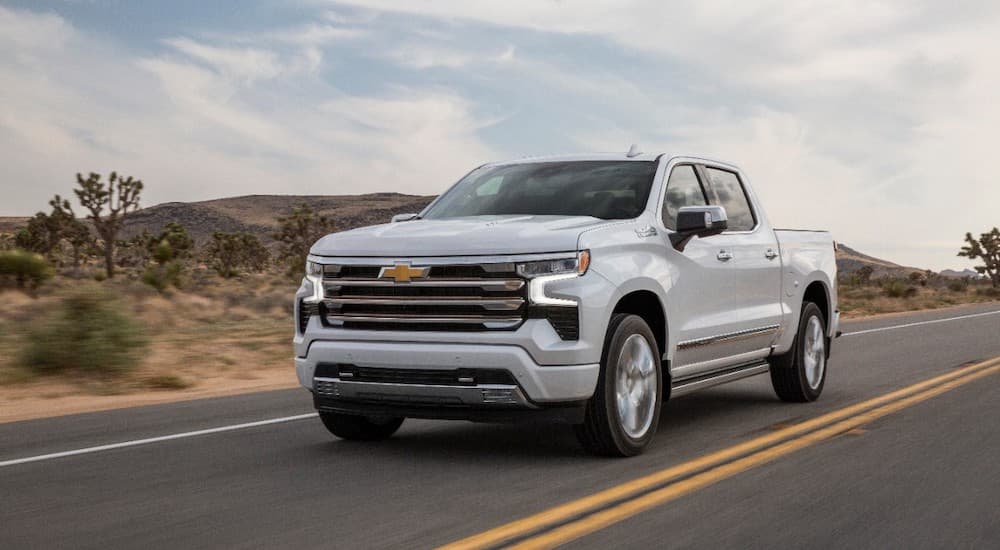
I’m writing about the Silverado because its long production history demonstrates a commitment to reliability that has benefited countless owners.
Many tradespeople rely on it as their primary workhorse, while families appreciate its ability to last for years with fewer costly repairs.
The Silverado proves that a well-built truck doesn’t need constant attention, making it one of the strongest candidates for those seeking dependability.
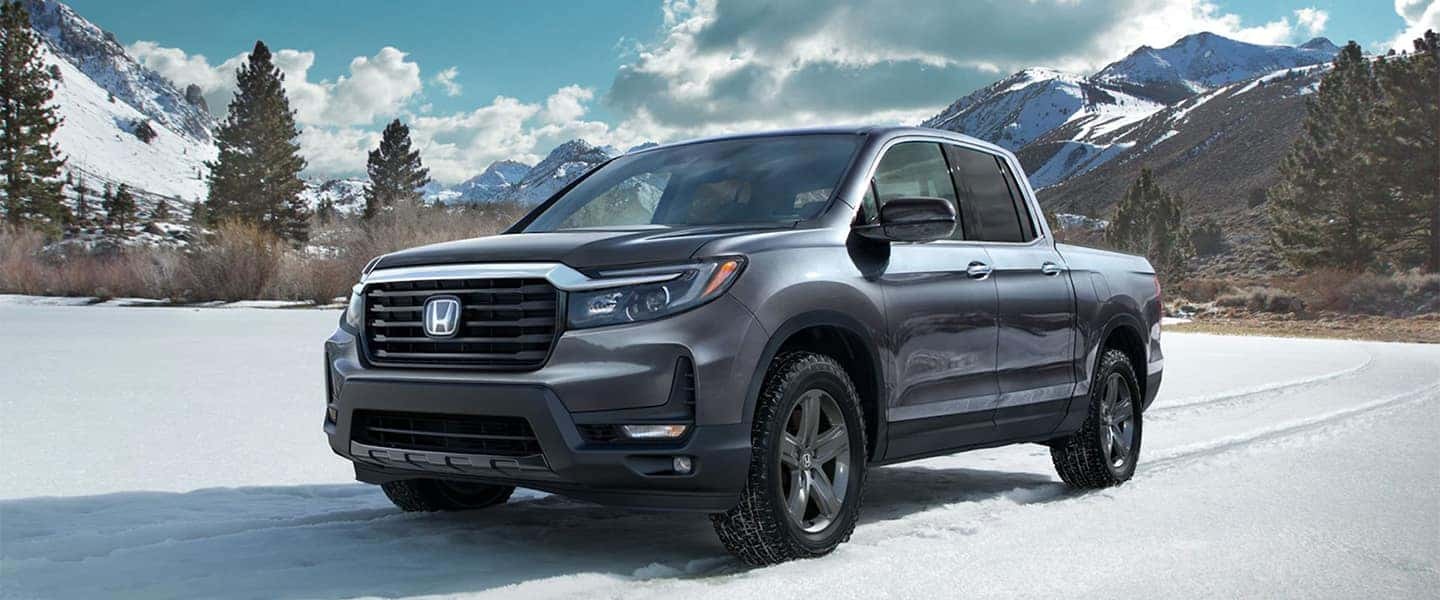
4. Honda Ridgeline
Although the Honda Ridgeline is often viewed differently from traditional pickups due to its unibody design, it deserves recognition as one of the most reliable trucks available.
Unlike body-on-frame rivals, the Ridgeline borrows much of its engineering from Honda’s SUV lineup, particularly the Pilot. This design choice has given the truck a smooth ride, car-like handling, and above all, outstanding reliability.
The Ridgeline’s 3.5-liter V6 engine has proven itself across multiple Honda models, delivering power with remarkable consistency and very few major failures. Owners frequently report that routine maintenance is all the Ridgeline requires to keep running smoothly for many years.
The transmission and all-wheel-drive system also benefit from Honda’s reputation for careful engineering, further reducing the risk of unexpected breakdowns.

Another advantage of the Ridgeline is its practicality. While it may not tow as much as full-size competitors, it excels in areas like bed storage, fuel efficiency, and long-term comfort.
For many drivers who don’t need extreme towing capacity, the Ridgeline offers a balance of usability and dependability that few rivals match.
I chose to include the Ridgeline because it challenges the stereotype that only body-on-frame trucks are reliable. Owners value it as a truck they can depend on for everyday use, with fewer repair headaches than many competitors.
5. Ram 2500
Heavy-duty trucks face tougher conditions than most vehicles, and the Ram 2500 has built a reputation as one of the most dependable in this demanding category.
Known especially for its Cummins diesel engine options, the Ram 2500 has shown it can withstand years of hauling, towing, and punishing workloads while staying reliable.
For buyers needing a serious work truck, dependability under stress is essential, and the Ram 2500 consistently delivers.
The Cummins 6.7-liter inline-six diesel is the star of the lineup, widely regarded as one of the longest-lasting truck engines ever built. Many owners have logged over 300,000 miles with only routine maintenance.
Paired with robust transmissions and a reinforced chassis, the truck is engineered for endurance. Even the gas engine options, while less celebrated, have held up well under heavy use.
Another key reason for the Ram 2500’s reputation is its ability to perform in fleet and commercial service.
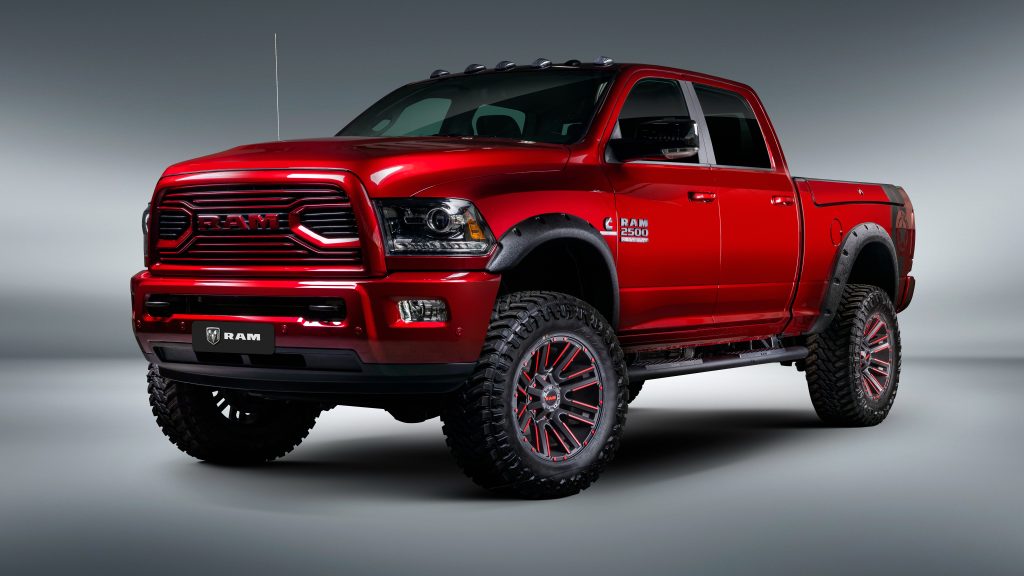
Contractors and businesses rely on these trucks daily, often pushing them to their limits. The fact that so many continue to operate reliably under such conditions speaks volumes about the model’s build quality.
I’m writing about the Ram 2500 because it proves that even in the heavy-duty segment, dependability matters as much as capability.
It’s not just about towing massive loads; it’s about knowing the truck will continue to perform year after year without frequent breakdowns.
5 Trucks That Constantly Need Towing
While some trucks are remembered for their toughness, others earn an unfortunate reputation for frequent breakdowns and costly repairs.
These are the models that too often leave their owners stranded, relying on roadside assistance or tow trucks instead of performing as dependable workhorses.
They might look the part with aggressive styling and big engines, but beneath the surface, design flaws and weak components often compromise their long-term reliability.
When a truck is unreliable, it doesn’t just create inconvenience. For owners who depend on their vehicles for work, towing failures can mean missed jobs and lost income.
For families, a breakdown on the way to vacation or in harsh weather can be both stressful and dangerous. Repair costs also tend to add up quickly, making these trucks a financial burden long after purchase.
This section highlights five trucks that have consistently frustrated owners with mechanical issues, poor build quality, or components that fail too soon. Each of these vehicles serves as a reminder that not all pickups are created equal.
While they may have strong performance on paper, the reality is frequent visits to the shop and a higher likelihood of being hitched to a tow truck.
1. Nissan Titan
The Nissan Titan entered the full-size truck market with high expectations, aiming to challenge established American brands. Unfortunately, whi
le the Titan has strengths such as comfort and decent towing ability, it has developed a reputation for poor reliability compared to its rivals.
Many owners report frequent transmission issues, electrical problems, and inconsistent build quality that lead to repeated visits to the repair shop.
One of the biggest trouble spots for the Titan has been its drivetrain. Earlier models, especially those from the mid-2000s, often faced transmission failures at relatively low mileage.
Later versions introduced a new 5.6-liter V8 paired with a nine-speed automatic, but even these updates have not completely solved concerns. Electrical issues, ranging from faulty sensors to malfunctioning power accessories, add further frustration for owners.
Beyond the mechanical concerns, resale values for the Titan have consistently lagged behind competitors.
This lower long-term value reflects the perception that the truck cannot match the dependability of rivals like the Ford F-150 or Toyota Tundra. For buyers, that translates into both higher repair costs and less money recouped when it comes time to sell.
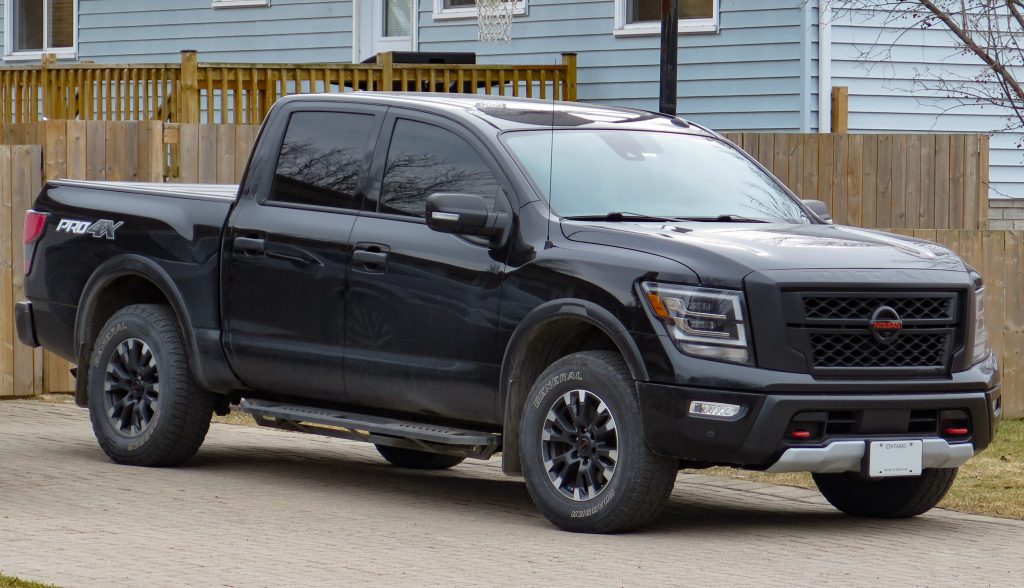
I’m writing about the Titan because it illustrates how even with strong marketing and bold design, a truck can fall short if reliability isn’t prioritized.
Owners often expect a full-size pickup to handle years of tough service, but too many Titans have ended up on the back of a tow truck instead.
2. Dodge Dakota
The Dodge Dakota once stood out as a mid-size pickup offering more capability than compact trucks but better maneuverability than full-size models.
However, its long-term reliability left much to be desired. While it offered unique features and strong V8 options, owners often found themselves facing frequent mechanical issues that made the Dakota costly and frustrating to keep on the road.
Engine reliability was a common concern, particularly with the 4.7-liter V8, which developed issues like head gasket failures and oil sludge buildup.
Transmission problems were also widespread, with many owners reporting rough shifting, early wear, or complete failures that required expensive repairs. Suspension components often wore out prematurely, leading to a less stable ride and added maintenance expenses.
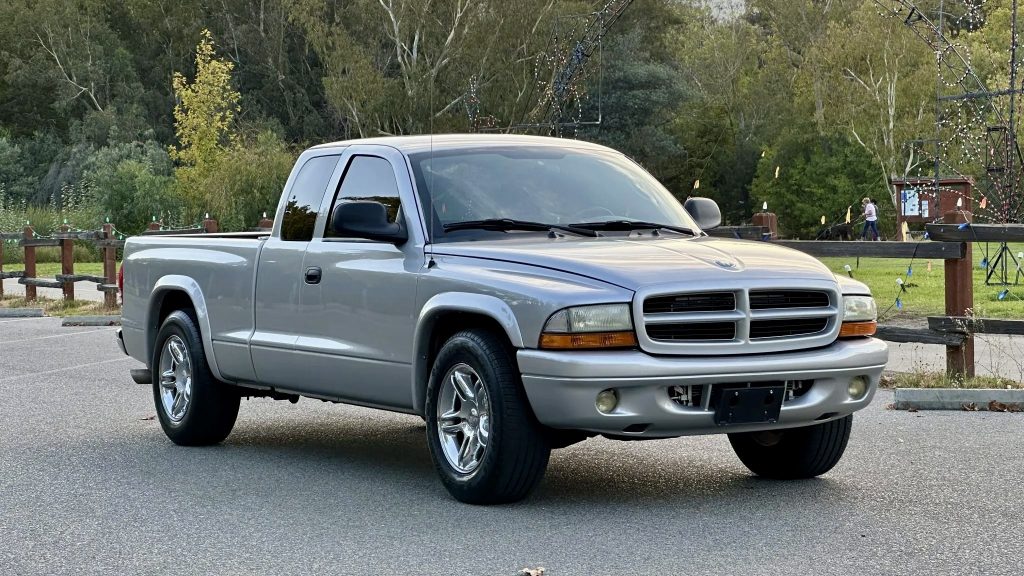
Rust was another factor that shortened the Dakota’s lifespan, particularly in northern states. Frames and body panels often deteriorated faster than those of competitors, leaving many trucks unsafe or too expensive to repair.
These issues combined to make the Dakota less dependable as it aged, which hurt its reputation among buyers seeking durability.
I’m including the Dakota because it represents how a truck with potential can be undermined by weak engineering choices.
Despite its appealing size and capability, the reality is that many owners ended up spending more time repairing their Dakotas than driving them. Its history explains why it is often remembered as a truck that too often required a tow.
3. Chevrolet Avalanche
The Chevrolet Avalanche was introduced as a versatile truck-SUV blend, appealing to drivers who wanted the utility of a pickup bed with the comfort of a full-size SUV.
While it gained attention for its innovative midgate design, its long-term reliability did not measure up to expectations.
Many owners soon discovered that the Avalanche was prone to costly mechanical issues, earning it a reputation as a truck that often needed towing.
The 5.3-liter V8 engine, although powerful, developed common problems such as excessive oil consumption and cylinder deactivation system failures.
Transmission troubles were also widespread, with reports of slipping, rough shifts, and outright failures occurring before the 150,000-mile mark.
Electrical gremlins, particularly in later models, created further headaches, including malfunctioning instrument clusters and failing sensors.
Rust was another significant weakness for the Avalanche. The body cladding used in early models trapped moisture, accelerating corrosion around the wheel wells and rocker panels.
This structural weakness caused many trucks to deteriorate well before their drivetrains reached the end of their service life.
I chose to include the Avalanche because it highlights how innovative design cannot make up for weak reliability.
Owners who once appreciated its versatility often found themselves frustrated by breakdowns and repair costs, making it a truck better known for time in the shop than on the road.
4. GMC Canyon
The GMC Canyon, marketed as a more refined twin of the Chevrolet Colorado, entered the midsize truck market with strong features and modern styling.
Unfortunately, early generations of the Canyon were plagued by reliability problems that left many owners dissatisfied. The combination of underwhelming build quality and fragile mechanical components made it one of the least dependable trucks in its class.
Engine problems were among the most common complaints. The five-cylinder option, in particular, suffered from rough operation, oil consumption, and timing chain issues that often led to expensive repairs.
Transmission failures and hard shifting added to the list of mechanical troubles, reducing confidence in the Canyon’s ability to last. Electrical problems, including faulty power windows, sensors, and lighting systems, also left owners stranded on more than one occasion.
Beyond mechanical concerns, the Canyon struggled with premature wear in suspension components.
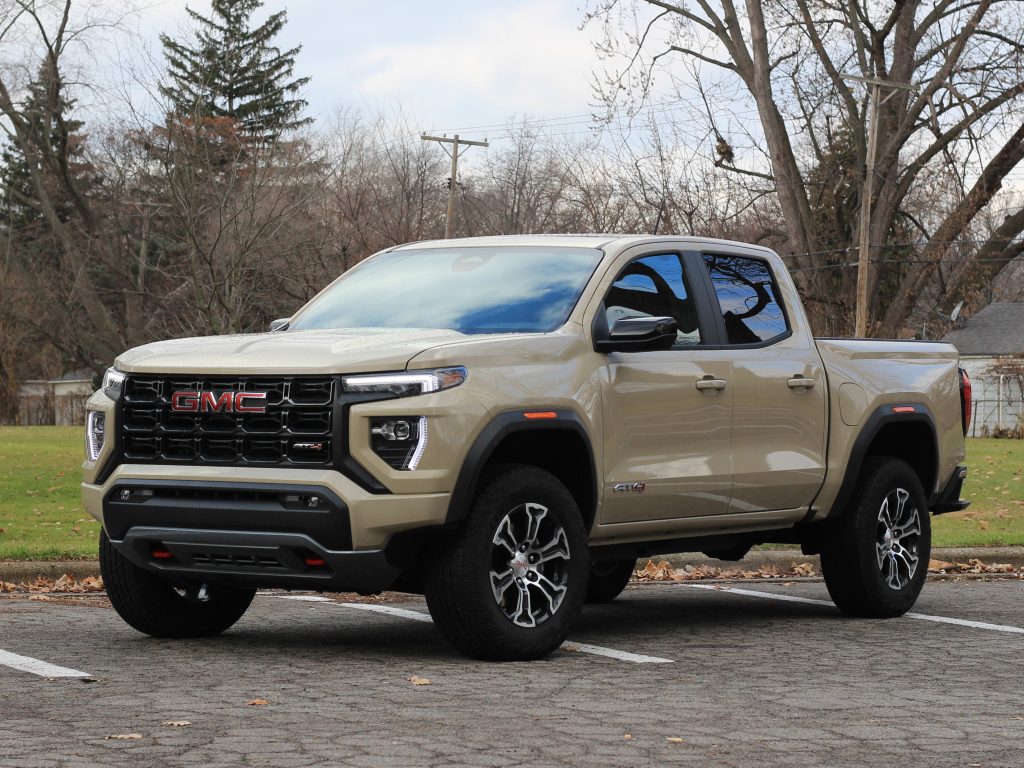
Ball joints and tie rods often needed replacement well before expected intervals, creating added maintenance costs for owners. These flaws combined to paint a picture of a truck that looked appealing on the lot but struggled to hold up once put to real use.
I’m writing about the Canyon because it demonstrates how even smaller trucks, which should be relatively simple and durable, can suffer from reliability failures. Many owners found themselves relying on tow trucks far more often than they expected.
5. Ford Ranger (2001–2011 U.S. models)
The Ford Ranger has a long and varied history, but the U.S. models produced between 2001 and 2011 stand out for their disappointing reliability.
While older and newer generations of the Ranger have earned reputations for durability, this particular era became notorious for frequent mechanical problems that made them less trustworthy than competitors.
Engine choices such as the 3.0-liter Vulcan V6 and the 4.0-liter SOHC V6 developed recurring issues. The 4.0-liter, in particular, was prone to timing chain tensioner failures that often led to catastrophic engine damage.
The automatic transmissions paired with these engines also showed weakness, frequently failing before reaching 120,000 miles. These problems made the Ranger more likely to be sidelined when its owners needed it most.
Rust was another critical flaw, especially in northern climates. Frames, fuel lines, and brake lines deteriorated quickly, often leading to unsafe conditions and early retirement of otherwise serviceable trucks.
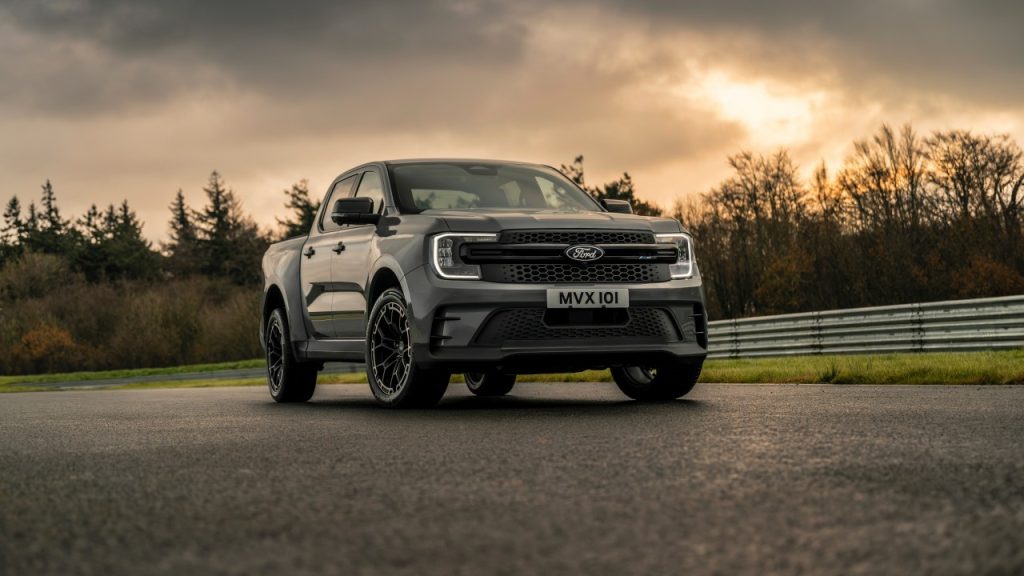
Combined with electrical issues like failing alternators and faulty sensors, these trucks earned a reputation for unreliability.
I’m including the 2001–2011 Ranger because it illustrates how even a trusted nameplate can stumble when quality control slips.
Owners who expected the Ranger to live up to its tough image often found themselves arranging tows, disappointed by how frequently these trucks left them stranded.
Some trucks earn loyal followings because they prove dependable year after year, while others become cautionary tales of constant breakdowns.
Reliable models like the Toyota Tacoma, Ford F-150, Chevrolet Silverado 1500, Honda Ridgeline, and Ram 2500 have established reputations for lasting hundreds of thousands of miles with minimal repairs.
They combine strong drivetrains, durable construction, and engineering focused on long-term use, which is why owners often hold onto them for a decade or more.
In contrast, trucks such as the Nissan Titan, Dodge Dakota, Chevrolet Avalanche, GMC Canyon, and early-2000s Ford Ranger struggled with weak engines, failing transmissions, rust, and electrical issues.
These flaws often left owners stranded and relying on tow trucks far too often. The comparison shows that while some pickups deliver trust and durability, others fall short of expectations, proving that careful research is essential before committing to a truck purchase.
Also Read: 12 Engines That Never Lose Power With Age
