
Resale value is a key consideration for SUV buyers, as it reflects how well a vehicle retains its worth over time. Some SUVs hold their value remarkably well due to a combination of brand reputation, reliability, strong demand, and practical features.
These vehicles often remain in high demand on the used market, ensuring that owners can recoup a significant portion of their initial investment. Factors such as durable construction, low maintenance costs, and fuel efficiency contribute to this lasting appeal.
On the other hand, some SUVs experience rapid depreciation, losing value faster than expected. Contributing factors can include high maintenance costs, poor reliability ratings, low consumer demand, or design choices that fail to age well.
Vehicles that depreciate quickly may still serve their purpose as daily drivers, but owners often face a steeper loss when selling or trading in the vehicle.
Understanding which SUVs maintain strong resale value versus those that drop quickly is essential for buyers seeking long-term financial sense alongside performance, comfort, and utility.
This article highlights five SUVs that consistently retain value, explaining the attributes that make them desirable in the secondary market. It also reviews five SUVs that depreciate faster than average, detailing the factors behind their rapid value loss.
By comparing both categories, prospective owners can make informed choices that balance driving enjoyment with lasting financial sense.
Also Read: 12 Cars That Win Owner Loyalty for Generations
5 SUVs That Stay Valuable at Resale
Certain SUVs consistently hold their value better than others due to a combination of brand reliability, strong market demand, and practical design features.
Vehicles that retain resale value are often recognized for their dependable performance, low maintenance costs, and enduring appeal among buyers in the used car market.
Strong resale value benefits owners by minimizing long-term depreciation, making these SUVs not only practical but also financially sensible choices.
Attributes that contribute to high resale value include durable engines and transmissions, well-built interiors, and features that remain relevant as technology evolves.
Popularity among buyers also plays a role, as vehicles with strong consumer recognition and demand tend to retain higher prices over time.
Additionally, SUVs that are versatile and practical, capable of handling a variety of driving conditions while offering ample cargo space, tend to maintain stronger value.
In the following section, we examine five SUVs that have demonstrated exceptional resale value. Each entry will explain why these vehicles remain sought after in the secondary market, highlighting aspects such as reliability, desirability, brand reputation, and performance.
By understanding what makes these SUVs retain value, prospective buyers can make informed decisions that combine driving enjoyment with long-term financial sense.
1. Toyota Land Cruiser
The Toyota Land Cruiser is renowned for its combination of rugged capability and long-term reliability, which contributes to its exceptional resale value.
This full-size SUV is engineered for off-road performance while maintaining a comfortable and well-appointed interior, making it a versatile choice for a wide range of buyers.
Its durability is legendary; engines and drivetrains are built to last hundreds of thousands of miles with proper maintenance, which reassures prospective used-car buyers.
The Land Cruiser’s brand reputation also plays a significant role in maintaining resale value. Toyota has cultivated a strong image of reliability and dependability, and the Land Cruiser is one of the most respected models in this regard.
Its popularity in both urban and remote markets ensures consistent demand on the secondary market, keeping prices stable even for older models.
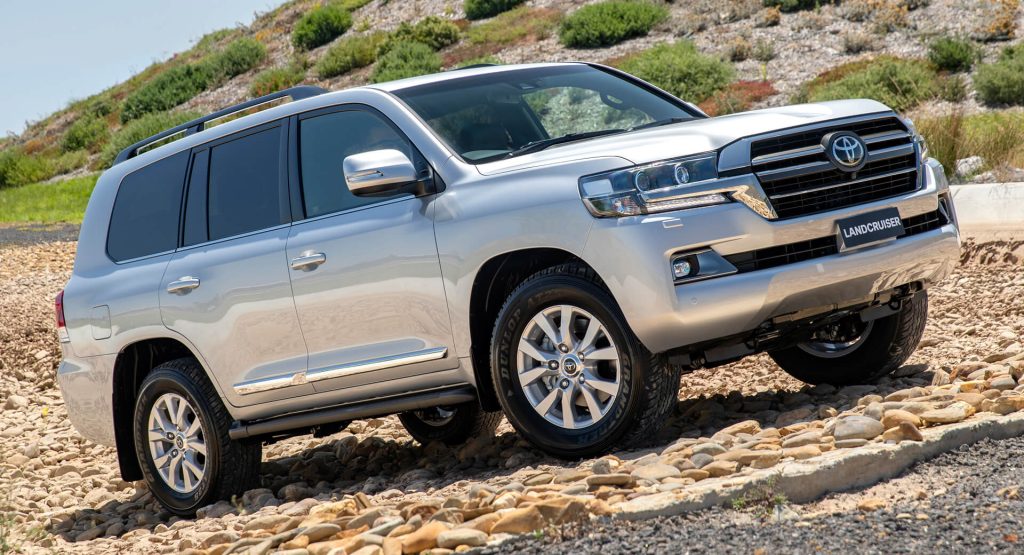
Additional features that support strong resale include a timeless design, durable interior materials, and advanced off-road technology that continues to remain relevant.
The Land Cruiser’s combination of luxury, performance, and reliability makes it a sought-after vehicle for both domestic and international buyers, contributing to a resale value that is often higher than similarly sized competitors.
For owners seeking a vehicle that maintains its worth over time, the Toyota Land Cruiser stands as one of the best options in the SUV segment.
2. Jeep Wrangler
The Jeep Wrangler is another SUV known for retaining its value remarkably well. Its iconic design, off-road capability, and brand loyalty contribute to strong resale prices, even for older models.
Buyers appreciate the Wrangler for its durability, modular construction, and the ability to withstand harsh driving conditions, which enhances confidence in the used market.
Wrangler engines and transmissions are built for longevity, and many examples reach high mileage with proper care.
The vehicle’s rugged construction reduces the likelihood of structural issues, while removable tops and doors appeal to enthusiasts seeking a versatile, adventure-ready vehicle.
The Wrangler also benefits from a strong aftermarket community, increasing demand among buyers looking to customize or maintain their vehicles.
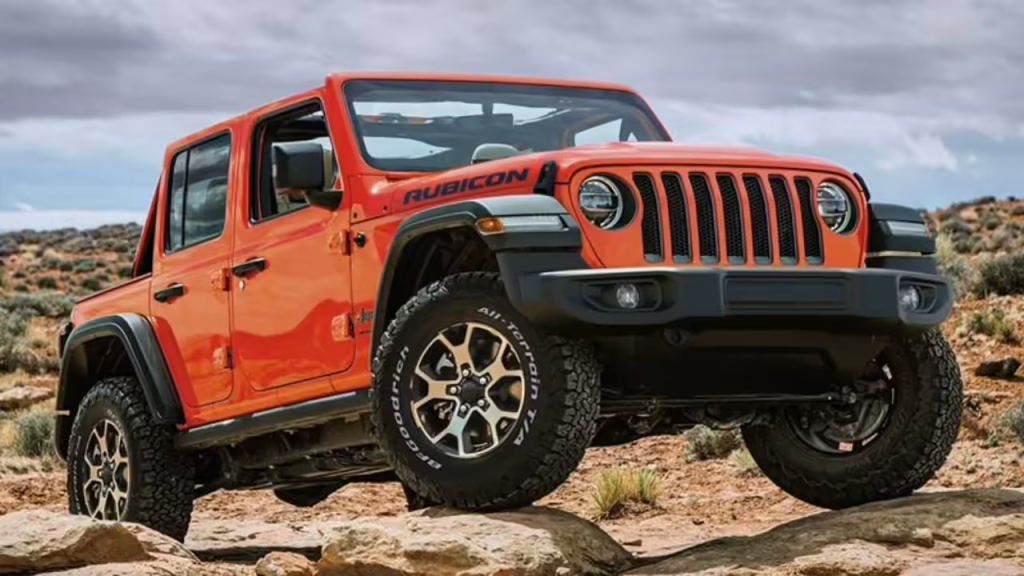
Another factor supporting resale value is the limited supply of well-maintained used Wranglers. High demand, coupled with Jeep’s iconic reputation and off-road credentials, ensures that resale prices remain strong.
Additionally, the vehicle’s interior, while utilitarian, uses durable materials that age well, reducing depreciation from cosmetic wear.
The Wrangler’s combination of unique style, reliability, and strong consumer loyalty makes it a top choice for buyers who want an SUV that holds its value over time.
3. Toyota 4Runner
The Toyota 4Runner consistently ranks among SUVs with the highest resale value due to its proven reliability, durable construction, and versatility.
Its body-on-frame design supports long-term durability and off-road capability, which appeals to buyers looking for an SUV that can handle both urban commuting and rugged conditions.
Engines and transmissions in the 4Runner are known for longevity, and owners frequently report vehicles reaching well over 200,000 miles with minimal major repairs.
This reputation for mechanical reliability makes used 4Runners highly desirable, sustaining strong resale prices. The SUV also offers practical features, including spacious cargo capacity, seating flexibility, and modern safety technology, which retain relevance in the used market.
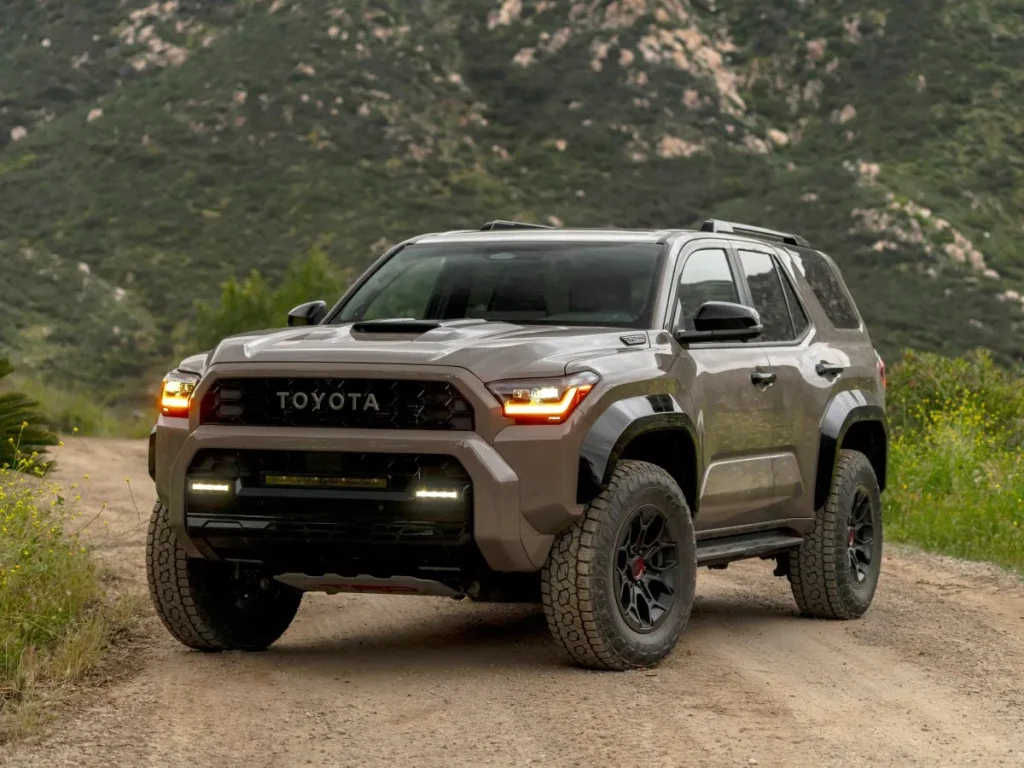
Brand perception contributes significantly to resale value. Toyota’s reputation for reliability and durability ensures consistent demand for the 4Runner, even for older models.
Interior materials are designed to withstand heavy use, further reducing depreciation caused by cosmetic wear. Additionally, the 4Runner’s timeless design ensures that it remains appealing to buyers, preventing value erosion due to outdated styling.
For those seeking a versatile, long-lasting SUV that maintains strong resale prices, the Toyota 4Runner is a standout option. Its combination of reliability, durability, and practicality ensures that it remains a smart investment over time.
4. Lexus LX
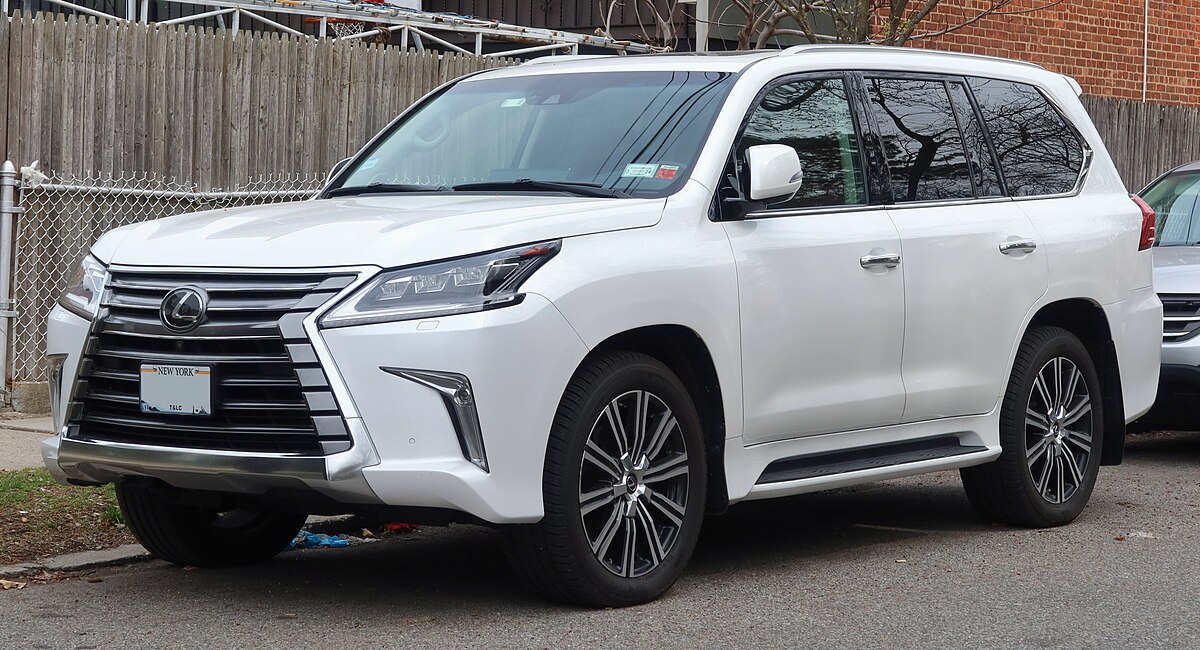
The Lexus LX is a full-size luxury SUV that combines Toyota’s legendary reliability with upscale features, contributing to strong resale value.
Built on the same platform as the Toyota Land Cruiser, it inherits durable engines, transmissions, and off-road capability while adding a luxurious cabin and advanced technology. This blend of ruggedness and refinement ensures sustained demand on the secondary market.
Engines in the LX are engineered for longevity, with owners regularly reporting high-mileage examples that remain mechanically sound. The SUV’s construction emphasizes durability, from the chassis to suspension components, reducing long-term maintenance concerns.
Interior materials, including premium leather, wood trim, and soft-touch plastics, retain their quality over years, reinforcing a sense of luxury even in older models.
Brand perception also plays a key role. Lexus is renowned for reliability and customer satisfaction, and the LX benefits from strong recognition among both domestic and international buyers.
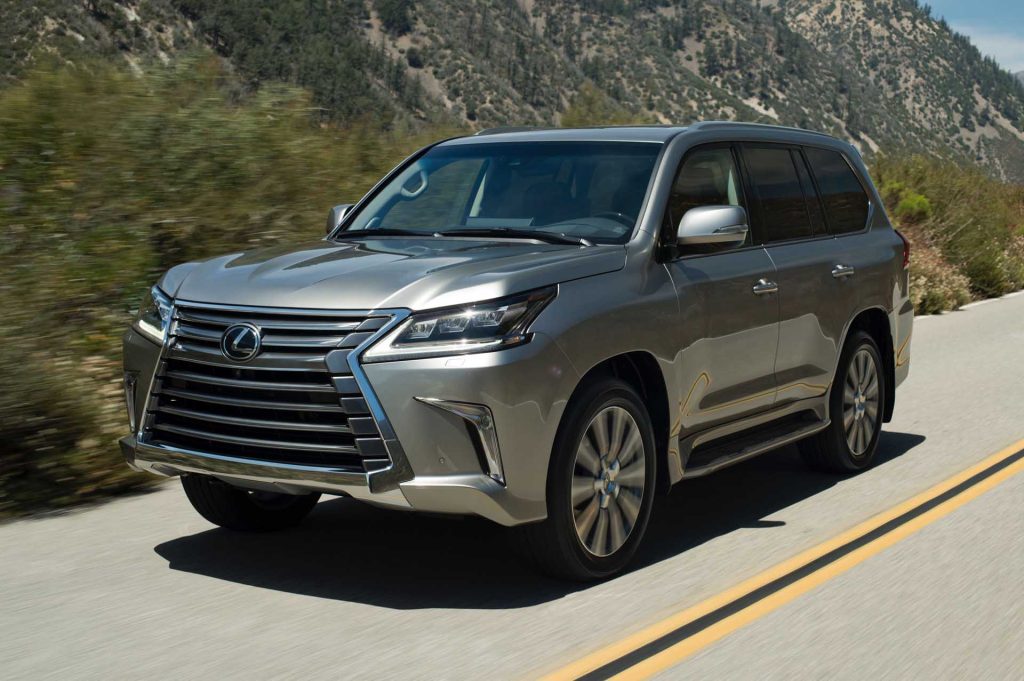
Its timeless styling and practical features, such as advanced safety systems and comfortable seating for multiple passengers, maintain relevance in the used market.
The combination of durability, luxury, and consistent demand makes the Lexus LX a vehicle that holds its value exceptionally well.
Owners benefit from a strong resale price, low depreciation, and a vehicle that remains desirable long after purchase. For those seeking a high-end SUV with long-term financial and practical benefits, the Lexus LX is an outstanding choice.
5. Subaru Outback
The Subaru Outback is a crossover SUV with exceptional resale value, thanks to its all-wheel-drive capability, reliability, and versatility. Its reputation for durability and practical design keeps it in high demand among buyers seeking a dependable used vehicle.
The Outback’s engines and transmissions are built to last, with many examples achieving high mileage without major repairs.
Its all-weather capability, combined with strong safety ratings and ample cargo space, appeals to a wide range of buyers, from families to outdoor enthusiasts.
Interior materials are designed to withstand daily use, with durable plastics, supportive seats, and user-friendly controls that age well. This durability helps maintain resale value, as cabins show minimal wear even after years of service.
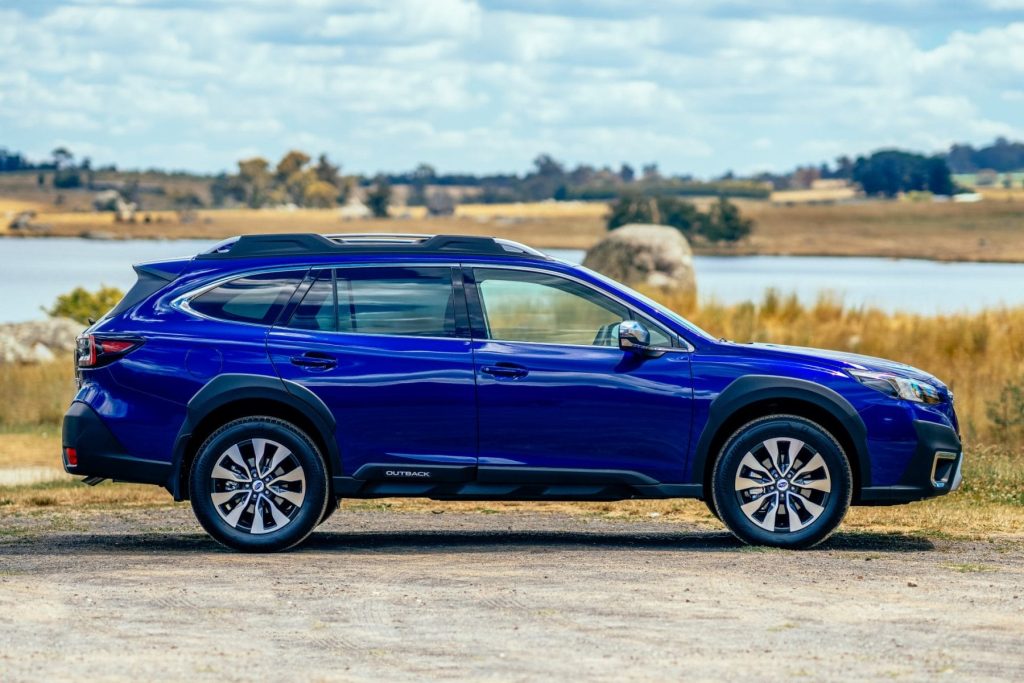
Subaru’s brand reputation for reliability and safety further supports strong resale prices. Popularity in regions with inclement weather, such as snow-prone areas, ensures steady demand for used Outbacks, contributing to minimal depreciation.
The vehicle’s timeless styling and practical features, including ample ground clearance and roof rails, keep it competitive on the secondary market.
For owners seeking an SUV that combines versatility, long-term reliability, and sustained value, the Subaru Outback is a practical and financially sensible choice. Its strong resale value makes it a smart investment for buyers who want an SUV that remains desirable over time.
5 SUVs That Drop Fast
Not all SUVs maintain their value equally over time. Some vehicles depreciate quickly due to factors such as low reliability, high maintenance costs, limited demand, or styling and technology that age poorly.
Rapid depreciation can be frustrating for owners, as it reduces resale or trade-in value and increases the total cost of ownership. Understanding which SUVs lose value quickly helps buyers make informed choices and avoid vehicles that may not retain their worth.
SUVs that drop fast often share common characteristics. Poor reliability ratings or expensive maintenance can discourage used-car buyers, while interiors that show wear quickly or outdated features reduce appeal in the secondary market.
Vehicles with limited brand recognition or niche appeal may struggle to attract buyers, leading to steep depreciation. Additionally, aggressive styling or trendy features may age poorly, causing the SUV to look dated just a few years after purchase.
This section examines five SUVs known to lose value faster than average. Each entry highlights the factors contributing to depreciation, including mechanical concerns, market demand, and design choices.
By reviewing these examples, prospective buyers can identify which SUVs may present financial disadvantages over time, helping them select vehicles that offer better long-term ownership value.
1. Cadillac XT5
The Cadillac XT5, despite being a luxury SUV, experiences rapid depreciation compared with competitors. One of the primary factors contributing to this is brand perception.
Cadillac has struggled to maintain the same level of desirability in the luxury SUV market as rivals like Lexus or Mercedes-Benz. As a result, used XT5 models often see lower demand, which directly impacts resale value.
Mechanical reliability also plays a role. While generally adequate, certain model years of the XT5 have faced issues with electronics, infotainment systems, and transmission performance. Repairs and maintenance can be expensive, discouraging potential buyers in the secondary market.
The interior, although visually appealing when new, can show signs of wear relatively quickly, especially on leather surfaces and trim components, further reducing appeal over time.

Additionally, the XT5 faces strong competition in its segment. Luxury SUVs from Japanese and European brands not only hold value better but are also perceived as more reliable and refined.
The combination of slower demand, higher ownership costs, and brand perception causes the XT5 to depreciate faster than many other luxury SUVs.
Buyers should be aware that while it offers comfort, performance, and features, its resale value may be significantly lower than anticipated after just a few years of ownership.
2. Jeep Cherokee
The Jeep Cherokee has struggled with depreciation due to reliability concerns and market competition.
While it offers attractive styling and off-road capability, some model years have reported issues with transmissions, electronics, and engine performance. These concerns make prospective used-car buyers cautious, reducing resale value.
Interior quality also affects long-term appeal. Materials in the Cherokee can wear faster than expected, with dashboard plastics and seat surfaces showing signs of age within a few years.
Noise insulation is sometimes limited, making the cabin feel less refined compared with competitors. These factors combined contribute to a perception that the vehicle may not be durable or comfortable over time.
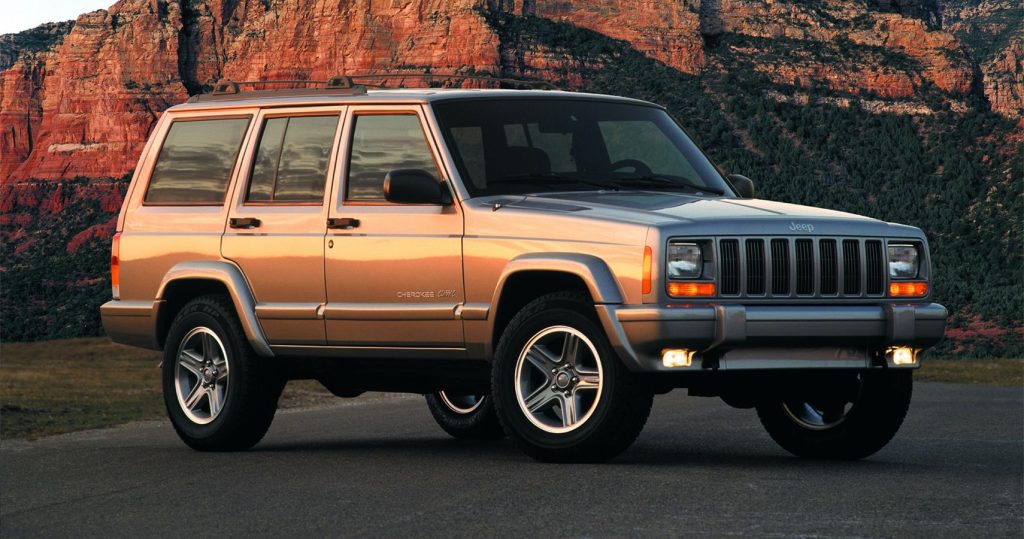
The SUV segment is crowded, and buyers have multiple options that offer better reliability, stronger resale value, or more premium features.
As a result, the Cherokee often depreciates faster than average, particularly compared with vehicles like the Toyota 4Runner or Subaru Outback.
While it remains functional and capable, potential owners should be aware that its resale value may drop more quickly than expected, making it a less financially advantageous choice over time.
3. Ford Edge
The Ford Edge experiences rapid depreciation for several reasons, including reliability concerns and market competition.
Some model years have faced issues with transmissions, electrical systems, and minor engine problems, leading to increased maintenance costs for used buyers. These factors reduce demand in the secondary market, accelerating depreciation.
Interior materials, while modern, are not always durable. Hard plastics and thin seating materials may show wear relatively quickly, diminishing the perception of quality. Noise insulation is also less effective compared with higher-end SUVs, which further impacts long-term appeal.
Strong competition in the midsize SUV segment contributes to depreciation. Buyers can choose from rivals with higher reliability, better resale value, or more refined interiors, leaving the Edge with fewer compelling advantages in the used market.
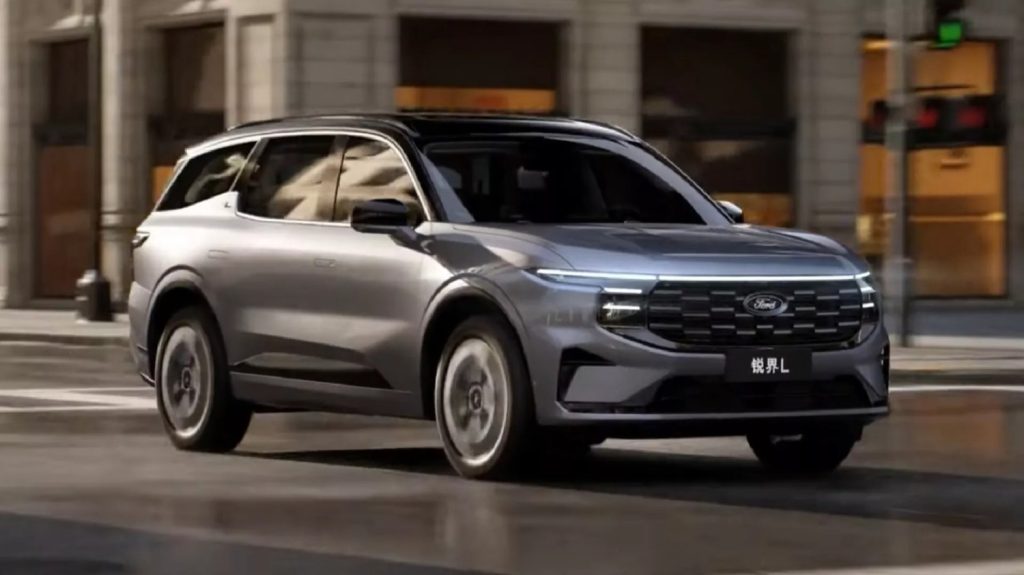
Aggressive styling in some model years also ages faster than classic designs, reducing desirability over time. For owners seeking a vehicle with long-term financial stability, the Ford Edge may not be the ideal choice.
While it performs well as a daily driver and offers practical features, its resale value drops faster than many competitors, making it a less financially prudent option over several years of ownership.
4. Nissan Murano
The Nissan Murano is a midsize SUV that experiences faster-than-average depreciation. While it offers a comfortable ride and attractive styling, several factors contribute to its reduced resale value.
Reliability concerns, particularly with CVT transmissions in certain model years, discourage buyers in the used market. These transmissions can exhibit hesitation, noise, or premature wear, leading to costly repairs that make the vehicle less appealing for resale.
Interior quality also affects long-term value. Although the Murano features a visually modern cabin, many materials are prone to wear.
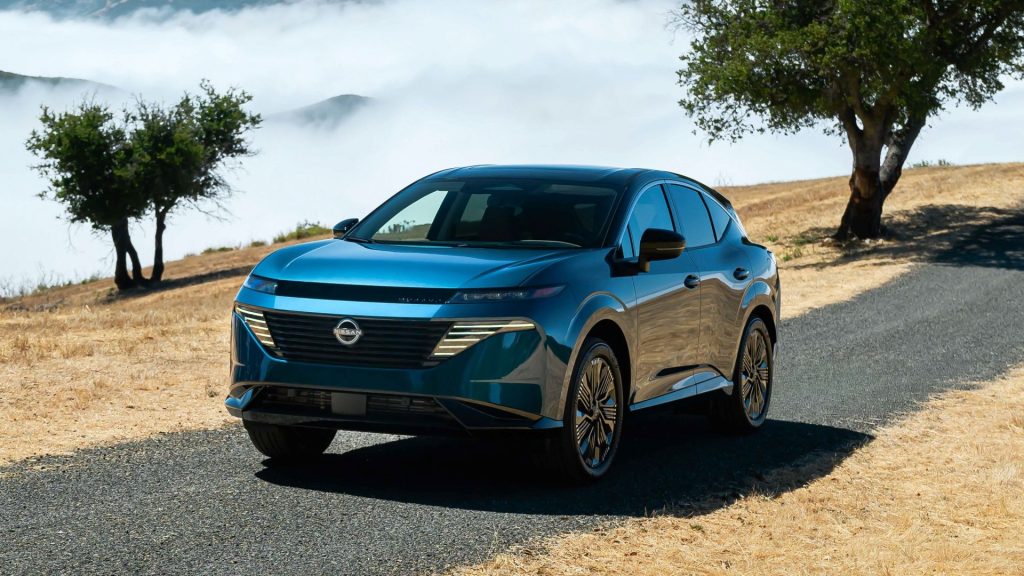
Seat cushions may sag, plastics can scratch easily, and infotainment controls can become less responsive over time. Noise insulation, while adequate, does not match competitors in the same segment, making the cabin feel less refined as mileage accumulates.
Market competition further impacts resale. The Murano competes with SUVs like the Toyota Highlander, Honda Pilot, and Subaru Outback, all of which are perceived as more reliable and retain value better.
As a result, Murano owners often face steeper depreciation, particularly in the first five years. While it remains a comfortable and stylish daily driver, the combination of mechanical concerns, material wear, and strong competition leads to rapid loss of value over time.
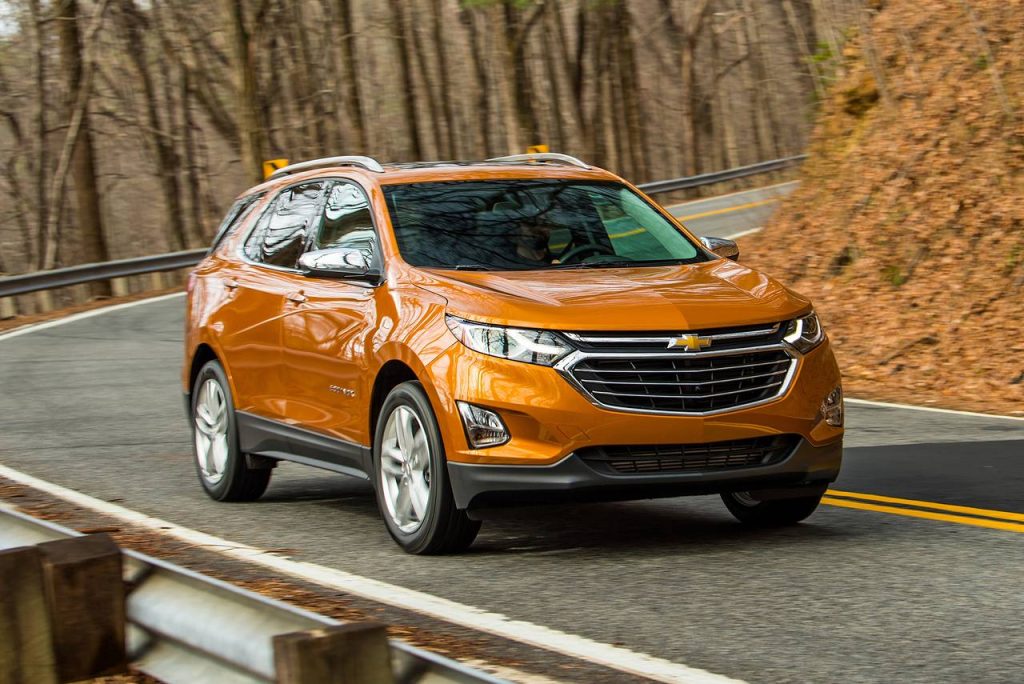
5. Chevrolet Equinox
The Chevrolet Equinox is a compact SUV that depreciates quickly compared with many of its peers. Factors such as moderate reliability ratings, interior material durability, and stiff market competition contribute to rapid value loss.
Certain model years have reported engine and transmission issues, particularly with early turbocharged engines, which increases maintenance costs and deters potential used-car buyers.
Interior wear also accelerates depreciation. Hard plastics, basic trim materials, and seat fabrics that wear unevenly can make the cabin feel aged faster than competitors.
Noise insulation is limited, allowing engine and road sounds to intrude, which reduces the overall perception of refinement. These factors combine to make older Equinox models less desirable in the used market.
Competition in the compact SUV segment is intense. Vehicles such as the Honda CR-V, Toyota RAV4, and Subaru Forester offer better reliability, stronger resale value, and more durable interiors, leaving the Equinox at a disadvantage.
Even with practical features and a comfortable ride, the Equinox’s reputation for moderate reliability and interior wear contributes to rapid depreciation.
Buyers should be aware that while it serves as a capable daily driver, its resale value will likely drop faster than many other SUVs in its class, making long-term financial planning more challenging.
Resale value is a critical consideration when purchasing an SUV, as it reflects how well a vehicle retains its worth over time. Some SUVs consistently hold their value due to reliability, brand reputation, practical design, and strong demand in the used-car market.
Others depreciate rapidly because of mechanical issues, high maintenance costs, limited consumer appeal, or features that age poorly.
Understanding these differences helps buyers make informed decisions that balance driving enjoyment with long-term financial sense.
SUVs that maintain strong resale value, such as the Toyota Land Cruiser, Jeep Wrangler, Toyota 4Runner, Lexus LX, and Subaru Outback, combine durability, reliability, and widespread consumer demand.
The Land Cruiser and Lexus LX benefit from legendary Toyota engineering, capable of handling high mileage while retaining mechanical integrity. Their interiors remain well-appointed over years of use, and off-road capability adds practical appeal.
The Jeep Wrangler thrives on brand loyalty and iconic design, with a strong aftermarket community that increases demand.
Similarly, the Toyota 4Runner’s body-on-frame construction and practical features, along with the Subaru Outback’s all-wheel-drive capability and versatile design, ensure these SUVs stay desirable in the secondary market.
Durable interiors, reliable engines, and consistent consumer recognition contribute to their exceptional resale performance.
Conversely, SUVs like the Cadillac XT5, Jeep Cherokee, Ford Edge, Nissan Murano, and Chevrolet Equinox experience faster depreciation. Factors such as brand perception, reliability concerns, and interior durability play major roles.
The XT5 and Murano face issues with electronics and transmissions, while the Cherokee and Edge suffer from wear-prone interiors and stiff competition.
The Equinox, despite being practical, loses value quickly due to moderate reliability and inferior material quality.
In addition, limited demand or outdated styling further accelerates depreciation. Buyers of these vehicles often face higher ownership costs and lower resale returns.
The contrast between high-value-retention SUVs and those that drop fast demonstrates the importance of reliability, brand strength, interior durability, and market demand.
Vehicles with proven long-term performance, versatile design, and strong consumer appeal maintain value, while those with mechanical vulnerabilities, high maintenance costs, or aging styling experience significant depreciation.
For prospective SUV buyers, prioritizing models with strong resale performance ensures not only a dependable driving experience but also long-term financial advantage, minimizing losses and maximizing ownership value over time.
Also Read: 12 Trucks That Outlive Multiple Owners Over The Years
