V8 engines have long been celebrated for their power, performance, and engineering sophistication, but some rise above the rest, defying even mechanics’ expectations with their reliability, longevity, and sheer versatility.
From classic American muscle legends like the Chevrolet Small-Block 350 and Chrysler HEMI to modern marvels like the Ford Coyote 5.0 and BMW S63, these engines prove that high performance doesn’t have to come at the cost of durability.
Across continents and decades, manufacturers have crafted V8s that withstand heavy-duty hauling, spirited track use, and hundreds of thousands of miles, often surprising experts with their resilience.
Whether naturally aspirated, turbocharged, or supercharged, each engine on this list has earned a reputation for exceeding the limits anticipated by engineers and mechanics alike. Join us as we explore 14 V8 powerhouses that combine engineering brilliance with unexpected dependability, redefining what it means to be a truly remarkable engine.
1. Chevrolet LS3: A Reliable High-Performance V8 Engine
The Chevrolet LS3 is a 6.2-liter V8 engine produced by General Motors from 2008 to 2017. Debuting in the C6 Chevrolet Corvette, it succeeded the LS2 and quickly became a favorite among enthusiasts for its balance of power, reliability, and versatility.
Beyond the Corvette, the LS3 has been used in vehicles like the Chevrolet SS, Holden Commodore, and is also available as a crate engine for hot-rodding or performance upgrades.
The LS3 features a V8 configuration with a displacement of 6.2 liters, producing between 415 and 430 horsepower and approximately 420 lb-ft of torque, depending on the application. It runs on gasoline and benefits from the proven small-block Chevy design, which offers simplicity, durability, and a vast aftermarket support network.
The LS3 is widely regarded as one of GM’s most reliable V8 engines, offering enhanced durability through improved cylinder heads and larger displacement, which reduces wear. Its high-performance capability makes it ideal for sports cars, muscle cars, and high-horsepower builds.
Owners have reported mileage as high as 274,000 miles, demonstrating its long-term reliability when properly maintained. Its design also simplifies maintenance and repairs, making it accessible for both professional mechanics and DIY enthusiasts.
Despite its robustness, the LS3 is not without issues. Water pump failures are common but inexpensive to fix. Some engines experience piston ring wear over time, leading to increased oil consumption.
The L99 variant, equipped with Active Fuel Management (AFM), is prone to lifter failures, which can be mitigated by disabling the AFM system. Other minor issues include occasional oil leaks and excessive oil burning, typically manageable with regular maintenance.
While the LS3 delivers high performance, its larger displacement and power output contribute to higher fuel consumption, which should be considered depending on the vehicle’s intended use. Routine maintenance, including timely fluid changes, is essential to maximize the engine’s longevity and reliability.
The Chevrolet LS3 remains a highly respected engine for its combination of power, durability, and ease of use, cementing its place as a cornerstone of GM’s small-block V8 legacy.

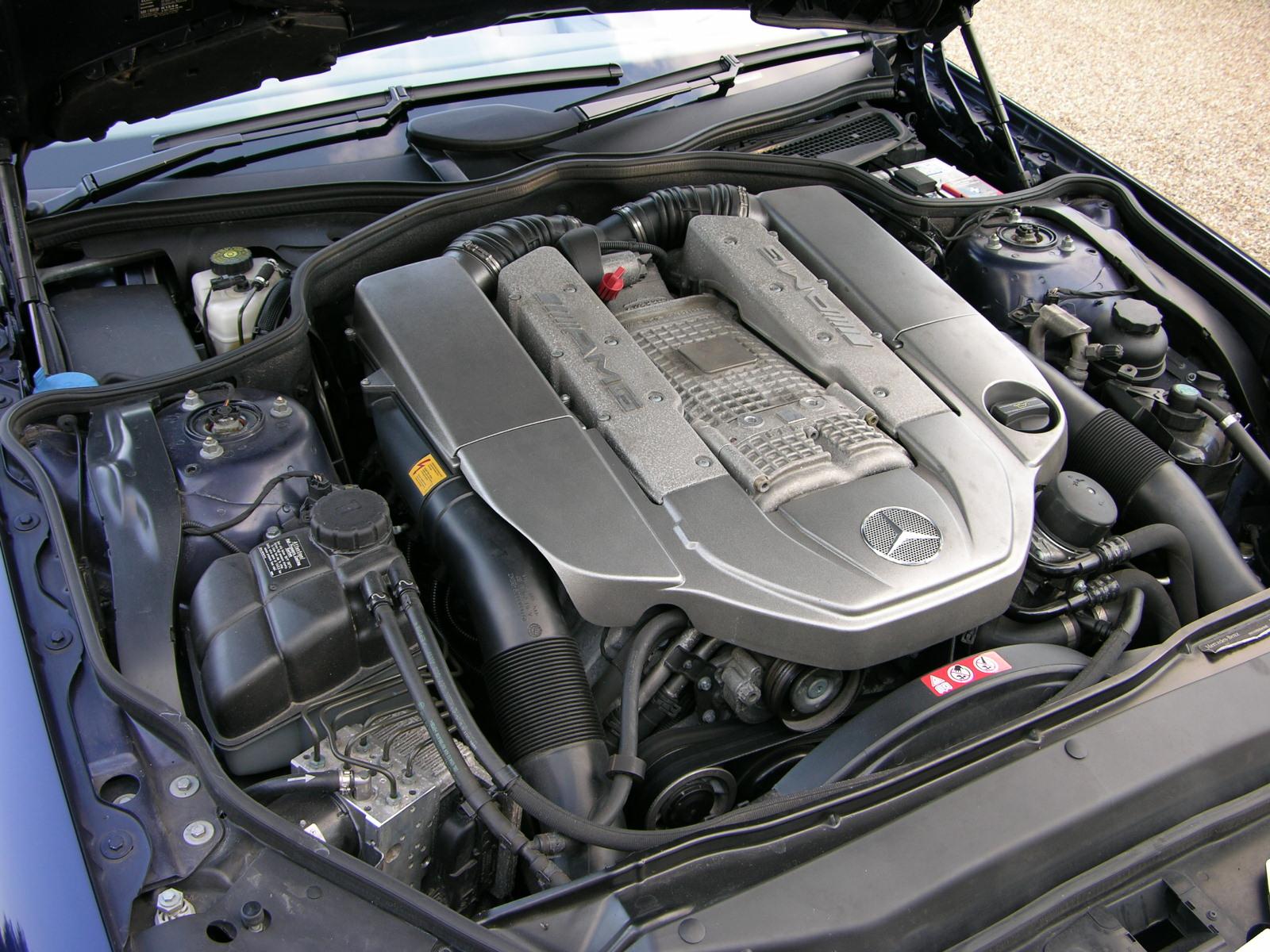
2. Mercedes-Benz M113K: Durable High-Performance German V8
The Mercedes-Benz M113K is a supercharged version of the highly respected M113 V8, produced by AMG from 2002 to 2011. Found in performance-oriented models like the SL55 AMG, CL55 AMG, E55 AMG, CLS55 AMG, and CLK DTM AMG, the M113K combines robust engineering with impressive power, rivaling supercars of its era while maintaining remarkable reliability.
Its engineering foundation also served as the basis for the Mercedes-McLaren SLR, though with significant modifications to internals and accessories.
The M113K is a 5.4-liter V8 engine producing between 476 and 582 horsepower and 516–590 lb-ft of torque, depending on the model. It runs on gasoline and benefits from a supercharger system that delivers smooth, consistent power and excellent torque across the rev range. Its design emphasizes durability, avoiding overly complex systems that could compromise reliability.
The M113K is celebrated for its exceptional longevity and toughness. Owners report high-mileage examples exceeding 179,000 miles with minimal engine-related issues. Its robust design, high-quality materials, and proven engineering make it highly resistant to failure, even under heavy modification or performance upgrades.
The engine’s smooth power delivery and abundant aftermarket parts further contribute to its appeal for enthusiasts seeking a reliable yet thrilling driving experience.
While the engine itself is durable, some auxiliary components can present challenges. Common concerns include intercooler pump failures, PCV system leaks, supercharger pulley bearing wear, rear main seal leaks, and faster-than-expected spark plug wear.
Transmission-related problems, such as a failed conductor plate, may also arise in some vehicles. Most issues can be prevented or mitigated with diligent maintenance, such as timely oil changes, PCV system care, and proactive replacement of known wear items.
The Mercedes-Benz M113K is a legendary German V8 that blends performance and reliability, making it suitable for both daily driving and spirited performance applications. With proper care, it delivers smooth, powerful, and durable performance that continues to earn praise from enthusiasts and professionals alike, cementing its status as one of AMG’s most respected engines.
3. BMW S63: High-Performance Twin-Turbo V8
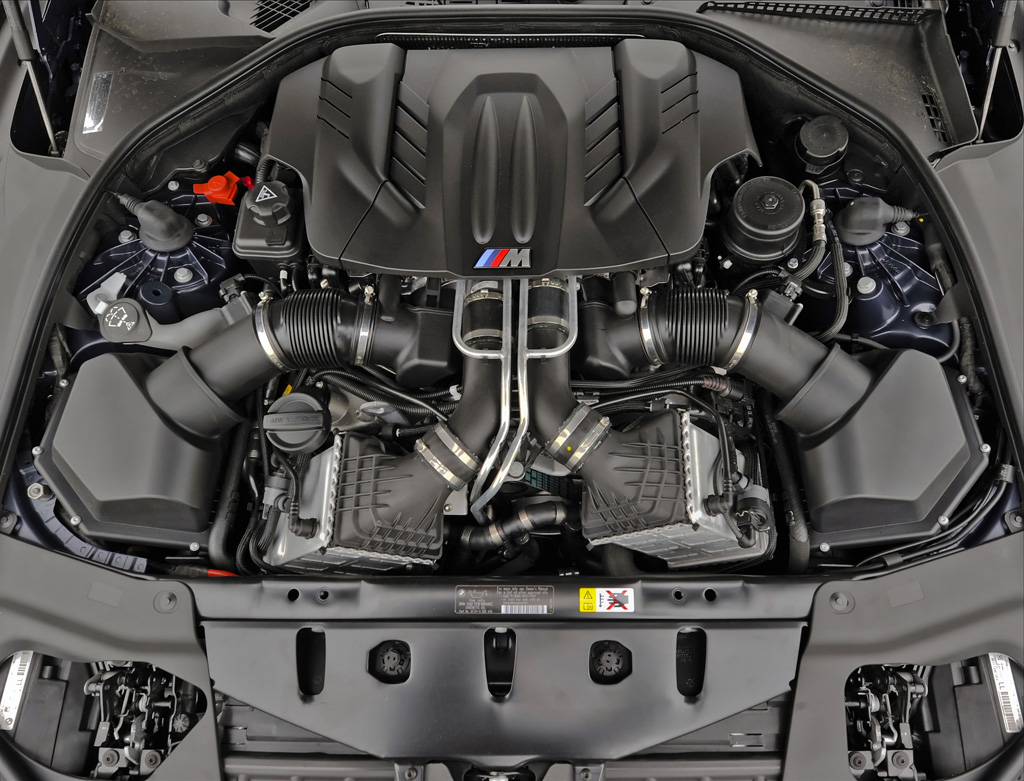
The BMW S63 is a 4.4-liter twin-turbocharged V8 engine introduced in 2008, powering high-performance models such as the M5, M8, and X5M. Despite a challenging start, the S63 has evolved through technical updates to become one of BMW’s most capable and reliable V8 engines.
Production is winding down as BMW prepares to replace it with the new S68 engine, which retains displacement but features entirely new engineering.
The S63 produces between 547 and 617 horsepower and 502–553 lb-ft of torque, depending on the application and model year. Its twin-turbocharged “hot-V” layout places the turbos between the cylinder banks, enhancing throttle response and reducing turbo lag. The engine runs on gasoline and emphasizes a balance of high output and drivability, making it suitable for both track and street use.
Later iterations of the S63 show significantly improved reliability over early models, benefiting from BMW’s continuous technical updates. The engine delivers exceptional power, smooth performance, and advanced engineering features, making it a highlight of BMW’s M lineup.
Owners report that, with proper care, the S63 can offer a rewarding driving experience with consistent performance across high mileages, though it has a higher cost of ownership due to its performance orientation.
The S63 has several known issues, particularly in early versions. Rod bearing wear can occur from high-RPM driving or insufficient maintenance, while turbocharger failures may result from oil starvation, contamination, or heat stress.
The “hot-V” design can lead to higher oil consumption, and ignition coils and valve stem seals may wear over time. Preventative maintenance, including frequent oil changes, use of the correct oil, and timely replacement of worn components, is essential to maximize longevity and avoid costly repairs.
Reliability of the S63 heavily depends on consistent maintenance, careful usage, and addressing minor issues proactively. While later models are more robust, the engine remains a high-performance V8 with complex systems that require attention. For enthusiasts, the S63 delivers exhilarating power, strong torque, and advanced engineering, representing one of BMW’s finest modern V8 engines.
4. Toyota 2UR-GSE: Reliable Naturally Aspirated V8
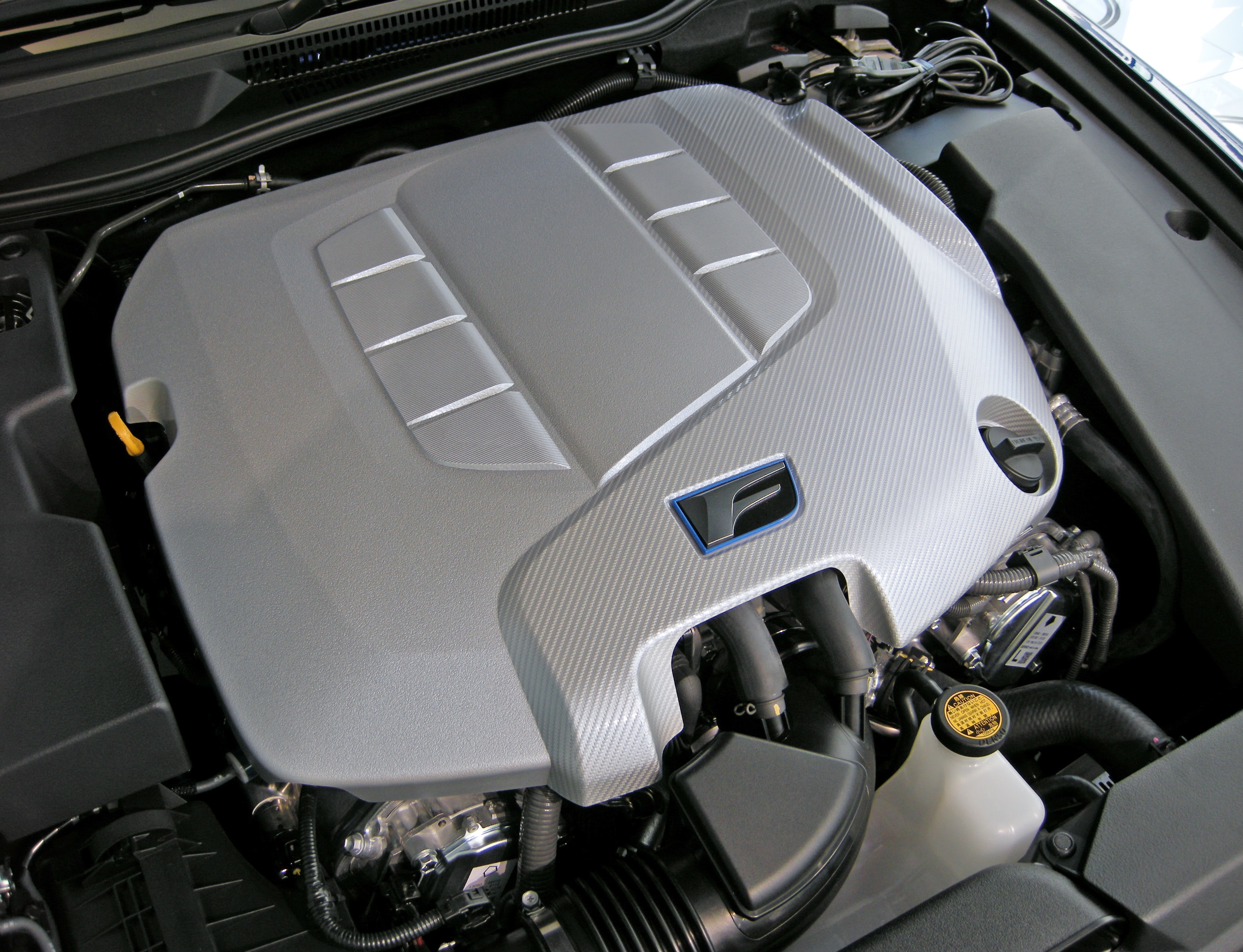
The Toyota 2UR-GSE is a 5.0-liter naturally aspirated V8 engine introduced in 2007 as part of the second-generation UR engine family, a successor to the legendary UZ V8.
Jointly developed by Toyota and Yamaha, this engine powers Lexus performance models such as the IS-F, RC-F, GS-F, IS 500 F-Performance, and even serves in hybridized form for the flagship Toyota Century. Known for its balance of power, refinement, and reliability, the 2UR-GSE has earned a reputation as a durable and long-lasting engine.
The 2UR-GSE produces between 416 and 470 horsepower and 371–400 lb-ft of torque, depending on the model and application. It runs on gasoline and features a naturally aspirated layout, which provides smooth throttle response, linear power delivery, and a signature exhaust note that enhances driving enjoyment.
Its robust construction contributes to exceptional durability and reliability compared to many turbocharged or supercharged rivals.
The 2UR-GSE is renowned for its longevity, with reported mileage reaching up to 220,000 miles in well-maintained examples. Its solid engineering ensures fewer issues commonly associated with high-performance engines, and it remains capable of enduring years of spirited driving.
Owners praise its combination of smooth performance, reliability, and low-maintenance characteristics, making it a dependable choice for enthusiasts who prioritize durability.
While highly reliable, the 2UR-GSE does have a few known issues. The most frequently reported is a coolant valley plate leak caused by sealant degradation over time. Less common problems include radiator leaks and water pump failures.
Occasional oil consumption may also occur, but these issues are generally manageable with proper maintenance. Regular oil changes, inspections, and addressing potential leaks early are key to maintaining long-term reliability. Some repairs, such as the valley plate leak, may require specialized service at dealerships or trained technicians.
The Toyota 2UR-GSE combines high performance, excellent reliability, and long-term durability, making it one of the most dependable naturally aspirated V8 engines on the market. With attentive maintenance, it can provide decades of trouble-free performance while delivering a satisfying driving experience with a strong, smooth power curve and a distinctive engine sound.
5. Chrysler HEMI: Classic American V8 Power
The Chrysler HEMI is a legendary V8 engine with a production history spanning decades, known for its hemispherical combustion chambers that optimize airflow and power.
The modern 6.4-liter (392 cu in) variant, produced from 2011 to 2023, powers vehicles such as the Chrysler 300C SRT, Dodge Challenger SRT Scat Pack, and RAM 1500 Power Wagon. With output of 485 horsepower and 470–475 lb-ft of torque, the 6.4L HEMI delivers strong performance while maintaining the durability characteristic of classic American V8s.
The HEMI is a 6.4-liter V8 running on gasoline, with a proven design that balances high power and long-term reliability. Earlier 5.7-liter and 6.1-liter variants are also widely used and are recognized for their simplicity and longevity. The engine’s hemispherical combustion chamber design contributes to strong torque and robust performance across a wide RPM range.
The Chrysler HEMI is generally reliable, with many engines lasting over 200,000 miles with proper maintenance. Its long-standing design, high-quality components, and simplicity, especially in non-MDS variants, make it durable and relatively easy to maintain.
The engine’s high-mileage potential and straightforward engineering are among its strongest attributes, making it a favorite for enthusiasts and daily drivers alike.
Some HEMI engines, particularly those equipped with Multi-Displacement System (MDS), have experienced valve seat failures that can damage pistons and cylinder heads.
Other known issues include the “Hemi tick,” caused by failing lifters, and early model-year problems in 2005–2006 LX-platform vehicles and 2011–2012 Ram pickups. Regular oil changes, timely inspections, and using quality parts are essential to prevent these issues. Non-MDS engines and later model HEMIs tend to be more reliable. Pre-purchase inspections are recommended when buying used HEMI-powered vehicles.
The Chrysler HEMI combines classic American V8 performance with proven durability. While some early or MDS-equipped variants have known issues, proper maintenance and attention to specific model years ensure longevity. Its robust design, high power output, and long-term reliability make the HEMI a quintessential engine for muscle cars, trucks, and performance sedans, embodying decades of American V8 engineering.

6. Toyota 1UZ-FE: Over-Engineered and Exceptionally Reliable V8
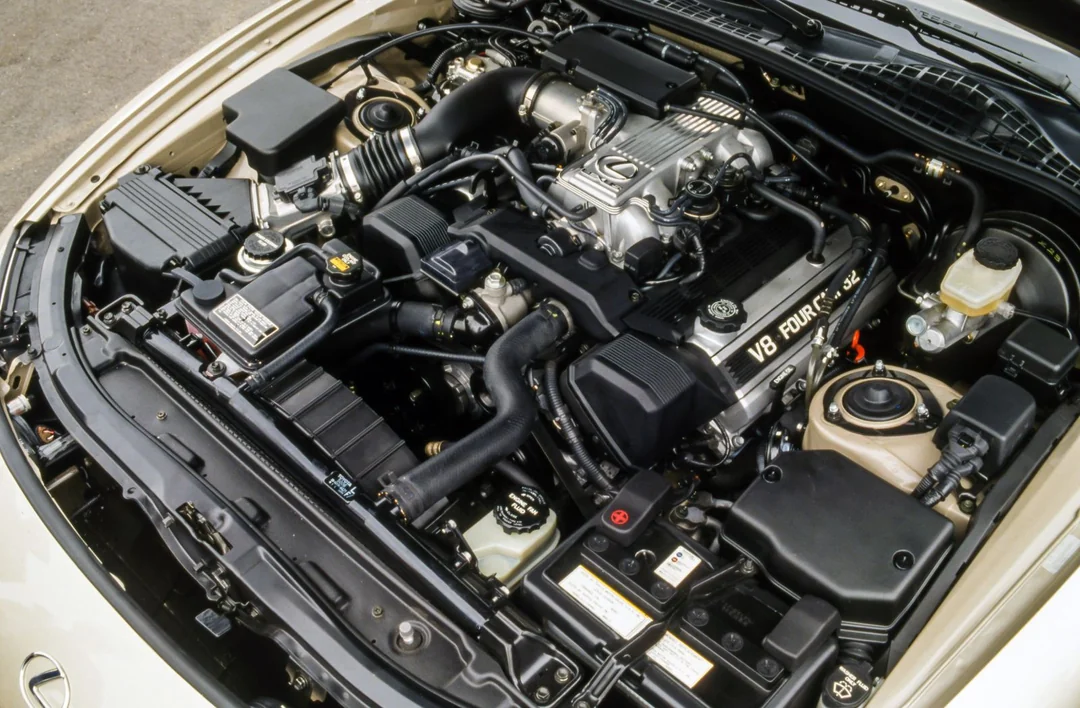
The Toyota 1UZ-FE is a 4.0-liter naturally aspirated V8 engine introduced in 1989 with the debut of the Lexus LS400 and SC400. At the time, it directly challenged the German luxury market, offering similar performance, refinement, and build quality at a lower price point. The engine quickly became renowned for its exceptional reliability, smooth operation, and long-term durability.
The 1UZ-FE produces between 256 and 300 horsepower and 260–310 lb-ft of torque. It features an all-aluminum block, dual overhead cams, 32 valves, and a forged steel crankshaft. Designed with over-engineering principles, it combines premium internals and robust construction to deliver consistent performance under both daily driving and high-mileage conditions.
The 1UZ-FE is widely considered one of the most reliable V8 engines ever built. Many examples exceed 300,000 miles with minimal issues, and some have reportedly surpassed one million miles on original components.
Its over-engineered design, precision machining, and extensive testing over 2.7 million kilometers of prototype driving ensure longevity and smooth operation. The engine’s robust internal components and all-aluminum construction also contribute to excellent thermal stability and long-term durability.
While extremely reliable, the 1UZ-FE requires standard preventive maintenance to remain trouble-free. Common issues include timing belt wear and, if maintenance is neglected, excessive oil consumption. Proper oil selection is critical; high-quality synthetic oil and regular changes are essential.
The timing belt must be replaced at recommended intervals to prevent catastrophic failure. Additionally, monitoring the cooling system is important, as overheating can cause significant engine damage. Using OEM or high-quality replacement parts further ensures long-term performance.
The Toyota 1UZ-FE exemplifies engineering excellence, combining performance, reliability, and longevity. Its over-engineered design, premium internals, and extensive development make it a benchmark for V8 durability.
For enthusiasts and luxury sedan owners alike, the 1UZ-FE provides decades of dependable service, smooth operation, and impressive high-mileage potential, solidifying its reputation as one of the world’s most dependable V8 engines.
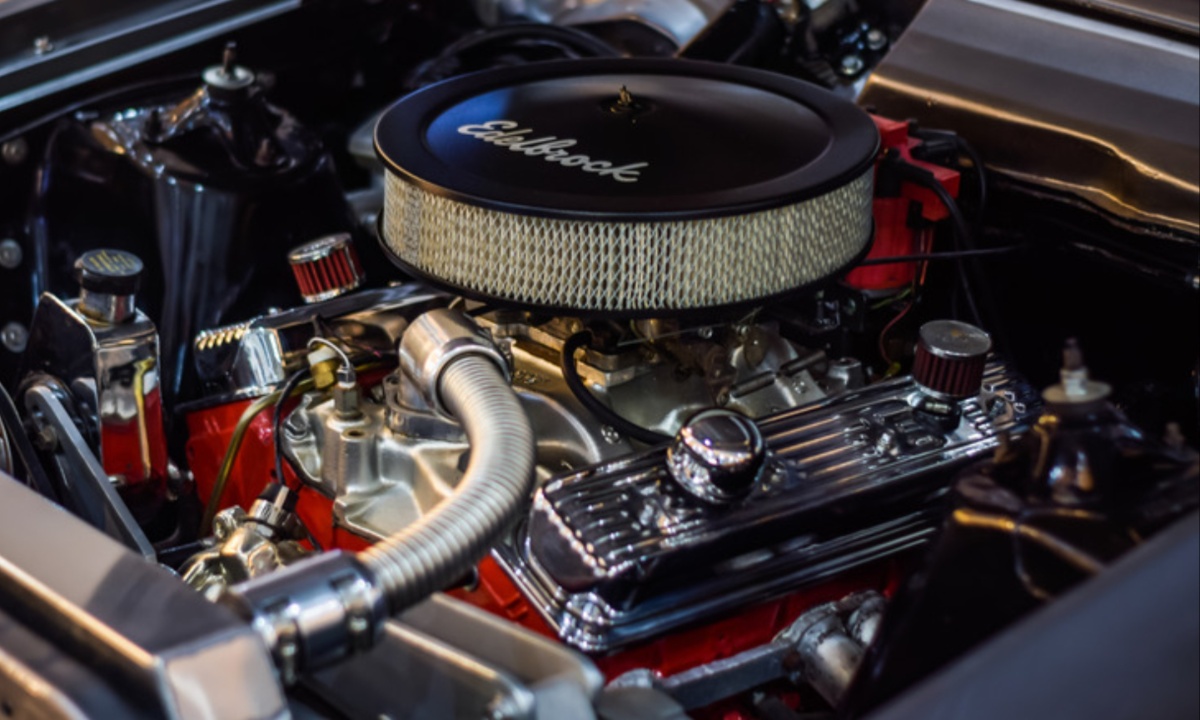
7. Chevrolet Small-Block 350: Legendary American V8
The Chevrolet Small-Block 350 is one of the most iconic and widely used V8 engines in automotive history. Introduced in 1967, it first appeared in the Camaro before expanding to vehicles like the Nova, Beaumont, Corvette, and Cadillac Fleetwood.
Over the years, it became a staple for hot-rodding, restorations, and custom builds due to its simplicity, reliability, and adaptability. Its versatility is highlighted by its power range from 155 to 425 horsepower and 260 to 380 lb-ft of torque, allowing it to suit both everyday driving and high-performance applications.
The 350 features a 5.7-liter V8 configuration running on gasoline. Its classic pushrod design eschews modern complexities like variable valve timing or intricate electronics, contributing to its legendary reliability and ease of maintenance. The engine’s robust construction allows it to handle a variety of uses, from street vehicles to boats and industrial applications.
The Chevrolet 350 is celebrated for its durability, simplicity, and wide parts availability. Properly maintained examples have reached mileage as high as 185,000 miles, with many enthusiasts reporting even greater longevity.
The engine’s design prioritizes ease of repair and modification, making it a favorite for restorations and custom builds. Its proven performance and straightforward design make troubleshooting straightforward and inexpensive, and its widespread production ensures parts are readily available and affordable.
The most commonly reported issue is overheating, typically caused by thermostat failure. Maintaining regular oil changes, using zinc-rich oil, and allowing proper engine warm-up are key practices for long-term reliability. Avoiding excessive hard acceleration and floor-throttle driving can further extend engine life, especially for older or rebuilt units.
The Chevrolet Small-Block 350 remains an enduring symbol of American engineering. Its simplicity, reliability, and adaptability have allowed it to remain relevant for decades, powering a wide range of vehicles and applications.
For enthusiasts seeking a dependable V8 with a vast support network, proven longevity, and strong performance potential, the Chevy 350 continues to be an unmatched choice, embodying the spirit of classic American muscle and versatility.
Also Read: 10 Cars That Owners Keep for Decades Without Issue
8. Ford Coyote 5.0: Modern American V8 Performance
The Ford Coyote 5.0-liter V8 is a modern evolution of Ford’s Modular engine family, debuting in the 2011 S-197 Mustang to replace the 4.6- and 5.4-liter engines. Since its introduction, it has powered the Mustang GT and F-150, delivering a blend of high performance, reliability, and engineering sophistication.
The Coyote has undergone several generational updates, including the latest S650 Mustang engines and advanced direct injection technologies, making it a flagship V8 for Ford’s performance lineup.
The Coyote produces between 412 and 500 horsepower and 390–420 lb-ft of torque, depending on the application and generation. It features an aluminum block and aluminum heads, with a DOHC layout and variable cam timing for optimal power and efficiency. Later generations added cylinder deactivation and direct injection, enhancing fuel economy and performance without sacrificing reliability.
The Coyote is widely regarded as a durable and dependable engine. Properly maintained examples can reach over 250,000 miles, with some reporting up to 288,000 miles.
Its high-quality components, aluminum construction, and thoughtful engineering make it capable of handling spirited driving while maintaining longevity. Reliability tends to improve with each generation, with newer models showing fewer common failures compared to the early Gen 1 engines.
Early Coyote engines (Gen 1) were susceptible to head gasket failures, while later models may experience oil consumption, particularly in F-150 applications. Ignition coil failures and minor oil leaks are occasional issues.
Regular maintenance, including timely oil changes, inspection of ignition components, and monitoring for leaks, is crucial to preserving engine health. Avoiding extreme modifications without upgrading supporting components also ensures long-term durability.
Generational differences affect reliability: early engines require more vigilance, while Gen 3 and 4 engines benefit from refinements such as port and direct injection. Driving habits, maintenance consistency, and avoiding excessive engine stress are key to achieving the Coyote’s full lifespan potential.
The Ford Coyote 5.0 is a modern, high-performance V8 that balances power, refinement, and reliability. With proper maintenance and careful use, it offers decades of dependable service, making it a standout choice for enthusiasts seeking a versatile and robust American V8 engine.

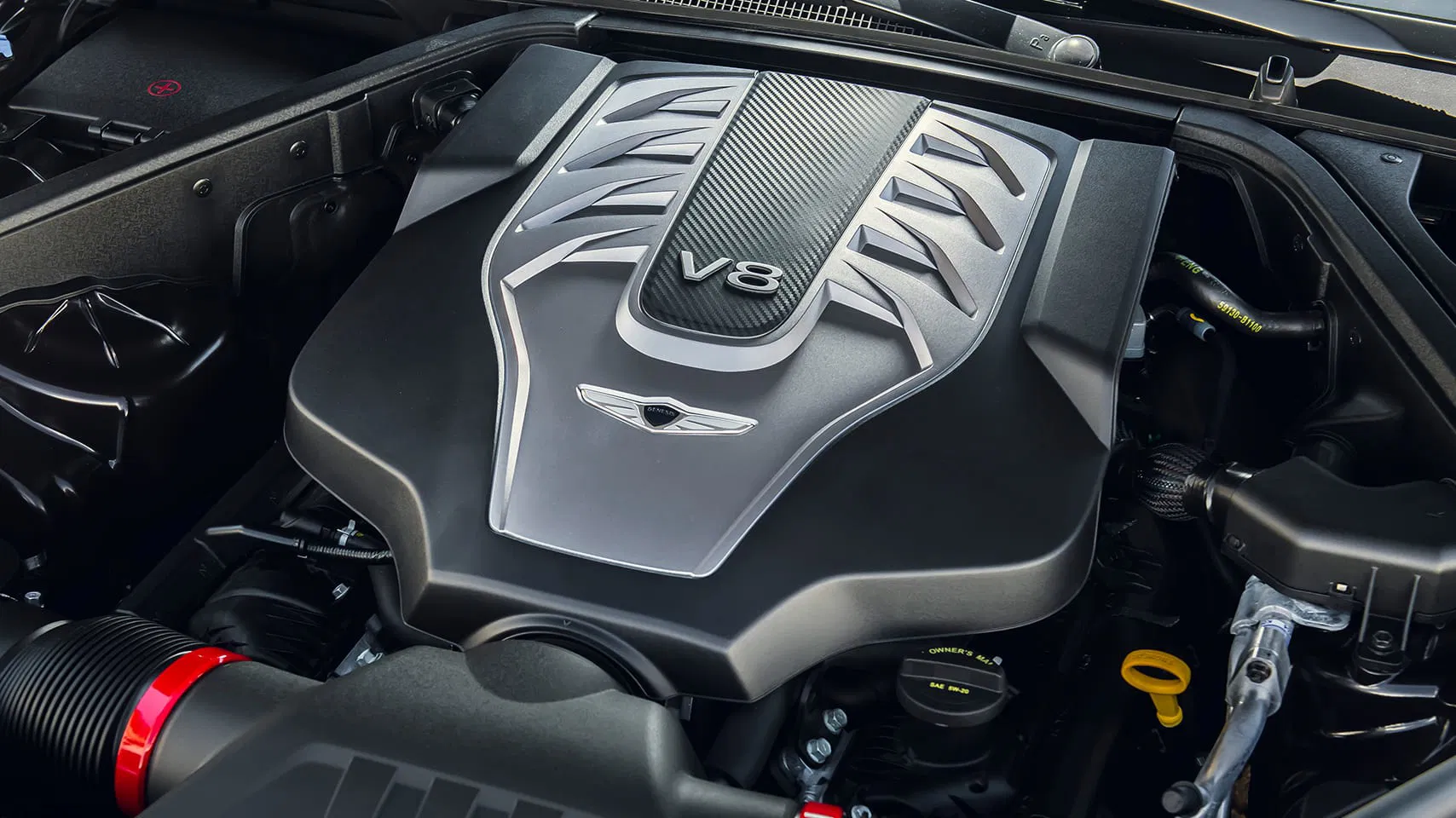
9. Hyundai Tau 5.0: Korea’s First V8 with Strong Performance
The Hyundai Tau 5.0-liter V8 is Hyundai’s first V8 engine, produced from 2008 to 2021. Initially launched as a 4.6-liter unit, it was expanded to 5.0 liters for use in flagship models like the Genesis, Equus, and Kia K9.
With output ranging from 407 to 419 horsepower and 372–383 lb-ft of torque, the Tau 5.0 provided respectable performance for full-size luxury sedans and SUVs, marking Hyundai’s serious entry into the premium V8 segment.
The Tau is a gasoline-powered V8 with a naturally aspirated design featuring direct injection. The engine was engineered for smooth power delivery, refinement, and adequate torque for its luxury applications. Its design emphasizes reliability and drivability, although early models experienced some teething issues.
The Tau 5.0 is generally considered reliable when properly maintained. Many owners report mileage exceeding 230,000 miles with minimal issues. Its durability benefits from careful engineering and Hyundai’s continuous improvements during its production run. The engine’s smooth performance, strong mid-range torque, and luxury-oriented refinement make it well-suited to long-distance cruising and everyday use.
Early Tau engines, particularly between 2012 and 2014, experienced excessive oil consumption, sometimes causing oil to enter combustion chambers. Carbon buildup on intake valves is another concern due to the engine’s direct injection design.
Neglected maintenance, including infrequent oil changes, can exacerbate these problems, potentially leading to sludge formation or premature failure. Routine maintenance, such as frequent oil changes, valve cleaning (walnut blasting every 30,000–50,000 miles), and transmission fluid inspection, is crucial for long-term reliability.
When purchasing a used Tau 5.0, reviewing detailed maintenance records is essential. Confirm that oil changes were performed regularly and check whether carbon cleaning has been addressed. Attention to maintenance history and preventive care strongly influences the engine’s reliability and longevity.
The Hyundai Tau 5.0 is a capable and refined V8 that, despite early oil consumption issues, can provide strong, long-lasting performance with diligent maintenance. It represents Hyundai’s first foray into premium V8 engineering, offering smooth power delivery, durability, and reliability for owners willing to maintain it properly.
10. Toyota 3UR-FE: Durable 5.7-Liter V8 for Trucks and SUVs
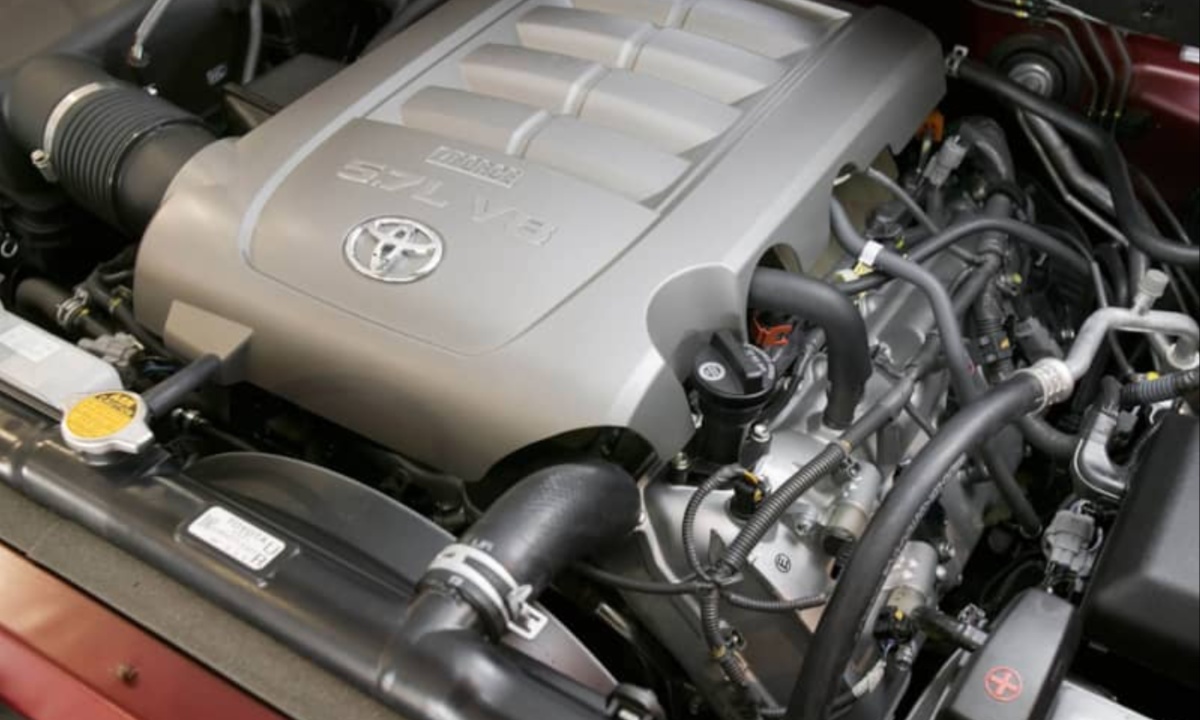
The Toyota 3UR-FE is a 5.7-liter naturally aspirated V8 engine produced from 2007 to 2021, powering large vehicles like the Toyota Land Cruiser, Tundra, and Sequoia. It represents Toyota’s largest V8 offering, providing strong performance and long-term reliability.
For a limited time, TRD and Magnusen offered supercharger kits, boosting output to 504–550 horsepower and torque to 550 lb-ft, making the engine capable of serious power while maintaining its characteristic durability.
The 3UR-FE delivers 381 horsepower and 402 lb-ft of torque in stock form. Its design includes a forged steel crankshaft, reinforced connecting rods, four piston cooling oil jets, and a timing chain instead of a belt, which reduces maintenance costs and enhances longevity. The engine runs on gasoline and is engineered for reliability in large, heavy-duty vehicles.
The 3UR-FE is highly reliable, with many engines surpassing 200,000 miles and documented cases exceeding 300,000 miles, with one reported at over a million miles. Its durability comes from robust internal components, careful engineering, and Toyota’s emphasis on long-term performance. The timing chain, in particular, ensures fewer costly maintenance interventions compared to older engines with belts.
While generally dependable, the 3UR-FE can experience some common issues. Oil leaks may occur from cam towers or valve covers. Coolant leaks can arise from the valley plate or heat exchanger seals, and water pump bearings may fail over time.
Early valve spring failures were reported in some models, and the secondary air injection (SAI) pump may occasionally malfunction. Regular maintenance, including oil changes, coolant flushes, and inspection for leaks, is essential to prevent major failures.
The Toyota 3UR-FE combines power, durability, and longevity in a large V8 designed for trucks and SUVs. With robust construction, a self-maintaining timing chain, and careful maintenance, it offers decades of reliable service.
While minor issues can occur, attentive care ensures that the engine remains a strong, long-lasting workhorse for Toyota’s largest vehicles, making it a benchmark for reliability in heavy-duty V8 applications.
11. BMW S62: High-Performance V8 with Exceptional Longevity
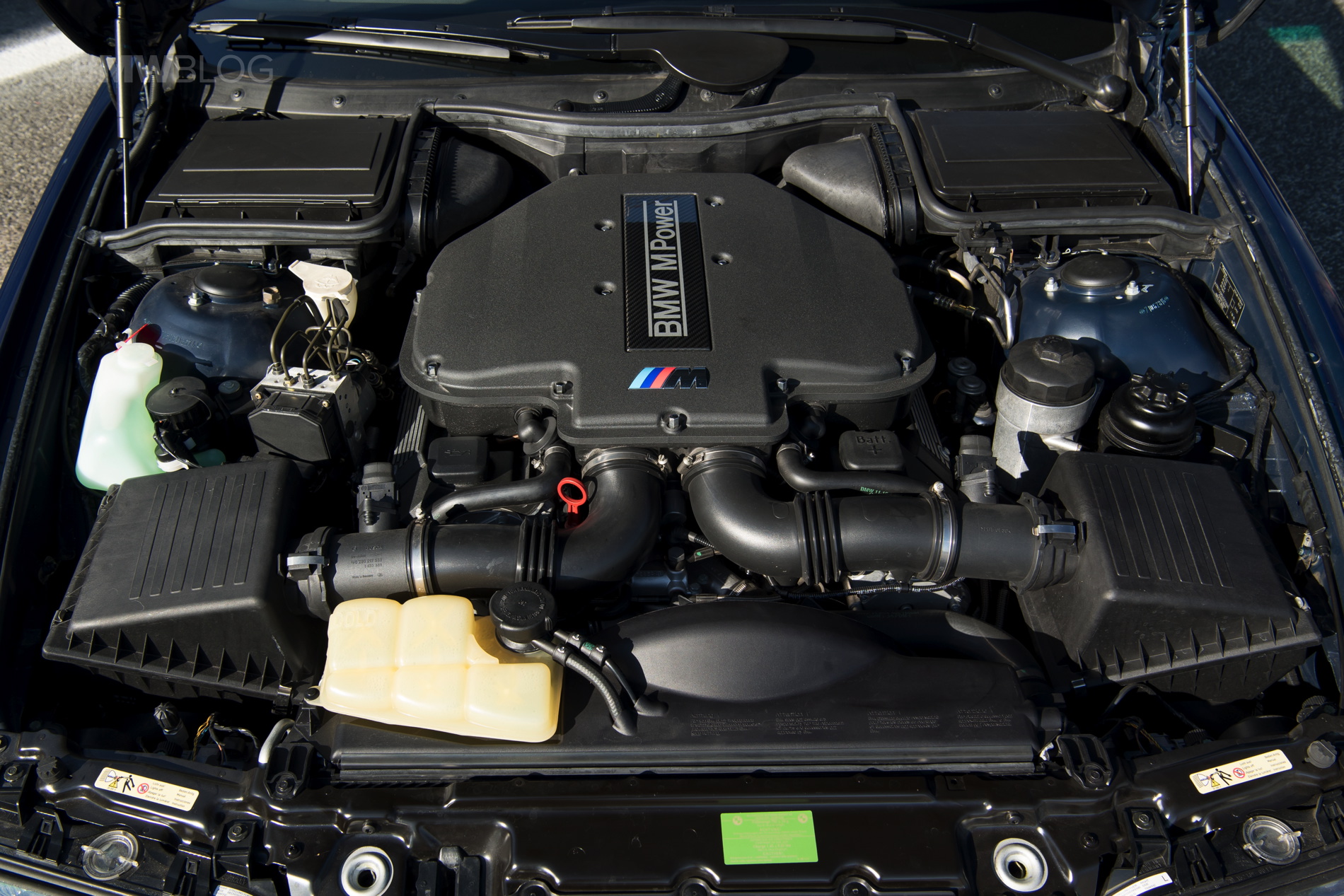
The BMW S62 is a 5.0-liter naturally aspirated V8 engine produced from 1998 to 2004, exclusively powering the E39 M5. It delivers 400 horsepower and features advanced technologies for its era, including double-VANOS variable valve timing and a robust forged internal design.
Despite BMW’s reputation for expensive maintenance, the S62 can achieve extraordinary longevity when properly cared for, challenging the notion that German performance engines are inherently fragile.
The S62 produces 400 horsepower and is designed for high-revving performance with precision engineering. It incorporates a forged crankshaft, strong connecting rods, double-VANOS variable valve timing, and a lightweight aluminum block and heads. Its high-rev capability and refined power delivery made it one of the most celebrated engines of the E39 M5.
The S62 is a strong and durable engine capable of reaching extreme mileage, with documented examples surpassing 500,000 miles without major internal repairs. Key factors contributing to its longevity include its forged internals, precise engineering, and durable components. With attentive maintenance, it combines high performance with reliability rarely seen in complex performance engines.
Despite its strengths, the S62 has known weak points. The double-VANOS system is prone to seal deterioration, causing rough idle, hesitation, or minor power loss. Plastic timing chain guides can wear over time and should be proactively replaced around 100,000 miles to prevent catastrophic engine damage.
Cooling system components, including water pumps and hoses, require regular inspection and replacement to prevent overheating. Neglecting these areas can lead to costly repairs, highlighting the importance of diligent preventive maintenance.
The BMW S62 is a technically advanced, high-performance V8 capable of exceptional mileage when maintained carefully. Its forged internals, double-VANOS system, and lightweight design enable both power and durability, but its longevity depends on consistent service and attention to known weak points.
For enthusiasts willing to follow a thorough maintenance plan, the S62 offers rare reliability in a high-performance German V8, proving that even sophisticated engines can endure hundreds of thousands of miles.
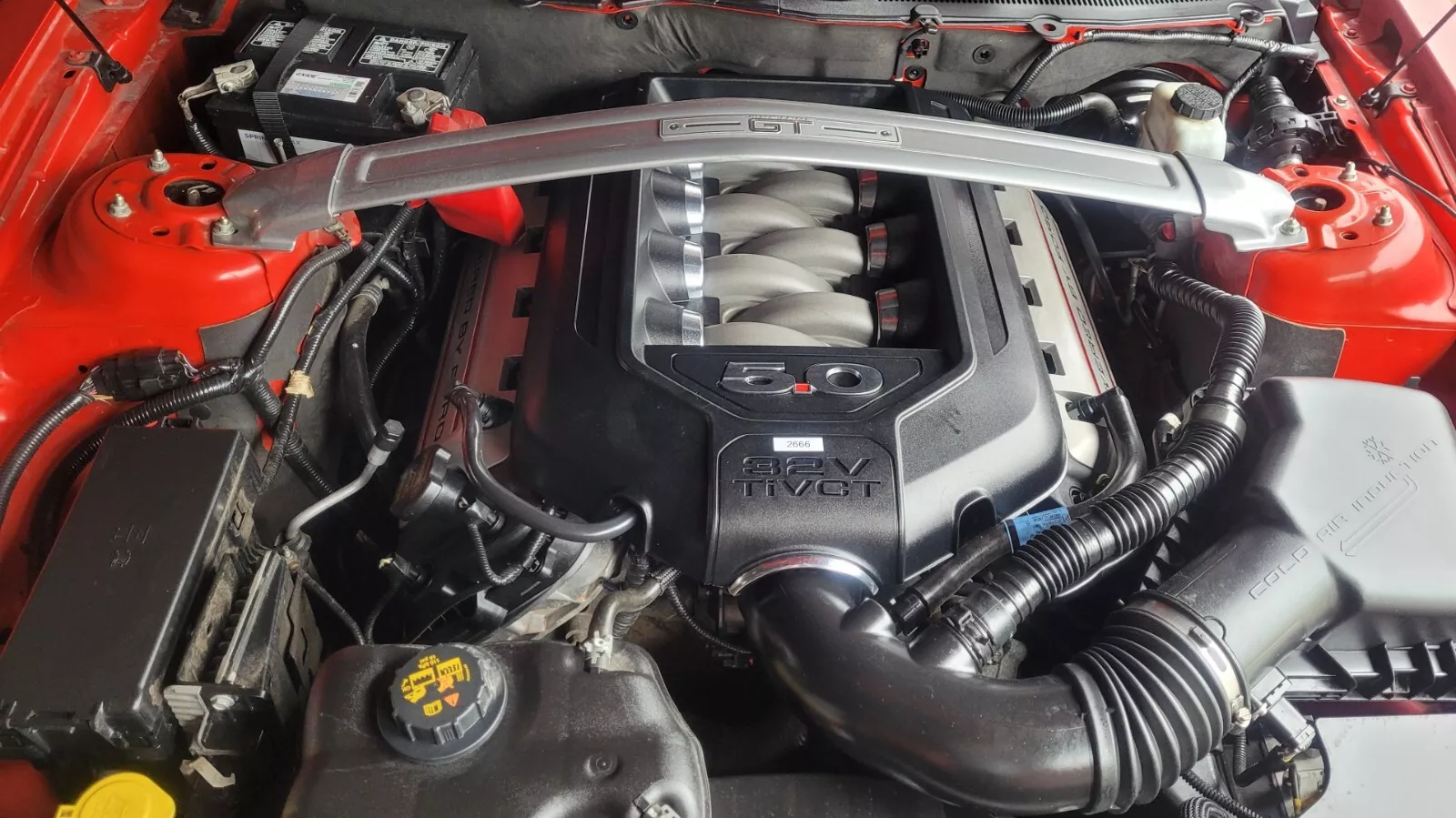
12. Ford 5.0 Coyote: Modern V8 Longevity and Performance
The Ford 5.0-liter Coyote V8 is the modern evolution of Ford’s Modular engine family, first appearing in the 2011 S-197 Mustang and later expanding to the F-150 and other applications.
It features a dual overhead cam design with Twin Independent Variable Cam Timing (Ti-VCT), providing precise valve control for optimized power and efficiency. With a combination of performance and durability, the Coyote has become one of Ford’s most successful V8 engines.
The Coyote produces between 412 and 500 horsepower and 390–420 lb-ft of torque, depending on application and generation. Its aluminum block and heads, forged connecting rods, and forged crankshaft provide structural strength without excessive weight. Later generations introduced direct injection and cylinder deactivation, enhancing efficiency while maintaining reliability.
The Coyote is regarded as a durable engine with the potential for exceptionally high mileage. A notable example is a 2012 F-150 with 326,000 miles, remaining in excellent mechanical condition without any major repairs, demonstrating the engine’s long-term capability.
Its reliability stems from high-strength internal components, a robust timing chain, and a design that balances performance with durability. Typical lifespan ranges from 100,000 to 250,000 miles under proper care, with many engines surpassing this with consistent maintenance.
Early models experienced occasional head gasket problems and oil consumption, while later 2018–2020 F-150 Coyotes faced oil consumption due to direct-injection designs. Proper maintenance, including regular oil changes and adherence to service schedules, is essential to prevent premature wear. Avoiding extreme modifications without upgrading supporting components further ensures longevity.
The Ford Coyote 5.0 is a high-performance V8 capable of enduring long-term use when properly maintained. Its forged internals, Ti-VCT technology, and durable timing chain contribute to both power and reliability. While some model years have minor issues, diligent maintenance can allow this modern V8 to achieve high mileage, making it a versatile and dependable engine for both performance and daily driving applications.
13. Chevrolet 6.6L Duramax: Diesel V8 with Exceptional Longevity
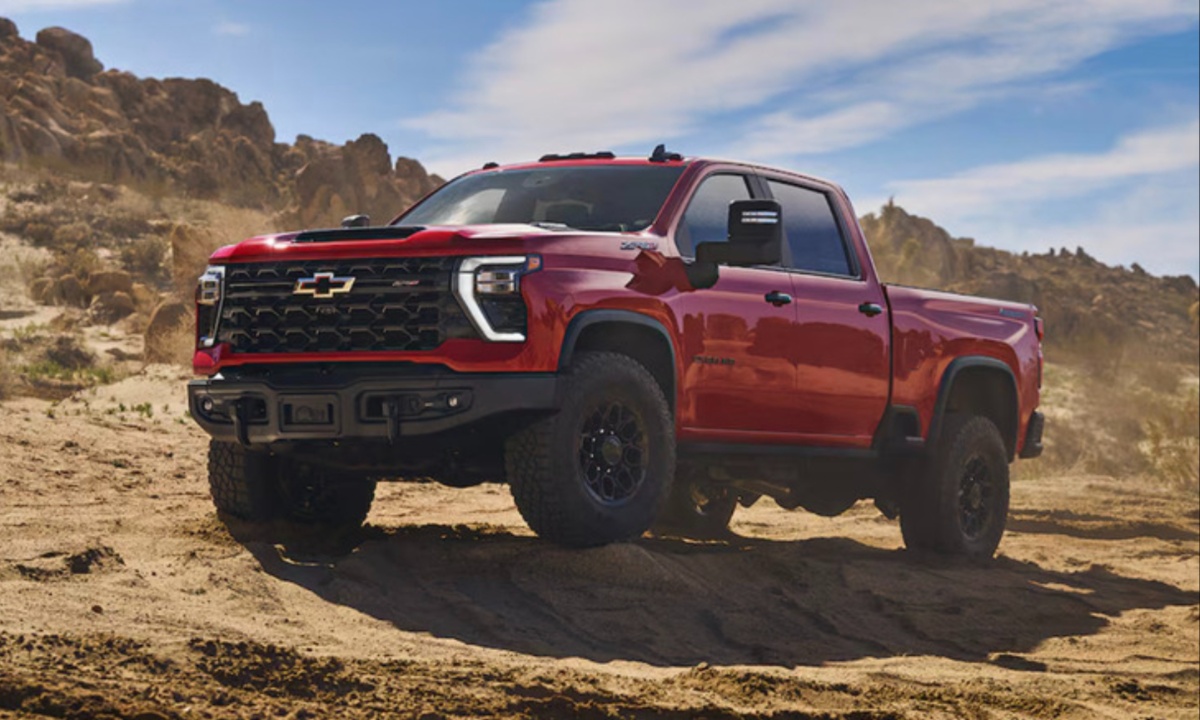
The Chevrolet 6.6-liter Duramax turbodiesel V8 is a cornerstone of GM’s heavy-duty truck lineup, developed in collaboration with Isuzu in the late 1990s. Designed to compete with Dodge’s Cummins and Ford’s Power Stroke diesels, the Duramax features advanced fuel injection, a compact design, and high power output, making it a reliable choice for towing and long-haul applications.
It has proven its durability with exceptionally high-mileage examples, including a 2006 Silverado 3500 HD that achieved 1.2 million miles with diligent maintenance.
The Duramax is a V8 diesel engine that emphasizes torque and longevity over outright speed. Output varies by model year and variant, but all are engineered to handle heavy loads and long-distance driving. Modern versions, such as the L5P (2017-present), feature updated fuel systems and emission controls while maintaining high reliability.
The Duramax is known for its long lifespan, with many engines exceeding 300,000 miles under consistent maintenance. Its robust diesel architecture, including a strong block, forged internals, and an efficient cooling system, supports extreme durability.
Regular oil and filter changes, careful monitoring of fuel systems, and preventive servicing allow these engines to withstand heavy towing, repeated long-distance drives, and high-stress usage.
Reliability varies by generation. Early LB7 engines (2001–2004) suffered from fuel injector failures, while LML models (2011–2016) had fuel pump concerns. The L5P series (2017-present) demonstrates fewer major failures but may encounter software glitches or emission system maintenance needs.
Other common issues include glow plug failures, fan clutch problems, and challenges related to modern emission control systems such as DPF and EGR. Proactive attention to these areas ensures long-term reliability.
Model year selection is critical when buying a Duramax, as specific variants have known issues. Proper maintenance, including routine oil changes, fuel system checks, and emission system care, is essential for durability. The engine’s diesel design naturally supports high torque and longevity, making it ideal for heavy-duty applications.
The 6.6L Duramax is a proven, high-durability diesel V8 capable of extraordinary mileage when properly maintained. While certain generations have model-specific issues, attentive care allows the engine to deliver reliable, long-term performance, cementing its reputation as one of the most dependable diesel engines on the market.
14. Chevrolet 8.1L Vortec: Overbuilt Big-Block V8 for Heavy-Duty Use
The Chevrolet 8.1-liter Vortec V8, also known as the Vortec 8100, represents one of the last and largest iterations of Chevy’s classic big-block engine lineage. Produced until 2001, it was designed for heavy-duty trucks, motorhomes, and commercial applications, emphasizing torque and durability over fuel economy.
Despite its age, it has a reputation for extraordinary longevity, with documented examples surpassing 500,000 miles while still performing demanding hauling tasks.
The Vortec 8.1 features 340 horsepower and 455 lb-ft of torque, delivered from an over-engineered cast iron block with similarly robust heads. Its internal components, including the crankshaft and connecting rods, are built to withstand high stress, making it ideal for heavy towing and continuous load-bearing scenarios.
The 8.1L Vortec is widely regarded as highly reliable and exceptionally durable. Its “overbuilt” design allows it to operate under extreme conditions without major failures. Engines regularly exceed 300,000 miles with proper maintenance, and high-mileage cases, such as a Silverado 3500 hauling tens of thousands of pounds, demonstrate the engine’s capacity for enduring strenuous use.
Despite its robustness, some minor issues can arise, including intake manifold gasket leaks, occasional lifter tick, fuel pressure regulator wear, and crankshaft position sensor failures. Fuel economy is a consistent drawback due to the engine’s massive displacement. Regular oil checks and maintenance are essential, as the Vortec 8.1 consumes approximately one quart of oil per 1,000 miles.
The engine’s primary strengths lie in its torque, durability, and capability to handle heavy-duty applications for decades. While not designed for efficiency, its reliability, longevity, and simplicity compared to modern V8s make it a favorite among truck enthusiasts and commercial operators.
Adhering to routine servicing schedules, monitoring oil levels, and addressing minor issues promptly ensures continued performance.
The Chevrolet 8.1L Vortec is an over-engineered, durable big-block V8 capable of extreme mileage and heavy-duty work. Its robust construction, high torque output, and proven longevity make it one of the most reliable and enduring engines in GM’s history, ideal for owners who prioritize strength and dependability over fuel economy.

The 14 V8 engines featured here showcase the remarkable balance between raw power and enduring reliability. From over-engineered Japanese luxury V8s like the Toyota 1UZ-FE to heavy-duty workhorses like the Chevrolet 8.1L Vortec, these engines have consistently surprised mechanics by outperforming expectations, whether through longevity, versatility, or resilience under stress.
Each engine tells a story of thoughtful design, meticulous engineering, and practical durability, proving that a V8 can deliver exhilarating performance without sacrificing dependability.
They serve as benchmarks in their respective categories, inspiring enthusiasts, mechanics, and engineers alike to appreciate the artistry behind engine design.
By pushing boundaries and challenging assumptions, these V8s have cemented their place in automotive history, reminding us that true engineering excellence is measured not just in horsepower but in the miles, reliability, and enduring trust they deliver to drivers worldwide.
Also Read: 10 Cars Mechanics Call Unkillable Even After Long Service History