When car enthusiasts or long-term owners describe a vehicle as “bulletproof,” they’re not talking about actual armor plating. Instead, the term has become shorthand for machines that shrug off mileage, rough conditions, and years of use without major issues.
These are the cars that start up in the morning no matter what, ask little from their owners beyond basic maintenance, and prove their worth with decades of reliability.
For American drivers, who often face everything from freezing winters to scorching summers, owning a car that doesn’t quit can mean the difference between frustration and peace of mind.
Some of these vehicles became legendary for their overbuilt engineering, while others quietly built reputations by clocking hundreds of thousands of miles in the hands of loyal drivers. Here are 10 cars that US owners consistently call “bulletproof.”
1. Toyota Corolla
The Corolla has been the go-to commuter for generations of Americans because it delivers one of the lowest cost-per-mile ownership experiences in the industry.
Owners rave about Corollas from the early 2000s that still run like new after 250,000 miles with minimal investment. The car’s straightforward engineering reliable four-cylinder engines, simple transmissions, and conservative styling means fewer complicated parts to fail.
Mechanics often say if you just change the oil regularly, the Corolla will last longer than most people keep their homes.
The 2022 Toyota Corolla stands out as an affordable and stylish compact car that comes well-equipped with standard active safety features. Although rivals like the Honda Civic and Mazda 3 offer a more engaging driving experience, the Corolla delivers a comfortable ride and brings its own set of sporty variants to the lineup.
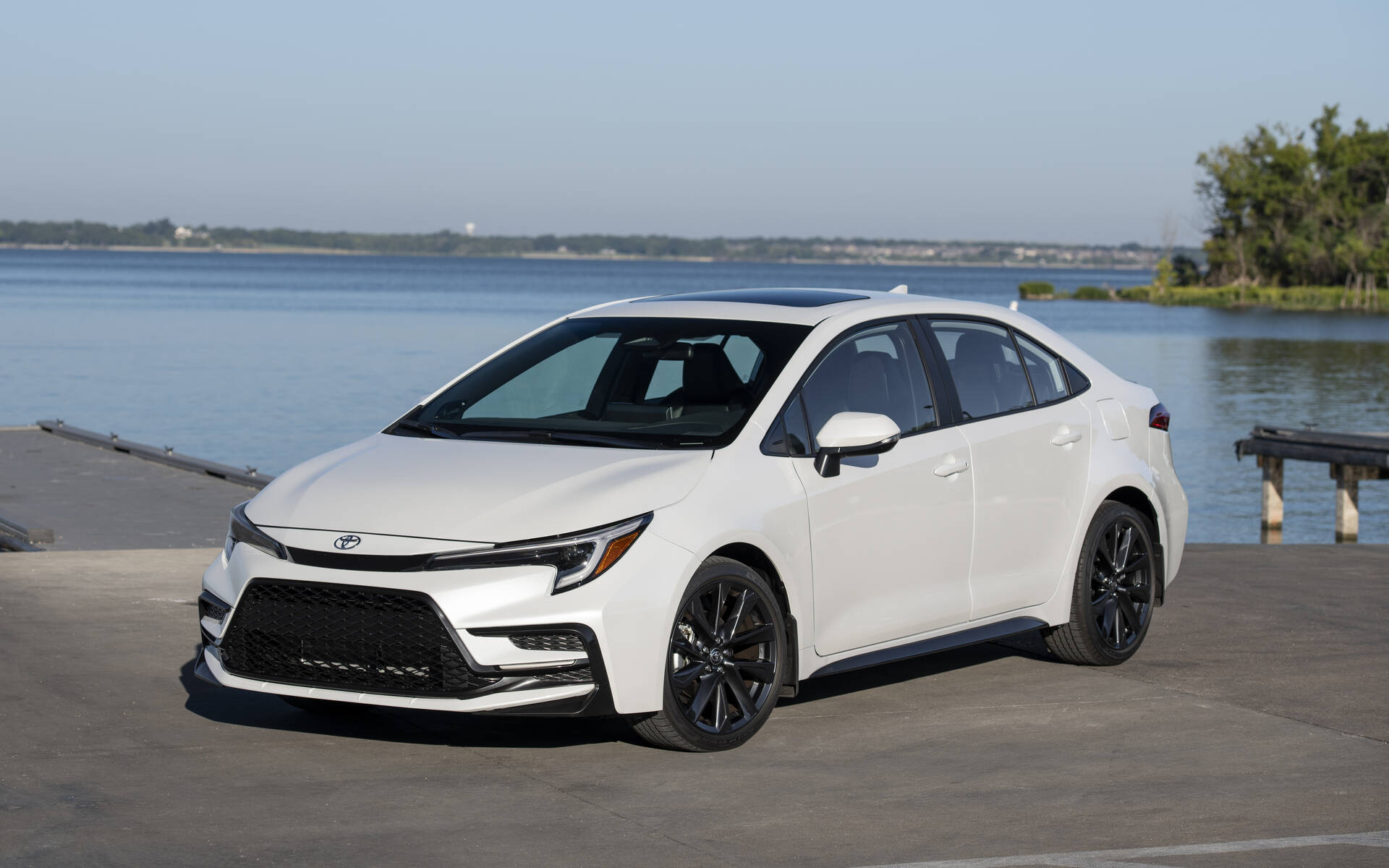
Much like other compact cars, it is available as both a sedan and a hatchback, each with distinctive styling. Interestingly, the hatchback provides less rear-seat space and cargo room than the sedan, which is unusual for this class.
Certain trims are offered with a manual transmission, and the sedan includes a highly efficient hybrid option. The main drawback is that all models are powered by engines that sound unrefined under strain. Even so, the Corolla remains a top pick for buyers who place a premium on safety and modern design.
Most Corolla sedans, except for the SE and XSE trims, are powered by a 139-hp 1.8-liter four-cylinder paired with a CVT that drives the front wheels. The SE and XSE step up to a more robust 169-hp 2.0-liter four-cylinder, available with either a CVT or a six-speed manual transmission.
Hatchback versions come exclusively with the larger engine, while the sedan uniquely offers a hybrid powertrain for maximum efficiency. In testing, both the Corolla SE hatchback and XSE sedan showed that even the stronger engine doesn’t deliver standout acceleration.
Around town, the Corolla feels competent, and it remains stable on the highway. However, when pushed hard, engine noise becomes harsh and detracts from refinement. On the positive side, both body styles provide a smooth ride that absorbs most imperfections while maintaining composed handling. Compared to older generations, body control is tighter and more agile.
The SE and XSE trims stand apart with their firmer sport-tuned suspensions and, in the case of the XSE, larger 18-inch wheels (while other trims ride on 15- or 16-inch wheels).
Despite these upgrades, the Corolla still trails sportier rivals like the Mazda 3 and Volkswagen Golf in terms of steering feel and driving excitement. In braking tests from 70 mph to zero, both sedan and hatchback versions required between 174 and 183 feet, results that are merely average for the segment. On the plus side, brake pedal response is predictable and user-friendly.
Also Read: 5 Engines That Handle Stop-and-Go Traffic vs 5 That Break Early
2. Honda Civic
The Civic is another compact icon that earned its “bulletproof” status by balancing efficiency, durability, and versatility.
Older Civics, especially models from the 1990s and early 2000s, are still common on American roads, and many are on their third or fourth owners.
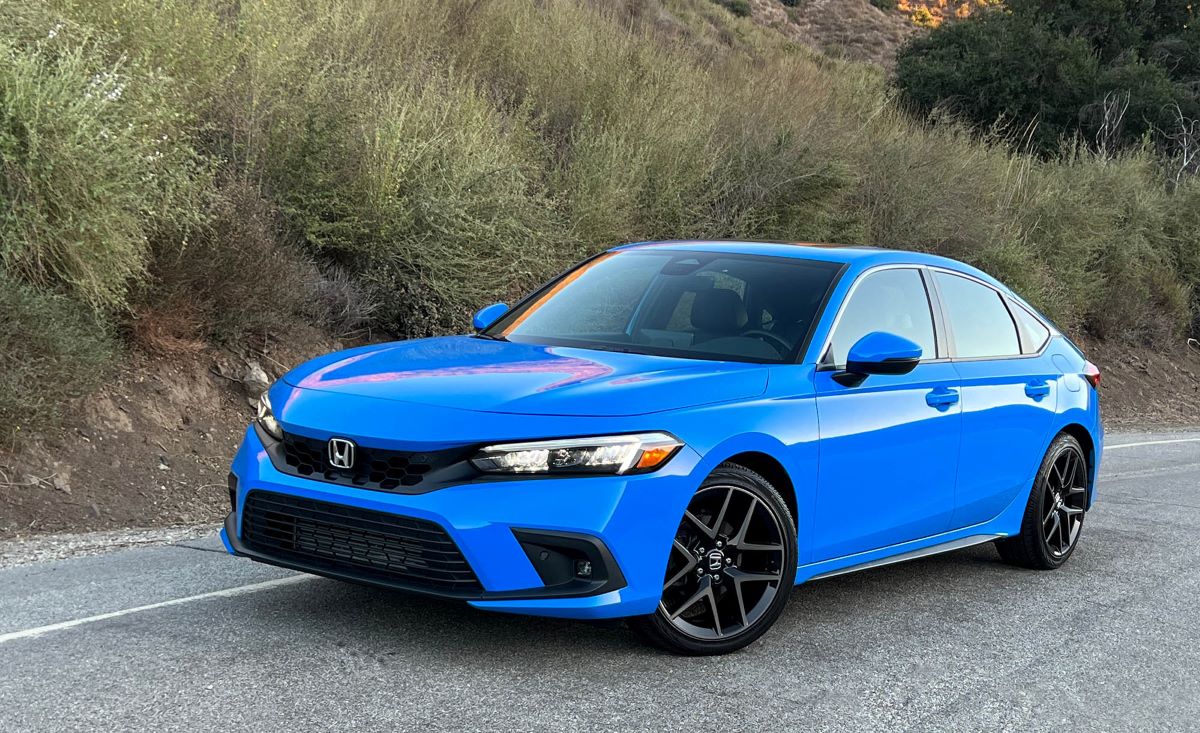
The engines, particularly the non-VTEC variants, are known to run reliably well past 300,000 miles.
Even when owners push Civics with modifications or hard use, the cars tend to keep going with few complaints, cementing their reputation as dependable daily drivers.
3. Toyota Camry
Often called the “default family car of America,” the Camry built its empire on reliability. Owners report Camrys with original engines and transmissions lasting decades without major problems.
The V6 engines, like Toyota’s 3.0- and 3.5-liter units, are especially praised for their balance of power and longevity.
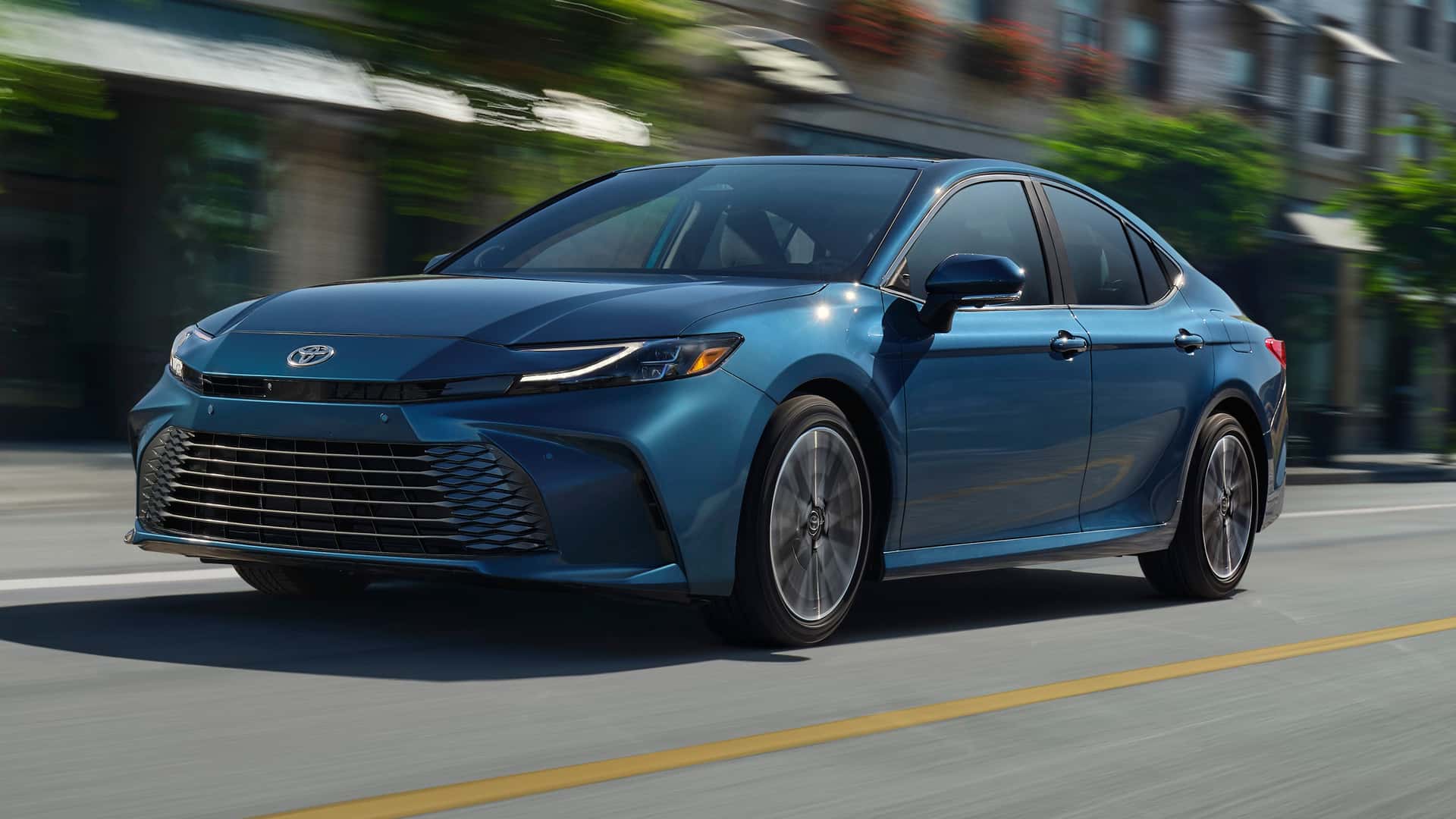
Because the Camry has been produced in such high numbers, parts availability is widespread and affordable, adding to its appeal as a long-lasting workhorse. For many US families, buying a Camry meant peace of mind.
The standard four-cylinder engine is paired with a smooth eight-speed automatic transmission, but its acceleration results are underwhelming. A less powerful variation of this engine teams up with a battery and two electric motors to create the Camry hybrid, which proves to be just as unremarkable to drive as the base setup.
The true highlight of the lineup is the refined 301-hp V-6, offered on the XLE, XSE, and TRD trims. Another positive development is that the Camry has shed its reputation for being unpleasant to drive. It now delivers a composed ride with handling that feels surprisingly agile.
Steering is well balanced, firm and confident through corners, yet light and easy when navigating tight spaces like parking lots. Brake feel is also commendable, offering good responsiveness without being overly soft.
Even the hybrid manages to blend friction braking with regenerative braking smoothly, though at lower speeds its brake pedal tends to be overly sensitive, which can cause some awkward, jerky movements during parking.
4. Honda Accord
If the Camry is Toyota’s dependable family sedan, the Accord is Honda’s equivalent. Many American families have passed down Accords from parent to child because the cars just won’t quit.
Owners talk about their Accords hitting 400,000 miles with only standard wear-and-tear replacements.
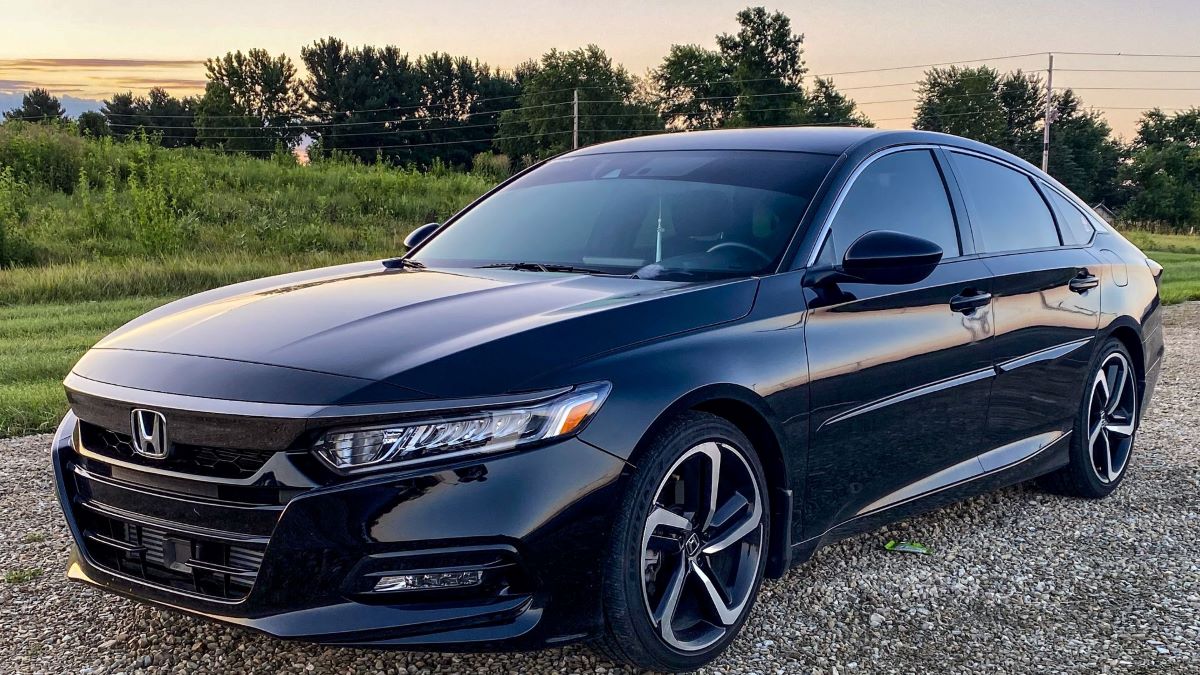
Even the automatic transmissions, which were once considered a weak point in some models, are known to soldier on with proper care. Its mix of durability and a slightly sportier driving feel compared to the Camry makes it a fan favorite.
5. Lexus LS400
Luxury doesn’t always come with reliability but the Lexus LS400 broke that stereotype. Introduced in 1989, this full-size sedan set the standard for Japanese engineering excellence.
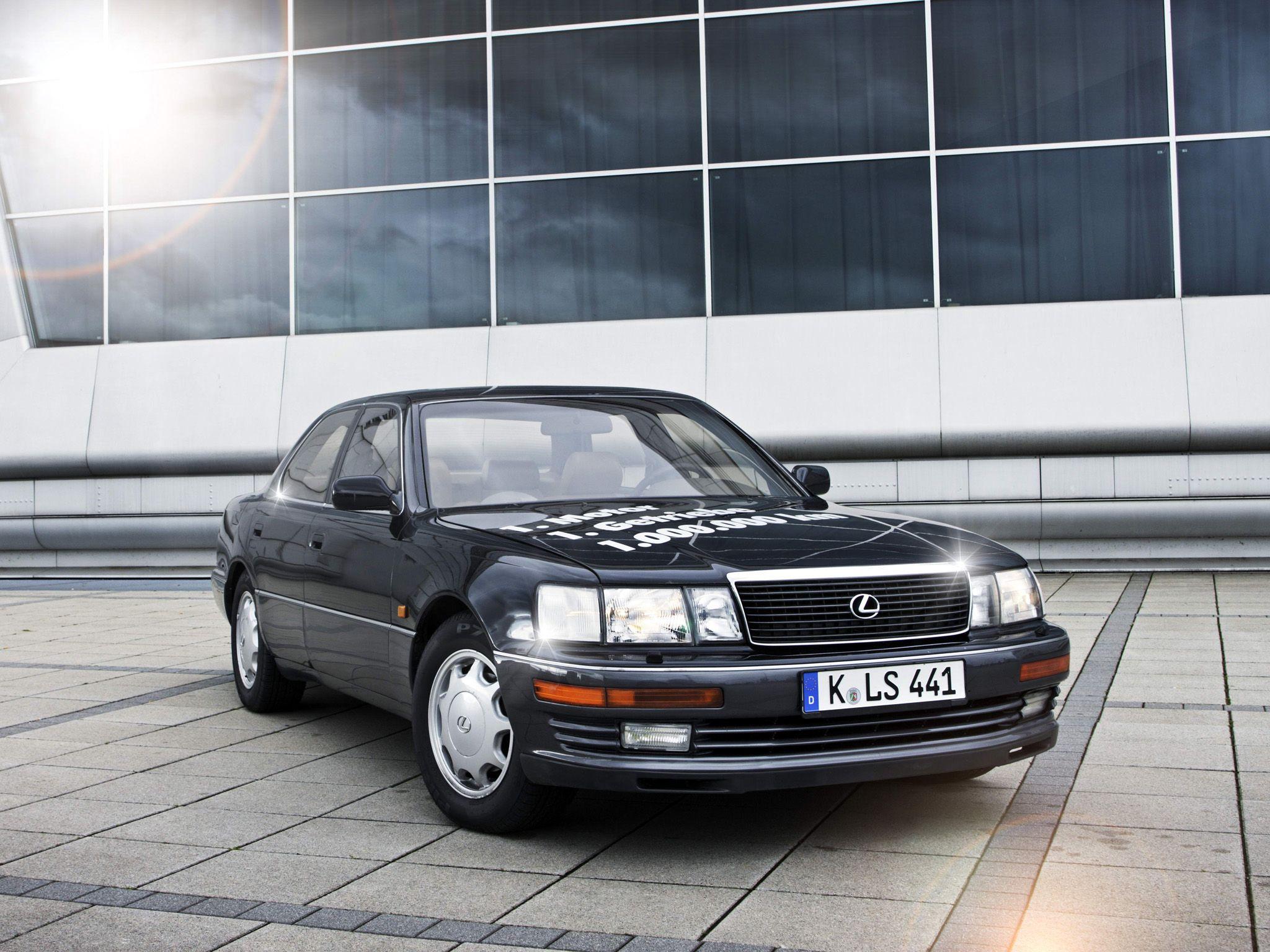
Owners and mechanics alike praise the LS400’s 4.0-liter V8 engine for being nearly indestructible. Many examples on US roads today still run quietly and smoothly after more than 20 years.
Unlike European luxury sedans that often saddle owners with expensive repair bills, the LS400 kept maintenance simple, earning its reputation as the luxury car that never quits.
A generational shift can transform the way Americans spend their money. In the years following World War II, lingering resentment toward Japan meant that U.S. consumers largely shunned Japanese products.
At the time, Japanese goods had a reputation for being cheap and flimsy, and their early automobiles were dismissed as little more than tin cans. For a moment in history, that perception wasn’t entirely wrong.
What it overlooked, however, was the diverging paths of progress and ambition. While postwar Americans enjoyed newfound prosperity, indulging in luxury cars and other status symbols, Japan was quietly sharpening its competitive edge.
Often this progress was driven by economic circumstances. The oil embargo of 1973 was the first major opening. Honda and Toyota already had efficient commuter cars ready to go, and when cost-conscious Californians began buying them, they discovered these vehicles were reliable and durable rather than disposable.
By the early 1980s, Japan, Inc. identified another strategic opportunity: a favorable currency gap. With the yen weak against global currencies and Japanese factories operating at peak efficiency, automakers realized they could build convincing alternatives to German luxury sedans for nearly half the cost.
American luxury cars, meanwhile, had grown stagnant and low in quality, coasting on strong dealer networks rather than genuine competitiveness. German marques, particularly Mercedes-Benz, had become the benchmark.
The result was the 1990 Lexus LS400. It mirrored the S-Class in appearance, rivaled it in driving dynamics, and surpassed it in cabin quietness. Heritage might have been absent, but price mattered more: Toyota positioned the LS400 at the cost of a Mercedes E-Class, and the gamble worked.
Also Read: 8 Checks That Stop a Chevy Colorado From Breaking Down Early
6. Toyota 4Runner
Among SUVs, the Toyota 4Runner has a cult following in the US for being practically unstoppable. Owners frequently post stories of their 4Runners hitting 300,000 miles while still running original drivetrains.
The 4.0-liter V6 engine is one of Toyota’s most trusted powerplants, and the body-on-frame construction means these SUVs can handle rough off-road use without structural issues.
In regions like Colorado and the Pacific Northwest, 4Runners are prized for their ability to take on harsh terrain and still function like a daily commuter.
At this stage, Toyota isn’t even pretending the 4Runner is modern. Instead, the company embraces its age, presenting the SUV’s longevity as a unique trait in today’s market. In truth, there’s nothing else quite like the 4Runner, for better and for worse.
On the positive side, the 4Runner has built a reputation for toughness over its 13-year production run. Its body-on-frame design, genuine four-wheel-drive system, and specialized off-road features make it naturally suited for trail work.
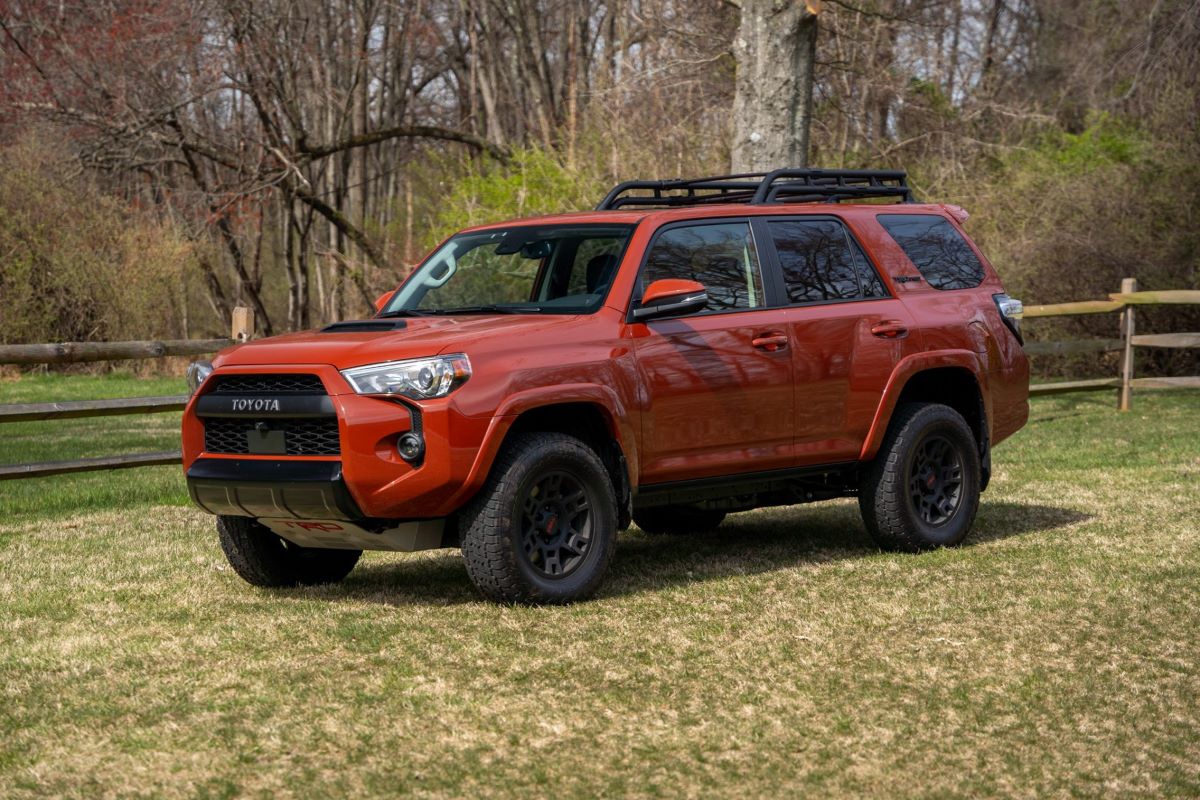
The tried-and-true V-6 engine and five-speed automatic transmission are durable components, contributing to the 4Runner’s consistent Good and Excellent IntelliChoice value ratings.
On the flip side, nearly everything else shows its age. On the road, the 4Runner feels heavy and sluggish, hampered by its outdated powertrain.
Fuel efficiency is poor compared with modern rivals, and although Toyota has added updated technology and driver-assist features over the years, these systems lag behind what’s found in the brand’s latest models. Cargo space is useful, but second-row passengers don’t get much legroom.
The takeaway is clear: if you’re searching for a comfortable, versatile, and efficient daily driver, the 4Runner isn’t the right fit, there are plenty of more modern crossover alternatives. But if your priority is an SUV that’s ready for rugged terrain straight from the factory, the 4Runner remains a proven option, even though some crossovers are starting to encroach on its off-road credibility.
Power comes from a 4.0-liter V-6 producing 270 horsepower and 278 lb-ft of torque, paired with a traditional five-speed automatic transmission. Rear-wheel drive is standard, while part-time four-wheel drive, not to be confused with full-time all-wheel drive, is optional.
As for efficiency, expectations remain low: the 2023 model is projected to match last year’s dismal figures of 16 mpg city and 19 mpg highway.
7. Honda CR-V
Honda’s small SUV quickly became a favorite for American families who wanted more space than a Civic but the same reputation for reliability. Early CR-Vs from the late 1990s and early 2000s are still regularly seen on US highways, often with well over 200,000 miles on the odometer.
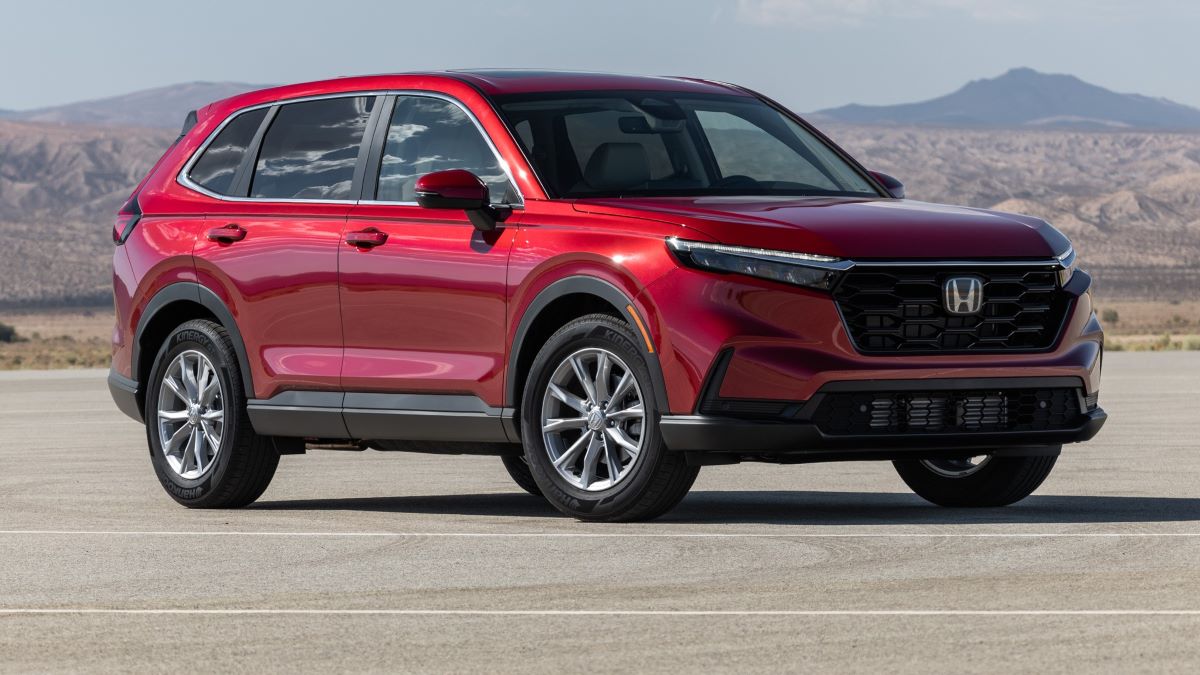
The simple four-cylinder engines are easy to maintain, and the CR-V’s compact yet rugged design gives it surprising durability. Many owners call it the SUV that just won’t die.
The Honda CR-V is the brand’s compact crossover and has been a mainstay in its class ever since it first launched in 1997. Over the years, it’s been a consistent recommendation thanks to its roomy interior, enjoyable driving dynamics, user-friendly design, and impressive fuel efficiency that helps keep fuel costs manageable.
For 2023, the CR-V undergoes a complete redesign from the ground up. Much has changed, including the exterior styling and cabin layout, yet it retains the core qualities that have long defined its success.
8. Subaru Outback
For drivers in snowy states like Vermont, Colorado, or upstate New York, the Subaru Outback has been a lifesaver. While some Subaru models are known for issues like head gasket failures, the Outback still earns a “bulletproof” reputation when properly maintained.
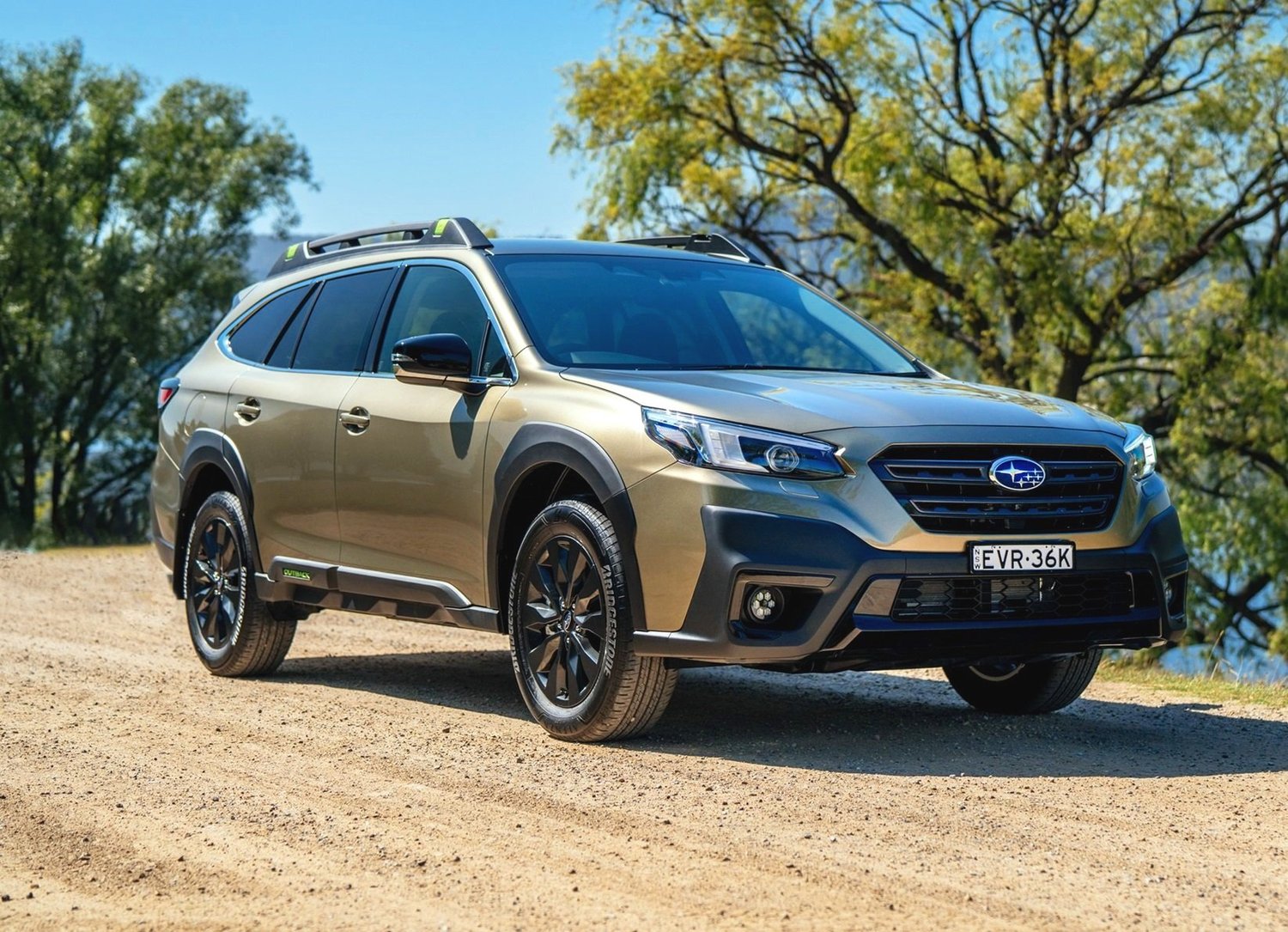
Its all-wheel-drive system is among the most reliable in the industry, and many owners claim their cars have lasted 15–20 years of tough winters without breaking down. It’s the kind of car rural families trust to get them through conditions that would sideline most vehicles.
The Subaru Outback lineup is powered by two different flat-four engines: a 182-hp 2.5-liter that comes standard and a 260-hp turbocharged 2.4-liter available as an upgrade.
Both are paired with a continuously variable automatic transmission (CVT) designed to simulate an eight-speed gearbox in order to cut down on the droning sound typical of CVTs. As expected, every Outback comes with all-wheel drive, a hallmark of Subaru vehicles, with the exception of the rear-drive BRZ sports coupe.
In testing, the Outback equipped with the base engine showed uninspiring acceleration and sluggish transmission response. Opting for the turbocharged model made the wagon noticeably quicker, but the same stubborn transmission issues persisted.
That said, outright speed isn’t what most Outback buyers are after. Ride comfort and light off-road capability matter more, and in those areas the wagon excels. With 8.7 inches of ground clearance and standard all-wheel drive, the Outback easily manages adverse weather and rough road conditions.
For those who want maximum off-road confidence, the Wilderness trim enhances capability with 9.5 inches of ground clearance, a reinforced suspension, protective skid plates, and a drive mode system with dedicated Snow and Mud settings.
On pavement, the Outback’s suspension delivers a smooth, relaxed ride, and its steering is precise and easy to handle at highway speeds. What it lacks, however, is any sense of sportiness, something WRX enthusiasts might miss when moving to this more utility-focused wagon.
For utility purposes, the standard engine can tow up to 2700 pounds, while models with the turbocharged engine boost towing capacity to 3500 pounds.
9. Ford Crown Victoria
The only American sedan to consistently make the “bulletproof” list, the Crown Victoria became legendary because of its role as a police car and taxi. These cars were designed to handle abuse high-speed chases, long hours of idling, and constant stop-and-go city driving.
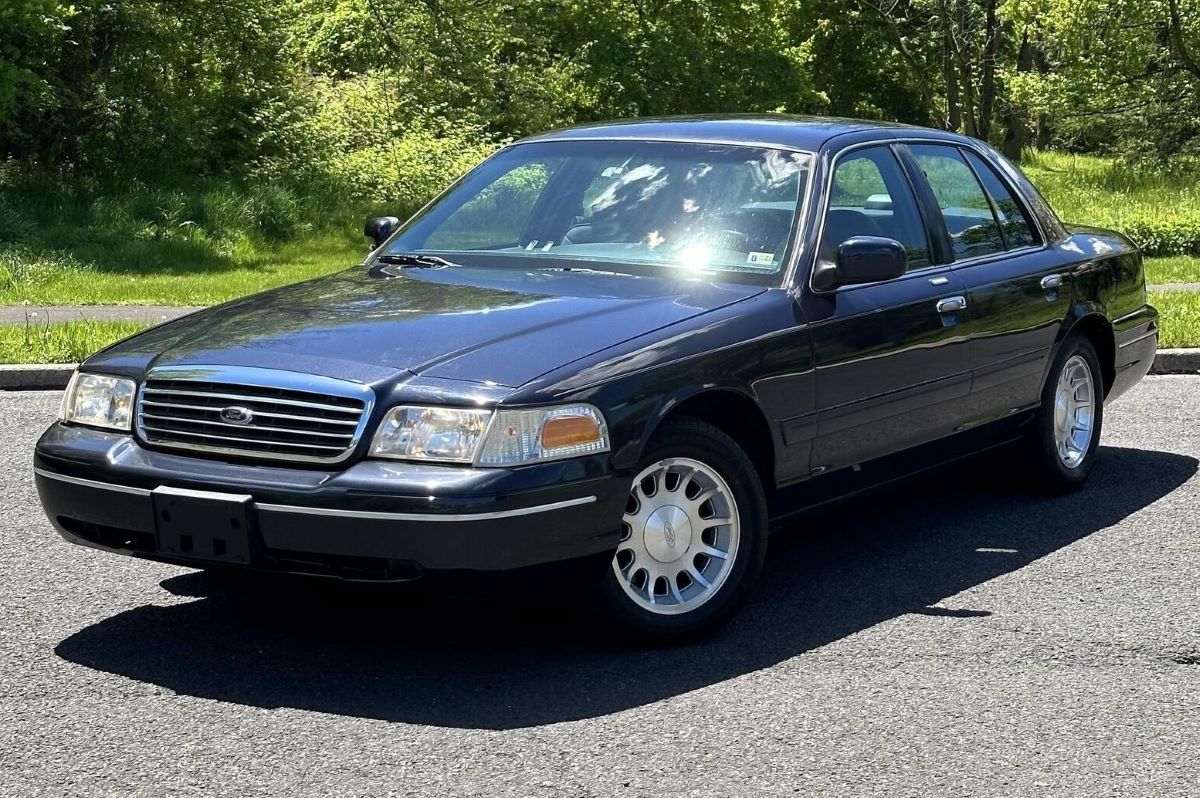
Owners who picked them up as retired fleet cars often brag about odometers showing 300,000 miles with the original drivetrain still intact. The 4.6-liter V8 may not have been flashy, but it was nearly unkillable, and the body-on-frame design made repairs simple.
The Ford Crown Victoria, better known as the “Crown Vic,” stands as one of the most iconic symbols of American policing. While its design may appear understated (at least without flashing lights and police decals), the big sedan became the backbone of U.S. law enforcement for nearly two decades, from 1992 to 2011.
It served every role imaginable, patrol duty, high-speed pursuits, and general utility work, cementing itself as the default police car. Beyond real-world use, the Crown Vic became a pop culture fixture, appearing in countless films and TV series, forever embedding itself in the public’s memory both in America and abroad.
Built on Ford’s rugged Panther platform, the Crown Victoria used a body-on-frame design that prioritized strength and durability above all else. This construction made it perfectly suited for the demands of police duty, which required fast pursuits, aggressive handling, and constant modifications to support new technologies.
Its rear-wheel-drive setup, paired with Ford’s 4.6-liter V8, gave it up to 250 horsepower in police interceptor form, more than enough to move the hefty sedan with authority when duty called.
Yet Ford’s dominance in law enforcement vehicles didn’t begin with the Crown Vic. The company had been supplying police cars for over a century, and the Crown Victoria was simply the latest in a long lineage.
Ford’s role in American policing stretches back to the early 1900s. The Oakland Police Department in California was among the first to adopt a Ford Model T in 1915, making it one of the earliest motorized patrol cars.
Although horse-drawn wagons remained in use, the four-cylinder Model T, with its modest 20 horsepower, allowed officers to cover more ground quickly and catch criminals with unprecedented speed for the era. By 1918, the idea had spread, and Ford cars became common sights in urban police fleets.
Through the 1920s and 1930s, Ford introduced new vehicles that raised the bar for law enforcement. The 1927 Ford Model A brought 40 horsepower and stronger suspension, giving officers better tools for pursuits.
Departments also began experimenting with sirens and lights, turning these vehicles into purpose-built police units. In 1932, Ford revolutionized patrol cars again with the introduction of the flathead V8, producing 65 horsepower and making V8 sedans the preferred choice for police forces by the late ’30s.
After World War II, Ford doubled down on its police presence. By 1950, the company offered a dedicated Police package on models like the Crestliner.
This package included heavy-duty brakes, suspension upgrades, and a top V8 option making 124 horsepower, paired with a 120-mph speedometer. In 1952, Ford first used the name “Interceptor,” officially rolling out the Police Interceptor package in 1954, a designation that would become legendary.
By the 1990s, the Crown Victoria took over as Ford’s ultimate police car. Though it was technically just another large sedan, the Crown Vic’s combination of strength, reliability, adaptability, and affordability made it the gold standard of American law enforcement vehicles. Today, it’s remembered not only as an old Ford cop car but as the most legendary police vehicle ever produced.
10. Toyota Land Cruiser
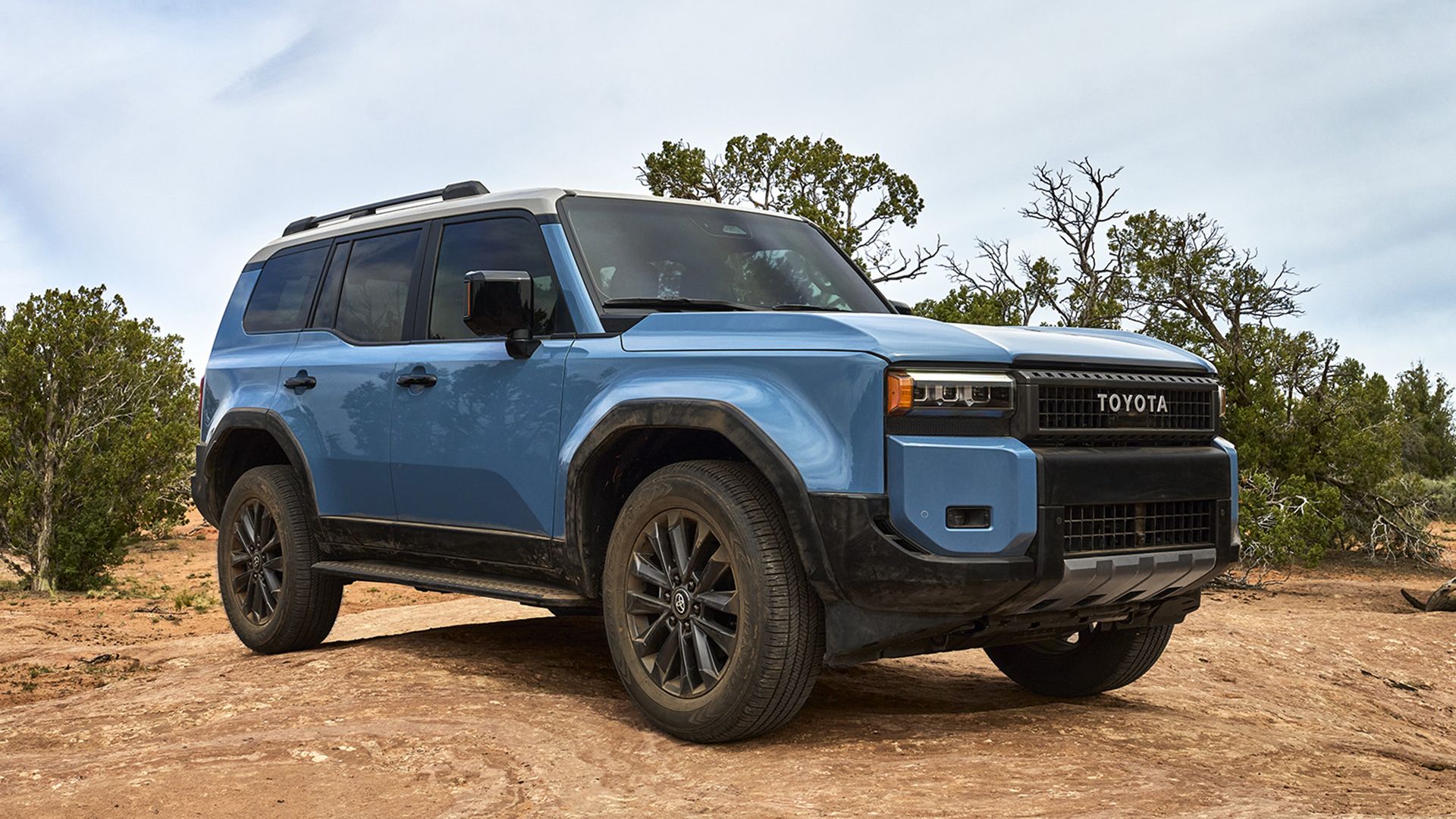
When people think of “bulletproof” in the most literal sense, the Toyota Land Cruiser often comes to mind. Around the world, it has become synonymous with durability, and in the US, long-term owners swear by its ability to last generations.
The Land Cruiser’s robust engines, overbuilt suspension, and heavy-duty construction make it equally at home in desert heat or mountain snow. Even with hundreds of thousands of miles, many examples still feel solid, which explains why resale values remain sky-high compared to other SUVs.
What unites these vehicles isn’t just their reliability it’s the way owners feel about them. Each one became a trusted partner, often outlasting newer, more complex vehicles.
Simpler designs, high-quality engineering, and proven drivetrains made them machines that could handle neglect, extreme climates, and the everyday grind of American life.
While modern cars pack in more technology, the truth is many owners still look back at these “bulletproof” models as the gold standard. For drivers who want a dependable, low-stress ownership experience, these cars prove that sometimes, reliability matters more than flashy features.