The used car market in the United States has shifted dramatically over the past decade, with once-common vehicles now disappearing from dealer lots and classifieds at an alarming rate.
Many cars that were once overlooked as “cheap daily drivers” have found new life as collector favorites or simply as hard-to-find survivors of an era before SUVs and crossovers dominated American roads.
From quirky compacts to once-ubiquitous sedans, some of these affordable cars are commanding surprising levels of respect and in some cases, higher-than-expected prices simply because they’re becoming rare.
Below are 10 cars that were once everywhere, affordable and often taken for granted, but today, they’re suddenly difficult to find in good condition.
1. Toyota Corolla (1993–1997)
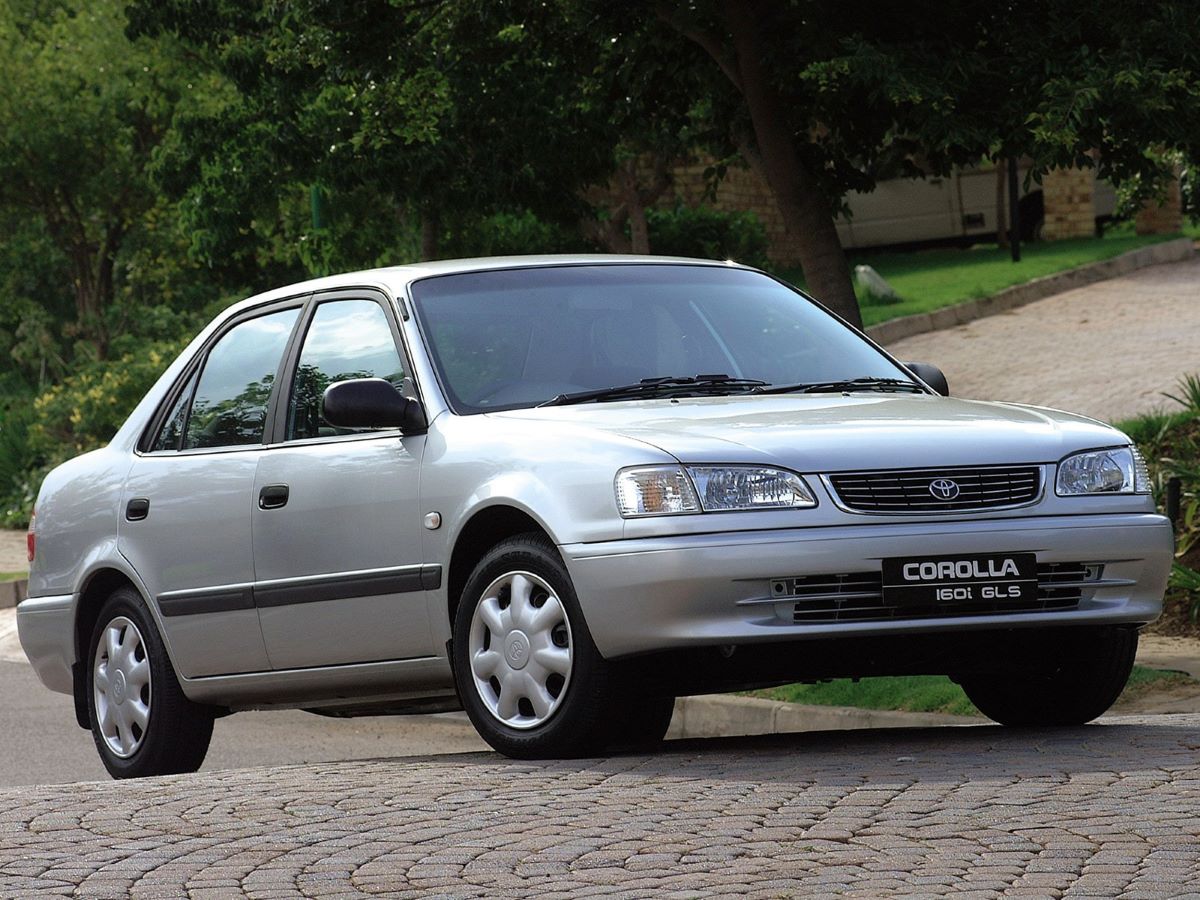
For years, the Corolla was the definition of cheap, no-frills transportation. Millions were sold in the United States, and many Americans learned to drive in one. Because they were so reliable, people drove them into the ground without a second thought.
Now, finding a clean, low-mileage ‘90s Corolla has become almost impossible. Collectors and enthusiasts appreciate them as simple, bulletproof cars, and their rarity comes not from limited production but from sheer attrition.
Toyota has struck gold with the Corolla. After three decades of production, it has earned the distinction of being the second best-selling car in automotive history. This success can be attributed to its solid engineering, strong roster of available safety features, and the engaging drive it offers, especially when paired with the five-speed manual transmission.
The Corolla continues to prove itself as a well-rounded compact car. It delivers capable handling, a thoughtfully designed interior, and styling that, while not groundbreaking, remains pleasant and appealing.
Safety is another strong point: optional antilock brakes, above-average crash test results, and the integrated child seat found on DX models all help cement the Corolla’s reputation as an affordable and safe family sedan.
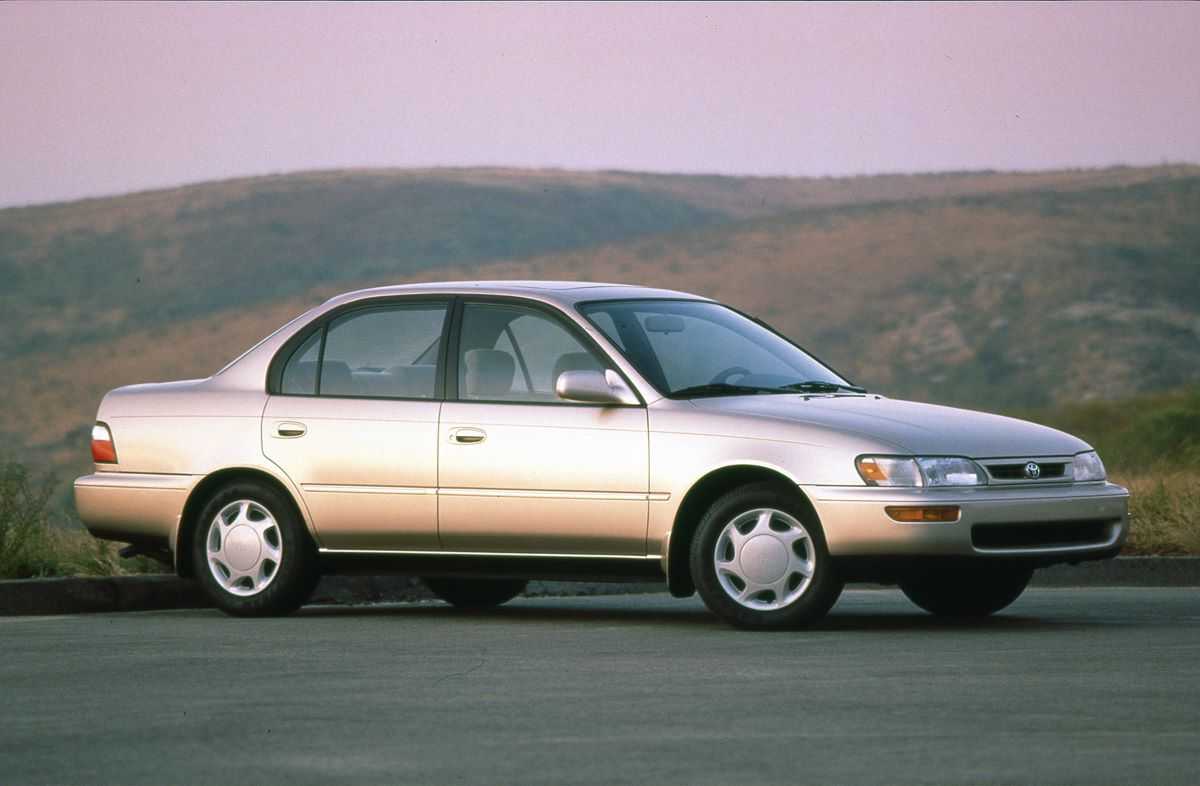
For 1997, Toyota makes a few key changes. The wagon body style has been dropped, and in its place, a new CE trim level debuts. Short for Classic Edition, the CE is essentially the Standard model enhanced with a collection of features not usually offered at the base level.
All 1997 Corollas receive updated door trim and newly added side-impact beams that comply with the latest federal safety regulations. Otherwise, Toyota keeps changes minimal as it prepares to phase out this generation in favor of a redesigned and improved Corolla for 1998.
Still, there’s a compelling reason buyers might look elsewhere, namely, the Geo Prizm. Built on the exact same assembly line as the Corolla, using the same parts and assembled by the same workforce, the Prizm mirrors the Corolla in nearly every way and even adds some advantages of its own.
Most notably, it carries a lower price tag and includes a roadside assistance warranty, a benefit the Corolla doesn’t offer. While we appreciate and admire the Corolla for its strengths, when faced with the choice, we’d lean toward the Prizm.
2. Honda Civic Hatchback (Early 2000s)
The Civic hatchback of the early 2000s was affordable, efficient, and wildly popular among younger drivers who loved to customize them. Unfortunately, that same popularity worked against their long-term survival.
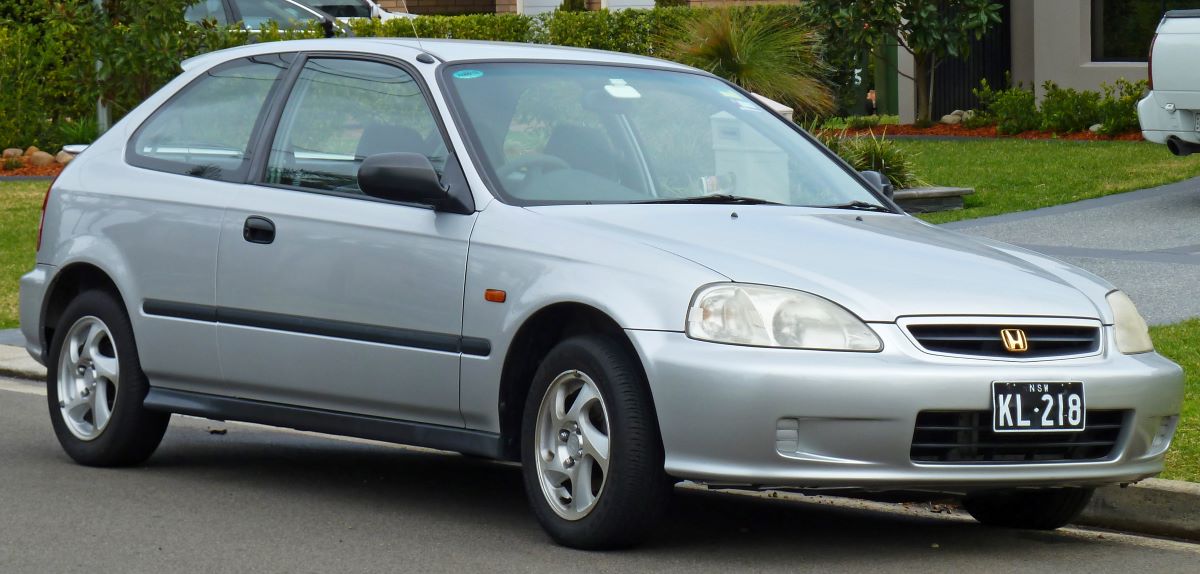
Many were modified, raced, or simply driven until they couldn’t go anymore. While sedans and coupes are still fairly easy to find, the hatchback variant has become a rarity, especially unmodified examples.
Today, enthusiasts hunt down these cars for their practicality and connection to Honda’s tuner culture.
3. Ford Crown Victoria
Once the go-to car for taxis, police departments, and government fleets, the Crown Victoria was built like a tank and lasted hundreds of thousands of miles. But because most lived very hard lives, good civilian-owned examples are increasingly rare.
While you can still spot ex-police interceptors at auctions, a privately-owned, well-maintained Crown Victoria is now surprisingly difficult to find.
Nostalgia and durability have turned it into a sought-after sedan for people who miss the days of big, body-on-frame cars.
If you recognize this car from the outside, chances are you’ve watched one too many cop movies. If you know it from the inside, it’s most likely because you’ve experienced its rear seats firsthand.
The Ford Crown Victoria stands as one of the most iconic and notorious police cars in U.S. history. At one point, as much as 85% of police vehicles across the United States and Canada were Crown Victorias.
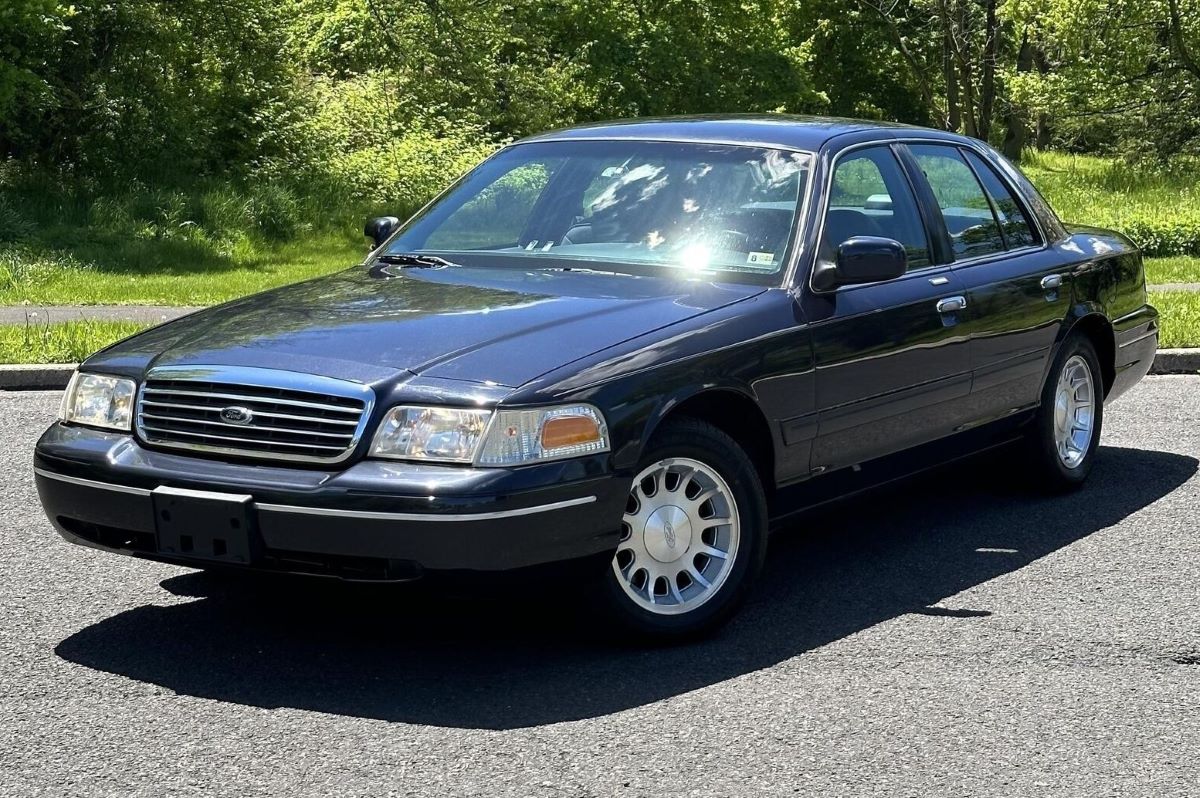
Yet, beyond its law enforcement fame, the car was also available to the general public, where it enjoyed steady sales. Built on the same platform as the Mercury Grand Marquis, the Crown Victoria offered a similar foundation but came with fewer luxury touches.
With its rear-wheel-drive layout, the large sedan provided a smooth and comfortable ride, while also delivering better balance than many front-wheel-drive cars of comparable size.
Stylistically, the Crown Victoria carried a traditional look. Its broad headlights framed a bold chrome grille, giving the car a commanding presence that was instantly recognizable in any rearview mirror. The design emphasized proportions with a short front overhang and an extended trunk, making the sedan appear even larger than it actually was.
The interior reflected its full-size nature, offering space for up to six passengers with three across each row. Optional bucket seats could be chosen for the front, while the rear came equipped with a fold-down armrest for added comfort. However, the large transmission tunnel made it less than ideal for three adults to share the back seat comfortably.
Under the hood, Ford equipped the Crown Victoria with a 4.6-liter V8 engine that was available in four different power outputs. Paired with this was a four-speed automatic transmission tuned primarily for comfort, reinforcing the car’s reputation as a capable cruiser both for law enforcement duty and civilian use.
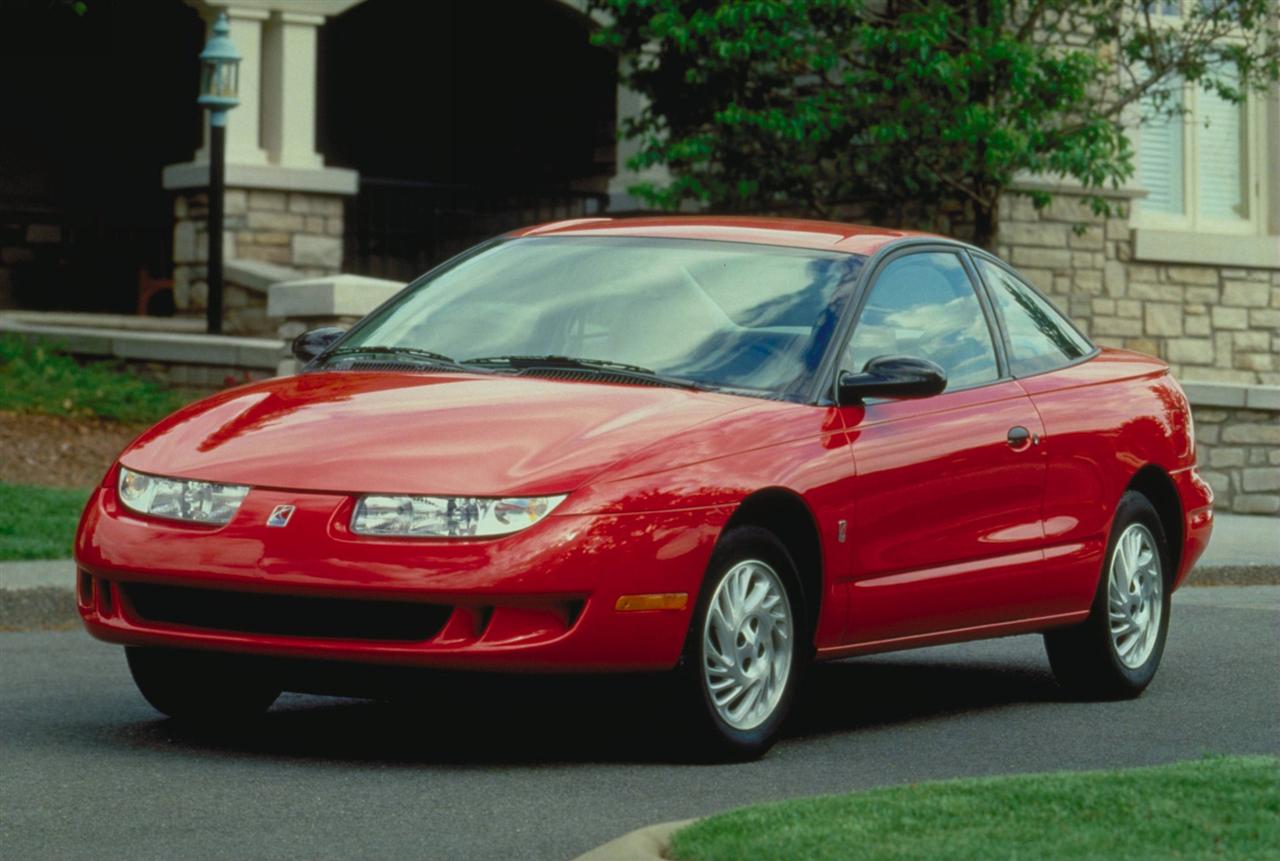
4. Saturn S-Series
Saturn, GM’s “different kind of car company,” had a loyal following in the 1990s, and its S-Series cars were affordable, efficient, and dent-resistant thanks to their polymer body panels.
But when Saturn folded in 2010, these cars quickly vanished from American roads. Most were treated as disposable daily drivers, never preserved, and today, a clean Saturn S-Series is a rare sight. Nostalgia is beginning to push their value upward as former owners hunt for survivors.
The 1980s proved to be a difficult period for General Motors. As Japanese imports steadily captured market share, GM realized it needed to take a daring step to produce a competitive small car.
It was one of the most radical undertakings in GM’s history, so it’s no surprise that the process dragged on for years. From the time Saturn was first announced in 1983, it was clear that establishing a completely new entity within GM would not be easy.
The corporation was so deeply set in its ways that only a clean-sheet operation with fresh ideals seemed like the path forward, despite the massive commitment required.
The first Saturn concept car appeared in 1984, but the company itself wasn’t incorporated until 1985, and groundbreaking at the Spring Hill, Tennessee, facility didn’t occur until 1986.
This resentment was fueled by GM’s traditional hierarchy, long established by Alfred P. Sloan, where every brand held a fixed position with Cadillac at the top.
A semi-independent division that absorbed $5 billion while disregarding the usual order was viewed as disruptive, and many within GM found it difficult to embrace ideas coming from a project they disliked. Yet Saturn’s mission had always been to serve as an experimental brand, designed to test new concepts that could ultimately benefit the entire company.
Still, when Saturn’s production cars finally reached customers, they turned out to be less revolutionary than the brand’s marketing had promised. The concept of plastic panels mounted on a spaceframe, for example, was borrowed directly from the Pontiac Fiero.
And even the design of the first-generation Saturn SL showed clear similarities to GM’s existing lineup, with its greenhouse closely resembling that of the front-wheel-drive Oldsmobile Cutlass Supreme.
5. Mazda Protégé (Late 1990s–2000s)
Fun to drive, reliable, and more engaging than many of its competitors, the Mazda Protégé was beloved by those who knew it.
Unfortunately, it never achieved the same fame as the Corolla or Civic, and as a result, most were sold cheap and driven until they rusted away.
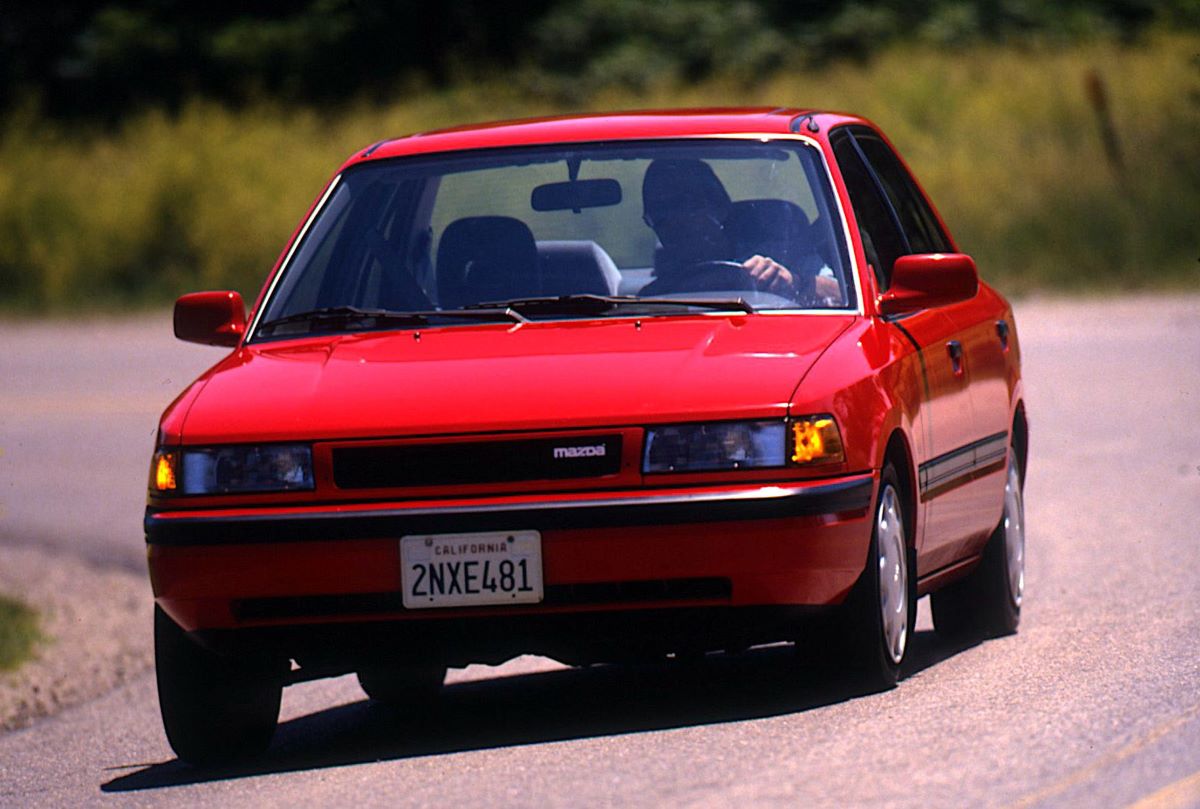
Now, enthusiasts remember their sharp handling and lament how few are left. Clean examples are starting to be recognized as underrated gems.
6. Chevrolet Prizm
A rebadged Corolla, the Chevrolet Prizm was sold from the late 1980s through 2002. It was inexpensive, reliable, and practical, but it never carried the same reputation or resale value as its Toyota counterpart.
Most Prizms ended up in the hands of budget-conscious drivers who didn’t think of them as cars worth preserving. Now, the few remaining examples are rare curiosities from GM and Toyota’s collaboration.
The Chevy Prizm has long received a mixture of praise and criticism from both owners and automotive experts. Many drivers have reported positive experiences, highlighting the car’s strong reliability, solid fuel efficiency, and overall dependable performance.
At the same time, others have raised concerns about issues such as excessive oil consumption, less-than-impressive interior quality, and certain mechanical problems that affect long-term ownership.
One key detail worth noting is that the Prizm is essentially a rebadged Toyota Corolla. This connection generally supports its reputation for reliability, although it doesn’t always translate into strong resale value.
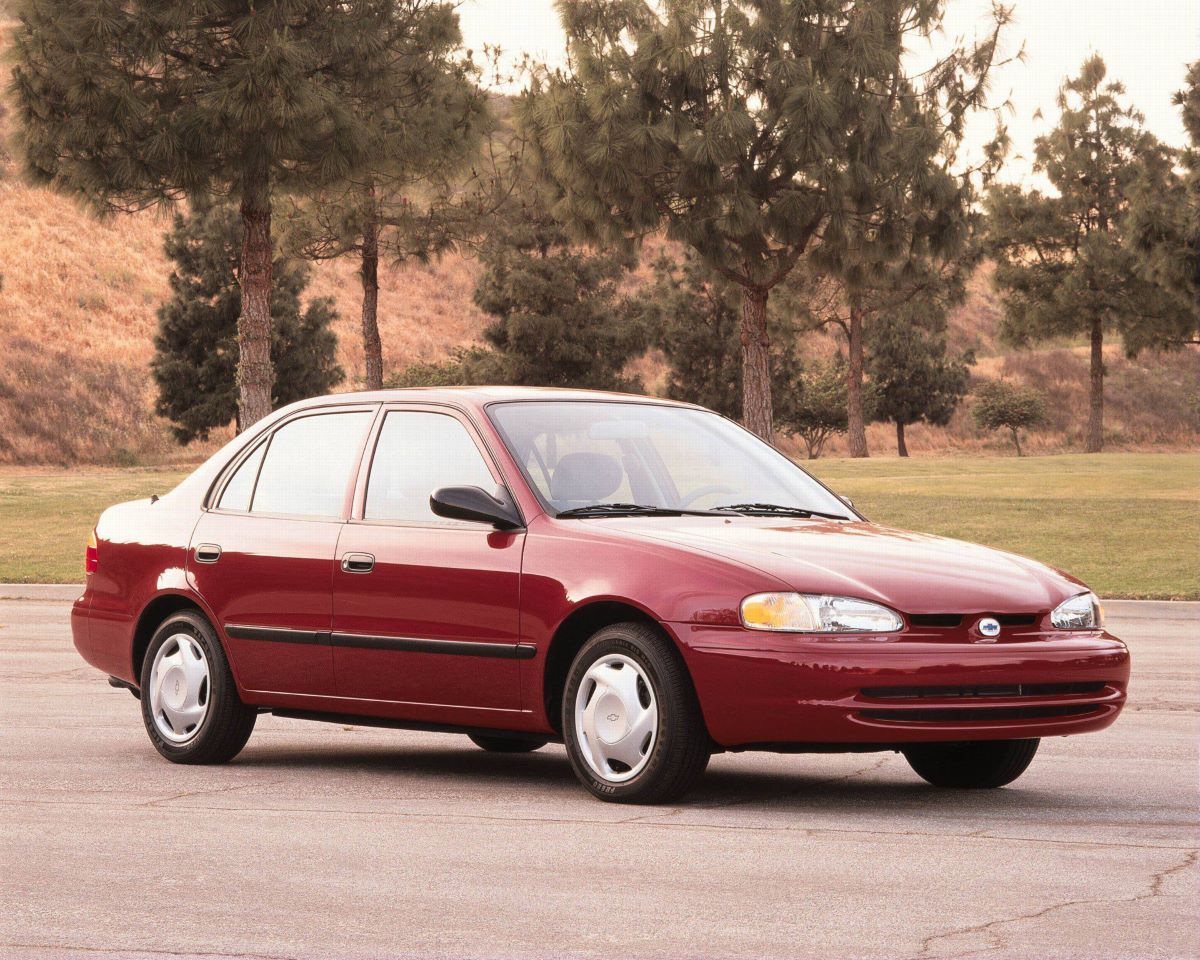
As a result, the Prizm is often described as a respectable economy car, dependable enough for daily use, but not without its flaws. For potential buyers, these mixed reviews emphasize the importance of weighing personal needs and preferences before making a decision.
When properly maintained, a Chevy Prizm can often last well beyond 200,000 miles, making it a viable option for those seeking longevity in an affordable package.
Known primarily for its fuel efficiency, affordability, and practicality, the Prizm appealed especially to first-time buyers and anyone searching for a sensible, no-frills vehicle.
Production of the Prizm ended with the 2002 model year, at which point it was replaced in Chevrolet’s lineup by the Cobalt. In terms of fuel economy, the Prizm delivered respectable numbers for its class, achieving an EPA rating of 27 mpg in the city, 34 mpg on the highway, and a combined average of around 30 mpg.
The Prizm’s run came to an end in late 2001, when General Motors made the decision to discontinue the model entirely. Across all three of its generations, however, the Prizm remained closely tied to the Toyota Corolla, sharing far more similarities with Toyota’s engineering and design during its production years than with other Geo or Chevrolet products.
This Corolla connection helped reinforce the car’s reputation as a simple, reliable, and efficient choice, even if it lacked distinction in Chevrolet’s lineup.
Chevrolet, as a brand, has also built a reputation for producing vehicles capable of enduring high mileage when properly maintained. Many Chevy owners report that their cars and trucks routinely surpass 200,000 miles, offering years of dependable service.
In fact, some Chevrolet vehicles have logged mileage so high it can be difficult to believe. Among the longest-lasting models, the Chevrolet Silverado stands out in particular.
Renowned for its toughness, durability, and ability to withstand heavy-duty use, the Silverado is one of the brand’s most enduring vehicles, often reaching exceptionally high mileages in the hands of dedicated owners.
7. Hyundai Elantra (Early 2000s)
At the time, Hyundai was still shaking off its reputation for cheap, unreliable cars. Early Elantras were affordable and offered long warranties, making them appealing to budget-minded buyers.
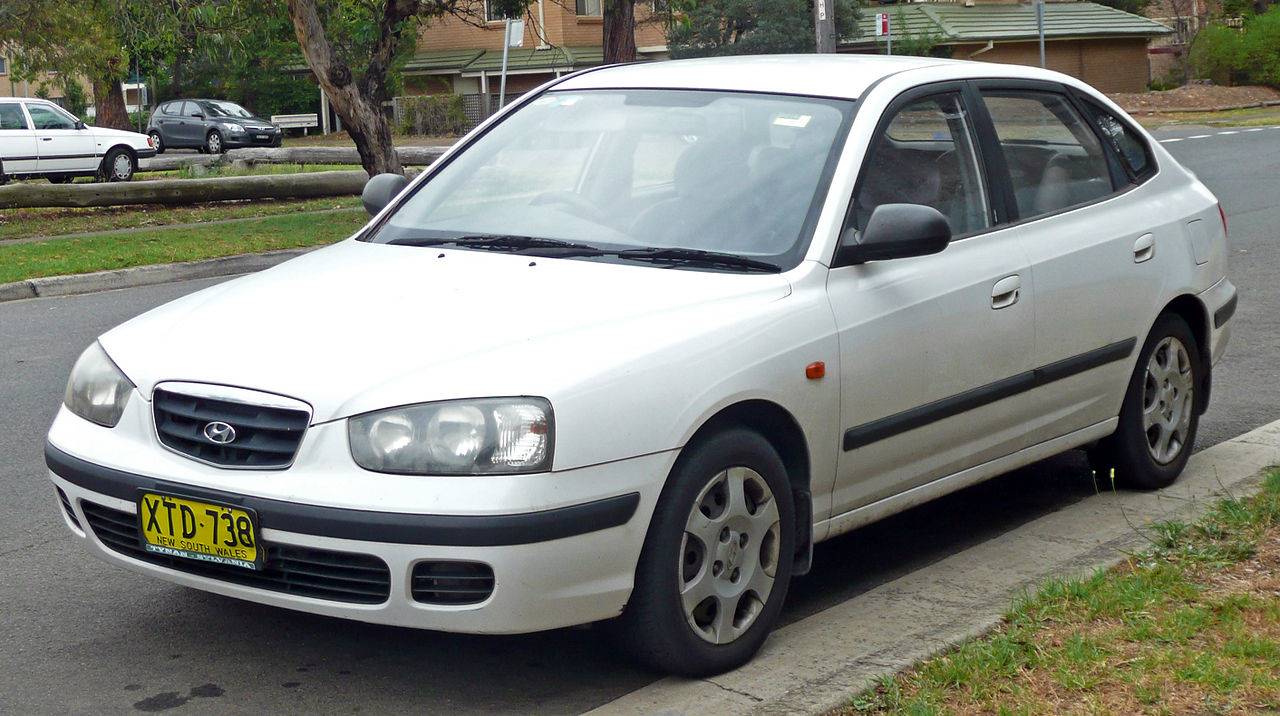
But because they weren’t seen as cars worth pampering, most were driven into the ground. While millions were sold, few survived in good condition. Today, spotting a clean one is rare, and it highlights just how far Hyundai has come since.
8. Pontiac Vibe
Produced between 2002 and 2010, the Pontiac Vibe was essentially a Toyota Matrix in disguise. Versatile, reliable, and practical, the Vibe served countless families and commuters. But after Pontiac’s demise in 2010, the model quickly disappeared.
Many examples accumulated high mileage and were scrapped. Now, enthusiasts and practical buyers alike are beginning to recognize the Vibe as one of GM’s most underrated cars.
The Pontiac Vibe was a compact 4-door hatchback with a sporty styling. It offered lots of versatility due to the powerful engines available, along with impressive cargo space and great fuel consumption.
Larger than the model introduced in 2003, the crossover-like hatchback was taller than many other cars and still drove like a sedan, with a good precise steering and a good suspension.
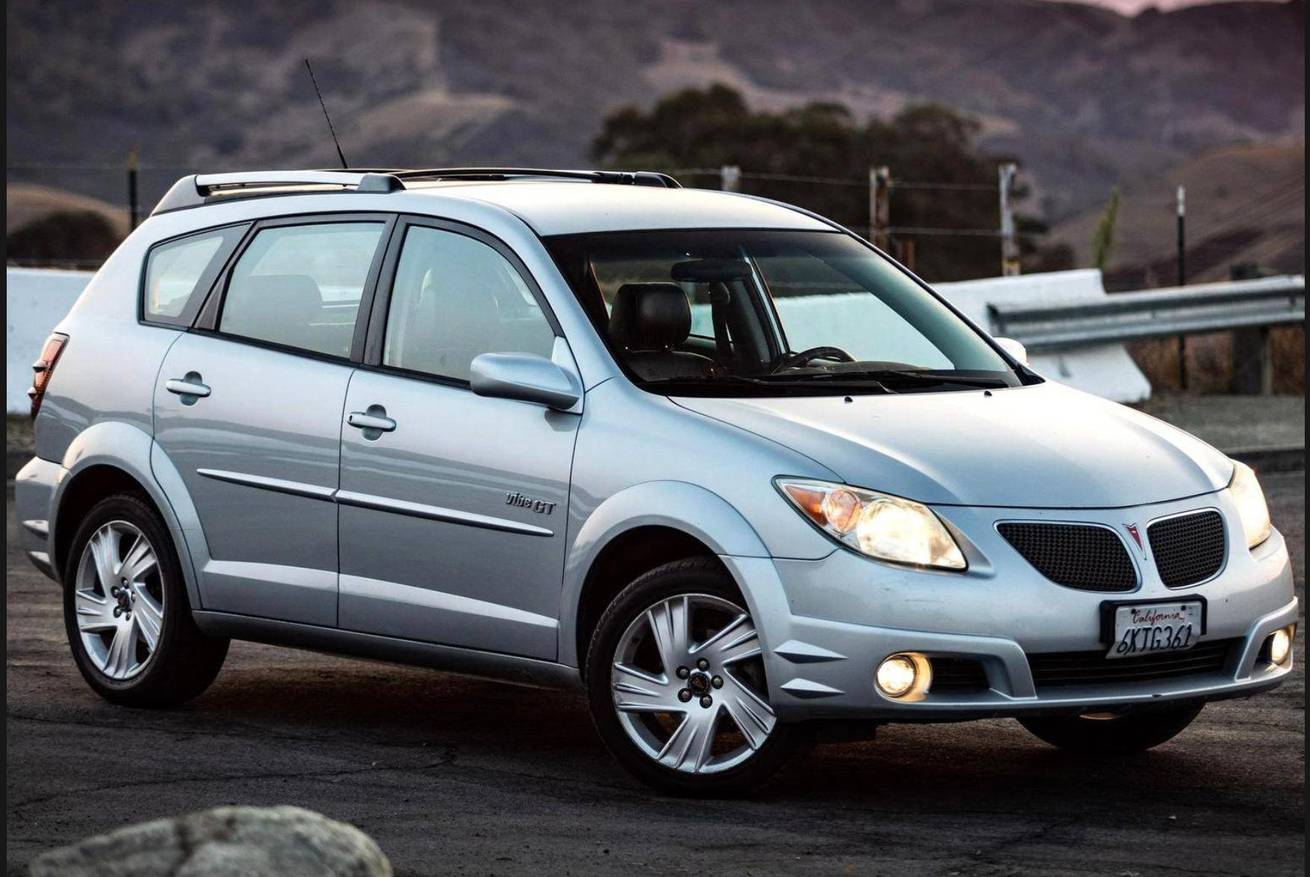
The profile of the Vibe got us thinking about a coupe shape, due to the rising belt line and the sloping roof line, but it was still a 4-door wagon.
The Vibe was also available in a GT trim level and had a more aggressive look with the roof spoiler, the large fog lamps, the lower intake ducts and the polished exhaust tips.
An all-wheel-drive system was also available and was mated to a 4-speed automatic gearbox only, unlike the front-wheel-drive that could be mated with a 5-speed manual gearbox as well.
Inside the cabin of the Vibe were high quality plastics, although the design was not out of the ordinary and was nothing luxurious.
The trunk space could be extended by folding all seats besides the driver’s. All seats were folding flat to ease carrying long items.
The standard features on the Vibe included ABS, traction control, 6 airbags and the On-Star system that included automatic crash notification and stolen vehicle location assistance.
The most basic model had a price of around $16.000 and could go up to $20.000 for the most equipped Vibe.
9. Nissan Altima (Early 2000s)
Once a stylish alternative to the Toyota Camry and Honda Accord, the early-2000s Altima was a suburban favorite. Unfortunately, it didn’t age as well as its rivals, with common issues like transmission failures and rust cutting short its lifespan.
While newer Altimas are still everywhere, clean early-2000s models are tough to find. Their scarcity is a reminder that even once-popular sedans can vanish from the landscape quickly.
When Nissan launched the Infiniti J30-inspired Altima in 1993, it quickly became a success. The phrase “affordable luxury” soon became closely associated with the Altima, and buyers who had once dismissed its predecessor, the poorly received Stanza, flocked to dealerships to bring one home.
Five years later, Nissan introduced a redesigned Altima intended to build upon the appeal of the original. Unfortunately, the second-generation model lacked both the distinctive styling and upscale feel of its predecessor, which ultimately led to sluggish sales.
For the 2000 model year, Nissan responded with significant refinements aimed at restoring the Altima’s charm. Exterior updates include a more aggressive front fascia, a revised grille, and integrated clear-lens headlights that combine turn signals and cornering lamps in a sleek, wraparound design.
The lowered front end gives the car a more dynamic stance, while at the rear, designers added bold red taillights, a new decklid finisher, and extended the body by two inches for a stronger overall presence.
Inside, the improvements continue with redesigned seats for enhanced comfort and a new instrument cluster featuring an LCD odometer and dual trip meters.
A revised center console enhances convenience in models equipped with an automatic transmission, while a vehicle immobilizer system, redesigned sun visors, and updated audio units round out the upgrades. Safety has also been boosted, with side airbags now standard on the GLE trim and available as an option on the GXE and SE models.
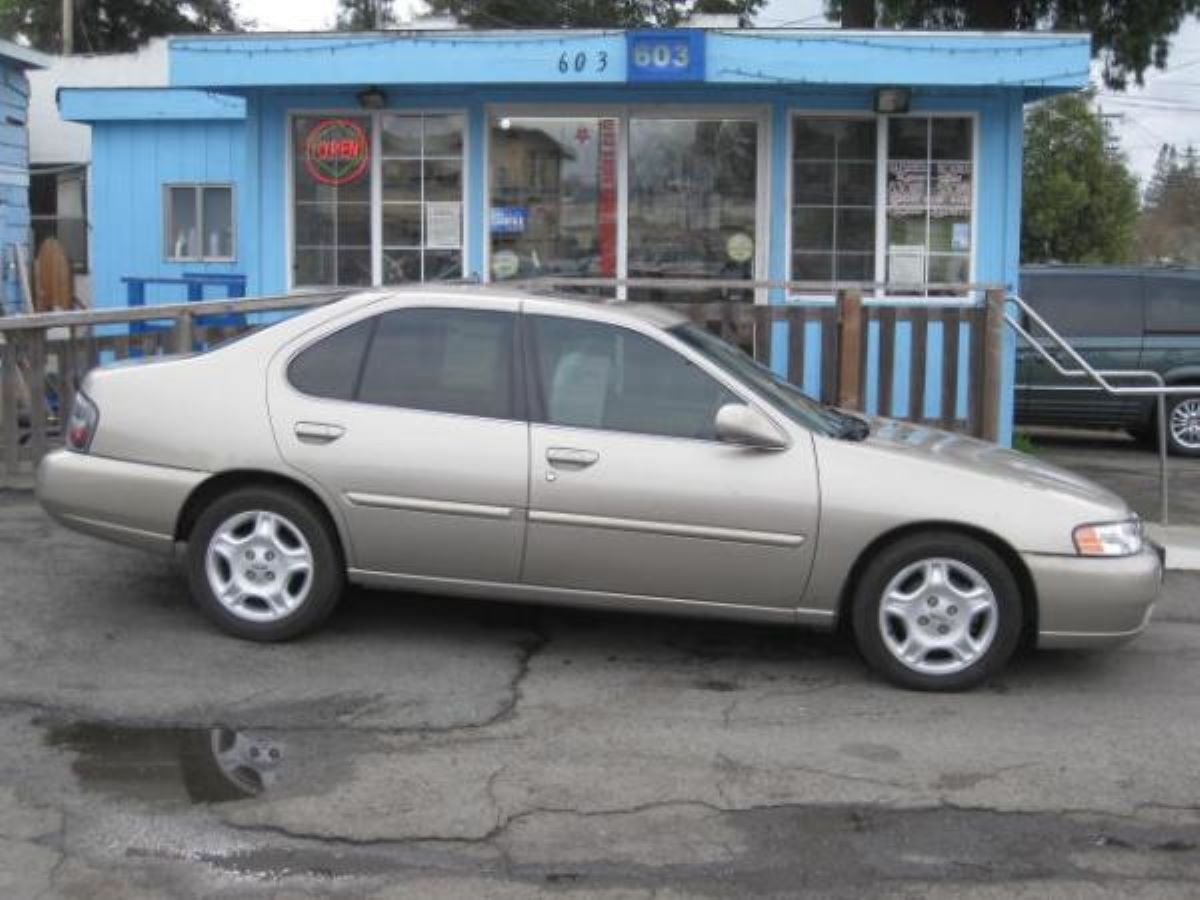
Under the hood, Nissan refined the Altima’s 2.4-liter inline four-cylinder engine to deliver quicker acceleration, increased horsepower, and more torque at lower revs. A five-speed manual transmission comes standard on all trims except the GLE, which is equipped with a four-speed automatic.
To further enhance the driving experience, engineers reduced noise, vibration, and harshness levels by incorporating redesigned side mirrors, expandable foam within the windshield pillars, roof rails, and door sills, a new driveshaft design, and thicker glass.
The suspension has also been strengthened, with greater stiffness in the four-wheel independent-strut setup improving overall responsiveness. Featuring coil springs and a rear Super Toe Control system, the Altima can also be equipped with a new acceleration-sensitive strut design (available with 16-inch wheels and tires) that automatically adjusts damping firmness to improve handling.
These collective refinements transform the Altima into a more engaging car to drive. With crisp steering, a lively engine, and a chassis tuned for fun, it delivers both performance and practicality. And for those who weren’t impressed by earlier versions, the refreshed styling of the 2000 Altima may be worth a second look before ruling it out of consideration.
10. Volkswagen Jetta (Late 1990s–2000s)
The Jetta was a hit with younger drivers who loved its European styling and driving dynamics. But Volkswagen’s reputation for electrical issues and expensive maintenance meant many didn’t last.
Others were modified heavily, often beyond recognition. Today, unmodified, clean examples of late-1990s and early-2000s Jettas are rare, and their values are beginning to rise as enthusiasts rediscover them.
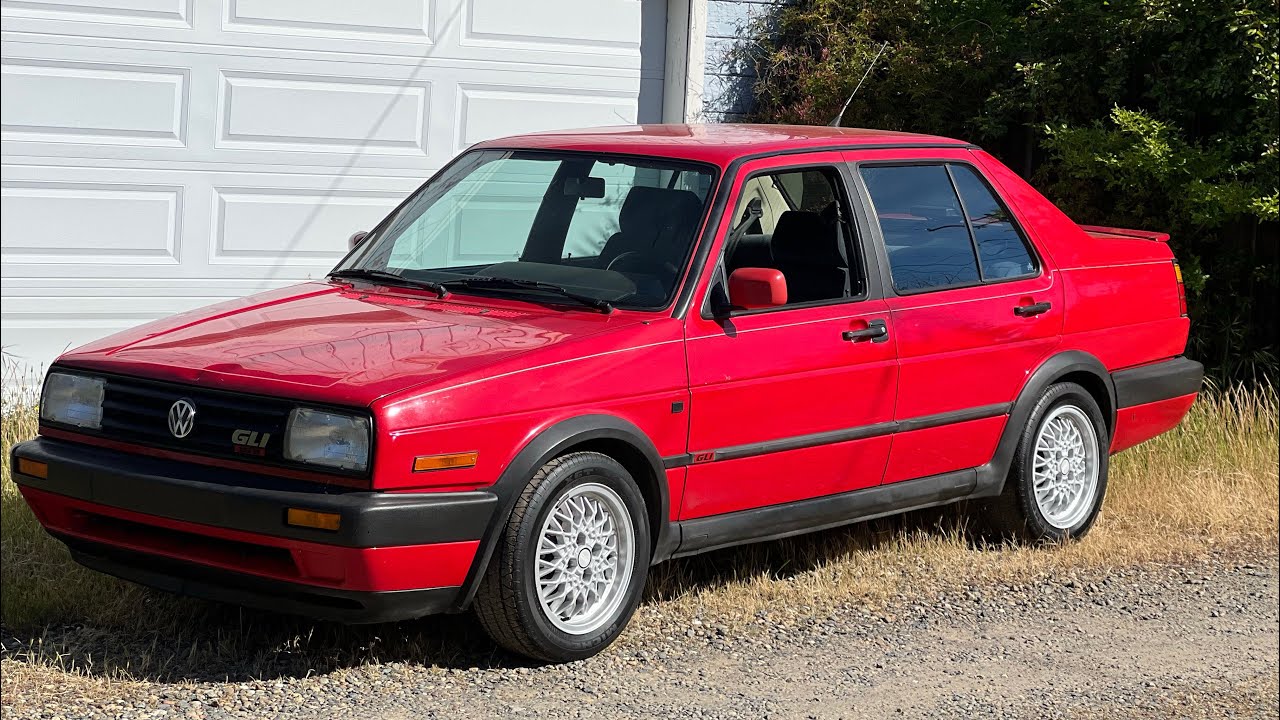
Like the GTI, the Volkswagen Jetta GLI has always carried a sporty, streamlined look, but it distinguishes itself with added cargo space and comfort-oriented features. With a brand-new GLI just around the corner, it’s worth looking back at how this performance sedan has evolved since its debut in 1984.
Volkswagen first introduced the Jetta GLI in response to the enthusiastic reception of the Rabbit GTI. The goal was to create a sporty yet family-friendly sedan, one with four doors, seating for five passengers, and the driving excitement of its hatchback sibling.
The very first GLI shared many of the GTI’s components, including a fuel-injected engine producing 90 horsepower, lightweight pistons, and a higher compression ratio.
It also came equipped with a five-speed manual transmission and a performance-tuned suspension. At the time, it could even hold its own against top German luxury cars in speed and handling tests, and today that first GLI has become something of a collector’s item.
As the 1980s and 1990s progressed, the GLI continued to evolve in both style and performance. The most significant leap came in 1990, when Volkswagen equipped the GLI with a 2.0-liter, 16-valve engine, boosting its output and refining its driving dynamics.
The new millennium brought even more changes. In 2002, Volkswagen launched the first GLI of the 2000s with a 2.8-liter narrow-angle engine and a sleek, modern exterior. A couple of years later, the sedan received an update with a lighter 1.8-liter engine. Then came the Mk5 Jetta GLI, which raised the bar with a turbocharged engine producing 200 horsepower.
Together, these 10 cars show that affordability and ubiquity don’t guarantee survival. Most were overlooked, heavily used, or treated as disposable transportation.
But now, nostalgia, enthusiast demand, and simple attrition have made them scarce. For used car shoppers and collectors, spotting one of these survivors on the road feels special a reminder that the cars we once took for granted can become the hardest to find.