Some engines achieve legendary status not through sheer horsepower, but through their ability to keep running even under neglect. These powerplants have proven their durability across decades, earning the trust of drivers, mechanics, and enthusiasts alike.
Our list, “10 Engines That Keep Running Despite Poor Maintenance,” showcases engines that combine engineering strength, reliability, and resilience in ways that few others can match.
The BMW M50, with its smooth inline-six design, remains a benchmark for dependable performance, while Toyota’s 1JZ and 2JZ engines are famous for their bulletproof construction and immense tuning potential.
Classic workhorses such as the Ford 300 Straight-6 and Chrysler Slant-Six thrived in trucks, taxis, and industrial vehicles, often surpassing hundreds of thousands of miles with minimal attention.
Diesel enthusiasts revere the Mercedes-Benz OM617 for exceeding half a million miles, and modern engines like Honda’s K-Series demonstrate that high-revving, performance-focused designs can still offer remarkable longevity.
Even powerful V8s, from Toyota’s UZ family to GM’s LS series, show that strength, simplicity, and thoughtful engineering often matter more than constant maintenance.
This countdown celebrates engines that inspire confidence, endure extreme conditions, and define what true reliability means. These are the engines that refuse to quit and continue performing long after most others would fail.
1. BMW M50
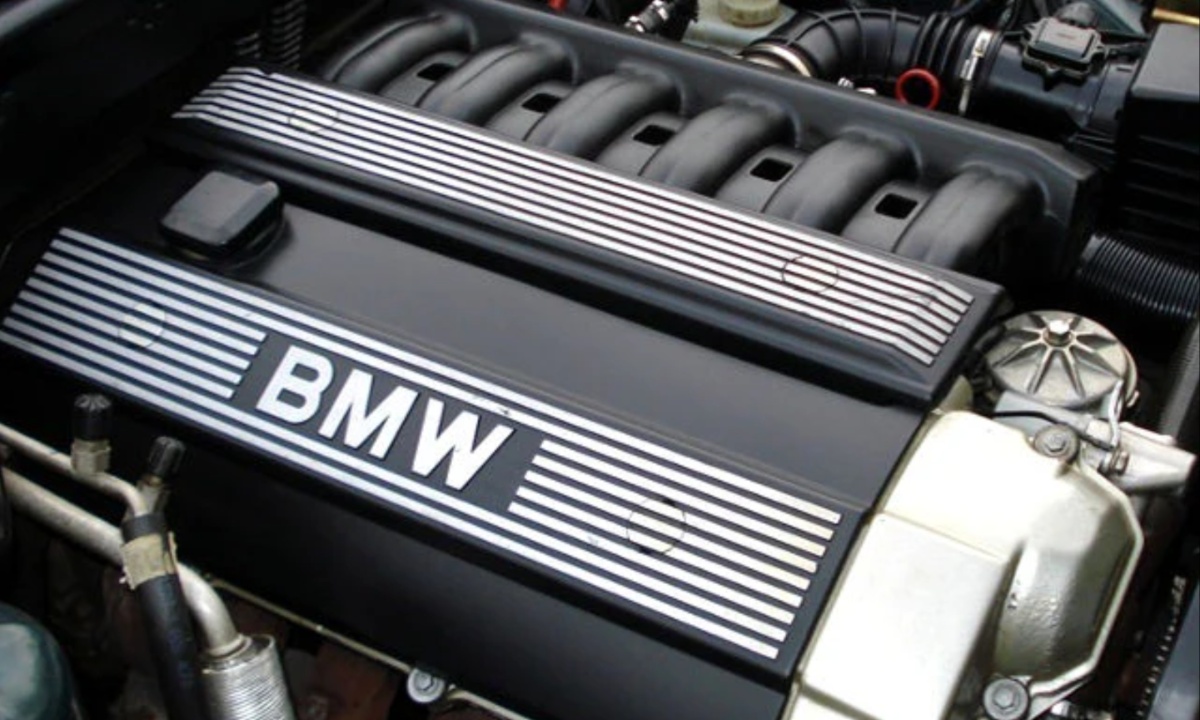
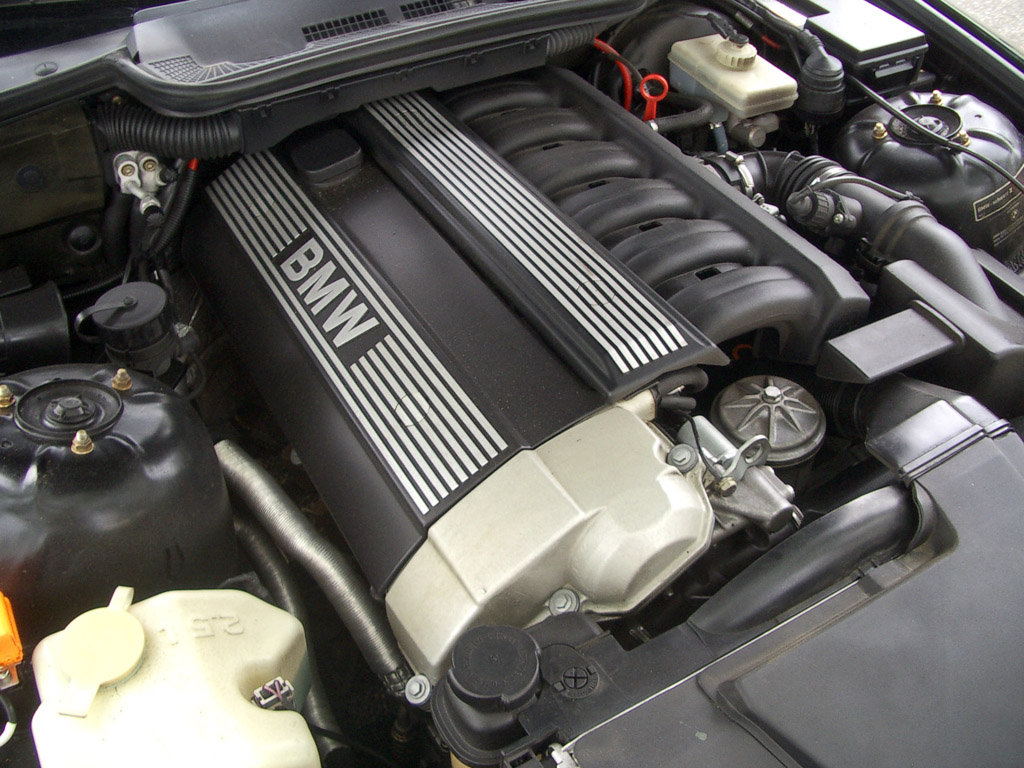
Produced from 1990 to 1996, the BMW M50 is celebrated for its combination of performance, reliability, and engineering innovation. Found in the E34 5 Series and E36 3 Series, this inline-six engine ranged from 2.0 to 2.5 liters, producing 148–189 horsepower. Its smooth and responsive power delivery made it both a dependable daily driver and a capable performance platform.
The M50 introduced VANOS, BMW’s variable valve timing system applied to the intake camshaft in 1992. This system improved low-end torque and efficiency, enhancing drivability across different conditions. The engine also served as the foundation for the high-performance S50 variant in the E36 M3, which produced up to 316 horsepower, demonstrating its versatility.
Built with a cast-iron block, the M50 offered exceptional strength and could handle significant modifications. Enthusiasts have extracted over 400 horsepower through turbocharging without compromising reliability. Even in stock form, the engine is known for smooth operation and longevity, with proper maintenance allowing many examples to exceed 200,000 miles.
Common maintenance considerations include cooling system wear, valve cover oil leaks, and early VANOS unit deterioration. Attention to radiators, water pumps, and oil seals ensures continued performance and durability.
The M50 set a standard for BMW inline-six engines in the 1990s, combining innovation, reliability, and refinement. Its balance of everyday usability, tuning potential, and engineering quality has earned it a lasting place in the hearts of enthusiasts and a defining role in BMW’s line of straight-six engines.
2. Toyota 1JZ/2JZ
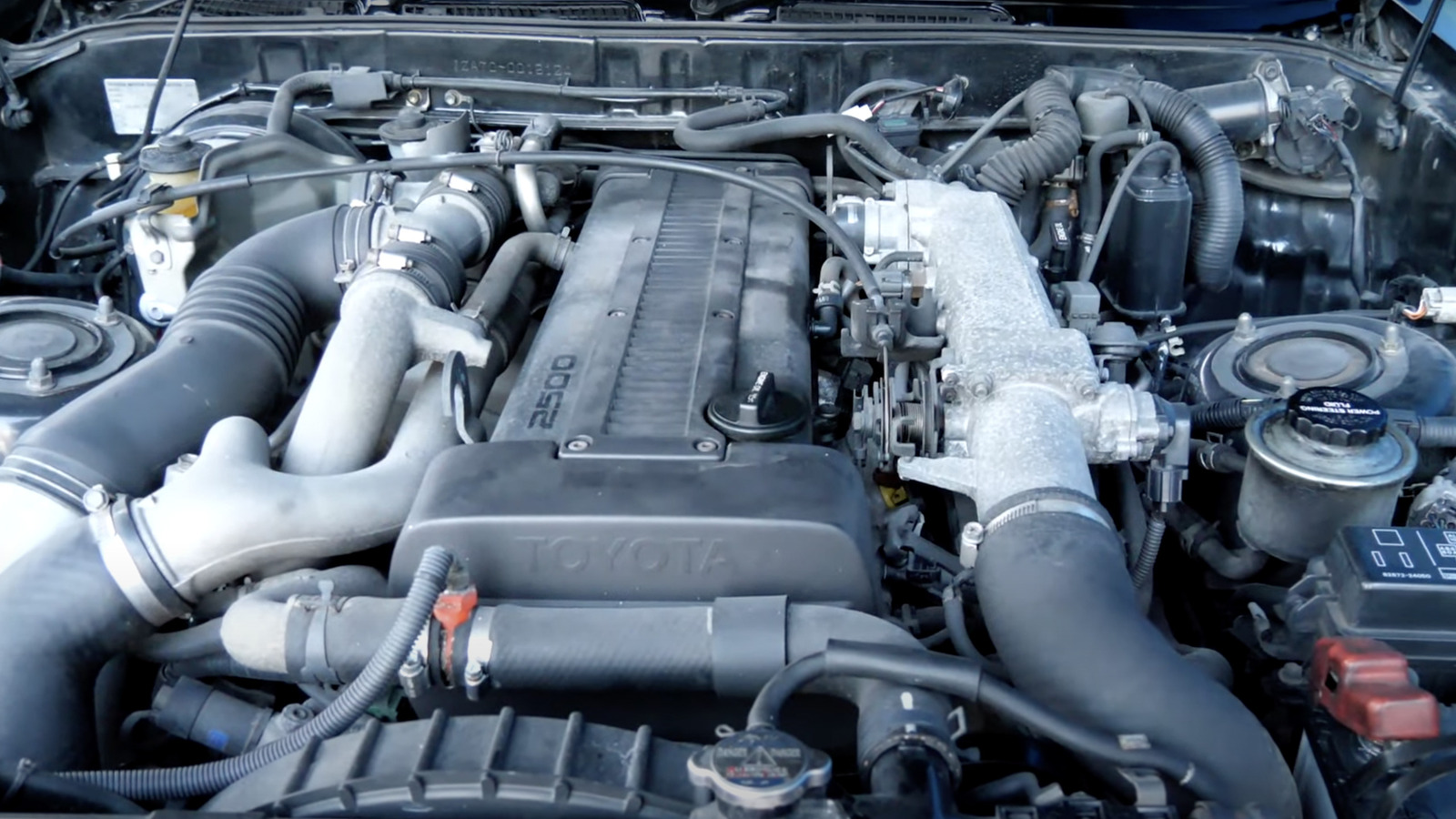
The Toyota 1JZ and 2JZ engines, produced from 1990 to 2007, are celebrated for their combination of reliability, strength, and tuning potential. Both feature cast-iron blocks with aluminum heads and an inline-six layout, giving them inherent balance, smooth operation, and durability.
Stock power outputs ranged from 168 horsepower in naturally aspirated forms to 276 horsepower in turbocharged versions, but both engines can handle far higher levels of power without internal upgrades.
The 1JZ, with its 2.5-liter displacement, excels at high-revving performance, making it ideal for drift builds and applications where responsiveness and engine character are prized.
The 2JZ, at 3.0 liters, provides greater torque and faster turbo spool, giving it the edge in street and drag racing applications that require high-horsepower potential. Both engines are renowned for their ability to survive hundreds of thousands of miles with minimal maintenance, earning the nickname “bulletproof.”
A key factor in the JZ family’s enduring popularity is the extensive aftermarket support. Turbo kits, upgraded fuel systems, and standalone engine management systems allow enthusiasts to push these engines to 650–700 horsepower in the 1JZ and up to 800 horsepower in the 2JZ, with extreme builds approaching 1,000 horsepower. This versatility makes them favorites in performance tuning worldwide.
Beyond raw power, the engines are praised for smooth delivery, mechanical reliability, and the ability to endure neglect while maintaining performance.
The choice between the 1JZ and 2JZ depends on priorities: the 1JZ offers high-revving character and affordability, while the 2JZ delivers torque-rich performance and ultimate power potential. Together, they stand as iconic examples of Toyota engineering, balancing reliability, refinement, and extraordinary tunability.
3. Ford 300 Straight-6
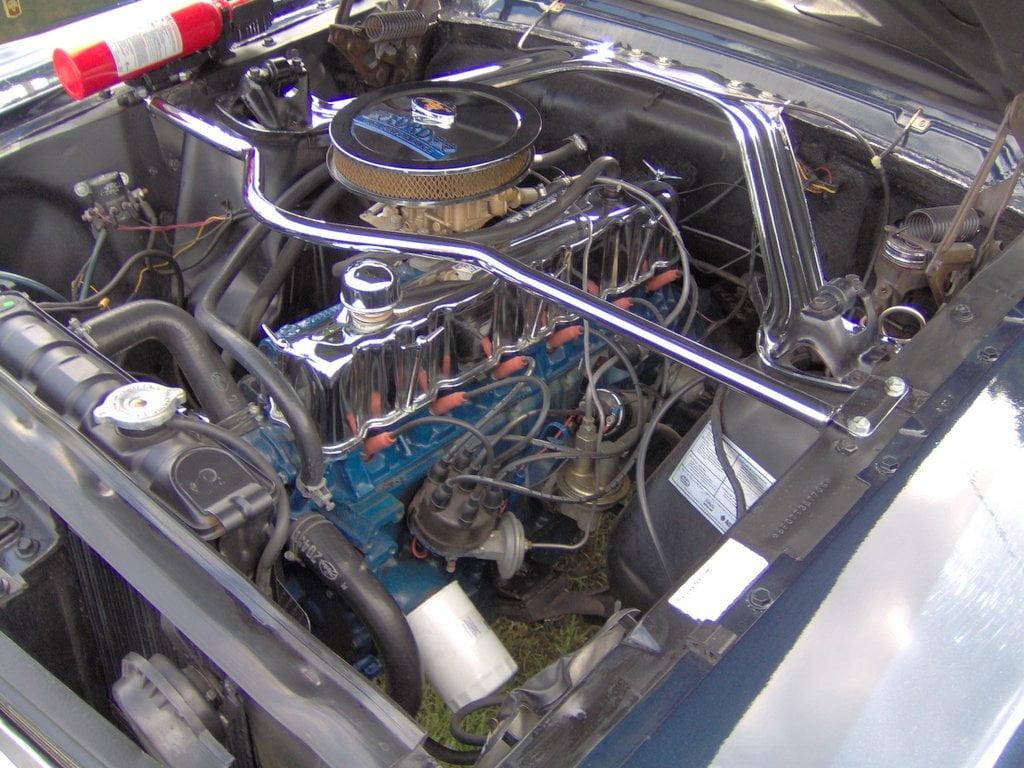
The Ford 300 Straight-6, produced from 1964 to 1996, is remembered as one of the toughest and most dependable engines in automotive history. First appearing in the 1965 F-Series pickup, this 4.9-liter inline-six was a long-stroke version of Ford’s 240 six-cylinder.
Although its power ratings varied initially at 170 hp, later officially listed as 114 hp in 1978 due to measurement changes, and eventually climbing to 150 hp with fuel injection in 1987, the engine was never about high horsepower. Its real strength was in low-end torque and rugged durability, qualities that made it indispensable for both work and industry.
Built with a cast-iron block and head, and forged internals in heavy-duty models, the Ford 300 powered much more than pickups. It found use in tractors, dump trucks up to 20,000 lbs, water pumps, wood chippers, ski lifts, and even UPS delivery vehicles. Its versatility also extended into motorsport, where it helped win the grueling Baja 1000 multiple times.
What truly distinguished the Ford 300 was its ability to survive abuse. Known for running despite neglect, low oil, or poor maintenance, it earned a reputation as “unkillable.”
Its gear-driven camshaft, hydraulic lifters, and straightforward construction not only enhanced longevity but also made it easy to repair and inexpensive to service. Many engines surpassed hundreds of thousands of miles with minimal work, a testament to their engineering.
The Ford 300 was not without drawbacks. Its heavy cast-iron build added weight, and its modest horsepower meant it could never match modern performance engines. Still, its torque-heavy powerband made it ideal for towing, hauling, and commercial work.
Even after production ended in 1996, the Ford 300 remains beloved among enthusiasts. Its simplicity, durability, and utility cement its status as one of the toughest engines ever built.
4. Mercedes-Benz OM617
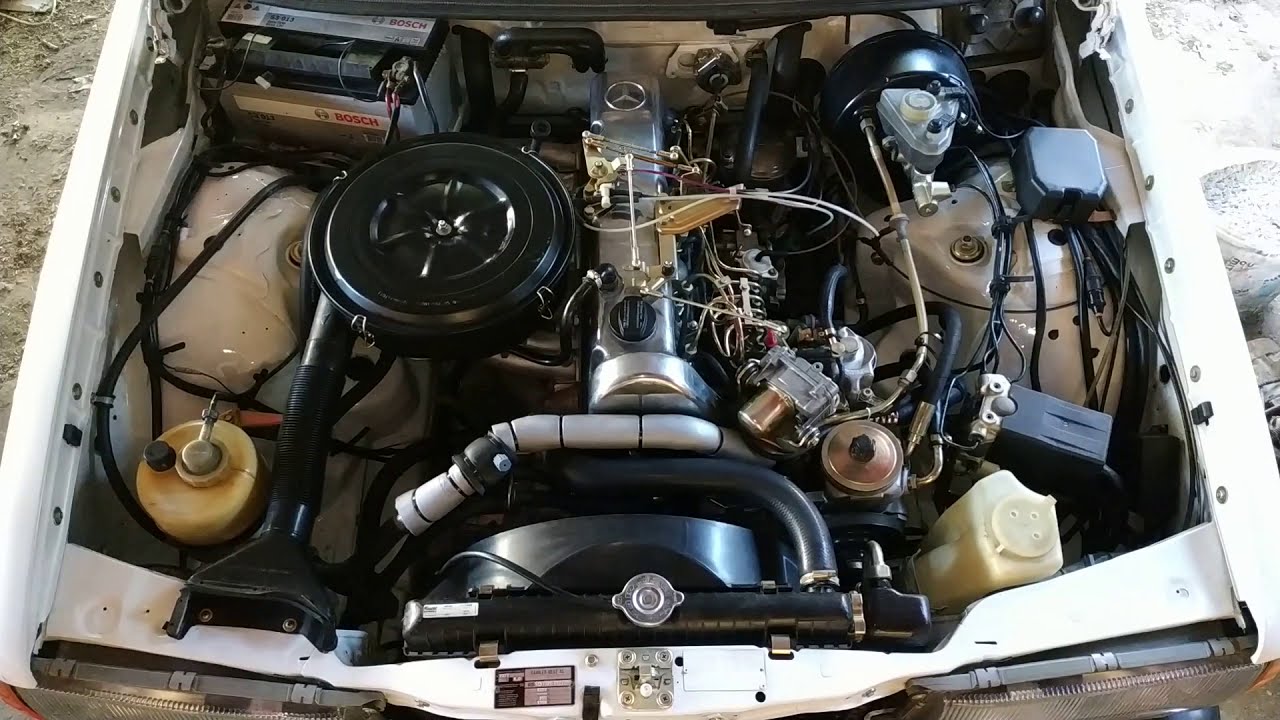
Produced from 1974 to 1991, the Mercedes-Benz OM617 is celebrated as one of the most reliable diesel engines ever built. This five-cylinder, 3.0-liter engine combined a cast-iron block and head, a chain-driven single overhead camshaft, and minimal electrical components, creating a nearly indestructible powerplant.
With routine maintenance oil and filter changes, valve adjustments, and clean diesel many examples exceeded 1,000,000 kilometers (620,000 miles), a testament to its legendary durability.
The OM617 powered both naturally aspirated and turbocharged vehicles. The turbocharged version was famously used in the experimental C111-IID, setting 25 world speed records, and later became the heart of the world’s first turbodiesel production sedan, the W116 300SD, sold in North America.
Beyond high-profile models, it served reliably in taxis, long-distance vehicles, and export-market sedans, reinforcing Mercedes’ reputation for endurance.
While incredibly durable, the engine had limitations. Its modest power and fuel efficiency lagged behind modern diesels, cold-weather starts could be challenging, and some replacement parts have become harder to source over time. Nevertheless, its Bosch mechanical fuel injection pump was rebuildable and forgiving, adding to its longevity.
The OM617’s lasting appeal lies in its simplicity, mechanical honesty, and resilience under harsh conditions. From German taxis to U.S. sedans, it became a cornerstone of Mercedes-Benz’s reputation for building engines that outlast their vehicles.
Even decades after production ended, enthusiasts continue to value the OM617 for its reliability, practicality, and proven endurance, solidifying its place as a true diesel legend.
5. Toyota 1/2/3UZ-FE
Produced from 1989 to 2013, the Toyota UZ engine family comprising the 1UZ-FE, 2UZ-FE, and 3UZ-FE showcased Toyota’s ability to build V8s that were both durable and refined. Known for an “over-engineered” philosophy, these 90-degree V8s powered luxury sedans, pickup trucks, SUVs, marine applications, and even aviation prototypes, earning a global reputation for reliability and strength.
The 1UZ-FE debuted in 1989 in the Lexus LS 400 as a 4.0-liter aluminum V8 with quad camshafts and 32 valves. Praised for smoothness, quiet operation, and durability, it featured six-bolt main bearings, a forged crankshaft, and robust internals, setting a high standard for Lexus as a dependable luxury brand.
In 1998, the 2UZ-FE followed as a 4.7-liter cast-iron block V8, built for trucks and SUVs such as the Toyota Land Cruiser, Sequoia, and Tundra, along with Lexus LX and GX models. With outputs ranging from 228–271 hp, it emphasized low-end torque and toughness, becoming a favorite for off-road and heavy-duty applications.
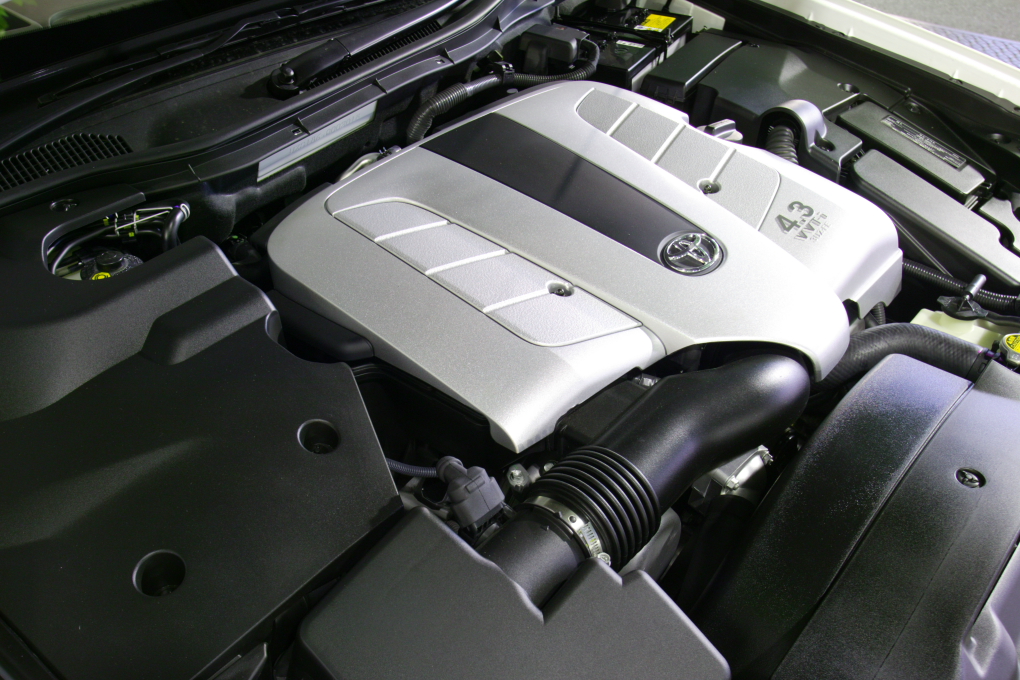
The 3UZ-FE, introduced in 2000, evolved to 4.3 liters and included VVT-i technology, powering the Lexus LS 430, GS 430, and SC 430 with up to 300 hp while improving efficiency and emissions. Motorsport variants reached 4.5–5.0 liters, producing up to 500 hp in Japanese Super GT and Grand Am racing, highlighting the family’s performance potential.
The UZ engines are celebrated for their smooth power delivery, high-mileage reliability, and ability to endure neglect. Weak points include occasional exhaust manifold cracks and, in the 3UZ, minor oil or coolant leaks, but proper maintenance ensures longevity. Beyond road cars, the UZ family proved versatile in marine and aviation applications and remains a favorite for performance builds.
The Toyota 1/2/3UZ-FE family stands as a benchmark for overbuilt engineering, balancing power, refinement, and durability across decades.
Also Read: 15 Engines That Mechanics Recommend for Longevity
6. Toyota 2GR
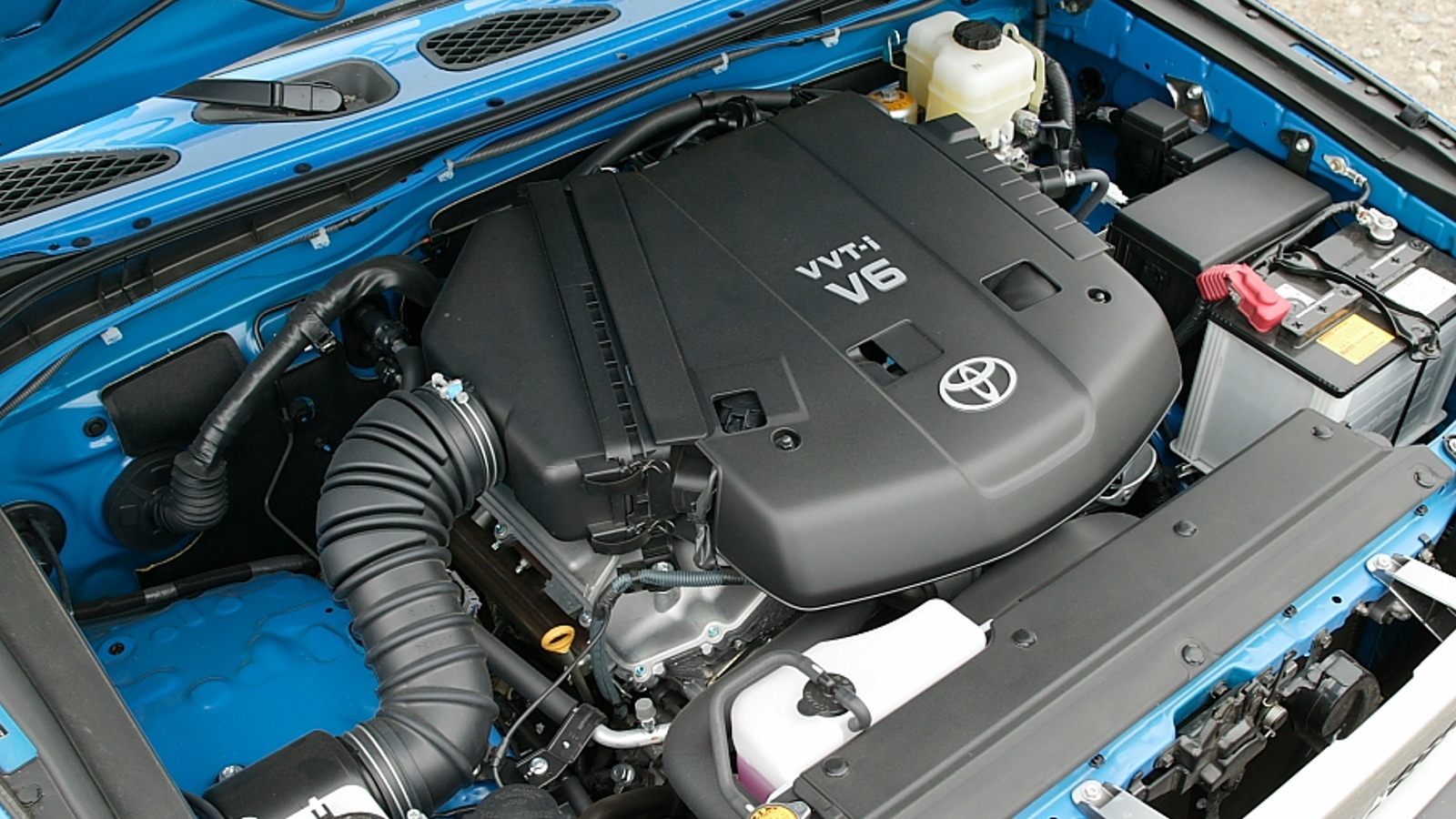
The Toyota 2GR, introduced in 2005, is a 3.5-liter, 60-degree V6 engine celebrated for its versatility, smooth performance, and durability. Part of the GR engine family, it has powered a wide array of vehicles, from sedans like the Camry and Avalon to SUVs such as the Highlander, RX, and Tacoma, as well as performance models including the Lotus Evora and racing-spec Corolla. This broad application highlights the engine’s adaptability across multiple platforms.
With outputs ranging from 237 to 316 horsepower, the 2GR delivers refined power suitable for both everyday driving and spirited performance. Its die-cast aluminum block and aluminum cylinder heads provide a modern, lightweight construction without sacrificing durability.
Variants such as the 2GR-FSE have received accolades on Ward’s 10 Best Engines list, underscoring the engine’s balance of efficiency, performance, and reliability.
The 2GR is known for longevity, with many examples surpassing 200,000 miles under routine maintenance. It offers smooth operation and strong fuel efficiency, making it ideal for family cars, luxury sedans, and SUVs. In Lexus applications, the engine is praised for quiet refinement, while in the Lotus Evora, it delivers engaging sports car performance.
Some challenges include early plastic cooling components prone to failure, water pump wear, and the complexity of repairs in compact engine bays. Later versions, such as the 2GR-FKS, improved efficiency but are considered slightly less robust than the original 2GR-FE.
Despite these minor issues, the Toyota 2GR remains a benchmark V6, combining smooth power delivery, reliability, and adaptability. Its ability to perform in a wide range of applications, from luxury vehicles to performance cars, demonstrates why it is regarded as one of Toyota’s most capable and enduring engines.
7. Volkswagen ABF
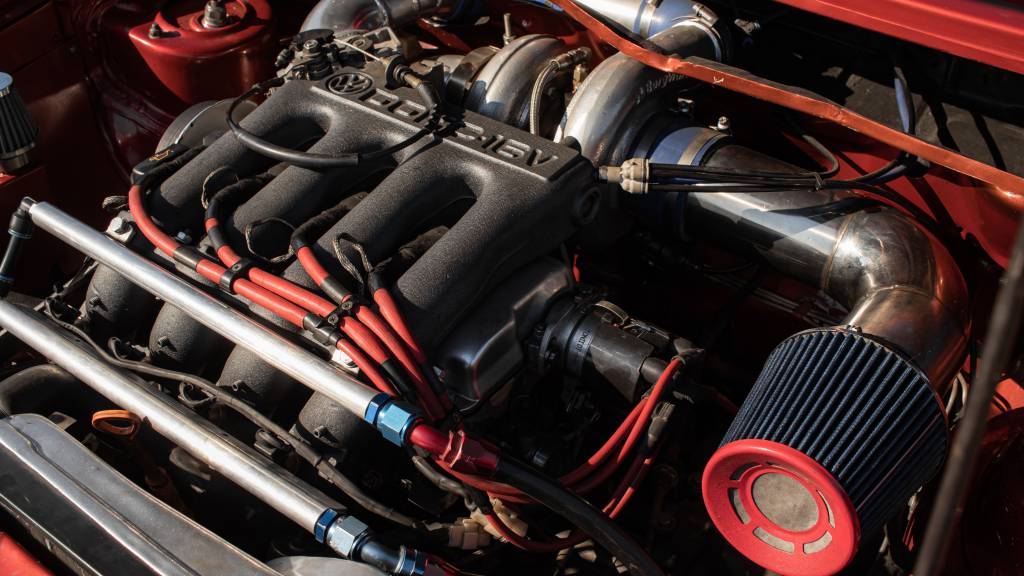
The Volkswagen ABF, produced from 1992 to 1999, is one of VW’s most celebrated performance four-cylinder engines. Its 2.0-liter 16-valve inline-four layout combines a cast-iron block and aluminum head with hydraulic lifters and fuel injection, creating a durable, responsive engine capable of exceeding 250,000 miles with routine maintenance.
Known for its rev-happy nature, the ABF delivers lively performance while maintaining usable low-end torque for everyday driving. Factory specifications list 148 horsepower at 6,000 rpm and 133 lb-ft of torque at 4,800 rpm, but the engine’s robust design allows it to handle spirited driving and performance upgrades with ease. Its smooth delivery and mechanical reliability have made it a favorite among VW enthusiasts.
The ABF’s versatility has contributed to its enduring popularity. It is widely used for engine swaps into older VW models, particularly the Mk2 Golf, because of its higher power output, compact design, and minimal compatibility issues. Enthusiasts also value its distinctive exhaust note and strong aftermarket support, which enable modifications ranging from performance tuning to restoration projects.
Despite its strengths, some age-related issues exist. Owners may encounter idle stabilization valve or throttle body microswitch failures, crank sensor corrosion, oil or coolant leaks from gaskets or the water pump, and coil pack wear. These issues are generally straightforward to repair, allowing the engine to remain reliable for decades.
The Volkswagen ABF stands out for combining spirited performance, mechanical durability, and tuning potential in a compact package. Its ability to deliver excitement, handle heavy use, and support upgrades has secured its reputation as one of VW’s most beloved and swap-friendly engines, maintaining a loyal following among classic and performance-focused enthusiasts.
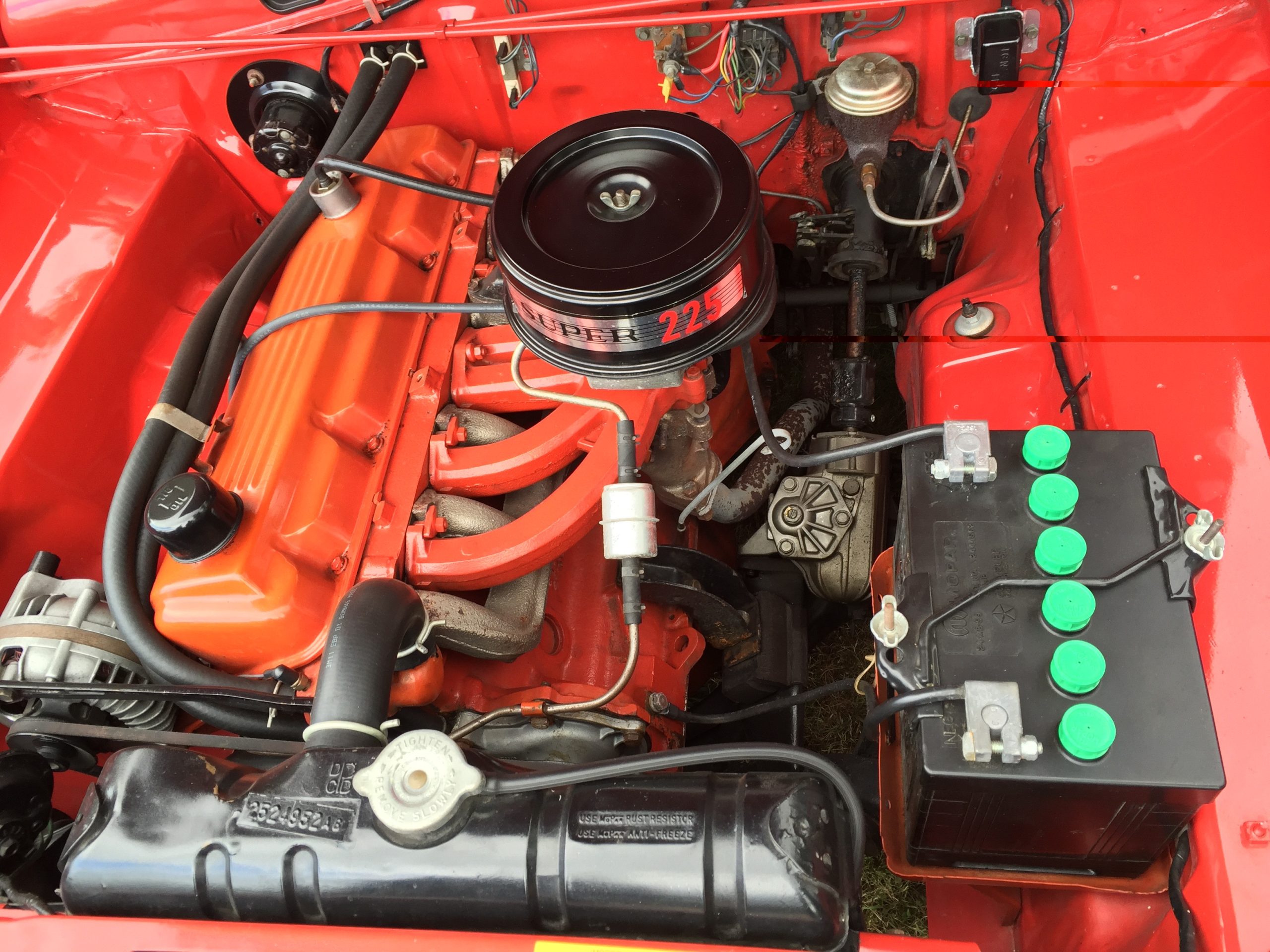
8. Chrysler Slant-Six
The Chrysler Slant-Six, also known as the G-engine, is one of the most respected engines in automotive history. Produced from 1959 to 2000, it powered more than 31 Chrysler, Dodge, and Plymouth models, becoming a staple in both passenger and commercial vehicles. Its reputation was built not on speed, but on durability, practicality, and adaptability.
The engine’s most distinctive feature was its 30-degree tilt to the right, which allowed for a lower hood line and better packaging within vehicles. Chrysler produced three main displacements: 170, 198, and 225 cubic inches (2.8L, 3.2L, and 3.7L) in both cast iron and aluminum versions. Regardless of material or size, the Slant-Six was engineered for strength and cooling efficiency, qualities that ensured its long life.
Durability was its defining trait. A deep-skirt block, forged steel crankshaft, and oversized internals made the Slant-Six nearly indestructible. Many engines logged hundreds of thousands of miles with minimal upkeep, which is why they were widely used in taxis, delivery fleets, and even industrial and military applications.
Its mechanical simplicity reduced failure points and made repairs straightforward, further enhancing its appeal to both mechanics and everyday drivers.
Performance was modest but practical. The engine produced ample low-end torque, making it ideal for heavy loads, city driving, and stop-and-go traffic. Though never a high-horsepower contender, its usability far outweighed any lack of speed.
Additionally, the Slant-Six’s simple design made it highly adaptable. Enthusiasts modified it with headers, turbocharging, or industrial upgrades, while commercial versions powered pumps and machinery.
Even after production ended, the Slant-Six earned a cult following among Mopar fans. Its lasting legacy is proof that true performance isn’t just about horsepower it’s about reliability, endurance, and an engine’s ability to keep running under the harshest conditions.
9. GM LS V8
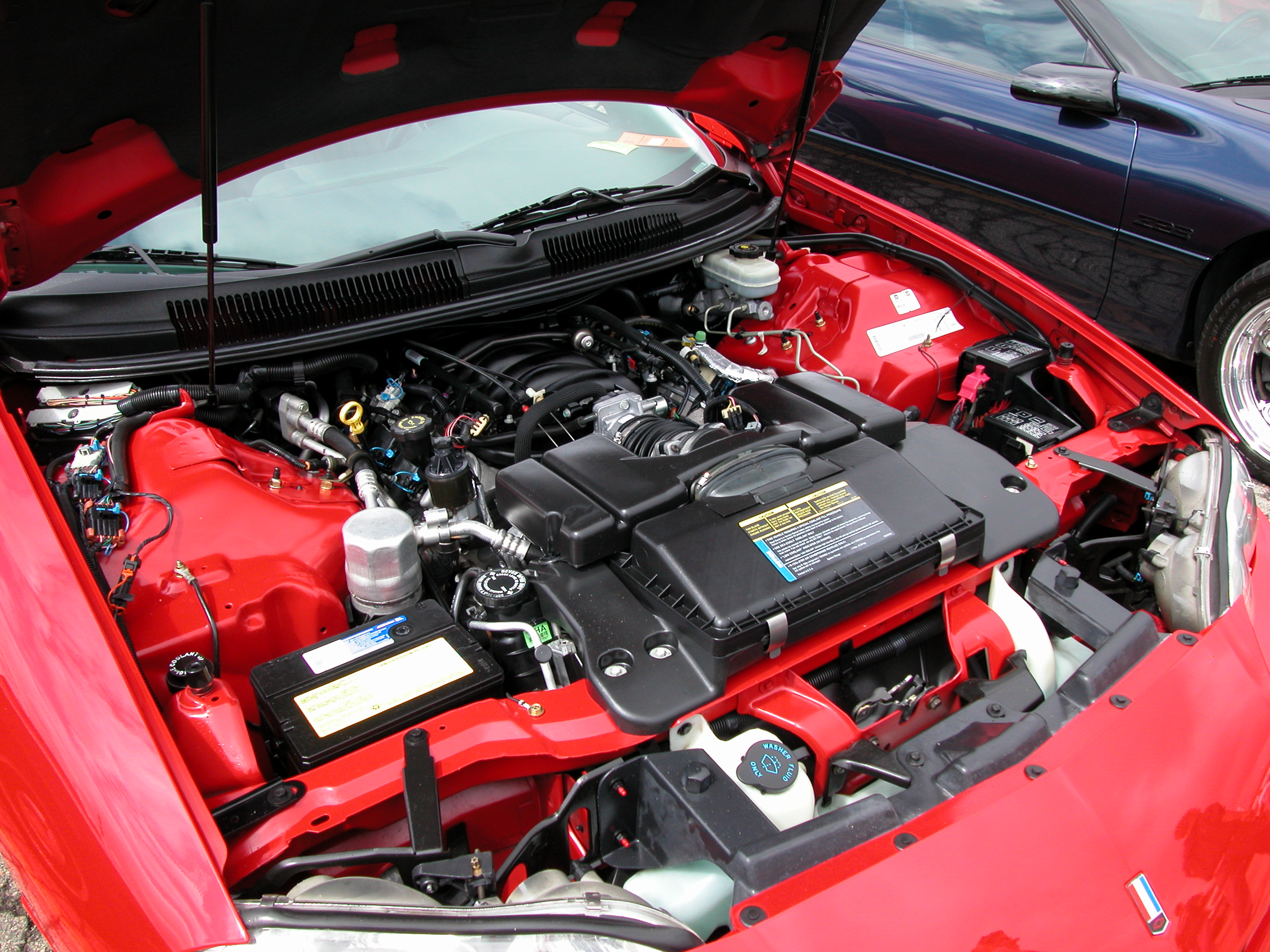
The GM LS V8, introduced in 1997, is celebrated for its combination of strength, versatility, and tuning potential. Found in vehicles ranging from Chevrolet Silverados to Camaros and Corvettes, the LS has earned a reputation for reliability and adaptability across both daily-driven and high-performance applications.
Displacements range from 4.8 to 7.4 liters, offering factory outputs from 255 horsepower in base trucks to over 1,200 horsepower in extreme turbocharged builds. Variants such as the 5.3-, 5.7-, 6.0-, 6.2-, 6.6-, and 7.0-liter engines provide options for a wide variety of applications, making the LS suitable for work trucks, muscle cars, race builds, or engine swaps into unconventional platforms.
Durability is a key strength of the LS. Many engines exceed hundreds of thousands of miles with minimal maintenance, and its robust construction can handle extensive modifications.
Lightweight aluminum blocks in many variants or compact cast-iron options provide a strong, efficient foundation. Combined with excellent low-end torque, affordability, and extensive aftermarket support, the LS has become a staple for builders and enthusiasts alike.
Some limitations exist, such as lifter and valvetrain issues in models with cylinder deactivation, sensitivity to oil level checks due to the shallow oil pan, and the need for premium fuel in high-performance variants. These minor concerns are easily managed and do not diminish the engine’s legendary status.
The GM LS V8 stands as a benchmark of modern V8 engineering. Its balance of durability, performance, and tunability has made it a global icon, maintaining relevance across decades in OEM vehicles, race cars, and countless custom builds, proving why it is considered one of the greatest small-block engines ever made.
10. Honda K-Series
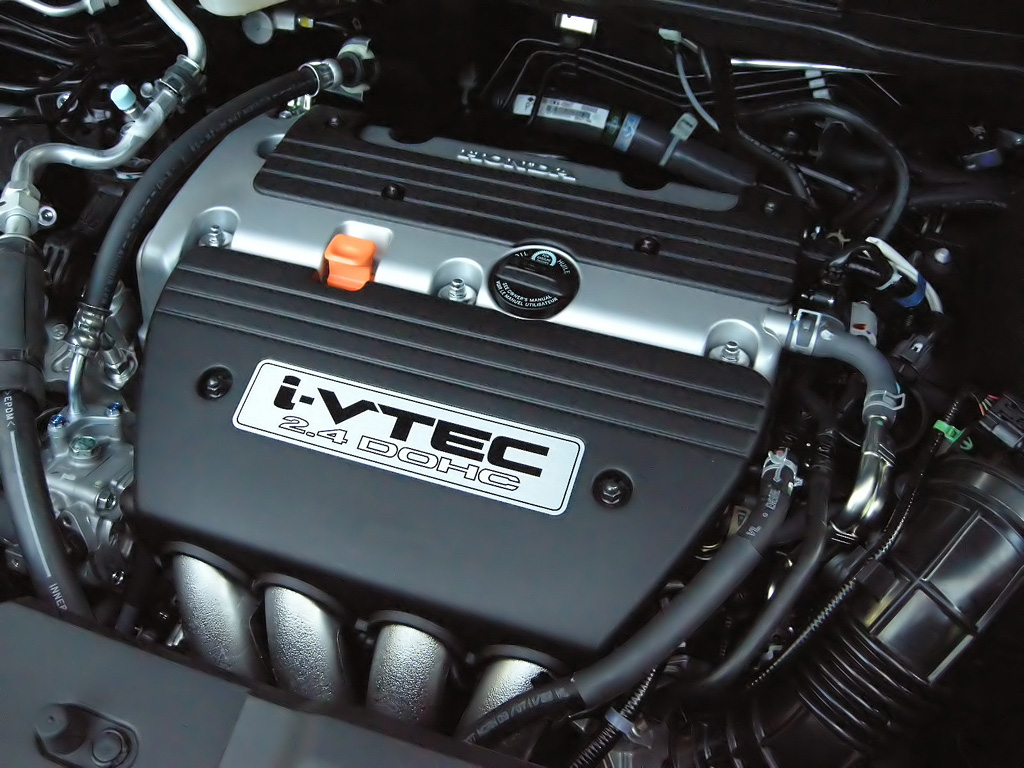
The Honda K-Series, introduced in 2001, is a modern benchmark for high-revving, reliable four-cylinder engines. Replacing the older B- and H-Series, it offers improved torque, efficiency, and a high-performance ceiling. It has powered a wide range of vehicles, including the Civic Type R, Integra, Accord, CR-V, and Acura RDX, establishing a reputation for versatility, durability, and excitement.
Displacements range from 2.0 to 2.4 liters, with output varying between 150 and 320 horsepower depending on configuration. Enthusiasts particularly favor the K20 and K24 variants, which pair Honda’s signature VTEC system with strong low-end torque and a willingness to rev past 8,000 rpm in performance builds.
Naturally aspirated versions are known for their responsiveness and high-revving character, while turbocharged K-Series engines offer immense potential for big-power setups.
Durability is a hallmark of the K-Series. Forged internals, cast-iron cylinder sleeves, and a robust ladder-frame main bearing design allow many engines to surpass 200,000 miles with routine maintenance. Tuned builds regularly demonstrate the engine’s resilience in demanding motorsport environments.
Adaptability is another strength. The K-Series is a favorite for engine swaps, especially into older Honda chassis such as the Civic and Integra. Extensive aftermarket support, including swap kits and tuning solutions, enables enthusiasts to extract substantial power while maintaining Honda’s trademark reliability.
Some considerations include slightly reduced aftermarket options for later direct-injection variants and potential oil leaks around the timing cover in high-mileage engines. These minor issues do not diminish the K-Series’ reputation.
The Honda K-Series has earned legendary status as a bulletproof, high-revving platform with nearly limitless tuning potential. Its combination of reliability, performance, and adaptability has made it a cornerstone of modern Honda engineering and a favorite among enthusiasts worldwide.
The engines featured on this list represent the pinnacle of mechanical reliability. From the cast-iron durability of the Ford 300 Straight-6 to the precision engineering of the Honda K-Series, each has proven capable of running for hundreds of thousands of miles, even with minimal maintenance.
These engines are celebrated not only for their performance but also for their resilience and adaptability in a wide range of vehicles and conditions.
Durability often comes from smart design, robust materials, and simplicity rather than meticulous upkeep. The Toyota 1JZ delivers high-revving power while remaining reliable, the Mercedes OM617 diesel thrives in harsh environments, and the GM LS V8 combines strength with versatility.
Even the Chrysler Slant-Six and Toyota UZ family show that longevity and smooth performance can go hand in hand, making them favorites for enthusiasts and daily drivers alike.
These engines remind us that true engineering excellence is measured by endurance. They inspire confidence, allow for modifications and heavy use, and continue to operate long after their peers have faltered. “10 Engines That Keep Running Despite Poor Maintenance” celebrates the ingenuity, strength, and lasting performance that make these powerplants legendary.
Also Read: 10 Engines That Keep Smooth Power Delivery