The 1990s were a golden era for automotive innovation, a decade where performance, design, and engineering creativity combined to produce some of the most memorable cars in history. From Japanese precision and rally-bred heroes to European supercars and American muscle icons, this era produced machines that continue to captivate enthusiasts decades later.
Today, many of these cars have moved beyond their original purpose as everyday drivers or performance machines to become highly sought-after collector pieces, commanding admiration and impressive prices on the classic car market.
In this list, we explore twelve standout models from the 1990s that have earned collector gold status, including the audacious BMW Z1, the blisteringly fast Bugatti EB110, the legendary Nissan Skyline GT-R R34, and the analog thrill of the Mazda RX-7 FD. Each car tells a story of innovation, rarity, and driving excitement, showing why the 1990s remain a pivotal period for car enthusiasts.
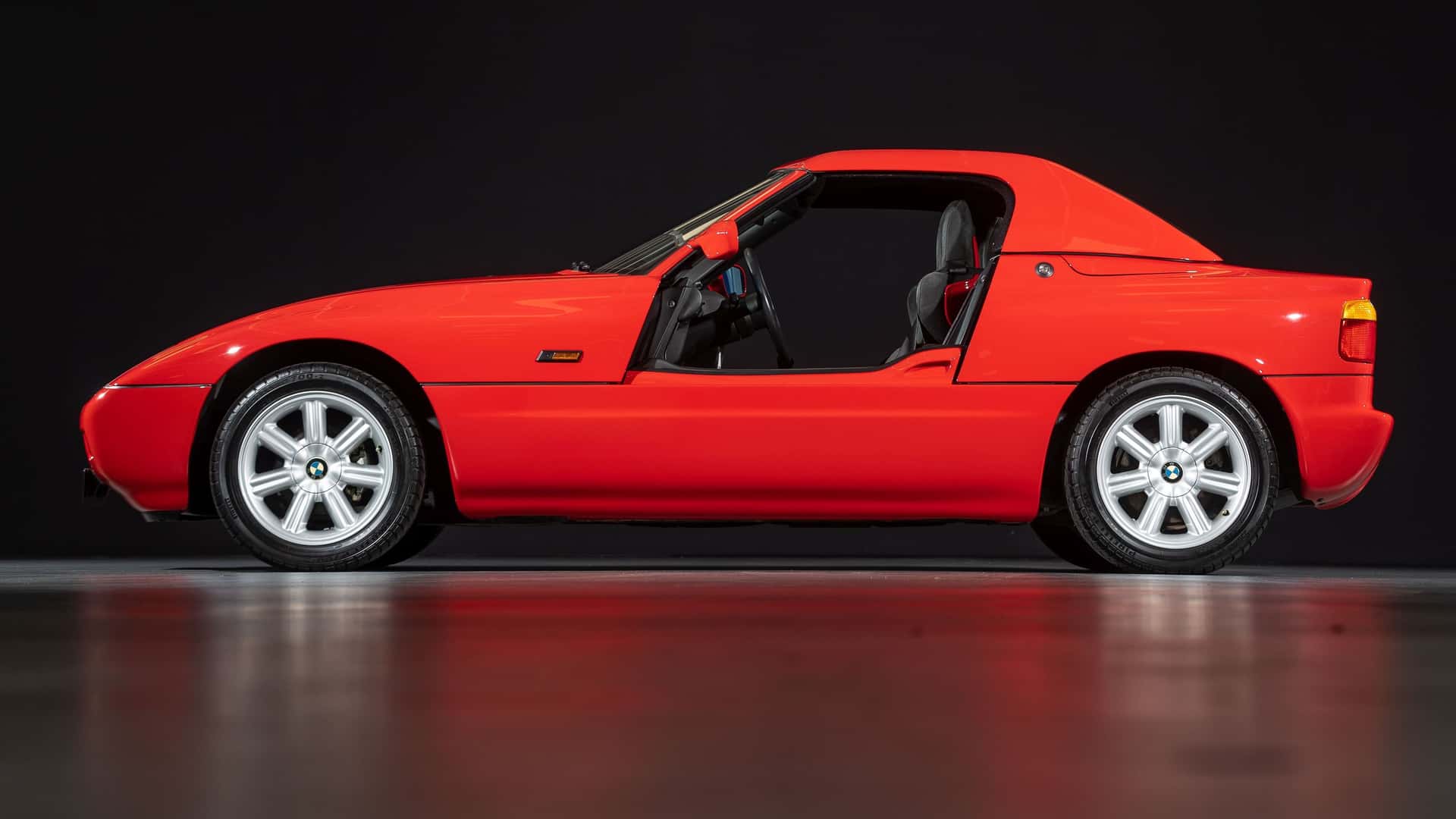
1. BMW Z1: The Radical 1980s Roadster
Produced between 1989 and 1991, the BMW Z1 remains one of the company’s most experimental models. Only 8,000 units were built, predominantly for the German market, due to US regulatory restrictions.
The Z1 is most famous for its innovative doors, which slide vertically into the body sills, and its lightweight thermoplastic body panels. These features, combined with modular construction techniques and advanced materials testing, made the Z1 a technological milestone for BMW.
The car was powered by a 2.5-liter inline-six engine producing 168 horsepower, paired with a Getrag five-speed manual gearbox. The engine was positioned further back than in the E30 325i to achieve a near-perfect 49/51 front/rear weight distribution, providing balanced handling. The rear suspension employed BMW’s first multi-link layout, known as the Z axle, which became a blueprint for future 3 Series models.
Despite these engineering innovations, the Z1’s performance was modest for its time. It could accelerate from 0 to 62 mph in 7.9 seconds and reach a top speed of 137 mph. Weighing 1,460 kg, the car’s relatively low mass contributed to its agile handling and enjoyable driving dynamics, even if it lacked outright speed compared to rivals.
The Z1’s design was as radical as its mechanics. Its wedge-shaped profile, shallow kidney grille, and flat undertray enhanced aerodynamics, while the thermoplastic body panels could be replaced in just 40 minutes, allowing owners to customize colors. Inside, sculpted bucket seats and a minimalist four-dial instrument layout emphasized driver engagement over modern luxury.
While entry and exit could be awkward due to the high sills, the Z1’s steering is direct, and the chassis responds precisely over crests and corners. Launched at a price of around $55,500, modern examples now sell for about $60,000. Despite its niche appeal and modest performance, the Z1’s combination of audacious design, engineering innovation, and rarity cements its status as a unique milestone in BMW’s history.
2. Bugatti EB110: The 1990s Supercar Revolution
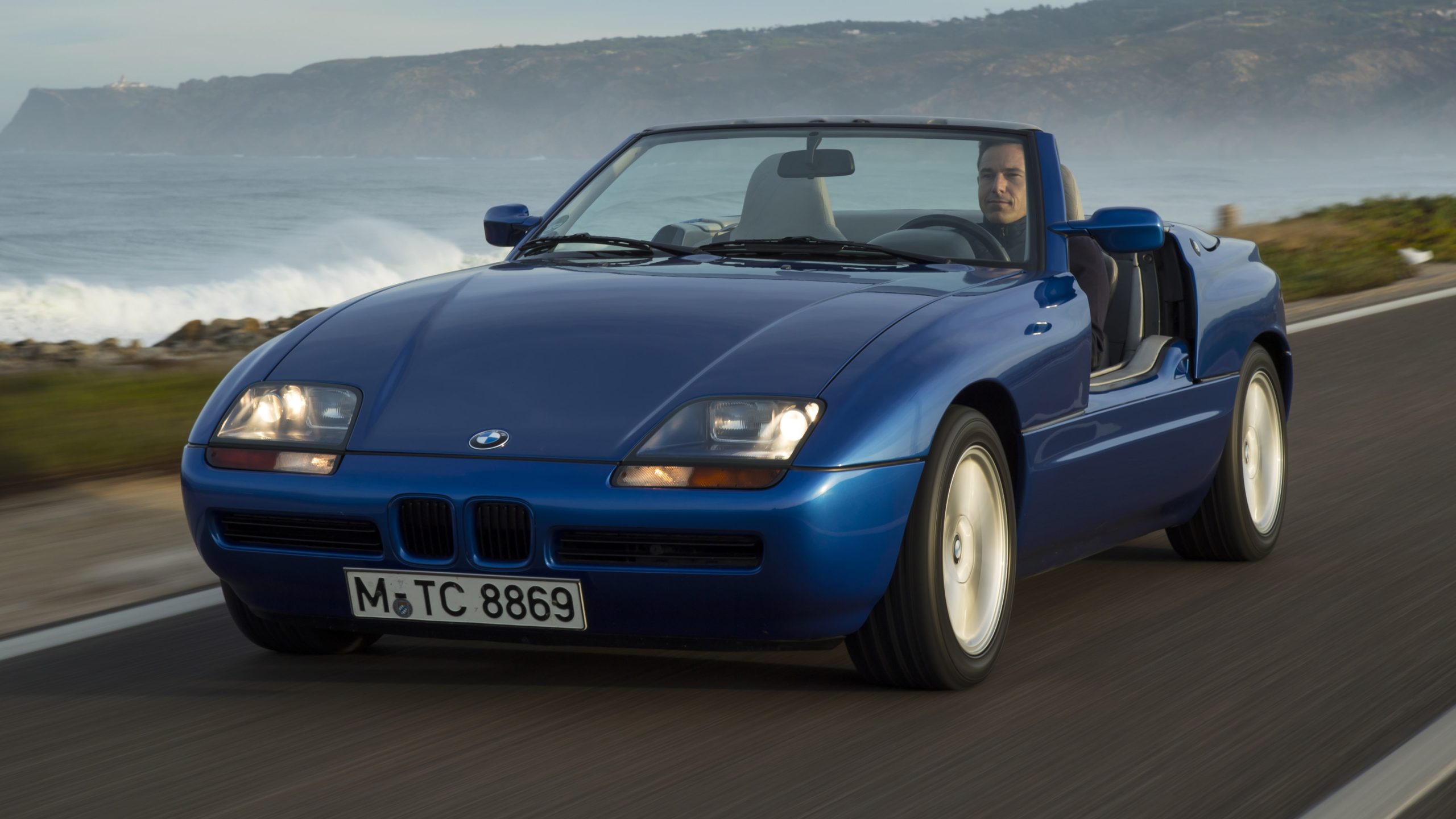
The Bugatti EB110, produced from 1991 to 1995, marked the ambitious revival of the Bugatti marque under entrepreneur Romano Artioli. Only 139 examples were built before financial difficulties ended the project.
Designed to honor Ettore Bugatti’s 110th birthday, the EB110 combined cutting-edge technology and Italian craftsmanship, rivaling Ferrari, Lamborghini, and Porsche in performance and sophistication. Construction took place in Campogalliano, Italy, with design by Marcello Gandini and a carbon-fiber monocoque and aluminum honeycomb chassis engineered with the help of Aerospatiale France.
The EB110 was powered by a mid-mounted, 3.5-liter V12 engine featuring four IHI turbochargers and five valves per cylinder, producing 553 horsepower in the standard GT version and 611 in the Super Sport (SS) model.
The engine drove all four wheels through a six-speed manual transmission, aided by a sophisticated all-wheel-drive system with three differentials. The car could accelerate from 0-60 mph in approximately 3.4 seconds, reach 100 mph in 9.1 seconds, and achieve a top speed of 212 mph, making it one of the fastest production cars of its era.
The EB110’s lightweight chassis, combined with Michelin Pilot SX MXX3 tires and BBS forged aluminum wheels, delivered exceptional handling and road-holding. Suspension used double wishbones with pull-rod actuated springs at the front and coil-over dampers at the rear.
Braking was provided by ventilated discs with four-piston calipers and ABS, ensuring confidence at high speeds. The car’s curb weight was 1,787 kg, and its compact dimensions, including a 2,550 mm wheelbase, contributed to its agility.
Inside, the EB110 offered a luxurious cabin trimmed in high-quality leather, with bespoke luggage and a Nakamichi entertainment system. Bugatti also offered a three-year assistance program covering routine servicing and technical updates. At launch, the EB110 was priced around $350,000, reflecting its extraordinary technology, craftsmanship, and exclusivity.
The EB110 remains a landmark in supercar history, combining extreme performance, innovative engineering, and rare design. Its audacious four-turbo V12, carbon-fiber construction, and all-wheel-drive system set new standards in the early 1990s and ensured that the EB110 remains an icon for collectors and enthusiasts alike.
3. Nissan Skyline GT-R R34 V-Spec: The Iconic “Godzilla”
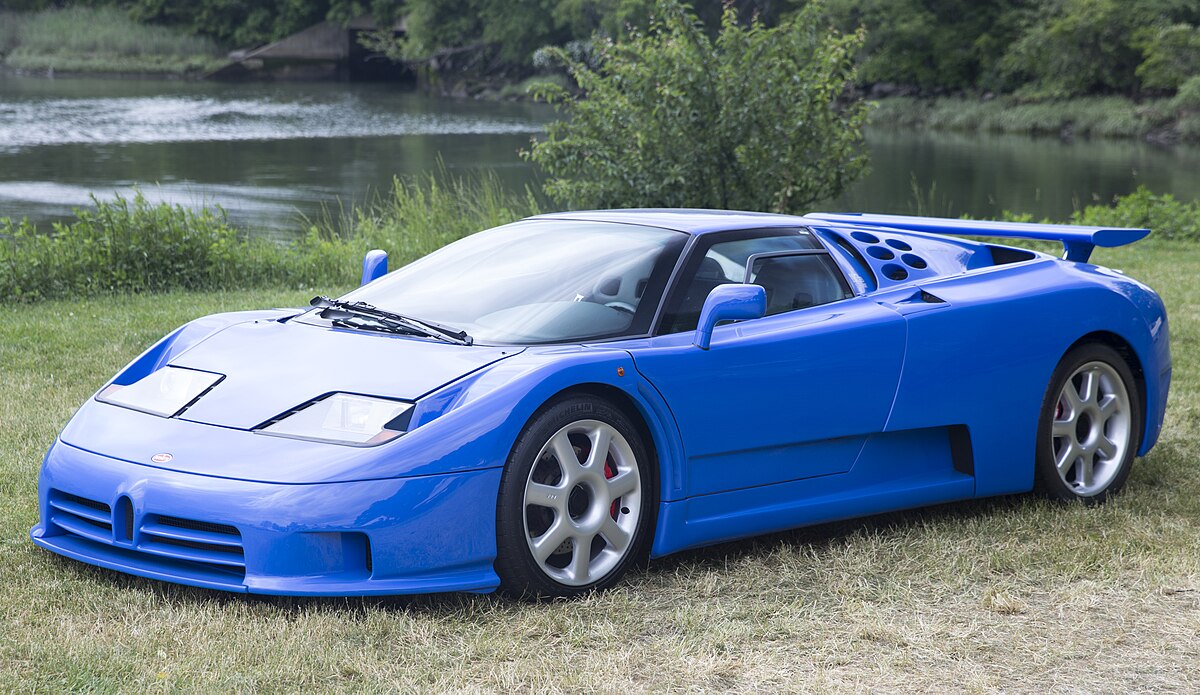
Produced between 1999 and 2002, the Nissan Skyline GT-R R34 V-Spec represents the peak of the legendary “Godzilla” lineage. Only around 2,000 V-Spec variants were built at NISMO’s specialized facility. Under the long bonnet sits the revered RB26DETT twin-turbo inline-six, officially rated at 276 horsepower but widely acknowledged to deliver closer to 330 hp.
Power is sent through a sophisticated ATTESA all-wheel-drive system and an active rear differential via a six-speed manual transmission, while Super HICAS four-wheel steering enhances cornering precision. Special editions, like the V-Spec II Nür, added titanium exhausts and aerodynamic upgrades to maximize track performance.
The R34’s chassis combines multi-link suspension with coil springs and passive dampers, both front and rear, supported by anti-roll bars and ventilated disc brakes on all corners. With 18-inch wheels wrapped in 245/45 ZR18 tires and a curb weight of 1,560 kg, the R34 feels both planted and agile.
Its combination of AWD, rear LSD, and precise steering provides extraordinary grip and balance, making the car exceptionally predictable even at high speeds. The ride is firm but composed, giving drivers confidence on both smooth and uneven surfaces.
Driving the R34 is a visceral experience. The straight-six engine builds momentum steadily, with boost arriving smoothly and power delivered consistently across the rev range.
The six-speed Getrag gearbox offers satisfying, weighty shifts, ideal for heel-and-toe downshifts, while the tactile steering wheel and well-spaced pedals make the R34 feel like a driver-focused machine. Despite its official 276 bhp, the R34 feels significantly quicker, capable of 0-60 mph in 4.8 seconds and a top speed of 165 mph, cementing its reputation as a giant killer against more powerful European rivals.
The V-Spec R34 combines advanced Japanese engineering with understated styling, making it a cult icon. When new, the car cost approximately $75,000, reflecting its advanced technology and rarity. Today, it remains one of the most celebrated and collectible Japanese performance cars, beloved by enthusiasts for its driving dynamics, technological sophistication, and undeniable presence.
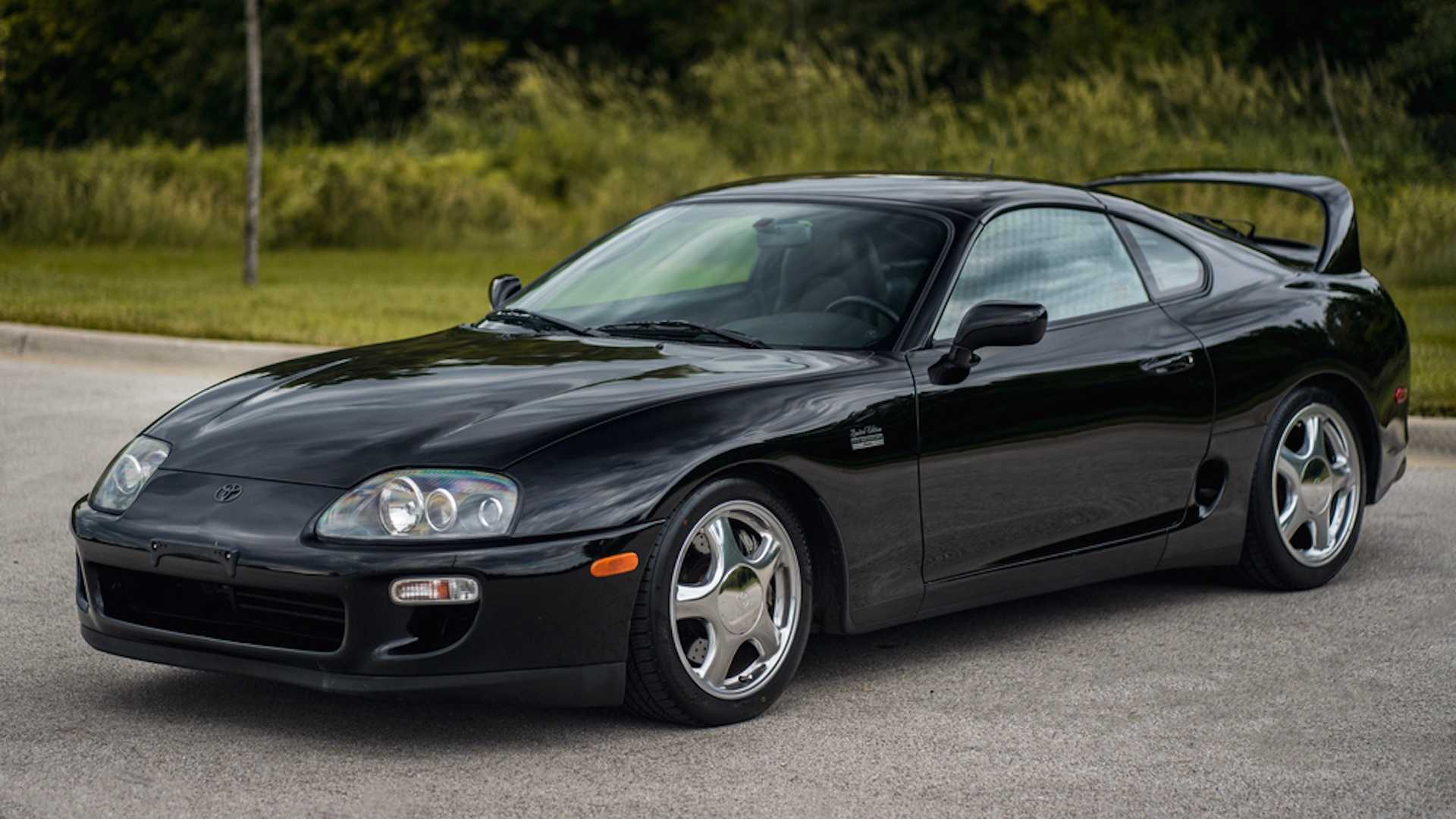
4. Toyota Supra Mk4: The 1990s Japanese Icon
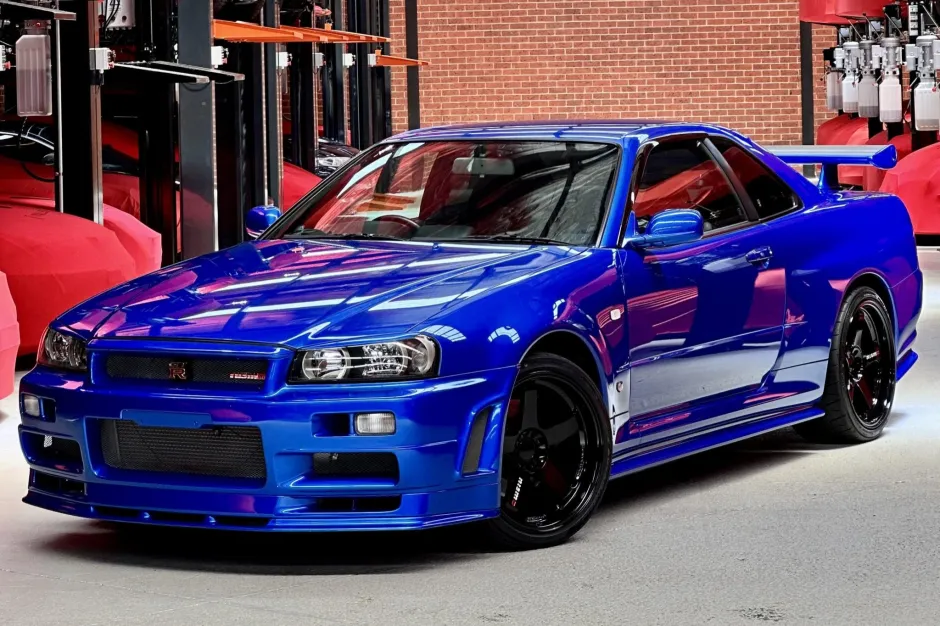
The Toyota Supra Mk4, produced from 1993 to 2002, epitomizes 1990s Japanese sports car engineering. Evolving from a trim level in 1978 to a standalone model, the Mk4 Supra offered options including turbocharged or naturally aspirated engines, automatic or manual transmissions, and a removable hardtop or Targa roof.
A well-equipped Turbo model could be purchased for around $40,000, though modern examples often command over $100,000 due to their iconic status and modification potential.
At the heart of the Mk4 Supra is the legendary 3.0-liter 2JZ-GTE inline-six engine, featuring sequential twin turbochargers. Officially rated at 321 horsepower and 315 lb-ft of torque, the engine’s robust design and tuning potential allow for significantly higher output.
The cast-iron block with seven main bearings, aluminum dual-cam head, and four valves per cylinder provides both reliability and high-performance potential. The car’s top speed reached 177 mph (155 mph outside Japan), with 0-60 mph in 4.7 seconds and a quarter-mile time of 13.1 seconds at 109 mph.
Transmission options included a four-speed automatic or a Getrag six-speed manual, with the latter offering a 1:1 fifth gear and a 0.8 overdrive sixth gear. The manual gearbox was especially popular among enthusiasts who modified their cars for higher performance.
Handling was aided by multi-link suspension with coil springs, ventilated disc brakes, and 17-inch staggered wheels wrapped in 235/45 front and 255/40 rear tires. The car’s weight distribution and analog steering delivered a highly engaging, driver-focused experience.
The Mk4 Supra’s interior emphasizes the driver, with supportive seats, large, easy-to-read gauges, and a functional double-DIN radio head unit. Small rear seats completed the 2+2 layout, often removed by enthusiasts to save weight. Advanced features for the era included a mechanical cooling fan, stability control, and a four-channel ABS system, all contributing to precise handling and safety.
The Supra Mk4 remains celebrated for its blend of analog driving purity, extreme engine potential, and timeless styling. Its combination of robust engineering and tuning capability ensures it continues to be one of the most revered Japanese performance cars in history.
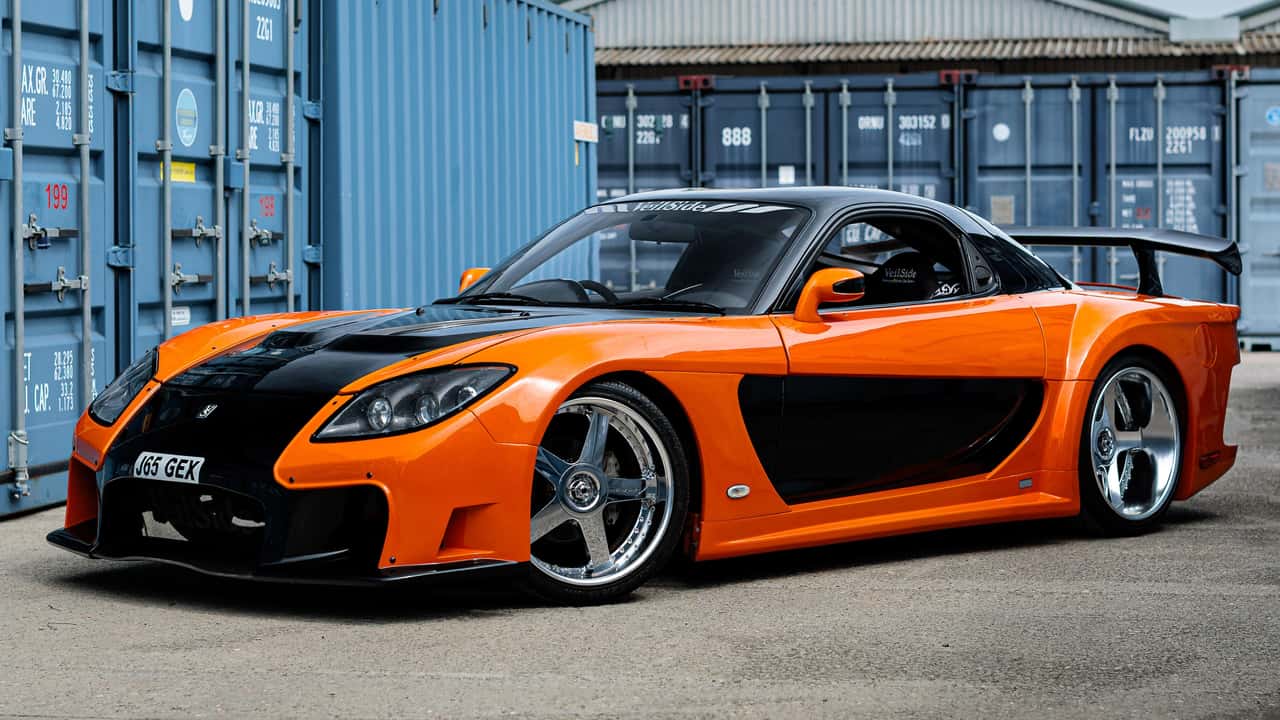
5. Mazda RX-7 FD: The Apex of Rotary Engineering
Produced between 1992 and 2002, the Mazda RX-7 FD remains one of the most celebrated Japanese sports cars of its era. Its sleek, flowing curves conceal Mazda’s pinnacle of rotary engine design: the 1.3-liter twin-rotor 13B-REW.
Sequential turbochargers allowed the engine to deliver 255–280 horsepower and 217 lb-ft of torque, driving the rear wheels through a precise five-speed manual or optional four-speed automatic transmission. Lightweight engineering kept the car under 1,300 kg (2,866 lbs), producing a near-perfect 50/50 weight distribution that contributed to supercar-like handling.
The RX-7’s double-wishbone suspension, both front and rear, provided agility and composure in corners, while its lightweight chassis and meticulous balance made it a drift enthusiast’s dream.
Limited editions like the Spirit R and Competition Yellow R1 showcased the highest level of Mazda’s rotary technology, with subtle performance enhancements and rare cosmetic treatments. Even in stock form, the car could accelerate to 60 mph in around 5.2 seconds, with a top speed of 156 mph (limited in some regions), and a quarter-mile time rivaling heavier, higher-powered competitors.
Inside, the RX-7’s cockpit is driver-focused, with a curved dashboard angled slightly toward the driver and clear, concise instrumentation including a rev counter that reaches 9,000 rpm. While some interiors were trimmed in leather, many had fabric seating, emphasizing function over luxury.
The car’s compact rotary engine placement allowed a low seating position and excellent visibility, although the cabin could get warm due to engine heat. The oil and boost gauges provide critical feedback, essential for the high-revving rotary setup.
The 13B-REW rotary engine is renowned for its longevity and potential when maintained carefully. Frequent oil changes, proper warming-up routines, and attention to cooling systems allow many RX-7s to exceed 100,000 miles without a rebuild.
Despite its quirks, the RX-7 offers an analog driving experience defined by instant throttle response once the secondary turbo engages, a symphony of engine noise, and exhilarating acceleration that feels almost rocket-like.
While not a grand tourer, the RX-7 FD is surprisingly livable for short trips, offering modest fuel efficiency when driven conservatively. Its combination of lightweight handling, high-revving rotary character, and timeless design makes it one of the most iconic Japanese sports cars ever produced. A well-maintained example today can be found for approximately $35,000–$45,000, though rarer Spirit R editions command higher prices.
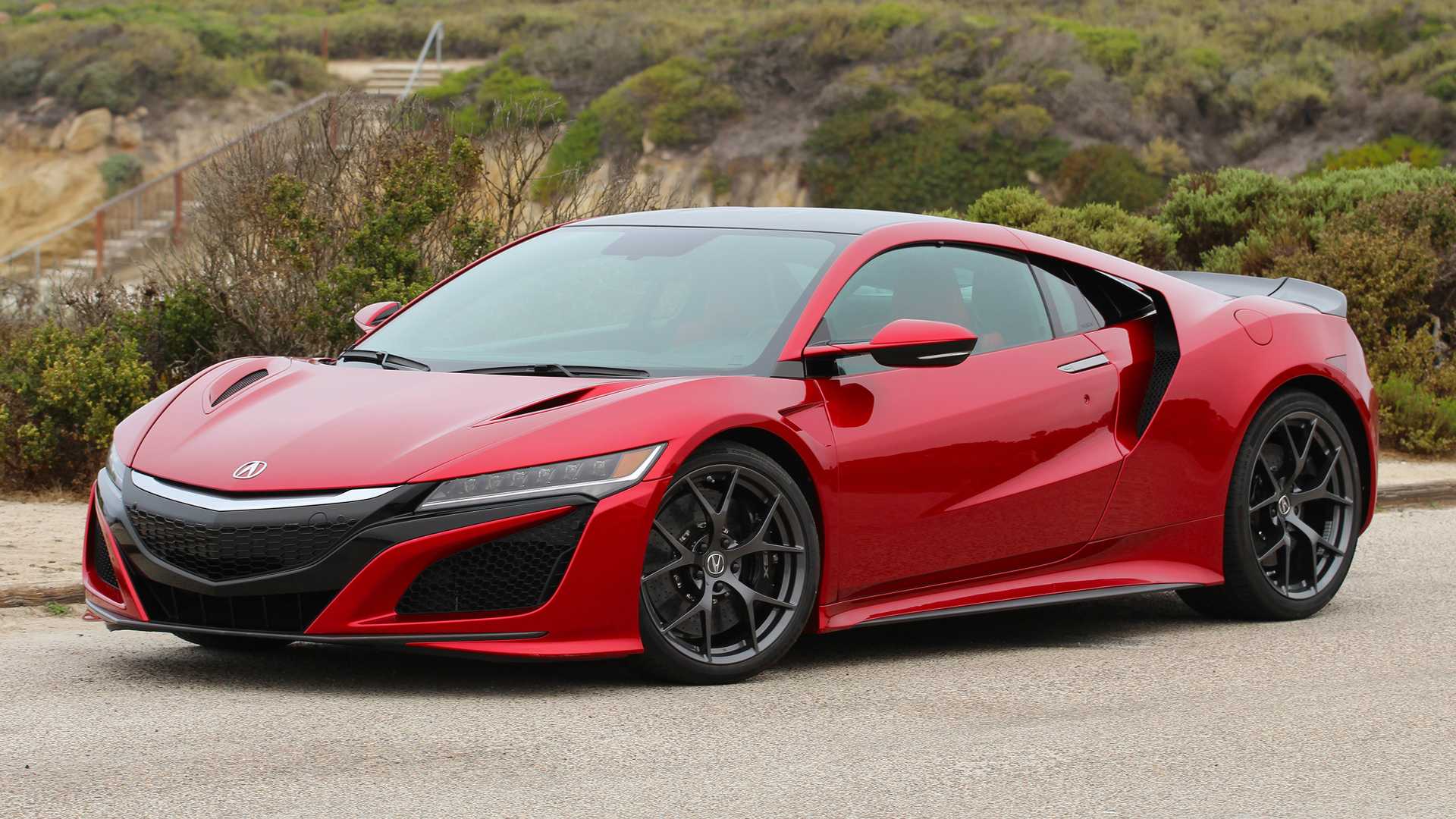
6. Acura NSX: Precision Japanese Supercar
Produced from 1990 to 2005, the Acura NSX redefined what a Japanese supercar could be, pioneering an all-aluminum monocoque chassis that offered both lightweight agility and exceptional reliability.
The first-generation NSX was designed with input from Ayrton Senna, ensuring race-bred handling precision. Its mid-mounted VTEC V6 engine initially produced 270 horsepower, later upgraded to 290 hp with a 3.2-liter V6 in post-1997 models, while torque reached 224 lb-ft.
Power was sent to the rear wheels via a six-speed manual transmission, with a four-speed automatic offered in lower-powered 3.0-liter versions. The NSX could accelerate from 0–60 mph in roughly 5 seconds and achieve a top speed of 175 mph.
The NSX’s all-aluminum unibody and suspension components give it a remarkably balanced and responsive feel, aided by electrically assisted power steering and mid-engine weight distribution. Handling is precise and forgiving, allowing drivers of varying skill levels to exploit its cornering potential with confidence.
Despite its performance capabilities, the NSX’s braking and steering are equally refined, making it a car that blends speed with composure. Safety features include traction control and antilock brakes, though it lacks more modern systems like side airbags and stability control.
Inside, the NSX cabin is ergonomically designed, with logically placed controls and a targa roof that stows easily. While styling is distinctly “80s retro,” the interior remains functional and comfortable, with optional vibrant color schemes such as Vivid Blue and Targa Silver. V
isibility is reasonable for a mid-engine sports car, and the driving position is highly driver-centric. Approximately 18,000 first-generation NSXs were built worldwide, with U.S. models increasingly rare and sought-after. A well-maintained NSX can be purchased today for around $60,000–$90,000, making it an attainable entry into supercar performance with legendary reliability.
Also Read: 10 Cars Known to Survive Neglect Better Than Others
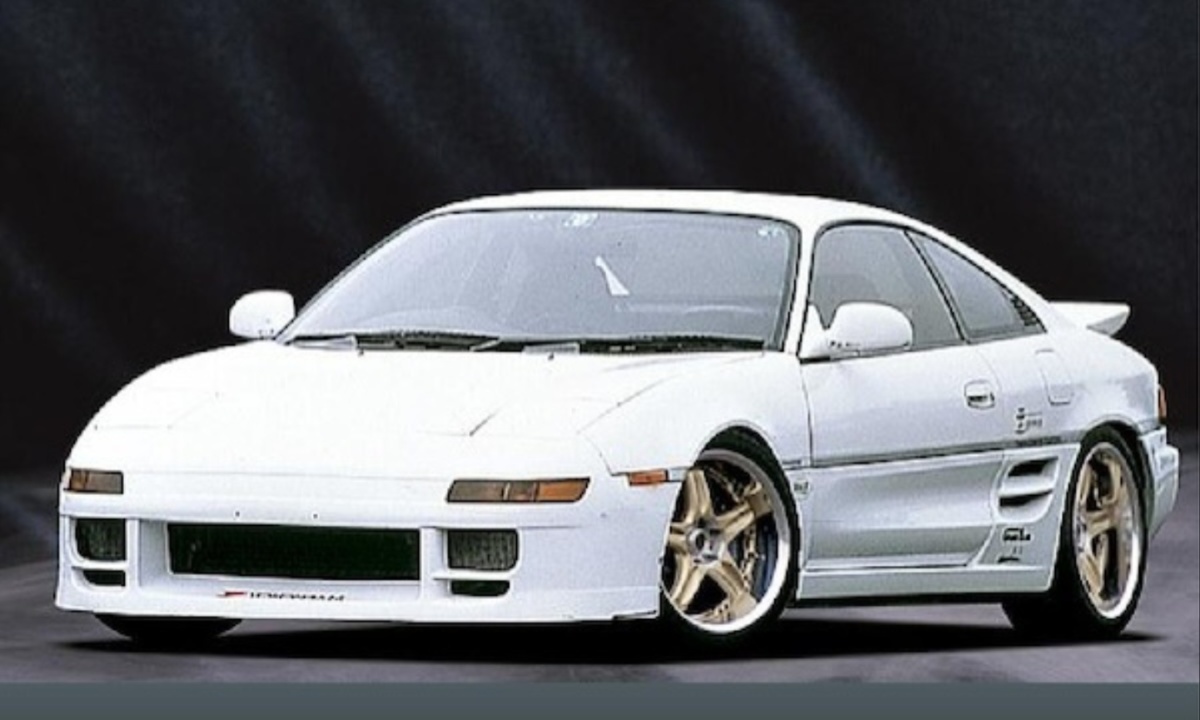
7. Toyota MR2 (SW20) – The Mid-Engine Contender
The second-generation Toyota MR2, produced from 1991 to 1998, carved a niche as an affordable mid-engine sports car. While modestly priced compared to exotic competitors, it delivered a surprisingly engaging driving experience.
The SW20’s turbocharged 3S-GTE four-cylinder engine produced between 200 and 245 horsepower depending on market specification, while naturally aspirated models offered lower output but retained the mid-engine layout’s agile feel. This configuration, paired with precise suspension tuning and excellent weight distribution, gave the MR2 sharp, go-kart-like handling that belied its affordable price.
Stylistically, the MR2 was a statement. Its wedge-shaped body, pop-up headlights, and side air intakes made it instantly recognizable, and T-bar roof variants added an exotic flair. Inside, the cockpit was functional and driver-focused, with a surprisingly practical interior including two small trunks.
Toyota’s reputation for reliability meant the MR2 could remain mechanically sound even after years of spirited driving. A strong owner community and extensive aftermarket support further enhanced its appeal, allowing owners to personalize performance or aesthetics with relative ease.
Despite its strengths, the SW20 came with quirks. Turbo variants were known for snap oversteer, which could challenge inexperienced drivers, while naturally aspirated versions sometimes felt underpowered.
North American turbo models were slightly detuned compared to their Japanese counterparts, limiting outright performance. Additionally, sourcing parts for older models, especially performance-oriented components, can be a challenge today.
For buyers, later revisions (Rev 2 and above) are highly recommended due to improved suspension and braking, and turbo models are preferred for those seeking the full performance potential.
Well-maintained examples with service records, limited-slip differentials, and clean interiors are the most sought after. Today, the SW20 MR2 can be acquired for around $8,000–$20,000, offering an accessible entry into mid-engine sports car ownership without sacrificing excitement or style.
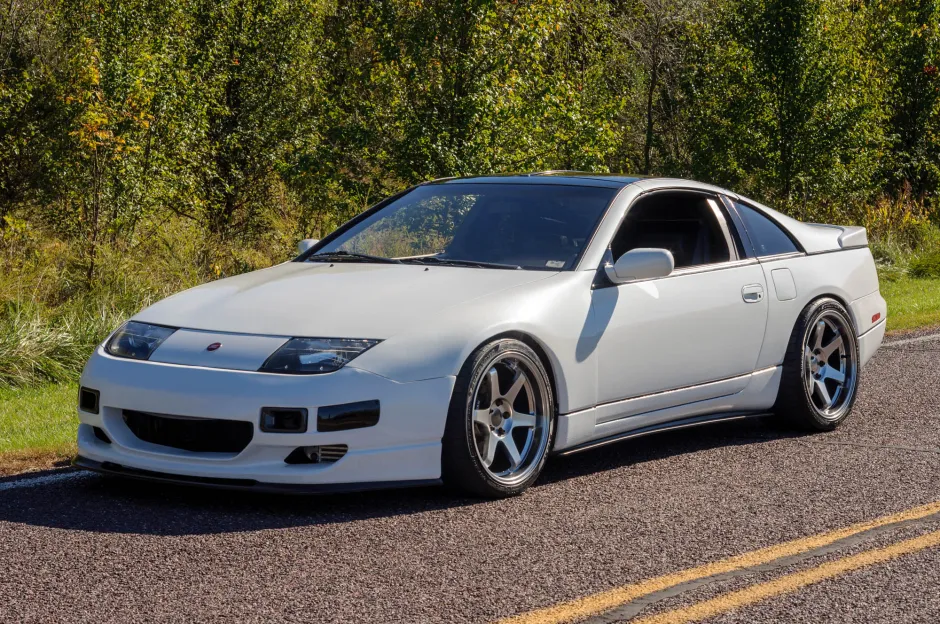
8. Nissan 300ZX (Z32): The Twin-Turbo Icon
The Nissan 300ZX, produced from 1990 to 1996, stands as one of the most celebrated Japanese sports cars of its era. The Z32 was offered in two primary variants: the naturally aspirated VG30DE, a 3.0-liter V6 producing 222 horsepower, and the more thrilling twin-turbo VG30DETT, delivering 300 horsepower through advanced variable valve timing and turbocharging.
Both engines were paired with a 5-speed manual transmission, while a 4-speed automatic was available for easier daily driving. Rear-wheel drive with a viscous, limited-slip differential provided confident traction, allowing the 300ZX to handle corners with precision and poise.
The chassis was a technical marvel for its time. Multi-link suspension at both the front and rear ensured excellent grip and composure, while the twin-turbo variants benefitted from Nissan’s Super HICAS four-wheel steering to enhance agility. Weight distribution was nearly ideal, and the steering felt tight and responsive, offering direct feedback that made every corner a delight.
Braking was handled by four-piston calipers at the front and two-piston units at the rear, producing firm and dependable stopping power. The T-top roof configuration added versatility and an open-air experience, while rare hardtop “slicktop” models offered increased rigidity and a cleaner look.
Inside, the cockpit was focused on the driver, with crisp analog dials displaying speed, revs, and essential engine metrics. The 2+2 seating layout was practical for a sports car, though the rear seats were small. Optional leather upholstery and the removable T-top panels enhanced both comfort and engagement behind the wheel.
Driving the 300ZX is a rewarding experience. Naturally aspirated models encourage revving to extract maximum performance, delivering a smooth, mechanical feel, while the twin-turbo variants produce a sudden, exhilarating surge once the secondary turbo engages beyond 4,000 RPM. The combination of chassis, suspension, and steering offers both confidence and excitement, making spirited drives engaging and enjoyable.
Maintenance is a key consideration for Z32 ownership. Components such as the intake plenum, emissions systems, and cooling systems require careful attention, while sourcing parts can sometimes be a challenge for older models. Despite this, dedicated owners are rewarded with a tactile, analog driving experience that remains rare among modern cars.
The Z32 300ZX is more than a sports car; it is a testament to Japanese engineering, blending innovative technology, precision chassis dynamics, and timeless styling into a machine that continues to thrill enthusiasts decades after its debut.
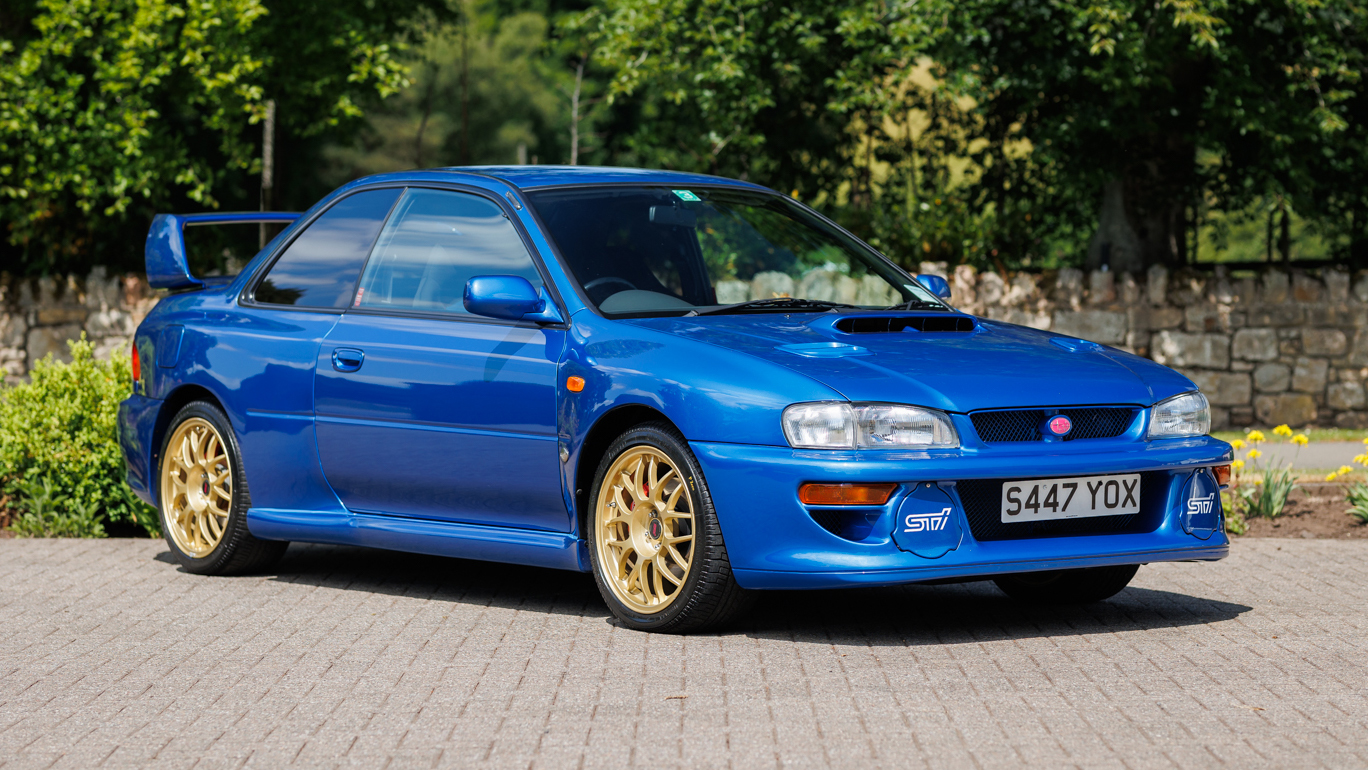
9. Subaru Impreza 22B STi: The Rally-Bred Collector’s Dream
The Subaru Impreza 22B STi, introduced in 1998, remains one of the rarest and most revered Japanese sports cars ever produced, with only 424 examples built exclusively for the Japanese market. Designed to celebrate Subaru’s 40th anniversary and the brand’s third consecutive World Rally Championship manufacturer title, the 22B was essentially a road-going embodiment of Subaru’s rallying pedigree.
Its widebody stance, reshaped wheel arches, and massive rear wing made it instantly recognizable, while the iconic gold 17-inch BBS wheels completed the aggressive, purposeful aesthetic.
Beneath its sculpted exterior, the 22B housed a specially tuned 2.2-liter EJ22 flat-four engine. Producing 276 horsepower and 363 Nm of torque, the engine combined a larger IHI turbocharger, an upgraded intercooler, and reinforced internals, including a closed-deck block, forged pistons, and sodium-filled exhaust valves.
Fuel delivery was enhanced with larger rails and injectors, all controlled by a reprogrammed ECU. Power was sent through a low-ratio, reinforced gearbox shared with the RA model but strengthened for the 22B, including upgraded driveshafts and a twin-plate AP Racing clutch for precise engagement.
An adjustable centre differential allowed torque to be split from 35:65 to a fully locked 50:50 front-to-rear, while the front differential was replaced with a helical type to reduce understeer and improve traction.
Handling was where the 22B truly excelled. The widened body enabled a broader track, and suspension components were uprated, featuring alloy lower arms, Bilstein inverted shocks, and Eibach springs tuned by Prodrive. Steering was sharper and more communicative than its STi siblings, providing razor-sharp turn-in and direct feedback.
Braking was handled by 294mm front discs with four-piston calipers and 290mm rear discs with two-piston calipers. The car weighed in at just 1270 kg with a front-to-rear balance of 57:43, delivering a nimble, precise, and thrilling driving experience.
Inside, the 22B combined simplicity with purpose. Specially designed seats and a Nardi steering wheel offered driver-focused ergonomics, while air conditioning, central locking, and electrics were included, though there was no stereo.
Driving the 22B demanded engagement; the stiff suspension, notchy gearbox, and low-down torque required skill, but in return, the car delivered a satisfying connection between driver and road. The turbocharged flat-four responded quickly, pulling strongly in midrange and allowing drivers to exploit the short ratios for fast, controlled cornering.
Originally priced at approximately $NZ120,000, the 22B’s rarity has turned it into a collector’s trophy. Values have soared over the years, with examples selling for upwards of $US312,555 in recent auctions. Despite its age, the 22B STi remains a highly desirable blend of rally-bred performance, analog engagement, and exclusivity, a car that rewards those who can master its precise, unforgiving, and ultimately thrilling nature.
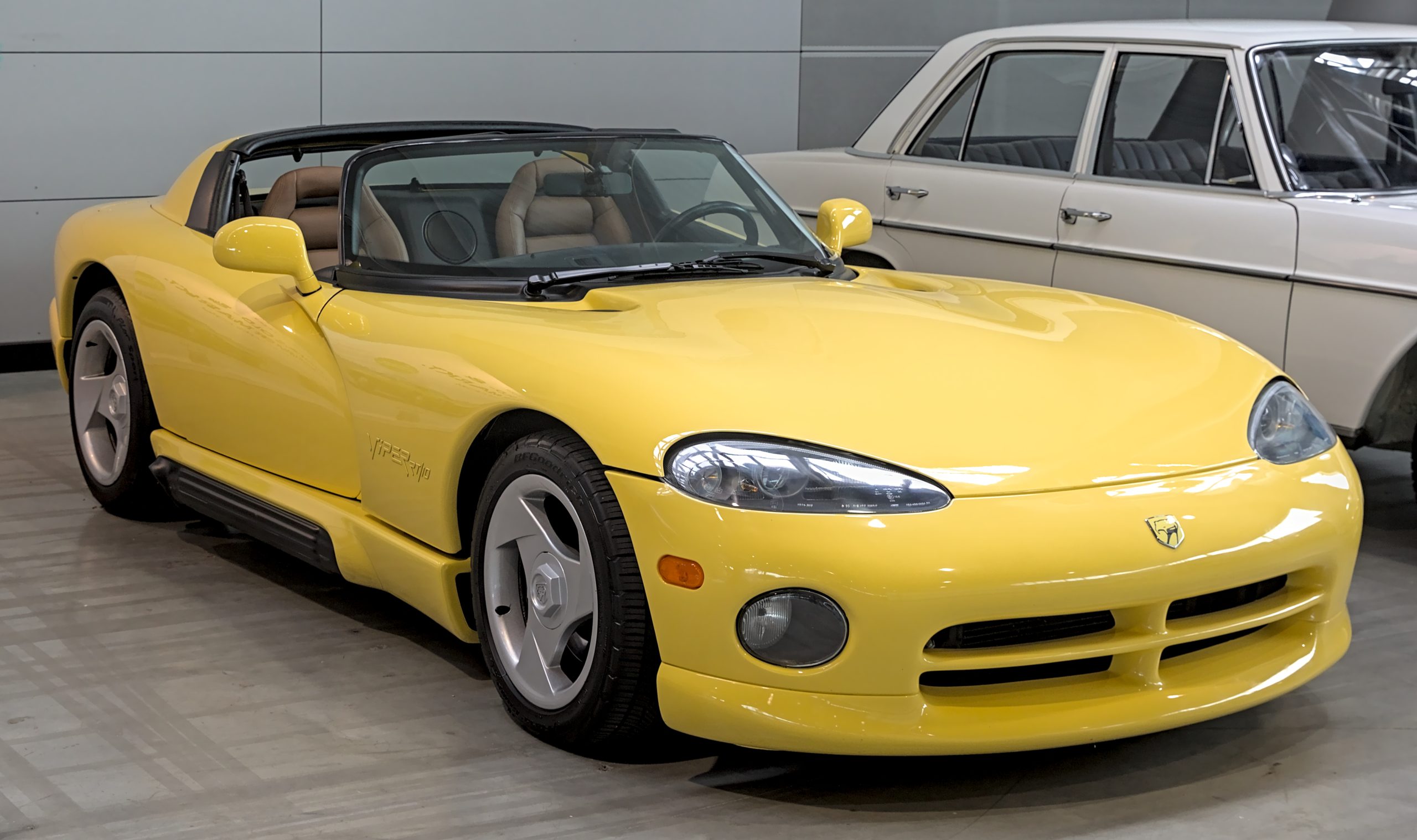
10. Dodge Viper RT/10: The Raw American Roadster
The Dodge Viper RT/10, introduced between 1992 and 1995, stands as a bold statement of American performance engineering. With its massive 8.0-liter V10 producing 400 horsepower and 465 lb-ft of torque, the Viper was a machine built for thrill-seekers.
Every RT/10 roadster, of which roughly 5,300 were produced, emphasized raw, unfiltered driving, free of electronic aids like traction control, stability systems, airbags, or ABS. Its lightweight construction, aggressive side-exit exhausts, and minimalist design combined to create an experience modern supercars often struggle to replicate.
Power delivery was immediate and brutal. The V10, derived from a truck engine but refined with Lamborghini’s expertise, generated immense low-end torque, effortlessly spinning the wide rear tires when demanded.
Throttle control was essential, as the 465 lb-ft of torque could quickly overwhelm inexperienced drivers. Power was routed through a robust Borg-Warner six-speed manual transmission, designed with double overdrives to accommodate highway cruising while retaining the precision expected of a performance machine.
The driving experience was visceral in every sense. Steering was precise and communicative, but the absence of electronic assistance meant the car responded directly to every input and every road irregularity.
The suspension was stiff and track-oriented, delivering tight handling yet sacrificing comfort for everyday use. With nothing between driver and machine, every ride demanded full attention, rewarding skilled drivers with an unparalleled sense of connection to the road.
Visually, the Viper was impossible to ignore. Its wide, low-slung proportions, prominent side air outlets, and side-exit exhausts gave it an unmistakable presence. The interior was functional rather than luxurious, with a minimalist dashboard and switchgear sourced from other Chrysler models.
Cabin heat from the exhaust and limited amenities, such as the early soft-top roof and “eisenglass” windows, highlighted that this car prioritized performance over convenience.
Ultimately, the Dodge Viper RT/10 was designed as a driver’s car in the purest sense. It demanded respect and attention, delivering a blend of power, precision, and spectacle that few other roadsters could match. It was extreme, it was attention-grabbing, and above all, it was a true expression of raw American automotive philosophy.
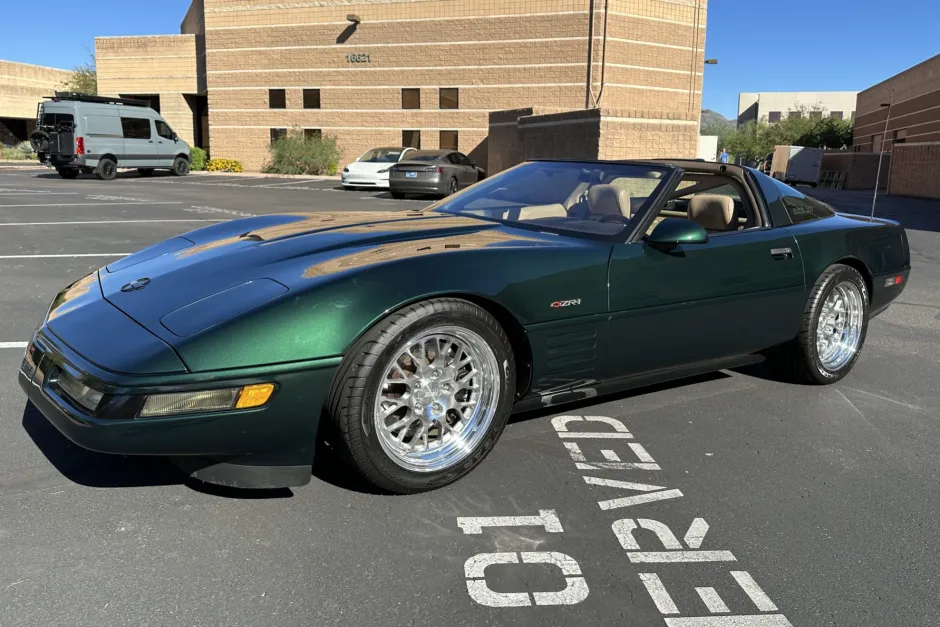
11. Chevrolet Corvette ZR-1 (C4): The King of the Hill
The Chevrolet Corvette ZR-1, produced from 1990 to 1995, marked a new era of American supercar engineering. Nicknamed “The King of the Hill,” the C4 ZR-1 combined exotic technology with Corvette accessibility, most notably through its Lotus-designed LT5 5.7-liter dual overhead cam V8.
This all-aluminum engine, manufactured by Mercury Marine, produced between 375 and 405 horsepower and 370 to 385 pound-feet of torque depending on the model year, making it the first Corvette with a DOHC engine and placing it on par with contemporary European sports cars.
Its sophisticated design included two fuel injectors per cylinder, forged steel crankshaft, aluminum pistons, and a high redline of 7,000 rpm, giving the LT5 a wide, usable powerband that made the ZR-1 thrilling to drive.
The ZR-1’s performance extended beyond raw power. It featured a fully synchronized ZF six-speed manual transmission, an advanced Bilstein suspension, and the FX3 Selective Ride Control system, which allowed drivers to adjust settings for Touring, Sport, or Performance.
With flared rear fenders to accommodate 315/35ZR-17 tires, a wider rear bumper, and a slightly squared-off quad-taillight design, the car visually hinted at its capabilities. Its 13-inch front and 12-inch rear vented disc brakes offered substantial stopping power, complementing the massive grip provided by the Goodyear Eagle ZR tires.
Driving the ZR-1 was a statement in itself. From a standing start, it could accelerate from 0-60 mph in approximately 4.5 seconds, reach 0-100 mph in just over 10 seconds, and cover the quarter mile in 12.8 seconds at 111 mph.
Cornering was precise, with lateral acceleration reaching 0.92 g, while braking from 70 mph to zero took just 161 feet. Despite its supercar-level performance, it retained a level of refinement, offering reasonable ride comfort in Touring mode and a surprising efficiency for its era with 16/25/19 mpg city/highway/combined.
The C4 ZR-1 was more than a Corvette with extra horsepower; it was a leap into modern supercar territory for an American icon. Its combination of high-tech engineering, balanced handling, and aggressive aesthetics earned it legendary status, making it a model that pushed Chevrolet to the forefront of global sports car performance in the early 1990s.
12. Ford Mustang (Foxbody 5.0) – The Affordable American Muscle Icon
The Foxbody Ford Mustang, produced from 1990 to 1993, represents the pinnacle of affordable American muscle during its era. Powered by a 5.0-liter Windsor V8 producing between 225 and 245 horsepower depending on the model year, the Mustang offered a lightweight platform, solid rear axle, and exceptional aftermarket support, making it an ideal candidate for modification, racing, and street performance.
GT models equipped with five-speed manual transmissions delivered authentic muscle car thrills, helping define the street racing culture of the 1990s.
Originally introduced as part of Ford’s Fox platform in 1978, the Mustang was designed to modernize the pony car while maintaining its small, affordable, V8-powered essence. Its lineage extended back to the Mustang II of 1974, a compact, economical model that returned the brand to financial success despite mixed critical reception.
By the time the 1990s Foxbody Mustangs arrived, the platform had already evolved over a fourteen-year span, becoming the longest-running generation in Mustang history. The clean styling of the Foxbody, credited to designer Jack Telnack, helped it remain visually appealing throughout the 1980s and into the early 1990s.
The Foxbody Mustang’s real charm lay in its adaptability. While it faced competition from the Chevrolet Camaro, Pontiac Firebird, and Japanese turbocharged sports coupes like the Nissan 300ZX and Toyota Celica, the Mustang’s V8 provided a reliable edge in raw power.
Its robust engine bay allowed for widespread modifications, including the popular trend of LS-swaps, where GM engines are dropped into the Foxbody chassis, further increasing the car’s performance potential. Beyond street modifications, the platform proved successful on road courses and dragstrips, thanks to its balanced combination of weight, power, and aftermarket versatility.
In recent years, the classic car market has elevated the value of Foxbody Mustangs as examples in good condition have become increasingly rare. Clean, well-maintained models, particularly the 1993 SVT Cobra, can command prices above $50,000, while convertibles and models with the 5.0 drivetrain have also seen significant appreciation.
Even more accessible examples, fully roadworthy but less rare, are approaching $10,000, reflecting both nostalgia and the Mustang’s enduring reputation as a quintessential American muscle car. The Foxbody 5.0 remains a symbol of raw performance, affordability, and modifiability, ensuring its legacy as one of the most beloved Mustangs in history.
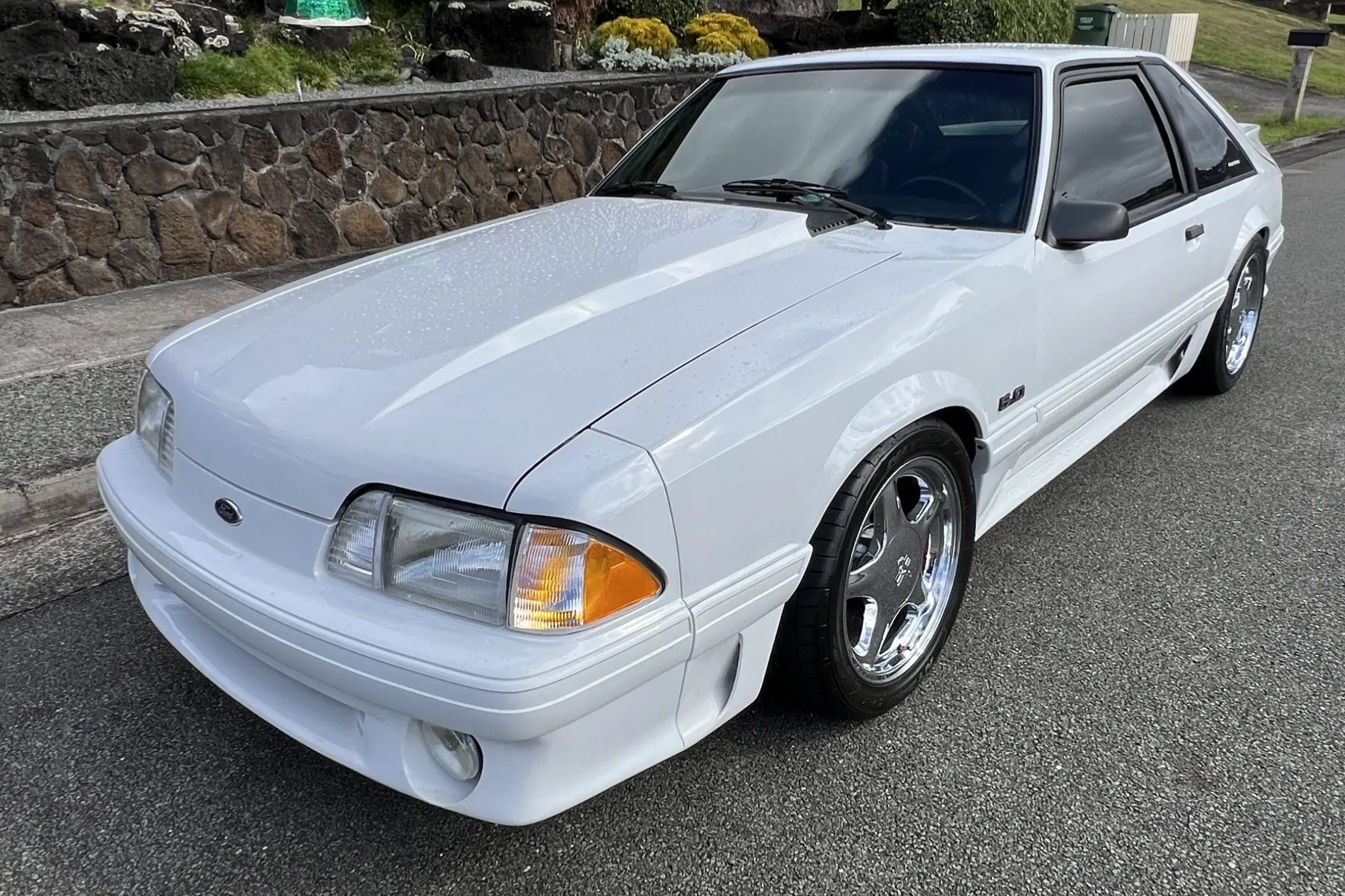
The 1990s produced a remarkable variety of cars that still resonate with collectors and enthusiasts today. Whether it is the engineering excellence of the Acura NSX, the turbocharged excitement of the Toyota Supra Mk4, or the raw American muscle of the Foxbody Mustang, each of these twelve cars represents a unique chapter in automotive history.
Their lasting appeal lies not only in performance or design but in the emotional connection they create, such as the thrill of a perfectly balanced chassis, the roar of a naturally aspirated V10, or the analog purity of a high-revving inline-six.
Today, these vehicles are more than cars; they are symbols of a bygone era of innovation, individuality, and driving passion. As their value continues to grow, they remind us that true classics are defined by excitement, rarity, and legacy, making these 1990s masterpieces collectors’ gold.
Also Read: 12 Cars From the 2000s That Are Suddenly Collector Favorites