
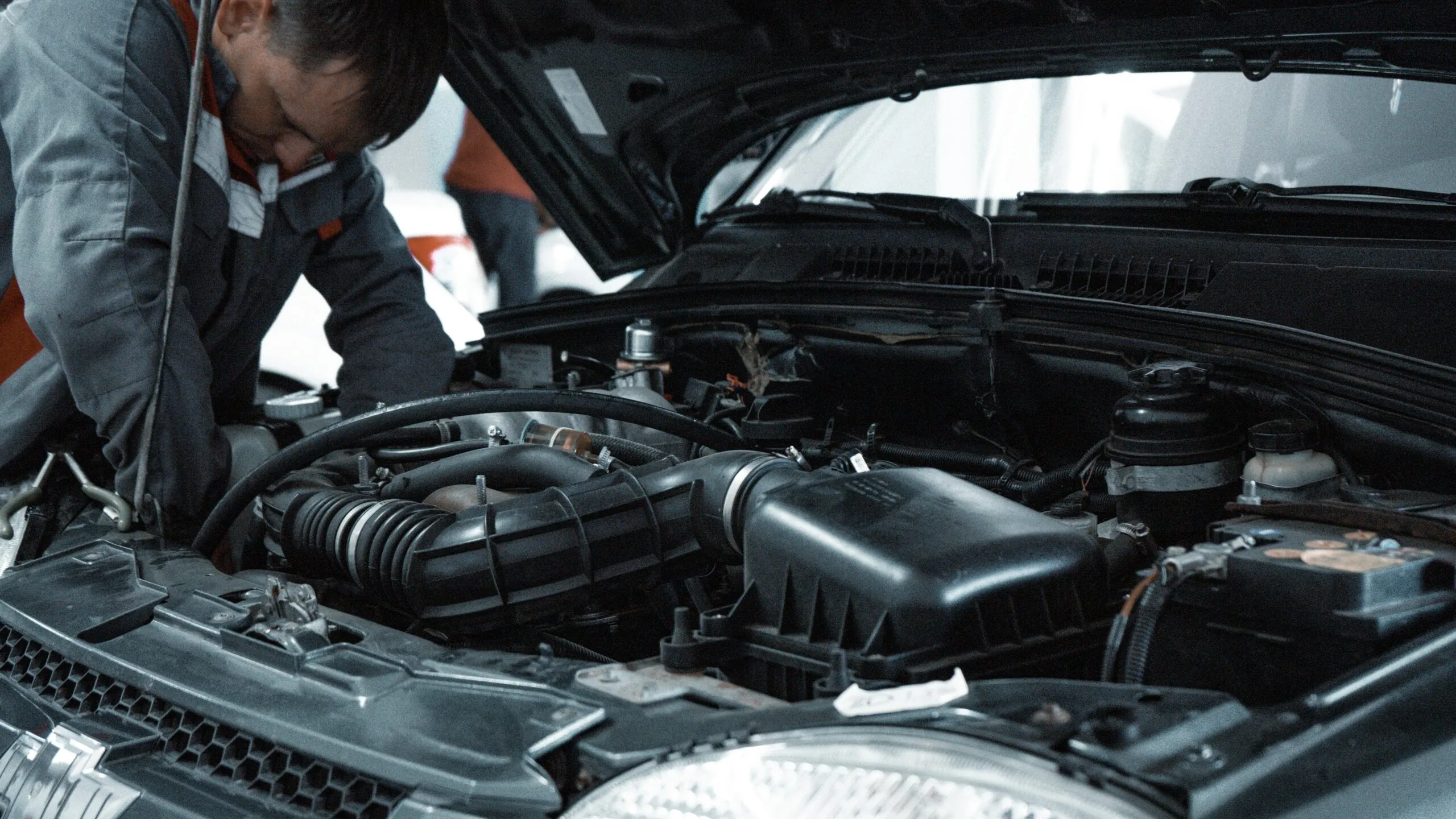
Like that old Nokia phone your uncle still uses to make calls, or that ceiling fan that has been spinning in your grandmother’s room since 1987? Well, some car engines are built exactly like that. They just keep running and running, making mechanics scratch their heads in amazement.
Now, let me tell you something interesting. Most people think all engines are created equal, but that’s where they get it wrong. Some engines are built with such precision and engineering excellence that they can clock hundreds of thousands of miles without breaking a sweat.
These are the engines that make mechanics smile when they see them roll into the workshop because they know the job will be straightforward. No drama, no expensive repairs, just routine maintenance and off you go. The truth is, reliability in an engine isn’t just about luck or good vibes. It’s about solid engineering, quality materials, and a design philosophy that puts longevity above everything else.
Some manufacturers have mastered this art so well that their engines have become legendary in the automotive world. Ask any mechanic worth their salt, and they’ll tell you stories about certain engines that just refuse to quit, no matter how many miles you put on them.
So, if you’re thinking about buying a car and want something that will serve you faithfully for years without giving you headaches, you need to know about these engines.
They’re not just machines; they’re investments in your peace of mind. Let’s talk about seven engines that have earned the respect of mechanics everywhere, the kind that make even the most skeptical technician nod in approval when they pop the hood.
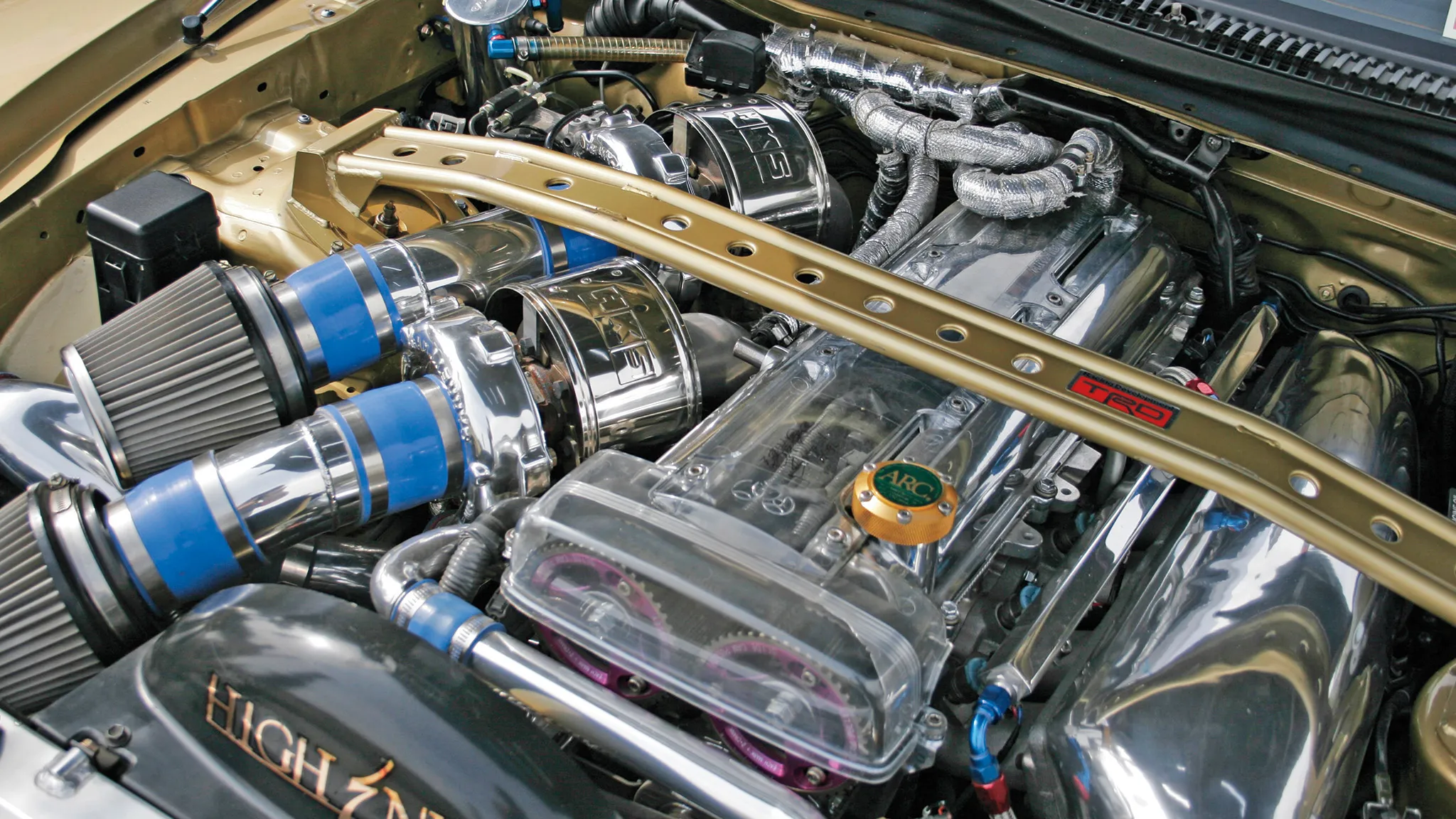
1. Toyota 2JZ-GTE Inline-Six (Toyota Supra MK4)
This engine is the stuff of legends, my friend. When Toyota built the 2JZ-GTE for the fourth-generation Supra, they created something that would go down in history as one of the toughest engines ever made. This 3.0-liter twin-turbocharged inline-six doesn’t just run; it dominates every conversation about reliable performance engines.
What makes this engine so special? Start with the closed-deck engine block, which is cast iron and built like a bunker. The cylinder walls are so thick you could probably use them as a foundation for a small building. Toyota engineers weren’t playing around when they designed this beast.
They used a forged crankshaft, forged connecting rods, and strengthened pistons that can handle way more power than the factory rating suggests. Stock, this engine produces around 320 horsepower, but here’s where it gets interesting: mechanics have seen these engines handle twice, sometimes triple that amount, with proper modifications, and they just keep running.
The beauty of the 2JZ-GTE lies in its overengineering. Toyota built this engine to withstand the punishment that most engines would crumble under. The sequential twin-turbo setup means you get smooth power delivery across the rev range, and the iron block helps with heat dissipation better than aluminum ever could. Mechanics love working on these engines because they’re straightforward, parts are still available, and the engine bay layout makes sense.
Stories about 2JZ-GTE engines running past 300,000 miles are common. Some have crossed half a million miles and are still running strong. The engine’s ability to take boost pressure is legendary in tuning circles.
People have pushed these engines to produce over 1,000 horsepower on the stock block, which is absolutely insane when you think about it. Try that with most modern engines and you’ll be shopping for a new car in no time.
Maintenance on the 2JZ-GTE is refreshingly simple. Change the oil regularly, keep an eye on the cooling system, and replace the timing belt according to schedule. That’s pretty much it.
The engine doesn’t develop weird problems as it ages. No strange oil consumption issues, no head gasket failures if you treat it right, and no mysterious electrical gremlins. It just works, day after day, year after year, which is exactly what you want from an engine.
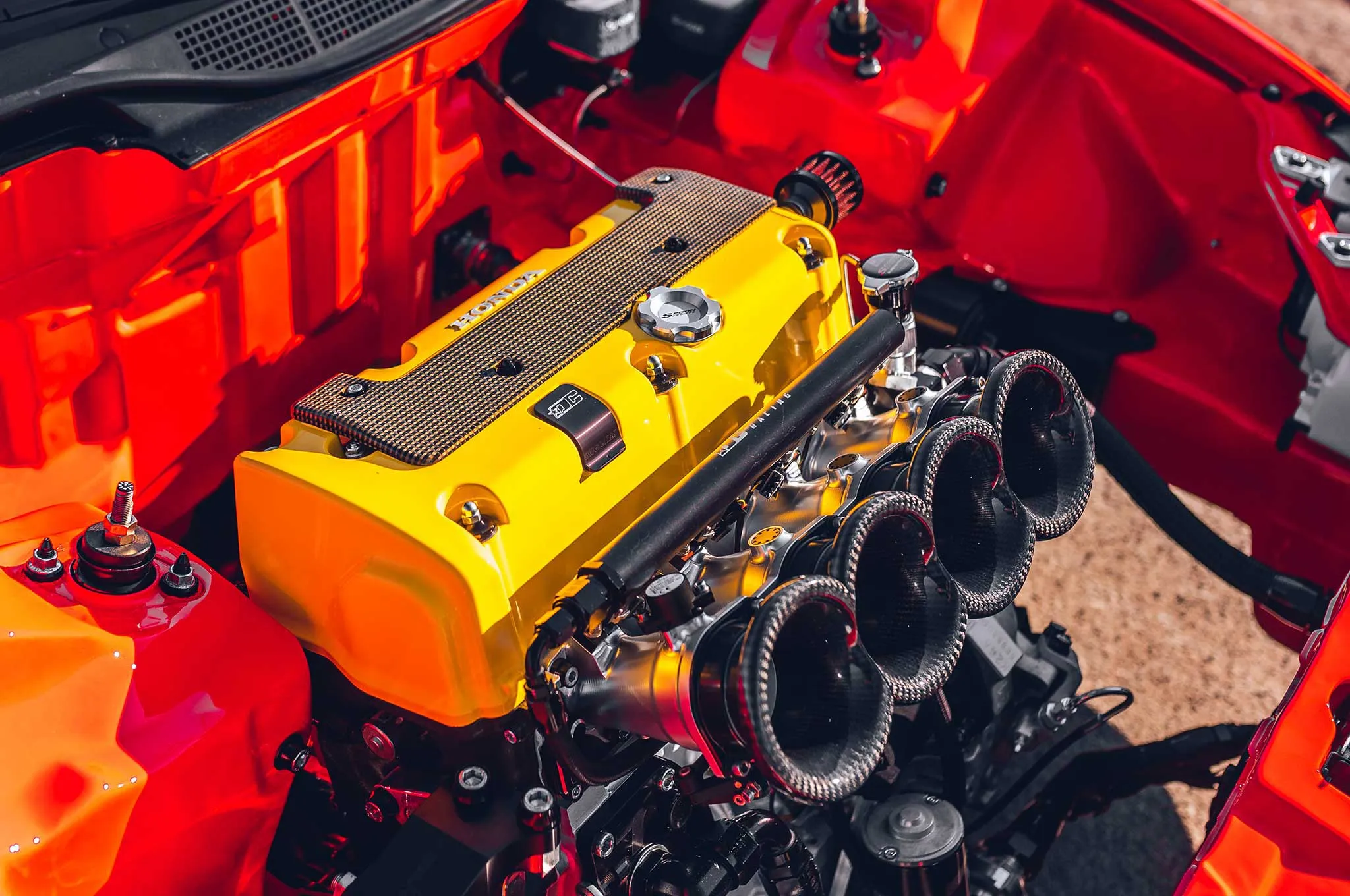
2. Honda K24A2 Four-Cylinder (Honda Civic Si)
Honda has always had a reputation for building engines that refuse to die, and the K24A2 is a perfect example of why that reputation is well-deserved. This 2.4-liter naturally aspirated four-cylinder engine came in the eighth-generation Civic Si and quickly became a favorite among mechanics and enthusiasts alike.
The K24A2 produces 197 horsepower from the factory, which might not sound earth-shattering until you realize how this engine makes that power. Honda’s VTEC system switches between cam profiles to give you efficiency at low RPMs and power at high RPMs.
But here’s what really matters: this engine can rev to 8,000 RPM all day long without complaining. Most engines would be begging for mercy at those speeds, but the K24A2 just keeps singing that beautiful high-pitched Honda song that enthusiasts love.
Mechanics appreciate this engine because Honda built it with a timing chain instead of a belt, which means one less major service interval to worry about. The all-aluminum construction keeps weight down while maintaining strength.
Honda used their i-VTEC system, which combines variable valve timing with variable valve lift, making the engine both efficient and powerful. This isn’t just marketing speak; this technology actually works and has proven itself over millions of miles.
Reliability stories about the K-series engines are almost boring because they’re so consistent. People report running these engines past 200,000 miles with nothing more than oil changes and spark plugs.
The engine doesn’t develop oil leaks, the head gasket stays put, and the internal components just keep doing their job. Some mechanics joke that the only way to kill a K24 is to forget it has oil or run it without coolant, and even then, the engine might surprise you by limping home.
The K24A2 also responds beautifully to modifications if you want more power. Bolt-on parts like intake manifolds, headers, and exhaust systems wake up the engine nicely. The best part? These modifications don’t compromise reliability if done correctly.
The engine’s design has enough headroom to handle additional stress. You can even add forced induction with proper tuning and supporting modifications, and the engine will still last for years. This flexibility makes it a dream for mechanics who work on performance builds because they know the foundation is solid.
Also Read: 5 Engines That Love High Mileage and 5 That Hate It After 75k
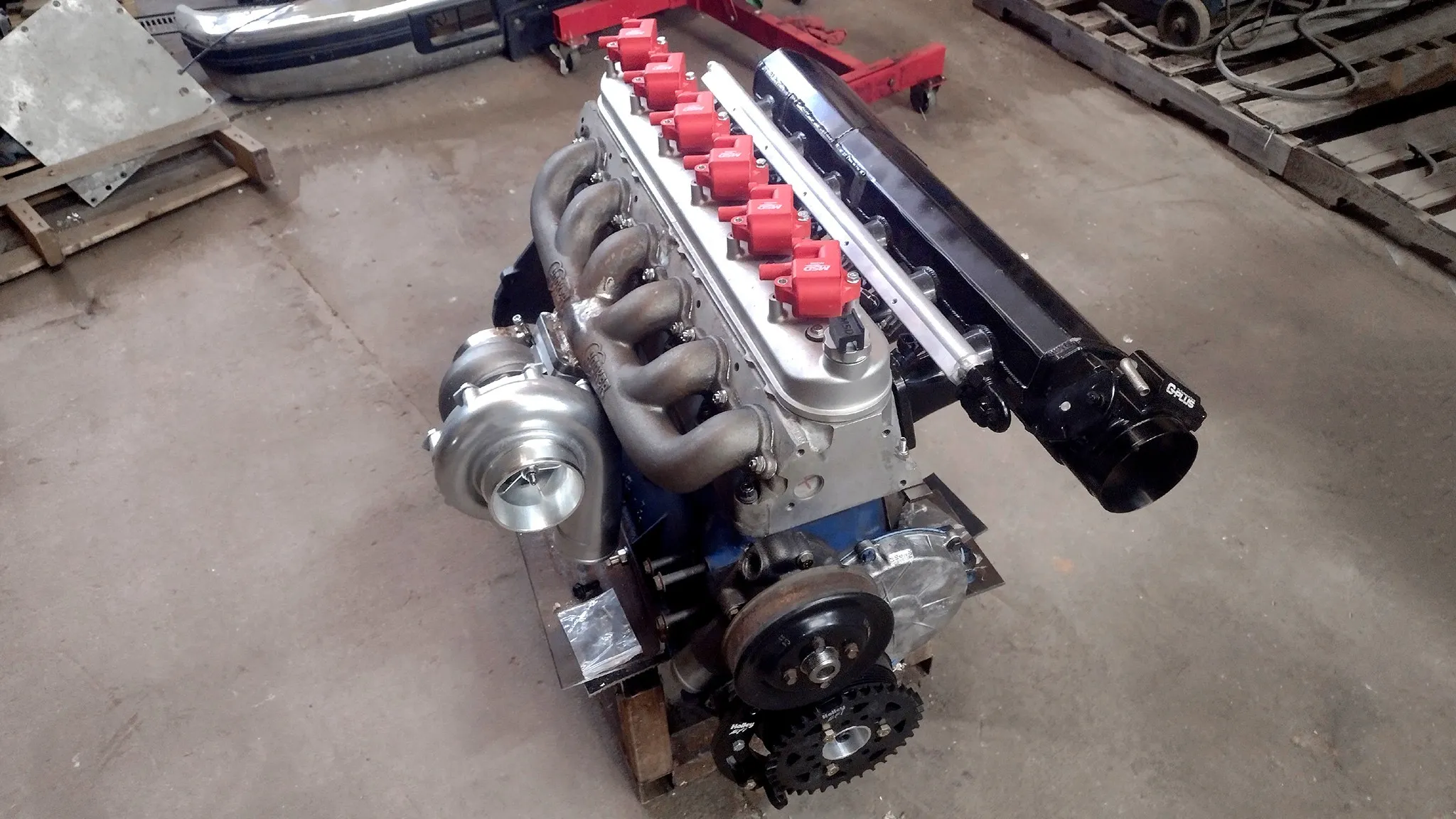
3. Ford 300 Cubic Inch Inline-Six (Ford F-150)
Let me tell you about an engine that old-school mechanics speak about with the kind of reverence usually reserved for religious figures. The Ford 300 cubic inch inline-six, also known as the 4.9-liter six, powered countless F-150 trucks from 1965 all the way to 1996. This engine is so reliable that people actively seek out trucks with this powerplant, even decades after production ended.
This engine uses a simple overhead valve design with a cast-iron block and head. Nothing fancy, no complicated electronics, just solid American engineering from an era when things were built to last. The 300 six produces around 150 horsepower and 260 lb-ft of torque, which doesn’t sound impressive by modern standards.
But here’s the thing: this engine makes its torque at very low RPMs, which is exactly what you want for hauling loads and doing actual work. Truck owners don’t care about 0 to 60 times; they care about reliability and capability, and this engine delivers both in spades.
Mechanics love the 300 Six because it’s almost impossible to kill. The engine’s long stroke and undersquare design mean it doesn’t rev high, which reduces internal stress. Parts move more slowly, wear less, and last longer.
The seven main bearings provide excellent support for the crankshaft, eliminating the vibration issues that plague some inline-six engines. Everything about this engine’s design screams “I’m here for the long haul, not for a good time.”
You want to hear some crazy reliability stories? People have run these engines for over 500,000 miles on original internal components. Farmers who bought F-150s with the 300 six back in the 1980s are still using the same trucks today, still with the original engine, still working every day. The engine doesn’t burn oil, doesn’t overheat, and starts right up even in freezing temperatures. It’s the kind of reliability that makes you wonder why modern engines can’t be built the same way.
Maintenance on the Ford 300 six is straightforward and cheap. Oil changes, occasional valve adjustments, and that’s about it. Parts are abundant and inexpensive because Ford made millions of these engines.
Any mechanic can work on them because the design is so simple. There are no special tools required, no complicated procedures, just basic mechanical work that anyone with some knowledge can handle. This accessibility is part of why the engine remains popular even today among people who appreciate honest, reliable transportation.
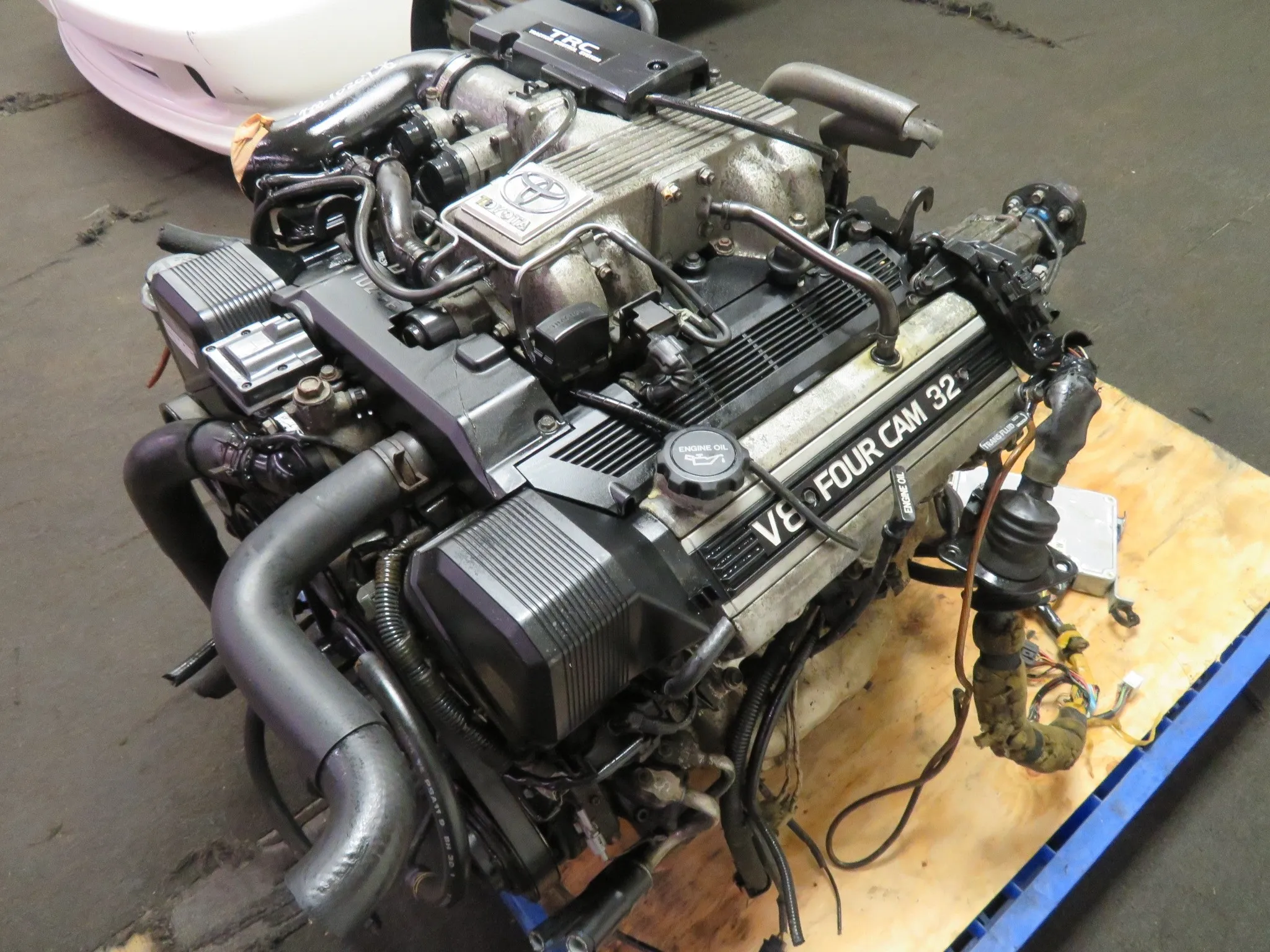
4. Lexus 1UZ-FE V8 (Lexus LS400)
When Lexus launched in 1989, they needed an engine that would prove Japanese engineering could compete with German luxury cars. The 1UZ-FE V8 was their answer, and boy, did it deliver. This 4.0-liter V8 powered the first-generation LS400 and immediately set new standards for smoothness, refinement, and yes, reliability that made mechanics do a double-take.
Toyota, Lexus’s parent company, spent millions developing this engine. They used an all-aluminum block and heads to save weight while maintaining strength.
The engine features dual overhead cams, four valves per cylinder, and variable intake geometry. Everything about this engine was designed to be smooth and quiet while lasting forever. At launch, it produced 250 horsepower, which was respectable for the time, but power figures don’t tell the whole story here.
The 1UZ-FE is famous for being whisper-quiet and incredibly smooth. Place a coin on edge on the valve cover while the engine is running, and it won’t fall over. That’s how balanced this engine is. But beyond the refinement, what really impresses mechanics is how this engine just keeps running. The timing belt system is robust and forgiving. The oiling system is excellent, keeping everything properly lubricated.
The cooling system is overbuilt, preventing overheating issues that plague lesser engines. Real-world reliability numbers on the 1UZ-FE are astonishing. These engines regularly cross 300,000 miles without major repairs. Some have gone past 500,000 miles on original internal components.
Mechanics report that when they tear down high-mileage 1UZ-FE engines for inspection, the cylinder walls still show the original factory cross-hatch pattern. That means the engine wasn’t even worn in yet, despite hundreds of thousands of miles of use. This level of durability is almost unheard of in modern engines.
Working on the 1UZ-FE is pleasant for mechanics because everything is accessible and logical. Lexus didn’t cram the engine bay full of nonsense. There’s room to work, and service items are easy to reach.
The engine doesn’t develop weird problems. It doesn’t have common failure points that mechanics dread. It just needs oil changes, coolant flushes, timing belt replacements, and basic maintenance. Follow the service schedule, and this engine will outlast the car it’s installed in, the next car you buy, and probably the one after that, too.
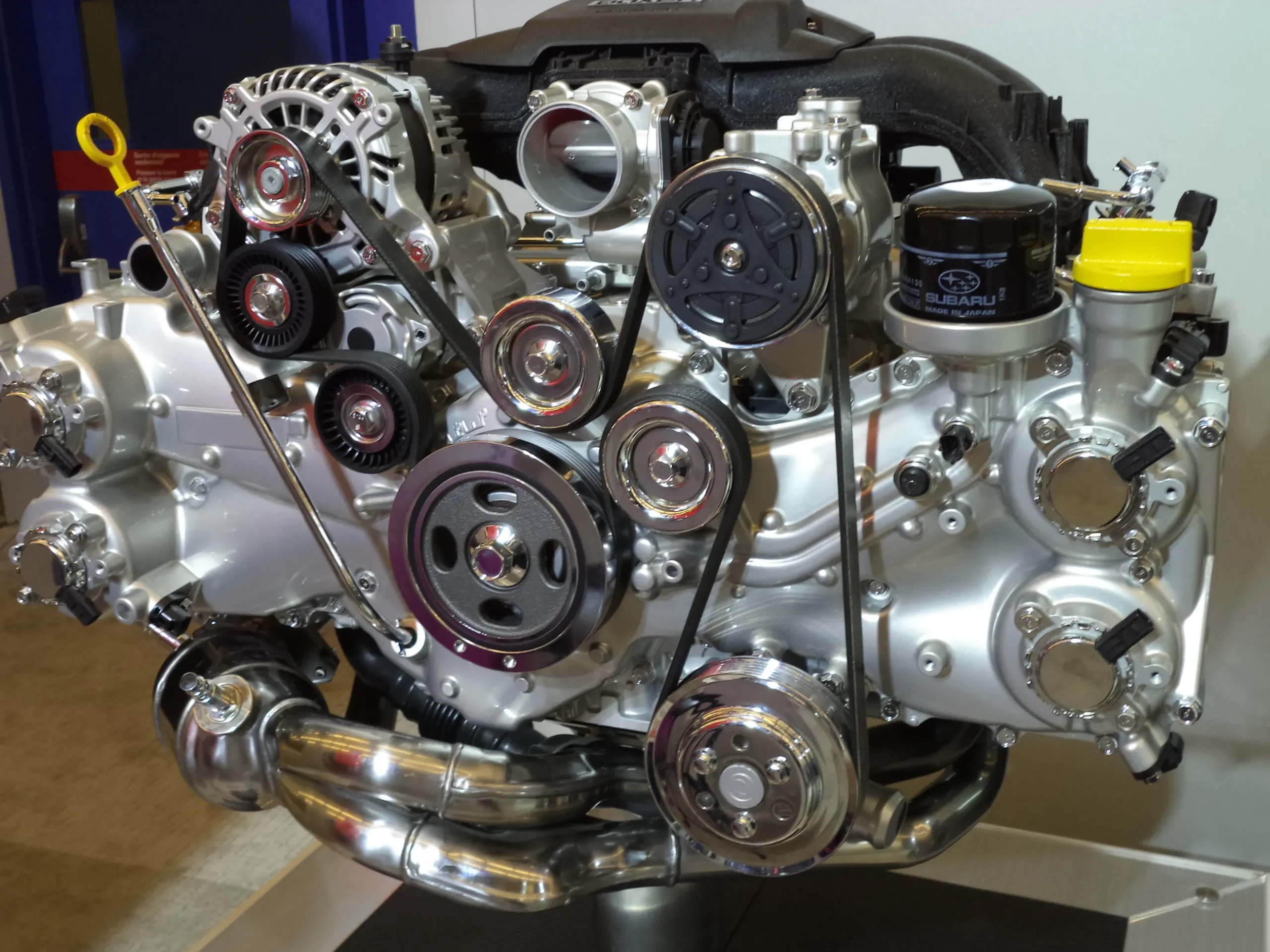
5. Subaru EJ257 Turbocharged Flat-Four (Subaru WRX STI)
Now, turbocharged engines usually make mechanics nervous because forced induction adds stress and complications that can lead to problems. But Subaru’s EJ257 engine, which powered the WRX STI, breaks that stereotype when properly maintained. This 2.5-liter turbocharged boxer engine produces around 300 horsepower and has earned respect for its durability under hard use.
The boxer engine layout, where cylinders oppose each other horizontally, gives Subaru vehicles their low center of gravity and distinctive exhaust note. The EJ257 uses this layout with a single turbocharger, forged pistons, and strengthened internals to handle boost pressure.
Subaru designed this engine for rally racing, where reliability under extreme conditions is everything. That racing heritage translates to an engine that can handle spirited driving on public roads without breaking down. Mechanics who work on properly maintained EJ257 engines are often impressed by their resilience.
The main phrase here is “properly maintained” because this engine demands respect. Run the correct oil, let the engine warm up before driving hard, and let the turbo cool down before shutting off the engine. Follow these rules, and the EJ257 will reward you with years of trouble-free performance. Ignore them, and you’ll learn expensive lessons about turbo bearing failure and engine rebuilds.
The EJ257’s reputation took some hits because inexperienced owners didn’t maintain them properly or modified them incorrectly. But talk to mechanics who see well-cared-for examples, and they’ll tell you these engines easily exceed 150,000 miles without major issues.
Some have crossed 200,000 miles while still maintaining factory compression numbers and oil pressure. The engine’s closed-deck design provides excellent structural rigidity, and the semi-closed deck means coolant can flow around the cylinder walls for better temperature control.
What makes the EJ257 special is its ability to handle increased power. The factory turbocharger is conservative, and the engine’s internals can handle much more boost with proper tuning. Mechanics appreciate that the engine doesn’t have hidden weak points that fail when you add power.
The main bearings are strong, the connecting rods are forged, and the oil system can handle the demands of high-performance driving. This built-in durability makes the EJ257 a favorite among performance enthusiasts who want reliability alongside their speed.
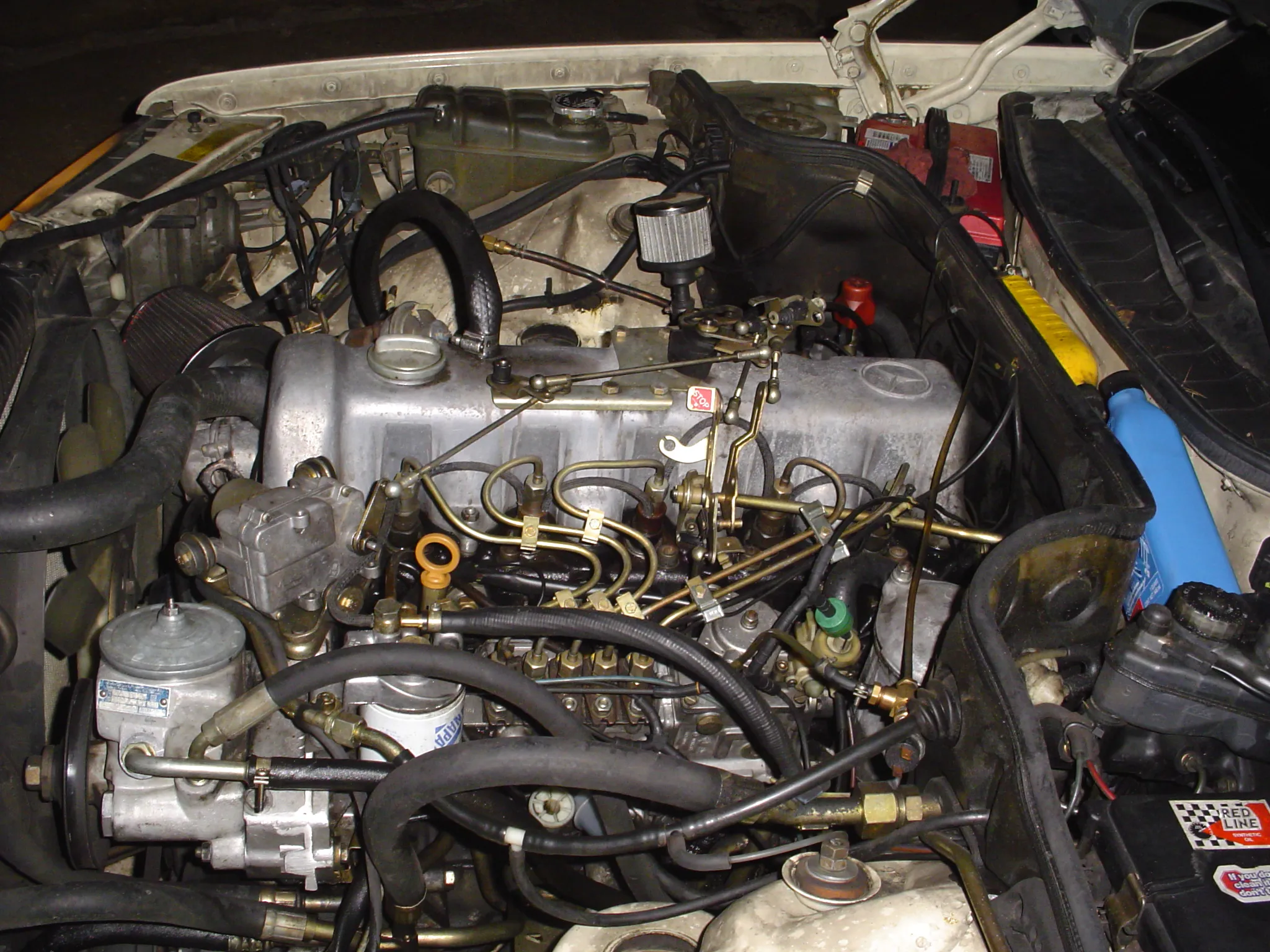
6. Mercedes-Benz OM617 Five-Cylinder Diesel (Mercedes-Benz 300D)
Diesel engines have a reputation for longevity, but the Mercedes-Benz OM617 takes that reputation to another level. This 3.0-liter five-cylinder turbodiesel powered the W123-generation 300D and is considered by many mechanics to be one of the most indestructible engines ever built. We’re talking about an engine that treats 300,000 miles as just getting broken in.
Mercedes built the OM617 using indirect injection technology, which was common for diesels of that era. The engine features a cast-iron block that could probably survive a nuclear blast, forged internals, and a mechanical fuel injection system that doesn’t need electricity to work.
This mechanical simplicity means fewer things can go wrong. No sensitive electronics to fail, no complicated high-pressure fuel systems to cause problems, just robust mechanical components doing their job. The OM617 produces only around 120 horsepower in turbocharged form, which makes it slower than molasses going uphill in winter. But speed isn’t the point here.
This engine was designed to run forever, consuming minimal fuel while doing it. The five-cylinder configuration provides a good balance between the smoothness of a six-cylinder and the simplicity of a four-cylinder. That distinctive five-cylinder sound is just a bonus that makes you smile every time you start the engine.
Mechanics have endless stories about OM617 engines with astronomical mileage figures. Half a million miles is common. Some have crossed a million miles and are still running. There are documented cases of these engines running for over 1.5 million miles with nothing more than regular maintenance.
The engine doesn’t wear out in the traditional sense. Parts don’t fail catastrophically. Things just keep working because Mercedes engineered this engine with tolerances that allow for wear without affecting function. Maintaining an OM617 is simple and cheap. Change the oil and filters regularly, keep the fuel system clean, and adjust the valves occasionally. That’s it. The engine doesn’t need timing belts because it uses a timing chain.
The injection pump is rebuildable and lasts hundreds of thousands of miles. Parts are still available because these engines are so beloved that a whole industry has sprung up around keeping them running. For mechanics who appreciate old-school engineering and bulletproof reliability, the OM617 represents the pinnacle of diesel engine design.
Also Read: The Most Powerful Small Block V8 Engines of the 1970s
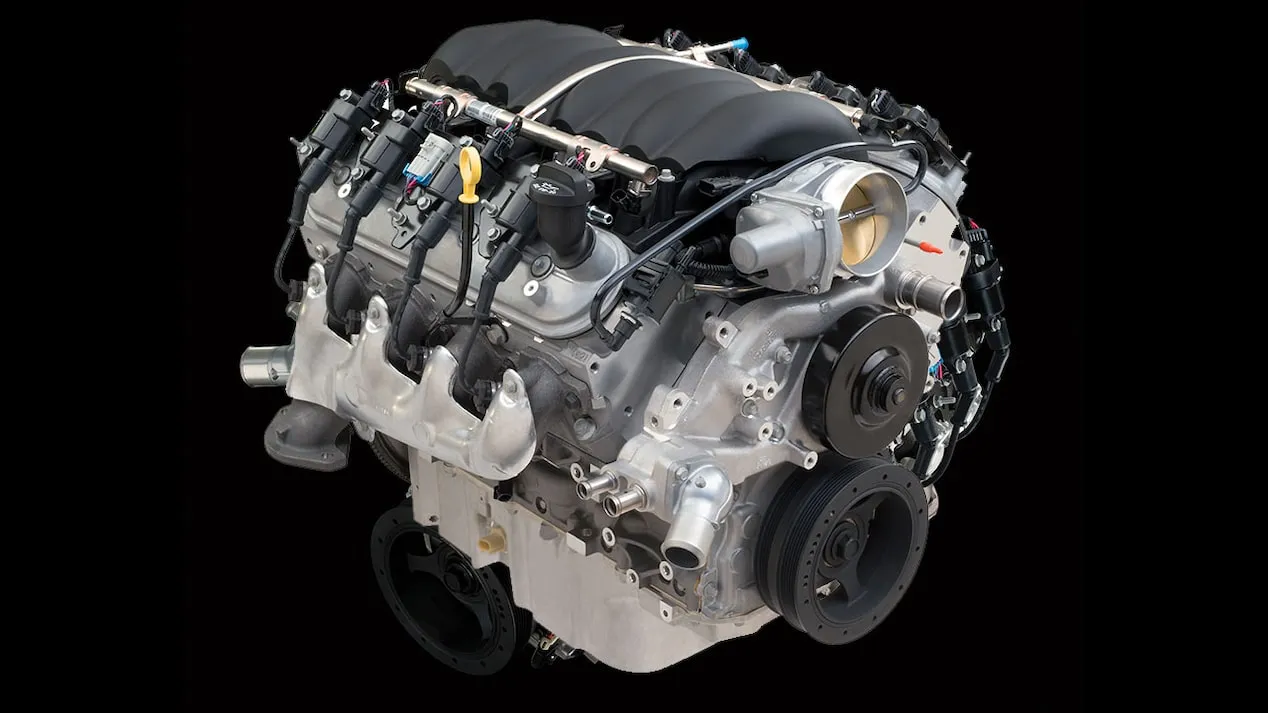
7. General Motors LS3 V8 (Chevrolet Corvette C6)
GM’s LS-series engines have earned a reputation as some of the most reliable performance engines ever made, and the LS3 is a shining example of why. This 6.2-liter V8 powered the C6 Corvette and produced 430 horsepower in stock form. That’s serious power, but what impresses mechanics is how this engine makes that power while maintaining excellent reliability.
The LS3 uses an all-aluminum block with cast-iron cylinder liners, combining light weight with durability. GM designed this engine with a deep-skirt block for added rigidity, and the oiling system is excellent at keeping everything properly lubricated.
The pushrod design keeps the engine compact and simple compared to overhead cam engines. Fewer parts mean fewer potential failure points, which is always good for reliability.
What makes the LS3 special is its ability to handle abuse. This engine can be driven hard on a racetrack all day, then drive you home without complaint. The cooling system is robust, the oil system maintains pressure under high G-forces, and the internals are strong enough to handle the stress of performance driving.
Mechanics see these engines come in after years of track use, and the wear patterns are minimal. The engine’s design leaves plenty of margin for safety, which means it’s not stressed even when you’re wringing every bit of performance from it.
LS3 engines regularly exceed 150,000 miles without major issues. Some have crossed 200,000 miles while maintaining factory power levels and compression numbers. The engine doesn’t develop oil consumption problems.
The valvetrain stays quiet. The cooling system doesn’t have weak points that fail unexpectedly. It’s the kind of reliability that makes you appreciate good engineering, especially when that engineering is wrapped in a package that makes over 400 horsepower.
The LS3 also responds beautifully to modifications, which is why it’s become a favorite for engine swaps. People pull out tired engines from classic cars and install LS3s because they know they’re getting reliable power. Mechanics appreciate that parts are readily available and relatively affordable for a high-performance V8.
The aftermarket support is huge, which means you can find anything you need to maintain or upgrade the engine. This combination of performance, reliability, and practicality makes the LS3 one of the best V8 engines ever produced, and mechanics will tell you the same thing.
These seven engines prove that reliability isn’t just about boring transportation. You can have power, performance, and character while still building an engine that lasts for hundreds of thousands of miles. The common thread among all these engines is thoughtful engineering, quality materials, and a design philosophy that prioritizes longevity.
Mechanics see hundreds of engines throughout their careers, and they develop strong opinions about what works and what doesn’t. When they speak highly about an engine’s reliability, that opinion is earned through countless hours of diagnosis, repair, and observation. These seven engines have earned that respect through decades of proven performance.
If you’re shopping for a car and reliability is your priority, seeking out vehicles with these engines is a smart move. You’ll spend less time and money on repairs, and more time actually enjoying your vehicle. That’s the kind of ownership experience everyone wants, and these engines deliver it consistently.
The automotive world is moving toward electrification, and engines like these will eventually become relics of the past. But their legacy will live on in the memories of mechanics who worked on them and owners who drove them. They represent a time when engineering excellence meant building something that would last, and that’s a philosophy worth remembering.
