
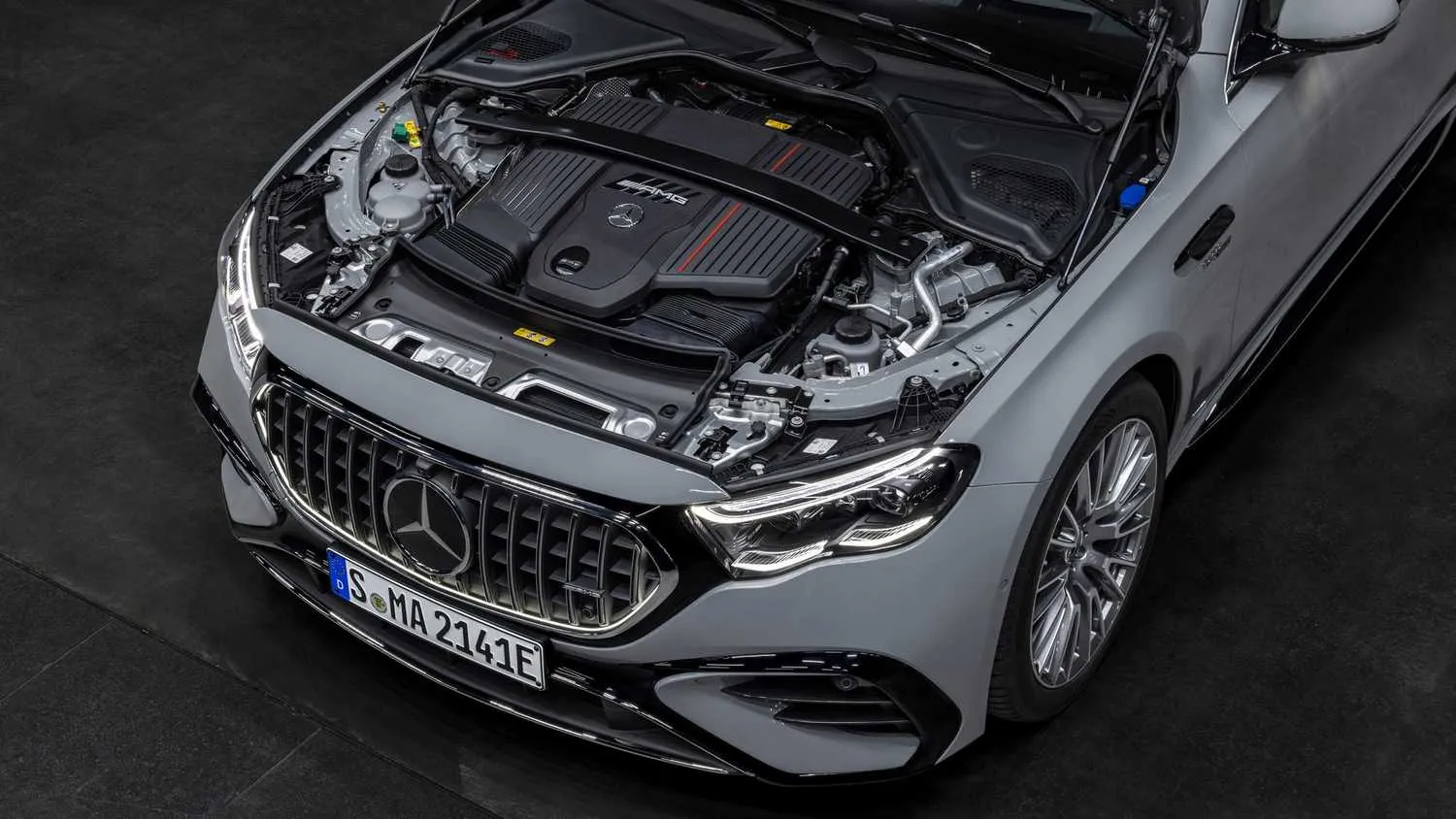
Is it the luxury, the comfort, or perhaps the prestige that comes with driving one of these German machines? Well, let me tell you something that many people don’t talk about enough: Mercedes-Benz builds some of the most reliable engines in the automotive world.
Yes, you heard that right! While some folks will argue that German engineering comes with expensive maintenance costs, the truth is that when you buy a Mercedes with the right engine, you’re getting a powertrain that can last for hundreds of thousands of kilometers without giving you serious headaches.
Now, I’m not saying these engines are completely immune to problems. Every machine needs proper care and attention. But what sets these particular Mercedes engines apart is their incredible ability to withstand the test of time when you treat them well.
We’re talking about engines that can easily clock 300,000 kilometers and still run smoothly like they just rolled out of the factory yesterday. Some of these powertrains have become legendary among mechanics and car enthusiasts for their bulletproof nature.
The interesting thing about Mercedes engines is that the company has always prioritized durability and longevity, even when they were pushing for more power and better fuel economy.
They understood that their reputation depended on building engines that wouldn’t leave their customers stranded on the highway. Through decades of refining their engineering processes, Mercedes has created several engine families that have proven themselves time and time again.
We’re going to look at twelve Mercedes engines that have earned their reputation for reliability. These are the engines that mechanics respect, that long-distance drivers trust, and that smart buyers look for when shopping for a used Mercedes.
Whether you’re planning to buy a Mercedes or you just love learning about dependable engineering, this list will show you exactly which engines have stood the test of time. So buckle up and let’s get started!
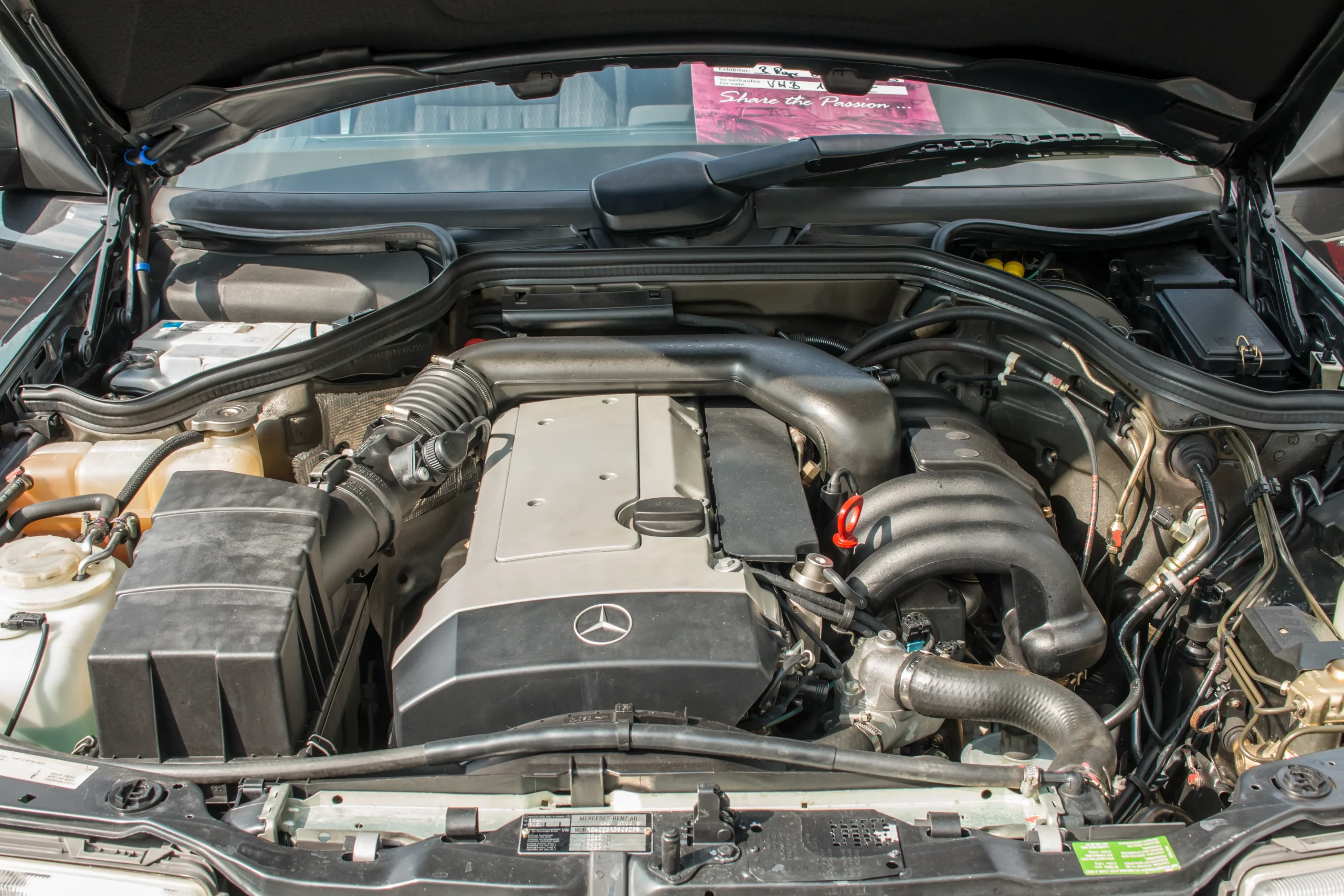
1. Mercedes-Benz M104 3.0L Inline-Six (1988-1997)
The M104 engine is where we must begin this conversation because it represents everything Mercedes-Benz got right about building engines that last. This 3.0-liter inline-six cylinder engine appeared in models like the W124 E-Class and became famous for running smoothly even after serious mileage.
What makes this engine special? The answer lies in its simple but effective design that focuses on durability rather than chasing excessive horsepower numbers. Mercedes engineers built the M104 with a cast-iron block and an aluminum head, creating a combination that could handle heat and stress without warping or cracking.
The engine produces around 177 to 231 horsepower, depending on the variant, which might not sound impressive by today’s standards, but back then, it was more than enough to move these cars comfortably. The inline-six configuration gives the engine perfect primary and secondary balance, meaning less vibration and less wear on internal components as time goes on.
Many taxi drivers across Europe chose Mercedes models with the M104 engine, and these cars regularly exceeded 500,000 kilometers on the original engine without major rebuilds. That’s not just good engineering; that’s exceptional engineering!
The engine uses a simple timing chain instead of a timing belt, which eliminates one of the most common failure points in many engines. This chain, when properly maintained with regular oil changes, can last the entire lifetime of the engine.
The fuel injection system on the M104 is mechanical, controlled by the engine’s own movements rather than complicated electronics. This makes the engine easier to diagnose and repair when something does go wrong.
Common issues with the M104 are usually related to the wiring harness deteriorating as time goes on, but the actual engine internals remain strong. When you find a well-maintained Mercedes with an M104 engine, you’ve found a car that can serve you faithfully for many years without demanding expensive repairs.
The smoothness of this inline-six is something you have to experience to truly appreciate, and it’s one of the reasons why classic Mercedes models with this engine still command respect on the road today.
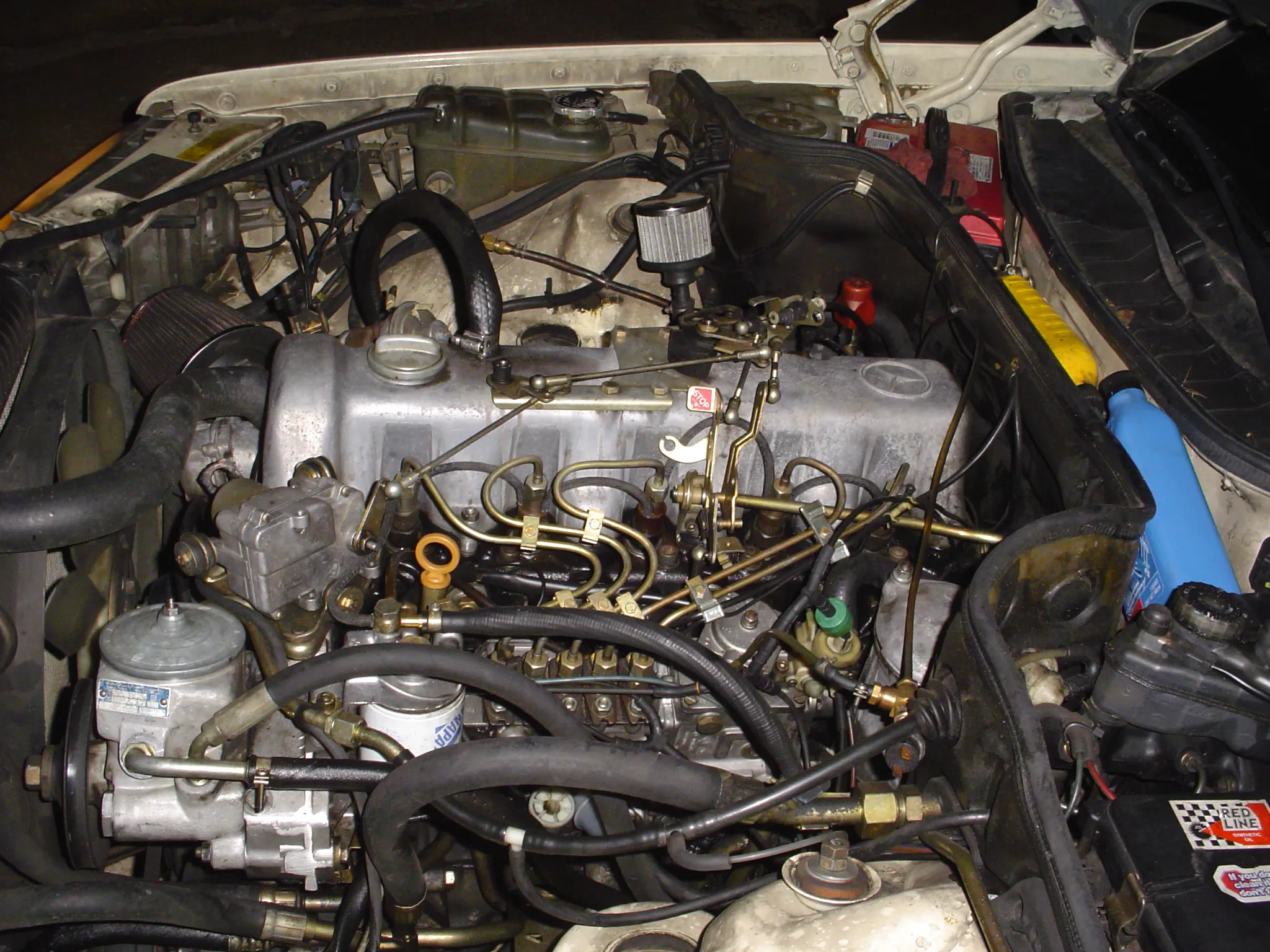
2. Mercedes-Benz OM617 3.0L Diesel Inline-Five (1974-1991)
If there’s one engine that has achieved legendary status among Mercedes enthusiasts, it’s the OM617. This 3.0-liter five-cylinder diesel engine is practically indestructible! You’ll find this engine in the W123 and W126 models, and it’s not uncommon to see these cars with over one million kilometers on the odometer still running on the original engine. How is that even possible? The answer is simple: Mercedes built this engine like a tank.
The OM617 produces modest power, usually between 77 and 125 horsepower, depending on whether it’s naturally aspirated or turbocharged. Don’t let those numbers fool you, though. This engine wasn’t designed to win races; it was designed to run forever.
The engine block is made from incredibly thick cast iron, and the internal components are built to tolerances that would make modern accountants cry. Everything about this engine is overengineered in the best possible way.
Mechanics who work on these engines often joke that the OM617 will outlast the car it’s installed in, and they’re not wrong. The engine uses indirect injection, which is less efficient than modern direct injection systems but far more reliable.
The fuel injection pump is mechanical, built by Bosch, and it’s another component that can easily last the lifetime of the vehicle with basic maintenance. What maintenance does this engine need? Regular oil changes, fuel filter replacements, and keeping the cooling system in good condition. That’s basically it!
One reason this engine lasts so long is that it runs at relatively low RPM compared to modern diesel engines. Lower engine speeds mean less stress on components, less heat generation, and less wear as time goes on. The engine might feel slow by modern standards, but it will keep going long after flashier, more powerful engines have given up.
Many people in developing countries specifically seek out Mercedes models with the OM617 because they know these engines can handle poor fuel quality and minimal maintenance better than almost anything else on the market.
When you start an OM617 engine, you’ll hear a distinctive diesel clatter that sounds rough but actually indicates a healthy engine doing exactly what it was designed to do for decades to come.
Also Read: 12 Engines That Outperform Modern Counterparts
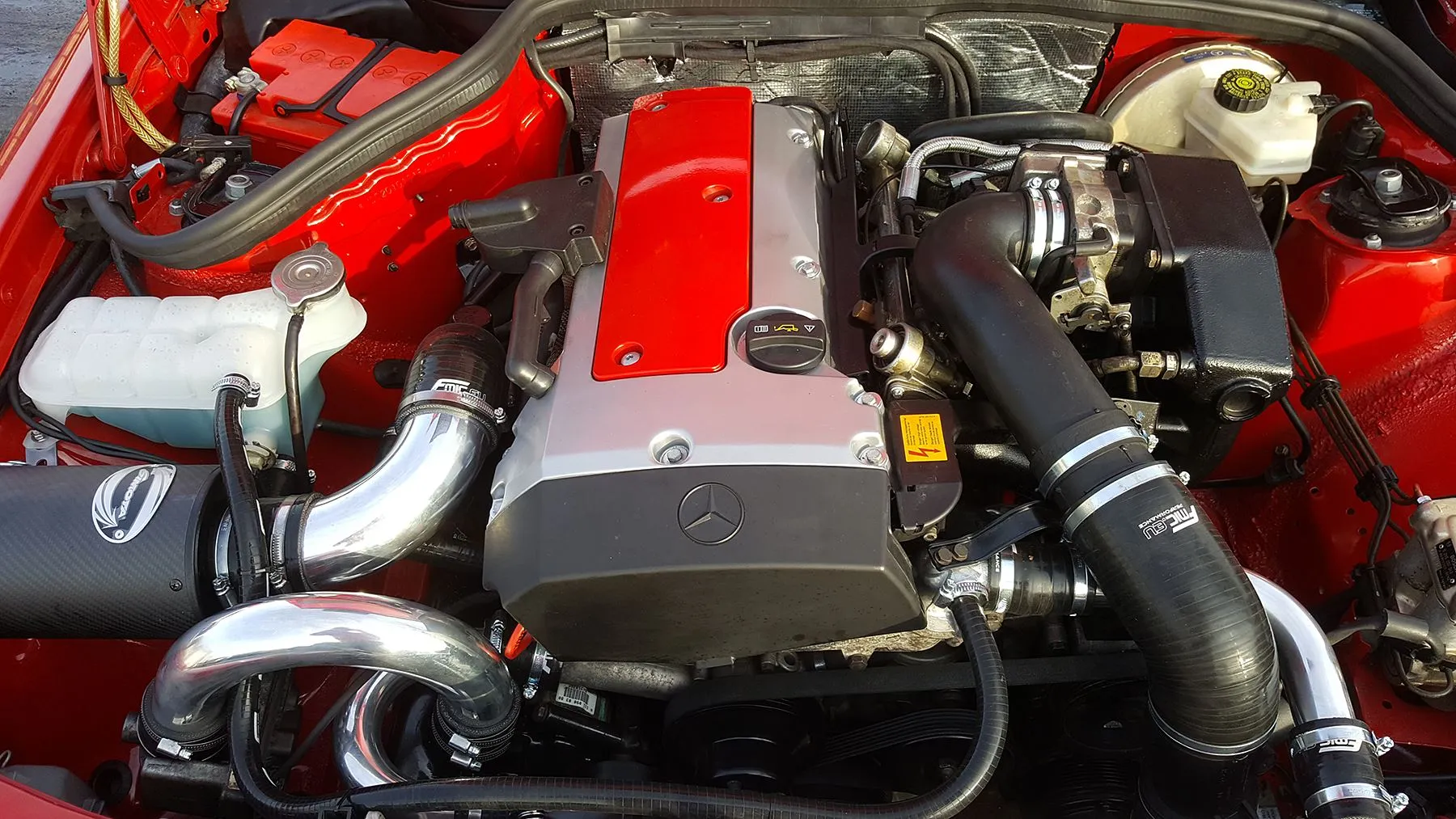
3. Mercedes-Benz M111 2.3L Inline-Four (1993-2000)
The M111 2.3-liter four-cylinder engine proves that Mercedes could build reliable engines across different configurations. This engine appeared in various C-Class and E-Class models, offering a good balance between fuel economy and adequate power for daily driving.
The engine produces between 136 and 193 horsepower, depending on whether you have the naturally aspirated version or the supercharged Kompressor variant. The engine uses an aluminum block with cast-iron cylinder liners, a design choice that reduces weight while maintaining durability where it matters most.
What makes the M111 particularly interesting is its use of a balance shaft to counteract the natural vibrations of a four-cylinder engine. This wasn’t just about comfort; it also reduced stress on engine mounts and surrounding components, contributing to the engine’s longevity.
Common maintenance items for the M111 include keeping up with oil changes using quality synthetic oil and replacing the spark plugs at recommended intervals. The ignition coils can fail as time goes on, but this is a relatively inexpensive fix.
The supercharged Kompressor versions add another dimension to this engine’s character. The supercharger is mechanically driven, making it simpler and more reliable than turbochargers. Many Mercedes owners have driven their M111-powered cars well past 400,000 kilometers without major engine work.
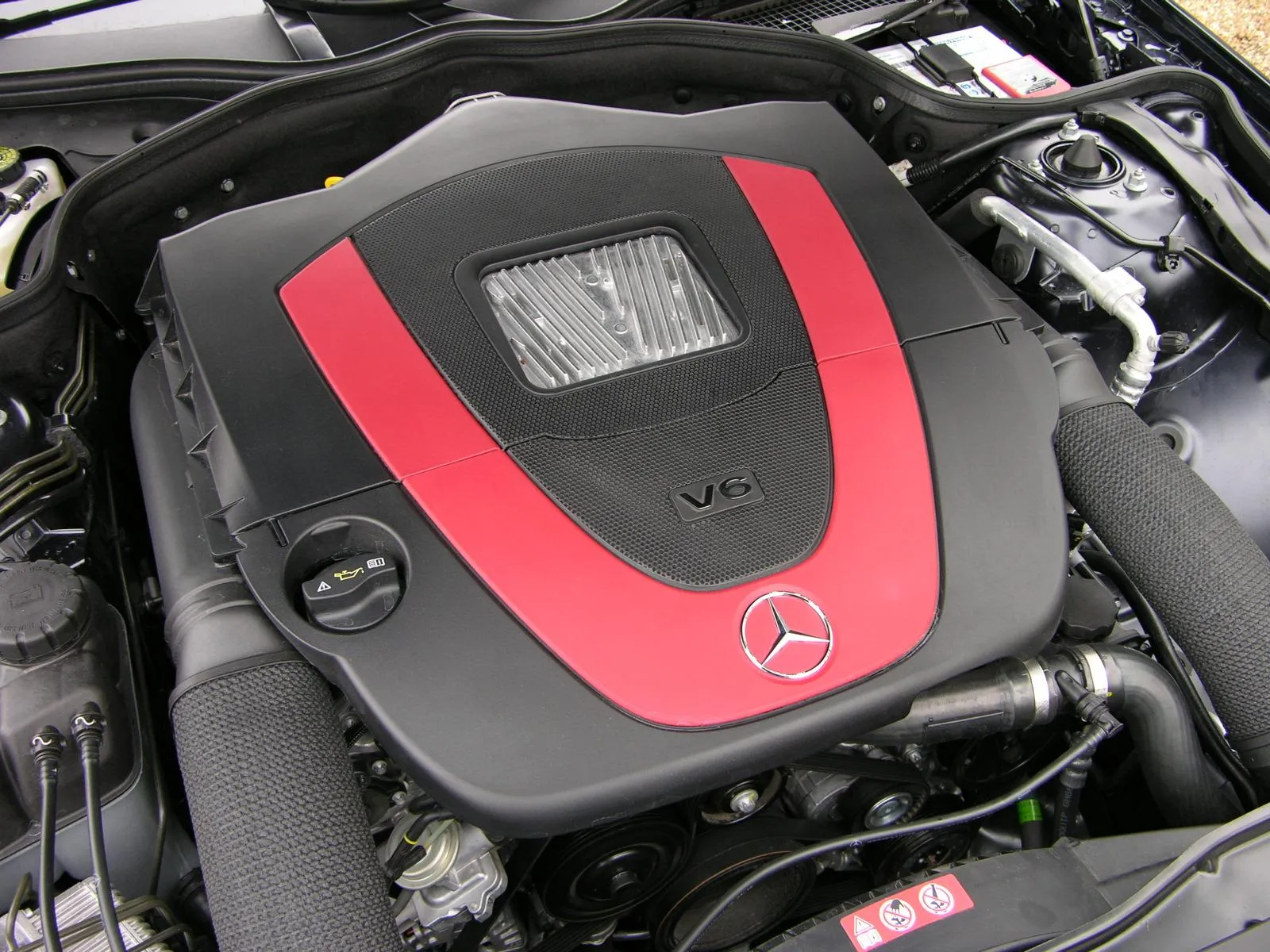
4. Mercedes-Benz M272 3.5L V6 (2004-2011)
The M272 3.5-liter V6 engine represents Mercedes’ transition into modern engine technology while maintaining reliability. This engine powers models like the E350, ML350, and R350, delivering smooth performance with 268 to 302 horsepower depending on the year and application.
The V6 configuration provides a compact package that fits into various vehicle platforms while offering good power delivery across the RPM range. This engine uses aluminum construction throughout, which helps reduce weight and improve fuel economy. The variable valve timing system on both intake and exhaust camshafts allows the engine to optimize performance and efficiency.
Early versions of the M272 had some issues with the balance shaft gears that could lead to serious engine damage if not addressed. Mercedes issued service campaigns to fix this problem, and most affected vehicles have been repaired by now.
Another area that requires attention is the timing chain and related components. The M272 can develop timing chain stretch as time goes on, particularly if oil changes were neglected. Regular oil changes using the correct specification oil are critical for this engine.
The intake manifold is made from plastic with internal flaps that can break as time goes on. Many owners have reported driving their M272-powered Mercedes past 300,000 kilometers after addressing the early problems.
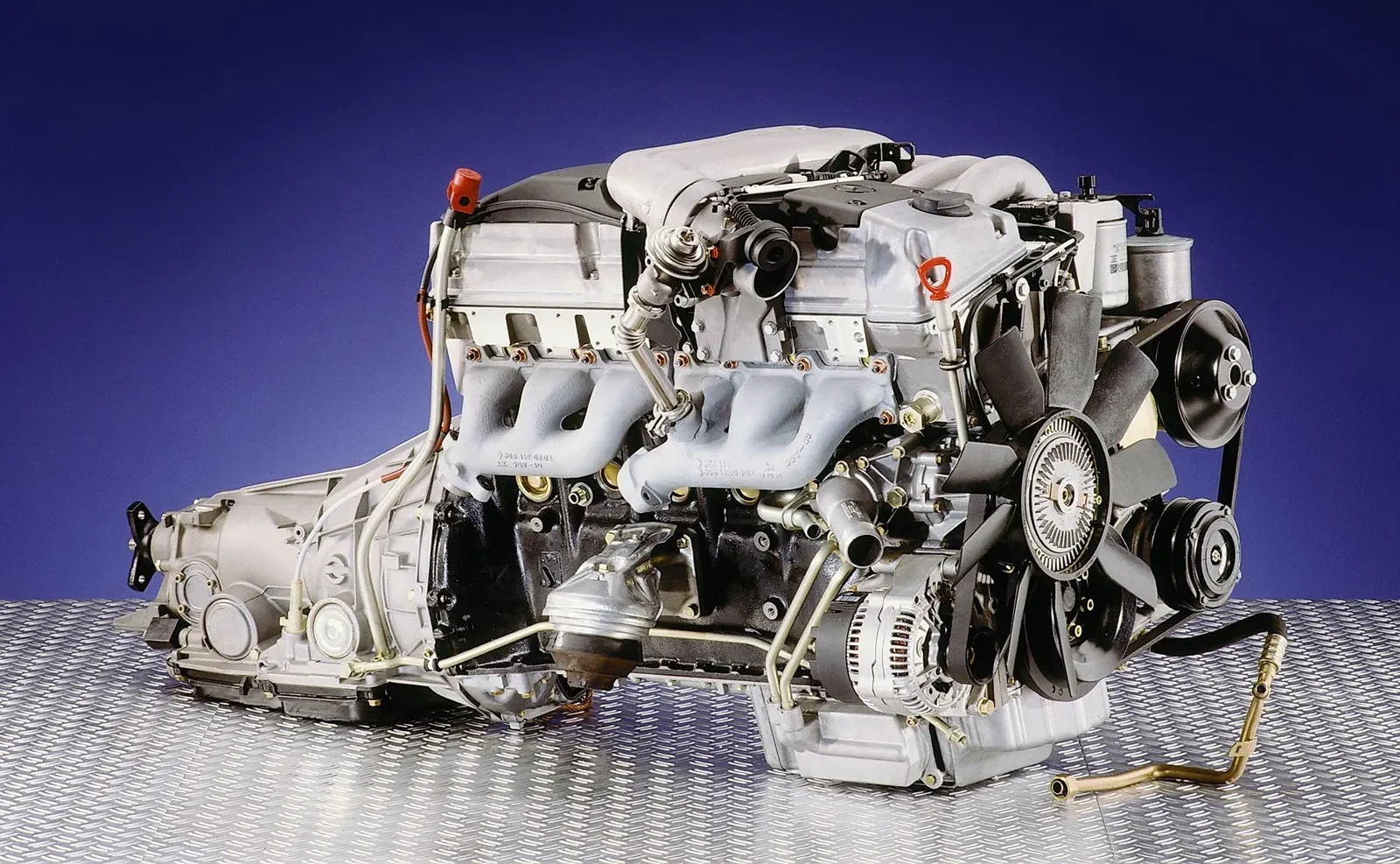
5. Mercedes-Benz OM606 3.0L Diesel Inline-Six (1993-2001)
The OM606 3.0-liter turbocharged diesel inline-six is another Mercedes engine that has achieved cult status among people who value reliability above everything else. This engine appeared in the W210 E-Class and other models, offering impressive torque and fuel economy while being built tough enough to handle serious mileage without complaining.
The OM606 produces around 174 horsepower in its turbocharged form, delivering substantial low-end torque that makes overtaking easy and towing effortless. Mercedes built it with the same philosophy that guided the legendary OM617, using thick cast-iron construction and conservative engineering that prioritizes longevity.
The fuel injection system is mechanical, controlled by a Bosch injection pump that’s known for lasting hundreds of thousands of kilometers. The timing chain requires minimal maintenance beyond regular oil changes, saving you money and reducing the risk of catastrophic engine failure.
Many taxi operators and commercial vehicle owners specifically sought out Mercedes models with the OM606 because they knew this engine would keep running regardless of how many kilometers they put on it.
The injection pump seals can leak as time goes on, but this is a maintenance item rather than a fundamental design flaw. Some examples of the OM606 have exceeded 800,000 kilometers on the original engine without major rebuilds.
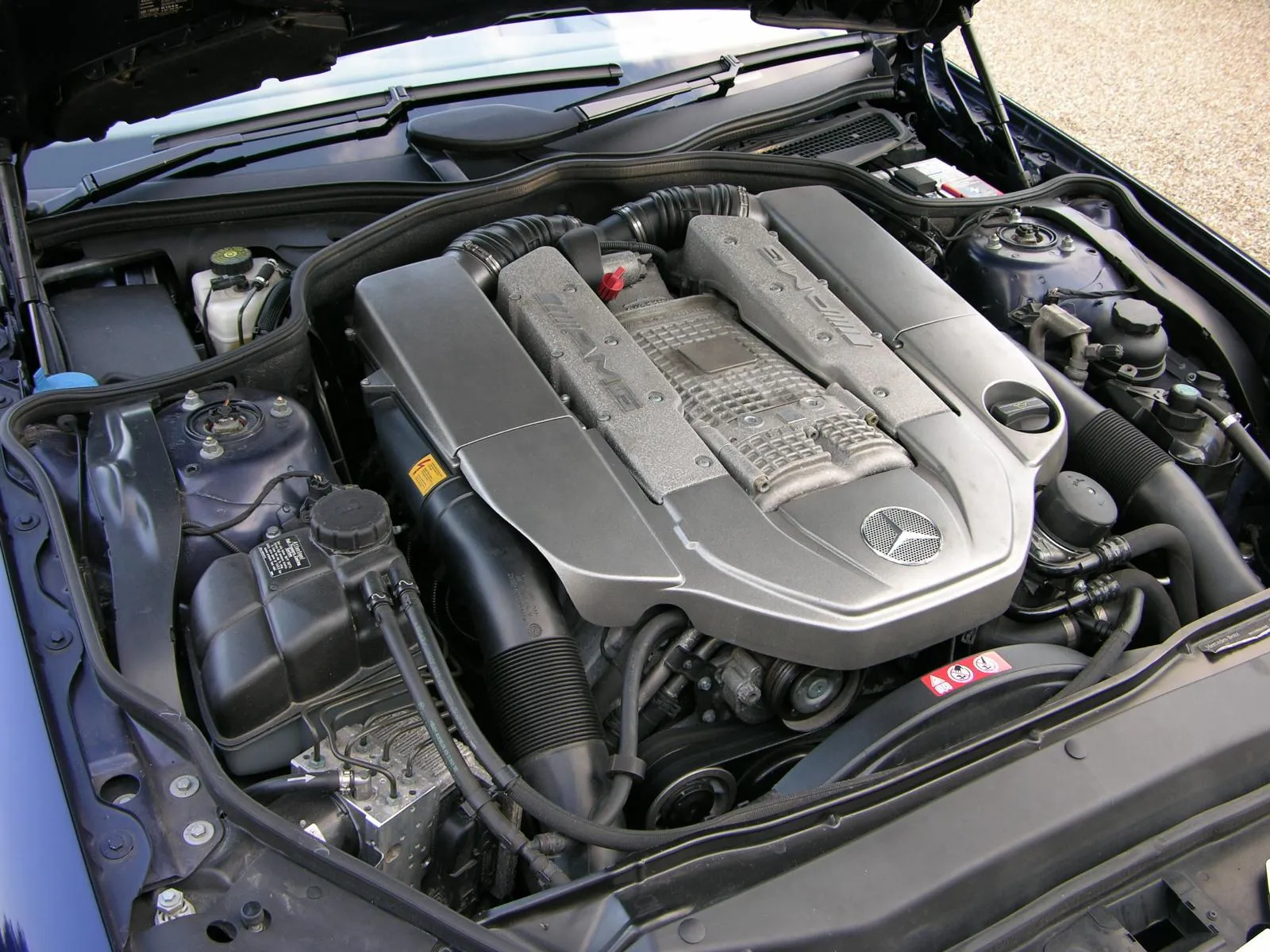
6. Mercedes-Benz M113 5.4L V8 (1998-2006)
The M113 5.4-liter V8-powered performance models like the E55 AMG, S430, and ML55 AMG, delivering between 302 and 476 horsepower depending on whether you have the standard or supercharged AMG version.
Despite being a high-performance engine, the M113 has proven remarkably reliable when maintained properly. The engine uses an aluminum block and heads, keeping weight down while maintaining strength where it matters.
What’s impressive about the M113 is that despite producing serious power, it doesn’t suffer from the reliability problems that plague some high-performance engines. The engine internals are built tough, with forged connecting rods and a strong crankshaft that can handle the power output without issues.
Even the supercharged AMG versions, which produce nearly 500 horsepower, have proven capable of reaching high mileage without major problems when the owner follows the maintenance schedule.
The M113 requires regular oil changes with synthetic oil, and you need to keep an eye on the cooling system. The engine produces a lot of heat, especially in performance driving, so maintaining the cooling system is critical.
The timing chain system is generally reliable, though some examples have experienced chain guides wearing out at high mileage. Many M113-powered Mercedes have reached 300,000 kilometers and beyond with proper care, which is remarkable for a performance V8.
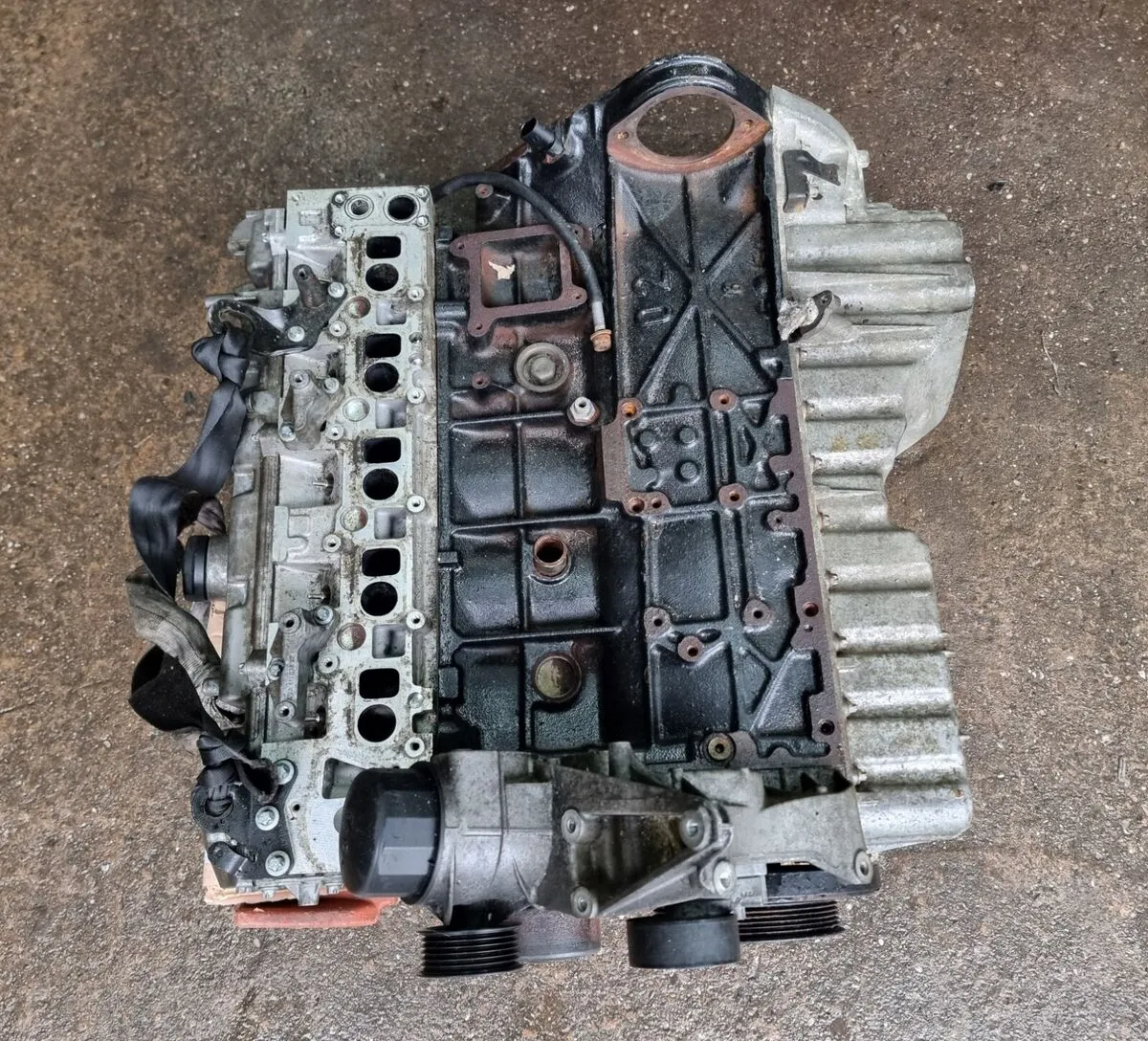
7. Mercedes-Benz OM647 2.7L Diesel Inline-Five (1999-2005)
The OM647 2.7-liter five-cylinder turbodiesel engine appeared in models like the C270 CDI and E270 CDI, offering excellent fuel economy and decent power output of around 170 horsepower.
The five-cylinder configuration provides a good balance between the smoothness of a six-cylinder and the compactness of a four-cylinder. What sets the OM647 apart from older Mercedes diesels is its use of common-rail direct injection technology, resulting in improved performance and lower emissions.
The construction follows Mercedes’ tradition of building durable diesel engines. The block is cast iron, providing strength and longevity, while the cylinder head is aluminum to help with heat dissipation. The turbocharger is sized appropriately for the engine, and when it receives clean oil, it can last the lifetime of the vehicle.
One area where the OM647 requires attention is the exhaust gas recirculation system. The EGR valve can become clogged with carbon deposits as time goes on, especially if the car is used primarily for short trips.
Regular highway driving helps keep the EGR system clean. Timing chain maintenance is important, and regular oil changes using the correct specification oil help the chain and guides last longer. Many examples of the OM647 have reached 400,000 kilometers and beyond with proper maintenance.
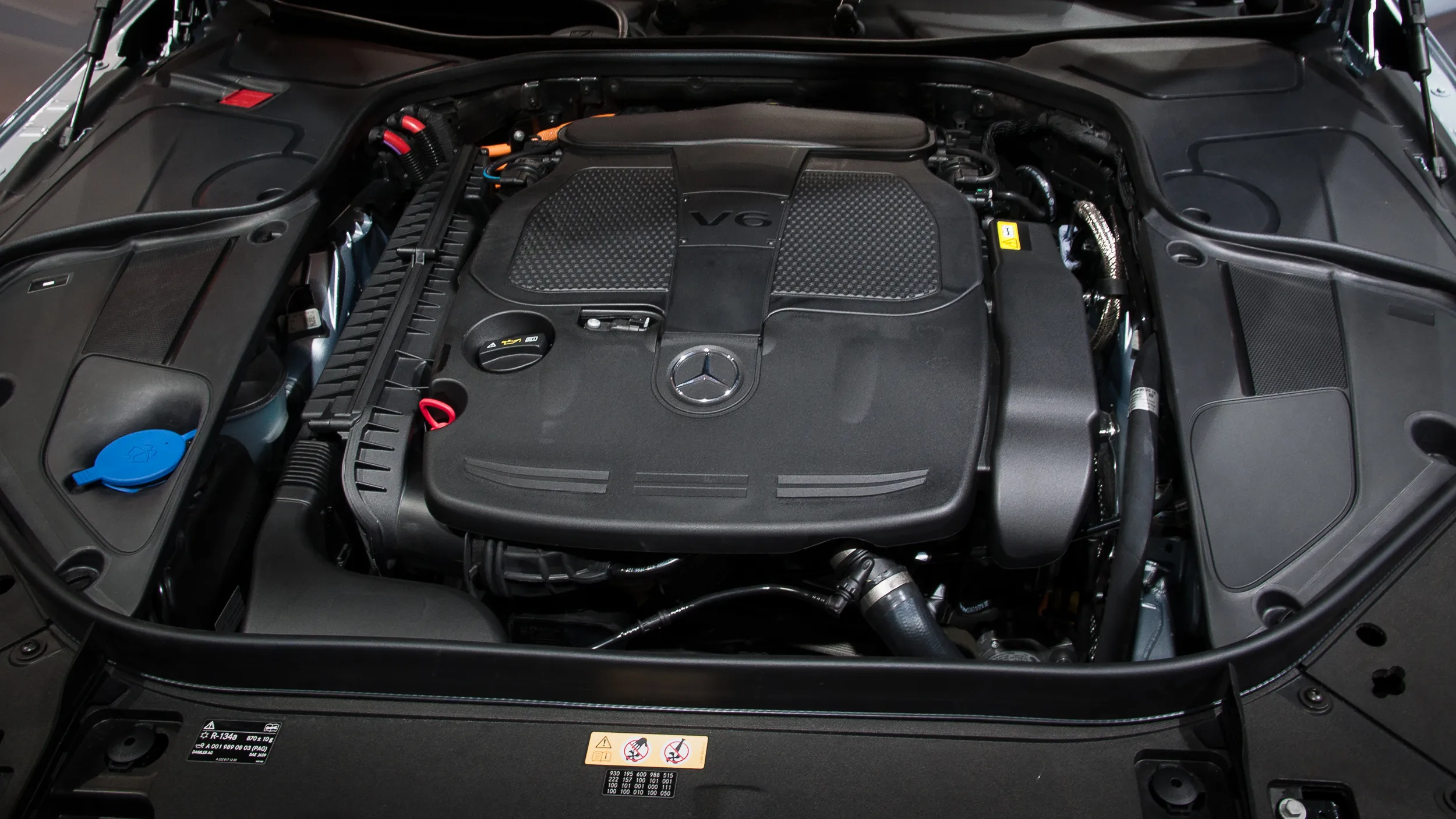
8. Mercedes-Benz M276 3.5L V6 (2010-2017)
The M276 3.5-liter V6 engine represents Mercedes’ latest generation of naturally aspirated V6 power, bringing several improvements over the earlier M272 engine. This engine powers models like the E350, ML350, and S350, producing between 302 and 333 horsepower depending on the application. Mercedes incorporated direct fuel injection and variable valve timing to improve both power and efficiency.
The direct injection system sprays fuel directly into the combustion chamber at high pressure, allowing for more precise control over the combustion process. One of the improvements Mercedes made with the M276 was addressing the balance shaft issues that plagued the earlier M272.
The M276 uses a different design that’s proven to be more reliable. The engine also features improved timing chain components that better resist wear as time goes on. The M276 does have some quirks. The direct injection system can lead to carbon buildup on the intake valves after some time.
Walnut blasting to clean the intake valves has become a routine maintenance item. Some examples have also experienced oil leaks from the valve cover gaskets, but this is a relatively minor issue.
When properly maintained, the M276 has proven capable of reaching high mileage without major problems. Owners who change their oil regularly and use quality fuel have reported smooth operation well past 250,000 kilometers.
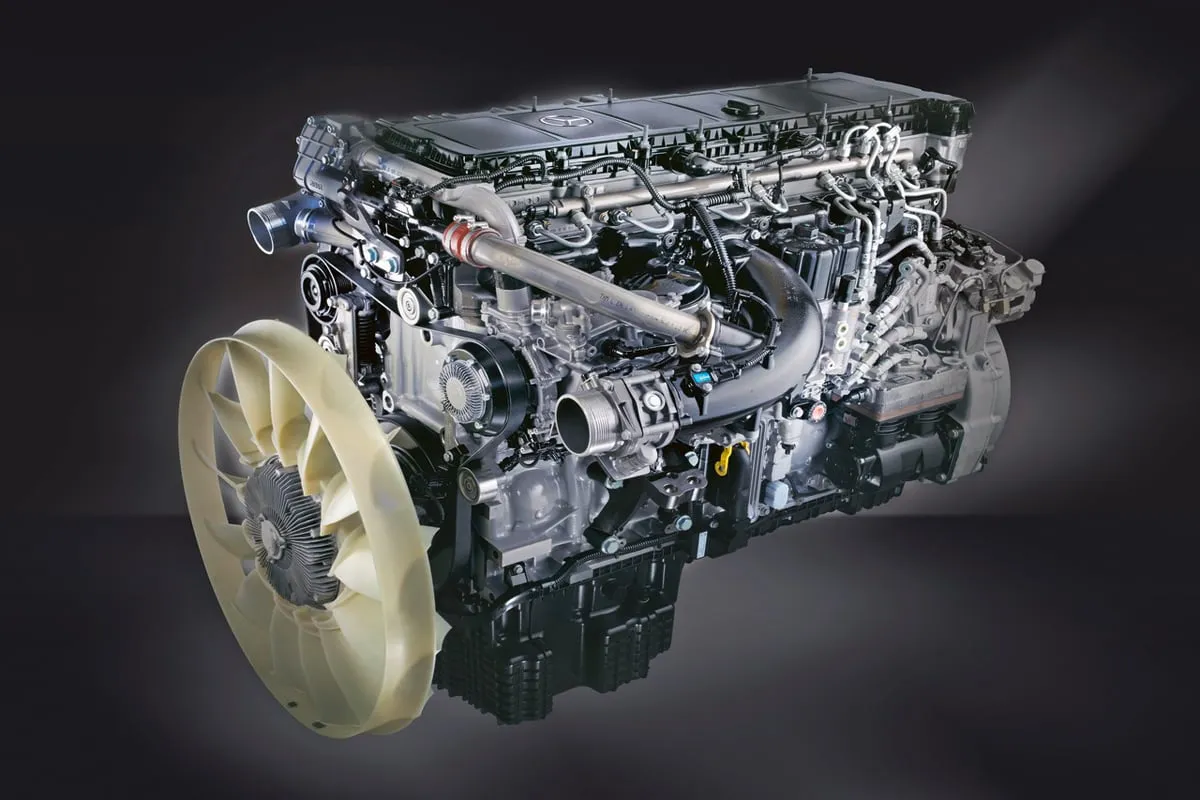
9. Mercedes-Benz OM651 2.1L Diesel Inline-Four (2008-2018)
The OM651 2.1-liter four-cylinder turbodiesel engine appeared across the Mercedes lineup, from the C-Class to the E-Class and even some commercial vehicles, producing between 136 and 204 horsepower depending on the tune.
This engine uses aluminum construction with cast-iron cylinder liners, reducing weight while maintaining durability in the combustion chambers. The common-rail direct injection system operates at extremely high pressures, atomizing the fuel very finely for efficient combustion.
The OM651 has generally proven reliable in service, with many examples reaching high mileage without major issues. The engine requires regular oil changes using low-ash diesel engine oil to prevent problems with the diesel particulate filter. The DPF requires the engine to reach full operating temperature regularly to burn off accumulated soot.
Some early examples experienced issues with the timing chain stretching prematurely, particularly in higher-powered versions. Mercedes issued technical service bulletins addressing this problem, and later production engines featured improved chain components.
The fuel injectors require clean diesel fuel to function properly. Using quality fuel and replacing the fuel filter at recommended intervals helps prevent injector problems. Despite modern complications, the OM651 delivers impressive reliability when maintained according to Mercedes’ specifications.
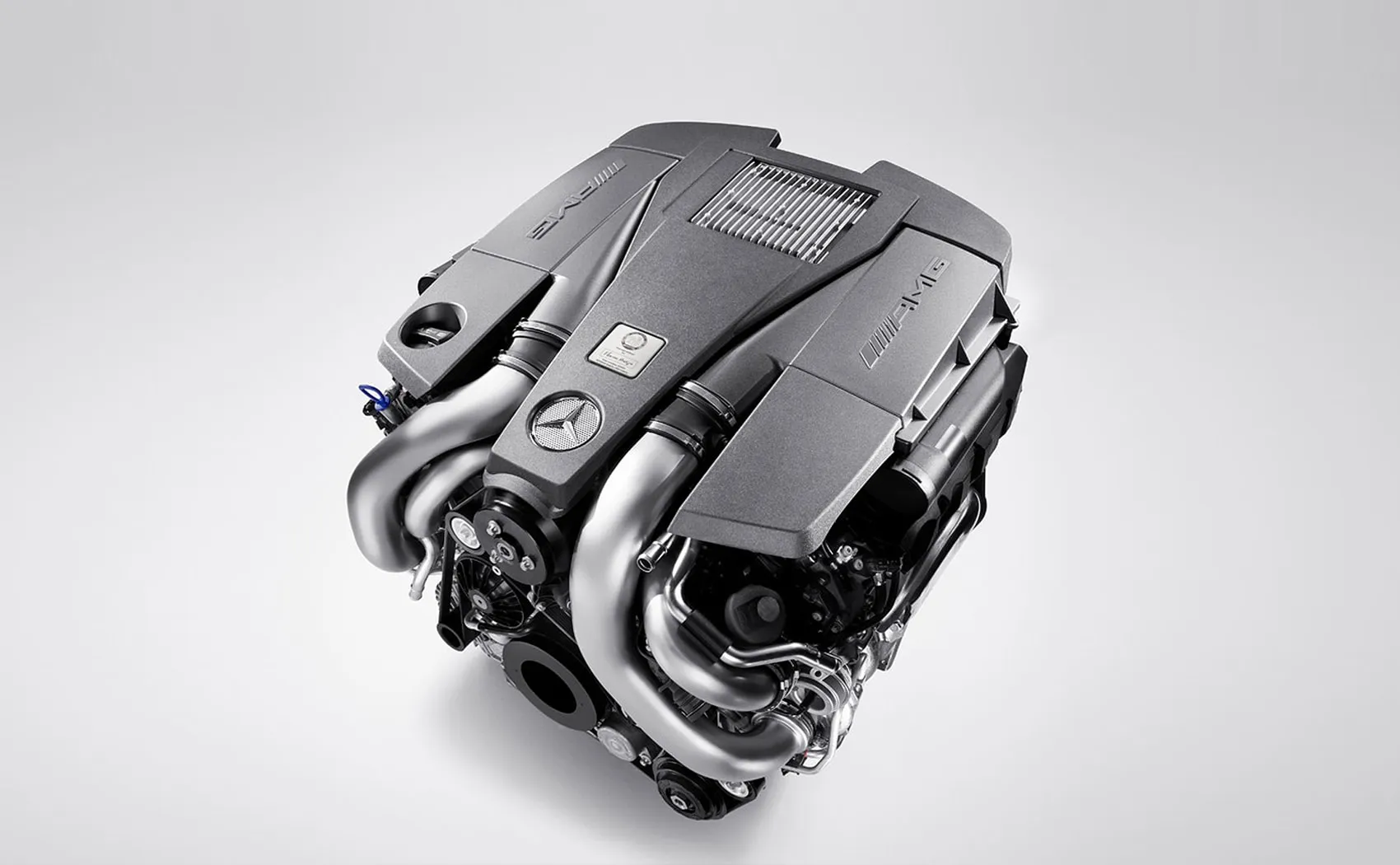
10. Mercedes-Benz M157 5.5L Biturbo V8 (2010-2017)
The M157 5.5-liter twin-turbocharged V8 engine appeared in AMG models like the E63 AMG, S63 AMG, and CLS63 AMG, producing between 518 and 585 horsepower depending on the specific tune.
Two turbochargers mounted in a hot-vee configuration between the cylinder banks help this engine deliver massive power across a wide RPM range. Mercedes built it with forged internals, including the crankshaft, connecting rods, and pistons, to handle the extreme forces generated by all that boost pressure.
The M157 requires premium fuel and synthetic oil, and you need to follow the maintenance schedule religiously. The oil changes are particularly important because the turbochargers depend on clean oil for lubrication and cooling. Many owners change their oil more frequently than the manufacturer recommends, especially if the car sees track use or aggressive driving.
One area that requires attention is the engine mounts. With this much power and torque, the engine mounts take a beating and will need replacement sooner than on less powerful engines. The carbon buildup on intake valves is another concern due to the direct injection system, and periodic cleaning helps maintain performance.
Despite the complications and power output, many M157-powered Mercedes have reached 200,000 kilometers and beyond without major engine problems, which is remarkable for a twin-turbo V8 producing nearly 600 horsepower.
Also Read: 10 Engines That Keep Running Despite Poor Maintenance
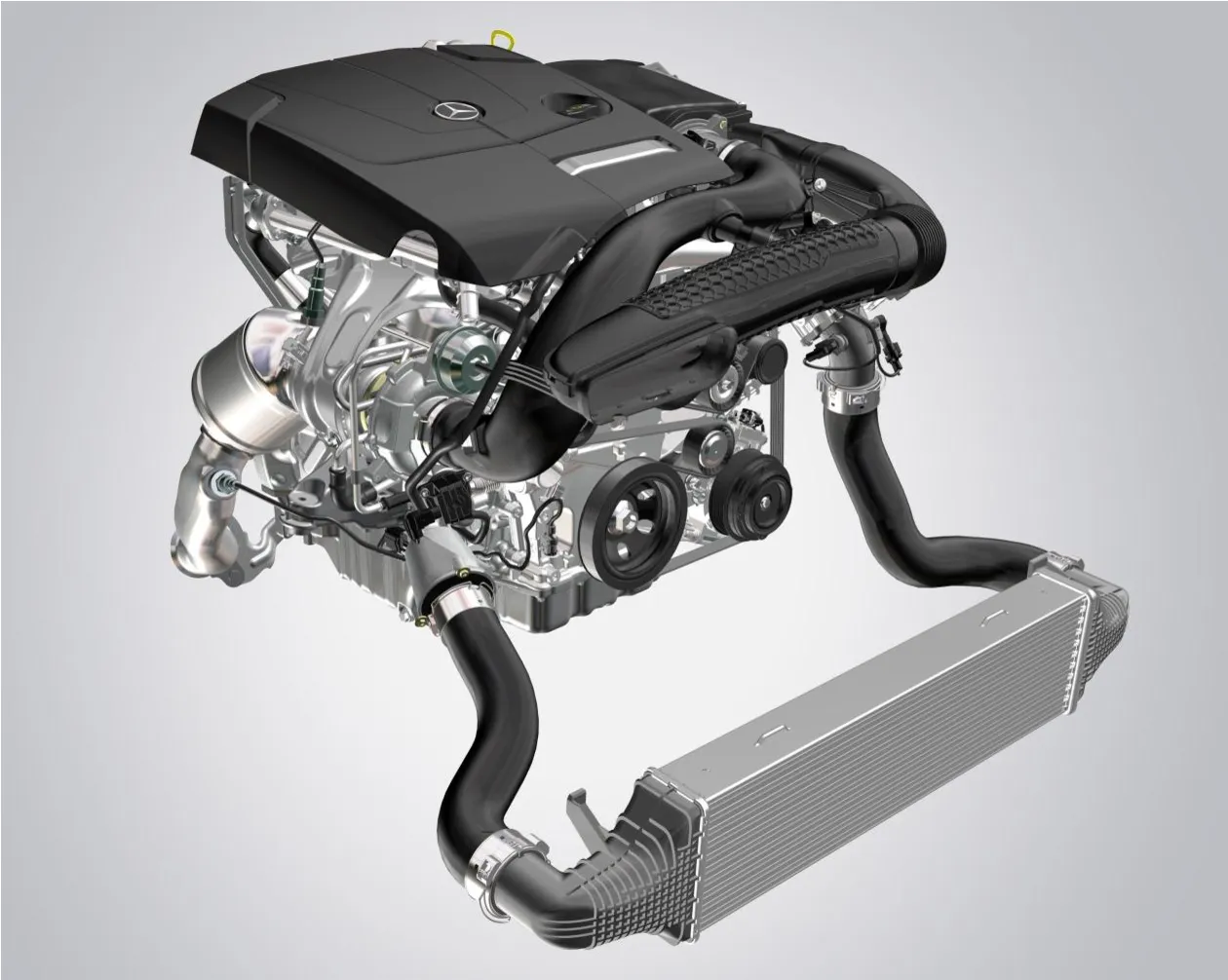
11. Mercedes-Benz M274 2.0L Inline-Four (2013-2019)
The M274 2.0-liter turbocharged four-cylinder engine appears in various models, including the C300, E300, and GLC300, producing between 184 and 245 horsepower depending on the tune.
The combination of direct injection and turbocharging allows this relatively small engine to deliver power that would have required a six-cylinder engine just a few years ago. The M274 uses all-aluminum construction to minimize weight, and the turbocharger is integrated into the exhaust manifold for quicker response.
The engine features variable valve timing on both intake and exhaust camshafts, allowing it to optimize performance across different driving conditions. Reliability-wise, the M274 has shown good performance with most owners reporting trouble-free operation. The timing chain system has proven more durable than some earlier Mercedes engines, though regular oil changes remain critical for longevity.
The turbocharger seems well-matched to the engine and has proven reliable when the engine receives clean oil at regular intervals. The direct injection system requires the same maintenance considerations as other direct-injection engines, including periodic intake valve cleaning to prevent carbon buildup.
One interesting feature is its use of a balance shaft module to reduce vibrations typical of four-cylinder engines. Many M274-powered Mercedes have already surpassed 150,000 kilometers without major issues.
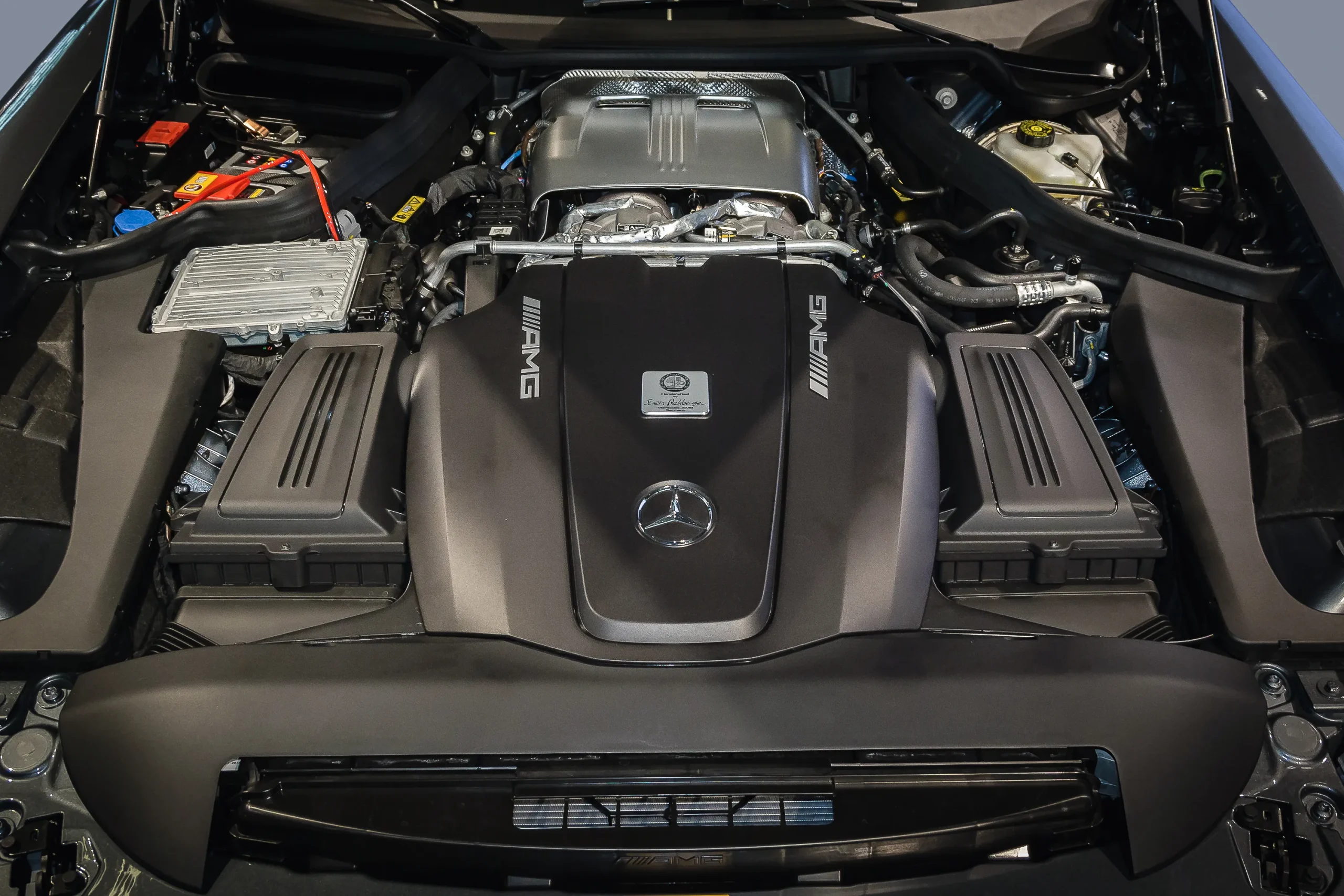
12. Mercedes-Benz M176 4.0L Biturbo V8 (2015-Present)
The M176 4.0-liter twin-turbocharged V8 engine powers models like the S560, E53 AMG, and GLE580, producing between 429 and 469 horsepower depending on the application.
The hot-vee turbo configuration places both turbochargers between the cylinder banks, providing excellent throttle response and efficient packaging. The M176 incorporates cylinder deactivation that can shut down four cylinders during light load conditions to save fuel.
Construction-wise, the M176 follows modern practices with an aluminum block and heads, keeping weight down. The engine uses direct injection at high pressure, providing excellent atomization and precise control over the combustion process. The turbochargers are relatively small for quick response, and they work together seamlessly to deliver boost pressure across a wide RPM range.
Being a relatively new engine, we don’t yet have decades of reliability data. However, early indications are quite positive. Owners report smooth, trouble-free operation with proper maintenance. The engine requires synthetic oil and premium fuel, and following the service schedule is critical.
Some examples have already exceeded 100,000 kilometers without any major issues. The M176 does share the direct injection carbon buildup concerns common to modern engines. Time will tell if this engine achieves legendary status, but the early signs suggest Mercedes hasn’t forgotten how to build durable powertrains.
