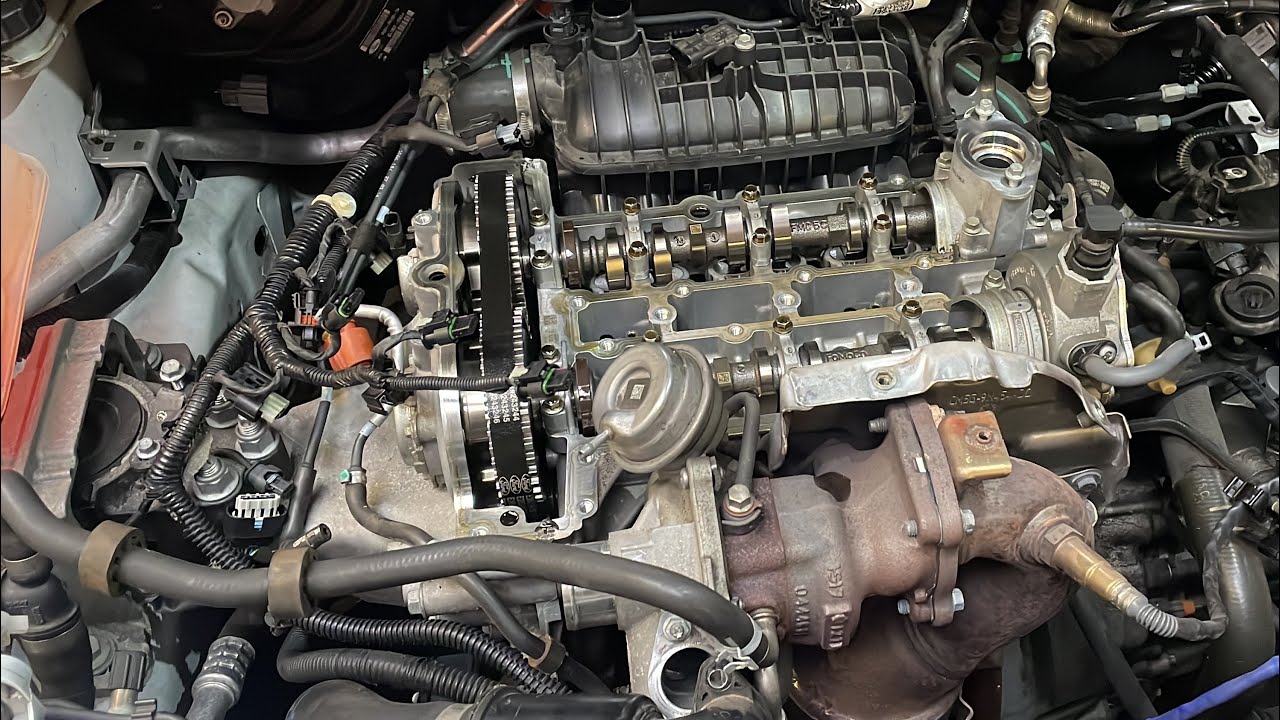
Turbocharging is no longer just for high-performance cars it’s become the norm in the U.S. automotive market.
From family SUVs to pickup trucks and hot hatches, turbocharged engines are everywhere because they deliver the magic formula: more power, better fuel efficiency, and smaller displacement.
But not all turbos are created equal. Some engines thrive on abuse, happily handling years of hard driving, aftermarket tuning, and redline shifts. Others, however, develop a reputation for catastrophic failures, blown seals, and early deaths even when driven with care.
If you’re shopping for a used car or considering performance upgrades, knowing which turbo engines can take a beating and which ones are fragile is essential.
Here’s a breakdown of five turbocharged engines known for legendary durability versus five that often give up early.
Turbo Engines That Handle Abuse
Turbocharged engines are often praised for their power and efficiency, but not all of them are built to withstand years of hard driving, high boost, and less-than-perfect maintenance.
Some turbos quickly reveal their weak spots, while others prove almost indestructible even under relentless abuse. In this article, we’ll take a closer look at the turbo engines that have earned a reputation for durability, reliability, and toughness, powerplants that enthusiasts trust to keep pulling hard long after others have given up.
1. Toyota 2JZ-GTE (Supra Legend)
When enthusiasts talk about bulletproof turbo engines, the Toyota 2JZ-GTE tops the list. Originally found in the Mk4 Supra, this 3.0-liter inline-six is famous for surviving ridiculous levels of boost and horsepower.
With forged internals, a stout iron block, and exceptional oiling, the 2JZ handles far more than Toyota engineers ever intended.
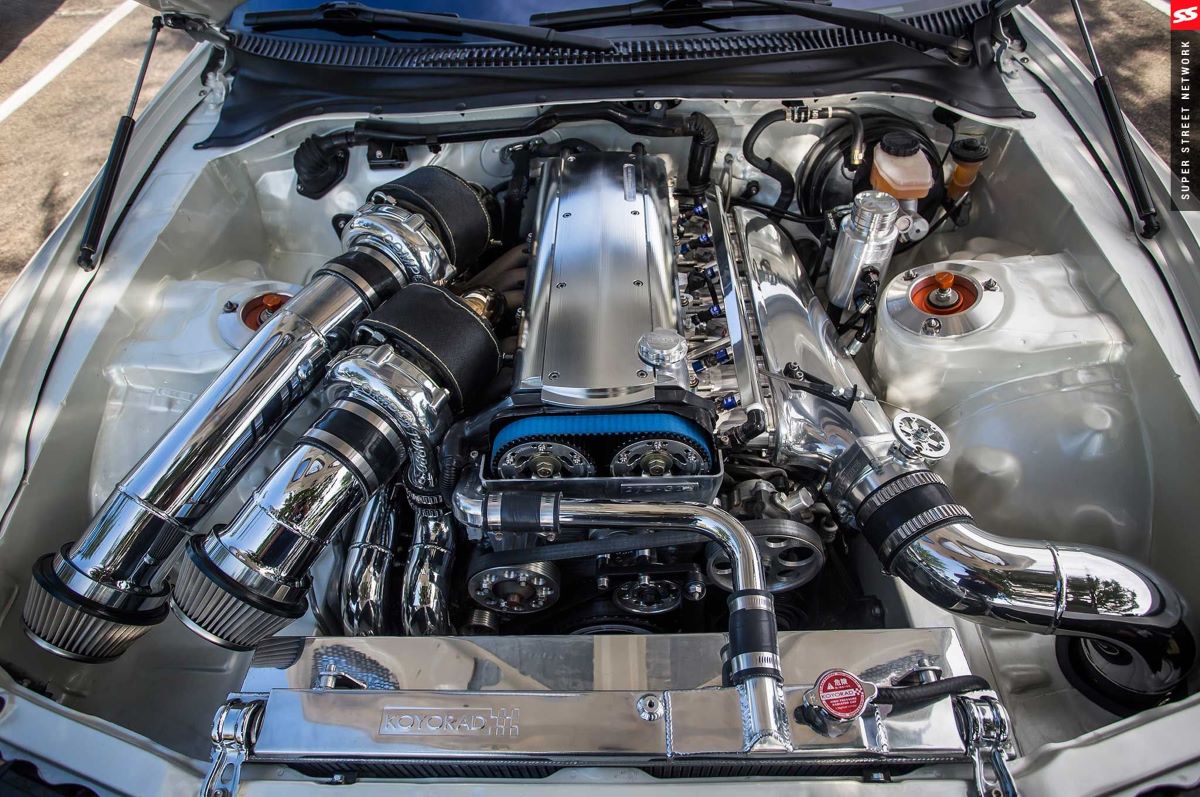
Tuners regularly push these engines to 800 horsepower or more without opening them up, and with proper supporting mods, some builds exceed 1,200 horsepower while still maintaining factory reliability.
The U.S. market loves the 2JZ because it’s the ultimate “abuse-tolerant” turbo engine, thriving in drag racing, drifting, and street builds.
2. Mitsubishi 4G63T (DSM and Evo Workhorse)
The Mitsubishi 4G63T powered icons like the Eagle Talon TSi, Mitsubishi Eclipse GSX, and early Lancer Evolutions. Despite its reputation for being high-strung, this 2.0-liter turbocharged four-cylinder is remarkably tough when maintained correctly.
The iron block construction, balanced rotating assembly, and strong aftermarket support make it one of the most abuse-ready turbo engines.
Enthusiasts regularly crank up the boost and extract 500+ horsepower with minimal internal upgrades. These engines thrive in rally conditions, where constant abuse, hard landings, and aggressive driving are the norm.
The Mitsubishi 4G63T is a legendary 2.0-liter turbocharged engine that was manufactured between 1987 and 2007. It was developed from the naturally aspirated 4G63 non-turbo variant and quickly built its reputation as one of the most iconic engines in Mitsubishi’s lineup.
Most notably, the 4G63T powered the Mitsubishi Lancer Evolution series up until 2006, when it was eventually replaced by the newer 4B11T turbo engine. At its core, the 4G63T features a cast iron cylinder block with a height of 229 mm, paired with a robust and durable crankshaft as well as lightweight 150 mm forged connecting rods.
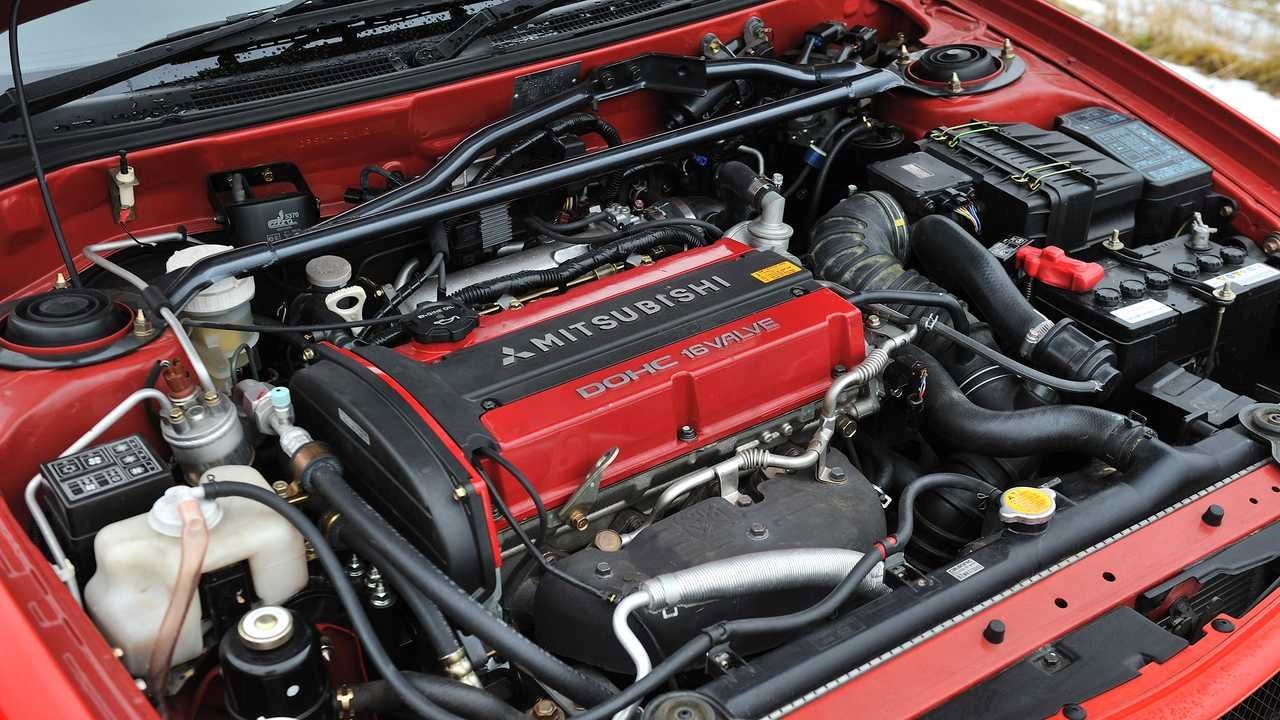
The block is also equipped with piston-cooling oil jets to improve reliability under high stress. To handle forced induction, the compression ratio was reduced. Sitting above the block is a 16-valve aluminum cylinder head fitted with belt-driven double overhead camshafts (DOHC).
Both the intake and exhaust systems were thoroughly redesigned, with reworked ports for improved airflow. A newly engineered intake manifold was paired with a 60 mm throttle body, while the cast iron exhaust manifold was specifically adapted for a turbocharger setup.
Post-compression, the intake air passes through a large intercooler for cooling. To complement the increased airflow, high-capacity fuel injectors rated at 450/390 cc were installed, a significant step up compared to the 240/210 cc injectors used in the non-turbo models.
These key revisions were introduced during the engine’s early use in the Mitsubishi Galant VR-4 and the first-generation Lancer Evolution. Over the years, Mitsubishi released three distinct generations of the 4G63T, each featuring refinements to boost both power and efficiency. Let’s take a closer look at the first generation.
The 4G63T 1G served as the first-generation engine for the Evolution I, Evolution II, and Evolution III models, spanning from 1987 to 1996. Its debut installation was in the Mitsubishi Galant VR-4. This initial version featured a 7.8:1 compression ratio and came with a TD05H 14B turbocharger for manual transmissions, while automatic versions used a TD05H 13G turbocharger.
Maximum boost pressure was set at 0.6 bar (8.7 psi). In this configuration, output was 195 hp at 6,000 rpm and 217 lb-ft (294 Nm) of torque at 3,000 rpm. However, by 1989, a simple ECU update pushed the maximum output to 220 hp.
Significant upgrades arrived in 1990 with the introduction of the engine for Evolution models. The 4G63T received new injectors, a larger intercooler, lighter connecting rods, and for manual transmission cars, a TD05 16G turbocharger with a 60 mm compressor wheel.
Compression was raised to 8.5:1 for both Evolution I and II. As a result, power output increased to 240 hp for the Evolution I and 260 hp for the Evolution II, with torque rated at 228 lb-ft (309 Nm) at 3,000 rpm.
3. Ford EcoBoost 3.5L V6 (F-150 and Raptor)
When Ford introduced the EcoBoost 3.5L V6 to replace traditional V8s in the F-150, many Americans were skeptical. Could a twin-turbo V6 handle the heavy towing, hauling, and off-road punishment that full-size trucks demand?
A decade later, the answer is a clear yes. These engines, especially in the high-output version used in the Raptor, have proven to be impressively durable.
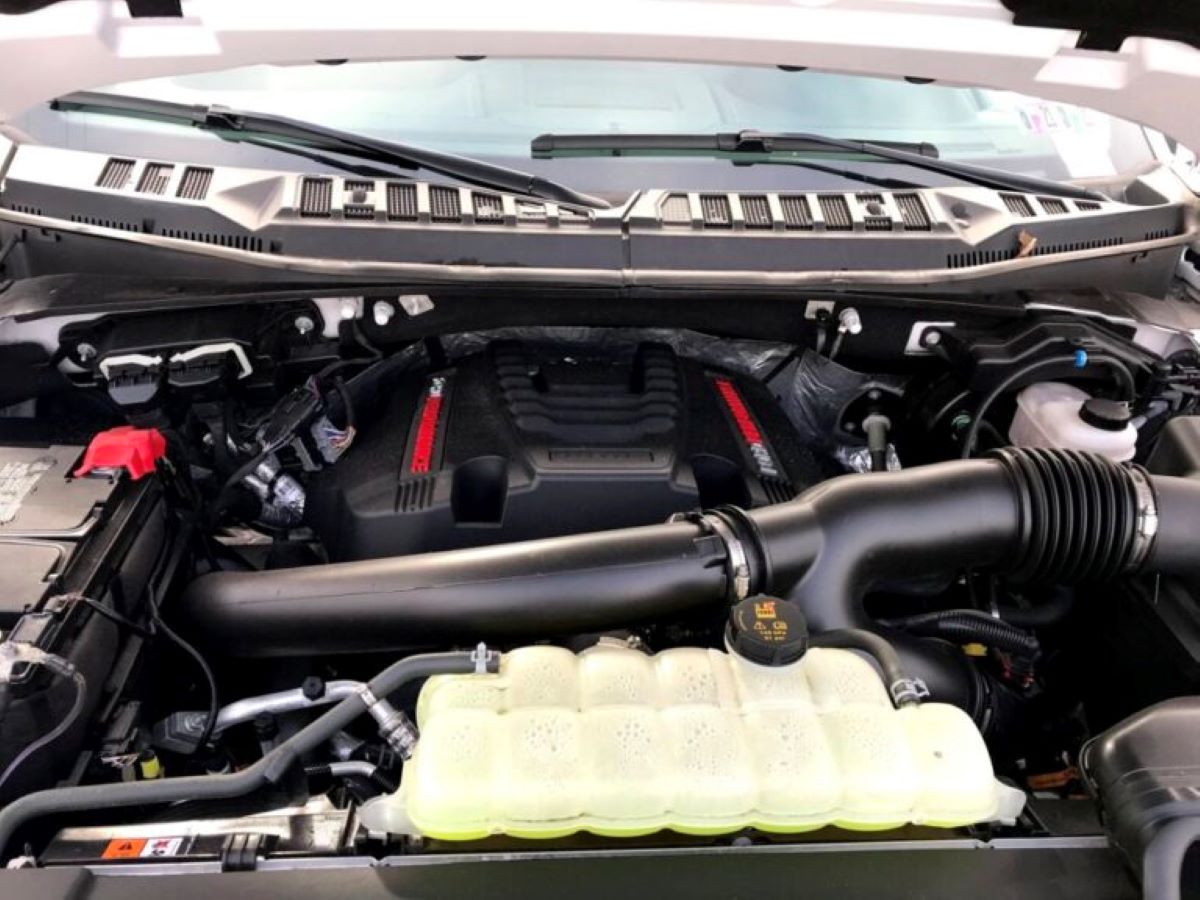
While turbocharged engines in trucks were once a gamble, Ford’s EcoBoost has shown it can take abuse from contractors, off-road enthusiasts, and tuners who demand both power and reliability.
4. Mazda 13B-REW (RX-7 Rotary with Twin Turbos)
The Mazda 13B is infamous for requiring careful attention, but the twin-turbo 13B-REW variant in the RX-7 has a cult following for its surprising resilience under abuse if the driver knows how to care for it.
While rotaries are delicate in some ways, the 13B’s turbo system and rev-happy design make it thrive under high-stress conditions like drifting and racing.
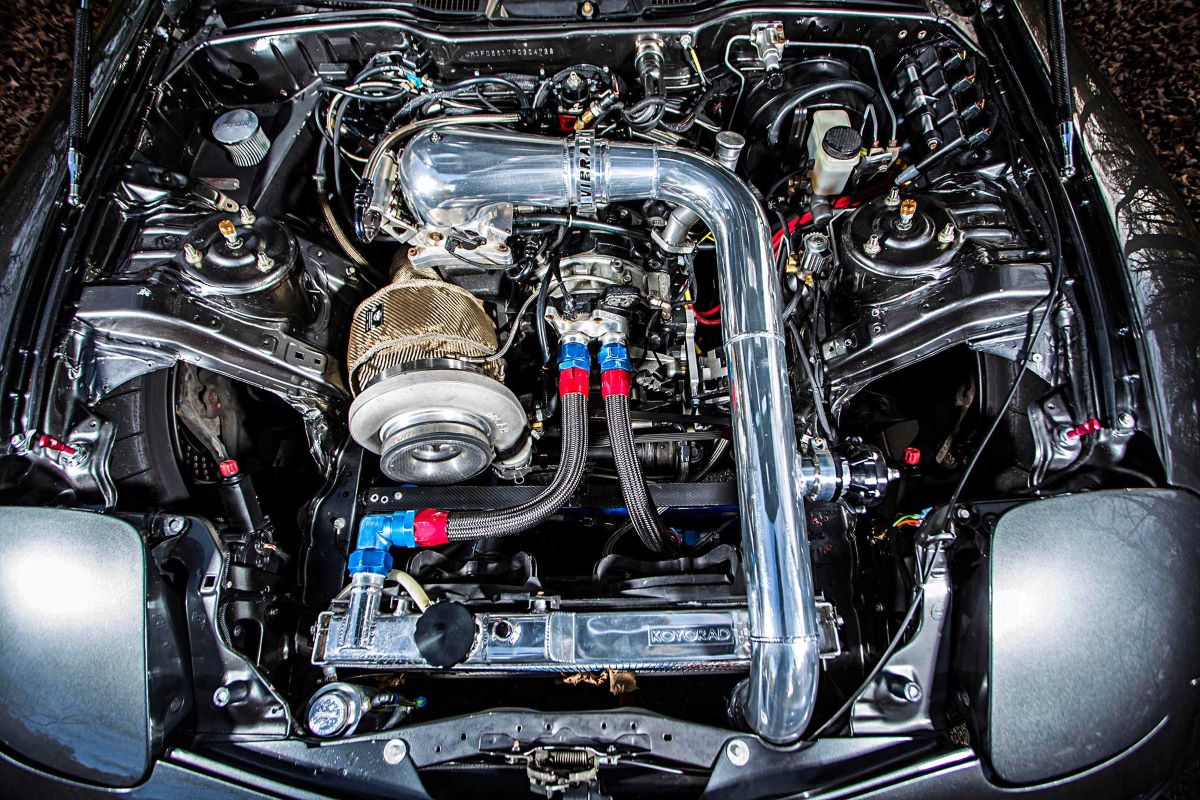
Enthusiasts often run larger single-turbo conversions, pushing horsepower well beyond factory specs.
Although it requires oil monitoring and proper cooling, the 13B rewards aggressive driving with unmatched performance, earning it a place among durable turbo engines for those willing to treat it right.
The Mazda 13B engine is one of the most well-known rotary engines ever produced by the brand. Manufactured for more than three decades, it powered a variety of Mazda models, most famously the RX-7, the iconic Japanese sports car.
Like its predecessor, the 12A, the 13B featured a two-rotor layout, continuing Mazda’s tradition of maintaining the same rotor radius that originated with the earlier 10A engine. However, the rotor thickness was increased to 80 mm (3.1 in), giving the 13B a stretched appearance compared to the 12A. Altogether, the two chambers provided a displacement of 1308 cc (1.3 liters).
Early versions of the 13B used a carburetor-based fuel system along with a single distributor ignition. Vehicles equipped with this version were labeled with the “AP” designation and were produced between 1974 and 1980.
In later years, Mazda transitioned the 13B to fuel injection. A notable milestone came in 1984 with the introduction of the 13B-RESI (Rotary Engine Super Injection). This engine was fitted with Bosch’s L-Jetronic fuel injection system and featured a unique intake manifold with a dual-level intake box designed to generate a supercharger-like effect through Helmholtz resonance.
This innovation significantly boosted both the power and torque of naturally aspirated 13B engines. In this configuration, the 13B-RESI delivered 135 hp (101 kW) and 130 lb-ft (180 Nm) of torque.
The second-generation RX-7 introduced the 13B-DEI engine, a non-turbocharged variant that employed Mazda’s 6PI and DEI systems along with a four-injector electronic fuel injection setup. Thanks to these improvements, the 13B-DEI produced slightly higher output, rated at 146 hp (109 kW) at 6,500 rpm and 138 lb-ft (187 Nm) of torque at 3,500 rpm.
5. BMW N54 (Twin-Turbo Inline-Six)
BMW’s N54, found in models like the 335i and 135i, has become the darling of U.S. tuners because of its resilience under boost. Known as the “modern 2JZ” by some, this engine can handle significant abuse when properly maintained.
While BMWs are often labeled unreliable, the N54’s bottom end is surprisingly stout, surviving big turbo upgrades and high boost pressures.
Many owners daily drive their cars with 500+ horsepower builds, and the aftermarket community has proven its ability to handle abuse well beyond stock power levels.
BMW is recognized for producing some of the finest turbocharged engines on the market, with the B58 inline-six standing out as one of the best. This powerhouse is found in models such as the 340i and X3.
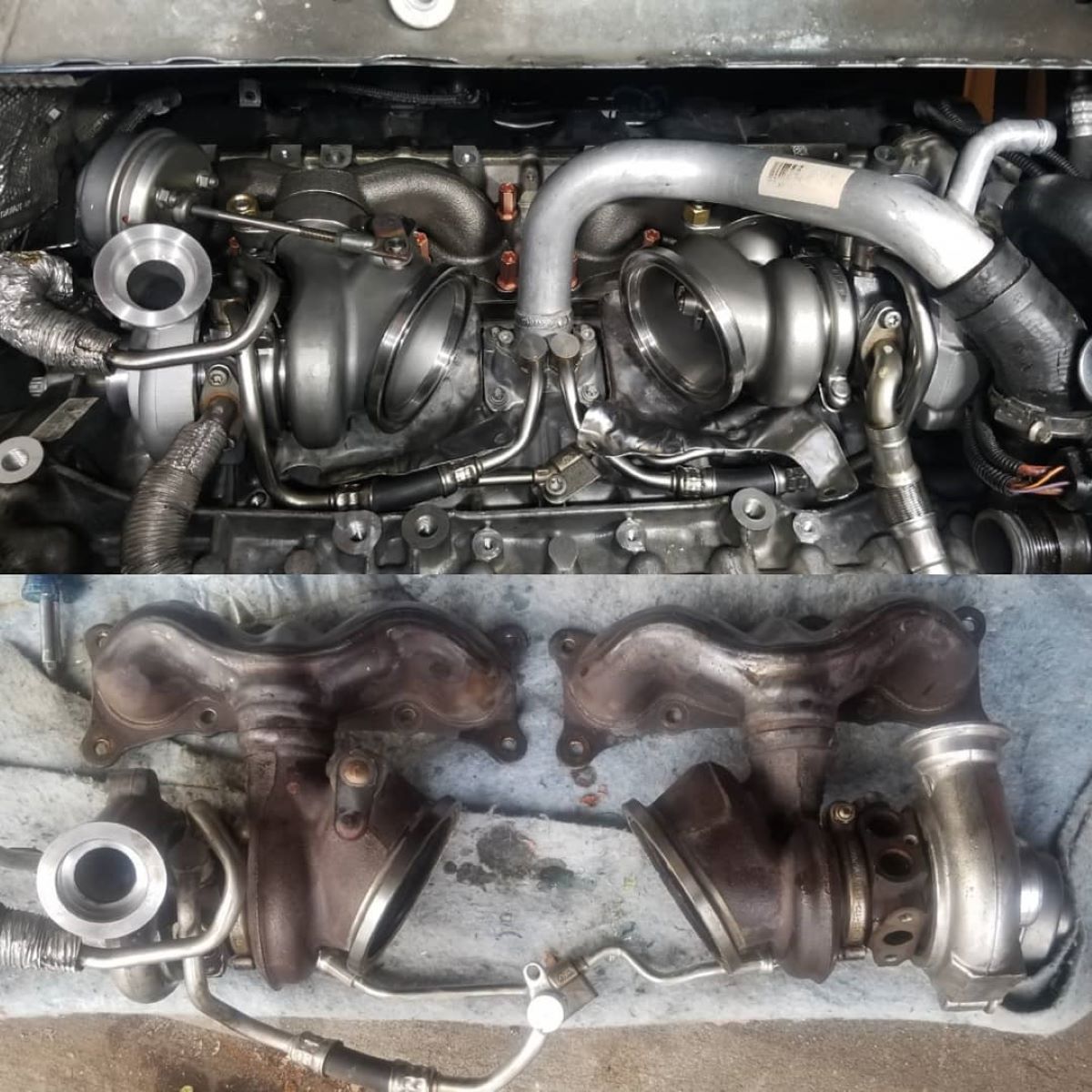
However, BMW’s success with the B58 didn’t happen overnight. Before it came the groundbreaking twin-turbocharged N54, an engine often regarded as Germany’s answer to Toyota’s legendary 2JZ-GTE. In its standard form, this 3.0-liter inline-six delivers 300 hp and 300 lb-ft of torque, though many enthusiasts believe the true output is actually higher than the official figures suggest.
The N54 was used across a wide range of BMW models, including the 335i, 535i, and the base version of the X6 SUV launched in 2008. It was also fitted in the Z4 convertible, which appeared later in the decade and became the last BMW to feature the N54.
Other models had already transitioned to the single-turbo N55 by the 2011 model year, officially marking the end of the N54’s production run in most of the lineup.
Even though newer turbocharged inline-six engines such as the B58 have since taken over, the N54 continues to hold a special place among enthusiasts. Its flaws are well-documented, from problematic fuel injectors to unreliable high-pressure fuel pumps, not to mention costly repair bills, but these issues haven’t overshadowed its potential.
The engine remains a favorite in the tuning community, thanks to how easily it can be modified to produce far more power than its stock figures. For drivers chasing performance and customization, the N54 still represents an exciting and rewarding platform.
Turbo Engines That Snap Early
Turbocharged engines promise thrilling performance, but not every design can handle the stress that comes with forced induction. While some motors have proven to be nearly bulletproof, others develop a reputation for failing long before their time.
From weak internals to poor cooling systems, these engines remind drivers that chasing power can come at a cost. In this article, we’ll look at turbo engines that tend to snap early, and why they earned that reputation.
1. Subaru EJ25 Turbo (WRX and STI)
The Subaru EJ25 turbocharged flat-four is loved by enthusiasts for its rally heritage, but it’s also notorious for breaking under stress. Issues like weak ringlands, head gasket failures, and oiling problems make this engine vulnerable even at stock power levels.
Tuners who push the EJ25 often face catastrophic failures if they don’t invest heavily in internal upgrades. While the sound of a Subaru boxer engine is iconic, its tendency to snap early under abuse makes it one of the riskier turbo engines for enthusiasts who like to push limits.
The Subaru EJ25 series, particularly the EJ255 and EJ257, is best known for powering the turbocharged Legacy GT B4, a sedan that blends luxury with Subaru’s rally-inspired heritage. This 2.5-liter flat-four Boxer engine delivers strong torque, quick turbo response, and excellent tuning potential, making it a favorite among enthusiasts.
Featuring a displacement of 2457 cc, the EJ25 is configured as a 16-valve DOHC flat-four with turbocharging provided by either IHI VF-series or Mitsubishi TD04/TD05 units. It uses a multi-point electronic fuel injection system and came with a compression ratio ranging between 8.0:1 and 8.4:1 depending on the model year.
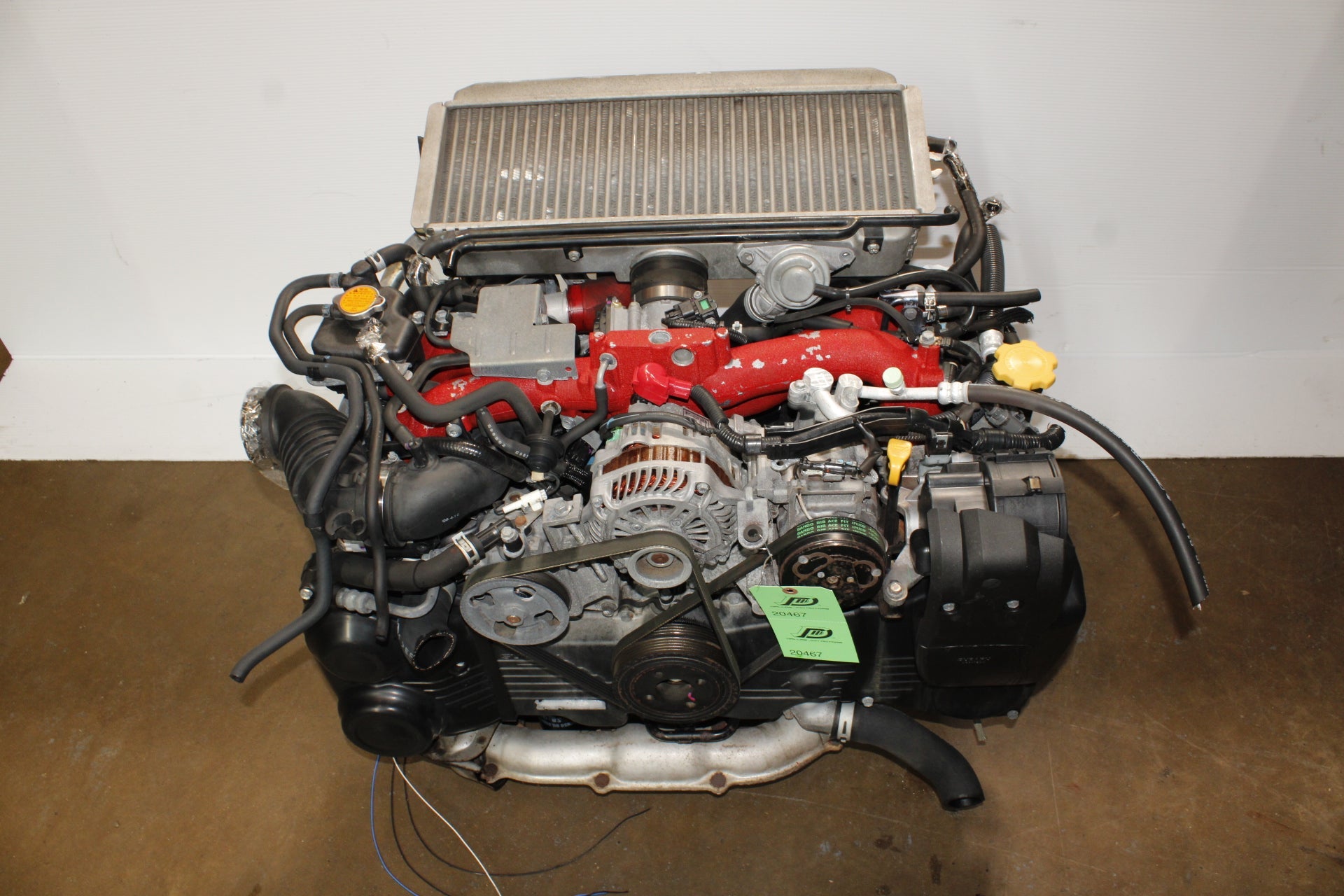
Power output typically falls between 250 and 265 horsepower (186–197 kW), with torque figures around 340 to 350 Nm. A top-mounted intercooler handles charge-air cooling, while emissions standards ranged from Euro 3 to Euro 4 depending on market and production year. The engine’s redline varied between 6,500 and 7,000 rpm.
While most closely associated with the Legacy GT B4 produced from 2003 to 2009, the EJ25 was also used in other Subaru models such as the Impreza WRX, Forester XT, Baja Turbo for the U.S. market, and the Outback XT.
Performance is where the EJ25 shines, offering aggressive low-end torque, smooth turbocharged power delivery, and the unmistakable Boxer rumble, particularly when paired with unequal-length headers. However, the engine has earned a mixed reputation for reliability.
Common concerns include head gasket failures, rod bearing wear in high-mileage or heavily modified examples, and ringland cracking in engines that are poorly maintained or subjected to excessive boost.
Despite these drawbacks, when given consistent oil changes, proper cooling system maintenance, and careful tuning, the EJ25 proves to be a robust and rewarding engine capable of delivering impressive performance.
2. Volkswagen/Audi 2.0 TFSI (Early 2000s Versions)
Volkswagen’s 2.0 TFSI engine, widely used in the U.S. market during the mid-2000s, promised efficiency and performance but became infamous for its fragility.
Timing chain tensioner failures, carbon buildup, and weak pistons meant that many of these engines suffered early deaths.
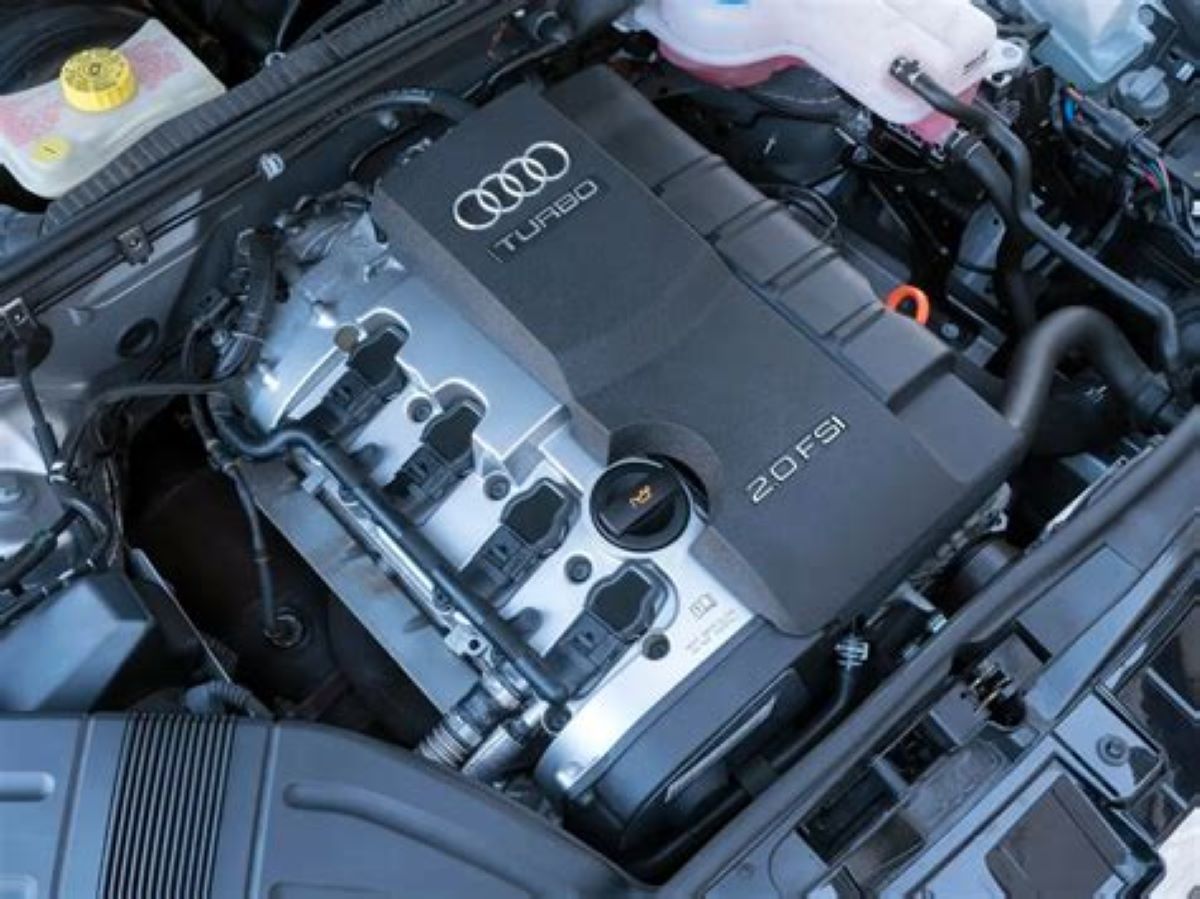
While later revisions improved reliability, the first-generation versions in cars like the VW GTI Mk5 and Audi A4 were prone to catastrophic issues under heavy driving or tuning. For enthusiasts who wanted to abuse their cars, this engine often snapped early.
3. Ford EcoBoost 1.6L (Focus and Escape)
Not all EcoBoosts are created equal. While the 3.5L is known for toughness, the 1.6L EcoBoost developed a reputation for failures. Found in vehicles like the Ford Focus ST and Escape, it suffered from overheating issues, cracked cylinder heads, and turbo failures.
Many owners who pushed these engines hard found themselves dealing with expensive repairs. It’s a classic case of a small turbo engine being pushed beyond its limits in the U.S. market, where aggressive driving and high heat conditions exposed its weaknesses.
The 1.6-liter EcoBoost engine marks an important advancement in automotive engineering, combining fuel efficiency and performance in a compact, well-balanced design.
Developed by Ford, this turbocharged inline-four reflects the company’s dedication to innovation and sustainability. Built with lightweight materials and equipped with advanced technology, the 1.6L EcoBoost has earned recognition for producing strong power output while still delivering excellent fuel economy.
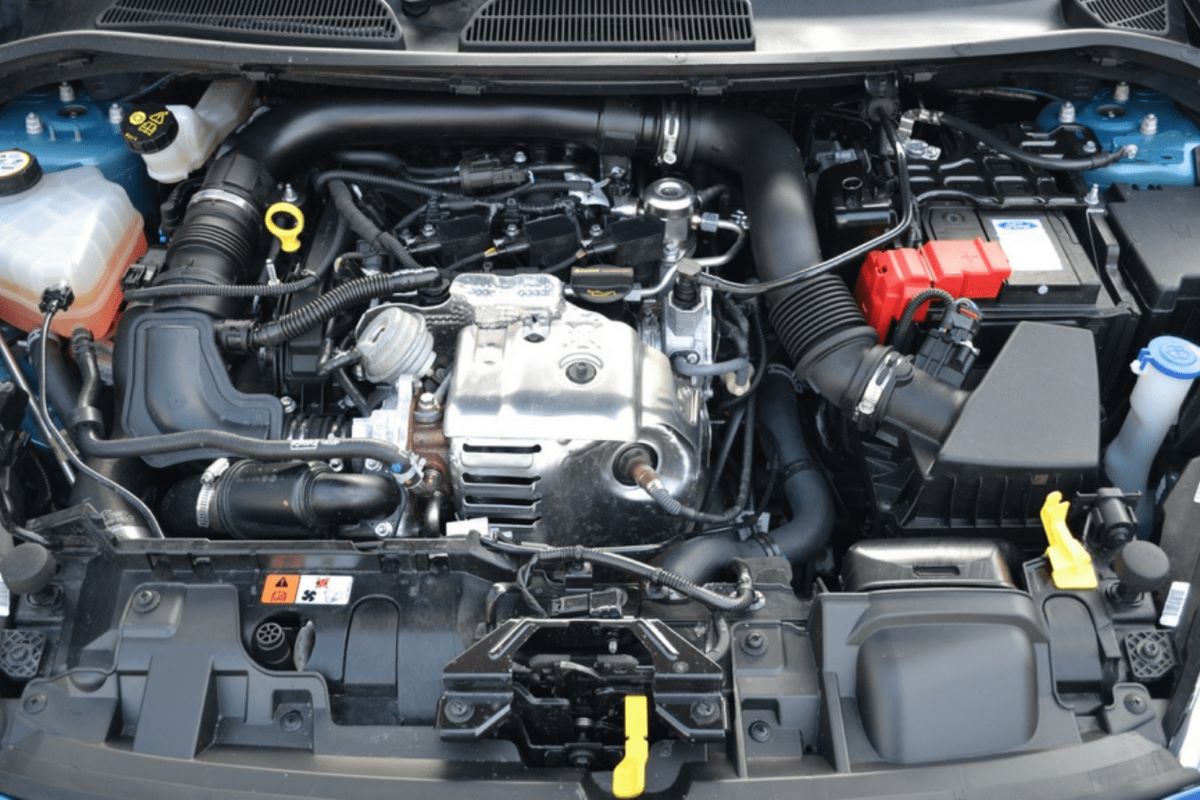
A defining trait of the engine is its turbocharging system, which enables a smaller displacement without compromising performance. By forcing additional air into the combustion chamber, the 1.6L EcoBoost achieves impressive horsepower and torque, making it versatile across a wide range of driving situations.
This blend of efficiency and strength allows the engine to serve equally well for city commuters seeking practicality and drivers looking for more spirited performance, appealing to a broad spectrum of users.
Ford has installed the 1.6L EcoBoost across several models, demonstrating its adaptability. The Ford Focus benefits from its quick acceleration and efficiency, enhancing the car’s already agile handling and making it a favorite among compact car enthusiasts. The Ford C-Max incorporates the engine to boost overall performance while keeping its hybrid system fuel-efficient.
In the smaller Ford Fiesta, the engine provides a lively and responsive driving character that resonates with younger drivers and urban dwellers.
The Ford Kuga, also marketed as the Escape in some regions, takes advantage of the EcoBoost’s torque and power to handle both daily commutes and light off-road use. Finally, the Ford Mondeo, a midsize sedan, benefits from the engine’s balance of comfort and strength, enhancing its dynamic driving capabilities.
4. Chrysler 2.4L Turbo (PT Cruiser GT and SRT-4 Neon)
The Chrysler 2.4L turbo engine, used in the Dodge Neon SRT-4 and PT Cruiser GT, seemed like a tuner’s dream: cheap, turbocharged, and easy to modify.
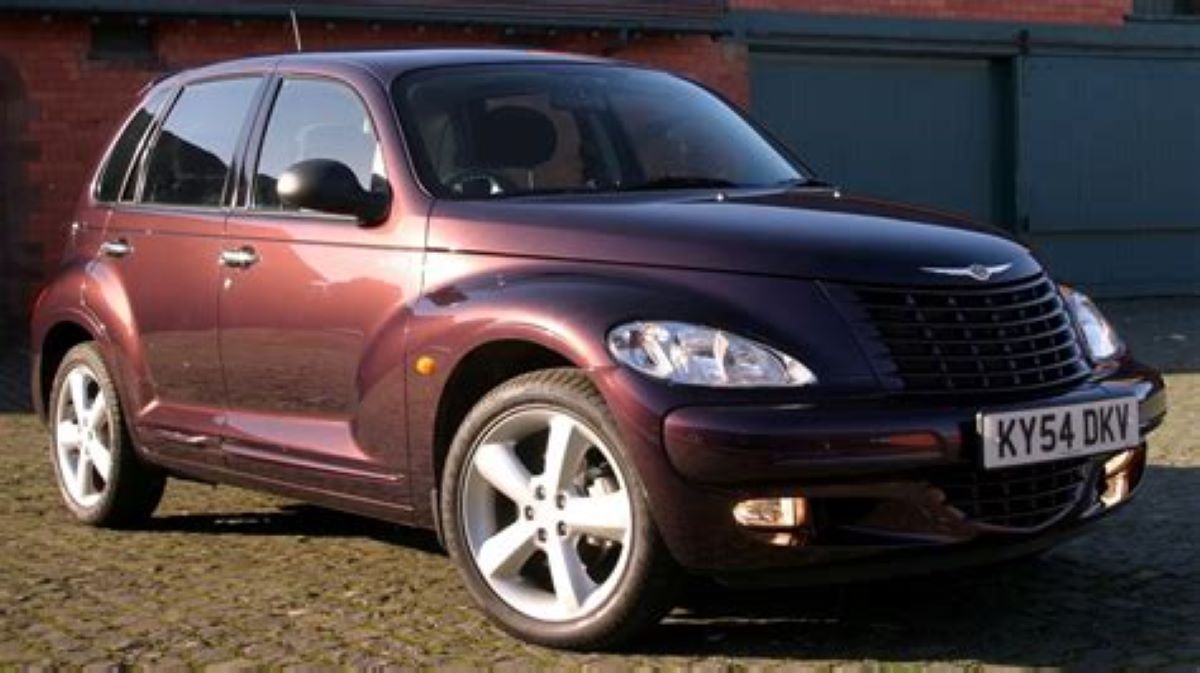
However, the engine’s internals weren’t designed to withstand significant abuse. Many owners experienced connecting rod failures, blown head gaskets, and short lifespans when turning up the boost.
While fun in stock form, the 2.4L turbo quickly earned a reputation as a fragile platform once pushed beyond factory specs.
5. Fiat 1.4L MultiAir Turbo (Fiat 500 Abarth and Dodge Dart)
The Fiat-sourced 1.4L MultiAir turbo, used in cars like the Fiat 500 Abarth and Dodge Dart, arrived in the U.S. with high expectations. Unfortunately, it proved temperamental and failure-prone under abuse.
Issues like weak turbochargers, oil consumption, and fragile valve-train components limited its lifespan. Enthusiasts found that while the 1.4L could be fun when driven moderately, hard driving or tuning often led to early failures.
It’s a perfect example of a turbo engine that promised European fun but couldn’t handle the kind of abuse U.S. drivers expected.

Turbocharging has reshaped the American car market, but reliability varies dramatically across different engines.
The Fiat 1.4 Multiair Turbo engine has earned recognition for its innovative design and respectable performance, but like any powerplant, it comes with its share of drawbacks.
Owners and mechanics frequently report issues that range from minor annoyances to major mechanical concerns, often leading to frustration and expensive repairs. For those considering a vehicle equipped with this engine, or for drivers already dealing with problems, understanding the common symptoms and their potential implications is essential.
One of the most troubling signs is power loss, which can present itself in several ways. Drivers may notice sluggish acceleration, difficulty maintaining speed on hills, or a throttle response that feels dull and unresponsive. This lack of performance is particularly disappointing in a turbocharged engine, where drivers expect lively and consistent power delivery.
Rough idling is another issue frequently associated with the 1.4 Multiair Turbo. When this occurs, the vehicle may display erratic RPMs while stationary, and vibrations may be felt through the steering wheel or seat.
In more severe cases, the engine may even stall during low-speed maneuvers or when idling at stoplights. Such behavior often points to problems within the fuel system or engine management components.
Strange noises from the engine bay are also reported and should not be ignored. Some owners describe knocking or pinging sounds under acceleration, while others notice grinding during startup or hissing and popping when revving the engine. These unusual sounds may indicate serious mechanical problems that require immediate inspection to avoid further damage.
Finally, the check engine light is a frequent companion for drivers of vehicles with the 1.4 Multiair Turbo. This warning can be triggered by a wide range of issues, including faulty sensors, turbocharger malfunctions, or problems within the air intake system.
While the check engine light serves as a general alert, it should never be dismissed, as ignoring it can allow minor faults to escalate into significant engine damage.
Legends like the Toyota 2JZ-GTE, Mitsubishi 4G63T, and Ford’s 3.5L EcoBoost prove that a well-built turbo engine can take years of punishment and deliver consistent performance.
On the other hand, fragile designs like Subaru’s EJ25 or Volkswagen’s early 2.0 TFSI show how cutting corners in engineering can lead to expensive failures when drivers push hard.
For U.S. buyers, the key lesson is clear: not all turbo engines are equal, and if you plan to abuse your car whether on the track, the drag strip, or just with daily spirited driving you’d better choose a platform known to handle it.