
When it comes to automotive reliability, few systems are as critical as the cooling system. The engine cooling system is the unsung hero that keeps your vehicle running at optimal temperatures, preventing catastrophic engine damage and ensuring longevity.
A well-engineered cooling system can mean the difference between a car that runs flawlessly for hundreds of thousands of miles and one that leaves you stranded on the side of the road with steam billowing from under the hood.
The cooling system in modern vehicles is a complex network of components working in harmony. It includes the radiator, water pump, thermostat, coolant passages, hoses, and the cooling fan assembly.
Each component plays a vital role in dissipating the enormous heat generated by internal combustion. When engineers get this system right, drivers enjoy peace of mind and minimal maintenance costs.
When they get it wrong, owners face recurring repair bills, diminished resale values, and the frustration of unreliable transportation. What makes a cooling system “bulletproof” isn’t just about using quality materials though that certainly helps. It’s about thoughtful engineering that accounts for real-world conditions.
The best cooling systems feature oversized radiators with plenty of capacity to spare, robust water pumps that can handle extended operation, well-designed coolant passages that prevent hot spots, and electronic controls that respond quickly to temperature changes.
These systems are tested extensively in extreme conditions, from Death Valley heat to Arctic cold, ensuring they can handle whatever nature throws at them.
In this comprehensive analysis, we’ll examine five vehicles renowned for their exceptional cooling system reliability and five that have earned reputations for overheating problems.
Understanding both sides of this equation can help prospective buyers make informed decisions and current owners know what to expect from their vehicles.
5 Cars With Bulletproof Cooling Systems
These exceptionally engineered vehicles feature thermal management systems designed with oversized radiators, robust water pumps, and precisely calibrated thermostats that maintain optimal operating temperatures under the most demanding conditions.
Their thoughtful engineering includes heavy-duty cooling fans with reliable motor assemblies, strategically positioned airflow channels that maximize heat dissipation, and durable hoses manufactured from premium materials that resist degradation from coolant chemistry and underhood temperatures.
From towing heavy trailers up mountain grades to idling in summer traffic where airflow becomes minimal, these remarkable cooling systems continue regulating engine temperatures without developing leaks, pump bearing failure, or inadequate heat rejection that plagues lesser designs.
Owners report hundreds of thousands of miles with temperature gauges rock-steady in the normal range with these dependable thermal management solutions a testament to aluminum radiator construction, efficient coolant passages through engine blocks, and properly sized components that prove their worth through consistent temperature regulation and prevention of the cylinder head warping or head gasket failure that results from thermal stress throughout ownership.
The combination of quality thermostatic control, adequate coolant capacity, and effective air-to-coolant heat exchangers creates cooling systems that inspire confidence during demanding driving situations while protecting expensive engine internals from temperature-related damage.
1. Toyota Land Cruiser (All Generations)
The Toyota Land Cruiser stands as the gold standard for cooling system reliability, a reputation earned through decades of proven performance in harshest environments.
From the scorching deserts of the Middle East to the humid jungles of Australia, Land Cruisers have demonstrated an almost supernatural ability to maintain proper operating temperatures regardless of conditions.
This isn’t accidental it’s the result of Toyota’s legendary over-engineering philosophy and extensive real-world testing. The Land Cruiser’s cooling system features a massive radiator that’s significantly larger than what would be minimally required for its engine displacement.
This oversized design provides substantial thermal capacity reserves, meaning the system operates well below its maximum capability under normal conditions.
This conservative engineering approach creates a built-in safety margin that proves invaluable during extreme use. The radiator construction typically features aluminum cores with exceptionally thick tubes and multiple rows, maximizing heat dissipation efficiency.
Toyota’s water pump design for the Land Cruiser emphasizes durability over cost savings. These pumps feature metal impellers rather than plastic, sealed bearings that resist contamination, and robust housings that resist cracking.

The pump is driven by a timing belt or chain (depending on the engine) that’s sized conservatively to prevent slippage even under heavy loads. The pump’s flow rate is calibrated to move coolant briskly through the system without creating excessive turbulence or cavitation, which can erode components over time.
The thermostat system in Land Cruisers uses high-quality components positioned strategically in the coolant flow path. The thermostat responds accurately to temperature changes, opening progressively to allow coolant flow at precisely the right moment.
Many Land Cruiser models use dual thermostats for redundancy, ensuring that even if one fails, the cooling system continues functioning. This redundancy is typical of Toyota’s approach to critical systems in this vehicle.
Coolant passages throughout the Land Cruiser’s engine block and cylinder head are generously sized and carefully routed to prevent hot spots.
Engineers have paid particular attention to areas around exhaust valves and combustion chambers, where heat concentration is greatest.
The passages promote even coolant circulation, ensuring no cylinder runs hotter than others. This even temperature distribution reduces thermal stress and extends engine life.
The entire system uses premium hoses with multiple reinforcement layers that resist swelling, cracking, and deterioration. Clamps are stainless steel and properly sized to maintain secure connections without crushing hoses.
The coolant reservoir is made from durable plastic with clear level markings and a pressure cap rated precisely for the system’s operating pressure. Every connection point is designed with serviceability in mind, making maintenance straightforward.
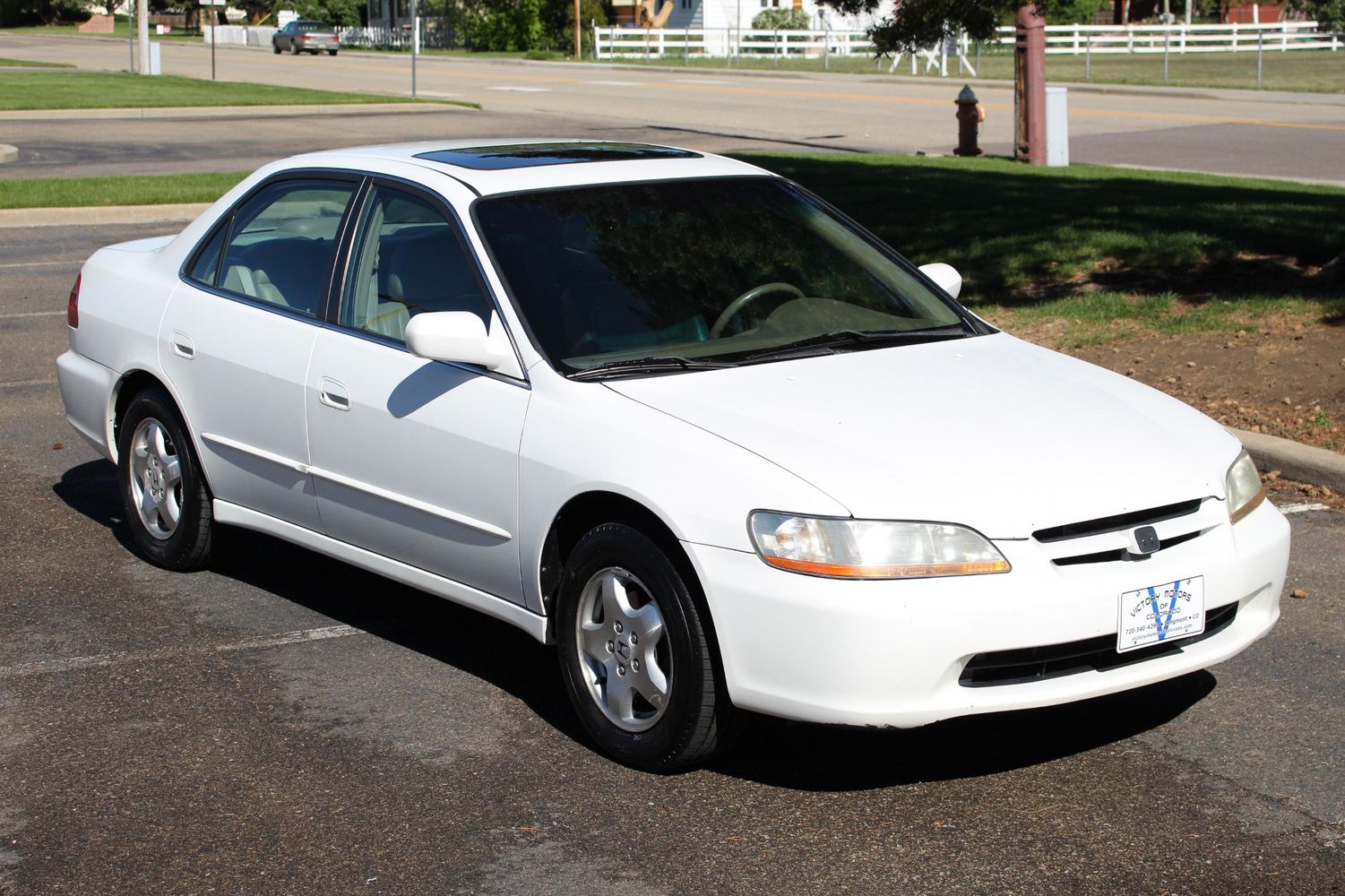
2. Honda Accord (1998-2023)
The Honda Accord has built an enviable reputation for cooling system reliability across multiple generations, representing one of the most dependable mainstream sedans on the road.
Honda’s engineering team has consistently prioritized thermal management, understanding that keeping the engine cool is fundamental to the longevity that Honda buyers expect.
The Accord’s cooling system exemplifies Honda’s philosophy of building things right rather than building them cheaply. At the heart of the Accord’s cooling prowess is a well-designed radiator that’s appropriately sized for each engine option.
Honda engineers don’t cut corners here the radiator features sufficient core thickness and fin density to dissipate heat effectively even during spirited driving or stop-and-go traffic.
The radiator mounting system isolates the unit from vibration while ensuring it’s positioned to receive maximum airflow from both vehicle movement and cooling fans.
Honda’s water pump engineering is exceptional. The company uses forged or cast metal components in critical areas rather than relying on plastic that can become brittle with age.
The pump shaft is supported by high-quality bearings selected for longevity, and the impeller design moves coolant efficiently without creating excessive turbulence.
The pump seal is particularly well-engineered, using materials that resist degradation from coolant additives and temperature cycling. While water pumps are considered maintenance items, Accord pumps routinely last well over 100,000 miles before requiring replacement.
The thermostat in Accord models is precisely calibrated to open at the optimal temperature for the engine. Honda positions the thermostat where it can accurately sense coolant temperature and respond quickly to changes.
The housing is designed to eliminate air pockets that could cause inaccurate temperature readings or overheating. Many technicians note that Accord thermostats rarely fail, but when they do, they typically fail in the open position, which causes the engine to run cool rather than overheat a safer failure mode.
Honda pays meticulous attention to coolant flow patterns within the engine. The passages are sized to ensure brisk circulation without creating excessive restriction or pressure drop.
The flow is routed to prioritize cooling in areas that generate the most heat, particularly around exhaust valves and the exhaust side of the combustion chamber. This targeted cooling prevents hotspots that could lead to detonation or pre-ignition.
Honda’s attention to detail extends to seemingly minor components. The radiator hoses are high-quality EPDM rubber that resists deterioration from heat and ozone exposure. The hoses are shaped precisely to route coolant efficiently while avoiding sharp bends that could restrict flow.
Clamps are spring-loaded constant-tension types that maintain secure connections despite thermal expansion and contraction. The overflow tank is transparent with clear markings and is positioned where it’s easy to check coolant level during routine inspections.
3. Lexus LX570
The Lexus LX570, essentially a luxuriously appointed Land Cruiser, inherits Toyota’s legendary cooling system reliability while adding even more refinement and sophistication.
This full-size luxury SUV is engineered to provide serene, trouble-free operation regardless of how hard it’s driven or where it’s driven.
The cooling system plays a crucial role in delivering the reliability that Lexus buyers expect, and the company spares no expense in ensuring this system is beyond reproach.
The LX570’s 5.7-liter V8 engine generates substantial power and, consequently, substantial heat. To manage this thermal output, Lexus engineers specified a radiator that’s genuinely massive.
This isn’t a radiator sized to barely meet requirements it’s sized to exceed them by a comfortable margin. The core features thick aluminum tubes with high-efficiency fins, and the tanks are reinforced to handle the system’s operating pressure with a substantial safety factor.
The radiator is positioned in the airflow path with careful attention to ensuring it receives both ram air from vehicle motion and forced air from the cooling fans.
The water pump in the LX570 is a masterpiece of engineering. It features a forged or cast metal housing that’s virtually immune to cracking, a metal impeller that won’t degrade, and a sophisticated seal assembly that resists leaking.

The pump is driven by the serpentine belt system with a pulley that’s perfectly balanced to prevent vibration. The pump’s bearings are sealed and lubricated for life, selected specifically for their ability to withstand continuous high-speed operation.
Lexus dealers routinely see these pumps functioning flawlessly at 150,000 miles and beyond. The thermostat system is equally impressive, featuring precision components that open and close at exactly the right temperatures.
The LX570 typically uses multiple thermostats positioned strategically in the cooling system to ensure balanced temperature control throughout the engine.
These thermostats are made from corrosion-resistant materials that maintain their calibration despite years of exposure to hot coolant.
The housings are designed to facilitate complete bleeding of air from the system during coolant changes, preventing air pockets that could cause localized overheating.
The cooling fan system in the LX570 is typically an electronically controlled viscous fan clutch or electric fans, depending on the model year.
Both systems are engineered for maximum reliability and effectiveness. The viscous clutch type uses silicone fluid in a precisely machined chamber that engages progressively as temperature rises, providing smooth, quiet cooling that’s proportional to need.
Electric fan systems use industrial-grade motors that are sealed against dust and moisture, with multi-speed operation controlled by the vehicle’s sophisticated engine management system.
4. Subaru Outback (2010-2024)
The Subaru Outback has earned a solid reputation for cooling system reliability, particularly impressive given that its horizontally opposed boxer engine presents unique cooling challenges.
Subaru’s engineers have developed cooling solutions that effectively manage the thermal characteristics of the boxer configuration, resulting in a vehicle that rarely experiences overheating issues even when driven hard in challenging conditions.
The boxer engine’s horizontal layout means the cylinders extend outward to the sides rather than standing upright. This configuration affects heat dissipation and coolant flow patterns in ways that require thoughtful engineering.
Subaru has met these challenges with a cooling system that routes coolant effectively through the horizontally split engine block and heads.
The coolant passages are sized and positioned to ensure equal cooling to both banks of cylinders, preventing the kind of temperature imbalances that could lead to uneven wear or overheating.
The Outback’s radiator is generously proportioned for the vehicle’s size and power output. Subaru understands that many Outback owners use their vehicles for outdoor recreation, often driving long distances and tackling challenging terrain.

The cooling system is engineered to handle sustained highway speeds while towing, as well as low-speed off-road driving where airflow is minimal.
The radiator features efficient aluminum construction with optimal fin spacing that balances airflow resistance against heat transfer effectiveness.
Subaru’s water pump design for the boxer engine is particularly clever. The pump must be positioned where it can serve both banks of the horizontally opposed engine, and Subaru has developed a pump that does this efficiently while maintaining excellent reliability.
The pump housing is typically aluminum or cast iron, materials chosen for their durability and heat resistance. The impeller is precisely balanced to prevent vibration, and the seal assembly uses modern materials that resist the deteriorating effects of modern long-life coolants.
One of the Outback’s cooling system strengths is its electric cooling fan system. Subaru employs powerful electric fans with excellent quality motors that provide strong airflow when needed.
The fans are controlled by the engine computer using multiple temperature inputs, allowing for graduated response to heating. The fan shroud is carefully designed to maximize the fans’ effectiveness by channeling air through the radiator core rather than letting it escape around the sides.
Also Read: 10 Cars That Laugh at Harsh Winters
5. Mercedes-Benz E-Class (W212 and W213 Generations)
The Mercedes-Benz E-Class represents German over-engineering at its finest, and nowhere is this more evident than in the cooling system.
Mercedes-Benz has developed cooling systems that can handle extended high-speed Autobahn driving, a demanding application that tests thermal management to the extreme.
The W212 (2010-2016) and W213 (2017-2023) generations demonstrate exceptional cooling system reliability, incorporating sophisticated technology and premium materials.
Mercedes engineers understand that E-Class vehicles will be driven hard, often sustained at high speeds where aerodynamic drag and engine load generate tremendous heat.
The cooling system must dissipate this heat while maintaining precise temperature control for optimal engine efficiency and emissions compliance.
Mercedes achieves this with a cooling system that’s comprehensive and sophisticated, featuring redundancies and fail-safes that prevent overheating even when components begin to degrade.
The radiator in E-Class models is an impressive piece of engineering, featuring a large core with optimal tube thickness and fin density.
Mercedes uses high-grade aluminum in the core construction, selected for its heat transfer properties and corrosion resistance. The radiator tanks are reinforced polymer designed to withstand the system’s operating pressure with a substantial safety margin.

The radiator mounting system isolates vibration while ensuring optimal positioning in the airflow path. Many E-Class models feature auxiliary radiators for specific systems like transmission cooling or turbocharger intercooling, demonstrating Mercedes’s comprehensive approach to thermal management.
The water pump in Mercedes E-Class vehicles showcases the company’s engineering prowess. Depending on the engine, the pump might be mechanically driven or electric.
Mechanical pumps feature robust construction with metal components and high-quality bearings. Electric pumps, increasingly common in newer models, offer the advantage of variable speed control based on cooling demand rather than engine speed.
These electric pumps are sophisticated units with long service lives, though they’re more expensive to replace than mechanical pumps when they eventually do fail.
The coolant circulation system in E-Class engines is meticulously designed to ensure even temperature distribution. Mercedes engines feature precisely positioned coolant passages that direct flow where it’s needed most.
The company’s engineers use computational fluid dynamics to optimize coolant flow patterns, ensuring no hot spots develop. Coolant flows through the engine block and heads in patterns designed to keep combustion chamber temperatures uniform, preventing detonation and ensuring even wear.
5 Cars That Overheat Often
These problematic vehicles suffer from thermal management systems plagued by undersized radiators, weak plastic components, and inadequate airflow designs that struggle to maintain safe operating temperatures during normal driving conditions.
Their flawed engineering includes water pumps with failure-prone impeller designs that lose efficiency prematurely, thermostats that stick closed and block coolant circulation, and cooling fans controlled by unreliable modules that fail to activate when temperatures climb dangerously high.
From fragile radiator end tanks that crack along seams to corroded heater core connections that develop persistent leaks, these troublesome cooling systems create overheating incidents with alarming frequency.
Owners report repeated coolant system repairs before 100,000 miles with these unreliable thermal management designs a costly pattern of replacing failed water pumps, warped cylinder heads from excessive temperatures, and blown head gaskets that result from inadequate heat rejection and coolant circulation throughout the engine block.
The combination of cost-cutting measures in critical cooling components, plastic parts that become brittle from heat cycling, and insufficient radiator core capacity creates thermal management systems that leave drivers stranded roadside with steam billowing from under hoods while generating substantial repair bills and diminished confidence that reflects their documented propensity for temperature regulation failures requiring expensive component replacement and engine rebuilding.
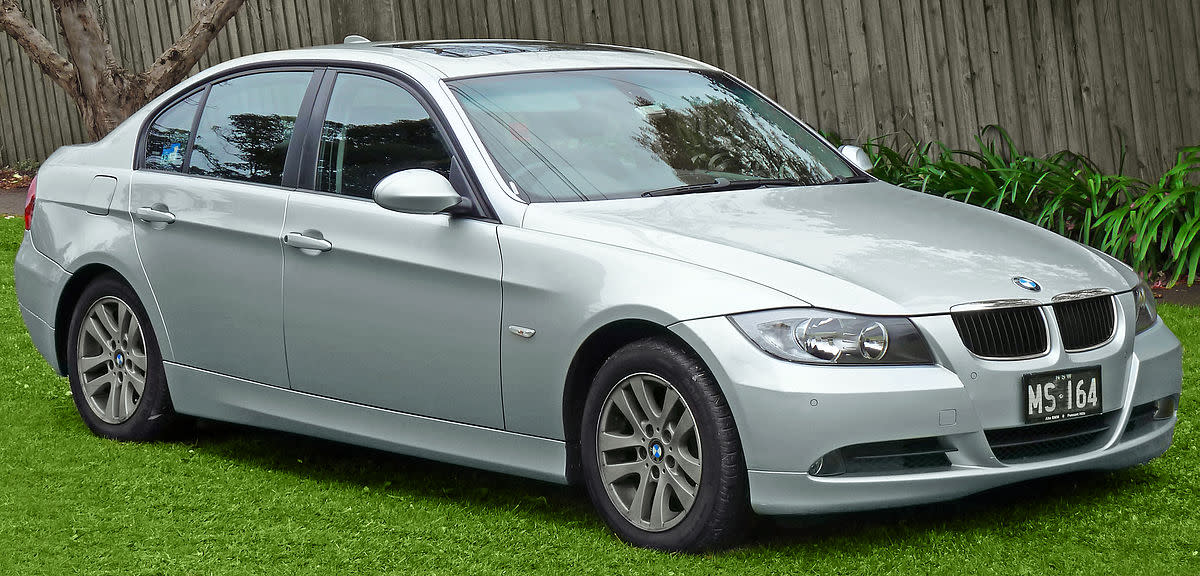
1. BMW 3-Series (E90 Generation, 2006-2013)
The BMW E90 3-Series, while beloved for its driving dynamics and performance, has unfortunately earned a notorious reputation for cooling system problems.
Owners of these vehicles often face recurring issues with overheating, stemming from a combination of design choices, material selections, and cost-cutting measures that have proven problematic as these cars age. Understanding these issues is crucial for anyone considering purchasing or currently owning one of these vehicles.
The most infamous failure point in the E90’s cooling system is the water pump, which BMW designed with a plastic impeller. This decision to use plastic rather than metal was driven by cost considerations and perhaps weight savings, but it has proven disastrous in practice.
The plastic impeller degrades over time due to constant exposure to hot coolant and the mechanical stress of high-speed rotation. As the plastic weakens, pieces of the impeller can break off, reducing pumping efficiency and potentially circulating debris through the cooling system.
Many E90 owners have experienced sudden water pump failure, often with no warning, resulting in immediate overheating and potential engine damage. Compounding the water pump issue is BMW’s use of an electric water pump on some models.
While electric pumps offer theoretical advantages in controllability and efficiency, BMW’s implementation has suffered from reliability problems. The electric motors in these pumps are prone to failure, often occurring suddenly and catastrophically.
Unlike a mechanical pump that might give warning signs of failure through noise or leaking, the electric pump often fails completely and instantly, leaving the driver stranded with an overheating engine. The replacement cost for these electric pumps is substantial, often exceeding $500 just for the part.
The cooling system’s plastic components extend beyond the water pump. BMW used plastic extensively throughout the E90’s cooling system, including the thermostat housing, expansion tank, and various hoses and connectors.
While plastic components can be engineered to be durable, BMW’s choices didn’t prove adequate for the long term. The plastic expansion tank is particularly prone to cracking as it ages, often splitting along seams or developing stress cracks near mounting points.
When the expansion tank fails, coolant rapidly leaks out, leading to overheating. The plastic thermostat housing similarly becomes brittle over time and can crack, causing coolant leaks. The cooling fan system in E90s, while generally reliable, can develop issues with the fan control module.
This electronic module controls fan speed and activation, and when it fails, it can cause inadequate cooling. The fans might not activate when needed, or might run constantly, draining the battery when the car is off. Fan clutch failures have also been reported, leading to inadequate airflow through the radiator.
2. Nissan Pathfinder (2013-2019)
The Nissan Pathfinder of the 2013-2019 generation has developed an unfortunate reputation for cooling system problems, particularly related to its CVT transmission cooler and radiator design.
These issues have plagued owners with recurring overheating problems and expensive repairs, tarnishing what should have been a reliable family SUV. The problems are systemic, affecting a significant percentage of vehicles from this generation.
The most serious issue affecting these Pathfinders is the transmission cooler integrated into the radiator. Nissan designed the radiator with internal passages that allow transmission fluid to flow through for cooling.
Unfortunately, a design or manufacturing defect causes the barrier between the coolant passages and transmission fluid passages to fail. When this happens, coolant and transmission fluid mix a catastrophic failure known as “Strawberry Milkshake of Death” in online forums due to the pink color of the mixed fluids.
This mixing destroys the CVT transmission, which is extremely sensitive to contamination. The result is not just a cooling system failure but complete transmission failure, often requiring replacement at a cost exceeding $5,000.
Even when the radiator doesn’t experience the coolant-transmission fluid mixing issue, Pathfinders from this generation suffer from premature radiator failures.

The radiator’s plastic end tanks become brittle and crack, often well before the 100,000-mile mark. The crimped connections between plastic tanks and aluminum cores can separate, causing coolant leaks.
These failures often occur suddenly, catching owners by surprise and potentially causing engine damage if the overheating isn’t noticed immediately.
The water pump in these Pathfinders, while not as problematic as some other components, still experiences higher failure rates than would be expected in a vehicle of this type.
The pump can develop leaks from seal failures or bearing problems, leading to coolant loss and eventual overheating. Some owners report water pump failures well under 100,000 miles, unusual for what should be a long-lived component.
The thermostat housing on these vehicles is another weak point, constructed from plastic that can crack with age. When the housing fails, it typically leaks coolant, leading to low coolant levels and overheating.
The thermostat itself can also fail, sometimes sticking closed and causing immediate overheating. The positioning of the thermostat makes replacement labor-intensive, increasing repair costs.
3. Jeep Cherokee (2014-2023, 2.4L Engine)
The Jeep Cherokee introduced in 2014 marked a departure from traditional Jeep design, featuring modern styling and a range of engine options including a 2.4-liter four-cylinder Tigershark engine.
Unfortunately, this engine has proven problematic in the cooling department, with numerous owners reporting persistent overheating issues.
The combination of design limitations, inadequate cooling capacity, and quality control problems has created a vehicle that many owners regret purchasing.
The fundamental problem with the Cherokee’s 2.4-liter engine is that the cooling system appears undersized for the heat generated, especially when the vehicle is loaded or towing within its rated capacity.
The radiator, while adequate for gentle driving, seems to lack sufficient capacity for sustained high-load conditions. When climbing grades, driving in hot weather, or towing even light loads, the temperature gauge climbs toward the hot end of the normal range or even beyond.
This marginal cooling capacity means the system has no reserve for dealing with minor issues like partially blocked radiator fins or slightly low coolant levels.
The water pump in these engines has demonstrated reliability issues, with many failing prematurely. Some owners report water pump failures under 50,000 miles, far earlier than should be expected.

The pump can develop bearing noise, leaks from the seal, or complete failure of the impeller. When the pump fails, overheating occurs quickly, potentially causing engine damage.
The concerning aspect is the lack of warning many pumps fail suddenly rather than gradually, giving owners no opportunity to address the problem before overheating occurs.
Jeep’s thermostat design and implementation in the Cherokee has proven problematic. The thermostat can stick closed, causing rapid overheating as coolant cannot circulate through the radiator.
Some thermostats fail partially open, causing the engine to run too cool while this doesn’t cause overheating, it does indicate quality control issues with this component. The thermostat housing is integrated with other components, making replacement more complex and expensive than it should be.
A particularly frustrating aspect of Cherokee cooling system problems is difficulty in diagnosis. Many owners report temperature gauge fluctuations that dealers cannot replicate or fix.
The vehicle might overheat intermittently, making diagnosis challenging. Some issues appear to be related to air pockets trapped in the cooling system that are difficult to eliminate completely.
The system’s design makes proper bleeding challenging, and even experienced technicians sometimes struggle to get all air out of the system.
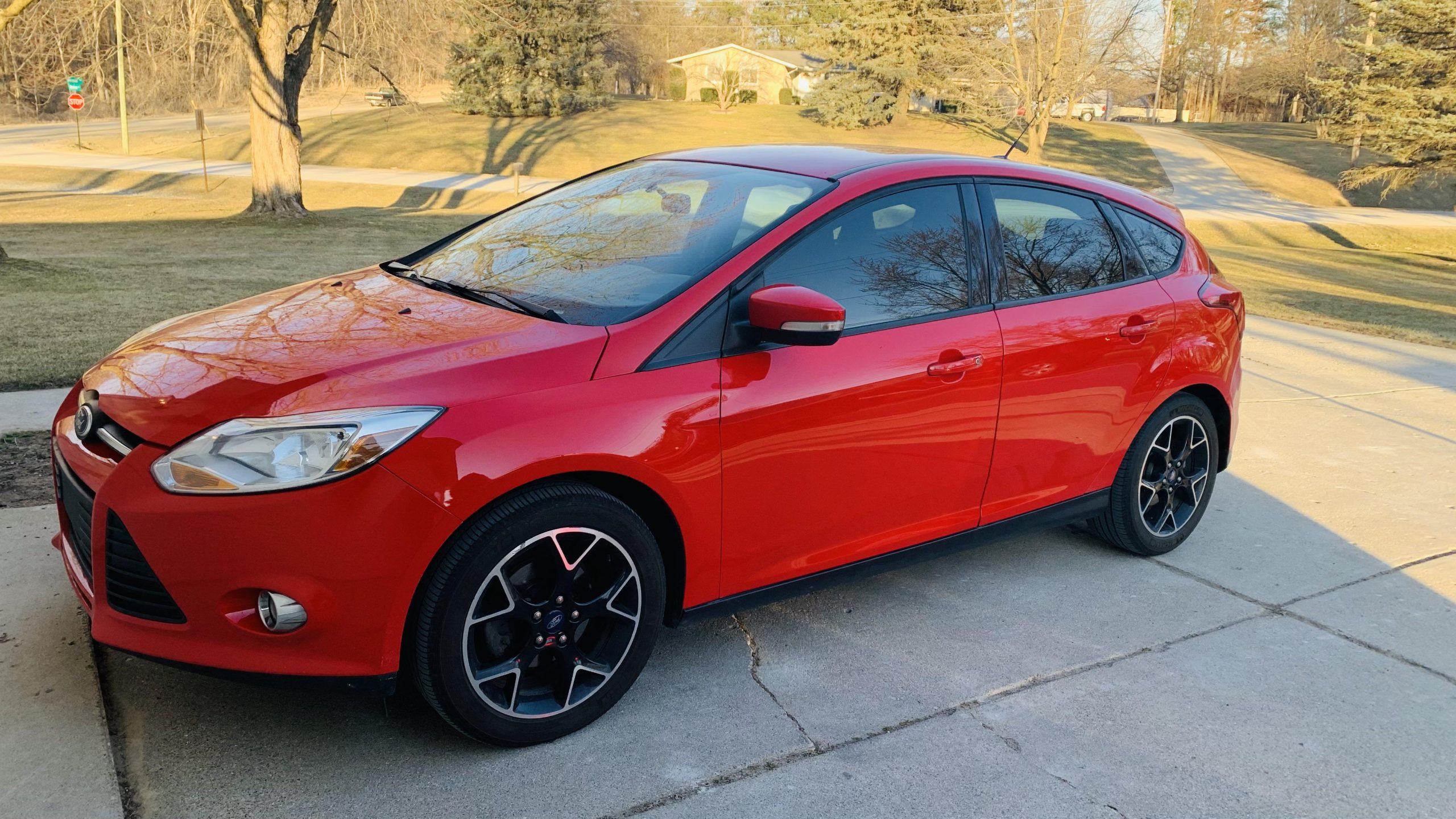
4. Ford Focus (2012-2018, 2.0L Engine)
The Ford Focus of the 2012-2018 generation, while receiving much attention for its troublesome dual-clutch automatic transmission, also suffers from cooling system problems that have plagued owners.
The 2.0-liter engine in these vehicles has demonstrated a pattern of overheating issues stemming from multiple cooling system weaknesses. These problems often compound the vehicle’s other reliability issues, creating a frustrating ownership experience.
One of the primary cooling system concerns in these Focus models is the design and quality of the coolant reservoir and associated components.
The reservoir, constructed from plastic, is prone to cracking, particularly around mounting points and where hoses connect. The plastic becomes brittle over time, and the thermal cycling of heating and cooling causes stress cracks to develop.
When the reservoir cracks, coolant leaks out, leading to low coolant levels and eventual overheating. Many owners have had to replace the reservoir multiple times during their ownership.
The water pump in these Focus engines experiences reliability issues more frequently than would be expected in a modern vehicle. The pump can develop leaks from seal failures, bearing noise indicating impending failure, or complete impeller failure.
Some owners report water pump failures under 60,000 miles, well before such a failure should occur. The pump is driven by the timing belt on these engines, which means a water pump replacement requires timing belt removal, increasing labor costs significantly.
The radiator in these Focus models, while generally adequate in cooling capacity, suffers from premature failures. The plastic end tanks can crack or the crimped connection to the aluminum core can fail, causing coolant leaks. Some owners report radiator failures well under 100,000 miles.
The radiator’s position in the front of the vehicle makes it vulnerable to damage from road debris, and even minor impacts can compromise its integrity.
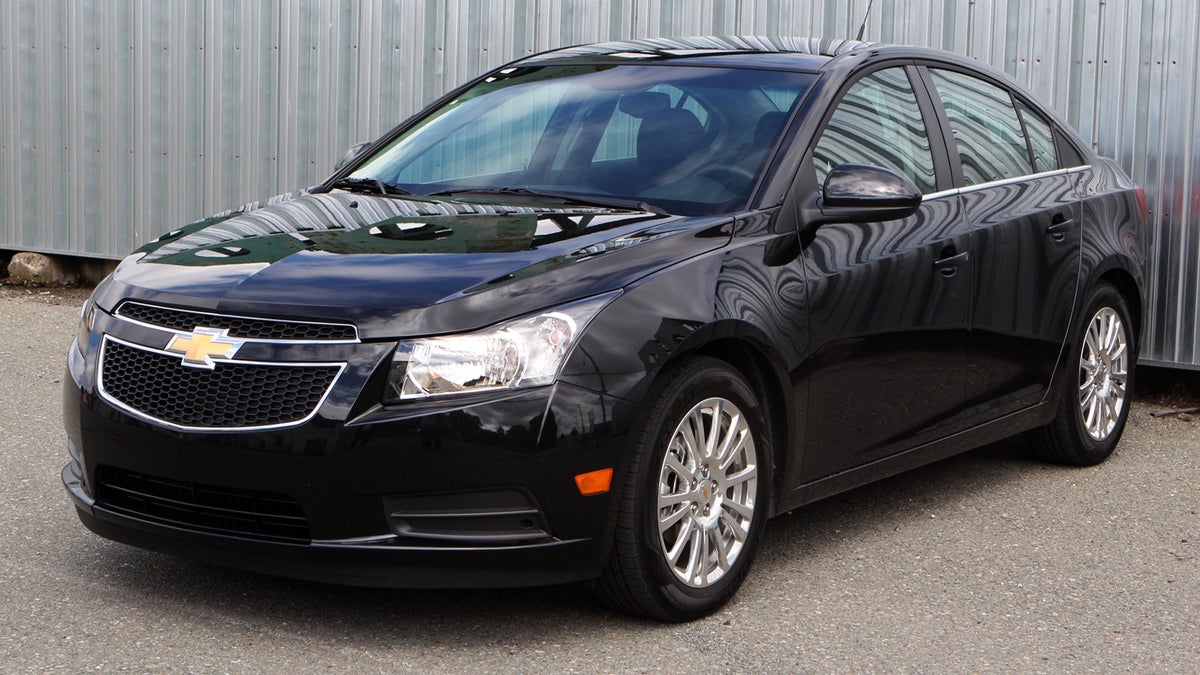
5. Chevrolet Cruze (2011-2019)
The Chevrolet Cruze, produced from 2011 to 2019, has developed a troubling reputation for cooling system problems that have frustrated owners and tarnished the vehicle’s reliability record.
Despite being a modern design with global engineering input, the Cruze exhibits multiple cooling system weaknesses that lead to recurring overheating issues. These problems affect a significant percentage of vehicles and often require expensive repairs.
The most notorious cooling system issue in the Cruze involves the water outlet that connects to the upper radiator hose. This component, constructed from plastic, is prone to cracking and failing, often well before 100,000 miles.
The outlet housing contains the thermostat and coolant temperature sensor, and when it cracks, it leaks coolant. The location of this component makes leaks particularly problematic coolant can drip onto electrical components or the serpentine belt, causing additional damage beyond just coolant loss.
Many Cruze owners have replaced this component multiple times. The water pump in Cruze models shows an unacceptable failure rate for a modern vehicle. The pump is particularly problematic in turbocharged Cruze models, where higher heat loads stress the cooling system.
Water pumps can develop bearing noise, leaks, or impeller problems. Some fail catastrophically, causing immediate overheating that can damage the engine.
The pump’s position in the engine makes replacement labor-intensive, driving up repair costs. Many owners report water pump failures between 40,000 and 80,000 miles, far earlier than should be expected.
General Motors used an unusual cooling system design in the Cruze that includes a separate coolant reservoir mounted remotely from the radiator.
This reservoir, along with its cap and various connecting hoses, creates multiple potential failure points. The reservoir itself can crack, the cap can fail to maintain proper pressure, and the hoses can leak or separate. The complexity of this system makes diagnosis and repair more challenging than with conventional designs.
This comprehensive examination reveals the dramatic difference between vehicles with well-engineered, reliable cooling systems and those plagued by cooling problems.
Prospective buyers would be wise to research cooling system reliability when considering any vehicle purchase, as the long-term costs and frustration of overheating issues far outweigh any initial savings from choosing a less reliable vehicle.
Also Read: 10 SUVs That Rarely Rust Even in Snow States
