
You know that feeling when you meet somebody who just won’t give up? The type of person who keeps showing up no matter what life throws at them? That’s exactly what these inline-four engines are like.
While the automotive world keeps changing with electric vehicles and hybrid technology taking center stage, these four-cylinder powerplants continue to prove their worth on roads across the globe.
They’re not flashy. They won’t make your neighbors rush out of their houses when you start your car. But what they lack in drama, they make up for in pure, unshakeable reliability. The inline-four engine has been the backbone of motoring for generations.
From daily commuters fighting traffic in Lagos to families road-tripping across continents, these engines have carried millions of people through their journeys without complaint. They’re the unsung heroes of the automotive world, the ones that keep running when everything else has given up.
Some of these engines have been in production for so long that they’ve outlived entire car brands. Others have racked up mileage numbers that would make you question if your odometer is working properly.
These ten engines tick all those boxes and more. They’ve survived economic downturns, stricter emission regulations, and the constant pressure from manufacturers to create something new. Yet here they are, still thumping away under bonnets from Tokyo to Toronto, from Berlin to Buenos Aires.
They’ve earned their place in automotive history not through speed records or horsepower wars, but through something far more valuable: showing up day after day, year after year, decade after decade. Let’s talk about these mechanical legends that simply refuse to die.
1. Toyota 2JZ-GE (Non-Turbo Variant)
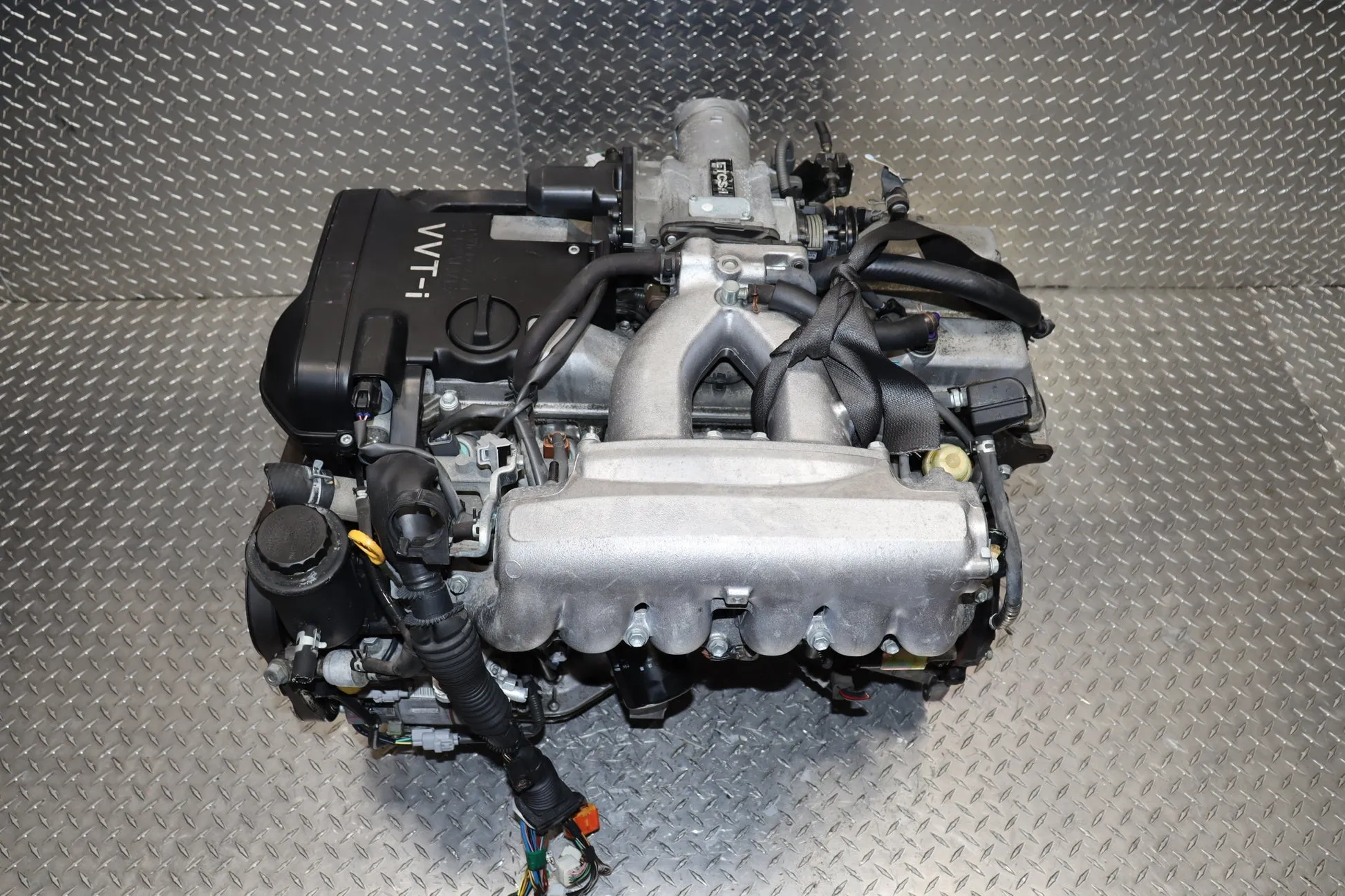
Listen, when people talk about the 2JZ, they usually think about the turbocharged GTE version that became a tuning legend. But let me tell you something about its naturally aspirated sibling, the 2JZ-GE, that powers cars like the Toyota Crown and Lexus IS300.
This engine is the quiet achiever of the family, the one that doesn’t get the spotlight but does all the hard work behind the scenes. It shares the same iron block construction with its turbocharged brother, which means it’s built like a tank. We’re talking about an engine that was designed to handle boost even in its non-turbo form, so you can imagine how overbuilt it is for normal use.
The 2JZ-GE produces around 220 horsepower in most applications, which might not sound impressive by today’s standards. But here’s the thing about this engine: it’s smooth as butter and responds to throttle inputs like it’s reading your mind. The power delivery is linear, predictable, and exactly what you need for daily driving.
People who own these engines report mileage figures that sound made up. I’m talking about cars cruising past 300,000 kilometers without needing major work. Change the oil regularly, keep up with basic maintenance, and this engine will outlast your interest in the car itself.
What makes the 2JZ-GE special is how Toyota engineered it for the long haul. The block is cast iron, not aluminum, which adds weight but provides stability that aluminum can’t match. The head is aluminum with dual overhead cams and variable valve timing, giving it enough technology to stay relevant while keeping things simple enough that mechanics don’t need a computer science degree to work on it.
When you’re driving a car with this engine, you notice how it settles into a comfortable rhythm at highway speeds. It doesn’t scream or vibrate. It just pulls smoothly, quietly reminding you that good engineering never goes out of style.
2. Honda K20A
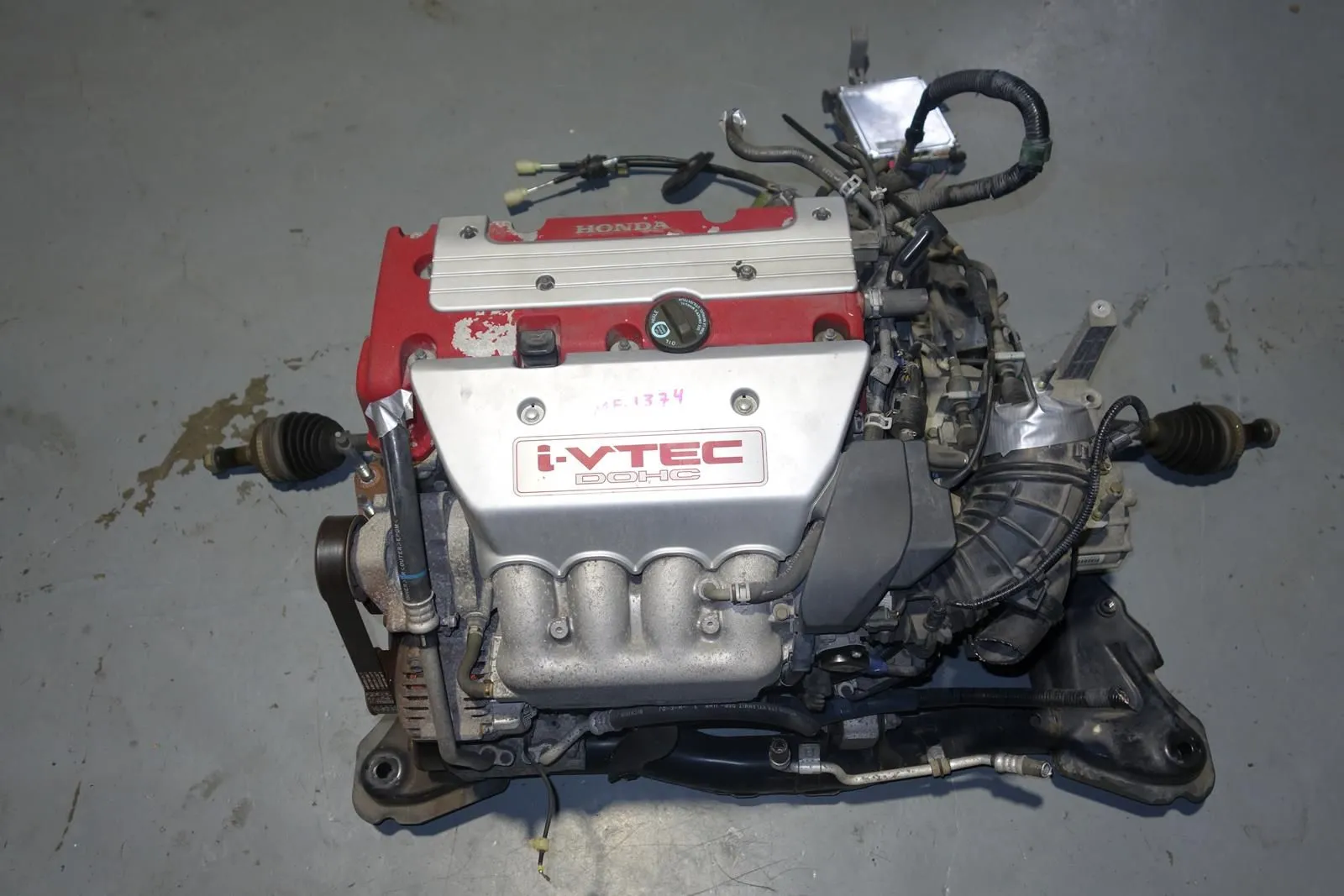
The K20A is what happens when Honda’s engineers decide to create something special for people who actually love driving. This 2.0-liter engine from Honda’s K-series family has earned a reputation that borders on religious devotion among enthusiasts.
You’ll find it in the Honda Civic Type R EP3 and the Acura RSX Type S, where it makes around 200 to 220 horsepower depending on the variant. But power numbers don’t tell the full story with this engine. What makes it exceptional is how it delivers that power and how it feels when you’re pushing it through the rev range.
Honda built the K20A with VTEC technology that actually makes a difference you can feel and hear. Below 6,000 rpm, it’s a perfectly civilized engine that sips fuel and goes about its business without fuss. Then you cross that VTEC engagement point, and suddenly the engine wakes up like someone just told it there’s free food at the finish line.
The intake note changes, the power builds with urgency, and you remember why people write poetry about Honda engines. This isn’t turbo lag or artificial drama. This is mechanical engineering, creating an experience that makes you want to drive more, just to feel it happen again.
The build quality of the K20A is typical Honda: meticulous attention to detail and materials chosen for longevity rather than cost-cutting. The all-aluminum construction keeps weight down, while the forged internals can handle abuse that would destroy lesser engines.
People have built K20A engines into 400-horsepower monsters with forced induction, and the bottom end keeps asking for more. But even in stock form, treated to nothing more than regular oil changes and proper warm-ups, these engines run for hundreds of thousands of kilometers. They don’t burn oil.
They don’t develop mysterious ticks and knocks. They just keep revving to 8,000 rpm like it’s the most natural thing in the world. That’s why, years after production ended, people still hunt for cars with this engine under the bonnet.
Also Read: These Military Trucks Use Engines From 1970s Civilians Cars
3. Mitsubishi 4G63T
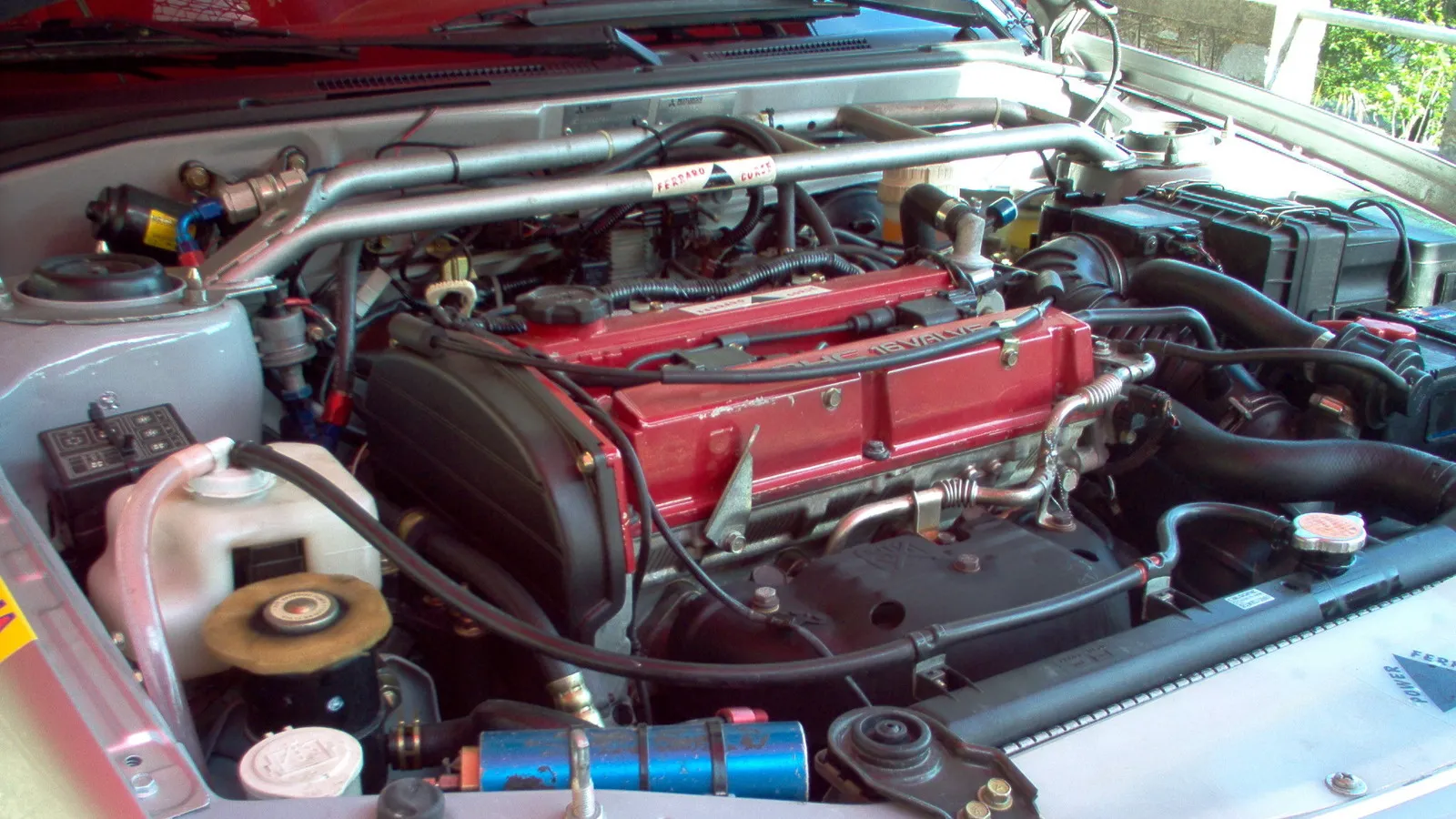
Now we’re talking about an engine with a battle-hardened reputation. The 4G63T is the turbocharged heart of the Mitsubishi Lancer Evolution series, and it’s the reason why these cars became legends on both street and track. This 2.0-liter turbocharged inline-four has been around since the late 1980s, and it powered every single Lancer Evolution from the first generation all the way to the ninth.
When Mitsubishi needed an engine to compete in rallying’s toughest competition, they turned to the 4G63T. When tuners wanted to build 1,000-horsepower street cars, they reached for the same engine. That tells you everything you need to know about its strength.
From the factory, the 4G63T produces anywhere from 250 to 400 horsepower, depending on which Evolution you’re looking at. But those numbers are just the starting point for most owners. The engine’s cast-iron block and forged internals mean it can handle double the factory power output with proper supporting modifications.
You’ll find these engines in drag racing cars, time attack monsters, and daily drivers that just happen to make enough power to scare supercars. The aftermarket support for the 4G63T is absurd. You can build this engine to any specification you want, from mild street upgrades to full race preparation, and find every part you need from multiple suppliers.
What makes the 4G63T truly immortal is how it responds to maintenance. Treat it right, and it’ll reward you with reliability that shouldn’t be possible from an engine making this much power. Yes, it drinks oil by design.
Yes, you need to stay on top of maintenance schedules. But do those things, and you’ll have an engine that delivers explosive performance every single time you press the accelerator. The turbo spools quickly, the power hits hard, and before you know it, you’re at illegal speeds, wondering how you got there so fast.
This isn’t an engine for everyone. It demands respect, proper maintenance, and an understanding of how turbocharged engines work. But for those willing to meet it halfway, the 4G63T delivers an experience that modern engines, with all their technology and refinement, still can’t replicate.
4. Volkswagen EA888 Gen 3
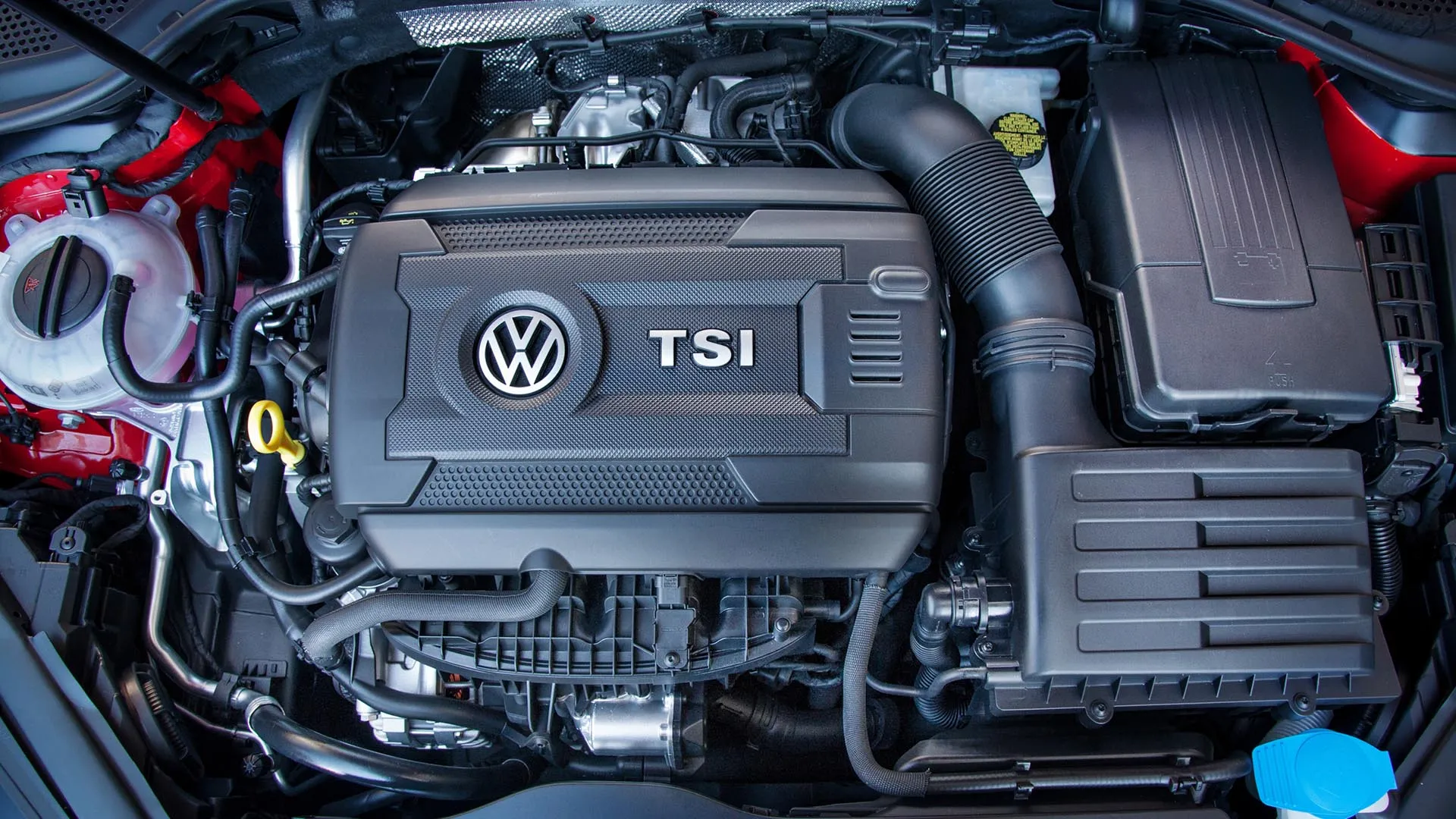
The EA888 might be the most modern engine on this list, but it’s already proving it has what it takes to join the immortals. Volkswagen’s EA888 third generation powers everything from the Volkswagen Golf GTI Mk7 to the Audi A4 B9, and it’s become the go-to engine for the entire VW Group’s performance applications.
This 2.0-liter turbocharged engine makes between 180 and 310 horsepower, depending on tune, which shows you its flexibility. What’s impressive is how VW managed to make one engine design work across so many different applications without compromising reliability or character.
The EA888 Gen 3 represents modern German engineering at its finest. It uses direct injection, turbocharging, variable valve timing, and clever thermal management to extract maximum performance while meeting strict emission standards. But unlike some modern engines that feel sterile and disconnected, the EA888 maintains a personality that makes driving fun.
In the Golf GTI, it pulls strongly from low revs and keeps pushing all the way to redline. In the Audi A4, the same basic engine transforms into a refined, efficient powerplant that moves the car effortlessly while sipping fuel on the highway.
What sets this engine apart from previous generations is how VW fixed the problems that plagued earlier versions. The timing chain issues? Sorted. The excessive oil consumption? Fixed. The water pump problems? Resolved. The Gen 3 EA888 is what the earlier versions should have been, and it shows in reliability reports from owners.
People are putting serious mileage on these engines without major issues. The aftermarket has embraced the EA888 with enthusiasm, offering everything from simple ECU tunes that add 50 horsepower to full turbo upgrades that push power beyond 500 horsepower.
Yet even with heavy modifications, when properly maintained, these engines hold together. That combination of tunability, refinement, and reliability is why the EA888 Gen 3 will be powering Volkswagen Group vehicles for years to come.
5. Mazda MZR 2.5L
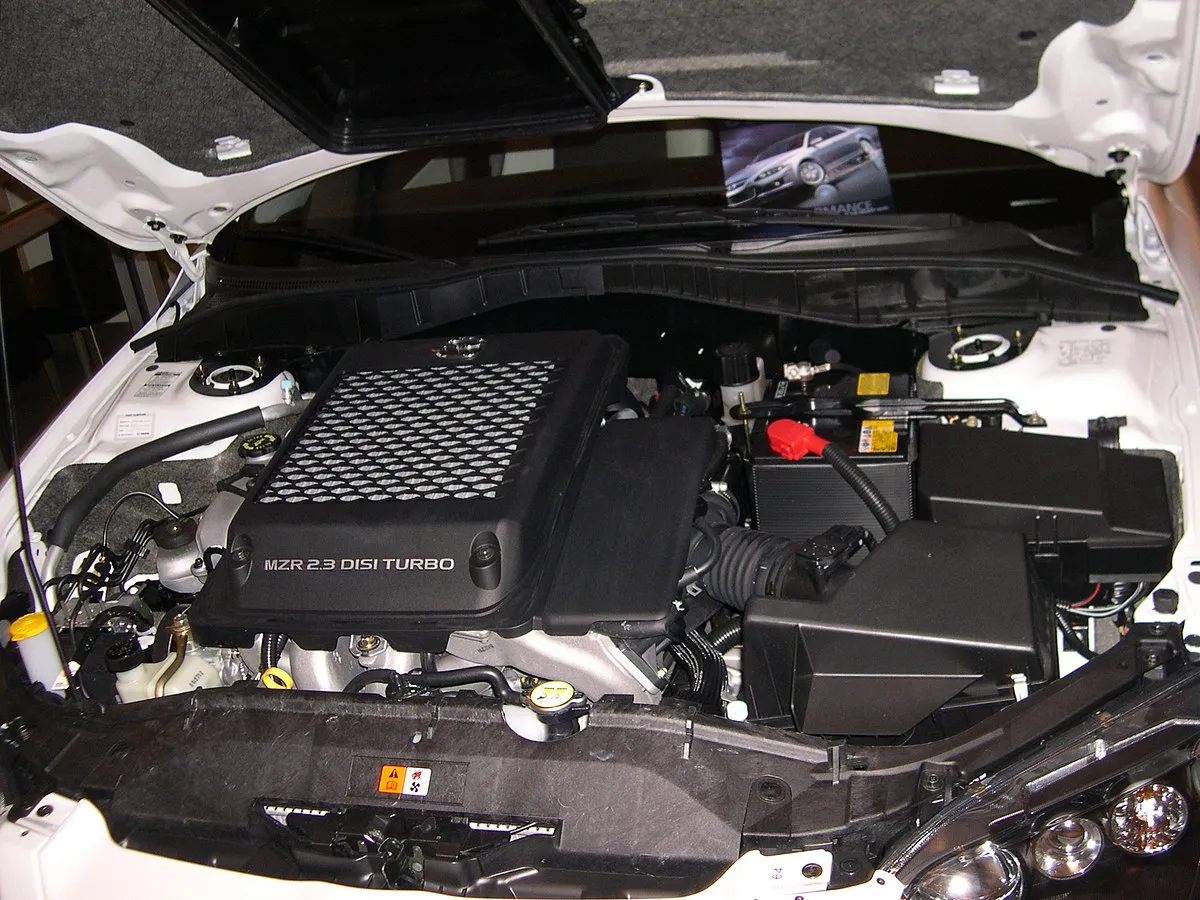
Mazda doesn’t get enough credit for building engines that just work. The MZR 2.5-liter inline-four is the perfect example of this philosophy. You’ll find this engine doing duty in vehicles like the Mazda6 and Mazda CX-5, where it produces around 184 to 187 horsepower.
That’s not going to win any drag races, but that’s not what this engine is about. The MZR 2.5L is about delivering smooth, reliable power day after day, year after year, without drama or expensive repair bills. It’s the engine equivalent of a good friend who always shows up when you need them.
What makes the MZR 2.5L special is how Mazda tuned it for real-world driving. The power band is broad and accessible, meaning you don’t need to rev it to the moon to get anywhere. Overtaking on the highway? No problem. Merging into traffic? Done. Hauling a family and luggage up a hill? Easy.
This engine delivers its power in a way that feels natural and effortless. You’re not constantly hunting for the right gear or waiting for a turbo to wake up. You press the accelerator, and the car moves exactly how you expect it to. That predictability might sound boring, but when you’re dealing with real life and real traffic, it’s exactly what you want.
The engineering behind the MZR is straightforward and proven. The aluminum block and head keep the weight down. Dual overhead cams with variable valve timing on both intake and exhaust provide efficiency without complication. The engine runs on regular petrol, not premium, which saves money every time you fill up.
Maintenance intervals are reasonable, parts are affordable, and any competent mechanic can work on it without special tools or training. Owners report these engines running well past 250,000 kilometers with nothing more than regular oil changes and basic maintenance.
There are no common failure points, no design flaws that show up at certain mileage intervals. Just solid, dependable engineering that gets the job done every single day.
6. Subaru EJ25
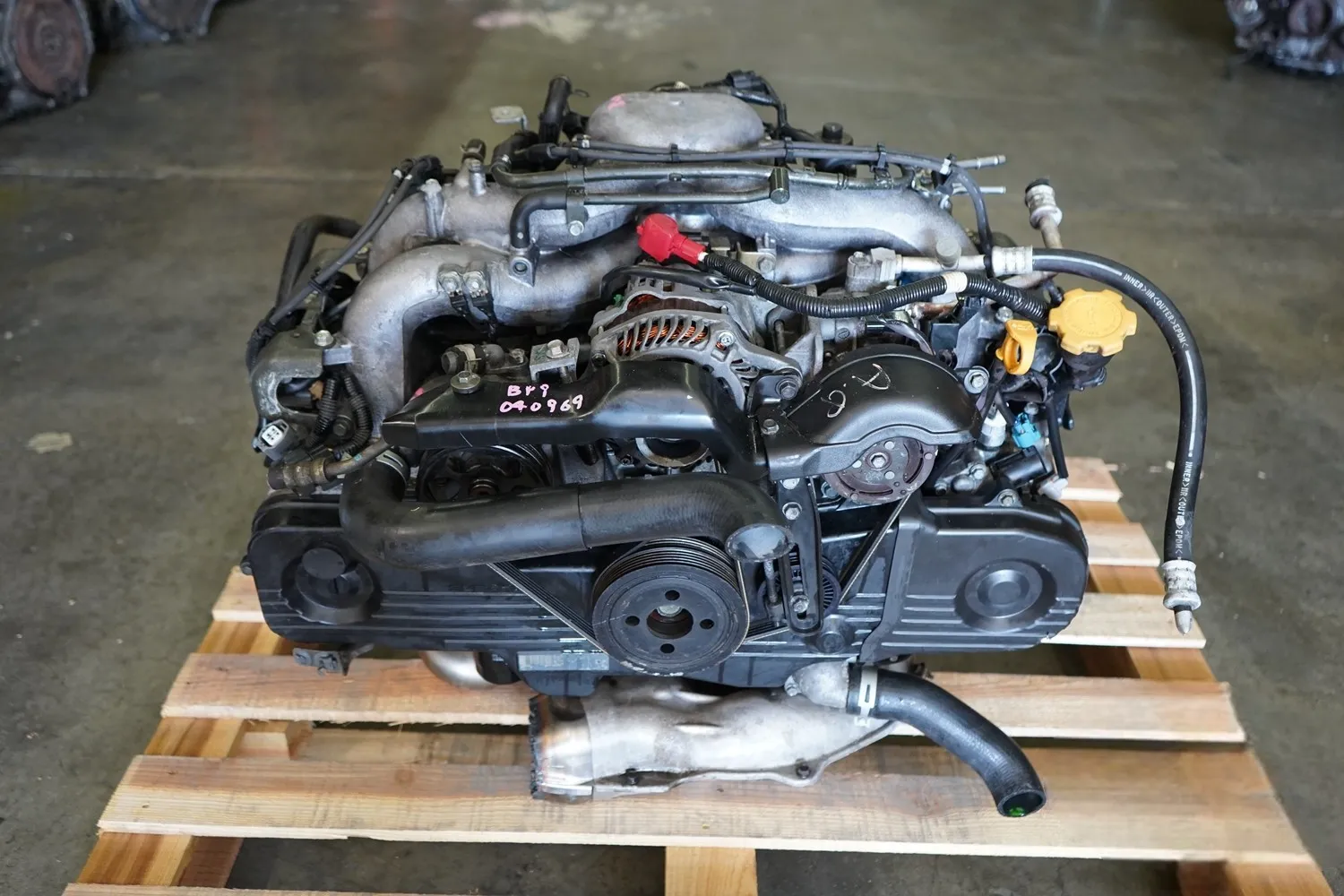
The EJ25 is Subaru’s boxer four-cylinder that powers vehicles like the Subaru Outback and Subaru Forester. Yes, I know, boxer engines are different from traditional inline-fours, but the EJ25 deserves mention because it embodies that same refuse-to-die spirit.
This 2.5-liter engine has been around since the mid-1990s, and despite its quirks and well-documented issues, it keeps chugging along in Subaru’s lineup. It makes around 170 to 182 horsepower in naturally aspirated form, which isn’t impressive until you remember this engine has to power all four wheels through Subaru’s permanent all-wheel-drive system.
The EJ25 has earned a mixed reputation. On one hand, owners love how it delivers power smoothly and how the boxer configuration keeps the center of gravity low. The engine sounds different from regular inline-fours, with a distinctive rumble that Subaru lovers recognize instantly.
It pulls cleanly from low revs and maintains that pull through the rev range without drama. When paired with a manual transmission, the EJ25 provides an engaging driving experience that reminds you why people still choose Subarus for their blend of practicality and fun.
The EJ25 has issues that every potential owner should know about. Head gasket failures are common, especially in earlier versions. Oil consumption can become excessive as the engine ages. The timing belt needs regular replacement, and if you forget, you’ll be shopping for a new engine.
But here’s the thing: despite these problems, people keep buying Subarus with EJ25 engines because when properly maintained, they’re incredibly capable. They handle rough roads, extreme weather, and heavy loads without complaint. The all-wheel-drive system they power is among the best in the business.
And when something does go wrong, the huge community of Subaru owners means you can find help, advice, and parts easily. The EJ25 refuses to die because it does things other engines can’t, and it does them well enough that owners forgive its faults.
7. Ford Duratec 2.0L
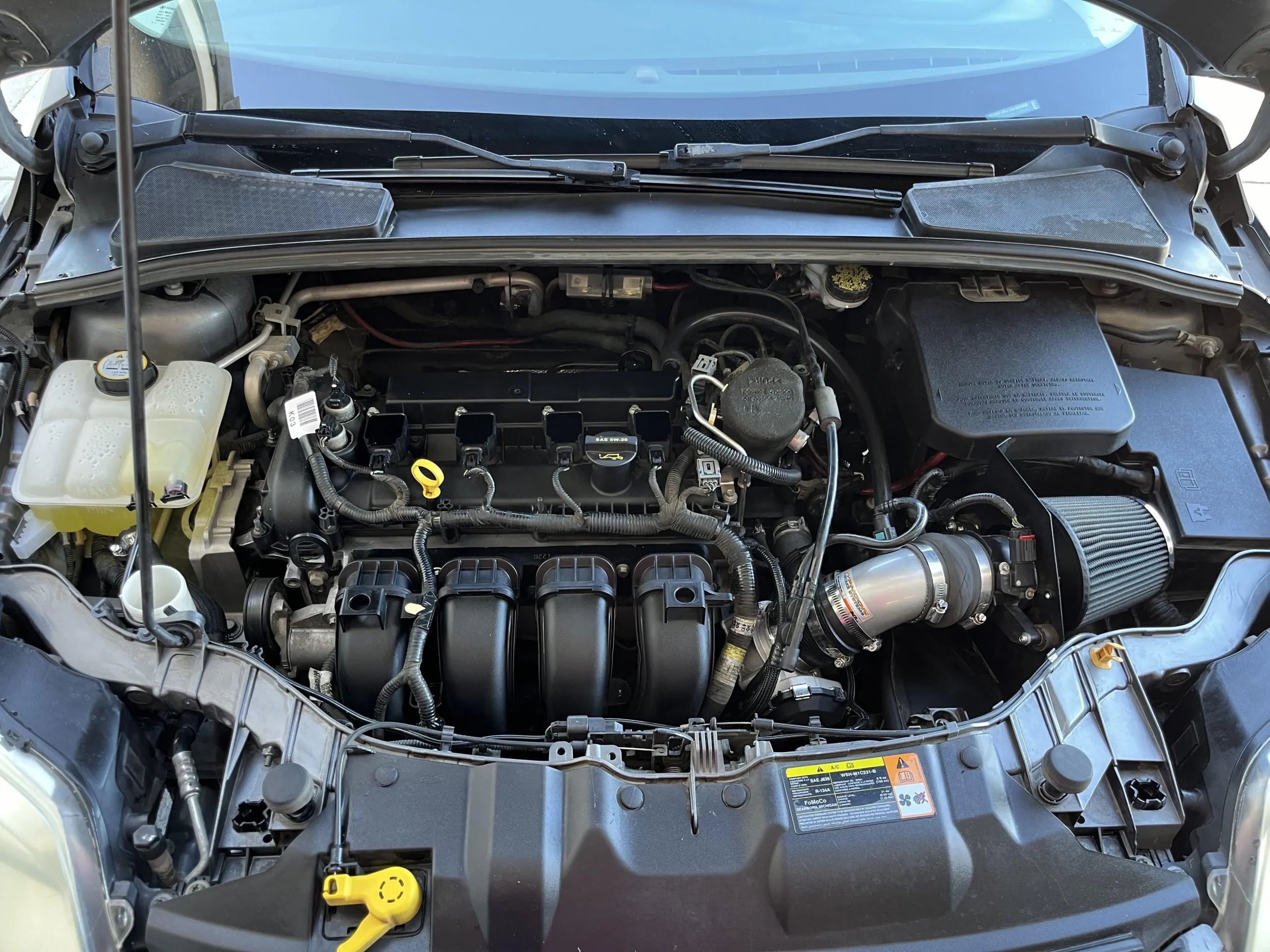
The Ford Duratec 2.0-liter proves that sometimes the best engines come from unexpected partnerships. This engine was co-developed by Ford and Mazda during their alliance, and it shows up in vehicles as different as the Ford Focus ST and the Mazda MX-5.
That range tells you how flexible the design is. In naturally aspirated form, it makes around 140 to 155 horsepower, which might not sound exciting until you drive it in something light like the MX-5. Then you realize that power-to-weight ratio matters more than raw horsepower figures.
The Duratec 2.0L is simple, light, and loves to rev. Ford built it with an aluminum block and head, dual overhead cams, and 16 valves. No fancy variable valve timing, no direct injection, no turbocharging in the base version. Just good old-fashioned naturally aspirated engineering done right.
This simplicity means less can go wrong, and when something does need attention, repairs won’t require taking out a second mortgage. Mechanics love working on these engines because everything is accessible and logical. There are no plastic parts hidden where they’ll break after 100,000 kilometers. No unreachable sensors that require removing half the engine to replace.
What makes the Duratec 2.0L immortal is how it responds to spirited driving. Rev it out, and it rewards you with a smooth climb to redline. Keep it in the sweet spot between 3,000 and 6,500 rpm, and you’ll have all the power you need for attacking back roads or going through city traffic.
The engine doesn’t vibrate excessively or develop annoying noises as it ages. It just keeps running, asking only for fresh oil and the occasional new set of spark plugs. You’ll find these engines in cars with 300,000 kilometers that still start instantly and run smoothly. That longevity, combined with the engaging character and low running costs, is why the Duratec 2.0L continues to have lovers long after Ford moved on to newer designs.
8. Nissan SR20DET
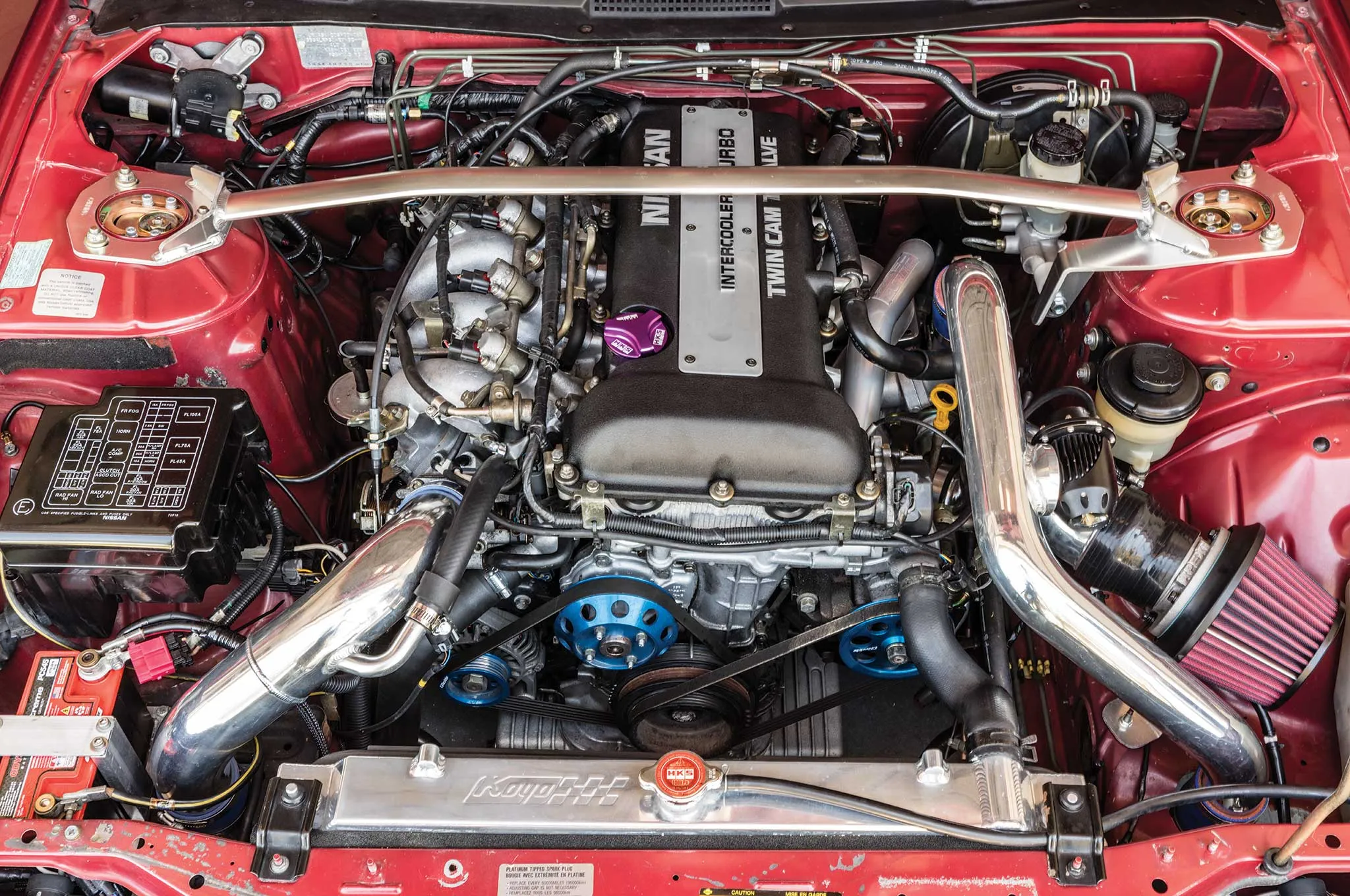
The SR20DET is what happens when Nissan decides to build a turbocharged four-cylinder that can handle absolutely anything you throw at it. This 2.0-liter turbocharged engine found its home in cars like the Nissan Silvia S14 and Nissan 200SX, where it became the foundation for one of the most active tuning scenes in automotive history.
From the factory, it produces between 200 and 250 horsepower, depending on specification. But let’s be honest: nobody keeps an SR20DET at stock power. This engine begs to be modified, and the aftermarket has responded with every conceivable upgrade path.
What makes the SR20DET special is its combination of strength and responsiveness. The iron block can handle serious power increases without expensive internal upgrades. The turbocharger provides boost quickly, eliminating the laggy power delivery that plagued earlier turbocharged engines.
When you’re driving an SR20DET-powered car, the engine feels alive and eager. It pulls hard from 3,000 rpm and keeps pulling until you change or run out of bravery. The sound is addictive too: a mix of turbo whistle, wastegate flutter, and the distinctive whir of the turbo spooling. It’s mechanical music that never gets old.
The SR20DET’s immortality comes from two factors: its tuning potential and its availability. These engines powered so many different Nissan models that finding replacement parts is easy, even decades after production ended. The tuning community has documented every possible modification, from basic bolt-ons to full race builds. You want 300 horsepower?
Easy. 400? Doable with supporting mods. 500 and beyond? People have done it repeatedly. But even at stock power, properly maintained SR20DET engines rack up huge mileage. They respond well to regular maintenance, and unlike some turbocharged engines, they don’t have fatal design flaws waiting to strike.
Change the oil, don’t run cheap fuel, and let the turbo cool down before shutting off, and the SR20DET will outlast your enthusiasm for whatever car it’s installed in.
9. BMW N20
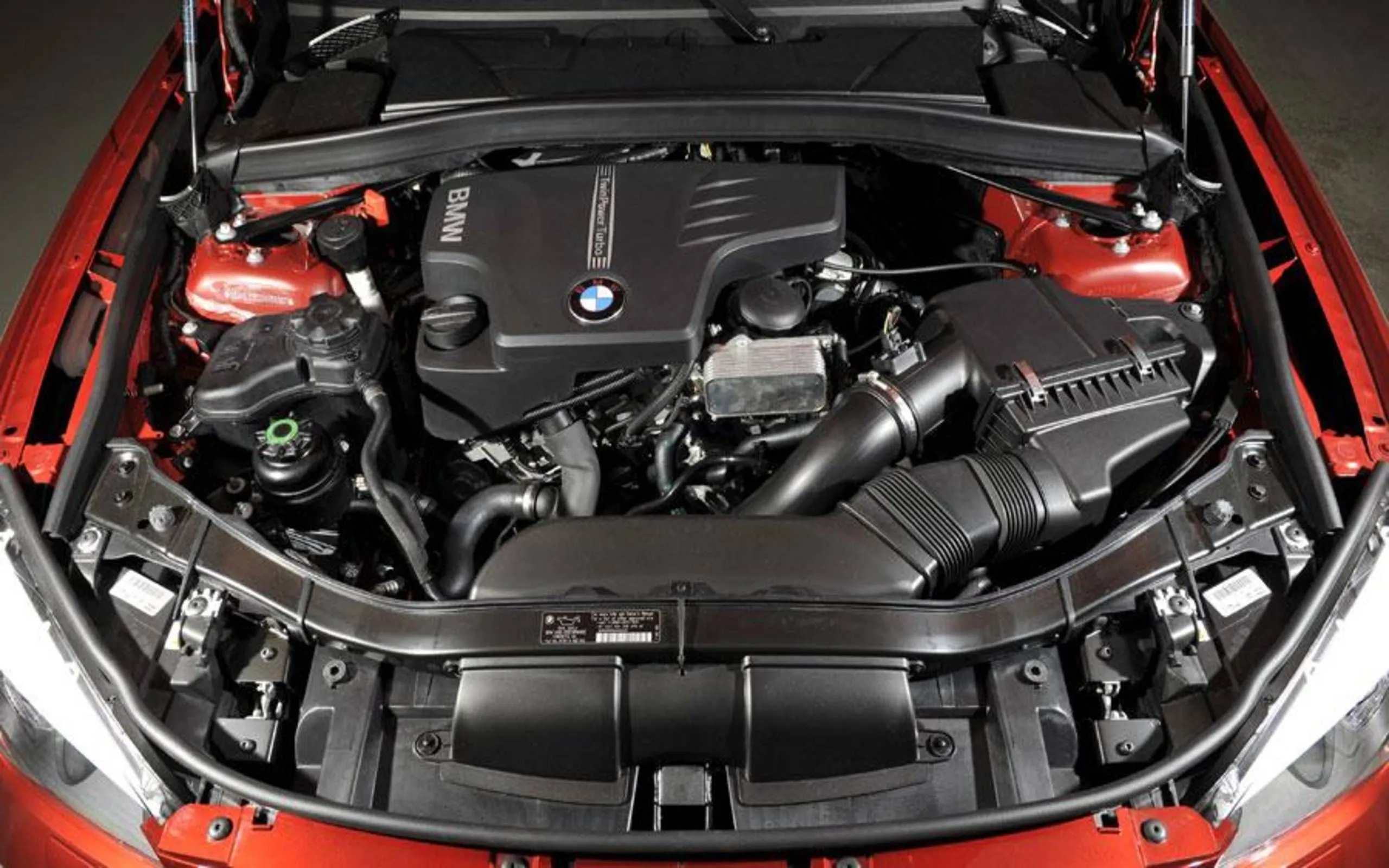
BMW’s N20 2.0-liter turbocharged engine represents the company’s successful transition to smaller, forced-induction powerplants. You’ll find it in vehicles like the BMW 3 Series F30 and BMW X3 F25, where it replaced the naturally aspirated six-cylinder engines that BMW was famous for. This was controversial when it happened.
BMW lovers mourned the loss of the silky-smooth inline-sixes. But the N20 has proven itself capable of delivering the performance BMW customers expect while meeting modern efficiency standards that would be impossible with larger engines.
The N20 produces between 180 and 245 horsepower, depending on tune, which matches or exceeds what the old six-cylinder engines delivered. What’s impressive is how BMW made this small turbocharged four-cylinder feel refined and powerful. There’s minimal turbo lag thanks to a twin-scroll turbocharger.
The power delivery is smooth and linear, without the sudden surge that characterized earlier turbocharged BMWs. When you’re driving a car with the N20, you’d swear it had more cylinders based on how it sounds and feels. BMW’s engineers worked hard to eliminate the typical four-cylinder thrum and vibration, and they succeeded.
The N20 isn’t perfect. Early versions had timing chain issues that BMW addressed in later production. The plastic oil filter housing can crack and leak, which is an unfortunate cost-cutting measure. But when these known issues are addressed, the N20 proves reliable and long-lasting.
The engine responds beautifully to aftermarket tuning, with simple software modifications adding 50 or more horsepower safely. Fuel economy is excellent for the performance offered, often matching or beating the smaller engines from competitors.
As these engines age, they’re proving that BMW’s move to four-cylinder turbo power wasn’t a mistake. The N20 delivers the performance, refinement, and efficiency that modern drivers need, wrapped in a package that still feels unmistakably BMW.
Also Read: 5 Engines That Run Quiet and Clean for Life and 5 That Rattle by 70,000 Miles
10. Honda D16
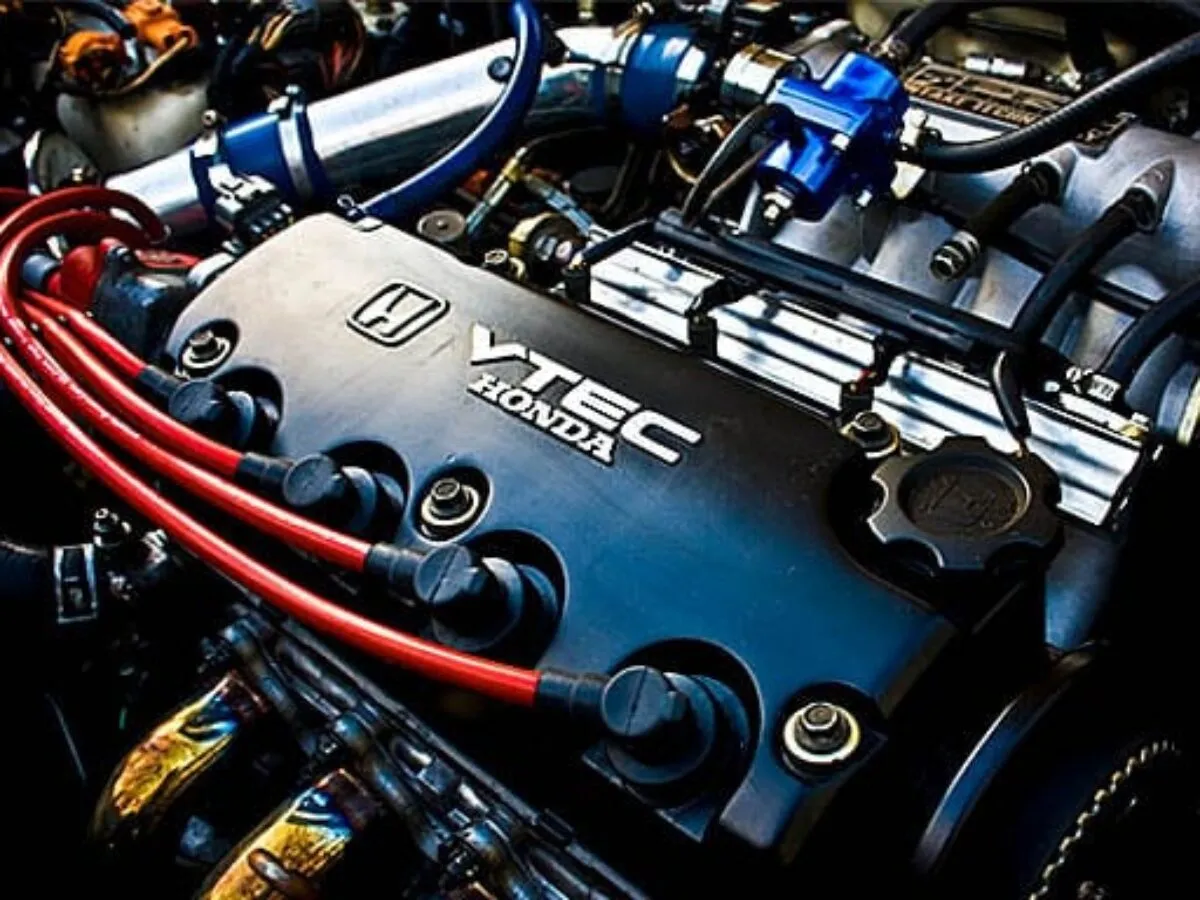
Let me close this list with the engine that might be the most unkillable of them all: Honda’s D16 series. This 1.6-liter engine has been powering Hondas since the mid-1980s, and you’ll still find them running strong in cars like the Honda Civic EK and the first-generation Honda CR-V.
The D16 makes between 105 and 130 horsepower, depending on variant, which means it’s not fast by any measure. But speed was never the point. The D16 exists to start every single time, run smoothly, use minimal fuel, and ask for nothing except regular oil changes.
The D16’s construction is pure Honda: aluminum block and head, single overhead cam, and VTEC in some variants. Everything is designed for longevity and ease of maintenance. The timing belt is easy to access and replace. Spark plugs are right there where you can reach them.
The valve adjustment procedure is straightforward enough that a competent home mechanic can do it in an afternoon. This simplicity means repair costs stay low even as the engine ages. When something does wear out, replacement parts are cheap and available everywhere. You could probably find D16 parts in a small shop in the middle of nowhere. That’s how widespread these engines became.
What makes the D16 truly legendary is how it refuses to die regardless of how it’s treated. Yes, regular maintenance helps, but these engines survive abuse that would destroy others. People report D16 engines running for 400,000 kilometers and beyond, often with nothing more than oil changes and the occasional new timing belt.
They don’t burn oil. They don’t develop mysterious noises. They just keep running, day after day, year after year. The power delivery is smooth if uninspiring. The fuel economy is excellent. And when you turn the key, the engine starts immediately, whether it’s cold or baking hot outside.
That reliability, that absolute refusal to quit, is why you still see Honda Civics from the 1990s on roads around the world, their D16 engines still thumping away like the day they left the factory. This engine has earned its immortality through sheer, stubborn reliability that puts many newer designs to shame.
