
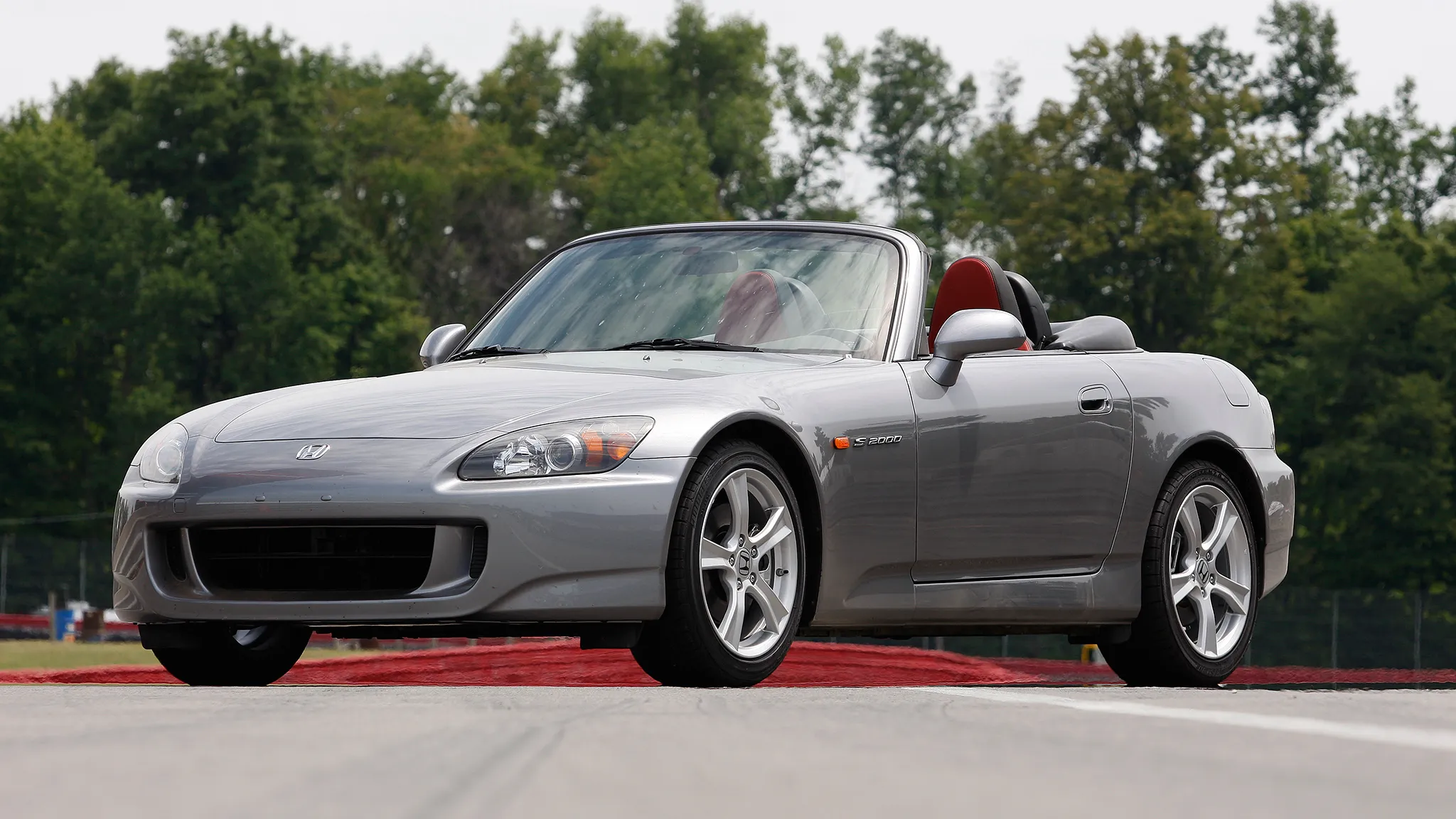
The 2000s gave us some of the most memorable cars ever built. This was a special time in automotive history when manufacturers were pushing boundaries, trying new technologies, and creating vehicles that would change the game completely.
Some of these cars became instant classics the moment they rolled off the assembly line, while others earned their legendary status through years of proving themselves on roads around the globe.
What makes a car a legend? It is not just about speed or luxury or how much it costs. A legendary car touches something deep in people’s hearts. It becomes more than just transportation.
People remember where they were when they first saw it, how they felt when they drove it, or how badly they wanted to own one. These are the cars that show up in movies, video games, and dreams. They are the ones that still turn heads today, even though they are more than twenty years old.
We will take you through ten cars from the 2000s that have already earned their place in automotive history. These are not just good cars or popular cars. These are vehicles that changed everything, set new standards, and continue to inspire car lovers everywhere.
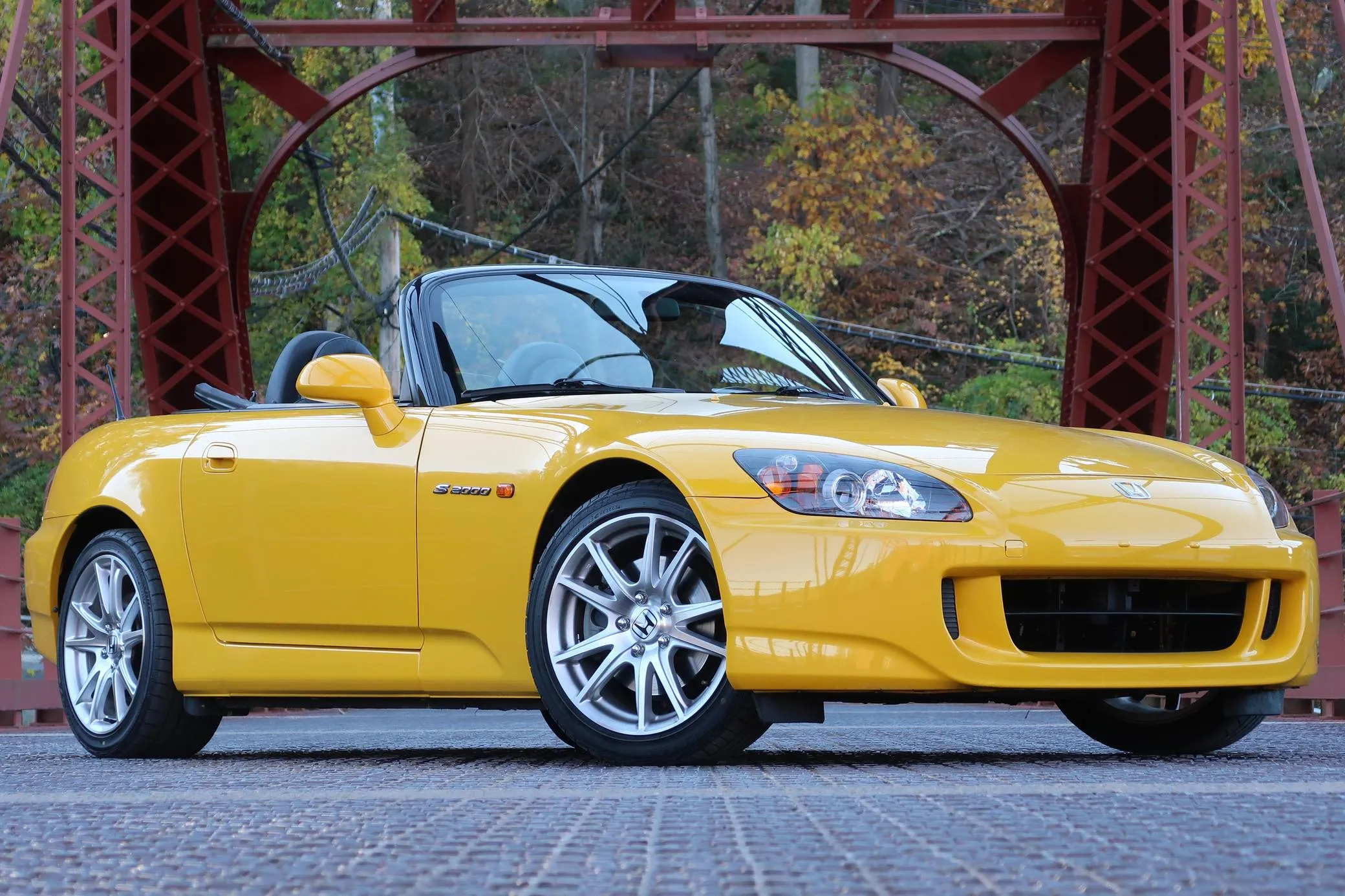
1. Honda S2000 (2000-2009)
This roadster came out right at the start of the millennium, and Honda made sure it would be something people would never forget. The engine screamed all the way to 9,000 RPM, which was unheard of for a production car at that time. Every drive felt like a race track experience, with the manual transmission connecting you directly to the machine in a way that modern cars simply cannot match.
The 2.0-liter four-cylinder engine produced 240 horsepower, which might not sound like much today, but the magic was in how that power was delivered.
The engine was so smooth, so responsive, and so eager to rev that driving the S2000 became an addiction for anyone who experienced it. The six-speed manual transmission had the most precise shifter you could imagine, with each gear change feeling like a mechanical symphony.
Honda built this car with a front-engine, rear-wheel-drive layout, which was unusual for them since they were known for front-wheel-drive vehicles.
This configuration gave the S2000 a perfect 50/50 weight distribution, making it handle like a go-kart on steroids. The steering had no power assistance in early models, giving drivers pure, unfiltered feedback from the road. You could feel every grain of asphalt through that steering wheel.
The convertible top was simple and easy to operate. No complicated electric motors or heavy mechanisms, just a straightforward manual top that you could put up or down in seconds. This simplicity meant less weight and fewer things that could break. The car was designed for pure driving pleasure, without unnecessary gadgets or features that would dilute the experience.
Today, clean examples of the S2000 sell for more than they cost when new. Collectors recognize that Honda will probably never build anything like this again.
The combination of a naturally aspirated high-revving engine, manual transmission, rear-wheel drive, and perfect handling makes this car irreplaceable. Young enthusiasts dream about owning one, while older drivers remember them as the best roadster Honda ever made.
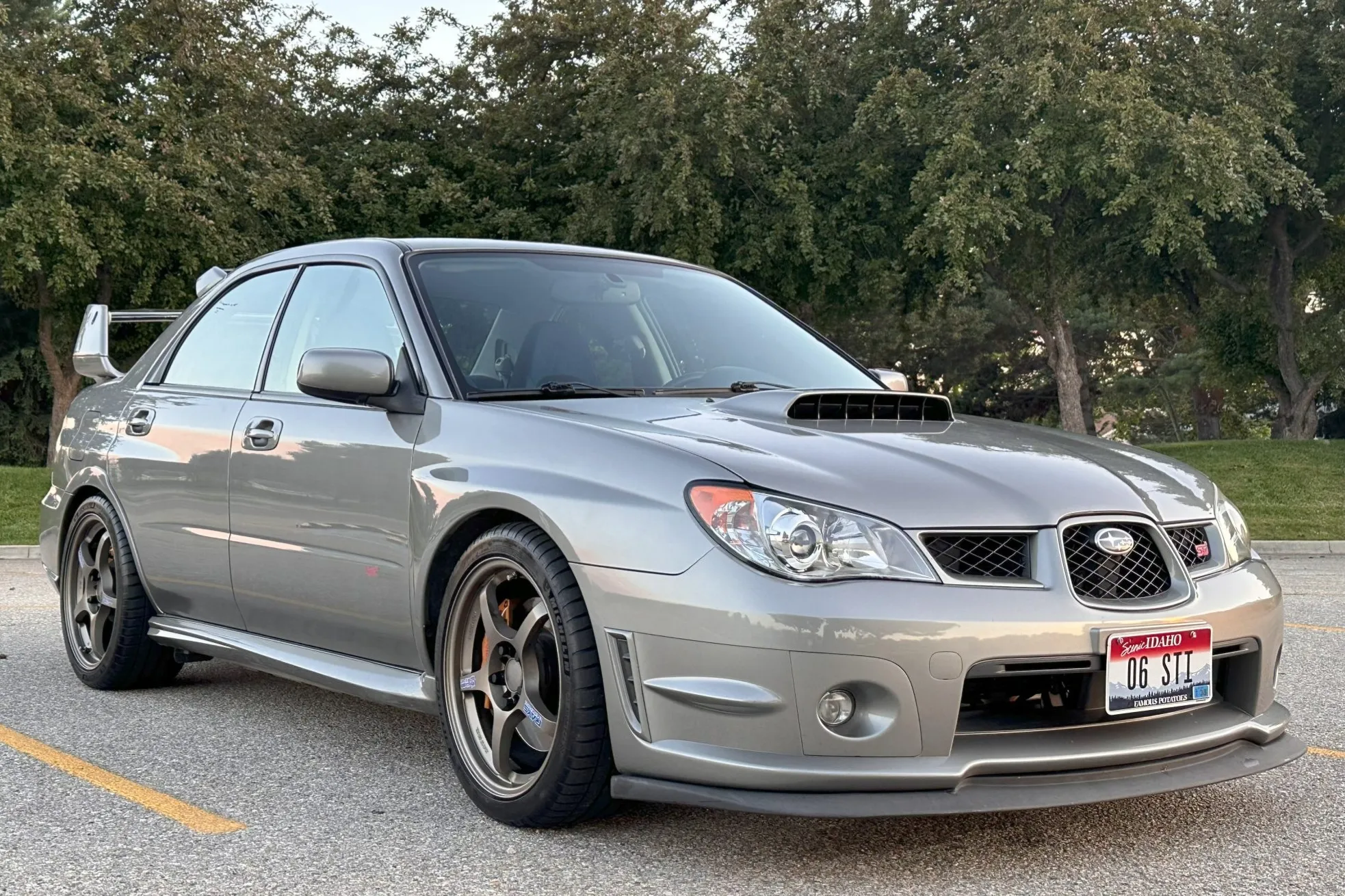
2. Subaru Impreza WRX STI (2004-2007)
Rally racing gave birth to this beast, and the streets would never be the same. Subaru took everything they learned from dominating the World Rally Championship and put it into a car that anyone could buy and drive every day. The turbocharged 2.5-liter boxer engine sat low in the chassis, giving the car a center of gravity that defied physics.
All-wheel drive was standard, but this was not the kind of system you found in family crossovers. This was a performance all-wheel-drive system that could send power exactly where it was needed, allowing the car to rocket out of corners with grip that seemed impossible. The six-speed manual transmission was built tough to handle the abuse that enthusiasts would inevitably dish out.
Gold wheels became the signature look of the STI, and they were not just for show. These wheels housed massive Brembo brakes that could stop the car from high speeds repeatedly without fading. The hood scoop was functional, feeding cool air to the intercooler that kept the turbocharger running at peak efficiency. Every design element served a purpose.
The interior was not fancy or luxurious. Subaru focused on what mattered for performance. The seats held you in place during hard cornering. The steering wheel was the perfect size and thickness. The gauges gave you all the information you needed without distraction. This was a tool built for driving fast, and it did not apologize for its lack of premium materials or soft-touch surfaces.
People modified these cars extensively, building them into monsters that produced double or triple the stock horsepower. The engine could handle serious power upgrades, and the aftermarket support was incredible.
Car meets were full of STIs, each one modified differently, each owner proud of what they had created. The community around this car remains strong today, with knowledge shared freely and new enthusiasts welcomed warmly.
Also Read: 10 Cars That Remain Smooth at Highway Speeds
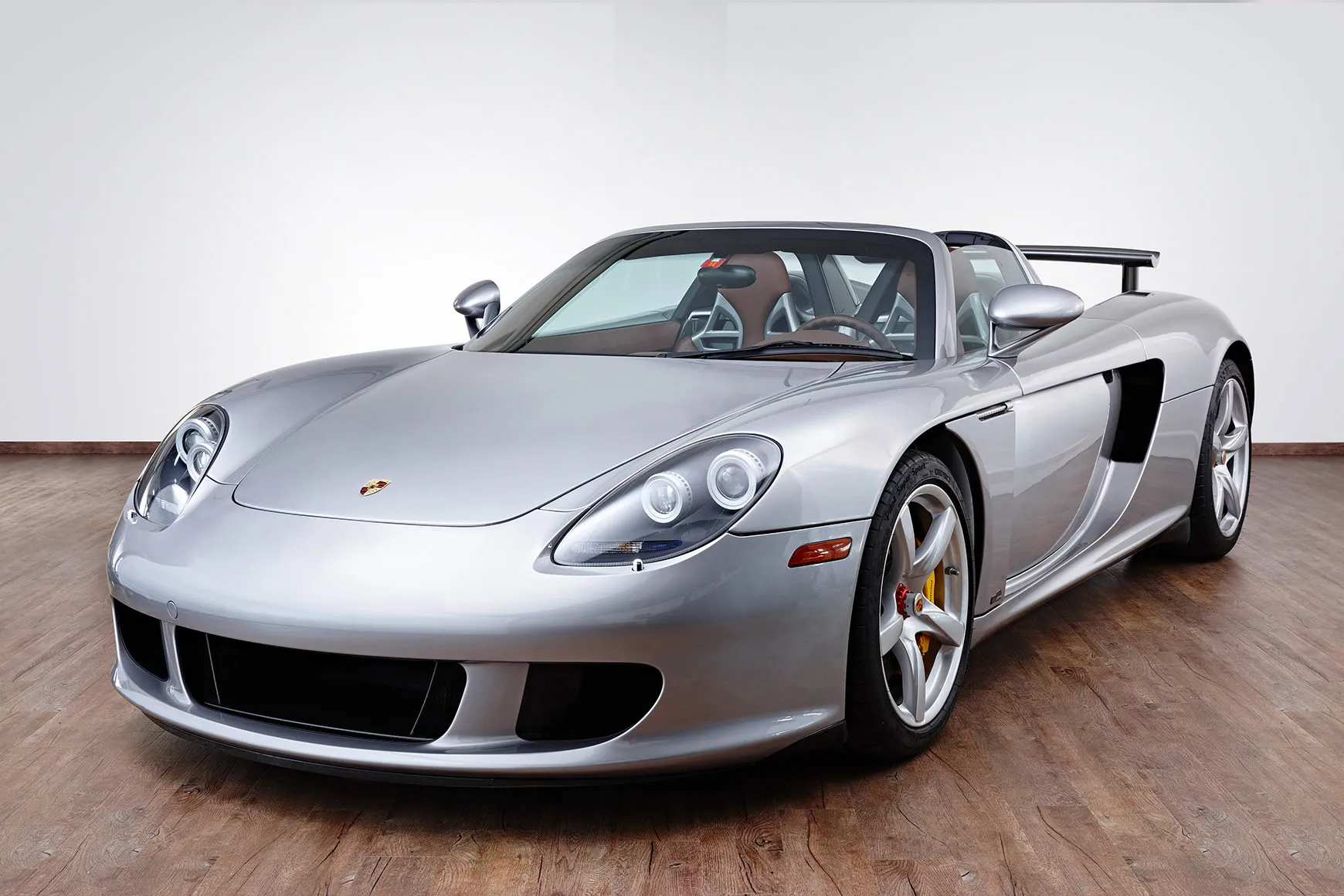
3. Porsche Carrera GT (2004-2007)
Walking up to this supercar for the first time made your heart race before you even touched the door handle. Porsche built only 1,270 of these machines, and each one was a masterpiece of engineering and design. The 5.7-liter V10 engine came from a failed Le Mans racing program, which meant it was born to compete at the highest level.
That V10 produced 605 horsepower and revved to 8,400 RPM with a sound that still gives people chills years later. The engine sat behind the driver, mounted to a six-speed manual transmission that was considered one of the best made. No automatic option existed because Porsche knew that a car like this deserved proper driver engagement.
Carbon fiber was used extensively throughout the car, from the chassis to the body panels. This exotic material kept weight down while maintaining incredible strength. The entire car weighed less than many modern sports sedans despite having a massive engine and all the safety equipment required for street legality. The power-to-weight ratio was extraordinary.
Driving the Carrera GT was not easy. This car demanded respect and skill. The clutch was heavy, and the bite point was precise. The steering had no electronic assistance, giving pure mechanical feedback.
Stability control could be turned off completely, leaving everything up to the driver. This was a car for serious drivers, not for people who wanted to look rich while cruising gently through town.
Famous people crashed them. Others locked them away as investments. Some brave souls actually drove them the way Porsche intended. Values have skyrocketed, with good examples now selling for several times their original price. The Carrera GT represents the last of a dying breed: analog supercars that put the driver completely in control without electronic nannies interfering with every input.
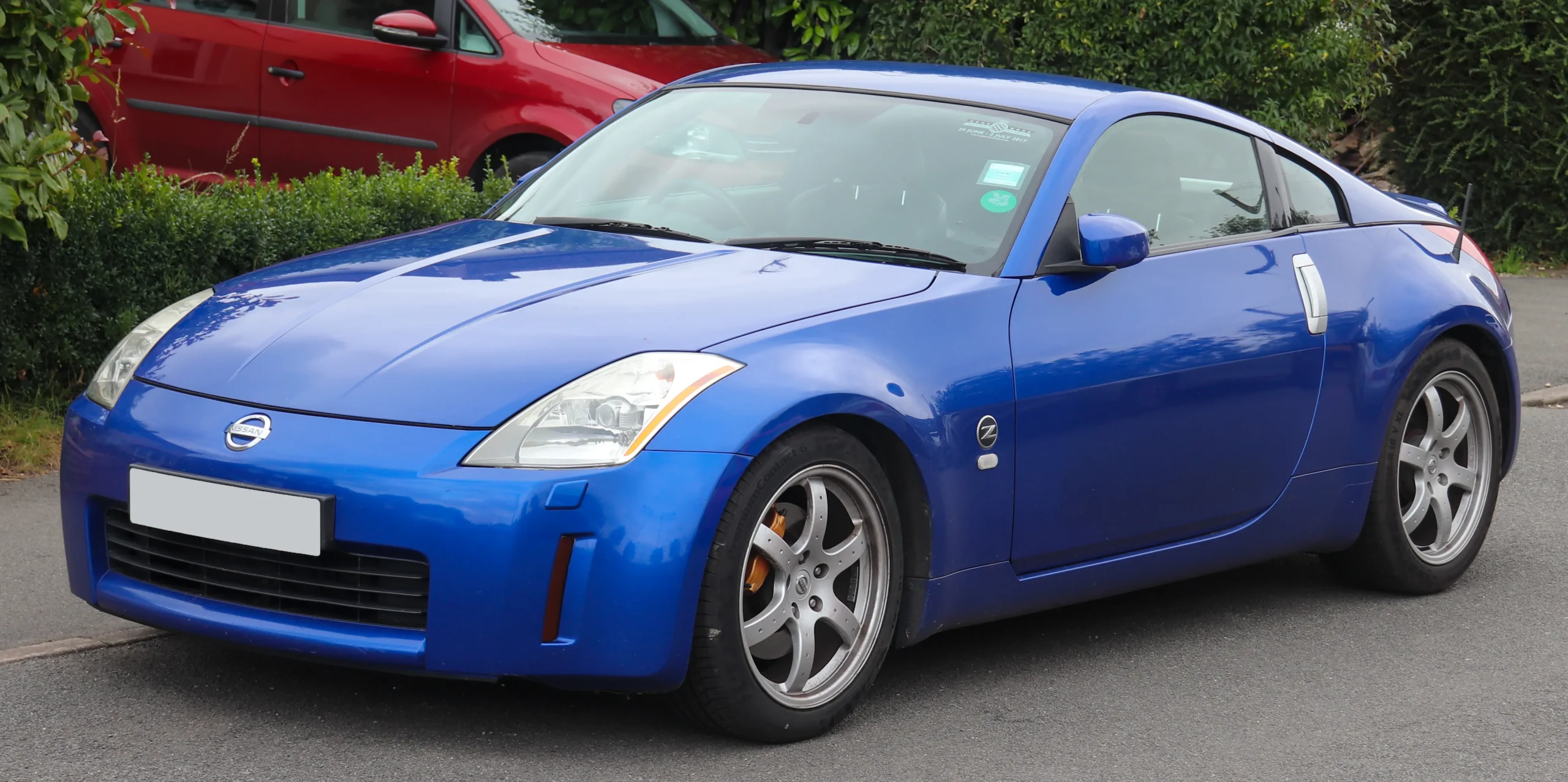
4. Nissan 350Z (2003-2008)
Nissan brought back the Z car, and enthusiasts around the world celebrated. The 350Z took inspiration from the legendary 240Z while incorporating modern design and technology. The result was a sports car that looked aggressive, sounded mean, and drove with purpose. This was not some refined grand tourer but a raw, exciting machine that reminded people why they loved driving.
Under that long hood sat a 3.5-liter V6 engine producing between 287 and 306 horsepower, depending on the year and model. The engine was smooth and powerful, with a sound that got better as you climbed through the rev range. Rear-wheel drive sent all that power to the back wheels through either a six-speed manual or a decent automatic transmission for those who wanted it.
The chassis was stiff and responsive, with suspension tuned for spirited driving rather than comfort. Body roll was minimal, and the car changed direction eagerly.
The brakes were strong and the tires were wide, giving the 350Z impressive capabilities on twisty roads or race tracks. Many owners took their Z cars to track days and discovered they could run with much more expensive machinery.
Styling was polarizing when the car first came out. Some people loved the muscular proportions and bold lines. Others thought it looked too heavy or aggressive. But everyone agreed that the 350Z stood out in traffic. You could spot one from far away, and it always drew attention. The interior was driver-focused, with controls angled toward the person behind the wheel.
Aftermarket support exploded almost immediately. Companies developed exhaust systems, suspension upgrades, forced induction kits, and body modifications.
The 350Z became a tuner favorite, with owners customizing them for drift racing, drag racing, or simply making them look and sound more aggressive. The strong engine and drivetrain could handle increased power without major modifications, making them ideal platforms for enthusiasts who wanted more performance.
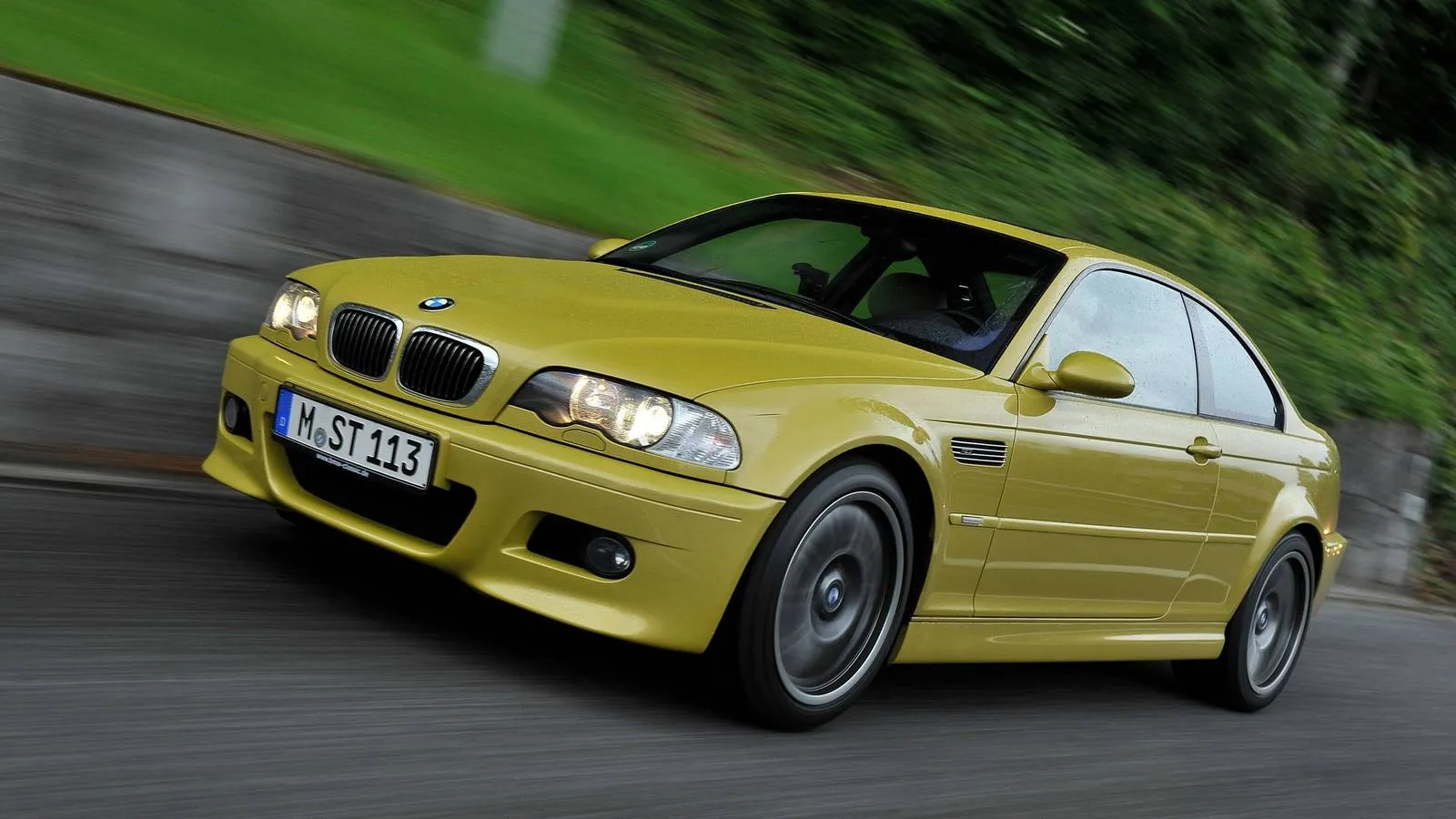
5. BMW M3 (E46 Generation, 2001-2006)
Many people consider this the best M3 ever made, and they have good reasons for that opinion. BMW put a naturally aspirated inline-six engine under the hood that produced 333 horsepower while revving smoothly to 8,000 RPM. The sound this engine made was intoxicating, with a howl that grew more intense as the tachometer climbed. This was music that no stereo could replicate.
The six-speed manual transmission was a joy to use. Each gear change felt mechanical and satisfying, with short throws and clear gates. The shifter weighted it, letting you know exactly which gear you were selecting.
The clutch pedal had good feel and progressive engagement. Everything about the driving experience was calibrated perfectly for enthusiasts who appreciated the connection between driver and machine.
Handling was exceptional thanks to a well-balanced chassis and sophisticated suspension. The car felt alive through corners, communicating exactly what the tires were doing and how much grip remained.
You could push hard with confidence because the M3 told you everything you needed to know through the steering wheel, seat, and pedals. Electronic stability control was there if needed, but skilled drivers rarely felt it intervene.
Two body styles were available: coupe and convertible. The coupe was lighter and stiffer, making it the choice for people who prioritized performance. The convertible offered open-air driving while still maintaining most of the performance characteristics. Both versions looked aggressive with their flared fenders, quad exhaust pipes, and distinctive front bumper.
Racing heritage was evident everywhere you looked. BMW Motorsport developed this car, and its experience showed in every detail. The engine was strong enough to handle track use without modifications.
The brakes could handle repeated hard stops. The cooling system kept temperatures under control even during spirited driving. This was a sports car you could drive to the track, compete in, and drive home without worry.
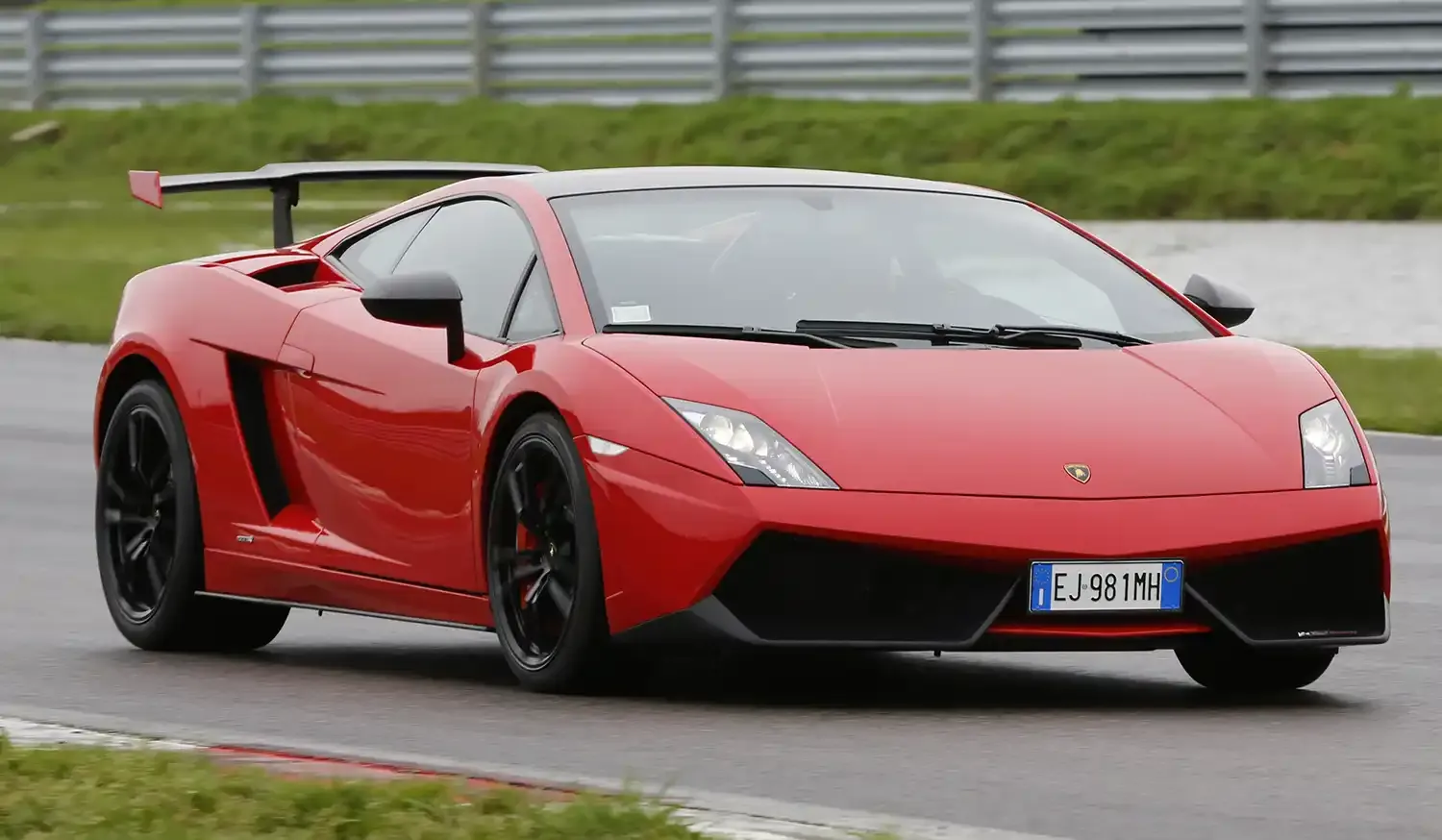
6. Lamborghini Gallardo (2003-2013)
Before the Gallardo came along, owning a Lamborghini was almost impossible for most people. This car changed everything by being the most affordable and most reliable Lamborghini ever made.
Do not misunderstand, it was still expensive and exotic, but it was attainable in a way that previous Lamborghinis were not. This democratization of the raging bull brand brought supercar ownership to many who had only dreamed about it.
The V10 engine was developed with help from Audi after Volkswagen Group bought Lamborghini. This partnership brought German engineering reliability to Italian supercar passion. The result was a 5.0-liter or 5.2-liter V10 that produced between 500 and 570 horsepower, depending on the version. More importantly, this engine actually worked reliably, which was revolutionary for Lamborghini.
All-wheel drive came standard on most models, giving the Gallardo incredible traction and making it surprisingly easy to drive quickly. Previous Lamborghinis were temperamental and dangerous in the wrong hands.
The Gallardo was still thrilling but no longer trying to kill you at every opportunity. You could drive it in the rain. You could use it for daily transportation. This practicality was unheard of for the brand.
The design was pure Lamborghini with sharp angles, aggressive stance, and scissor doors on some models. Even in mild colors, the Gallardo looked like it was moving while standing still. The low roofline and wide body gave it presence that few other cars could match. People stopped and stared wherever you went. Children pointed and shouted. This car was a celebrity on four wheels.
Production numbers were higher than any previous Lamborghini, with over 14,000 units built during its run. This accessibility meant more people experienced Lamborghini ownership, which helped the brand grow.
The Gallardo proved that supercars could be reliable and usable while still being wildly exciting. Its success paved the way for the Huracán that followed and secured Lamborghini’s future as a viable company.
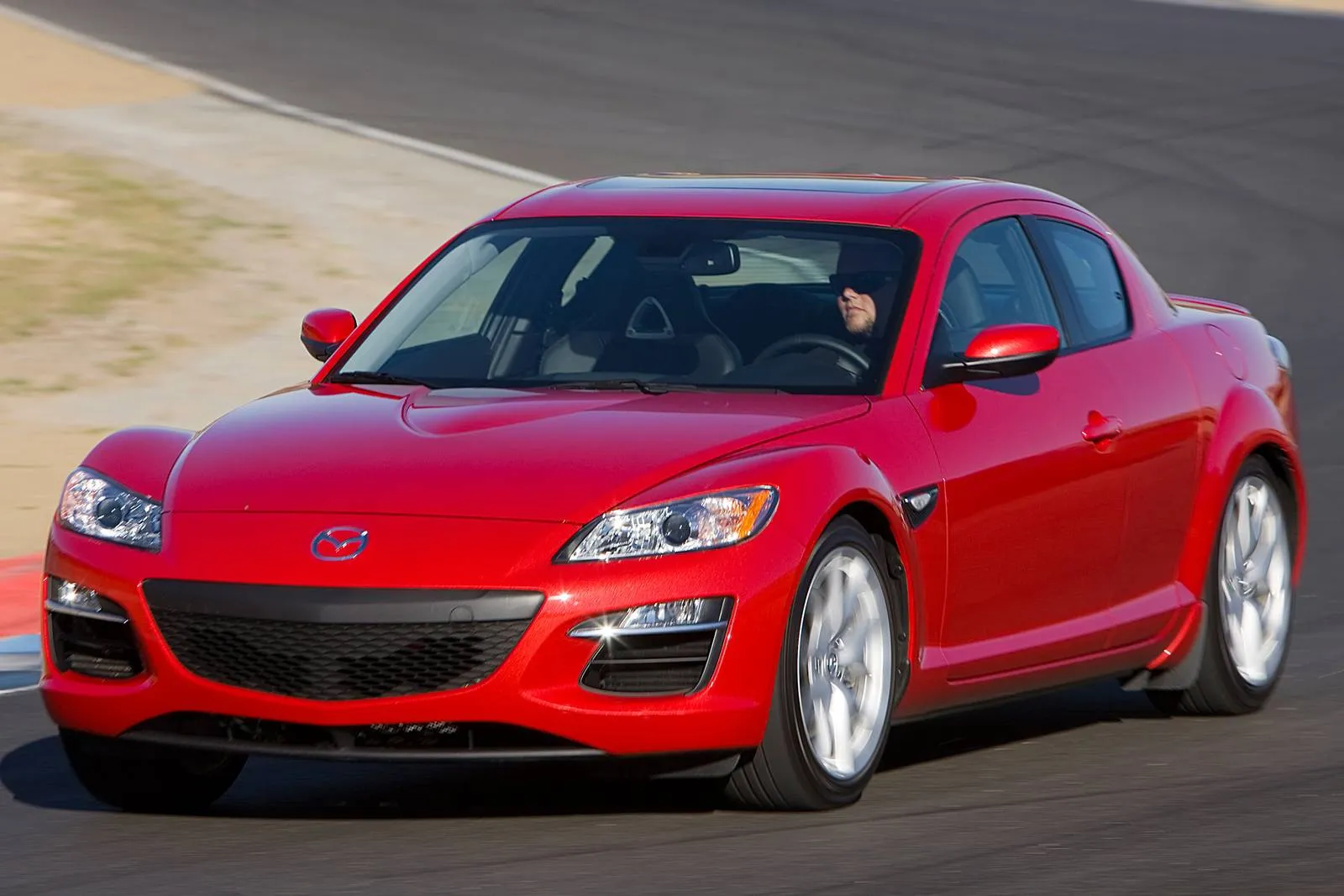
7. Mazda RX-8 (2004-2012)
The rotary engine made this car completely different from everything else on the market. Instead of pistons going up and down, the RX-8 used triangular rotors spinning inside oval chambers. This unique design allowed the engine to rev freely to 9,000 RPM while producing a distinctive sound unlike any piston engine. People either loved or hated the rotary, but nobody could ignore it.
Four doors and four seats made the RX-8 practical in ways that most sports cars were not. The rear doors were suicide doors that opened backward, creating a huge opening for easy access to the back seats. Children or small adults could actually sit back there comfortably. You could use this car as your only vehicle without the compromises that come with two-seater sports cars.
Handling was the RX-8’s strongest point. The engine was small and mounted far back in the chassis, giving the car near-perfect weight distribution.
The suspension was beautifully tuned, with balance and poise that impressed even professional drivers. The car rotated naturally through corners, feeling neutral and predictable. Many track instructors loved the RX-8 for teaching proper driving technique.
Fuel consumption was terrible, and oil consumption was normal. These were just facts of rotary engine life. You had to add oil between changes, and the engine drank fuel like it was going out of style. Reliability was questionable if you did not maintain it properly. But owners who understood the rotary and took care of it properly enjoyed driving experiences that no other car could provide.
The RX-8 was the last rotary-powered car Mazda sold, making it historically important. Mazda had built rotary engines for decades, winning races and building a unique identity around this unconventional technology.
When production ended, an era concluded. Today, the RX-8 represents the final chapter of rotary history, and enthusiasts who love these engines treasure their cars knowing that nothing like them will be built again.
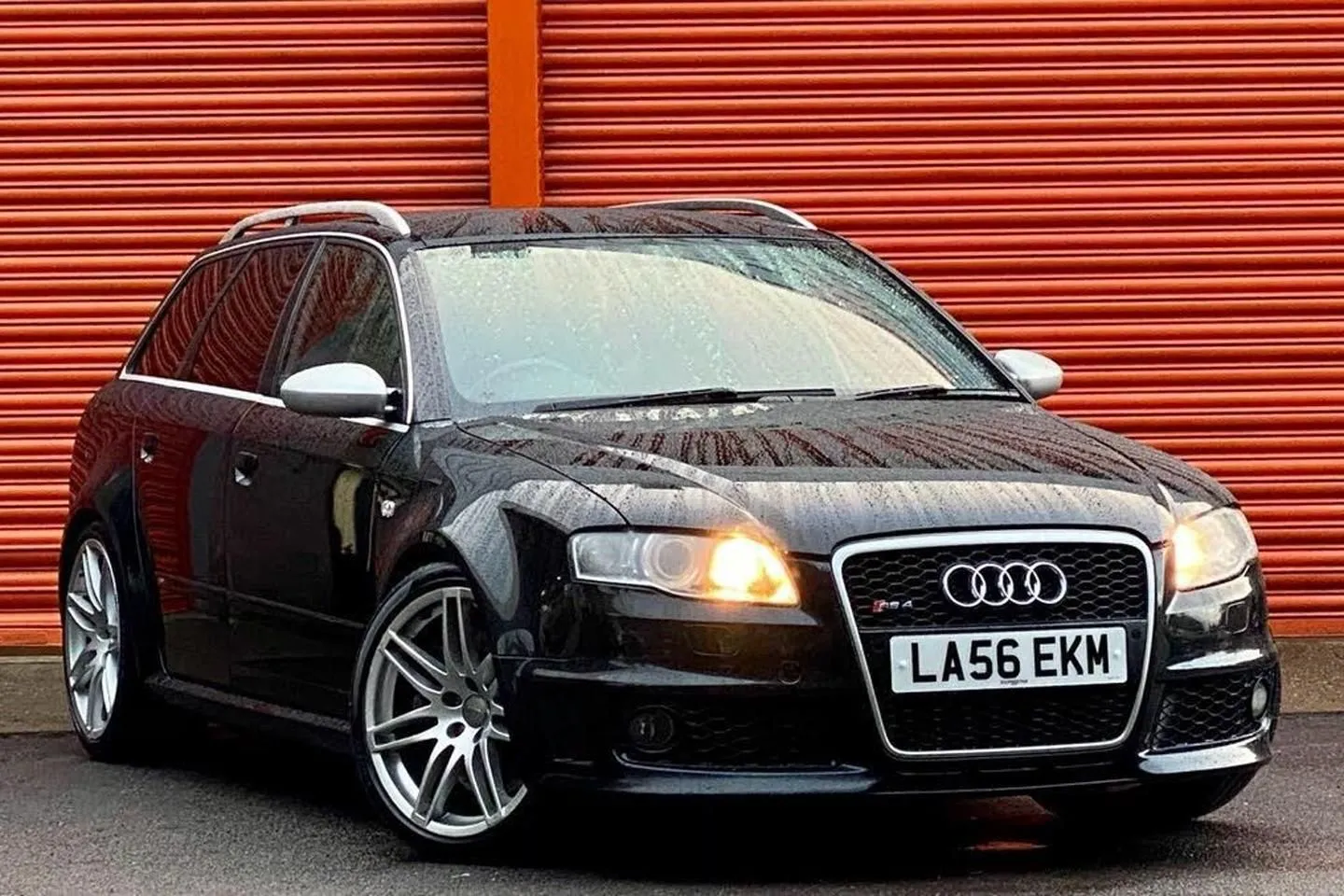
8. Audi RS4 (B7 Generation, 2006-2008)
This station wagon could embarrass supercars, and that made it legendary. Audi put a 4.2-liter V8 engine under the hood that produced 420 horsepower and revved to 8,250 RPM.
This was a naturally aspirated V8 that loved to sing, with a sound that was both sophisticated and aggressive. The engine was borrowed from the R8 supercar, which tells you everything about its capabilities.
The wagon body style meant you could carry your family, your gear, or your groceries while having more performance than most sports cars. Practicality and performance combined in a way that made perfect sense for people who needed one car to do everything. The interior was beautiful, with quality materials and excellent build quality that felt special every time you sat inside.
Quattro all-wheel drive gave the RS4 traction that made it deadly quick in any weather. While rear-wheel-drive sports cars were sliding around in the rain, the RS4 just gripped and accelerated. Launch control allowed the car to rocket from a standstill to 60 mph in about 4.5 seconds. This was supercar performance wrapped in a practical package.
The exterior looked aggressive but not flashy. Wider fenders, larger wheels, and quad exhaust pipes gave hints about what this car could do, but it did not scream for attention the way some performance cars do. This understated appearance made it perfect for people who wanted serious performance without attracting too much attention from police or thieves.
Manual transmission was standard, which thrilled enthusiasts who wanted full control. The six-speed gearbox had precise action and good gearing for both street driving and track use.
The clutch was manageable in traffic while still being able to handle aggressive driving. Everything about this car was calibrated for drivers who appreciated the complete package of performance, practicality, and quality.
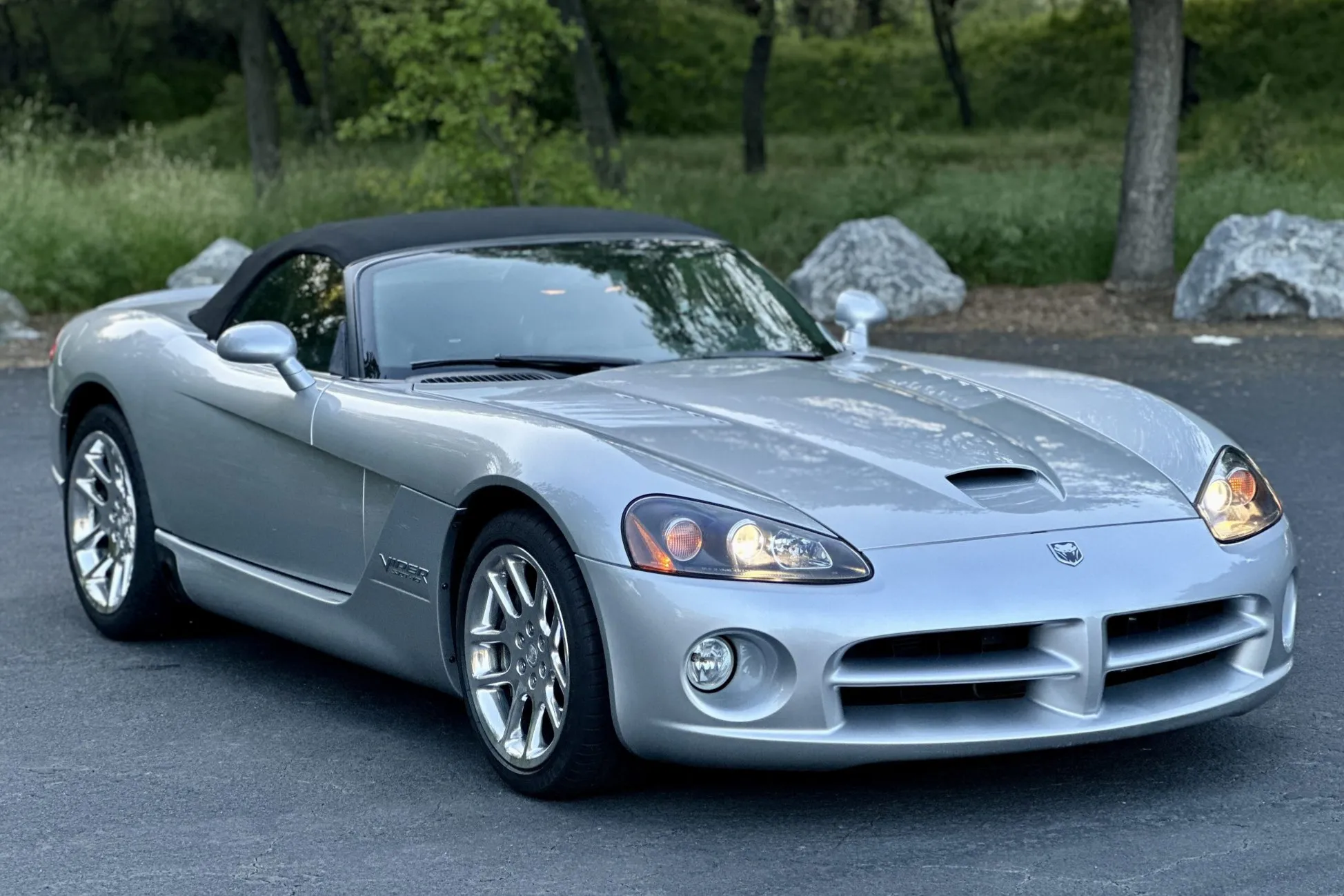
9. Dodge Viper SRT-10 (2003-2010)
Raw, brutal, and completely insane, the Viper was everything a politically correct world said you should not build. The 8.3-liter V10 engine produced 500 horsepower in early models and 600 horsepower in later versions. This massive engine sat in front of you, its presence impossible to ignore. No turbochargers, no superchargers, just pure displacement making power the old-fashioned way.
Six-speed manual transmission was the only option because an automatic would have been offensive in a car like this. The shifter required effort, the clutch was heavy, and everything about driving the Viper demanded your full attention. This was not a car you drove while thinking about something else. The Viper commanded respect and participation from its driver at all times.
The convertible top was a tent you had to assemble, and the windows were made of plastic. Air conditioning was barely adequate. The seats were uncomfortable on long trips. Storage space was minimal. None of this mattered because the Viper was about one thing: pure, unfiltered driving excitement. Every other consideration was secondary to the mission of going fast and having fun.
Traction control and stability control were either absent or rudimentary, depending on the year. The car could bite you if you were not careful, with enough power to overwhelm the rear tires at almost any speed. Many Vipers ended up crashing because drivers overestimated their skills or underestimated the car’s power. This danger was part of the appeal for people who wanted a real challenge.
The Viper represented American muscle in its purest form. Big engine, big power, simple construction, and no apologies. European supercars were more sophisticated and refined. Japanese sports cars were more reliable and economical. The Viper did not care about any of that. It was loud, proud, and completely American. That attitude made it legendary.
Also Read: 10 Cars With Interiors That Still Look New After 20 Years
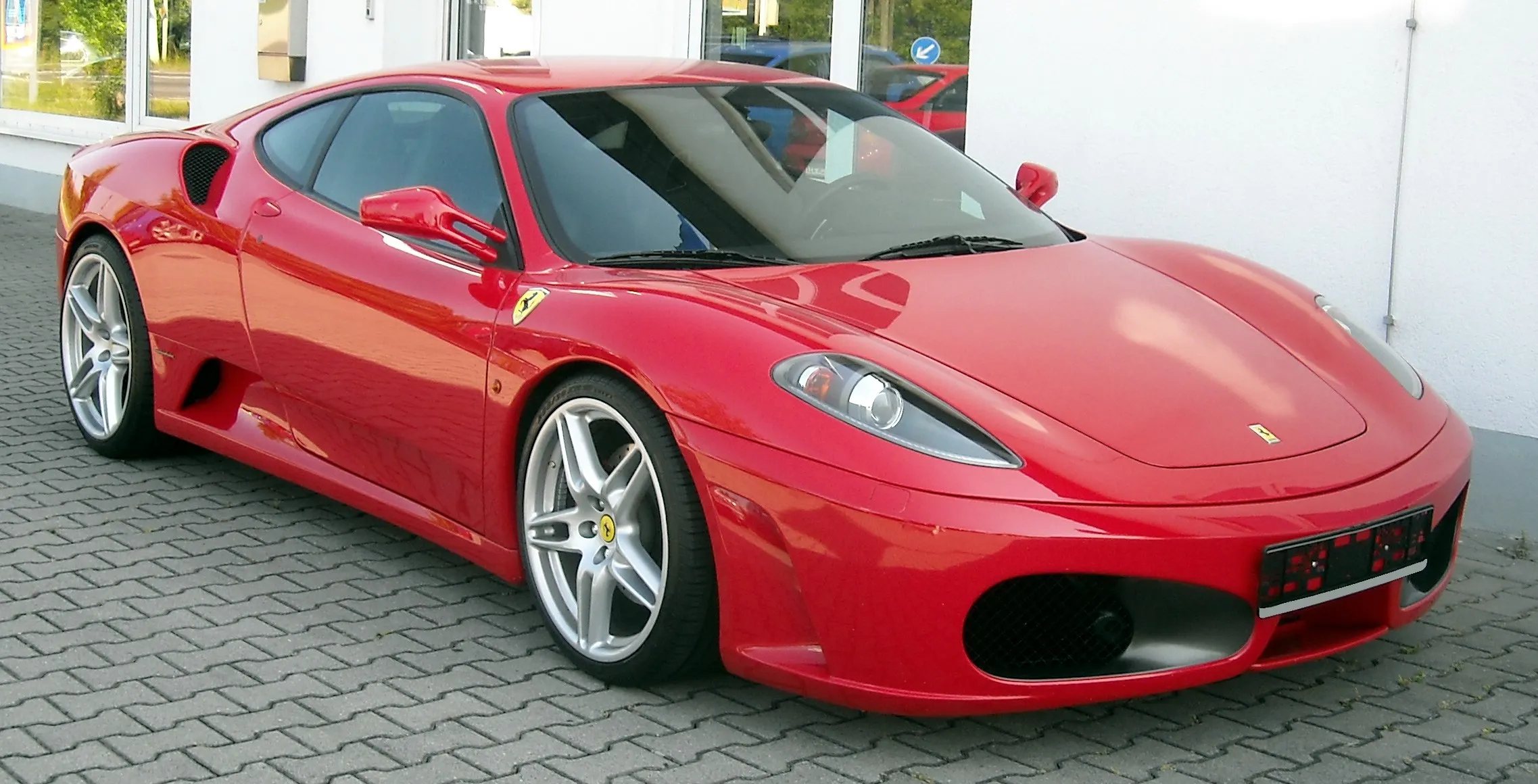
10. Ferrari F430 (2004-2009)
Ferrari replaced the 360 with something better in every way, and the F430 became the benchmark for mid-engine supercars. The 4.3-liter V8 engine produced 483 horsepower and revved to 8,500 RPM with a sound that could make grown adults cry with joy. This engine was a masterpiece, with throttle response that felt telepathic and power delivery that was both smooth and explosive.
The F1 automated manual transmission was controversial. Some people loved the lightning-fast changes and the ability to keep both hands on the wheel.
Others missed the traditional manual and felt that the F1 transmission took away some of the engagement. Both opinions had merit, but the technology was impressive and represented where Ferrari was heading with their future models.
Handling was sublime thanks to sophisticated electronic systems borrowed from Formula 1 racing. The E-Diff differential managed power between the rear wheels, improving both acceleration and cornering.
The manettino dial on the steering wheel lets drivers select different levels of intervention from the electronic systems. You could make the car more forgiving or more aggressive, depending on your skill and comfort level.
The design was beautiful with curves and scoops that were both functional and artistic. The side air intakes fed the engine while adding drama to the profile. The round taillights were classic Ferrari. The front end was aggressive and purposeful. Every angle looked right, with perfect proportions. This was Italian design at its finest.
Owning a Ferrari meant joining an exclusive club. The F430 was more reliable than older Ferraris but still required expensive maintenance. Annual service costs could equal a year of payments on an ordinary car.
But people who bought F430s knew what they were getting into. They wanted the prancing horse badge, the Formula 1 heritage, and the experience of driving something truly special. The F430 delivered all of that and more, earning its place as a modern classic.
