
You know how life works sometimes? One day, something is just sitting there, ordinary as bread, and the next day everybody wants a piece of it. That’s exactly what happened with certain trucks that nobody was paying attention to just a few years back.
These machines were doing honest work, carrying loads, getting dirty, and making their owners’ money without any fuss or fanfare. Fast forward to today, and collectors are hunting them down like lost treasure, paying serious money for what used to be considered simple working vehicles.
The truck market has gone through some interesting changes lately. What many people dismissed as outdated technology or boring design now represents a golden era that will never come back. These aren’t your flashy sports cars or luxury sedans that always had people turning their heads.
These are the workhorses, the reliable companions that showed up every single day without complaining. But here’s where things get interesting: the very qualities that made them seem plain back then are exactly what make them special now.
Collectors have started looking beyond the usual suspects. They’re chasing vehicles that tell real stories, trucks that built communities and moved economies forward. The appreciation isn’t just about mechanics or rare features anymore.
It’s about capturing a moment in time when things were built differently, when manufacturers hadn’t figured out how to make everything look the same. These forgotten trucks are getting their moment in the spotlight, and honestly, it’s about time. Let’s look at why these particular models have become so valuable and what makes them stand out in today’s market.
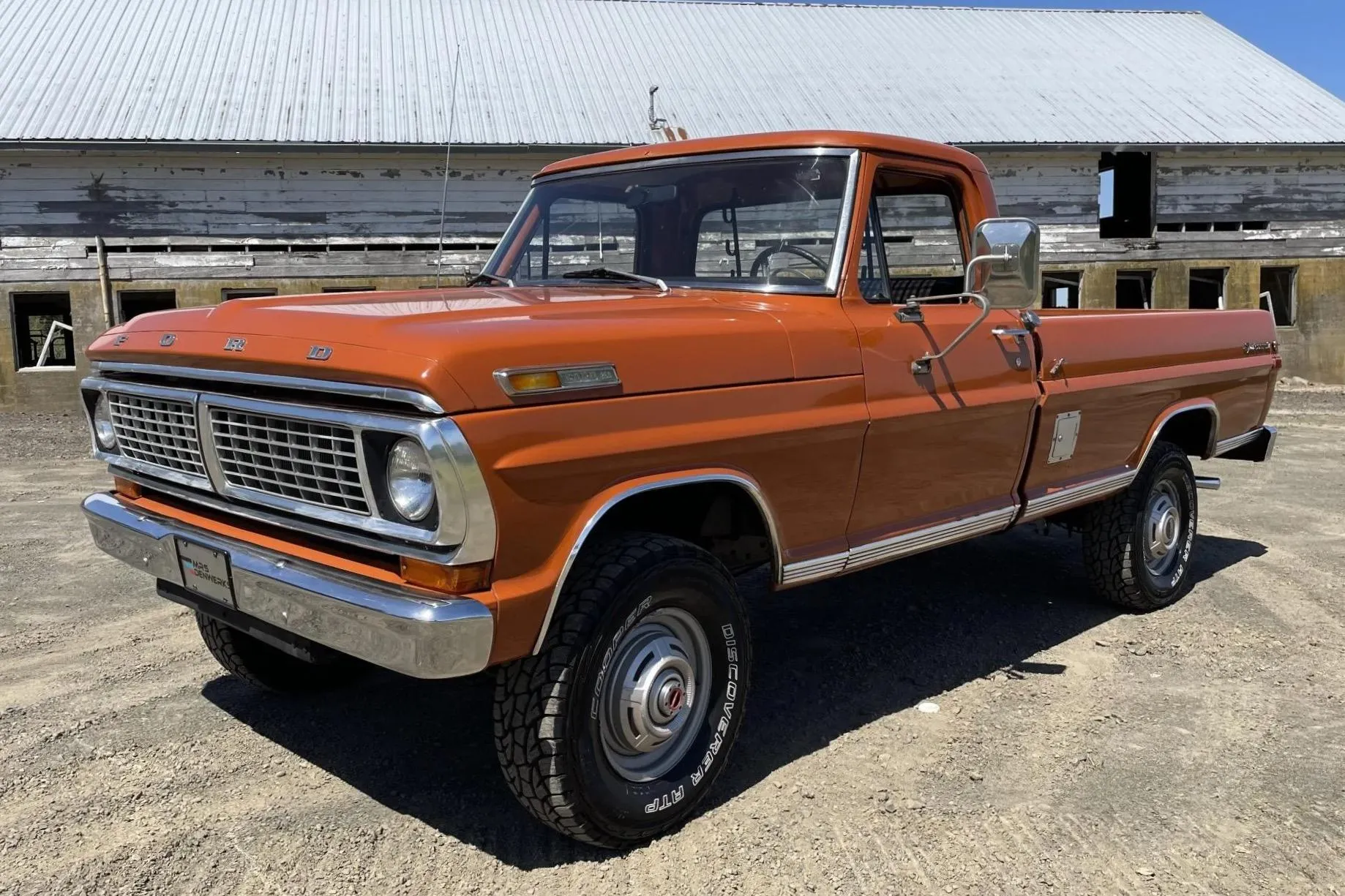
1. The Ford F-250 Highboy (1967-1977)
Before this truck came along, four-wheel drive was something you found on military vehicles or specialized equipment. Ford took that technology and made it accessible to regular people who needed serious capability.
The Highboy earned its nickname from the lifted stance created by divorced transfer cases, giving it ground clearance that made other trucks look like they were squatting. This wasn’t just marketing talk or fancy packaging. The engineering was straightforward and effective, which is exactly why these trucks could take punishment that would have destroyed lesser vehicles.
What makes the F-250 Highboy special today goes beyond its mechanical advantages. This truck represented a change in thinking about what pickup trucks could accomplish. Farmers and ranchers immediately understood its value, but so did adventurous types who wanted to see places where regular vehicles couldn’t go.
The combination of a powerful engine lineup, including the 390 and 460 big blocks, with serious four-wheel-drive capability created something new in the marketplace. These weren’t weekend toys or showroom decorations. They were tools that expanded what people could do with their time and property.
Finding one in decent condition nowadays requires patience and usually a healthy budget. The years have not been kind to many Highboys because they were used exactly as intended, which means hard work in tough conditions. Rust and worn-out components are common issues, but that hasn’t stopped collectors from searching.
Clean examples with original paint and minimal modifications command prices that would have seemed ridiculous just ten years ago. Some restored models have sold for over $60,000, which is remarkable for a truck that was designed primarily for function rather than flash. The market keeps proving that people value authenticity and capability when those qualities are presented in such a pure form.
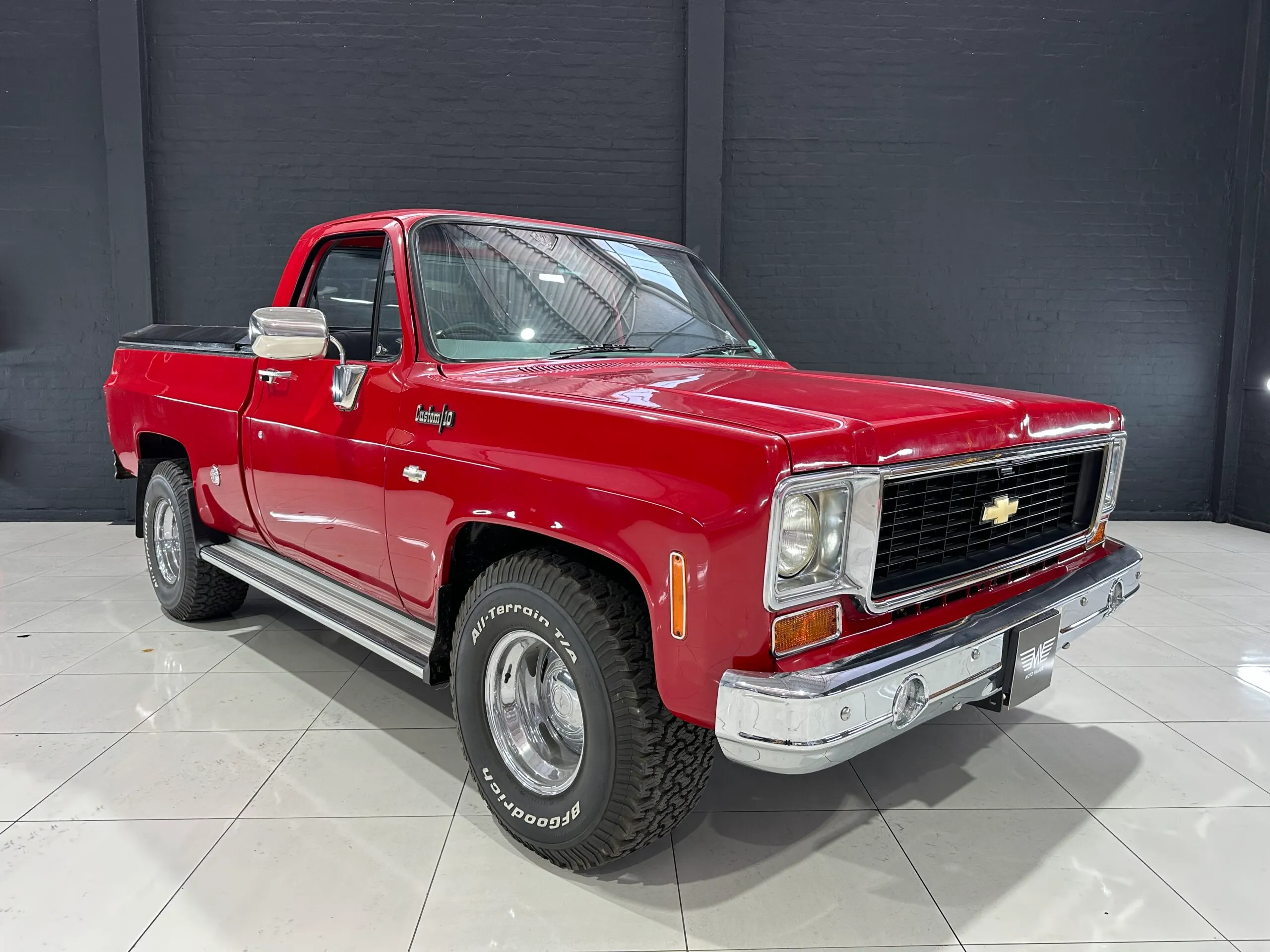
2. Chevrolet C10 Fleetside (1973-1987)
General Motors created something special when they designed this generation of C10. The squared-off body lines and distinctive front end gave it a character that was different from anything else rolling down the street. But this wasn’t about looks alone.
The Fleetside bed design maximized cargo space while maintaining clean proportions that still look good today. Chevrolet offered these trucks with various engine options, from fuel-efficient inline-sixes to powerful V8s that could handle serious towing duties. This flexibility meant different buyers could configure the truck to match their specific needs without compromise.
The cultural impact of the C10 Fleetside extended beyond its practical applications. These trucks appeared in movies, television shows, and became part of the American geography in ways that few vehicles manage.
They were affordable enough that young people could buy them, reliable enough that businesses depended on them, and attractive enough that owners felt proud driving them. That combination is rare and helps explain why the collector market has embraced these trucks so enthusiastically. People remember seeing them everywhere during their formative years, and nostalgia is a powerful force in the collector vehicle market.
Building or restoring a C10 Fleetside has become a popular project for enthusiasts who appreciate the platform’s versatility. The aftermarket support is excellent, with reproduction parts available for almost every component.
Some owners prefer keeping things stock, maintaining the original character that made these trucks memorable. Others use the solid foundation to create custom builds with modern performance and comfort features. Either approach works because the basic design is sound.
Auction prices reflect this enthusiasm, with exceptional examples reaching $40,000 to $50,000 depending on condition, originality, and specific features. The market shows no signs of cooling off because new collectors keep discovering what made these trucks special in the first place.
Also Read: 12 Trucks That Win Owner Loyalty for Decades
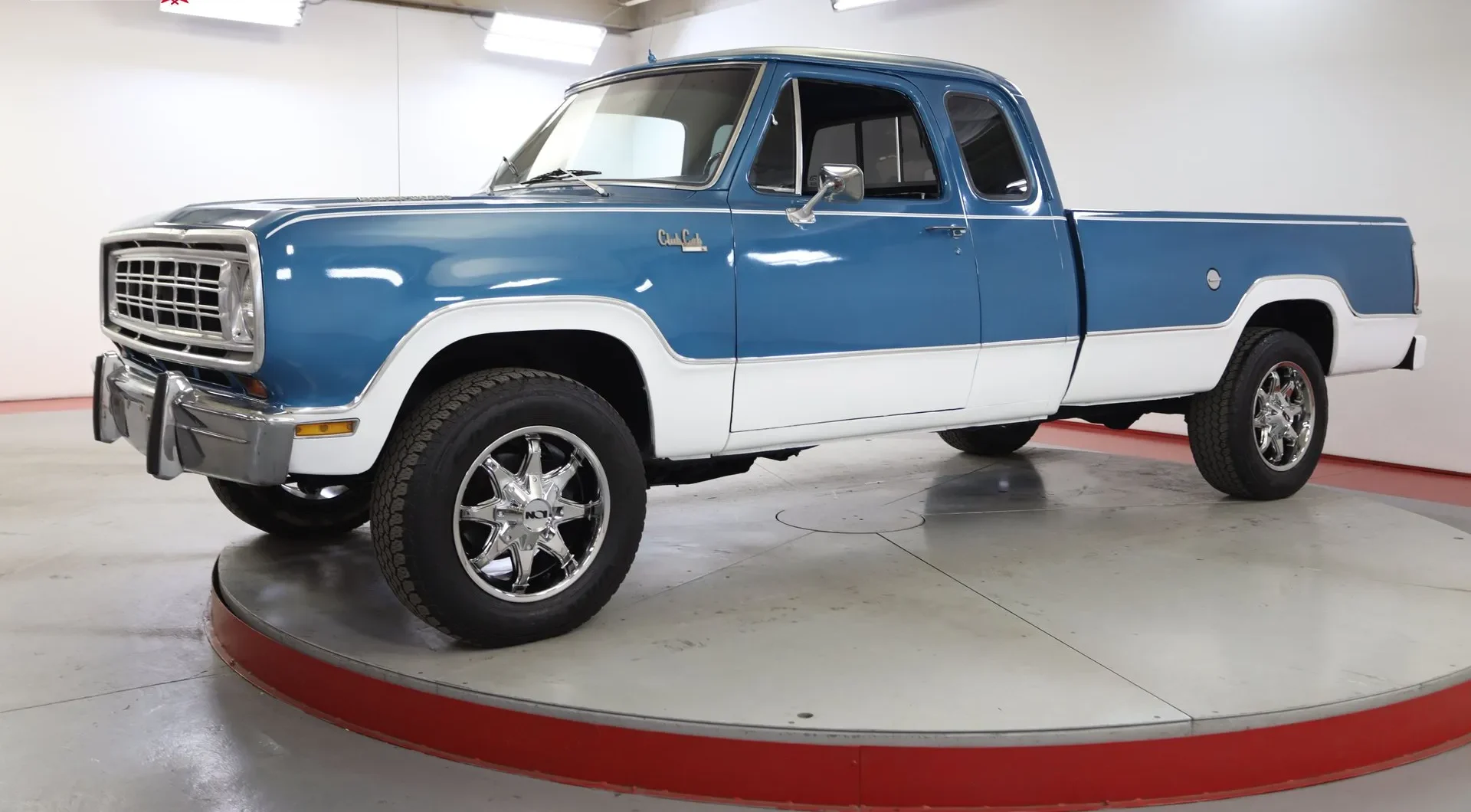
3. Dodge D200 Crew Cab (1972-1980)
Dodge understood that some customers needed to carry both cargo and people without making two trips. The D200 Crew Cab addressed this requirement with straightforward logic: build a bigger cab and put it on a chassis that could handle the extra weight.
This wasn’t revolutionary thinking, but the execution was solid and the result was practical. The long wheelbase and dual rear wheels gave it stability when loaded, while the spacious interior could accommodate a full work crew with their gear. Dodge equipped these trucks with legendary Slant-Six engines or various V8 options that provided reliable power across different applications.
What set the D200 apart from competitors was its no-nonsense approach to truck building. Dodge didn’t waste time with unnecessary features or fancy trim levels. The focus stayed on durability and capability, which meant buyers got a vehicle that would work hard for years without constant maintenance.
The steering was heavy, the ride was firm, and the controls required effort to operate, but all of that came with the territory. These trucks were designed for people who understood that comfort sometimes takes a back seat to capability. That honest approach to vehicle design has become increasingly rare, which partially explains why collectors are now seeking these trucks out.
The collector market for D200 Crew Cabs has developed more slowly than for some other trucks, but that’s changing as people recognize their unique qualities. Finding one that hasn’t been modified or worked to death requires serious searching.
Many were used in commercial applications where documentation and maintenance records disappeared long ago. Clean examples with verifiable history are becoming valuable, with prices climbing past $30,000 for the best trucks.
The market is still developing, which means opportunities exist for buyers who can recognize quality when they find it. These trucks represent an era when manufacturers built vehicles for specific purposes without worrying about appealing to every possible customer.
4. International Harvester Scout II (1971-1980)
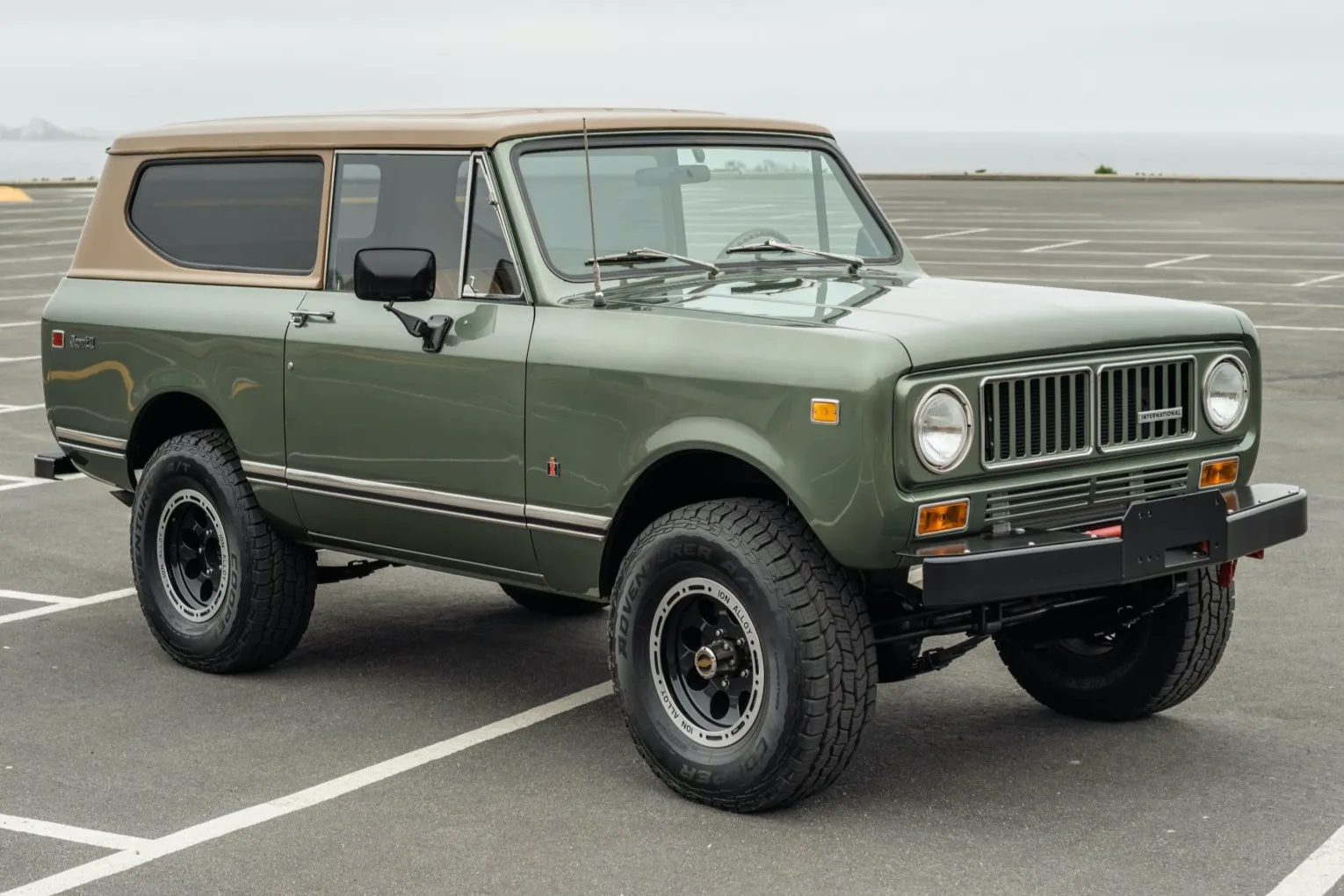
International Harvester brought decades of heavy equipment experience to the Scout II, creating a vehicle that felt more substantial than typical offerings from automotive manufacturers. The body-on-frame construction used techniques borrowed from serious trucks, which gave it strength that you could feel in every component.
IH offered the Scout II in multiple configurations, including pickup bed versions that combined the open cargo space of a truck with the maneuverability of a shorter wheelbase. Engine options ranged from their own four-cylinder and V8 designs to AMC V8s in later years, providing different performance characteristics for different needs.
The Scout II developed a loyal following among people who valued its rugged construction and distinctive character. It wasn’t as refined as vehicles from the major automotive manufacturers, but that roughness came with benefits.
Components were built to last, and the simple mechanical systems could be repaired with basic tools and knowledge. International Harvester designed these vehicles for customers who actually used them in demanding conditions, not for people who wanted a lifestyle accessory.
That authenticity shows in every detail, from the heavy-gauge steel body panels to the robust suspension components. The Scout II didn’t pretend to be something it wasn’t, and buyers appreciated that honesty.
Today’s collector market has discovered what Scout enthusiasts have known for decades. These vehicles offer something different from mainstream options, combining functionality with character in ways that modern vehicles rarely achieve. Restoration parts have become more available as the market has grown, though some components still require creative sourcing.
Prices have increased steadily, with excellent examples now selling for $35,000 to $45,000 depending on condition and configuration. The Scout II represents a manufacturer that prioritized capability and durability above all else, and that singular focus created vehicles that still perform their intended functions decades after production ended.
5. GMC Sierra Grande (1975-1987)
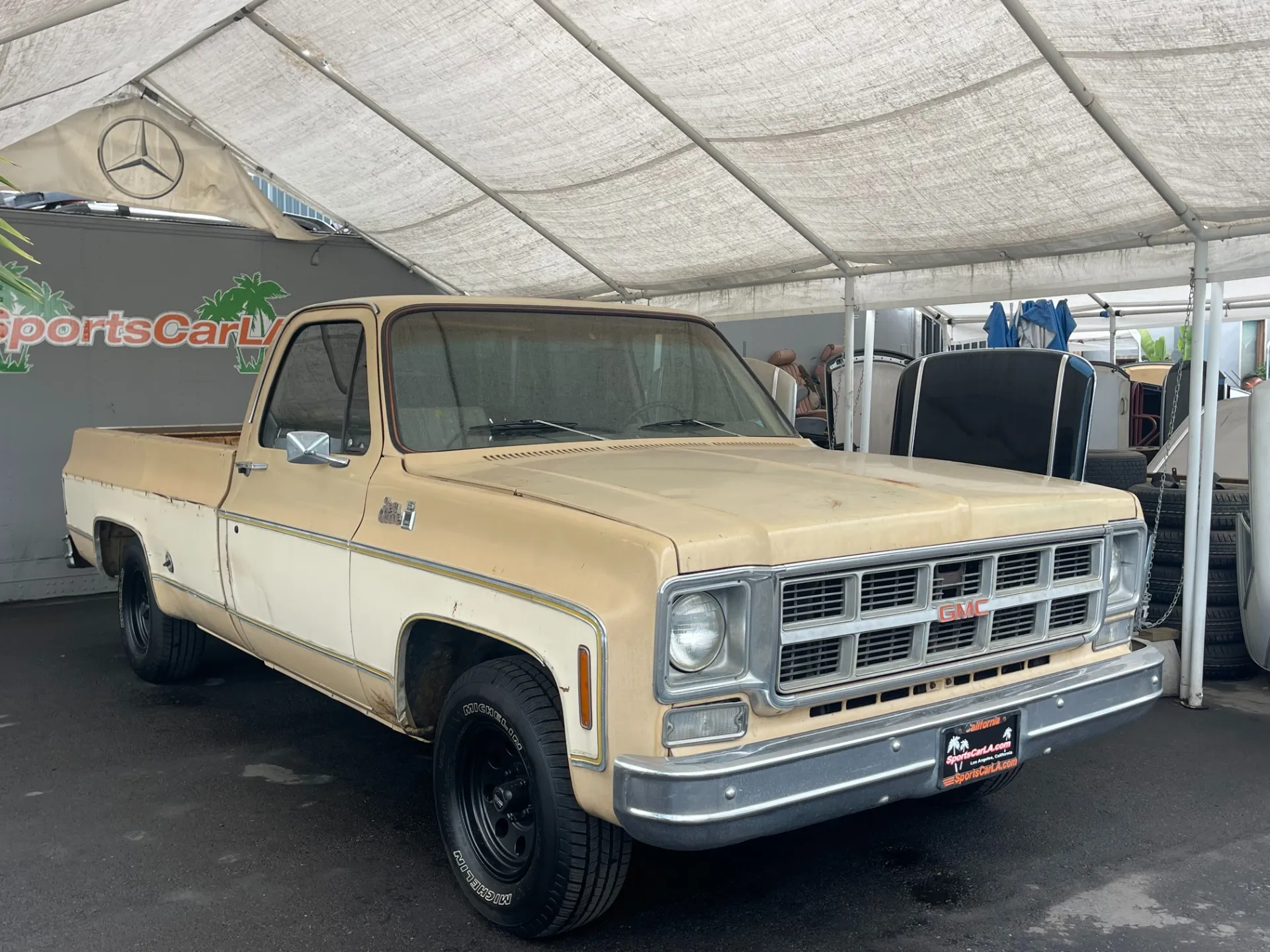
When GMC introduced the Sierra Grande trim level, they were responding to customers who wanted their trucks to feel less utilitarian. The Grande package added comfort features, better materials, and improved sound insulation without compromising the truck’s fundamental capability.
This was important because some early attempts at luxury trucks felt like compromises that didn’t satisfy anyone. GMC found a better balance, creating a vehicle that could work hard during the week and feel comfortable on weekend trips. The approach worked, attracting buyers who might have otherwise chosen a car for daily transportation.
The Sierra Grande came with various engine options that ranged from economical to powerful. Buyers could choose inline-sixes for fuel efficiency or big-block V8s for maximum capability. This flexibility meant the truck could be configured for different priorities without forcing customers into unwanted compromises.
The suspension tuning provided a smoother ride than basic work trucks while maintaining load capacity and towing ability. GMC understood that its customers wanted vehicles that could handle multiple roles, and the Sierra Grande delivered on that promise. The execution wasn’t perfect, but it was good enough to create a loyal customer base that kept coming back for more.
Collectors have started paying serious attention to well-maintained Sierra Grande trucks. The combination of capability and comfort appeals to people who want a classic truck they can actually use regularly. Finding examples with complete original interiors is challenging because many have seen hard use over decades of service.
When nice trucks do appear, prices have climbed into the $25,000 to $35,000 range for the best examples. The market continues growing as more people discover these trucks and recognize their qualities. GMC created something special with the Sierra Grande, proving that trucks could evolve beyond pure utility without losing their essential character.
6. Ford F-150 XLT Ranger (1978-1979)
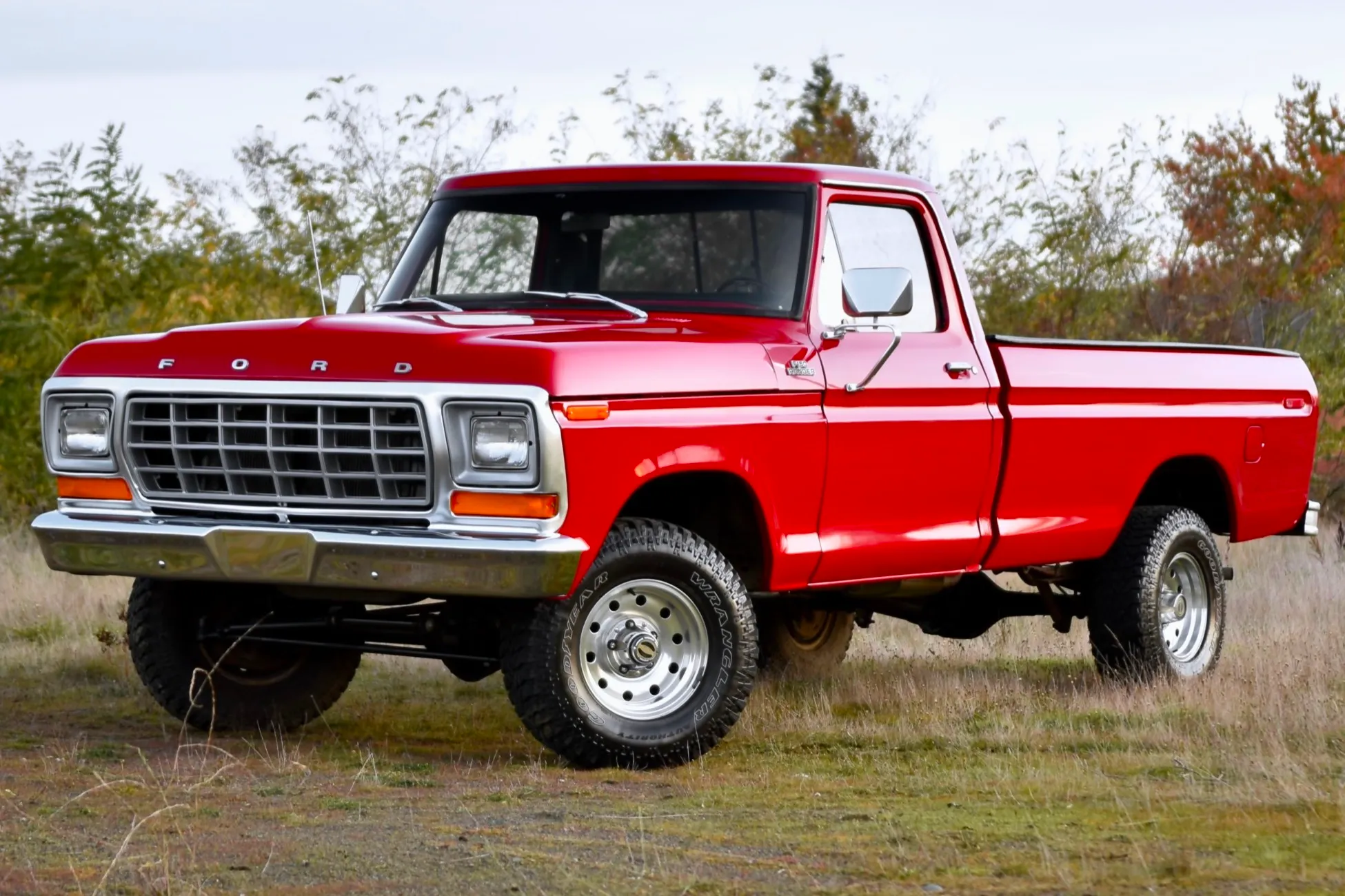
Ford’s decision to create the XLT Ranger trim package resulted in one of the most distinctive trucks of the late 1970s. The styling included unique graphics, special paint options, and interior upgrades that made it stand out in parking lots. But this wasn’t just about appearance. Ford equipped these trucks with performance options that included upgraded suspensions, powerful engine choices, and improved drivetrains.
The combination created a truck that felt special to drive while maintaining the practical capabilities that F-150 buyers expected. This balance between style and substance helped establish patterns that would influence truck design for decades.
The late-seventies F-150 generation benefited from Ford’s experience building trucks for demanding customers. By this point, they had refined the basic formula to create vehicles that were reliable, capable, and relatively comfortable. The XLT Ranger package took those foundations and added elements that made ownership more enjoyable.
Features like improved seating, better sound systems, and more thoughtful ergonomics showed that Ford was paying attention to customer feedback. These weren’t revolutionary changes, but they added up to create a noticeably better experience for people who spent hours behind the wheel.
Today’s collectors appreciate the XLT Ranger for its combination of period style and proven mechanical foundations. These trucks have become popular for both restoration and modification projects because the basic platform is so solid.
Original examples with complete documentation are increasingly valuable, with prices reaching $30,000 or more for the best trucks. The market has room to grow because many potential collectors haven’t yet discovered these models.
Ford built hundreds of thousands of these trucks, but finding ones that survived in good condition requires patience. The XLT Ranger represents a specific moment in truck evolution when manufacturers were learning how to add desirable features without compromising core capabilities.
7. Jeep J20 (1974-1988)
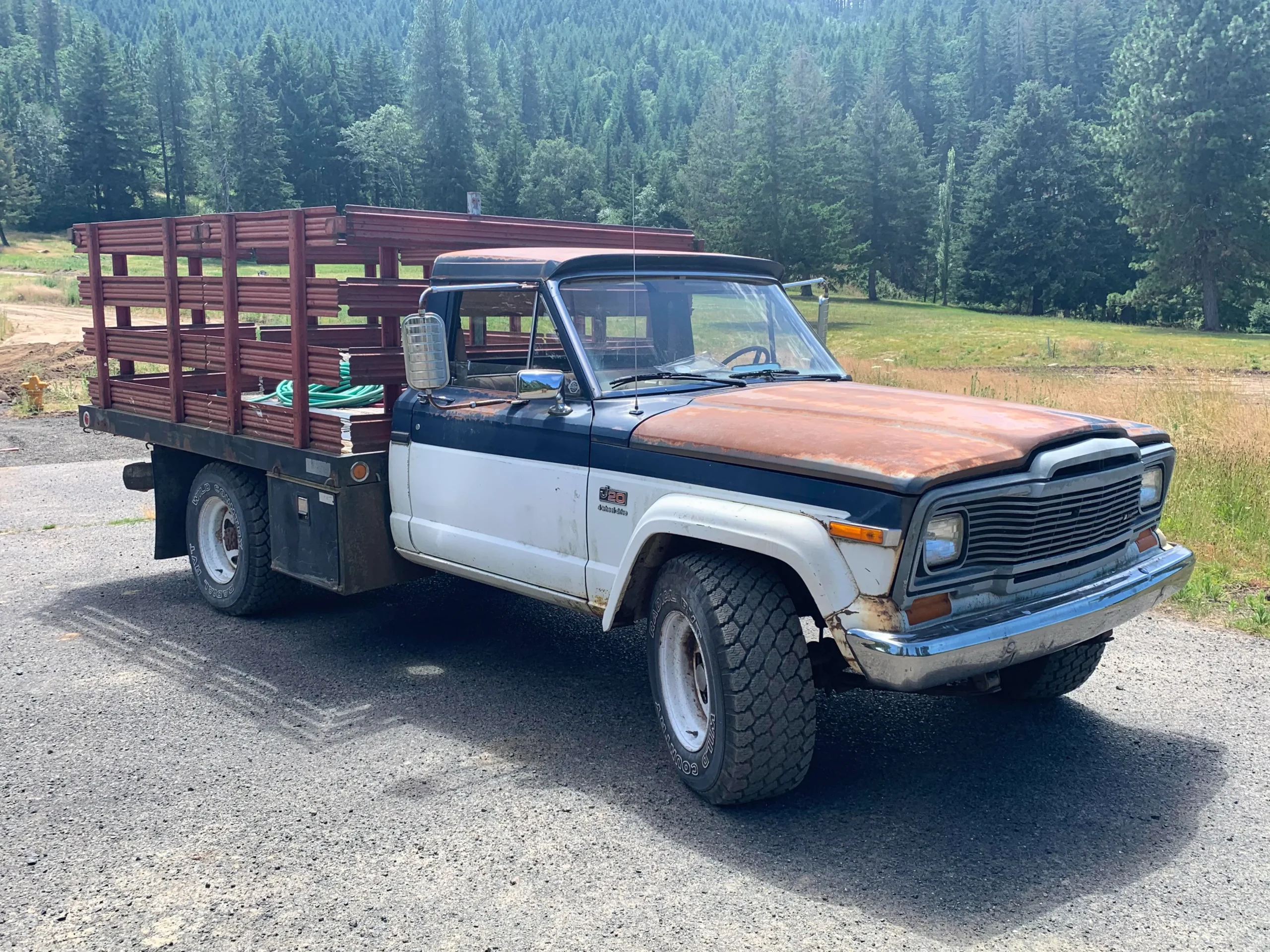
Jeep’s truck offerings never achieved the sales volumes of competitors from the Big Three, but they built vehicles with serious capability for customers who prioritized function. The J20 three-quarter-ton pickup combined Jeep’s four-wheel-drive expertise with a traditional truck bed for maximum versatility.
These trucks came standard with four-wheel drive at a time when many competitors charged extra for that feature. Jeep equipped them with AMC V8 engines that provided reliable power without unnecessary complications. The result was a truck that could handle difficult roads and heavy loads without drama or fuss.
The J20’s design reflected Jeep’s heritage of building military and civilian vehicles for extreme conditions. Body panels were simple and functional, allowing easy replacement if damage occurred. The suspension used proven components that could handle abuse while remaining serviceable with basic tools.
Jeep didn’t waste resources on features that wouldn’t help the truck accomplish its mission. This focused approach created vehicles that excelled in their intended role, even if they lacked the refinement of more mainstream options. Buyers who understood the J20’s strengths became loyal customers who often owned multiple examples over the years.
The collector market has been slow to recognize the J20’s unique qualities, but that’s changing as enthusiasts look beyond mainstream options. These trucks offer capabilities that few modern vehicles can match, especially in stock form. Finding clean examples requires dedication because many have worked hard their entire lives in challenging conditions.
When good trucks do appear, prices have begun reflecting their scarcity and capability, with excellent examples selling for $25,000 to $40,000. The market is still developing, which creates opportunities for informed buyers. Jeep built the J20 for customers who needed real capability rather than image, and that authenticity is becoming increasingly valuable as time passes.
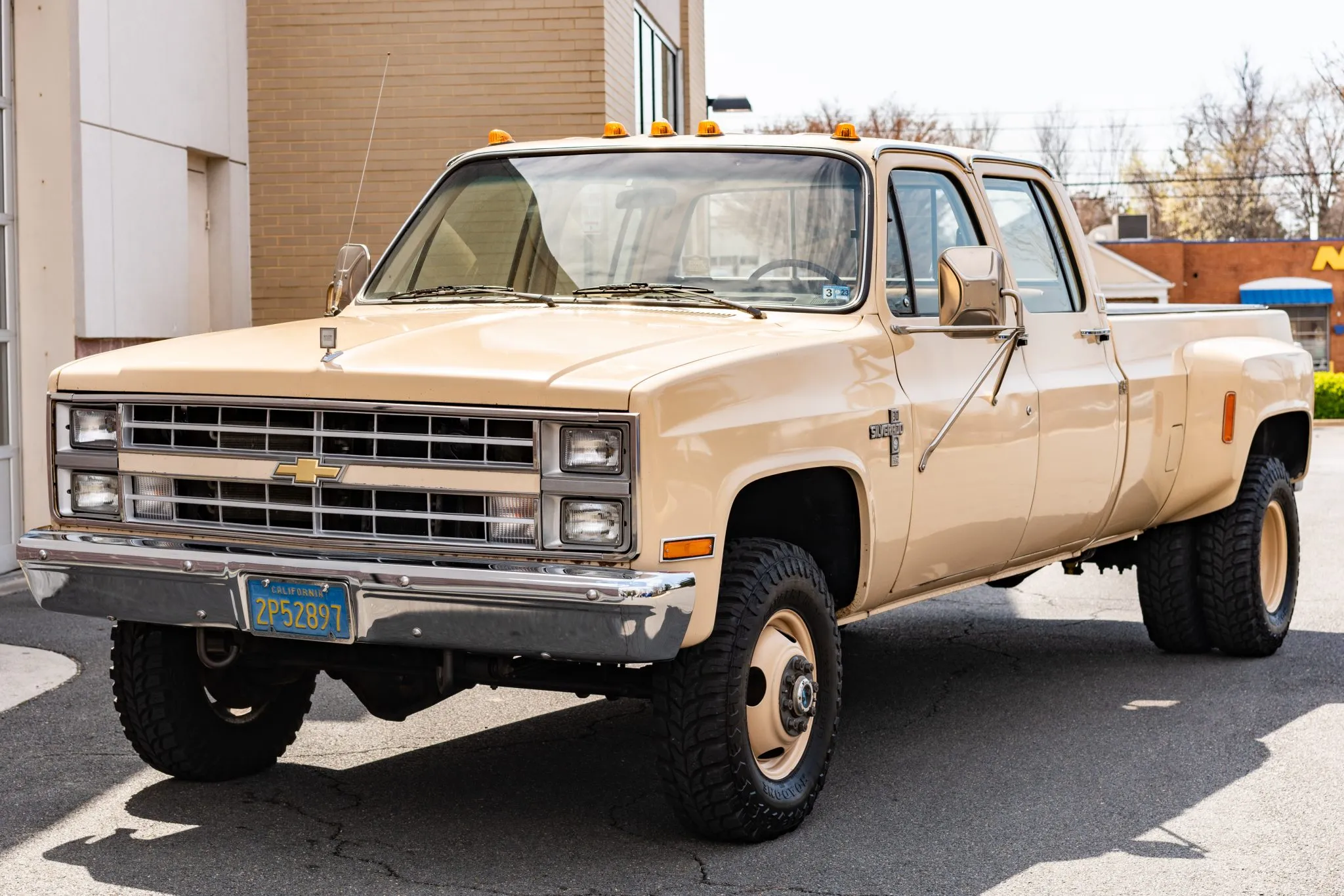
8. Chevrolet K30 Dually (1973-1987)
Chevrolet understood that some customers needed maximum towing and hauling capability without stepping up to commercial-grade equipment. The K30 dually answered that need with a combination of four-wheel drive, dual rear wheels, and powerful engine options.
This wasn’t a common configuration because most people didn’t need that much truck. But for those who did, the K30 provided capability that was hard to match at any price. The squared-body design gave it presence on the road, while the robust chassis and drivetrain components delivered the performance buyers expected.
What made the K30 special was how Chevrolet integrated serious capability into a package that was still manageable for everyday use. The steering was heavy and the turning radius was large, but those were acceptable tradeoffs for the truck’s abilities.
Engine options included big-block V8s that could pull heavy trailers all day without complaint. The four-wheel-drive system provided traction in conditions where two-wheel-drive trucks would be stuck.
Chevrolet built these trucks for customers who needed them for work, but the design was good enough that some buyers chose them even when smaller trucks would have sufficed. That says something about the appeal of maximum capability.
Collectors have started recognizing the K30 dually as a known vehicle that represents peak American truck building. Finding examples that haven’t been thoroughly used up requires extensive searching. Many worked in commercial applications where maintenance was minimal and operating conditions were harsh.
Clean survivors with original drivetrains and bodies are becoming quite valuable, with prices reaching $35,000 to $50,000 for exceptional trucks. The market continues to develop as more collectors discover these vehicles and appreciate their unique combination of capabilities. Chevrolet created something special with the K30 dually, proving that maximum capability could be packaged in a form that regular customers could own and operate.
The trucks we’ve explored here share common traits that explain their newfound popularity among collectors. Each one was designed primarily for function rather than fashion, built with quality that allowed them to survive decades of use, and offered capabilities that remain impressive even by modern standards.
These weren’t the most expensive trucks when new, and they weren’t marketed as future collectibles. They were tools that helped people get work done, vehicles that expanded what their owners could accomplish. That authenticity is what makes them valuable today.
Collectors have learned to appreciate vehicles that were built to last and designed to serve specific purposes without unnecessary compromises. The forgotten trucks have become gems because they represent a way of thinking about vehicles that has largely disappeared. They’re reminders that good design focused on solving real problems creates products with lasting value that transcends their original purpose.
Also Read: 12 Trucks With the Longest-Lasting Frames in 2025
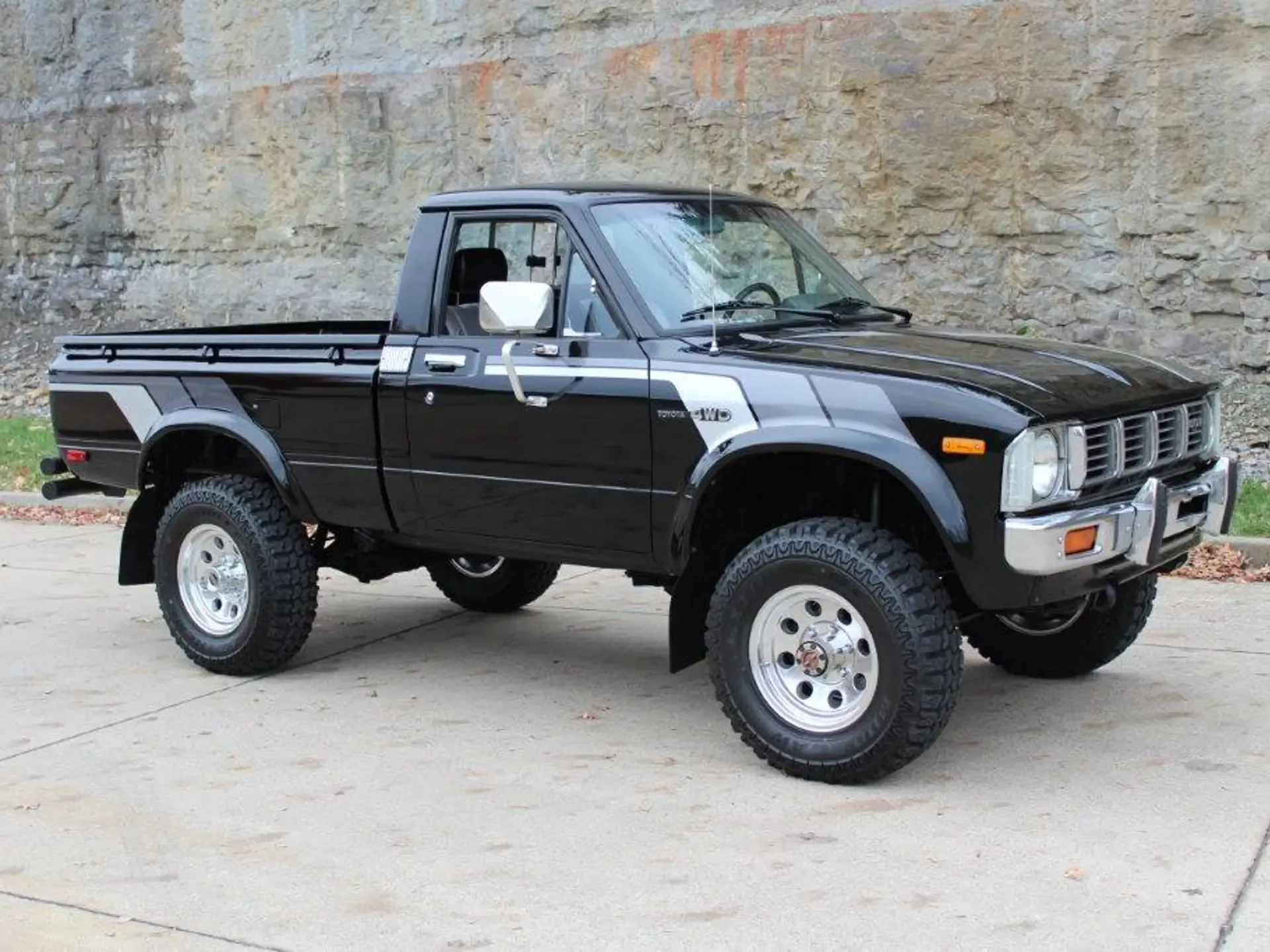
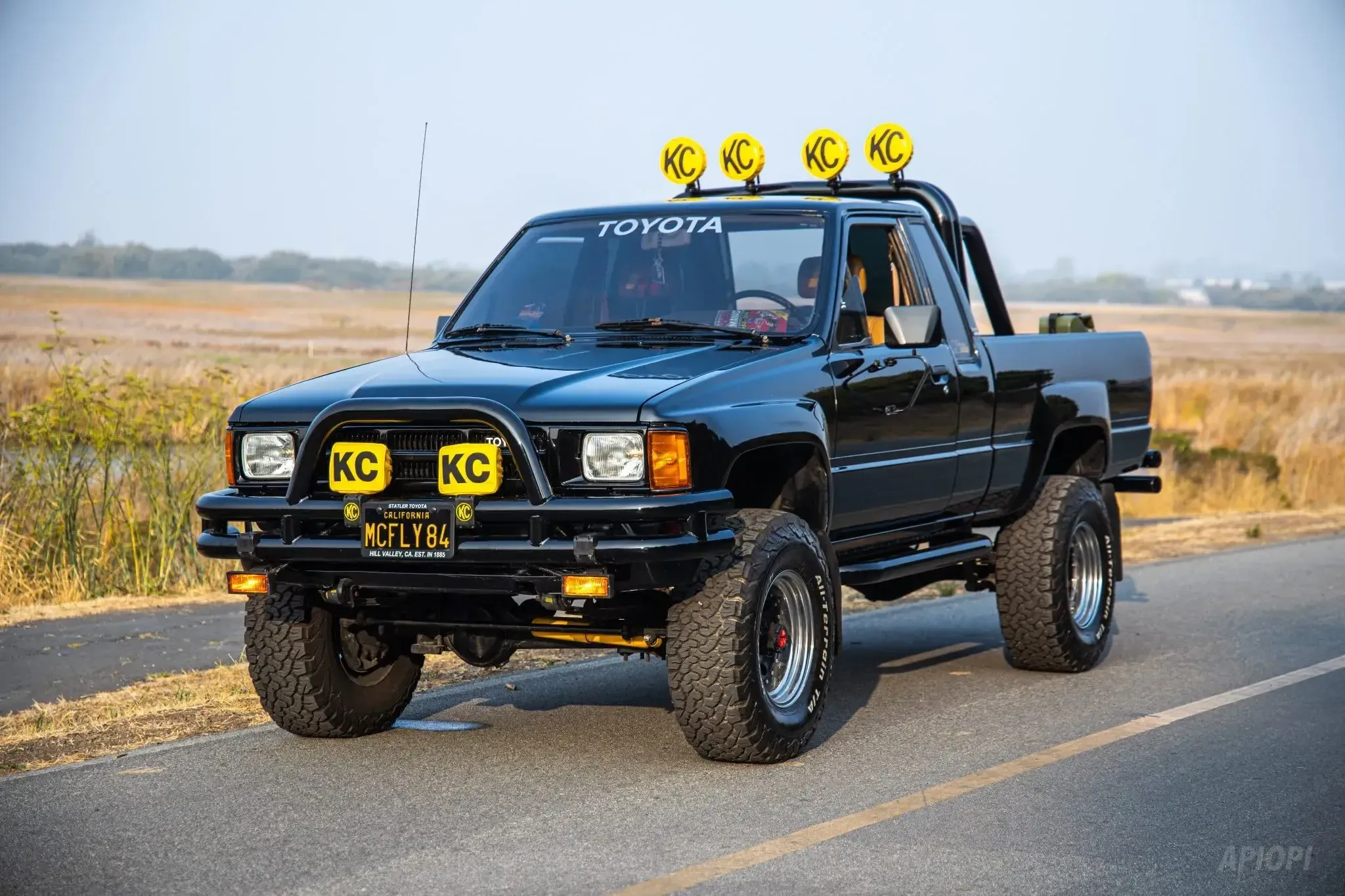
9. Toyota Hilux SR5 (1979-1983)
American truck buyers didn’t know what hit them when Toyota started selling the Hilux with serious intent. Here was a truck that started every morning without fail, used less fuel than domestic competitors, and required minimal maintenance beyond basic service.
The SR5 trim added comfort features like bucket seats, improved interiors, and better sound insulation that made it feel more refined than the bare-bones work trucks people expected from imports.
Toyota equipped these with their legendary 22R four-cylinder engine that would run forever if you just changed the oil regularly. The four-wheel-drive versions came with a robust system that worked flawlessly in conditions that would challenge much larger trucks.
What really separated the Hilux from everything else wasn’t fancy technology or powerful engines. Toyota simply built these trucks properly from the start, using quality materials and proven engineering principles.
The body panels were thicker than they needed to be, the frame was overbuilt for the truck’s size, and every component felt like it would outlast the vehicle itself. This attention to detail meant that Hilux trucks kept working long after domestic competitors had rusted away or suffered mechanical failures.
Owners discovered they could depend on these trucks absolutely, which created loyalty that persists decades later. Many buyers purchased their first Toyota truck and never looked back.
The collector market has exploded for clean Hilux SR5 models because survivors are incredibly scarce. Most were used hard and driven into the ground, which is actually a testament to their durability. Finding examples without rust, especially in the frame and bed, requires searching across multiple states or regions.
When clean trucks appear at auction, bidding often exceeds $30,000 for the best examples with original paint and complete documentation. Modified versions with lifted suspensions and larger tires are common, but collectors want stock trucks that represent what Toyota built.
The market continues heating up because these trucks proved that size and power weren’t the only measures of capability. Toyota changed perceptions about what trucks could be, and the Hilux SR5 led that revolution with quiet competence that American manufacturers couldn’t match at the time.
