
You see, everyone knows that when you drive a brand-new car off the lot, that thing starts depreciating faster than a politician’s promise before election day. That is the natural law of the motor vehicle kingdom.
Most times, value drops, drops, and keeps dropping. But hold up! There are some special machines out there, some true legends, that somehow manage to break this rule of the road, laughing all the way to a tripled bank account.
When you think of a financial investment, your mind quickly goes to stocks, maybe real estate, or even that precious gold jewellery your mama kept safe.
You hardly think of that sweet ride sitting in your garage, but for a lucky few, that car has been quietly working harder than a donkey carrying cement, appreciating like pure magic since the year 2015.
We are talking about vehicles that, in less than a decade, have seen their market worth shoot up by 300% or more! Imagine buying a car for the price of a small plot of land and now, just a few years later, you can sell it for the price of a luxury apartment. That is the kind of wizardry we are here to discuss.
This sudden jump is not just about old age or nostalgia; it is a blend of low production numbers, a special place in pop culture, a change in motoring trends that makes them feel unique, and sometimes, simply the realization that the manufacturer just cannot make them like that anymore.
Sit tight, because we are about to look at nine of these phenomenal four-wheeled financial miracles. Prepare to have your mind blown, because you might have laughed at some of these whips back then, but today, they are kings of the appreciation game.
1. The 1990 Mercedes-Benz 190E 2.5-16 Evolution II
Plenty of people scratch their heads, wondering how a relatively ‘small’ saloon car from the early 90s could command such a massive price tag today, yet the facts speak for themselves: this machine has absolutely soared in worth. You must understand the context surrounding the 190E Evolution II to truly grasp its current financial might.
Back in the day, the rivalry between Mercedes-Benz and BMW in the German touring car championship known as DTM was extremely hot, a proper, no-holds-barred marketplace battle.
Mercedes needed a homologation special, a road-going version built only to satisfy race rules, and this vehicle was their fierce, no-nonsense answer.
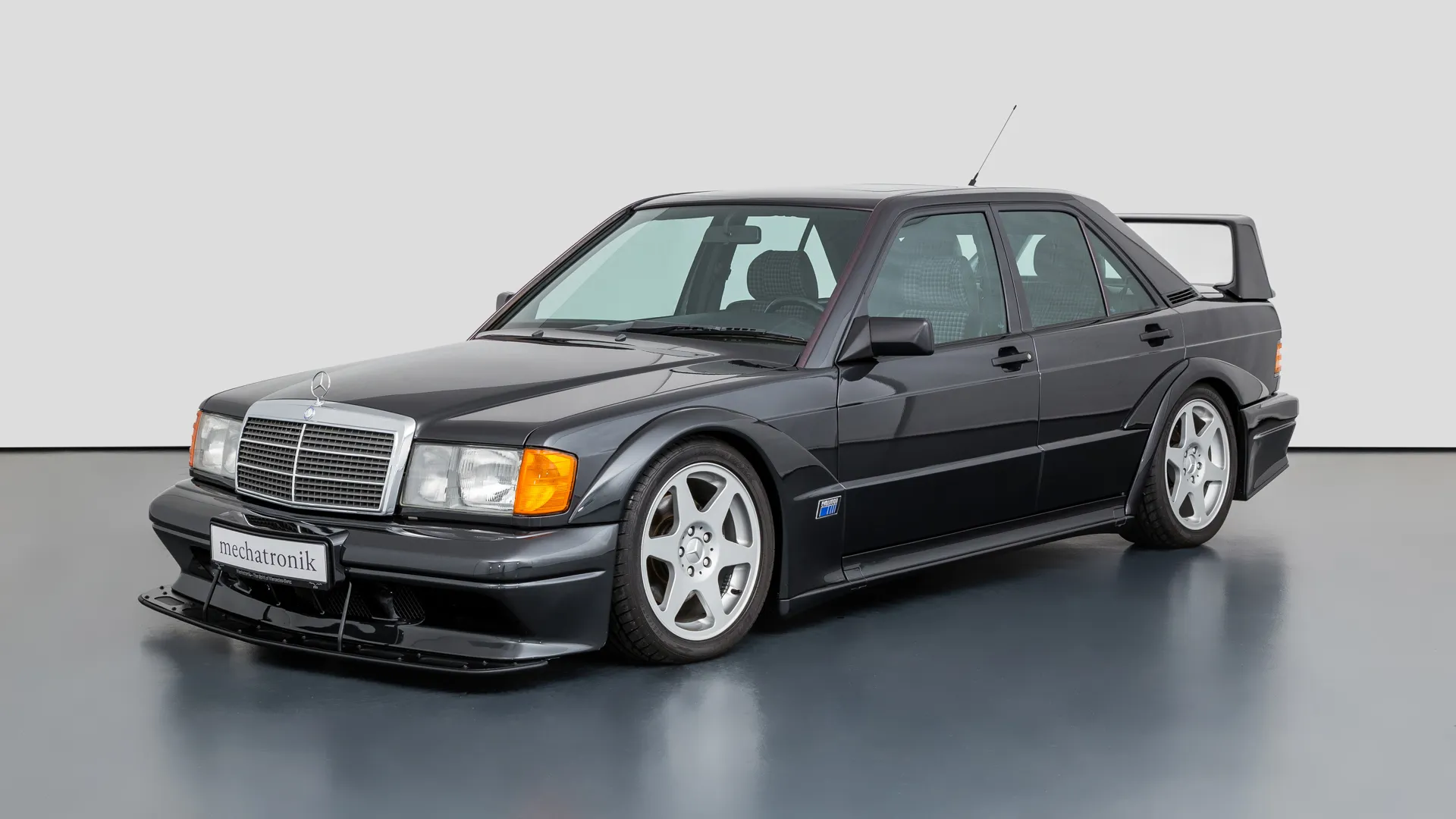
It was not just any 190E; this was the beast’s beast, a proper street monster. Only 502 units were ever produced, a number so tiny that it guaranteed rarity from the moment the very first one left the factory floor. Think about it: a limited-edition, street-legal race car, built to beat its main competitor.
The sheer scarcity of the Evolution II is the first, biggest reason its value has tripled, becoming one of the most sought-after cars by serious collectors.
Also, you look at its wild aesthetic: that giant, adjustable rear wing, the hugely aggressive body kit, and those wonderfully flared wheel arches were pure, unapologetic racing style for the road. This look gives it an instant, unmistakable presence, a powerful visual statement that the softer, more numerous regular cars simply cannot achieve.
Additionally, the four-cylinder engine, tuned by the legendary Cosworth, delivered a truly exciting performance package that thrilled drivers, making it feel very special and alive.
Now, as the generation that grew up watching these cars dominate the DTM circuit comes into serious money, the desire for this tangible piece of motorsport history has grown into a powerful, financially rewarding obsession.
It is not simply a car; it is a monument to a golden era of racing, and people are ready to empty their accounts for the privilege of owning such a profound legacy.
2. The 1987 BMW E30 M3 Sport Evolution
Well, if we are discussing the German saloon rivalry that brought us the previous entry, then we absolutely must talk about the one that started the whole war: the mighty BMW E30 M3.
But again, it is not the basic model that has performed this miraculous financial leap; we are focusing on the crème de la crème, the very rare Sport Evolution model.
This particular variant, released right at the end of the M3’s production run, was the final, most refined version, representing the peak of that original, lightweight sports car concept.
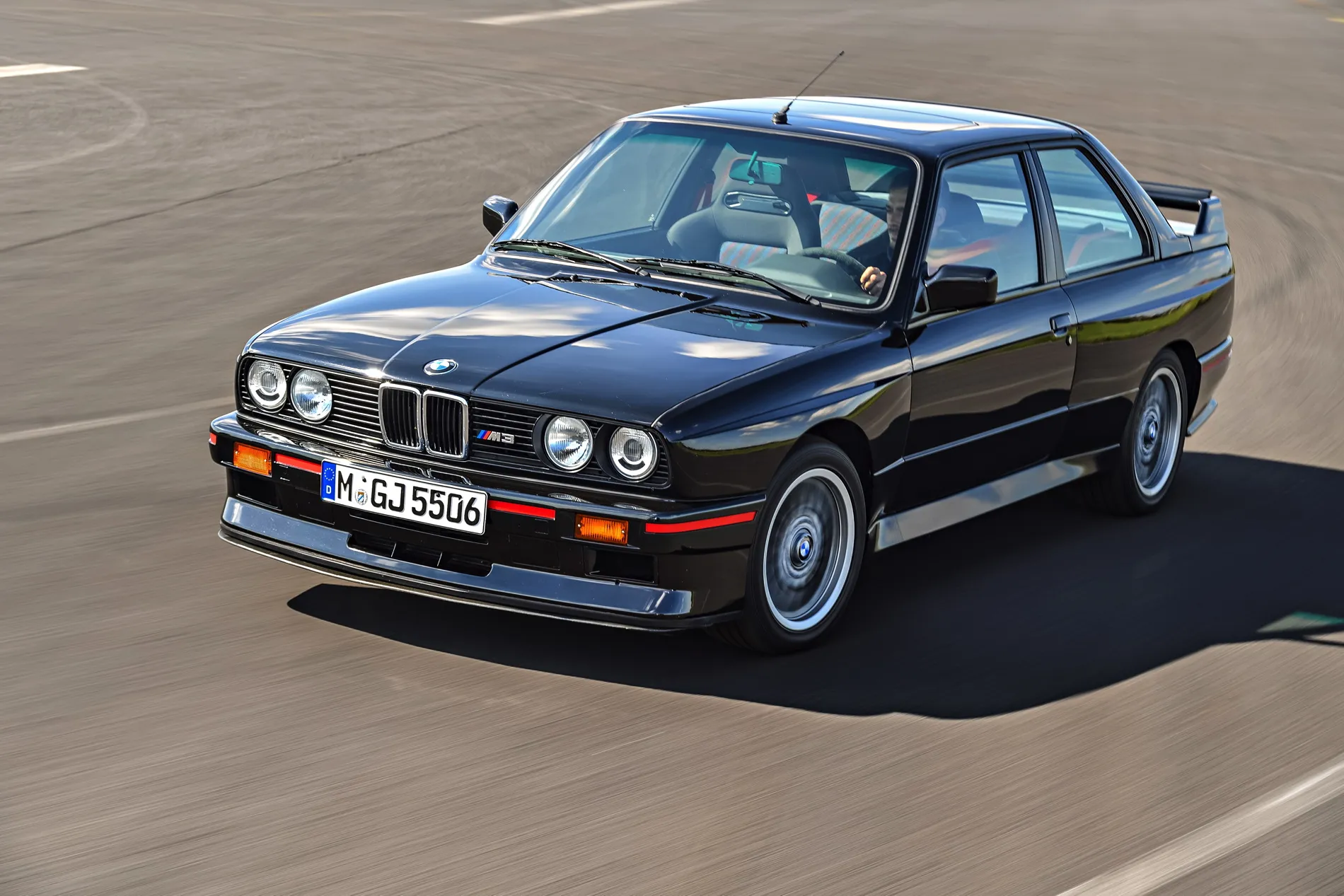
The manufacturer made sure to give it a larger engine, different from the earlier models, and also threw in some very slick aerodynamic updates and lighter body panels, making it the most potent and track-focused version ever sold to the public.
Its rarity is completely off the charts, as only 600 examples of the Sport Evolution were built globally, solidifying its position as a true collector’s prize, a magnificent asset whose worth has appreciated immensely since 2015. This is less about everyday driving and more about preserving a piece of Bavarian history.
How this car drives is raw, unfiltered, and deeply mechanical, a feeling that modern, technology-laden performance cars simply cannot replicate. The driving feel itself is a unique selling point, something that serious enthusiasts crave.
This era of cars is now viewed as the sweet spot: pre-digital, yet advanced enough to be genuinely fast and reliable. Younger generations who saw these cars in video games or posters are now adults with high disposable income, and they are actively chasing these machines to relive that early excitement.
Demand surge has created a perfect storm for the E30 M3 Sport Evolution, turning what was already an expensive vehicle into a ridiculously high-value commodity. Anyone who bought one back in 2015, perhaps for what seemed like a high price then, is now looking like an absolute financial genius who struck real, solid gold.
Also Read: 10 Cars That Defy Depreciation Completely After Long-Term Use
3. The 1993 Toyota Supra Mk IV Twin Turbo
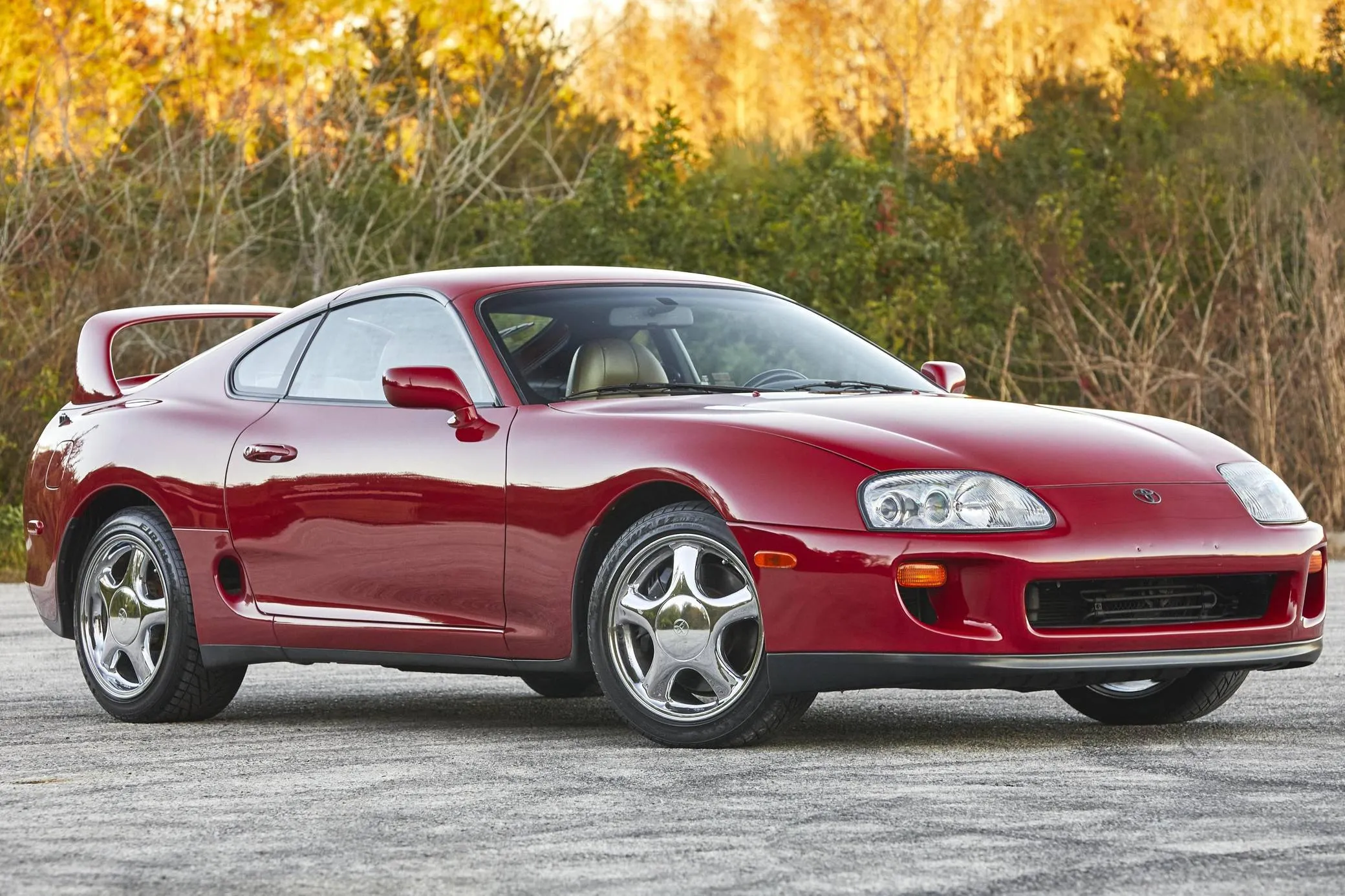
Everybody knows this Japanese powerhouse, but the dramatic value increase of the A80 generation, specifically the range-topping Twin Turbo model, has been nothing short of staggering, truly catching many observers by surprise.
For many years, people mainly saw this model as just a fun, fast second-hand sports car, a platform for endless, often ridiculous modifications. Prices were strong, sure, but nobody really predicted the astronomical climb we have witnessed over the last ten years, making it an incredibly sound financial asset.
The single biggest factor turbo-charging its financial ascent is its absolute domination in popular media, most prominently its celebrated role in a huge movie franchise.
That exposure transformed the Supra from being a car loved by a subsection of petrolheads into a truly global, cultural icon. It gave the vehicle a legendary, almost mythical status far beyond its actual engineering specifications, turning it into a fantasy object for millions of people worldwide.
Also, unlike its rivals, the Supra’s engine, the celebrated 2JZ-GTE, is also known for its almost bulletproof reliability and its ability to handle immense power output after simple modifications.
This incredible mechanical robustness means that the few surviving, unmolested, original examples are extremely scarce, and this originality is what collectors are willing to pay ridiculous amounts of money for.
A combination of pop culture stardom, robust engineering, and dwindling supply of pristine examples has created a value multiplier that very few cars can boast.
Finding an original, low-mileage 1993 Toyota Supra Mk IV Twin Turbo today is like finding a giant diamond in a field of stones; it is incredibly rare and priced accordingly, proving that some automotive legends can defy every rule of depreciation and soar in monetary worth.
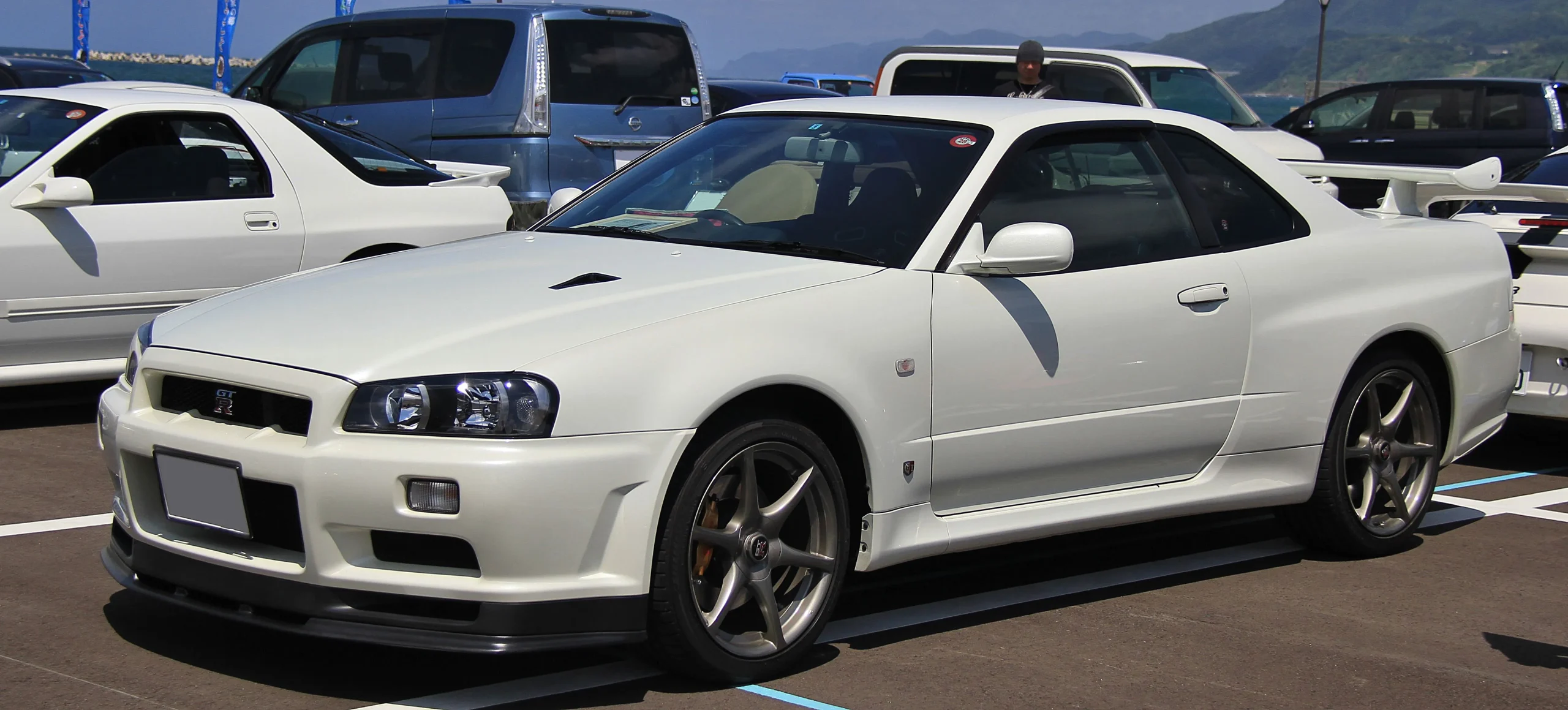
4. The 1998 Nissan Skyline GT-R R34 V-Spec II Nür
Let’s move on to another icon of Japanese performance that has seen its worth explode: the spectacular Nissan Skyline GT-R R34. While all R34s have appreciated, the ultimate financial high-flyer is the special V-Spec II Nür edition.
This model is essentially the final word on the R34 platform, named after the famous Nürburgring circuit, which symbolizes its track-focused and highly refined engineering.
Being released right at the very end of the R34 production run, this car was the culmination of every engineering trick Nissan had learned, making it, for many, the greatest GT-R of all time.
Only a paltry 718 units of the V-Spec II Nür were produced, guaranteeing that it would be an absolute financial powerhouse for anyone who managed to purchase one early.
This extreme scarcity immediately made it a high-value asset, but its subsequent explosion in worth is also directly tied to its huge following in video games and various international car magazines.
Generational love for the “Godzilla” of the motoring world, combined with its status as the pinnacle of the R34 line, means demand from wealthy collectors and dedicated enthusiasts remains intensely high.
The famous RB26DETT engine, in this final factory iteration, is a mechanical masterpiece, celebrated for its smoothness, power, and tuneability, a true marvel that adds to the car’s pedigree.
Its muscular, instantly recognizable shape, along with the performance figures that still hold up remarkably well today, firmly cement the V-Spec II Nür as a car whose value has far exceeded expectations.
When you find one of these pristine models coming up for sale, you are not just buying a car; you are acquiring a certified piece of pure, distilled automotive history, and the price tag reflects that powerful legacy.
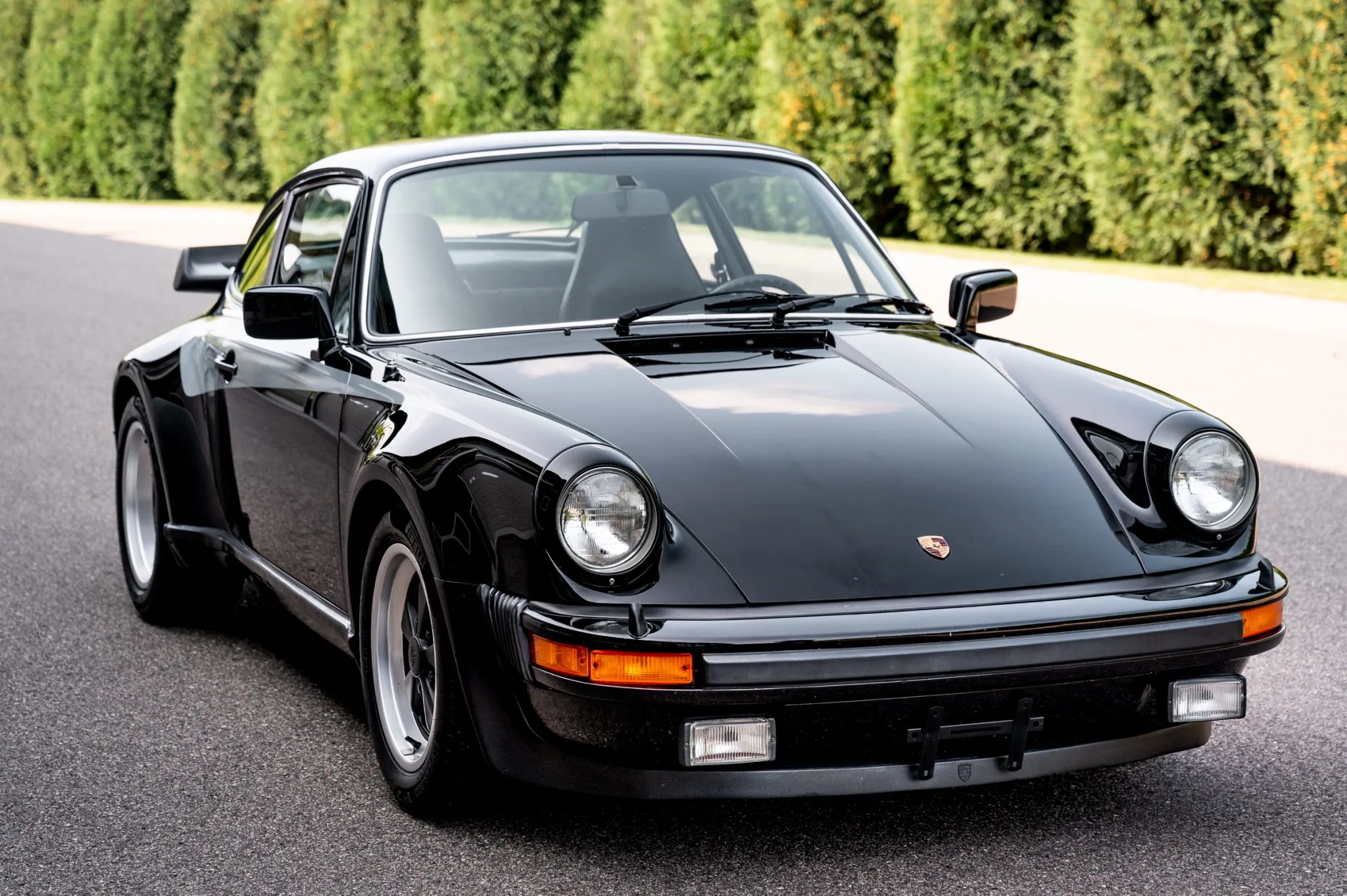
5. The 1978 Porsche 911 (930) Turbo
Air-cooled Porsche 911s, especially the early, powerful Turbo models, represent a unique financial story in the automotive world, but the 930 generation stands head and shoulders above the rest in terms of its value appreciation since 2015.
This car is famously known as the “widow maker” due to its powerful, turbo-lag-prone engine and somewhat challenging handling characteristics, which is actually a strange but powerful part of its enduring appeal.
People love the mystique and the raw, untamed nature of this machine; it requires a great deal of skill to drive quickly, a fact that truly appeals to collectors who appreciate a visceral, engaging driving experience.
930 Turbo was the first mass-produced turbocharged sports car, a genuine game-changer that pioneered a performance trend that every manufacturer later adopted. This historical position as a trend-setter gives it an enduring, powerful importance in the lineage of performance cars.
When the model was first launched, it was an absolutely massive statement of luxury and speed, a true supercar of its time. Distinctive, wide body and the iconic ‘whale tail’ spoiler make its silhouette unmistakable, a design that has become synonymous with Porsche performance heritage.
Unlike many other collectible cars that have appreciated due to pop culture, the 930 Turbo’s value increase is primarily driven by its engineering importance, its terrifying reputation, and the scarcity of well-maintained, early examples with the desirable four-speed manual gearbox.
Desire for pure, air-cooled Porsches, particularly the original Turbos, is insatiable among the wealthiest collectors, and with fewer pristine examples appearing on the market each year, the price for a genuine 1978 Porsche 911 (930) Turbo continues its vertical climb, a powerful symbol of analogue performance royalty.
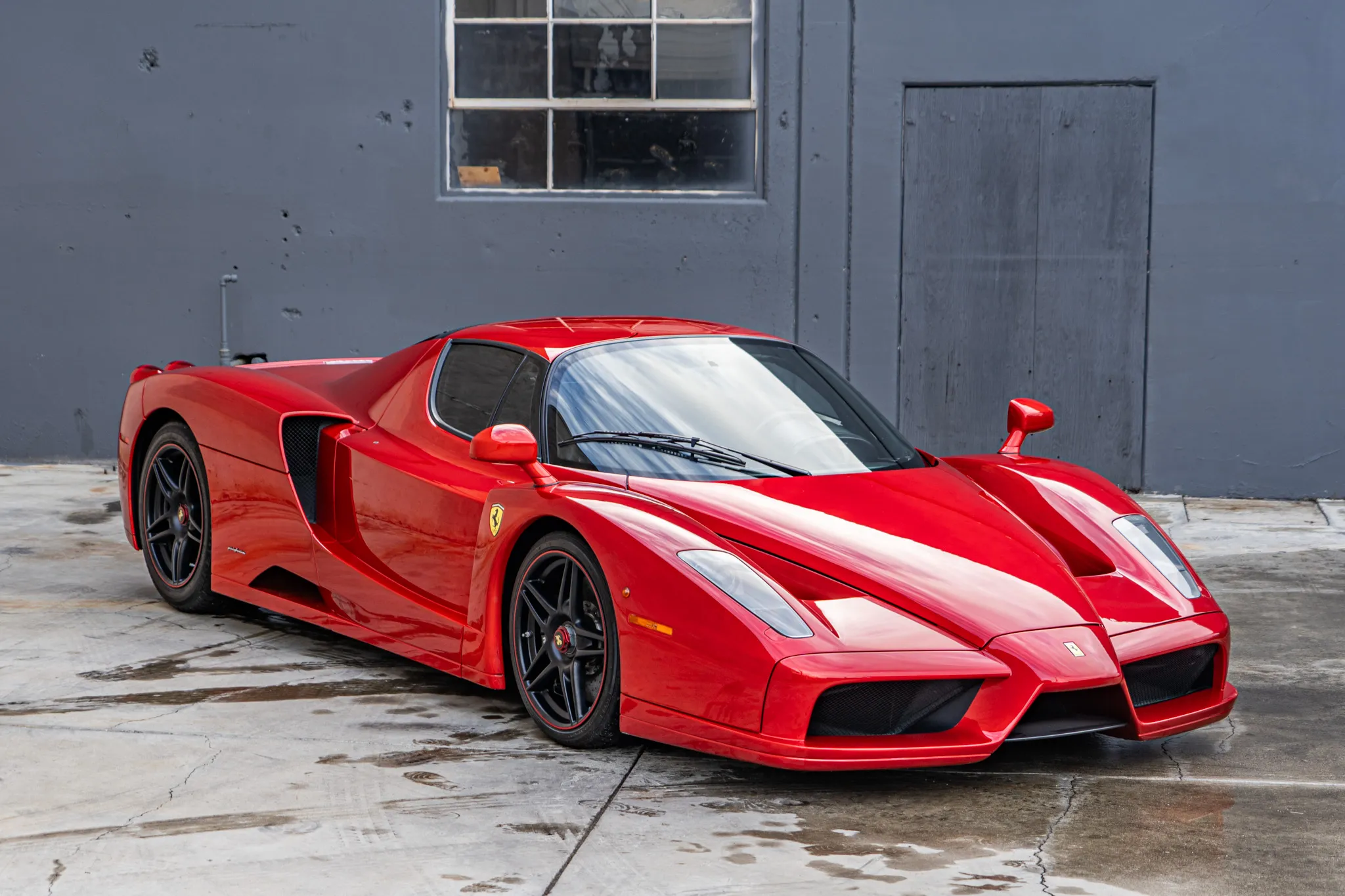
6. The 2004 Ferrari Enzo
Moving into the world of proper supercars, where appreciation is almost expected but rarely as explosive as this, we find the incredible Ferrari Enzo.
Named after the company’s illustrious founder, this machine was never intended to be a mass-produced item; it was a limited-run hypercar designed to showcase Ferrari’s most advanced Formula 1 technology of the time, making it an instant legend from the moment of its announcement.
Its value was always high, but the way it has tripled since 2015 is a testimony to its position as the ultimate modern collectible, a genuinely powerful financial object.
Key to the Enzo’s phenomenal financial success is the extreme exclusivity surrounding it. Only 400 units were made, including one extra car built for the Pope, which is an incredibly small number when you consider the worldwide pool of ultra-high-net-worth individuals who desire a car of this status.
In addition, the selection process for who could actually purchase one when new was notoriously strict, meaning that ownership started as an elite club, and that exclusivity has only intensified in the secondary market.
Its design, with that aggressively pointed nose and massive rear diffuser, is pure race car for the road, a powerful visual link to the pinnacle of motorsport that Ferrari dominates. It was the predecessor to a new line of hypercars and represents a very special moment in the company’s history.
Naturally aspirated V12 engine and its lack of modern electronic nannies, a factor that makes it feel raw and involving, is a highly prized mechanical attribute in an era moving toward hybridization and forced induction.
As the number of truly original, low-mileage examples dwindles, the 2004 Ferrari Enzo’s status as a pure, naturally aspirated Ferrari hypercar has only solidified its position as a skyrocketing financial asset, a powerhouse of investment that has easily earned its tripled value.
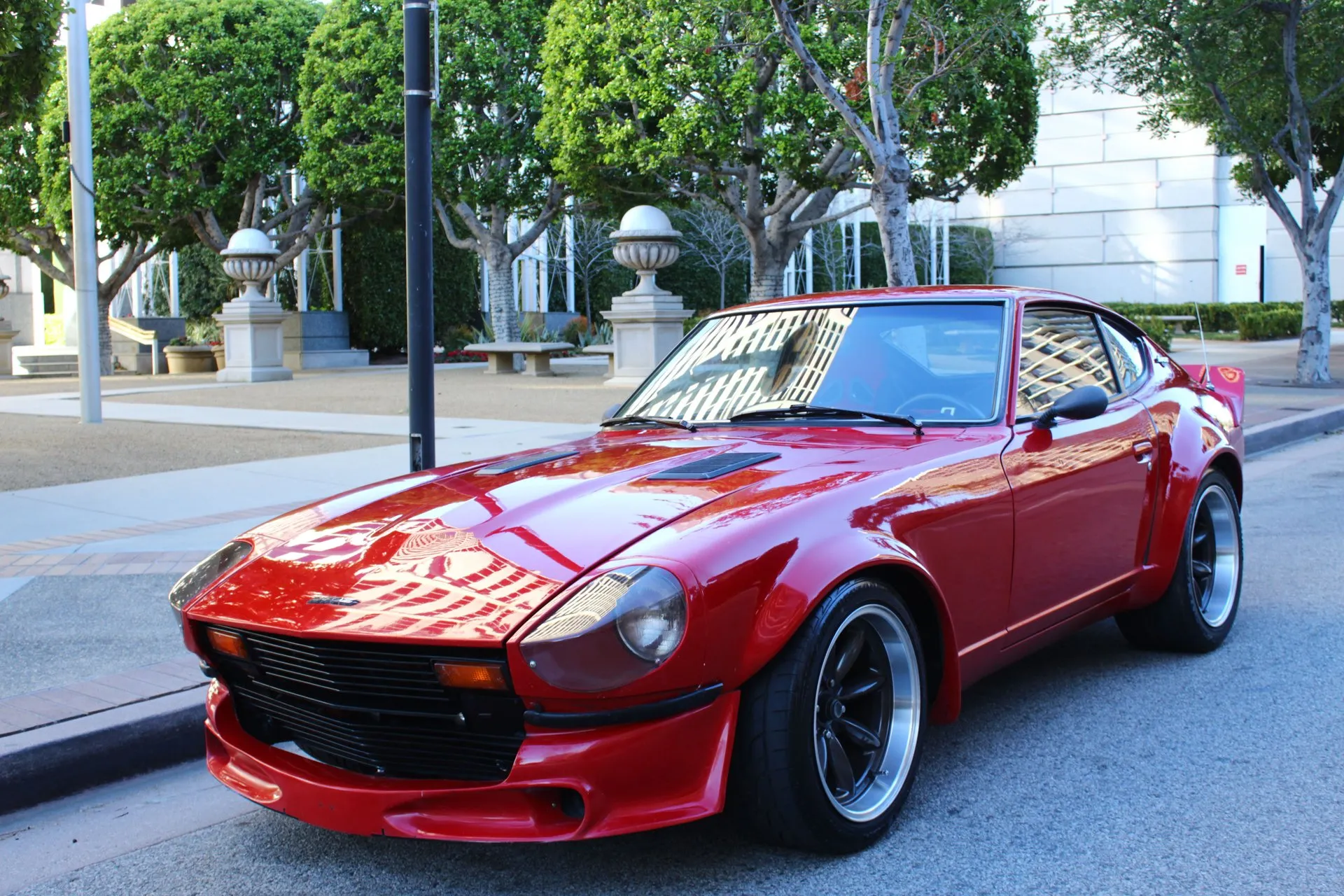
7. The 1971 Datsun 240Z (S30)
Who would have thought that a simple, elegant Japanese sports coupe from the early 1970s would become such a financial missile? Value climb of the original Datsun 240Z has been one of the biggest surprises of the collecting world over the last decade, defying all expectations to triple its worth for pristine examples.
When the 240Z (S30) first arrived on the scene, it offered the style and performance of much more expensive European sports cars but at a price that ordinary people could actually afford, earning it a massive, devoted following.
Datsun 240Z’s initial appeal was in its perfect mix of beautiful, timeless design, which many consider a masterpiece, and a wonderfully simple, reliable mechanical package. It had the beautiful, long-hood, short-deck proportions of a true sports machine, a look that absolutely holds up today.
However, being a mass-produced car from that era, many of them were driven hard, poorly maintained, and, crucially, very prone to rust, especially in regions with tough weather conditions.
Therefore, finding a truly original, completely rust-free, and unmolested example of a 1971 model is now an incredibly rare feat, a real treasure hunt.
Scarcity of these perfect survivors, not the car itself, is what has fueled the exponential price increase. The generation that grew up seeing the 240Z race or simply on the roads is now reaching its peak earning years, driving huge demand for the car that defined their youth.
This desire to own a piece of that automotive nostalgia, combined with the extreme scarcity of perfect survivors, has turned the 1971 Datsun 240Z into a sensational investment, a true example of an underappreciated gem that is now rightfully commanding massive respect and even bigger financial returns.
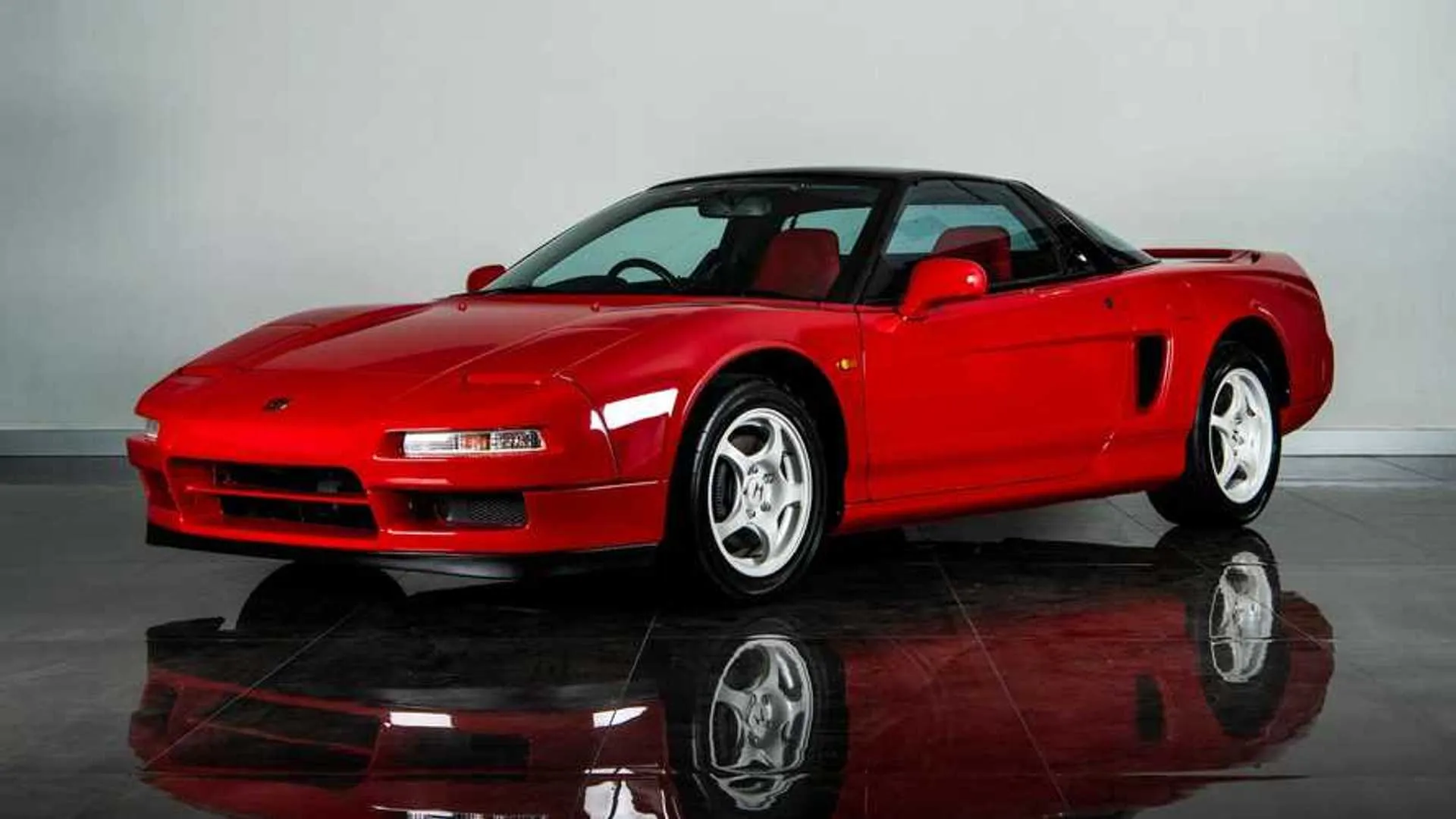
8. The 1993 Acura NSX (First Generation)
Few cars in the history of the modern sports machine have commanded the respect and financial growth seen by the original Acura NSX.
Introduced initially as the Honda NSX in other markets, the early first-generation models, particularly those before the headlight refresh, have become incredibly sought after, resulting in their value multiplying dramatically since 2015.
This car was a direct challenge to the established European sports car order, proving that an exotic machine could be just as exciting as a Ferrari but with the legendary reliability of a Honda.
Its place in history is a huge factor in its financial success. The NSX was famously developed with input from legendary Formula 1 champion Ayrton Senna, a piece of automotive trivia that gives it instant, profound motorsport credibility. This association with greatness adds an almost mythical aura to the car.
In addition, the naturally aspirated V6 engine provides a truly wonderful, high-revving soundtrack and performance that feels wonderfully balanced and pure. Early models, especially those with the fixed headlights that some enthusiasts prefer, are the ones that have performed the best as investments.
The car’s build quality was far superior to many of its contemporaries, meaning that finding well-preserved, low-mileage examples is easier than with some Italian rivals, but the number of pristine examples still remains small enough to keep prices shooting up.
A vehicle that combined supercar looks, fantastic driving dynamics, and everyday usability, the 1993 Acura NSX represents a pinnacle of Japanese engineering from that era, and collectors worldwide are now willing to pay an enormous premium for this brilliant blend of performance and precision.
Also Read: 10 Cars Known for Surviving Decades of Abuse
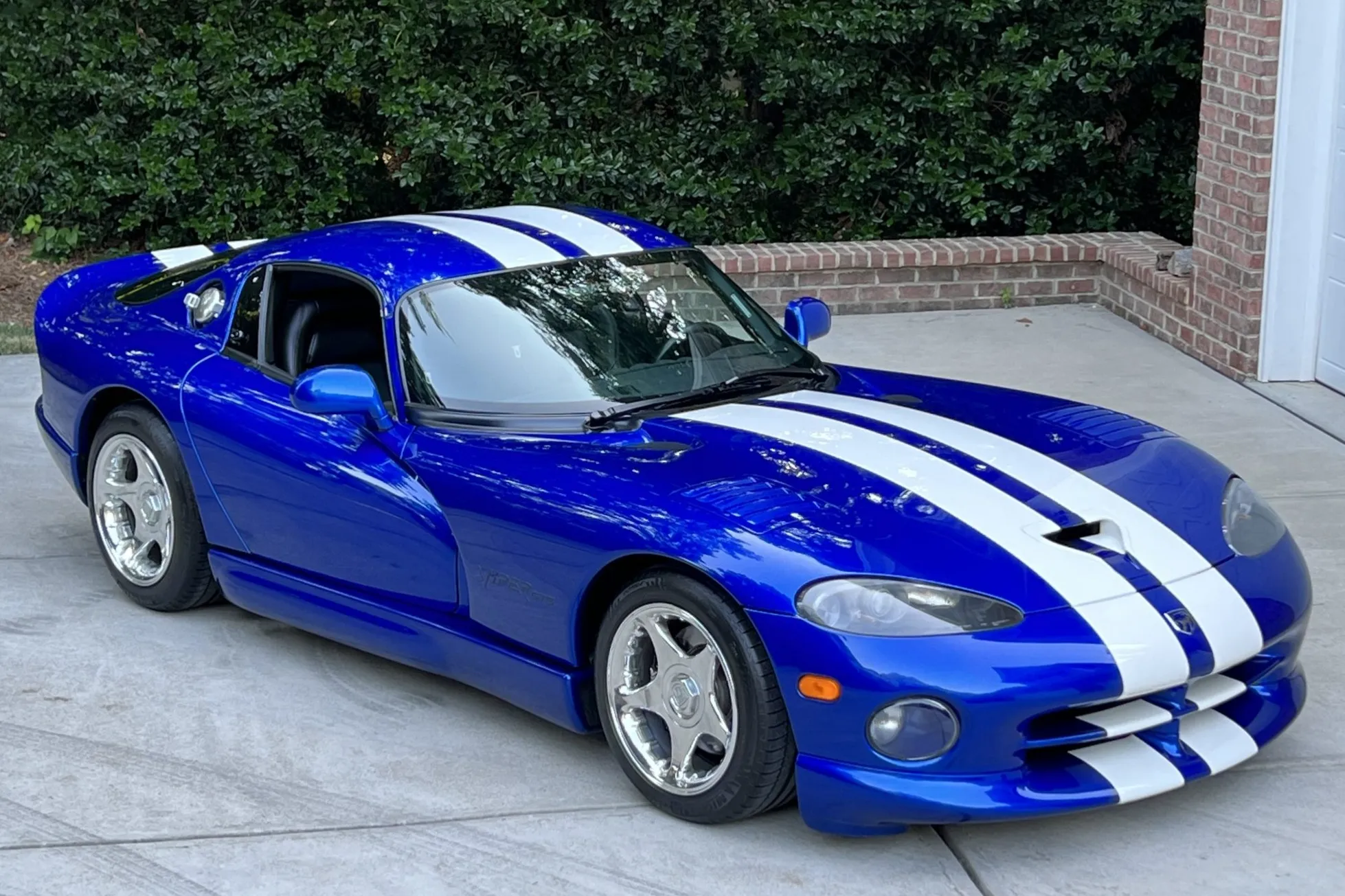
9. The 1996 Dodge Viper GTS
Finally, we arrive at a true American brute that has quietly become a monstrous financial success: the 1996 Dodge Viper GTS. This car is not about finesse or complicated electronics; it is about raw, unapologetic power delivered by a massive engine and a huge, dramatic body shell.
The second-generation Viper, particularly the coupe version known as the GTS, with its iconic double-bubble roof and racing stripes, is the one that has truly caught fire in the collector market, tripling its worth in less than a decade.
The initial appeal of the Viper GTS was its pure, visceral performance and its aggressive, unmistakable styling, instantly setting it apart from everything else on the road.
The colossal 8.0-liter V10 engine is the heart of the beast, a powerplant that delivers torque in truly incredible quantities, providing a driving experience that is utterly terrifying and exhilarating in equal measure.
Importantly, the GTS coupe was also the car that brought the Viper legitimate racing success, with its legendary victory at Le Mans, giving the road car an essential motorsport pedigree that drives collector demand.
Also, compared to the open-top roadster, the GTS coupe was produced in lower numbers, and its aggressive, hardtop profile is often preferred by enthusiasts.
The car is a potent symbol of American excess and engineering daring, a throwback to a time when manufacturers were willing to put a ridiculously huge engine into a lightweight chassis just for the sake of speed.
This combination of extreme power, dramatic styling, successful racing history, and relatively limited production numbers means the 1996 Dodge Viper GTS is now firmly positioned as a blue-chip automotive investment, proving that sometimes, the biggest financial returns come from the biggest engines.
Plenty of lessons can be taken from this astonishing surge in value, demonstrating that the market for collectible cars is less about age and far more about exclusivity, historical importance, and the sheer purity of the driving experience.
Whether it is the homologation heroes like the Mercedes-Benz 190E Evolution II and the BMW E30 M3 Sport Evolution, or the JDM legends like the Supra and the Skyline GT-R R34, a common thread emerges: extreme rarity combined with a massive cultural footprint is the true fuel for financial appreciation.
Vehicles that came before the digital revolution, those that demand real driver input and offer a raw, mechanical connection, are becoming finite resources, highly desired by a generation with the wealth to acquire the icons of their youth.
Finding an unmolested, original example of these nine cars today requires not just deep pockets but a great deal of luck, confirming that in the automotive investment world, the biggest profits often come from the most special and least common vehicles.
