
You spend all your money on mechanics, and the car just keeps begging for more cash. That kind of experience can truly finish your savings.
But there is a secret the mechanics know, a special kind of car that they see roll into the workshop not to be fixed, but maybe just for a small, simple check-up after running for what seems like a million miles. These are the legends, the absolute tanks of the automotive assembly.
These special vehicles are what the real professionals call “Forever Cars.” They are the ones built in an era when durability was not an option; it was a promise.
They were made with thick, strong metal, ridiculously simple engines, and mechanical systems that laughed at the idea of electronic failure.
When a mechanic sees one of these roll in, he knows he is not dealing with a vehicle that is about to die; he is dealing with one that simply needs a little tweak to keep going for another ten years.
They are not always the fastest or the fanciest, but they are the definition of dependability. They refuse to be scrapped.
If you are tired of spending money on tow trucks and getting calls from your mechanic that make your heart stop, then you need to know about these ten vehicles.
They are the true survivors, the models that have earned the respect of the people who know cars inside and out: the mechanics themselves.
We are talking about machines that can easily go past the 300,000-mile mark, and sometimes even the half-million-mile mark, with nothing but basic maintenance. Forget the shiny new things that depreciate the moment you touch them.
These are the true financial geniuses, the cars that keep giving you back your money in the form of reliable, stress-free transportation. Get ready, because we are about to reveal the champions of endurance.
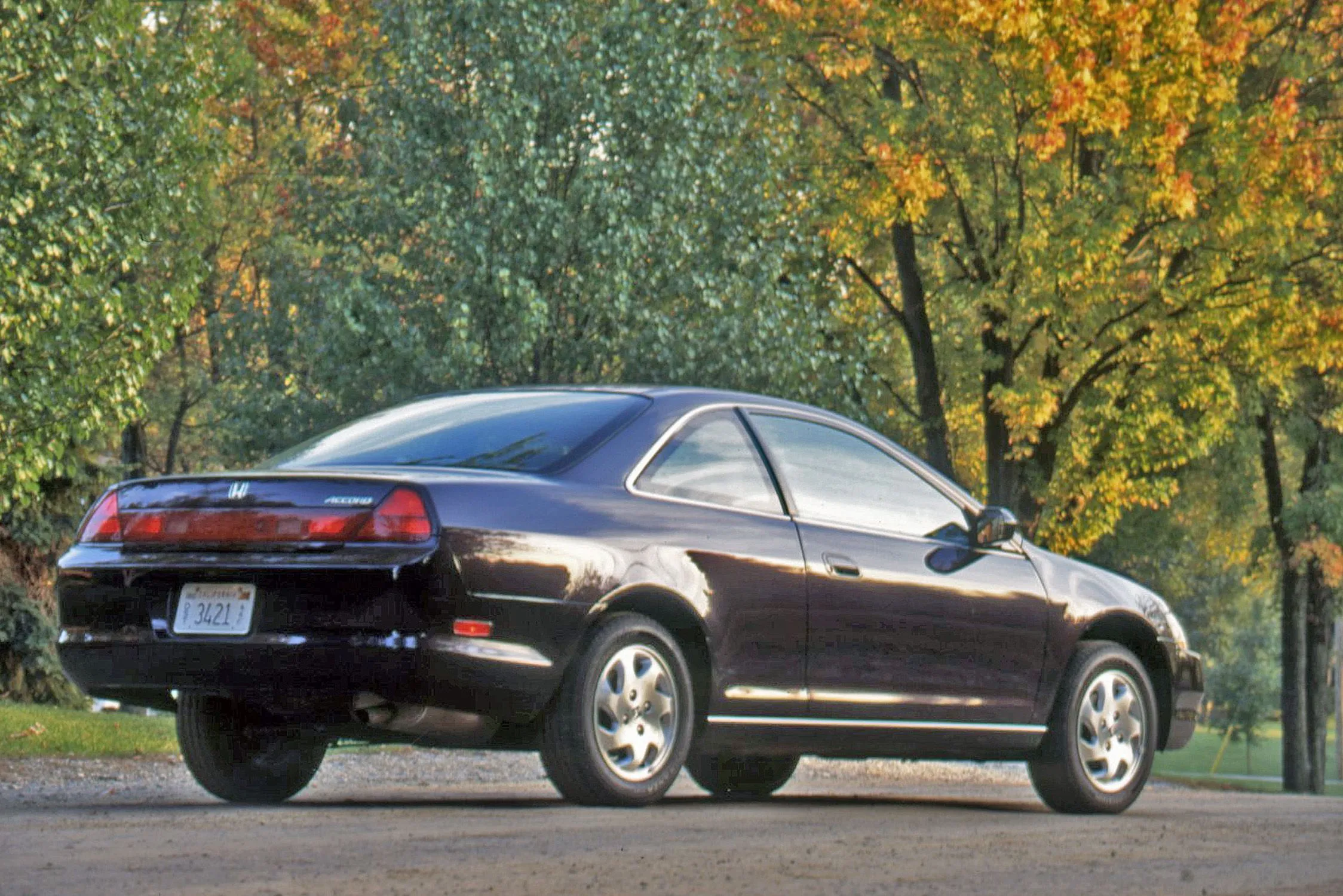
1. Honda Accord EX (1998-2002)
Mechanics who work on Japanese cars will tell you straight up that the sixth-generation Accord represents Honda at its absolute best. This car came equipped with either a 2.3-liter four-cylinder or a 3.0-liter V6, both engines sharing Honda’s commitment to quality and longevity.
The four-cylinder engine in particular has become legendary for its ability to run forever with just oil changes and occasional timing belt replacements.
Honda designed this engine with conservative specifications that meant components never approached their stress limits, giving service life that regularly exceeds 300,000 miles.
The automatic transmission, which was Honda’s weak point in some other models, actually worked properly in this generation and proved reasonably durable with fluid changes.
What separates this Accord from newer vehicles is how everything was designed to be serviceable. Pop the hood and you’ll find an engine bay where you can actually see and reach components.
Spark plugs are accessible, the oil filter doesn’t require removing half the car to change, and routine maintenance can be performed with basic tools in your driveway. Honda used quality materials throughout, with interior plastics that resist cracking and fading even after decades in the sun.
The seats maintain their support, the dashboard doesn’t develop rattles, and the controls continue operating smoothly long after other cars would have developed problems. The paint holds up well, and the body panels resist rust better than many competitors from the same era.
Mechanics report seeing these Accords regularly with odometer readings that exceed 400,000 miles, still running on original engines and transmissions. The owners typically report nothing beyond routine maintenance and occasional repairs of wear items like brake pads and suspension bushings.
This Accord proves that Honda once knew exactly how to build cars that would last a lifetime, using straightforward engineering and quality materials rather than complicated systems and cheap components.
These cars earn their forever designation because they simply refuse to quit, continuing to provide reliable transportation year after year without major issues.
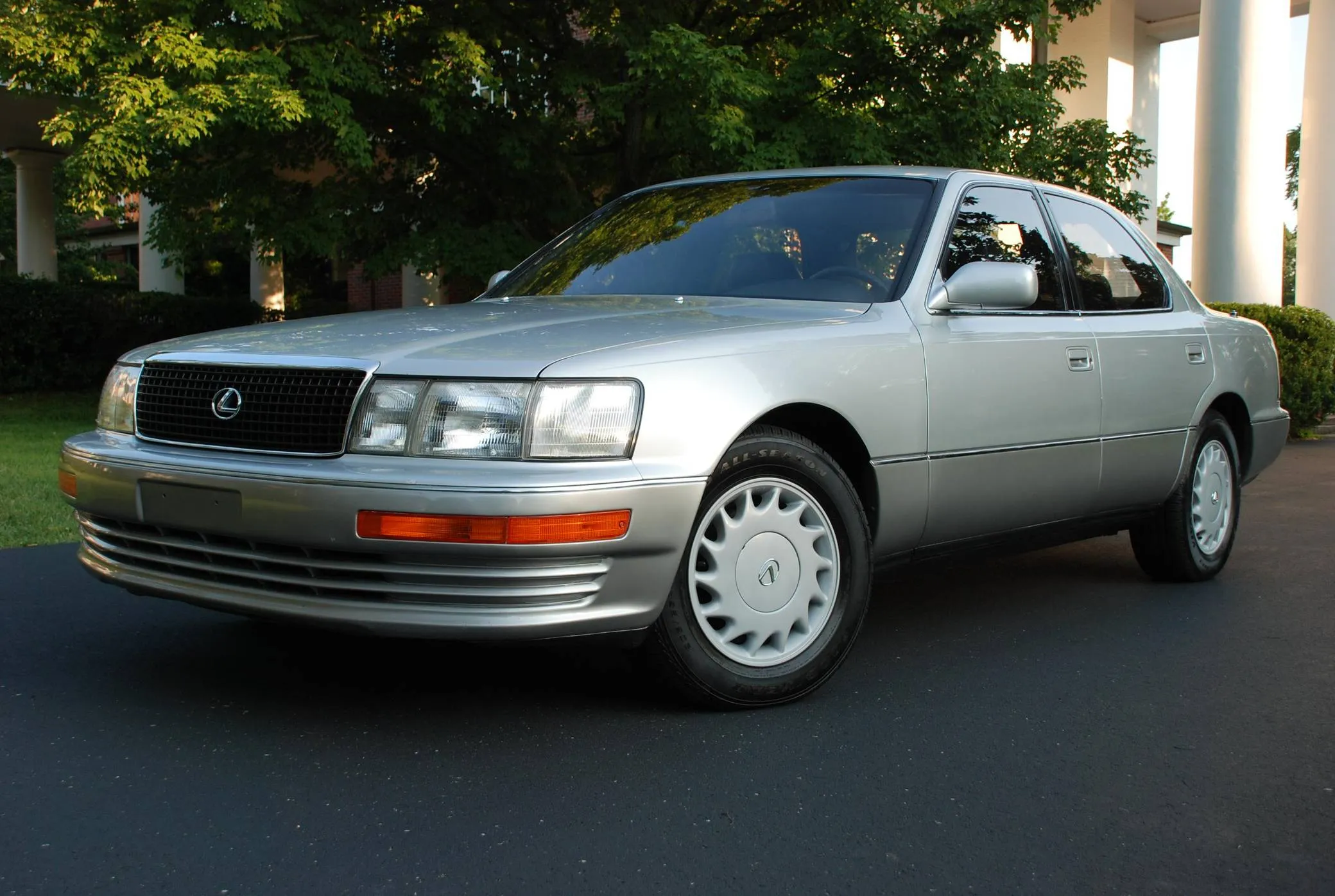
2. 1990 Lexus LS 400 (UCF10)
When Toyota decided to build a luxury brand, it did not just build a car; it built a statement of absolute quality, and the 1990 Lexus LS 400 (UCF10) is the result.
This car was engineered to be quieter, smoother, and, most importantly, more reliable than anything Mercedes or BMW was producing at the time, and it succeeded wildly. It is the reason why Lexus immediately earned a reputation for being completely dependable.
The heart of the LS 400’s immortality is the magnificent 4.0-liter V8 engine (the 1UZ-FE). This engine is one of the most over-engineered petrol engines ever made, built with a level of precision and quality control that is almost unmatched.
Mechanics see these cars come in with hundreds of thousands of miles, and the engine is still whisper-quiet and running perfectly.
The entire car, from the electrical system to the air conditioning, was built with an obsessive level of detail to ensure that nothing failed. This Lexus proved that luxury and longevity could absolutely go hand in hand.
While the suspension on the earlier models may eventually need attention, the main mechanical components are simply relentless. The LS 400 is a monument to quality engineering, a car that refused to accept the typical lifespan of a luxury vehicle and has earned the eternal respect of everyone who works on cars.
Also Read: 5 Cars That Run After Sitting for Years vs 5 That Don’t
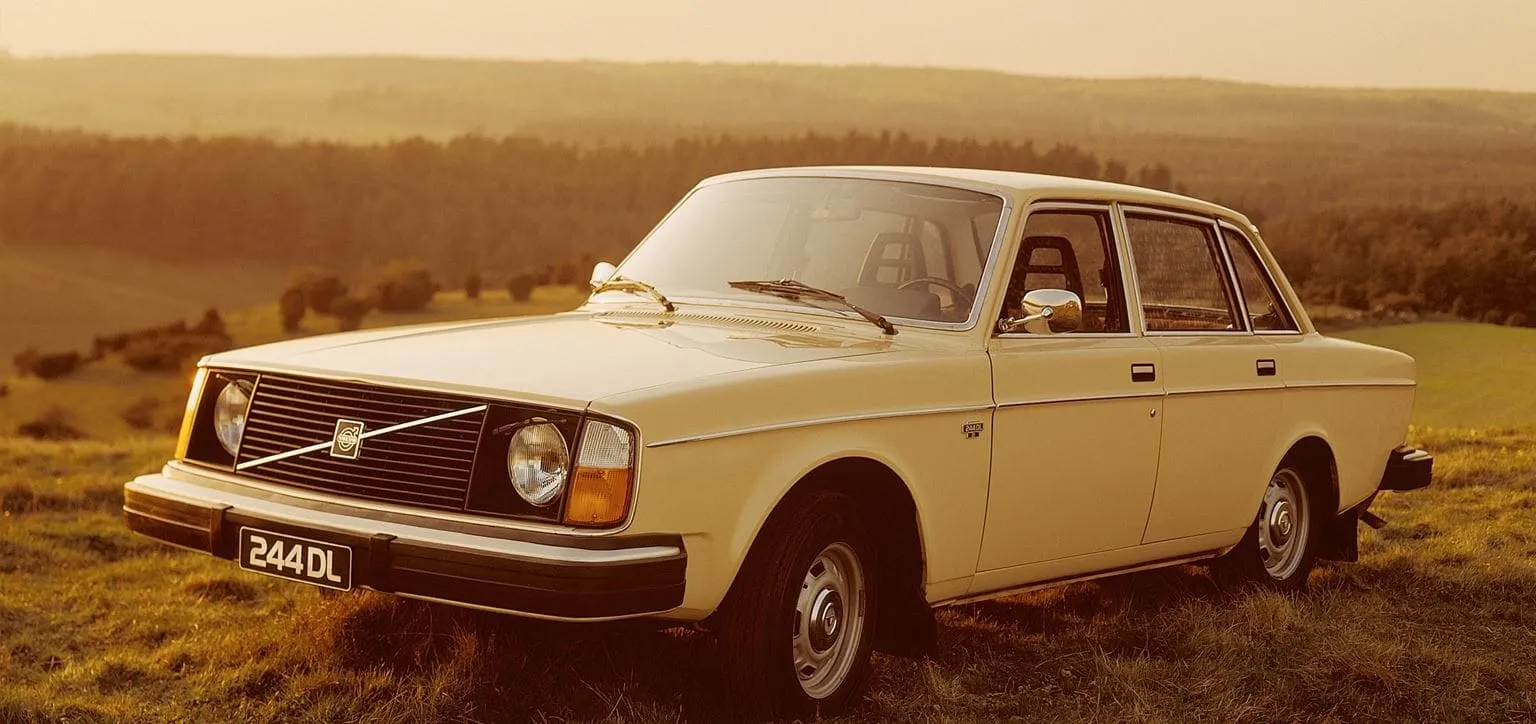
3. 1998 Volvo 240 DL Sedan
When you talk about a car that just refuses to quit, you cannot forget the absolute legend from Sweden, the 1998 Volvo 240 DL Sedan. This boxy, unassuming car earned its famous nickname, “The Brick,” for a good reason: it is built like one.
It is a machine that was so solid, so strong, and so utterly predictable that it became the darling of safety-conscious families and, perhaps more interestingly, of mechanics who rarely had to touch the engine. It is the definition of simple, rugged, functional design.
The secret to the 240’s incredible longevity is twofold: its rock-solid body construction and its beautifully simple engine, the B230F “Redblock” four-cylinder.
The engine is known for being able to withstand neglect and still run perfectly for hundreds of thousands of miles. It is an extremely durable, non-interfering engine that withstands abuse.
The entire car is designed for ease of maintenance. Everything is chunky, exposed, and easy to remove or replace. There is no fancy technology to malfunction, which means the problems are always basic and easy to diagnose.
The 240 is not a performance car; it is a marathon runner, built for the long haul in tough Scandinavian weather.
Its enduring popularity among those who value dependability above all else is a powerful testament to its status as a “Forever Car.” For a mechanic, a 240 is a welcome sight because it is almost always an easy, stress-free job.
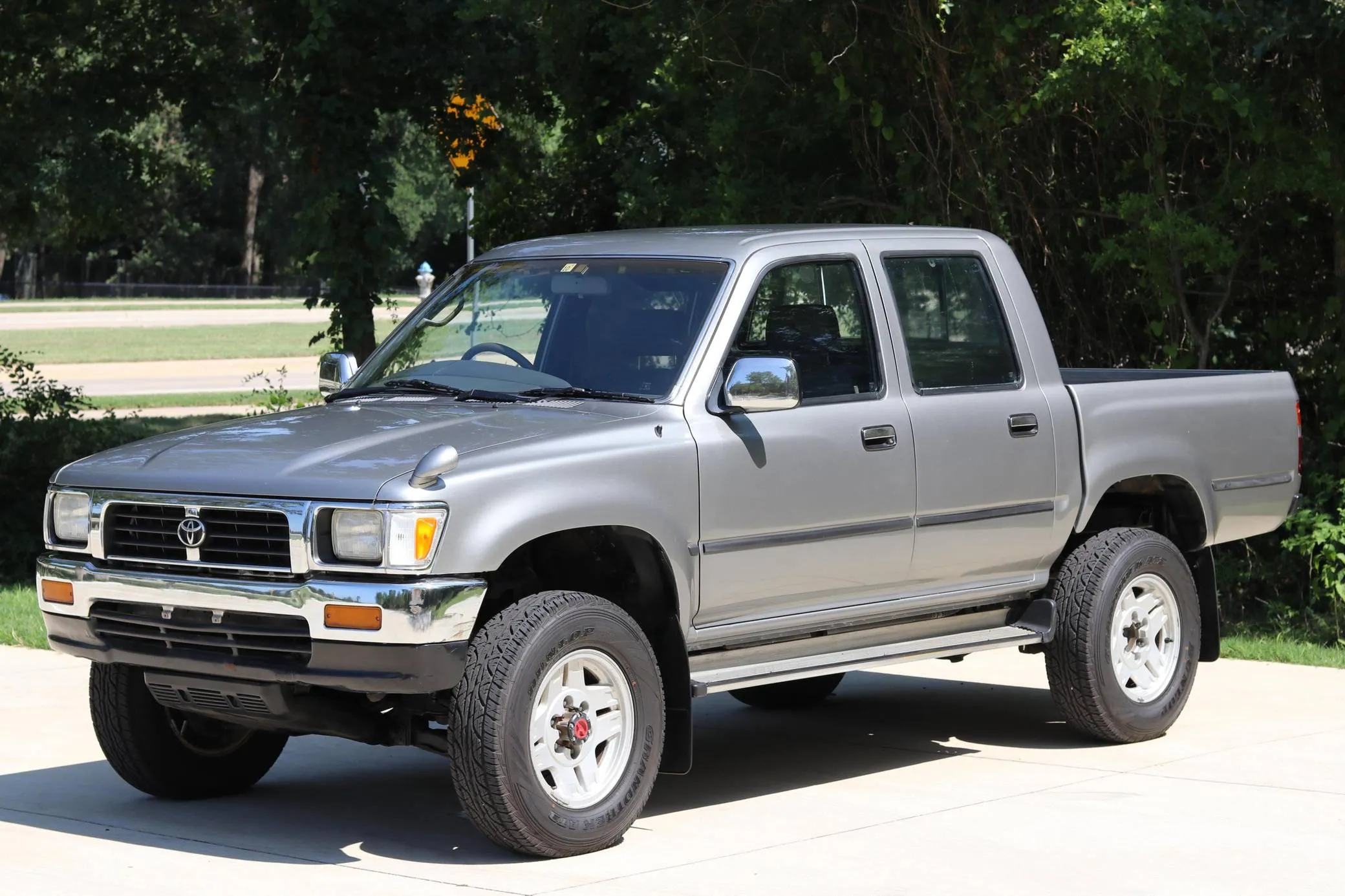
4. 1995 Toyota Hilux (Fifth Generation)
Omo, this one is not even up for discussion! The 1995 Toyota Hilux (Fifth Generation) is a truck that has not just earned a reputation for durability; it has literally been proven to be unkillable on television.
This era of the Hilux is legendary because it was built as a pure, rugged work tool, without any of the softness of modern pickups. It is the vehicle of choice for everyone who truly operates in the wilderness or needs a truck to rely on when their life depends on it.
The Hilux’s legendary persistence is a direct result of it being designed for the harshest environments on Earth. The ladder-frame chassis is immensely strong, and the engines, particularly the 2.8-liter 3L diesel and the 2.4-liter 22R-E petrol, are masterpieces of simple, mechanical toughness.
They are non-interference engines that are easy to maintain and can tolerate less-than-perfect fuel and harsh operating conditions. The entire drivetrain is designed to be completely overbuilt, meaning that even when abused, it is difficult to break.
Mechanics rarely see these for major engine trouble; they are usually just there for wear and tear because the owners use them for continuous, hard work.
This Hilux is more than a vehicle; it is a global symbol of unyielding toughness, a machine that absolutely refuses to surrender, making it a guaranteed “Forever Car” for anyone seeking ultimate dependability.
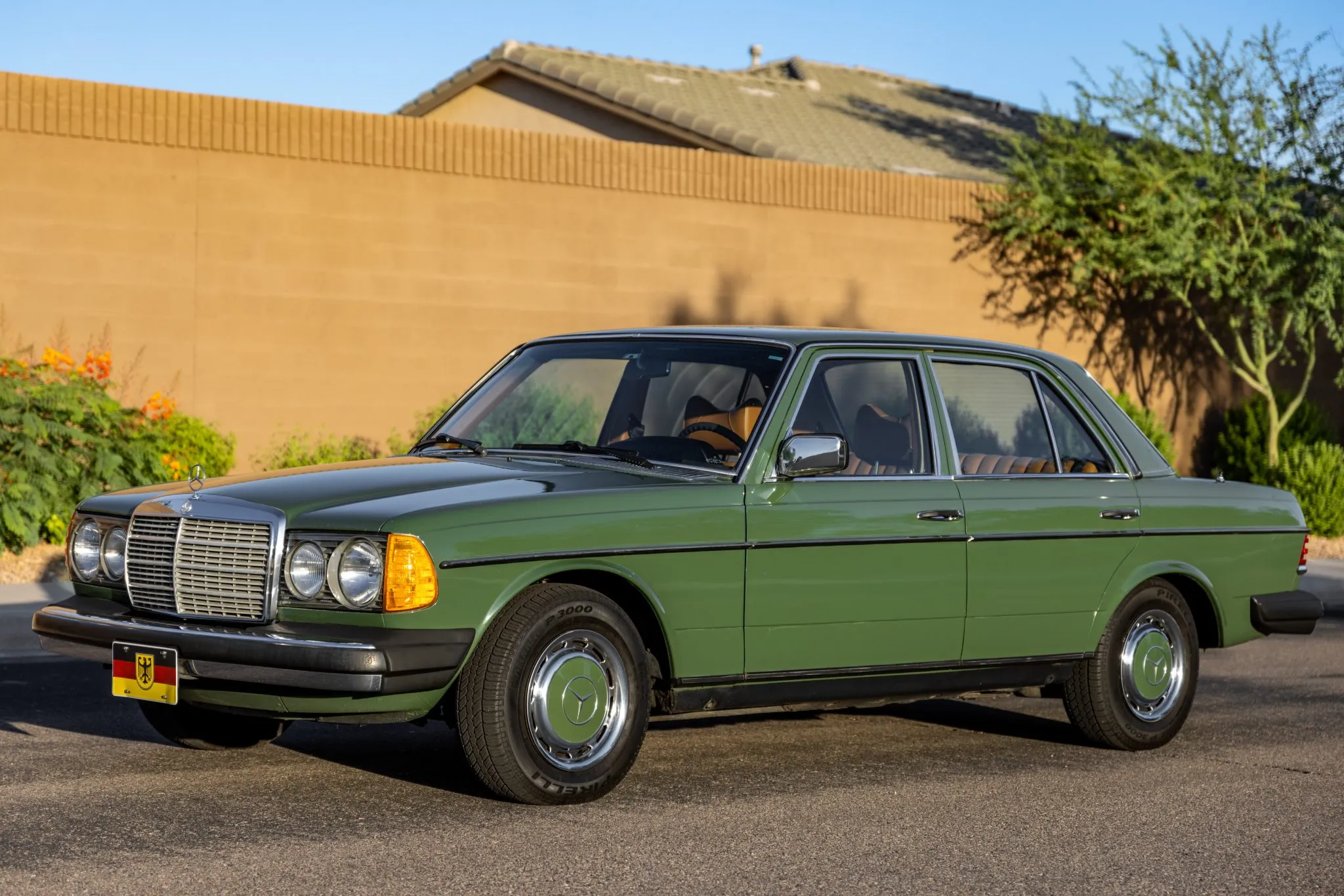
5. Mercedes-Benz W123 300D (1977-1985)
If the Toyota is the reliable soldier, then the 1983 Mercedes-Benz 300D (W123) is the armored tank. This classic German machine is revered by mechanics globally for being perhaps the most over-engineered car in automotive history.
When Mercedes-Benz built the W123, they were not just building a car; they were building an heirloom, a machine designed to survive the owner.
It is not fast, oh no, but it will get you there, and it will keep doing it for fifty years straight. Many examples have clocked over a million miles, and the engine is still breathing strong.
The absolute indestructibility of the 300D is all about that famous engine: the OM617 five-cylinder diesel. This engine is non-turbocharged in many versions, which removes a huge point of failure.
It is entirely mechanical, with no delicate electronics to worry about, and it is known for its ability to run on virtually anything that resembles fuel.
The entire car is built with thick, heavy-duty materials that scoff at rust (if you take care of the draining holes) and harsh road conditions. Mechanics love the W123 because it is totally logical to work on; everything is accessible, and the parts, though sometimes pricey, are of such high quality that they rarely need replacing.
This Mercedes does not just last; it endures. It represents the pinnacle of old-school German engineering, where durability was more important than efficiency or speed. It is a four-wheeled piece of history that continues to prove that quality and simplicity are the ultimate ingredients for a “Forever Car.”
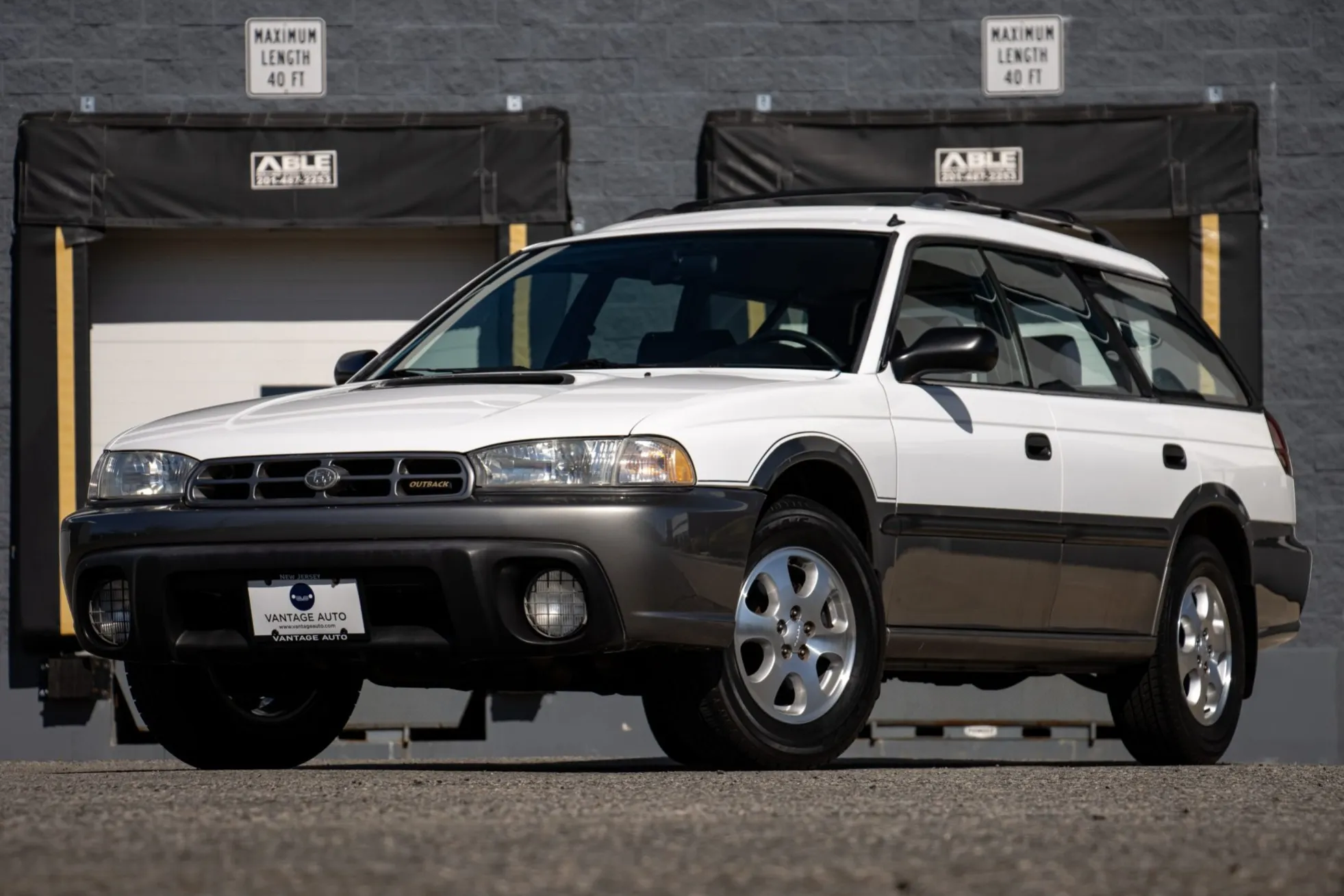
6. Subaru Legacy Outback (1998-2004)
Subaru built something special with this generation of Legacy Outback, creating a vehicle that combined all-wheel-drive capability with remarkable durability. The 2.5-liter flat-four engine, despite its reputation for head gasket issues, actually proves quite durable when that known problem is addressed.
Subaru designed this engine with quality materials and good engineering, and once the head gaskets are properly repaired or replaced with improved parts, the engine can run for hundreds of thousands of miles.
The all-wheel-drive system is one of Subaru’s best attributes, providing traction without complicated electronics or fragile components. The manual transmission is nearly indestructible, while the automatic version proves adequately durable with proper maintenance.
What makes the Outback special is how Subaru designed it to be practical and capable without sacrificing reliability. The increased ground clearance and standard all-wheel drive make it useful in conditions that would stop regular sedans, yet it maintains car-like handling and fuel economy.
The interior is spacious and functional, with materials that resist wear and controls that remain operable for years. Subaru used straightforward engineering throughout, avoiding complicated systems that could fail.
The suspension is robust and maintains its composure even after high mileage. Everything about the Outback reflects Subaru’s understanding that its customers needed vehicles that would work reliably in various conditions without constant maintenance.
Mechanics familiar with Subarus report that these Outbacks, once the head gasket issue is resolved, become remarkably reliable vehicles. The all-wheel-drive system continues working properly, the engine runs smoothly, and the overall drivetrain proves durable.
Common issues beyond the head gaskets include worn wheel bearings and occasional CV joint replacements, but these are normal wear items rather than design flaws. Owners report that these Outbacks will continue providing reliable service past 250,000 miles when maintained properly.
The car earned its forever designation by combining capability with durability, creating a vehicle that handles various conditions while remaining dependable. These Outbacks prove that Subaru understood how to build practical vehicles that would serve their owners faithfully for many years.
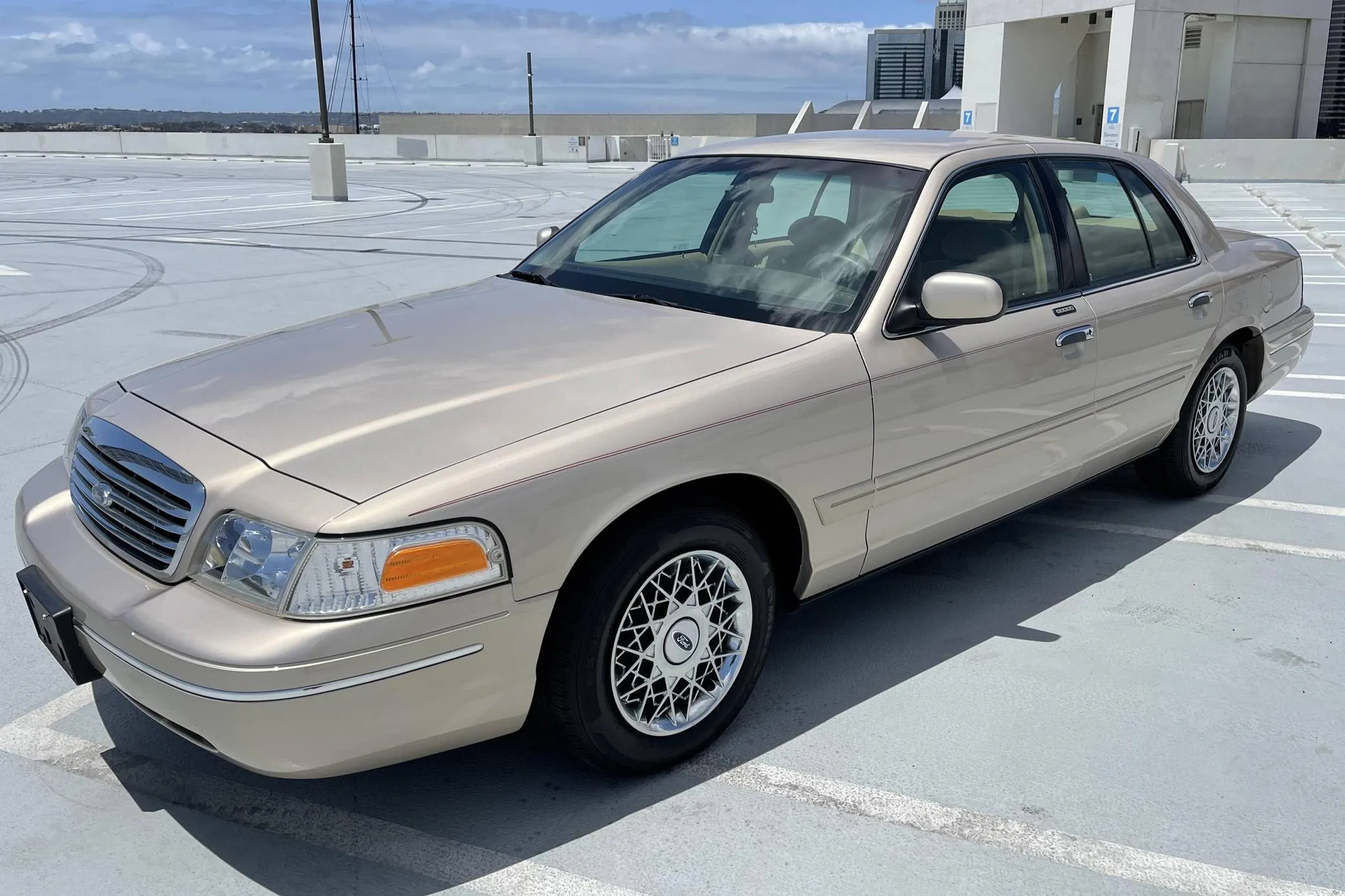
7. Ford Crown Victoria LX (1998-2011)
There’s a reason police departments, taxi companies, and government fleets bought Crown Victorias by the thousands. Ford engineered this car to survive conditions that would destroy regular vehicles, and they succeeded completely.
The 4.6-liter V8 engine produces adequate power with legendary reliability, using a simple overhead cam design and quality materials.
The Crown Victoria’s body-on-frame construction makes it feel substantial in ways that modern unibody cars can’t match.
The separate frame provides rigidity that keeps the body tight even after years of hard use, and the suspension uses simple but effective designs that remain serviceable with basic tools. Inside, the car offers spacious seating for six adults, with materials chosen for durability rather than luxury.
The dashboard is straightforward, with controls that make sense and gauges that remain readable. Ford didn’t waste money on fancy features, focusing instead on building a car that would work reliably for decades. The result is a vehicle that feels old-fashioned but proves its worth through continued service.
Mechanics love the Crown Victoria because it’s simple to work on and rarely needs major repairs. The engine bay is spacious, with components easy to access for service. Routine maintenance is straightforward, and parts are inexpensive and readily available.
Common issues include worn suspension components and occasional intake manifold gaskets, but these are minor problems that are easy to fix. Owners report that these cars will run past 300,000 miles with just routine maintenance, which explains why so many remain in service as taxis and police cars.
The Crown Victoria earned its forever designation by being engineered for commercial use and proving capable of surviving conditions that would destroy consumer vehicles. These cars represent Ford at their most practical, building vehicles designed to last rather than just look good in showrooms.
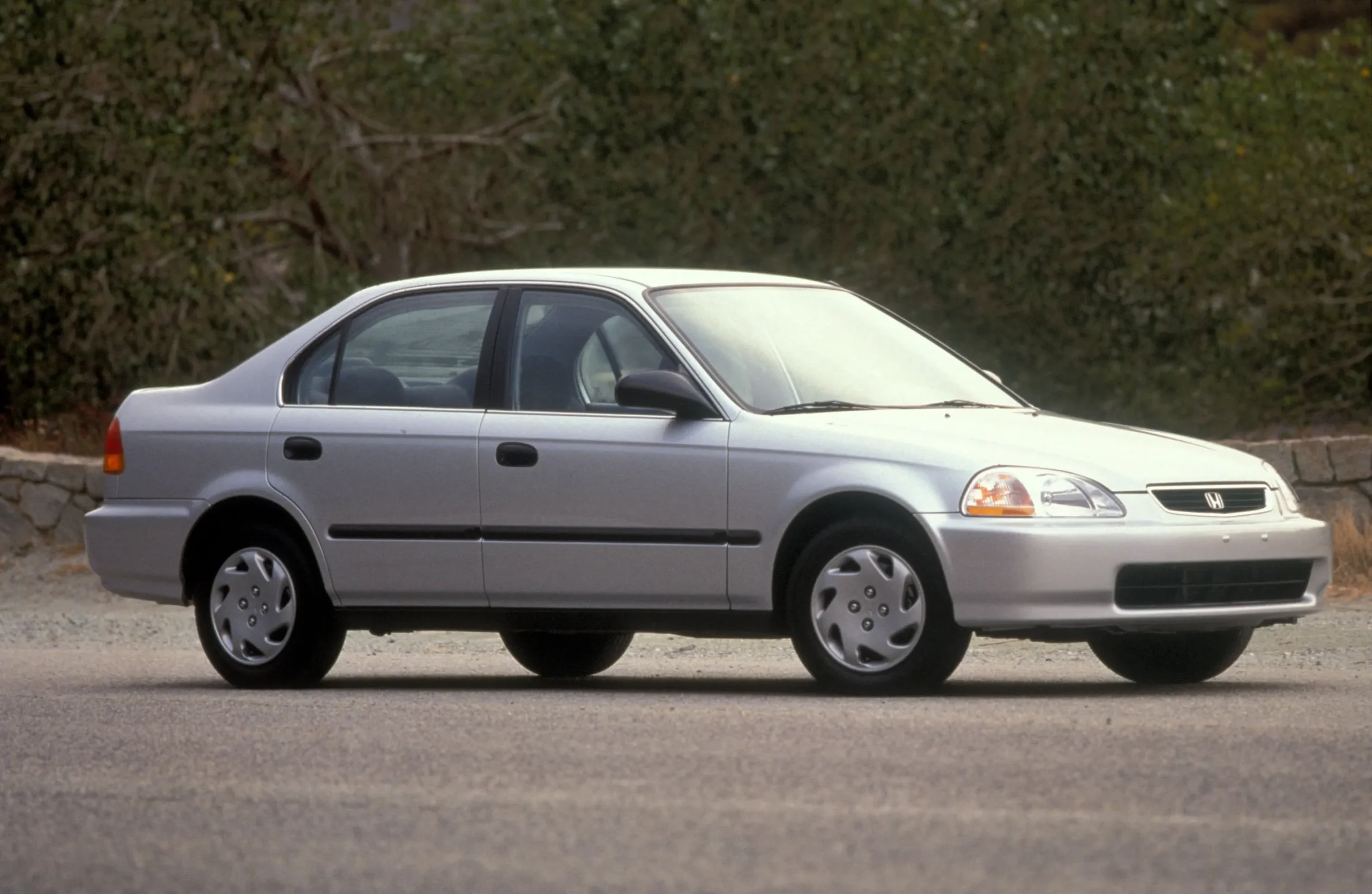
8. Honda Civic LX (1996-2000)
Honda’s sixth-generation Civic represents its commitment to building reliable, efficient vehicles that serve their owners faithfully. The 1.6-liter four-cylinder engine is one of Honda’s best, utilizing a simple SOHC design and high-quality materials that lend it longevity that surpasses that of larger engines.
This engine produces modest power but excellent fuel economy, and it does so reliably for hundreds of thousands of miles with just oil changes and occasional timing belt replacements. Honda designed this engine with conservative specifications that meant it never worked hard, even when pushed.
The manual transmission is fantastic and virtually indestructible, while the automatic version proves adequately durable with proper maintenance. Everything about this Civic reflects Honda’s understanding of what makes cars reliable.
The Civic’s construction quality exceeds what you’d expect from an inexpensive small car. Honda used quality materials throughout, with interior plastics that resist cracking and upholstery that wears well. The dashboard remains rattles-free even after decades, and the controls continue operating smoothly.
The body panels are thin but resist rust better than many competitors, and the paint holds up well. Honda designed the Civic to be maintenance-friendly, with an engine bay where everything is accessible and repairs can be completed with basic tools.
The suspension is simple but effective, maintaining decent handling while proving durable. Everything about this car shows Honda’s commitment to building vehicles that would last.
Mechanics see these Civics regularly with mileage exceeding 300,000 miles, still providing reliable transportation. The engines remain smooth and quiet, burning minimal oil even with high mileage. The transmissions continue shifting properly, and the cars feel tight despite their age.
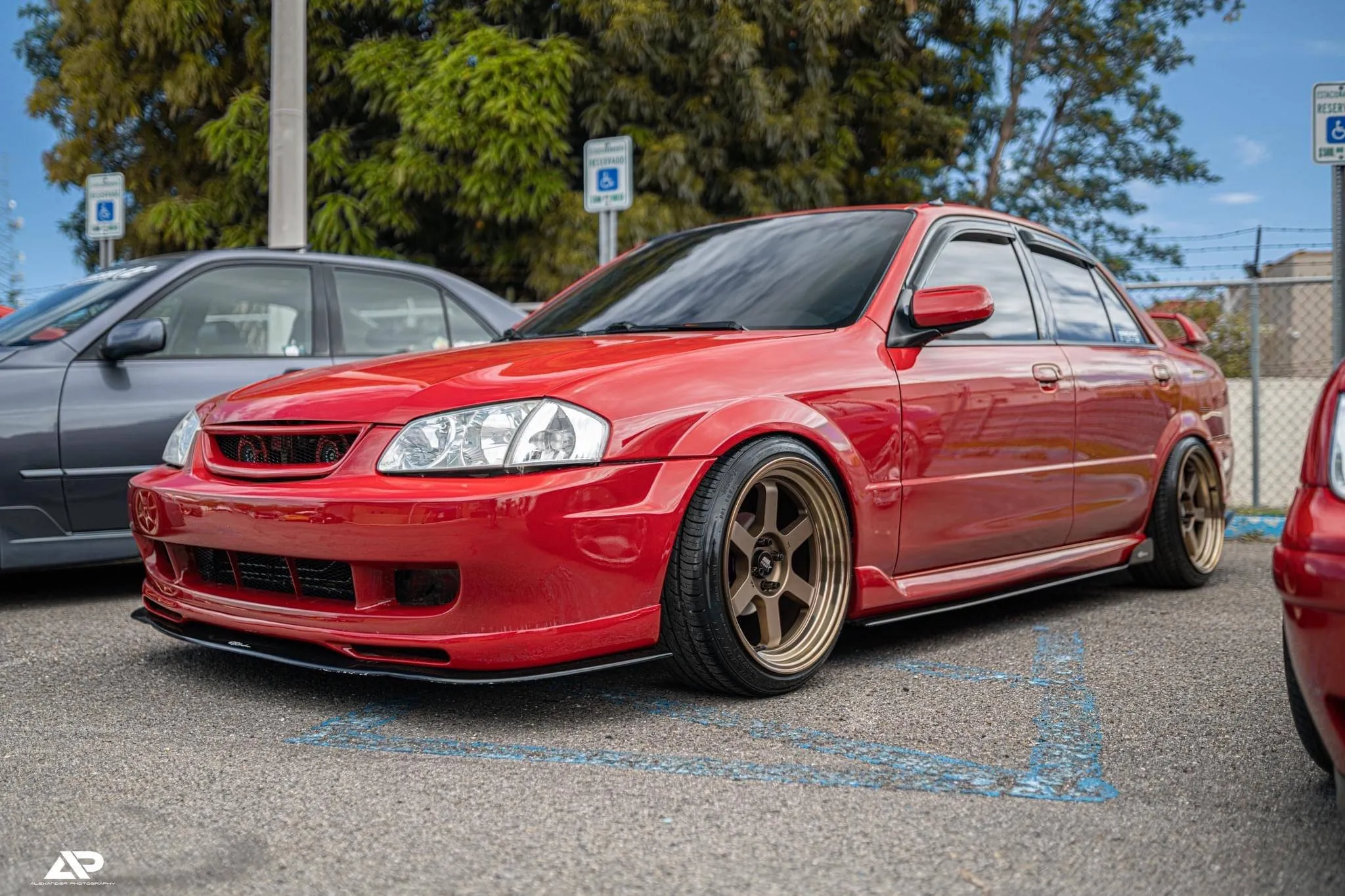
9. Mazda Protege ES (1999-2003)
Mazda doesn’t get enough credit for building reliable vehicles, but this generation of Protege proves they understood durability. The 2.0-liter four-cylinder engine is robust and reliable, using straightforward design and quality materials.
This engine produces adequate power with good fuel economy, and it continues operating smoothly for hundreds of thousands of miles. Mazda tuned it for efficiency and longevity rather than maximum performance, which gave it a service life that rivals Honda and Toyota.
The manual transmission is excellent and virtually indestructible, while the automatic version proves adequately durable. Mazda designed this car to compete with more established competitors, and they succeeded by focusing on quality and reliability.
What makes the Protege special is how Mazda engineered it to be more than just basic transportation. The handling is engaging without being harsh, the interior is well-designed with quality materials, and the entire feel is of a car built with care.
Mazda used quality plastics that resist cracking, upholstery that wears well, and controls that operate smoothly for years. The dashboard doesn’t develop rattles, the seats maintain their support, and everything feels solid despite the car’s modest price.
Mazda designed the Protege to be maintenance-friendly, with components that are accessible and repairs that can be completed without specialized tools. The suspension is simple but effective, providing good handling while remaining durable.
Mechanics who work on these Proteges report that they’re remarkably reliable when maintained properly. The engines remain smooth even with high mileage, the transmissions continue shifting properly, and the cars feel tight despite their age.
Common issues are limited to normal wear items like brake pads and suspension bushings, with major mechanical failures being rare. Owners report that these Proteges will continue providing reliable service past 200,000 miles without major repairs.
The car earned its forever designation by proving that Mazda could build vehicles as reliable as Honda or Toyota when they focused on quality. These Proteges represent Mazda’s commitment to building cars that serve their owners faithfully, providing years of trouble-free transportation without drama or expensive repairs.
Also Read: 12 Cars That Handle Dirt Roads Easily
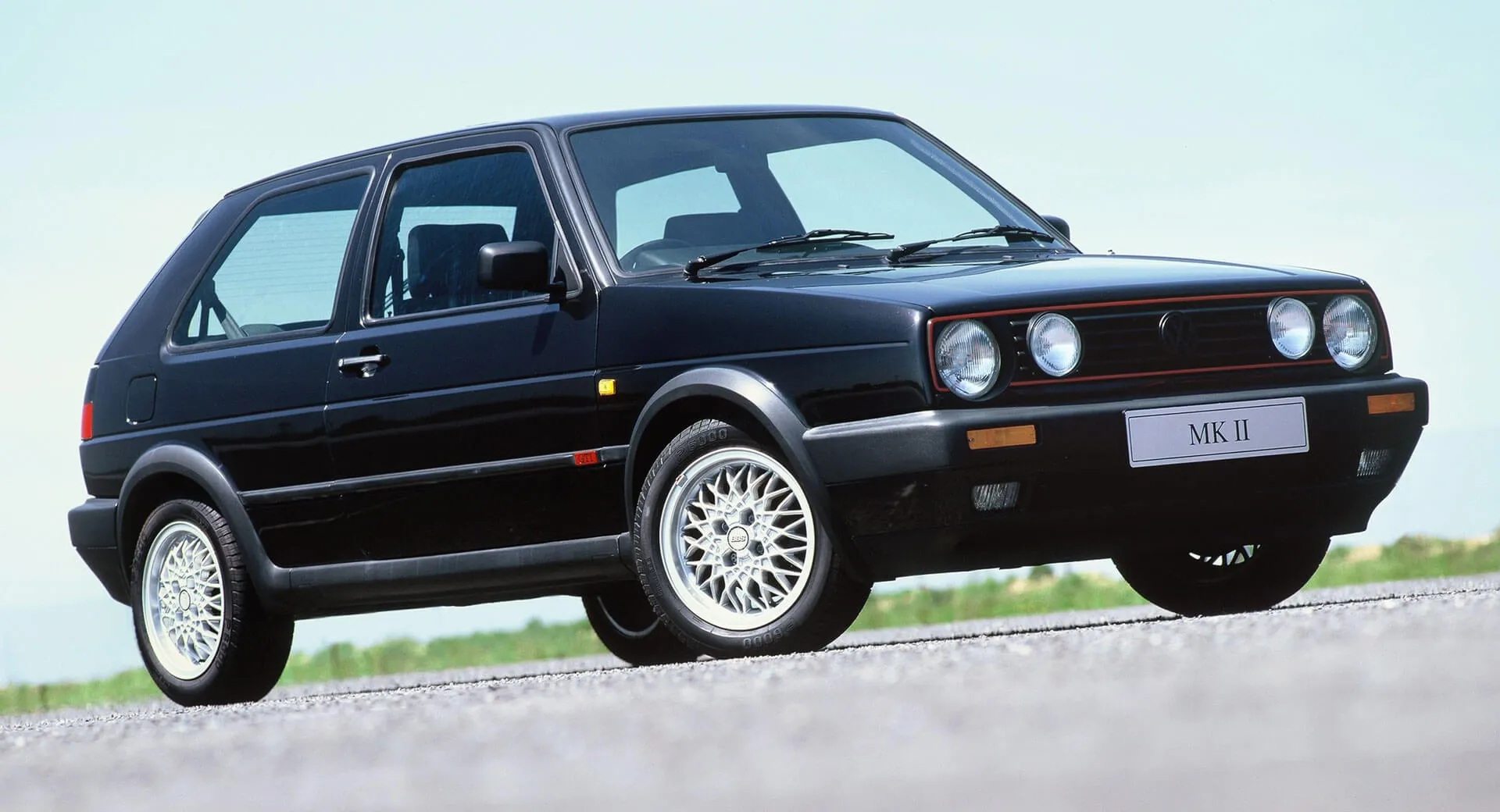
10. 1991 Volkswagen Golf Mk2 (Diesel)
Finally, let us look at a small car that surprised everyone with its stamina: the 1991 Volkswagen Golf Mk2, especially the models equipped with the non-turbo diesel engine.
This little German hatchback is a true global workhorse, a car that was built to endure the rough roads and cold weather of Europe, and it achieved legendary status for its relentless, simple dependability. It is small, economical, and a true mechanical survivor.
The sheer longevity of the diesel Mk2 Golf is rooted entirely in its simple, mechanical engine design. The 1.6-liter and 1.9-liter naturally aspirated diesel engines are utterly indestructible. They have no turbocharger and no complicated electronics, which removes the major causes of failure in modern diesel systems.
The car is a joy for mechanics because it is basic, logically laid out, and parts are cheap and plentiful. These cars are often found today on their second or third owners, still running reliably with huge mileage, a powerful testament to their initial build quality.
The Mk2 Golf diesel is proof that ultimate durability can come in a small, unassuming package, making it a well-deserved final entry into the hall of “Forever Cars.” It is a beautiful example of minimalist, functional engineering.
