
When most people think of Chevrolet, they picture rugged trucks, practical sedans, or family-friendly SUVs. What often gets overlooked is how long many Chevrolet models last. In a market where some cars struggle to remain dependable past 100,000 miles, certain Chevys routinely double or even triple that figure with proper care.
From tough full-size pickups to resilient family haulers, Chevrolet has built a legacy of vehicles that don’t just meet expectations but often surpass them. These models stand out for their durable engineering, accessible maintenance, and proven reliability, making them favorites for drivers who want a vehicle that goes the distance.
In this list, we highlight 9 Chevrolet cars that surprise owners with longevity, starting with the dependable Silverado 1500, a truck that has earned its reputation as one of the most trusted workhorses on American roads.
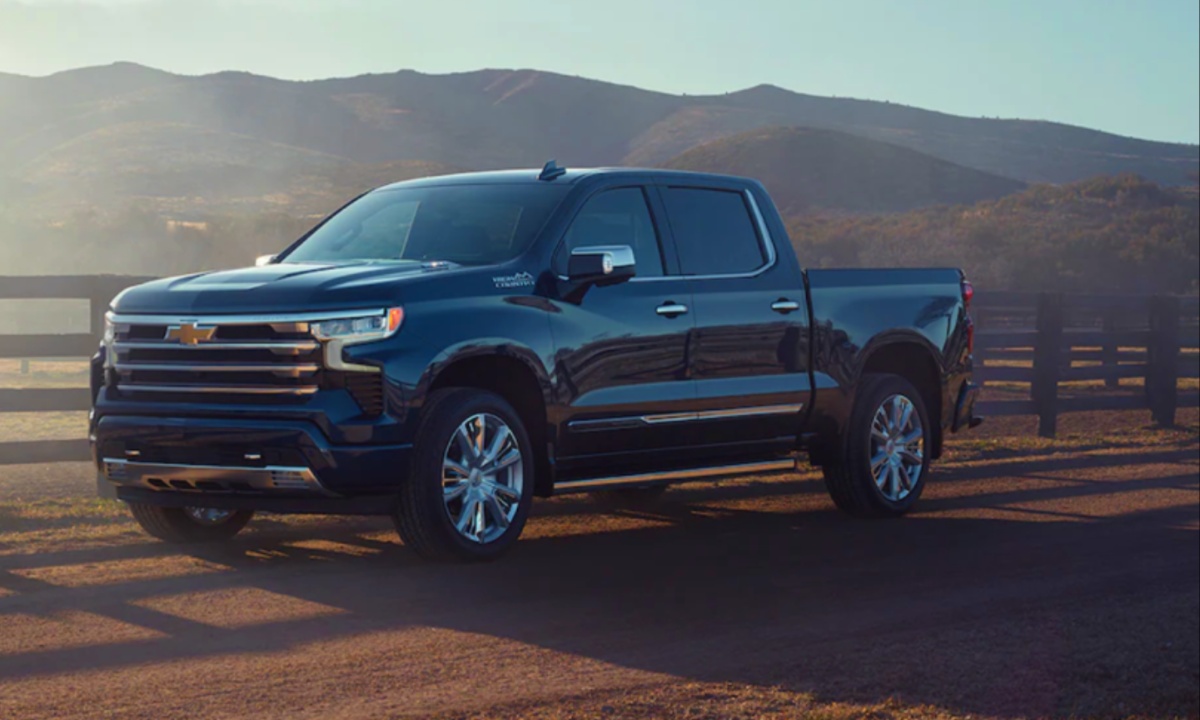
1. Chevrolet Silverado 1500: A Dependable Full-Size Workhorse
The Chevrolet Silverado 1500 has long been a mainstay in the American truck market, valued for its resilience and ability to handle tough jobs. Whether serving construction crews, farmers, or families, it has earned a reputation for long life, with many examples surpassing 200,000 miles with routine care.
Its foundation lies in a rugged body-on-frame design, a strong suspension system, and durable engine choices that continue to make it a trusted pickup.
Drivers can expect reliable performance from the Silverado’s range of engines, particularly the 5.3-liter V8. Acceleration to 60 mph in around seven seconds makes it quick enough for both work and everyday commuting. Power is delivered smoothly, and the transmission rarely feels indecisive.
On the highway, the truck tracks confidently, though steering feels lighter than some might prefer. Handling is composed in most situations, but can become unsettled over uneven pavement. Buyers who plan to leave paved roads can enhance capability with the Z71 package or Trail Boss trim, which brings suspension upgrades and off-road equipment.
Inside, the Silverado offers a practical blend of space and comfort. The seating provides good support, with optional heated and ventilated features that make long drives more pleasant. Ride quality is composed on smooth highways but can grow busier on rougher surfaces.
Climate control is strong, though the system’s small buttons are not as intuitive as larger dials found in some rivals. Noise isolation is impressive, with the cabin staying quiet unless the V8 is pushed hard.
Chevrolet has addressed past criticisms by giving the Silverado a more modern cabin. The design now features upscale materials on higher trims, sporty touches in the ZR2, and clear, functional controls across the lineup.
The crew cab configuration offers abundant space, especially in the back seat, where adults will find generous legroom. Accessibility is made easier with wide doors and well-placed seats, though the truck’s ride height may challenge shorter passengers.
Technology plays a significant role in Silverado’s appeal. The available 13.4-inch touchscreen is responsive and easy to navigate, supported by Google-based voice recognition that understands natural speech.
Wireless Apple CarPlay and Android Auto come standard, while multiple USB ports and optional wireless charging pads keep devices powered. Safety equipment includes lane-keeping assistance, cross-traffic alerts, and adaptive cruise control.
The latter generally works well, though one testing incident showed a slight lurch in stop-and-go traffic. Chevrolet’s Super Cruise hands-free driving system is available, but only on the top High Country trim.
As expected from a full-size pickup, the Silverado excels in utility. The bed is longer and deeper than some competitors and includes multiple tie-downs for securing cargo. Interior storage is plentiful, with large cubbies in the center console and door panels.
Families benefit from three sets of child seat anchors in the crew cab, though the truck’s height can make installation awkward. Towing and payload figures remain strong, with the V8 providing ample muscle for trailers and heavy loads.
Fuel economy for the 5.3-liter V8 with four-wheel drive averages 17 mpg combined, while the available diesel six-cylinder is the most efficient option. Pricing is slightly above rivals such as the Ford F-150 and Ram 1500, but Chevrolet counters with strong technology, abundant trims, and proven reliability.
Warranty coverage is standard for the class, supplemented by complimentary scheduled maintenance during the first service interval.
The Chevrolet Silverado 1500 delivers on strength, dependability, and versatility. It may not match the luxury of some rivals, but its combination of powerful engines, modern technology, and work-ready toughness ensures it remains a dependable choice for drivers who demand a capable full-size truck.
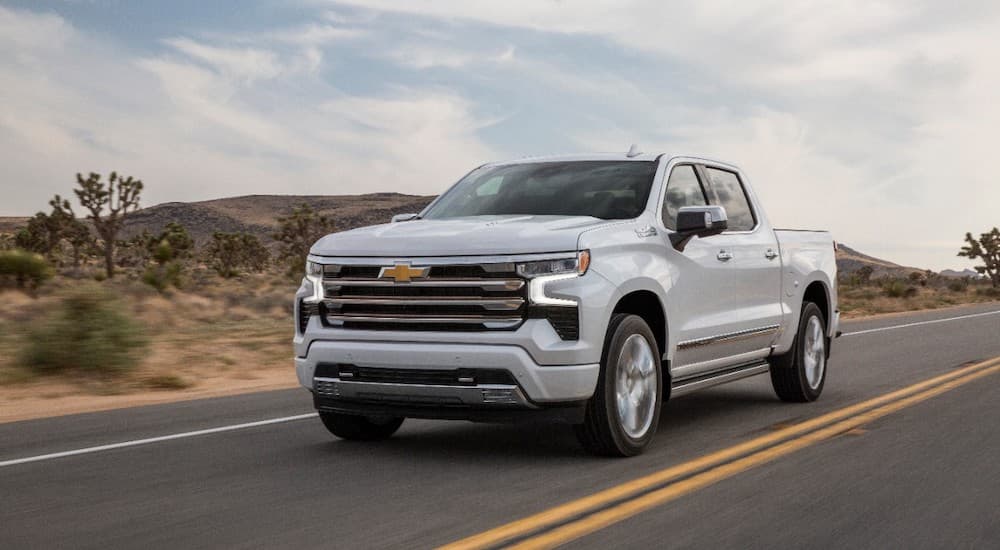
2. Ford F-150: America’s Workhorse With Modern Muscle
Few vehicles symbolize American toughness the way the Ford F-150 does. For decades, it has reigned as one of the best-selling vehicles in the United States, not only because of its utility but also because of its proven durability. Farmers, construction workers, adventurers, and families alike have turned to the F-150 as a dependable companion capable of handling both daily driving and heavy-duty demands.
Durability is at the core of the F-150’s appeal. Thanks to its body-on-frame construction, robust suspension, and strong drivetrain components, the truck can handle punishment that would sideline less capable vehicles. With regular maintenance, owners often report their F-150s lasting well past 300,000 miles. Ford has also invested in corrosion resistance and high-strength steel, giving the truck an edge against the elements.
The engine lineup has always reflected Ford’s focus on durability and capability. Whether it’s the tried-and-true V8, the turbocharged V6, or the newer hybrid setup, these powertrains are engineered to withstand years of towing, hauling, and off-road use. This mix of toughness and accessibility, combined with Ford’s massive service network, ensures the F-150 remains one of the longest-lasting trucks on the road.
Despite its size, the F-150 drives with surprising confidence. Steering is direct and quick, making the truck feel more maneuverable than its dimensions suggest. The brakes provide strong stopping power, even in hybrid models that capture energy through regenerative braking.
In testing, the PowerBoost hybrid accelerated from 0–60 mph in 5.8 seconds, an impressive time for a full-size pickup. It’s slightly behind the Ram 1500 in speed but offers a smoother balance of power and efficiency.
The ride quality is better than expected for a work truck. Noise from wind and tires is minimal, and the suspension soaks up bumps effectively. Depending on trim, the F-150 can feel as comfortable as a luxury vehicle, with optional features like ventilated seats, heating, and even massage functions for long drives. The only downside is the hybrid engine’s sound, which at times resembles a portable generator when charging.
Ford offers a wide range of interior configurations, from simple work-ready layouts to upscale trims with plush materials and advanced features.
The cabin is spacious, especially in crew cab models, and visibility is excellent thanks to large windows and thoughtful design elements like scalloped door panels. Big, glove-friendly knobs make controls intuitive, while options such as the 12-inch touchscreen and surround-view camera add convenience and confidence.
Tech is where the F-150 shines in modern times. Standard features include Apple CarPlay, Android Auto, and advanced driver aids, while options like BlueCruise enable hands-free highway driving. One standout innovation is Pro Power Onboard, a system that turns the truck into a mobile generator with power outlets in the bed, ideal for worksites, camping, or tailgating.
Towing and hauling remain the truck’s bread and butter. With the right setup, the F-150 can tow up to 13,500 pounds and haul 2,445 pounds, making it one of the most capable light-duty pickups on the market. The truck bed offers useful touches like a split-opening tailgate, power up-and-down operation, and a tailgate step for easier access.
Fuel economy varies depending on the engine, ranging from 19 mpg combined with the V6 to 23 mpg in rear-wheel-drive hybrid form. This puts the F-150 on par with competitors like the Chevy Silverado and Ram 1500, though the diesel Silverado has a slight edge in efficiency.
In terms of value, the F-150 stands out because of its wide range of trims and options. Buyers can configure it as a no-nonsense work truck or a plush, tech-filled luxury pickup. While its warranty coverage is average, the sheer flexibility and proven durability make it a strong contender across multiple buyer needs.
The Ford F-150 continues to embody the spirit of a dependable workhorse while evolving into a high-tech, versatile vehicle. It can be tough and utilitarian or refined and comfortable, sometimes both at once. Its durability, power, and innovation explain why it’s not only America’s best-selling truck but also one of the most enduring.
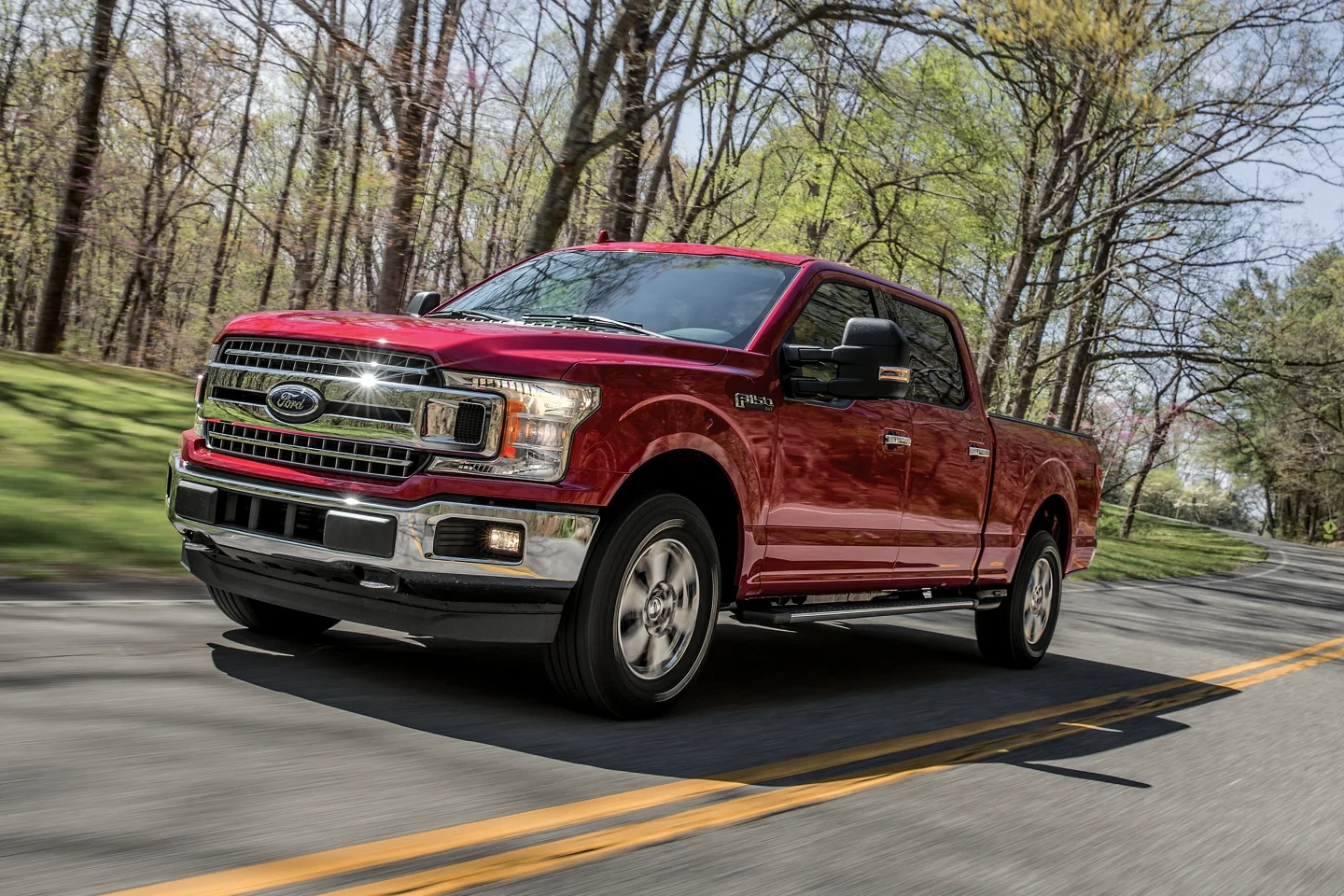
3. Subaru Outback: Built for Longevity and Adventure
The Subaru Outback is a dependable choice for drivers who need a vehicle that lasts and can handle a wide range of conditions. Its reputation combines rugged design, strong engineering, and a focus on practicality, making it popular with families and outdoor enthusiasts.
Subaru’s boxer engine sits low in the chassis, lowering the center of gravity for better balance and long-term strength. Paired with the brand’s symmetrical all-wheel drive, the system distributes power evenly and reduces wear on critical components. Many owners report their Outbacks surpassing 200,000 miles with only routine maintenance. Rust resistance and solid construction further extend the life of the vehicle.
With the optional turbocharged engine, the Outback reaches 60 mph in 6.5 seconds, which is a major improvement over the base engine. Handling is not as sharp as some rivals, and body roll is noticeable in turns.
Steering requires more input than expected, which can make the vehicle feel less precise. What the Outback offers instead is capability, with 8.7 inches of ground clearance and standard all-wheel drive that allow it to travel on trails and through poor weather conditions with confidence.
Ride comfort is one of the Outback’s strongest qualities. The suspension absorbs bumps and rough surfaces, creating a smooth experience on long trips. Seats are soft yet supportive, and features such as heating and ventilation increase comfort levels. The cabin provides generous space, although the seating position feels lower compared to traditional SUVs.
Most controls are placed within the central touchscreen. The system can be slow to respond, and the menus are not always easy to use while driving. Graphics and resolution lag behind what competitors provide.
Smartphone connectivity is standard, but responses can be inconsistent. Subaru also equips the Outback with many driver assistance systems, although they can be overly sensitive and activate when they are not needed.
Cargo space is slightly smaller than most midsize SUV competitors, but the load floor is flat and low, which makes packing easier. Roof rails increase versatility for carrying bikes, kayaks, or extra gear. Child seat installation is straightforward with accessible anchors and ample rear space. Small-item storage inside the cabin is less generous than in other SUVs, with a smaller center console and fewer compartments.
The Outback represents good value at nearly every trim level. Entry models deliver strong practicality, and higher trims add premium touches at a lower price point than many rivals. With the turbocharged engine, fuel economy is rated at 25 mpg combined, a figure that is achievable in real-world driving.
The Subaru Outback is not the sharpest handling vehicle in its class, and its infotainment system can be frustrating to use. However, it remains a trusted choice for those who want durability, capability, and space in one package. Its long lifespan and versatility make it a dependable companion for daily driving as well as outdoor adventures.
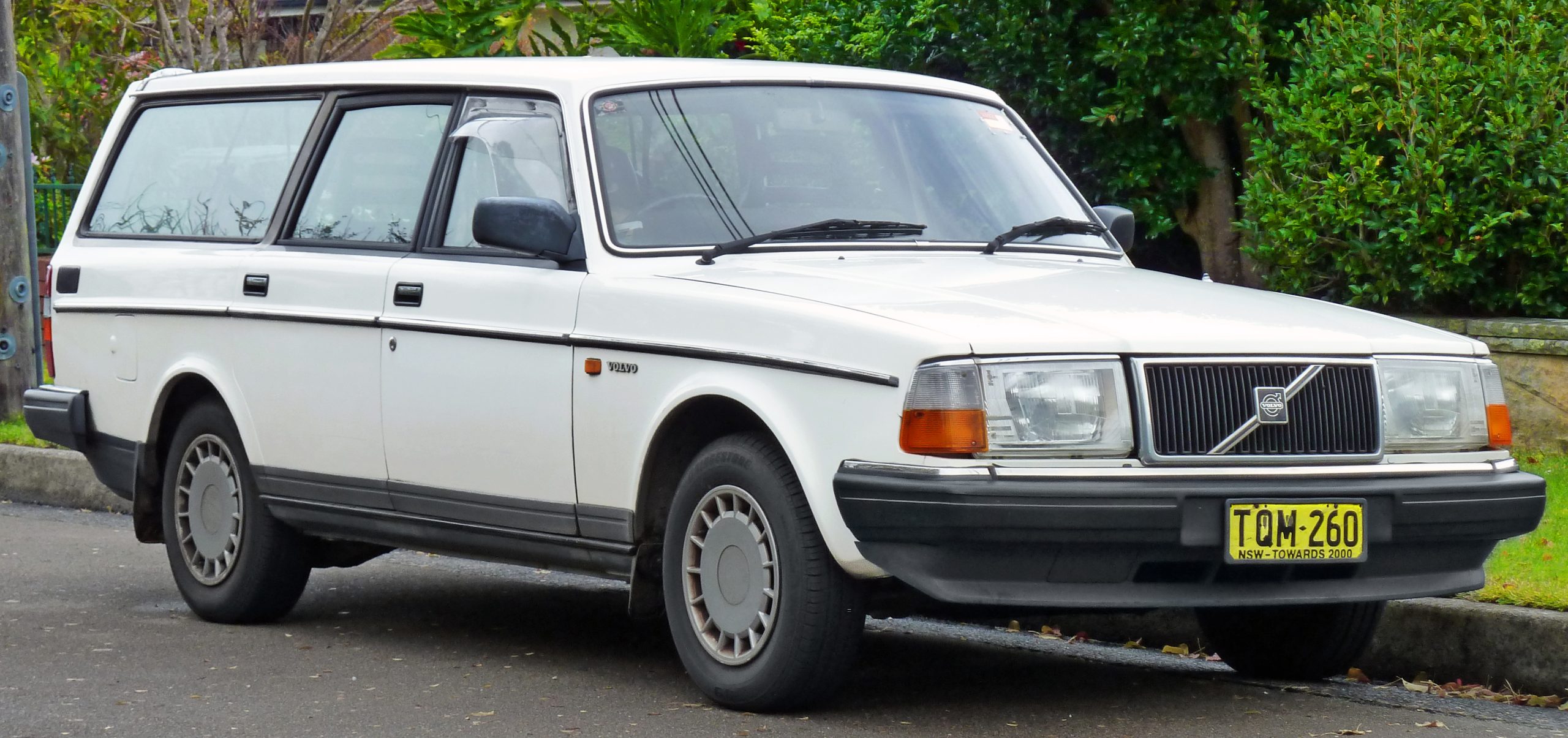
4. Volvo 240: The “Flying Brick” That Refuses to Die
The Volvo 240, produced primarily in the 1970s and 1980s, has earned legendary status for its remarkable durability and safety-first engineering. Nicknamed the “Flying Brick” for its boxy design, the 240 was built with an emphasis on longevity rather than performance, and decades later, it continues to be a benchmark for dependable automotive design.
At the heart of the Volvo 240’s reputation is the over-engineered “Red Block” inline-four engine, particularly the B230F. This cast-iron motor features oversized bearings, robust oil pumps, and a non-interference design, meaning even a broken timing belt will not destroy the engine.
Paired with sturdy transmissions and a Dana solid rear axle, the drivetrain was deliberately understressed, trading speed for resilience. The straightforward fuel injection system and minimal electronics further reduced potential points of failure, setting the 240 apart from more complex modern vehicles.
Unlike today’s sensor-heavy cars, the 240 was designed with practicality in mind. Its spacious engine bay and mechanical layout make DIY maintenance accessible, allowing owners to handle common repairs themselves.
Replacement parts remain easy to find, thanks to interchangeability across the model’s long production run. This simplicity makes the car both affordable to maintain and appealing to enthusiasts who enjoy hands-on ownership.
Volvo’s commitment to safety inadvertently produced one of the toughest vehicles of its era. The 240 featured crumple zones, oversized bumpers, and a body structure tested under extreme conditions, including cold-weather trials and even simulated animal strikes. These measures not only enhanced crash protection but also contributed to the car’s ability to withstand decades of wear.
The 240’s longevity has been further supported by a strong community of dedicated owners and mechanics. Because Volvo made a few major changes throughout its two-decade production, knowledge and parts remain widely available. Many 240s today are still on the road with 200,000 to 300,000 miles, maintained by enthusiasts who value their durability and distinctive style.
More than just a classic, the Volvo 240 is a symbol of automotive honesty: practical, safe, and built to last. Its combination of simple mechanics, robust construction, and loyal ownership has cemented its place as one of the most durable cars ever made.
5. Toyota Tacoma: The Dependable Midsize Workhorse
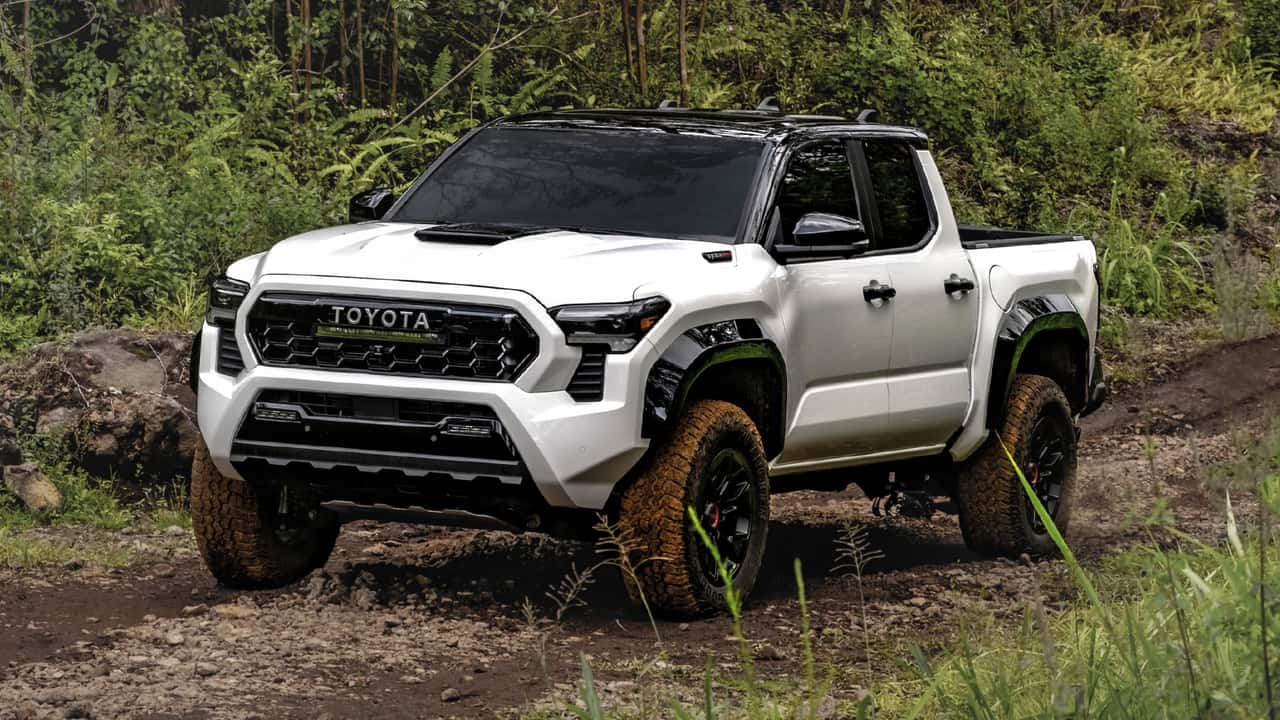
Since its debut in the mid-1990s, the Toyota Tacoma has built a reputation as one of the most durable midsize trucks on the road. Known for its ruggedness and reliability, it has become a trusted choice for both work and recreation, earning loyal followers who value longevity as much as utility.
The Tacoma’s durability comes from its strong body-on-frame construction, proven drivetrain, and suspension engineered to withstand heavy loads and off-road punishment. Toyota’s conservative approach to engineering, combined with high-quality materials, helps keep premature failures to a minimum.
With regular maintenance, many Tacomas easily surpass 200,000 or even 300,000 miles. This durability also translates to excellent resale value, with used models often commanding higher prices than rivals. The widespread availability of parts and mechanics familiar with the truck further extends its life, making ownership practical as well as rewarding.
Performance is one of Tacoma’s strengths. A TRD Sport model equipped with the 278-horsepower V6 accelerates to 60 mph in 7.6 seconds, while the TRD Pro hybrid manages a slightly quicker 7.4 seconds despite its added weight. Both engines pair with a responsive transmission that shifts smoothly without hunting for gears.
On-road manners are surprisingly refined, with light, accurate steering and responsive braking. Off-road capability depends on trim, ranging from modest in base models to highly capable in TRD Pro versions equipped with advanced shocks and traction systems.
Comfort varies by configuration. The front seats are supportive and built to last, though cloth upholstery can feel coarse compared to the available synthetic leather. Rear seating is tight, typical of midsize trucks, and the TRD Pro’s special IsoDynamic seats compromise legroom further.
Ride quality also depends on trim: lower grades feel stiff and utilitarian, while higher trims with advanced suspension systems deliver a smoother experience. Climate controls are intuitive, with large knobs designed for ease of use, even with gloves.
Inside, the Tacoma balances rugged styling with modern features. The available 14-inch touchscreen dominates the cabin, offering crisp graphics, wireless smartphone integration, and useful surround-view cameras. Physical buttons remain plentiful, a welcome choice compared to rivals that rely heavily on virtual controls.
Storage is practical, with ample cubbies, a spacious center console, and hidden compartments under rear seats or behind the cab in XtraCab models. Cargo flexibility is another strong suit, with two bed sizes, a maximum payload of 1,710 pounds, and up to 6,500 pounds of towing capacity.
Fuel efficiency is solid for the class. A four-wheel-drive TRD Sport returned 22.6 mpg in testing, slightly better than Toyota’s estimate of 21 mpg. The hybrid model offers similar economy while adding extra power and torque. Unlike some competitors, the Tacoma doesn’t require premium fuel, keeping running costs lower.
Value remains a major draw. Toyota offers multiple trims to suit varying needs, though base models feel spartan compared to rivals like the Chevrolet Colorado. Warranty coverage is average, but Toyota adds two years of complimentary maintenance and roadside assistance. For buyers who prize dependability, strong resale value, and proven toughness, the Tacoma continues to be one of the most appealing midsize trucks available.
Also Read: 5 Cars That Handle Abuse in Cities vs 5 That Constantly Fail
6. Toyota Land Cruiser: A Legacy of Durability and Modern Adaptation
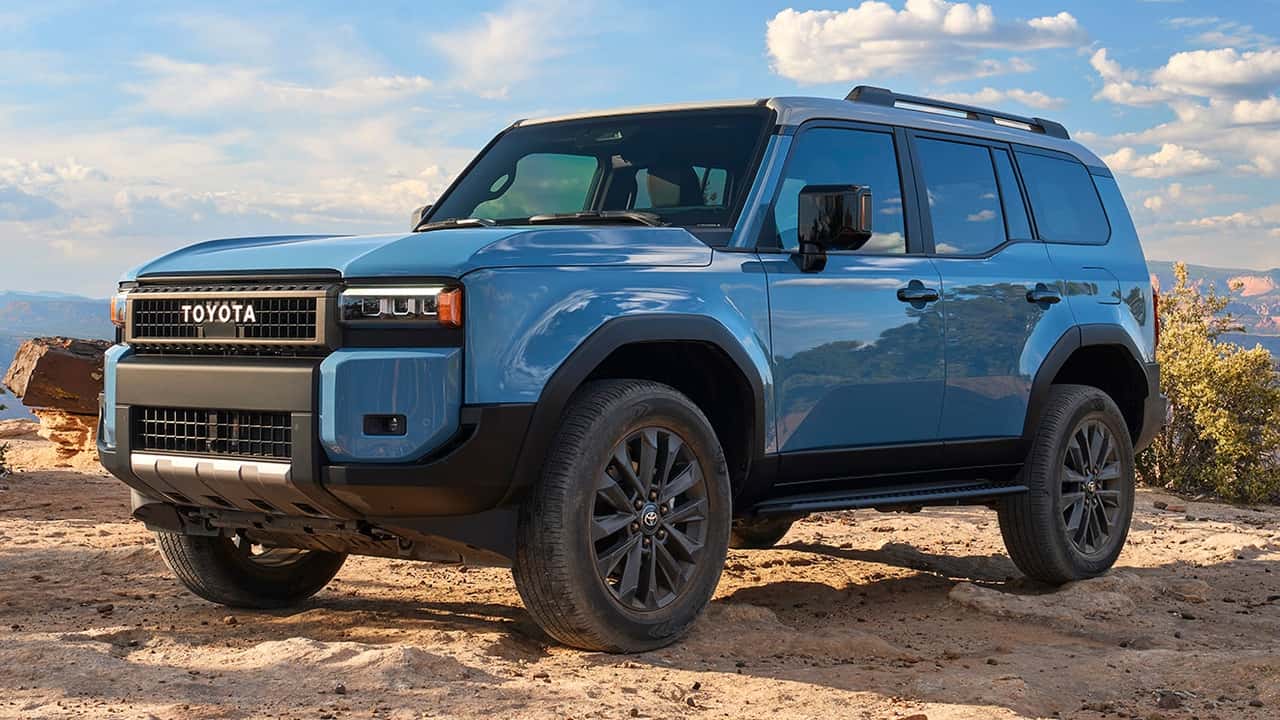
The Toyota Land Cruiser has long been a benchmark for ruggedness, dependability, and off-road capability. For decades, it has been the vehicle of choice for explorers, humanitarian missions, and military use thanks to its durability and simple, robust engineering. Today, the Land Cruiser continues to balance that legacy with modern comfort, safety technology, and hybrid efficiency.
The Land Cruiser’s reputation rests on its rugged frame, solid axles, and suspension system designed to handle rough terrain. Many older models from the 1980s and 1990s are still on the road, often surpassing 300,000 miles with original components. Its engines, traditionally inline-six or V8, are celebrated for their longevity and low-maintenance needs.
Toyota’s design philosophy emphasizes simplicity, reducing mechanical complexity and, by extension, potential breakdowns. Its body construction resists rust and corrosion even in harsh environments such as deserts and tropics. This resilience explains why Land Cruisers are often deployed in extreme conditions where reliability is critical.
Stories of these vehicles enduring grueling terrains and climates with minimal servicing have solidified the model’s global reputation. While not the cheapest or most fuel-efficient SUV, its durability often lowers long-term ownership costs, making it a practical investment.
On the road, the latest Land Cruiser offers a smooth hybrid powertrain but modest acceleration, with a 0–60 mph time of 8.2 seconds, slower than rivals like the Land Rover Defender 110.
Steering feels heavy and braking produces noticeable nose-dive, though the ride is composed compared to hardcore off-roaders like the Jeep Wrangler. Off-road, it performs capably but would benefit from greater ground clearance and more aggressive tires for serious trail use.
Advanced safety technology comes standard, including adaptive cruise control, lane-keeping assist, and Proactive Driving Assist, which automatically adjusts for curves and traffic. However, some may find these systems overly sensitive.
Despite being off-road oriented, the Land Cruiser is surprisingly comfortable. The front and second-row seats are supportive, with good adjustability and headroom. However, rear legroom is limited, and the low seat cushion height compromises passenger comfort. Cabin insulation effectively blocks wind and road noise, and controls are logically arranged for easy use.
For families, the SUV includes three upper LATCH anchors for child seats, though limited legroom in the back can be restrictive. The cabin tech is straightforward, featuring an intuitive touchscreen with wireless Android Auto and Apple CarPlay, along with multiple USB ports and a household-style outlet.
Cargo space measures 37.5 cubic feet, adequate for daily needs but limited by the high cargo floor caused by hybrid battery placement. Folding the rear seats does not create a flat load area, and small-item storage is scarce. Towing capacity sits at 6,000 pounds, sufficient for light campers but average compared to rivals.
The Land Cruiser’s biggest drawbacks lie in its high starting price, tight rear seating, and awkward cargo setup. Nonetheless, its solid build quality, attractive interior, and heritage styling make it appealing. Fuel economy is respectable for its class at 23 mpg combined, though it requires premium fuel.
Styling is one of the Land Cruiser’s strongest assets. With design cues inspired by classic models, round headlights, the retro Toyota badge, and a squared-off stance, it balances nostalgia with modern flair. While tame on pavement, the Land Cruiser comes alive off-road, reinforcing its core identity as a dependable, go-anywhere SUV.
In essence, the Toyota Land Cruiser remains a symbol of resilience. Though not the most spacious or budget-friendly choice, its blend of durability, modern tech, and timeless appeal ensures it continues to impress drivers who value reliability above all else.
7. Lexus LS 400: The Reliable Luxury Pioneer
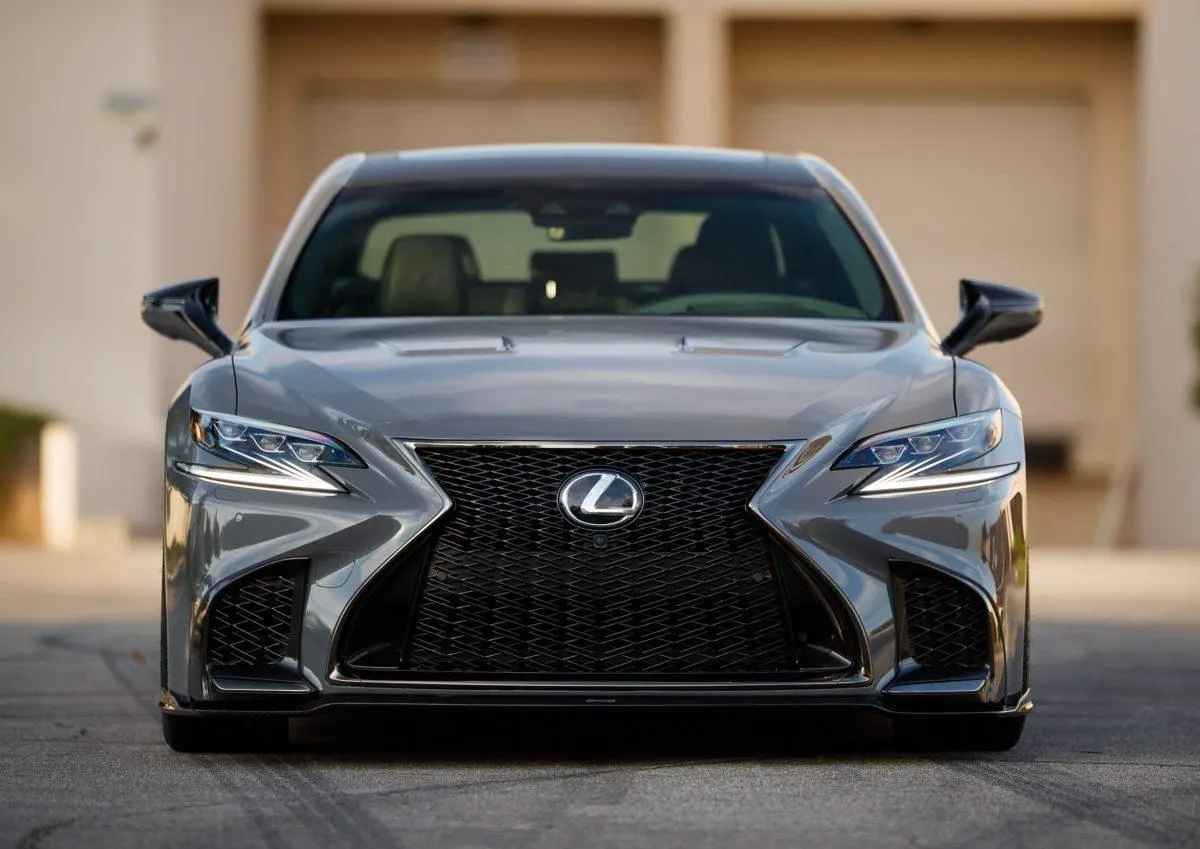
The Lexus LS 400, launched in 1989, changed the way people thought about luxury cars. At a time when German sedans dominated the segment, Lexus introduced a vehicle that blended refinement with long-term dependability. The LS 400 showed that comfort and engineering precision did not have to come at the cost of reliability.
What set the LS 400 apart was its careful attention to design and construction. The 4.0-liter V8 engine became famous for its smooth operation and longevity.
Built with robust internal parts and a balanced layout, it minimized wear and delivered consistent performance for decades. Paired with a well-engineered chassis and suspension, the car absorbed daily use with little strain, while also offering the quiet, composed ride expected in a premium sedan.
Owners often found that the LS 400 needed little more than basic maintenance, even after covering hundreds of thousands of miles. Stories of vehicles easily surpassing 200,000 miles without major repairs became part of its legend. The body resisted rust well, and Lexus’ use of durable materials in the cabin meant that interiors aged gracefully.
The car was also designed with the driver and passengers in mind. Seats were supportive and adjustable, ride comfort was excellent, and noise insulation made for a calm driving environment. These qualities, combined with Lexus’ reliability focus to create a car that feels reassuring both on long highway drives and in daily commuting.
Beyond individual ownership, the LS 400 influenced the entire luxury car market. Its success forced established European brands to improve their approach to quality control and long-term reliability. Buyers realized they could enjoy high-end features without the high repair bills often associated with luxury cars of the era.
Today, the LS 400 remains a symbol of what happens when precision engineering meets thoughtful design. It was not just another luxury sedan; it was proof that durability could be a cornerstone of luxury. Even decades after its debut, the LS 400 continues to inspire respect as one of the most dependable premium cars ever made.
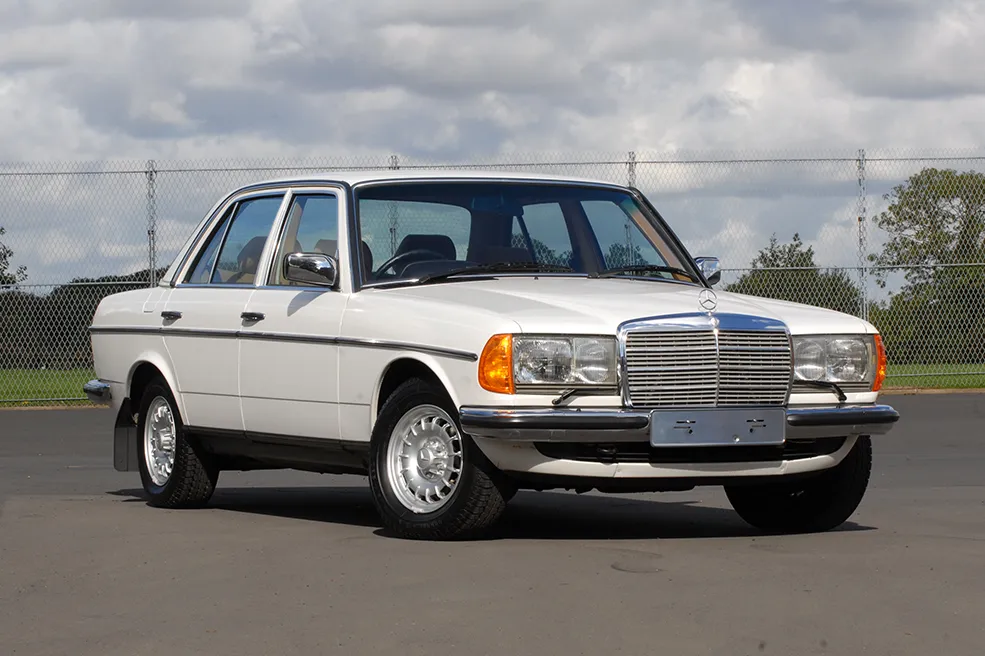
8. Mercedes-Benz W123: Built to Outlast Generations
The Mercedes-Benz W123, produced between 1976 and 1985, stands as one of the most enduring cars ever made. Known for its near-indestructible character, it became a favorite for taxi fleets in Europe, the Middle East, and Africa, with countless examples still running decades later.
What made the W123 so remarkable was its engineering philosophy. Mercedes built it with minimal cost-cutting, resulting in engines and mechanical systems that were robust, reliable, and relatively easy to maintain.
The range of gasoline and diesel options all emphasized longevity rather than outright performance, and routine maintenance was usually enough to keep them going far beyond 300,000 miles. Interchangeable parts and wide availability of spares only added to their appeal for long-term ownership.
Durability wasn’t limited to the drivetrain. The W123’s thick steel panels and rust-resistant coatings gave it a toughness that many cars of the same era lacked. Even in harsh climates, the bodywork tended to survive far better than its competitors. Owners also valued the car’s strong emphasis on safety, with crumple zones, solid bumpers, and crash-tested structures that inspired confidence.
The driving experience reflected the same values. Acceleration, especially with diesel models, was slow, but comfort was excellent. A quiet, refined cabin, supple suspension, and excellent visibility made it a reassuring companion on long journeys. Inside, the materials were built to last: MB-Tex upholstery, durable plastics, and sturdy switchgear have held up for decades, often outlasting flashier interiors of the time.
Of course, the W123 wasn’t flawless. Performance was modest, and some components, like the estate model’s self-leveling rear suspension, could be complex and expensive to repair. But these drawbacks never overshadowed its reputation for reliability and quality.
Today, the W123 remains more than just a classic car. It is a cultural icon, a reminder of a time when engineering durability was the highest priority. Whether used as a workhorse taxi or cherished as a collector’s item, it continues to symbolize the lasting strength of Mercedes-Benz craftsmanship.
9. Honda Civic: The Everyday Legend
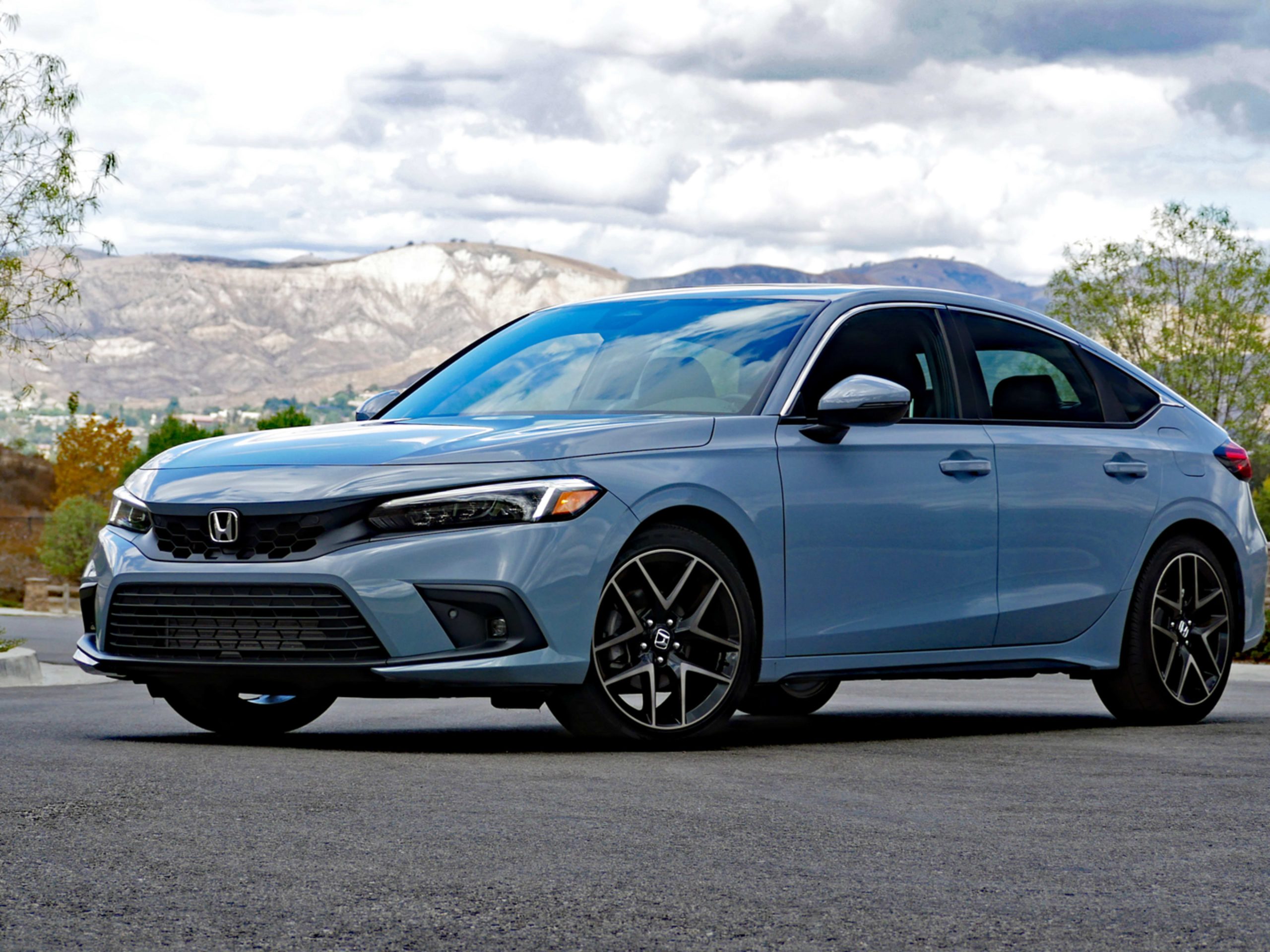
Few cars in the world enjoy the kind of reputation the Honda Civic has built over the decades. Once a small, economical car that gained fame for affordability and fuel efficiency, the Civic has since evolved into a vehicle celebrated for durability, driving enjoyment, and smart engineering.
Today, the hybrid-powered Civic adds a modern twist while keeping the qualities that made it one of the most trusted compact cars on the road.
Reliability is the foundation of the Civic’s success. Owners routinely report their cars lasting well over 200,000 miles, with many examples from the 1990s and early 2000s still running smoothly.
Honda’s meticulous engineering, tight tolerances, durable four-cylinder engines, and transmissions built to resist wear ensure the Civic stays on the road longer than most competitors.
Its straightforward design makes maintenance easy and affordable, and because of its massive popularity, parts and service expertise are available everywhere. This combination of engineering and accessibility has allowed the Civic to become a generational hand-me-down, trusted to perform year after year.
The modern Civic hybrid surprises with performance that rivals sportier cars. In testing, it sprinted from 0–60 mph in 6.6 seconds, quicker than the Civic Si and many competitors in the compact class. The hybrid powertrain doesn’t just deliver speed; it also feels smooth and responsive in daily driving.
Handling is sharp, aided by a taut suspension setup that balances comfort with agility. Compared to softer-riding rivals, the Civic feels more composed and engaging, making it one of the rare hybrids that drivers genuinely enjoy.
Visibility is strong thanks to narrow roof pillars and smartly positioned mirrors, though the sloping roofline slightly reduces rearward sightlines. Honda’s suite of driver assistance features, lane-keeping, adaptive cruise, and collision mitigation, comes standard. They may not be class-leading in sophistication, but they work consistently and without fuss.
Step inside, and the Civic shows off a cabin that is both stylish and functional. The design is clean and modern, with controls laid out logically. Seating is comfortable up front, with plenty of space for both tall and short drivers.
In the rear, passengers benefit from generous legroom, though taller individuals may wish for more headroom due to the sloping roof. Families will find the Civic practical, with child seat installation relatively straightforward, even if bulky rear-facing seats demand some front seat adjustment.
Noise levels are respectable: road sounds are present but not overwhelming, while wind noise is kept at bay thanks to aerodynamic shaping. The climate system is easy to operate, with intuitive dials and a clever hidden vent joystick design. The only notable omission is the lack of rear air vents.
Honda keeps its tech approachable. All trims include Apple CarPlay and Android Auto, but only higher trims unlock the 9-inch display with Google Built-In and wireless connectivity.
The premium trims also feature a Bose audio system, making the cabin feel more upscale. Storage space is another Civic strength: the sedan offers 14.8 cubic feet of trunk space, while the hatchback provides a generous 24.5 cubic feet, making it one of the most practical cars in its class.
The Civic hybrid’s 49 mpg combined fuel economy is impressive, even if it falls slightly short of Toyota Prius and Hyundai Elantra Hybrid figures. In real-world testing, however, it easily meets its EPA estimate, proving that efficiency doesn’t require compromises in performance. While the Civic costs a little more than some rivals, buyers get a more refined driving experience, higher-quality materials, and stronger resale value.
What sets the Civic apart is its ability to be more than just dependable transportation. It delivers peace of mind with its durability, yet manages to entertain with lively acceleration and agile handling. Among compact cars, very few manage to feel this complete.
The Honda Civic hybrid is proof that practicality doesn’t have to be boring. It remains one of the most well-rounded, reliable, and enjoyable cars money can buy, an everyday legend that continues to evolve while staying true to its roots.
Longevity is not just a marketing phrase; it is a real-world measure of value for drivers. The Chevrolet models in this list prove that durability and dependability are qualities built into the brand’s DNA.
Whether it is a Silverado surpassing 200,000 miles, a Suburban carrying families for generations, or a Malibu quietly outlasting rivals, Chevrolet vehicles have consistently shown the ability to stay reliable long after others fade.
Owners often discover that the true reward is not only fewer repair bills but also the peace of mind that comes with a car or truck you can trust year after year. These vehicles demonstrate that Chevrolet does more than provide everyday transportation; it creates long-lasting companions on the road.
For anyone seeking a vehicle that balances strength, comfort, and proven resilience, Chevrolet remains a brand that continues to deliver on the promise of longevity.
Also Read: 10 Cars From the 2000s That Will Be Future Classics
