
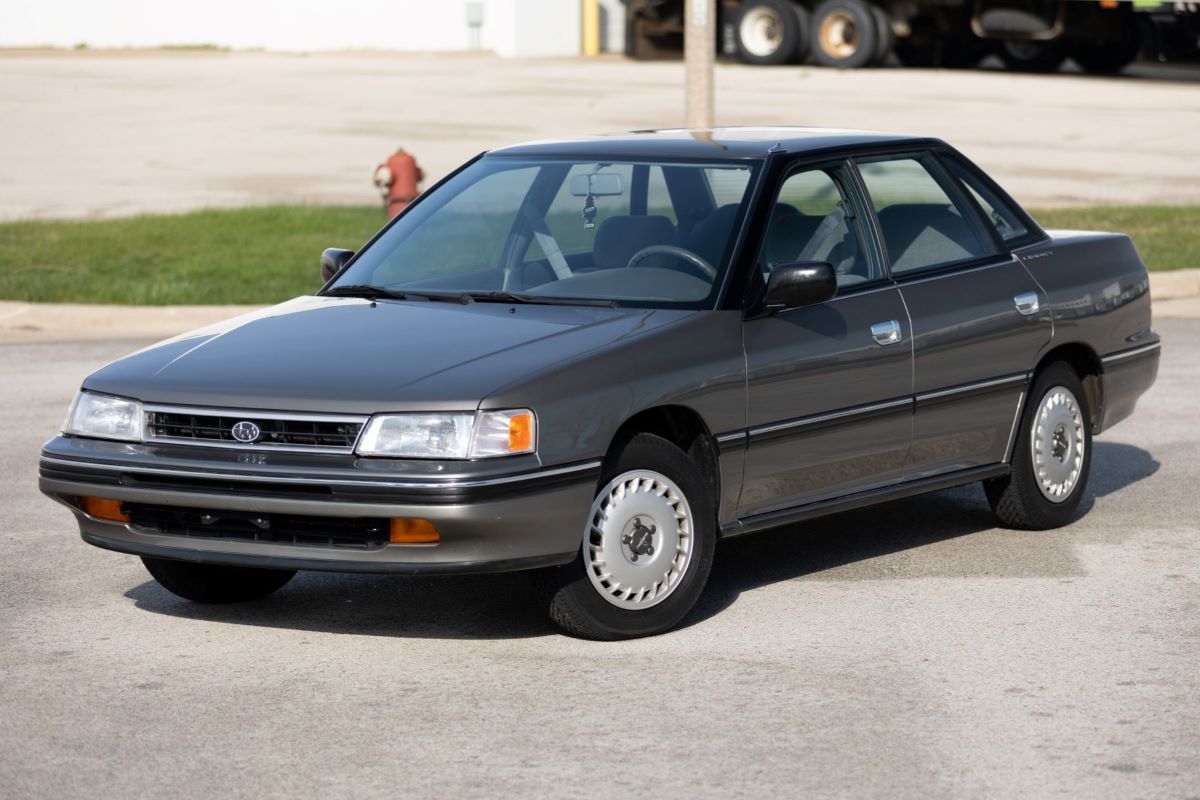
When it comes to cars that are built to go the distance, Subaru has built a reputation that rivals Toyota and Honda in terms of dependability.
Known for their all-wheel-drive systems, rugged engineering, and engines that keep going as long as owners give them basic maintenance, Subaru vehicles often become part of the family for decades.
In the United States, where many car buyers juggle snow, off-road trails, long commutes, and family road trips, Subaru has carved out a loyal fanbase.
Many of its models from the past three decades are still roaming highways, backroads, and mountain passes with odometers pushing past 250,000 miles.
Some have even been known to outlive their original owners, continuing to run strong for the next generation.
Below are twelve Subaru models that have proven themselves to be among the most durable, long-lasting, and reliable vehicles ever to wear the six-star badge.
1. Subaru Outback (1995–Present)
No list of long-lasting Subarus would be complete without the Outback. Introduced in the mid-1990s as a rugged, wagon-like alternative to SUVs, the Outback has become the brand’s flagship.
Known for its high ground clearance, reliable AWD, and spacious interior, many Outbacks from the early 2000s are still running well past 200,000 miles.
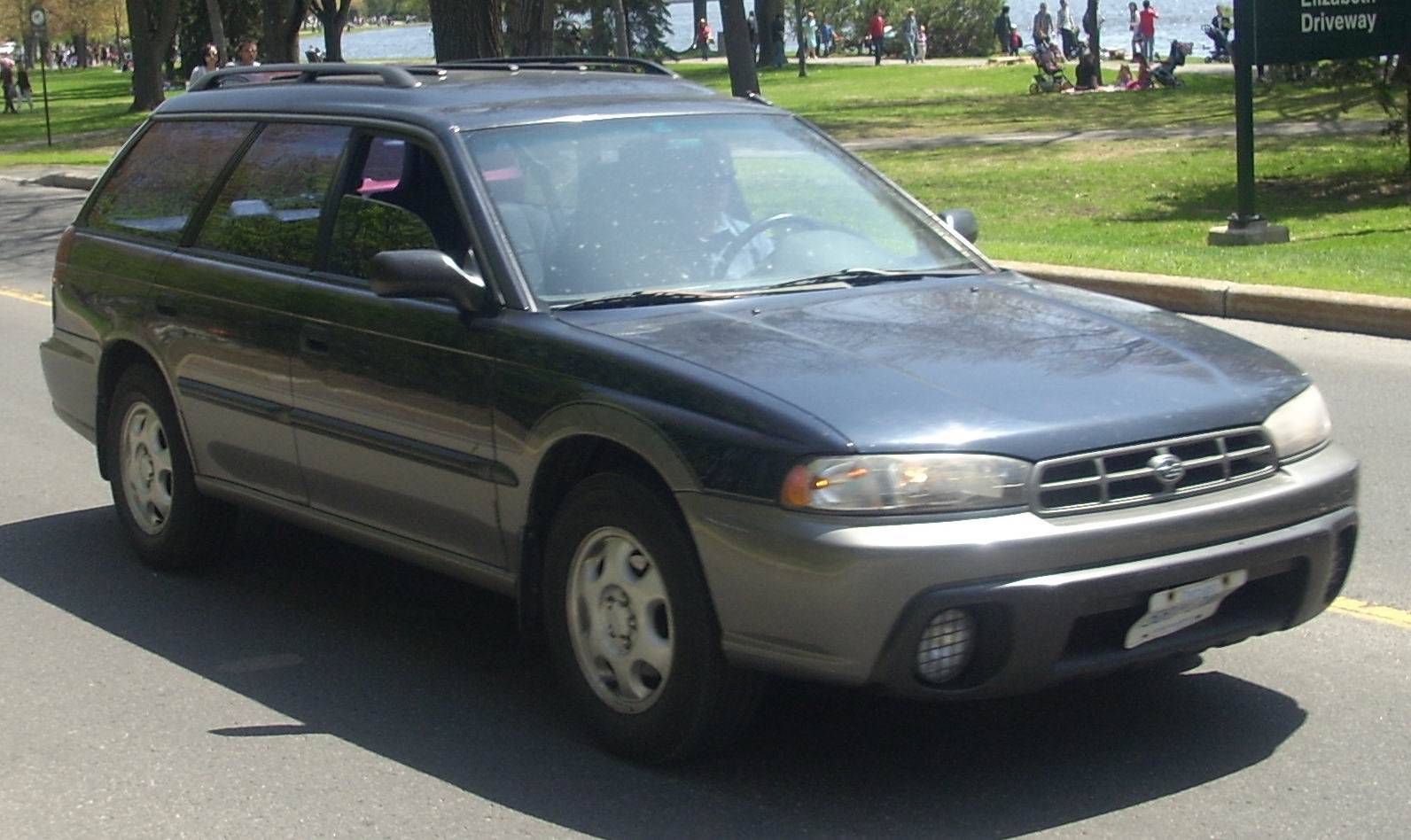
Owners who keep up with head gasket replacements and timing belt changes often find their Outback just refuses to die.
In mountain states like Colorado and Vermont, it’s not uncommon to see 20-year-old Outbacks carrying kayaks, skis, or dogs like they’re still new.
2. Subaru Forester (1998–Present)
The Forester was Subaru’s answer to the growing compact SUV craze, and it has since become one of the most beloved long-haul vehicles in the U.S. Known for its boxy practicality and excellent visibility, older Foresters particularly the early 2000s models are notorious for running 250,000 miles or more.
With proper oil changes and transmission care, they simply keep going. Generations of families have held on to Foresters as starter cars for teenagers, camping companions, or reliable winter beaters.
The fact that many first-generation Foresters are still on the road is proof of their durability.
The Forester’s story began back in 1997, when Subaru took the Impreza’s platform and transformed it into a crossover.
That move turned out to be a winning decision, setting the Forester apart in the market. Its blend of sharp handling and smooth comfort quickly won over customers, creating a reputation for driving enjoyment.
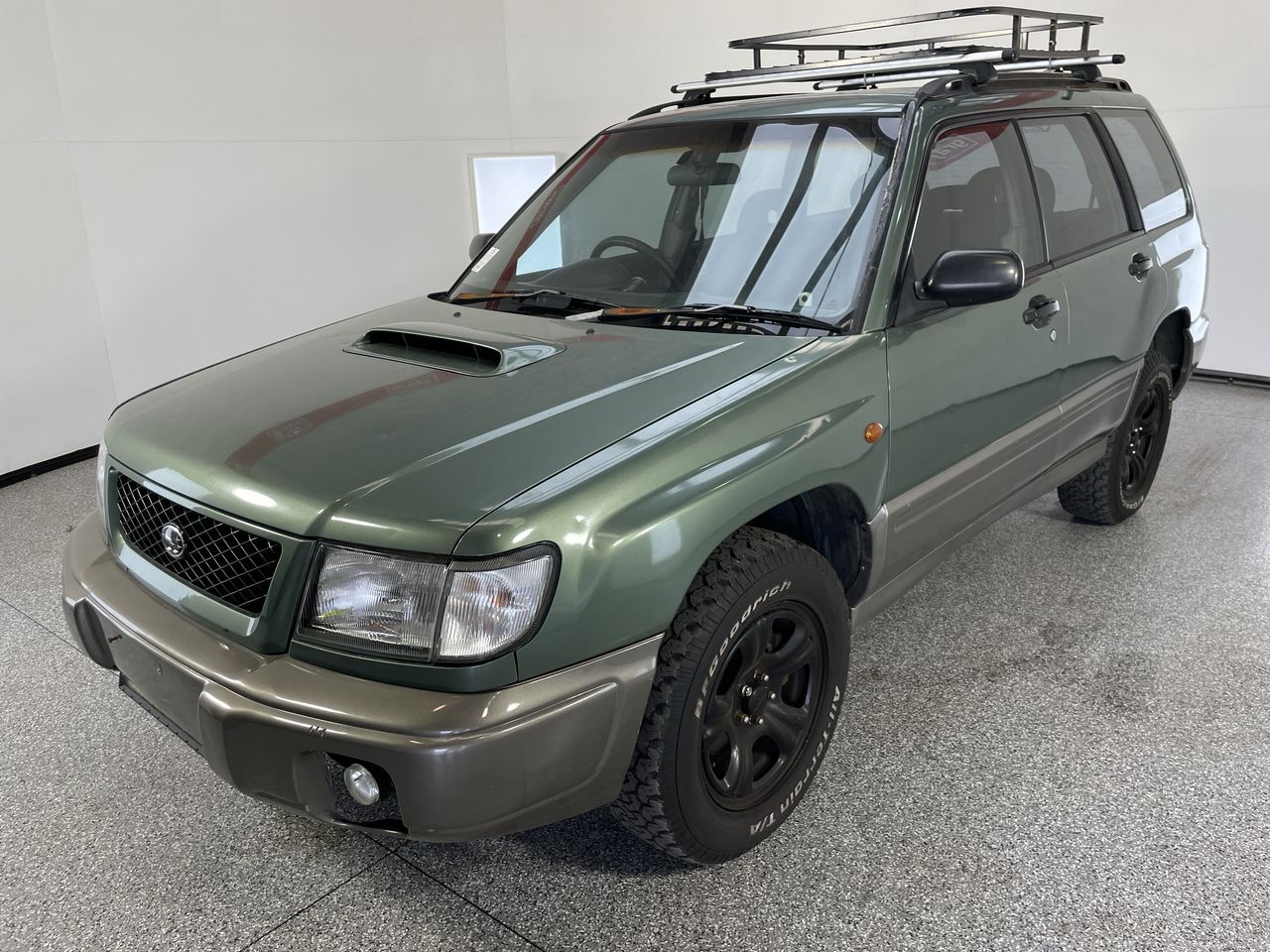
Building on that legacy, the fourth generation arrived with a confident presence. At the front, a bold fascia featured a thick chrome grille bar styled like an aircraft wing, a subtle nod to Subaru’s history in airplane manufacturing.
The cabin reflected the same thoughtful design. Subaru fitted supportive front seats and a split-folding rear bench to maximize versatility. The instrument panel housed two large gauges, one for the speedometer and one for the tachometer, with a compact LCD screen positioned between them.
Above the center console sat a color display that doubled as the reversing camera monitor, when equipped, and also showed data from the onboard computer and traction systems. The main infotainment unit, which integrated navigation functions, was conveniently placed within the center stack for easy access.
Under the hood, Subaru offered buyers multiple choices depending on the market. Most regions received two 2.0-liter gasoline engines, while U.S. customers also had the option of a 2.5-liter engine.
European models, on the other hand, gained access to a turbo-diesel variant. Regardless of type, all engines were flat-four layouts.
A manual transmission was standard, but Subaru also provided its Lineartronic CVT on select versions. True to the Forester name, every model featured power delivered to all four wheels.
3. Subaru Legacy (1990s–2010s models especially)
The Legacy sedan and wagon served as Subaru’s mainstream midsize competitor against Toyota Camry and Honda Accord. While it never reached their sales volumes, it matched them in longevity.
Many 1990s and early 2000s Legacy sedans are still driven daily in rural and suburban America, often with rust being their only real downfall.
The flat-four engines, combined with Subaru’s AWD system, made them reliable commuters through snowy states. Families who bought a Legacy in the late 1990s often found themselves still driving it well into the 2010s.
Subaru has offered the Legacy mid-size sedan in the U.S. since 1989, standing out in its segment as the only model to feature horizontally opposed engines paired with the brand’s signature symmetrical all-wheel-drive system.
To date, seven generations of the Legacy have been produced, with the latest debuting as a 2020 model. Traditionally, Subaru has refreshed the Legacy every five years, with only a few exceptions to that cycle.
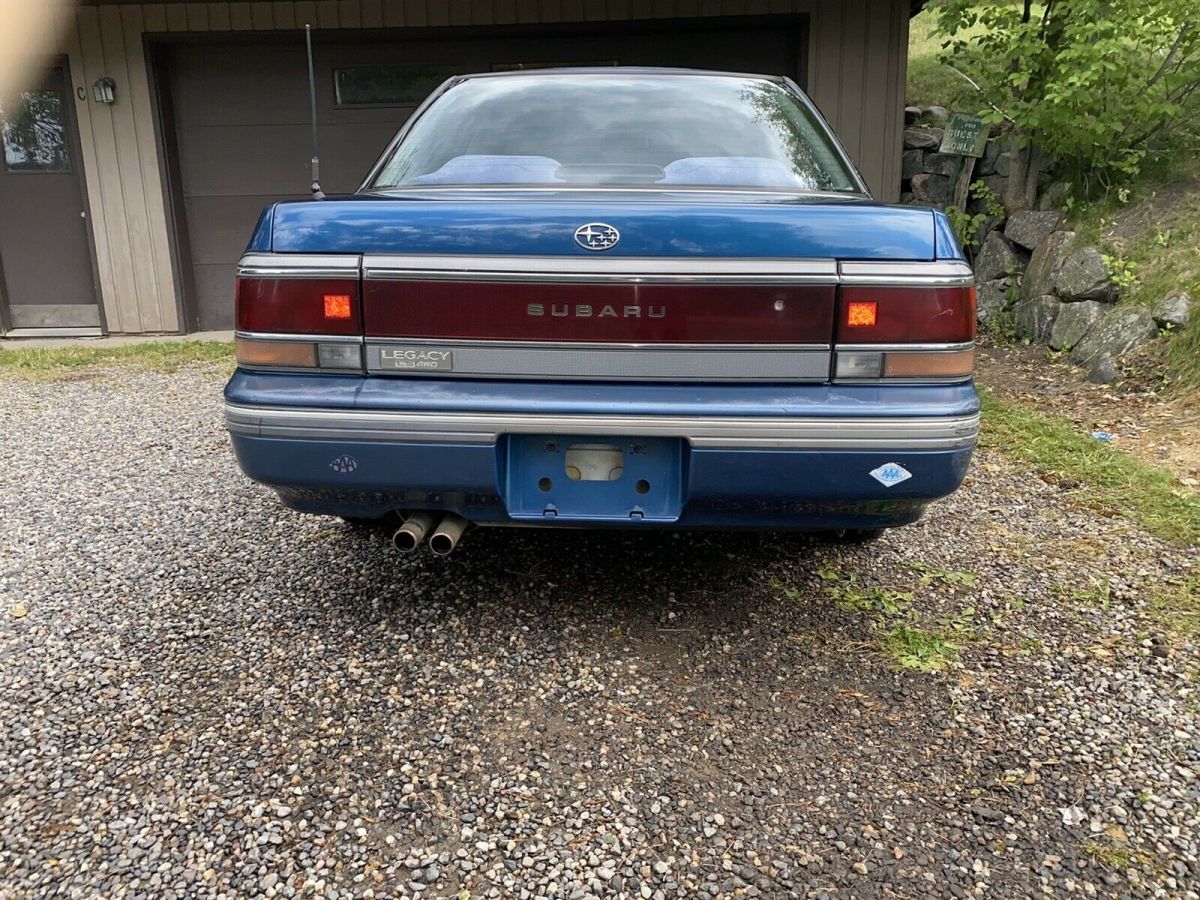
Each generation has also received a mid-cycle update right on schedule, while yearly revisions have ensured the sedan remained modern and aligned with industry trends.
The latest Legacy represents the most advanced version yet, combining the best features the nameplate has offered. However, it still falls slightly short of top competitors like the Honda Accord, while a fully redesigned Toyota Camry is just around the corner.
Compounding its challenges, the mid-size sedan segment continues to shrink, leaving the Legacy to face an increasingly steep uphill battle.
Also Read: 5 SUVs With the Least Expensive Wheel Straightening and 5 That’ll Empty Your Wallet
4. Subaru Impreza (1993–Present)
The Impreza may be best known for its WRX rally-bred performance trims, but even the base Imprezas have proven incredibly durable. Affordable, lightweight, and efficient, Imprezas are still popular with first-time buyers and commuters.
Many examples from the late 1990s and early 2000s continue to rack up miles, thanks to their simple mechanical design and reliable AWD. In fact, it’s common to see Imprezas serving as second or third cars for families, running daily errands decades after their first purchase.
The second generation of the Impreza arrived in 2000, but its design stirred so much controversy that Subaru revised it twice, first in 2002 and again in 2005, across both sedan and wagon body styles.
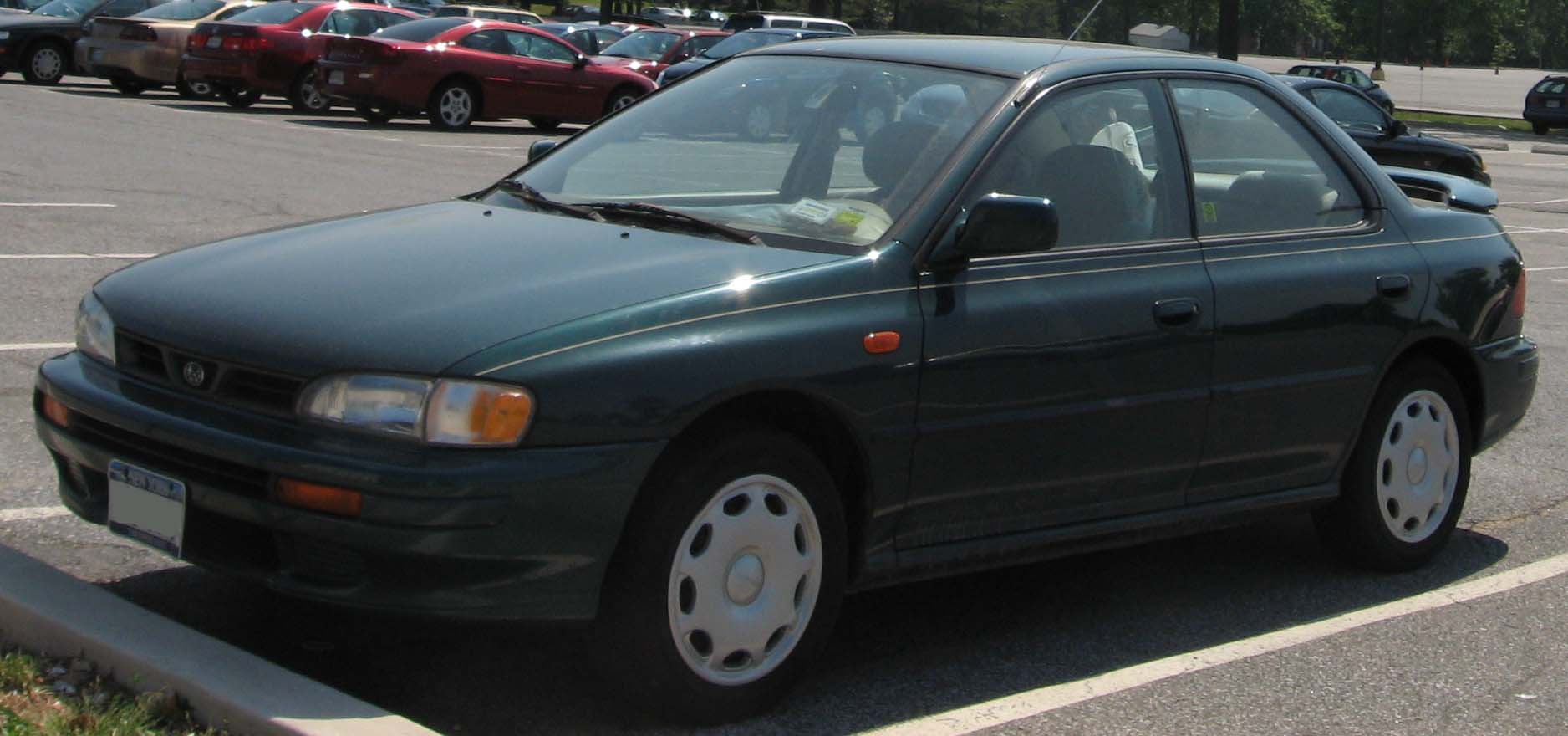
By 2005, the car was already wearing its third front-end redesign, a sign that Subaru was determined to get it right. The update also coincided with the introduction of Euro 4 emissions standards in Europe, which meant the engine range needed refreshing as well.
Despite these changes, one defining trait never wavered: Subaru’s Symmetrical All-Wheel Drive system. For enthusiasts who drove their “Scoobies” up into snowy mountains, that consistency was more than welcome.
The new fascia adopted a three-section grille, with the center element raised slightly higher than the flanking pieces, a subtle nod to Subaru’s heritage as an aircraft manufacturer.
In wagon form, the long-roof Impreza displayed a third set of windows behind the rear doors and a sharply raked tailgate, both of which added a sportier flair to its silhouette.
Inside, the front seating carried over from the sedan version, while the wagon offered greater versatility with a split-folding rear bench. With the seats folded flat, cargo capacity expanded dramatically, from 12.57 cu-ft (353 liters) to an impressive 44.71 cu-ft (1,266 liters).
Under the hood, Subaru equipped the lineup with three flat-four engine options. Entry-level models came with a 1.6-liter unit, available in either front-wheel drive or all-wheel drive depending on the market.
Above that, the 2.0-liter variants were exclusively paired with AWD. Interestingly, Subaru added a low-range gear to the naturally aspirated versions, an unusual but practical feature for a compact car.
5. Subaru WRX (2002–Present in the U.S.)
The WRX might not immediately come to mind when talking about longevity after all, many were driven hard by enthusiasts but those that were properly maintained have proven to be nearly indestructible.
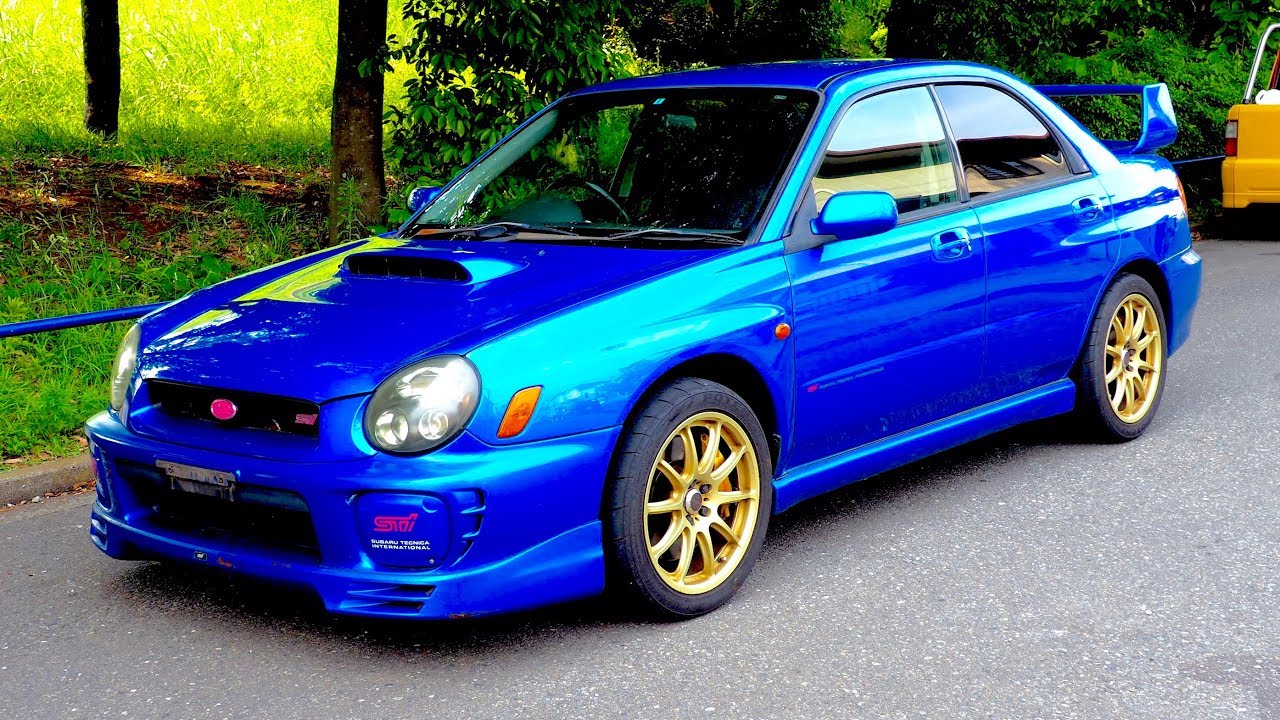
The turbocharged boxer engine, manual transmission, and rally-inspired suspension were overbuilt for abuse, and owners who took care of them often see 200,000 miles with ease.
Some WRXs that avoided heavy modifications or reckless driving are now legends for their ability to keep running strong after decades of service.
6. Subaru Crosstrek (2013–Present)
Though relatively newer in Subaru’s lineup, the Crosstrek has already developed a reputation for lasting durability. Built on the Impreza platform but raised with more ground clearance, Crosstreks are favorites among younger buyers and outdoor enthusiasts.
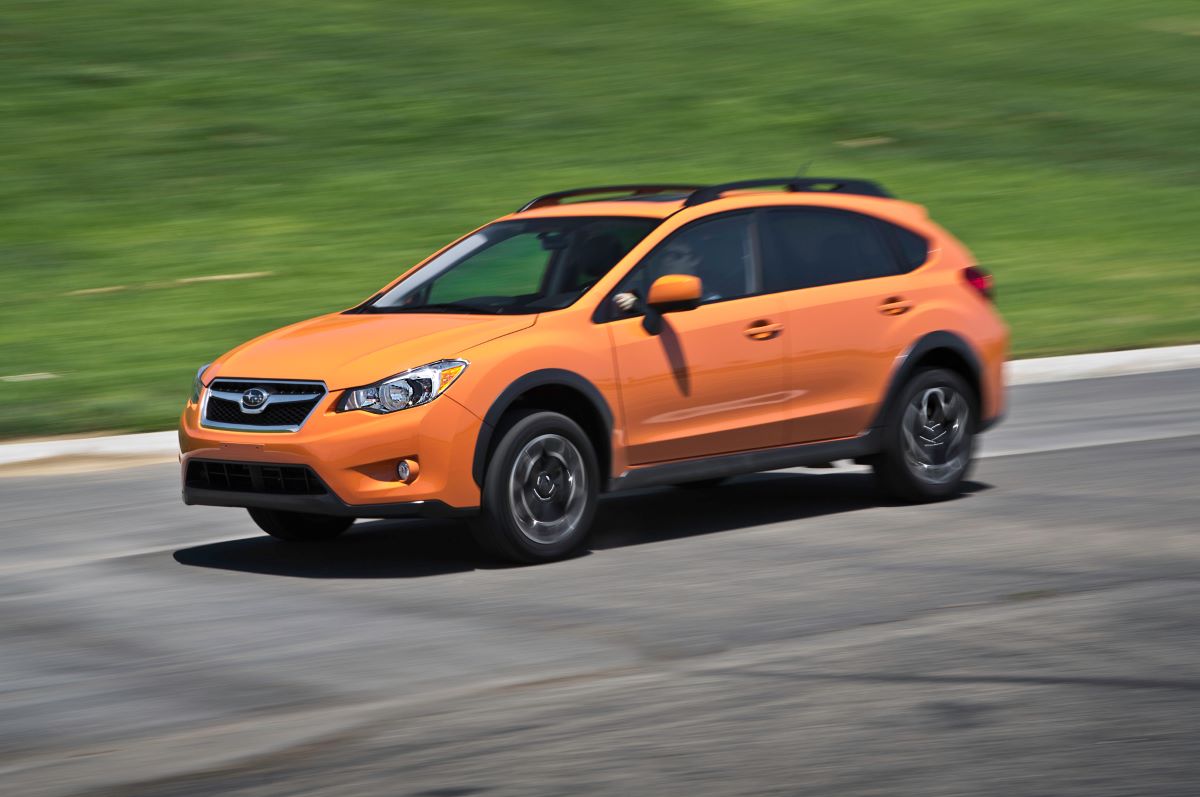
Owners report that even first-generation Crosstreks with over 150,000 miles feel as solid as the day they were purchased.
With simple mechanics and Subaru’s proven AWD, the Crosstrek is a modern model that will almost certainly be remembered as a long-living Subaru.
7. Subaru Baja (2003–2006)
The Subaru Baja, a quirky half-truck, half-crossover experiment, wasn’t a sales hit when it launched. But today, it has a cult following. Built on the Legacy/Outback platform, the Baja shares the same durability as its wagon cousins.
Many owners have kept their Bajas running well past 200,000 miles, appreciating its combination of utility and reliability. The Baja may be rare, but those still on the road often outlast newer trucks that were meant to replace them.
Subaru has explored this territory before. The automaker proudly promotes its Outback wagon as the first true sport-utility wagon, and the vehicle, part SUV, part passenger car, undoubtedly helped spark the crossover movement that dominates today’s market.
Built on the Legacy platform, the Baja follows a similar philosophy. Its front fascia bears a strong resemblance to the Outback’s, with both vehicles showcasing a bold bumper housing integrated fog lights and Subaru’s signature angular headlights.
Shared elements also include large, foldable body-colored mirrors, pronounced front fenders, and rugged lower-body cladding.
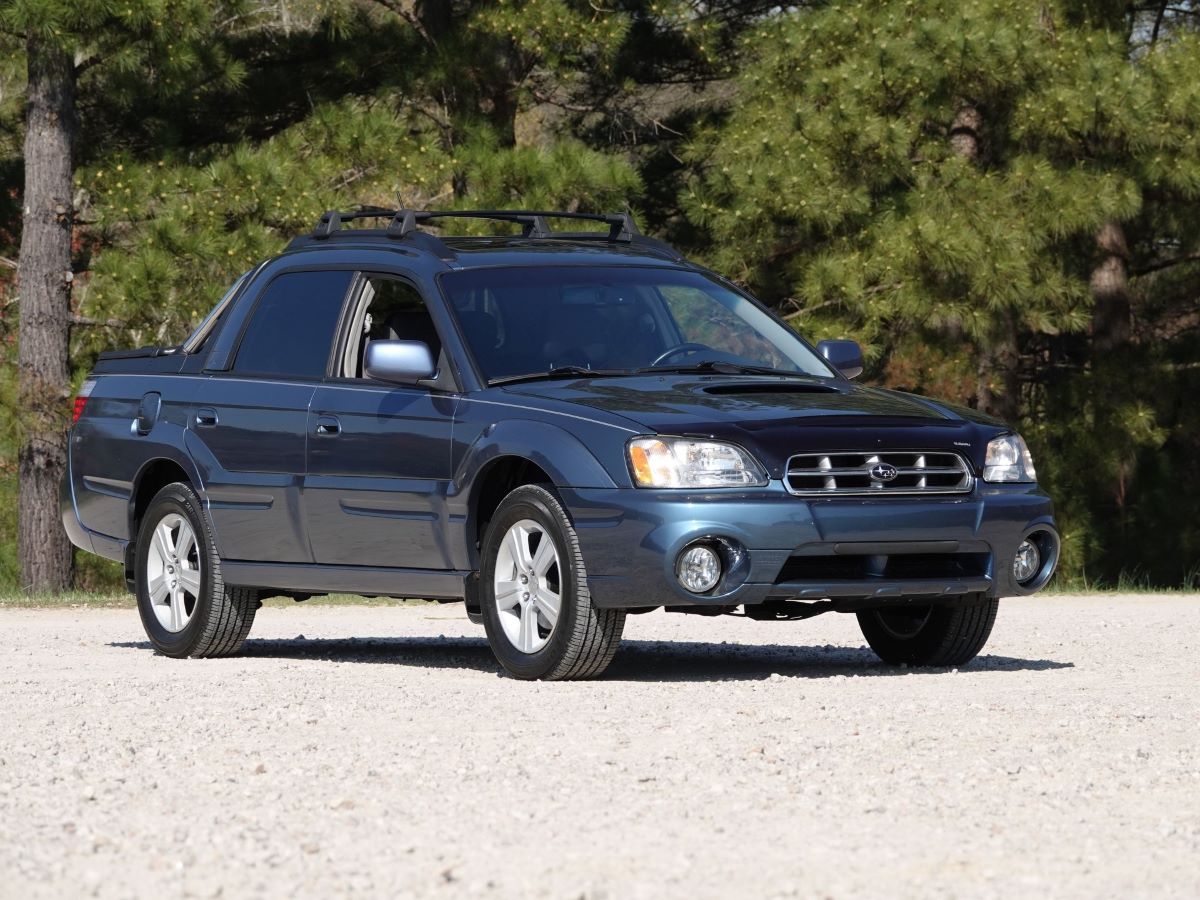
Where the Baja distinguishes itself is in the details, featuring exclusive Silver Stone-colored cladding. Buyers could even opt for a monochromatic Silver Stone edition, which unified the body and bumper tones for a seamless look.
For drivers who embrace an active, adventurous lifestyle, the Baja was engineered with versatility in mind. Its pickup bed can extend to nearly 7.5 feet, thanks to Subaru’s innovative “Switchback” panel, which allows the rear seating area and cargo space to be reconfigured to suit a wide variety of needs.
An integrated bed liner resists damage and makes cleaning easier, while practical touches such as sport bars, a bed light, and four tie-down hooks add functionality.
Roof rails and crossbars come standard, with available attachments designed for skis, kayaks, and snowboards to further enhance its outdoors-ready appeal.
Although rugged in spirit, the Baja doesn’t sacrifice comfort. It offers seating for four passengers and comes generously equipped.
Standard amenities include keyless entry, power windows, mirrors and locks, a six-way power driver’s seat, and perforated leather-trimmed upholstery. Subaru designed it to blend adventure with refinement, making it equally capable on the trails and in everyday use.
Powering the Baja is a 2.5-liter horizontally opposed four-cylinder engine, identical to the one found in the Outback. Producing 165 horsepower and 166 pound-feet of torque, Subaru emphasizes that this unit delivers a strong mix of performance and fuel efficiency.
Also Read: 10 Engines Known for Surviving Poor Maintenance
8. Subaru XV (Overseas name, Crosstrek in the U.S.)
While technically the same model as the Crosstrek, the XV badge was used in global markets. U.S. models from the early years sometimes still carry the “XV Crosstrek” nameplate, and these cars have aged remarkably well.
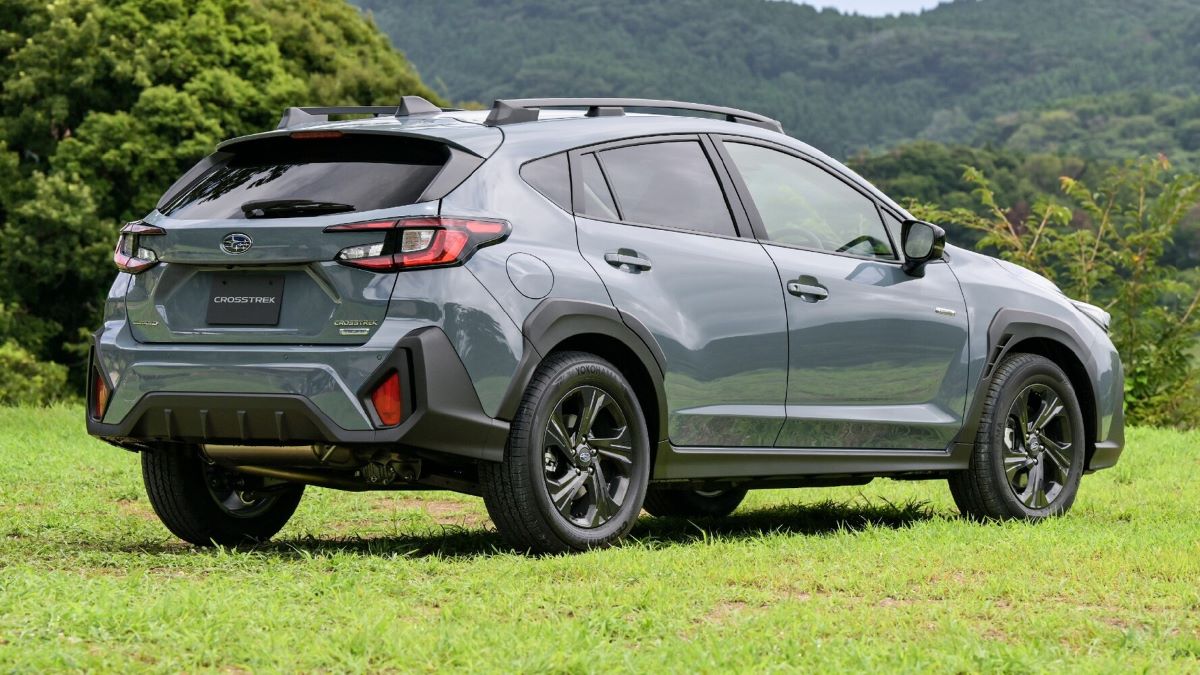
With simple engines and proven AWD, the XV variants are known for long-term durability and are essentially another version of Subaru’s dependable DNA.
9. Subaru Loyale (1985–1994)
Before Subaru became a household name in the U.S., the Loyale wagon was one of its workhorses. While primitive by today’s standards, the Loyale was reliable, rugged, and cheap to fix.
Many Loyales are still roaming around rural America, often with hundreds of thousands of miles. Known for their simplicity, these older Subarus built the foundation of the brand’s reputation for longevity.
The Subaru Loyale, a compact car that roamed the roads in the late 1980s and early 1990s, continues to hold a nostalgic place among automotive enthusiasts.
Known for its dependability, practicality, and rugged capability, the Loyale embodied Subaru’s commitment to creating vehicles that could tackle tough terrain while still providing comfort and efficiency.
Introduced in 1984, the Loyale was essentially a rebranded version of the Subaru Leone, which had already built a following in several markets. It was offered in sedan, wagon, and coupe body styles, giving buyers a variety of choices to suit their needs.
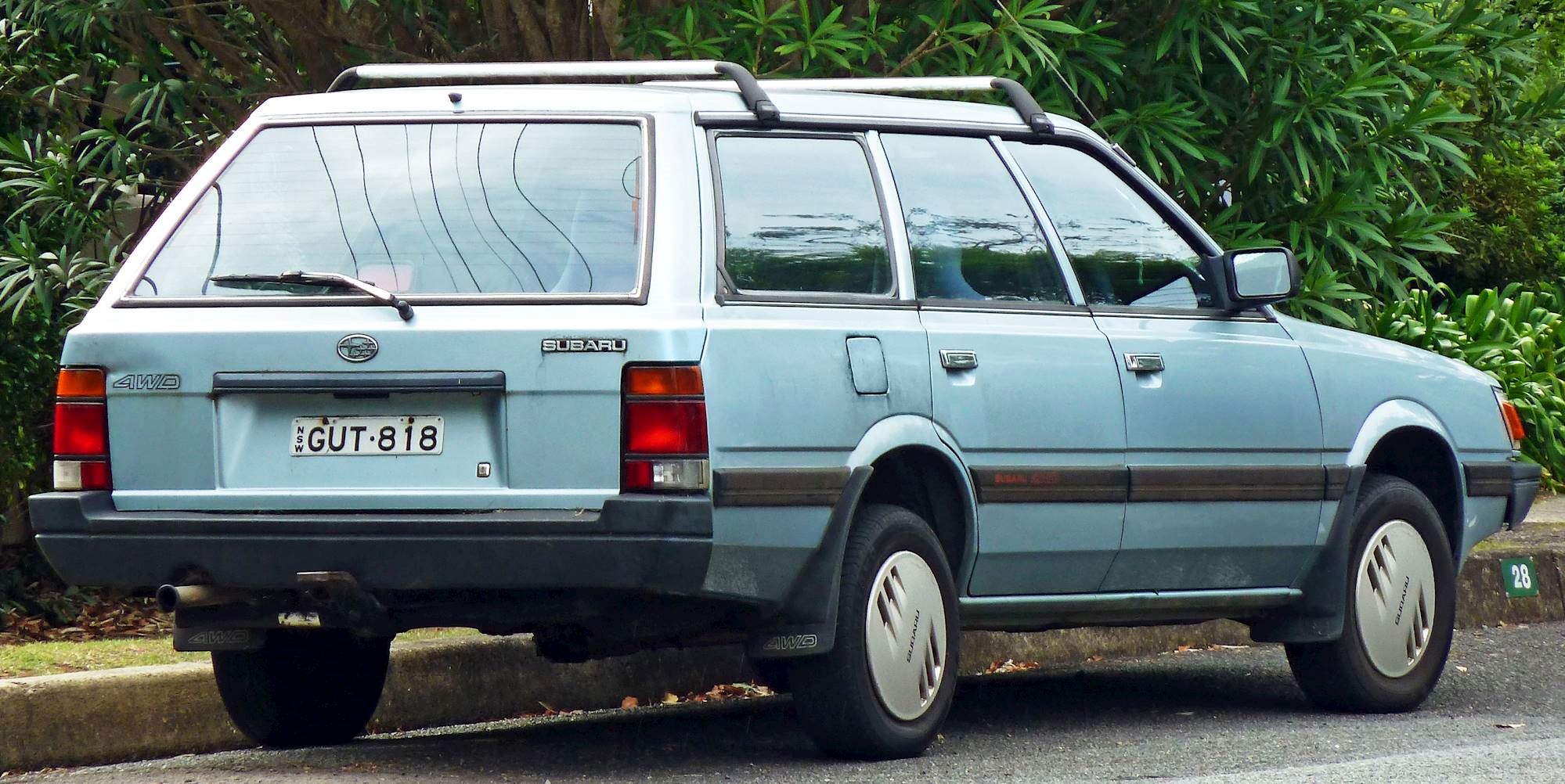
One of the Loyale’s standout features was Subaru’s trademark all-wheel-drive system, which gave it a clear advantage in regions with harsh weather or challenging roads.
This capability, combined with the car’s durability and affordability, made it a dependable option for families, commuters, and outdoor enthusiasts alike.
Under the hood, the Loyale came with a 1.8-liter flat-four engine that balanced fuel efficiency with adequate performance for daily use. Buyers could pair it with either a five-speed manual or a three-speed automatic transmission.
With Subaru’s AWD providing reliable traction and stability, along with impressive fuel economy for its time, the Loyale earned a reputation as a practical and versatile companion.
Though production ended in 1994, the Loyale’s legacy continues to resonate. Many owners fondly recall its ability to handle rough conditions with ease, and its simple, functional design paired with Subaru’s reputation for reliability has helped it gain status as a sought-after classic.
As one fan put it, “The Subaru Loyale was more than just a car; it was a dependable companion that could take you anywhere.” In recent years, the model has enjoyed a cult following, with enthusiasts restoring and preserving surviving examples.
Its timeless design, rugged performance, and enduring charm ensure that the Loyale remains a beloved part of Subaru’s history.
10. Subaru GL/DL Wagons (1970s–1980s)
The predecessor to the Loyale, Subaru’s GL and DL wagons are legends in farming communities and snowy states. With their bulletproof drivetrains and simplicity, these models proved nearly indestructible.
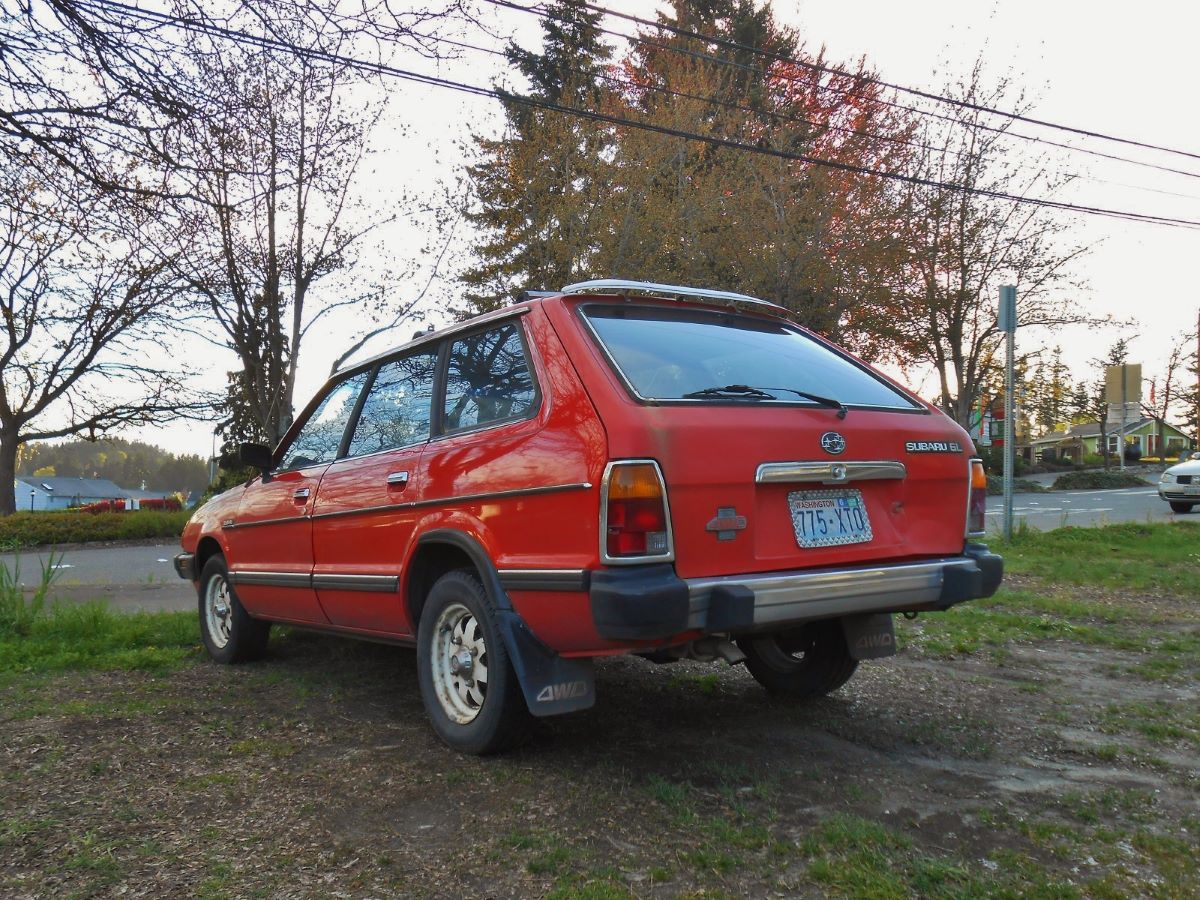
Many were used as winter beaters for decades, surviving rust and neglect to keep starting in the coldest conditions. They may not be common today, but enthusiasts who still drive them swear they could last another 20 years.
11. Subaru Tribeca (2005–2014)
The Tribeca was Subaru’s first attempt at a three-row SUV, and while its design was controversial, its longevity wasn’t. Built on a stretched Legacy platform, many Tribecas have surpassed 200,000 miles with minimal issues.
Though it never became a best-seller, those who bought one new often found themselves holding onto it for a decade or more, impressed by its reliability as a family hauler.
Subaru gave the first-generation Tribeca crossover a major refresh just two years after its debut, attempting to resolve the biggest issue that had turned customers away: its polarizing design.
The brand had long been praised for its engineering prowess, but its styling department often seemed underfunded by comparison. Models like the Subaru XT or the “Bugeye” Impreza had already shown how controversial Subaru’s design experiments could be, but none drew as much criticism from fans as the original Tribeca.
At the front, the odd-shaped headlights with three separate lamps were abandoned in favor of a cleaner design. Subaru also replaced the unusual triple-element grille, which had been intended to evoke an aircraft, with a more conventional wide grille divided by three horizontal bars and topped by a chrome strip.
Below, the bumper gained a black unpainted section that resisted scratches and integrated a set of round fog lights positioned beside a split air intake. The result was a more conservative look that resonated better with buyers.
From the side, the Tribeca had always presented a handsome profile, and Subaru wisely chose to retain it while making subtle improvements.
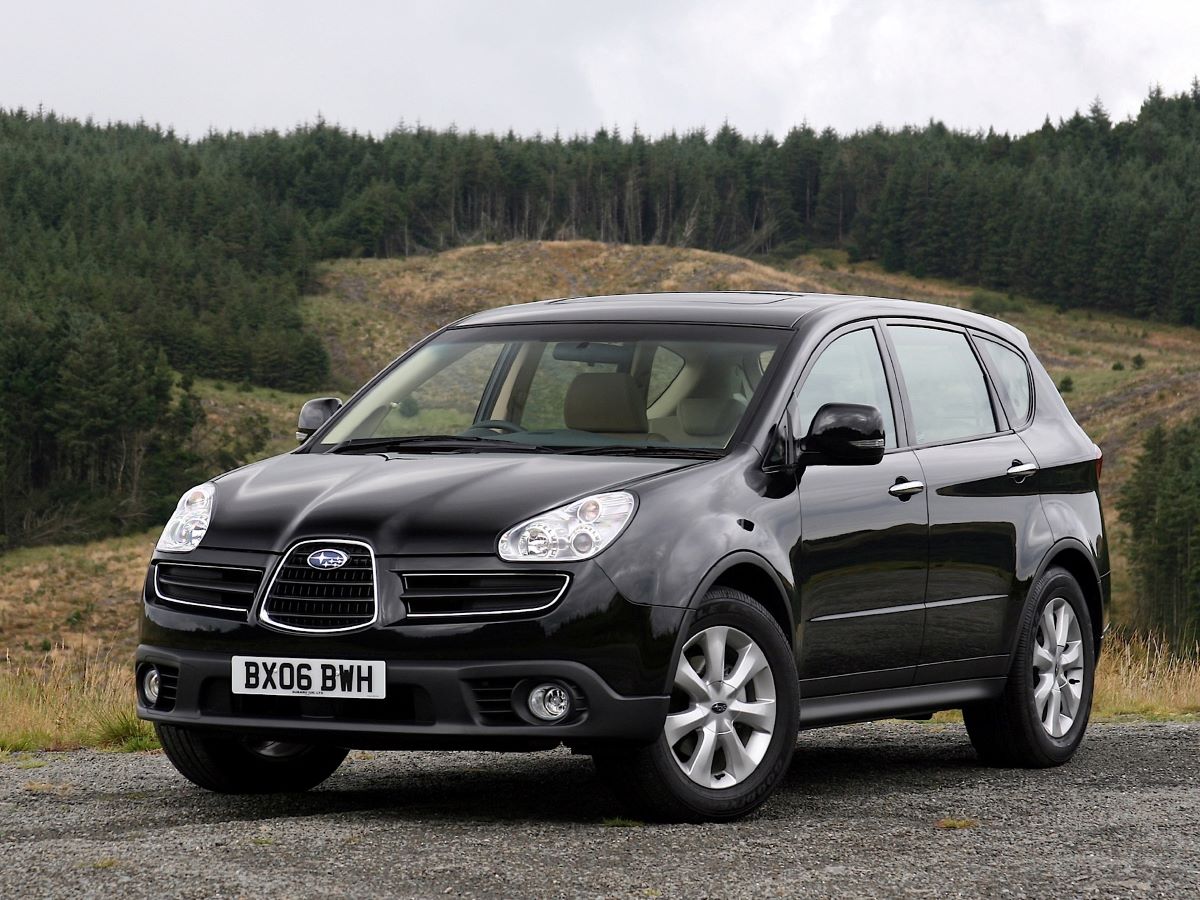
The rising beltline and character crease stretching from the front doors to the rear quarter panels remained, but the rear-most windows were enlarged at the lower edge to improve driver visibility at the three-quarter angle.
At the back, new and larger taillights were fitted, further updating the appearance compared with the 2005 model.
The cabin also saw thoughtful refinements. While the instrument cluster continued with its binocular-style speedometer and tachometer, the flanking fuel and coolant gauges were more cohesively integrated, no longer appearing like an afterthought.
The wave-shaped dashboard gained a sleeker presentation with silver accents across the center stack and console. Like the earlier version, the 2007 Tribeca offered three rows of seating.
Although space in the third row was limited and access remained tight, the sliding second row improved usability, making the rearmost seats suitable for children or smaller adults.
Subaru addressed performance as well, enlarging both the bore and stroke of the engine to create a new 3.6-liter powerplant that delivered more horsepower and torque.
The updated transmission was lighter, contributing to better efficiency and responsiveness. These changes shaved nearly a full second off the 0–62 mph (0–100 kph) sprint and increased the top speed by 7 mph (10 kph).
With these improvements, the facelifted 2007 Tribeca emerged as a significantly better-rounded SUV, both in design and performance, than the version it replaced.
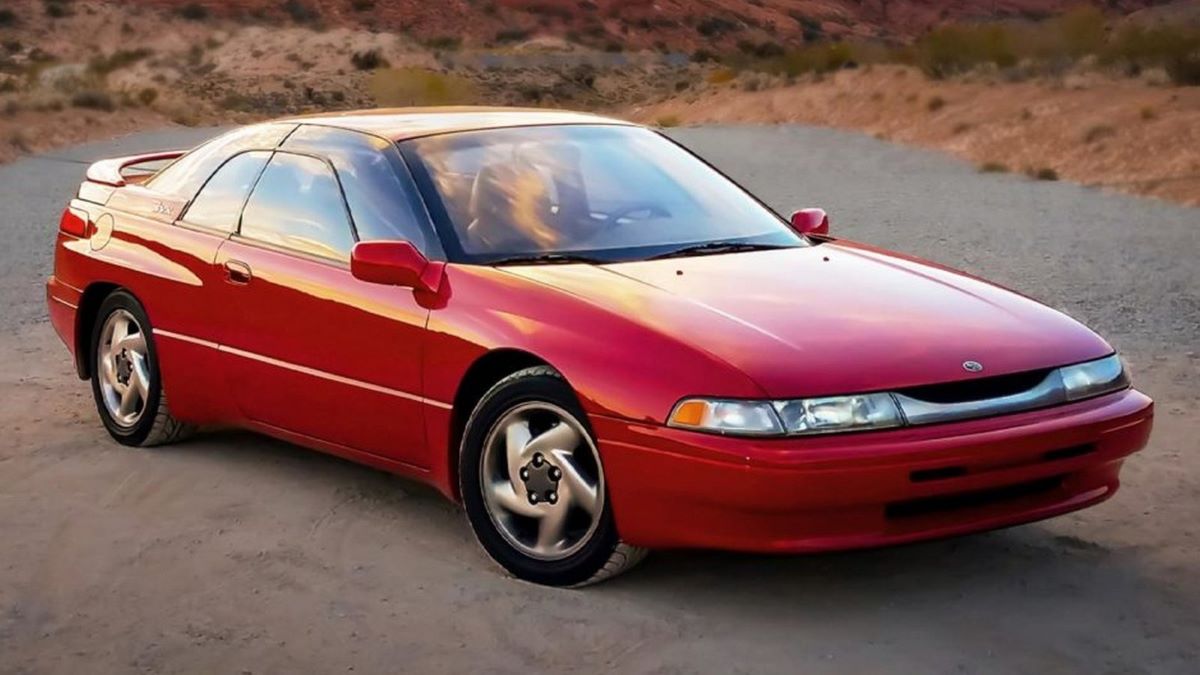
12. Subaru SVX (1991–1996)
The SVX may have been a quirky luxury coupe experiment with its unique window-in-window design, but those who kept theirs maintained discovered a car built to last.
Powered by Subaru’s first six-cylinder boxer engine, the SVX was overengineered for durability. Many still survive with high mileage, a testament to Subaru’s engineering even in its riskier projects.
What makes Subarus outlive their owners isn’t just luck it’s a combination of engineering choices and owner culture. The boxer engine layout provides balance and durability, while the standard AWD across nearly all models means fewer drivetrain failures in tough conditions.
Subaru owners are also among the most loyal in the automotive world, often maintaining their vehicles religiously and passing them down to family members.
Rust and head gaskets have historically been weak points, but even those issues haven’t stopped Subarus from racking up legendary mileage figures.
In the U.S., especially in states with harsh winters and mountainous terrain, Subaru’s cars are often chosen precisely because they can be trusted to last.
From 1980s wagons to modern Outbacks and Crosstreks, Subaru has proven that its vehicles are built not just for the moment, but for the long haul sometimes outliving the very people who first put the key in the ignition.
