
Mercedes-Benz has long been synonymous with luxury, performance, and engineering excellence. However, not all Mercedes vehicles age equally.
While some models are renowned for enduring hundreds of thousands of miles with minimal issues, others develop recurring problems that frustrate owners and mechanics alike.
Reliability can vary based on design, component quality, and model year, making some Mercedes cars true examples of durability while others are prone to frequent breakdowns.
Cars that refuse to quit combine solid engineering, robust mechanical systems, and service-friendly designs. These vehicles often maintain performance and comfort even as mileage climbs, earning praise from mechanics and owners alike.
Parts remain durable, electronics are reliable, and maintenance is relatively straightforward compared to more complex or problem-prone models.
On the other hand, certain Mercedes models are known for chronic mechanical and electrical failures, making them a concern for long-term ownership.
Recurring issues with engines, transmissions, suspension components, and electronics contribute to frequent repairs and high maintenance costs. These vehicles highlight that even a prestigious brand cannot guarantee reliability across all models.
This article examines five Mercedes vehicles that consistently demonstrate longevity and five that are known to break down repeatedly. Each example explores why these cars perform as they do, offering insight into what makes a Mercedes enduring or problematic over time.
Also Read: 5 Hybrids That Run Smooth Past 250k vs 5 That Don’t
5 Mercedes Cars That Refuse to Quit
Some Mercedes-Benz models achieve legendary status among mechanics and owners for their longevity, reliability, and continued performance.
These cars are engineered with high-quality materials, robust powertrains, and systems designed to endure high mileage without major failures.
Mechanics often cite these models as examples of vehicles that combine luxury, comfort, and reliability in a way that allows them to remain functional and dependable for decades.
Durable Mercedes cars often feature engines and transmissions that can withstand stress and long-term use, suspension components that remain resilient, and electronics that function reliably with minimal intervention.
The availability of replacement parts and straightforward serviceability further enhances their reputation. High-mileage examples of these models are common, demonstrating that thoughtful engineering and quality manufacturing can produce vehicles that truly last.
This section highlights five Mercedes vehicles that consistently resist the effects of time and usage. Each car illustrates the factors contributing to its durability, from engine design to chassis quality and electronics reliability.
By examining these models, readers gain insight into why certain Mercedes cars stand out as enduring vehicles and continue to perform reliably long after their initial release.
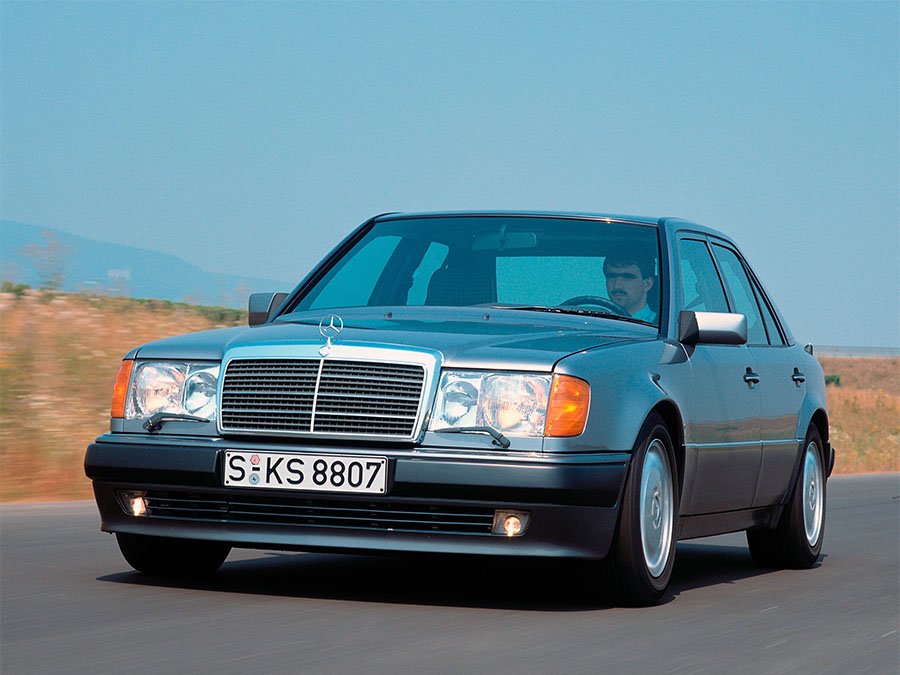
1. Mercedes-Benz W124 E-Class (1985–1995)
The Mercedes-Benz W124 E-Class, produced between 1985 and 1995, is widely regarded by mechanics as one of the most durable and reliable Mercedes models ever built.
Known for its solid engineering, robust materials, and excellent build quality, the W124 has earned a reputation for longevity and mechanical resilience.
One of the reasons for its durability is the construction of the chassis and body. The W124 features a rigid steel frame, corrosion-resistant materials, and precise assembly, which contribute to its long-lasting structure.
The suspension system, including control arms, shock absorbers, and bushings, is designed for durability and can often remain functional for hundreds of thousands of miles with routine maintenance.
The engines in the W124, particularly the inline-six M103 and M104 series, are renowned for their ability to handle high mileage.
Forged components, strong blocks, and conservative tuning reduce wear and increase lifespan. Transmission options, such as the 4-speed automatic and 5-speed manual, are also highly reliable when serviced regularly.
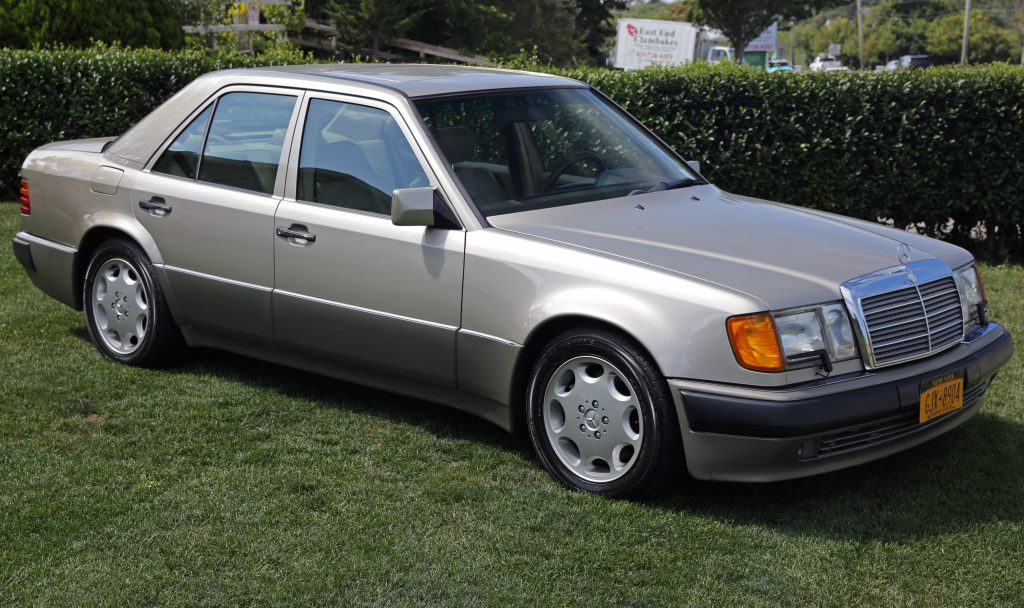
Electronics in the W124 are simple compared to later Mercedes models, minimizing potential failure points. Mechanical components like steering, brakes, and drivetrain systems are engineered for resilience, making repairs straightforward and predictable for mechanics.
Including the W124 E-Class in this list demonstrates how careful engineering, durable materials, and simple yet effective mechanical design can create a vehicle that resists the effects of time.
Its reputation for reliability and continued functionality decades after production highlights why this Mercedes model is considered a car that refuses to quit.
2. Mercedes-Benz W210 E-Class (1995–2002)
The Mercedes-Benz W210 E-Class, produced between 1995 and 2002, is widely recognized for combining modern luxury with lasting reliability, particularly in models equipped with the M112 V6 and OM611/OM612 diesel engines.
Mechanics frequently highlight this generation for its strong performance and mechanical durability, making it a favorite among owners seeking a dependable daily driver.
One factor contributing to its longevity is the robust engine construction. The M112 V6, with aluminum alloy heads and cast-iron sleeves, is known for smooth operation and the ability to handle high mileage without major failures.
Diesel variants, like the OM611, are equally revered for their durability and longevity, with many examples surpassing 400,000 miles when maintained properly.
The W210 also features a well-built suspension and chassis system. Independent front suspension with double wishbones and a multi-link rear design offers not only comfort but also resilience under extended use. Control arms, bushings, and shock absorbers are engineered to endure high mileage with routine maintenance.
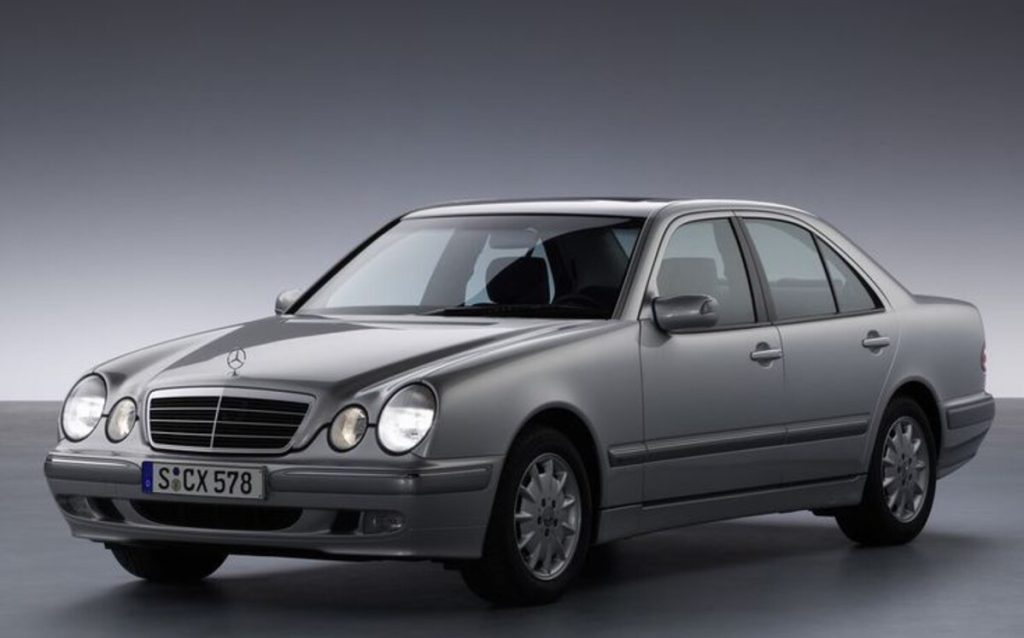
Electronics in the W210 are relatively simple compared to later Mercedes models, reducing potential failure points. Transmission systems, particularly the 5-speed automatic, are mechanically robust and often continue functioning reliably for many years.
Including the W210 E-Class in this list demonstrates how a balance of modern features, robust mechanical components, and thoughtful engineering creates a vehicle that can continue to perform reliably over decades.
Its reputation among mechanics and owners as a long-lasting luxury sedan reinforces why it belongs in the “cars that refuse to quit” category.
3. Mercedes-Benz W201 190E (1982–1993)
The Mercedes-Benz W201 190E is often celebrated by mechanics as one of the most durable compact luxury sedans ever produced. Built between 1982 and 1993, the 190E combines solid engineering, high-quality materials, and precise assembly, resulting in a vehicle that continues to perform reliably even at high mileage.
One of the key reasons for its longevity is the robust engine design. Inline-four and inline-five engines, such as the M102 and M103 series, feature strong blocks, forged internals, and conservative tuning.
These engines tolerate high mileage with minimal issues, requiring only routine oil changes and maintenance to remain functional for hundreds of thousands of miles.
The chassis and suspension are equally resilient. The W201 features a well-engineered rear multi-link suspension and durable front struts, designed to handle heavy use without significant wear. Steering, brakes, and drivetrain components are robust, simple to service, and resistant to premature failure.
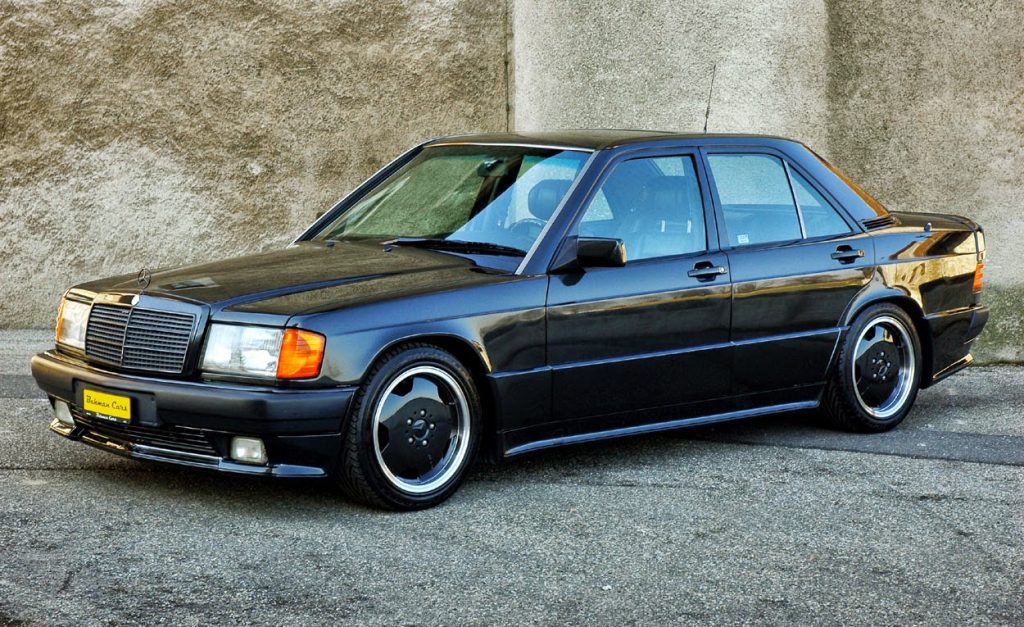
Mechanics also praise the simplicity of the electronics in the 190E. Compared to later models, there are fewer sensors and electronic systems that can fail, making repairs straightforward and less costly. Corrosion-resistant materials and solid construction help prevent structural issues, adding to the car’s longevity.
Including the W201 190E in this list highlights how precise engineering, durable components, and a straightforward mechanical layout can create a vehicle that continues to deliver reliability over decades. Its reputation as a long-lived, dependable luxury car makes it a prime example of a Mercedes that refuses to quit.
4. Mercedes-Benz W126 S-Class (1979–1991)
The Mercedes-Benz W126 S-Class, produced from 1979 to 1991, is widely regarded as one of the most durable luxury sedans ever built. Mechanics frequently highlight this generation for its longevity, robust engineering, and ability to withstand high mileage while maintaining comfort and performance.
One of the keys to its durability is the construction of the chassis and body. The W126 features a rigid steel frame, corrosion-resistant panels, and meticulous assembly standards, which contribute to long-lasting structural integrity.
Suspension components, including multi-link rear suspension and front struts, are engineered for resilience and longevity, even under heavy use or varying road conditions.
The engines available in the W126, particularly the M116 V8 and M117 V8, are known for their robust design and longevity. Strong blocks, forged internals, and conservative tuning allow these engines to endure hundreds of thousands of miles with routine maintenance.
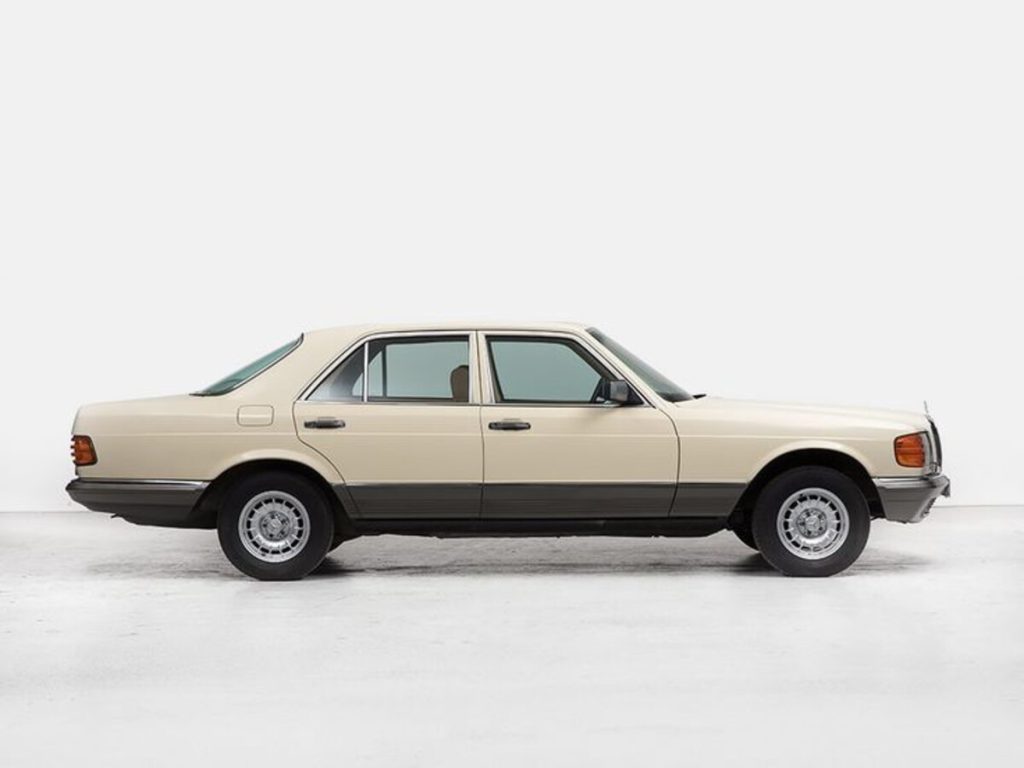
Diesel variants, such as the OM617, are legendary for their reliability and ability to surpass 500,000 miles with minimal repairs.
Transmission systems, including the 4-speed and 5-speed automatics, are durable and service-friendly. Electronics in the W126 are simple relative to modern vehicles, reducing potential failure points and making repairs more straightforward.
Including the W126 S-Class in this list demonstrates how careful engineering, durable components, and conservative design create a luxury sedan that continues to perform decades after its release.
Its reputation for reliability and long-term usability highlights why mechanics consistently regard it as a Mercedes that refuses to quit.
5. Mercedes-Benz G-Class W463 (1990–Present)
The Mercedes-Benz G-Class W463, produced from 1990 to the present day, is celebrated for its legendary durability and off-road capability.
Mechanics often note that the G-Class can endure extreme conditions, heavy use, and high mileage without major failures, making it one of the most reliable Mercedes vehicles available.
A major factor in its longevity is the G-Class’s body-on-frame construction. The rigid ladder frame, combined with a robust suspension system including solid axles and coil springs, ensures exceptional durability under both on- and off-road conditions.
Chassis components are designed to resist stress, corrosion, and wear, allowing the vehicle to remain functional for decades.
Engine options, such as the M113 and OM617 diesel variants, are known for durability and reliability. The engines feature robust construction, conservative tuning, and serviceable components that tolerate high mileage.
Transmission systems, including manual and automatic options, are engineered to withstand the vehicle’s weight and power output, ensuring long-term performance.
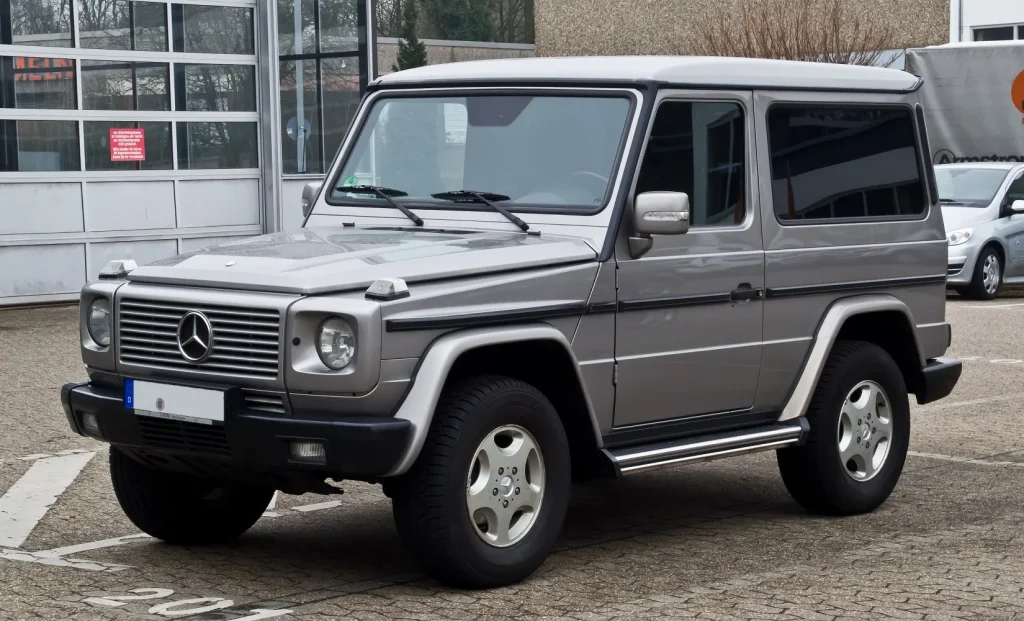
Mechanics also highlight the simplicity and serviceability of many systems in the G-Class. Electronics are robust, accessible, and designed for longevity, reducing repair costs and increasing reliability.
The combination of strong materials, mechanical simplicity, and thoughtful engineering contributes to its reputation as a virtually indestructible SUV.
Including the G-Class W463 in this list emphasizes that Mercedes vehicles with rugged construction, reliable powertrains, and service-friendly design can maintain performance under extreme conditions. Its durability, versatility, and long-term reliability make it a prime example of a Mercedes that refuses to quit.
5 Mercedes Cars That Constantly Break
While Mercedes-Benz is renowned for engineering excellence, some models develop recurring reliability issues that frustrate owners and mechanics.
Certain vehicles experience frequent mechanical, electronic, or transmission failures, resulting in high maintenance costs and decreased long-term usability.
These problems often stem from complex systems, design compromises, or components that cannot withstand prolonged use without frequent attention.
Cars that constantly break may initially impress with luxury features, performance, or styling, but their reliability often declines with age and mileage.
Common issues include electronic malfunctions, transmission failures, engine component wear, and suspension problems. Mechanics frequently encounter these vehicles in repair shops, noting patterns of recurring issues that make them difficult to maintain over time.
Understanding which Mercedes models are prone to frequent problems allows buyers and enthusiasts to make informed decisions. It highlights the importance of examining long-term durability alongside performance and luxury features.
This section examines five Mercedes models that are notorious for reliability issues. Each example explains why the vehicle struggles, the types of failures that occur, and how these weaknesses impact ownership.
Comparing these cars to the durable models previously discussed emphasizes the factors that contribute to longevity or frequent breakdowns in Mercedes vehicles.
1. Mercedes-Benz R-Class W251 (2006–2013)
The Mercedes-Benz R-Class W251, produced between 2006 and 2013, is frequently cited by mechanics as a model prone to persistent reliability issues. Although the R-Class offered luxury, space, and versatility, its complex systems and electronic components often fail, leading to high maintenance costs.
One of the major issues is the air suspension system. The Airmatic suspension, designed to provide a smooth ride, frequently develops leaks, faulty compressors, and failing air struts, resulting in uneven ride height and costly repairs.
Electronics controlling these systems are also prone to failure, complicating diagnostics and increasing repair expenses.
Engine problems further contribute to its poor reliability. V6 and V8 engines in the R-Class often develop issues with timing chains, balance shafts, and oil leaks, particularly in high-mileage examples.
Turbocharged variants can experience additional stress on the cooling and fuel systems, increasing the likelihood of component failures.
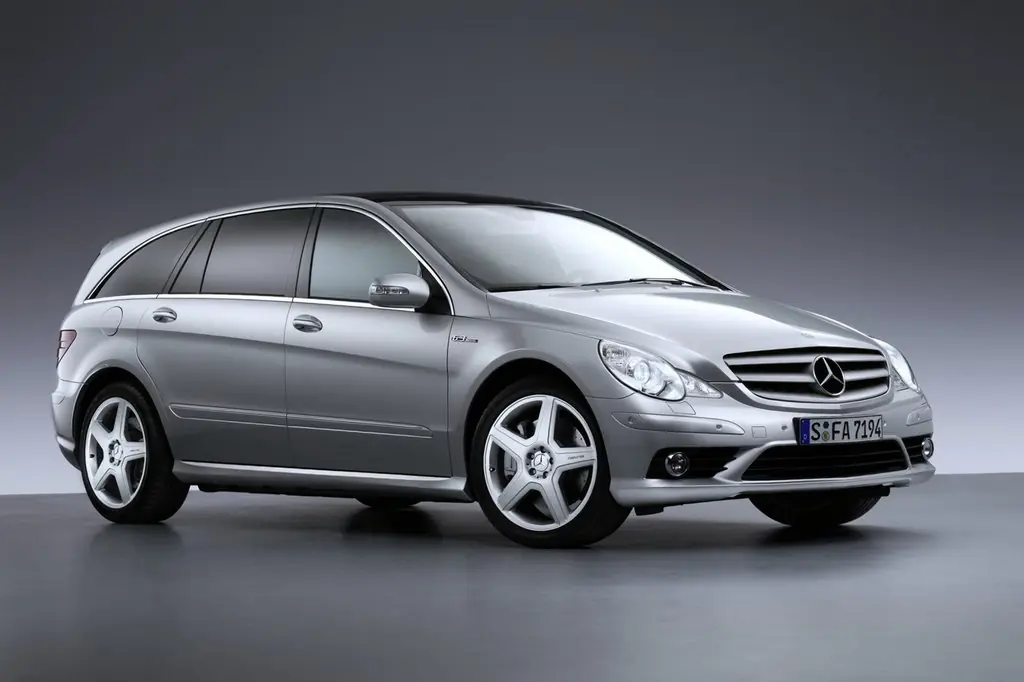
Transmission systems, particularly the 7-speed automatic, may experience mechatronic failures or rough shifting, requiring expensive servicing. Electrical issues, such as faulty sensors, malfunctioning infotainment modules, and intermittent wiring problems, are common and difficult to troubleshoot.
Including the R-Class W251 in this list illustrates how complexity, combined with sensitive mechanical and electronic components, can result in a vehicle that constantly demands repairs.
Mechanics consistently report recurring failures, confirming its reputation as a Mercedes prone to breakdowns rather than long-term reliability.
2. Mercedes-Benz ML-Class W164 (2005–2011)
The Mercedes-Benz ML-Class W164, produced from 2005 to 2011, is often highlighted by mechanics for its recurring mechanical and electronic problems.
While it offered a blend of luxury, off-road capability, and advanced features, its reliability falls short compared to more durable Mercedes models.
A major concern is the M272 V6 engine, known for timing chain tensioner failures. These issues can result in noisy operation, misalignment, and, in severe cases, catastrophic engine damage. Additionally, the balance shaft and camshaft adjusters are prone to wear, contributing to engine performance problems over time.
Transmission systems, particularly the 7-speed automatic, are sensitive and often develop mechatronic faults, harsh shifting, or failure, requiring costly repairs.
The air suspension system, designed for ride comfort, frequently experiences leaks, failing struts, and compressor malfunctions, resulting in uneven ride height and expensive replacements.
Electronics also pose problems. The W164 features numerous sensors, control modules, and electronic components that often fail, causing warning lights, malfunctions, and difficult diagnostics. Common failures include faulty ABS sensors, steering angle sensors, and airbag modules.
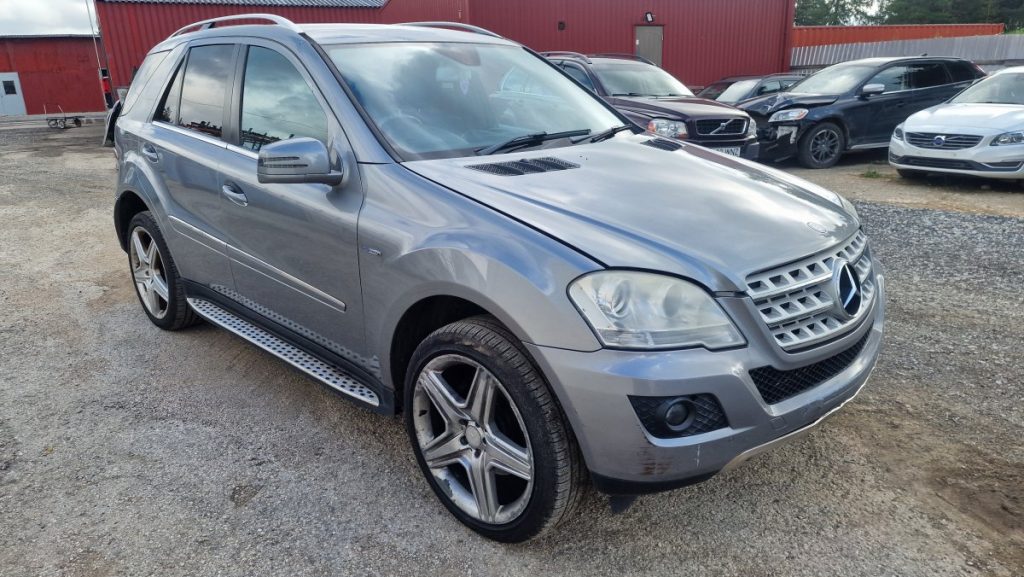
Mechanics note that these issues often appear around 100,000 miles, making the W164 a model that demands vigilance and frequent servicing.
While regular maintenance can mitigate some problems, the combination of sensitive electronics, complex suspension, and timing chain issues ensures ongoing repair needs.
Including the ML-Class W164 in this list underscores how complex engineering and sensitive components, even in a luxury SUV, can result in a vehicle that is prone to constant failures. Its recurring mechanical and electronic problems confirm why it is considered a Mercedes that constantly breaks.
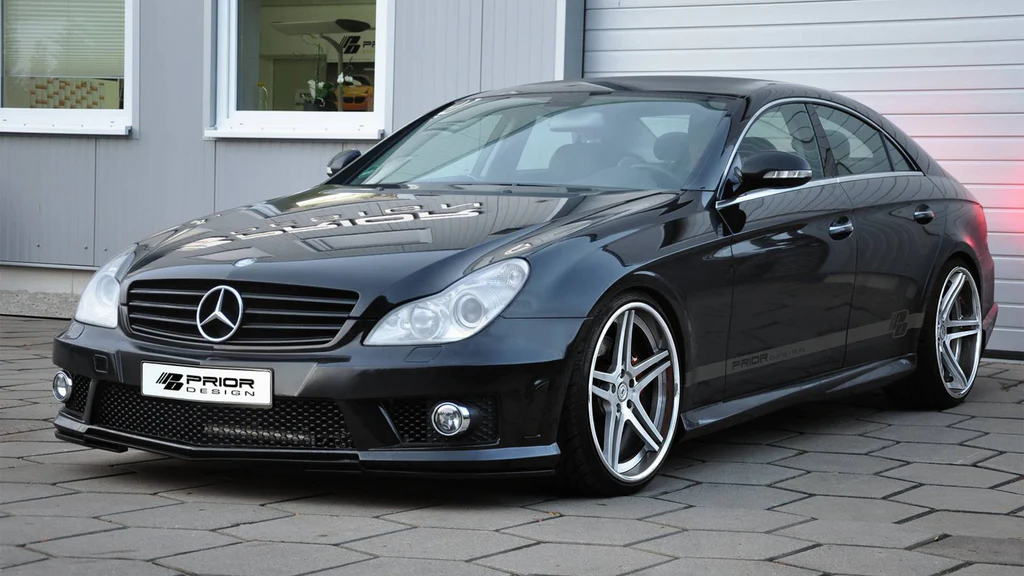
3. Mercedes-Benz CLS-Class W219 (2004–2010)
The Mercedes-Benz CLS-Class W219, produced between 2004 and 2010, is often flagged by mechanics for its recurring mechanical and electronic issues. While praised for its stylish four-door coupe design, luxury features, and performance, it is notorious for components that fail with regular use.
One of the primary concerns is the air suspension system. The CLS-Class utilizes Airmatic suspension, which frequently develops leaks, failing air struts, and compressor malfunctions. This leads to uneven ride height and expensive repairs, often requiring replacement of multiple components simultaneously.
Engine problems are another frequent issue. The M272 V6 and M273 V8 engines used in the W219 often suffer from timing chain tensioner failures, camshaft adjuster issues, and oil leaks. Turbocharged V6 engines are additionally prone to excessive carbon buildup on intake valves, reducing performance and necessitating costly maintenance.
Transmission systems, particularly the 7-speed automatic, can develop mechatronic failures or harsh shifting, adding to long-term repair costs.
Electrical and electronic components, including control modules, sensors, and infotainment systems, often malfunction, creating complex diagnostics and repair challenges for mechanics.
Including the CLS-Class W219 in this list highlights how a combination of complex suspension, sensitive engine components, and advanced electronics can compromise long-term reliability.
Mechanics frequently encounter these recurring issues, confirming its reputation as a Mercedes prone to breakdowns rather than sustained performance.
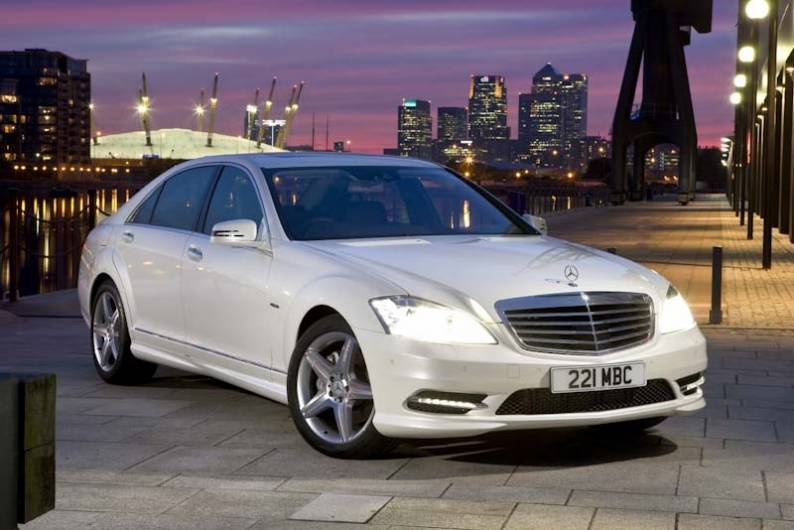
4. Mercedes-Benz S-Class W221 (2005–2013)
The Mercedes-Benz S-Class W221, produced between 2005 and 2013, represents a technologically advanced luxury sedan, but mechanics often highlight it for recurring reliability issues. While it offers unmatched comfort, performance, and safety features for its era, the W221 is notorious for frequent mechanical and electronic failures.
A major problem lies in the air suspension system. The Airmatic suspension in the W221 frequently develops leaks, failing struts, and compressor malfunctions. These failures lead to uneven ride height, harsh rides, and expensive repairs, often affecting multiple suspension components simultaneously.
Engines, including the M272 V6, M273 V8, and M156 V8, exhibit issues such as timing chain tensioner failures, camshaft adjuster problems, and excessive oil leaks. Turbocharged engines face additional stress, which can exacerbate wear on components like turbos, fuel injectors, and cooling systems.
The 7-speed automatic transmission is also prone to mechatronic failures and harsh shifting, requiring costly servicing. Electrical and electronic systems including sensors, control modules, and infotainment components, are sensitive and prone to failure, creating diagnostic challenges and increasing maintenance costs.
Mechanics note that these problems often arise as vehicles reach moderate mileage, making ownership expensive and labor-intensive.
While regular maintenance can address some issues, the combination of complex electronics, sensitive mechanical systems, and costly suspension components ensures ongoing repairs.
Including the S-Class W221 in this list demonstrates how even flagship luxury models can suffer from chronic reliability issues. Its recurring failures and maintenance challenges confirm its reputation as a Mercedes that constantly breaks rather than one that endures over time.
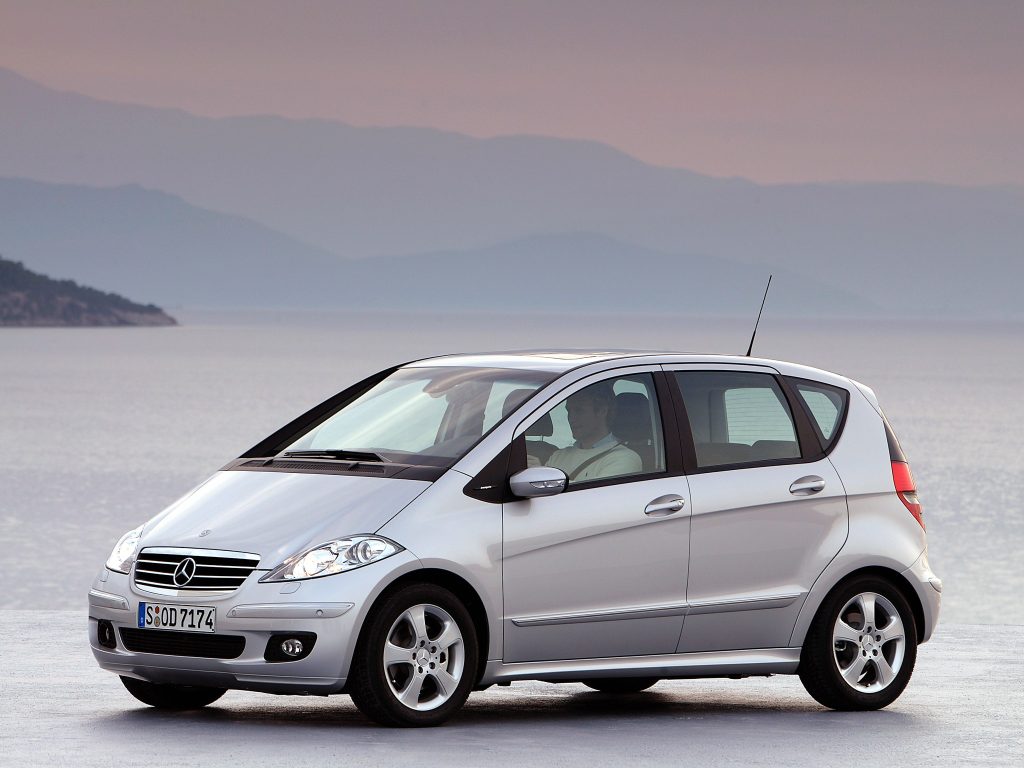
5. Mercedes-Benz A-Class W169 (2004–2012)
The Mercedes-Benz A-Class W169, produced between 2004 and 2012, is frequently cited by mechanics for recurring reliability problems.
While it offers a compact design, premium features, and efficiency, its engineering and mechanical components are prone to failures that frustrate owners and increase maintenance costs.
One of the primary concerns is the dual-clutch transmission in later models, which is sensitive and prone to mechatronic failures, harsh shifting, and clutch wear. Earlier manual and automatic variants also occasionally experience gearbox issues, making transmission maintenance critical.
Engine problems include the M266 four-cylinder petrol and OM640 diesel engines, both of which can suffer from oil leaks, timing chain tensioner issues, and turbocharger stress in diesel versions. Excessive carbon buildup in direct-injection engines further reduces performance and efficiency over time.
Suspension and steering components are another weak point. Front and rear suspension parts, including control arms and bushings, often wear prematurely, affecting ride quality and handling.
Electrical and electronic components, including sensors, control modules, and infotainment systems, are sensitive and prone to intermittent failures, complicating diagnostics and repair.
Including the W169 A-Class in this list demonstrates how a compact, feature-rich Mercedes can struggle with reliability due to sensitive mechanical and electronic systems.
Mechanics consistently report recurring issues across multiple examples, confirming its reputation as a model that constantly breaks rather than one built to endure.
Also Read: 5 Trucks That Mechanics Endorse vs 5 They Warn Against
