
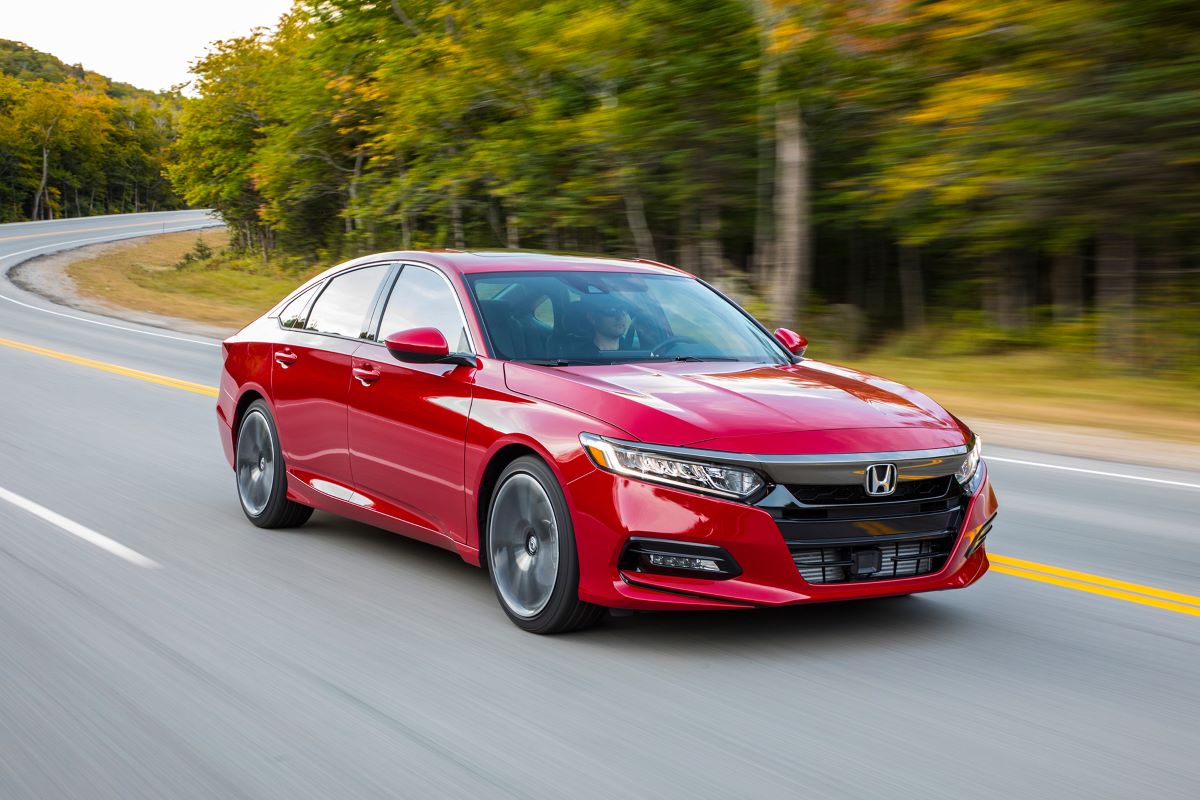
In a world dominated by new car releases every year and the constant allure of the latest technology, it may seem surprising that some car owners cling fiercely to vehicles that have surpassed 500,000 miles.
A 500,000-mile car is more than just a mechanical object it represents decades of memories, countless journeys, and a testament to durability that most modern vehicles can only dream of.
While many cars are retired, traded in, or sold long before reaching such milestones, those that survive to this point often inspire awe and admiration.
For the owners, these machines are not just a means of transportation they are companions, milestones, and symbols of persistence.
The decision to keep a car past the 500,000-mile mark is rarely based solely on practicality. In fact, for many, keeping the car involves meticulous maintenance, occasional repairs, and a deep understanding of the vehicle’s quirks.
These high-mileage vehicles often become a showcase of mechanical ingenuity and personal dedication, where each replaced part tells a story of care and attention. They are tangible evidence of an owner’s patience, loyalty, and mechanical skill.
Beyond the personal connection, there’s also a cultural and emotional aspect to keeping such a car. These vehicles defy expectations, proving that longevity is possible with dedication.
They often spark admiration from friends, strangers, and automotive enthusiasts, becoming conversation starters and local legends.
Selling such a car would mean parting with decades of effort, experience, and personal history a decision many owners are simply unwilling to make.
In this article, we explore the ten main reasons why owners hold onto their 500k-mile cars, revealing the deep emotional, practical, and cultural bonds that keep these legendary vehicles on the road.
Also Read: 5 Early Hybrids With Legendary Battery Life vs 5 That Failed Early
Emotional Attachment and Memories
One of the strongest reasons owners refuse to part with their 500k-mile cars is emotional attachment. These vehicles are far more than machines; they carry decades of personal history.
Every scratch, dent, or replacement part often tells a story a road trip across states, a memorable family vacation, the first car a teenager ever drove, or even moments of triumph after completing a major repair.
For many owners, the car becomes intertwined with their identity. Selling it would feel like erasing a part of their life story.
High-mileage cars, in particular, represent perseverance and dedication. Owners often pride themselves on keeping a vehicle running long past the point where many others would have traded it in.
This accomplishment cultivates a sense of pride and ownership that transcends the typical relationship one has with a car.
They see it as a companion that has been reliable through countless situations sometimes even saving them in emergencies or helping them navigate challenging circumstances.
Additionally, the car often serves as a symbol of resilience and continuity. In a society where planned obsolescence encourages frequent upgrades, a car that reaches 500,000 miles is a rare testament to longevity.
The emotional bond formed through shared experiences and memories makes the idea of selling it emotionally painful. These owners don’t just see a vehicle; they see decades of shared life, making parting with it almost impossible.
Proven Reliability and Trust
Another critical reason owners hold onto their high-mileage vehicles is trust built over time. A car that has reliably covered 500,000 miles has demonstrated remarkable durability and dependability.
The owner knows its quirks, strengths, and limits information that is often irreplaceable. With a new or used car, there’s always uncertainty: will it develop unforeseen problems, will the transmission hold, or will the engine require costly repairs?
With a well-maintained 500k-mile car, the owner already has the answers, and this peace of mind is invaluable.
Reliability becomes especially important for those who depend on their vehicles for daily life or work. These high-mileage cars have proven they can handle long commutes, heavy loads, or even long-distance travel without frequent breakdowns.
Owners trust their cars to start on cold mornings, survive harsh weather, and endure miles of driving without major issues. In essence, the car is a known entity in an otherwise unpredictable world.
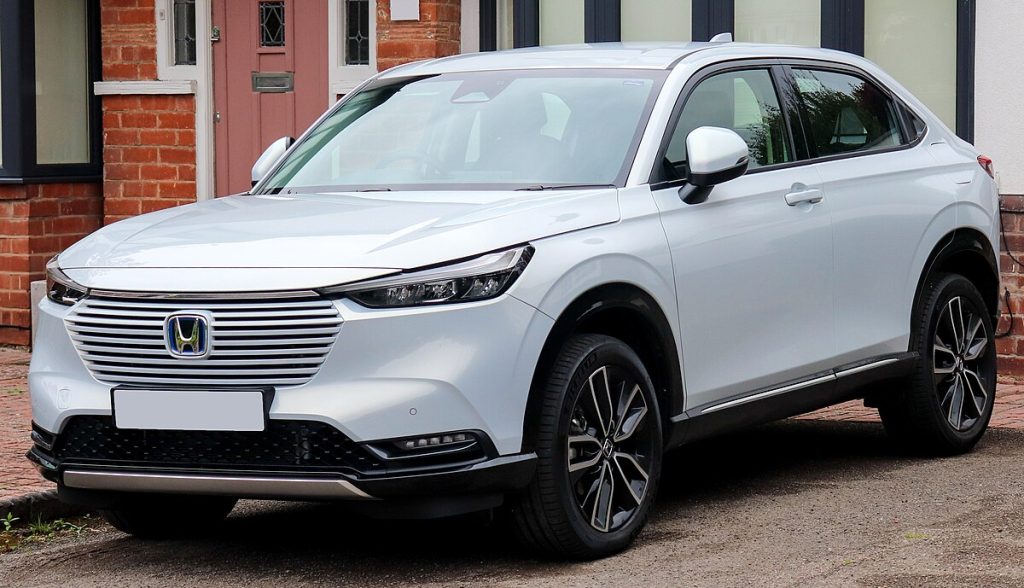
Replacing it with a newer model might bring modern features, but it cannot replicate the years of accumulated knowledge about the car’s performance.
This trust, earned mile by mile, gives owners a sense of security they are reluctant to give up. The car is more than a vehicle; it is a reliable partner that has withstood the test of time a partner many are unwilling to replace.
Financial Sense and Cost Efficiency
Surprisingly to some, keeping a 500k-mile car can actually make financial sense. Owners often weigh the costs of maintaining a high-mileage vehicle against the expenses of purchasing a newer car, and in many cases, the old car wins.
A vehicle that has already endured hundreds of thousands of miles is often fully paid off, meaning there’s no loan, interest, or depreciation to worry about. Newer cars, by contrast, lose value rapidly in their first few years and come with higher insurance, registration, and maintenance costs.
Owners of high-mileage vehicles are also typically very familiar with their car’s maintenance schedule, which allows them to anticipate repairs and avoid costly surprises.
They know which parts need preventive replacement, which mechanics they trust, and how to keep the car running efficiently. For example, replacing belts, hoses, or worn suspension components can be far cheaper than financing a brand-new car with modern electronics and high labor costs.
Moreover, the longevity of these vehicles often reflects thoughtful maintenance habits. Regular oil changes, timely repairs, and careful driving mean that the cost of upkeep is predictable.
This financial predictability adds another reason why owners prefer to stick with a car they know inside and out. For them, selling it for a new vehicle often represents a poor return on investment, especially when the old car is still reliable and fully functional.
Mechanical Familiarity and DIY Capability
A 500k-mile car often becomes an extension of the owner’s knowledge and skills. Owners develop an intimate understanding of the vehicle’s mechanics, from engine quirks to suspension behavior.
This mechanical familiarity makes maintenance, repairs, and troubleshooting far easier than with a newer vehicle. They know how to diagnose problems quickly and often can perform repairs themselves, avoiding the high costs associated with dealership or mechanic labor.
For DIY enthusiasts, a high-mileage car is almost like a puzzle they’ve solved over time. Each repair, adjustment, or replacement builds confidence and reinforces their bond with the vehicle.
They understand which parts are most likely to fail and can anticipate issues before they become major problems. This hands-on experience not only saves money but also gives a sense of empowerment and pride that comes from maintaining a vehicle almost entirely with one’s own skills.
Newer cars, by contrast, often rely on complex electronics and proprietary systems that can frustrate DIY mechanics. Owners of high-mileage cars prefer the simplicity and predictability of their familiar vehicles.
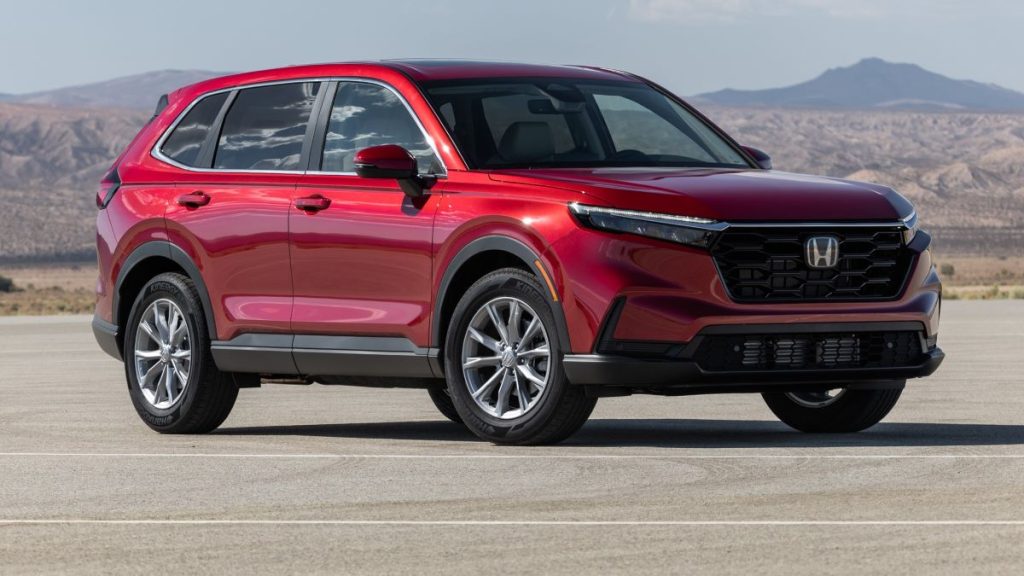
Selling it would mean giving up a tool they know intimately and starting over with a car whose behavior, quirks, and maintenance needs are largely unknown a transition many are reluctant to make.
Unique Character and Personality
Over hundreds of thousands of miles, a car develops its own distinct personality, and owners often grow attached to these idiosyncrasies.
A 500k-mile vehicle might have unique engine sounds, a particular way it handles turns, or even quirks like a slightly loose shifter or a favorite driving rhythm. These traits become familiar and comforting to the owner, turning the car into more than a tool it becomes a companion.
Many drivers describe their high-mileage vehicles as having “character” that newer cars simply lack. Modern cars, with standardized electronics and uniform designs, rarely offer the same individuality.
In contrast, a car that has been driven for half a million miles tells a story through every dent, scratch, and repaired panel. The tactile experience of shifting gears, the familiar vibration of the engine, and the feel of the steering are all sensory reminders of years spent together.
This sense of character fosters a deep emotional bond, making it difficult for owners to part with the vehicle.
The car feels alive in a way that new vehicles, no matter how technologically advanced, cannot replicate. Selling it would mean losing a machine that carries both practical utility and a personality forged over decades, which many owners are simply unwilling to do.
Proven Longevity and Reliability Record
A car that has reached 500,000 miles has an unmatched proven track record. While newer cars may offer warranties and modern technology, they carry uncertainty how will they perform after 100,000 miles?
With a high-mileage vehicle, the owner already knows its limits, reliability, and performance characteristics. Every long trip completed and every harsh weather condition survived builds trust in the vehicle’s dependability.
This history of proven durability is particularly important for those who rely on their vehicles for work, family, or long-distance commuting. Owners know that a car that has lasted this long is likely to continue performing well with routine maintenance.
The sense of confidence and assurance that comes with this record is invaluable. It also creates a barrier to selling; replacing it with a newer car introduces unknown risks and potential frustrations that the current car has long since resolved.
In addition, a long-lasting car often reduces stress and anxiety associated with breakdowns. For many owners, the simple knowledge that their vehicle is unlikely to fail unexpectedly makes it irreplaceable.
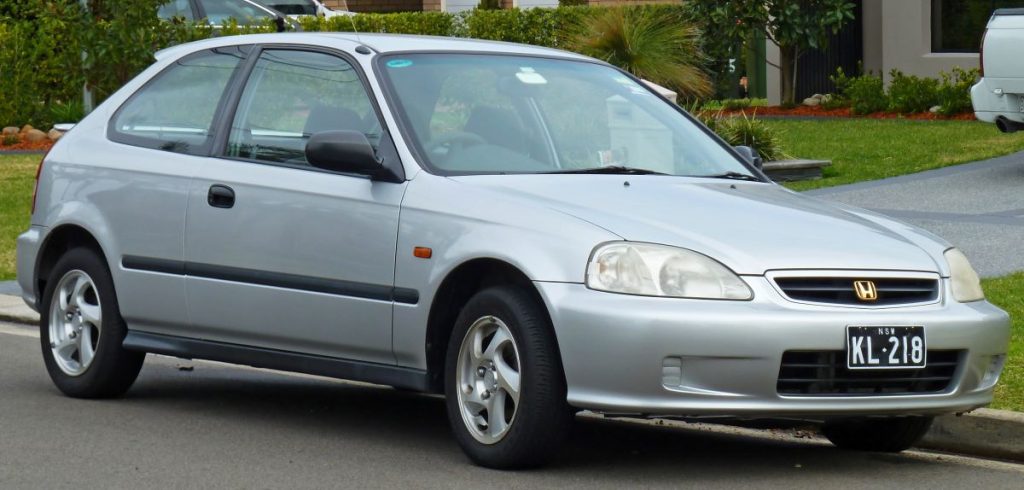
It’s not just a car it’s a dependable partner that has withstood time, miles, and challenges, reinforcing why selling it is such a difficult choice.
Minimal Depreciation Concerns
Owners of 500k-mile cars often realize that their vehicle has already depreciated fully, meaning there’s little to lose financially by keeping it.
While most new cars lose 20–30% of their value in the first year and continue declining over the next few years, a high-mileage car has already absorbed decades of depreciation.
For many owners, this creates a sense of financial freedom: they can use the car without worrying about dropping resale value or the costs of insurance premiums tied to higher-value vehicles.
Because the financial hit has already been taken, owners can focus on maintaining the car for reliability and longevity rather than worrying about market trends.
Selling it often involves using the proceeds to finance a newer vehicle, which comes with its own depreciation curve and additional costs. Many owners prefer the security of a vehicle that is fully “paid for” and can continue operating without additional financial obligations.
This mindset fosters a sense of satisfaction and stability. The 500k-mile car represents a long-term investment in practicality rather than monetary gain, and selling it may feel counterproductive when the car is still functioning well.
In essence, owners have little incentive to trade in a known, fully depreciated asset for a new, uncertain financial commitment.
Strong Sense of Personal Achievement
Reaching 500,000 miles is a monumental achievement for both the car and its owner. Maintaining a vehicle to this point requires dedication, knowledge, and consistent effort.
Each oil change, repair, and replacement part represents hours of care and commitment. Owners often take pride in the longevity of their vehicles, viewing the milestone as a personal accomplishment that demonstrates skill, patience, and responsibility.
Selling the car would feel like relinquishing that achievement. The vehicle is a tangible record of years of attentive maintenance, skillful problem-solving, and careful driving.
Many owners see themselves as partners in the car’s survival, having guided it through hundreds of thousands of miles without major catastrophic failures. The car becomes a testament to their own perseverance and expertise.
Additionally, the long-term relationship with a single vehicle provides satisfaction that is difficult to replicate with a newer car. Each mile represents a story, a challenge overcome, or a journey completed.
Parting with it would mean erasing the visible proof of these accomplishments. For this reason, many owners simply cannot imagine letting go of a car that symbolizes both personal and mechanical triumph.
Strong Community and Enthusiast Recognition
Another compelling reason owners cling to their 500k-mile vehicles is the recognition and respect they receive from automotive communities. High-mileage cars are not just functional machines they are milestones of endurance and skill.
When enthusiasts or fellow drivers learn that a car has surpassed half a million miles, it often sparks admiration and curiosity. Owners are frequently approached by car clubs, forums, or even strangers asking about maintenance tips, restoration techniques, or the secrets behind the vehicle’s longevity.
Being part of this informal community provides a sense of pride and belonging. Owners of these long-lasting vehicles are often regarded as stewards of automotive history, especially when the car is a classic or unique model.
Their experience with high-mileage maintenance and problem-solving becomes valuable knowledge within these networks.
Sharing stories about engine rebuilds, custom fixes, or long-distance journeys helps create bonds with like-minded enthusiasts who understand the dedication required to achieve such mileage.
Furthermore, recognition from these communities often reinforces the emotional and practical reasons to retain the car. A vehicle that is admired and respected by enthusiasts gains symbolic value beyond its functional use.
Owners feel validated in their commitment, and this recognition makes the idea of selling, even for financial gain less appealing. After all, few things offer the same satisfaction as knowing your car has become a local or online legend, a testament to resilience and careful stewardship.
For many, a 500k-mile car becomes a talking point, a badge of honor, and a teaching tool for newer enthusiasts learning how to maintain vehicles for the long haul.
This social reinforcement creates a positive feedback loop: the car’s longevity earns respect, the respect strengthens attachment, and the attachment ensures that the vehicle remains in the owner’s hands.
In this way, community recognition becomes a significant factor in why owners refuse to part with their high-mileage vehicles.
Legacy and Sentimental Value
Finally, the legacy and sentimental value of a 500k-mile car is perhaps the most powerful reason owners won’t sell it. These vehicles are often deeply tied to family history, representing decades of shared experiences.
They may have transported children to school, carried generations on road trips, or served as the reliable first car for younger family members. Each mile becomes a chapter in a story that intertwines the owner’s life with the car itself.
High-mileage vehicles often become family heirlooms. Owners envision passing the car down to children or relatives, allowing the vehicle’s legacy to continue across generations.
The thought of selling it to an unknown party feels like severing a personal and familial connection. Unlike newer vehicles, which may feel transient, a car that has endured for half a million miles carries a sense of permanence and continuity.
Sentimental attachment also intersects with practicality. Owners often recall the countless situations where the car performed flawlessly under stress emergency trips, long-haul drives, or harsh weather conditions.
These experiences create emotional bonds that are impossible to replicate with a new vehicle. The car is more than metal and rubber; it is a repository of memories, triumphs, and resilience.
In essence, the legacy of a 500k-mile car is irreplaceable. It embodies personal history, family connections, and the narrative of perseverance and care.
Selling it would not just be a financial transaction; it would mean severing the emotional and historical ties that give the car its true value.
For many owners, no price or convenience can outweigh the sentimental importance of a vehicle that has been a trusted companion for half a million miles.
Familiarity with Maintenance History
Owners of 500k-mile cars often maintain a detailed understanding of their vehicle’s maintenance history, which makes keeping it far more appealing than starting fresh with a new car.
Every repair, replacement, and adjustment over the years has been carefully documented, either mentally or in service logs, giving the owner a precise roadmap of the car’s condition. This knowledge provides confidence that the vehicle will continue running reliably with routine upkeep.
Unlike a new or used car with an unknown past, a high-mileage car’s owner knows exactly what has been done to prevent failures.
They are aware of the specific components that have been replaced, the recurring weak points, and the techniques that work best for repairs. This accumulated knowledge allows owners to anticipate issues before they become serious problems, reducing the risk of unexpected breakdowns.
Furthermore, this familiarity makes performing DIY repairs easier and more effective. Owners can address minor issues on their own, saving money and ensuring the work meets their exact standards.
The predictability of a well-maintained 500k-mile car eliminates much of the stress associated with vehicle ownership.
For many, this certainty is worth far more than the potential benefits of trading in for a newer, unknown vehicle. Simply put, familiarity with a car’s history builds trust that cannot be bought or replicated with a replacement vehicle.
Environmental Considerations
Some owners are motivated to keep their 500k-mile vehicles due to environmental concerns. A car that has already reached half a million miles has already consumed the majority of the energy and resources invested in its production.
Replacing it with a new vehicle, regardless of fuel efficiency or emissions ratings, would involve additional energy expenditure and environmental impact from manufacturing, shipping, and eventual disposal of the old car.
Keeping a well-maintained, high-mileage car reduces the need for new resources and prevents a functioning vehicle from being prematurely discarded.
Environmentally conscious owners view their long-lived vehicles as sustainable choices, proving that longevity in automotive design can be a form of ecological responsibility.
Maintaining a 500k-mile car efficiently also encourages careful driving habits and conscientious maintenance, further extending its life and reducing waste.
By continuing to drive and maintain an old, reliable car, owners contribute to sustainability in a way that replacing it cannot replicate.
In this context, the decision to keep a 500k-mile car is not just personal it aligns with broader values of resource conservation, responsible consumption, and minimizing environmental impact.
Also Read: 5 Toyota Trucks That Refuse to Die vs 5 That Don’t
