
The 1970s produced some of the most iconic and durable vehicles ever made. While automotive design and technology have advanced considerably since then, several cars from that decade remain on the road today, defying age and mileage.
These vehicles were built with simplicity and reliability in mind, allowing them to endure the test of time with proper care.
One of the reasons these cars continue to run strong is their mechanical straightforwardness. Many 70s cars lacked the electronic complexities found in modern vehicles, making them easier to maintain and repair.
A dedicated owner could perform routine maintenance and minor repairs without specialized tools or expensive software.
Another factor is the quality of materials and craftsmanship. Steel frames, robust engines, and well-designed suspensions contributed to their long-lasting performance.
Even decades later, these vehicles often show minimal rust and maintain a smooth driving experience if they were cared for properly.
Classic cars from this era also benefited from balanced engineering. Automakers focused on creating engines that were durable and predictable, rather than excessively powerful and fragile. This balance allowed cars to handle daily driving demands while preserving engine longevity.
Today, many of these 70s cars are considered reliable daily drivers by enthusiasts and collectors alike.
They demonstrate that with consistent care, a vehicle can retain both functionality and charm for over forty years. Owning such a car is not only about nostalgia but also about appreciating enduring engineering.
The following list highlights ten cars from the 1970s that have proven their durability. Each model has its own story of resilience, performance, and ongoing appeal.
Whether used for commuting, road trips, or collection, these cars continue to impress with their ability to stay strong through decades of use.
Also Read: 10 Cars Known for Surviving Decades of Abuse
1. Chevrolet Camaro
The 1970 Chevrolet Camaro is a classic American muscle car that has proven its durability over the decades. Its robust V8 engines were designed to handle high mileage and frequent use without major issues. Many owners have reported Camaros from this era still running smoothly after 200,000 miles or more.
One reason for its longevity is the simplicity of its mechanical systems. The Camaro lacked complicated electronics, making it easier to maintain and repair. Routine maintenance like oil changes, brake servicing, and carburetor adjustments kept these cars performing well for decades.
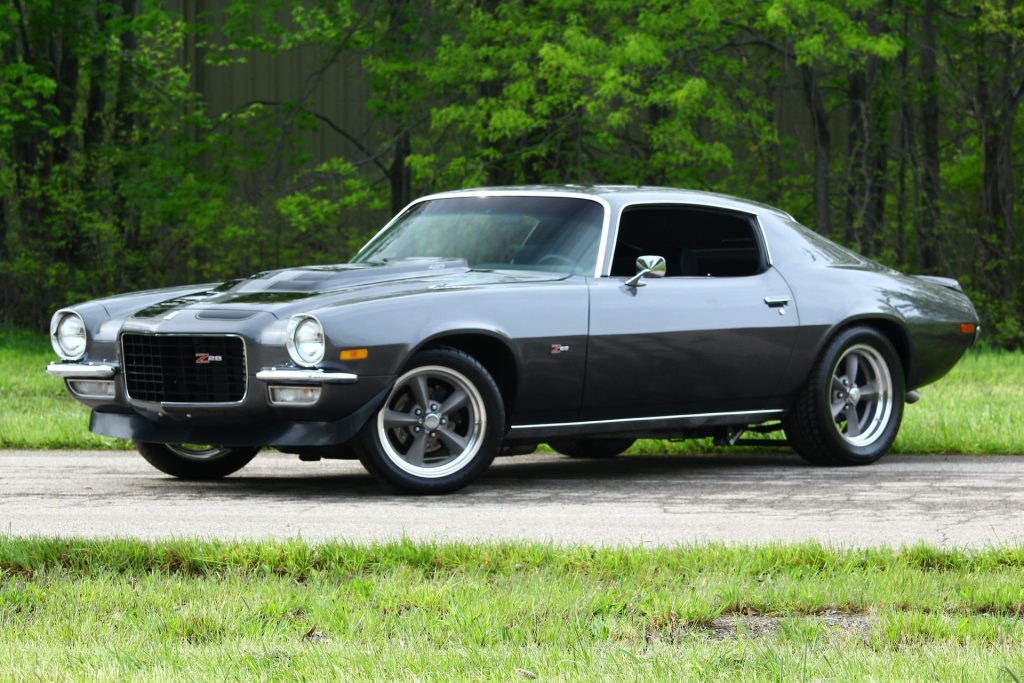
The Camaro’s strong steel body and solid chassis also contributed to its endurance. While rust could be a concern in certain climates, proper care, such as regular washing and undercoating, helped these cars remain structurally sound. Suspension and drivetrain components were built to withstand daily driving and spirited use.
Collectors and enthusiasts value the 1970 Camaro not only for its style but also for its reliability. Many are still used on the road today, enjoying regular drives without extensive restorations. This combination of performance, practicality, and durability makes the Camaro a standout among 70s vehicles.
2. Ford Mustang (1971)
The 1971 Ford Mustang continued the legacy of one of America’s most beloved cars. Known for its solid construction and straightforward engineering, the Mustang from this year remains a dependable option for classic car enthusiasts.
Under the hood, the Mustang offered a range of engines, from inline-sixes to powerful V8s. These engines were designed for longevity, and with proper maintenance, many have surpassed 150,000 miles without major rebuilds. The simple carbureted setups allowed owners to perform repairs and adjustments with minimal equipment.
The Mustang’s suspension and chassis were designed for both performance and comfort. Strong frames and well-built components meant that many 1971 Mustangs avoided the common wear issues seen in later, more complex vehicles. Routine care, including lubrication and brake maintenance, kept them roadworthy for decades.
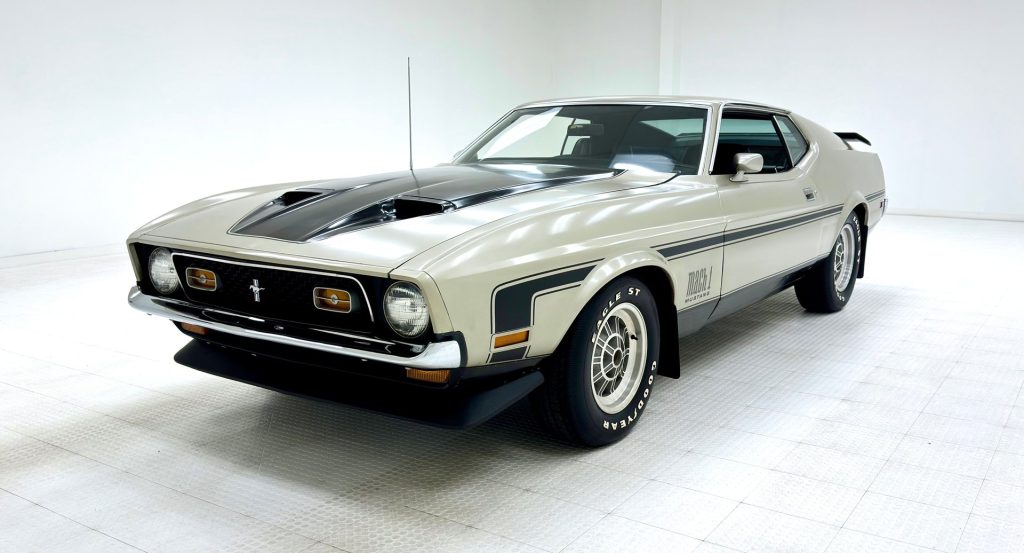
Beyond mechanics, the Mustang’s popularity meant replacement parts were widely available, further extending its life.
Enthusiasts continue to drive these cars regularly, appreciating the combination of style, sound, and enduring reliability. The 1971 Mustang remains a symbol of the 70s automotive era that can still provide years of dependable service.
3. Datsun 240Z (1972)
The 1972 Datsun 240Z is a Japanese sports car that gained popularity for its combination of performance, affordability, and reliability. Unlike many European sports cars of the era, the 240Z was built with simplicity and durability in mind, allowing owners to enjoy spirited driving without constant repairs.
Its inline-six engine was known for being robust and long-lasting. With regular oil changes and proper maintenance, many 240Zs have exceeded 200,000 miles. The straightforward mechanical setup, including a carburetor-fed engine and minimal electronics, made DIY repairs easier and less costly compared to modern vehicles.
The 240Z’s chassis and suspension were designed to handle daily driving as well as sporty handling. The steel body, while not immune to rust, could remain solid for decades with proper care and storage. Many owners invested in regular undercoating and rust prevention, which has allowed numerous examples to stay on the road today.
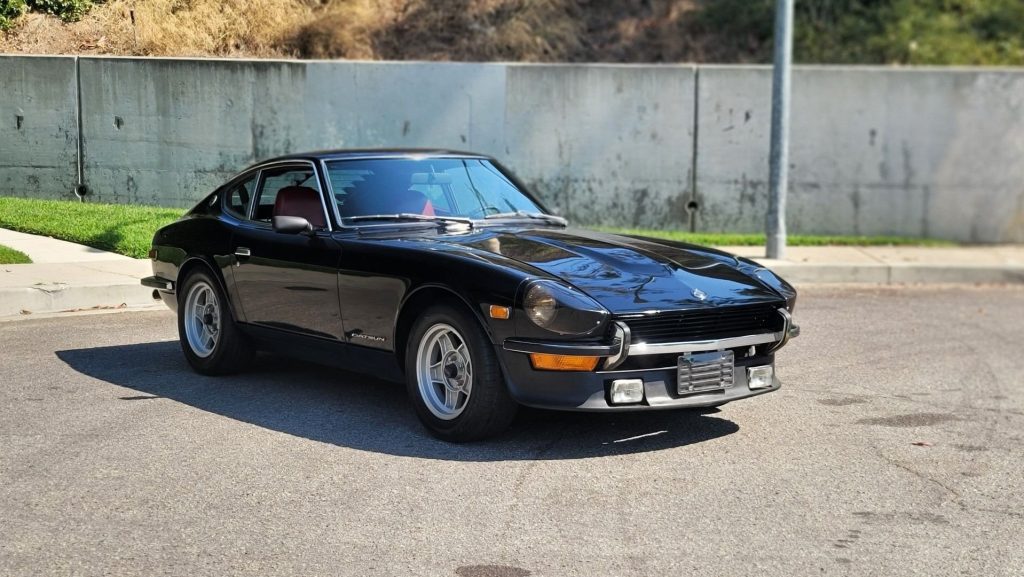
Another factor in the 240Z’s enduring presence is the wide availability of parts. Both factory and aftermarket components are easy to source, making restorations and repairs manageable. This, combined with a strong enthusiast community, ensures these cars continue to run and perform well.
Even decades later, the 240Z remains a driver’s car, capable of reliable daily use. Its blend of lightweight design, strong engine, and simple engineering makes it one of the 70s cars that has truly stood the test of time.
4. Mercedes-Benz W114/W115 (1973)
The 1973 Mercedes-Benz W114/W115 series, often called the “Stroke-8,” is a testament to German engineering. Known for its solid construction, these sedans and coupes have earned a reputation for lasting several decades with minimal mechanical issues.
The engines, ranging from four-cylinders to inline-sixes, were built for longevity. Many examples are still running today with over 300,000 miles. The combination of precise engineering, quality materials, and straightforward mechanical systems makes maintenance predictable and manageable.
The W114/W115’s body construction contributed to its durability. A strong chassis, rust-resistant coatings, and carefully designed suspension components allowed the car to maintain its structural integrity even in demanding conditions. Regular servicing of brakes, fluids, and suspension ensured continued performance.
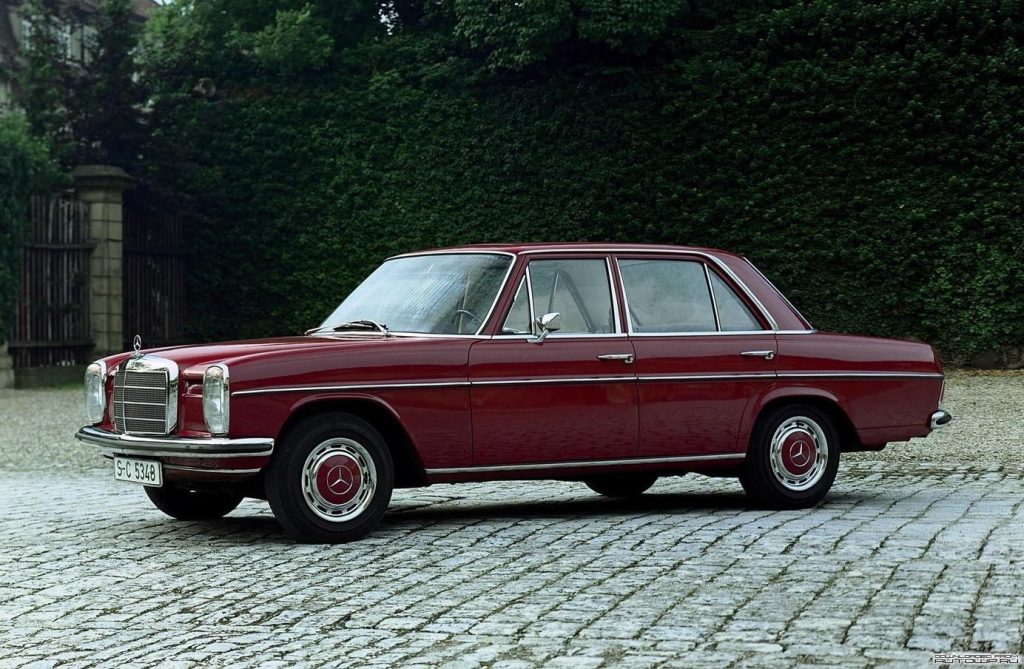
Additionally, the availability of parts and a dedicated owner community helped keep these cars on the road. Mercedes’ commitment to reliability in the 70s resulted in vehicles that not only lasted long but also retained value over time.
Even today, owners appreciate the W114/W115 for comfort, reliability, and timeless styling. Its combination of engineering, durability, and practicality makes it one of the standout cars of the 1970s that continues to perform well decades later.
5. Volvo 240 (1974)
The 1974 Volvo 240 is widely recognized for its legendary reliability and solid construction. These sedans and wagons were engineered to withstand heavy use, making them some of the most enduring cars from the 1970s.
One of the key reasons for the 240’s longevity is its engine. Equipped with robust inline-four engines, many 240s have surpassed 300,000 miles with regular maintenance. The mechanical simplicity, including a carbureted or later fuel-injected setup, allowed owners to perform repairs without specialized equipment.
The Volvo’s body design emphasized safety and durability. A strong steel frame, reinforced doors, and corrosion-resistant coatings helped these vehicles survive decades, even in harsh climates. Regular maintenance, such as rust prevention and suspension servicing, has kept many 240s in daily use today.
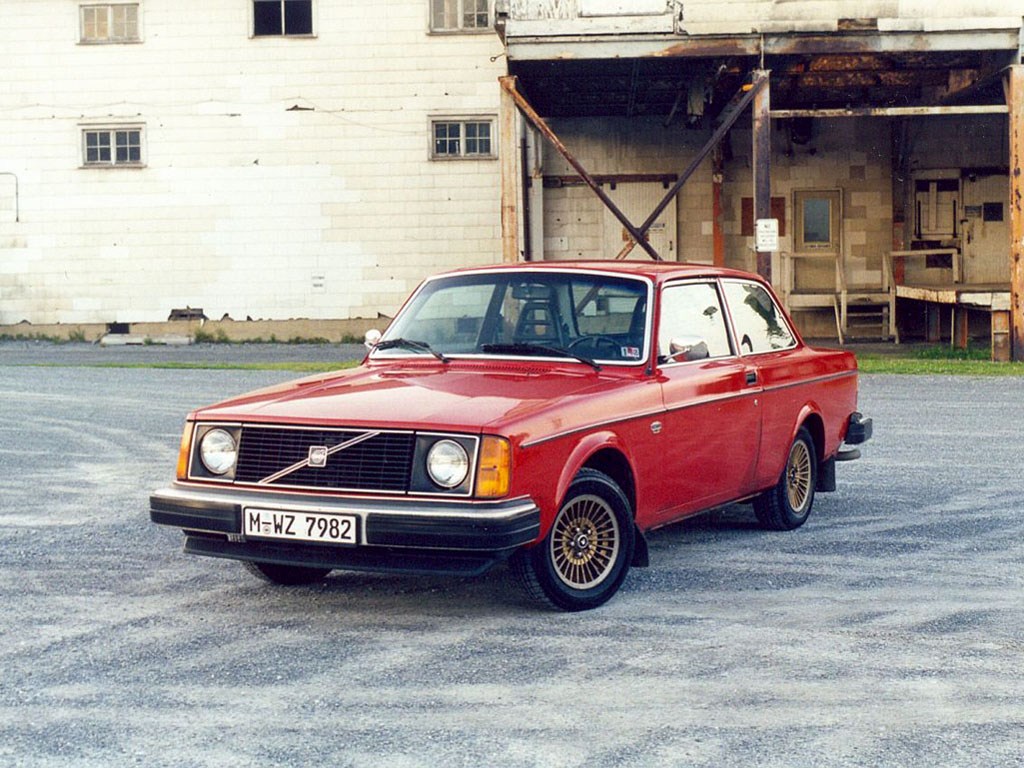
Another factor is the availability of parts. Volvo provided replacement components for decades, and aftermarket support made it easier to keep these cars running. Many owners also found that routine attention to the drivetrain and brakes kept the vehicles reliable for long-term use.
The 240’s combination of practicality, durability, and ease of repair makes it a favorite among enthusiasts and everyday drivers alike. Even after forty-plus years, these cars continue to deliver dependable performance, proving that solid engineering can stand the test of time.
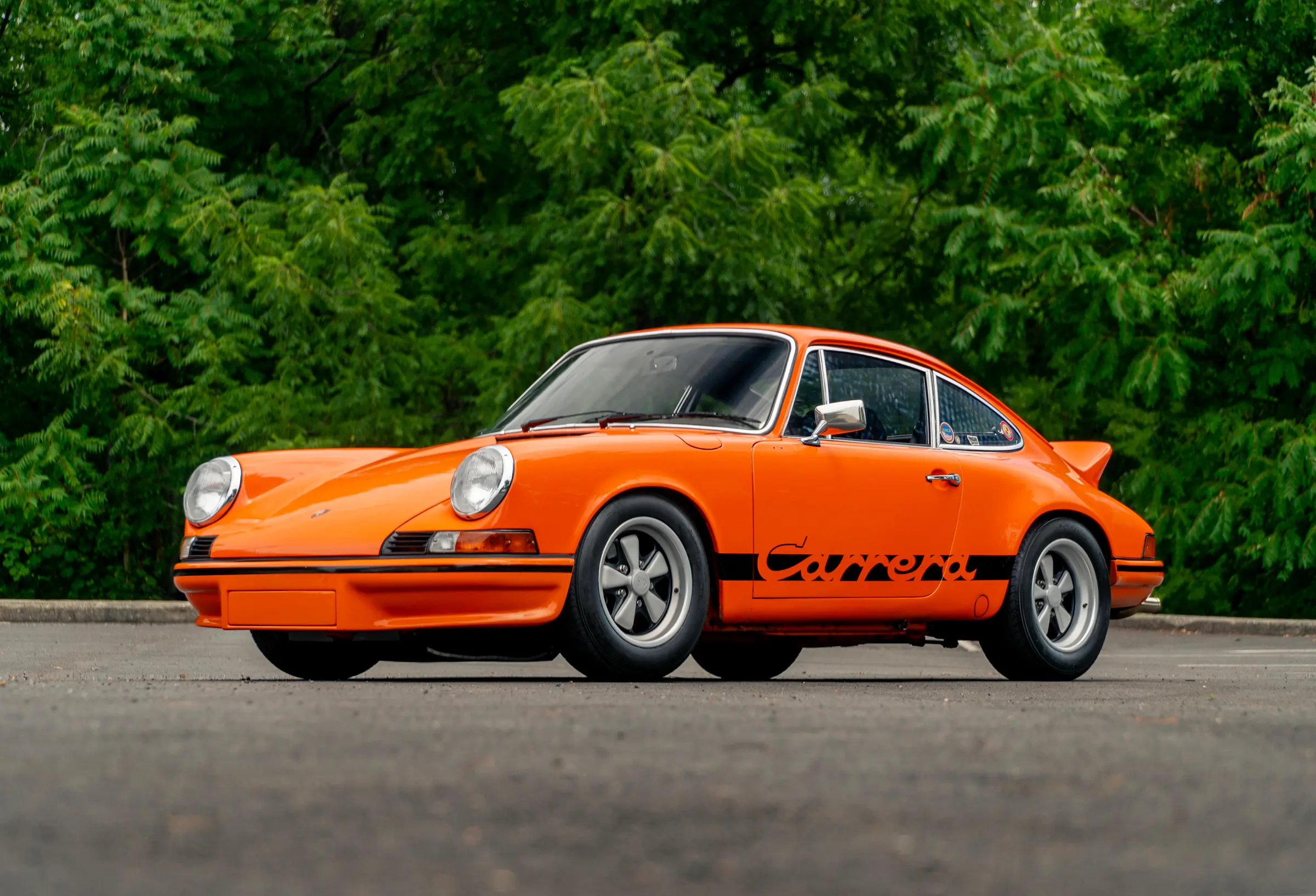
6. Porsche 911 (1973)
The 1973 Porsche 911 is an iconic sports car known not only for its performance but also for its durability. Early 911s combined lightweight design with robust engineering, allowing many examples to remain on the road for decades.
The air-cooled flat-six engine is a major reason for the 911’s longevity. With proper maintenance, these engines can exceed 200,000 miles. The relatively simple mechanical design, including carbureted and later fuel-injected systems, allows for routine maintenance without expensive electronic diagnostics.
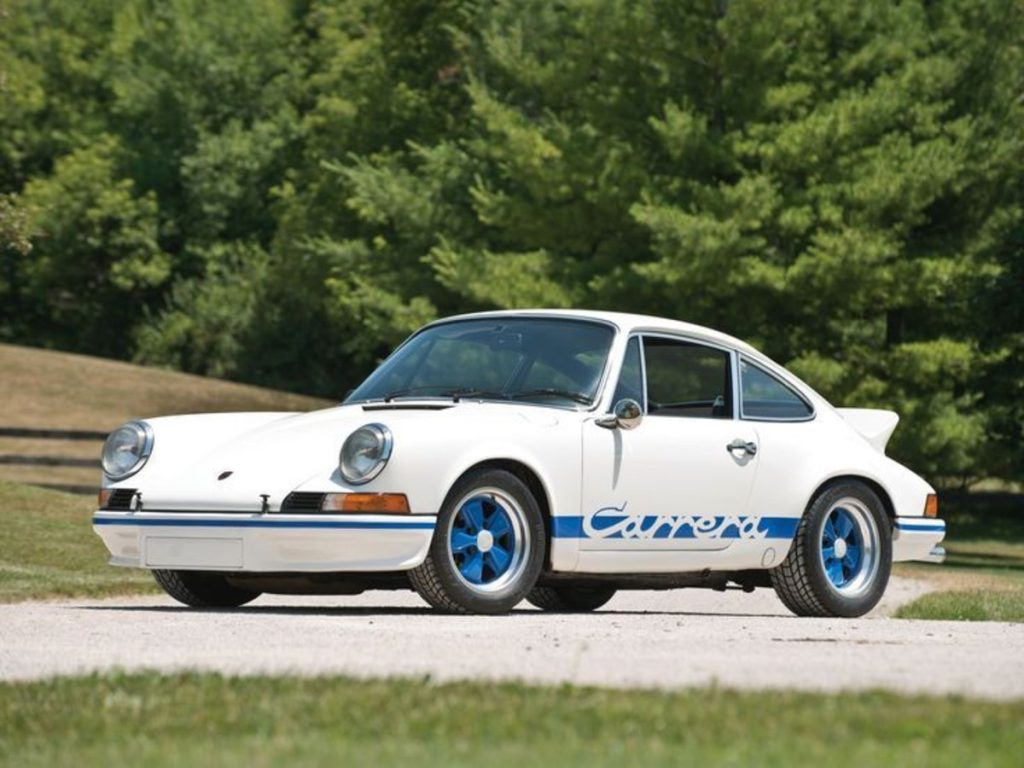
The 911’s chassis and suspension were designed for both handling and resilience. Strong suspension components, a durable body structure, and high-quality materials contribute to the car’s enduring performance. Regular attention to oil changes, valve adjustments, and brake servicing has kept many early 911s running smoothly.
Additionally, Porsche’s reputation for engineering excellence means replacement parts are widely available, and a strong community of enthusiasts provides guidance for maintenance and restoration.
The combination of reliable mechanics, timeless design, and dedicated care has allowed the 1973 911 to remain a sought-after vehicle that performs as well today as it did decades ago.
Even now, these 911s are enjoyed on roads and tracks alike, proving that solid engineering from the 1970s can remain highly functional and reliable over time.
7. Toyota Corolla (1974)
The 1974 Toyota Corolla is a prime example of durability and reliability from the 1970s. Known for its modest design and efficient engineering, the Corolla has remained a staple for drivers who value a car that simply keeps running.
Under the hood, the Corolla featured small, straightforward four-cylinder engines. These engines were designed with longevity in mind, focusing on fuel efficiency and minimal wear.
With regular oil changes and maintenance, many 1974 Corollas have surpassed 200,000 miles, proving that simple engineering can often outperform complex systems in terms of reliability.
One of the main reasons for the Corolla’s enduring performance is its mechanical simplicity. Lacking complicated electronics, these vehicles could be serviced by owners or small repair shops without specialized tools. Components like the carburetor, distributor, and brakes were easy to inspect, adjust, and replace, contributing to their long-term usability.
The body and chassis were built to withstand daily wear. Strong steel frames, straightforward suspension setups, and corrosion-resistant materials ensured the Corolla remained structurally sound even decades later.
Owners who performed regular rust prevention and suspension checks often found their cars staying reliable far beyond typical expectations.
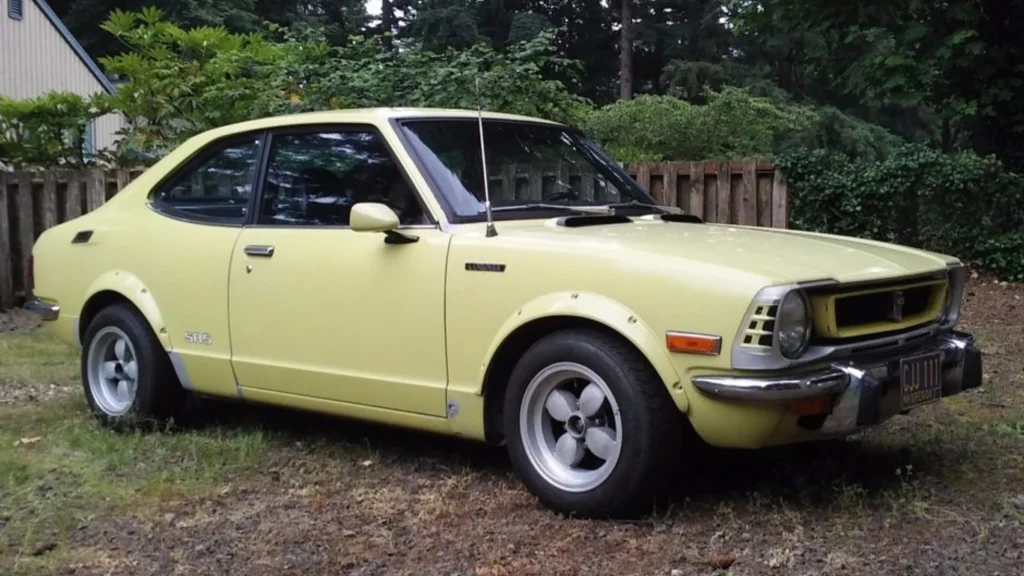
Another factor in the Corolla’s longevity is parts availability. Toyota’s global presence meant that replacement components were accessible, making repairs easier and less expensive. Enthusiast communities further supported maintenance and restoration efforts, keeping these cars on the road for decades.
Even today, the 1974 Corolla is admired for its reliability, ease of maintenance, and practicality.
It demonstrates that a well-built, simple car from the 1970s can remain a dependable companion, whether used for daily driving or as a classic collector’s car. Its reputation for longevity makes it a standout example of enduring automotive engineering.
8. BMW 2002 (1973)
The 1973 BMW 2002 is a compact sports sedan that earned a reputation for performance, balance, and reliability. While enthusiasts praise its driving dynamics, its mechanical design also contributed to its enduring presence on the road.
The 2002’s four-cylinder engine was engineered to last. With routine maintenance, many examples have exceeded 250,000 miles.
Carbureted and later fuel-injected engines were relatively simple, allowing owners to handle repairs without high-tech equipment. Regular oil changes, valve adjustments, and brake servicing ensured consistent performance over decades.
Chassis design played a crucial role in longevity. The 2002 had a strong, rigid frame and durable suspension components. These features allowed the car to maintain handling and safety even after years of use. Rust prevention and routine undercarriage care helped many survive harsh climates without significant structural deterioration.
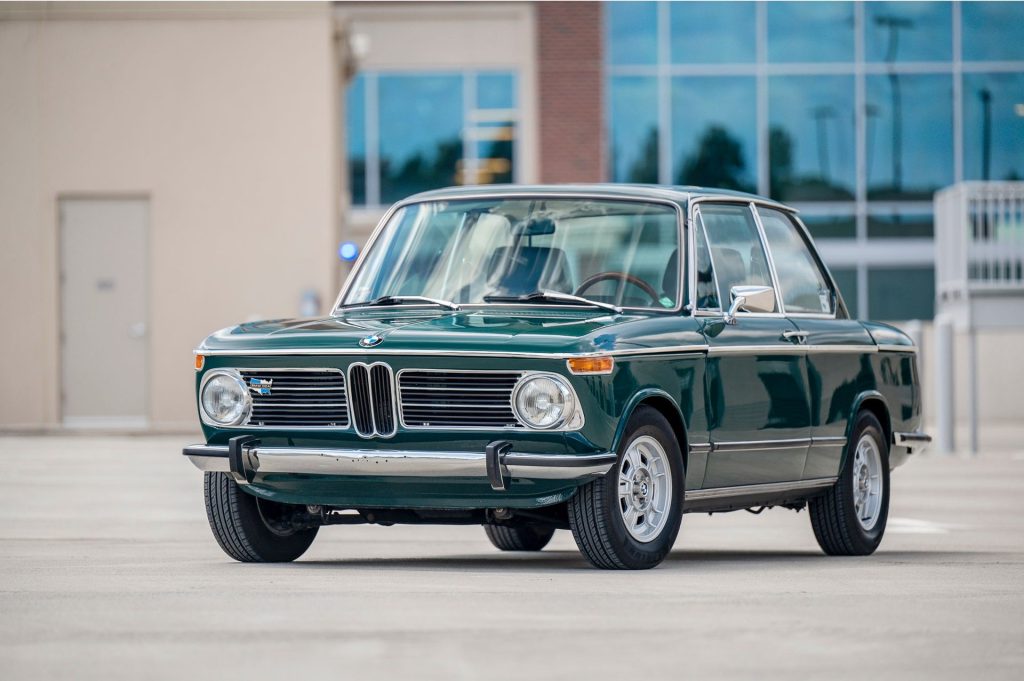
Parts availability and community support also helped the 2002 remain roadworthy. BMW’s popularity and the thriving enthusiast network made it easy to find replacement components and advice, ensuring ongoing maintenance could be performed efficiently.
The 2002’s combination of performance and reliability allowed it to serve as both a daily driver and a spirited weekend car. Decades later, these vehicles continue to be admired for their durability, mechanical simplicity, and engaging driving experience.
The 1973 BMW 2002 demonstrates that careful engineering, coupled with proper care, can produce a car that not only performs well but also endures far beyond its expected lifespan.
9. Pontiac Firebird (1970)
The 1970 Pontiac Firebird is a classic American muscle car known for its style, power, and surprisingly enduring reliability. While often celebrated for performance, the Firebird also featured engineering that allowed many examples to remain on the road decades later.
Under the hood, the Firebird offered a range of V8 engines. These engines, though powerful, were built with durability in mind.
With regular oil changes, carburetor maintenance, and periodic tune-ups, many 1970 Firebirds have surpassed 200,000 miles. The straightforward mechanical design allowed owners to perform repairs without specialized electronic equipment, which contributed to its longevity.
The Firebird’s suspension and chassis were designed for both performance and durability. Solid frames, heavy-duty suspension components, and strong steering systems helped the car maintain roadworthiness over long periods. Regular attention to brakes, alignment, and rust prevention further extended its life.
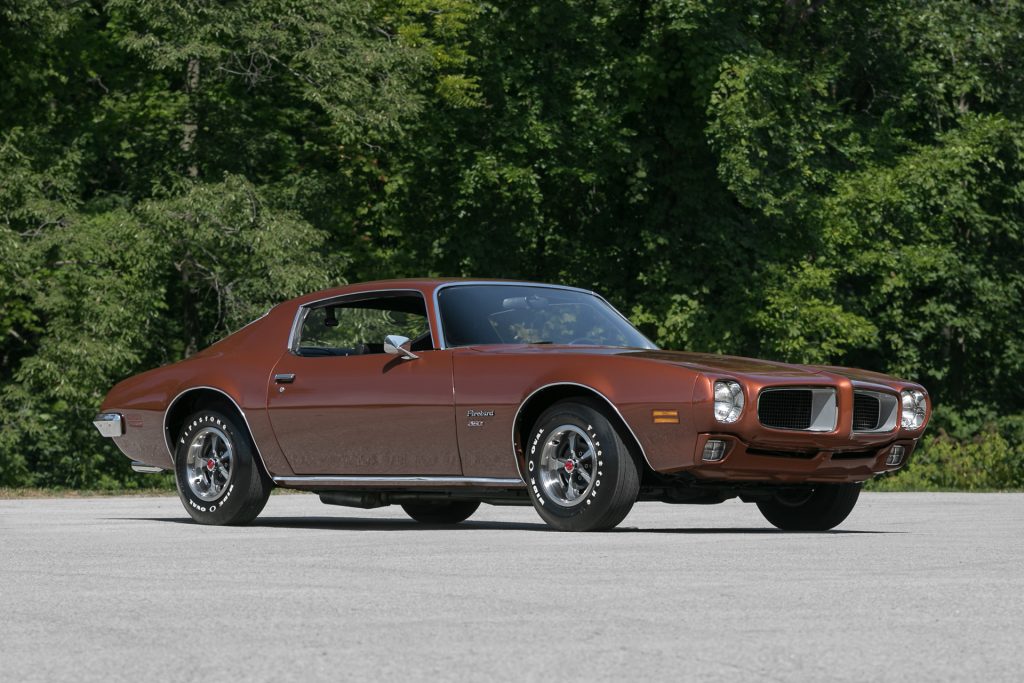
Another factor in the Firebird’s endurance is parts availability. Popularity among muscle car enthusiasts means replacement components are widely accessible, making repairs and restoration projects feasible.
A strong community of owners has shared knowledge and techniques, helping many keep these cars running for decades.
Even today, the 1970 Pontiac Firebird remains a sought-after classic, capable of daily driving or weekend cruising. Its combination of performance, durability, and straightforward mechanics allows it to continue impressing drivers.
The Firebird demonstrates that a muscle car from the 70s can deliver both excitement and reliability when maintained properly.
10. Honda Civic (1973)
The 1973 Honda Civic marked the beginning of one of the most enduring and reliable compact car lines in automotive history. Known for its simplicity, fuel efficiency, and long-lasting components, the first-generation Civic continues to serve as a dependable vehicle for collectors and everyday drivers.
The Civic featured a small, efficient four-cylinder engine that prioritized durability over performance.
With consistent oil changes and basic maintenance, many early Civics have exceeded 200,000 miles. Its mechanical simplicity, including carbureted fuel systems and minimal electronics, allowed owners to perform repairs and adjustments easily.
The chassis and suspension were designed for lightweight durability. The compact frame and strong suspension components made the Civic resilient to daily wear. Rust prevention and careful maintenance ensured that many 1973 Civics remained structurally sound even after decades of use.
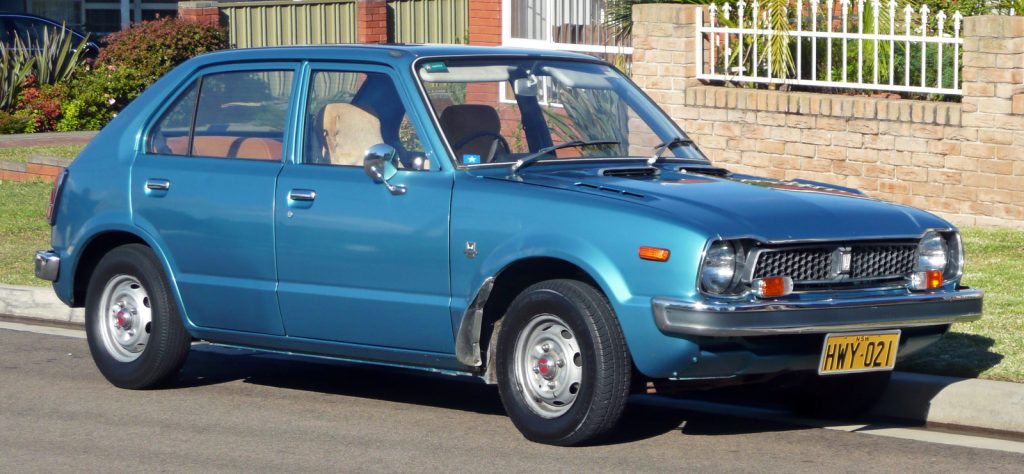
Availability of parts also contributed to the Civic’s longevity. Honda’s commitment to the model and widespread popularity meant replacement components were easy to source, making repairs affordable and straightforward. Enthusiast communities further supported maintenance and restoration.
Even now, the 1973 Honda Civic is admired for its reliability, fuel economy, and ease of repair. It represents a time when cars were designed to last with proper care.
This Civic demonstrates that even small, modest vehicles from the 70s can provide decades of dependable service, maintaining functionality and charm long after their initial production.
Cars from the 1970s have earned a remarkable reputation for durability and longevity. Many of the vehicles from this decade continue to run strong today, often decades after their initial production.
This enduring performance can be attributed to a combination of solid engineering, mechanical simplicity, and high-quality materials used during their manufacture.
One key factor in the longevity of these cars is their straightforward mechanical design. Engines, transmissions, and suspensions were built to last, often without the complex electronics found in modern vehicles.
Simple carbureted engines, manual adjustments, and minimal reliance on sensors allowed owners to perform repairs and routine maintenance easily.
Vehicles like the Toyota Corolla, Honda Civic, and Datsun 240Z demonstrate how reliable engineering can keep a car functional for decades, even with high mileage.
Another factor is the quality of construction. Steel frames, corrosion-resistant coatings, and durable suspension components helped cars withstand years of daily use. Models such as the Volvo 240 and Mercedes-Benz W114/W115 remain structurally solid today due to their robust chassis and rust-prevention measures.
Attention to routine maintenance, including lubrication, brake servicing, and undercarriage care, allowed these vehicles to survive in different climates and driving conditions.
Parts availability and community support have also played an important role. Many classic vehicles, such as the BMW 2002 and Porsche 911, benefit from readily available replacement parts and dedicated enthusiast networks.
This support ensures that owners can continue servicing and restoring their cars without difficulty. The accessibility of parts contributes directly to the long life of these vehicles, keeping them on the road for decades.
Performance and practicality were carefully balanced in the 1970s. Muscle cars like the Chevrolet Camaro and Pontiac Firebird combined powerful engines with durability, while compact vehicles like the Honda Civic and Toyota Corolla focused on efficiency and reliability.
Even sports cars such as the Datsun 240Z and Porsche 911 were engineered for both spirited driving and long-term endurance. This balance allowed cars from this era to remain functional in a variety of driving scenarios, whether used for daily commuting, weekend driving, or collection purposes.
Finally, proper care and ownership have been crucial. Owners who maintained regular service schedules, protected vehicles from rust, and repaired worn components have kept their 70s cars running well into the modern era.
Enthusiasts today continue to appreciate these vehicles not just for their nostalgic value but for their proven dependability.
The cars featured in this list represent a broad range of the 1970s automotive market, from American muscle and luxury sedans to Japanese compacts and European sports cars.
Each model demonstrates how thoughtful design, high-quality materials, and practical engineering can result in a vehicle that stands the test of time.
Collectively, these cars highlight that with consistent maintenance and care, vehicles from the 1970s can continue to deliver performance, reliability, and enjoyment more than forty years after their release.
Owning or driving a 1970s car today is not just a tribute to classic styling; it is a testament to durability and sound engineering. These vehicles show that wit
h straightforward mechanics, strong construction, and attentive care, cars can remain reliable companions for decades.
They continue to inspire respect for an era when engineering focused on longevity, and they remain a source of enjoyment for drivers who value enduring quality.
Also Read: 10 SUVs That Have Aged Gracefully Since the 2000s
