
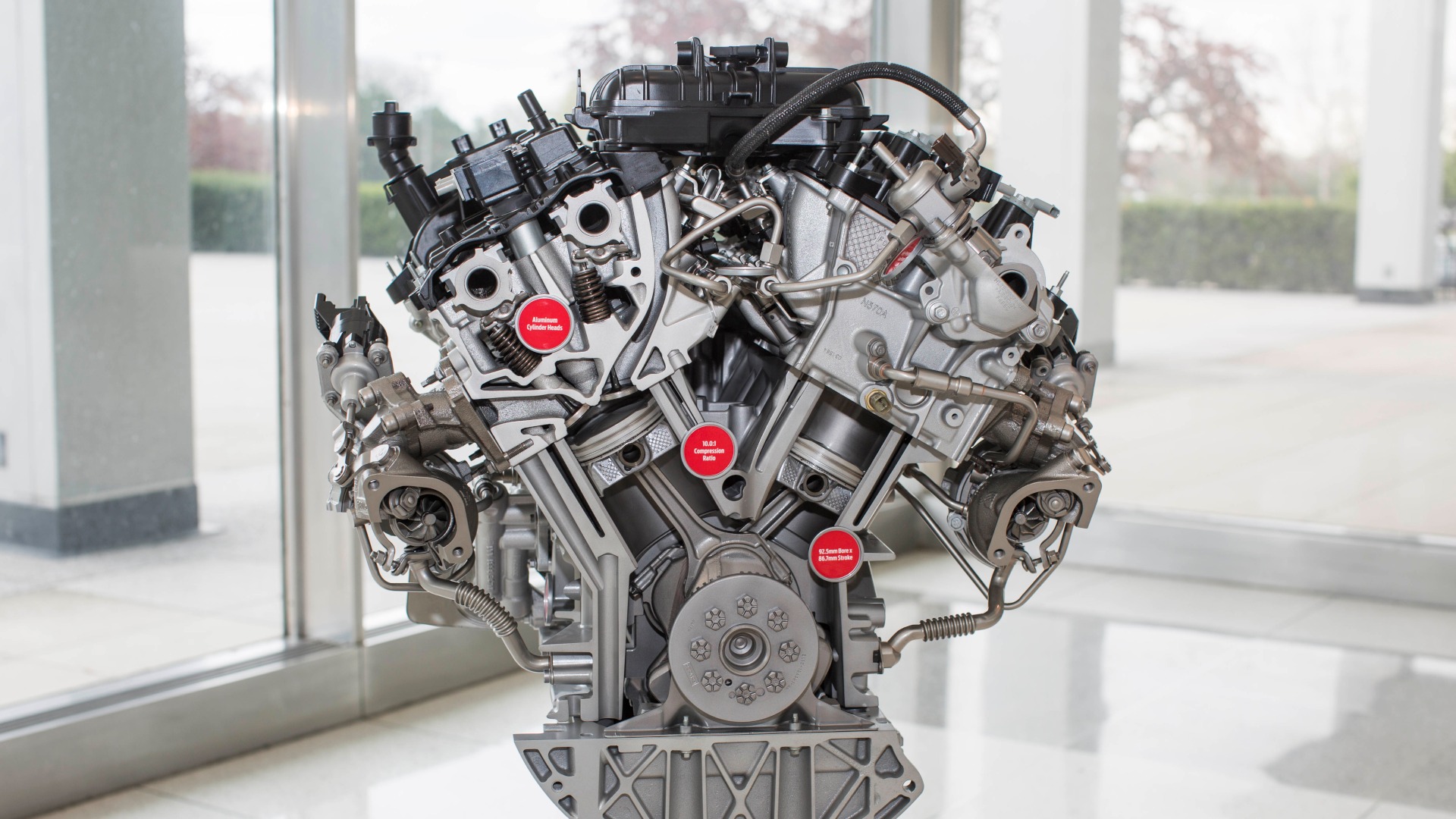
The V6 engine has become one of the most popular choices for car enthusiasts and everyday drivers alike, offering a balance of power, efficiency, and smooth operation. However, not all V6 engines deliver the same experience.
Some engines consistently impress owners with reliability, performance, and low maintenance requirements, while others develop recurring issues that lead to frustration and unexpected repair costs.
Engines that impress owners combine strong mechanical design, durable materials, and thoughtful engineering. They offer smooth power delivery, responsive acceleration, and the ability to endure high mileage without major issues.
Reliability is key, as owners appreciate engines that require minimal intervention beyond standard maintenance. These powertrains often retain value and earn praise for their longevity and performance consistency.
On the other hand, V6 engines that constantly disappoint may be prone to mechanical failures, excessive oil consumption, or premature wear of critical components.
Frequent issues with timing chains, turbochargers, or electronic systems can make ownership costly and inconvenient. Understanding which engines perform reliably versus those that are problematic helps buyers make informed decisions and avoid costly mistakes.
This article examines five V6 engines that consistently impress owners and five that regularly disappoint. Each example details the reasons behind its reputation, focusing on durability, performance, and owner satisfaction.
Also Read: 5 SUVs That Dealers Love to Buy Back vs 5 They Avoid
5 V6 Engines That Impress Owners
Some V6 engines have earned a reputation for reliability, smooth performance, and owner satisfaction. These engines often balance power, fuel efficiency, and durability, allowing vehicles to perform well for many miles with minimal issues.
Mechanics and enthusiasts alike praise these powertrains for consistent operation and predictable maintenance requirements.
Engines that impress are typically built with strong blocks, forged or high-quality internal components, and conservative tuning that prevents unnecessary stress.
They also benefit from straightforward systems, accessible service points, and proven designs that have been refined over multiple generations. Owners often report satisfaction not only with performance but also with low repair frequency and ease of maintenance.
This section highlights five V6 engines that have gained admiration for their reliability and performance. Each engine represents a combination of engineering quality, durability, and driving experience that keeps owners confident over the long term.
By examining these engines, readers gain insight into what makes a V6 reliable and enjoyable while demonstrating why careful engineering and design choices can significantly enhance long-term satisfaction.
1. Toyota 2GR-FE (2005–Present)
The Toyota 2GR-FE, a 3.5-liter V6 introduced in 2005, is widely regarded as one of the most reliable and durable V6 engines available.
Found in vehicles such as the Camry, Avalon, Highlander, and Lexus RX350, the 2GR-FE combines smooth performance, efficiency, and long-term reliability, making it a favorite among owners.
One key factor contributing to its success is the robust construction. The 2GR-FE features an aluminum engine block with cast-iron cylinder liners, forged connecting rods, and a strong crankshaft. These components allow the engine to handle high mileage with minimal wear.
The timing chain system is durable and generally requires little maintenance, unlike timing belts in other engines.
Mechanics praise the 2GR-FE for smooth and responsive power delivery. Its variable valve timing system (VVT-i) enhances efficiency and performance across RPM ranges without introducing significant reliability concerns.
Fuel delivery systems, cooling components, and oil management are all designed to withstand extended use, reducing the likelihood of mechanical failures.
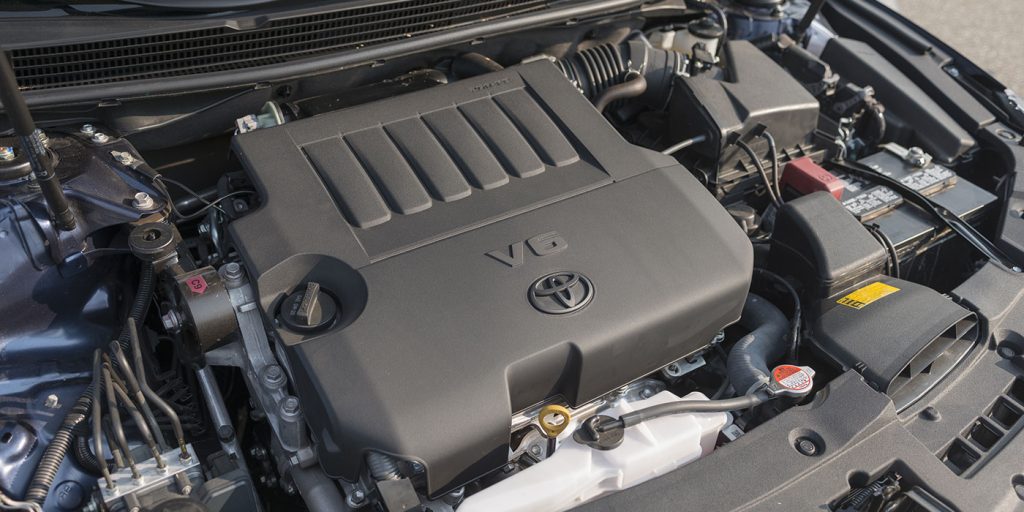
Owners also appreciate the engine’s low maintenance demands. Routine oil changes and scheduled inspections are typically sufficient to keep the 2GR-FE running for 300,000 miles or more.
Its reputation for reliability is supported by widespread positive experiences in daily driving, long-distance travel, and high-mileage ownership scenarios.
Including the Toyota 2GR-FE in this list highlights how careful engineering, durable materials, and proven designs create a V6 engine that consistently impresses owners.
Its blend of performance, efficiency, and longevity demonstrates why it is regarded as a benchmark for dependable V6 powertrains.
2. Honda J35 V6 (2000–Present)
The Honda J35 V6, a 3.5-liter engine first introduced in 2000, is known for its durability, smooth operation, and impressive reliability.
Found in models such as the Honda Odyssey, Accord, Pilot, and Ridgeline, the J35 has earned praise from both mechanics and owners for its long-lasting performance and low maintenance needs.
One of the J35’s key strengths is its robust internal design. The engine features an aluminum block with high-strength cylinder liners, a forged steel crankshaft, and reinforced connecting rods.
This solid construction allows it to handle high mileage without significant wear or frequent repairs. Timing chains, rather than belts, further reduce maintenance requirements and enhance longevity.
The J35 also delivers smooth, responsive power. Its VTEC system improves efficiency and performance across different engine speeds, offering a balance of fuel economy and acceleration without sacrificing reliability.
Cooling and oiling systems are designed for consistent operation, minimizing the risk of overheating or internal component failure.
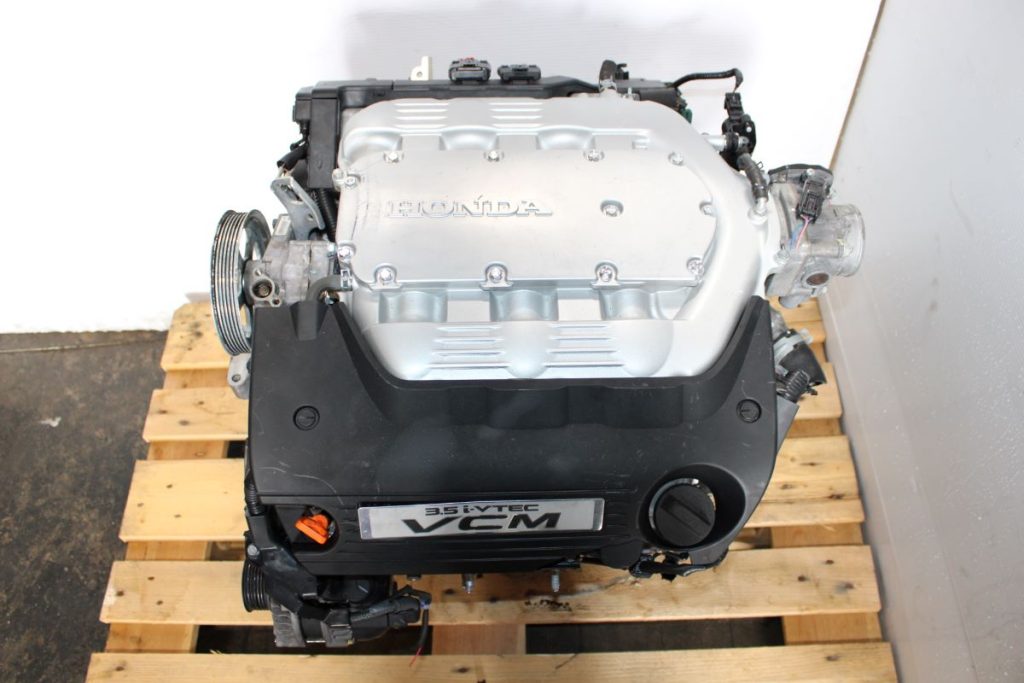
Mechanics frequently note the engine’s predictable maintenance profile. Regular oil changes, scheduled inspections, and routine spark plug replacements are typically sufficient to ensure continued reliability.
Many J35 engines exceed 250,000 miles with minimal issues, demonstrating a combination of performance and durability rarely seen in V6 engines.
Including the Honda J35 in this list emphasizes how engineering focused on strength, efficiency, and simplicity can produce a V6 engine that consistently impresses.
Its reputation for reliability, smooth power delivery, and minimal maintenance challenges makes it a favorite among owners and mechanics alike.
3. Chevrolet LFX V6 (2010–Present)
The Chevrolet LFX V6, a 3.6-liter engine introduced in 2010, is widely recognized for its balance of power, efficiency, and reliability. Found in vehicles such as the Chevrolet Traverse, Impala, Camaro, and Equinox, the LFX has earned a reputation among owners for smooth performance and long-term durability.
One of the key strengths of the LFX is its advanced yet reliable construction. The engine features an aluminum block, high-strength cylinder liners, and forged steel components that provide resilience under high mileage and frequent use. Timing chains replace belts, reducing routine maintenance requirements and improving overall durability.
Performance is another highlight. The LFX V6 delivers smooth and responsive acceleration, aided by variable valve timing technology.
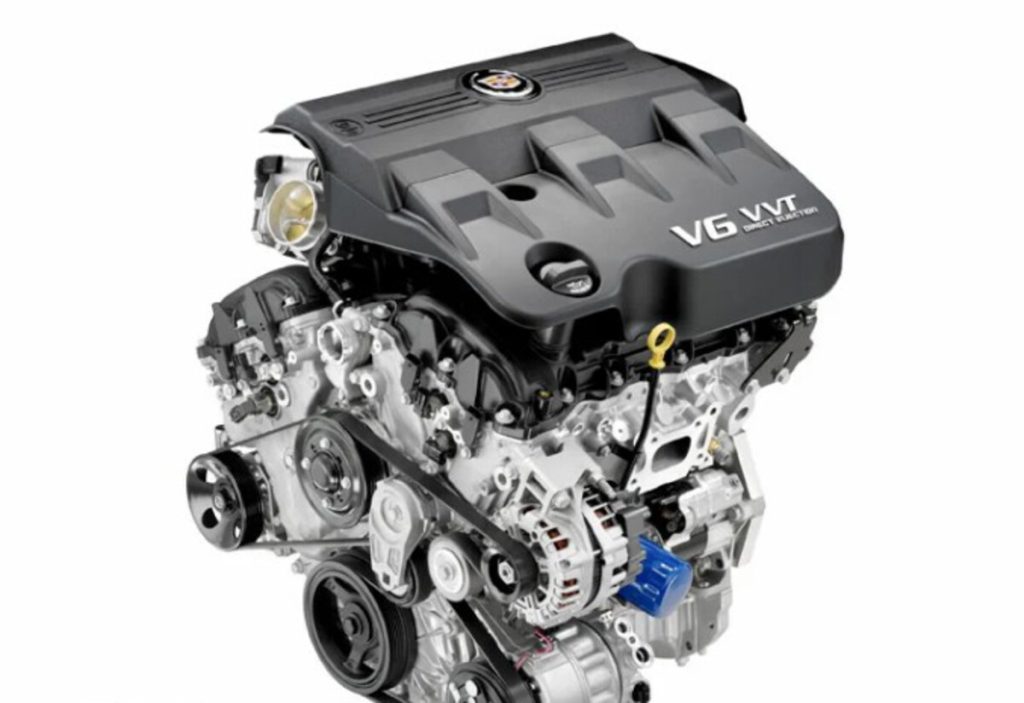
This allows the engine to optimize fuel efficiency while maintaining strong power output across different driving conditions. Cooling and oiling systems are engineered to handle long-term use, minimizing the risk of overheating or component failure.
Mechanics consistently praise the LFX for its predictable maintenance profile and robustness. Routine oil changes and periodic inspections are typically all that is needed to keep the engine in top condition.
Owners report minimal issues even after high mileage, making it a dependable choice for daily driving and long-distance travel.
Including the Chevrolet LFX V6 in this list demonstrates how a modern V6 engine can combine performance, efficiency, and longevity.
Its engineering, durable materials, and smooth operation make it a V6 that consistently impresses owners, proving that reliability and satisfying driving dynamics can coexist.
4. Nissan VQ35DE (2001–2013)
The Nissan VQ35DE, a 3.5-liter V6 engine produced between 2001 and 2013, is widely regarded for its performance, reliability, and smooth operation.
Found in vehicles such as the Nissan 350Z, Altima, Maxima, and Murano, this engine has earned acclaim from owners and mechanics for its long-lasting performance and low-maintenance characteristics.
One of the VQ35DE’s main strengths is its robust construction. The engine features an aluminum block, forged steel crankshaft, and reinforced connecting rods, providing durability and the ability to handle high mileage.
Its timing chain system eliminates the need for a belt replacement, reducing routine maintenance and increasing longevity.
The engine’s performance is smooth and responsive. Its variable valve timing system optimizes power and efficiency across different driving conditions, offering a balance of acceleration, fuel economy, and drivability.
Cooling and lubrication systems are designed for consistent operation, minimizing wear and reducing the risk of overheating or component failure.
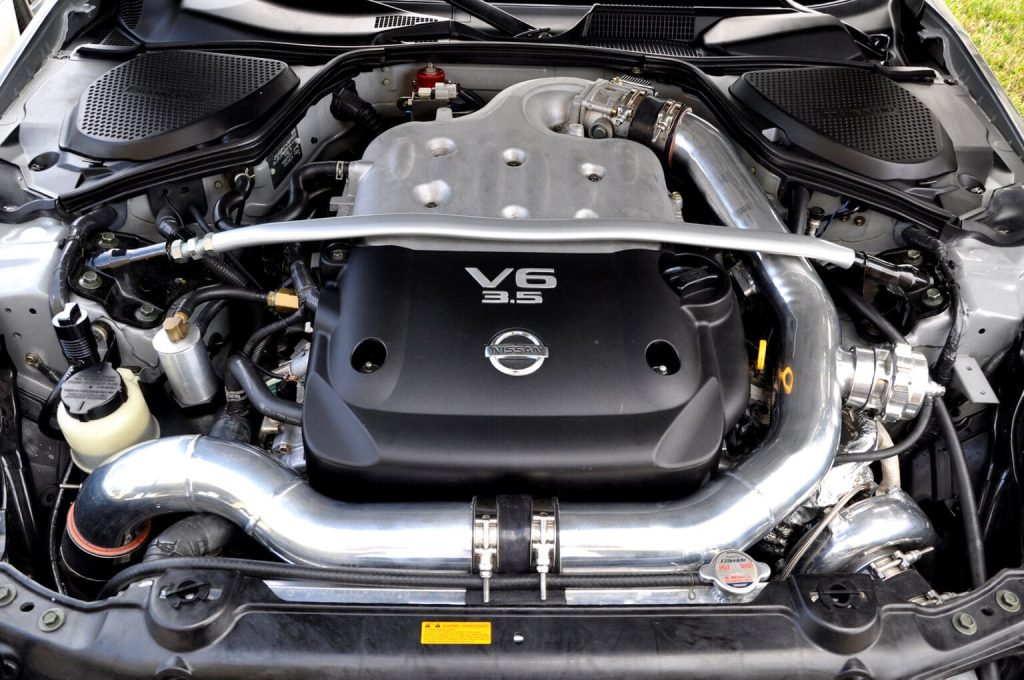
Mechanics highlight the engine’s reliability and predictability. Common maintenance, such as oil changes, spark plug replacement, and filter servicing, is sufficient to maintain long-term performance.
Many examples of the VQ35DE surpass 200,000 miles with minimal issues, demonstrating its mechanical resilience and engineering quality.
Including the Nissan VQ35DE in this list emphasizes how a well-designed V6 engine can combine performance, durability, and owner satisfaction.
Its smooth operation, solid construction, and low maintenance requirements make it a V6 that consistently impresses owners and remains a benchmark for reliability in its class.
5. Ford Duratec 3.5 V6 (2007–Present)
The Ford Duratec 3.5 V6, introduced in 2007, is known for its reliable performance, smooth operation, and long-term durability.
Found in vehicles such as the Ford Edge, Fusion, Taurus, and Explorer, the Duratec 3.5 V6 has consistently impressed owners and mechanics with its balance of power, efficiency, and dependability.
The engine’s robust construction is a primary factor in its longevity. It features an aluminum block with high-strength cylinder liners, forged steel crankshaft, and reinforced connecting rods. Timing chains replace traditional belts, reducing routine maintenance and extending the engine’s lifespan.
Performance is smooth and responsive. The Duratec 3.5 V6 delivers consistent power across the RPM range, aided by variable valve timing technology, which enhances both acceleration and fuel efficiency. Cooling and oiling systems are designed for durability, minimizing the risk of component failure even under extended use.
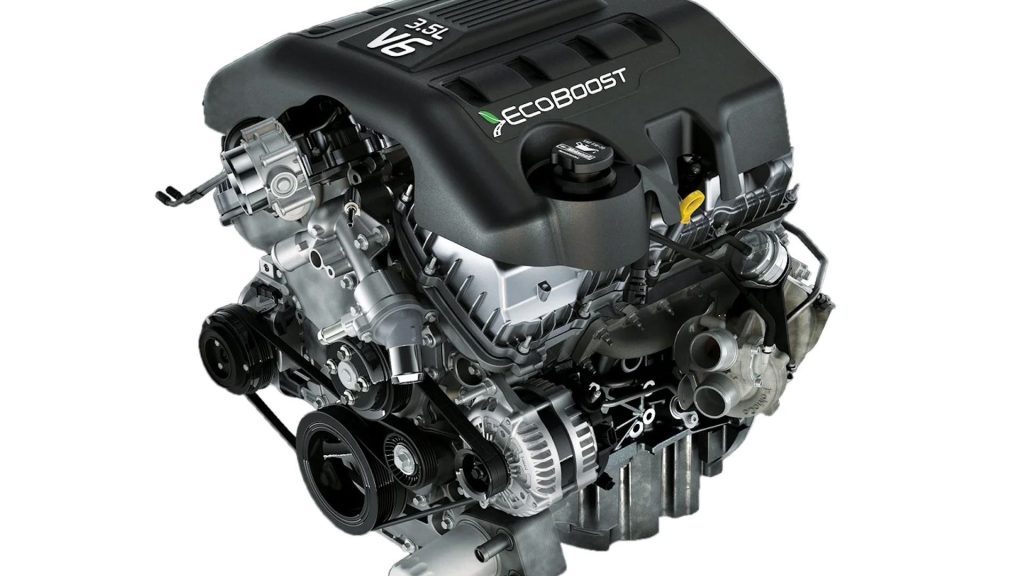
Mechanics praise the Duratec 3.5 for its predictability and low maintenance requirements. Routine oil changes, inspections, and standard spark plug replacement are typically sufficient to maintain reliable operation over high mileage.
Owners frequently report engines exceeding 250,000 miles with minimal repairs, showcasing its engineering and build quality.
Including the Ford Duratec 3.5 V6 in this list highlights how careful engineering, durable materials, and reliable systems create a V6 that delivers performance and peace of mind.
Its reputation for longevity, smooth power delivery, and minimal issues makes it a favorite among owners, demonstrating that a well-designed V6 can consistently impress.
5 V6 Engines That Constantly Disappoint
While many V6 engines offer a combination of performance, reliability, and longevity, some models fall short of expectations. These engines often develop recurring mechanical or electronic issues, consume excessive oil, or require frequent and costly maintenance, frustrating owners and mechanics alike.
V6 engines that disappoint can suffer from poorly designed components, complex systems prone to failure, or under-engineered parts that struggle with stress over time.
Common issues include timing chain or belt failures, turbocharger problems, cooling system malfunctions, and excessive wear of internal components. Even engines with strong performance on paper may disappoint in daily use if they lack durability or require constant attention.
Understanding which engines have a history of disappointing performance helps buyers and enthusiasts make informed decisions, avoiding unexpected repairs and high ownership costs.
Recognizing the weak points of certain V6 powertrains also illustrates the importance of careful engineering and conservative design choices in ensuring long-term satisfaction.
This section examines five V6 engines that consistently disappoint. Each example highlights recurring failures, design flaws, or maintenance challenges, detailing why these engines have developed a reputation for unreliability despite being marketed for performance or efficiency.
1. Nissan VQ40DE (2004–2013)
The Nissan VQ40DE, a 4.0-liter V6, is widely recognized for delivering smooth power and strong performance in vehicles like the Nissan Pathfinder, Xterra, and Frontier. However, it has developed a reputation among mechanics and owners for reliability issues that detract from its otherwise impressive capabilities.
A recurring problem with the VQ40DE is timing chain tensioner wear. Over time, the chain can stretch or the tensioner can fail, leading to chain rattle, misalignment, and in severe cases, engine damage. Repairs are costly and labor-intensive, making this a significant concern for long-term ownership.
Other issues include excessive oil consumption and early wear of camshaft and crankshaft components.
Some engines develop carbon buildup in the intake system, reducing efficiency and performance. Cooling system components, such as the radiator and thermostat, can also fail prematurely, resulting in overheating and potential engine damage.
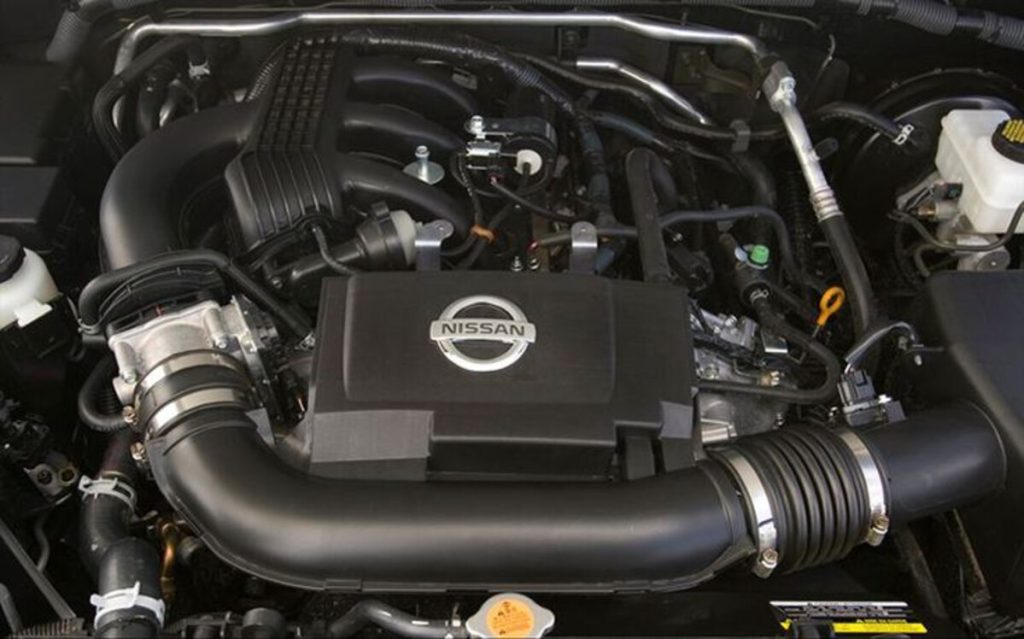
Electronics are relatively simple, but sensors like the MAF and throttle position sensor occasionally fail, leading to drivability issues and warning lights. Combined with the mechanical problems, these electronic glitches add to maintenance challenges.
Including the VQ40DE in this list highlights that even well-performing V6 engines can disappoint when key components fail. While it offers smooth power and a pleasant driving experience, recurring mechanical and maintenance issues make ownership frustrating and costly, confirming its reputation as a V6 that consistently disappoints.
2. Ford Cyclone 3.5 V6 (Twin-Turbo, 2010–2019)
The Ford Cyclone 3.5 V6 twin-turbo engine, used in vehicles such as the Ford F-150, Explorer, and Taurus SHO, offers impressive power and torque, but it has developed a reputation for frequent issues and reliability concerns. Owners often experience disappointment despite the engine’s strong performance.
One of the most significant problems is carbon buildup on intake valves, a common issue in direct-injection engines. This reduces performance, fuel efficiency, and throttle response over time, often requiring costly walnut-blasting or intake cleaning procedures.
Timing chain and turbocharger-related issues are also prevalent. Turbocharger oil seals can fail, causing smoke, reduced boost, and potential engine damage if left unaddressed. Timing chains can stretch or fail prematurely, leading to misalignment, noise, and expensive repairs.
Cooling system components, such as water pumps and thermostats, are prone to failure, which can result in overheating and damage to sensitive engine parts. Mechanics also note that the complex turbocharging and cooling systems increase maintenance difficulty and repair costs.
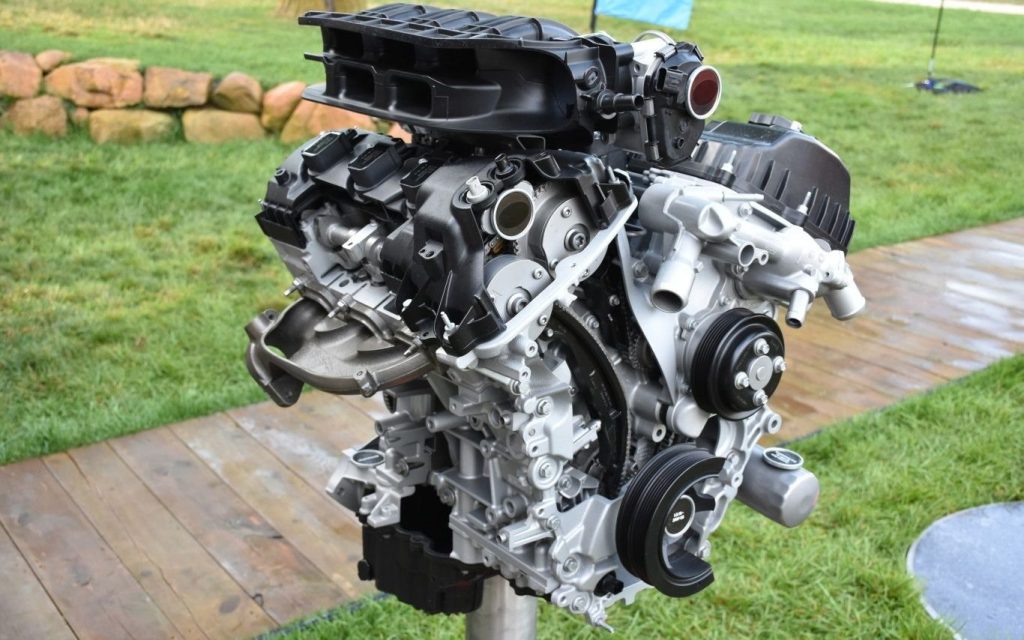
Electronic systems controlling boost, fuel delivery, and emissions are complex and sensitive. Failures in sensors or control modules can trigger warning lights, reduce performance, and require professional diagnostics.
Including the Ford Cyclone 3.5 V6 twin-turbo in this list demonstrates that even powerful and modern engines can disappoint when design, maintenance sensitivity, and component durability are not balanced.
Despite strong output and potential, recurring mechanical and electronic issues make it a V6 that consistently frustrates owners over time.
3. Hyundai Lambda 3.3 V6 (2006–2013)
The Hyundai Lambda 3.3 V6, found in vehicles like the Hyundai Santa Fe, Sonata, and Genesis, offers smooth performance and adequate power, but it has developed a reputation for disappointing reliability over time. Mechanics and owners report recurring issues that undermine its otherwise pleasant driving characteristics.
One of the most common problems is engine oil consumption. Excessive oil burning can lead to low oil levels, premature engine wear, and even damage to pistons and cylinder walls if not carefully monitored. Oil leaks from valve cover gaskets and camshaft seals are also frequent, adding to maintenance concerns.
Timing chain tensioners and guides are known to wear prematurely, causing chain noise, misalignment, and potential engine damage if left unresolved. Additionally, the Lambda 3.3 can experience intake manifold and throttle body issues, which affect performance and throttle response.
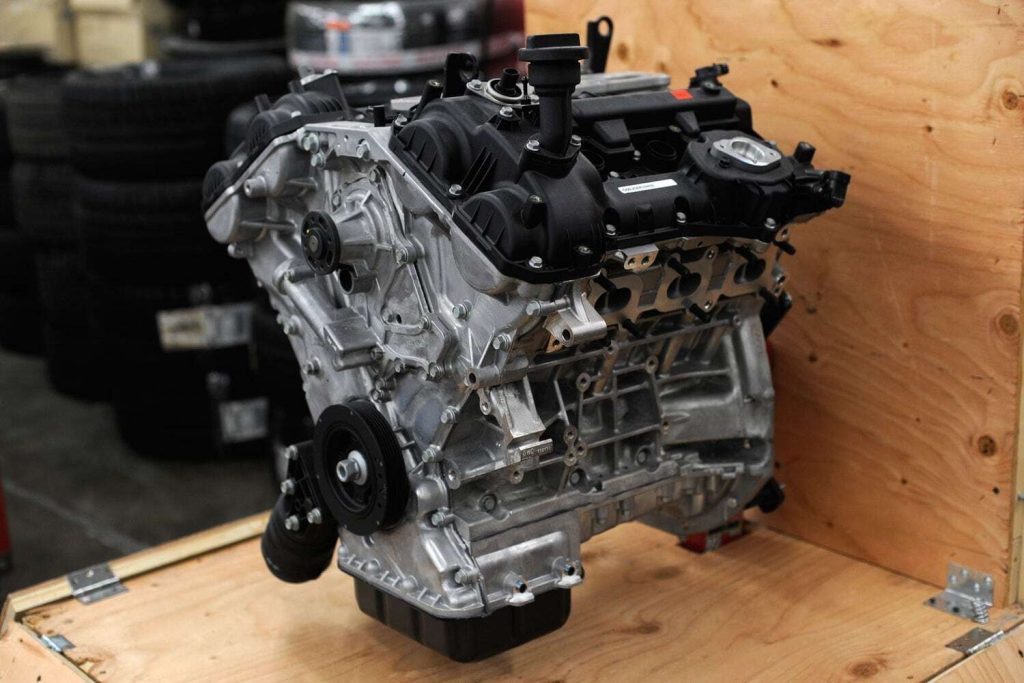
Cooling system components, such as water pumps and thermostats, are prone to failure, increasing the risk of overheating and potential internal damage. Mechanics also note that the engine’s variable valve timing system can occasionally fail, leading to rough idling, poor acceleration, and check-engine lights.
Including the Hyundai Lambda 3.3 V6 in this list highlights that even engines with adequate performance and smooth operation can frustrate owners if key components lack durability.
Despite its strengths, the combination of oil consumption, timing chain concerns, and cooling system vulnerabilities makes it a V6 that frequently disappoints in long-term ownership.
4. Chrysler Pentastar 3.6 V6 (2011–2019)
The Chrysler Pentastar 3.6 V6, used in vehicles such as the Chrysler 300, Dodge Charger, Jeep Grand Cherokee, and Ram 1500, delivers impressive power and fuel efficiency, yet it has developed a reputation for recurring reliability issues that frustrate owners.
One significant concern is early timing chain and chain guide wear. Premature chain elongation can cause rattling, misalignment, and, in severe cases, catastrophic engine damage. Repairs are complex and costly, making this a frequent source of owner dissatisfaction.
Another problem is oil consumption, particularly in high-mileage engines. Excessive oil burning or leaks from valve cover gaskets and oil pan seals can lead to low oil levels, increased maintenance, and potential engine damage if ignored.
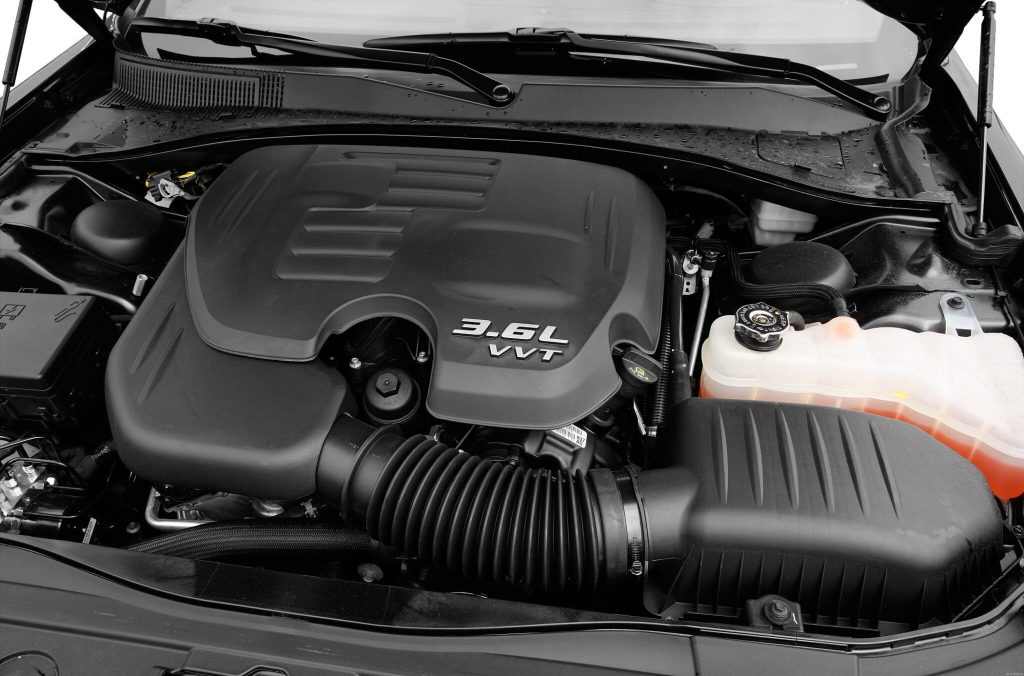
Cooling system vulnerabilities, including water pump and thermostat failures, can lead to overheating and increased stress on engine components. Turbocharged variants, such as in the Dodge Challenger or Jeep Grand Cherokee SRT, are especially sensitive to cooling and lubrication issues, requiring careful maintenance.
Mechanics also note that the Pentastar’s variable valve timing system occasionally fails, causing rough idling, power loss, or warning lights. While electronic systems improve efficiency, they introduce additional failure points that can increase repair costs.
Including the Chrysler Pentastar 3.6 V6 in this list demonstrates that even modern engines with strong output and efficiency can disappoint when durability and component reliability are inconsistent.
Despite performance advantages, recurring mechanical and maintenance issues make it a V6 that often leaves owners frustrated and dissatisfied.
5. Toyota 2GR-FKS (Early Models, 2009–2013)
The Toyota 2GR-FKS, a 3.5-liter V6 introduced in 2009, is widely used in vehicles like the Camry, Avalon, Highlander, and Lexus RX350.
While later models are praised for reliability, early versions of the 2GR-FKS developed a reputation for disappointing owners due to recurring mechanical and maintenance issues.
One of the most common problems in early models is excessive oil consumption. Pistons and rings sometimes fail to maintain proper sealing, leading to noticeable oil loss between changes. Owners must monitor oil levels closely, or the engine risks internal wear over time.
Timing chain tensioners in early 2GR-FKS engines are also a concern. Premature wear can cause chain noise, timing misalignment, and potential long-term engine damage. While not as severe as catastrophic failure, it creates frustration and increases maintenance costs.
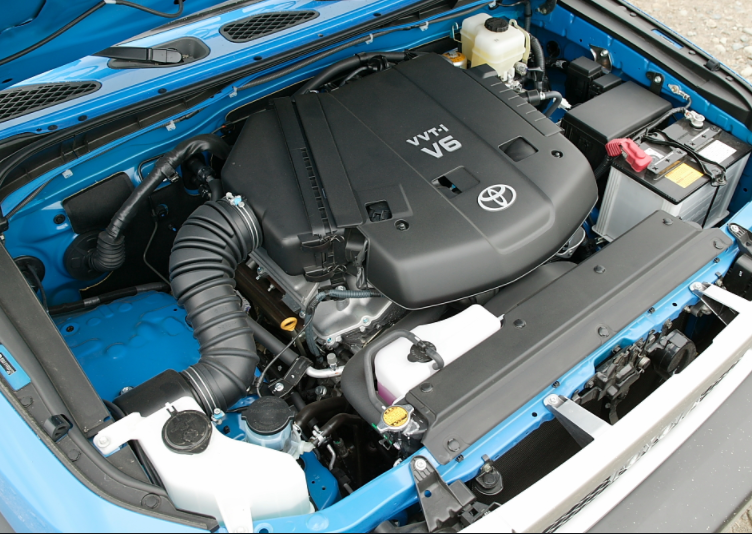
Some engines experience issues with water pumps and cooling components, which can lead to overheating if left unresolved. Variable valve timing (VVT-i) components have occasionally failed as well, causing rough idling, reduced power, or warning lights.
Including the early 2GR-FKS in this list highlights that even engines with excellent later reputations can have initial production issues that disappoint owners.
While these engines generally perform well, recurring oil consumption, timing chain concerns, and early component failures make ownership more challenging than expected, emphasizing that even a well-engineered V6 can frustrate when early versions have weak points.
Also Read: 5 Toyota Trucks That Refuse to Die vs 5 That Don’t
