
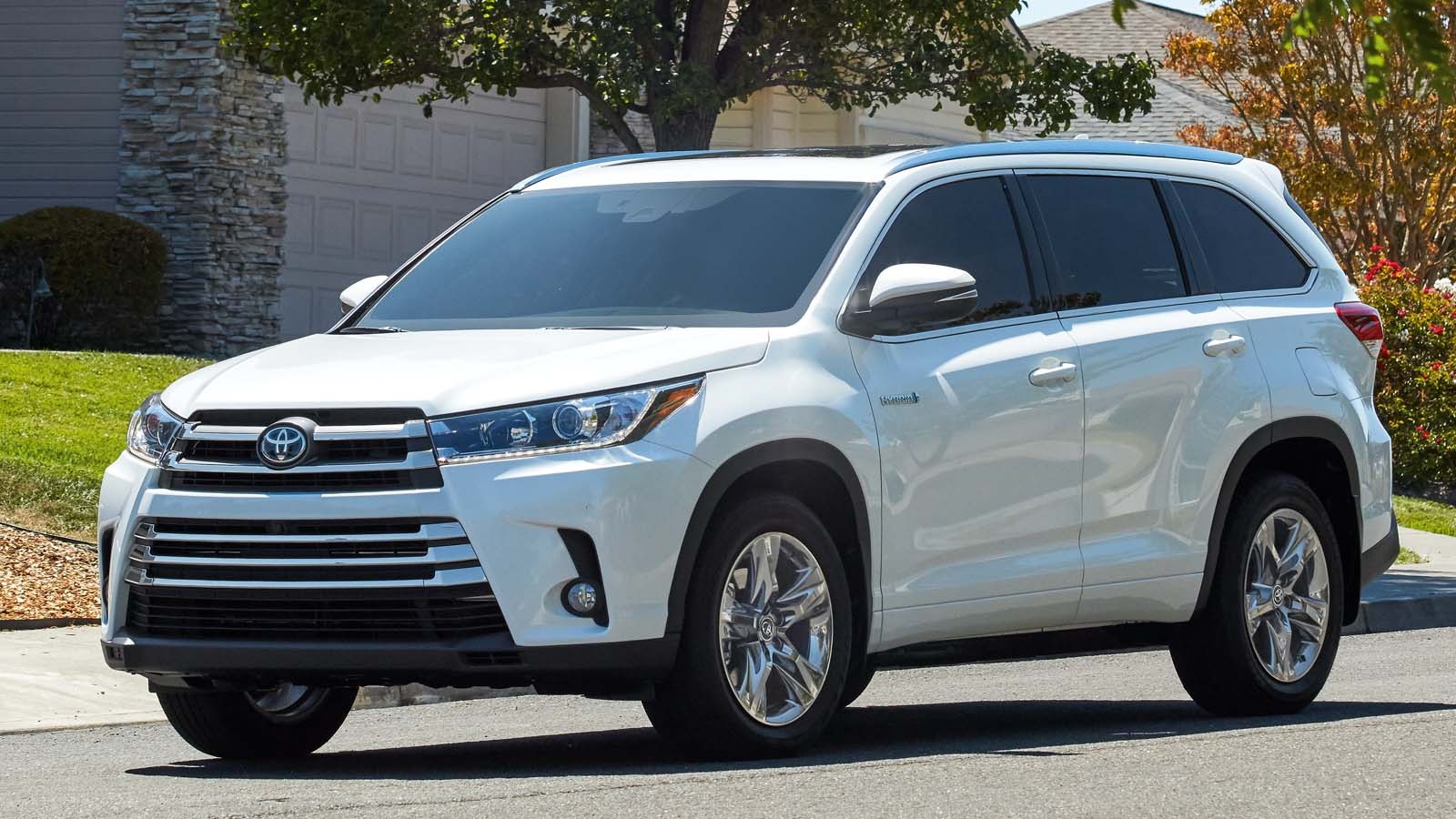
Hybrids have become an increasingly popular choice for drivers seeking fuel efficiency and lower emissions without compromising reliability.
Beyond the savings at the pump, certain hybrid models are known for requiring minimal costly repairs, making them an appealing option for long-term ownership.
One of the main reasons some hybrids remain low-maintenance is the durability of their powertrain. A well-designed hybrid system, including the battery, electric motor, and internal combustion engine, can operate reliably for many years.
Manufacturers who focus on proven engineering techniques often produce vehicles that avoid frequent breakdowns and expensive components.
Another factor is simplicity in maintenance. Many hybrids are built with easily accessible components, straightforward mechanical systems, and high-quality materials that reduce wear and tear.
Routine servicing, such as oil changes, brake checks, and hybrid battery inspections, is generally all that is needed to maintain optimal performance.
The hybrid vehicles highlighted in this article have earned reputations for reliability and cost-effective ownership.
They show that careful design and engineering can produce cars that save money not only on fuel but also on repairs. Owners often find that these hybrids require far less attention than other vehicles in their class, even after several years of use.
These models span a variety of types, from sedans and hatchbacks to SUVs. Each demonstrates that with proper engineering, hybrid vehicles can combine efficiency, environmental benefits, and dependable performance without leading to high repair costs.
The following list examines ten hybrids that consistently prove to be durable, practical, and easy to maintain, making them excellent options for those seeking long-term value.
Also Read: 10 SUVs That Have Aged Gracefully Since the 2000s
1. Toyota Prius (2016)
The 2016 Toyota Prius has long been a benchmark for hybrid reliability. Its combination of a proven gasoline engine and electric motor allows for efficient performance while minimizing the likelihood of costly repairs.
One of the main reasons the Prius remains low-maintenance is its hybrid battery. Toyota designed these batteries for longevity, and many Prius owners report that the original battery continues to perform well past 150,000 miles.
The cooling systems and battery management software work together to prevent overheating, which is a common cause of early battery failure in other hybrids.
The gasoline engine is also known for durability. Toyota’s use of proven engineering practices, high-quality materials, and conservative tuning ensures that the engine experiences minimal stress over time. Routine maintenance such as oil changes, air filter replacements, and brake servicing keeps the vehicle operating smoothly.
The regenerative braking system reduces wear on traditional brake components. Because braking energy is captured and converted to electricity, the brakes last significantly longer than in conventional vehicles, further reducing maintenance costs.
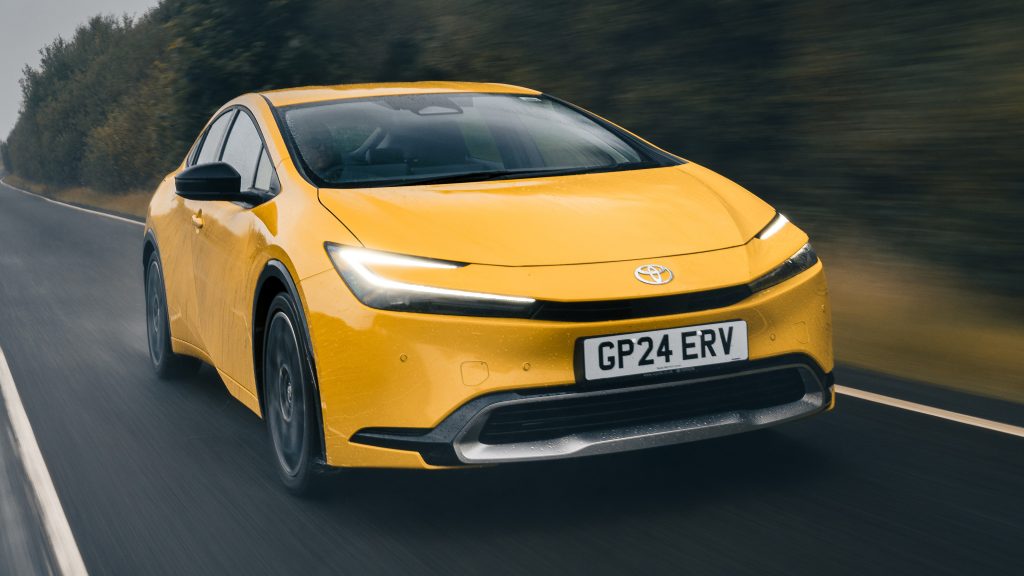
Another factor is parts availability. Toyota’s global network ensures that replacement components are easy to source and reasonably priced. Even after years of use, repairs are generally straightforward, avoiding surprises in ownership costs.
Owners of the 2016 Prius frequently report that they can drive for years without major mechanical issues. The combination of a long-lasting hybrid system, reliable engine, and minimal wear parts makes this Prius one of the least expensive hybrids to maintain over time.
Its track record for reliability demonstrates why it remains a top choice for drivers seeking an efficient and worry-free hybrid.
2. Honda Accord Hybrid (2018)
The 2018 Honda Accord Hybrid is another example of a hybrid that rarely incurs costly repairs. It combines Honda’s proven gasoline engine with an electric motor to deliver both fuel efficiency and long-term reliability.
The hybrid powertrain is built for durability. The electric motor assists the gasoline engine to reduce strain, while the battery system is engineered to withstand years of charge and discharge cycles. Many owners report minimal issues with the hybrid components, even after 100,000 miles.
Honda’s gasoline engines are well-known for reliability. Conservative tuning, durable components, and thoughtful design ensure minimal wear and tear. Routine maintenance, including oil changes, brake inspections, and tire rotations, keeps the vehicle in peak condition with low cost.
The regenerative braking system also reduces the frequency of brake replacement. By recapturing energy during deceleration, brake pads and rotors experience less wear, cutting down on maintenance expenses.
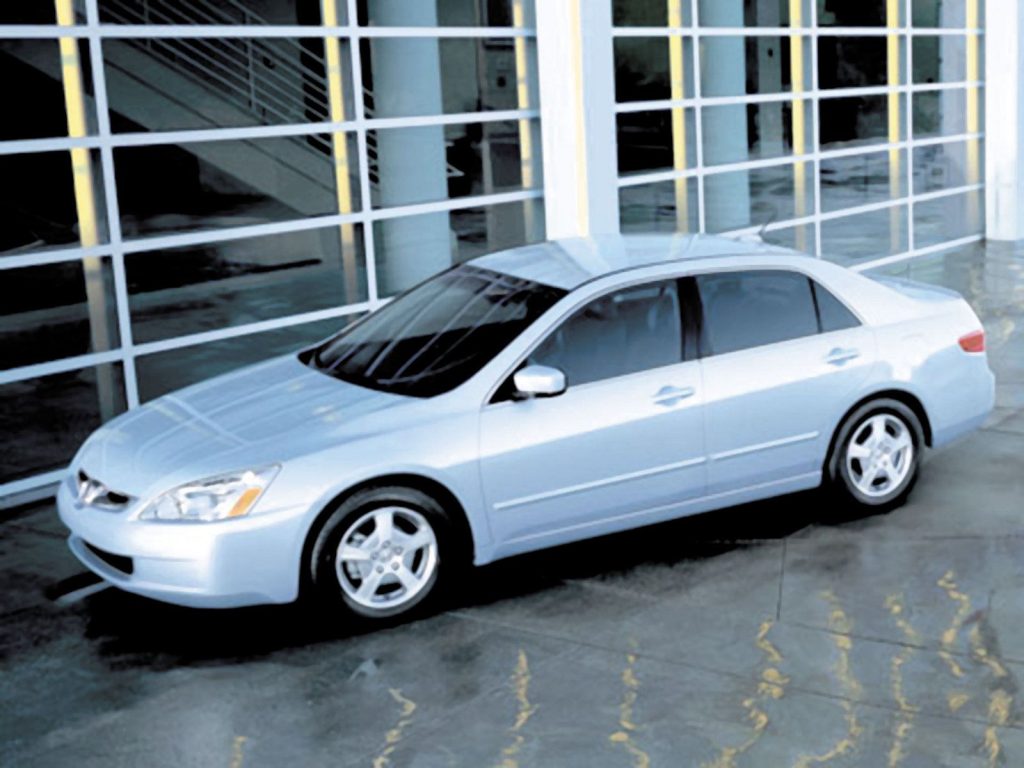
Interior and electrical systems in the Accord Hybrid are similarly durable. Controls, displays, and wiring are built to last, minimizing unexpected repairs that can occur in other vehicles. Honda’s attention to component longevity ensures that both daily driving and long-term ownership are low-stress experiences.
Parts availability is another advantage. Replacement components are widely accessible, and many repairs are straightforward for qualified technicians.
Overall, the 2018 Honda Accord Hybrid provides a dependable hybrid experience with minimal repair needs, making it one of the most cost-effective options for long-term ownership.
3. Toyota Camry Hybrid (2017)
The 2017 Toyota Camry Hybrid is widely recognized for combining efficiency with long-term reliability. Owners frequently report minimal repair issues, even after years of use and high mileage.
The hybrid system pairs a proven gasoline engine with an electric motor, reducing strain on both components. Toyota engineered the battery for durability, with advanced cooling systems and smart management to prevent overheating. Many Camry Hybrid owners experience minimal battery degradation even after 150,000 miles.
The gasoline engine is designed for longevity. Using high-quality components and conservative tuning, Toyota ensures that wear and tear remain low. Routine maintenance such as oil changes, air filter replacement, and brake checks keeps the vehicle operating smoothly with low cost.
Regenerative braking further reduces maintenance expenses. By converting braking energy into electrical energy, brake pads and rotors last longer than in conventional vehicles. This reduces the frequency of replacements and associated repair costs.
Toyota also ensures parts availability and affordability. Replacement components are widely accessible, and repairs are generally straightforward. This contributes to the Camry Hybrid’s reputation for being inexpensive to maintain over time.
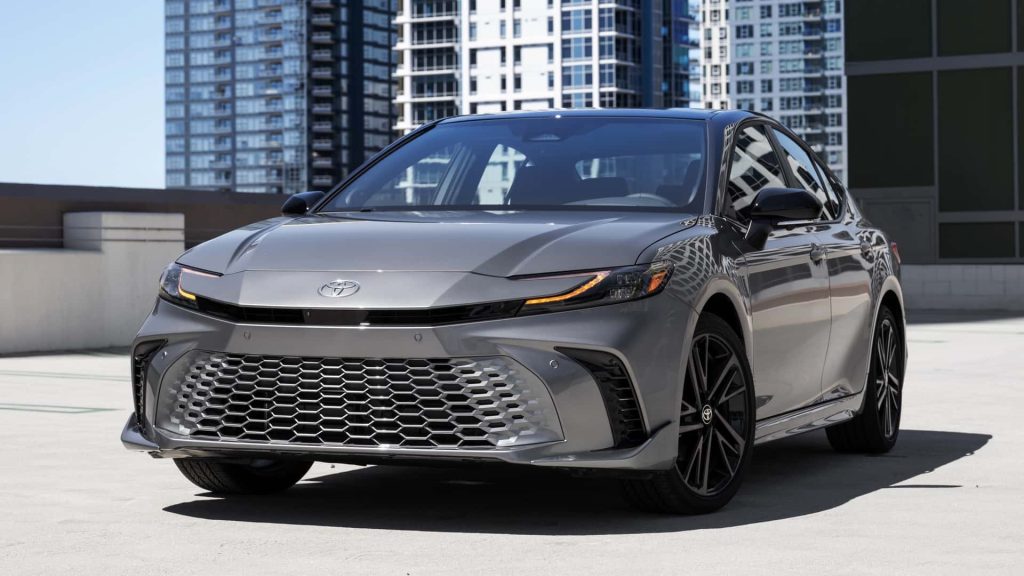
Interior components are built to last as well. Controls, displays, and dashboard materials are designed for durability, reducing the likelihood of repairs unrelated to the powertrain. Drivers appreciate that both the cabin and mechanical systems remain reliable over many years.
The 2017 Camry Hybrid demonstrates that a hybrid can combine fuel efficiency with minimal upkeep. Its durable powertrain, regenerative braking system, and high-quality construction make it a hybrid that rarely demands costly repairs. For drivers seeking a reliable, low-maintenance hybrid sedan, the Camry Hybrid is a standout choice.
4. Lexus RX 450h (2016)
The 2016 Lexus RX 450h is a luxury hybrid SUV praised for its smooth performance and exceptional reliability. Its hybrid components are engineered to last, contributing to a low-cost ownership experience.
The RX 450h uses a hybrid system that pairs a gasoline V6 with electric motors. This setup reduces stress on the engine while providing strong fuel efficiency.
The battery system is designed for long life, with cooling and management systems that prevent overheating or premature failure. Many RX 450h owners report the original battery still performing well after 100,000 miles.
The gasoline engine is equally durable. Lexus uses high-quality materials and precise engineering to minimize wear. Routine maintenance, including oil changes, brake inspections, and filter replacements, keeps the SUV running smoothly without incurring high costs.
Regenerative braking decreases wear on pads and rotors, reducing brake maintenance expenses. This system captures energy during deceleration, extending the lifespan of braking components compared to conventional systems.
Parts availability is strong, and Lexus provides excellent support for repairs. Replacement components are accessible, and many issues can be addressed without costly labor, making ownership practical even for long-term use.
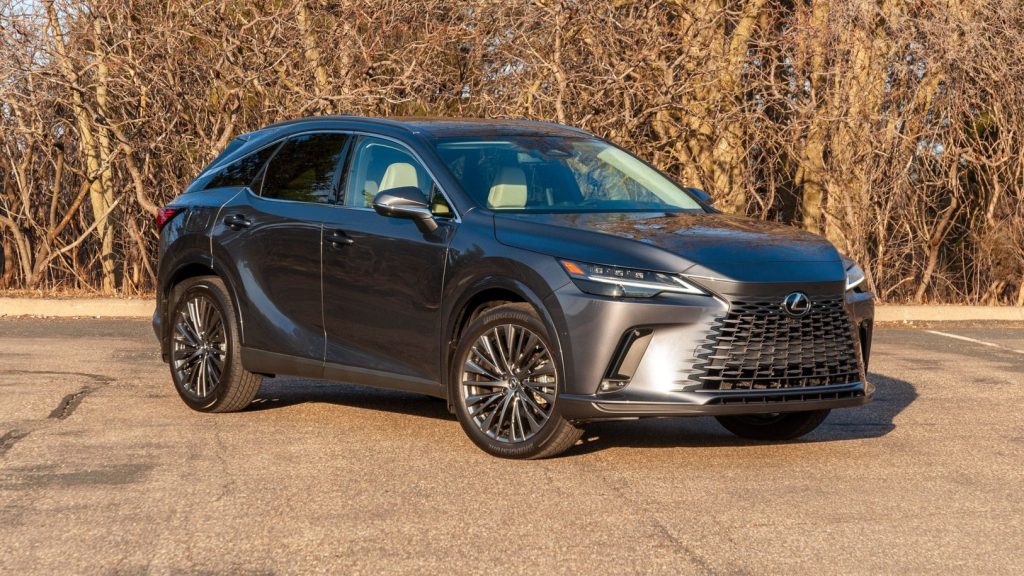
Interior and electronic systems are similarly resilient. Controls, displays, and trim materials are designed to last, ensuring that the cabin remains functional and visually appealing over time.
The 2016 Lexus RX 450h combines luxury, efficiency, and reliability. Its hybrid powertrain, durable construction, and thoughtful design make it a hybrid SUV that rarely needs costly repairs. Owners benefit from both long-term fuel savings and minimal maintenance expenses.
5. Hyundai Ioniq Hybrid (2019)
The 2019 Hyundai Ioniq Hybrid is known for combining impressive fuel efficiency with dependable performance. Its hybrid components are designed to be low-maintenance, making it a practical choice for long-term ownership.
The Ioniq Hybrid uses a proven combination of a gasoline engine and electric motor. The hybrid battery is built for longevity, with cooling systems and management software that prevent overheating and maintain performance. Many owners report that the battery remains reliable well past 100,000 miles.
The gasoline engine is durable and benefits from conservative tuning, which reduces stress on internal components. Routine maintenance, including oil changes, filter replacements, and brake checks, keeps the vehicle operating efficiently without incurring high repair costs.
Regenerative braking helps extend the life of brake components. By capturing energy during deceleration, brake pads and rotors experience less wear, reducing maintenance frequency. This contributes to the vehicle’s reputation for low upkeep.
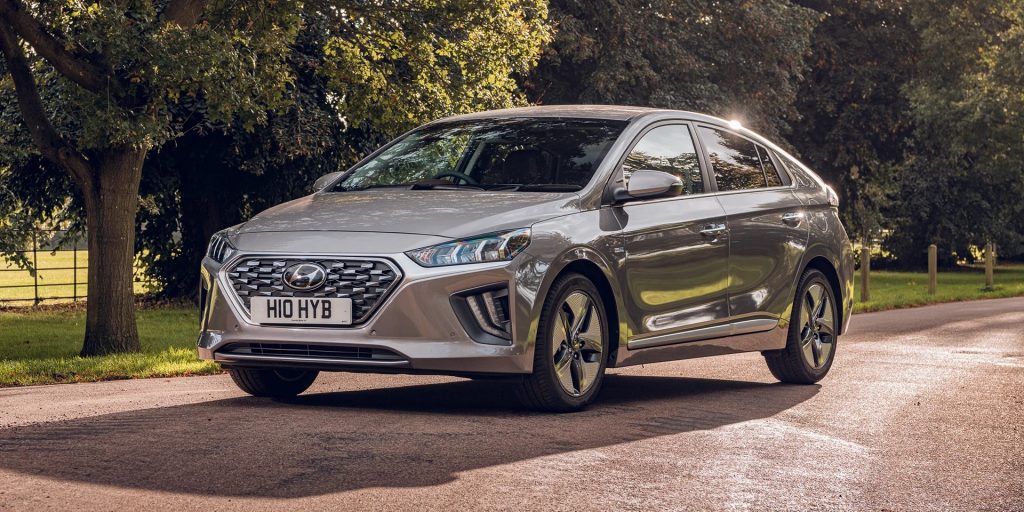
Hyundai ensures parts availability and affordability. Replacement components are widely accessible, and repairs are generally straightforward, which adds to the overall cost-effectiveness of ownership.
Interior materials and electronics are also designed to last. Controls, touchscreens, and displays maintain functionality over time, minimizing the need for repairs unrelated to the powertrain. Owners appreciate that the cabin remains practical and durable for years.
The 2019 Hyundai Ioniq Hybrid demonstrates that a modern hybrid can deliver both efficiency and low maintenance costs.
Its reliable powertrain, regenerative braking system, and durable components make it a hybrid that rarely requires costly repairs, making it a standout option in the hybrid market.
6. Toyota RAV4 Hybrid (2018)
The 2018 Toyota RAV4 Hybrid is a compact SUV that offers both versatility and low-maintenance hybrid technology. Its powertrain is engineered to minimize costly repairs, making it a popular choice among long-term owners.
The RAV4 Hybrid combines a gasoline engine with electric motors, reducing stress on both systems. The battery is designed for durability, with active cooling and management systems that prevent overheating. Many vehicles continue to operate efficiently after 100,000 miles or more.
Toyota’s gasoline engine is highly reliable. Using high-quality materials and conservative tuning, the engine experiences minimal wear. Routine maintenance, including oil changes, brake inspections, and filter replacements, keeps the system performing efficiently without expensive repairs.
Regenerative braking reduces the wear on brake pads and rotors. Capturing energy during deceleration not only improves efficiency but also extends the lifespan of braking components, lowering maintenance costs.
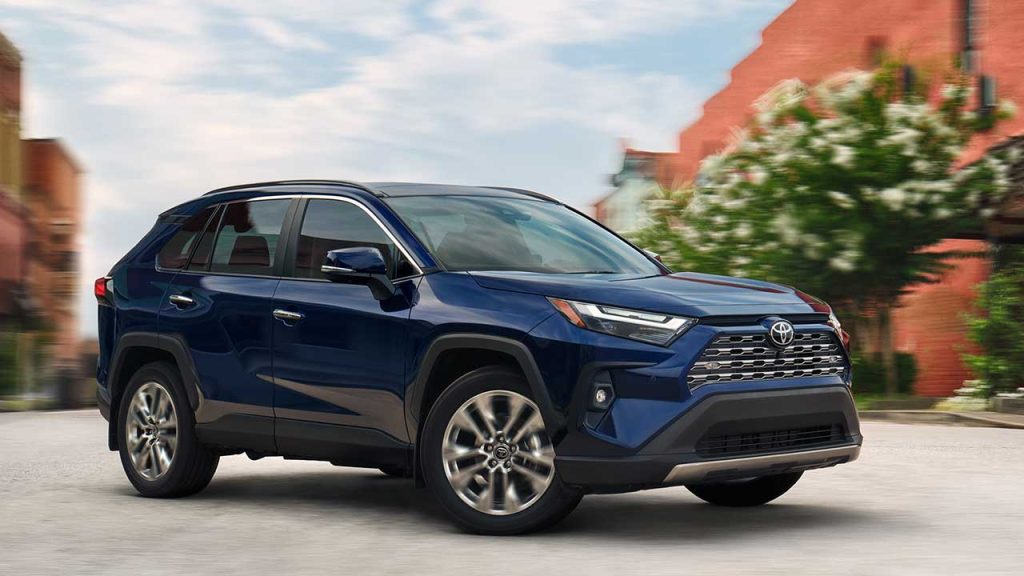
Parts are readily available, and Toyota’s support network ensures that repairs remain straightforward and affordable. The interior is also built to last, with durable controls, displays, and trim materials that retain functionality over time.
The 2018 Toyota RAV4 Hybrid exemplifies how hybrid SUVs can combine efficiency, reliability, and low upkeep. Its hybrid system, long-lasting engine, and thoughtful design ensure that owners face minimal costly repairs while enjoying the benefits of fuel-efficient driving.
7. Kia Niro Hybrid (2020)
The 2020 Kia Niro Hybrid is a compact crossover that combines efficiency with reliability. Its hybrid system is designed to minimize maintenance costs, making it a practical choice for daily drivers and long-term owners.
The Niro uses a proven combination of a gasoline engine and electric motor. The hybrid battery is engineered for longevity, with cooling systems and battery management software that prevent overheating and extend performance. Many owners report minimal battery issues even after extensive use.
The gasoline engine is tuned for durability. High-quality components and conservative design choices reduce stress, ensuring that the engine experiences minimal wear over time. Routine maintenance such as oil changes, air filter replacement, and brake inspections keeps the vehicle operating smoothly without incurring high repair costs.
Regenerative braking further reduces maintenance needs. Brake pads and rotors last longer because energy is captured during deceleration, decreasing friction on traditional components. This extends service intervals and lowers overall ownership costs.
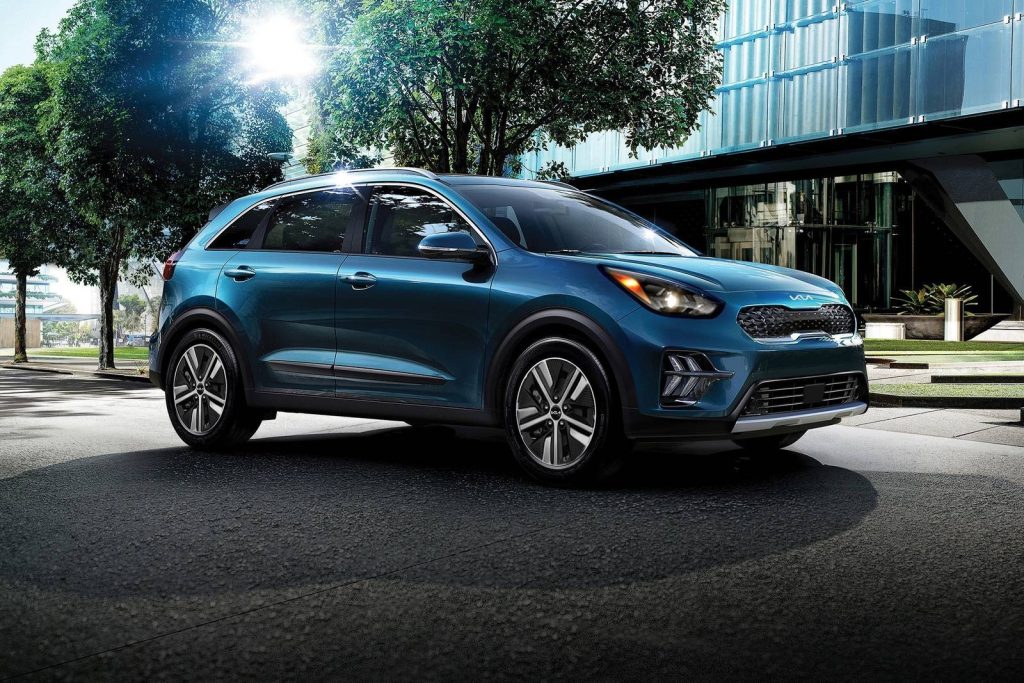
Kia also ensures parts are widely available, and repairs are generally straightforward. Replacement components are easy to source, which makes servicing the Niro Hybrid convenient and affordable.
The interior of the Niro is built to last as well. Controls, displays, and trim materials maintain durability, reducing the likelihood of repair or replacement. Many owners find that the cabin remains functional and visually appealing for years.
Overall, the 2020 Kia Niro Hybrid demonstrates that careful engineering, durable components, and a reliable hybrid system can create a vehicle that rarely requires costly repairs.
Its combination of efficiency, low maintenance, and practical design makes it an excellent choice for drivers seeking long-term value.
8. Ford Escape Hybrid (2019)
The 2019 Ford Escape Hybrid is a versatile compact SUV with a hybrid powertrain designed for durability. Owners report minimal repair issues, making it an ideal option for those seeking low-cost long-term ownership.
The Escape Hybrid combines a gasoline engine with an electric motor, reducing stress on both systems. The battery is designed for longevity, with cooling and management systems that prevent overheating and maintain consistent performance. Many vehicles continue to operate efficiently after 100,000 miles.
Ford’s gasoline engine is built for reliability. Durable materials and conservative tuning reduce wear, while routine maintenance oil changes, brake checks, and filter replacements—ensures smooth performance without high repair costs.
Regenerative braking minimizes wear on brake components. Capturing energy during deceleration extends the life of pads and rotors, reducing maintenance frequency and overall costs.
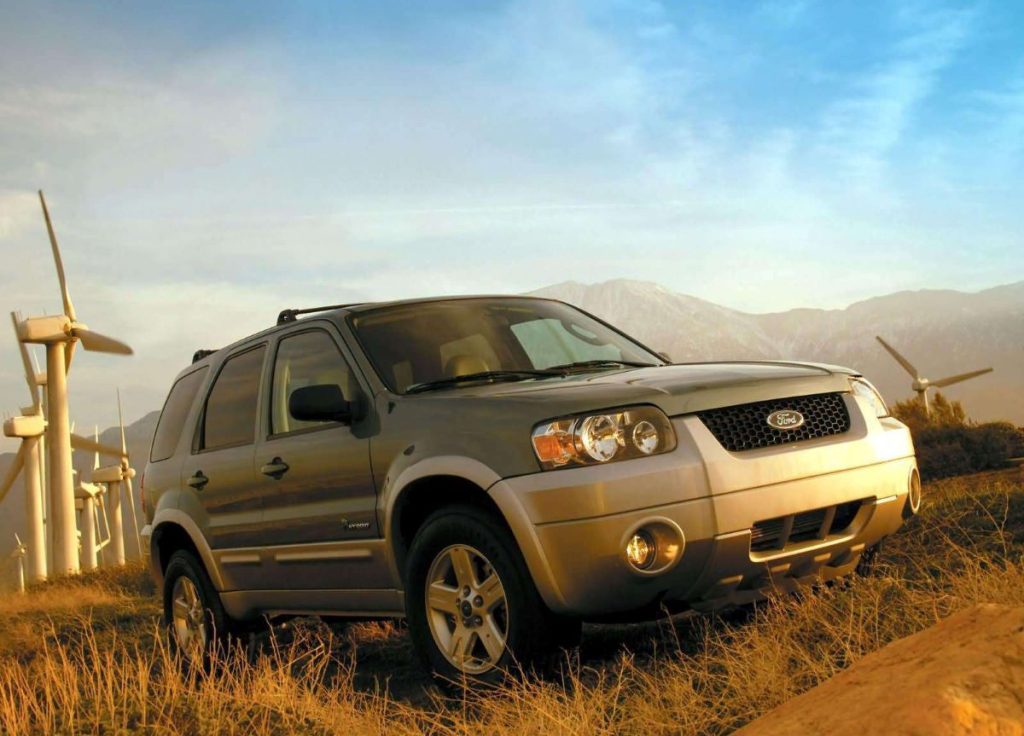
Parts availability is strong, and repairs are generally straightforward. Replacement components are accessible, making ownership convenient and cost-effective. The interior is also durable, with controls, displays, and trim materials designed to maintain functionality over time.
The 2019 Ford Escape Hybrid demonstrates that hybrid SUVs can combine fuel efficiency with long-term reliability.
Its hybrid system, low-maintenance design, and durable construction ensure that owners face minimal costly repairs while enjoying the benefits of a versatile, efficient SUV.
9. Lexus ES 300h (2017)
The 2017 Lexus ES 300h is a luxury hybrid sedan that combines refinement with dependable performance. Its hybrid system is engineered for longevity, helping owners avoid costly repairs over time.
The ES 300h uses a gasoline engine paired with electric motors. The hybrid battery is designed to last for many years, with active cooling and management systems preventing overheating. Many owners report that the original battery continues to function well past 100,000 miles.
The gasoline engine benefits from high-quality materials and precise engineering, ensuring minimal wear over time. Routine maintenance, including oil changes, filter replacements, and brake inspections, keeps the vehicle running efficiently without significant repair costs.
Regenerative braking extends the life of brake components. By capturing energy during deceleration, the system reduces wear on pads and rotors, lowering maintenance expenses. This is especially beneficial for luxury hybrids, where replacement components can otherwise be costly.
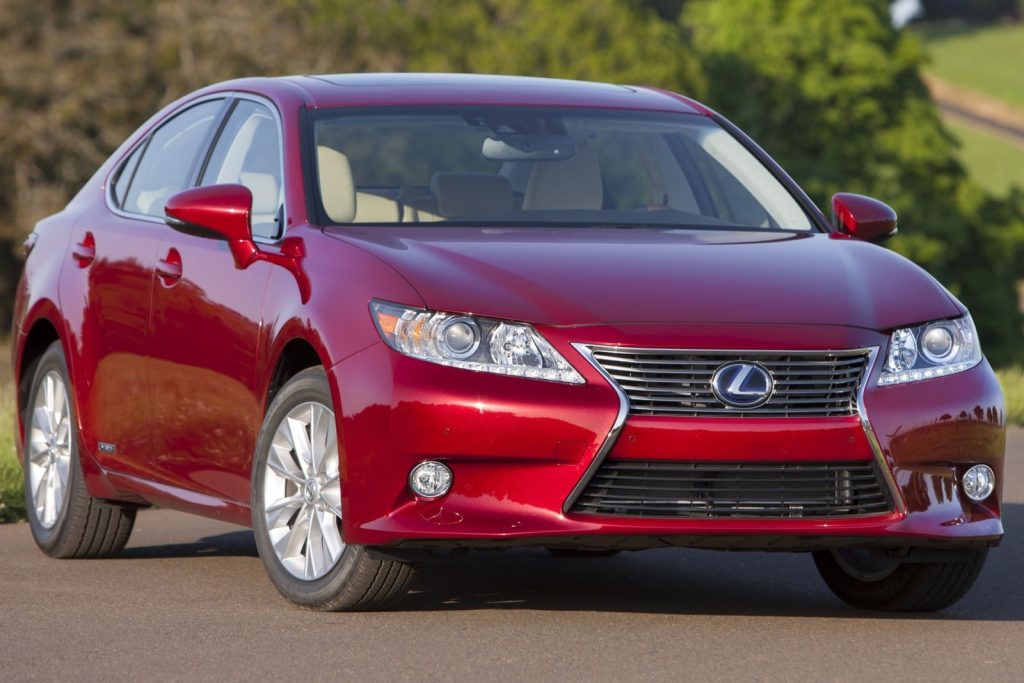
Parts are widely available, and repairs are generally straightforward, making ownership practical. The interior is durable, with long-lasting controls, displays, and trim materials that maintain function and appearance over time.
The 2017 Lexus ES 300h demonstrates that a luxury hybrid can provide efficiency, comfort, and reliability without frequent expensive repairs.
Its hybrid system, robust construction, and thoughtful design contribute to a low-maintenance ownership experience, making it a dependable choice for drivers seeking both luxury and practicality.
10. Toyota Highlander Hybrid (2018)
The 2018 Toyota Highlander Hybrid is a midsize SUV that combines utility with long-lasting reliability. Its hybrid powertrain is built to minimize costly repairs while delivering strong fuel efficiency.
The Highlander Hybrid pairs a gasoline engine with electric motors. The hybrid battery is engineered for durability, and active cooling systems prevent overheating. Many owners report reliable battery performance well beyond 100,000 miles.
Toyota’s gasoline engine is known for longevity. Conservative tuning and high-quality components reduce wear, and routine maintenance such as oil changes, brake inspections, and filter replacements keeps the vehicle performing efficiently.
Regenerative braking reduces wear on brake pads and rotors, extending service intervals and lowering maintenance costs. This system ensures that frequent driving does not translate into expensive repairs over time.
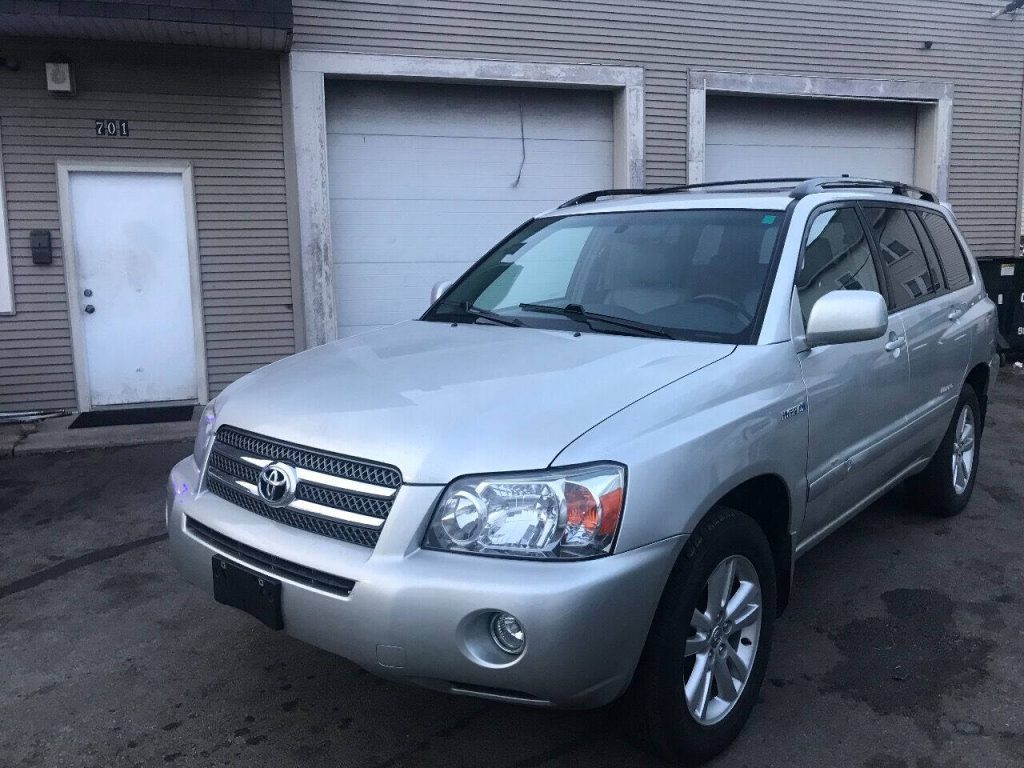
Parts availability is strong, and repairs are generally straightforward. Replacement components are easy to source, and interior components such as displays, controls, and trim are designed for long-term durability.
The 2018 Toyota Highlander Hybrid illustrates how a well-engineered hybrid SUV can combine efficiency, practicality, and low maintenance costs. Its hybrid system and robust construction ensure owners rarely face costly repairs, making it a reliable choice for long-term, worry-free ownership.
Hybrid vehicles are known for combining fuel efficiency with reduced emissions, but their long-term reliability is equally important. Certain hybrids stand out for requiring minimal repairs, making them ideal for drivers seeking cost-effective ownership.
The models highlighted in this article demonstrate that careful engineering, durable materials, and thoughtful design can create hybrids that rarely incur high repair costs.
A key factor in hybrid reliability is the durability of the powertrain. Most of these vehicles pair a gasoline engine with one or more electric motors. This combination reduces stress on the engine, as the electric motor assists during acceleration and regenerative braking.
Batteries are often designed with advanced cooling systems and management software, preventing overheating and extending life. Models such as the Toyota Prius, Honda Accord Hybrid, and Lexus ES 300h demonstrate that hybrid batteries can remain reliable well past 100,000 miles.
Another contributing factor is the design of the gasoline engine. Many hybrids use engines with high-quality components and conservative tuning, which minimizes wear.
Routine maintenance such as oil changes, filter replacements, and brake inspections is typically sufficient to keep these vehicles running efficiently.
Cars like the Toyota Camry Hybrid, Toyota RAV4 Hybrid, and Hyundai Ioniq Hybrid exemplify how careful engineering can reduce the likelihood of unexpected and costly repairs.
Regenerative braking also plays a significant role in reducing maintenance expenses. By capturing energy during deceleration, the system reduces wear on brake pads and rotors.
Vehicles such as the Ford Escape Hybrid and Kia Niro Hybrid benefit from extended service intervals, lowering overall maintenance costs and reducing the frequency of component replacements.
Parts availability and repair simplicity further contribute to low-cost ownership. Manufacturers like Toyota, Honda, and Lexus ensure that replacement components are accessible and repairs are straightforward.
Interior and electronic components are often built to last, preventing unexpected issues that can drive up costs. Many owners report that their hybrids maintain both mechanical performance and cabin durability for years, creating a reliable ownership experience.
These ten hybrids span sedans, SUVs, and compact crossovers, yet they share a common trait: they provide fuel-efficient transportation while minimizing costly repairs. Their longevity demonstrates that hybrids can combine efficiency, comfort, and reliability without imposing high maintenance expenses on their owners.
Overall, these vehicles show that hybrid technology, when executed with quality materials, careful engineering, and practical design, delivers long-term value. Drivers can enjoy the benefits of reduced fuel consumption, environmental impact, and worry-free ownership.
By choosing a hybrid with proven reliability, owners gain confidence that both the engine and hybrid system will continue performing efficiently, keeping repair costs low and the driving experience consistently dependable.
