
When it comes to SUVs, longevity is often the true measure of value. While many vehicles lose their shine after a few years, some models are engineered to keep going strong long after others have hit the scrapyard.
In today’s competitive market, Nissan stands out with a lineup of SUVs built for endurance, practicality, and family life on the move. From compact crossovers to full-size haulers, Nissan has consistently delivered vehicles that balance performance, reliability, and everyday usability.
The brand’s commitment to long-lasting design means that a well-maintained Nissan SUV can outlive many rivals, making it a smart investment for drivers who want peace of mind alongside comfort and capability.
In this guide, we’ll explore 8 Nissan SUVs that have proven to outlast the competition, highlighting what makes them durable, dependable, and worthy of a spot in your driveway for years to come.
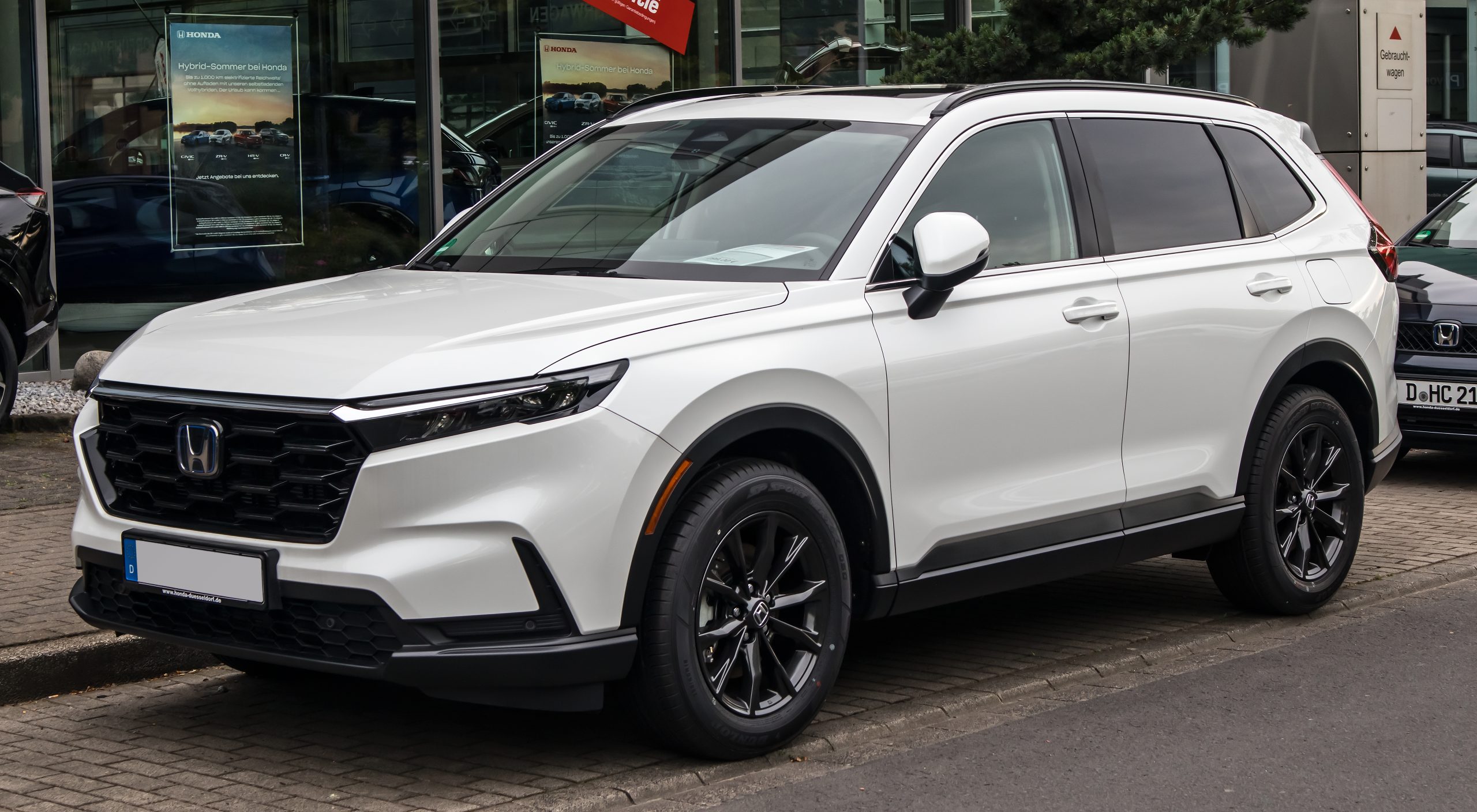
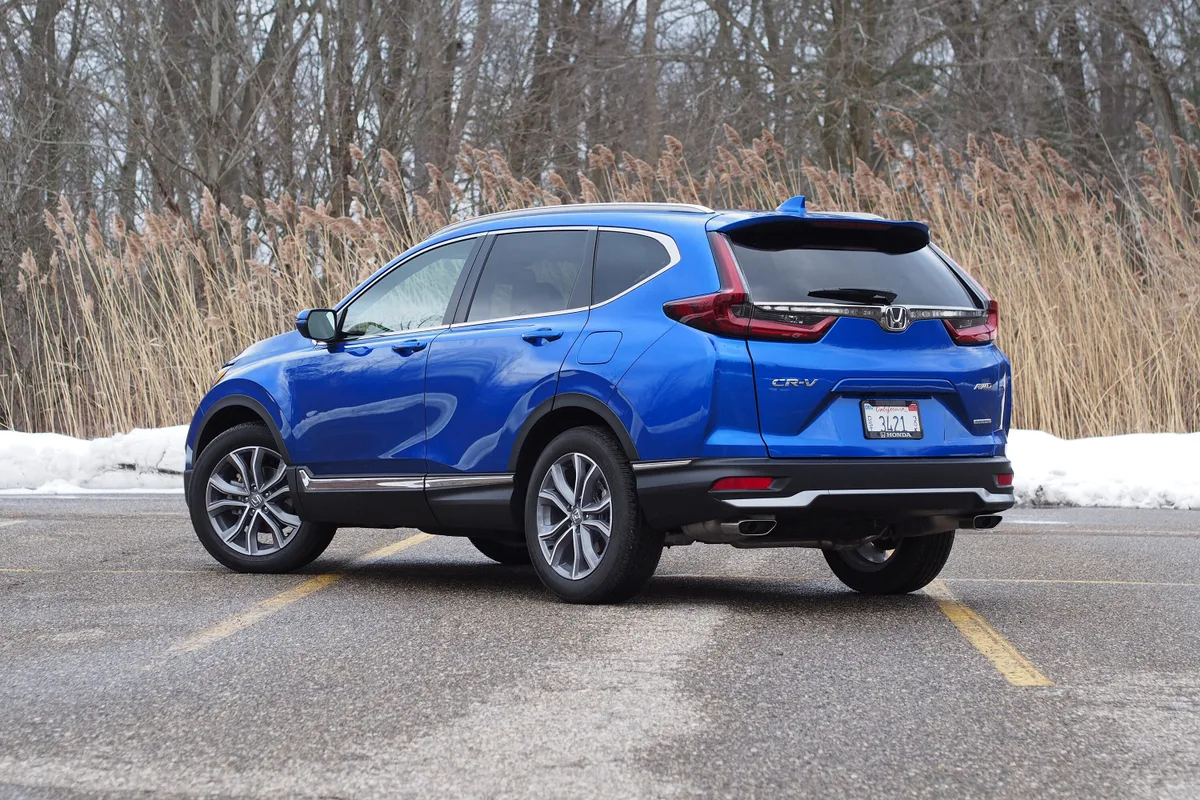
1. Honda CR-V: Reliable, Comfortable, and Practical Compact SUV
The Honda CR-V has earned a reputation as one of the most reliable compact SUVs, and the 2025 model continues this legacy. With over 30 years on the market, the CR-V remains Honda’s best-selling vehicle, known for its longevity, everyday practicality, and strong resale value.
The 2025 model offers a refined hybrid powertrain option, impressive fuel efficiency, and low ownership costs. RepairPal gives it 4.5 out of 5 stars for reliability, ranking it second among 26 compact SUVs, while J.D. Power awards it a consumer score of 83 out of 100. Owners can expect to spend roughly $400 per year on repairs, highlighting its affordability and durability.
The CR-V delivers a smooth and composed driving experience, standing out among small SUVs for its responsive handling. The hybrid Sport Touring model accelerates from 0 to 60 mph in approximately 8 seconds, comparable to the standard 1.5-liter engine.
Braking is reliable and smooth, while the hybrid system operates seamlessly with simulated gear shifts. Around corners, the SUV remains composed, and the steering provides ample feedback for confident driving.
Ride quality is one of the vehicle’s strongest attributes, though visibility is mixed; large front windows help, but rear sightlines are limited, partially offset by effective parking cameras. Advanced driver-assist features are functional, though some competitors provide more comprehensive systems.
Inside, the CR-V balances comfort and practicality. Front seats are highly adjustable, and rear seating offers above-average legroom, making the vehicle ideal for families or car seats. Large windows create a sense of openness, and wide door openings make entry and exit effortless.
Controls are intuitive, with physical climate controls that can be used without distraction. The infotainment system includes a 9-inch screen, wireless Apple CarPlay and Android Auto, and a wireless charging pad. While effective, the system is slightly smaller than those of some rivals.
Ample USB ports, cupholders, an under-armrest bin, and door pockets enhance convenience. Cargo space is above average for the segment, though hybrid models have slightly less room and no spare tire.
The CR-V provides strong value for its price, combining solid build quality with a smooth, quiet ride. Although some interior plastics are hard, Honda softens them with thoughtful design and soft-touch surfaces. Fuel economy is solid, with non-hybrids reaching up to 30 mpg combined, while hybrids achieve 37–40 mpg depending on drivetrain. Real-world testing averaged 33.3 mpg, typical for its class.
The Honda CR-V is a dependable and practical compact SUV that excels in comfort, interior space, and fuel efficiency. Its responsive handling, refined hybrid option, and low maintenance costs make it an excellent choice for families, commuters, and anyone seeking a reliable, everyday SUV.
While its styling is understated and tech slightly behind some rivals, the CR-V’s combination of reliability, usability, and refinement ensures it remains a top contender in the competitive compact SUV segment.
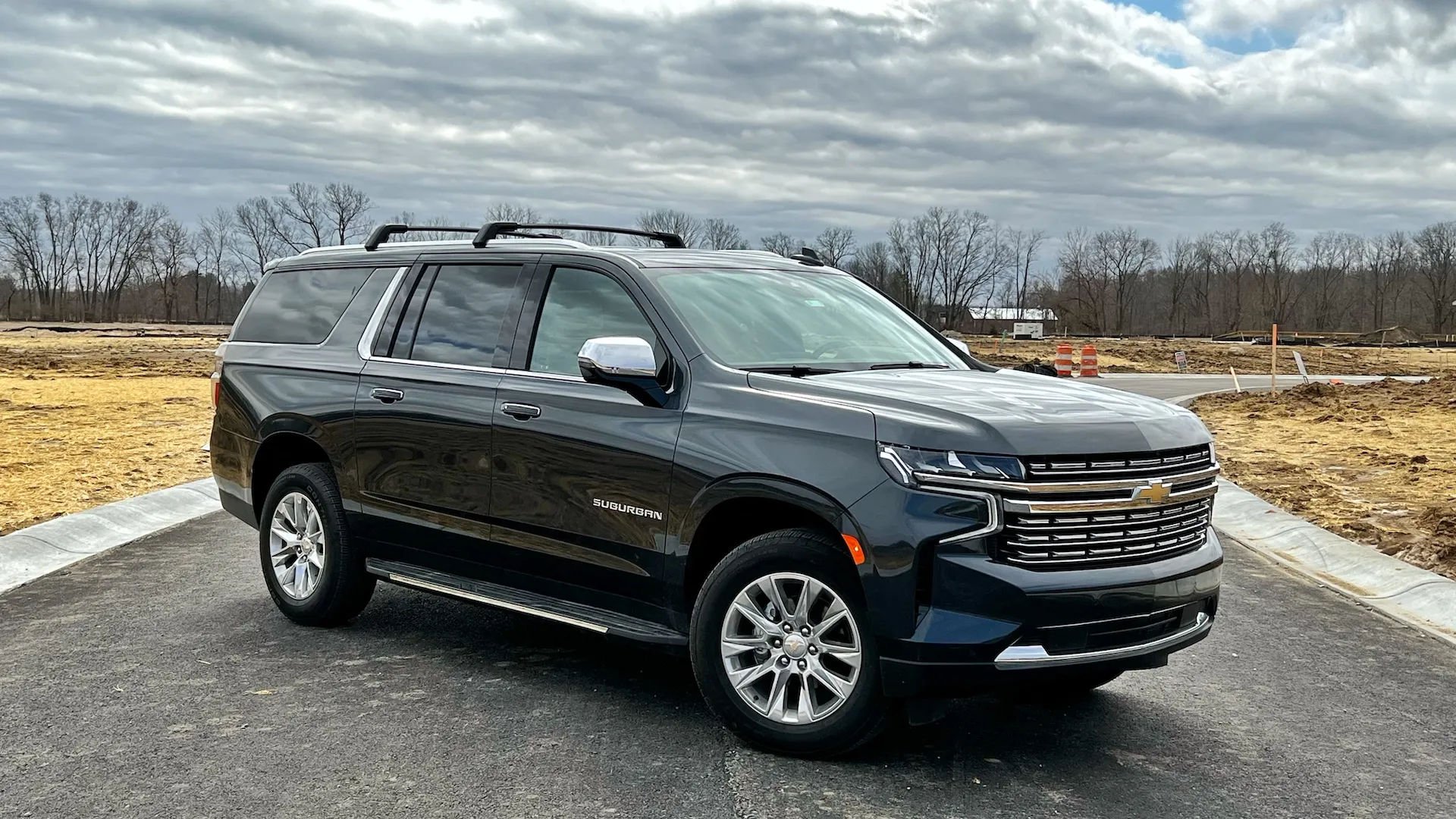
2. Chevrolet Suburban: Legendary Space and Capability
The Chevrolet Suburban is the longest-running nameplate in automotive history, boasting nearly 90 years of continuous production. Its enduring popularity stems from a unique blend of space, durability, and capability.
Whether towing trailers, carrying camping gear, or transporting large families across the country, the Suburban handles it effortlessly. The 2025 model stands out as the only SUV capable of seating nine passengers, making it ideal for large households.
Owners can expect long-term reliability, with some vehicles surpassing 250,000 miles. Annual repair costs average around $821, with common repairs typically ranging from $100 to $200.
The Suburban delivers a smooth and powerful driving experience, especially with the optional 6.2-liter V8 engine paired with a 10-speed automatic transmission. It accelerates from 0 to 60 mph in 6.7 seconds, matching competitors like the Ford Expedition.
Braking is confident, and the SUV maintains composure even on curvy roads, though steering feedback is limited. Optional Magnetic Ride Control and adaptive air suspension significantly improve ride comfort, smoothing out bumps and reducing the “boat-like” feel common in large SUVs.
Advanced driver safety aids, including adaptive cruise control and lane-keeping assistance, enhance security, though some controls require familiarization.
Inside, the Suburban offers immense cabin space. Leather front seats are wide and soft with power lumbar adjustment, though some drivers find them flat and less supportive. High ground clearance is managed by optional power running boards.
Rear space is abundant, accommodating child seats and passengers comfortably, though third-row seating can feel rigid. Rear entertainment monitors may interfere with bulky seats, but in-cushion LATCH points simplify child seat installation. The cabin emphasizes roominess, with long reaches to some controls reflecting its massive scale.
Chevrolet upgraded the Suburban’s in-cabin technology, featuring larger, brighter screens and a smartphone-like infotainment layout. Wireless Apple CarPlay and Android Auto are supported, and numerous USB-C ports and a wireless charging pad enhance convenience. While the system is intuitive, occasional software glitches, such as failures requiring a hard reset, can disrupt usability.
Cargo space is a hallmark of the Suburban. Behind the third row, it offers 41.5 cubic feet, expandable to 93.8 cubic feet with the seats folded, surpassing rivals like the Ford Expedition Max. In-cabin storage is less impressive, with small cupholders and a modest center console. The SUV can tow up to 8,300 pounds, though advanced towing features are limited to higher-priced packages.
Entry-level Suburbans provide strong value given their power and space, while top trims, like the High Country, can be costly relative to interior materials. Warranty coverage is solid, with a three-year/36,000-mile basic and five-year/60,000-mile powertrain warranty, plus rust and roadside protections.
Fuel economy is competitive for its size; the 6.2-liter V8 averaged 18.7 mpg on mixed driving, aided by cylinder deactivation, though it requires premium fuel.
The Suburban’s defining trait is its sheer size. Its massive height, width, and weight make it commanding yet cumbersome on the road. Despite this, it offers powerful engines, expansive cargo space, and strong towing capability. For families prioritizing adventure, the Suburban is a reliable companion for years of trips and outdoor activities, though its size and some interior compromises come with the territory.
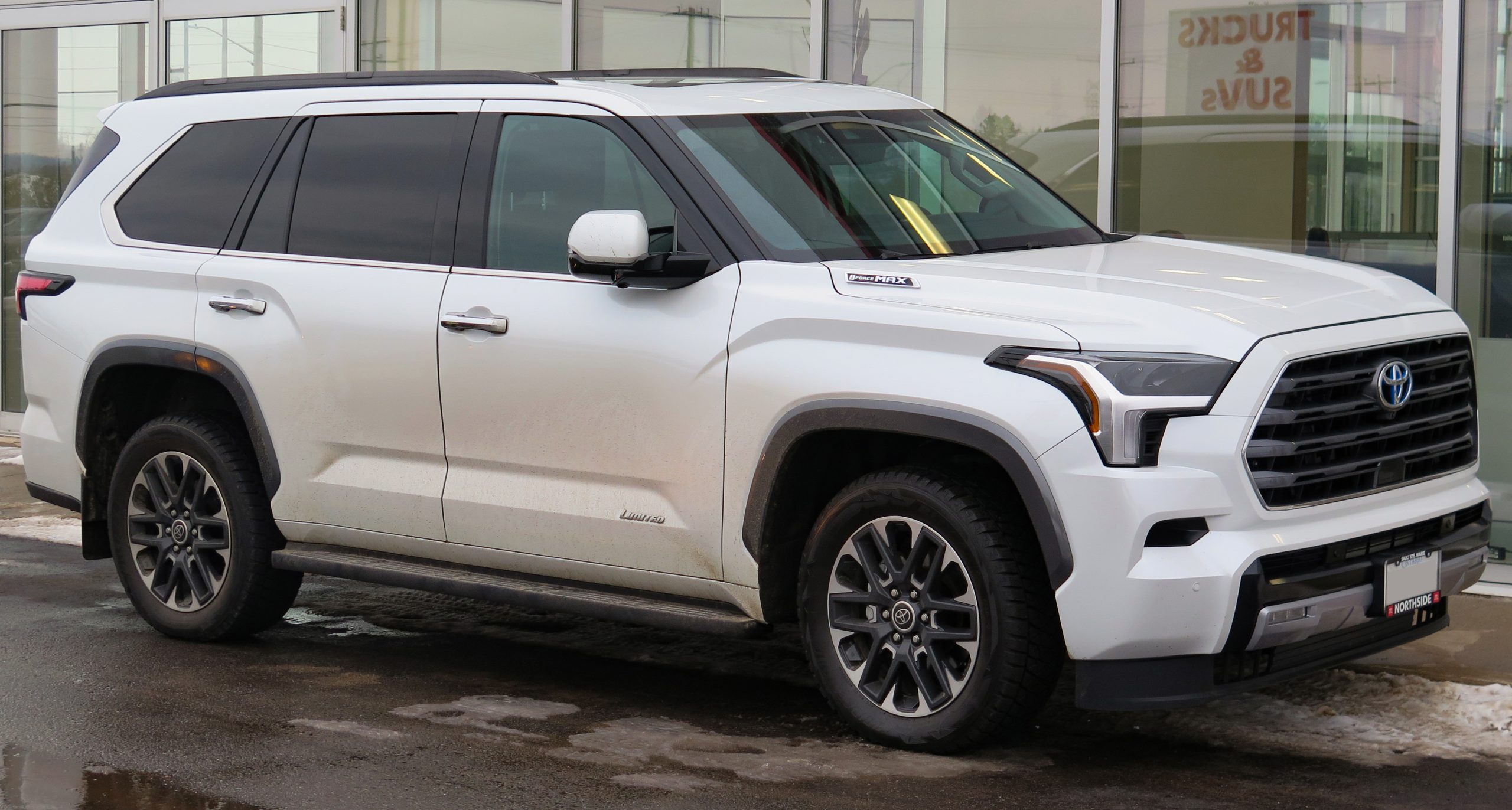
3. Toyota Sequoia: Rugged Reliability Meets Hybrid Power
The Toyota Sequoia has carved out a reputation as one of the most dependable full-sized SUVs, capable of lasting well past 300,000 miles. Built on the rugged Toyota Tundra truck platform, the Sequoia is engineered for strength rather than luxury.
The 2025 model is powered by a twin-turbocharged V6 hybrid engine, making it one of the most responsive SUVs in its class while offering improved efficiency over traditional V8 competitors. With annual repair costs averaging $642, it is less expensive to maintain than many rivals, reinforcing its reputation as a long-lasting, value-conscious choice.
The Sequoia impresses with its balance of speed and capability. On the test track, the TRD Pro model reached 0–60 mph in just 6 seconds, an excellent figure for its size. Braking is smooth and controlled, though the TRD Pro’s all-terrain tires trade some road grip for off-road strength. Its solid rear-axle suspension provides durability and towing stability, but contributes to a bumpier ride for passengers.
Visibility is adequate, and Toyota’s surround-view camera system adds peace of mind when maneuvering in tight spaces. Driver-assist features are fewer compared to competitors, but those included, like adaptive cruise control and lane-keeping assistance, perform reliably and smoothly.
Inside, the Sequoia blends ruggedness with a touch of comfort. The front seats are supportive with strong heating and ventilation functions, but the rear seat cushions sit low to the floor, leading to higher knee positioning and less comfort for taller passengers. Cabin noise is noticeable, with road sounds, engine growl, and even ventilated seat fans reducing serenity during drives.
Accessibility is a strong point. Large door openings, step rails, and grab handles make entry and exit easy, even for children. Second-row captain’s chairs provide convenient access to the third row, and the driver’s seat offers a wide adjustment range to suit different body types.
Technology in the Sequoia feels solid but not standout. The 14-inch central touchscreen is modern and easy to navigate, though some users may encounter navigation and Apple CarPlay connection issues.
The audio system produces clean sound without being exceptional. With five USB ports, a household-style power outlet, and a wireless charging pad, the Sequoia covers essential tech needs, though it trails competitors offering more connectivity options.
Cargo space is adequate but less flexible than rivals. Behind the third row, the capacity measures 22.3 cubic feet when the seats are moved forward. However, the third row cannot fold flat due to the hybrid battery placement, limiting usability. In-cabin storage compartments and trays are also smaller than expected.
Where the Sequoia shines is towing. It can haul up to 9,520 pounds when properly equipped, giving it one of the strongest towing capabilities in the segment.
The Sequoia’s value depends on buyer priorities. Its durability, towing strength, and hybrid technology will appeal to those seeking a tough, long-lasting SUV. However, its less refined interior and limited luxury features may not justify the price for shoppers seeking comfort over strength.
Warranty coverage includes three years/36,000 miles comprehensive, five years/60,000 miles powertrain, and extended hybrid component protection up to 10 years/150,000 miles for the battery.
Fuel economy is commendable for a full-size SUV. The Sequoia achieves 20 mpg combined, and real-world testing confirmed this figure. For a hybrid, that may seem modest, but within the full-size SUV category, it represents a meaningful improvement.
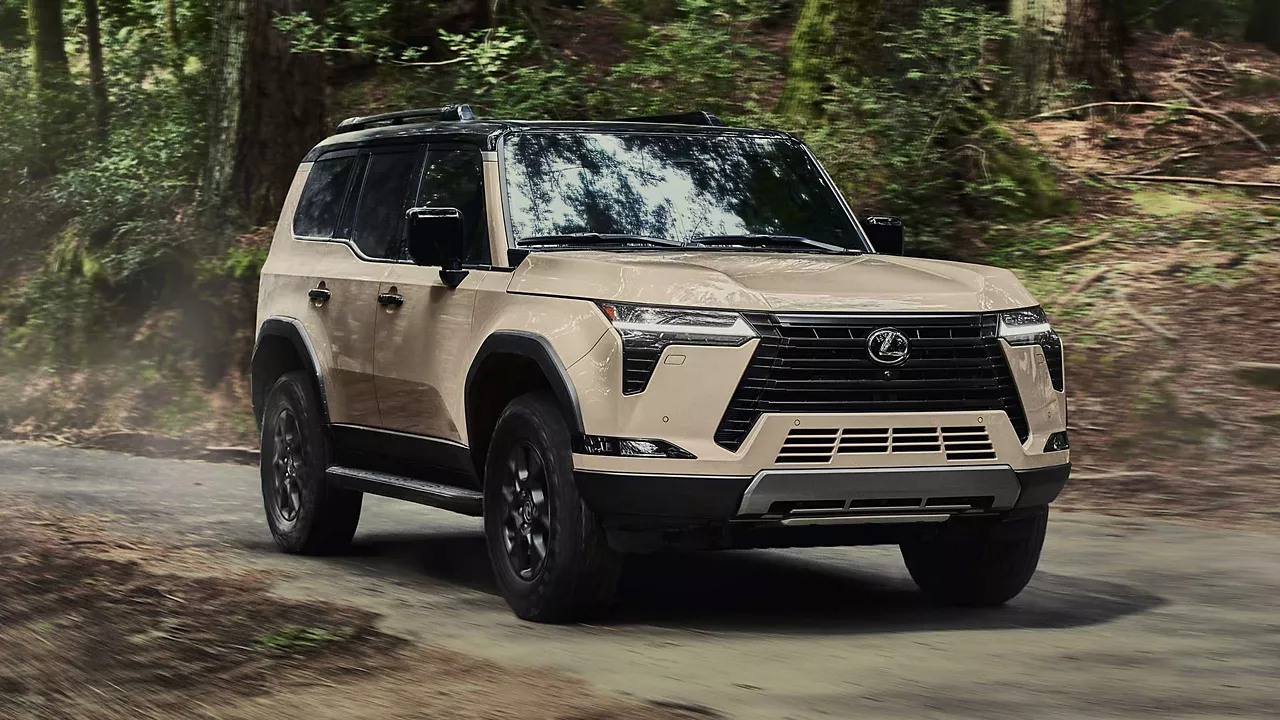
4. Lexus GX: Rugged Luxury with Off-Road Prowess
The Lexus GX blends the legendary toughness of the Toyota Land Cruiser with premium refinement, positioning itself as a luxury SUV that retains genuine off-road credibility. Built on a body-on-frame platform, it combines durability with upscale touches, powered by a smooth twin-turbocharged V6 engine and a 10-speed automatic transmission.
Annual repair costs are relatively modest at around $550, far less than what German luxury competitors demand, and with a JD Power reliability score of 89/100, the GX stands as one of the most dependable SUVs in its class.
On the road, the GX feels capable and confident. It accelerates from 0–60 mph in 6.7 seconds, with plenty of passing power and responsiveness in daily driving. Handling is not its strongest suit, with noticeable body roll during sharp turns, but it remains controlled and composed. Where the GX shines is off-road. The Overtrail model, with its locking rear differential and enhanced hardware, adds serious trail capability.
Driver-assist technology is plentiful but not flawless. The hands-free driving system works only at low speeds and can be intrusive, while the surround-view and off-road cameras perform exceptionally well. Ride quality is better than expected for a rugged SUV, especially on Luxury trims equipped with on-road tires rather than the chunkier all-terrain set.
The GX cabin delivers the refinement expected from Lexus. It’s quiet at highway speeds, with only minor wind noise from the tall mirrors. The first two rows offer well-padded, supportive seating, but the third-row bench is cramped and mounted low, forcing knees upward. As a five-passenger vehicle, it provides good comfort, though squeezing in more passengers reveals its space limitations.
Entry is made easier by running boards, wide openings, and high seating. The driver’s position is highly adjustable, and controls are thoughtfully laid out, with real buttons on the wheel and a convenient temperature dial. Installing child seats is possible, though tighter door openings can complicate the process.
Technology in the GX blends sophistication with a few drawbacks. The 14-inch touchscreen is sharp and responsive, but the menu system can be confusing. Wireless smartphone connectivity comes standard, though cloud-based navigation requires a paid subscription after the initial three-year trial.
Multiple USB-C ports and a wireless charging pad keep devices powered, while an optional cooled center console reduces small-item storage but adds convenience.
Cargo space is limited in three-row models, with just 10.3 cubic feet behind the third row. Folding the third row opens up 40.2 cubic feet, and dropping the second row expands that to 76.9 cubic feet. Two-row Overtrail trims offer much better storage flexibility. Small-item storage is mixed, with adequate door pockets but fewer useful spaces in the front cabin.
On the towing front, the GX excels, with a capacity of over 9,000 pounds, beating rivals like the Cadillac Escalade and Infiniti QX80.
The GX’s value lies in its ability to combine durability, off-road strength, and luxury appointments in one package. Pricing for specialized trims like the Overtrail can be steep, but the blend of capability and refinement makes it attractive for those wanting both rugged performance and Lexus-level comfort. Warranty coverage includes four years/50,000 miles basic and is competitive but not class-leading.
Fuel economy is a weak point, with 17 mpg combined. While unimpressive for a hybrid era, it’s comparable to other large luxury SUVs like the Mercedes G-Class.
The redesigned Lexus GX delivers a striking look that appeals to both off-road adventurers and luxury SUV buyers. With its mix of rugged capability, refined interior, and standout styling, it offers a unique balance few competitors can match.
Also Read: 5 Cars That Survive The American Rust Belt vs 5 That Disintegrate
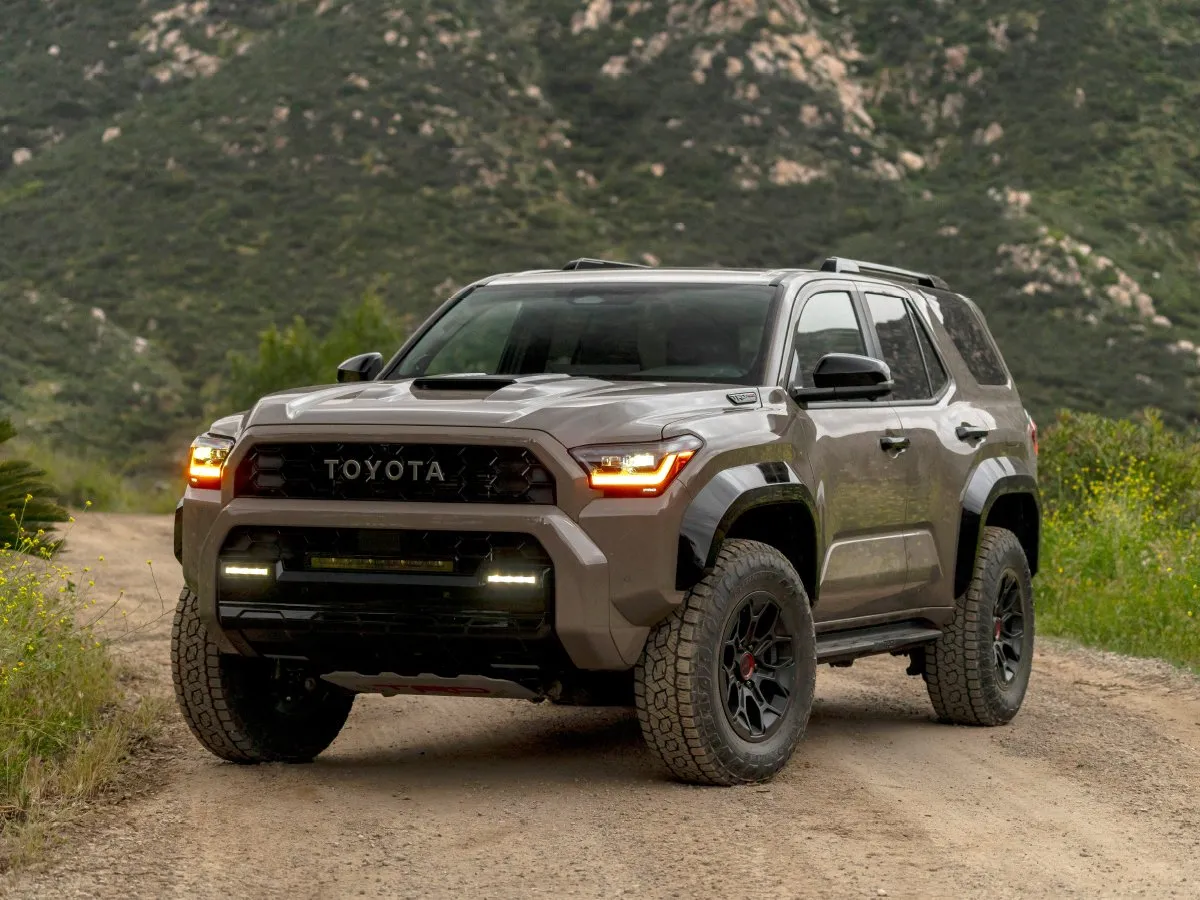
5. Toyota 4Runner: Rugged Reliability with Modern Upgrades
The Toyota 4Runner has long been associated with toughness and dependability, and the 2025 version keeps that legacy alive while bringing long-awaited updates. Built on the same platform as the new Tacoma pickup, it offers the durability of a truck with the utility of an SUV.
Buyers can choose between a traditional gasoline engine or a hybrid powertrain, both of which emphasize strength and capability. The 4Runner has a reputation for lasting well over 200,000 miles, supported by Toyota’s reputation for reliability.
JD Power gives the 2024 version a score of 86 out of 100, and RepairPal estimates annual repair costs at about $500. For buyers seeking a vehicle that can endure both daily use and rugged adventures, the 4Runner remains a practical option.
The gas engine delivers steady performance, allowing the 4Runner to handle both city traffic and highway merges with confidence. It accelerates to 60 mph in 8.2 seconds, while the hybrid achieves a slightly faster 7.7 seconds.
Ride quality, however, is a weak point. The suspension feels unsettled, and body roll is noticeable, even on smoother roads. Steering requires more input than expected, though its light weight makes it easy enough to manage. Among its rivals, it feels more refined than the Ford Bronco and Jeep Wrangler but less composed than the Honda Passport.
Every 4Runner comes with a strong suite of safety features, including adaptive cruise control, lane keeping assistance, and blind spot monitoring. These systems work smoothly and provide reassurance during long drives.
Front seats are supportive and comfortable, but the rear seating area is tighter than expected. Both legroom and headroom are limited, and the flat cushions lack adequate support. Installing child seats is also tricky due to small rear door openings, which sometimes require the front seats to be moved forward.
Cabin insulation is acceptable during steady driving, although the four-cylinder engine becomes loud and unrefined under hard acceleration. The climate control system is a highlight, with large, easy-to-use knobs and quick heating and cooling.
Technology options include a standard 8-inch touchscreen or an upgraded 14-inch version. Both come with wireless Apple CarPlay and Android Auto. Multiple USB ports and an optional wireless charging pad are available, though the pad does not hold devices securely.
Toyota’s built-in navigation system is simple to operate and integrates well with voice commands. However, it requires a paid data plan after the initial trial, making smartphone integration the better long-term choice.
Gas models provide 48.4 cubic feet of space behind the rear seats, along with a practical load height that makes heavy items easier to handle. Adding the optional third row reduces cargo space to only 12.1 cubic feet, which limits its usefulness.
The 4Runner offers a maximum towing capacity of 6,000 pounds, which is above average for the class. Interior storage includes door pockets, a shelf above the glovebox, and a small bin near the shifter.
Pricing varies significantly by trim. Entry-level models are affordable, but top trims such as the TRD Pro and Trailhunter can exceed $60,000. Even without the hybrid powertrain, the Limited trim can reach that mark. Build quality is impressive, with no rattles or squeaks during off-road testing.
Fuel economy is competitive within its segment. Two-wheel drive gas versions reach 22 mpg combined, Four Wheel Drive models achieve 21 mpg, and the hybrid delivers 23 mpg. These results are similar to the Tacoma and Land Cruiser and better than both the Bronco and Wrangler, including the plug-in Wrangler 4xe.
The 4Runner feels ordinary and truck-like on paved roads, but its true personality comes alive off the pavement. Whether on dirt trails, in mud, or in rocky conditions, it shows its strongest qualities. Styling now mirrors the Tacoma’s front end, and certain trims feature the nostalgic “TOYOTA” grille badge, which adds to its rugged appeal.
The 2025 Toyota 4Runner blends proven dependability with modern upgrades, making it a strong choice for adventure enthusiasts who want a reliable SUV that can handle both daily life and off-road challenges.
6. Kia Telluride: Premium Feel at a Family-Friendly Price
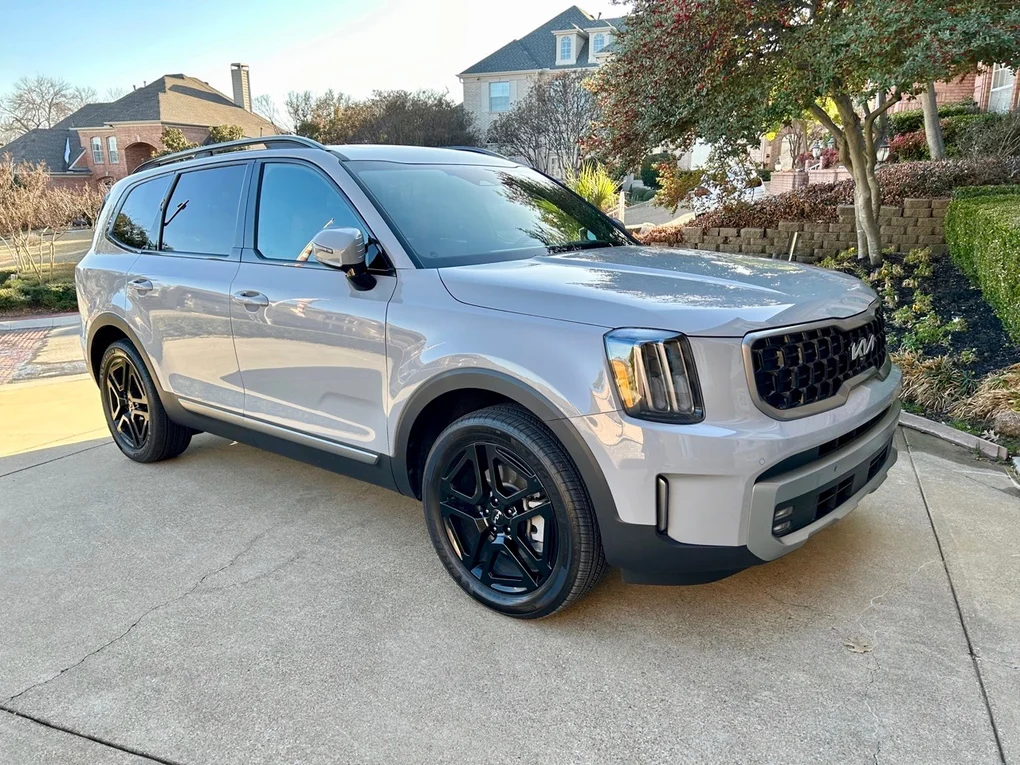
Kia is not usually the first brand mentioned when discussing long-term reliability, but the Telluride has quickly changed that perception. Since its debut, it has become one of the most popular three-row SUVs in the market, often topping best-of lists and earning praise from both critics and owners.
With its upscale design, strong performance, and family-oriented practicality, the Telluride manages to deliver features and refinement often found in far more expensive SUVs. JD Power gives it a reliability score of 85 out of 100 and ranks it as the Best Upper Midsized SUV of 2024. Annual repair costs average just $430 for the first five years, and Kia’s standout 10-year/100,000-mile powertrain warranty adds to its long-term value.
The Telluride is enjoyable to drive, offering a refined balance between comfort and control. Its V6 engine provides smooth, steady power, though acceleration is average for its size. Braking is strong and consistent, making city driving and highway stops stress-free.
Steering feels light at low speeds and gains natural weight during turns, giving drivers a good sense of connection. While the transmission can shift roughly under heavy throttle or hesitate when climbing hills, these are minor issues in an otherwise polished drive.
Ride quality is excellent, with even the rugged X-Pro trim maintaining a composed and comfortable feel. Visibility is strong thanks to large windows and an available surround-view camera system. Advanced safety features also perform reliably, and adaptive cruise control can even handle lane changes when prompted.
The Telluride’s cabin is impressively quiet, keeping out most road and wind noise even at highway speeds. The seats are soft yet supportive, with headrests that feel almost pillow-like. Front and second-row occupants enjoy excellent space and comfort, while the third row is accessible but better suited for children or shorter trips.
Low step-in height and sliding captain’s chairs make entry and exit easy, especially for families. Climate controls are straightforward and effective, offering heating and ventilation for both front and second-row seats. Unlike many competitors, Kia retains physical buttons for essential functions, making adjustments quick and intuitive.
While the infotainment system is showing its age compared to newer Kia models, it remains user-friendly. The interface is simple, with most functions just a few touches away. A notable drawback is the absence of wireless Apple CarPlay and Android Auto, and only one USB-A port handles data.
The rest are USB-C ports that provide charging only. Higher trims provide six total USB ports and a wireless charging pad, ensuring that everyone’s devices stay powered on long trips. The system is due for an update, but it continues to deliver reliable performance in daily use.
The Telluride offers plenty of room for cargo, with 21 cubic feet behind the third row and a maximum of 87 cubic feet with both rows folded. The wide hatch opening and underfloor storage add convenience for loading bulkier items. Towing capacity reaches 5,500 pounds, putting it in line with top competitors. Small-item storage is less generous, with fewer places to stash personal belongings compared to some rivals.
For what it offers, the Telluride stands out as one of the best values in its class. Even base trims come well equipped, while higher trims deliver near-luxury levels of refinement.
Kia’s warranty coverage is among the best in the industry, with five years or 60,000 miles of basic coverage and 10 years or 100,000 miles for the powertrain. Fuel economy is not its strongest suit, with an EPA estimate of 20 mpg combined for all-wheel-drive models. However, real-world results can be slightly better, with 23 mpg recorded on a mixed test route.
The Telluride manages to capture a sense of upscale adventure without copying luxury rivals. With its blend of practicality, comfort, and premium design, it delivers what many families want: a reliable, stylish, and versatile SUV that feels like a smart investment.
7. Honda HR-V: Reliable Simplicity in a Compact SUV
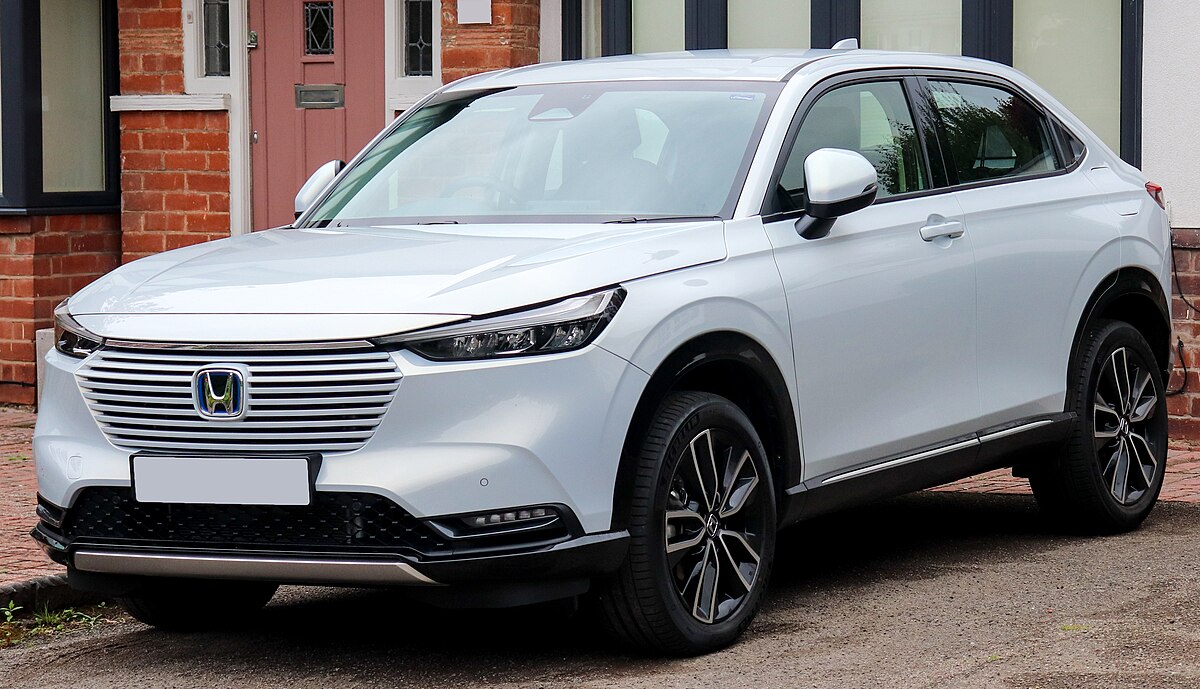
The Honda HR-V is not designed to turn heads, but it has carved out a strong reputation as one of the most dependable compact SUVs available today. Essentially a smaller version of the CR-V, it strips away flashy styling and high-end luxuries in favor of straightforward practicality.
For drivers who value dependability, affordability, and ease of ownership, the HR-V delivers a consistent experience that holds up for years. With RepairPal awarding it a perfect reliability rating and average annual repair costs of just $300, the HR-V stands out as one of the most economical choices in its class.
Owners regularly see the SUV last well over 200,000 miles with proper care, and some stretch past 250,000 miles, cementing its role as a long-term companion rather than a short-lived purchase.
Behind the wheel, the HR-V offers a balanced but modest driving experience. Around town, its light steering and responsive brakes make it easy to handle in traffic or tight parking spaces, though the steering can initially feel artificial. At highway speeds, however, the HR-V shows its limitations.
Its acceleration is among the slowest in its class, requiring more than ten seconds to reach 60 mph, and the engine struggles when carrying passengers or cargo. Despite that, its ride is smooth and forgiving over bumps, and handling feels controlled, giving it the agility Hondas are known for.
Visibility is another strong suit, supported by well-placed mirrors and a backup camera with multiple views, which helps when working through crowded urban environments.
While the HR-V comes with a suite of safety features, some can be overly sensitive, such as blind-spot monitoring, and adaptive cruise control braking was slower to respond than expected.
Inside, the HR-V impresses with its use of space. It feels roomy for a subcompact, offering generous passenger capacity in both rows. The wide door openings and convenient seat heights make getting in and out easy for all ages, while the rear seats are unexpectedly more comfortable than the stiff front cushions, which lack lumbar adjustment even on higher trims.
Car seat installation is excellent, with thoughtful anchor placement. Cabin noise is relatively well controlled, although tire noise can be intrusive, and the climate system cools quickly but tends to overdo it, possibly compensating for the absence of rear air vents.
Technology is adequate rather than innovative. The HR-V skips built-in navigation but provides wireless Apple CarPlay and Android Auto, a wireless charging pad, and three USB ports in the front. However, rear passengers are left without charging options, which is a notable oversight for family use.
The infotainment system borrows its layout from the Civic, making it easy to operate, and the inclusion of physical steering-wheel buttons is a practical choice that improves usability.
Cargo capacity is another strength. With 24.4 cubic feet behind the rear seats, the HR-V offers more usable space than the numbers suggest, and folding the seats flat extends room for longer items.
Small-item storage inside is acceptable, with a handy compartment behind the shifter and a deep center bin, though door pockets and glovebox space are average. Towing, however, is not an option, leaving it behind some rivals that can pull small loads.
In terms of value, Honda has struck the right balance. The HR-V’s interior materials feel more premium than its price suggests, with soft touch points and solid build quality. Its pricing is competitive, though buyers must move up the trim ladder for larger displays and advanced tech.
Warranty coverage is unremarkable compared to competitors, offering three years or 36,000 miles of basic protection and five years or 60,000 miles for the powertrain.
The HR-V’s strength lies in its predictability. It does not try to be the sportiest or most stylish SUV in its class, but it provides affordable ownership, practical space, and long-lasting reliability. For drivers who want a no-fuss vehicle that simply works year after year, the Honda HR-V remains one of the smartest options in the compact SUV market.
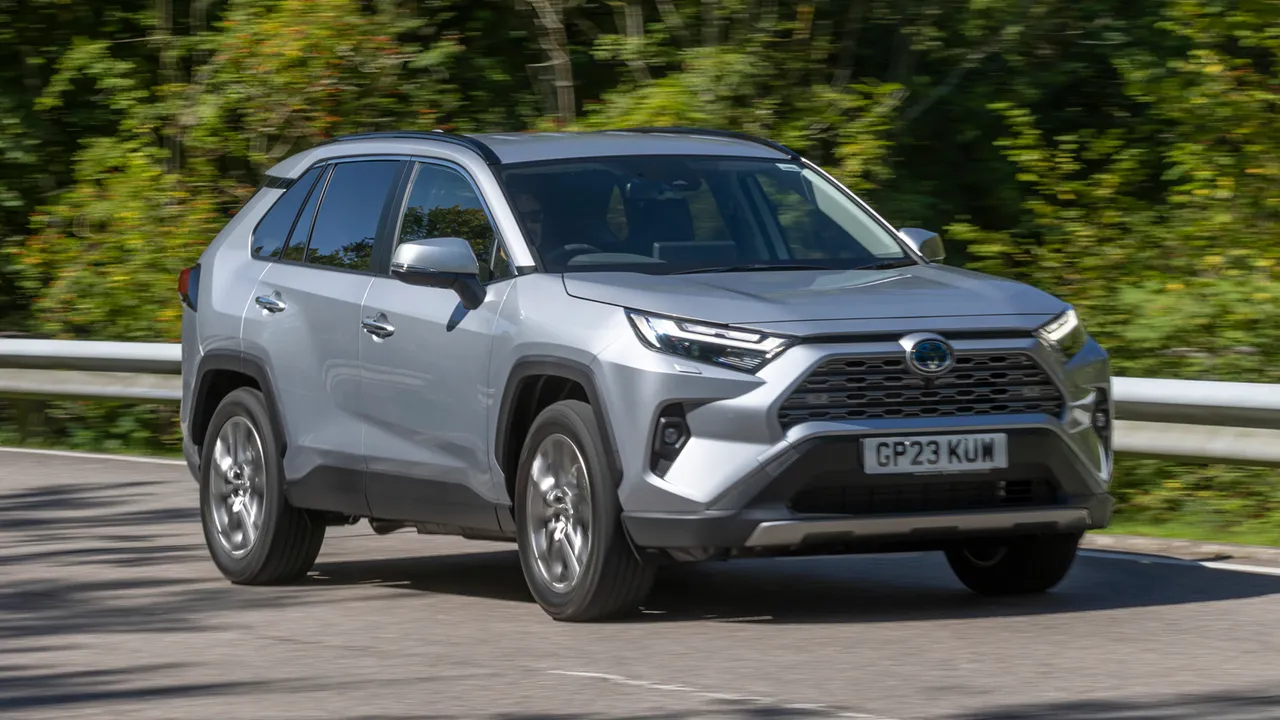
8. Toyota RAV4: Practicality That Lasts
The Toyota RAV4 has become one of the most recognizable and trusted compact SUVs on the market, and with good reason. It has a reputation for longevity, dependability, and strong owner satisfaction.
Many owners report their RAV4 lasting beyond 250,000 miles with regular care, making it a top choice for buyers who want peace of mind in their daily driver. While it replaced the Ford F-150 as the best-selling vehicle in U.S. history, the RAV4’s appeal does not come from excitement or flash. Instead, it succeeds by nailing the basics: reliable performance, solid build quality, practical cargo capacity, and impressive fuel economy.
Driving the RAV4 is a mostly pleasant but unremarkable experience. The suspension provides a comfortable ride, and good visibility helps make it easy to maneuver, especially in city traffic.
The engine is responsive enough for daily commuting and highway merging, though acceleration is slower than most rivals, taking over nine seconds to reach 60 mph in testing. Steering is another weak spot, with a vague feel at the center that can make it difficult to judge inputs precisely.
On higher trims, however, the RAV4 gains useful upgrades such as torque-vectoring all-wheel drive and hill descent control, which enhance confidence on light off-road trails.
Driver assistance features are standard across the lineup, including adaptive cruise control, lane keeping assistance, and automatic emergency braking, all of which function reliably, though some competitors pack in even more advanced systems.
Inside, the RAV4 emphasizes comfort and usability. The driving position is supportive, and there is plenty of room for passengers, though the front passenger seat sits unusually high in most trims and lacks downward adjustment.
Controls are clearly labeled and logically placed, with large rubberized knobs for the climate system and a simple audio setup. The touchscreen sits a bit far from the driver’s reach, but the layout is intuitive. Car seat installation is straightforward thanks to well-positioned LATCH anchors, and while there is space for child seats, a rear-facing infant seat may require the front passenger to slide forward.
Technology is another area where the RAV4 balances usability with simplicity. An 8-inch touchscreen is standard, while higher trims offer a larger 10.5-inch unit. Both run Toyota’s familiar infotainment software, which is responsive and easy to operate.
Wireless Apple CarPlay and Android Auto come standard, though wireless charging is limited to more expensive trims. Built-in navigation can be controlled via voice or touchscreen, with clear maps and straightforward commands.
Practicality has long been a RAV4 strength, and the 2025 model continues that tradition. Cargo space measures 37.5 cubic feet behind the second row and expands to 69.8 cubic feet with the seats folded, putting it near the top of its class.
The low load floor makes packing gear and groceries easier, while multiple interior bins and shelves provide additional storage for smaller items. Towing capacity is limited to 1,500 pounds, which is typical for compact SUVs but still restrictive for buyers who need more capability.
When it comes to value, the RAV4 feels solidly put together. Interior materials are well chosen, with soft-touch surfaces, stitched details, and durable finishes that make the cabin feel a step above utilitarian.
Mid and upper trims even offer synthetic leather upholstery that is both comfortable and easy to maintain. Toyota’s warranty coverage is average, but the inclusion of two years or 25,000 miles of free scheduled maintenance adds to its appeal.
Fuel efficiency is another highlight. Depending on configuration, the RAV4 delivers between 28 and 30 mpg combined, and long-term tests show it can reliably achieve these numbers in real-world driving. This makes it an excellent choice for drivers who want an SUV with low operating costs over many years.
The RAV4’s personality may not inspire excitement, but its combination of comfort, practicality, fuel efficiency, and longevity has made it a mainstay in American driveways. It is not designed to thrill, but rather to deliver dependable service day in and day out, proving why it continues to be one of the most popular SUVs on the market.
In the crowded SUV market, standing the test of time is no small achievement. While flashy new models may grab attention, it’s longevity, low ownership costs, and reliability that ultimately define true value. Nissan’s SUV lineup has earned its reputation by delivering vehicles that excel in all three areas.
Whether it’s the family-friendly versatility of a compact crossover or the rugged endurance of a full-sized SUV, Nissan has consistently shown that its vehicles are built to go the distance.
For drivers who prioritize long-term dependability over short-lived trends, choosing a Nissan SUV means investing in years of worry-free driving, strong resale value, and confidence on the road.
These eight Nissan models not only hold their own against tough competition but often outlast them, proving why Nissan continues to be a trusted name for families, adventurers, and everyday commuters alike.
Also Read: 5 Cars That Rarely Cause Buyer’s Regret vs 5 That Always Do
