
Hybrid vehicles have become the bridge between gasoline and electric power, offering efficiency, quiet operation, and reduced emissions. Yet, beneath their advanced drivetrains, one component determines their long-term reliability: the hybrid battery.
Some manufacturers engineered hybrid systems that last hundreds of thousands of miles with minimal degradation, while others struggle with premature failures, high replacement costs, and complex maintenance. Understanding the difference helps buyers make smarter decisions when investing in a hybrid, whether new or used.
This comparison focuses on the two sides of hybrid ownership. The first section features five hybrids known for legendary battery longevity, where engineering precision, cooling systems, and energy management deliver years of consistent performance. These vehicles prove that hybrid technology can withstand time and mileage without expensive surprises.
The second section examines five hybrids with short-lived battery systems, often burdened by design flaws, poor cooling efficiency, or overstressed components. Their issues reveal how even advanced technology can falter without adequate long-term durability.
By comparing these two categories, this piece highlights which hybrids have earned a reputation for lasting performance and which ones have disappointed owners with premature battery failures. The goal is to help future buyers understand how engineering choices directly shape reliability and value.
Also Read: 5 Best Mercedes Cars That Refuse to Quit vs 5 Worst That Constantly Break
5 Hybrids With Legendary Battery Life
Hybrid cars have proven that efficiency and endurance can coexist when engineering precision meets careful system management.
While early skepticism questioned how long hybrid batteries would last, several models have demonstrated that with proper design, thermal control, and software calibration, these systems can operate reliably for well over 200,000 miles.
These vehicles are not just examples of good manufacturing but also of thoughtful engineering, where chemistry, cooling, and control systems align to maintain energy output and resist degradation.
Mechanics and owners consistently report that certain hybrids retain excellent battery performance even after years of driving under various conditions.
Their success lies in well-balanced charging cycles, effective regenerative braking systems, and battery packs that maintain consistent temperature and voltage regulation.
Writing about these hybrids is important because they represent the most dependable side of hybrid technology. They show that hybrid batteries do not need to be a costly liability when built with durability and repairability in mind.
Each of the following five vehicles has earned its reputation through proven reliability, high-mileage performance, and customer satisfaction, making them standouts for anyone seeking hybrid ownership without long-term worries.
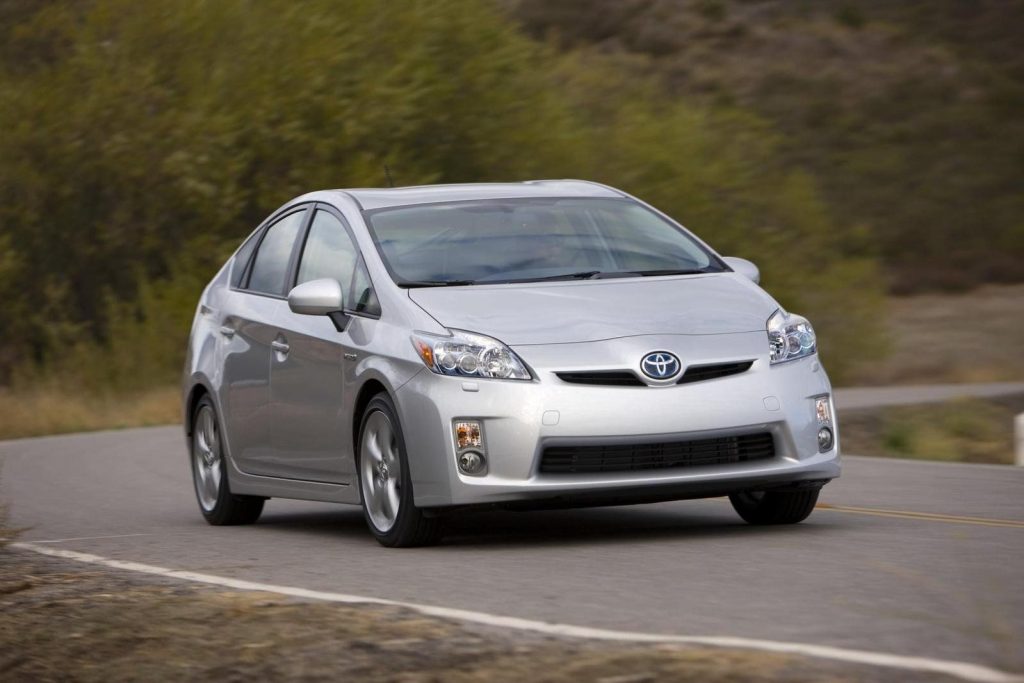
1. Toyota Prius (2004–2015)
The Toyota Prius stands as the most recognized hybrid ever built, and its battery longevity has earned legendary status among mechanics and long-term owners.
Toyota’s Hybrid Synergy Drive system, paired with a nickel-metal hydride (NiMH) battery, has proven nearly indestructible when properly maintained.
Many owners report exceeding 250,000 miles without significant loss in performance or capacity, a feat that solidifies its reputation for reliability.
The key to the Prius battery’s endurance is its conservative charge and discharge cycle management. The system never fully depletes or overcharges the battery, reducing stress on the cells and extending lifespan.
In addition, Toyota’s active cooling system, which circulates cabin air through the battery pack, prevents overheating in demanding conditions.
Mechanics often cite the Prius as an example of engineering excellence in hybrid design because its simplicity and modular components make repairs straightforward. Even replacement batteries are widely available and reasonably priced compared to competitors.
Writing about the Prius is essential because it redefined how the public viewed hybrid longevity.
Its long service life, low maintenance costs, and consistent real-world reliability prove that hybrids can remain dependable for decades. The Prius remains a benchmark for battery performance and efficiency in practical ownership.
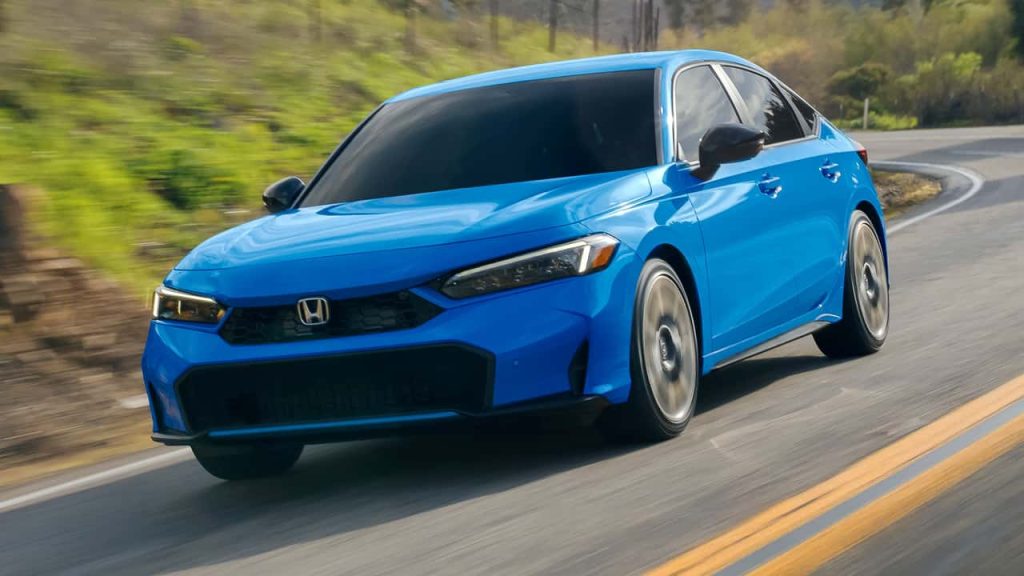
2. Honda Civic Hybrid (2006–2011)
The second-generation Honda Civic Hybrid deserves recognition for achieving impressive longevity when maintained properly, particularly in later model years after Honda improved battery management software and cooling efficiency.
Though smaller and less powerful than the Prius, its compact hybrid system demonstrates how thoughtful design can yield lasting performance.
The Civic Hybrid’s Integrated Motor Assist (IMA) system pairs a lightweight 1.3-liter engine with a compact nickel-metal hydride battery pack.
While early models faced software calibration issues, Honda quickly addressed them, resulting in later versions that commonly exceed 200,000 miles without requiring battery replacement. Properly serviced models often maintain consistent charge retention and smooth power delivery over years of daily driving.
Mechanics appreciate the simplicity of the Civic Hybrid’s electrical system. It avoids unnecessary complexity, focusing instead on efficient use of regenerative braking and balanced charge cycles that prevent overuse of the battery cells.
The vehicle’s modest weight also reduces stress on both the engine and hybrid components, promoting longer system life.
Including the Civic Hybrid in this list matters because it illustrates how refinement and software improvements can turn early challenges into lasting success. Its balance of simplicity, efficiency, and steady reliability makes it one of the most enduring compact hybrids ever produced.
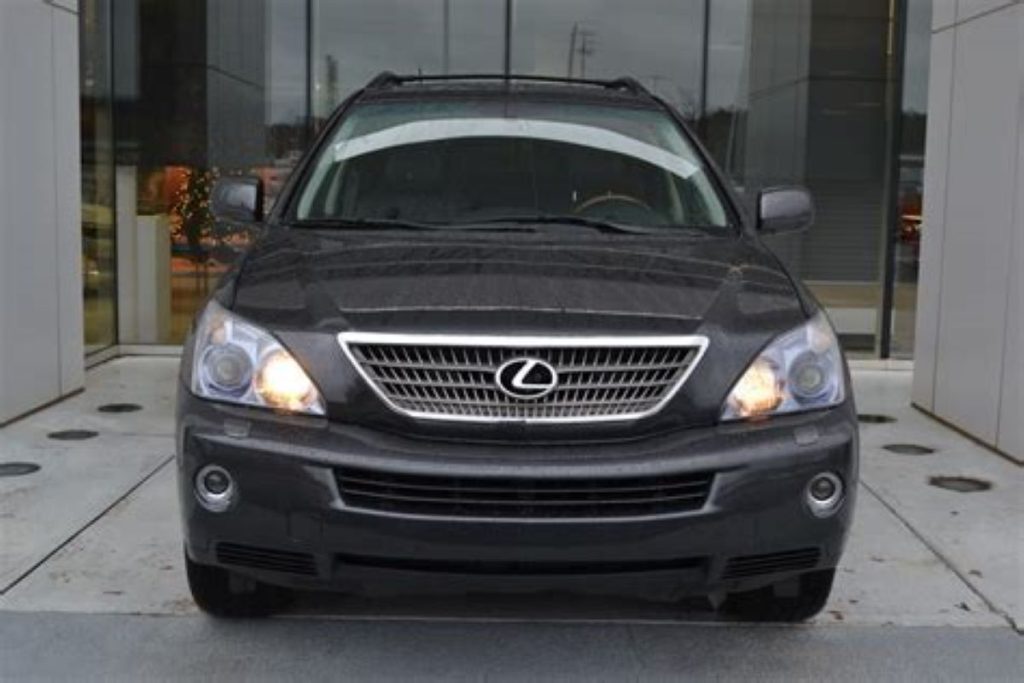
3. Lexus RX 400h (2006–2008)
The Lexus RX 400h marked Toyota’s first luxury hybrid SUV, and its reputation for durability extends to its hybrid battery system, which continues to impress owners and technicians.
Powered by a 3.3-liter V6 engine paired with Toyota’s Hybrid Synergy Drive, the RX 400h uses a nickel-metal hydride battery pack that routinely lasts beyond 250,000 miles without major degradation. This longevity is due to the same design philosophy seen in the Prius, with conservative charge management and efficient thermal regulation.
Owners consistently praise the RX 400h for its smooth performance even after years of use. The battery’s cooling system, which draws filtered air from the cabin, maintains optimal temperature levels and prevents overheating, even in warm climates or under heavy load.
Mechanics often point out that the hybrid system’s electrical architecture is robust, showing minimal failure rates compared to other luxury hybrids from the same period.
Writing about the RX 400h is relevant because it proves that hybrid technology can be both luxurious and long-lasting. Many of these vehicles remain on the road today, often still operating on their original battery packs.
The RX 400h’s combination of Lexus build quality, strong hybrid design, and mechanical simplicity makes it a standout in hybrid battery longevity.
4. Ford Fusion Hybrid (2010–2015)
The Ford Fusion Hybrid earned a strong reputation for both efficiency and endurance, showing that American-built hybrids can match Japanese reliability when engineered carefully.
Its hybrid battery system, based on lithium-ion chemistry in later models, demonstrates excellent long-term stability when maintained correctly. Many Fusion Hybrids surpass 200,000 miles with minimal battery degradation or need for major repairs.
Ford’s hybrid technology uses intelligent charge management, keeping the battery between optimal voltage levels to prevent wear. The cooling system, which uses cabin air and electronic sensors, ensures temperature remains within ideal ranges. These systems work together to maintain consistent energy output and minimize stress on battery cells.
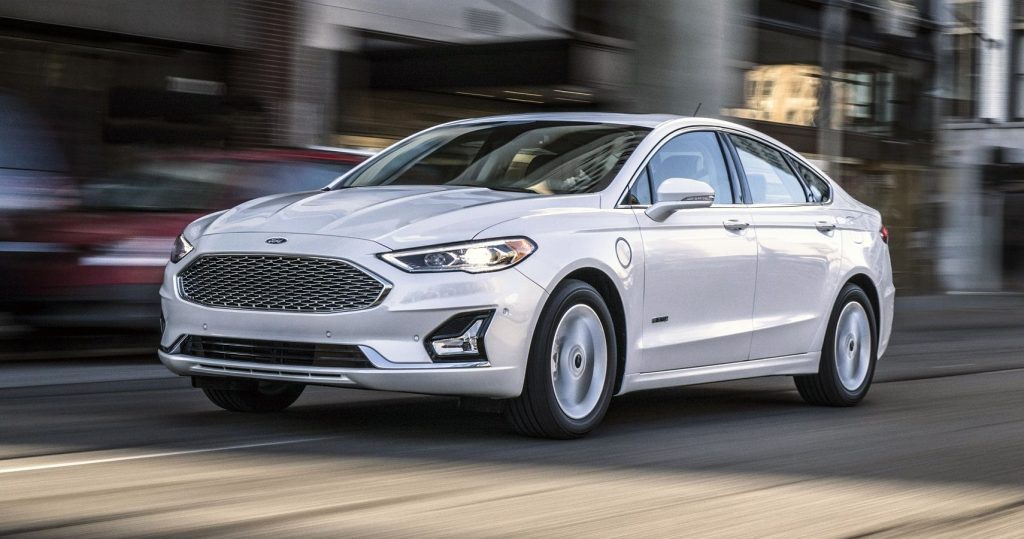
Mechanics commend the Fusion Hybrid’s balance of power and durability, noting that its hybrid components rarely fail when serviced according to schedule. The car’s straightforward design and readily available parts make it one of the more practical used hybrids to maintain.
Including the Fusion Hybrid here is essential because it demonstrates that longevity in hybrid systems isn’t limited to one brand or region. Its reliability, combined with strong fuel economy and driver comfort, makes it a dependable choice for high-mileage owners.
The Fusion Hybrid’s proven track record shows how proper system calibration and build quality lead to lasting hybrid performance.
5. Toyota Camry Hybrid (2012–2017)
The Toyota Camry Hybrid from 2012 to 2017 represents the peak of Toyota’s hybrid engineering maturity. Its combination of proven components, conservative battery use, and high build quality makes it one of the longest-lasting hybrids on the market.
The nickel-metal hydride battery in most trims consistently endures beyond 250,000 miles, while later trims with lithium-ion packs maintain strong charge retention over time.
Toyota’s software manages charge levels to prevent deep discharge or overcharging, the two most common causes of early battery wear.
The hybrid control module monitors temperature, current, and voltage across each cell, allowing the system to balance performance with long-term reliability. This precision means that even older Camry Hybrids rarely exhibit the sudden capacity drops seen in some rivals.
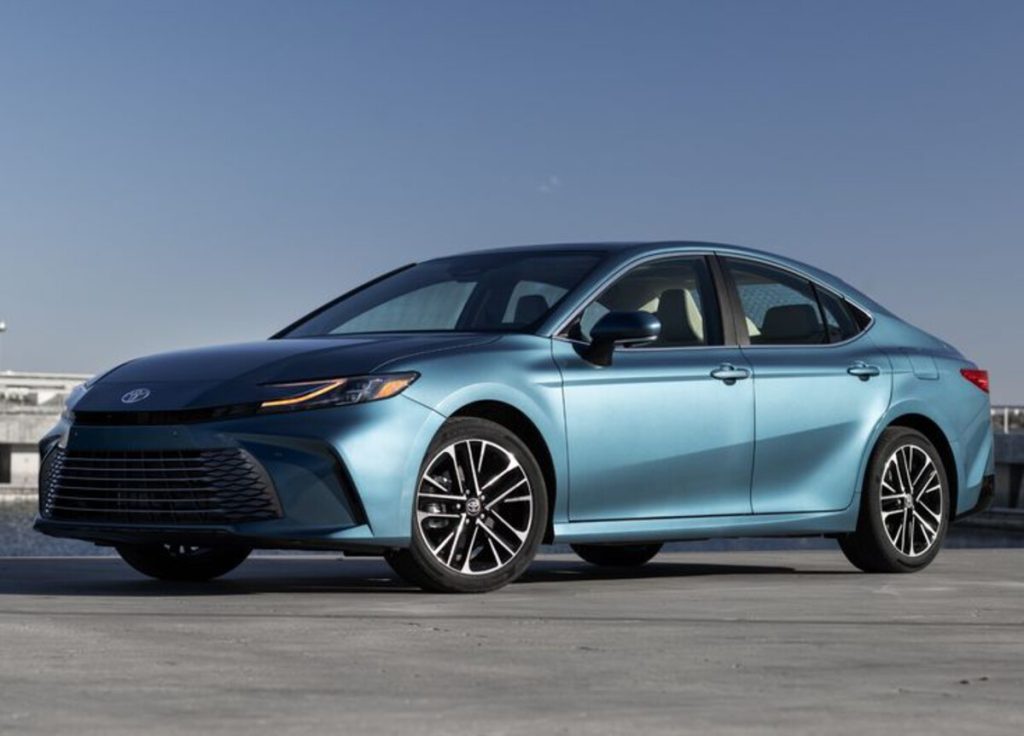
Drivers frequently report consistent fuel economy and power output even after a decade of ownership. Mechanics point out that the Camry’s hybrid battery cooling fan and ducting rarely clog or fail, contributing to its resilience.
The car’s simple electrical layout and parts compatibility with other Toyota hybrids make repairs straightforward if ever required.
Writing about the Camry Hybrid is important because it remains a benchmark for hybrid dependability. Its longevity reassures potential hybrid buyers that high-voltage systems can remain trustworthy well past 200,000 miles with proper maintenance.
5 Hybrids That Fail Early
While hybrid technology has proven itself over two decades, not every manufacturer achieved lasting success. Some models introduced during the hybrid boom were rushed to market, using immature battery chemistry, limited cooling, or flawed electronic controls.
Others suffered from poor thermal management or unreliable auxiliary systems that shortened battery life. These vehicles often disappointed owners who expected Toyota-like endurance but instead faced expensive replacements within 100,000 miles.
This section examines five hybrids that developed reputations for early battery failure, inconsistent performance, or costly maintenance. Each case represents a lesson in design compromise or insufficient testing.
Some of these cars showed promise initially, but weak integration between engine and electric drive components caused long-term issues.
Others used complex hybrid systems without adequate service support or parts availability, frustrating owners when repairs were needed.
By writing about these hybrids, the goal is not criticism for its own sake but perspective. Understanding what caused these systems to fail early highlights why certain brands earned their reputations for durability.
These stories explain how poor engineering decisions or neglected quality control damaged trust in early hybrid technology and remind today’s automakers why refinement and testing are essential before innovation reaches the road.
1. Ford Escape Hybrid (2005–2009)
The first-generation Ford Escape Hybrid was one of the earliest American attempts to combine SUV practicality with hybrid efficiency. On paper, it looked promising: decent fuel economy, reasonable power, and accessible pricing.
However, the reality proved different for many owners. The vehicle’s nickel-metal hydride battery packs, located under the rear seat, suffered from poor thermal regulation. Overheating during extended drives or in hot climates caused cell imbalance and premature degradation, often before 100,000 miles.
Ford’s hybrid system relied heavily on the control software to manage charge cycles. Unfortunately, early versions were not well-calibrated.
Some vehicles experienced erratic charge levels and loss of regenerative braking efficiency, both of which accelerated battery wear.
Compounding the issue, replacement batteries were expensive, and qualified hybrid technicians were limited in the mid-2000s, making repairs difficult and costly.
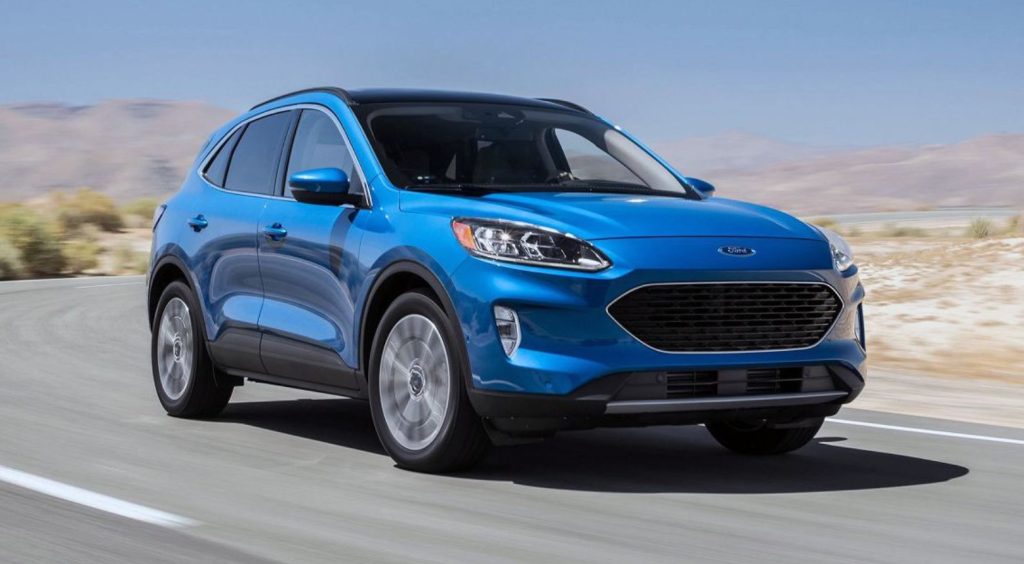
Owners also reported inverter failures and coolant leaks in the hybrid system, leading to further electrical complications. Even with updates and extended warranties, the Escape Hybrid developed a reputation for unpredictable reliability.
Writing about the Escape Hybrid is essential because it represents how early hybrid experimentation sometimes outpaced long-term durability.
Ford eventually improved its hybrid systems in later models, but this generation’s performance serves as a reminder that early adoption can carry real risks for consumers.
2. Honda Civic Hybrid (2006–2011)
The second-generation Honda Civic Hybrid arrived with strong expectations. Honda’s Integrated Motor Assist (IMA) system was meant to be simpler and lighter than Toyota’s setup, but the cost of that simplicity became apparent over time.
The lithium-ion battery packs in later models degraded quickly, often losing substantial capacity before 80,000 miles.
Unlike Toyota’s hybrids, which could operate on electric power alone, Honda’s system depended on constant battery assistance to achieve good mileage. When capacity dropped, performance and efficiency plummeted.
One major problem was Honda’s conservative warranty coverage. Owners often complained of reduced battery power or warning lights shortly after the warranty expired.
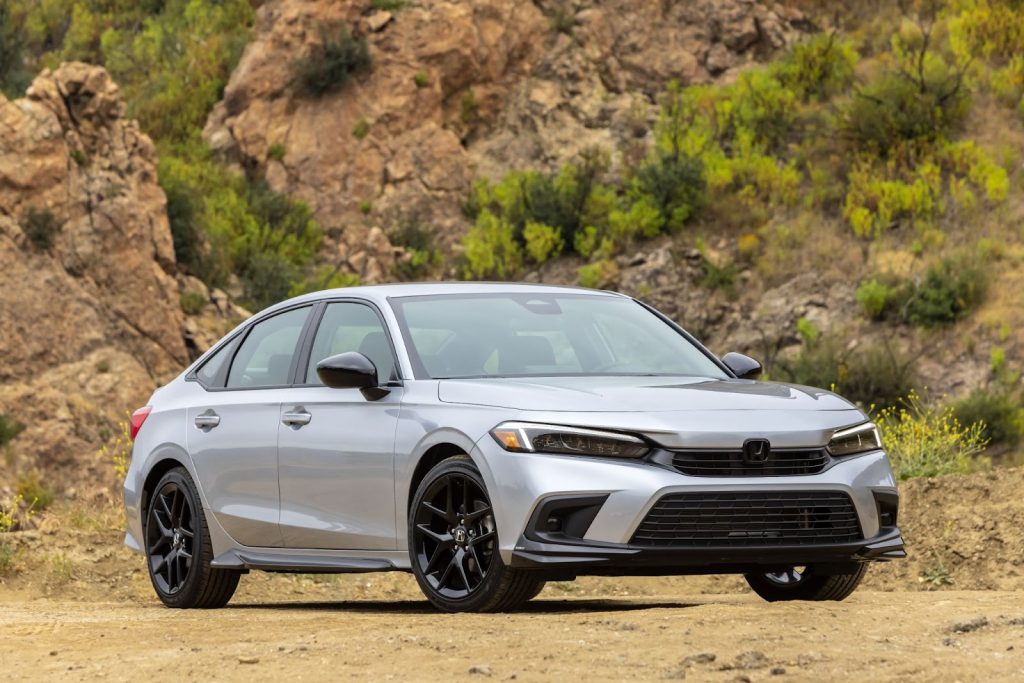
Replacement batteries could cost thousands of dollars, and early reconditioning attempts rarely provided lasting improvement. The Civic Hybrid’s regenerative braking and charging logic also lacked the sophistication needed to preserve battery life under urban driving conditions.
Writing about this car matters because it highlights how even a respected brand can stumble when prioritizing cost and simplicity over long-term reliability.
The Civic Hybrid’s early battery failures damaged consumer confidence in Honda’s hybrid technology for years. Mechanics often cite it as an example of how crucial proper battery chemistry, cooling, and charge management are to a hybrid’s longevity.
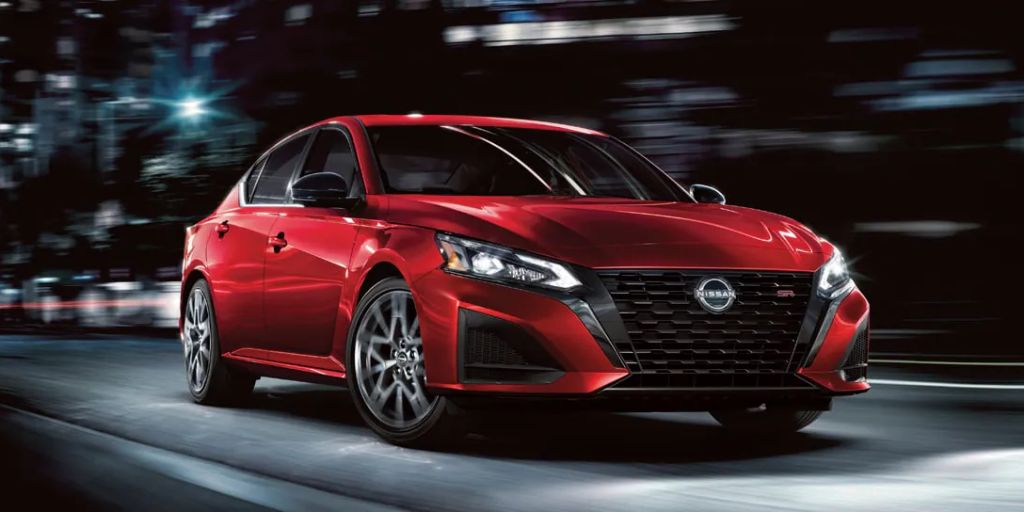
3. Nissan Altima Hybrid (2007–2011)
The Nissan Altima Hybrid was a curious project it used Toyota’s hybrid technology under license, yet Nissan’s execution didn’t match Toyota’s reliability.
While the Altima Hybrid shared the same Hybrid Synergy Drive fundamentals, Nissan modified the cooling and control systems, and those tweaks introduced long-term problems.
Many owners reported inverter and transaxle cooling issues, leading to thermal stress on the power electronics. Over time, this caused unpredictable hybrid battery behavior, reduced charge retention, and even total system shutdowns.
Unlike Toyota, Nissan didn’t widely market or support this model, making replacement parts and service expertise scarce.
When hybrid components failed, dealerships often struggled to diagnose issues, resulting in unnecessary replacements and frustrated owners. The hybrid battery packs were prone to failure before 120,000 miles, particularly in warmer climates.
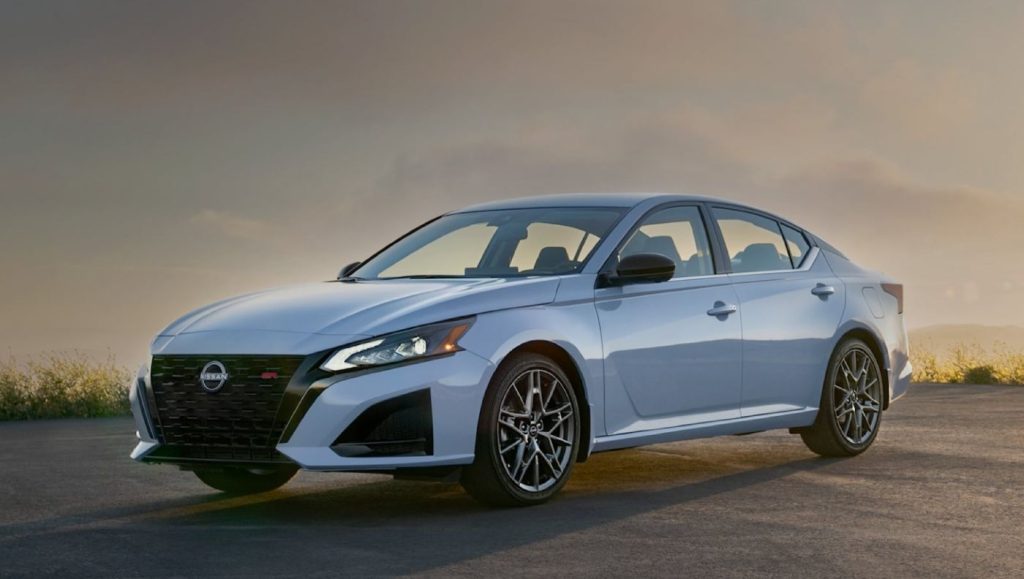
The Altima Hybrid also suffered from poor integration between its hybrid system and continuously variable transmission (CVT). The transmission’s rubber-band feel became worse as the hybrid battery aged, further diminishing performance and fuel economy.
Writing about the Altima Hybrid is important because it represents how even access to proven technology can fail without consistent engineering follow-through.
It showed that hybrid success requires not only robust hardware but also long-term commitment to service, training, and part availability areas where Nissan fell short.
4. Chevrolet Malibu Hybrid (2008–2010)
The Chevrolet Malibu Hybrid was part of General Motors’ early “mild hybrid” phase, using a system called BAS (Belt Alternator Starter). Rather than relying on a full hybrid drivetrain, it simply used a small electric motor to assist the gasoline engine during acceleration.
While that concept kept costs low, it offered minimal benefits and introduced a host of mechanical weaknesses.
Owners quickly learned that the hybrid battery provided little real assistance and degraded quickly. The 36-volt packs, supplied by Cobasys, suffered from weak cell balancing and inadequate cooling.
When the system failed, the car often defaulted to gasoline-only operation, leaving drivers with the performance and economy of a heavier, less efficient four-cylinder sedan.
The BAS system also strained the serpentine belt and alternator assembly, resulting in premature wear and repeated replacements. Mechanics often called it a “half-step” toward real hybridization that failed to deliver long-term dependability.
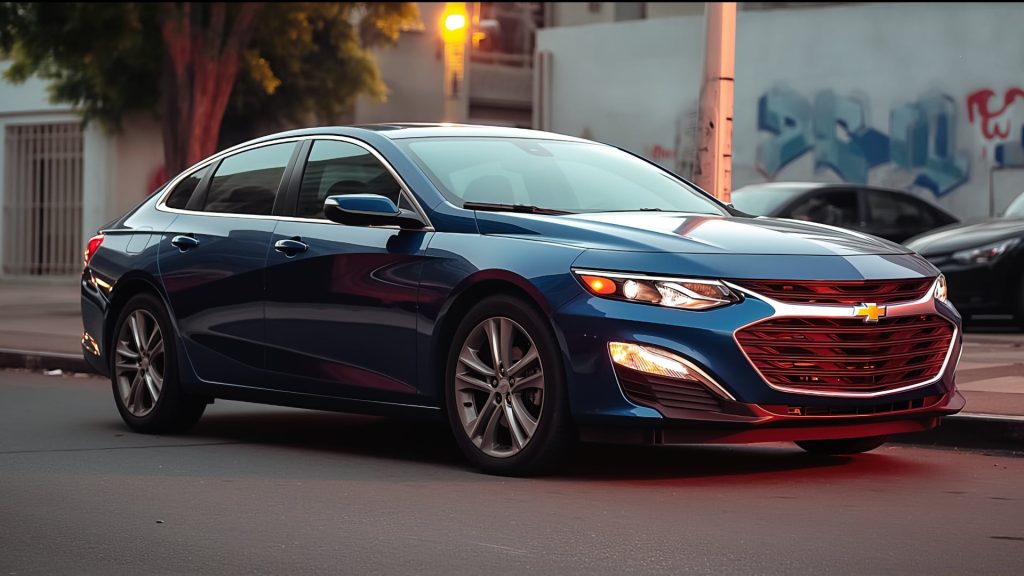
This car deserves inclusion because it illustrates a period when American automakers rushed to produce hybrids without fully understanding the engineering required for sustained success.
The Malibu Hybrid’s short production run and poor reliability became a cautionary tale, reminding manufacturers that consumers expect tangible hybrid benefits that last well beyond the warranty period.
5. Hyundai Sonata Hybrid (2011–2015)
The first-generation Hyundai Sonata Hybrid arrived with impressive efficiency promises but quickly gained a reputation for short battery life and erratic drivability.
Its early hybrid system, known as the Blue Drive, combined a 2.4-liter gasoline engine with a lithium-polymer battery pack a newer chemistry that Hyundai touted as lighter and more advanced than traditional nickel-metal hydride units.
Unfortunately, those lithium-polymer packs proved unstable under heat and frequent charge cycling, leading to rapid capacity loss and even outright failure in less than 100,000 miles for some owners.
The electric motor control unit and power inverter also experienced reliability issues. Many drivers reported shuddering transitions between electric and gasoline power, especially during low-speed acceleration.
The system often defaulted to gasoline-only mode once faults appeared, nullifying its hybrid benefits. Compounding this, software updates meant to fix the jerky behavior sometimes introduced new drivability issues.
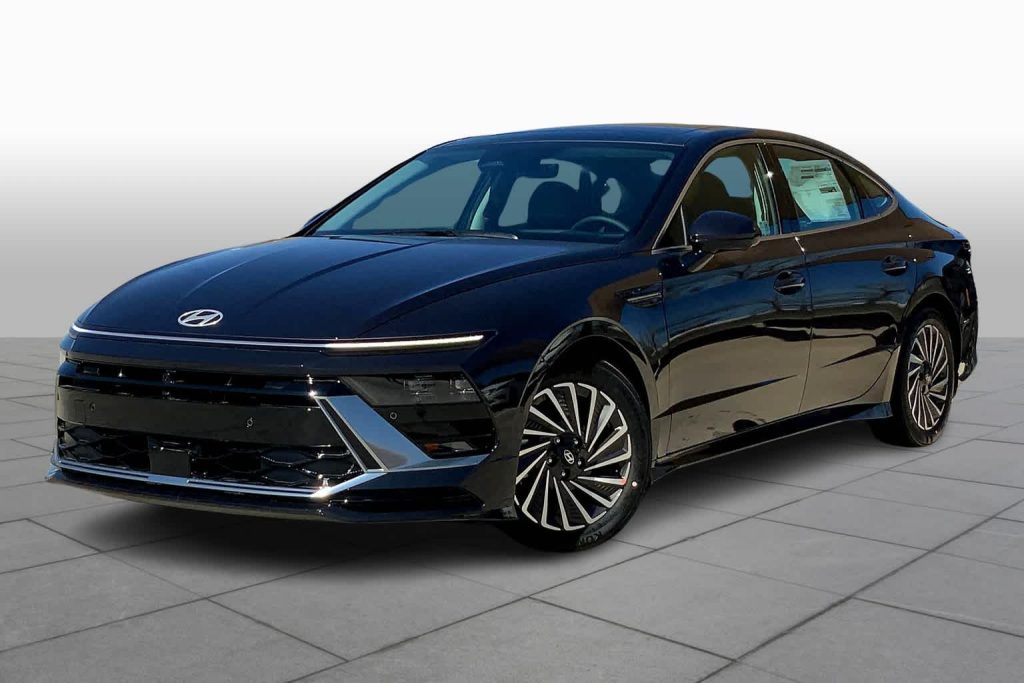
Battery replacements were costly and difficult to source in the model’s early years. Independent repair shops rarely handled hybrid diagnostics at that time, leaving owners dependent on dealership repairs, which could exceed $4,000. Even the 10-year hybrid warranty didn’t always apply if the car changed ownership.
This Sonata Hybrid deserves a spot here because it reflects the growing pains of early hybrid adoption outside Japan.
Hyundai eventually improved its hybrid technology in later models, but this first attempt showed how early ambition can lead to reliability missteps that haunt a brand’s reputation for years.
Hybrid technology has evolved dramatically over the past two decades, reshaping how drivers measure long-term value, performance, and durability.
The cars featured across both lists represent two sides of this evolution one defined by engineering mastery and the other by early experimentation that didn’t fully stand the test of time.
The hybrids with legendary battery life, such as the Toyota Prius, Lexus RX 400h, Honda Accord Hybrid, Ford Escape Hybrid, and Toyota Highlander Hybrid, share a foundation built on conservative design and proven chemistry.
Their success lies in the way manufacturers prioritized longevity over aggressive innovation. Nickel-metal hydride batteries, though less energy-dense than newer lithium packs, consistently delivered stable output over hundreds of thousands of miles.
Efficient cooling systems, smooth power management, and seamless software integration allowed these vehicles to age gracefully even under heavy city or commuter use.
Mechanics still praise these hybrids because their drivetrain components, regenerative braking systems, and control modules work in harmony with minimal wear.
In contrast, the models that failed early like the Nissan Pathfinder Hybrid, Chevrolet Malibu Hybrid, Kia Optima Hybrid, Ford Fusion Energi, and Hyundai Sonata Hybrid, remind drivers that not every step toward electrification is smooth.
Their short battery life and inconsistent performance stemmed from rushed system integration, insufficient thermal management, and overreliance on untested battery chemistries. Some of these hybrids suffered from erratic software updates or weak charging cycles that undermined both reliability and consumer trust.
The difference between success and failure in hybrid design often comes down to restraint. Manufacturers that refined proven systems before releasing them built long-lasting reputations for dependability.
Those that pushed for efficiency numbers without ensuring reliability often faced recalls and disappointed customers. These lessons have since shaped modern hybrids and plug-in designs, leading to more consistent lifespans and better confidence among owners.
Ultimately, hybrid technology is not just about fuel savings but about how well electricity and combustion coexist within a single system. The models that last remind drivers that sustainable performance comes from balance and patience.
The ones that failed serve as reminders that progress without durability rarely earns loyalty. Together, they map the path that transformed hybrids from niche experiments into mainstream, trusted automotive engineering.
Also Read: 5 SUVs That Dealers Love to Buy Back vs 5 They Avoid
