

Some engines don’t just last they actually get better the longer they run. While most power plants lose smoothness and efficiency as wear builds up, a select few reach their best years only after they’ve covered thousands of miles.
The pistons seat perfectly, the oiling systems loosen up just right, and the whole assembly begins to run with an easy confidence that brand-new engines rarely have.
These engines are built with precision and patience. They start strong but truly mature once the internal parts settle into harmony.
The secret often lies in solid engineering, conservative design, and high-quality materials that thrive with use. Instead of fading, they grow more efficient and smoother, earning the kind of trust that comes only from time.
You’ll find them in vehicles known for longevity and mechanical honesty. Some belong to luxury sedans that still purr like new after a decade, while others power rugged trucks that feel tighter after 100,000 miles than when they were fresh from the factory.
Their ability to age gracefully sets them apart from most modern engines that rely heavily on complexity rather than endurance.
This list highlights twelve engines that continue to impress as the odometer climbs. They don’t just survive long journeys they improve. Whether it’s a Toyota straight-six, a Honda VTEC masterpiece, or a diesel that thrives on hard work, each one earns its reputation through consistency.
When treated with care, these engines offer something few machines ever achieve: character that deepens over time. They prove that the best performance sometimes comes not from innovation alone, but from the steady refinement of proven design.
Also Read: 10 Engines That Outlive Their Cars Entirely
1. Toyota 2JZ-GTE
The Toyota 2JZ-GTE is often praised as one of the most reliable and tunable engines ever made, but what truly sets it apart is how it improves with mileage. Found in the legendary Supra and other Toyota performance cars, this inline-six develops a smoother, more responsive nature after years of proper use.
Built with an iron block and forged internals, the 2JZ-GTE is nearly indestructible. The block’s strength allows it to handle high boost pressures, but it also means the engine wears in gradually.
Over time, the pistons and cylinders seat perfectly, reducing friction and creating a more efficient burn. Many enthusiasts notice that the 2JZ idles more steadily and revs more freely once it passes 60,000 miles.
The twin-turbo setup benefits from consistent use as well. As the turbines spin through countless heat cycles, they often operate more smoothly once the system has been properly maintained and broken in. Oil circulation improves with age, which keeps the bearings well-lubricated and the response sharper.
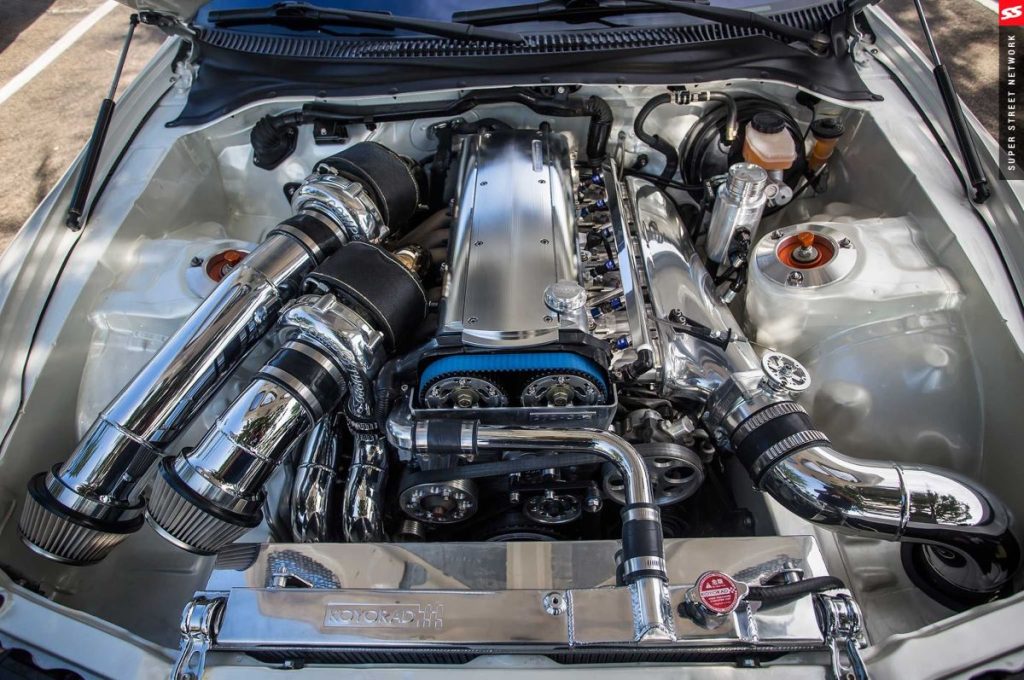
Even in stock form, the 2JZ’s balance and refinement make it feel timeless. The inline-six layout provides natural harmony, and the overbuilt components ensure it can run hard for decades. Owners frequently report these engines surpassing 300,000 miles with no major issues and actually feeling more cohesive than they did new.
The 2JZ-GTE is proof that an engine can mature like fine machinery. Its design rewards consistent driving and maintenance, offering a kind of mechanical confidence that modern, lightweight engines rarely achieve.
2. Honda K24
Honda’s K24 engine has earned respect for its durability, but many enthusiasts agree that it runs even better as it ages. Found in models like the Accord, CR-V, and various performance builds, the K24 combines precision engineering with a structure that benefits from regular use.
During the first few thousand miles, the K24 feels slightly tight. As it accumulates mileage, the components settle in, the friction levels drop, and the engine develops a smoother, freer revving nature. The valvetrain, designed for high efficiency, becomes more refined, and oil circulation improves throughout the block.
Its aluminum construction with iron cylinder liners ensures long-term stability. Honda’s VTEC system adds adaptability, but what makes the K24 truly impressive is how consistently it delivers power after years of use.
Many engines with over 200,000 miles still sound and feel nearly identical to new units, often pulling harder thanks to perfect break-in wear patterns.
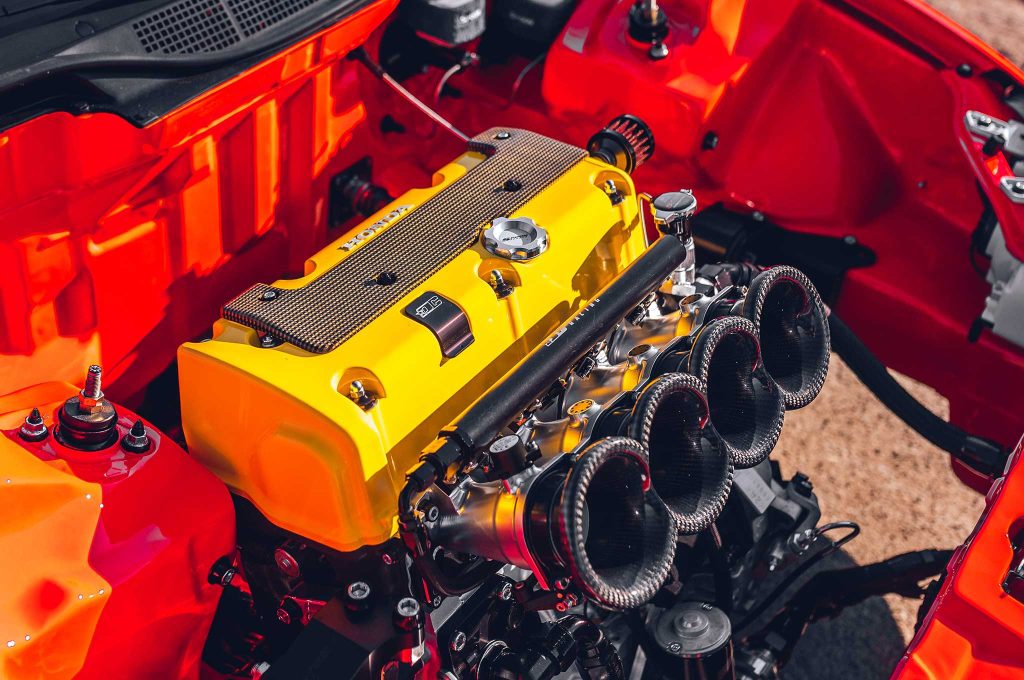
The K24’s simple yet balanced design helps it age gracefully. Its pistons, bearings, and valves work together in harmony once fully seated, and regular oil changes keep the internals spotless. The engine thrives on consistent driving rather than short, irregular trips.
Whether powering a family sedan or a tuned street car, the K24 remains one of Honda’s most rewarding creations.
It’s an engine that improves with time, not one that fades. For drivers who enjoy mechanical purity and long-term reliability, the K24 is the kind of motor that only gets better with age.
Also Read: Top 12 Longest-Lasting Pickups Ever Built
3. BMW M54 Inline-Six
The BMW M54 engine is one of those rare motors that gains character and smoothness as the miles increase.
Found in models such as the E46 3-Series, E39 5-Series, and early Z4, it’s known for its silky feel and mechanical honesty. When new, the M54 can seem a bit tight, but once broken in, it becomes incredibly refined.
Its secret lies in balance and precision. The straight-six layout delivers perfect symmetry, while the aluminum block with iron cylinder liners provides long-term durability.
As the components wear together, the pistons glide more freely, reducing internal friction. This allows the engine to rev smoothly and consistently, often running quieter with age.
The double VANOS variable valve timing system improves over time as the seals and actuators settle. Many owners notice that throttle response becomes sharper and idle stability increases once the engine has seen consistent use. Proper oil changes and long drives help this system stay clean and efficient.
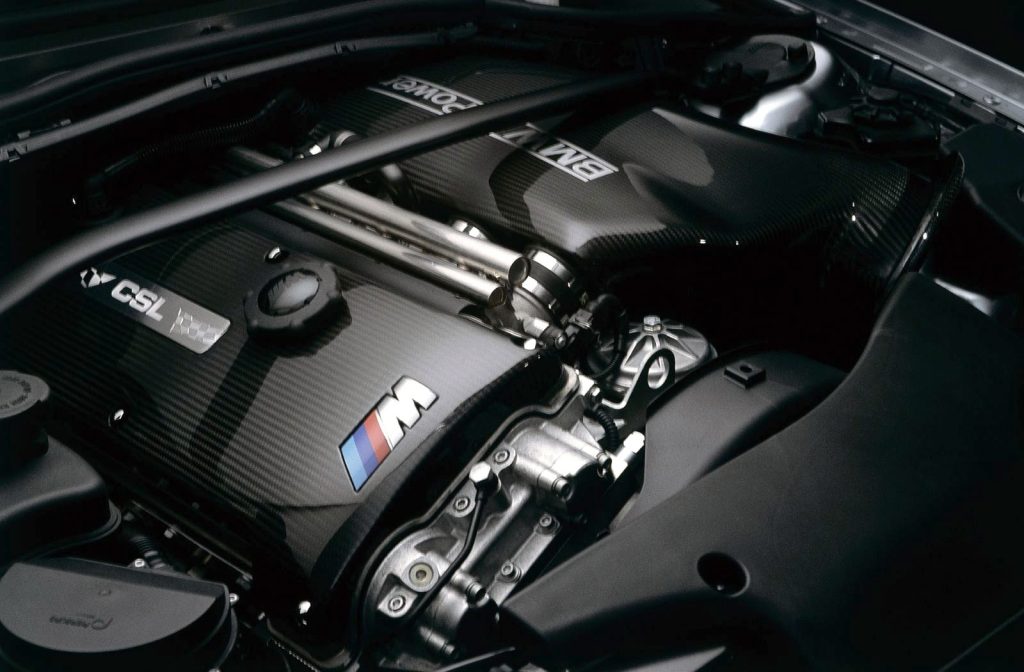
Unlike many performance engines, the M54 doesn’t rely on complexity to feel special. It rewards steady driving and maintenance, growing smoother with every mile. Even at 200,000 miles, these engines often pull strong and deliver that signature BMW tone balanced, linear, and confident.
The M54 represents an era when mechanical refinement mattered more than electronics. It’s an engine that matures gracefully, offering a polished and connected driving feel that few modern engines can match. For those who appreciate smoothness that develops over time, the M54 remains a timeless piece of engineering.
4. Ford 5.0 Coyote V8
The Ford 5.0 Coyote V8 has become a modern legend for its balance of power and longevity. Found in the Mustang GT and F-150, this engine is designed to improve as it ages. Owners often report that after tens of thousands of miles, the Coyote feels smoother, stronger, and more responsive than it did when new.
Built with a forged crankshaft, aluminum block, and advanced valve timing, the Coyote is engineered for endurance.
During its early life, the engine’s tolerances are tight, and performance feels slightly restrained. With regular driving and proper oil care, the internal components settle perfectly, reducing friction and enhancing power delivery.
Its variable cam timing system becomes more precise over time as the oil passages remain clean and the actuators adapt to consistent pressure. The engine’s balance between light reciprocating parts and durable construction helps it age better than most high-output V8s.
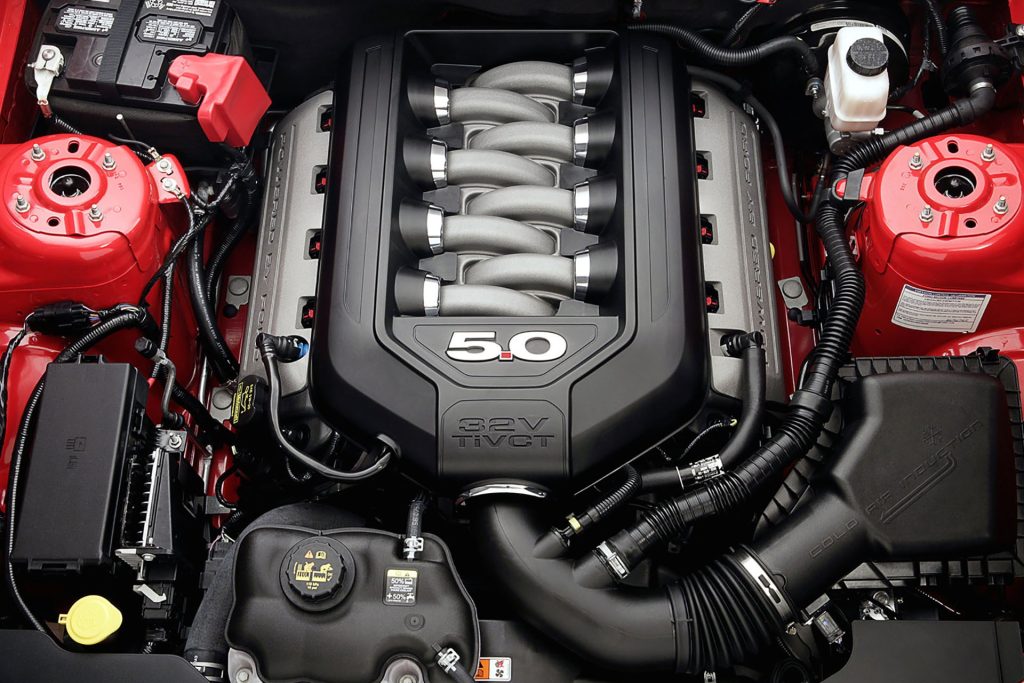
Many long-term Mustang and F-150 owners note that the Coyote feels livelier after 50,000 miles. The throttle response improves, and the idle smooths out as the mechanical systems synchronize. This is especially true for engines that have been driven regularly rather than stored for long periods.
The Coyote embodies what Ford does best building a powerful, naturally aspirated engine that gets stronger with experience. With its proven design and reliable build, it stands as one of the few modern V8s that truly thrives with age, offering lasting power and refinement that deepens over time.
5. Mercedes-Benz M113 V8
The Mercedes-Benz M113 V8 is a naturally aspirated engine that has earned a reputation for running smoother as it ages.
Found in models like the E-Class, S-Class, and ML-Class from the early 2000s, it benefits from robust engineering and a design that favors longevity. Owners often report that these engines feel more refined after tens of thousands of miles.
Its iron block and aluminum heads create a sturdy foundation. The components seat in gradually over time, reducing internal friction.
Pistons, bearings, and valve trains settle into a consistent rhythm, resulting in smoother idling and linear power delivery. This makes the M113 feel more polished with age rather than fatigued.
The engine’s SOHC architecture with three valves per cylinder is straightforward yet effective. It avoids overly complex mechanisms that can wear prematurely. With proper maintenance, including regular oil changes and high-quality fuel, the M113 maintains its silky character well past 150,000 miles.
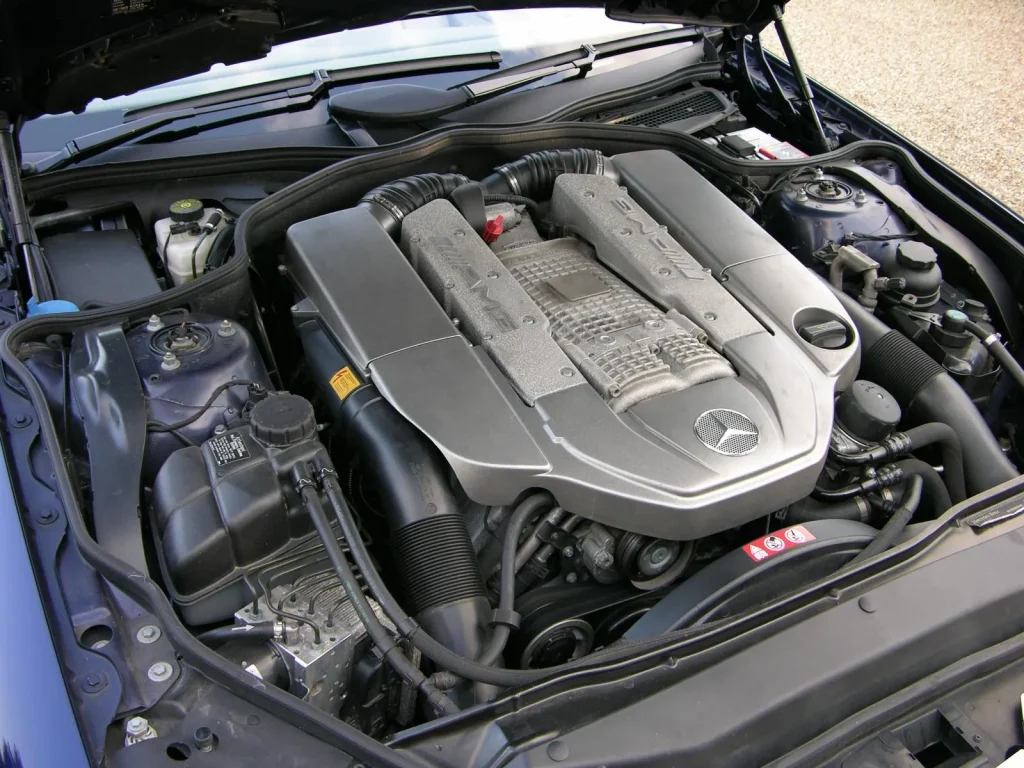
Another factor is its naturally aspirated design. Without forced induction, the engine experiences fewer extreme stress cycles, allowing it to age gracefully. Many owners note that the V8’s tone improves with mileage, becoming more harmonious and solid, and the response becomes increasingly predictable.
The M113 demonstrates that simplicity combined with quality can produce engines that mature beautifully.
It doesn’t just survive years of use it develops a refined personality, rewarding consistent care with reliability and performance. For those seeking an engine that thrives with time, the M113 remains an excellent example of enduring engineering.
Also Read: 5 Engines That Mechanics Say Are Indestructible vs 5 That Break
6. Nissan RB26DETT
The Nissan RB26DETT inline-six is legendary for its durability and performance. Most commonly associated with the Skyline GT-R, this engine continues to impress long after its initial miles. Many owners notice that the RB26 becomes smoother and more responsive once it has been run-in properly.
The iron block and forged internals provide unmatched strength. Over time, the pistons and cylinders seat perfectly, reducing friction and creating more efficient combustion. The result is an engine that feels more alive and connected with mileage.
Its twin-turbo configuration is carefully engineered, and consistent maintenance ensures the turbos spin smoothly. Heat cycles help stabilize the system, and the precise oiling paths allow for long-term reliability. Properly maintained RB26 engines often exceed 200,000 miles with minimal performance loss.
The RB26’s DOHC valvetrain with high-quality cams contributes to consistent timing and smooth operation. As the components settle, idle becomes steadier, throttle response sharpens, and the engine gains a mechanical balance that is rare in high-output motors.
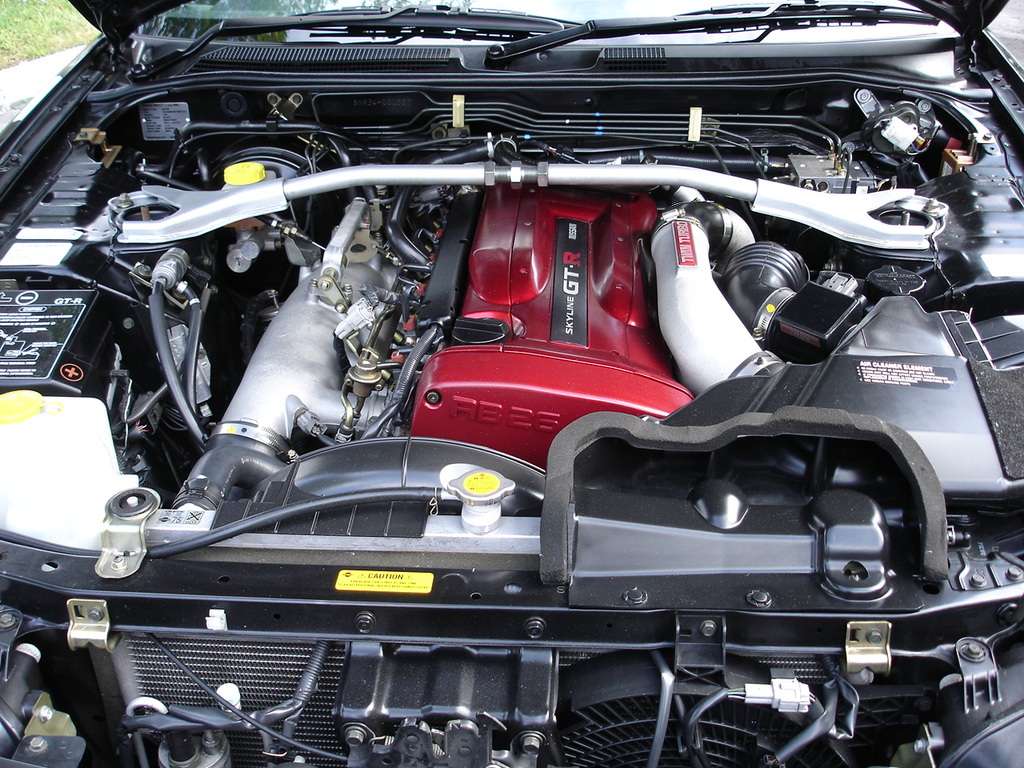
Enthusiasts also appreciate that the RB26’s inline-six design naturally balances vibrations, which helps reduce wear and maintain smooth operation. With regular care, it develops a responsiveness and efficiency that surpass many engines that are technically newer.
For anyone looking for an engine that rewards experience and careful use, the RB26DETT is an ideal example. It’s not just built to last; it improves over time, offering a level of mechanical refinement that few modern engines can match.
7. Subaru EJ25
The Subaru EJ25 flat-four engine is a staple of longevity, particularly in models like the Legacy, Outback, and Forester.
Many owners report that the EJ25 actually improves with time, running smoother and more consistently after tens of thousands of miles. Its boxer layout and sturdy engineering are key to this behavior.
The horizontally opposed design balances the engine naturally, reducing vibration and stress on components. As the pistons and bearings settle, the engine develops a refined rhythm. Early tightness gives way to a smooth, predictable feel that makes long drives more enjoyable.
The EJ25 also benefits from simplicity in design. While later versions feature variable valve timing, the mechanical systems are reliable and designed to handle high mileage. Consistent oil changes and careful attention to cooling prevent wear, allowing the engine to maintain performance without introducing rattles or roughness.
Turbocharged EJ25 variants, like those found in the WRX, age well when maintained properly. The turbos spin more freely as they break in, and oil pathways become fully optimized. This leads to smoother boost delivery and a more connected throttle feel.
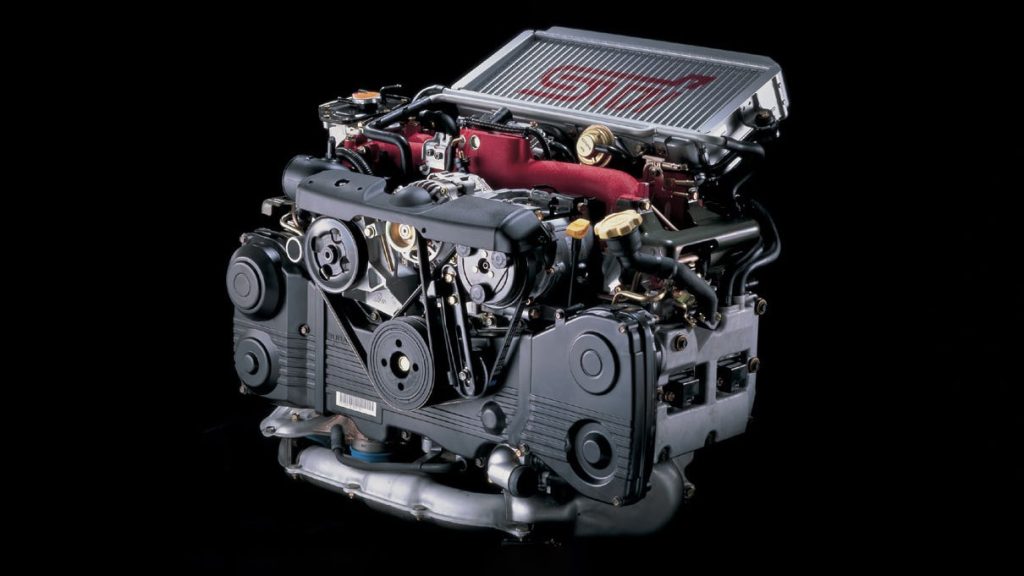
Many Subaru owners notice that engines with over 150,000 miles feel tighter in response and quieter than when they were brand new. The EJ25 demonstrates that thoughtful design and natural balance allow an engine to grow more refined over time, not less.
Whether in a rugged Outback or a sporty WRX, the EJ25 remains an engine that rewards regular use and proper maintenance. It’s an example of engineering that thrives with experience, offering durability, smoothness, and an enduring driving connection.
8. Lexus 1UZ-FE V8
The Lexus 1UZ-FE V8 is a benchmark for long-term refinement. Found in the LS400 and early SC models, this naturally aspirated engine is legendary for how it runs better after years of driving. Owners often describe a more polished, smoother operation once the components have fully seated.
The iron block and aluminum heads provide both strength and thermal stability. Over time, pistons, rings, and bearings wear in perfectly, reducing friction and improving efficiency. This creates an engine that idles quietly and accelerates smoothly, offering a more satisfying driving experience than when new.
Its DOHC valvetrain is precise and simple, avoiding unnecessary complexity that can wear prematurely. Regular maintenance and high-quality fluids allow the camshafts, lifters, and valves to work in harmony, which further enhances smoothness and response.
The 1UZ-FE is naturally aspirated, which helps it avoid the additional strain that turbocharged engines endure. Heat cycles and consistent use allow the components to stabilize, creating a balanced and predictable power delivery. Many examples have exceeded 300,000 miles while still delivering the effortless power that made the engine famous.
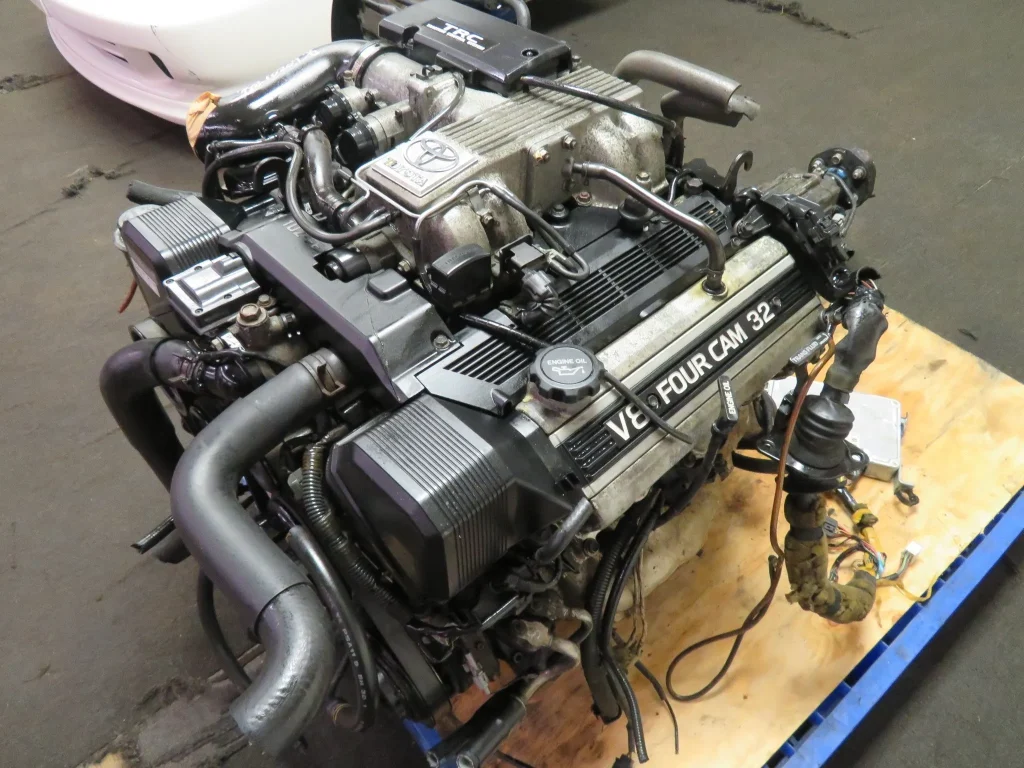
Owners often notice the engine sounds more refined with age. The tone of the V8 becomes harmonious, and the throttle response feels more linear and connected. It’s a motor that rewards patient use and care, rather than one that peaks immediately.
The 1UZ-FE demonstrates how careful engineering and attention to detail can produce an engine that grows in quality over time. For drivers seeking an enduring and smooth V8, it remains a benchmark, offering reliability, refinement, and a feeling of mechanical maturity that few engines achieve.
9. Porsche M96 Flat-Six
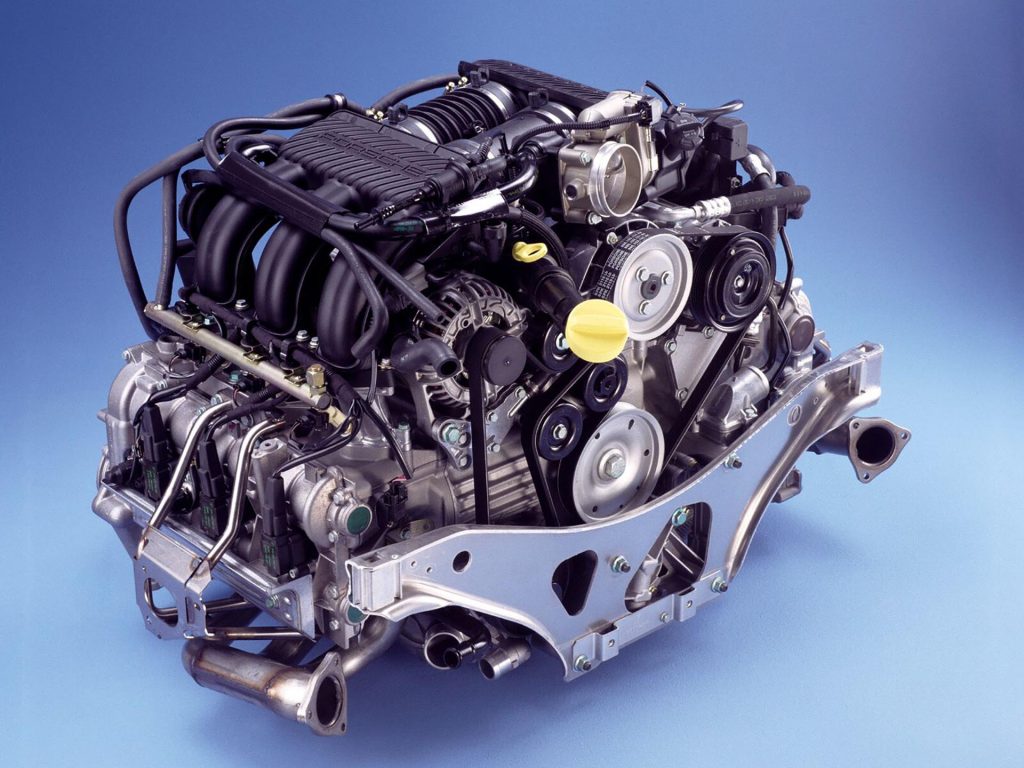
The Porsche M96 flat-six engine, found in the 996-era 911 and Boxster, is known for its distinctive sound and smooth character.
While these engines have a reputation for needing attentive care, many owners notice that with proper maintenance, they actually run better as they age. The engine settles into a refined rhythm, offering improved response and smoother operation over time.
The horizontally opposed layout is key to this behavior. By balancing the reciprocating masses naturally, the engine reduces vibration, which in turn lowers stress on internal components. As the pistons and bearings wear in, friction decreases, and the engine develops a more harmonious feel.
Porsche’s engineering includes robust materials and precision tolerances. Components like the crankshaft, camshafts, and valvetrain are designed to last, and once fully seated, they produce a smoother idle and more linear power delivery. The flat-six also benefits from a well-engineered oiling system that stabilizes lubrication over long-term use.
Many owners notice that throttle response improves slightly after tens of thousands of miles. The engine feels more connected and predictable, allowing for better modulation and a more enjoyable driving experience.
Regular maintenance, including proper oil changes, coolant care, and belt inspection, ensures that the M96 continues to perform optimally.
When these engines are maintained carefully, they reward owners with an enduring sense of mechanical refinement and performance that exceeds expectations for a high-revving sports engine.
The M96 flat-six demonstrates that careful engineering, precision construction, and consistent care allow an engine to thrive with time. For enthusiasts seeking a motor that grows smoother and more refined with mileage, it remains a compelling choice.
10. Chevrolet LS1 V8
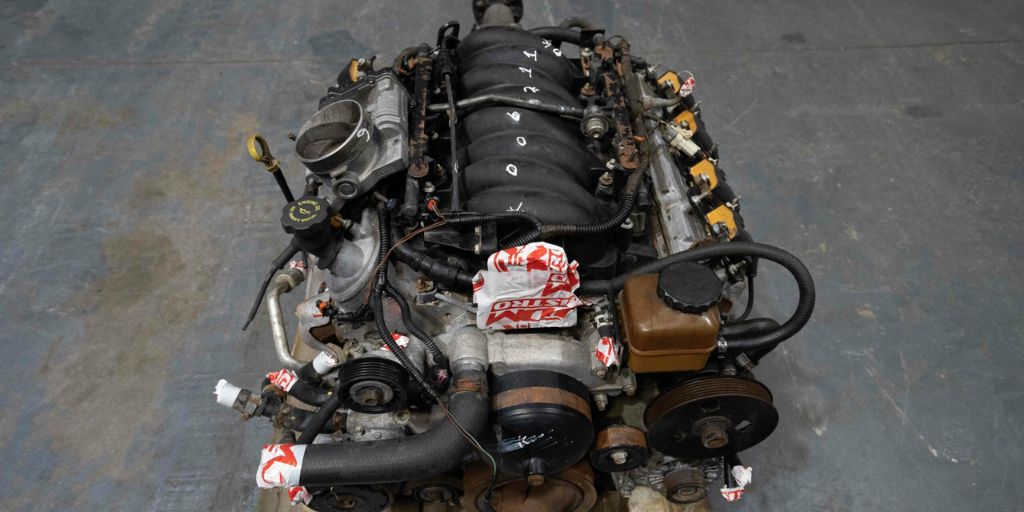
The Chevrolet LS1 V8, introduced in the Corvette and Camaro, is a prime example of a modern engine that ages gracefully. Known for its simple architecture and durability, the LS1 often becomes smoother and more responsive after thousands of miles of consistent use.
Built with a cast-iron block and aluminum heads, the LS1 is incredibly strong. Its components seat in naturally over time, allowing pistons, rings, and bearings to work in harmony. Many owners report that the engine feels freer, with less internal friction, as mileage accumulates.
The pushrod valvetrain is straightforward yet efficient, avoiding the complexity that can hinder long-term refinement. Regular oil changes and proper driving habits help maintain consistent performance, allowing the engine to deliver smooth power at all RPMs.
Throttle response and idle quality often improve after initial break-in periods. The LS1 develops a balanced feel, and its naturally aspirated design minimizes mechanical stress, which contributes to longevity and smooth operation. Owners frequently note that the engine maintains strong power delivery and reliability even beyond 200,000 miles.
Another factor in the LS1’s enduring quality is its robust cooling and lubrication systems. By keeping temperatures stable and ensuring adequate oil flow, these systems help prevent wear and allow the engine to mature gracefully.
The LS1 V8 demonstrates that simplicity, strength, and attention to detail can create an engine that not only lasts but actually improves with use. For enthusiasts seeking a reliable, high-performance motor that rewards time and maintenance, the LS1 remains a benchmark in modern American engineering.
11. Ford 7.3 Power Stroke Diesel
The Ford 7.3 Power Stroke Diesel is legendary for durability and longevity. Found in Super Duty trucks from the late 1990s through the mid-2000s, it not only survives heavy use but often improves with consistent operation. Owners report that the engine becomes smoother and more reliable as it accumulates miles.
Its cast-iron block and robust internal components provide unmatched strength. Over time, pistons, bearings, and cylinder liners seat perfectly, reducing friction and enhancing overall efficiency.
The engine’s design allows it to handle extreme loads without sacrificing smoothness, which is why many examples surpass 300,000 miles with proper maintenance.
The turbocharged version benefits from steady use. Turbines spin more efficiently as oil passages and bearings stabilize, resulting in smoother boost delivery and improved throttle response. Diesel engines like the 7.3 also perform better with longer, consistent runs that keep internal temperatures steady.
Its valvetrain is simple and robust, designed to minimize wear. Combined with a mechanical injection system, the 7.3 avoids the complications that affect more modern diesel engines. This simplicity helps it maintain smooth operation, even after years of hard driving.
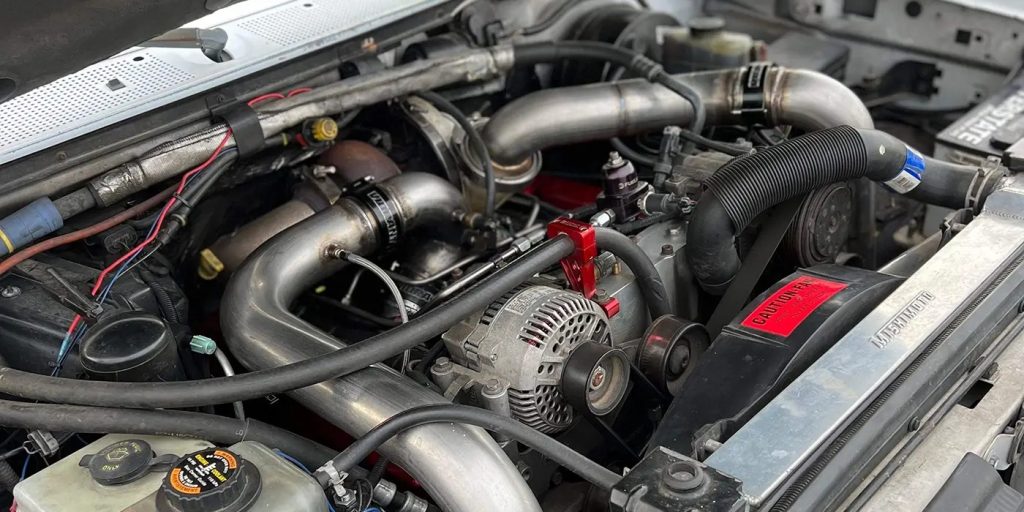
Owners often note that the engine sounds more settled and runs more efficiently once the internal components have worn in. The characteristic diesel tone becomes consistent, and the overall driving experience feels more refined.
For drivers seeking a diesel engine that thrives with age, the Ford 7.3 Power Stroke is unmatched. It rewards regular maintenance and steady use with lasting power, refinement, and confidence that only grows over time.
12. Toyota 1HZ Diesel
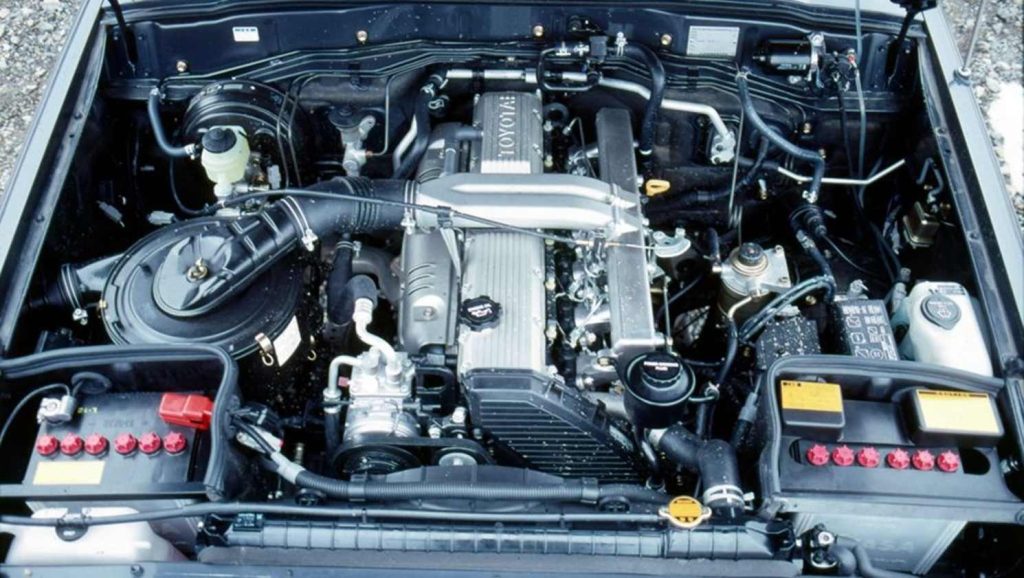
The Toyota 1HZ Diesel, found in Land Cruisers and other heavy-duty SUVs, is a model of longevity and reliability.
Known for its simplicity and rugged design, this naturally aspirated six-cylinder diesel improves with age and use. Many owners report smoother operation and more predictable performance after tens of thousands of miles.
Its iron block and alloy cylinder heads are built to withstand years of high-stress operation. Over time, pistons, rings, and bearings seat perfectly, reducing internal friction and allowing the engine to run more efficiently. Diesel engines like the 1HZ thrive on long, consistent driving, which helps the components settle in harmony.
The 1HZ uses a mechanical fuel injection system, which avoids the complexity that can cause wear and irregular performance.
This simple system allows the engine to remain precise and responsive even after extensive use. Owners often note that idle smoothness improves as the engine breaks in, and throttle response becomes more linear over time.
Its robust construction and low-stress design mean that the 1HZ can surpass 500,000 miles with proper care. The engine’s torque delivery becomes predictable and effortless, and vibration levels are minimal thanks to its inline-six balance.
Regular maintenance oil changes, valve adjustments, and fuel system care ensures the engine retains its smooth, reliable character. Many Land Cruiser enthusiasts consider the 1HZ a mechanical treasure, offering refinement and performance that actually increase with age.
For anyone looking for a diesel engine that becomes more dependable and polished over time, the Toyota 1HZ is an exceptional example. Its combination of durability, simplicity, and mechanical harmony makes it a motor that truly improves with experience.
Some engines don’t just last they grow stronger and smoother with time. The twelve engines highlighted in this article share a rare quality: they improve with mileage rather than decline. Whether naturally aspirated or turbocharged, petrol or diesel, each one rewards consistent care and regular use.
Engines like the Toyota 2JZ-GTE, Honda K24, and BMW M54 refine their smoothness as pistons, rings, and bearings seat. Variable valve timing systems and well-engineered oil passages allow these motors to operate more efficiently, resulting in better throttle response and quieter idling over time.
V8s such as the Ford Coyote, Chevrolet LS1, and Mercedes M113 also demonstrate how balance and simplicity contribute to longevity. With strong blocks and durable valvetrains, they become more harmonious and refined after tens of thousands of miles.
Diesel engines like the Ford 7.3 Power Stroke and Toyota 1HZ benefit from steady use, with components settling and turbo systems or fuel injectors achieving optimal operation. Inline and flat-six designs, including the Subaru EJ25 and Porsche M96, show that mechanical harmony naturally improves with consistent driving.
These engines prove that thoughtful engineering, durable materials, and proper maintenance can create motors that don’t just survive they thrive. They remain smooth, reliable, and rewarding long after their first miles, making them rare examples of machinery that truly matures with age.
Also Read: 5 V6 Engines That Never Disappoint Owners vs 5 That Constantly Break
