
Comfort in an SUV often begins not with suspension or seating but with silence. A quiet cabin defines how relaxed a drive feels, especially during long commutes or highway travel.
Noise insulation has become a marker of refinement, and brands that invest in soundproofing materials, acoustic glass, and clever body engineering often win loyal buyers who appreciate calm driving experiences.
Yet, not all SUVs succeed in this area. Some vehicles, even well-equipped ones, suffer from intrusive wind and road noise that breaks the sense of comfort expected from their class.
This comparison looks at both extremes the SUVs that deliver exceptional quietness, maintaining serenity even after years of use, and those that grow noisy or never achieved true insulation in the first place.
From luxury models to family-focused crossovers, the goal is to understand what makes one SUV whisper while another roars. Quiet vehicles usually share superior door sealing, damping in the chassis, and tuned suspension components that reduce vibration.
Noisy ones often cut corners in materials or structure, leading to rattles and resonance. Through these examples, it becomes clear that acoustic engineering plays as vital a role in SUV design as horsepower or fuel economy.
Also Read: 5 V6 Engines That Never Disappoint Owners vs 5 That Constantly Break
5 SUVs Where Silence Rules
A well-built SUV doesn’t just ride smoothly; it protects passengers from the chaos outside. The best examples of quiet SUVs combine dense insulation, tight panel alignment, and superior suspension geometry.
They absorb vibration before it reaches the cabin and use glass designed to block wind frequencies.
What’s most impressive is how some models maintain their silence even after years of highway wear or rough city conditions. These vehicles prove that refinement isn’t just a first-year quality it’s a long-term engineering triumph.
Mechanics and long-term owners often agree that a truly quiet SUV reflects attention to every detail during assembly. From the thickness of underbody panels to the type of sound-deadening foam inside doors, these touches determine how peaceful each ride feels.
The following SUVs are recognized for their enduring calm interiors that remain soft-spoken mile after mile. Whether designed for families, executives, or long-distance touring, each one reflects what consistent quality control can achieve.
Their cabins stay solid, their glass resists vibration, and their engine mounts isolate noise effectively. These are the five SUVs that remind drivers that silence can be just as rewarding as power, proving that true comfort is found in the quiet moments behind the wheel.
1. Lexus RX 350
The Lexus RX 350 has long been praised for its serene cabin, and its reputation is no accident. Lexus engineers focus on a concept called “quiet luxury,” which emphasizes eliminating distractions through material quality and sound design.
The RX benefits from laminated acoustic glass, triple-sealed doors, and heavy floor insulation that extends even into the wheel wells. Drivers often note that even at highway speeds, conversations remain effortless and music playback requires no volume increase.
What sets the RX apart is its ability to maintain this silence as it ages. Many owners report minimal creaks or rattles after a decade of use, a testament to its robust build.
The suspension isolates bumps effectively, while the V6 engine delivers smooth power with little vibration. Even tire noise a common culprit in SUVs is reduced by intelligent damping in the wheel arches. Lexus also uses thicker carpeting and seat cushioning that subtly absorb resonance.
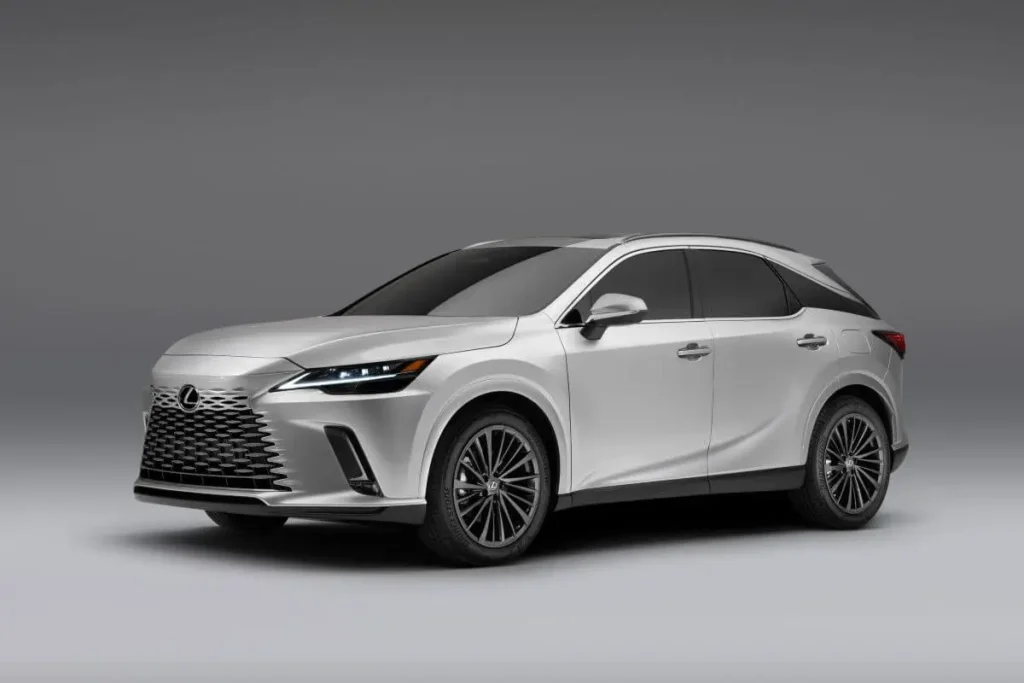
This model shows how a luxury SUV can offer peace without overcomplication. Its engineering relies on proven methods executed with precision.
Writing about the RX 350 matters because it demonstrates how sound isolation can shape long-term satisfaction, turning everyday drives into relaxing experiences that age gracefully with time.
2. Mercedes-Benz GLE
Mercedes-Benz understands that refinement begins with structure. The GLE’s quietness stems from both its frame stiffness and intelligent acoustic engineering.
High-strength steel and aluminum form a body that minimizes vibration, while extensive underbody shielding dampens road rumble.
The glass is double-laminated, and even the windshield wipers are designed to reduce flutter noise. On highways, the GLE remains composed, with barely perceptible wind intrusion around the mirrors or roof rails.
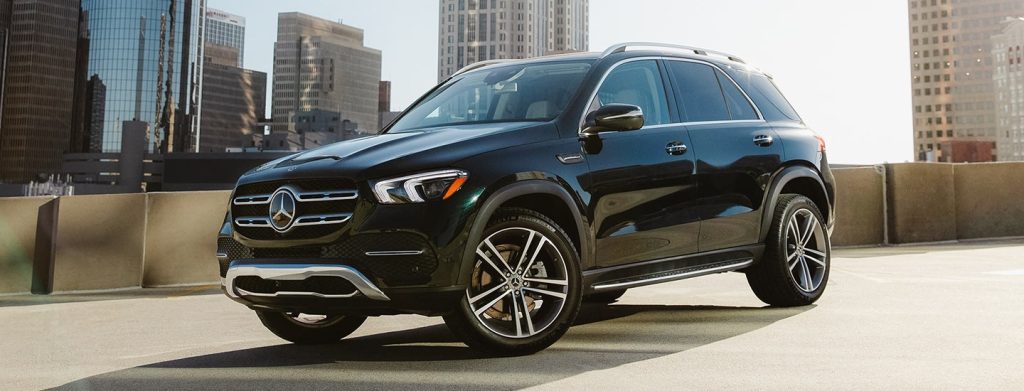
Owners frequently highlight how the cabin feels cocooned, even during heavy rain or rough tarmac. The brand’s AirMatic suspension absorbs imperfections before they echo through the chassis, and its engine mounts use hydraulic damping to control low-frequency vibration.
This design focus is not only for comfort but also for longevity. Many older GLEs retain their composure because the materials resist fatigue over time.
This SUV deserves inclusion because it defines what quiet engineering can achieve beyond luxury marketing. The GLE’s silence enhances its perceived solidity, creating a sense of control and safety.
For drivers who cover thousands of highway miles yearly, this calmness reduces fatigue and adds value to ownership. It proves that luxury isn’t about gadgets alone but how quietly a machine performs under pressure.
3. Volvo XC90
The Volvo XC90 balances Scandinavian simplicity with meticulous refinement. From the start, Volvo prioritized cabin comfort through intelligent acoustic design. The XC90’s firewall and floorpan are treated with multi-layer insulation, while the side glass is acoustically laminated.
Wind tunnel testing refined its aerodynamics to reduce turbulence around the A-pillars and mirrors, a major source of highway noise in large SUVs.
Inside, soft materials on the dashboard and door panels absorb echoes, creating a calm environment that complements the minimalist design.
The XC90 also benefits from active noise control technology, subtly counteracting unwanted frequencies through its audio system. This allows long drives to feel consistently composed, even on coarse road surfaces.
What makes the XC90 particularly notable is its consistency. Even with higher mileage, the cabin integrity remains strong, with few squeaks or rattles. Owners appreciate how it maintains a premium feel years later.
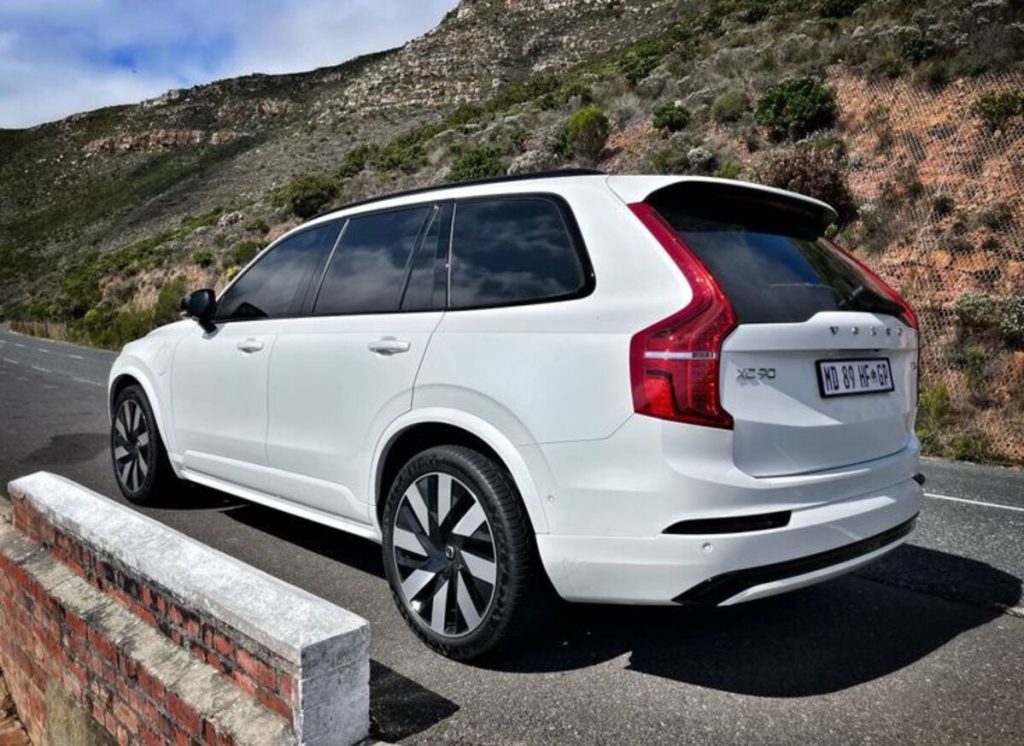
Writing about the XC90 is important because it demonstrates how thoughtful engineering and natural materials can achieve tranquility without adding unnecessary weight or complexity.
It’s a reminder that true refinement comes from balance careful isolation, quality craftsmanship, and design harmony all working toward one purpose: lasting serenity.
4. Acura MDX
The Acura MDX combines performance and silence in a way that surprises many owners. Built with Honda’s strict assembly standards, it features noise-absorbing materials in critical areas like the dash bulkhead, fender liners, and underbody.
The latest MDX models include active sound control that counteracts engine hum through subtle audio feedback, helping maintain a composed cabin atmosphere.
Where this SUV excels is in its consistency. Even after extended use, the MDX remains tight, with little evidence of wind intrusion or vibration from the drivetrain.
Its V6 engine is naturally balanced and paired with a transmission tuned for smooth, quiet operation. The structure itself is engineered for rigidity, minimizing resonance that often plagues large vehicles.
The MDX earns its place here because it reflects a practical approach to silence. Acura focuses on refinement without sacrificing reliability or affordability.
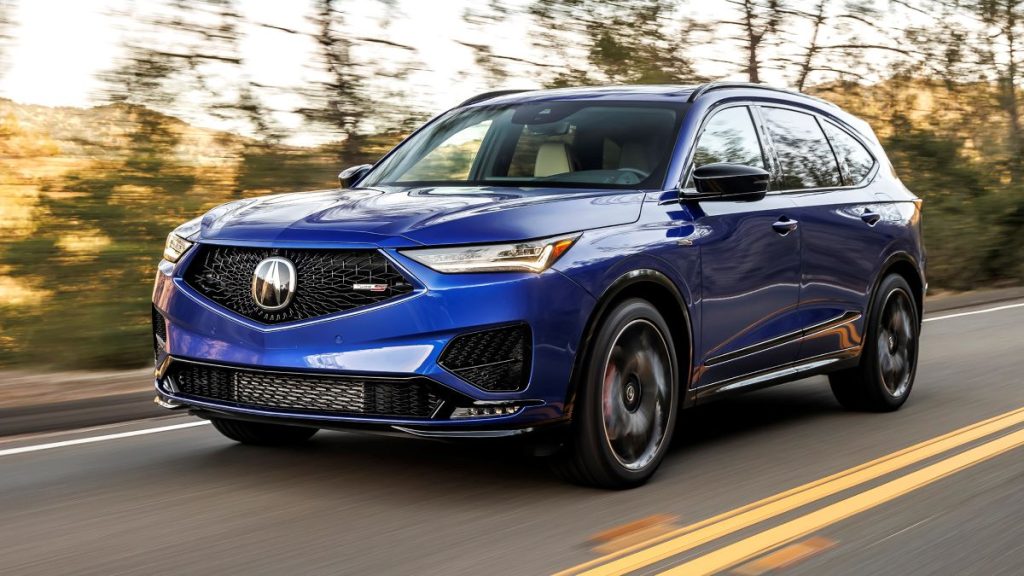
It’s a vehicle that appeals to families who want quiet comfort without the high maintenance costs of European rivals.
Discussing the MDX highlights that a peaceful cabin doesn’t require extreme luxury pricing only disciplined engineering and a focus on the driver’s sensory experience, qualities that endure well past the showroom years.
5. Toyota Highlander
The Toyota Highlander has become a symbol of reliability and refinement in the midsize SUV segment. While not marketed as a luxury model, its noise suppression easily rivals higher-end vehicles.
Toyota uses acoustic windshield glass, expanded sound insulation in the firewall, and additional floor damping. The result is a cabin that feels composed on highways and remarkably quiet during urban driving.
Even with age, Highlanders maintain their solid feel thanks to high-quality rubber mounts and robust body sealing.
Road noise from tires is minimal, and wind intrusion is kept low through tight tolerances in door alignment. Its hybrid variants add another layer of calmness by reducing engine operation during low-speed driving.
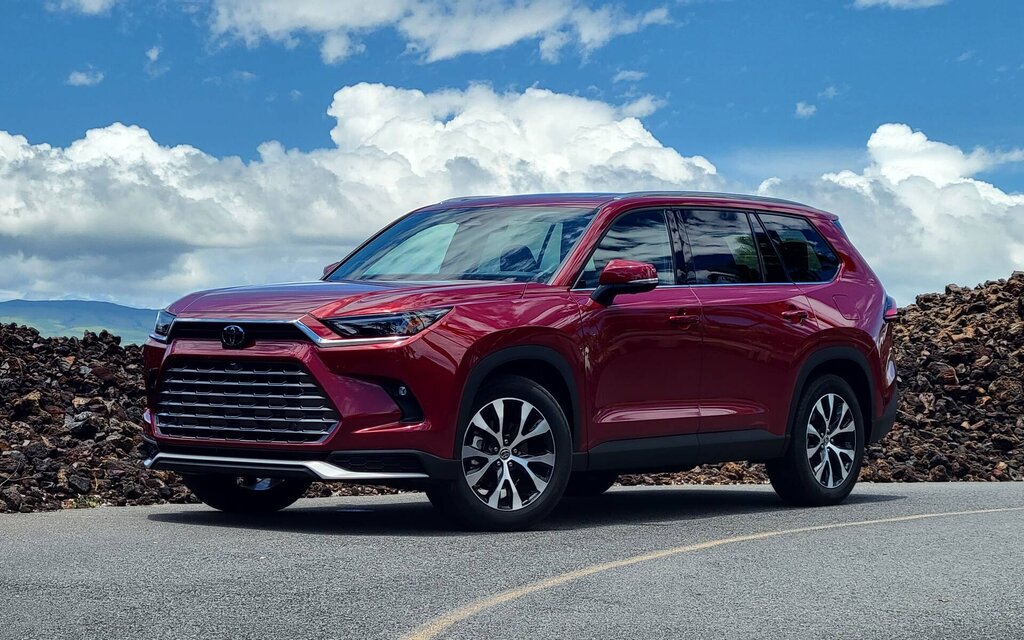
This SUV is worth writing about because it bridges practicality and refinement. The Highlander proves that serenity isn’t exclusive to luxury buyers. Its quiet nature contributes to driver focus and reduces fatigue during long family trips.
Over the years, owners often describe how the interior silence remains consistent, reinforcing Toyota’s commitment to lasting comfort.
The Highlander stands as proof that dependable engineering and quiet operation can coexist beautifully, offering both confidence and calmness in every journey.
5 That Can’t Stop Making Noise
Not all SUVs succeed in providing a serene driving experience. Some models, despite their styling or powertrain appeal, struggle to keep outside noise at bay.
Rattles, wind intrusion, tire hum, and engine vibrations can combine to create an environment that feels rushed, harsh, or fatiguing, particularly during long trips or at highway speeds. Noise is often a byproduct of design compromises, cost-saving measures, or insufficient attention to materials, body structure, and insulation.
These SUVs often use thinner door seals, lightweight panels, or less effective underbody insulation, resulting in amplified road and wind noise.
Aerodynamic inefficiencies, poorly balanced tires, or harsh suspension setups can exacerbate the problem, causing vibrations and rattles that persist over the life of the vehicle. Even powerful engines or large tires can contribute to interior noise if the cabin isn’t properly isolated.
This section highlights five SUVs that are notorious for their noisy cabins. Each example illustrates how engineering and material choices impact long-term comfort.
Understanding why these SUVs generate intrusive sounds provides insight into the subtle ways automakers can influence the driving experience.
For buyers who value tranquility, these examples serve as a warning that not all SUVs deliver the calm, refined experience their marketing might promise.
1. Jeep Wrangler
The Jeep Wrangler is a beloved off-road icon, but its cabin quietness has never been its strong suit. The Wrangler’s design prioritizes durability, open-air versatility, and rugged performance over interior serenity.
Its removable doors and roof panels, while ideal for adventure, compromise the vehicle’s ability to block wind and road noise. Even with the top and doors installed, wind turbulence around the side mirrors and windshield generates noticeable whistling at highway speeds.
The Wrangler’s body-on-frame construction, solid axles, and high ground clearance, though excellent for off-road articulation, also transmit road vibrations into the cabin more readily than unibody SUVs.
The suspension, tuned for obstacle clearance rather than quietness, amplifies bumps and surface irregularities. Additionally, the lightweight body panels and minimal door sealing contribute to rattles and resonance over time.
Mechanics and long-term owners often report that even subtle aging, like loosening of door latches or hinges, increases cabin noise. Tire selection plays a significant role as well; the aggressive all-terrain tires favored by Wrangler owners create additional road hum.
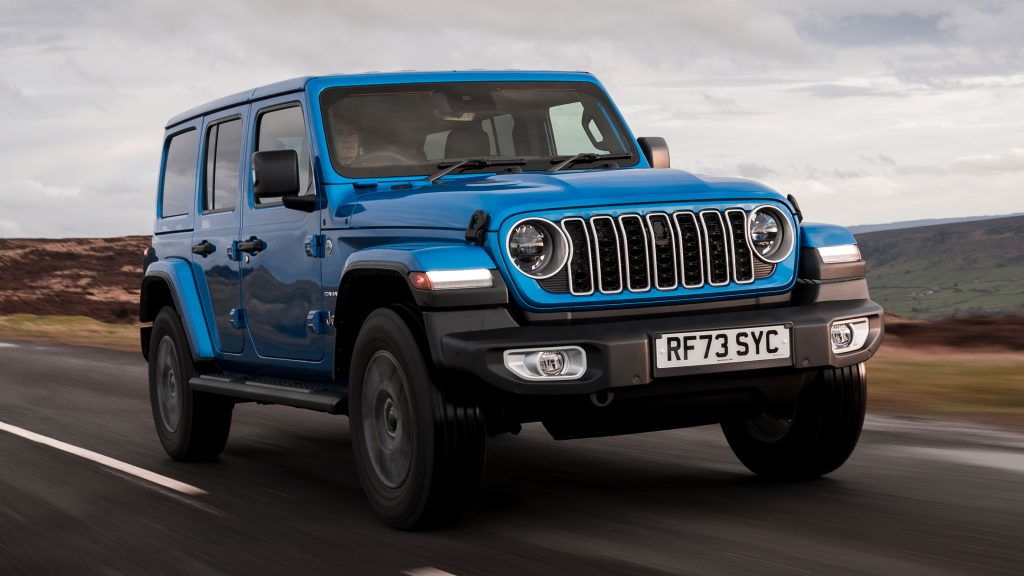
Writing about the Jeep Wrangler is important because it highlights a trade-off between off-road capability and quietness.
For drivers prioritizing calm highway performance, the Wrangler demonstrates how design choices that enhance durability and rugged appeal can compromise interior comfort. Its noisy nature is not a flaw but an inevitable consequence of prioritizing adventure over serenity.
2. Ford Explorer (2011–2015)
The 2011–2015 Ford Explorer received praise for size, utility, and technology, but cabin noise proved a common complaint. Owners reported significant wind and tire noise at highway speeds, particularly around the A-pillars and side mirrors.
The Explorer’s larger body and boxy shape, combined with thinner door seals in certain trims, allowed air turbulence to enter the cabin more easily.
Road noise also became noticeable due to the Explorer’s suspension tuning. While designed to provide a firm ride for handling and towing, the suspension transmitted imperfections from coarse asphalt into the cabin.
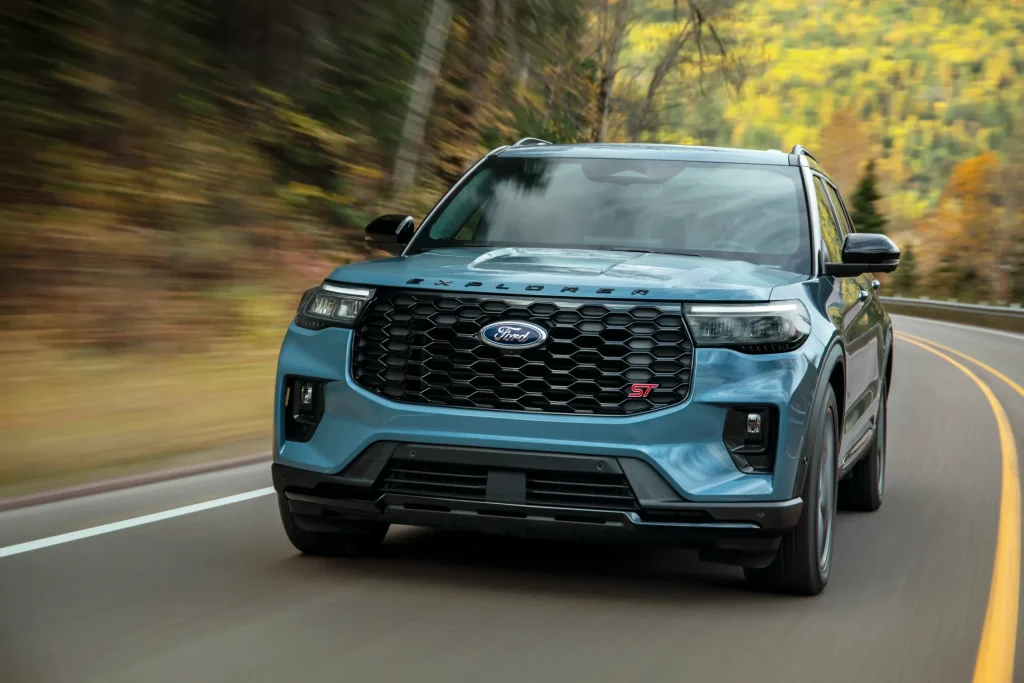
The combination of body flex and tire resonance amplified rattles, creating a harsh auditory environment over time. Engine noise contributed as well, with the V6 models particularly audible during rapid acceleration.
Mechanics often cite panel fitment and aging interior trim as additional factors. Over time, loose trim pieces and minor gaps in doors or panels exacerbate rattles, further degrading the driving experience. Even with careful maintenance, the Explorer tends to remain noisier than competitors in the same segment.
Including the Explorer in this list is essential because it demonstrates that SUVs can combine impressive utility with compromised quietness.
Buyers who prioritize calm, peaceful rides may find the Explorer less comfortable for extended highway driving. It serves as a reminder that interior serenity is often influenced by both design and materials, not just engine refinement or technology.
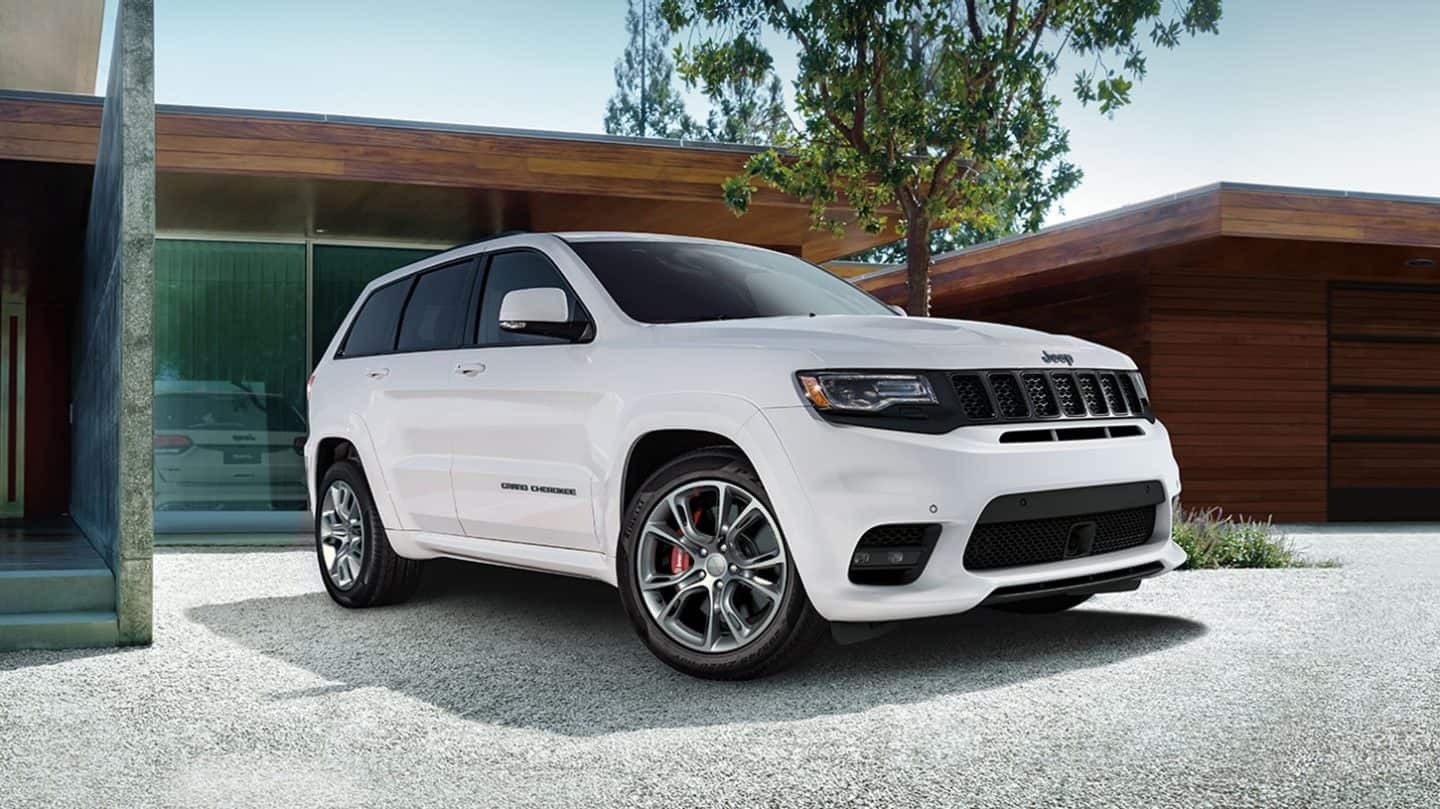
3. Jeep Grand Cherokee (2011–2016)
The Jeep Grand Cherokee offers strong performance and off-road capability, yet cabin noise is a persistent issue for many owners.
While its engine and transmission perform well, road and wind noise can dominate the driving experience, particularly on rough surfaces or at higher speeds. The aerodynamic design, though improved over older models, still allows wind turbulence to enter around the side mirrors and door seals.
The Grand Cherokee’s suspension, tuned for a balance between off-road capability and towing capacity, tends to transmit road imperfections into the cabin.
Many owners report hearing creaks and rattles from suspension components or interior trim over time.
Even newer models can develop subtle rattles as plastic panels and door hardware settle, exacerbating the overall noise level. Tire choice also plays a significant role; larger or all-terrain tires amplify road hum, especially at highway speeds.

Mechanics note that the combination of body-on-frame traits and higher ride height contributes to resonance in the cabin.
While this SUV excels in utility, it compromises quietness in everyday driving. Engine noise, particularly from the V8, also intrudes into the cabin, reducing the sense of refinement.
Writing about the Grand Cherokee is important because it illustrates that even premium SUVs can struggle with noise insulation.
Buyers expecting a hushed interior may be surprised by persistent wind, road, and engine intrusion. It shows that a strong off-road pedigree often comes with trade-offs in long-term cabin serenity and overall comfort.
4. Dodge Durango (2011–2014)
The Dodge Durango is a large, powerful SUV designed with towing and performance in mind, but quietness inside the cabin is often sacrificed. Owners frequently report that wind noise around the windshield and mirrors becomes noticeable even at moderate speeds.
The Durango’s boxy profile, while maximizing interior space, increases exposure to turbulent air currents, and the standard door seals provide only moderate sound isolation.
Road noise is also a concern. The Durango’s suspension, tuned for load-carrying and off-road durability, transmits vibrations from uneven surfaces into the cabin.
Larger tires amplify the problem, generating rumble that becomes particularly noticeable on highways. Plastic trim panels may develop minor rattles over time, adding to the overall intrusive soundscape.
Engine noise contributes as well, especially from the V8 variants, which produce pronounced vibration and low-frequency rumble under acceleration. While the SUV excels in power and utility, it does not provide the acoustic insulation seen in quieter rivals.
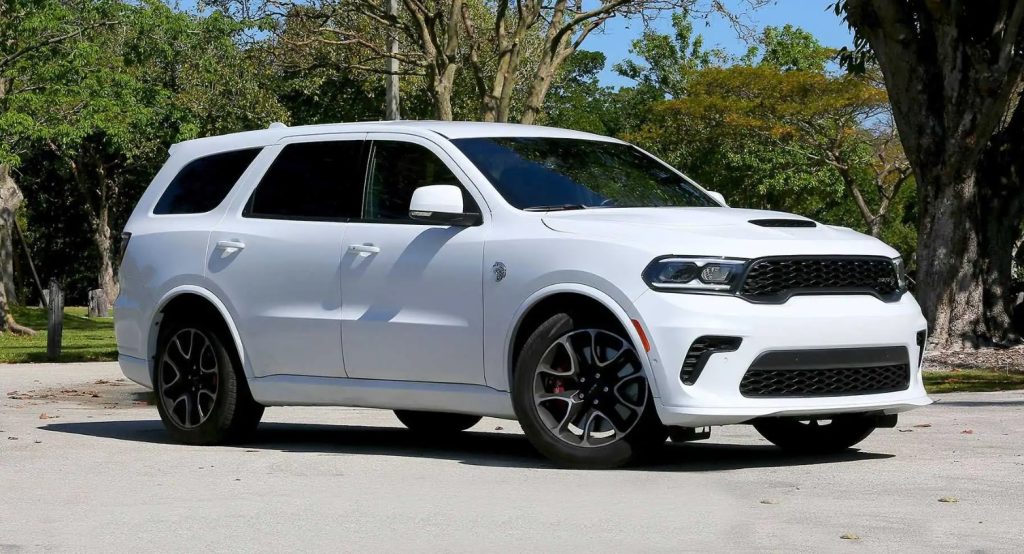
Including the Durango on this list is essential because it exemplifies how performance and utility often compromise cabin comfort.
The SUV remains practical and capable, yet its noisy interior can detract from the driving experience. Understanding these trade-offs helps prospective buyers prioritize what matters most whether raw capability or serene long-distance cruising.
5. Chevrolet Tahoe (2015–2019)
The Chevrolet Tahoe is a full-size SUV prized for space, towing, and road presence, yet its cabin quietness often disappoints. Owners report that wind noise around roof rails, side mirrors, and door frames becomes significant at highway speeds.
The large body and boxy silhouette increase air turbulence, while the seals and insulation, adequate at lower speeds, struggle to block persistent wind intrusion during extended drives.
Road noise is another challenge. The Tahoe’s suspension, designed to carry heavy loads and provide stability with trailers, transmits vibrations and tire hum into the cabin.
Aggressive all-season tires amplify road sounds, especially on coarse pavement. Long-term owners note that minor rattles and squeaks develop over time in door panels and interior trim, further eroding the serene driving experience.
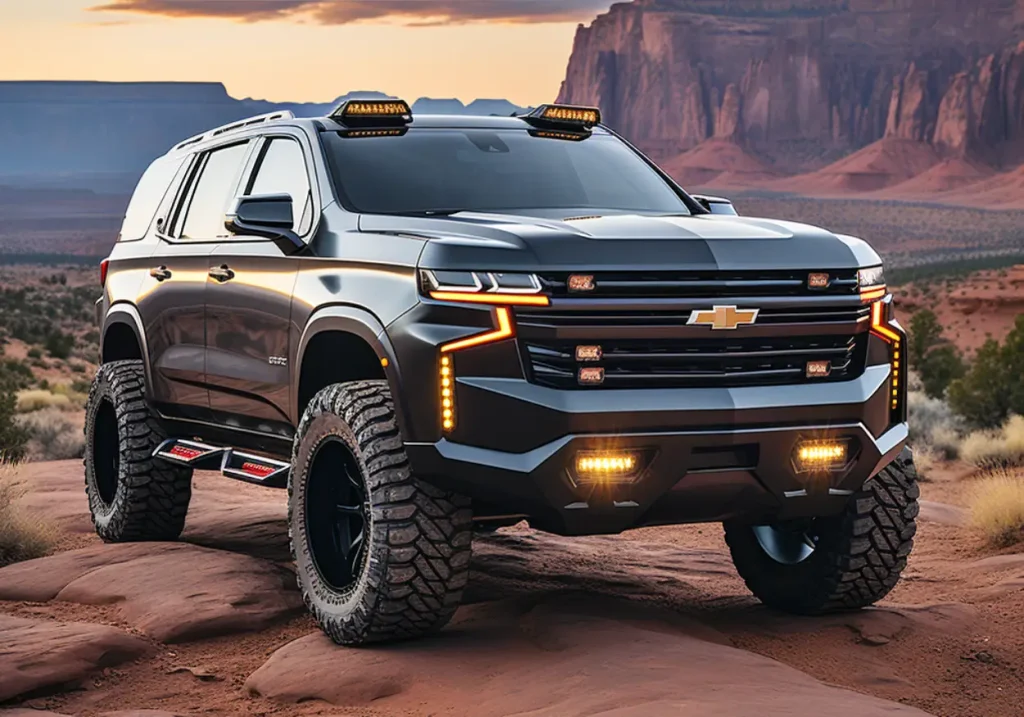
Engine noise also contributes, particularly from the V8 variants, which transmit low-frequency vibration through the firewall and floor. Even with careful maintenance, the combination of wind, road, and powertrain noise makes the Tahoe noticeably louder than midsize or luxury SUVs.
Including the Tahoe in this list demonstrates that size and capability do not guarantee a quiet cabin. It highlights the trade-offs inherent in full-size SUVs: exceptional utility often comes at the cost of interior calm.
Prospective buyers seeking serenity may find the Tahoe less satisfying, especially on long highway journeys, emphasizing that acoustic design is as critical to comfort as power or technology.
Cabin noise is a critical, yet often overlooked, aspect of SUV design. It influences driver fatigue, passenger comfort, and the overall perception of quality.
Across both lists, it becomes clear that engineering, material choices, and design philosophy define whether an SUV remains peaceful over time or becomes an intrusive companion on every drive.
The SUVs that stay quiet, such as the Lexus RX 350, Mercedes-Benz GLE, Volvo XC90, Acura MDX, and Toyota Highlander, share several common traits.
They employ dense sound insulation in doors, floors, and firewall areas, laminated glass to block wind and road noise, and suspension designs that isolate vibration.
These vehicles demonstrate that long-term cabin serenity depends on consistent attention to structural integrity, material quality, and refinement of engine and drivetrain mounts. Owners of these SUVs consistently report minimal intrusion from wind, road, or mechanical sources, even after years of driving.
Open-air designs, boxy profiles, lightweight panels, and suspension tuned for load or off-road performance all contribute to higher interior noise.
Even luxury-oriented trims can be affected if cost-saving measures or aggressive styling compromise insulation. Road rumble, wind whistling, and engine vibration combine to make these cabins less serene, emphasizing that capability and quietness often exist in tension.
This comparison underscores a broader principle: comfort is not solely a matter of technology or horsepower but of thoughtful execution in materials, assembly, and acoustics.
SUVs that remain quiet over time provide not only luxury but also reduce driver fatigue and improve long-term satisfaction. Noisy SUVs, while capable in other areas, remind us that raw performance or versatility does not automatically translate to refinement.
Ultimately, these lists highlight the value of design foresight. Quiet SUVs reward owners with enduring comfort and a premium feel, while noisy ones illustrate the trade-offs inherent in utility-focused or cost-driven engineering.
Choosing a vehicle with a calm cabin can transform everyday driving into a more enjoyable and sustainable experience, reinforcing that serenity inside the cabin is as essential as any performance metric.
Also Read: 5 SUVs That Dealers Love to Buy Back vs 5 They Avoid
