
Car dealerships thrive on predictability cars that sell fast, hold value, and rarely return for warranty issues. These vehicles make both dealers and customers confident in every transaction. Yet, not every model earns that kind of trust.
While some move off the lot almost instantly, others sit untouched, waiting for steep discounts or trade-in buyers with limited choices.
This clear divide tells a lot about how design, reliability, brand reputation, and consumer perception work together to shape the market.
The goal here is to understand which vehicles consistently win dealer approval and which ones are treated with caution. It’s not just about popularity but about the confidence dealers have in recommending, maintaining, and reselling these models.
A dealer’s favorite car is often one that guarantees low complaints, strong resale potential, and dependable after-sales satisfaction. Those they avoid tend to suffer from steep depreciation, questionable build quality, or poor consumer experiences.
This comparison offers insight into both sides of the dealership floor: the dependable earners that keep profits steady and the inventory headaches that dealers hope to sell fast and forget.
Also Read: 5 Cars That Rarely Blow Turbos vs 5 That Constantly Fail
5 Cars That Are Dealer Favorites
When a car becomes a dealer favorite, it usually means one thing: consistency. Dealers prefer vehicles that attract steady buyers, require minimal negotiation, and rarely return for mechanical issues.
These models often combine reliability, resale strength, and ease of maintenance. Their dependability allows dealers to predict profits and maintain customer satisfaction without surprises.
These cars are not necessarily the most luxurious or the cheapest, but they hit the sweet spot of value and confidence.
Buyers come in already trusting the brand, while mechanics and service staff know what to expect. Warranty claims stay low, parts are easy to source, and resale margins remain healthy.
For this list, we focus on vehicles that have proven themselves across multiple dealership networks. These models are frequently stocked, consistently sold, and confidently recommended by sales teams who understand what keeps business flowing smoothly.
The five cars here show how smart engineering and customer satisfaction combine to make a car not just popular, but reliable in profit and reputation.
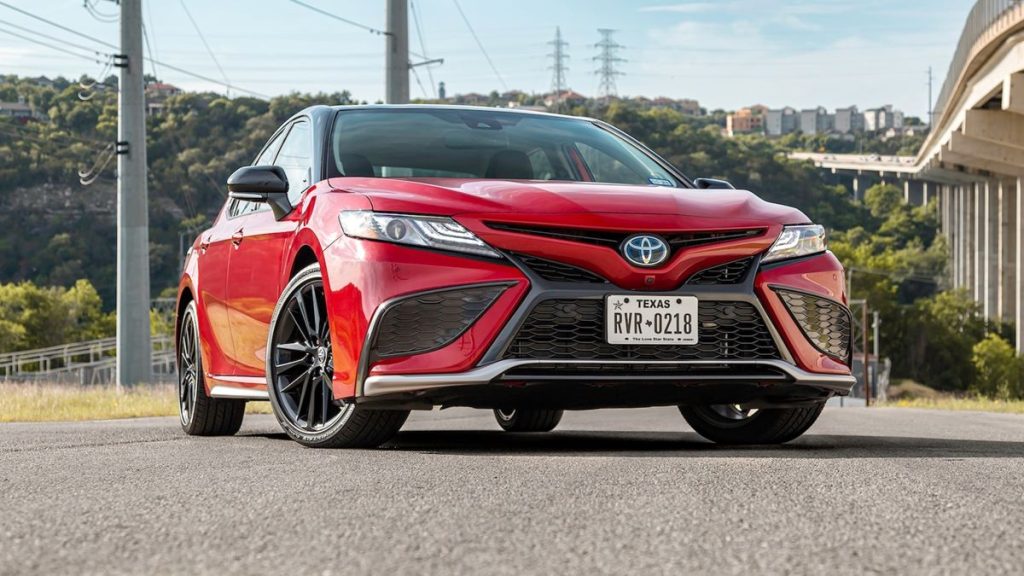
1. Toyota Camry
The Toyota Camry is perhaps the most universally appreciated car on any dealer’s lot. It doesn’t need a flashy introduction or aggressive marketing. Its reputation for dependability, affordability, and easy resale speaks for itself.
Dealers love it because it rarely stays parked for long. New or used, a Camry sells quickly due to its balance of comfort, efficiency, and bulletproof reliability.
From a business perspective, it is one of the safest bets in the market. Parts are widely available, maintenance costs are predictable, and the brand’s reputation ensures a strong customer base.
Many trade-ins are in good condition, meaning dealers can resell them without heavy reconditioning costs. Even when economic conditions fluctuate, Camry sales remain steady because it appeals to a broad range of buyers from families to professionals to retirees.
Dealers also favor it for its financing flexibility. Toyota’s finance programs make it easier for both buyers and sellers to close deals efficiently. That reduces negotiation time and improves turnover rates, a key metric for dealership profitability.
Writing about the Camry here makes sense because it embodies the essence of what makes a car a dealer favorite. It delivers consistent performance, low risk, and repeat customers three traits every dealer values most.
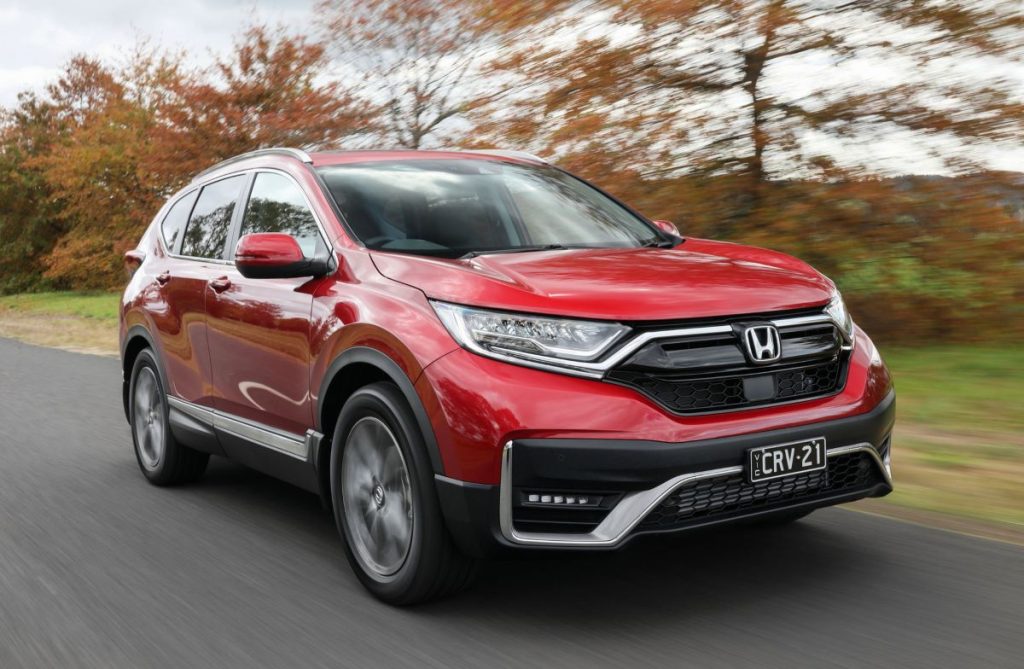
2. Honda CR-V
For many dealers, the Honda CR-V represents the definition of an easy sale. It sits in one of the most competitive SUV categories, yet it continues to outsell many rivals because it’s a product that practically sells itself.
Dealers appreciate it because customers often walk in already aware of its strong reliability record and excellent resale value. That means fewer test drives, shorter negotiation times, and faster inventory movement.
The CR-V also appeals across multiple demographics families, commuters, and even older buyers seeking a compact crossover that is dependable and efficient.
For dealerships, that wide market range translates into steady year-round demand, regardless of season or economic swings. Its well-designed interior, long-lasting powertrain, and solid fuel economy reinforce Honda’s reputation for trust and quality.
Dealers also value the CR-V’s predictable maintenance pattern. Fewer warranty issues or unexpected repairs mean happier customers and fewer service headaches.
Honda’s strong certified pre-owned program further strengthens dealer confidence, as used CR-Vs fetch excellent margins with minimal refurbishment.
Writing about the CR-V in this section matters because it perfectly reflects how reliability and trust translate directly into dealership stability. It’s a car that gives both buyers and sellers peace of mind, making it a consistent profit generator for every showroom it graces.
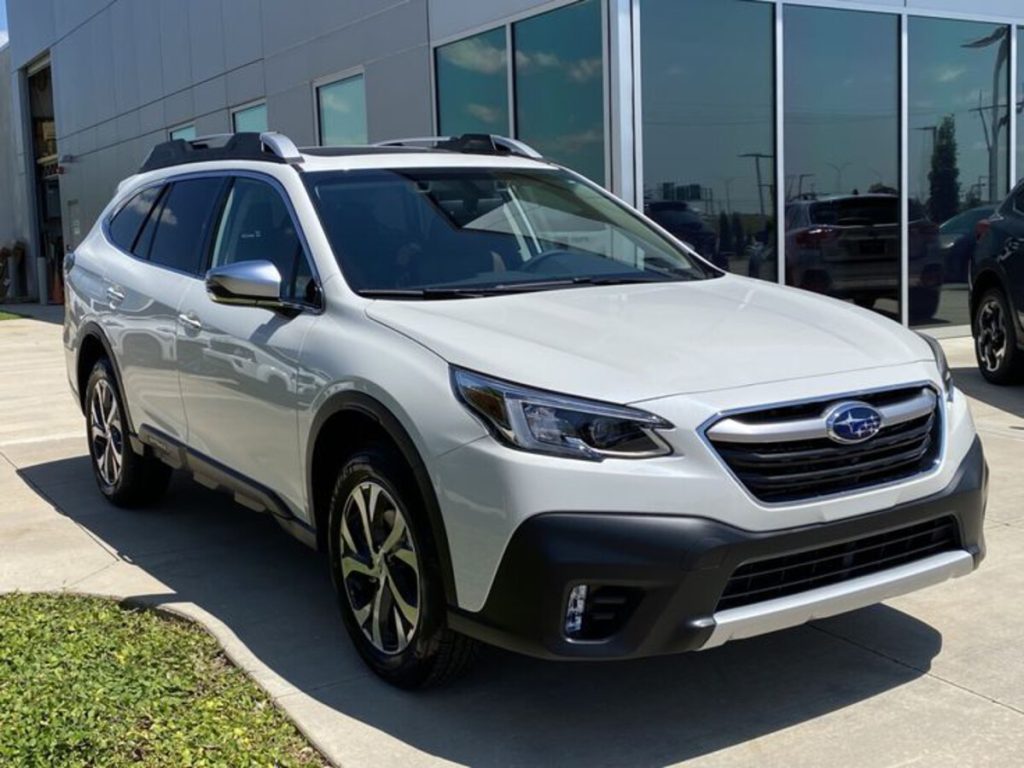
3. Subaru Outback
The Subaru Outback has earned its place as a favorite for dealers who appreciate loyalty-driven sales. Buyers who own one often return for another, creating dependable repeat business. That cycle keeps dealerships thriving.
The Outback’s combination of all-wheel drive, solid safety ratings, and long-term reliability has made it a consistent performer in both new and pre-owned markets.
Dealers particularly enjoy how the Outback maintains resale value, especially in colder or rural regions where its traction and ride height give it an edge.
Customers in these areas actively seek it out, reducing the need for heavy marketing or discounts. Its steady performance and high owner satisfaction scores mean fewer negative reviews, which keeps a dealership’s reputation strong.
Subaru’s focus on practical engineering and loyal customer relationships also helps. Service departments benefit from predictable maintenance schedules and minimal warranty complications.
When customers trade in older models, they often come back in excellent condition, requiring little preparation for resale.
Including the Outback here is important because it shows how dealer favorites don’t always come from mass-market dominance alone.
Sometimes it’s about consistent loyalty and predictable demand. The Outback delivers both, ensuring that dealerships carrying Subaru inventory continue to see strong, repeat-driven profits year after year.
4. Toyota RAV4
Dealers often describe the Toyota RAV4 as their most dependable volume mover. It’s one of those vehicles that practically guarantees consistent sales figures every quarter.
The RAV4’s appeal lies in its balance of practicality, efficiency, and reliability qualities that attract a diverse range of buyers. Dealers appreciate that Toyota has built the RAV4 with predictable dependability, low maintenance costs, and strong fuel economy, all of which boost consumer trust.
From a business standpoint, it’s an ideal product. The RAV4 maintains one of the strongest resale values in the compact SUV category.
Certified pre-owned models sell almost as fast as new ones, with dealers often sourcing used RAV4s through trade-ins because of the vehicle’s longevity. Inventory turnover is high, meaning fewer cars sit idle on the lot.
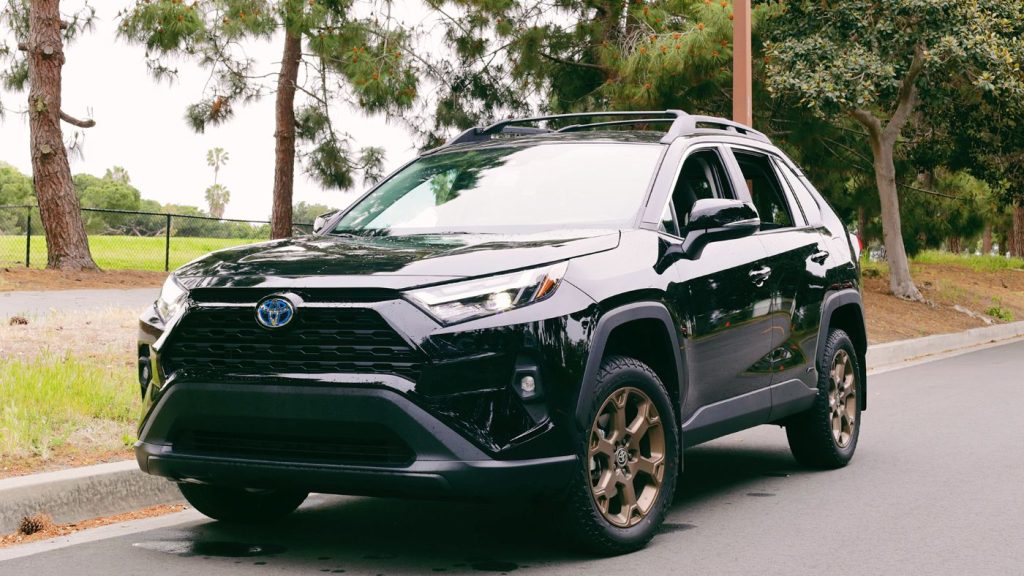
Another advantage is Toyota’s hybrid version, which brings in customers looking for better fuel efficiency without sacrificing space or comfort. This versatility helps dealers serve both traditional and eco-conscious buyers under one roof.
Writing about the RAV4 here is essential because it represents the complete dealer-friendly formula: trust, steady resale, and broad market reach.
It’s not flashy, but it delivers measurable results and customer satisfaction. For dealerships, that’s what makes it a genuine favourite a car that consistently earns without complication.
5. Mazda CX-5
The Mazda CX-5 has become a quiet but significant favorite among dealers who prioritize customer satisfaction and repeat business.
While Mazda doesn’t have the same sales volume as Toyota or Honda, the CX-5 has built a strong reputation for quality, refinement, and driver enjoyment all wrapped in a package that’s easy to sell.
Dealers like it because it blends premium features with a reasonable price, attracting customers who might otherwise shop for more expensive brands.
The CX-5’s reliability and elegant design make it stand out in the crowded crossover segment. It often surprises buyers during test drives with its upscale interior and agile handling, leading to high closing rates and strong word-of-mouth recommendations. Dealers appreciate that level of conversion efficiency, it saves marketing effort and keeps sales steady.
From a service perspective, the CX-5 is a low-risk product. Few warranty complaints and strong customer satisfaction scores contribute to a positive dealership image.
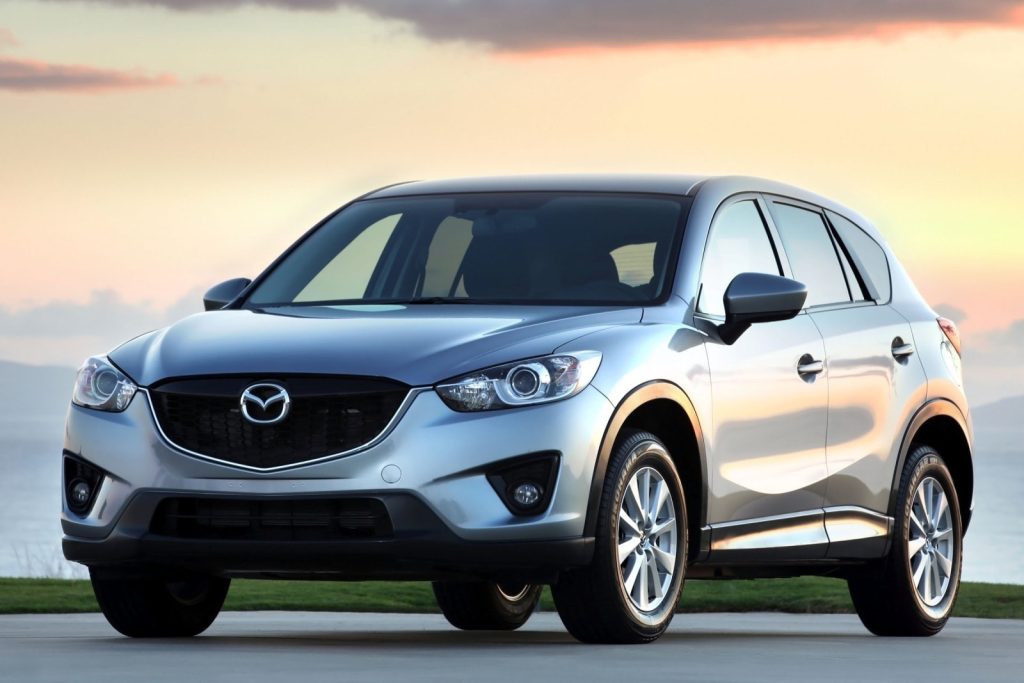
Used CX-5s also perform well in resale markets, offering clean trade-in opportunities and quick certified pre-owned sales.
It deserves inclusion here because it’s proof that a dealer favorite doesn’t need to be the most common model. The CX-5 earns loyalty through driving pleasure, dependability, and value, making it one of the most reliable assets in any dealership’s lineup.
5 Cars That Dealers Avoid
Every dealership has models that they would rather not stock. These are the vehicles that bring more risk than reward, taking up valuable lot space and demanding price cuts to attract attention.
Dealers avoid them because they often sit unsold for months, develop maintenance issues too soon, or generate low trade-in value. When profit margins shrink and warranty claims grow, dealers quickly learn which cars are worth skipping.
Sometimes, the reason lies in reputation brands that failed to meet consumer expectations or models that promised too much but delivered too little.
In other cases, the problem is depreciation. A vehicle that loses half its value in a few years can erode customer confidence and make financing difficult.
This section highlights five cars that most dealers handle with caution. They may look appealing on paper, but behind the scenes, they create logistical and financial strain.
Whether through inconsistent quality, poor resale records, or limited buyer demand, these vehicles teach dealers to prioritize caution over enthusiasm. Each example shows how reputation, reliability, and resale ultimately determine a car’s true standing in the retail world.
1. Fiat 500L
The Fiat 500L is a model that dealers often treat with hesitation. While it offers quirky European styling and a roomy interior for its size, it’s been weighed down by poor reliability ratings and minimal market demand.
Dealers find it difficult to sell, both new and used, because buyers have learned to be wary of Fiat’s long-term dependability.
From a resale standpoint, the 500L is one of the toughest vehicles to move. Depreciation hits it quickly, and even well-kept examples struggle to attract strong offers.
Dealers who take them on trade often have to reduce prices significantly to generate interest. Warranty costs and parts availability also add to the concern, as service departments must manage unpredictable repair issues.
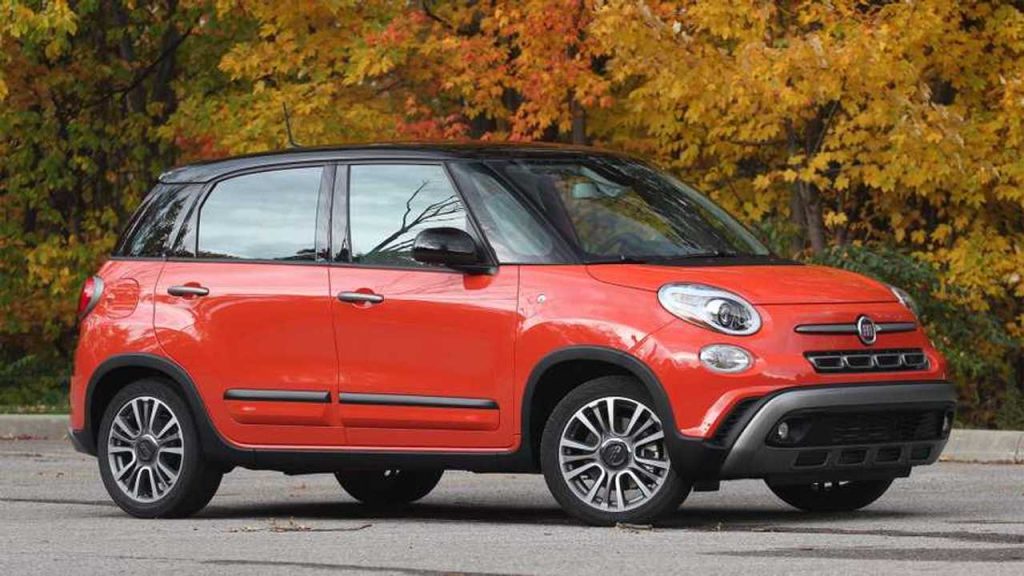
Another reason dealers keep their distance is brand perception. Fiat’s small U.S. presence and inconsistent marketing mean there’s little support to sustain strong demand. Even the most enthusiastic salesperson struggles to convince hesitant buyers to overlook reliability reports.
Writing about the 500L here emphasizes how market reputation can overshadow initial design appeal. Despite its charm and practicality, it’s a car that brings more stress than success to dealership operations something every dealer tries to avoid when choosing inventory.
2. Mitsubishi Mirage
The Mitsubishi Mirage may be one of the most affordable cars on the market, but its low price comes with drawbacks that make many dealers reluctant to keep it in large numbers.
The Mirage has earned a reputation for weak build quality, poor driving performance, and rapid depreciation factors that make it difficult for dealers to promote confidently.
From a business perspective, the margins are simply too small. Even though the Mirage has an attractive sticker price, there’s little profit room, especially after applying discounts or financing incentives.
Dealers also face challenges convincing customers to choose it over better-built competitors in the compact segment. As a result, unsold Mirages can linger on lots far longer than desired.
In trade-in situations, the car fares no better. Its resale value drops steeply, and used models attract limited interest.
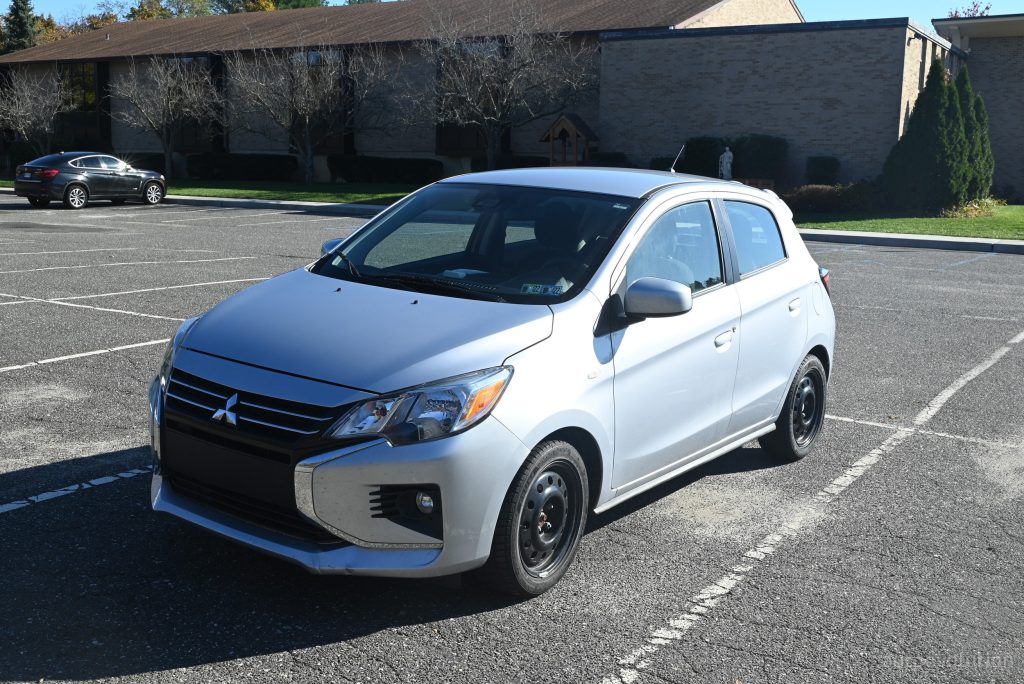
Many dealers prefer to wholesale older Mirages rather than keep them in certified pre-owned programs, which reflects their lack of confidence in long-term ownership appeal.
This car belongs on the list because it highlights how affordability doesn’t always guarantee dealer satisfaction. A vehicle must inspire trust and desirability to be profitable, and the Mirage often fails to deliver either leaving dealers cautious about carrying too many at once.
3. Nissan Sentra
The Nissan Sentra has long competed in the compact sedan segment, but dealers often approach it with mixed feelings.
While it’s affordable and recognizable, the Sentra’s history of transmission issues, particularly with its CVT units, has hurt its standing among both customers and dealers.
That reputation makes it harder to sell compared to rivals like the Toyota Corolla or Honda Civic, which dominate buyer confidence.
Dealers dislike uncertainty, and the Sentra’s inconsistent reliability record creates exactly that. Frequent complaints about premature transmission failure have discouraged repeat purchases, leading dealers to reduce inventory or focus on newer trims with better engineering updates.
Even with improvements in recent models, the shadow of past performance lingers, slowing customer enthusiasm.
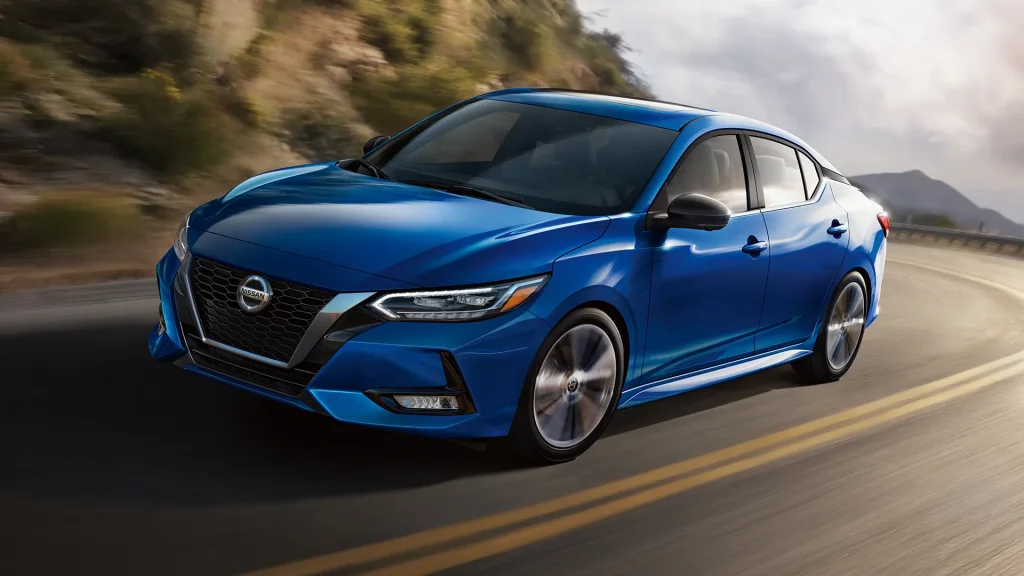
From a financial angle, depreciation is another concern. Sentras tend to lose value quickly, leaving little room for trade-in profitability.
Used examples are especially tough to move because buyers often fear repair costs outweighing the savings. As a result, many dealers only take Sentras when necessary and sell them quickly to avoid inventory stagnation.
It earns its place here because it shows how long-term reliability problems can damage a brand’s presence on showroom floors. Despite being practical and inexpensive, the Sentra’s inconsistent track record keeps many dealers from fully trusting it.
4. Chevrolet Spark
The Chevrolet Spark once aimed to capture budget-conscious buyers seeking a small, city-friendly car. However, dealers have found that the model’s narrow appeal and weak resale performance limit its profitability.
Compact dimensions and basic interior design make it suitable for urban use, but they also restrict its buyer pool. Once the novelty wears off, it becomes difficult for dealers to sustain interest.
Another issue is depreciation. The Spark’s value drops rapidly within the first few years of ownership, which affects both trade-in negotiations and certified pre-owned sales.
Dealers often avoid accepting older Sparks unless necessary, as resale margins are low and reconditioning costs can outweigh returns.
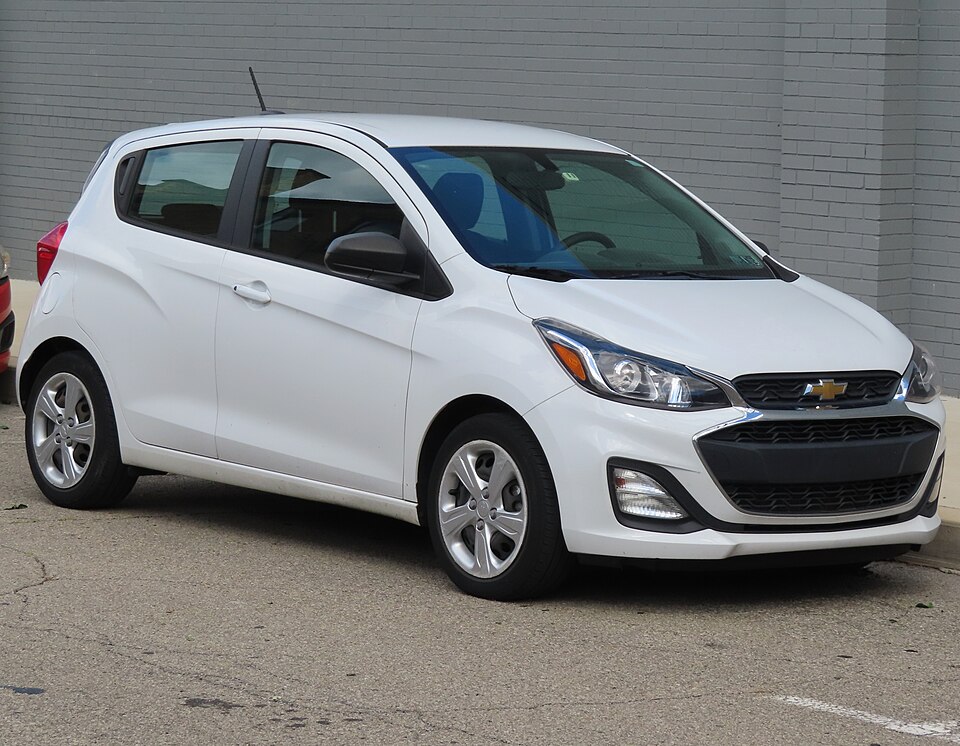
Additionally, the car’s discontinuation by Chevrolet in many markets has reduced parts availability and consumer confidence, further complicating resale. From a service perspective, the Spark brings few opportunities for long-term maintenance revenue.
Owners tend to spend less on premium services, and the car’s budget-oriented design limits options for upselling accessories or warranties. For dealerships that rely on service income, this creates another disadvantage.
This car fits the list because it reflects a broader lesson in dealership economics: low cost doesn’t always mean profitability. The Spark’s limited demand, rapid depreciation, and narrow audience make it a model many dealers quietly avoid stocking.
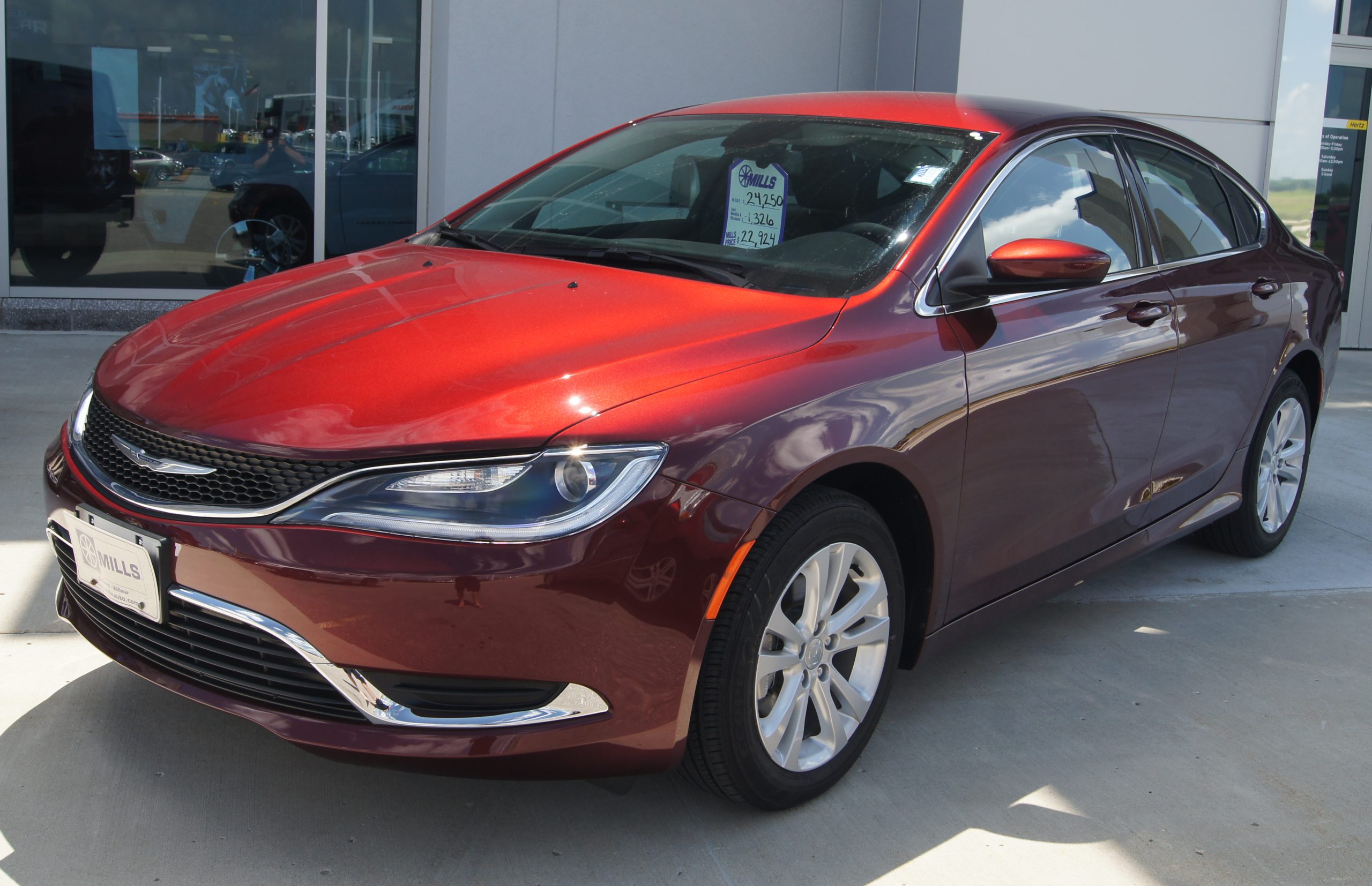
5. Chrysler 200
The Chrysler 200 serves as a prime example of how poor product planning and inconsistent execution can sour dealer confidence.
At first glance, it offered promising styling and a comfortable cabin, but underneath, the car struggled to meet the expectations set by its competition.
Dealers quickly realized that the 200’s appeal was mostly surface-level, and once customers began test-driving it, flaws became difficult to overlook.
The primary problem stemmed from its nine-speed automatic transmission, which drew widespread complaints for rough shifting and mechanical failure.
Combined with a cramped rear seat and below-average reliability, the car soon developed a reputation that made dealers cautious about ordering large inventories. Those who did often found them lingering on lots, requiring price reductions to move units.
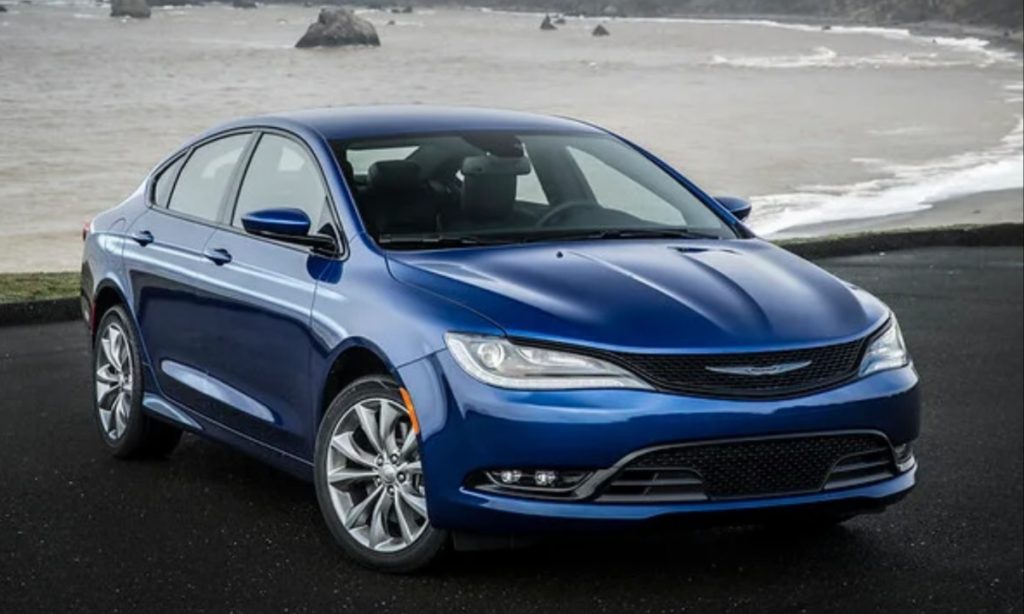
Even after Chrysler discontinued the model, dealers faced further frustration as trade-ins of used 200s carried little resale value.
Customers were unwilling to pay premium prices for a car known for transmission problems and limited long-term dependability. That made it an unprofitable item for both new and pre-owned sales.
The Chrysler 200 earns its place here because it illustrates how early design flaws can permanently damage a vehicle’s dealership reputation. Once a model loses consumer trust, even aggressive incentives rarely restore its market strength.
The comparison between cars that dealers love and those they avoid reveals how reliability, reputation, and resale value define the business side of the automotive world.
For dealerships, success depends less on flashy marketing and more on predictable performance both from the vehicles and the customers who buy them.
Dealer favorites like the Toyota Camry, Honda CR-V, Subaru Outback, Toyota RAV4, and Mazda CX-5 share a clear pattern. Each delivers steady profits, low maintenance issues, and strong customer loyalty. These cars prove that consistency builds confidence.
Their engineering quality, dependable parts supply, and brand reputation create a sense of trust that simplifies every sale. Dealers benefit from fast-moving inventory, low warranty costs, and repeat buyers who reinforce a positive cycle of satisfaction and revenue.
On the other hand, the models dealers prefer to avoid Fiat 500L, Mitsubishi Mirage, Nissan Sentra, Chevrolet Spark, and Chrysler 200 reveal the opposite trend. Despite varying price points and purposes, they share three traits: poor reliability perception, rapid depreciation, and limited resale demand.
Each one creates unnecessary financial strain for dealerships. Vehicles that sit too long on the lot or return frequently for repairs drain resources and reduce overall profitability.
This contrast highlights the crucial difference between popularity and profitability. A car can attract initial attention yet fail to sustain confidence once it’s in the hands of buyers and mechanics.
Dealers rely on reputation more than impulse, and they learn quickly which models strengthen their operations and which ones weaken them.
Ultimately, a dealer’s trust mirrors that of the public. Cars that perform well, age gracefully, and inspire confidence are those that stay on the “favorites” list.
The rest serve as reminders that success in the automotive market depends not only on design or price, but on reliability that lasts beyond the showroom floor.
Also Read: 5 Jeep Models That Can Go Forever vs 5 That Can’t
