
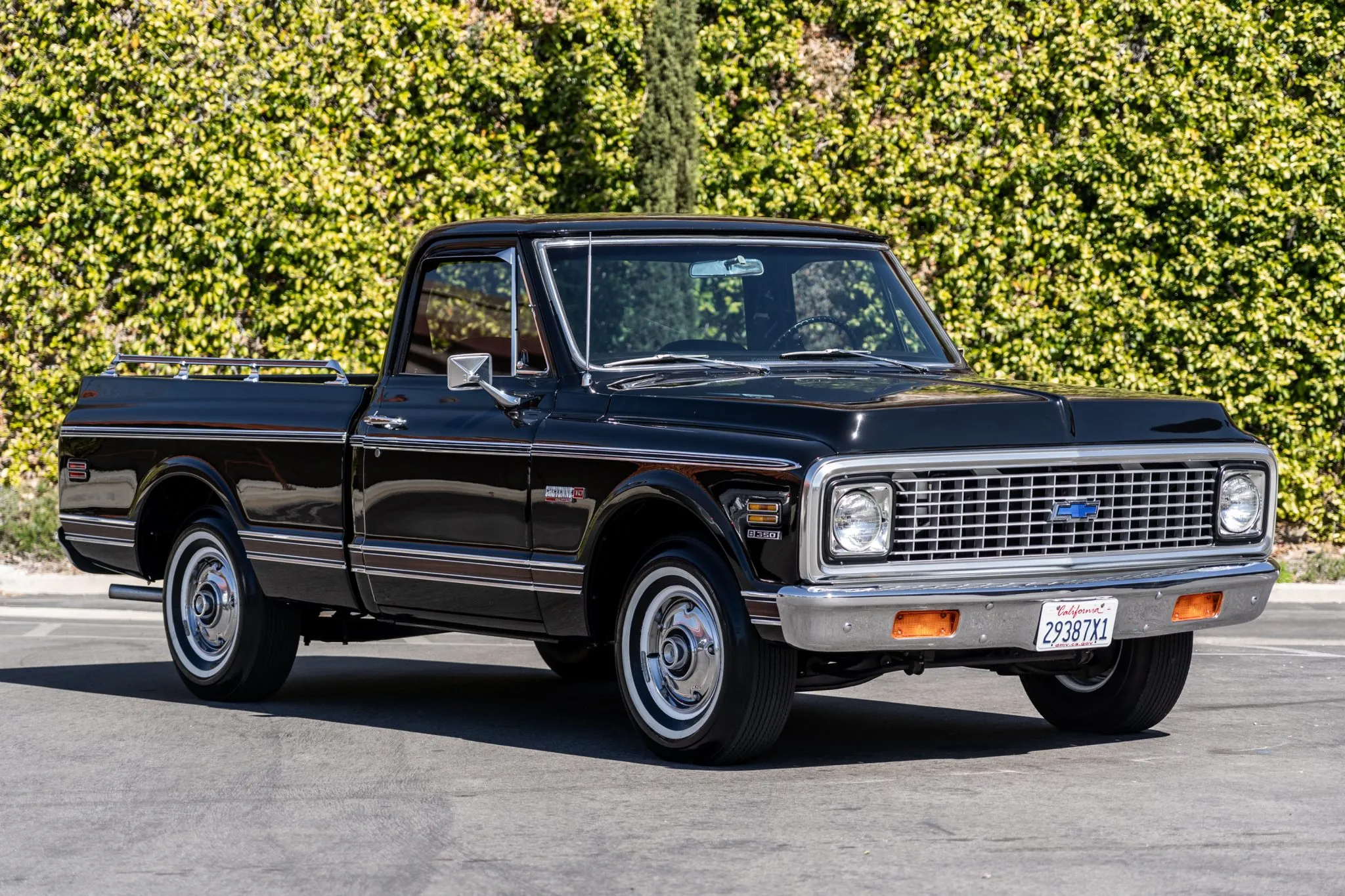
In the early 1970s, Chevrolet was redefining the pickup truck. The era marked a shift from purely utilitarian workhorses to vehicles that offered both reliability and comfort for everyday drivers.
Among these trucks, the 1972 Chevrolet C10 Cheyenne stood out as a model that would quietly fade from mainstream attention, only to resurface decades later as a true collector’s gem.
While muscle cars and luxury sedans often dominated the automotive spotlight, this Chevy pickup combined practical performance with timeless styling, making it an overlooked icon of American automotive history.
The C10 Cheyenne was part of Chevrolet’s second-generation C/K series, which ran from 1967 to 1972. This generation of pickups introduced several design and mechanical improvements that made trucks more versatile and enjoyable to drive.
The Cheyenne trim, in particular, represented the upper echelon of the lineup. Unlike the base fleetside models built primarily for work, the Cheyenne featured upgraded interiors, stylish exterior accents, and a range of powerful engine options.
For decades, it served farmers, tradesmen, and enthusiasts alike, often enduring harsh conditions without complaint. However, as the decades passed and newer trucks arrived, many C10 Cheyennes were used hard and eventually forgotten, left to rust in garages and fields.
What makes the 1972 C10 Cheyenne especially appealing to collectors today is its blend of rarity, style, and mechanical excellence. Few trucks of this era remain in well-preserved condition, and fewer still retain their original engines, interiors, and trim.
For those who appreciate classic American trucks, the C10 Cheyenne embodies the perfect balance: a vehicle that is historically significant, mechanically robust, and visually striking.
This combination has pushed prices up significantly in recent years, with restored examples now fetching premium values at auctions and private sales.
Also Read: 5 Early Hybrids With Legendary Battery Life vs 5 That Failed Early
Why the 1972 Chevrolet C10 Cheyenne Stands Out
The 1972 C10 Cheyenne distinguishes itself from other pickups of its era in several key ways:
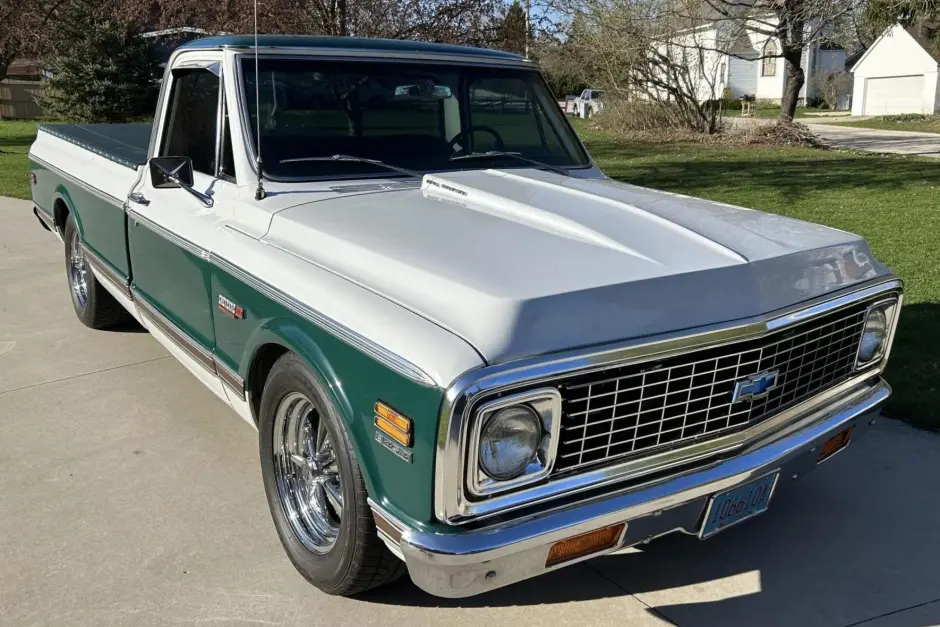
Refined Design with Timeless Appeal: Chevrolet’s designers took a bold step with the second-generation C/K series. The 1972 C10 featured smooth, clean lines, a more aerodynamic nose, and a refined grille design.
The Cheyenne trim added chrome accents, stylish badging, and upgraded interior trim, giving the truck a premium feel that was rare for pickups at the time. Even today, the truck’s profile is unmistakable: a balance of utility and elegance that has aged gracefully.
Versatile Engine Options: The C10 Cheyenne offered a wide range of engines, making it a versatile choice for different buyers.
The reliable 250 cubic inch inline-six provided everyday usability, while the small-block V8s particularly the 350 and 396 options, offered impressive power for towing, hauling, or spirited driving. These engines were known for durability and ease of maintenance, making them favorites among collectors who value mechanical authenticity.
Superior Ride and Handling for Its Era: Chevrolet introduced improvements in suspension and chassis design with the second-generation C/K series. Independent front suspension, coil springs, and reinforced leaf springs in the rear gave the C10 Cheyenne a smoother ride than many competitors.
This combination of comfort and durability made it appealing not just for work, but for longer drives, weekend cruising, and restoration projects.
Interior Comfort and Practicality: The Cheyenne trim included upgraded seats, better instrumentation, and additional convenience features that were rare in trucks of this period.
While still a utilitarian vehicle at heart, it offered a driving experience that felt more like a passenger car than a stripped-down pickup. Collectors today appreciate the attention to detail in original interiors, from the two-tone upholstery to the wood-grain-style dash accents.
Rarity and Collectibility: By the 1970s, pickups were still primarily functional tools. Many C10 Cheyennes were used extensively, often stripped, repurposed, or abandoned once their usefulness waned.
As a result, surviving trucks with original components, minimal rust, and intact interiors are increasingly rare. This scarcity, combined with the truck’s historical significance and aesthetic appeal, has made the 1972 C10 Cheyenne a coveted item in the classic truck market.
The 1972 Chevrolet C10 in American Automotive Culture
To fully appreciate why the 1972 C10 Cheyenne is considered “collector gold,” it’s essential to understand its place in American automotive history.
The late 1960s and early 1970s were a period of innovation and growth for pickup trucks. Chevrolet’s C/K series competed fiercely with Ford’s F-Series and Dodge’s D-Series, pushing automakers to innovate in both style and engineering.
The C10 Cheyenne offered features that were uncommon in competitors’ pickups: improved ride quality, more comfortable interiors, and a range of engines that balanced power with reliability.
The Cheyenne trim was not just a cosmetic upgrade; it represented Chevrolet’s acknowledgment that truck owners wanted vehicles that could serve both work and lifestyle purposes.
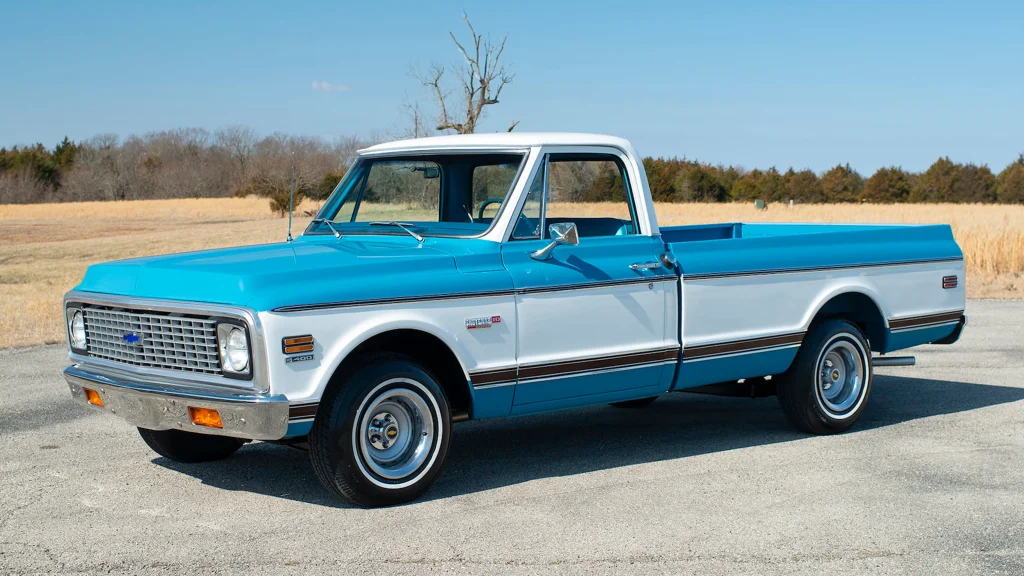
For example, a rancher could use the truck for daily hauling, yet still enjoy a comfortable ride to town, while a young enthusiast could modify the V8-powered version for weekend cruising.
Another key factor in its collectibility is nostalgia. Many collectors today grew up seeing these trucks on farms, in small towns, or in suburban neighborhoods.
The 1972 C10 Cheyenne evokes memories of a simpler era in American automotive culture, when trucks were durable, practical, and stylish without being ostentatious.
As the collector market has matured, this blend of functionality, design, and sentiment has contributed to the truck’s rising value.
Engineering Excellence and Performance of the 1972 Chevrolet C10 Cheyenne
When it comes to collector vehicles, aesthetics alone rarely sustain long-term value mechanical substance is equally critical. The 1972 Chevrolet C10 Cheyenne shines precisely because it combines visual appeal with engineering that has stood the test of time.
From its durable chassis to its range of engines, every aspect of this truck was designed with both functionality and longevity in mind, a combination that has helped it survive decades and capture the attention of classic truck enthusiasts.
Chassis and Structural Integrity
The 1972 C10 Cheyenne is built on Chevrolet’s second-generation C/K series platform, which was a major improvement over the first generation.
The truck employed a full-frame design using high-strength steel that balanced rigidity with the ability to absorb shocks and stresses from heavy loads.
This solid foundation not only enhanced durability but also made it a favorite among restorers, as the frame’s longevity often means less corrosion and fewer repairs during a restoration.
The cab was bolted to the frame rather than welded directly, a design choice that allowed for easier repair and replacement of body components. The beds were offered in multiple lengths short (6.5 feet), standard (7 feet), and long (8 feet) and included both stepside and fleetside designs.
The fleetside beds, particularly popular in the Cheyenne trim, had smooth side panels and an integrated tailgate design, giving the truck a more polished look while maintaining functional utility.
Chevrolet’s attention to structural integrity extended to the body panels as well. The doors, hood, and fenders were reinforced at key stress points, reducing flex and improving durability over time. Even decades later, many surviving trucks maintain excellent panel alignment, which contributes to their collector appeal.
Engine Options and Performance
One of the most notable features of the 1972 C10 Cheyenne is the wide array of engine choices. This versatility allowed the truck to appeal to different buyers, from everyday users to performance enthusiasts. The engine lineup included:
Inline-Six Engines: The 250-cubic-inch and 292-cubic-inch inline-six engines were reliable, low-maintenance workhorses.
Producing between 155 and 165 horsepower, they offered adequate power for daily driving and light hauling while being highly fuel-efficient for the era.
Their durability is legendary; many of these engines continue running strong after 300,000 miles or more with proper maintenance.
Small-Block V8 Engines: The 307, 327, 350, and 396 cubic-inch small-block V8 engines provided a significant power boost.
For example, the 350 small-block produced around 255 horsepower and 350 lb-ft of torque, giving the truck excellent towing and hauling capability while also allowing spirited driving.
These engines are particularly prized in the collector market because they are highly tunable, with abundant aftermarket support for performance upgrades.
Transmission Options: Transmission choices included a standard 3-speed manual, optional 4-speed manual, and a 3-speed Turbo-Hydramatic automatic. These transmissions were known for their reliability and straightforward maintenance.
Enthusiasts often favor the manual versions for their direct engagement and mechanical simplicity, though the automatic models are equally desirable for collectors who value originality.
Suspension and Ride Quality
Chevrolet made significant strides in suspension design with the second-generation C10. The front suspension featured independent coil springs, providing a smoother ride and better handling compared to the solid front axle setups common in earlier models.
The rear suspension used leaf springs with progressive rates, allowing the truck to carry heavy loads without compromising comfort. This combination of front and rear suspension elements made the C10 Cheyenne notably comfortable for long drives a factor that differentiates it from purely work-focused trucks of the era.
The steering system was another highlight. A recirculating ball steering mechanism offered durability while maintaining precise control. This was particularly important for larger trucks like the C10, which could feel cumbersome with less refined steering setups.
Collectors today appreciate the balance between durability and handling, as it allows these trucks to be driven daily without sacrificing comfort or safety.
Braking and Safety Features
For the early 1970s, the C10 Cheyenne featured advanced braking options. Drum brakes were standard on all four wheels, but disc brakes became available as an upgrade on later production models, particularly on the front wheels.
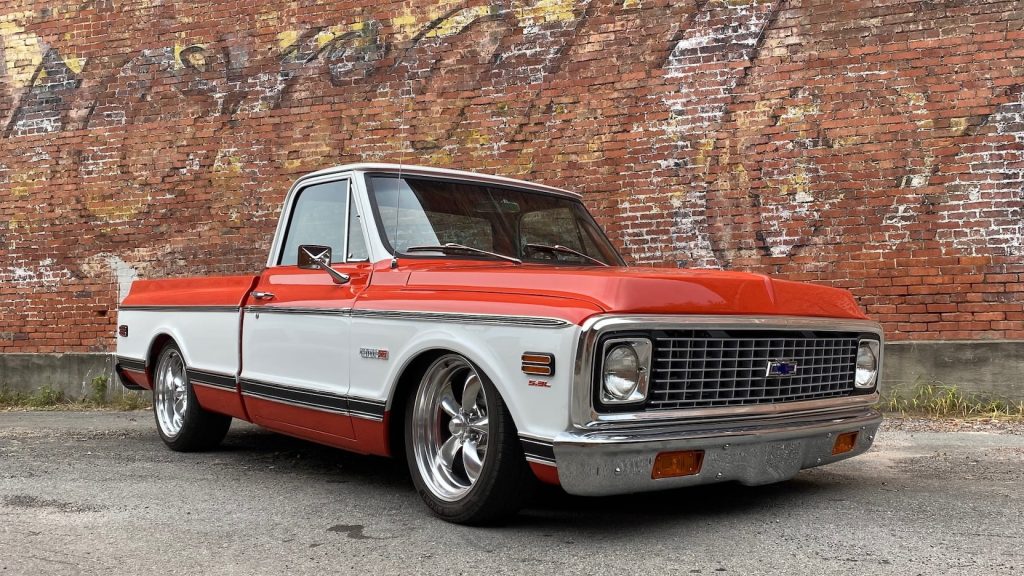
These disc brakes significantly improved stopping power and fade resistance, which is crucial when hauling heavy loads or towing trailers. Many collectors seeking authenticity prefer models with the factory-installed disc brake option, as they combine period-correct originality with improved safety.
In terms of safety, the truck included robust seat structures, padded dashboards, and improved cab rigidity compared to previous generations. While it lacks modern safety technologies such as airbags or crumple zones, for its era, the C10 Cheyenne was a well-engineered, safe truck.
Drivetrain and 4×4 Capabilities
While many C10s were rear-wheel drive, Chevrolet also offered four-wheel-drive (4×4) variants, particularly appealing to rural buyers and off-road enthusiasts. The 4×4 models featured heavy-duty transfer cases, locking hubs, and reinforced axles.
Combined with the strong small-block engines, these trucks were capable of handling rough terrain, snow, mud, and hauling tasks with ease. Today, well-preserved 4×4 C10 Cheyennes are even rarer than rear-wheel-drive models, adding to their collectibility.
Durability and Maintenance
One of the key reasons the 1972 C10 Cheyenne has transitioned from forgotten work truck to collector gold is its durability and simplicity. Unlike modern vehicles with complex electronics, this truck’s mechanical systems are straightforward.
Engines are easy to service, transmissions are simple to rebuild, and the suspension and steering systems are intuitive for mechanics. For collectors, this means they can restore, maintain, or even modify the truck without relying on expensive, hard-to-find parts or specialized diagnostic tools.
Furthermore, Chevrolet used high-quality materials in critical areas. Frames and suspension components were engineered to resist stress, engines were overbuilt for longevity, and even interior materials like vinyl and wood-grain accents were designed to age well.
This combination of mechanical integrity and thoughtful design ensures that many original trucks remain in excellent condition, decades later.
Driving and Ownership Experience
Driving a 1972 C10 Cheyenne today is an experience that blends nostalgia, practicality, and fun. The truck’s powerful V8 engines provide ample torque for acceleration and towing, while the refined suspension ensures a comfortable ride over long distances.
Steering is responsive for a classic truck, and the upgraded Cheyenne interior offers a surprisingly pleasant environment for drivers and passengers alike.
Owners often note the truck’s “hands-on” appeal. Unlike modern pickups with computerized systems, the C10 allows drivers to engage directly with its mechanical systems.
Tuning carburetors, maintaining drum brakes, or simply hearing the V8 roar to life provides a sense of connection that modern vehicles rarely replicate.
This tactile, mechanical experience is a major reason why collectors gravitate toward the C10 Cheyenne not just as a showpiece, but as a truck that can still be driven, enjoyed, and used.
The 1972 Chevrolet C10 Cheyenne is more than just a visually appealing classic it is an engineering triumph of its era. With a robust frame, versatile engine options, durable suspension, and practical 4×4 capability, it was built to last.
Its mechanical simplicity makes it easy to maintain and restore, while its driving dynamics ensure a satisfying experience behind the wheel. The combination of performance, durability, and timeless design has elevated the C10 Cheyenne to a prized position among collectors.
Ownership, Market Value, and Collectible Status of the 1972 Chevrolet C10 Cheyenne
The 1972 Chevrolet C10 Cheyenne is not just an engineering marvel; it is a cultural and financial phenomenon in the classic truck market.
While Part 2 explored the truck’s mechanical and performance attributes, this section delves into what makes it so coveted among collectors today: its ownership experience, historical significance, market value, and restoration appeal.
These factors combine to elevate a once-forgotten workhorse into a sought-after collector’s gem.
Ownership Experience: Driving a Classic
Owning a 1972 C10 Cheyenne is a unique experience that blends nostalgia with practicality. Unlike many classic cars that are difficult to drive or maintain, the C10 offers a driving experience that remains approachable and enjoyable.
Its robust V8 engines deliver ample torque, making acceleration smooth and predictable, while the suspension absorbs bumps better than many trucks of its era.
Even with a standard manual transmission, gear shifts are straightforward, and steering provides precise feedback thanks to the recirculating ball setup.
Automatic transmission models, particularly the Turbo-Hydramatic, offer effortless cruising, which appeals to collectors who enjoy leisurely drives or weekend outings.
Interior comfort is another aspect that enhances ownership satisfaction. The Cheyenne trim featured upgraded seats, two-tone vinyl upholstery, wood-grain-style dash accents, and improved instrumentation.
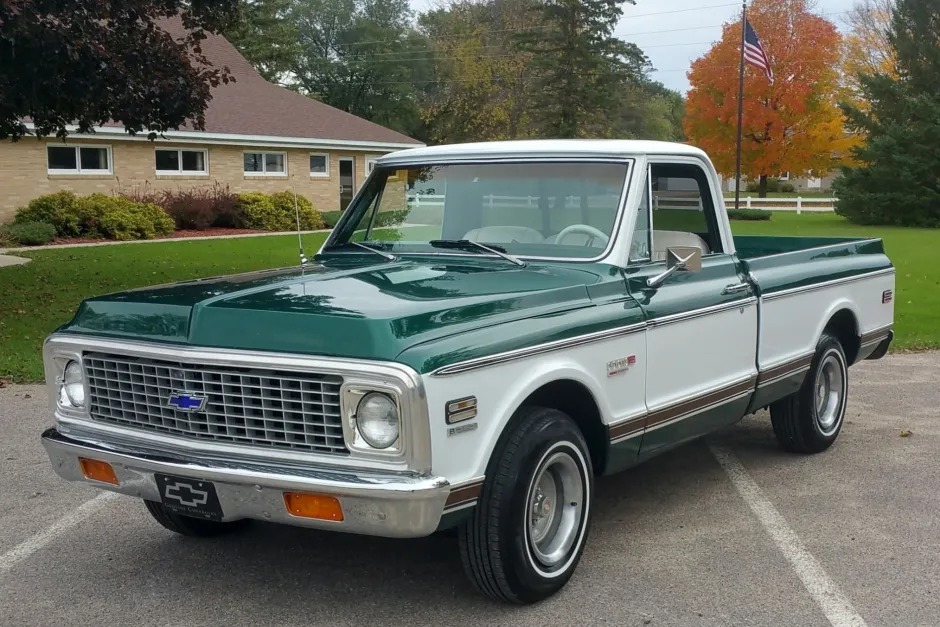
This combination of practicality and style ensures that even long drives remain pleasant. Modern upgrades, such as air conditioning retrofits, improved sound systems, and safety enhancements like disc brakes or seatbelts, are often integrated during restorations without compromising originality, making ownership both enjoyable and safe.
Collectors also appreciate the hands-on nature of maintaining a C10 Cheyenne. Its mechanical simplicity allows enthusiasts to perform routine maintenance, tune-ups, and minor restorations without specialized tools.
This accessibility fosters a deeper connection between the owner and the vehicle, a feature often missing in contemporary trucks loaded with electronics.
Restoration Appeal
The 1972 C10 Cheyenne has become a favorite among restorers, thanks to several factors:
Availability of Parts: Despite being decades old, aftermarket support for the C10 Cheyenne is extensive. Engines, transmissions, body panels, trim pieces, and interior components are widely available, making restorations more accessible and cost-effective.
Enthusiasts can choose between preserving originality with NOS (new old stock) parts or enhancing performance with modern upgrades.
Structural Durability: The truck’s frame and body were built to last, so many surviving examples are suitable candidates for restoration without extensive metalwork.
The reinforced body panels, strong frame rails, and robust suspension reduce the risk of major structural repairs, which can often make classic vehicle restorations prohibitively expensive.
Versatility in Customization: While some collectors prefer a factory-original restoration, others use the C10 Cheyenne as a canvas for customization.
Restorers often upgrade the suspension, add modern brakes, or swap in higher-output engines, creating a truck that is both classic and performance-ready. This versatility enhances the truck’s desirability among a wide range of enthusiasts.
Show Appeal: Restored C10 Cheyennes frequently dominate classic car shows. Their clean lines, distinctive grille, and premium Cheyenne trim make them stand out among other trucks, while attention to authentic details such as period-correct paint schemes, original hubcaps, and trim accents boosts their appeal and value.
Market Value: Rising Collector Interest
Over the past decade, the market value of well-preserved or restored 1972 C10 Cheyennes has risen significantly. Several factors drive this trend:
Rarity: Due to decades of heavy use and exposure to harsh conditions, few original C10 Cheyennes remain in excellent condition. Trucks that retain their original engines, interiors, and exterior trim are increasingly scarce, pushing prices higher.
Historical Significance: As one of the last models of the second-generation C/K series, the 1972 C10 Cheyenne represents a transitional period in Chevrolet’s history. Collectors value it for bridging the gap between purely utilitarian trucks and the more comfort-oriented pickups that followed.
Nostalgia and Cultural Appeal: The C10 Cheyenne evokes memories of a bygone era. Many collectors grew up around these trucks, which drives demand based on emotional and cultural attachment. This nostalgia factor often translates into higher auction prices and private sale values.
Today, prices for a well-preserved or professionally restored 1972 C10 Cheyenne can range from $35,000 to over $70,000, depending on condition, originality, and engine choice.
Rare 4×4 variants or trucks with numbers-matching V8 engines can command even higher sums, highlighting the model’s status as a high-value collectible.
Why the 1972 C10 Cheyenne Is Collector Gold
Several aspects contribute to the C10 Cheyenne’s reputation as “collector gold”:
Balanced Design and Functionality: Unlike some classic vehicles that are collectible purely for rarity or style, the C10 Cheyenne remains a practical, functional truck.
Its blend of comfort, power, and versatility ensures it can still be used for light work, cruising, or shows, maintaining relevance beyond mere display.
Strong Community Support: Enthusiast communities, clubs, and online forums dedicated to the C10 Cheyenne provide a wealth of knowledge, resources, and support. This network makes ownership and restoration easier, while also fostering a sense of camaraderie among collectors.
Potential for Appreciation: Given its rarity and rising interest, the C10 Cheyenne is not just a passion project it’s also a potential investment. Trucks that remain well-maintained or are restored to factory standards are likely to appreciate over time, making them both a collectible and a financial asset.
Versatility for Modern Use: Unlike some classic vehicles that are strictly showpieces, the C10 Cheyenne can be modified for modern drivability.
Many owners upgrade brakes, suspension, or engine components while keeping the truck period-correct in appearance. This flexibility enhances both enjoyment and long-term value.
Cultural and Emotional Significance
Part of the C10 Cheyenne’s allure comes from its emotional resonance. It represents a time when trucks were durable, practical, and stylish in a subtle way.
Collectors often recall memories of working trucks on farms, small-town streets, or suburban neighborhoods, giving this vehicle a personal connection that adds depth to its collectible status. Its presence at car shows or as a daily driver rekindles those memories, bridging generations of truck enthusiasts.
The 1972 Chevrolet C10 Cheyenne has evolved from a forgotten work truck to a highly prized collectible. Its enduring mechanical reliability, versatile engine lineup, refined suspension, and stylish Cheyenne trim make it a joy to drive, restore, and showcase.
Combined with rarity, cultural significance, and strong collector demand, the C10 Cheyenne has become a standout example of a vehicle that offers both nostalgic value and financial potential.
For collectors, it represents a rare opportunity to own a piece of American automotive history that is equally at home on a show floor, in a restoration garage, or on the open road.
Also Read: 5 Engines That Mechanics Say Are Indestructible vs 5 That Break
