
Mechanics often have the most practical insight into which cars can reach extremely high mileage and which struggle with longevity.
While some vehicles demonstrate exceptional durability, continuing to run smoothly well beyond 300,000 or even 500,000 miles, others develop mechanical issues early, requiring frequent repairs or costly replacements.
Cars that earn the title of “million-mile legends” combine robust engineering, durable materials, and simple but effective systems that withstand years of wear and tear.
They maintain reliability under heavy use, resist common mechanical failures, and require only routine maintenance to remain functional. Owners and professionals alike rely on these vehicles for daily driving, long trips, and demanding tasks, knowing they will continue to perform.
Conversely, cars that fail fast are often plagued by design compromises, weak components, or overly complex systems. They may appear reliable initially but often require frequent repairs, suffer from persistent mechanical problems, and lose value quickly.
Understanding these patterns helps buyers make informed choices and highlights the difference between vehicles built to endure and those that age poorly.
This article highlights five cars that mechanics consider “million-mile legends” alongside five that are known to fail prematurely. Each example explains the factors influencing reliability, offering readers insight into the practical realities of long-term car ownership.
Also Read: 5 Cars That Rarely Blow Turbos vs 5 That Constantly Fail
5 Cars Mechanics Call “Million-Mile Legends”
Certain cars consistently earn praise from mechanics for their ability to withstand high mileage and maintain reliable performance over decades.
These “million-mile legends” often combine robust engineering, straightforward mechanical systems, and high-quality components that resist wear and maintain drivability.
Mechanics value vehicles that deliver dependable engine performance, durable transmissions, and suspension systems that remain functional under heavy use.
Cars with minimal electrical complexity and widely available replacement parts are easier to service and maintain, extending their lifespan.
High-mileage owners often report that these vehicles continue to perform well with routine maintenance, making them practical and cost-effective over the long term.
This section focuses on five cars that mechanics routinely endorse for their remarkable longevity. Each vehicle demonstrates characteristics that reduce the likelihood of catastrophic failures and costly repairs, from proven engine designs to durable chassis components.
Highlighting these cars offers readers a clear understanding of what makes a vehicle capable of lasting hundreds of thousands of miles, and why professional opinion can be a crucial guide when selecting a durable car.
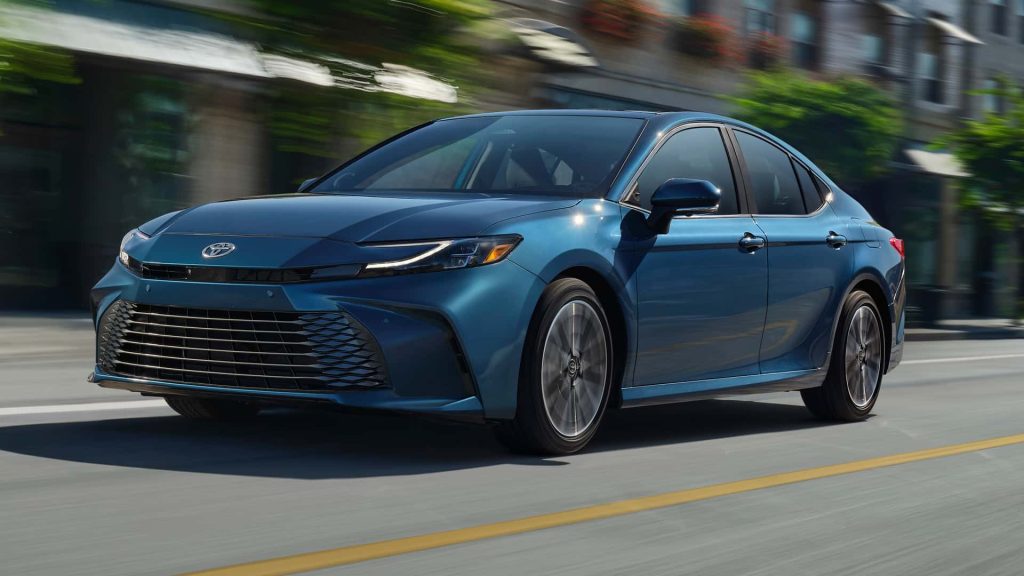
1. Toyota Camry
The Toyota Camry has long been recognized as a benchmark for longevity, earning the reputation of a “million-mile legend.” Mechanics frequently highlight its reliable engines, durable transmissions, and straightforward maintenance as key reasons for its remarkable endurance.
Camry engines, especially the 2.4-liter four-cylinder and 3.0-liter V6 found in 2000s models, are known for minimal internal wear, consistent performance, and predictable servicing needs.
Regular oil changes, timely belt replacements, and basic maintenance routines allow these engines to surpass 300,000 miles with relative ease. Transmissions in Camrys are equally dependable, providing smooth shifts even after years of use and heavy commuting.
Suspension and chassis components are engineered to handle long-term wear, with control arms, bushings, and shocks that maintain stability and ride comfort over high mileage.
The relatively simple electrical system reduces the likelihood of persistent issues, making diagnostics and repairs easier for mechanics.
Another factor contributing to the Camry’s legend status is the availability of parts and the ease of servicing. Mechanics note that repairs are straightforward, affordable, and predictable, which increases the vehicle’s longevity and reduces the risk of early mechanical failure.
Including the Toyota Camry in this list demonstrates how engineering quality, simplicity, and durability combine to produce a car that consistently earns professional trust.
Its ability to remain reliable over decades and hundreds of thousands of miles exemplifies why mechanics regard it as one of the ultimate “million-mile legends.”
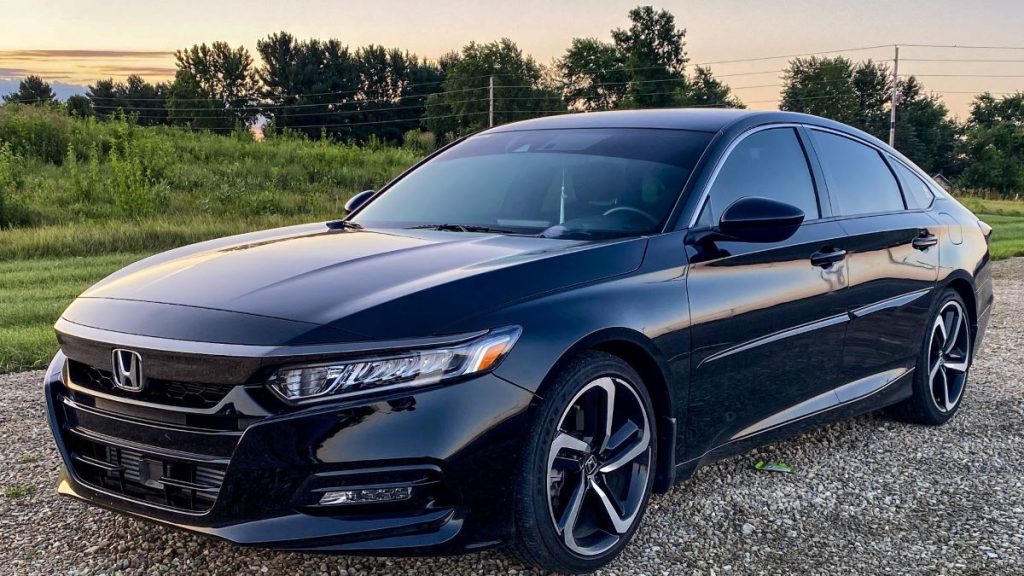
2. Honda Accord
The Honda Accord is widely regarded as a “million-mile legend” due to its dependable engine design, durable transmissions, and practical engineering. Mechanics frequently praise its reliability, noting that well-maintained Accords often exceed 300,000 miles without major mechanical failures.
Engine longevity is a standout feature. The 2.4-liter four-cylinder and 3.0-liter V6 engines in 2000s and early 2010s models are known for consistent performance and minimal internal wear.
Timing belts, when replaced on schedule, help maintain engine health, while routine oil changes and maintenance ensure long-term durability. Transmissions, whether automatic or manual, shift smoothly even at high mileage, reducing the likelihood of costly repairs.
Suspension components in the Accord, including shocks, bushings, and control arms, are engineered for extended use, providing a balanced ride and consistent handling. The relatively simple electrical systems further contribute to reliability, with few persistent faults reported by mechanics.
Another reason for the Accord’s long-term success is the accessibility of replacement parts. Components are widely available, affordable, and straightforward to install, which simplifies routine repairs and extends the car’s lifespan. Mechanics note that these factors make the Accord a low-maintenance choice for high-mileage owners.
Including the Honda Accord in this list highlights how careful engineering, durability-focused components, and accessible maintenance combine to produce a vehicle that continues to perform reliably for decades. Its proven track record reinforces why it is consistently endorsed as a “million-mile legend” by professionals.
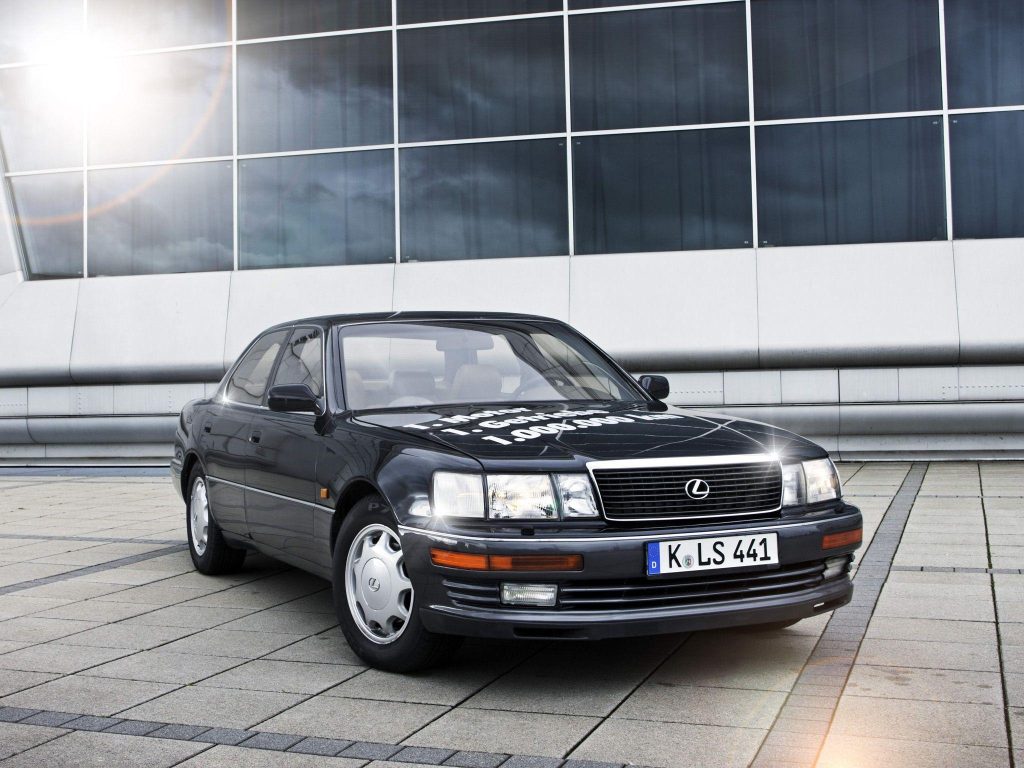
3. Lexus LS 400
The Lexus LS 400 is a luxury sedan often considered a “million-mile legend” due to its exceptional engineering, reliable powertrain, and long-lasting components. Mechanics frequently point to the LS 400 as an example of how careful design and high-quality materials can produce extraordinary longevity.
The 4.0-liter V8 engine in early LS 400 models is remarkably durable. With routine maintenance, including timely oil changes and spark plug replacements, the engine can operate smoothly well beyond 300,000 miles.
The automatic transmission, paired with this powertrain, is engineered for reliability and often avoids the common failure issues found in competing luxury sedans.
Chassis and suspension components are also highly durable. Control arms, bushings, and shock absorbers maintain ride quality and handling even under high mileage, while the LS 400’s corrosion-resistant body panels reduce long-term rust concerns.
Electrical systems are thoughtfully designed, avoiding excessive complexity and common failure points, which simplifies maintenance for mechanics.
Mechanics also note the availability of parts and straightforward service procedures. While the LS 400 is a luxury vehicle, its durability reduces the frequency of costly repairs, making long-term ownership surprisingly practical.
Including the Lexus LS 400 in this section demonstrates that meticulous engineering and component quality can create vehicles that not only maintain performance but also retain value and reliability over decades.
Its reputation among mechanics as a “million-mile legend” underscores the enduring impact of quality design and maintenance-friendly construction.
4. Toyota Land Cruiser
The Toyota Land Cruiser is widely regarded by mechanics as one of the ultimate “million-mile legends” due to its legendary durability, robust engineering, and long-lasting components. Built for both off-road capability and on-road reliability, the Land Cruiser has earned a reputation for surviving decades of demanding use.
Mechanics highlight the 4.5-liter and 4.7-liter inline-six engines in older Land Cruiser models for their extraordinary longevity.
These engines handle high mileage without major internal wear, provided routine maintenance such as oil changes, timing belt replacements, and valve adjustments are performed. The automatic transmissions paired with these engines are equally dependable, shifting smoothly and resisting common failures seen in other vehicles.
Suspension and chassis components are engineered to endure rigorous conditions. Leaf springs, control arms, and shock absorbers maintain ride comfort and handling even under heavy loads or off-road stress. Rust is minimal due to Toyota’s corrosion-resistant design and materials, which contributes to long-term structural integrity.
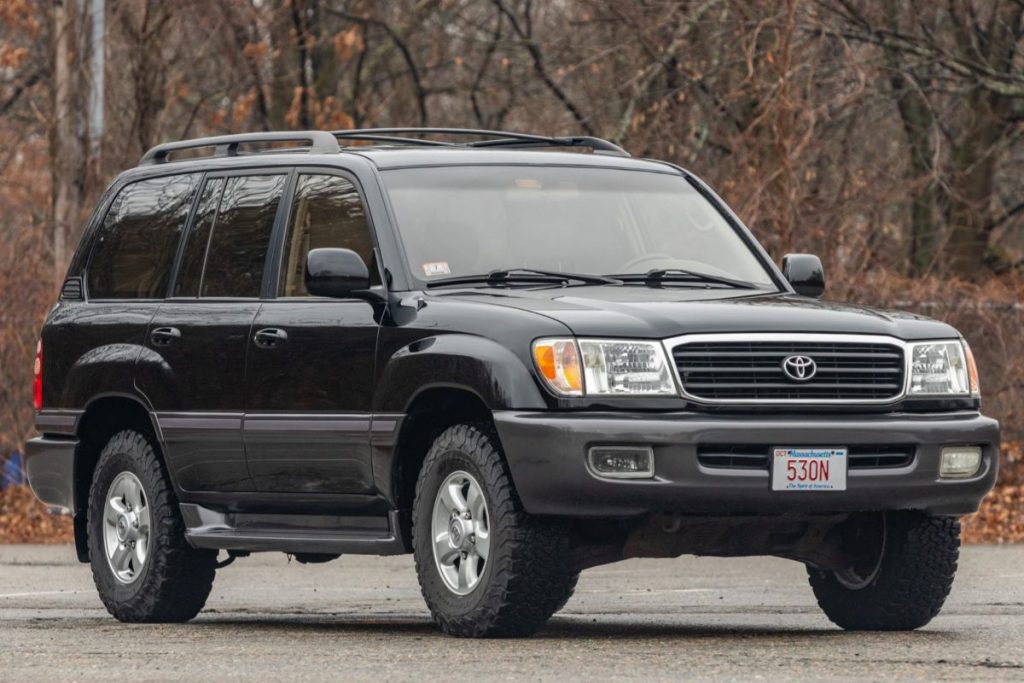
Electrical systems in the Land Cruiser are relatively simple for a modern SUV, reducing the likelihood of persistent faults. Mechanics appreciate that replacement parts are widely available and servicing is predictable, which extends the vehicle’s practical lifespan.
Including the Land Cruiser in this list demonstrates how thoughtful engineering, durable components, and service-friendly design produce a vehicle capable of exceeding hundreds of thousands of miles. Its reliability, even under extreme conditions, reinforces its status as a “million-mile legend” among mechanics and enthusiasts alike.
5. Mercedes-Benz E-Class W124
The Mercedes-Benz E-Class W124, produced from the mid-1980s to the mid-1990s, is often hailed as a “million-mile legend” by mechanics due to its exceptional engineering, durable drivetrain, and longevity-focused construction.
This executive sedan demonstrates how meticulous design and quality materials can yield a car that continues performing reliably for decades.
Mechanics particularly praise the 2.6-liter and 3.0-liter inline-six engines, as well as the 4-cylinder units, for robust construction and minimal internal wear.
With regular oil changes, coolant maintenance, and timing chain inspections, these engines can exceed 300,000 miles without major issues. Automatic and manual transmissions are equally reliable, with many W124 models maintaining smooth shifting after decades of use.
Suspension components, including control arms, bushings, and shock absorbers, are engineered for durability, providing consistent ride quality over high mileage.
The chassis is strong and corrosion-resistant, which further contributes to the vehicle’s long-term reliability. Electrical systems are thoughtfully designed, avoiding excessive complexity and minimizing persistent faults that often plague other vehicles of the era.
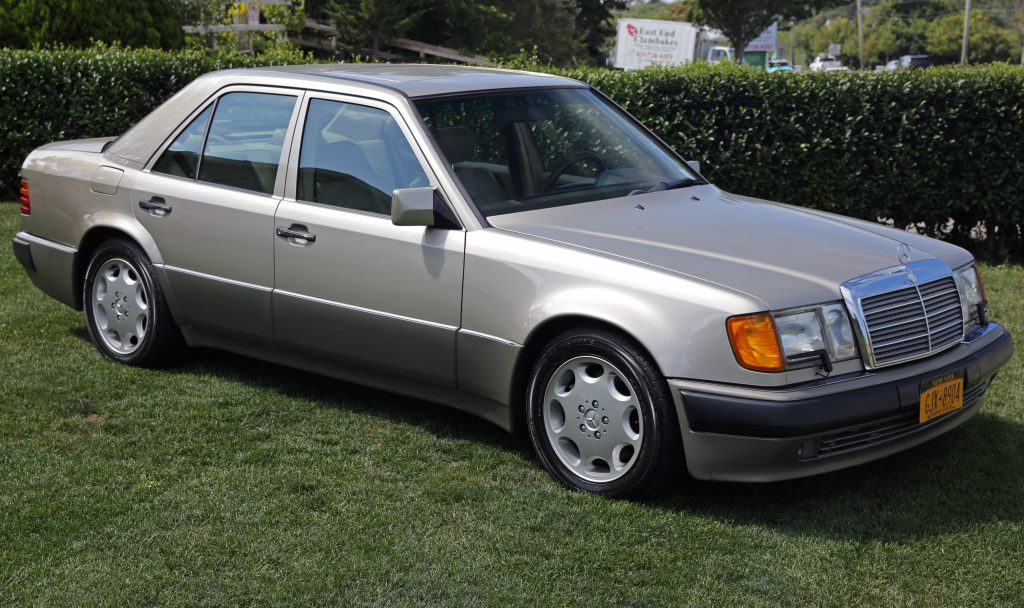
Mechanics also note that replacement parts are generally available and maintenance procedures are straightforward for professional service.
The combination of engineering quality, durability, and service accessibility makes the W124 a standout example of a car that continues to perform well long after its original production.
Including the Mercedes-Benz E-Class W124 in this list demonstrates that meticulous engineering, high-quality materials, and simplified maintenance can produce vehicles capable of enduring hundreds of thousands of miles. Its reputation as a “million-mile legend” highlights the long-term benefits of quality-focused design.
5 Cars That Fail Fast
While some vehicles achieve legendary longevity, others struggle with reliability, often requiring frequent repairs and costly maintenance shortly after purchase.
Cars that fail fast tend to combine design flaws, weak components, or complex systems that are difficult and expensive to service. Mechanics frequently warn owners about these models because they are prone to persistent mechanical, electrical, or structural issues that undermine long-term dependability.
Understanding which cars fall into this category helps buyers make informed decisions, avoid high repair costs, and reduce frustration over time. Vehicles that fail fast may still be appealing due to style, price, or features, but professional experience often highlights serious weaknesses that become apparent with regular use.
This section examines five cars that mechanics commonly identify as failing early or requiring significant attention, even under typical ownership conditions.
Each example explains the factors contributing to reduced reliability, including drivetrain, suspension, and electrical vulnerabilities, as well as maintenance challenges.
Comparing these vehicles with “million-mile legends” demonstrates how engineering quality, component durability, and service accessibility directly influence a car’s lifespan and owner satisfaction.
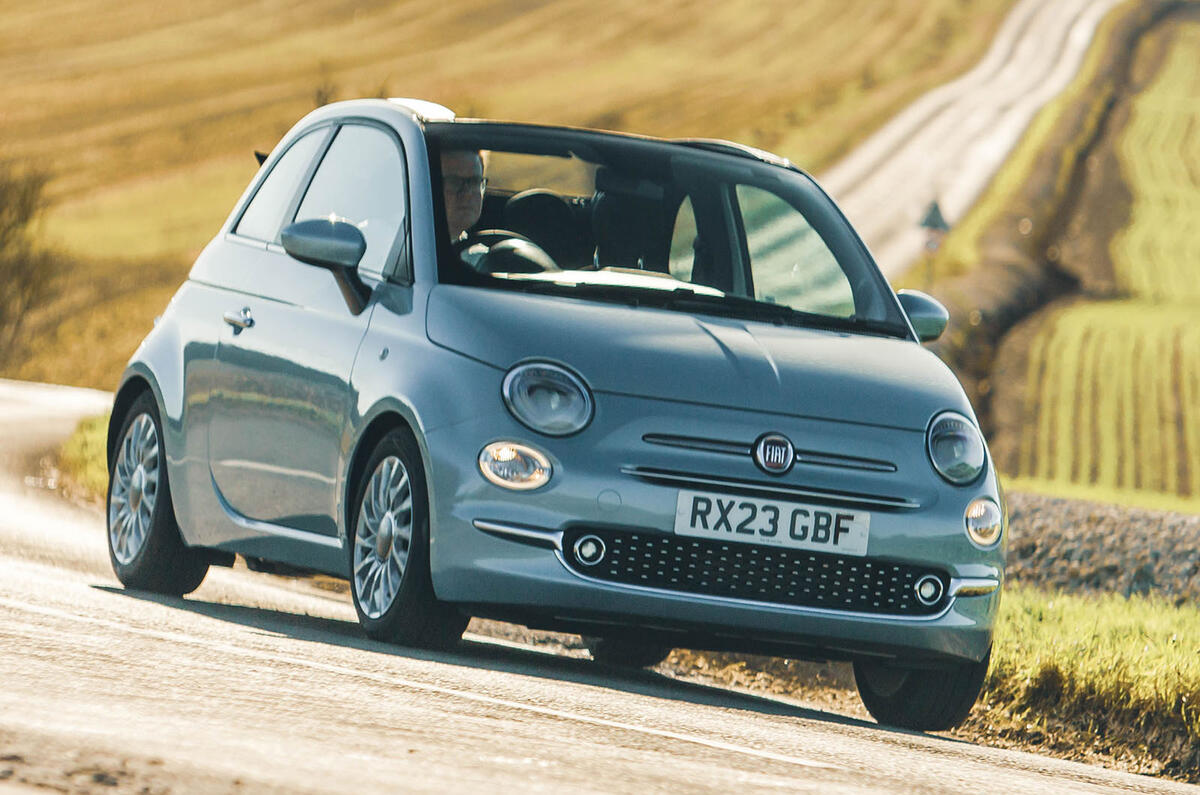
1. Fiat 500 (2007–2015)
The first-generation modern Fiat 500, produced from 2007 to 2015, is often criticized by mechanics for frequent mechanical and electrical problems that reduce long-term reliability. While the car is appealing for its compact size and styling, it struggles with durability under normal ownership conditions.
Engine issues are common, particularly in the 1.4-liter four-cylinder models. Problems include oil leaks, premature timing chain wear, and overheating in higher-mileage examples.
Automatic transmissions, especially the dual-clutch units, can shift roughly or fail entirely, creating costly repair needs. Mechanics report that manual transmissions also occasionally suffer from clutch or gear synchronizer issues over time.
Suspension components, such as bushings, shocks, and control arms, wear prematurely, particularly on vehicles driven in urban environments with frequent potholes.
Electrical systems are another weak point, with sensors, infotainment modules, and wiring harnesses often failing, leading to persistent maintenance challenges.
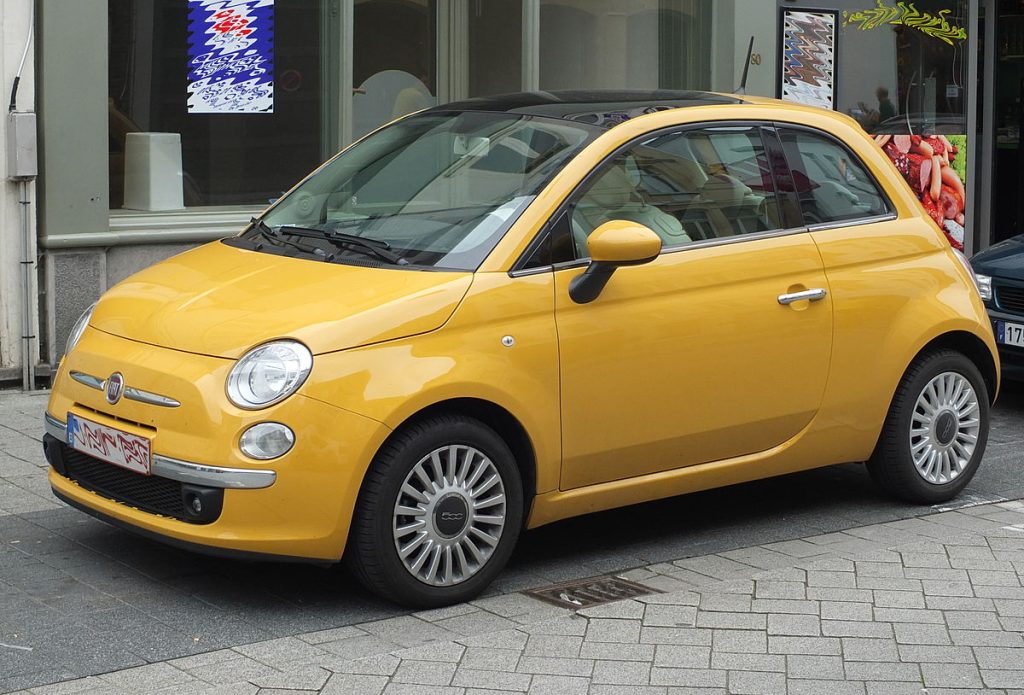
Mechanics caution buyers that repair costs and parts availability can make long-term ownership expensive. Although the Fiat 500 is compact and stylish, these issues prevent it from being considered reliable or durable.
Including the Fiat 500 illustrates how appealing design cannot compensate for engineering weaknesses and recurring maintenance problems, making it a car that fails faster than comparable models.
2. Mini Cooper (2002–2013)
The first- and second-generation Mini Cooper, produced between 2002 and 2013, is frequently identified by mechanics as a car prone to early failures and high maintenance requirements. While fun to drive and visually distinctive, the vehicle often struggles with long-term reliability.
Engine concerns include timing chain stretch, oil leaks, and premature wear on internal components, particularly in turbocharged variants. These issues can lead to expensive repairs if not addressed promptly.
Automatic transmissions, including dual-clutch systems in later models, are known to shift erratically or fail prematurely, while manual transmissions occasionally develop clutch or gearbox issues.
Suspension components, including shocks, bushings, and control arms, show accelerated wear, particularly under frequent city driving. Rust and corrosion are also concerns in certain climates, affecting body panels and undercarriage components over time.
Electrical problems are common, especially with early infotainment systems, sensor modules, and wiring harnesses, adding complexity to diagnostics and repair.
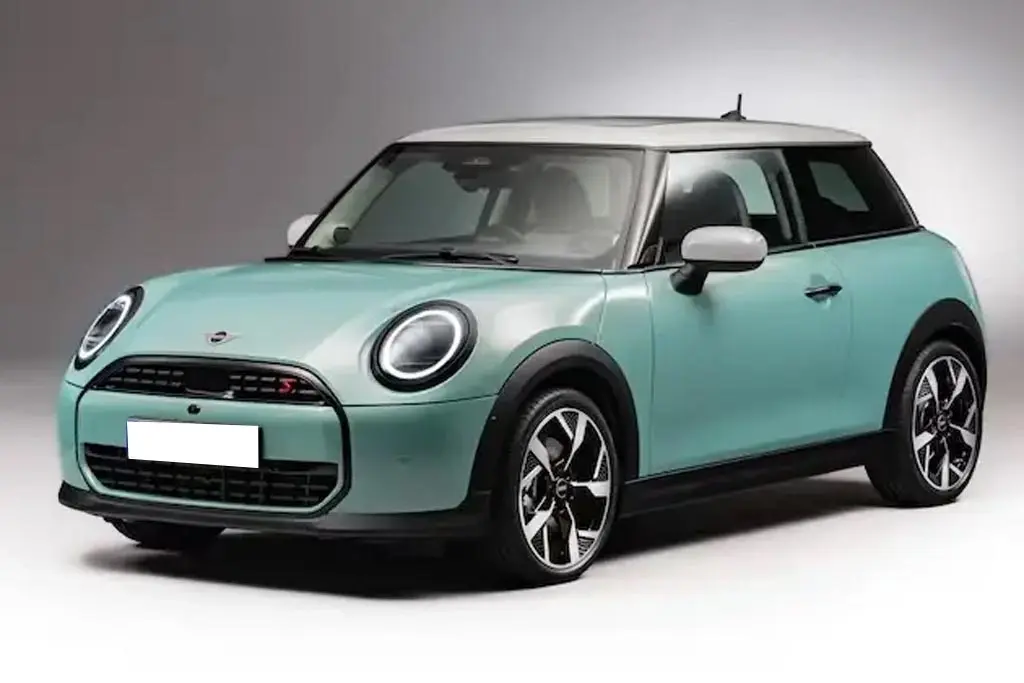
Mechanics often advise prospective owners to anticipate high maintenance costs, frequent repairs, and ongoing service challenges. While the Mini Cooper remains enjoyable to drive, its combination of drivetrain, suspension, and electrical vulnerabilities reduces its long-term dependability.
Including the Mini Cooper in this list emphasizes how design choices, mechanical sensitivity, and complex systems can create a vehicle that fails faster than expected. It demonstrates that even small, stylish cars can be prone to frequent problems when engineering and durability are not optimized.
3. Chevrolet Cruze (2011–2015)
The first-generation Chevrolet Cruze, produced between 2011 and 2015, is frequently warned against by mechanics due to recurring engine, transmission, and electrical problems. While the Cruze offered a competitive price and modern features, these vehicles often struggle with long-term reliability.
Engine concerns are common, particularly with the 1.4-liter turbocharged four-cylinder and 1.8-liter naturally aspirated engines. Problems include oil consumption, turbocharger failures, and overheating in high-mileage units.
Mechanics also report coolant leaks and timing chain or belt issues, which can result in expensive repairs if not addressed promptly.
Transmission reliability is another challenge. Automatic transmissions occasionally shift roughly or fail under normal driving conditions, while manual gearboxes sometimes develop clutch and synchronizer issues.
Suspension components, including bushings, shocks, and control arms, are prone to premature wear, particularly in regions with rough roads or frequent heavy usage.
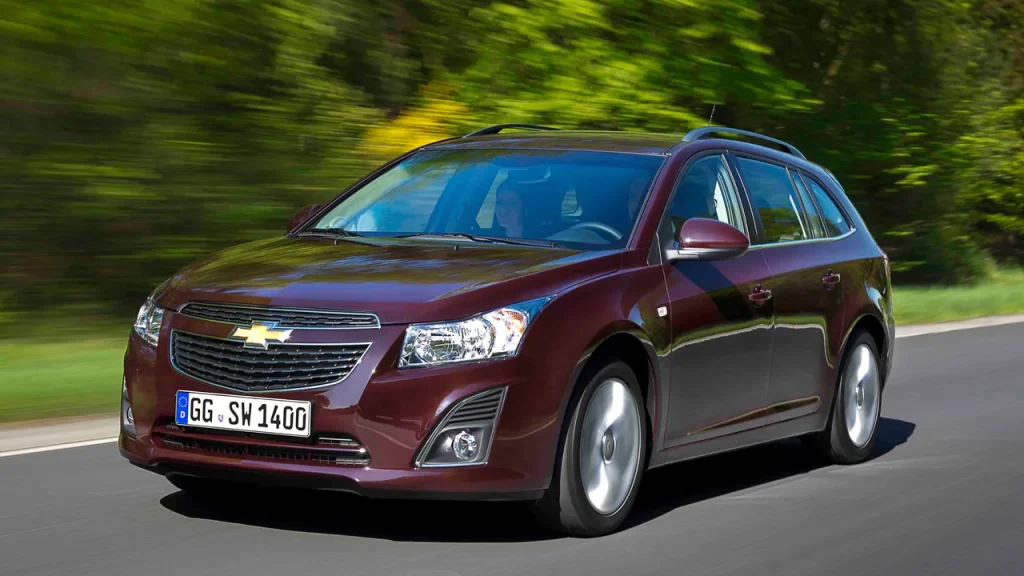
Electrical systems, including sensors, infotainment modules, and wiring harnesses, are often cited by mechanics as unreliable. These issues complicate diagnostics and maintenance, increasing overall repair costs. Dealers and owners note that resale value declines rapidly due to these persistent problems.
Including the Chevrolet Cruze highlights how design and component weaknesses in compact sedans can lead to early failures.
Despite its initial appeal, frequent repairs, mechanical vulnerabilities, and maintenance challenges prevent the Cruze from achieving long-term dependability, making it a prime example of a car that fails fast in real-world ownership.
4. Fiat Punto / Grande Punto (2005–2015)
The Fiat Punto and Grande Punto, produced from 2005 to 2015, are often criticized by mechanics for recurring engine, transmission, and electrical failures. While these small hatchbacks are compact and stylish, they frequently struggle with reliability and long-term maintenance.
Engine issues are a major concern. The 1.2- and 1.4-liter petrol engines often suffer from timing belt wear, oil leaks, and overheating problems, while diesel units can experience turbocharger and injector failures.
These problems often require costly repairs and reduce the vehicles’ lifespan. Transmission concerns also arise, with manual gearboxes occasionally developing clutch or synchro issues and automated manual units prone to erratic shifts.
Suspension components, including shock absorbers, bushings, and control arms, wear prematurely, particularly in urban driving conditions with frequent potholes.
Rust is another concern, affecting underbody components and body panels in certain climates. Electrical systems, including sensors, control modules, and infotainment wiring, are prone to failure, complicating diagnostics and increasing repair expenses.
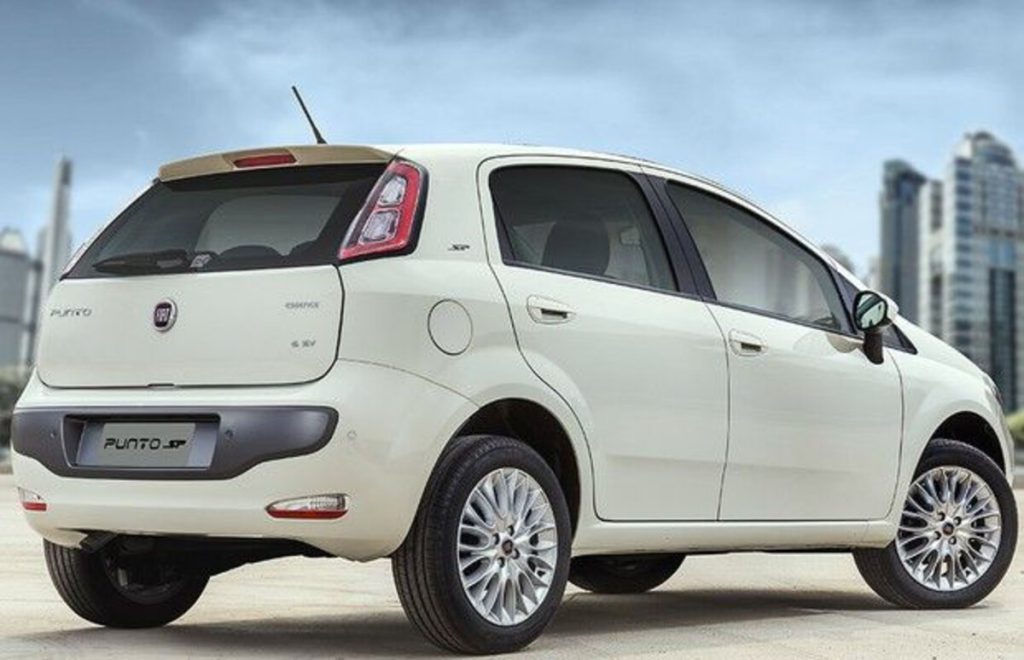
Mechanics frequently warn that maintenance for these cars can be unpredictable and costly. Replacement parts are sometimes difficult to source, adding to ownership challenges.
Including the Fiat Punto and Grande Punto in this list demonstrates how compact cars, despite affordability and appealing design, can struggle with reliability due to weak components and mechanical vulnerabilities.
Frequent repairs, short lifespan of key parts, and maintenance challenges make these vehicles emblematic of models that fail fast.
5. Chrysler PT Cruiser (2001–2010)
The Chrysler PT Cruiser, produced from 2001 to 2010, is often highlighted by mechanics as a car that fails fast due to persistent mechanical, electrical, and reliability issues. While its unique design attracted attention, it consistently struggles with long-term durability.
Engine problems are among the primary concerns. The 2.4-liter four-cylinder engine frequently experiences oil leaks, timing chain wear, and overheating in high-mileage units.
Some models also face issues with the intake manifold and gaskets, which can lead to costly repairs.
Automatic transmissions are prone to rough or delayed shifting, while manual transmissions occasionally suffer clutch and gear synchronizer wear, further complicating maintenance.
Suspension components, including shocks, bushings, and control arms, show accelerated wear, particularly in vehicles exposed to heavy loads or poor road conditions.
Rust and corrosion affect the undercarriage and body panels, especially in regions with winter road salts. Electrical systems are also problematic, with frequent failures in sensors, wiring harnesses, and dashboard modules, which increase maintenance complexity and repair costs.
Mechanics caution that PT Cruiser owners should expect frequent repairs and challenges with parts availability. Although it is visually distinctive and affordable, these persistent issues undermine reliability and long-term ownership satisfaction.
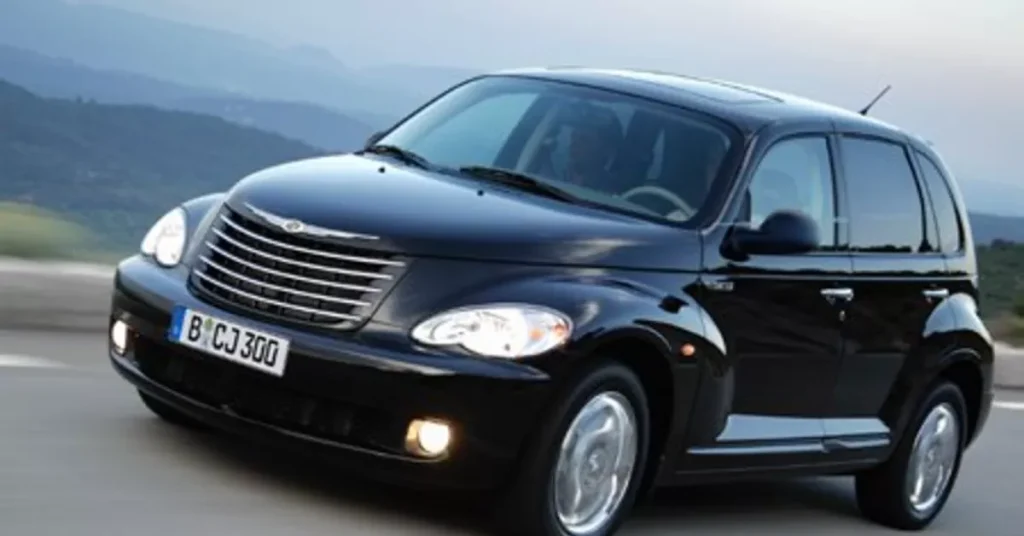
Including the Chrysler PT Cruiser in this list emphasizes how design compromises, mechanical vulnerabilities, and recurring maintenance needs can prevent a car from reaching high mileage.
Its reputation for early failures makes it a clear example of a model that fails fast, reinforcing the importance of professional insight when evaluating long-term dependability.
Examining cars that mechanics identify as “million-mile legends” versus those that fail fast highlights the significant impact of engineering quality, component durability, and maintenance requirements on long-term ownership.
Vehicles like the Toyota Camry, Honda Accord, Lexus LS 400, Toyota Land Cruiser, and Mercedes-Benz E-Class W124 consistently earn praise for their reliable engines, durable transmissions, and robust chassis components.
Mechanics note that these cars withstand high mileage due to thoughtful design, quality materials, and relatively simple systems that reduce the risk of persistent electrical or mechanical failures.
Availability of replacement parts and straightforward maintenance further enhance longevity, making these models practical for long-term use. Owners can rely on them for daily driving, long trips, and demanding conditions with minimal worry about catastrophic failures.
Conversely, vehicles like the Fiat 500, Mini Cooper, Chevrolet Cruze, Fiat Punto / Grande Punto, and Chrysler PT Cruiser illustrate how design weaknesses and component vulnerabilities can lead to early failures.
Engine wear, transmission problems, suspension deterioration, rust, and electrical issues frequently contribute to high maintenance costs and reduced reliability.
Mechanics often caution prospective owners that these cars may require frequent repairs and are less predictable over time.
While some of these vehicles remain functional with diligent upkeep, their vulnerability to recurring problems prevents them from achieving the longevity seen in “million-mile legends.”
Comparing these two categories underscores the importance of professional insight when evaluating cars for long-term reliability.
Durable vehicles combine engineering foresight, high-quality components, and service-friendly design, while models prone to early failure often include compromises that reduce dependability.
Knowledge of these patterns allows buyers to make informed choices, avoid unexpected costs, and select vehicles that maintain performance over hundreds of thousands of miles.
Ultimately, the contrast between “million-mile legends” and cars that fail fast demonstrates that reliability is not solely about brand or appearance; it is determined by mechanical robustness, simplicity, and long-term serviceability.
Mechanics’ perspectives provide a practical guide for identifying cars built to endure versus those likely to struggle, ensuring smarter decisions for owners seeking dependable, long-lasting vehicles.
Also Read: 5 Jeep Models That Can Go Forever vs 5 That Can’t
