
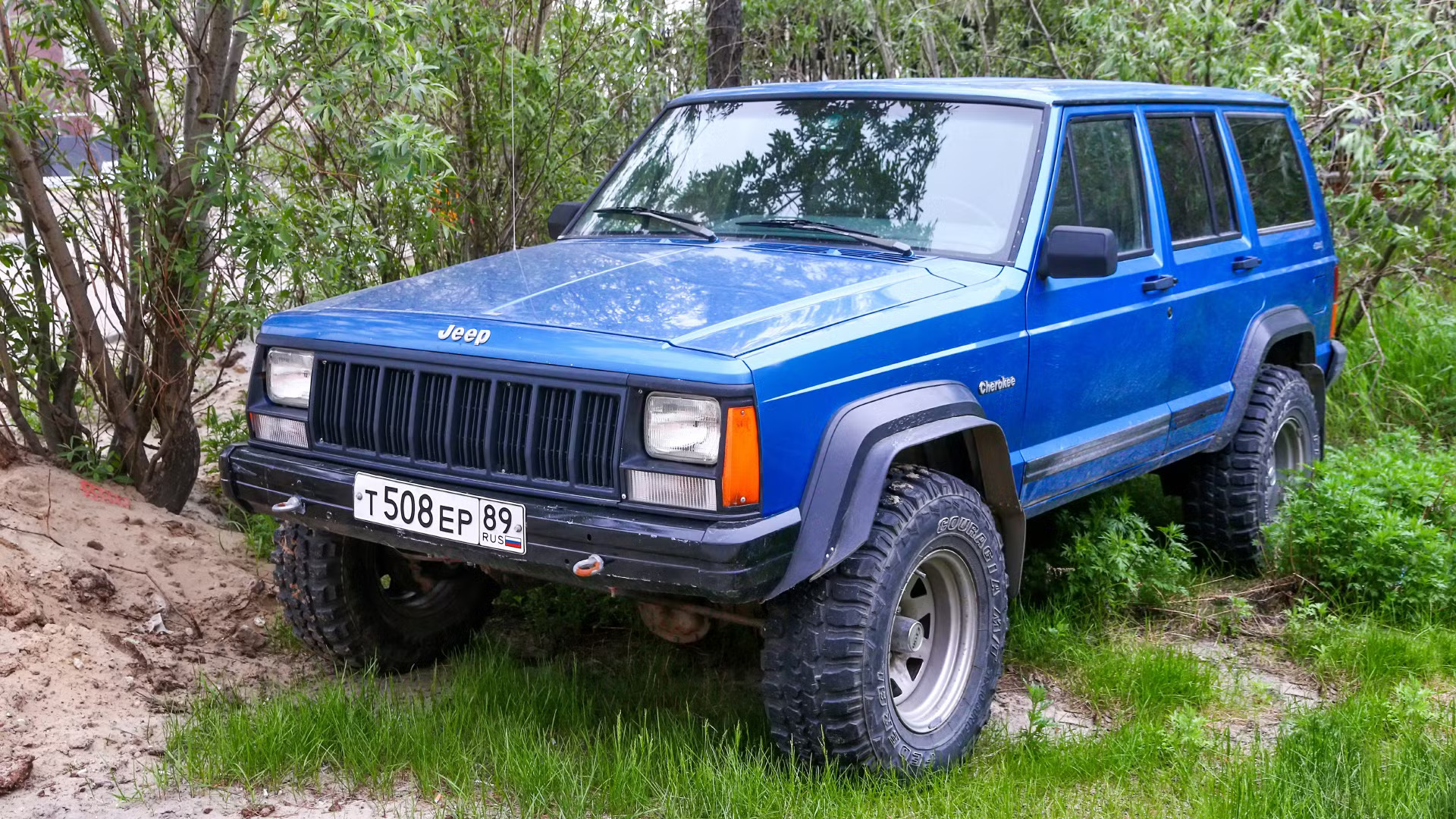
The 1980s produced a number of SUVs that were built to last. Many of these vehicles were simple in design, rugged in construction, and designed for both utility and off-road adventures.
Decades later, several of these models continue to operate reliably, proving that thoughtful engineering and durable materials can extend a vehicle’s life well beyond expectations.
During this era, automakers focused on producing SUVs that could handle rough terrain and heavy use. Many models featured body-on-frame construction, solid axles, and mechanical simplicity.
These characteristics made them less prone to complex failures and easier to maintain, which contributes significantly to their longevity. Engines were generally straightforward, emphasizing durability over high performance.
Parts availability and mechanical accessibility also played a key role in keeping these vehicles on the road.
Even today, owners can source replacement parts, and many repairs can be done by independent mechanics or enthusiasts with basic tools. This has allowed several ’80s SUVs to survive into the present, even with high mileage.
Additionally, these SUVs were versatile. They served as family vehicles, off-road adventurers, and utility trucks.
Their combination of practicality and reliability meant that owners often held onto them for decades. Many enthusiasts also took pride in maintaining and restoring these vehicles, ensuring that they remained operational far longer than expected.
The following sections highlight ten SUVs from the 1980s that have stood the test of time. Each vehicle discussed demonstrates durability, reliability, and the ability to survive years of use.
From iconic off-roaders to practical family SUVs, these models show that the right combination of engineering and care can make a vehicle endure well beyond its expected lifespan.
Also Read: 5 Early Hybrids With Legendary Battery Life vs 5 That Failed Early
1. Chevrolet Blazer (K5)
The Chevrolet K5 Blazer is one of the most iconic SUVs from the 1980s, known for its rugged design and off-road capability. Built on a full-size truck chassis, it was designed to handle tough terrain while still serving as a practical family vehicle.
Its durability comes from the solid frame and simple mechanical layout. The Blazer featured body-on-frame construction and a solid front and rear axle, which allowed it to withstand years of off-road use without significant structural issues. These design choices also made repairs easier and more cost-effective.
The engine options, including the 5.0-liter and 5.7-liter V8s, are known for their longevity. With proper maintenance, these engines often exceed 200,000 miles. Mechanical simplicity means fewer potential points of failure, and many owners report running their K5 Blazers for decades without major issues.
Suspension components were built for toughness, allowing the vehicle to handle heavy loads and rough trails. This durability made it a favorite among outdoor enthusiasts and those needing a reliable utility vehicle.
Another factor contributing to the Blazer’s longevity is the availability of parts. Even decades after production, replacement components remain accessible, and mechanics are familiar with the model. Many owners also perform routine maintenance themselves, extending the vehicle’s lifespan further.
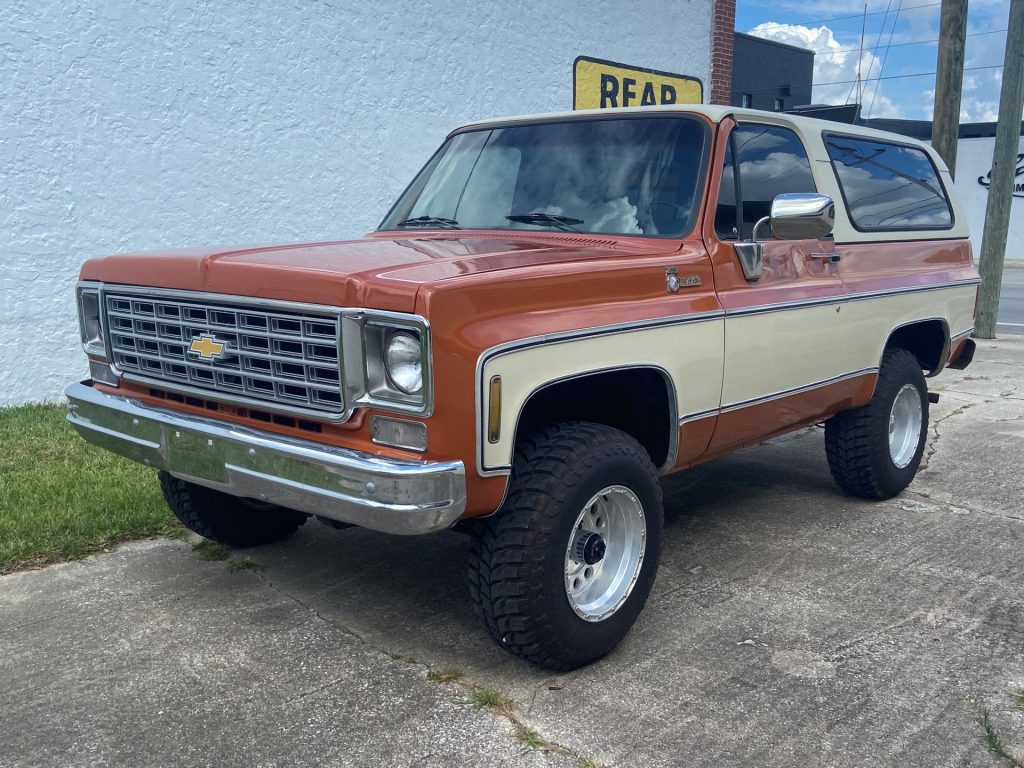
Overall, the Chevrolet K5 Blazer is a durable SUV that continues to find fans among collectors and off-road enthusiasts. Its combination of a strong frame, reliable engines, and mechanical simplicity ensures it remains operational for many years.
2. Ford Bronco (Full-Size, 1980s)
The full-size Ford Bronco from the 1980s is a rugged SUV known for its durability and off-road prowess. Built on a sturdy truck frame, it combined strength with versatility, making it a long-lasting vehicle for a variety of uses.
The Bronco’s engines, including the 5.0-liter V8 and 5.8-liter V8, are renowned for reliability. They are designed to handle high mileage and heavy workloads, especially when maintained regularly. Many examples from the 1980s are still on the road today, demonstrating their enduring engineering.
Its suspension and drivetrain are built to withstand rough terrain and heavy loads. Solid axles and durable leaf springs provide stability and longevity, while the body-on-frame construction ensures the SUV remains structurally sound over decades.
Maintenance is straightforward, thanks to a simple mechanical layout. Replacement parts are widely available, and the Bronco’s design makes routine servicing accessible for both professional mechanics and owners performing DIY repairs.
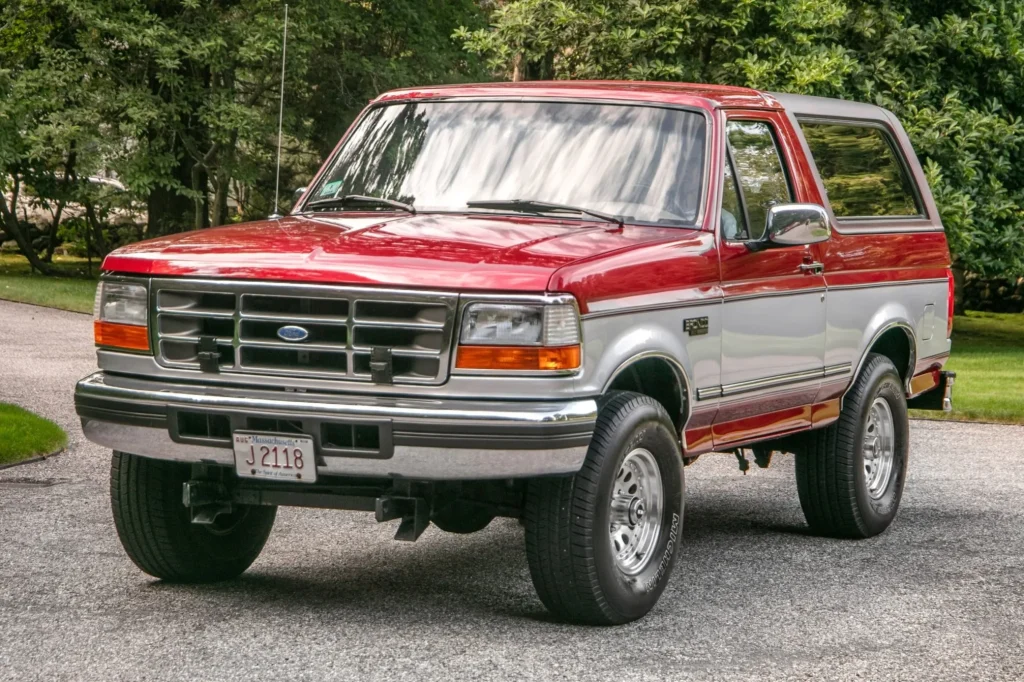
Versatility adds to its appeal. The Bronco handled off-road adventures, family trips, and daily driving without significant strain. Its combination of reliability, strength, and adaptability contributed to its continued presence on roads long after its production years.
Owners value the 1980s Ford Bronco not only for its performance but also for its long-lasting construction. Its reputation for durability ensures it remains a sought-after classic SUV among enthusiasts who prioritize vehicles that endure.
3. Jeep Cherokee (XJ)
The Jeep Cherokee XJ, introduced in the 1980s, is often celebrated for its long-lasting design and versatility. Its unibody construction combined with a rugged suspension made it capable of handling off-road conditions while remaining a practical daily driver.
One of the key factors behind its longevity is the reliable engine lineup. The 4.0-liter inline-six engine is particularly well-known for durability, with many examples surpassing 300,000 miles. Its mechanical simplicity reduces the likelihood of major failures, making maintenance manageable for owners.
The XJ’s suspension and drivetrain are engineered for toughness. Solid axles and robust components allow it to endure rough terrain, towing, and heavy use without compromising reliability. These features made the Cherokee a favorite among off-road enthusiasts and those needing a dependable vehicle for challenging environments.
Parts availability contributes to the XJ’s enduring presence on the road. Replacement components remain accessible, and many mechanics are familiar with common repairs. This ensures that even older models can be maintained efficiently and economically.
Another reason for its survival is the vehicle’s versatility. The Cherokee XJ served as a family SUV, an off-road adventurer, and a utility vehicle, showing that a well-built SUV could handle multiple roles over decades.
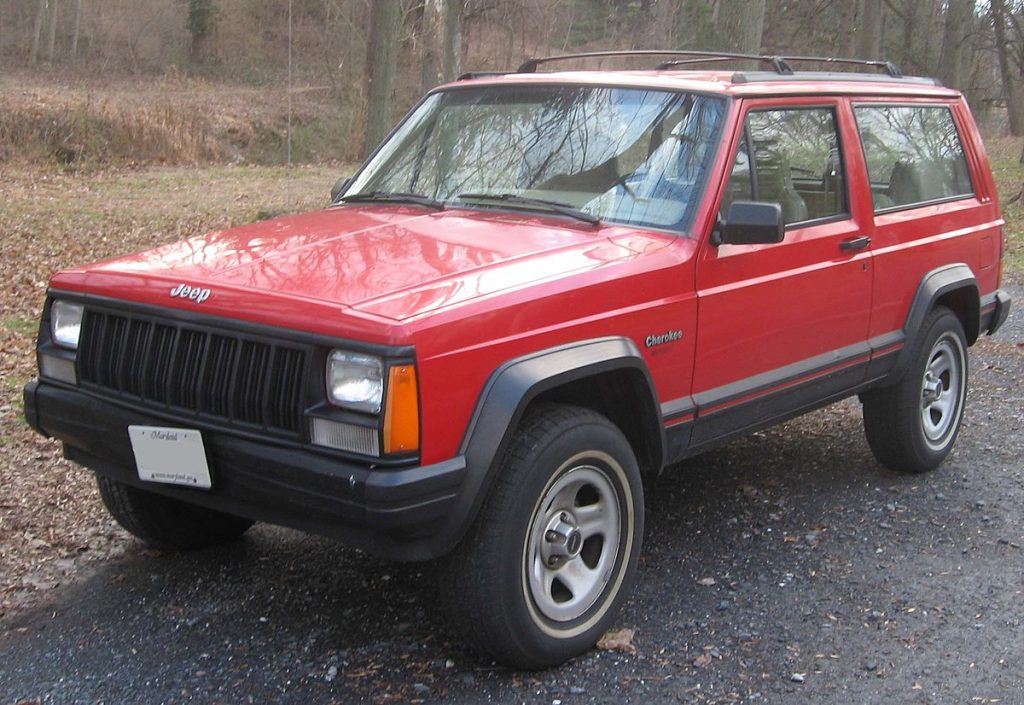
Owners often report that with consistent maintenance, including regular oil changes, fluid checks, and suspension upkeep, the Cherokee XJ continues to perform reliably.
Its combination of strong engineering, mechanical simplicity, and adaptability has allowed it to remain relevant and operational long after its original production.
4. Toyota 4Runner (First Generation)
The first-generation Toyota 4Runner, introduced in the mid-1980s, is renowned for its durability and off-road capability. Built on a solid truck chassis, it was designed to handle rugged terrain while maintaining comfort and reliability for everyday use.
Engine options like the 2.4-liter four-cylinder and 3.0-liter V6 are celebrated for longevity. With proper care, these engines can exceed 250,000 miles. Their straightforward design makes maintenance simpler and reduces the risk of costly failures.
The 4Runner’s suspension and drivetrain are designed for toughness. Leaf springs in the rear and a solid front axle allow it to carry loads and endure off-road conditions without structural issues. The body-on-frame construction adds additional strength, which helps maintain reliability over decades.
Maintenance is convenient, with parts widely available and repairs manageable for both professional mechanics and DIY enthusiasts. This accessibility allows owners to keep the vehicle running efficiently, even decades after production.
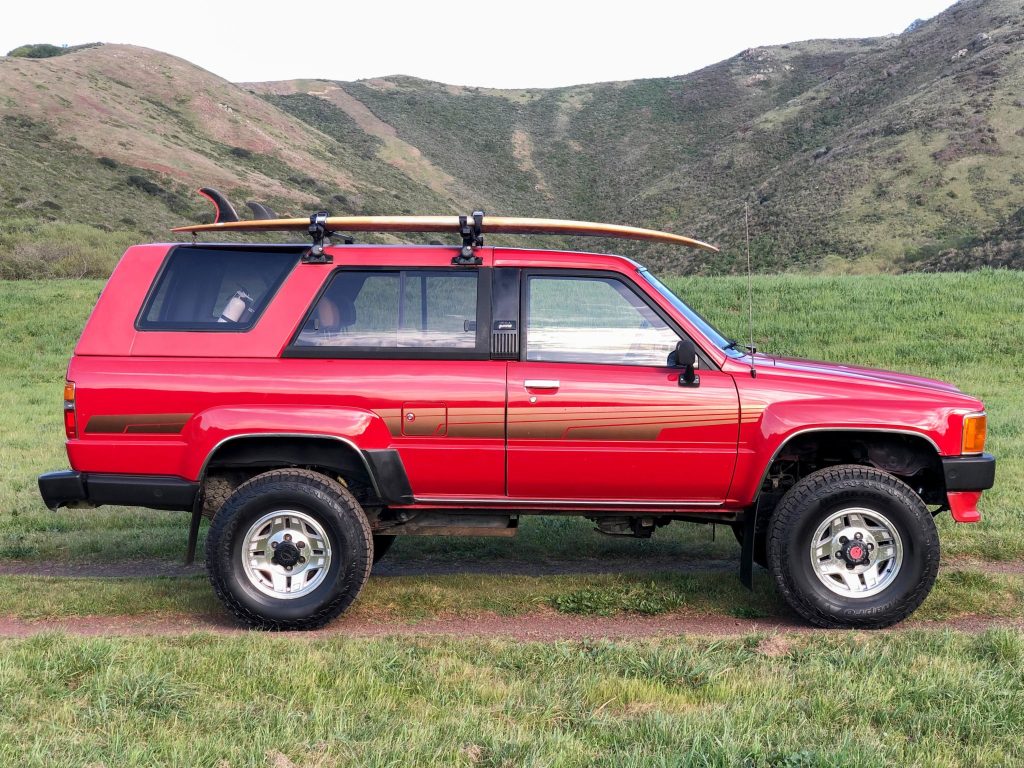
Versatility is another strength. The 4Runner served as a daily driver, adventure vehicle, and utility SUV. Its combination of rugged construction and comfortable interior made it suitable for families, outdoor enthusiasts, and anyone needing a dependable SUV.
Many first-generation 4Runners from the 1980s are still on the road today. The combination of strong engineering, durable components, and straightforward maintenance ensures that this Toyota SUV remains a lasting example of longevity and reliability.
5. Ford Explorer (First Generation)
The first-generation Ford Explorer, launched in the early 1980s, quickly became popular for its balance of off-road capability and family-friendly features. Its durable construction has allowed many examples to remain operational decades later.
The Explorer’s engines, including the 4.0-liter V6, are known for reliability. When maintained properly, they can exceed 200,000 miles without significant issues. The mechanical simplicity of these engines reduces the risk of failure and makes routine maintenance straightforward.
The suspension and drivetrain were designed to endure varied conditions. Solid construction and robust components allowed the Explorer to handle both daily driving and rugged terrain. Its body-on-frame chassis provides structural strength, which has contributed to its long-lasting performance.
Maintenance is accessible, with replacement parts widely available and repairs manageable for both professional mechanics and DIY enthusiasts. This ease of upkeep has helped many Explorers survive well beyond their expected lifespan.
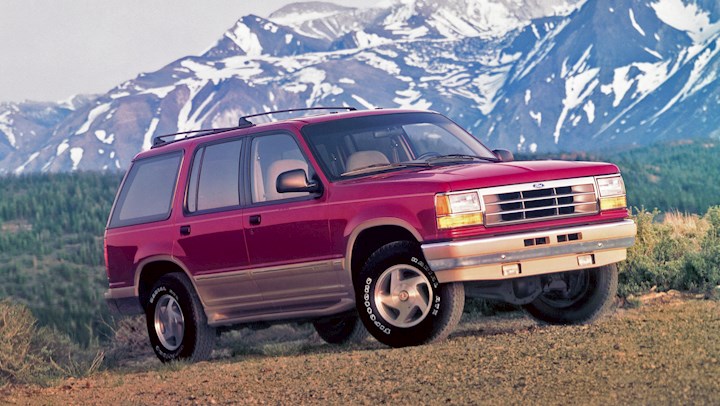
Versatility played a significant role in the Explorer’s appeal. It was used for family trips, commuting, and light off-road adventures. This adaptability ensured that owners kept their vehicles longer, with many examples still functioning today due to consistent care.
The Ford Explorer first generation demonstrates that thoughtful engineering and durable construction can create an SUV capable of lasting decades. Its combination of reliability, accessible maintenance, and versatility makes it one of the standout 1980s SUVs that continues to survive today.
6. Chevrolet Suburban (1980s)
The Chevrolet Suburban of the 1980s is a full-size SUV built for durability and utility. Its robust frame and truck-based chassis make it one of the longest-lasting vehicles from this era.
Engine options, such as the 5.7-liter and 7.4-liter V8, are widely recognized for their toughness. These engines can handle heavy towing and high mileage, with many Suburbans still running smoothly after more than 250,000 miles.
Suspension and drivetrain components were designed to endure demanding conditions. Leaf springs, solid axles, and a reinforced frame allow the Suburban to carry loads and traverse rough terrain while remaining reliable. Its mechanical simplicity contributes to longevity by reducing potential points of failure.
Maintenance is convenient due to the availability of parts and the familiarity of mechanics with these models. Routine oil changes, fluid checks, and brake inspections help extend the vehicle’s lifespan. Many owners also perform simple DIY repairs, which further contributes to its survival.
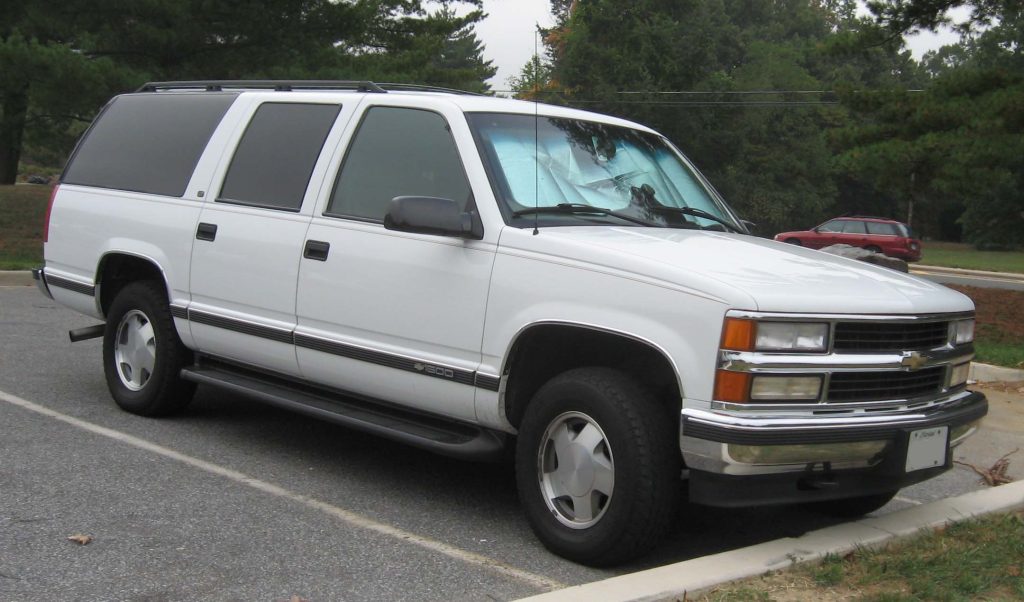
The Suburban’s versatility ensures continued use. It served as a family vehicle, utility SUV, and workhorse for towing or hauling. Its combination of practicality, comfort, and reliability encouraged owners to maintain it for decades.
The 1980s Chevrolet Suburban remains a testament to durability. Its strong construction, reliable engines, and straightforward maintenance make it a lasting SUV that continues to survive, proving that vehicles from this era were built to endure both time and use.
7. Dodge Ramcharger
The Dodge Ramcharger from the 1980s is a full-size SUV known for its ruggedness and off-road capabilities. Built on a truck chassis, it combines strength with practical utility, allowing many examples to survive decades of use.
Its engine options, including the 5.2-liter and 5.9-liter V8, are recognized for durability. These engines can endure high mileage and heavy workloads when maintained regularly. Mechanical simplicity also reduces the likelihood of major failures, contributing to longevity.
The Ramcharger’s suspension and drivetrain are built to withstand rough terrain and heavy loads. Solid axles and leaf springs provide stability and support, while the body-on-frame construction ensures structural integrity over time. This robustness makes it ideal for off-road adventures and demanding driving conditions.
Maintenance is straightforward. Parts remain widely available, and many mechanics are familiar with the model. Routine servicing, including fluid checks, brake maintenance, and oil changes, helps the Ramcharger remain reliable even decades after production. Owners often perform simple DIY repairs, further extending the vehicle’s lifespan.
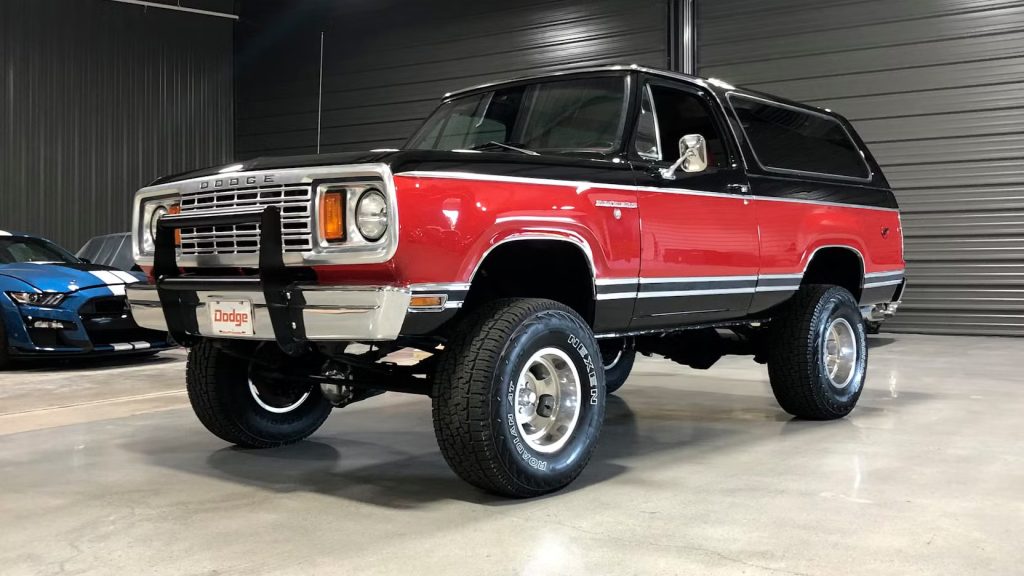
Versatility is another reason for its survival. The Ramcharger served as a family SUV, work vehicle, and recreational off-roader. Its combination of utility, durability, and reliability encouraged owners to maintain it for long-term use.
Overall, the Dodge Ramcharger from the 1980s demonstrates that careful engineering and practical design can create an SUV capable of lasting many years. Its durable engines, strong frame, and accessible maintenance have allowed it to continue surviving to this day.
8. Toyota Land Cruiser (60 Series)
The Toyota Land Cruiser 60 Series, produced throughout the 1980s, is famed for its exceptional durability and off-road performance. It was built to endure harsh conditions and continue performing reliably for decades.
Its engine lineup, including the 4.0-liter inline-six and diesel variants, is highly regarded for longevity. These engines can run hundreds of thousands of miles with proper care, and mechanical simplicity minimizes the risk of major failures.
The suspension and drivetrain are designed for rugged terrain. Solid axles, leaf springs, and a reinforced body-on-frame structure allow the Land Cruiser to carry heavy loads and withstand rough roads. This toughness ensures long-term reliability for both on-road and off-road use.
Maintenance is accessible due to wide parts availability and a network of mechanics familiar with these vehicles. Routine servicing, such as oil changes, brake inspections, and fluid replacements, helps maintain performance over time. Many owners also perform preventative maintenance, which adds to longevity.
Versatility contributed to the 60 Series’ continued use. It functioned as a family vehicle, off-road explorer, and utility SUV. Its combination of durability, reliability, and adaptability has made it a favorite among enthusiasts who value vehicles that last.
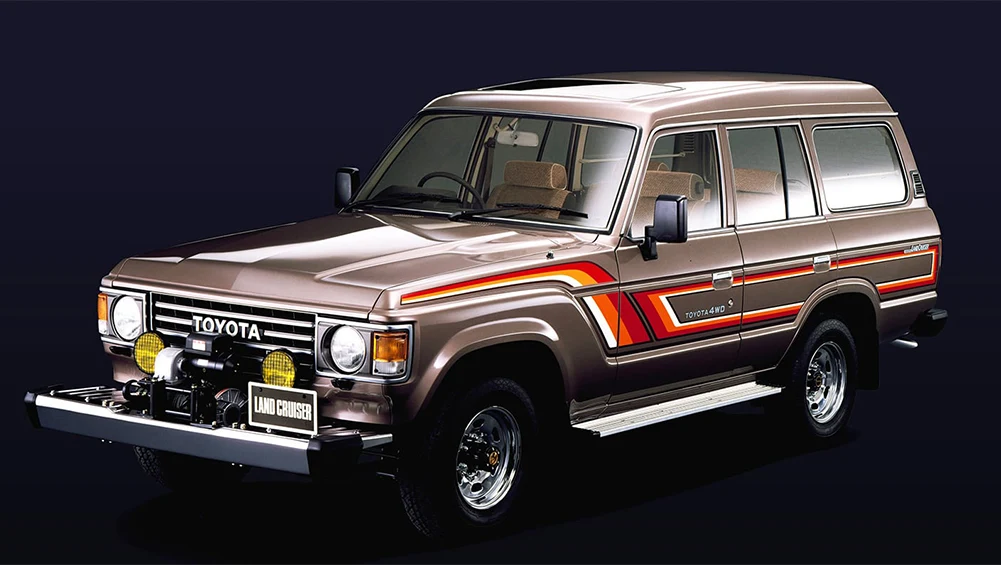
The Toyota Land Cruiser 60 Series from the 1980s remains one of the most enduring SUVs. Its strong construction, reliable engines, and simple maintenance allow it to survive decades, proving the model’s reputation for toughness and dependability.
9. Chevrolet S-10 Blazer
The Chevrolet S-10 Blazer, introduced in the 1980s, is a compact SUV that gained popularity for its combination of reliability and versatility. Despite its smaller size, it is known to survive decades with proper care.
Engine options like the 2.8-liter V6 and 4.3-liter V6 are recognized for durability. Many S-10 Blazers have exceeded 200,000 miles, with simple mechanical designs that reduce the likelihood of major failures. Routine maintenance keeps these engines running efficiently over time.
The suspension and drivetrain are built to handle varied conditions. Independent front suspension and a solid rear axle provide stability and durability, while the body-on-frame construction adds structural strength. These features allow the Blazer to endure both daily driving and light off-road use.
Parts availability and mechanical familiarity contribute to longevity. Replacement components are easy to source, and many mechanics are accustomed to working on this model. This ensures that repairs can be performed without difficulty, supporting long-term survival.
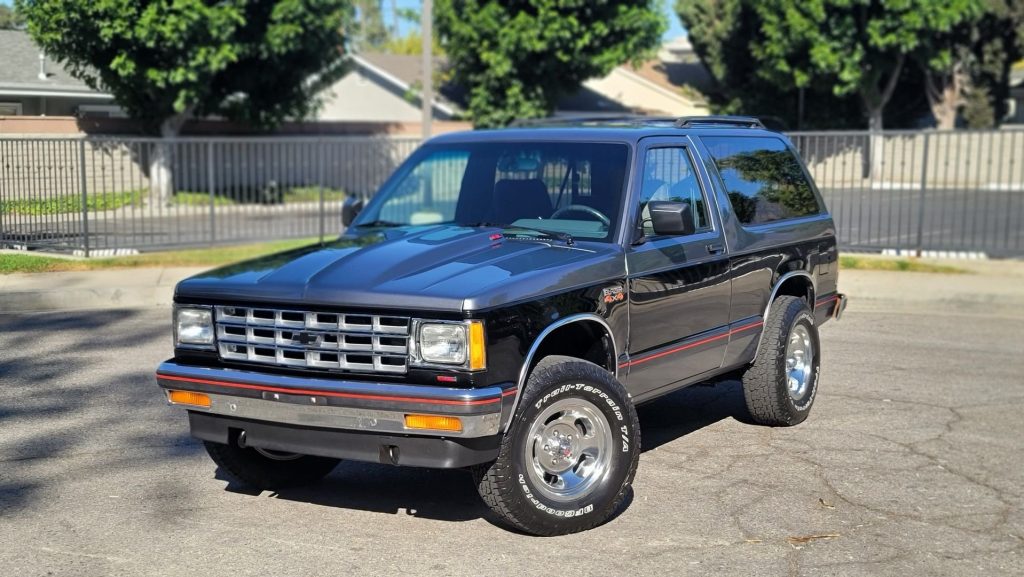
Versatility is another key factor. The S-10 Blazer served as a daily driver, utility vehicle, and recreational off-roader. Its reliability and practical design encouraged owners to maintain it over many years, ensuring that examples from the 1980s are still found on the road today.
The Chevrolet S-10 Blazer demonstrates that a compact SUV can survive decades when built with durable components and maintained properly. Its combination of reliable engines, strong construction, and accessibility makes it a lasting vehicle.
10. Jeep Wagoneer (SJ)
The Jeep Wagoneer SJ from the 1980s is a classic full-size SUV celebrated for durability and timeless design. Its body-on-frame construction and robust components contribute to long-term reliability.
Engine options, including the 5.9-liter V8, are known for toughness and high mileage capability. With routine maintenance, these engines can operate efficiently for decades. Mechanical simplicity reduces potential points of failure, enhancing longevity.
Suspension and drivetrain components are built to withstand heavy loads and off-road conditions. Solid axles and leaf springs provide strength and stability, allowing the Wagoneer to maintain performance even after extensive use.
Maintenance is convenient, with parts widely available and mechanics familiar with the model. Owners performing regular servicing, including oil changes, brake inspections, and fluid maintenance, often see their Wagoneers remain operational for decades.
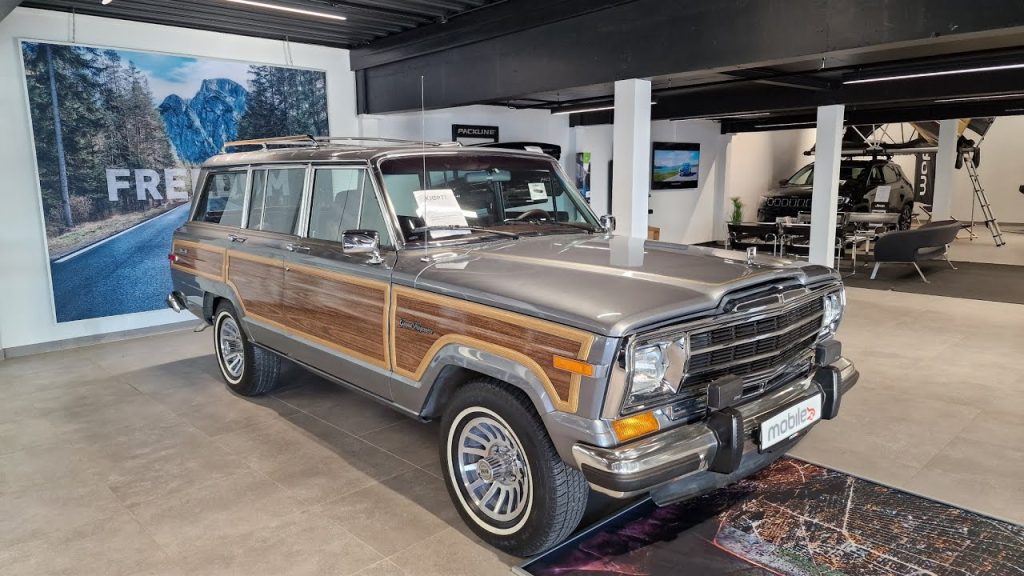
Versatility contributed to its enduring presence. The Wagoneer functioned as a family SUV, utility vehicle, and recreational off-roader. Its combination of durability, comfort, and reliability made it a vehicle owners were willing to maintain for long-term use.
The Jeep Wagoneer SJ continues to be a symbol of longevity in SUVs. Its robust engineering, reliable engine, and practical design have allowed it to survive decades, maintaining relevance and dependability even today.
The 1980s were a defining era for SUVs, producing vehicles that combined rugged construction, practical design, and reliability.
Many of these SUVs were designed with durability in mind, allowing them to survive decades of use while continuing to perform well. A common characteristic among these vehicles was body-on-frame construction, which provided structural strength and stability.
This design, paired with durable suspension systems and robust drivetrains, allowed these SUVs to handle heavy loads, off-road conditions, and daily driving without significant issues.
Engines from this era were generally simple but reliable. V8s, inline-sixes, and occasionally diesel options provided long-lasting performance when paired with proper maintenance. Vehicles like the Jeep Cherokee XJ, Toyota Land Cruiser 60 Series, and Ford Bronco had engines capable of exceeding 250,000 miles.
Mechanical simplicity meant fewer points of failure, making repairs manageable and extending the life of the vehicle. The availability of replacement parts and familiarity among mechanics also contributed to their continued survival. Owners could easily maintain or repair their SUVs, ensuring that even decades-old models remained operational.
Versatility was another key factor in the longevity of these vehicles. Many of the 1980s SUVs served multiple purposes: they were family vehicles, recreational off-roaders, and work trucks.
For example, the Chevrolet K5 Blazer and Dodge Ramcharger could tackle rugged trails while still functioning as daily drivers.
The Chevrolet Suburban and Jeep Wagoneer SJ offered substantial cargo and towing capacity, making them useful for a wide range of activities. This adaptability encouraged owners to keep these vehicles longer, as they could fulfill multiple needs effectively.
Durable suspension and drivetrain components ensured that the SUVs could withstand harsh conditions without major failures. Solid axles, leaf springs, and reinforced frames allowed these vehicles to endure stress from off-road driving, towing, and heavy payloads.
Vehicles such as the Chevrolet S-10 Blazer demonstrated that even compact SUVs from this era could survive decades when built with durable components and maintained consistently.
Similarly, the Toyota 4Runner and Land Cruiser combined strong construction with reliable engines, proving that well-built vehicles could endure significant mileage while maintaining performance.
Routine maintenance played a significant role in the survival of these SUVs. Regular oil changes, brake inspections, fluid replacements, and minor repairs kept engines and drivetrains in top condition.
Many owners also performed DIY repairs, thanks to the mechanical accessibility of these models. This hands-on approach, combined with a focus on reliability by the manufacturers, resulted in vehicles that could easily last 20, 30, or more years.
Ultimately, these ten SUVs from the 1980s illustrate the enduring qualities of well-engineered vehicles. They highlight the importance of durable construction, reliable engines, practical design, and accessible maintenance.
Today, many of these vehicles remain on the road, functioning reliably for owners who value toughness, versatility, and longevity.
They are a testament to the engineering standards of the era and demonstrate that vehicles built with durability and practicality in mind can endure well beyond their expected lifespans.
Also Read: 5 SUVs That Dealers Love to Buy Back vs 5 They Avoid
