Few names in the automotive world carry as much weight as Jeep. For decades, Jeep has represented freedom, ruggedness, and the ability to conquer terrain that would leave most vehicles stranded.
From the iconic Willys MB that carried American troops in World War II to the modern Wranglers and Grand Cherokees, Jeep has built a reputation around durability and off-road prowess.
But like any brand with a long history, not every Jeep has lived up to that image. Some models have gone on to legendary lifespans with minimal upkeep, while others earned a reputation for breakdowns, electrical gremlins, or engines that didn’t hold up.
For American buyers especially those in rural areas, the Rust Belt, or regions where off-road ability is essential knowing which Jeeps can last 250,000 miles or more versus which ones may leave you stranded is vital.
Below, we’ll break down five Jeep models that truly can “go forever” and five that fall on the opposite end of the spectrum.
The Jeep Models That Can Go Forever
Jeep has long been synonymous with adventure, ruggedness, and the freedom to explore where others can’t. But beyond their legendary off-road prowess, certain Jeep models have earned a reputation for something even more impressive: longevity.
These are the Jeeps that keep going, year after year, mile after mile, proving that with proper care, some vehicles aren’t just for the moment, they’re for a lifetime.
In this article, we’ll explore the Jeep models that can truly go forever, combining durability, reliability, and timeless engineering.
1. Jeep Wrangler (TJ 1997–2006)
Ask any Jeep enthusiast which model will still be around long after others have rusted away, and the Wrangler TJ is likely to come up. Produced from the late ‘90s to the mid-2000s, this generation is widely regarded as one of the toughest Jeeps ever built.
Its simple design, solid axles, and bulletproof 4.0-liter inline-six engine made it nearly unkillable. Owners routinely report TJ Wranglers crossing 300,000 miles with little more than routine maintenance.
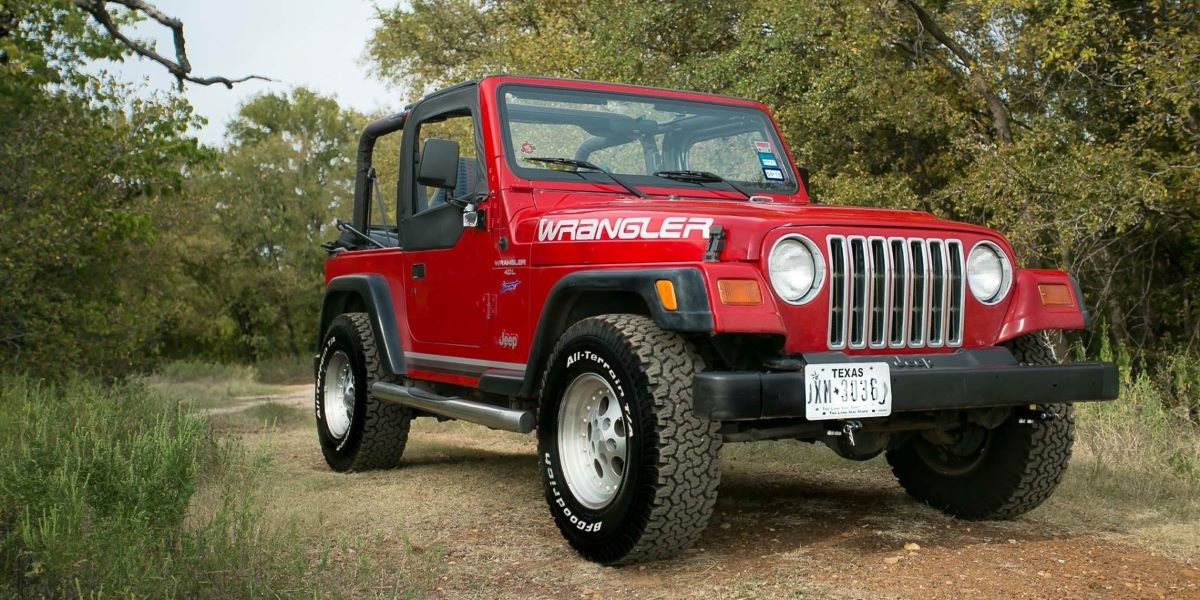
In fact, its straightforward mechanical layout means repairs are cheaper compared to modern Wranglers stuffed with electronics.
For US drivers who need a Jeep that doubles as a daily commuter and a weekend trail rig, the TJ is a dependable choice that truly embodies the Jeep spirit.
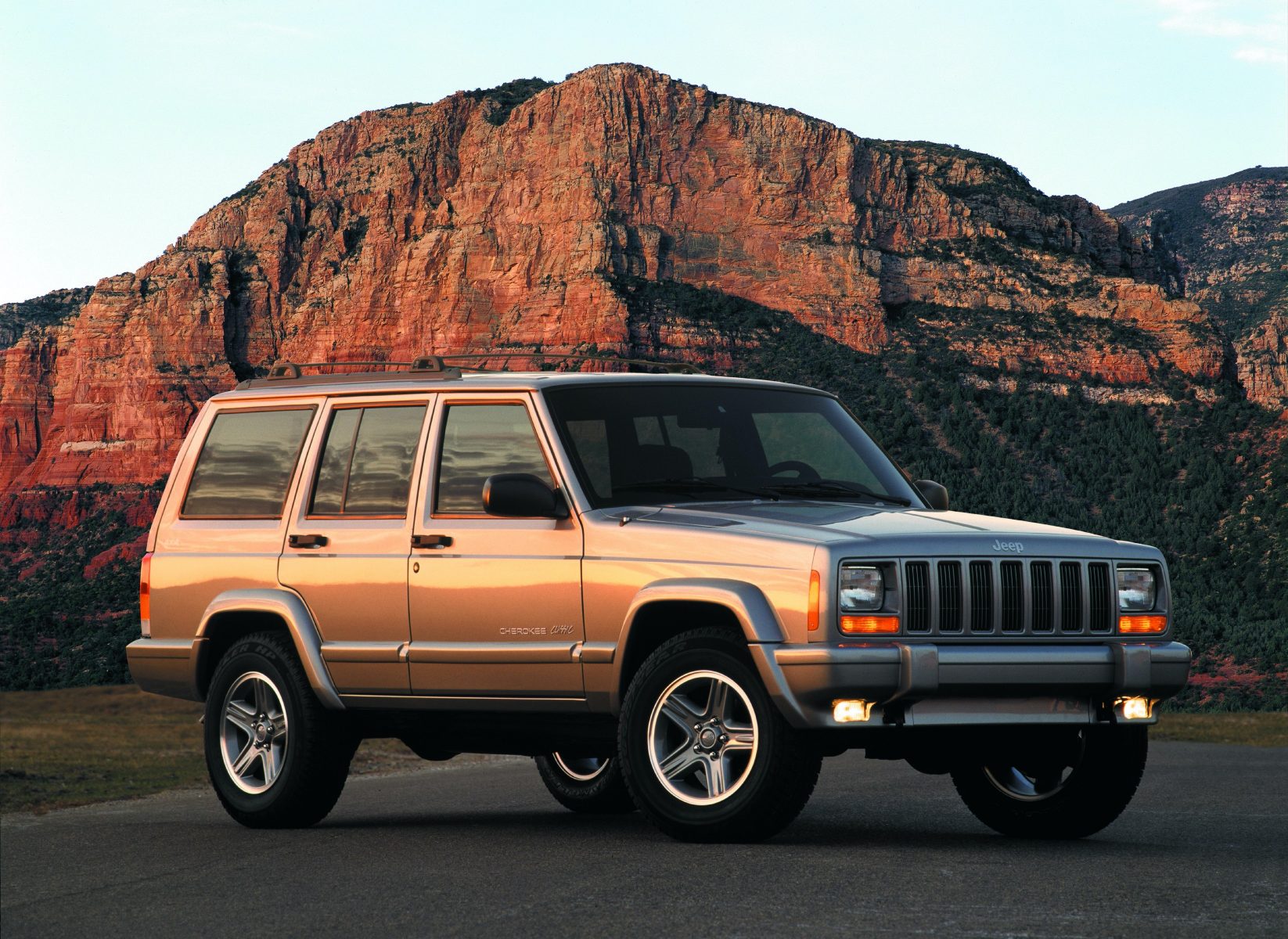
2. Jeep Cherokee XJ (1984–2001)
The XJ Cherokee remains one of Jeep’s greatest success stories. Lightweight, boxy, and practical, it helped popularize the SUV in America before the market exploded.
But more than nostalgia, it’s the mechanical toughness that keeps them on the road decades later. Like the Wrangler TJ, the XJ’s optional 4.0-liter inline-six engine is a legend in its own right.
This engine, paired with a rugged unibody frame and relatively straightforward electronics, has proven itself in climates ranging from the frozen Midwest to the desert Southwest.
While rust is its biggest enemy in the Rust Belt, a well-maintained Cherokee XJ can easily crest the 250,000-mile mark. In fact, many of the “beater” XJs still being sold for under $5,000 today continue to start up and run reliably something you can’t say for every SUV from the 1980s and ‘90s.
Without question, one of the most versatile and popular SUVs to come out of the seven-slot stable is the 2007–current Jeep Wrangler Unlimited JK.
With four doors, solid front and rear axles, and a host of interior comforts, it has secured its place as a top choice for both hardcore and recreational enthusiasts.
While the Unlimited JK is an excellent platform for builders, its price can be a barrier for some. Fortunately, there’s a more budget-friendly alternative for those looking to create a capable four-door SUV.
Enter the 1984–2001 Jeep Cherokee XJ. With unparalleled aftermarket support, widespread availability, and mechanical simplicity, the Cherokee XJ has developed a devoted following among enthusiasts.
Whether you’re a desert racer, rock crawler, or weekend adventurer, the XJ can be easily adapted to meet a variety of off-road needs. Its solid front and rear axles, multilink front suspension, leaf-sprung rear, and durable drivetrain make it a trail-proven favorite.
While the Cherokee’s unibody construction isn’t as inherently durable as a traditional body-on-frame design, it can be reinforced through welding and aftermarket kits.
As one of the last North American SUVs to feature a solid front axle, the Jeep Cherokee XJ made a monumental impact on the off-road hobby and industry.
Like many vehicles, some model years are more desirable than others, and understanding these nuances is key before selecting your next Cherokee XJ project.
Also Read: Top 12 Longest-Lasting Pickups Ever Built
3. Jeep Grand Cherokee WJ (1999–2004)
The Grand Cherokee has had a mixed reputation, but the WJ generation is one of its standouts for longevity. When equipped with the 4.0-liter inline-six or the 4.7-liter V8, the WJ can take serious mileage abuse.
It blended comfort with ruggedness, making it a favorite for Americans who wanted a vehicle that could tow, haul, and still take the family out for dinner.
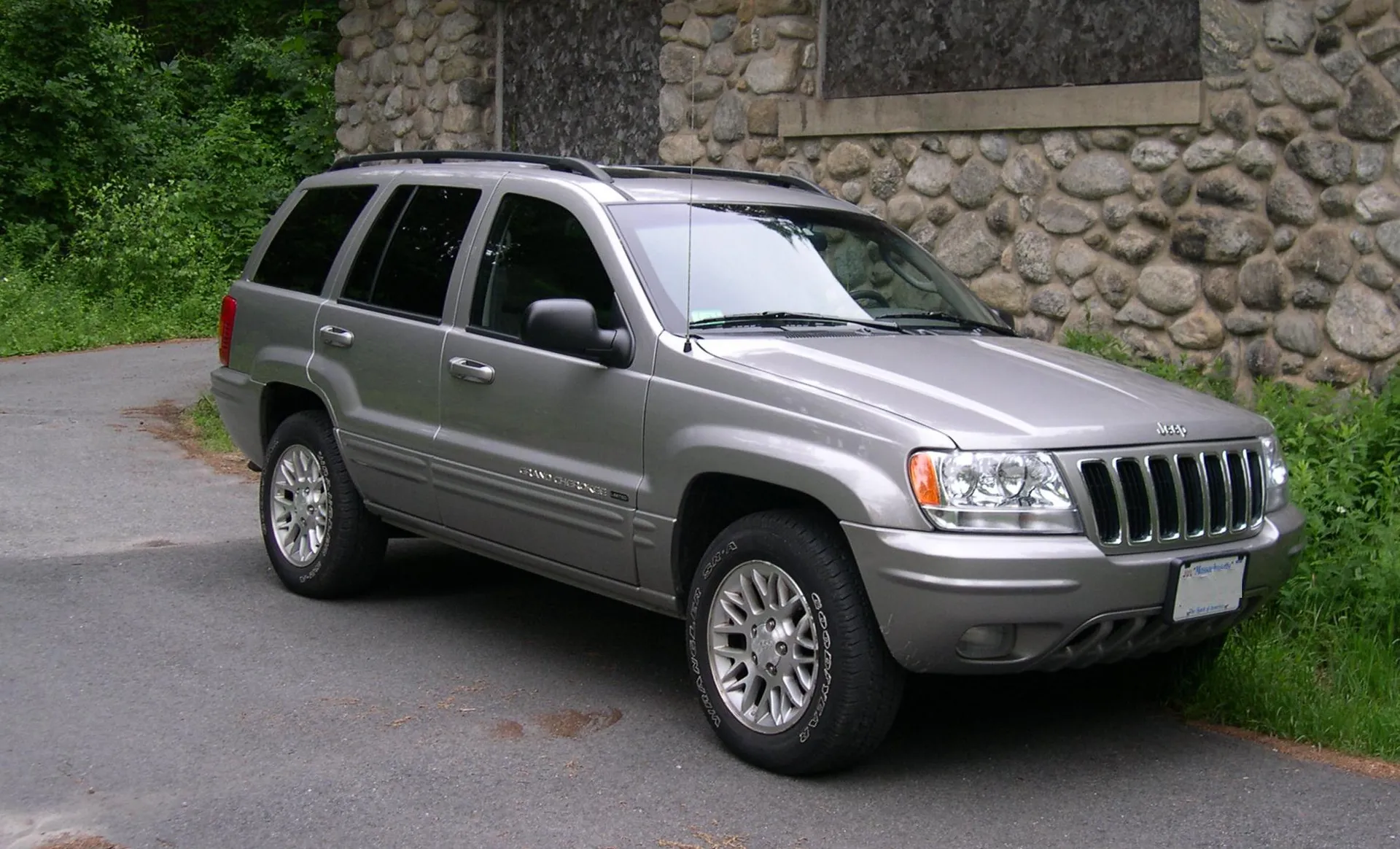
Unlike later generations, which suffered from more complex electronics and quality issues, the WJ kept things relatively straightforward.
Many examples with 200,000+ miles are still on the road today, particularly in rural states where owners appreciate their dependability.
After nearly a decade in production, the Jeep Grand Cherokee’s first generation came to an end in 1998. But as the beloved ZJ retired, a completely redesigned second-generation Grand Cherokee, the WJ, stepped into the spotlight.
Longer, taller, and more powerful than its predecessor, the WJ quickly became a favorite for those seeking a vehicle that combined style, capability, and comfort.
The WJ stood out immediately for its broader, more muscular stance, earning praise for its updated looks. Yet the second-gen Grand Cherokee wasn’t just about aesthetics.
Jeep packed the WJ with new technology and engineering improvements that enhanced its performance on both streets and trails. These well-rounded attributes helped the WJ achieve iconic status and set numerous sales records along the way.
From the start, Chrysler envisioned the Grand Cherokee as a leader in the growing domestic SUV market, which had long been dominated by Ford’s Explorer.
The WJ redesign was a deliberate step toward fulfilling this vision, addressing the evolving needs of SUV buyers. Cabin and cargo space were expanded, and refinements to the ride and drivability aimed to fix perceived shortcomings of the XJ Grand Cherokee, which had drawn some criticism from reviewers.
For all intents and purposes, the WJ was essentially “all-new,” reportedly sharing only 127 parts with its ZJ predecessor.
Chrysler introduced a new optional 4.7-liter V8 producing 235 horsepower, replacing the outgoing 5.2-liter V8.
The reliable 4.0-liter inline-six remained available as the standard engine, and for 1999 it received a new intake manifold that increased output to 195 horsepower.
The Grand Cherokee also debuted the Quadra-Drive four-wheel-drive system, allowing drivers to choose from multiple drive modes, including automatic 4WD.
Additional mechanical upgrades included a new three-link rear suspension for improved cornering stability and hydroformed tubular front and rear control arms for enhanced structural strength.
Practical improvements weren’t overlooked either. The spare tire was relocated from the rear cargo area to beneath the vehicle, freeing up storage space and addressing a common criticism of the first-generation Grand Cherokee.
4. Jeep Wrangler JK (2007–2018)
The Wrangler JK marked a turning point for Jeep. It was larger, more refined, and became a cultural phenomenon in the US, appealing to everyone from hardcore off-roaders to suburban families.
While some critics worried Jeep was moving too far from its utilitarian roots, the JK has proven it can hold up just as well as its predecessors. The 3.6-liter Pentastar V6 (introduced in 2012) has shown strong durability when properly maintained, often exceeding 200,000 miles.
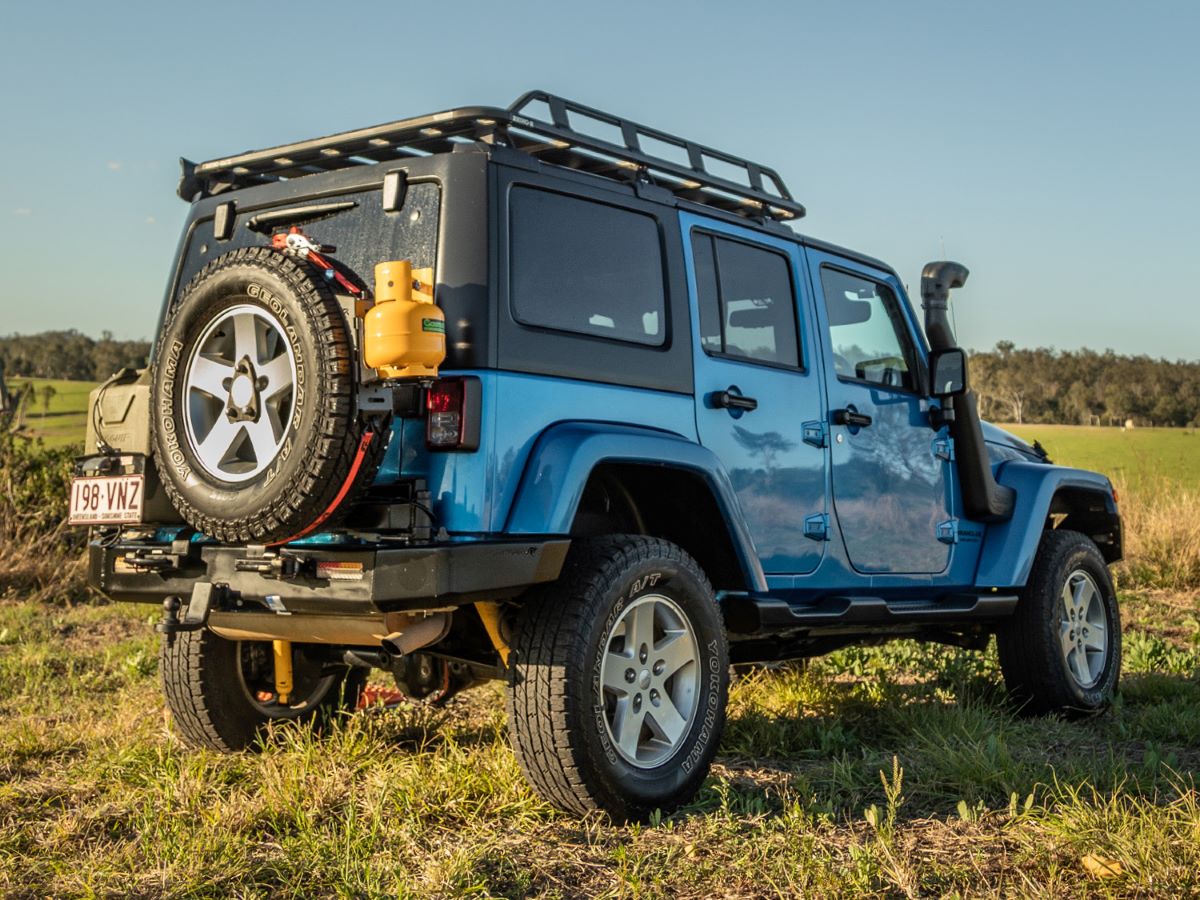
The JK’s suspension and frame are also tough, built to withstand years of trail abuse. For American drivers looking for a modern Jeep that blends daily usability with rugged reliability, the JK Wrangler still represents one of the best choices.
Also Read: 12 Pickups That Are Built to Last For Generations
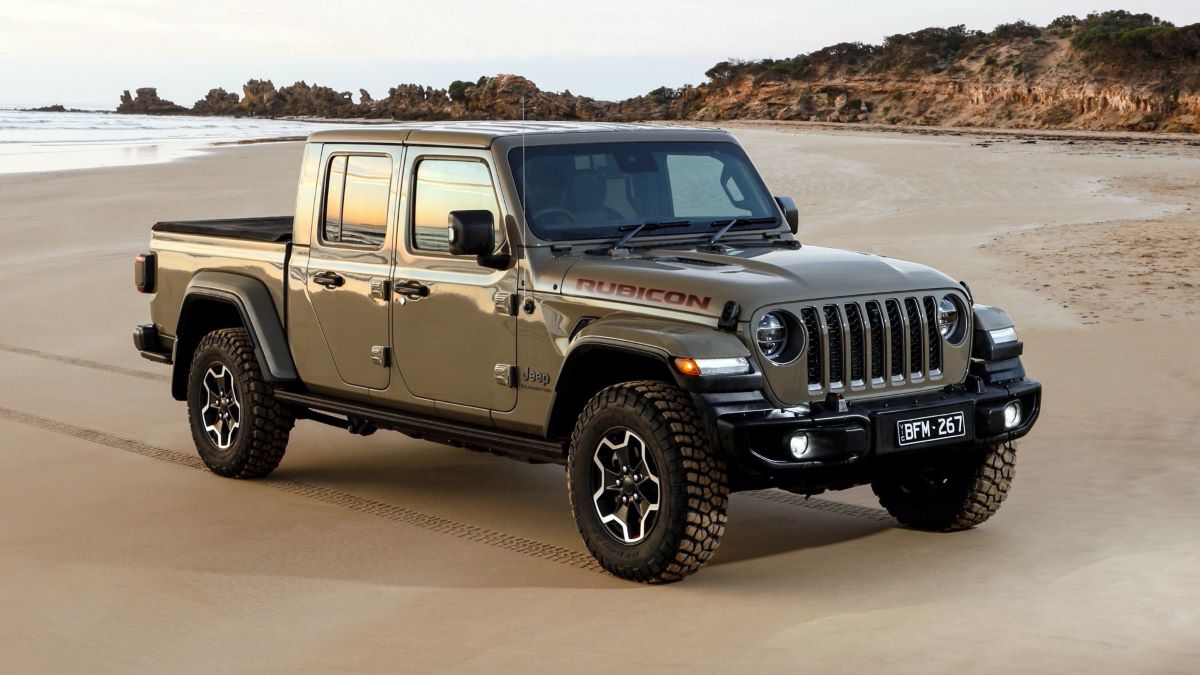
5. Jeep Gladiator (2020–Present)
While still relatively new, the Jeep Gladiator is quickly proving itself as one of the most robust models in Jeep’s lineup. Built on the Wrangler JL platform but with a longer wheelbase and a pickup bed, the Gladiator was designed with utility in mind.
Its 3.6-liter V6 is a known workhorse across multiple Stellantis products, and its manual transmission option appeals to traditionalists who value simplicity.
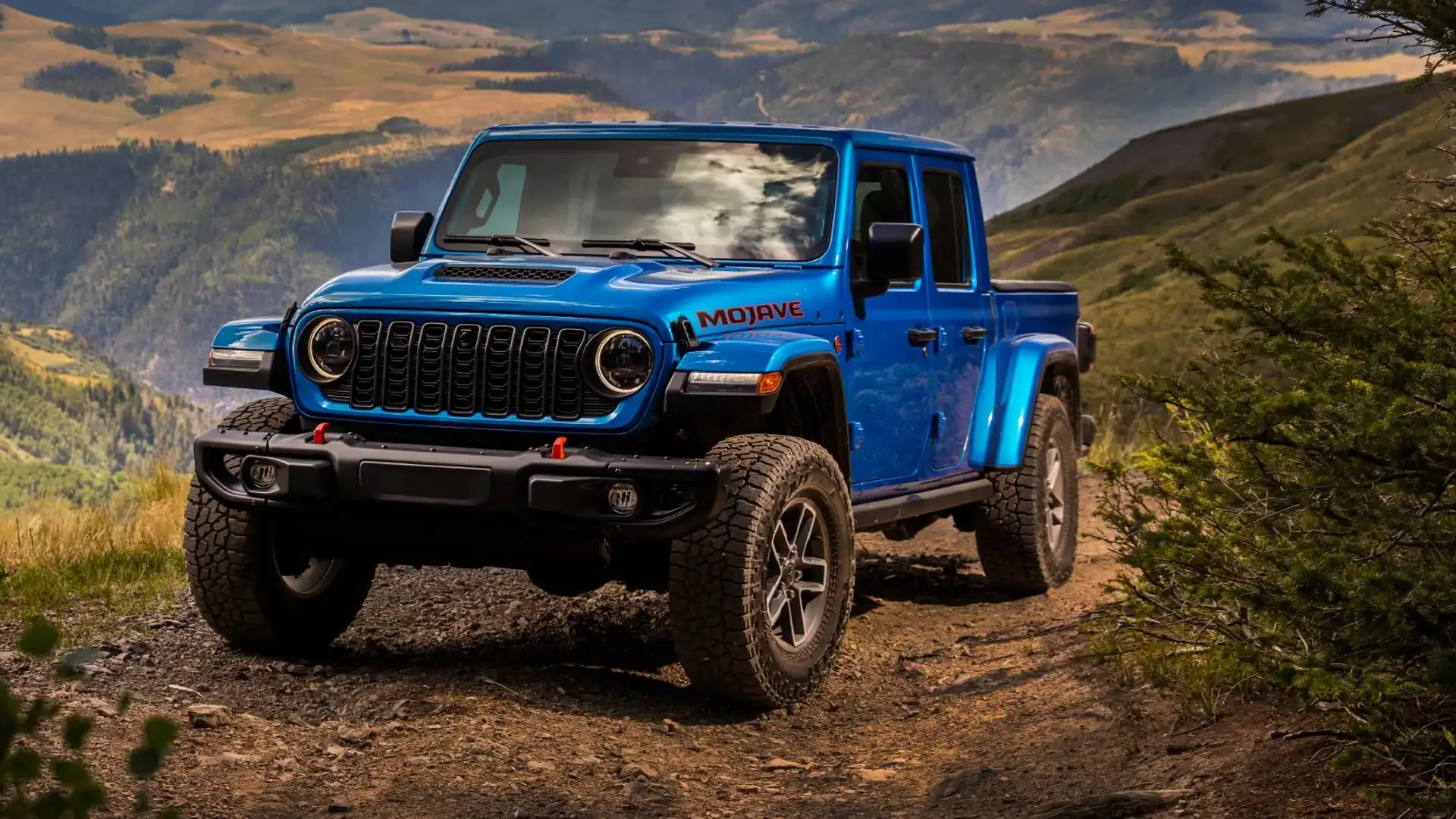
Early owners have praised its ability to endure long road trips, heavy towing, and off-road challenges without major issues.
If it follows the trajectory of its Wrangler roots, the Gladiator could be a 300,000-mile truck in the making something few midsize pickups can claim.
Jeep refreshed the Gladiator lineup for the 2024 model year, enhancing not only the truck’s interior but also its off-road capabilities, while giving its rugged design a subtle facelift.
The Gladiator first appeared between 1962 and 1988, receiving periodic updates throughout its original run. Jeep revived the nameplate in 2019 after a 31-year absence, during which the short-lived Comanche briefly filled the truck gap.
When Jeep finally reintroduced a go-anywhere, carry-anything pickup, it wisely built it on the ladder chassis of the Wrangler TJ. After four years on the market, the Gladiator needed a refresh to meet growing customer expectations for capability, comfort, and technology.
Exterior updates were modest but meaningful. The seven-slot grille received a new treatment with black textured slots, neutral gray metallic bezels, and body-color surrounds, giving the truck a fresher appearance.
The radio antenna was relocated from a traditional mast to the windshield, eliminating the risk of bending or breaking it while off-roading. For 2024, the Gladiator was offered in four trims, Sport, Willys, Mojave, and Rubicon, and came in nine color options.
Inside, the most significant upgrade was the infotainment system. The 2024 Gladiator now features a 12.5-inch touchscreen with the Uconnect 5 system, optimized for visibility even on sunny days with the roof removed.
The screen complements the 7-inch TFT instrument cluster, which displays information from the navigation system or onboard computer. Comfort remains ample for five passengers.
The Jeep Models That Can’t Go Forever
While Jeeps are famous for their rugged off-road capabilities, not every model is built to last indefinitely. Some fall short when it comes to reliability, maintenance costs, or long-term durability.
In this article, we’ll take a closer look at the Jeep models that can’t go forever, vehicles that might get you through a few adventures but are likely to demand more than their fair share of attention over time.
1. Jeep Liberty (2002–2012)
The Liberty was intended as a Cherokee successor, but it quickly gained a reputation for unreliability. While it sold well in the US during its run, mechanical issues plagued owners.
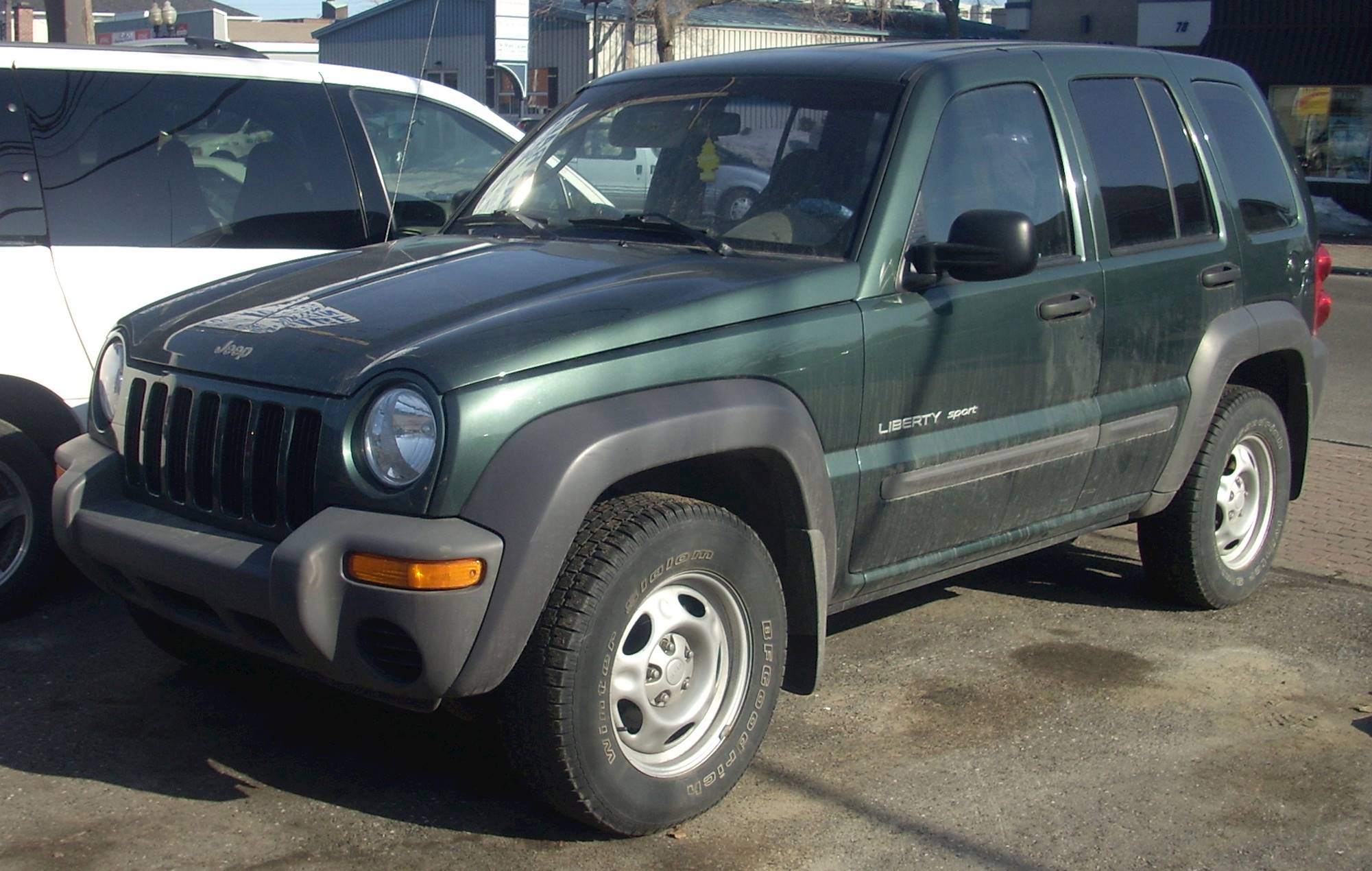
The V6 engines, particularly the 3.7-liter, were prone to early failure if not meticulously maintained, while suspension components wore out faster than expected.
Electrical problems also became common as the miles racked up. Today, finding a Liberty with over 200,000 miles is rare, and when you do, it usually requires costly repairs to keep running.
2. Jeep Compass (First Generation, 2007–2017)
When Jeep introduced the Compass, it targeted the growing compact crossover market. Unfortunately, the first-gen Compass was far from Jeep’s best effort. Built more for affordability than durability, it lacked the ruggedness the Jeep badge promised.
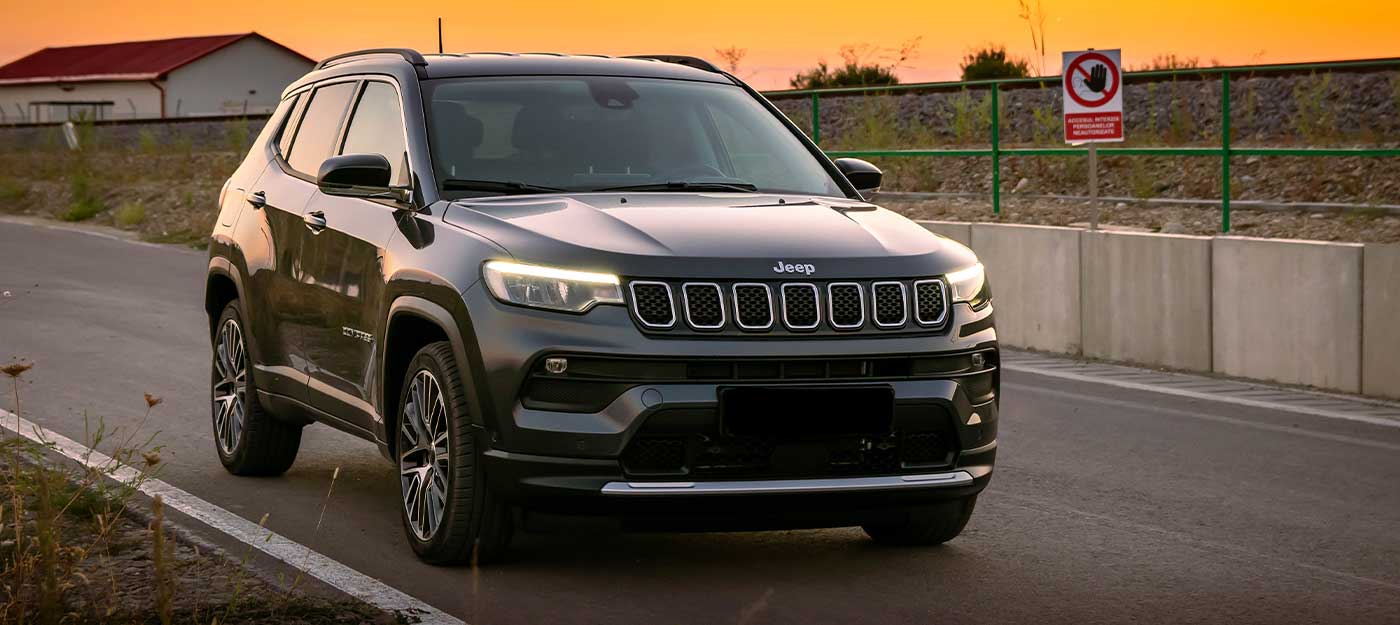
The weak 2.0 and 2.4-liter four-cylinder engines struggled with longevity, while CVT transmissions often failed well before the 150,000-mile mark. For American buyers expecting the same Jeep toughness as a Wrangler or Cherokee, the Compass was often a disappointment.
Jeep spent nearly three years preparing the second-generation Compass for the European market, carefully adapting the model to meet local customer expectations.
The new Compass offered significant improvements over its predecessor, maintaining Jeep’s signature off-road capability while adding greater comfort and street-friendly features to appeal to European buyers.
The second-generation Compass drew design cues from the Grand Cherokee, featuring horizontal headlights with clear lenses flanking the classic seven-slot grille, available with chrome inserts.
The hood included a center bulge and a double break line, while the lower bumper incorporated a mid-section with an air intake seamlessly integrated into a matte-black element, mimicking a skid plate. Fog lamps surrounded by chrome accents completed the front-end styling.
From the side, the Compass presented a classic crossover silhouette with off-road hints emphasized by black-trimmed, square-shaped wheel arches and matching side sills.
At the rear, the Compass featured a slightly forward-tilted tailgate, a roof spoiler, and LED taillights, completing a compact SUV that combined rugged appeal with refined styling.
3. Jeep Patriot (2007–2017)
Sharing much of its DNA with the first-generation Compass, the Patriot fell into the same trap of being underpowered and underbuilt. While marketed as a budget-friendly Jeep, it lacked the longevity of its more traditional siblings.
CVT issues plagued owners, and the smaller engines simply didn’t have the staying power. While some Patriots soldier on past 150,000 miles, they rarely achieve the kind of legendary durability Jeep’s older models are known for.
For drivers in the US who wanted a cheap entry into the Jeep family, the Patriot often ended up costing more in long-term repairs than expected.
With two compact SUVs already in its lineup, one might wonder why Jeep introduced the 2007 Patriot.
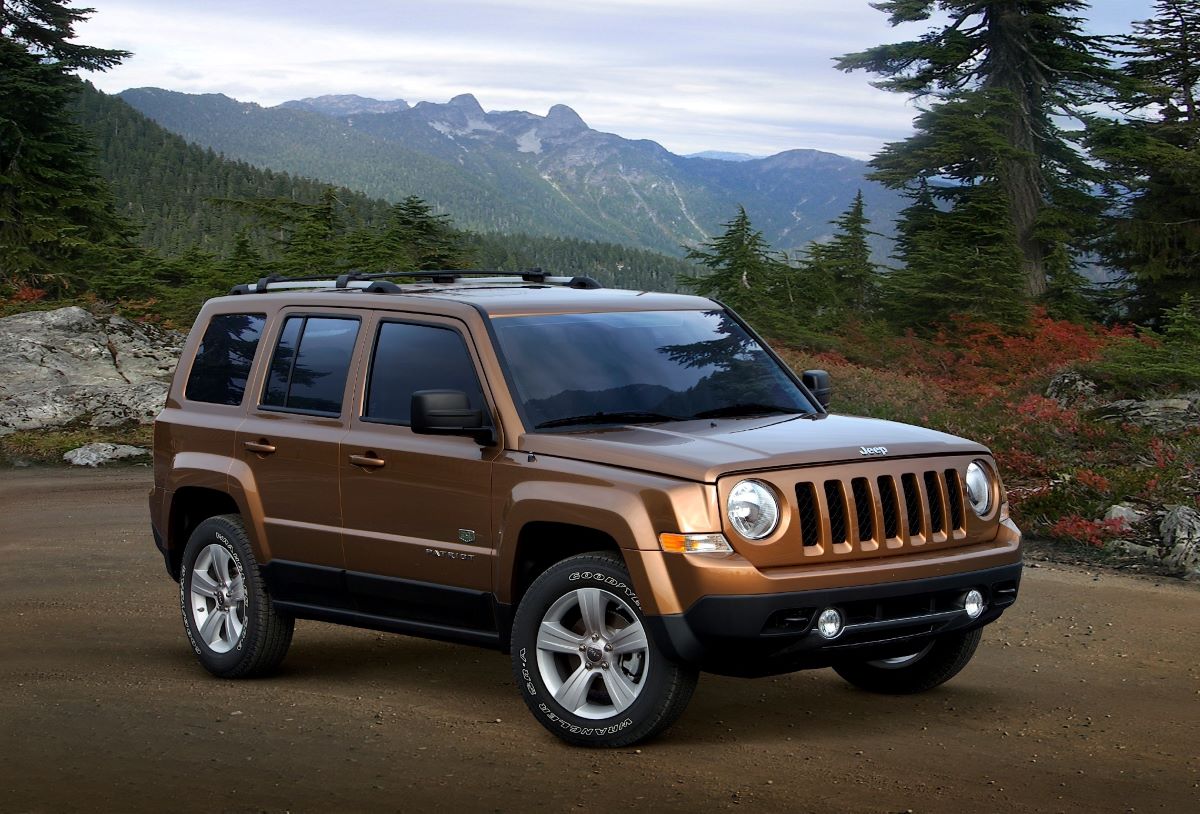
While it’s as “macho” as a car-based SUV can be, the Patriot offered features that reinforced its Jeep credentials. The all-wheel-drive version could be equipped with a low-range ratio for steeper trails and a full set of skid plates to protect against rock damage.
With the optional “Freedom Drive II” off-road package, the Patriot earned Jeep’s “Trail Rated” badge, signaling it was better suited for challenging terrain than the more street-oriented Compass, even if it didn’t match the Liberty or Wrangler in off-road agility.
Styling-wise, the Patriot resembled a two-thirds-scale Commander or a modern take on the classic Cherokee. Its seven-slot grille, strong beltline, rectangular body, and bulging fender flares gave it a rugged, ready-for-adventure appearance designed to appeal to young, active buyers.
Customers could choose front- or all-wheel drive, with just two trim levels available. Power came from a 172-horsepower, 2.4-liter inline-four shared with the Compass and Caliber, mated to either a five-speed manual or a continuously variable transmission (CVT).
Starting at around $15,000 for a front-wheel-drive model, the 2007 Patriot provided an affordable entry into Jeep’s rugged image and styling.
Its closest competitors at this price, such as the Hyundai Tucson and Kia Sportage, offered larger interiors and longer warranties but couldn’t match the Patriot’s power, towing capacity, or off-road readiness.
4. Jeep Commander (2006–2010)
The Commander was Jeep’s attempt to build a three-row SUV, but it struggled in execution. While it looked rugged and offered available HEMI power, the Commander was notorious for reliability issues.
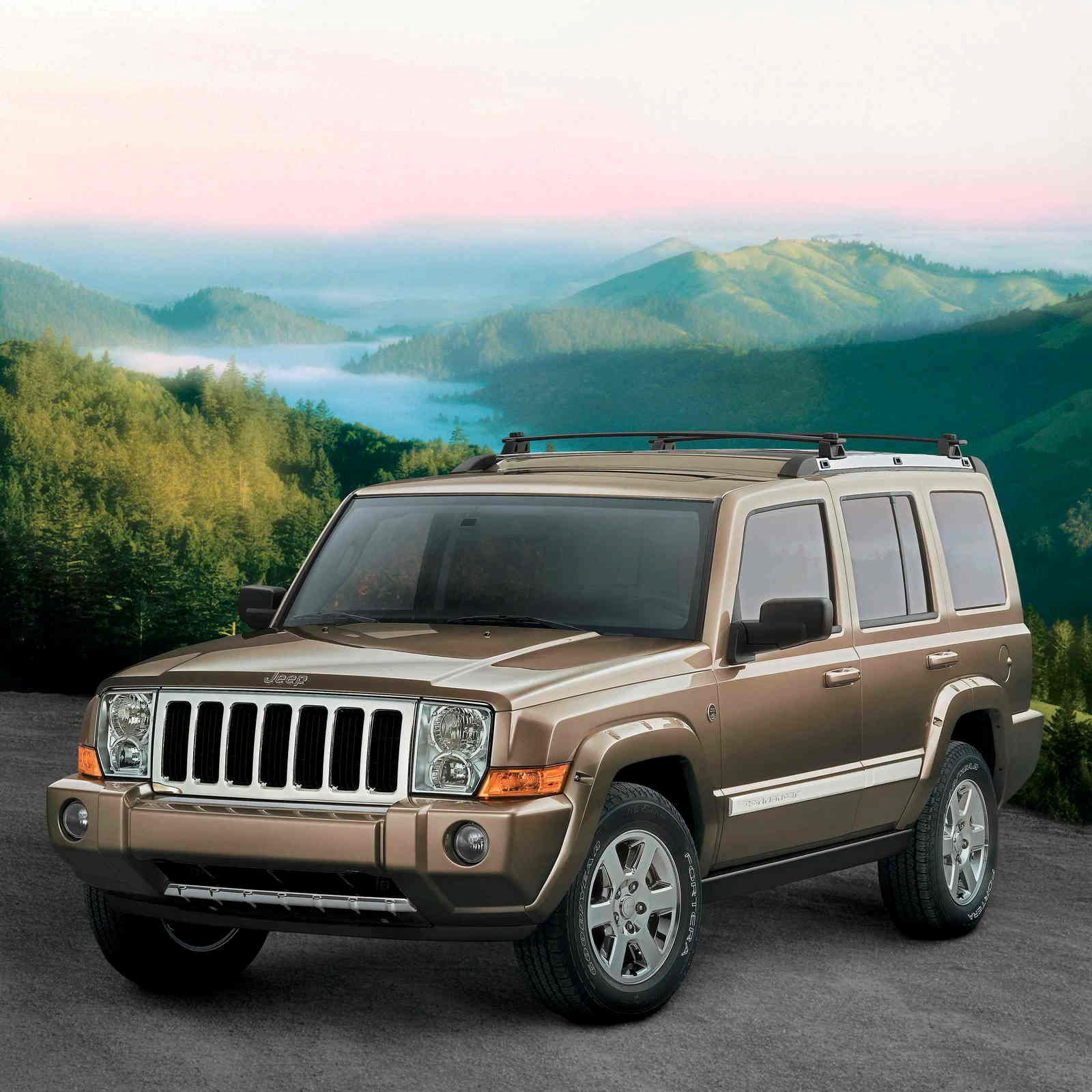
Transmission failures, electrical gremlins, and cooling system problems were all too common. Add in its poor fuel economy, and the Commander failed to earn a long-lasting reputation.
Few examples today are seen with mileage exceeding 200,000, and many owners reported expensive repairs by the time they hit 100,000 miles.
Jeep practically invented the sport-utility vehicle during WWII, when the military needed a rugged, lightweight, and highly maneuverable vehicle capable of handling the harshest roads and trails.
More than sixty years later, the brand remains a symbol of off-road prowess. Yet for Jeep enthusiasts, two ingredients were still missing from the lineup: a true three-row SUV and a boxy, no-nonsense design.
The departure of the Cherokee left a noticeable gap in Jeep’s roster. While the Liberty filled the void functionally, it lacked the rugged, “real” SUV look that made the Cherokee so beloved.
Enter the all-new Jeep Commander, which checks both boxes. Its styling is decidedly boxy and hard-edged, clearly Cherokee-inspired, and inside, it offers the much-desired third-row seat.
The 2006 Commander is based on the Grand Cherokee platform, sharing running gear, major mechanicals, and much of its off-road capability.
Buyers can trust that the Commander will handle moderate trails with ease. It has the same wheelbase as the Grand Cherokee and is only two inches longer, making it maneuverable on city streets as well as off-road.
Its greater overall height allows for stadium-style seating in the second and third rows, improving forward visibility. However, the third row remains cramped, a common compromise in midsize SUVs, while cargo volume is limited compared to some competitors.
Overall, the 2006 Jeep Commander is designed for buyers who want a trail-capable, seven-passenger SUV with a distinctive, rugged appearance.
While it isn’t alone in the market for buff, capable SUVs, the Commander stands out with its combination of Jeep heritage, off-road ability, and unique styling
5. Jeep Cherokee KL (2014–2023)
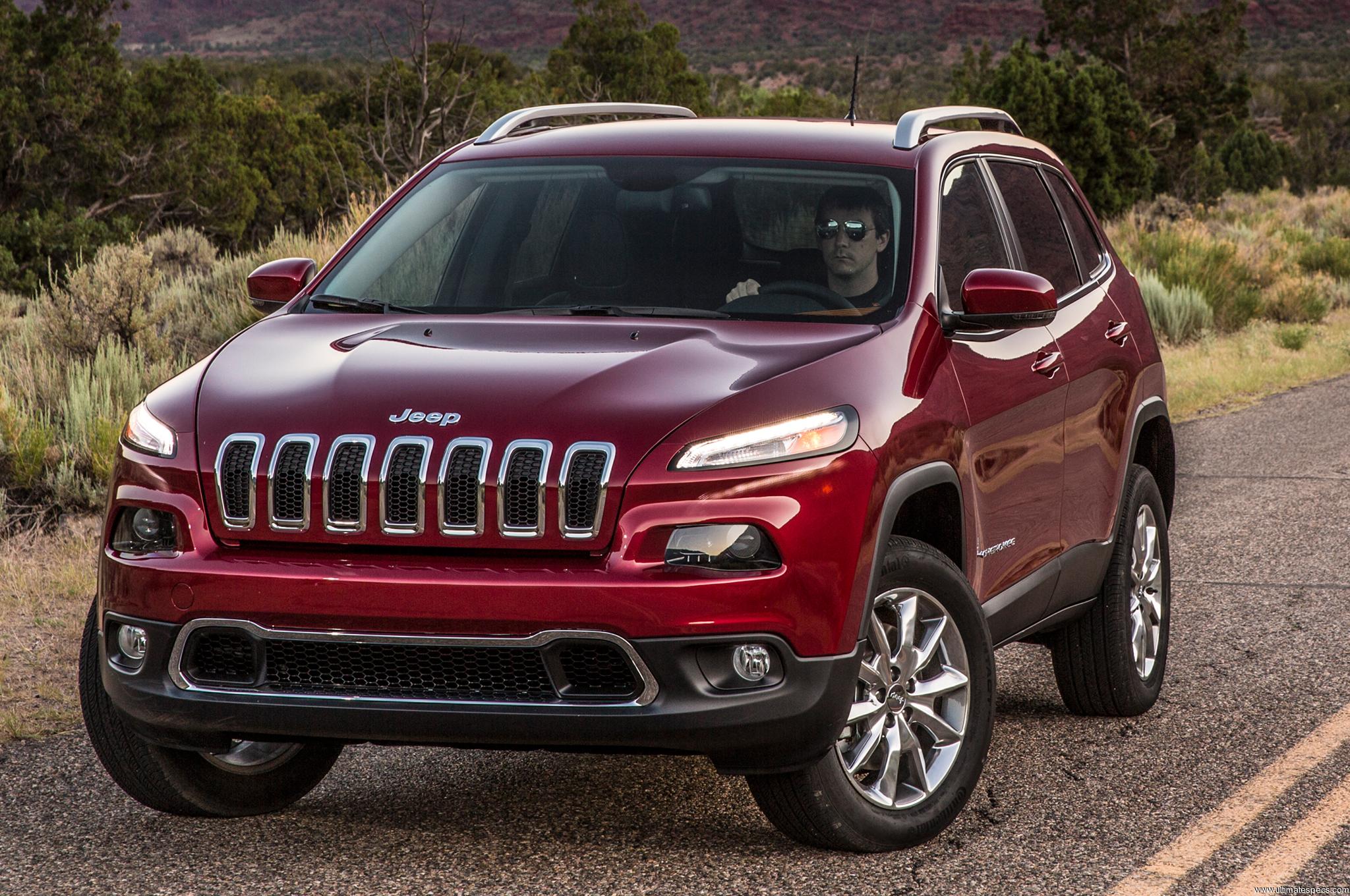
The modern Cherokee revived a legendary nameplate, but it came with a mixed legacy. The styling was polarizing, and the reliability was inconsistent at best.
The 9-speed automatic transmission became infamous for its jerky operation and frequent failures, while the 2.4-liter Tigershark engine developed issues with oil consumption.
Though some owners managed respectable mileage, many reported costly repairs before reaching 150,000 miles. In a market where Toyota RAV4s and Honda CR-Vs often push 300,000 miles, the Cherokee KL simply couldn’t match that kind of staying power.
Jeep has always held a special place in American culture, representing adventure, resilience, and a connection to the outdoors. But as with any automaker, not every model has lived up to its reputation.
The Wrangler TJ and Cherokee XJ have rightfully earned their spots as legends capable of lasting decades, while models like the Liberty or Commander stand as reminders that not all Jeeps were built with the same level of durability.
For US buyers especially those who live in tough climates or rely on their vehicles for both work and recreation choosing the right Jeep can make the difference between a vehicle that’s still running strong after 250,000 miles and one that leaves you stranded at 120,000.
When in doubt, stick with Jeep’s more proven models, particularly those with the inline-six or Pentastar engines. In the world of Jeeps, the difference between a legend and a liability is often just one model year away.