
When people talk about car reliability, most think about engines, fuel efficiency, or how long the brakes last. But ask any mechanic and they’ll tell you the transmission is the heart of the car’s longevity.
A bad transmission means expensive repairs, often running into thousands of dollars. That’s why choosing a vehicle that rarely needs transmission work is one of the smartest decisions a car buyer can make. Since 2010, automakers have been stepping up their game, focusing not just on performance but also on making transmissions more durable.
Some manufacturers use tried-and-tested designs like conventional automatics, while others experiment with CVTs (continuously variable transmissions). However, not all CVTs or automatics are equal some are notorious for problems, while others are bulletproof.
Drivers looking for peace of mind want cars where transmission issues almost never make it to the repair shop. This list is built exactly for that. We’re not just highlighting cars that are fun or stylish; we’re focusing on models that mechanics see less often for transmission breakdowns.
These cars are backed by years of consumer reports, reliability rankings, and real-world ownership experiences that prove their transmissions can go the distance with proper maintenance.
Whether you’re after a commuter sedan, a family SUV, or something versatile that won’t stress you out with repair bills, the vehicles listed here are all strong contenders.
From Toyota’s near-legendary reliability to Honda’s balance of performance and practicality, and even some newer surprising players like Hyundai and Kia, there’s a wide range of options. If you value dependability and want to avoid costly transmission overhauls, these are the cars worth putting on your shortlist.
10 Cars That Rarely Need Transmission Work
Since 2010, automakers have been improving reliability standards, but some brands clearly outperform the rest when it comes to keeping transmissions solid for the long haul.
Toyota and Honda have consistently set the benchmark with transmissions that can often last well past 200,000 miles without significant issues. Lexus, Toyota’s luxury division, benefits from the same engineering principles, while Mazda has impressed drivers with transmissions that balance efficiency and dependability.
SUVs also make the list, with models like the Honda CR-V, Toyota RAV4, and Subaru Outback showing strong durability. These vehicles are built for families and long commutes, so their transmissions are engineered to handle heavy daily use.
Hyundai and Kia, which were once criticized for lower reliability, have dramatically improved their build quality since 2010. Models like the Hyundai Elantra and Kia Soul now hold their own when it comes to dependable drivetrains.
Each car in this list has built a reputation for rarely showing up in a shop for transmission failure. Of course, routine maintenance like fluid changes and sensible driving habits always play a role. But if you’re looking for cars that hold up strong in real-world use, these ten are the standout choices.
1. Toyota Corolla
The Toyota Corolla has always been the go-to choice for drivers who want reliability above all else. Post-2010 models continue that tradition, and one of the biggest reasons is the transmission. Toyota has always played it safe with the Corolla, sticking to tried-and-true automatic designs and later moving into CVTs that, unlike many competitors, don’t give owners endless headaches.
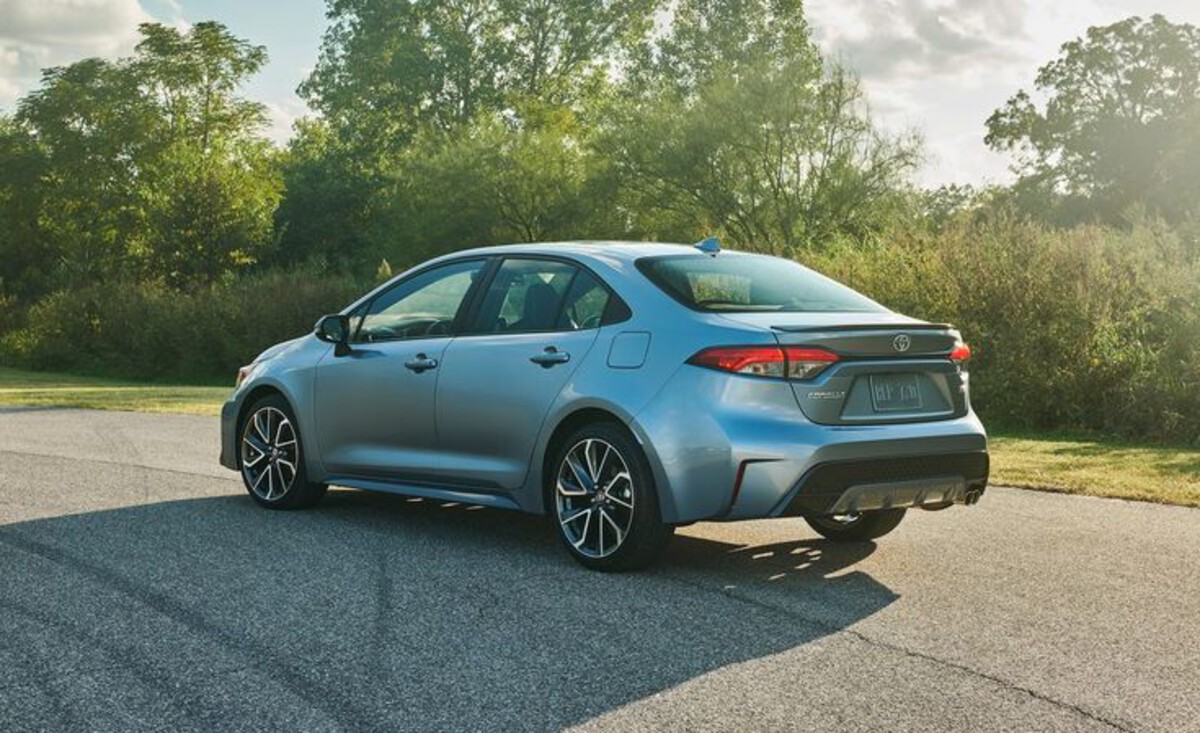
The 2010–2013 Corolla models used 4- and 5-speed automatics, which may sound old-fashioned, but their simplicity is the key to their long-term success. These transmissions don’t have the complicated parts that typically fail in modern systems. Many owners report clocking more than 200,000 miles with little more than regular fluid changes.
From 2014 onwards, Toyota introduced CVTs in most Corolla trims. While CVTs often have a reputation for poor durability, Toyota’s design was carefully tuned and continues to prove itself with fewer failures compared to Nissan or other automakers.
Another reason the Corolla rarely has transmission issues is the way most people use it. It’s designed as a commuter car, not a heavy hauler or performance vehicle.
That means the transmission isn’t constantly under stress. Ask any mechanic, and they’ll tell you: Corolla transmission work is rare, with routine fluid replacement being the only real service required. For drivers wanting the ultimate low-maintenance daily driver, the Corolla is as close to worry-free as it gets.
ALSO READ: 12 Trucks With the Strongest Frames Ever Built
2. Honda Accord
The Honda Accord is one of the most balanced sedans you can buy reliable, comfortable, and with a solid reputation for transmissions that don’t give out easily. Since 2010, Honda has used a mix of 5-speed automatics, 6-speed automatics, and CVTs depending on the trim. The V6 versions kept a conventional automatic, while the four-cylinder models adopted CVTs in later years.
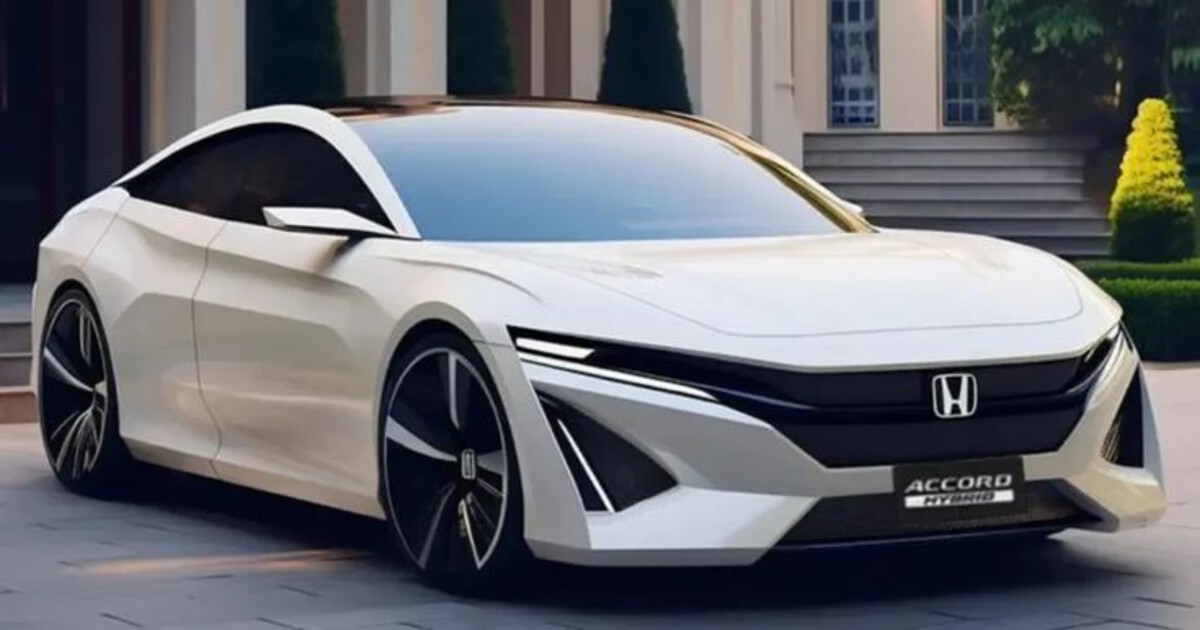
Honda’s CVTs have a much better reputation than most. While Nissan CVTs often fail early, Honda spent years refining the technology before putting it into the Accord.
The result is a transmission that feels smooth and rarely experiences catastrophic issues. Owners regularly hit 200,000 miles without facing major transmission repairs. Even the older 5- and 6-speed automatics in the 2010–2012 models are known to last ages, requiring nothing more than occasional fluid changes.
One of the Accord’s strengths is how it balances efficiency and performance. The transmissions are tuned not just for reliability but also for a responsive drive.
This means you get a sedan that’s enjoyable without sacrificing peace of mind. Mechanics often say the Accord is one of the least troublesome midsize sedans they see for transmission work. If you’re looking for a car that combines practicality with long-lasting dependability, the Accord easily earns its place on this list.
3. Toyota Camry
The Toyota Camry is practically a legend when it comes to family cars, and much of that reputation comes from its strong, dependable transmission. Since 2010, the Camry has mainly used 6-speed automatics, later moving to 8-speed automatics from 2018 onward. While newer 8-speeds had some early complaints about shift feel, they still don’t show widespread failures.
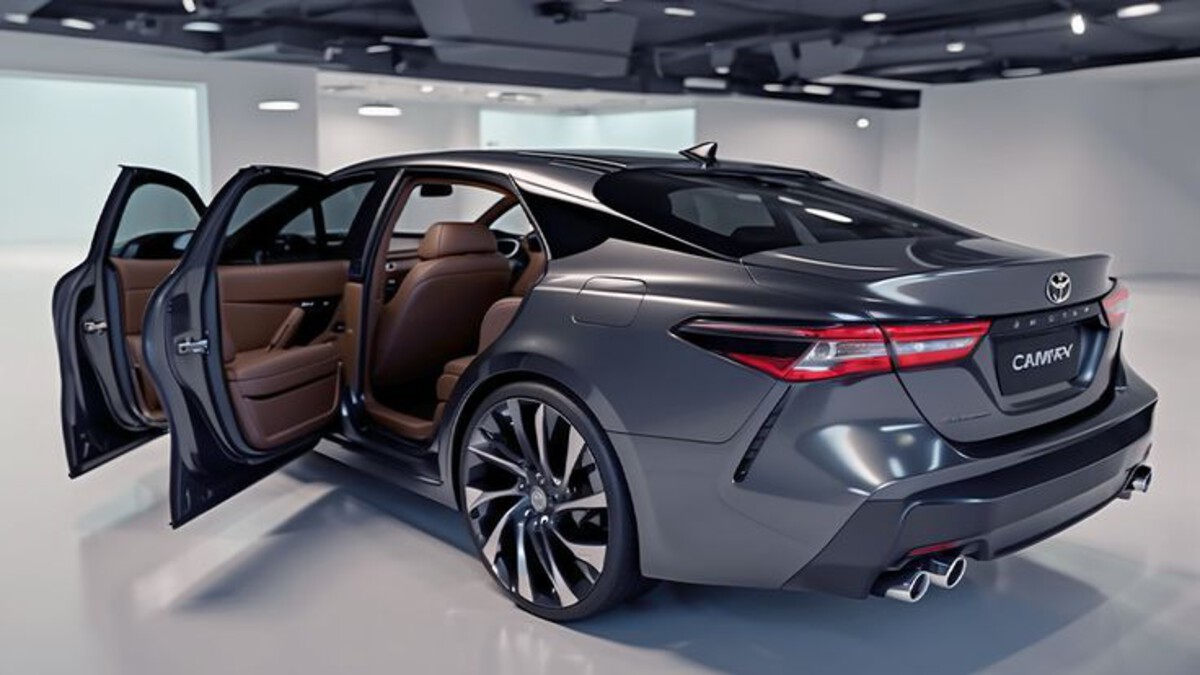
Toyota’s strategy is all about longevity. The Camry doesn’t push its transmission too hard the design focuses on smooth operation and low stress. This is why so many Camrys reach 250,000 miles or more without needing transmission replacement. Owners often note that the only service they do is change transmission fluid every 50,000–60,000 miles, and the car just keeps running.
Mechanics often describe the Camry’s transmission as “boring but bulletproof.” It may not be the sportiest to drive, but its predictability means fewer failures. Toyota’s philosophy of refining proven designs instead of rushing experimental technology gives the Camry a serious edge over rivals.
If you’re looking for a sedan that provides comfort, reliability, and very little drama, the Camry is one of the safest bets you can make. Its transmission is one of the reasons it remains a best-seller year after year.
4. Lexus ES
Luxury cars often come with high repair costs, especially when it comes to transmissions. But the Lexus ES is a rare exception. Since 2010, the ES has built its reputation on delivering a luxury experience with Toyota-level dependability. Under the hood, you’ll find either a 6-speed or 8-speed automatic, both of which are derived from the Toyota Camry’s proven designs.
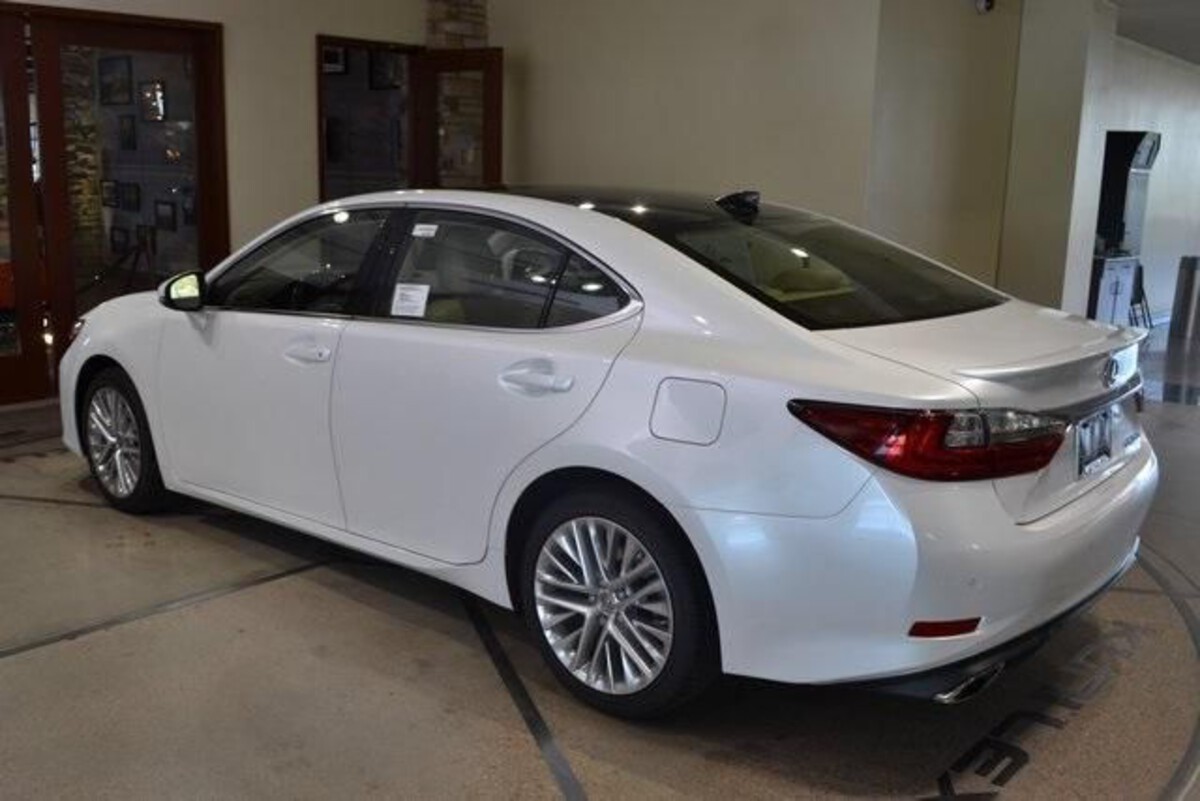
The result? A transmission that delivers silky smooth shifts while lasting well over 200,000 miles. Owners often report that their ES sedans drive just as smoothly at 150,000 miles as they did on day one. Transmission breakdowns are almost unheard of, and mechanics will tell you that the ES mainly comes in for basic service, not major transmission work.
What makes the ES stand out is Lexus’s commitment to quality control. Every transmission is carefully inspected and tested before being shipped, reducing the chance of long-term issues. The ES is also designed for comfort, not aggressive driving, which helps keep its transmission under less stress compared to performance-oriented luxury sedans.
For buyers who want refinement without sacrificing reliability, the Lexus ES is one of the best options. It combines the comfort of a luxury car with the bulletproof transmission engineering that Toyota has mastered.
5. Honda CR-V
The Honda CR-V has been a favorite compact SUV for families and commuters alike, and its strong transmission reliability is a big part of why. Early 2010–2014 models used a 5-speed automatic, which is widely regarded as one of Honda’s most dependable. Later models switched to CVTs, and unlike many CVT-equipped SUVs, the CR-V’s has held up impressively well.
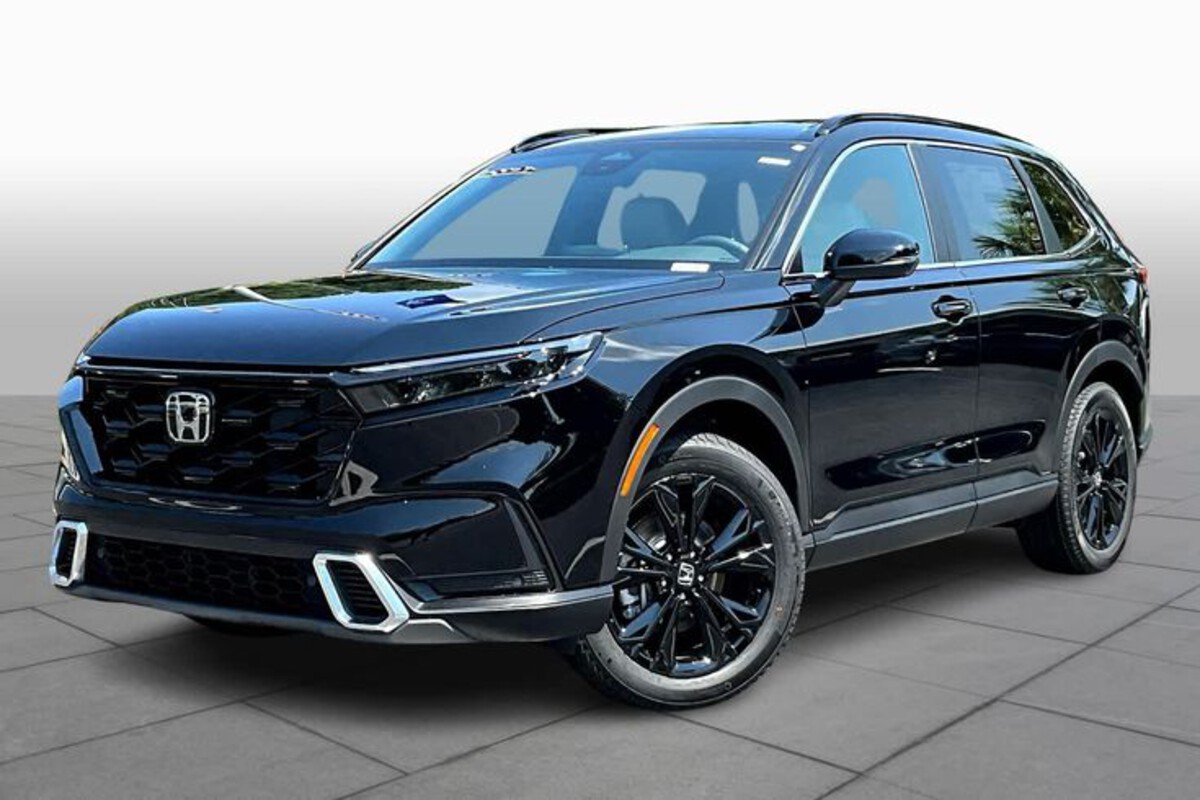
Owners often say their CR-Vs run past 200,000 miles without major issues. Transmission problems are so rare that the most common “complaints” usually come down to minor software updates or fluid changes. In fact, many CR-V owners never experience a transmission failure throughout the life of the car.
The CR-V’s transmission reliability is also thanks to Honda’s cautious engineering. They don’t push the transmission to extremes, instead opting for smoothness and efficiency. The CR-V is designed to handle daily commuting and family errands, not high-stress towing or racing, so its transmission enjoys a long, low-stress life.
Mechanics often recommend the CR-V as a safe bet for anyone who wants a worry-free SUV. If you keep up with routine fluid service, chances are you’ll never face a transmission rebuild. That makes it a great long-term choice for drivers who prioritize dependability and low cost of ownership.
6. Mazda CX-5
Mazda isn’t always the first name that comes to mind for reliability, but the CX-5 has changed that perception since its debut in 2013. One of the smartest decisions Mazda made was sticking with a traditional 6-speed automatic instead of a CVT. This choice has paid off big time, as the CX-5’s transmission is praised for both dependability and driving enjoyment.
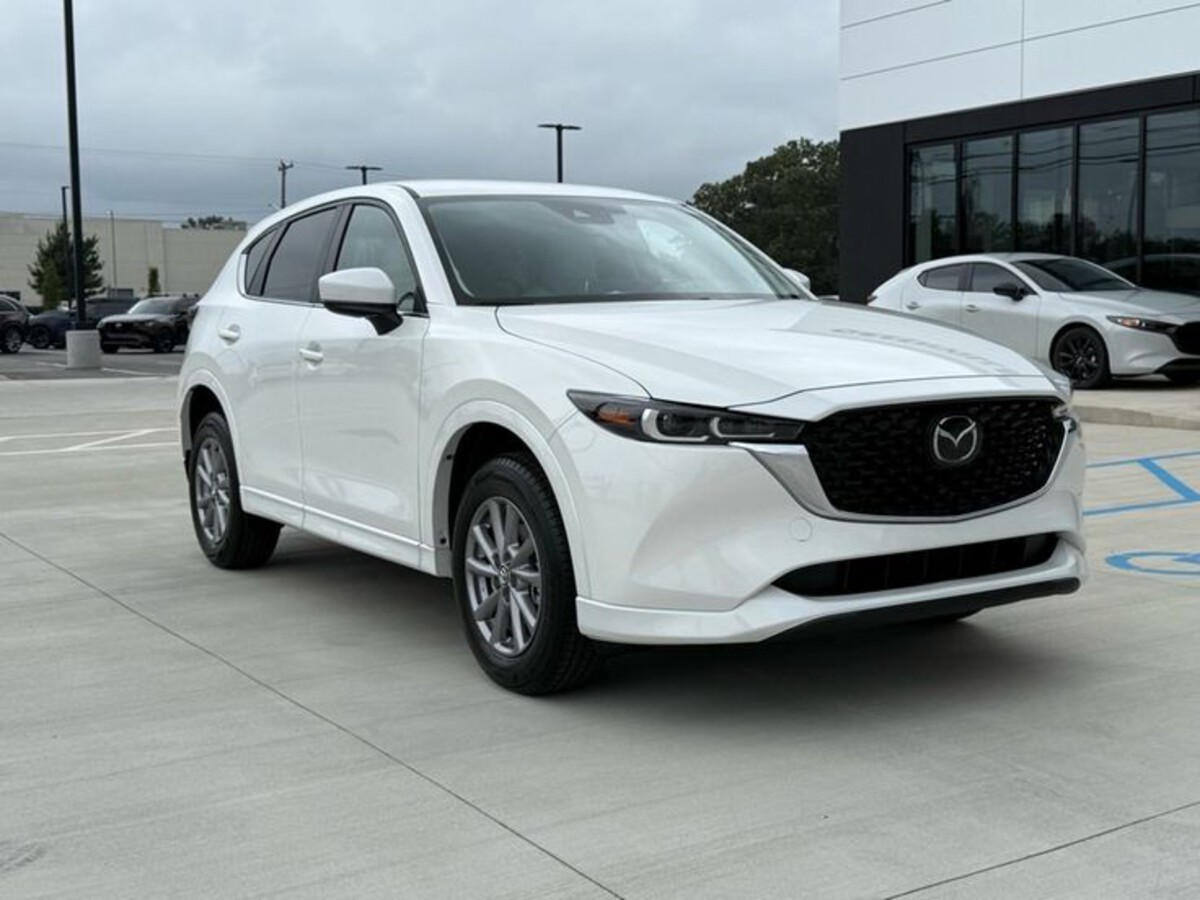
Owners love how the CX-5’s transmission shifts. It’s responsive, smooth, and feels more engaging than many competitors in the compact SUV space. But the best part is its durability. Reports of CX-5 transmission failures are rare, and with regular maintenance, many owners easily surpass 200,000 miles without major repairs.
Another factor in its reliability is Mazda’s focus on balance. The CX-5 is built for everyday use, not extreme stress, and the transmission design reflects that. It’s strong enough to handle daily driving, but not overcomplicated with fragile parts.
For anyone who wants an SUV that’s not just dependable but also fun to drive, the CX-5 hits a sweet spot. It proves you don’t need to choose between driving enjoyment and reliability. With its transmission rarely giving owners headaches, the CX-5 is one of the best picks in its segment.
Also Read: 7 Cars With Seat Designs That Refuse to Wear Out
7. Toyota RAV4
The Toyota RAV4 is one of the most popular SUVs on the planet, and much of its reputation comes from being virtually indestructible. Transmission reliability plays a huge role here.
Between 2010 and 2018, most RAV4s used 4- and 6-speed automatics simple, time-tested designs that just don’t fail often. From 2019 onward, Toyota introduced an 8-speed automatic, which has also proven durable so far.
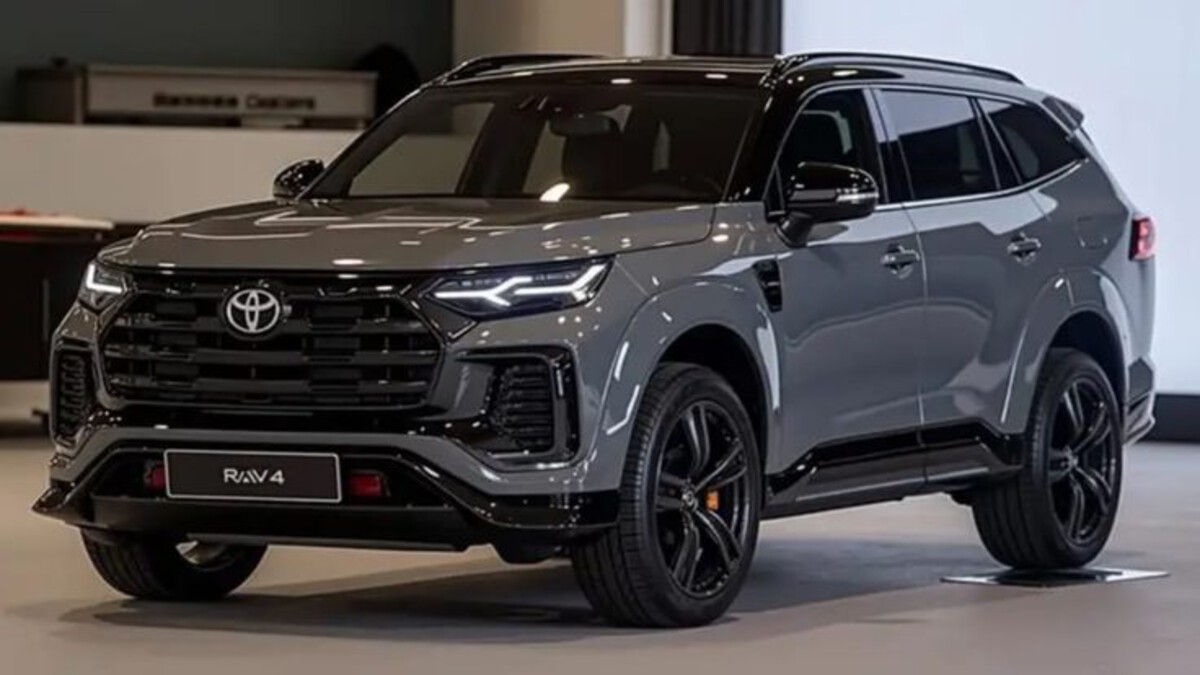
Owners consistently report that their RAV4s run for hundreds of thousands of miles with minimal issues. When problems do arise, they’re usually minor, like a sensor or software tweak, not full transmission replacements. Regular fluid changes keep these transmissions working smoothly for years.
What makes the RAV4 special is Toyota’s commitment to gradual innovation. Instead of rushing into CVTs or dual-clutch systems like some rivals, Toyota sticks to proven automatics and refines them. This cautious approach means fewer risks of widespread transmission problems.
For families, commuters, or even adventurous drivers who put their SUVs through tough conditions, the RAV4’s transmission is a dependable workhorse. It’s not flashy, but it delivers what matters most: longevity. That’s why the RAV4 remains one of the most trusted SUVs worldwide.
8. Subaru Outback
The Subaru Outback has always been the go-to for drivers who want a rugged, all-weather vehicle. Since 2010, most Outbacks have used CVTs, which often worry buyers. But Subaru’s CVT is more robust than most and built to handle the extra stress of the brand’s standard all-wheel drive system.
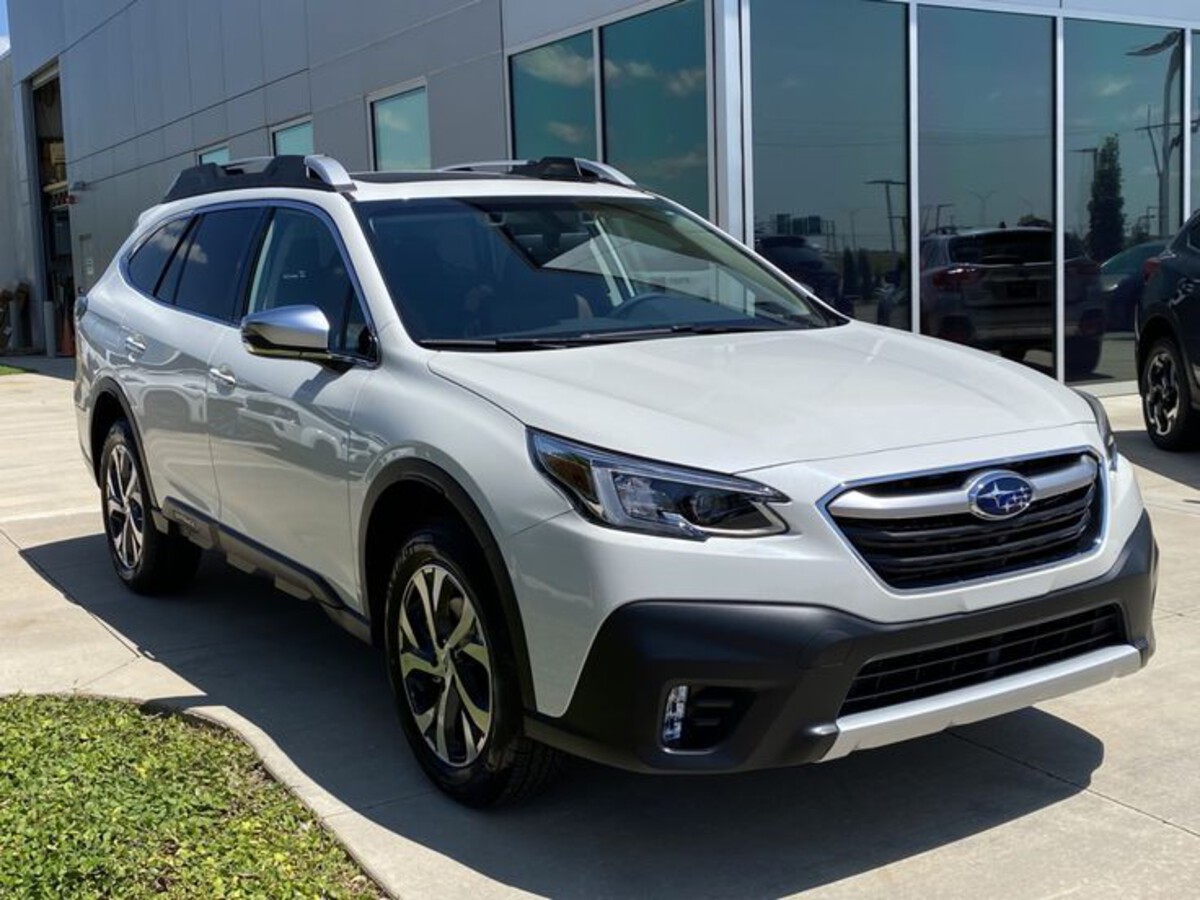
Owners often report their Outbacks crossing 150,000–200,000 miles without major transmission issues, which is impressive for a CVT. Subaru designed its transmission with stronger components and better cooling than rivals, which helps it last longer under load. That means fewer failures and lower repair costs over the life of the car.
Drivers also appreciate how smooth the Outback’s transmission feels. It delivers steady acceleration without the jerky or “rubber band” effect seen in less refined CVTs. As long as owners stay on top of fluid changes, these transmissions rarely need more than routine service.
For families and adventure seekers alike, the Outback offers reliability in conditions that would strain weaker vehicles. It’s proof that not all CVTs are problematic. Subaru has managed to build a system that balances efficiency, all-weather capability, and long-term dependability, making the Outback a solid pick for anyone who wants confidence on every drive.
9. Hyundai Elantra
The Hyundai Elantra is one of the best examples of how far Hyundai has come in terms of quality and reliability. Since 2010, the Elantra has mostly been equipped with a 6-speed automatic, which has turned out to be a big success in terms of durability. Unlike the Hyundai of old, these transmissions are strong, efficient, and rarely fail prematurely.
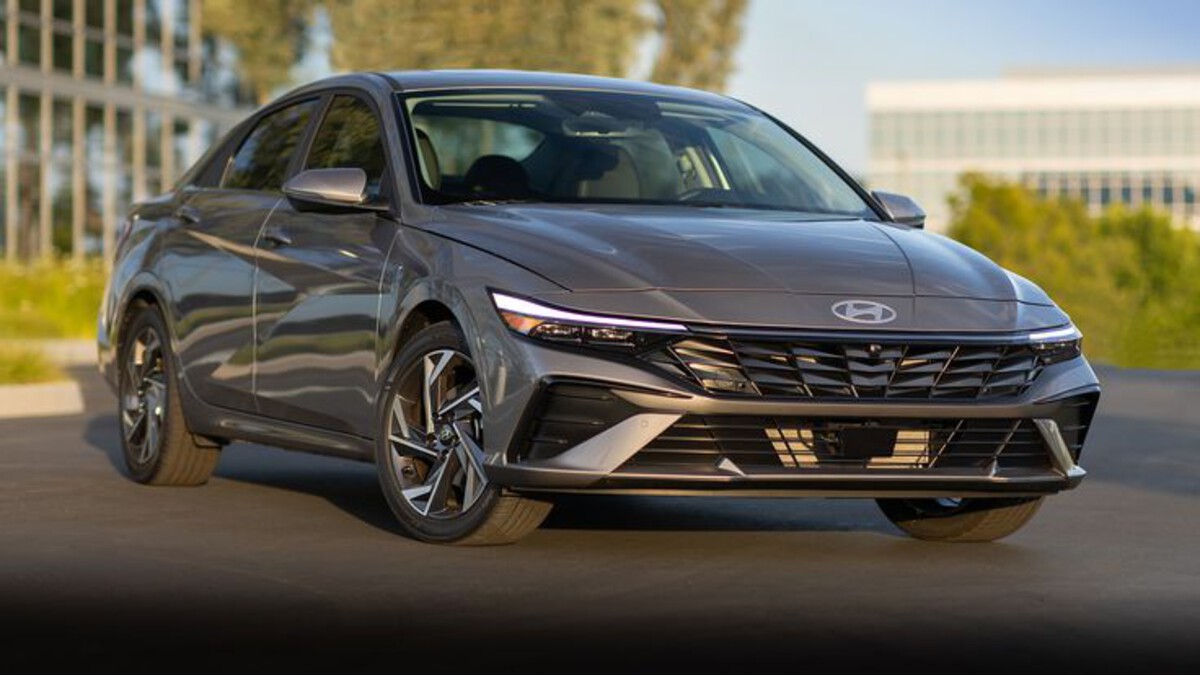
Owners frequently report their Elantras running past 150,000 miles with no significant transmission issues. When problems are mentioned, they’re usually minor like software recalibrations rather than major failures. With basic fluid maintenance, the Elantra’s transmission is built to go the distance.
Hyundai’s improved manufacturing standards and longer warranties gave them an extra incentive to ensure reliability. The Elantra reflects this shift in quality. It’s affordable, easy to maintain, and dependable enough to be compared with segment leaders like the Toyota Corolla.
For budget-conscious buyers, the Elantra is an excellent option. You get an affordable sedan without worrying about an expensive transmission repair lurking around the corner. This combination of low price and high dependability makes the Elantra one of the smartest compact car buys since 2010.
10. Kia Soul
The Kia Soul may stand out for its funky design and youthful vibe, but it also deserves credit for having a transmission that rarely lets drivers down. Since 2010, most Souls have used 6-speed automatics or manuals, both of which are known for reliability. In recent years, Kia added CVTs to some trims, and even those have held up better than expected.
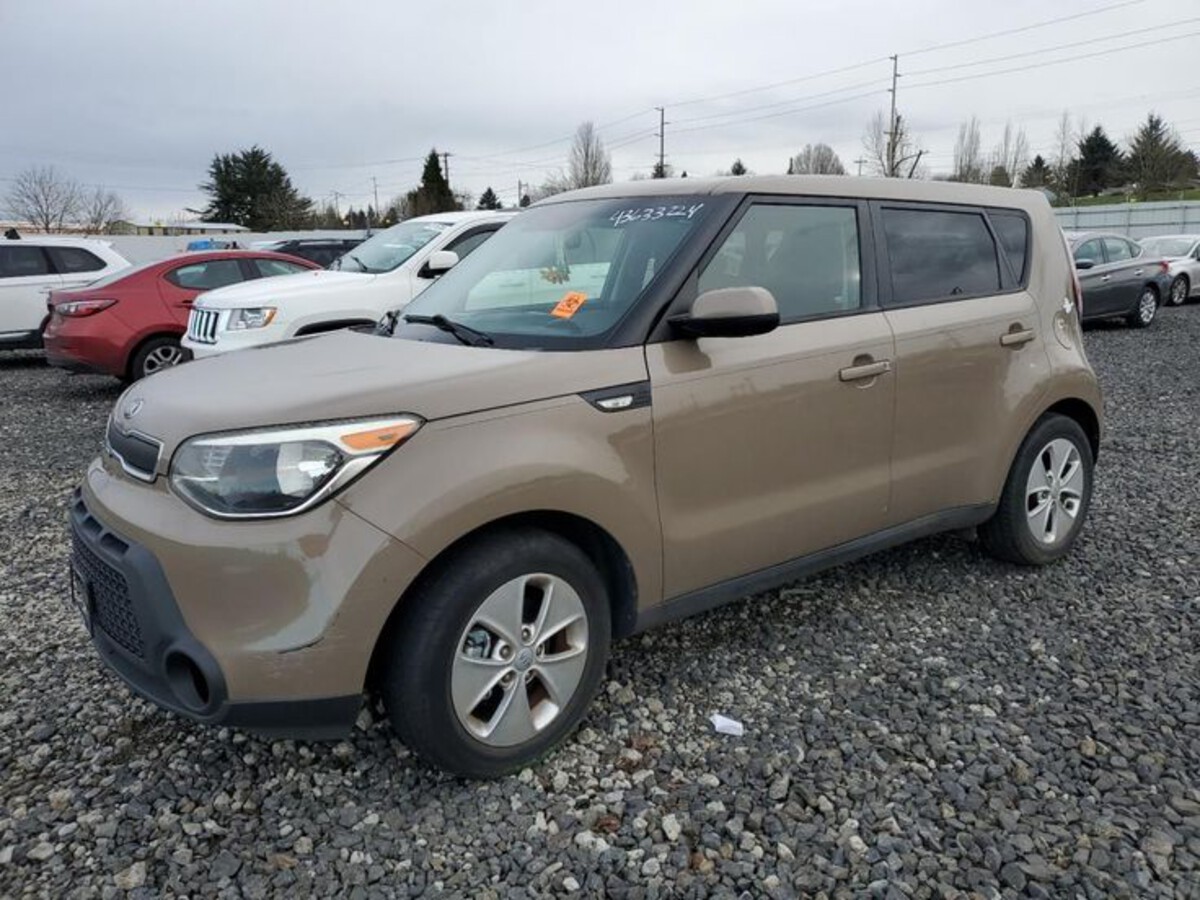
Owners often report racking up 150,000 to 200,000 miles without transmission issues. The Soul’s strength lies in its simplicity it’s not a high-performance vehicle, so its transmission isn’t constantly under strain. That makes breakdowns much less common compared to sportier or more complex vehicles.
Kia’s dramatic turnaround in quality over the last decade is also reflected in the Soul’s transmission performance. Once seen as a brand to avoid, Kia has proven that its newer models are dependable and cost-effective to own. The Soul in particular has gained a loyal following among young drivers, families, and commuters who want a stylish but practical daily driver.
Transmission failures are extremely rare, and routine maintenance is usually all it takes to keep things running smoothly. For anyone who wants a quirky, affordable car that also delivers serious reliability, the Kia Soul is a strong contender.
Transmission failures are among the most expensive repairs a car owner can face, often costing thousands of dollars. That’s why choosing a vehicle with a strong track record of transmission reliability is crucial.
The cars on this list, from proven legends like the Toyota Corolla and Honda Accord to newer standouts like the Mazda CX-5 and Kia Soul, all share one thing in common: they rarely require major transmission work when properly maintained.
What sets these cars apart isn’t flashy technology or overcomplicated engineering. Instead, it’s careful design choices, proven systems, and manufacturers committed to long-term durability.
Whether it’s Toyota’s conservative approach, Honda’s refined CVTs, or Mazda’s decision to stick with conventional automatics, these strategies result in transmissions that keep working reliably for years.
If you’re shopping for a dependable car from 2010 onward, this list gives you a solid starting point. Transmission reliability might not be the most exciting feature to brag about, but it’s one of the smartest things to prioritize. After all, the less time your car spends in the repair shop, the more time it spends doing what it should: getting you where you need to go, stress-free.