For decades, Mercedes-Benz has built its reputation on engineering precision, timeless design, and vehicles that stand the test of time not just in looks, but in dependability and comfort. “10 Mercedes Cars That Keep Owners Happy Decades Later” celebrates the models that have earned loyal followings for their resilience and refinement.
From executive sedans like the E-Class that effortlessly conquer hundreds of thousands of miles, to compact hatchbacks and rugged SUVs that balance practicality with prestige, these vehicles embody the spirit of lasting quality.
Each car featured here demonstrates how Mercedes’ dedication to craftsmanship, innovation, and durability transcends generations. Whether it’s the indestructible W124, the versatile Sprinter van, or the sleek SLK roadster, these models prove that true luxury isn’t just about status it’s about longevity, comfort, and a driving experience that continues to satisfy long after the showroom shine has faded.
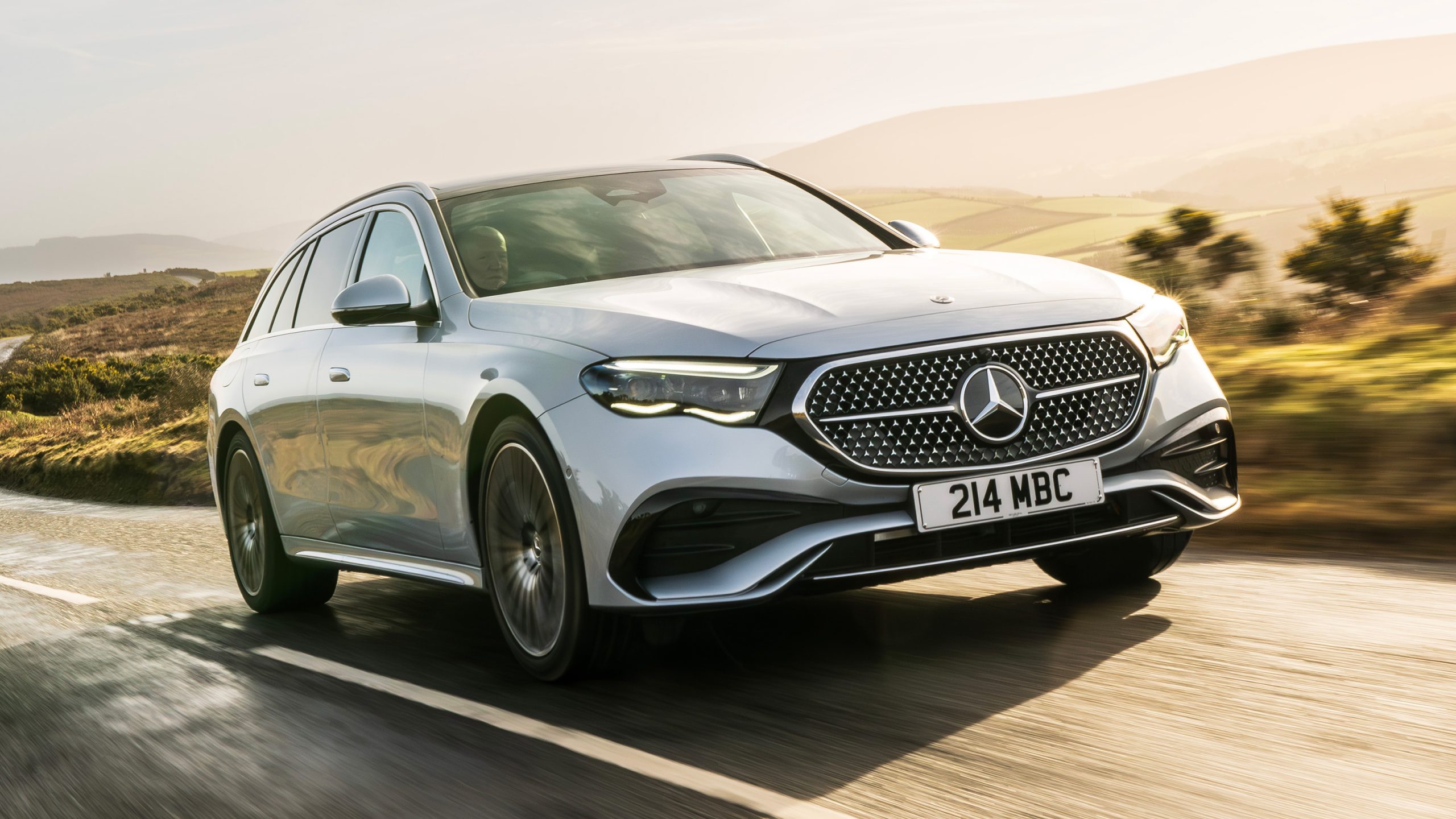
1. Mercedes-Benz E-Class (W211/W212/W213): A Legacy of Comfort, Reliability, and Performance
Since its introduction in 2002, the Mercedes-Benz E-Class has remained the brand’s reputation-defining luxury sedan. Across three generations, W211, W212, and W213, the E-Class has been celebrated for its comfort, high-mileage durability, and engineering precision, while also facing some generation-specific issues.
The W211 offered a strong engine lineup, including the 220 CDI, 240, and 280, which balanced performance and fuel economy. However, early models suffered from reliability problems, especially with electronics.
Buyers are advised to focus on later production years (2002–2006), which proved more dependable. Despite its flaws, the W211 laid the foundation for the E-Class’ reputation for long-distance comfort and robust diesel options.
The W212 is often regarded as the most dependable E-Class generation. With its tried-and-tested 2.1L diesel and 3.5L V6 petrol engines paired with the durable 7G-Tronic automatic gearbox, it became a favorite among high-mileage drivers. Owners praised its excellent paint quality, rust resistance, and interior refinement.
While some reported electrical gremlins, timing chain wear, and fuel system issues, regular maintenance mitigates these risks. The facelifted W212 especially stands out as a high-quality, comfortable, and reliable choice.
The W213 brought Mercedes’ digital revolution, featuring advanced infotainment and driver aids. It offers quiet comfort, strong ride quality, and generally reliable mechanics. However, some enthusiasts feel its heavy reliance on digital controls makes it “tackier” compared to the W212’s timeless luxury. Despite this, the W213 remains a refined and technologically advanced luxury sedan for those who value modern convenience.
The AMG E 53 exemplifies the E-Class’ dual character, calm in city driving yet capable of 0–60 mph in 4.3 seconds with its quick-shifting nine-speed transmission. Accurate steering and agile handling defy its size, while the E 63 remains an option for those craving ultimate performance.
Long-distance comfort is a hallmark, with supportive seating, effective climate control, and optional heated/ventilated seats. The interior blends practicality with luxury, though the transition from COMAND to MBUX created redundant controls. Cabin space, visibility, and seating ergonomics are excellent, further enhancing its appeal for both drivers and passengers.
The E-Class offers average trunk space with folding seats for flexibility. Fuel economy varies, with the AMG E 53 returning around 23 mpg in real-world use. While pricing is higher than some rivals, Mercedes compensates with superior build quality, customization, and a premium driving experience. Warranty coverage (4 years/50,000 miles) matches BMW and Audi but falls short of Lexus and Cadillac.
In essence, the E-Class blends bulletproof diesel reliability, high comfort, and advanced technology, making it a benchmark in executive sedans for over two decades.
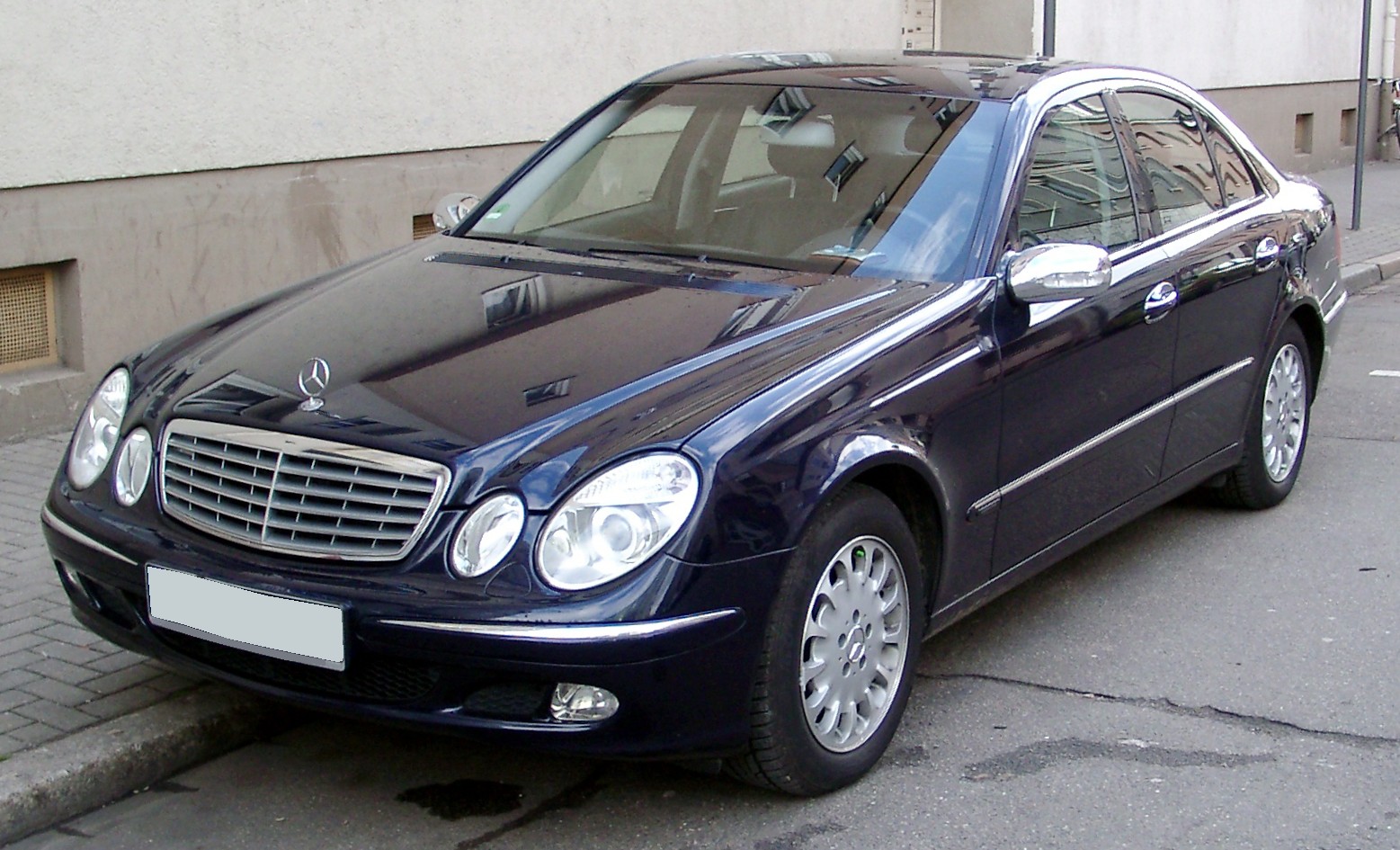
2. Mercedes-Benz C-Class (W204): Compact Luxury with Strong Reliability
Produced between 2007 and 2014, the Mercedes-Benz W204 C-Class marked a return to form after the less reliable W203. Praised for its solid build quality, simplified electronics, and balanced driving dynamics, the W204 remains one of Europe’s most popular used Mercedes models.
Its reputation for dependable engines, comfort, and relatively affordable maintenance has made it a staple in the compact executive segment.
The W204 offers a wide range of reliable petrol and diesel engines, supported by a more straightforward design that avoids the over-complication of earlier models. Mechanics often recommend it for its dependable drivetrain and affordable parts, which are readily available due to the car’s popularity.
Post-2010 facelift models, in particular, improved interior quality with upgraded materials, making them especially desirable. Spacious compared to its predecessor, the W204 also provides generous rear legroom and a well-sized trunk, enhancing everyday usability.
Owners consistently highlight the car’s strong reliability, well-balanced handling, and a comfortable yet sporty ride, particularly on highways. The steering is precise and confidence-inspiring, while Sport trims add firmer suspension tuning for a more dynamic character, and Luxury trims cater to those seeking a smoother, quieter drive.
While the W204 is dependable in many respects, a few areas deserve attention. Early examples may suffer from rust, and some petrol engines are prone to timing chain tensioner issues.
The cabin, though well built, can exhibit premature wear, synthetic leather seats may tear, and trim pieces on the steering wheel or dashboard can degrade with mileage. High-mileage cars sometimes develop creaks and rattles in the dashboard or center console.
Additionally, the infotainment system is dated compared to modern rivals, and certain optional features, such as early parking sensors, have been criticized for poor quality. Manual transmissions are also less refined than the smooth automatic gearboxes, making the latter the preferred choice.
Performance varies widely across the lineup. The C250’s turbocharged 1.8L four-cylinder delivers 201 hp, achieving 0–60 mph in 7.4 seconds with excellent fuel economy (25 mpg combined).
The C300’s 3.0L V6 offers similar acceleration with all-wheel-drive capability, while the C350’s 302 hp V6 sharpens performance further, reaching 60 mph in 5.6 seconds. For enthusiasts, the C63 AMG’s 6.2L V8 delivers 451–510 hp depending on trim, achieving blistering acceleration as quick as 4.2 seconds an everyday muscle car in German luxury form.
Safety was a strong suit, with multiple airbags, Attention Assist, stability control, and optional driver-assist packages. In crash tests, the W204 earned top ratings, especially for side-impact protection. Practicality, however, is mixed: the sedan’s rear seat can feel cramped with child seats, and trunk space is smaller than some rivals. The coupe fares worse in rear accommodation but remains competitive within its class.
The W204 C-Class combines reliability, accessible ownership, and engaging performance in a stylish compact package, making it one of the most dependable choices in the used luxury market.
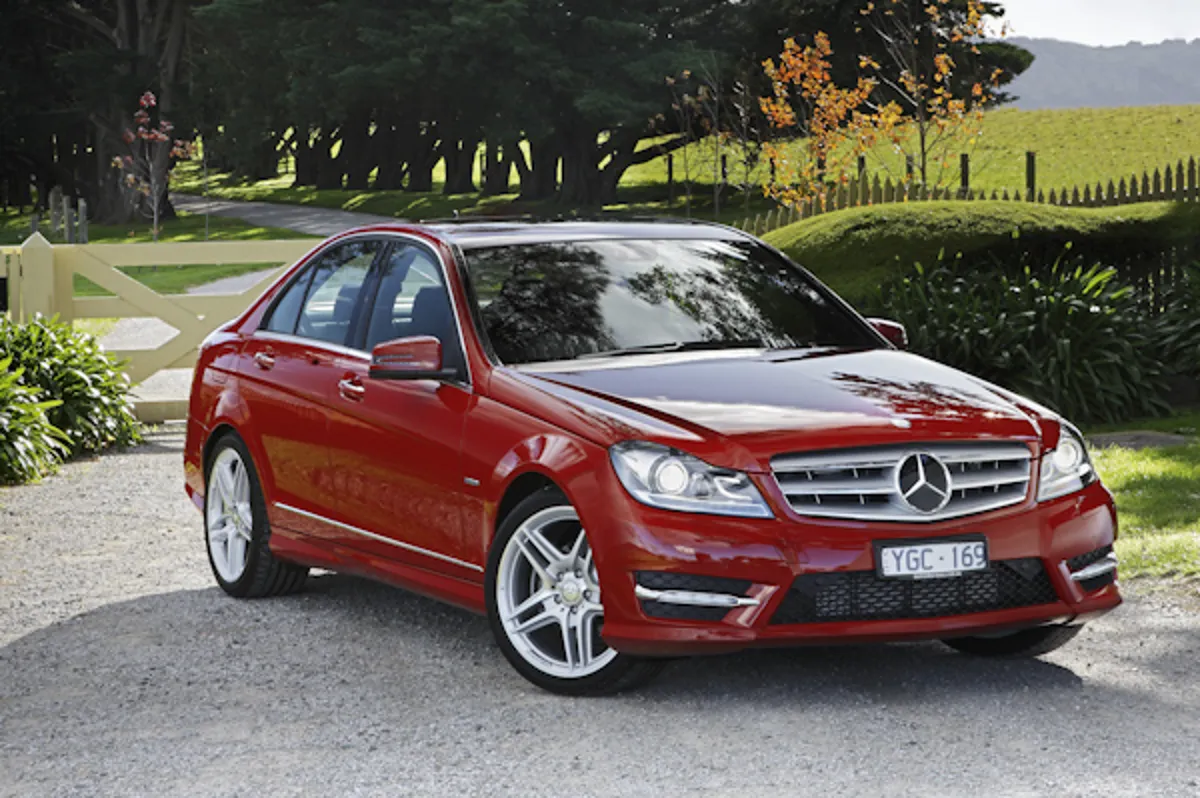
3. Mercedes-Benz W124 (1993–1996): The Indestructible Classic
The late-model Mercedes-Benz W124 (1993–1996) is regarded as one of the finest examples of Mercedes engineering excellence. It represents the brand’s transition from traditional mechanical craftsmanship to modern luxury, while retaining the “overbuilt” qualities that made Mercedes-Benz legendary. Many W124s still run reliably today, often surpassing hundreds of thousands of miles with ease, a testament to their tank-like construction and mechanical integrity.
The W124 is celebrated for its remarkable build quality, often described as “bank-vault solid.” The doors shut with a reassuring firmness, and the cabin feels tight and refined even decades later. Designed by Bruno Sacco, its styling remains timeless clean, balanced, and dignified. The car’s multi-link rear suspension delivers a supple and stable ride, prioritizing comfort and composure over aggressive sportiness.
The late models introduced the M104 3.2L inline-six engine, renowned for its smooth operation, durability, and ability to cover immense distances with proper maintenance. Both petrol and diesel variants are durable and efficient, appealing to drivers who value longevity. Safety was advanced for its time, featuring anti-lock brakes, a strong body structure, and a driver’s airbag features that set new standards in the early 1990s.
Despite its strengths, several issues demand attention. The biodegradable wiring harness used in 1993–1996 models often deteriorates with age and heat exposure, leading to electrical malfunctions. Rust can appear around wheel arches, sills, and the rear window due to the switch to water-based paints.
Suspension components, such as ball joints and bushings, wear out over time, while air-conditioning systems are known for their fragility and costly repairs. The automatic transmission is dependable if serviced regularly, though manual gearboxes can feel notchy.
When buying a W124, condition and maintenance history are crucial. Prospective owners should check for wiring loom replacement, inspect rust-prone areas, and confirm that suspension and drivetrain components are in good order. Parts availability remains strong, and repair costs are manageable, especially for those comfortable with basic DIY maintenance.
The W124 combines durability, elegance, and mechanical simplicity in a way few modern cars can match, solidifying its reputation as a truly indestructible Mercedes-Benz classic.
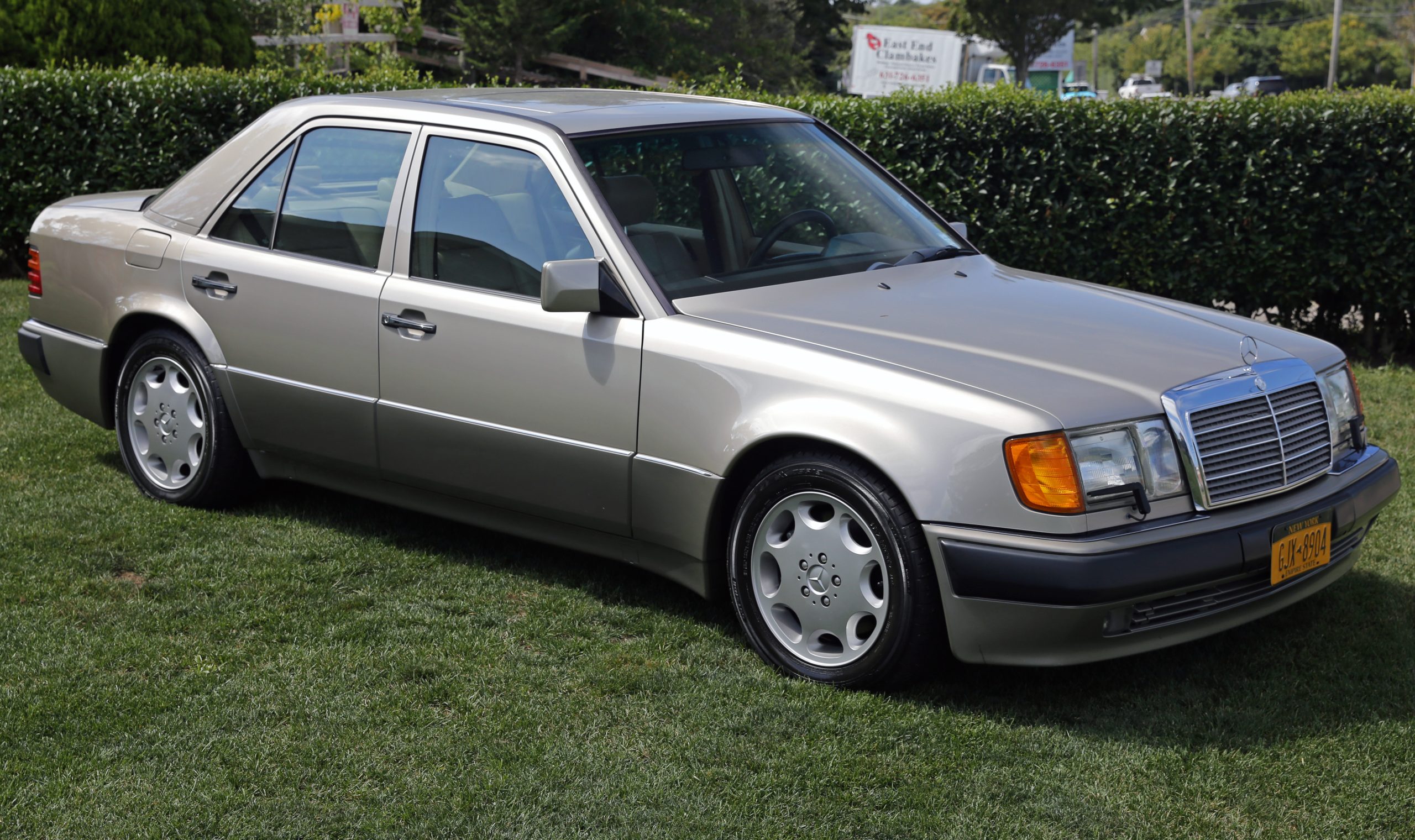
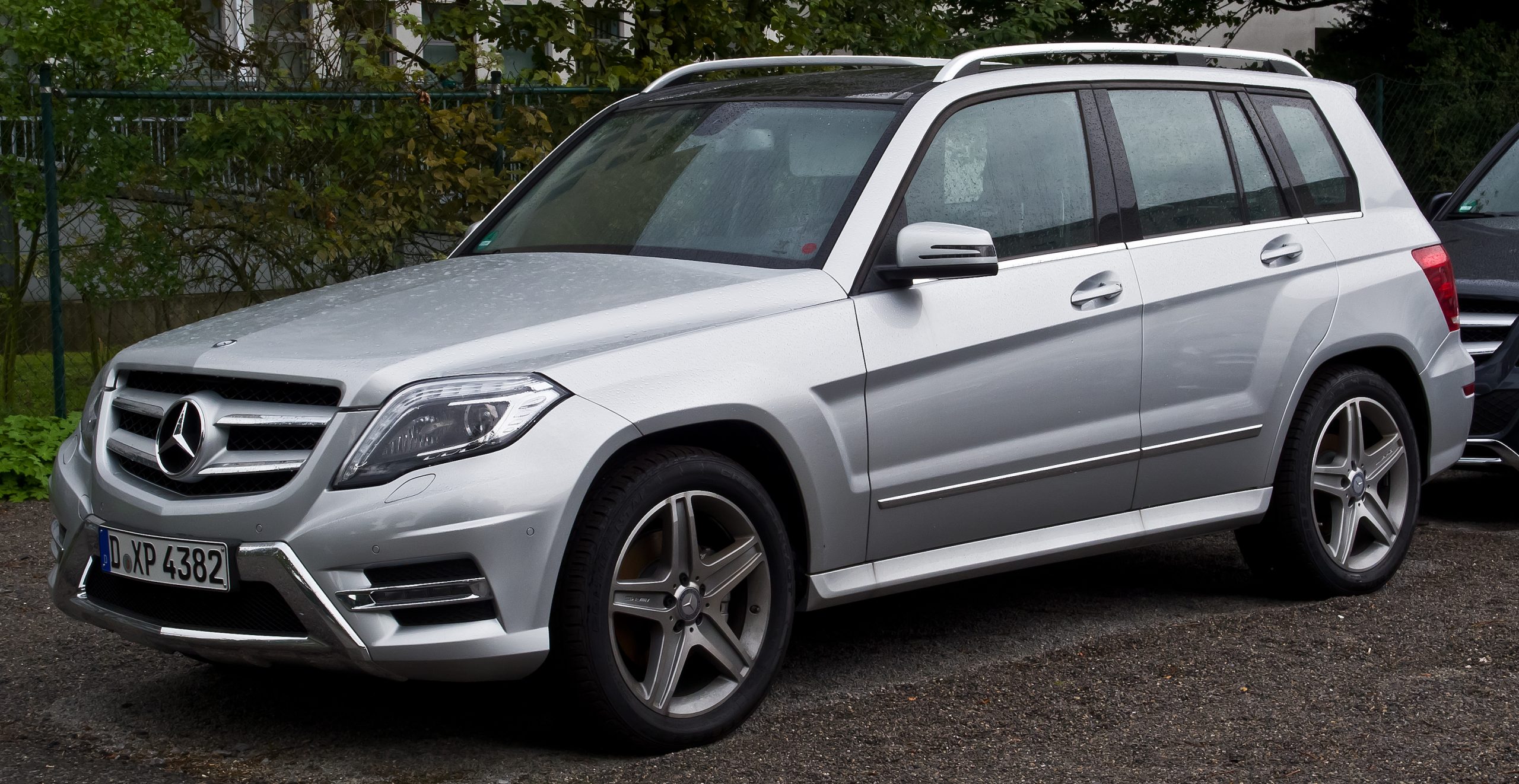
4. Mercedes-Benz GLK-Class (X204): Rugged Luxury in Compact Form
Produced from 2008 to 2015, the Mercedes-Benz GLK-Class (X204) was designed as a compact luxury SUV with the toughness of a G-Class and the refinement of a C-Class. Although never sold in the UK, it earned a strong reputation in Europe and North America for its solid engineering, distinctive styling, and dependable performance.
The GLK stood out as one of Mercedes’ most straightforward and durable SUVs, especially appreciated for its strong engines and minimal reliance on complex electronics.
The GLK’s design pays homage to the legendary G-Wagen, with its boxy silhouette, upright stance, and sharp character lines. This styling made it instantly recognizable among softer, car-like rivals such as the BMW X3 and Audi Q5. Inside, the cabin exudes typical Mercedes quality, with high-grade materials, MB-Tex upholstery, and metallic or wood accents.
The facelifted 2013 models improved interior refinement with better ergonomics and modernized electronics. Visibility is one of the GLK’s greatest strengths, thanks to its tall seating position and large windows that offer a commanding view of the road.
Behind the wheel, the GLK feels solid, stable, and reassuringly planted. The ride is supple yet firm, providing confident cornering without sacrificing comfort. On highways, it remains quiet and refined, with minimal road and engine noise.
Some drivers may find the suspension slightly stiff over sharp bumps, but the handling precision compensates for it. The GLK’s off-road capability is also surprisingly strong, aided by its 4Matic all-wheel-drive system and robust chassis construction.
The GLK350, powered by a 3.5-liter V6 producing 302 hp and 273 lb-ft of torque, offers lively performance, sprinting from 0 to 60 mph in 5.9 seconds. Paired with a seven-speed automatic transmission, it delivers smooth power delivery and quick shifts. Fuel economy averages 21 mpg combined, respectable for its class.
The GLK250 Bluetec diesel, introduced later, combines a 2.1-liter four-cylinder engine with 369 lb-ft of torque, achieving 28 mpg combined while still capable of towing up to 3,500 pounds. Though slower to 60 mph at 8.2 seconds, it excels in efficiency and low-end pulling power.
The GLK gained praise for its durable engines and minimal turbocharger problems, but ownership costs can rise with age. Common issues include window regulator failures, steering rack noise, and leaks from the panoramic sunroof or windshield washer fluid tanks.
Diesel models occasionally suffer from injector failures or stretched timing chains, both costly repairs. Early models (2008–2012) may have more electrical issues, particularly with the power tailgate, while facelifted versions (2013–2015) are notably more reliable.
The GLK received top safety ratings, earning “Good” scores in IIHS crash tests. Standard features included multiple airbags, stability control, traction control, and Mercedes’ Attention Assist. Options like blind-spot monitoring, lane-departure warning, and automated parking enhanced its safety suite.
Practicality was its main compromise. Rear legroom and cargo space (54.7 cubic feet) are smaller than most rivals, and narrow rear doors make entry and exit awkward. Still, the interior layout is comfortable for front passengers and exudes premium craftsmanship.
The Mercedes-Benz GLK-Class remains a well-built, distinctive, and capable luxury SUV, offering a blend of rugged durability and everyday refinement that appeals to drivers seeking timeless Mercedes quality in a compact, confident package.
5. Mercedes-Benz CLK (W209): Understated Luxury with Proven Reliability
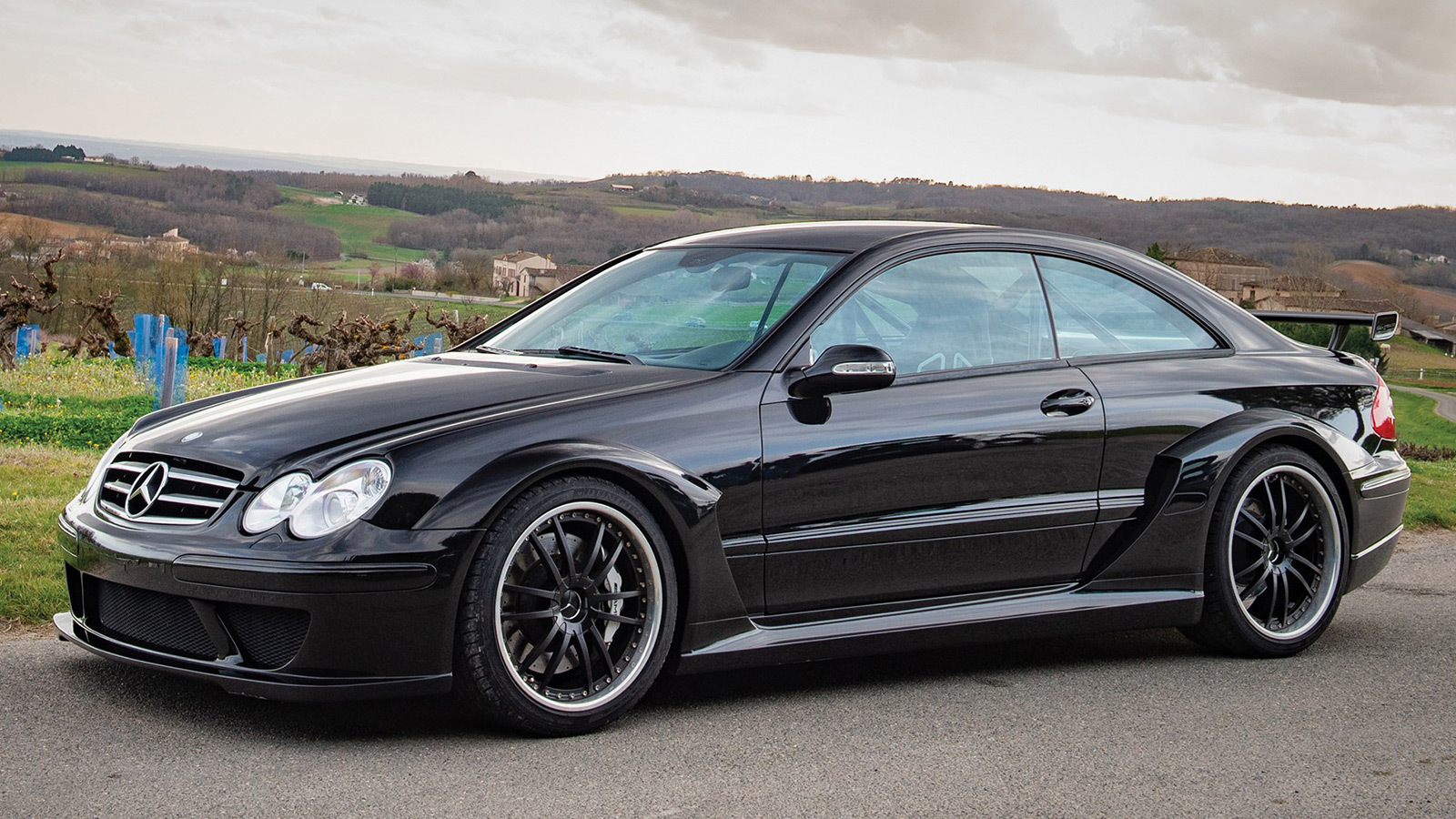
Produced from 2002 to 2009, the Mercedes-Benz CLK (W209) occupies a distinctive place in the brand’s lineup as a refined yet dependable luxury coupe and convertible. Built on a platform that combined elements of the C-Class and E-Class, the CLK offered a balanced blend of comfort, style, and reliability making it a solid choice for buyers seeking Mercedes sophistication without excessive complexity.
The CLK’s sleek exterior remains one of its most appealing traits. Its clean, flowing lines and frameless windows give it a timeless appearance that still draws admiration. Inside, the cabin exudes elegance with soft-touch materials, polished wood, and leather upholstery.
Thoughtful touches like automatic seatbelt presenters, memory functions, and comfortable seating make it both stylish and user-friendly. Rear seats are tight, but the coupe’s fold-down capability adds useful practicality, while convertibles feature quick-folding soft tops for open-air driving.
Performance varies across models, but even the base versions deliver satisfying power. The CLK350’s 3.5-liter V6 produces 268 horsepower and reaches 60 mph in 6.4 seconds, while the CLK550’s 5.5-liter V8 achieves 382 horsepower and completes the sprint in 5.1 seconds.
Both engines pair with a smooth seven-speed automatic transmission that provides responsive acceleration. The CLK’s suspension prioritizes comfort over aggression, offering a smooth, composed ride ideal for long-distance cruising. While not as sharp as a BMW 3 Series coupe, the CLK remains poised and confident through corners.
Fuel economy is typical for its class averaging around 20 mpg combined for the V6 and 17 mpg for the V8. The car’s structure and stability control contribute to its secure handling, while features like brake assist, side airbags, and rollover protection in convertibles enhance safety.
The CLK’s proven V6 and V8 engines are known for their longevity and mechanical strength. Many owners report years of dependable use with regular maintenance. However, buyers should inspect for potential issues such as oil cooler seal leaks, faulty crankshaft position sensors, and soft convertible tops prone to wear. Electrical and transmission glitches can occur, especially on older models.
Depreciation has been steep, but this works in favor of used buyers seeking affordable luxury. With parts widely available and ownership costs lower than newer Mercedes coupes, a well-maintained CLK can offer a premium experience at a reasonable price.
The W209 CLK remains a stylish, comfortable, and mechanically sound choice an enduring example of Mercedes-Benz craftsmanship from an era that valued durability as much as design.
Also Read: 10 Cars With Interiors That Still Look New After 20 Years
6. Mercedes-Benz SLK (R171): A Durable and Desirable Compact Convertible
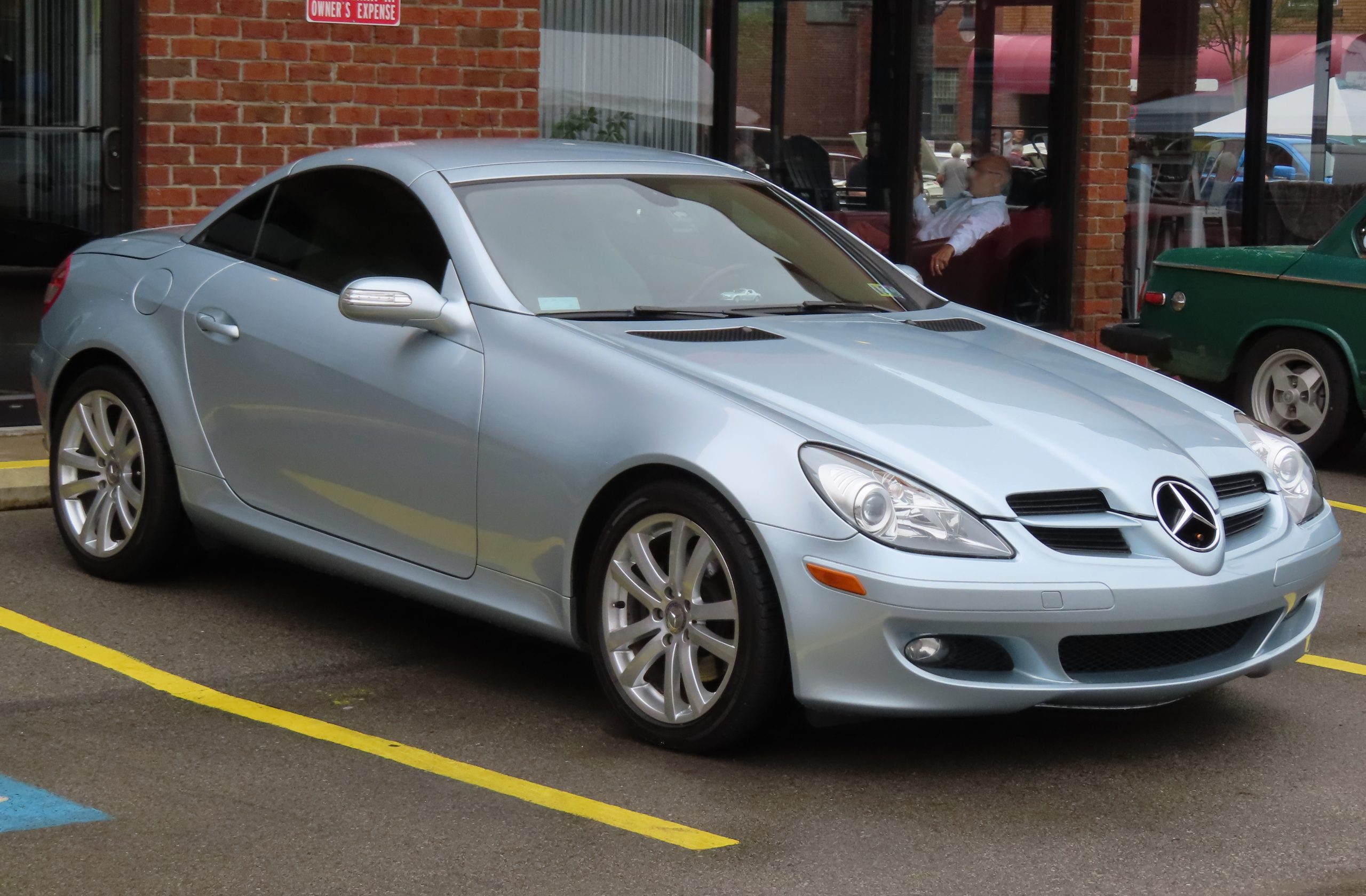
The Mercedes-Benz SLK (R171), produced from 2004 to 2011, represents a fine balance between everyday comfort and open-top excitement. Designed as a compact two-seater roadster, it combined German precision engineering with timeless style, earning a reputation for being one of the most dependable luxury convertibles in its class.
At the heart of the SLK’s appeal is its folding metal roof, which seamlessly transforms the car from a coupe to a convertible in under 25 seconds. This feature offers both the security of a hardtop and the thrill of top-down driving.
The mechanism is impressively durable, though older models can develop wear in the roof motor or seals. The design itself is sleek and elegant, drawing inspiration from the larger SL roadster, with a compact, purposeful stance.
Inside, the SLK delivers a luxurious yet functional cabin. Soft-touch materials, supportive leather seats, and precise switchgear give it a premium feel. One of the car’s most distinctive features is the optional Airscarf system, which blows warm air around the driver’s neck, extending convertible comfort into cooler seasons. Despite being a small car, the SLK feels solid and well-constructed, living up to Mercedes’ reputation for quality.
Power comes from a range of reliable engines, including a 1.8-liter Kompressor and two smooth V6 options. The SLK300’s 3.0-liter V6 produces 228 hp, while the SLK350’s 3.5-liter unit delivers 300 hp, accelerating from 0–60 mph in just over five seconds. Both engines are paired with a seven-speed automatic transmission that provides refined and responsive performance.
The SLK handles confidently, with rear-wheel drive ensuring balanced cornering and stable grip. While not as sharp or communicative as rivals like the Porsche Boxster, it remains enjoyable to drive, offering a satisfying mix of agility and comfort. Fuel economy ranges from 20 to 21 mpg combined, making it relatively efficient for a luxury convertible.
Owners appreciate the SLK’s long-term durability and low maintenance costs for its class. Known issues include roof mechanism wear, front suspension creaks, and occasional water ingress. The manual gearbox is often avoided due to its notchy feel, but the automatic transmission is widely praised.
Standard safety features stability control, antilock brakes, and multiple airbags enhance confidence behind the wheel.
Stylish, reliable, and enjoyable to drive, the SLK (R171) remains a standout choice for those seeking a well-built luxury convertible that delivers both practicality and pleasure.
7. Mercedes-Benz ML-Class (W164): A Refined and Capable Luxury SUV
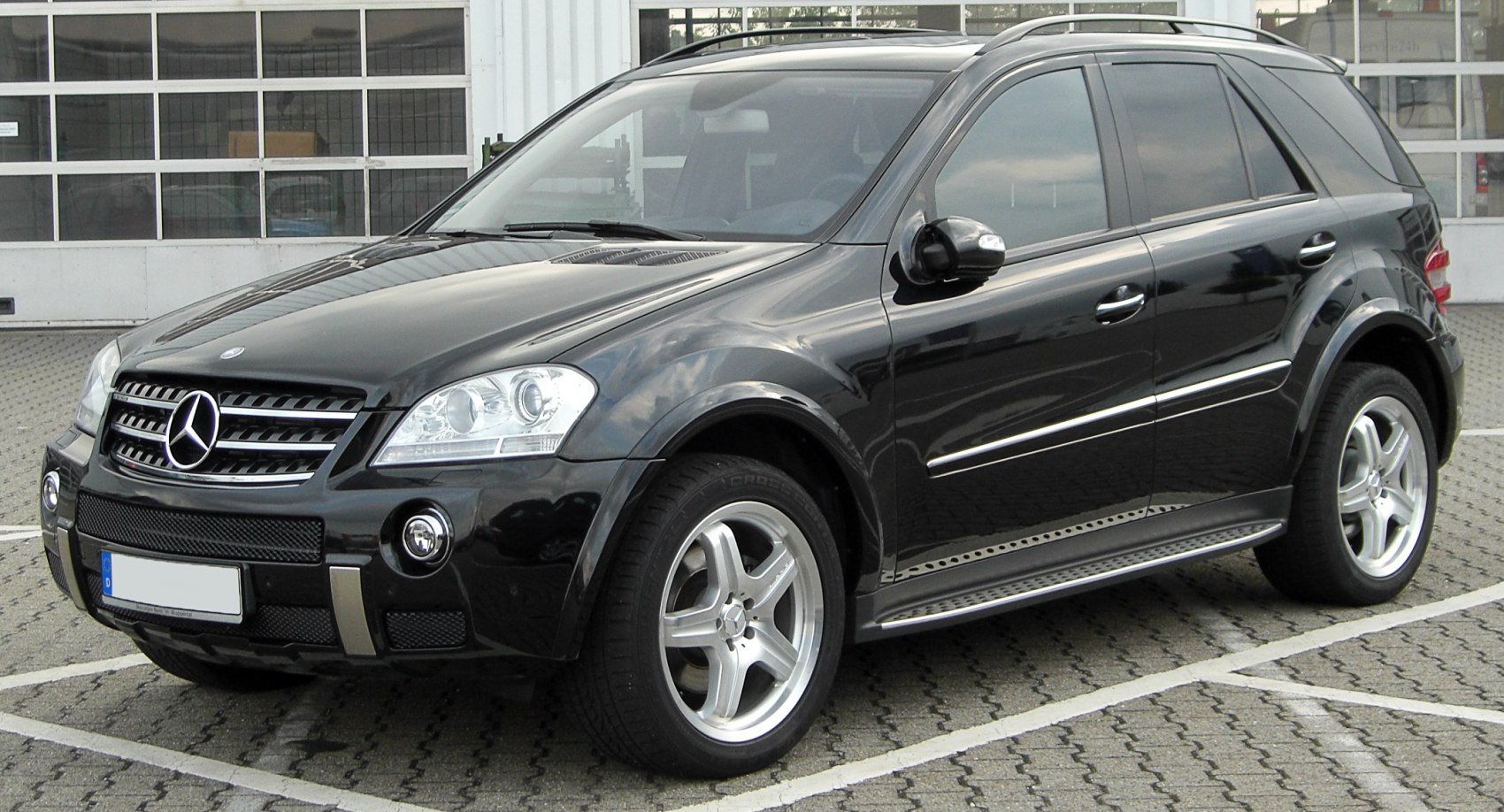
The second-generation Mercedes-Benz ML-Class (W164), produced from 2005 to 2011, represented a major step forward from its predecessor. It offered stronger reliability, refined styling, and a more comfortable driving experience, solidifying its reputation as a premium family SUV. Known for its sturdy construction, proven diesel engines, and confident road presence, the W164 continues to attract buyers seeking both luxury and practicality.
The W164 introduced a more modern and aerodynamic look that remains attractive years later. Inside, the cabin is spacious, featuring supportive seats, generous legroom, and high-quality materials that enhance the sense of comfort. Early 2006 models were criticized for hard plastics and less durable finishes, but facelifted versions from 2009 onward benefited from improved materials, a redesigned steering wheel, and better ergonomics.
Drivers enjoy a commanding position with clear visibility, while passengers benefit from a quiet, composed cabin. The controls are functional, though the placement of the turn-signal and cruise-control stalks can cause minor confusion. Cargo space is ample, providing 29 cubic feet behind the second row and expanding to 72 cubic feet when the rear seats are folded flat, making it suitable for both daily use and long trips.
Powertrain options include the 3.5-liter V6 in the ML350, the torquey 3.0-liter V6 diesel in the ML350 Bluetec, and several V8 variants, including the high-performance ML63 AMG. The diesel engine is particularly admired for its 400 lb-ft of torque and efficiency, delivering about 21 mpg combined. All models come with a seven-speed automatic transmission, though early units may experience valve body and solenoid issues.
The ride is smooth and quiet, especially in models equipped with Airmatic air suspension, which enhances comfort on uneven roads. Handling is stable and composed, favoring comfort over agility. The ML63 AMG, however, brings thrilling acceleration and sharper dynamics, sprinting from 0–60 mph in just 4.7 seconds thanks to its 6.2-liter V8.
Standard safety equipment includes traction control, antilock brakes, hill-start assist, and multiple airbags. The 4MATIC all-wheel-drive system adds security and stability in challenging conditions. Common concerns involve air suspension leaks, electrical faults, and transmission wear, but with regular servicing, the W164 is capable of impressive longevity.
Blending durability, sophistication, and practicality, the Mercedes-Benz ML-Class (W164) delivers a premium driving experience that continues to earn respect among luxury SUV enthusiasts.
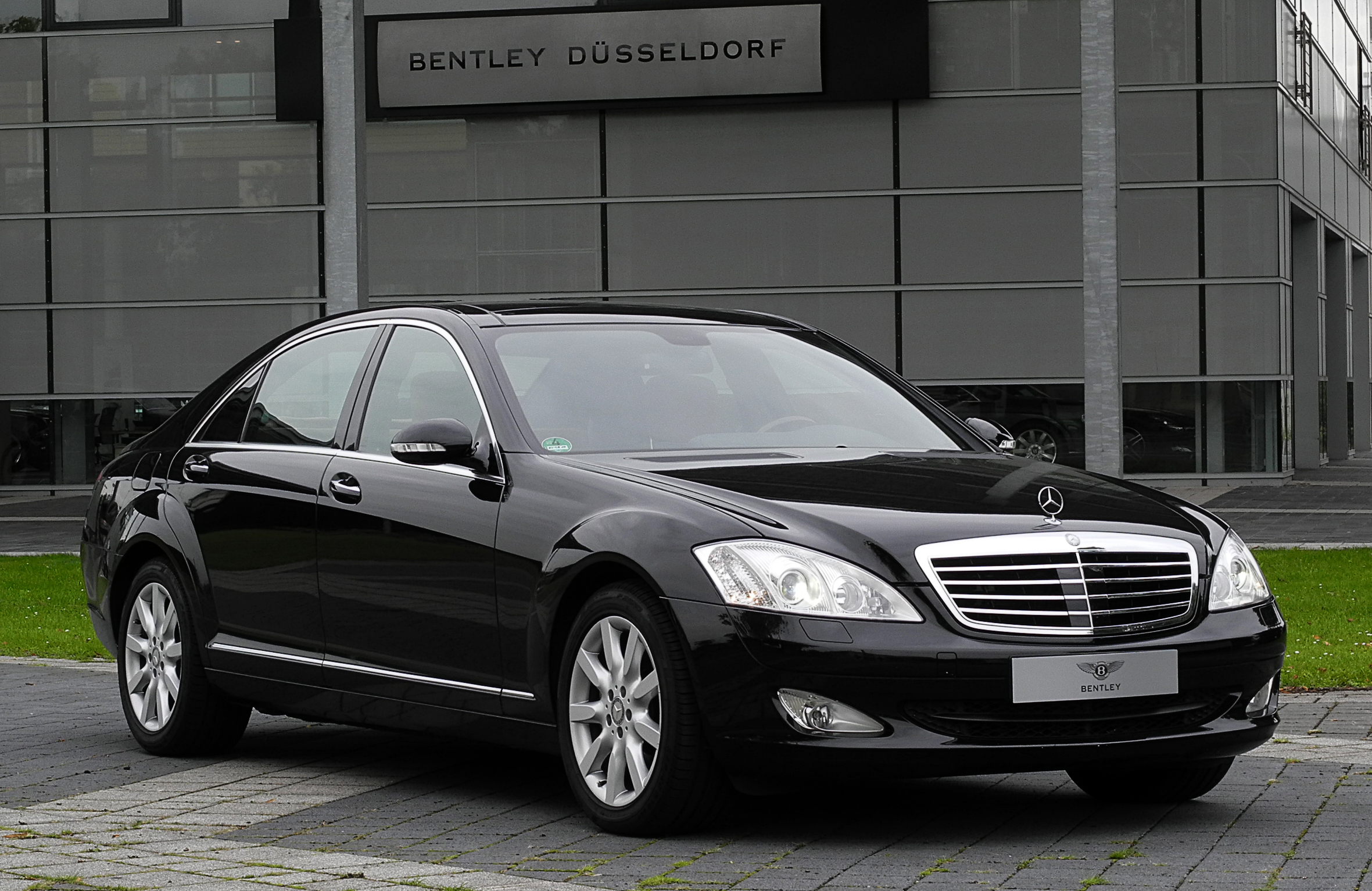
8. Mercedes-Benz S-Class (W221): The Benchmark of Modern Luxury
When the Mercedes-Benz S-Class W221 debuted in 2006, it redefined what a flagship sedan could be. It arrived at a time when luxury was being reshaped by technology, yet Mercedes managed to blend digital sophistication with timeless craftsmanship. The result was a car that felt both futuristic and enduring a statement of prestige that continues to hold its place in the automotive hierarchy.
From its first impression, the W221 exuded quiet confidence. Its muscular proportions and smooth contours communicated strength without ostentation. Many consider this generation one of the best-styled S-Classes, balancing elegance with a sense of purpose. The design language reflected the brand’s core philosophy: discreet power paired with restrained beauty.
Inside, the atmosphere was one of calm precision. The cabin was meticulously assembled using fine leather, polished veneers, and soft ambient lighting that emphasized serenity. The craftsmanship was unmistakable each control had weight and refinement, and every panel fit with surgical precision.
The car’s AIRMATIC suspension further contributed to the tranquil environment, gliding over imperfections while maintaining perfect stability. The result was a sense of isolation from the chaos of the outside world, something few vehicles could replicate.
Behind the wheel, the W221 delivered a driving experience defined by effortless control. Whether equipped with the diesel-powered S350 Bluetec, the hybrid S400, or the commanding S550 V8, the powertrains felt deliberately smooth and unhurried.
The V8 and V12 variants, including the S600 and AMG models, revealed the car’s dual nature an opulent cruiser that could transform into a performance sedan with a single press of the throttle. Even at high speeds, the steering remained steady, the body composed, and the silence nearly absolute.
Technology was another key pillar of the W221’s identity. It introduced innovations that would become standard across the industry: Night Vision Assist, Lane Keeping Assist, Attention Assist, and Pre-Safe, a system that actively prepared the car for potential collisions.
The COMAND infotainment system centralized control of navigation, media, and vehicle functions through a rotary dial, marking an early step in the evolution of digital interiors.
Safety was engineered with characteristic Mercedes depth. The W221 featured advanced braking systems, adaptive cruise control, and a multitude of airbags to protect every occupant. Even today, its safety structure and driver-assistance technology remain impressive by modern standards.
Ownership of the W221 does come with considerations. The AIRMATIC suspension can require attention with age, and battery drain issues may occur if the car is not driven regularly. However, when properly maintained, this S-Class has proven exceptionally durable, particularly the V8 and diesel versions known for their robust engineering.
The W221 is remembered as the model that perfected the balance between tradition and innovation. It wasn’t just a showcase of Mercedes-Benz’s technological capability it was a reminder that true luxury is defined by refinement, not excess. Nearly two decades later, it continues to embody the qualities that make an S-Class timeless: elegance, comfort, and mechanical excellence.
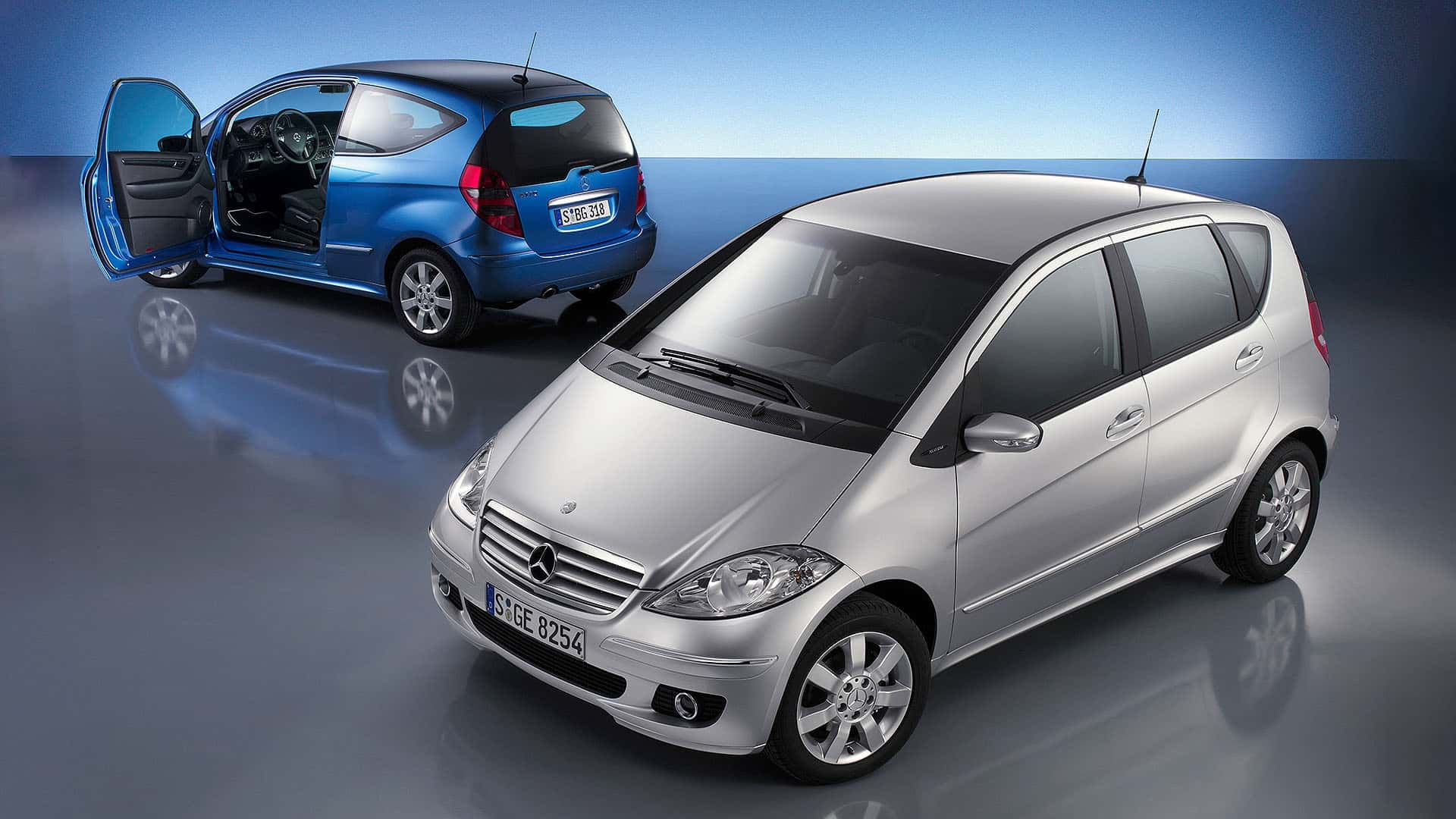
9. Mercedes-Benz A-Class (W169): Compact Practicality with Premium Engineering
When Mercedes-Benz launched the second-generation A-Class (W169) in 2004, it aimed to refine the concept of a compact luxury hatchback without sacrificing the practicality that defined its predecessor.
Built on the unique “sandwich” platform, this model prioritized safety, interior space, and flexibility making it one of the most intelligently packaged small cars of its time. Despite its modest image, the W169 proved that Mercedes could deliver premium engineering in a compact format.
The W169 carried forward the one-box design but with more mature proportions. It was 232 mm longer and 45 mm wider than before, creating a stronger stance and a more stable ride.
Available in both three-door (C169) and five-door configurations, it catered to different tastes the former marketed as a youthful coupé alternative, the latter as a practical family car. Though the tall, upright profile divided opinions, it allowed for exceptional space efficiency unmatched by most rivals.
Step inside, and the thoughtful use of space immediately stands out. The elevated seating position, flat floor, and upright roofline created an airy cabin with remarkable headroom and legroom for a vehicle of its size.
Mercedes introduced the EASY-VARIO-PLUS system, allowing seats to fold or be removed to transform the A-Class into a mini-van-like hauler with up to 1,995 litres of load capacity. The boot itself offered a generous 435 litres, making it one of the most capacious cars in its class.
Interior quality took a significant leap forward compared to the first generation. The materials felt solid and upscale, while ergonomics and comfort were much improved. Three trim levels Classic, Elegance, and Avantgarde allowed customers to tailor the car’s personality. The Elegance line emphasized comfort and refinement, while Avantgarde featured sportier styling touches and 16-inch alloy wheels.
Under the bonnet, Mercedes offered a diverse range of seven four-cylinder engines, including refined CDI diesel units and efficient petrol options. The diesels ranged from 82 hp in the A160 CDI to 140 hp in the A200 CDI, using second-generation common-rail technology for cleaner combustion.
Petrol variants, including the A150, A170, and A200, were known for their flexibility and improved efficiency. The headline model, A200 Turbo, launched in 2005 with 193 hp, delivering hot-hatch performance while maintaining respectable fuel economy.
Transmission options included a six-speed manual and the innovative Autotronic continuously variable transmission (CVT) one of the most compact CVTs ever built. It offered seamless acceleration and selectable Comfort or Sport modes, enhancing driving refinement. The standard selective damping suspension further balanced ride comfort and stability, adapting shock absorber stiffness based on driving conditions.
Safety remained a core strength. The W169 incorporated more than 200 patents and featured adaptive airbags, belt tensioners, and advanced crumple zones. Its sandwich floor design allowed the engine to slide beneath the cabin in a frontal collision, protecting occupants effectively.
While the W169’s styling and handling lacked excitement, its dependability, comfort, and intelligent design made it a standout choice among compact cars. With over 1.1 million units sold, it proved that practicality, durability, and safety could coexist with Mercedes-Benz refinement even in the brand’s smallest model.
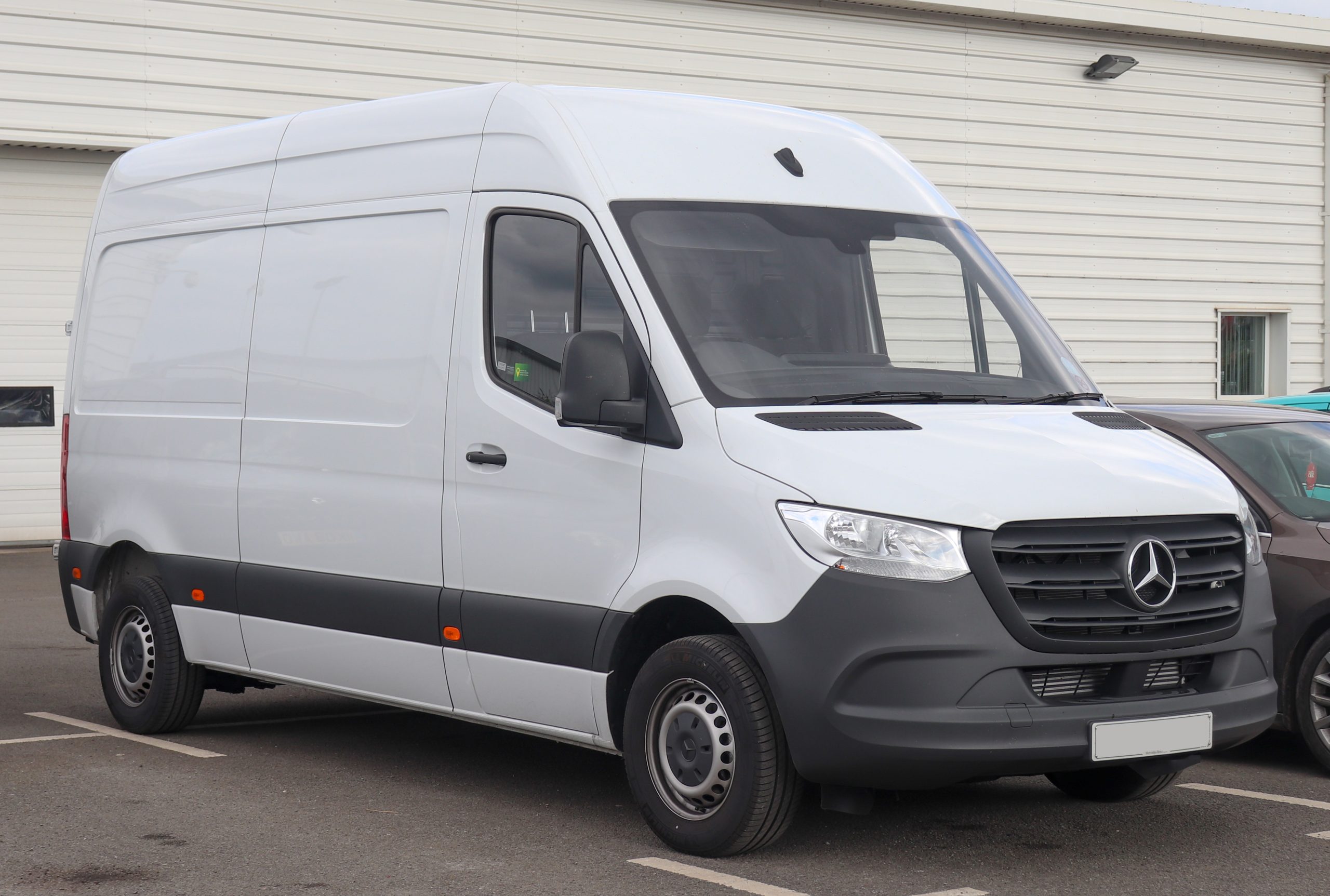
10. Mercedes-Benz Sprinter (906 Series): The Workhorse with Staying Power
When it comes to commercial vans that combine endurance, versatility, and comfort, few vehicles have achieved the reputation of the Mercedes-Benz Sprinter (906 Series).
Produced from 2006 to 2018, this model became a staple across Europe and beyond, serving as a delivery van, tradesman’s hauler, and even the foundation for countless camper conversions. Its popularity rests on a simple formula: dependable diesel engines, massive interior capacity, and surprising refinement for a vehicle of its type.
At its core, the Sprinter’s reliability stems from its OM646 and OM651 diesel engines, both renowned for their longevity and strength.
With proper maintenance, these engines regularly exceed 300,000 miles, a feat that has cemented the Sprinter’s place among the most durable commercial vehicles ever made. Maintenance is relatively straightforward, and parts are widely available thanks to its long production run and shared use across Daimler platforms.
Design flexibility is another defining trait. The 906 Series was offered in multiple body lengths, roof heights, and payload configurations, catering to nearly every professional or recreational need. Cargo capacity can reach an immense 319 cubic feet, and the low, wide rear doors simplify loading even bulky items.
A maximum towing capacity of 7,500 pounds and a gross vehicle weight rating of over 11,000 pounds give the Sprinter real heavy-duty credentials, while numerous tie-downs in the cargo area add practicality.
Despite being a commercial vehicle, the Sprinter’s cabin feels unusually refined. The interior features clear, utilitarian controls and an elevated seating position that gives drivers a commanding view of the road.
Ergonomics are logical, visibility is excellent, and comfort is impressive for long hours behind the wheel. Supportive seats, simple climate control, and a quiet cabin at cruising speeds make it one of the most comfortable vans in its segment.
On the road, the Sprinter’s handling and drivability exceed expectations. Steering is light but precise enough for tight urban maneuvers, while the suspension balances stability with control.
Although acceleration is modest, the engines deliver strong low-end torque, ideal for hauling or towing. The transmission shifts smoothly, and optional 4WD with low- and high-range gearing provides decent off-road ability for rural or utility work.
However, ownership can come with challenges. Early models are prone to rust, especially around wheel arches and underbody seams. Neglected maintenance may lead to injector seal leaks known as “black death” which can become costly if ignored. Other concerns include plastic trim looseness, leaks, and subframe wear, though these are usually manageable with regular inspections.
While reliability issues have been reported, the Sprinter’s core mechanical durability remains its greatest strength. The van’s structure and engines are built to last, and many examples continue operating dependably well past their first decade.
Technology was limited toward the end of the 906’s production, with a basic infotainment setup and minimal smartphone integration. Yet, for its intended role, the simplicity is part of the appeal less distraction, fewer systems to fail, and easier maintenance for fleet operators.
In essence, the Mercedes-Benz Sprinter (906 Series) stands as the benchmark for versatility and endurance in commercial transport. Whether moving freight through city streets or serving as a mobile home on cross-country adventures, it delivers the kind of toughness and capability that have made it a legend among working vehicles.
The enduring reputation of these Mercedes-Benz models stands as proof that true craftsmanship and reliability never fade. “10 Mercedes Cars That Keep Owners Happy Decades Later” celebrates vehicles that continue to deliver satisfaction and pride to their owners, long after newer generations have arrived.
From elegant sedans to rugged SUVs and efficient compacts, each model represents Mercedes’ unwavering focus on quality and comfort. These cars are not just means of transport they are lasting symbols of engineering integrity and driving pleasure.
Their blend of durability, refinement, and timeless design keeps them relevant and respected even decades after production. For those who own or aspire to own one, these Mercedes models embody more than luxury they capture the essence of dependable excellence that defines the brand’s legacy across generations.
Also Read: 10 Cars With Interiors That Still Look New After 20 Years