
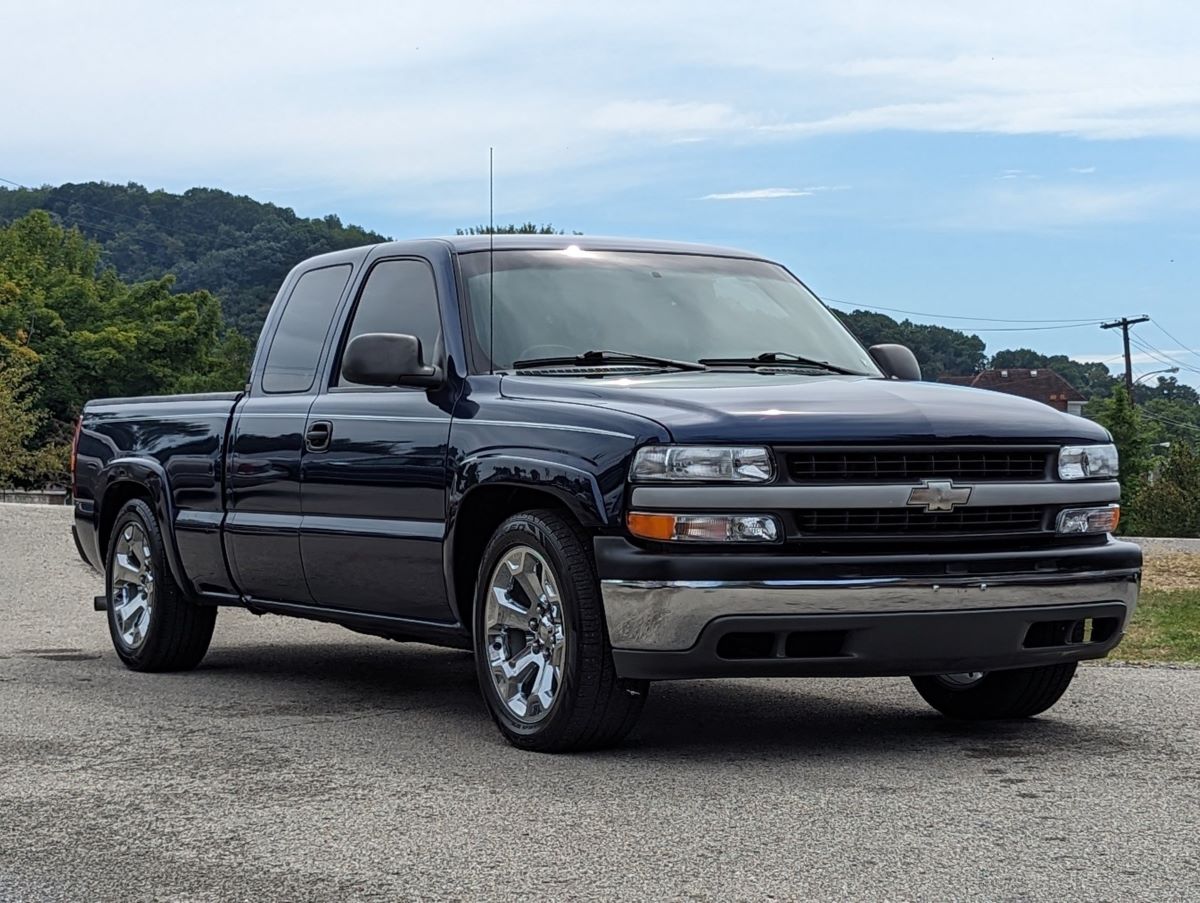
In an era when modern trucks come packed with touchscreen displays, advanced driver-assistance systems, and hybrid or electric powertrains, it might surprise many Americans to learn that an old-school Chevrolet pickup is outselling some of today’s newest rivals in 2025.
This trend isn’t just a nostalgic nod to the past it’s a reflection of how the U.S. truck market values reliability, affordability, and character in ways that shiny new models sometimes fail to capture.
From used car auctions to private sales, older Chevy trucks are moving faster than newer Ford, Ram, and even Chevy’s own latest models.
The reasons are rooted in both practicality and culture, and the rise of these trucks tells us something important about what Americans really want from their pickups.
For decades, automakers have fought to outdo one another by adding more horsepower, more technology, and more luxury features to their pickups.
In 2025, that strategy has reached a peak, with trucks like the Ford F-150 Lightning offering cutting-edge EV platforms and Ram’s 1500 Tungsten Edition boasting interiors rivaling German luxury cars.
But for many Americans, the trade-offs higher prices, complex maintenance, and shorter lifespans don’t justify the hype.
This is where older Chevy trucks are thriving. Buyers are turning to models built in the late 1990s and early 2000s, a period often regarded as a golden era for GM trucks.
These pickups combined durability with straightforward engineering, making them easy to maintain even as they rack up hundreds of thousands of miles.
Unlike modern trucks, which can cost $70,000–$100,000, a well-kept Silverado 1500 from 2002 can still be found for under $15,000 and it will likely still run strong with simple upkeep.
The secret to Chevy’s continued success with older trucks lies in their combination of rugged engineering and American cultural identity.
Models like the Silverado 1500, 2500HD, and even the C/K series built before the Silverado name took over, have developed a reputation for being nearly indestructible.
Owners frequently share stories of their trucks surpassing 300,000 miles, hauling trailers, plowing snow, and surviving harsh winters in the Rust Belt.
Also Read: 10 2026 Cars That Are Designed to Outlast the Competition
Another factor is the simplicity of design. While newer trucks often require specialized diagnostic tools just to reset a warning light, older Chevy trucks can be worked on with basic tools found in most garages.
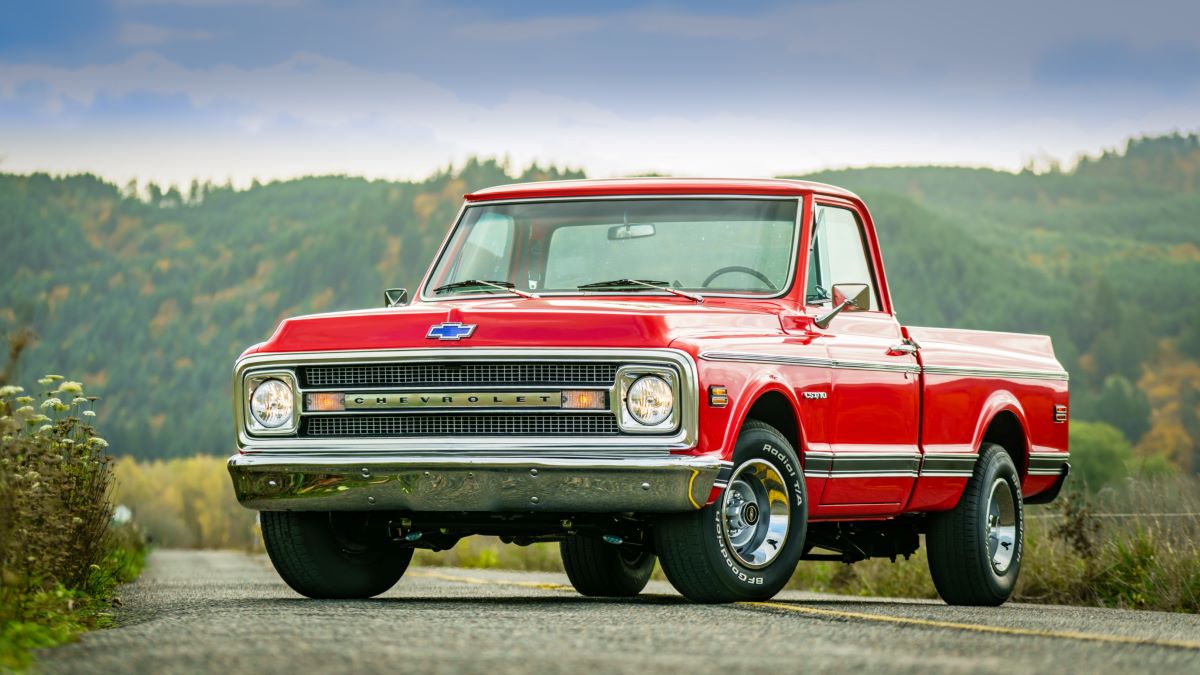
This makes them especially appealing to rural buyers, do-it-yourself mechanics, and small business owners who can’t afford downtime. A truck that can be repaired in a driveway instead of a dealership bay represents not only savings but independence.
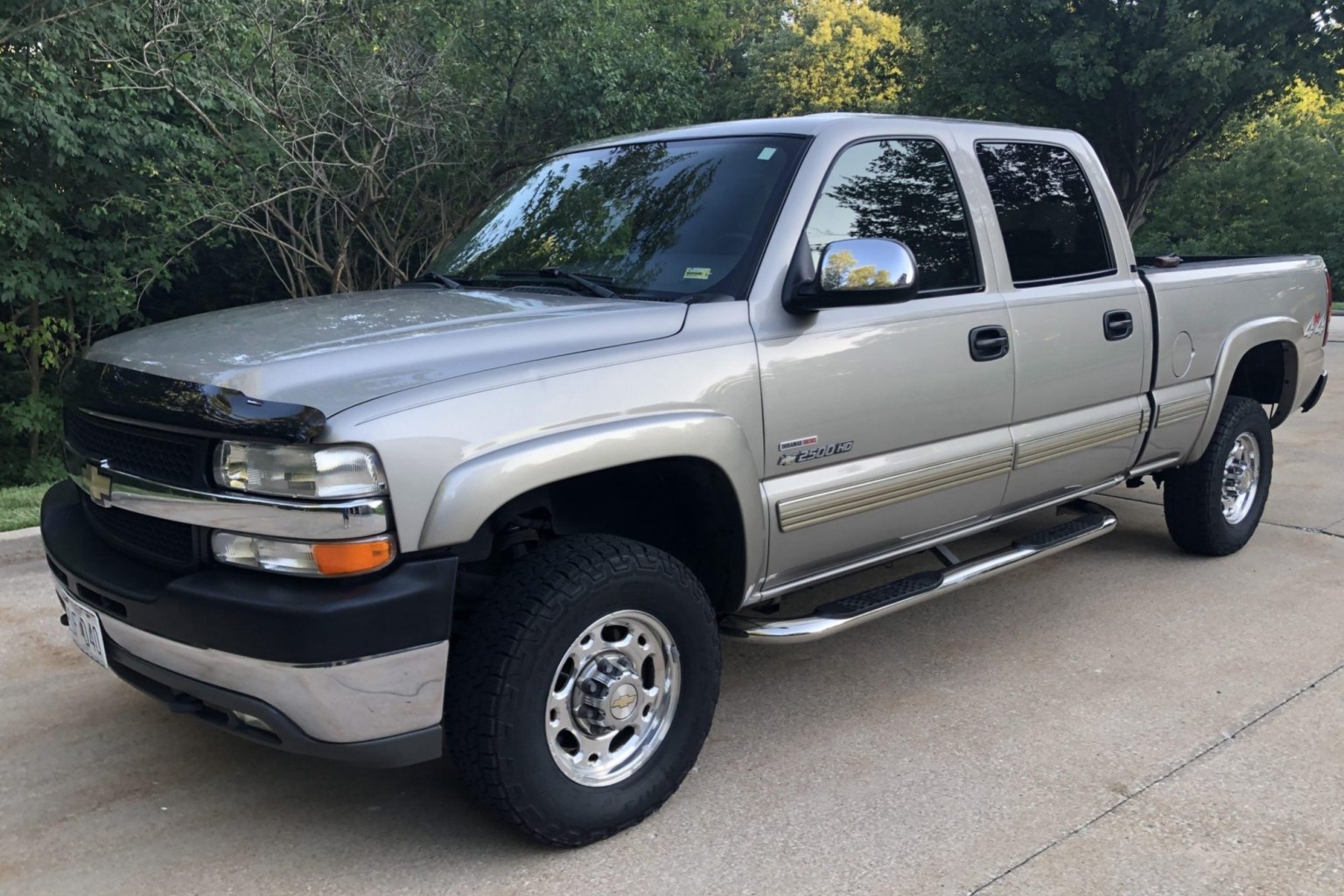
Auction houses and used vehicle platforms have reported record sales of older Chevy trucks in 2025. A recent data set from industry analysts showed that clean examples of early 2000s Silverado 2500HD models with the Duramax diesel engine are commanding prices well above their original MSRP.
Some models that once sold for $35,000 are now fetching $40,000–$50,000, especially if they feature low mileage and rust-free frames.
This resale boom reflects a broader consumer trend. Buyers burned by the rapid depreciation of new vehicles sometimes losing 20% of their value within the first year are opting for proven trucks that have already stood the test of time.
And with financing available for used vehicles, younger truck fans are discovering that they can get a reliable Chevy truck without locking themselves into a decade-long payment plan.
The rise of old Chevy trucks in 2025 has come at the expense of some surprising rivals. New models from Ford, Ram, and even Toyota are struggling to maintain momentum in the face of slowing EV adoption and economic uncertainty.
The Ford F-150 Lightning, for example, has seen slower sales due to high sticker prices and concerns over charging infrastructure in rural America.
Meanwhile, Ram’s luxury-oriented approach appeals to wealthy buyers but alienates working-class truck owners who see trucks as tools rather than status symbols.
Against this backdrop, Chevy’s older trucks offer a refreshing alternative. They don’t pretend to be luxury sedans or mobile offices. They are workhorses, built to haul lumber, tow boats, and handle daily driving without drama.
In the real world where trucks are expected to serve farms, job sites, and family road trips an older Silverado can outperform its flashy modern counterparts simply by being dependable and affordable.
Beyond practicality, there’s also an emotional pull driving the popularity of old Chevy trucks. For many Americans, these vehicles evoke memories of their parents or grandparents driving a Silverado or C/K on family trips, hunting weekends, or cross-country moves.
Social media platforms like TikTok and Instagram are filled with restorations of classic Chevy trucks, further fueling their cultural status.
Also Read: 10 Cars That Withstand Daily Stop-and-Go Traffic
The nostalgic appeal is especially strong among millennials and Gen Z buyers. While these younger generations often get stereotyped as tech-obsessed, many of them crave authenticity and reject overcomplication.
An old Chevy truck with a manual transmission and a few dents tells a story in ways that a glossy new truck never could. In essence, owning one has become a statement about values hard work, independence, and a connection to America’s past.
One of the biggest reasons old Chevy trucks outsell new rivals in 2025 is their legendary engines. The Duramax diesel V8s found in heavy-duty models like the Silverado 2500HD and 3500HD are still considered some of the most reliable powerplants ever made.
Known for towing power and longevity, they’ve become sought-after among contractors and RV owners who need trust over gimmicks.
Meanwhile, Chevy’s small-block gas V8s, particularly the 5.3-liter and 6.0-liter engines, are known for their durability and ease of repair.
Parts are widely available, mechanics across the country know how to fix them, and enthusiasts love to modify them. This mechanical familiarity stands in sharp contrast to the learning curve and expensive components of hybrid and EV trucks.
What started as a practical buying choice has also spilled into collector territory. Classic car auctions like Barrett-Jackson have seen bidding wars over restored Chevy trucks from the late 1990s and early 2000s.
These trucks, once dismissed as mere work vehicles, are now being appreciated for their design and engineering. Enthusiasts are seeking out models with rare trim packages, original paint, or untouched interiors.
The collector interest has only added fuel to the market, raising values and further cementing Chevy’s dominance over rivals.
While Ford and Ram also have strong followings, the simplicity and availability of Chevy’s trucks make them the go-to choice for both restoration and daily use.
The fact that old Chevy trucks are outselling new rivals in 2025 highlights a critical reality: not every buyer wants the newest, most high-tech option. In a market flooded with complexity, the appeal of something simple, durable, and time-tested is powerful.
Automakers may need to pay attention to this trend, balancing innovation with a return to fundamentals.
Chevy itself may find inspiration from the success of its older models, perhaps introducing new trucks that channel the toughness and affordability of its early 2000s lineup.
Meanwhile, buyers across America are sending a clear message sometimes the best truck isn’t the newest one on the lot, but the one that’s already proven itself for decades.
