
There’s a quiet but powerful shift happening in automotive world collecting and it’s not about entire cars this time. It’s about engines.
For serious gearheads, restorers, and investors, certain engines have become standalone works of art, celebrated for their engineering brilliance, performance pedigree, and cultural impact.
From muscle car V8s that defined an era to hand-built European powerplants and Japanese tuning legends, these mechanical masterpieces are commanding big money at auctions and private sales across the United States.
As electric vehicles begin to dominate the headlines, the value of these classic engines has only risen, fueled by nostalgia and the desire to preserve the raw sound and feel of internal combustion before it disappears for good.
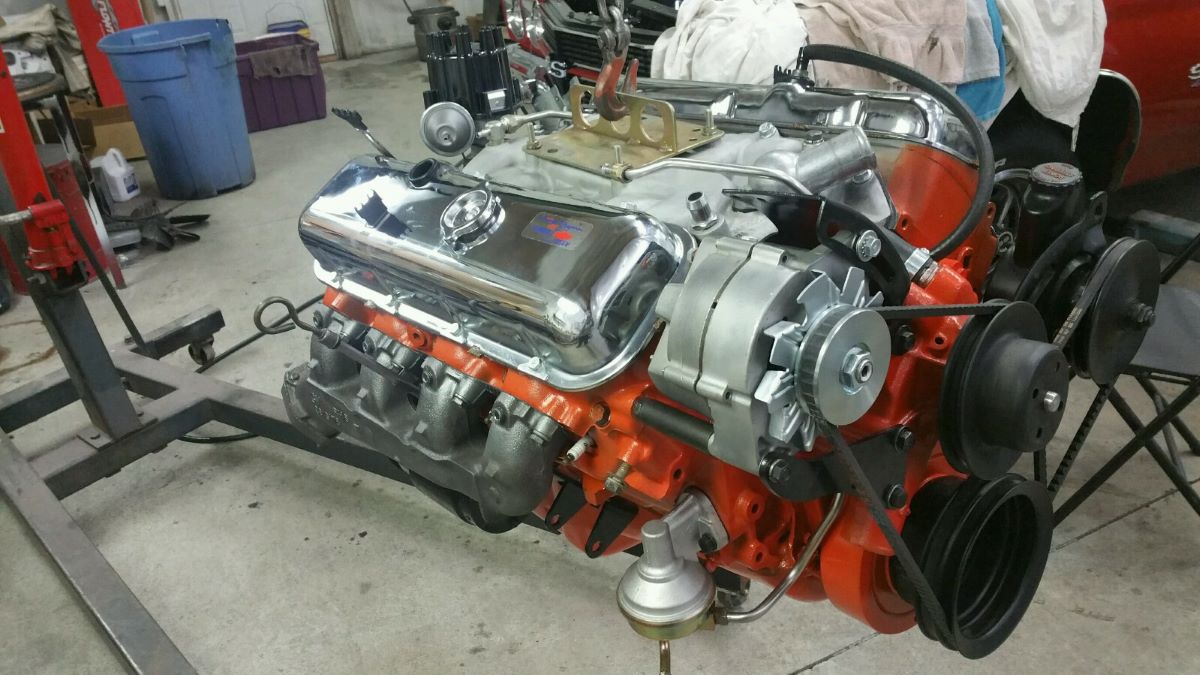
One of the most coveted powerplants among collectors is Chevrolet’s LS6 454, the undisputed king of the classic American muscle era.
Introduced in 1970 and most famously featured in the Chevelle SS, the LS6 produced an advertised 450 horsepower, though enthusiasts believe the true output was closer to 500.
This 7.4-liter V8 represented the peak of GM’s big-block dominance, and its brute power and rarity make it a prized possession for restorers and collectors.
Many pay tens of thousands for original LS6 engines alone, often to complete authentic restorations of Chevelles or Corvettes. The LS6 embodies the unrestrained performance of a bygone Detroit era, when horsepower was everything and fuel economy was an afterthought.
Across the Atlantic, Ferrari’s F140 V12 has become one of the most collectible modern engines ever made.
First introduced in the early 2000s in the Enzo Ferrari, the F140 powered some of Maranello’s most iconic machines including the 599 GTO, F12berlinetta, and 812 Superfast.
Also Read: 10 Trucks That Bring the Best Trade-In Value in 2025
With a displacement of 6.5 liters and output exceeding 800 horsepower in later versions, it’s a naturally aspirated symphony of power and precision.
Beyond performance, what drives its collectibility is its status as one of the last pure V12s from Ferrari’s golden age.
As Ferrari transitions toward hybrid systems, complete F140 units have become highly sought after, often selling for well over $100,000. For collectors, it represents the soul of Ferrari loud, emotional, and unfiltered.
On the other end of the spectrum lies a Japanese legend: the Toyota 2JZ-GTE. Found in the iconic 1990s Supra Mk4, this 3.0-liter twin-turbo inline-six has become a legend for its durability and tuning potential.
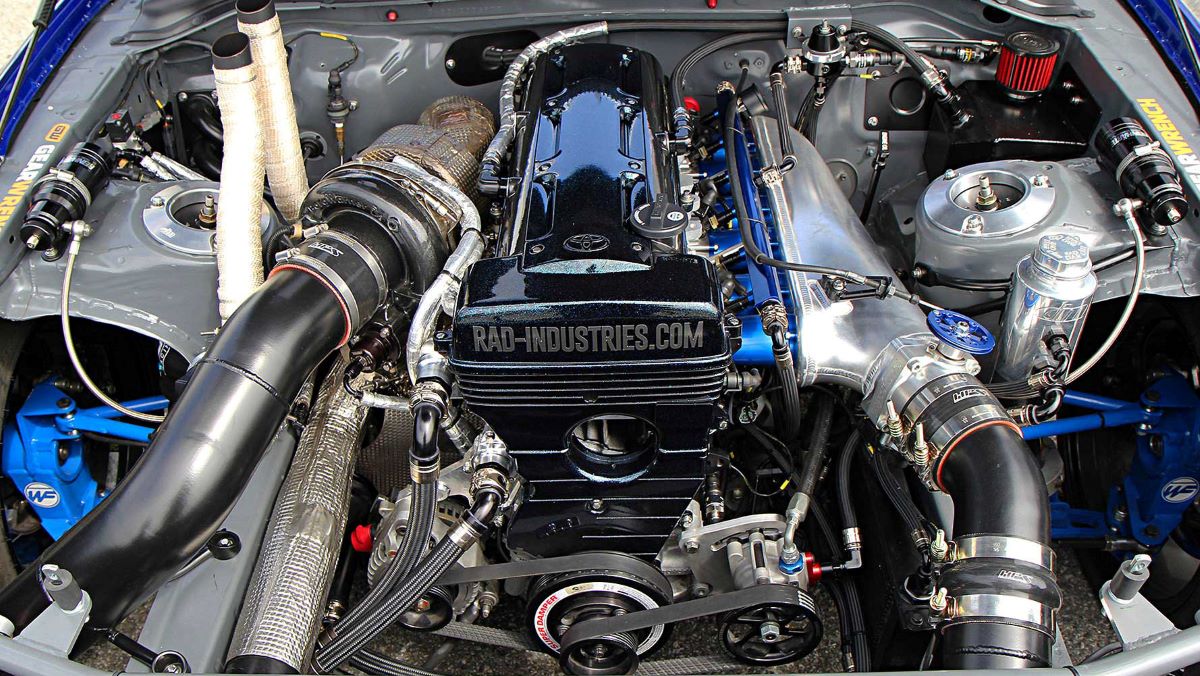
In factory form, it made around 320 horsepower, but tuners quickly discovered it could handle over 1,000 horsepower without breaking a sweat. Today, the 2JZ is revered among collectors and enthusiasts as a mechanical marvel that put Japan on the global performance map.
Prices for clean, unmodified 2JZ engines have skyrocketed, especially those matching original Supra chassis numbers.
The 2JZ’s fame in pop culture cemented by The Fast and the Furious only adds to its appeal. It’s more than an engine; it’s a cultural icon that bridges car culture across continents.
Germany’s contribution to collectible engines includes the BMW S54 a precision-built inline-six that powered the legendary E46 M3 and Z4 M.
Displacing 3.2 liters and capable of revving to 8,000 rpm, the S54 produced 333 horsepower in U.S. trim and was praised for its responsiveness and balance.
It remains one of the finest naturally aspirated engines ever made, offering the perfect blend of motorsport DNA and everyday usability. Collectors have started hunting for low-mileage, unmodified S54s, especially from rare European M3 CSL models.
With newer M engines going turbocharged, the S54’s naturally aspirated purity and high-revving character have made it increasingly valuable as a symbol of BMW’s engineering excellence.
When it comes to pure American racing heritage, few engines hold as much weight as Ford’s 427 Side-Oiler V8. Built during the 1960s for endurance racing, it powered legendary machines like the Shelby Cobra and Ford GT40 the very cars that dethroned Ferrari at Le Mans.
The Side-Oiler’s name comes from its unique lubrication system that improved oil flow at high RPM, making it ideal for long, demanding races. Producing over 500 horsepower in race trim, it remains one of the most powerful and respected engines of its time.
Original 427s with verified Shelby or GT40 connections can fetch over $75,000 today, and owning one is like holding a tangible piece of American motorsport history.
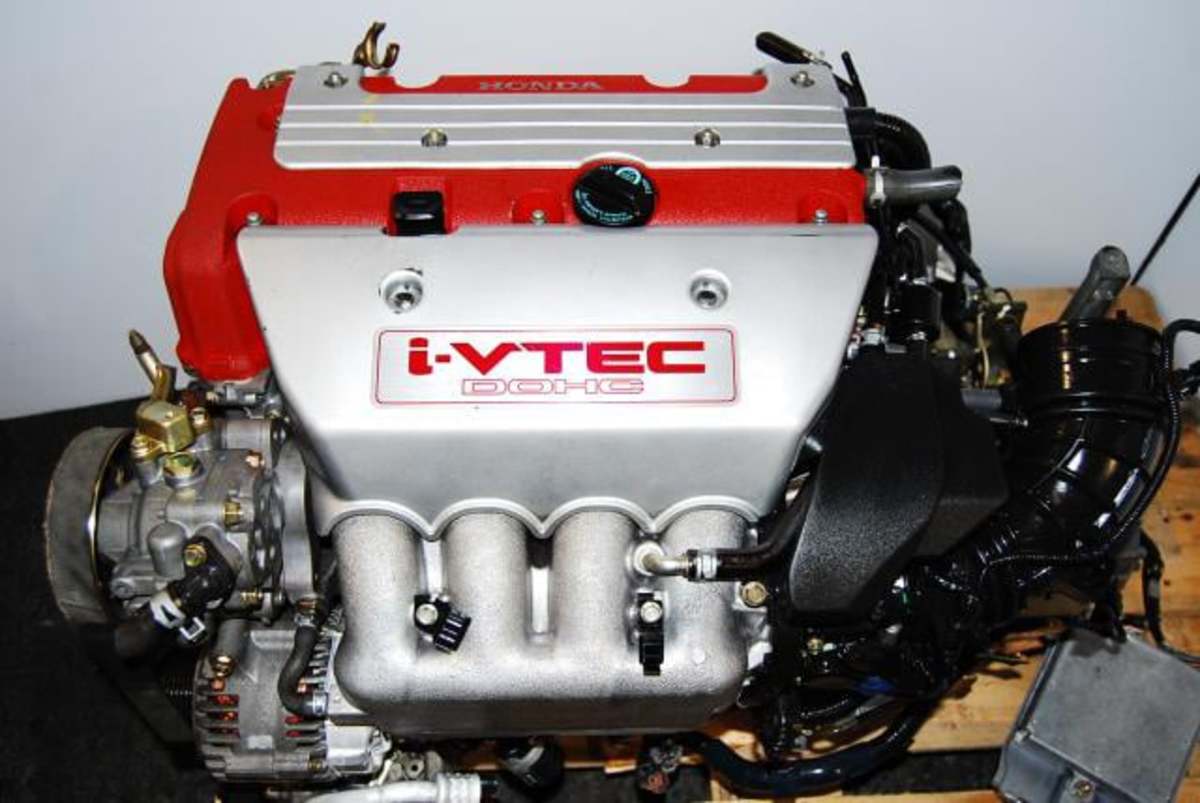
Honda’s K20 engine has also entered the collector spotlight, especially among modern tuner fans. Compact, efficient, and capable of incredible performance, the K20 was found in models like the Civic Type R and Acura RSX Type S.
Also Read: 5 SUVs With Bulletproof Transmissions vs 5 With Failing Ones
Known for its high-revving nature and bulletproof reliability, the K20A and K20Z1 variants have become legends of the import world. Tuners love the K-series for its mod potential, while purists admire its balance of power and refinement.
As modern engines move toward hybridization, enthusiasts are snapping up clean K20s, viewing them as the last great analog four-cylinder engines that defined the golden era of Japanese engineering.
Porsche’s Mezger flat-six engine is another powerhouse that collectors will pay top dollar for. Named after legendary Porsche engineer Hans Mezger, this engine powered icons such as the 911 GT1, 996 Turbo, and 997 GT3.
Its unique hybrid air- and water-cooled design made it both durable and responsive a direct descendant of Porsche’s racing DNA. The Mezger is celebrated for its reliability under extreme conditions and its unmistakable sound.
As Porsche moved to more mass-produced engines, the Mezger became a holy grail for purists. Rebuilt or low-mileage Mezger engines can cost more than $80,000, reflecting their rarity and legendary reputation.
On the domestic front, Dodge’s 6.2-liter supercharged HEMI V8, better known as the Hellcat engine, has quickly become a collector’s dream. Found in the Challenger, Charger, and Durango Hellcat models, it’s a modern icon of American excess, producing up to 807 horsepower in factory trim.
Its blend of raw muscle, supercharger whine, and street-legal insanity made it a hit among enthusiasts. Now that Dodge has officially ended Hellcat production, collectors are hoarding crate engines and low-mileage examples.
Prices for complete units have already climbed past $30,000, as fans view the Hellcat as the last true embodiment of Detroit’s unfiltered V8 era before electrification takes over.
Meanwhile, Mazda’s 13B-REW rotary engine stands as a symbol of Japanese innovation and audacity. This unique rotary design powered the RX-7 and delivered smooth, high-revving performance unlike any piston engine.
Despite its quirks and maintenance challenges, the 13B-REW earned a cult following for its sound, simplicity, and tuning potential. Collectors now prize these engines for their rarity and their role in defining Mazda’s identity as the bold outlier among Japanese automakers.
As rotary-powered cars become increasingly scarce, demand for original 13B engines has surged not just among restorers, but among those who see them as pieces of engineering art.
Finally, there’s the Mercedes-AMG M156 V8, one of the last great naturally aspirated engines from the German automaker. Found in models like the C63, E63, and SLS AMG, this 6.2-liter hand-built V8 delivered between 451 and 518 horsepower depending on configuration.
Each unit was signed by its builder, a mark of craftsmanship that adds to its desirability. The M156’s ferocious sound and linear power delivery made it one of AMG’s finest creations.
As the brand moves toward smaller, turbocharged hybrids, collectors have begun snapping up M156 engines and low-mileage cars as reminders of AMG’s golden age.
Engines like these aren’t just power sources they’re time capsules of engineering innovation, cultural influence, and raw emotion. They symbolize eras when performance wasn’t measured in kilowatts or battery range but in sound, feel, and sheer mechanical soul.
From the thunder of a Chevy big block to the shriek of a Ferrari V12, these engines are commanding ever-higher prices as collectors recognize their rarity and significance.
In a future dominated by silent electric motors, these mechanical masterpieces will stand as roaring reminders of why enthusiasts fell in love with cars in the first place.
