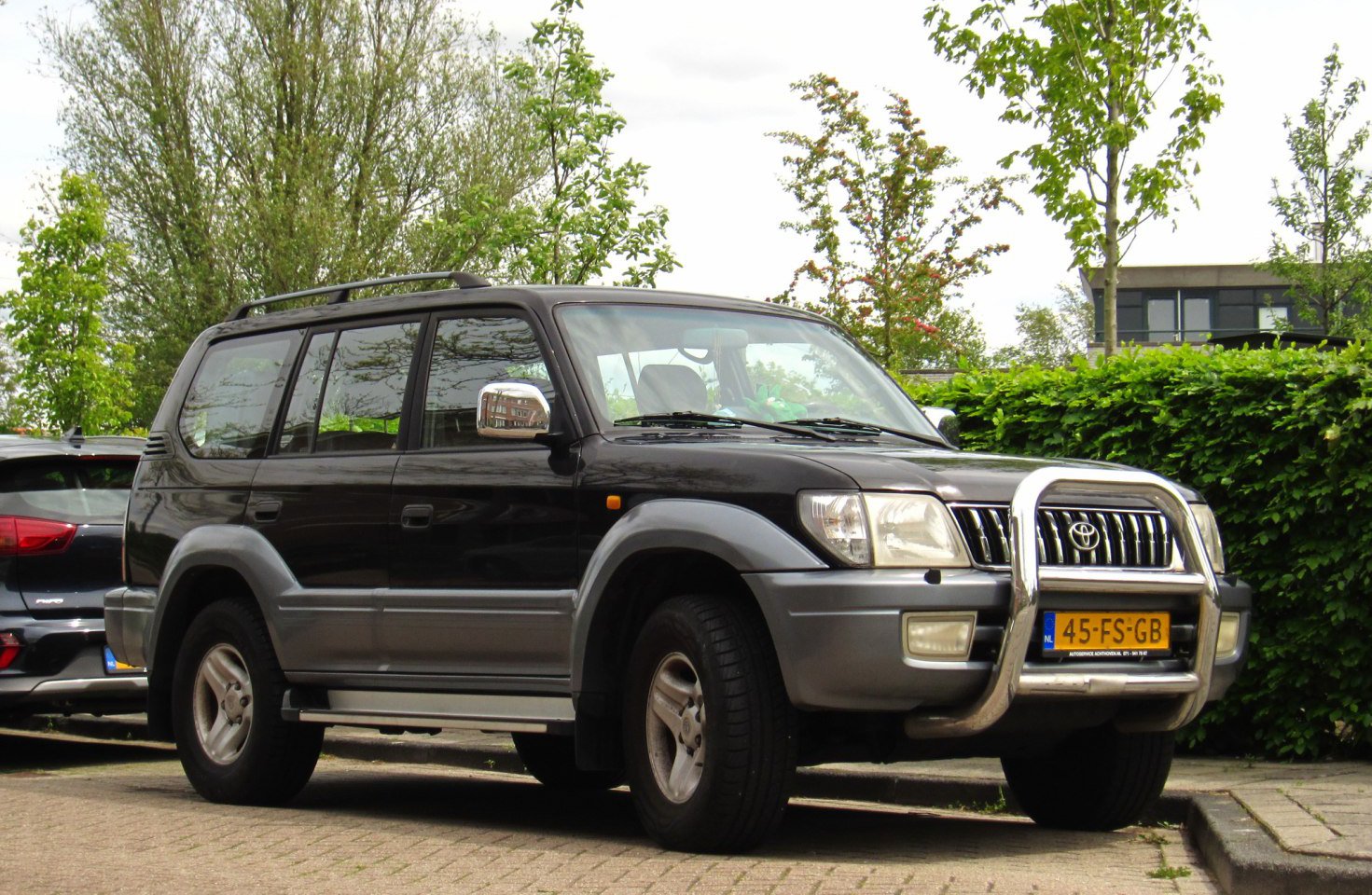
In a world where modern sports cars seem to dominate the headlines, with sleek designs, high-tech interiors, and six-figure price tags, there’s one surprising contender from the 2000s that’s quietly outperforming them all not on the track, but in the resale market.
The mid-2000s Toyota Land Cruiser has emerged as one of the most valuable used vehicles in America, outpacing many once-coveted sports cars in long-term appreciation and collector interest.
What was once viewed as a rugged SUV for the affluent adventurer has become a blue-chip automotive investment, proving that dependability, heritage, and scarcity can be just as valuable as horsepower and 0–60 times.
When the 200 Series Land Cruiser debuted in 2008, it carried a hefty price tag of around $65,000 steep for its time. It wasn’t the flashiest SUV on the market, nor was it the fastest.
But under its understated bodywork lay Toyota’s finest engineering: a bulletproof 5.7-liter V8 engine, full-time four-wheel drive, and an off-road system that could conquer nearly anything the planet threw its way.
While other luxury SUVs of the era like the Range Rover or Mercedes-Benz ML quickly lost value as maintenance costs soared, the Land Cruiser held its ground.
Fast forward to 2025, and that same 2008–2011 Toyota Land Cruiser can easily fetch $40,000 to $60,000, depending on mileage and condition.
That’s more than some well-equipped 2020s sports cars are worth after only a few years of depreciation. The math is staggering: a 15-year-old SUV retaining nearly two-thirds of its original value is almost unheard of in the car world, yet it’s now a reality in the Land Cruiser market.
Sports cars from the 2000s such as the Nissan 350Z, BMW M3, or Porsche Boxster often promised excitement, but their reliability stories haven’t aged as gracefully.
Also Read: 10 Engines That Keep Running Despite Poor Maintenance
Repairs and maintenance costs for these vehicles can climb into the thousands annually, especially as parts become scarce or specialized labor is needed.
By contrast, the Land Cruiser’s reputation for indestructibility has made it the go-to SUV for remote travel, humanitarian work, and overlanding enthusiasts.
This dependability wasn’t an accident. Toyota engineered the Land Cruiser to perform in some of the world’s harshest environments, from the Australian Outback to the Middle East deserts.
That same durability now translates to incredible resale value in the U.S. market, where used car buyers prize vehicles that can last 300,000 miles or more.
A well-maintained Land Cruiser can easily reach half a million miles without major engine or transmission work something even most high-end sports cars can’t claim.
One major reason behind the Land Cruiser’s value explosion is its discontinuation in the U.S. after the 2021 model year.
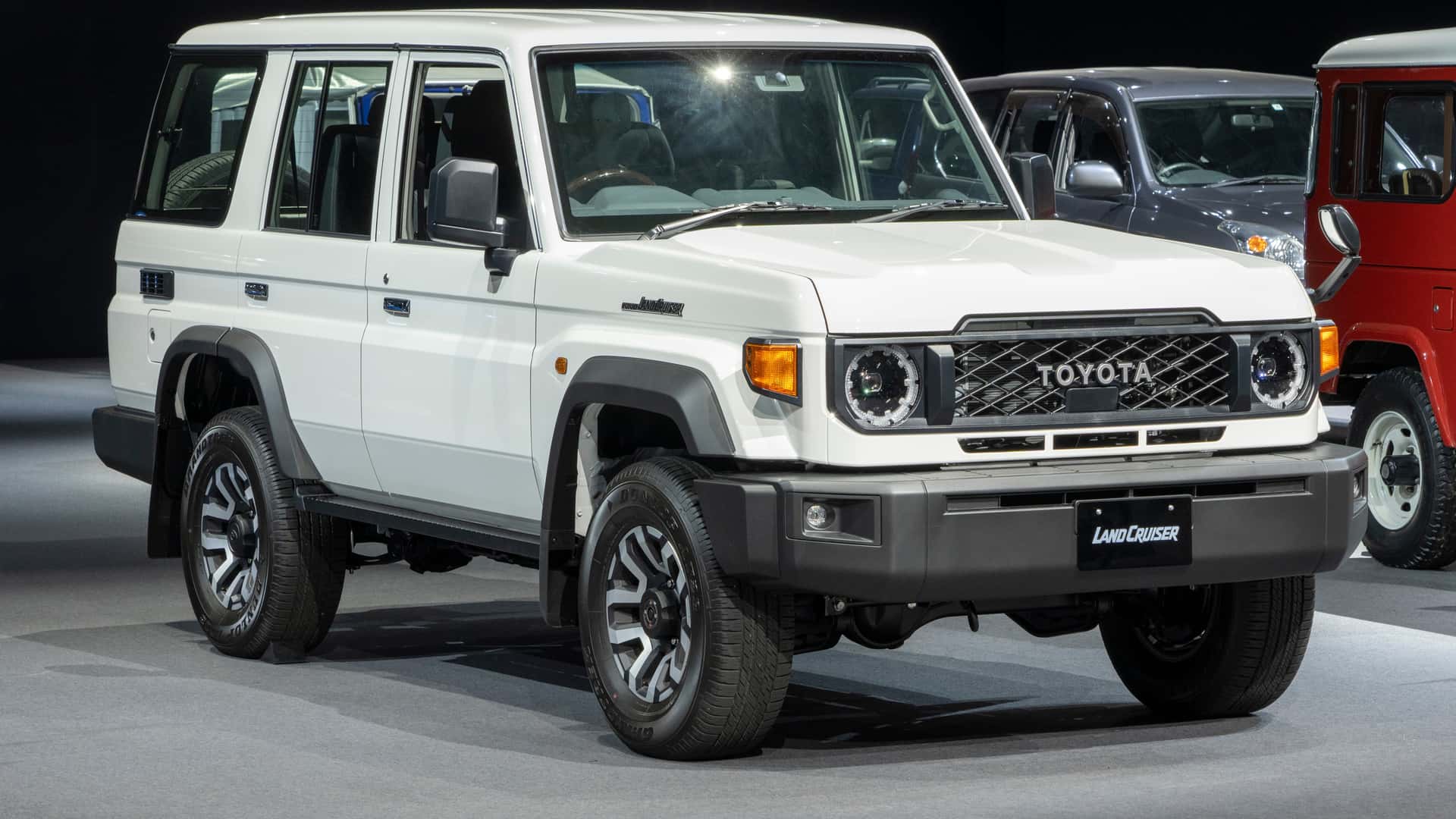
When Toyota announced it would no longer sell the Land Cruiser stateside, enthusiasts and collectors scrambled to buy up the remaining inventory. This move instantly turned older models especially well-maintained examples from the 2000s into sought-after collectibles.
The scarcity effect kicked in fast. Auction sites like Bring a Trailer and Cars & Bids saw bidding wars break out for clean Land Cruisers with low mileage.
In some cases, used 2010 models were selling for more than their original MSRP. This kind of appreciation is something typically reserved for rare sports cars, not large family SUVs.
Yet, the Land Cruiser defied the norm, becoming one of the most stable and appreciating assets in the modern used-car market.
Younger buyers and car enthusiasts are also rediscovering the 2000s Land Cruiser for its authenticity. Unlike today’s tech-heavy SUVs, which rely on touchscreen-heavy interfaces and driver-assistance systems, the older Land Cruisers offer a more analog driving experience.
They have genuine mechanical feel solid steering, traditional gear selectors, and engines that respond predictably without digital filters.
This mechanical honesty has become a major selling point for collectors disillusioned by modern cars’ digital overload. It’s part of the same nostalgia that’s driving up prices of manual-transmission cars and early 2000s Japanese performance vehicles.
A Land Cruiser from that era offers a blend of vintage toughness and timeless design something no modern crossover can replicate.
Unlike many American-market vehicles, the Land Cruiser has always had a global following. Its reputation for reliability means it’s equally prized in Africa, the Middle East, Australia, and the U.S.
That global demand has created an international market for older Land Cruisers, driving prices even higher. Enthusiasts and importers often ship used U.S. Land Cruisers overseas, where they’re refurbished or modified for expedition use.
Also Read: Why Drivers Keep Million-Mile Cars Instead of Selling
This global appetite helps keep U.S. supply tight, pushing domestic prices up further.
Investment-minded buyers have noticed. As classic car investors diversify beyond traditional European sports cars, models like the Land Cruiser have become “safe haven” assets vehicles that can be enjoyed while steadily appreciating in value.
Some experts even compare the Land Cruiser’s market trajectory to that of the 1980s Toyota Supra or early Porsche 911s models that once seemed common but are now worth small fortunes.
Another key reason for the Land Cruiser’s modern success is the overlanding craze sweeping across the U.S. In the last decade, more Americans have embraced off-grid travel, seeking vehicles that can double as adventure platforms.
The Land Cruiser’s strong frame, reliable drivetrain, and easy aftermarket support make it a perfect base for overlanding builds.
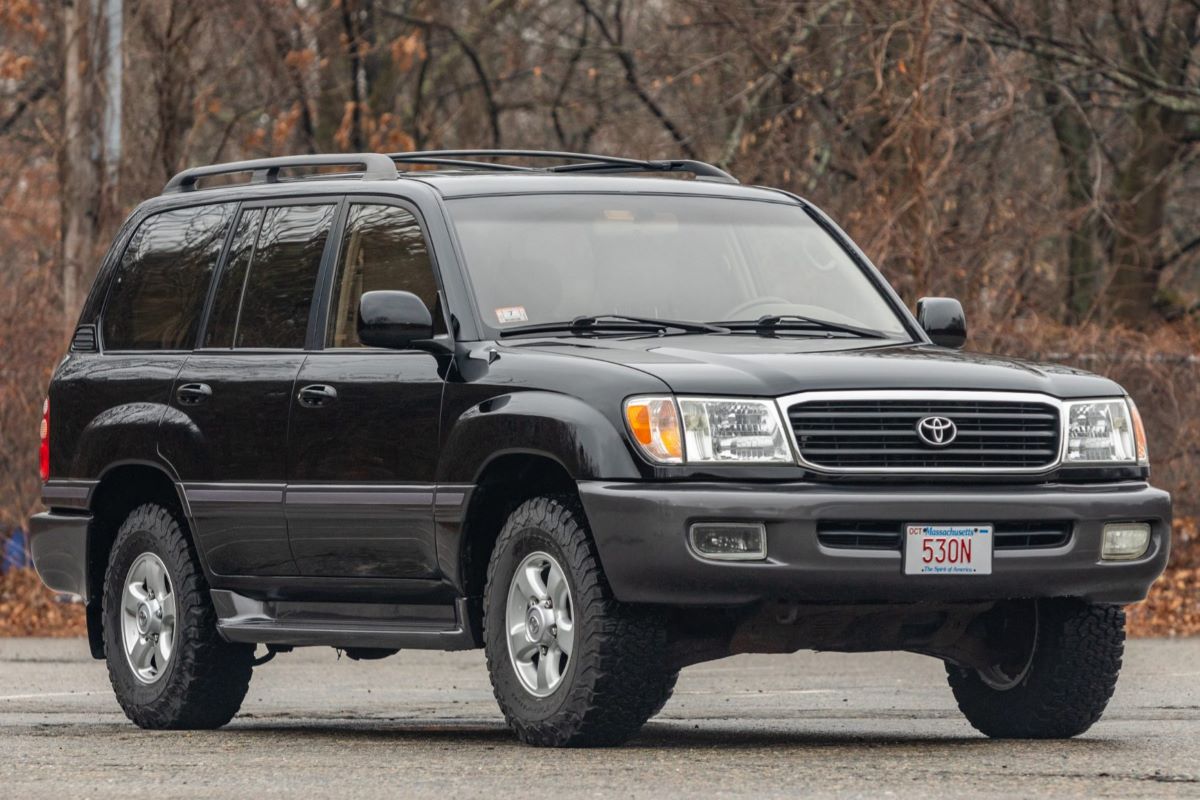
Unlike newer SUVs that rely on delicate electronics and air suspensions, the 2000s Land Cruiser is old-school tough it can be lifted, equipped with roof tents, and driven thousands of miles off-road with minimal worry.
Social media and YouTube overland channels have further fueled demand, often showcasing 15-year-old Land Cruisers outlasting brand-new off-roaders from competing brands.
To put the Land Cruiser’s value retention into perspective, consider this: a 2006 Porsche Cayman that originally sold for around $60,000 now averages about $25,000 on the used market.
Meanwhile, a 2008 Toyota Land Cruiser that originally cost a similar amount might sell for $45,000 today nearly double the resale performance of the Porsche.
This reversal of automotive expectations where a family SUV beats a European sports car in resale value underscores a major shift in collector preferences.
Practical classics that offer reliability and daily usability are now commanding the kind of respect that used to be reserved only for high-performance coupes.
With Toyota’s new 2024 Land Cruiser returning to the U.S. market this time in a more compact, turbocharged, hybrid-powered form older V8 models are gaining even more prestige.
Many buyers see the new generation as a different animal altogether, focusing more on fuel economy and tech features rather than the raw, mechanical strength that defined the 2000s models.
As a result, collectors are doubling down on older Land Cruisers, viewing them as the last “true” examples of Toyota’s old-school off-road engineering.
With demand still outpacing supply, there’s little indication that prices will fall anytime soon. In fact, the Land Cruiser’s value trajectory resembles that of the vintage FJ40s vehicles that once sold for a few thousand dollars but now regularly bring six-figure bids at auctions.
The 2000s Toyota Land Cruiser’s rise from dependable off-roader to collector’s gem reflects a broader cultural shift in how Americans value cars.
Flashy sports cars may dominate social media feeds, but vehicles like the Land Cruiser embody something more enduring authenticity, craftsmanship, and trust. In an era of uncertainty, it’s the vehicle that proves stability and reliability are the ultimate luxuries.
So while sports cars from the 2000s continue to depreciate in garages and classifieds, the Land Cruiser keeps climbing in value a quiet reminder that real performance isn’t just about speed.
Sometimes, it’s about how far you can go and how long you can last. And in that race, the Toyota Land Cruiser is leaving the sports cars of its era far behind.