In an era where cars often fade into obsolescence within a decade, a select few defy expectations, outliving their stereotypes and proving that true engineering excellence never goes out of style. “10 Cars That Outlive Their Stereotypes” celebrates these rare machine vehicles that stand as testaments to durability, craftsmanship, and timeless design.
From the indestructible Toyota Land Cruiser to the bulletproof Volvo 240, these icons have earned reputations that transcend marketing hype, delivering real-world longevity measured in decades and hundreds of thousands of miles.
They endure not because of nostalgia, but because they were built to a higher standard, vehicles that combine mechanical honesty with enduring capability. Whether it’s the workhorse Ford Crown Victoria, the unbreakable Toyota Hilux, or the refined Lexus LS400, each car on this list tells a story of resilience, reliability, and reinvention in a world that too often prizes novelty over longevity.
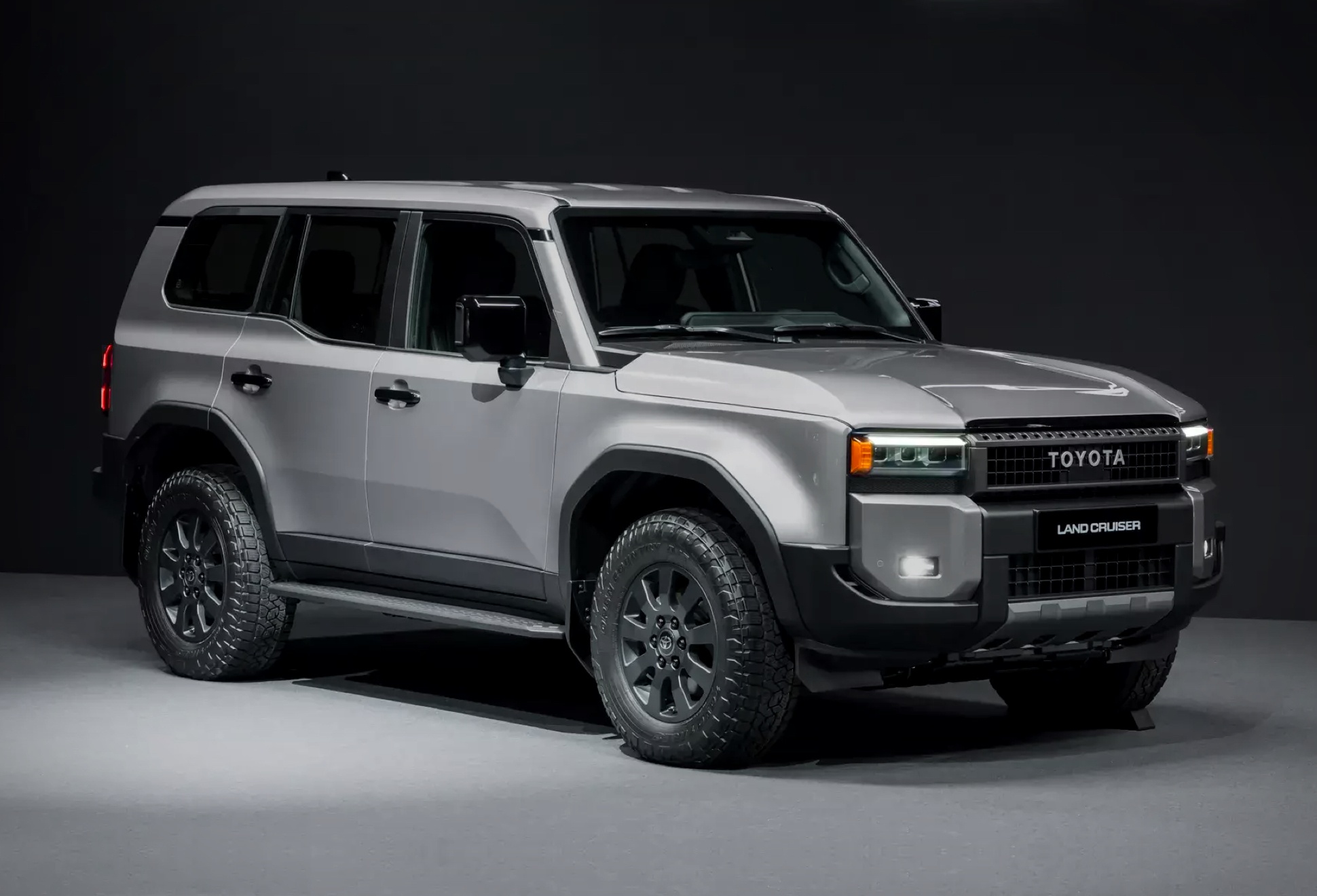
1. Toyota Land Cruiser: The Legend Reinvented
The Toyota Land Cruiser remains an icon in the SUV world, celebrated for its unmatched durability, reliability, and off-road prowess. Trusted across extreme environments from scorching deserts to icy tundras, the Land Cruiser has earned its reputation for longevity, with many examples surpassing 300,000 miles and still performing reliably.
Auto experts, including Car and Driver, consistently commend its engineering excellence and robust build, affirming its position as one of the most dependable vehicles ever made.
Behind the wheel, the Land Cruiser delivers a capable yet somewhat subdued driving experience. Its hybrid powertrain offers smooth and responsive acceleration, though the 0–60 mph sprint in 8.2 seconds feels underwhelming compared to rivals like the Land Rover Defender 110.
Steering is on the heavier side with minimal road feedback, and sudden braking can cause a noticeable nosedive. However, the Land Cruiser remains more composed than off-road purists like the Jeep Wrangler or Ford Bronco, maintaining comfort even over rough surfaces.
Off-road, the SUV demonstrates solid capability, confidently tackling challenging terrain. Still, enthusiasts may crave greater ground clearance and more aggressive tires to fully exploit its potential.
Toyota equips the Land Cruiser with extensive safety technology, including adaptive cruise control, lane-keeping assist, and Proactive Driving Assist, which automatically adjusts for curves and traffic. Though effective, this system can sometimes feel overzealous.
For an SUV designed for rugged conditions, the Land Cruiser offers a surprisingly comfortable cabin. Front and second-row seats are supportive, with excellent adjustability and thigh support. However, rear legroom is limited, and the low seat height may cause some discomfort for taller passengers. Despite these drawbacks, cabin insulation is impressive, effectively minimizing road and wind noise.
Interior ergonomics are thoughtfully executed, and controls are well-placed and intuitive. Car seat installation is made easier with accessible LATCH anchors, though the tight rear space may limit flexibility for larger, rear-facing seats.
Toyota equips the Land Cruiser with an easy-to-use infotainment system, complete with wireless Android Auto and Apple CarPlay, multiple USB ports, and a household-style outlet. Cargo space measures 37.5 cubic feet, sufficient for daily needs, but the raised cargo floor due to hybrid battery placement reduces practicality. Small-item storage is limited, and the absence of a flat-folding rear seat further hinders versatility.
With a 6,000-pound towing capacity, the Land Cruiser handles moderate towing tasks capably, though the four-cylinder hybrid can feel strained on steep inclines.
While the Land Cruiser’s premium price may seem high for its segment, buyers gain exceptional build quality and refinement. It’s 23 mpg combined fuel economy outperforms most off-road rivals, though the requirement for premium fuel offsets savings.
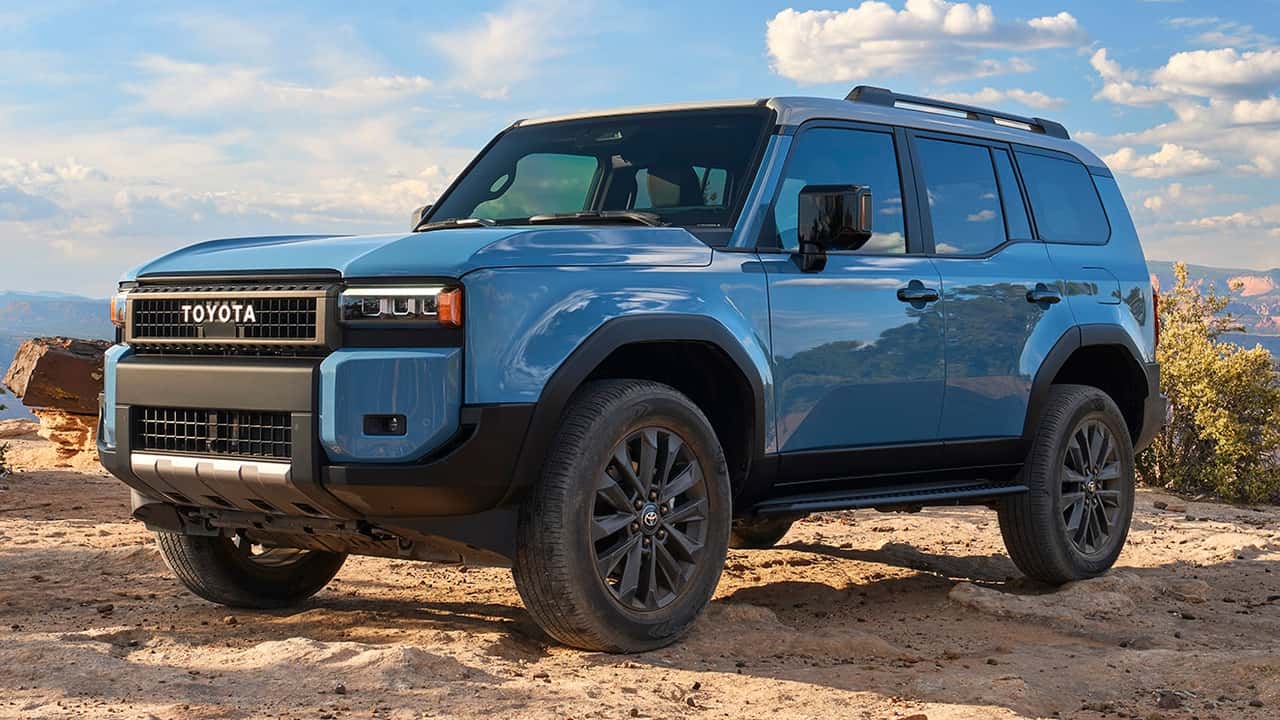
Toyota masterfully blends classic design cues like round headlights and the vintage logo with a modern, rugged aesthetic. The Land Cruiser feels most authentic off-road, where its heritage and engineering truly shine. Despite minor compromises in space and speed, it remains a timeless symbol of endurance and capability in the SUV world.
2. Volvo 240: The Timeless Symbol of Durability
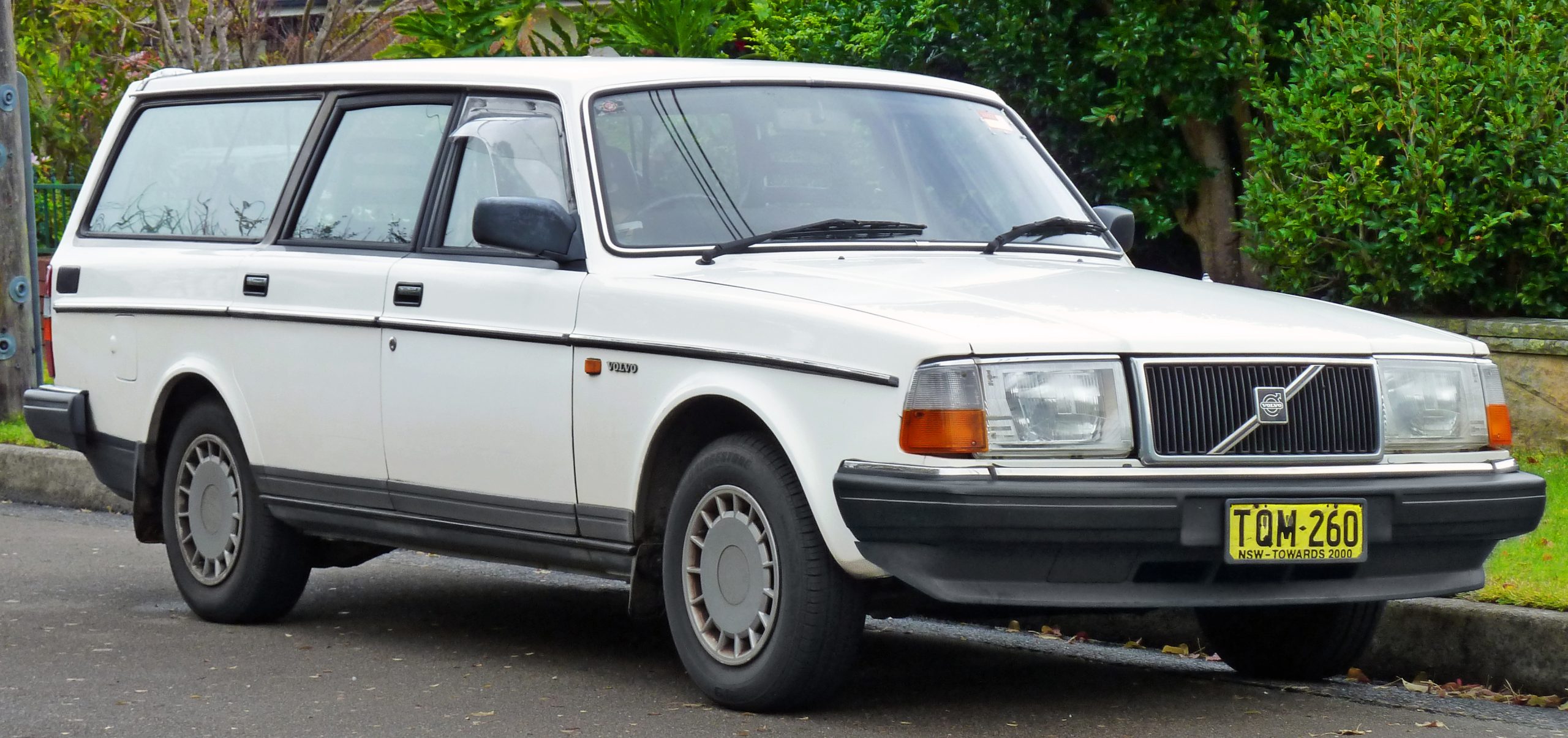
Few cars embody reliability and endurance like the Volvo 240. Produced from the mid-1970s through the early 1990s, this iconic Swedish sedan has earned legendary status for its bulletproof engineering, simplicity, and longevity.
The 240’s reputation for toughness is so well established that it remains a fixture in high-mileage clubs worldwide. Many examples continue to operate smoothly with over 400,000 miles on the odometer. Built to last and easy to maintain, the 240 represents a bygone era of automotive honesty and practicality.
The secret to the Volvo 240’s unmatched durability lies in its straightforward design and robust mechanicals. Volvo engineers prioritized reliability over complexity, using overbuilt components that could withstand decades of use.
Unlike many modern vehicles dependent on electronic systems, the 240’s mechanical simplicity allows owners to perform routine repairs themselves, keeping maintenance costs low.
This minimalist philosophy helped make the 240 a favorite among families, commuters, and even automotive enthusiasts seeking a reliable daily driver. Its reputation for dependability is so strong that it’s not uncommon to hear stories of 240s outlasting their original owners, passed down through generations as family heirlooms.
According to consumer sentiment, the 1987–1993 Volvo 240 series receives outstanding reviews, averaging 4.6 out of 5 stars from owners, with 95% recommending the vehicle.
Many owners affectionately describe it as “bulletproof” and “built like a tank.” They praise its roomy interior, safety, fuel efficiency, and ease of repair. On average, owners report 28–30 mpg on the highway, impressive for a car of its age and size.
Drivers appreciate the 240’s tight turning radius, making it agile in city driving, while its sturdy chassis and excellent suspension deliver a comfortable, composed highway ride. Reviews consistently highlight its ability to handle snowy or rough conditions with ease, a testament to its Scandinavian roots.
In reliability ratings, the 1993 Volvo 240 earns an exceptional 4.7 out of 5, indicating performance well above average for its class. Owners cite minimal mechanical issues even after decades of use, reinforcing its legendary status as one of the most reliable cars ever built.
The Volvo 240’s appeal extends beyond its dependability. Its boxy, utilitarian design has become a cult classic, symbolizing practicality and understated European style. Inside, the cabin is simple yet comfortable, offering a solid, reassuring feel that owners often compare to a “well-built carriage.”
While safety features in 1993 models were basic by modern standards, child door locks and seat anchors were not available. The 240 was ahead of its time in structural safety. Its rigid frame, advanced crumple zones, and reinforced cabin contributed to Volvo’s reputation as a pioneer in automotive safety.
The 1993 240 Sedan and Wagon both deliver 18 mpg city / 23 mpg highway, modest by today’s standards but respectable for its era. With a reputation for longevity and affordable maintenance, even used models retain value among collectors and enthusiasts.
In essence, the Volvo 240 represents the perfect blend of simplicity, strength, and safety. It’s more than just a car; it’s a piece of automotive history that continues to prove that good design and honest engineering can stand the test of time.
3. Mercedes-Benz W123: The Pinnacle of Timeless Engineering
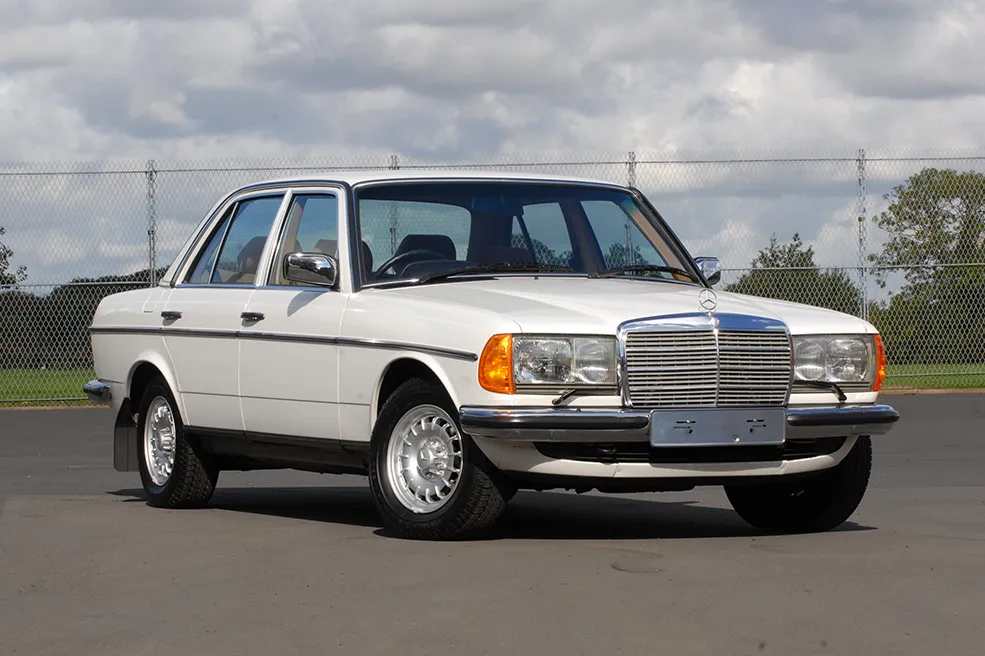
The Mercedes-Benz W123, produced from 1976 to 1985, is widely regarded as one of the most durable and meticulously engineered cars ever built. Its reputation for longevity and dependability has earned it legendary status among enthusiasts, collectors, and working drivers worldwide.
Even decades after production ended, the W123 remains a common sight in regions such as Africa, the Middle East, and Europe, where many continue to serve reliably as taxis, often with over half a million miles on the odometer.
The W123 marked a defining era for Mercedes-Benz, solidifying its global reputation for quality and precision. It introduced new markets to the brand through its unmatched build quality, refined styling, and wide range of engines. As the first Mercedes model offered in estate (T-model) form in 1980, the W123 broadened its appeal, offering practicality alongside the marque’s hallmark luxury.
Available in various configurations from the economical 200D diesel to the spirited 280E twin-cam petrol engine, the W123 catered to different types of drivers while maintaining core Mercedes values: longevity, comfort, and understated elegance. The pillarless Coupe CE models, built in nearly 100,000 units, combined sporty design with the same durable mechanicals as the sedan, earning a devoted following for their distinctive looks and refined performance.
Few cars match the W123’s build integrity. The solid “thunk” of its doors closing remains a hallmark of Mercedes craftsmanship. Its MB-Tex synthetic upholstery, famed for near-indestructibility, has outlasted leather interiors in many modern vehicles. Inside, the W123 offers a plush, stable ride its suspension absorbs imperfections effortlessly, maintaining composure even on rough roads.
Owners frequently praise its precise steering, excellent visibility, and the car’s ability to balance comfort with control. While acceleration, especially in base diesel variants, can feel sluggish by modern standards, the trade-off is bulletproof reliability and low running costs. Enthusiasts often describe it as “slow but unbreakable,” a car that rewards steady, confident driving.
The W123’s reputation for exceptional reliability is well-earned. Its mechanical components, particularly the OM617 diesel engine, are renowned for their ability to run virtually forever with proper maintenance. Many examples have surpassed 500,000 miles, and some even approach the million-mile mark.
The car’s simple and robust mechanical systems make it a favorite among DIY mechanics and classic car restorers, while parts availability remains strong, ensuring long-term serviceability.
However, not all is flawless. Rust is a well-known concern, especially in neglected examples, and should be checked thoroughly before purchase. Additionally, the manual transmission can feel stiff and heavy, and the lack of modern technology means drivers won’t find advanced infotainment or safety systems.
Visually, the W123 embodies timeless elegance a balance of proportion, chrome detailing, and understated sophistication that defines Mercedes’ golden age. Its refined silhouette and mechanical honesty have made it a favorite among classic car enthusiasts seeking substance over flash.
For those who value engineering purity, reliability, and comfort, the Mercedes-Benz W123 stands as a benchmark. It’s ideal for enthusiasts who appreciate mechanical simplicity and enduring craftsmanship. More than just a classic car, the W123 is a symbol of an era when Mercedes built vehicles to last a lifetime, making it one of the most respected and beloved automobiles ever produced.
4. Honda Accord: The Benchmark of Everyday Reliability
The Honda Accord has long stood as a model of reliability, practicality, and engineering excellence. Known for its affordable maintenance and long-term dependability, the Accord consistently earns top marks in automotive reliability studies.
Many owners report their vehicles surpassing 200,000 miles or more, with countless examples still providing dependable transportation decades after leaving the showroom. As a result, the Accord has become a family staple and trusted long-term investment, often outlasting its original owners.
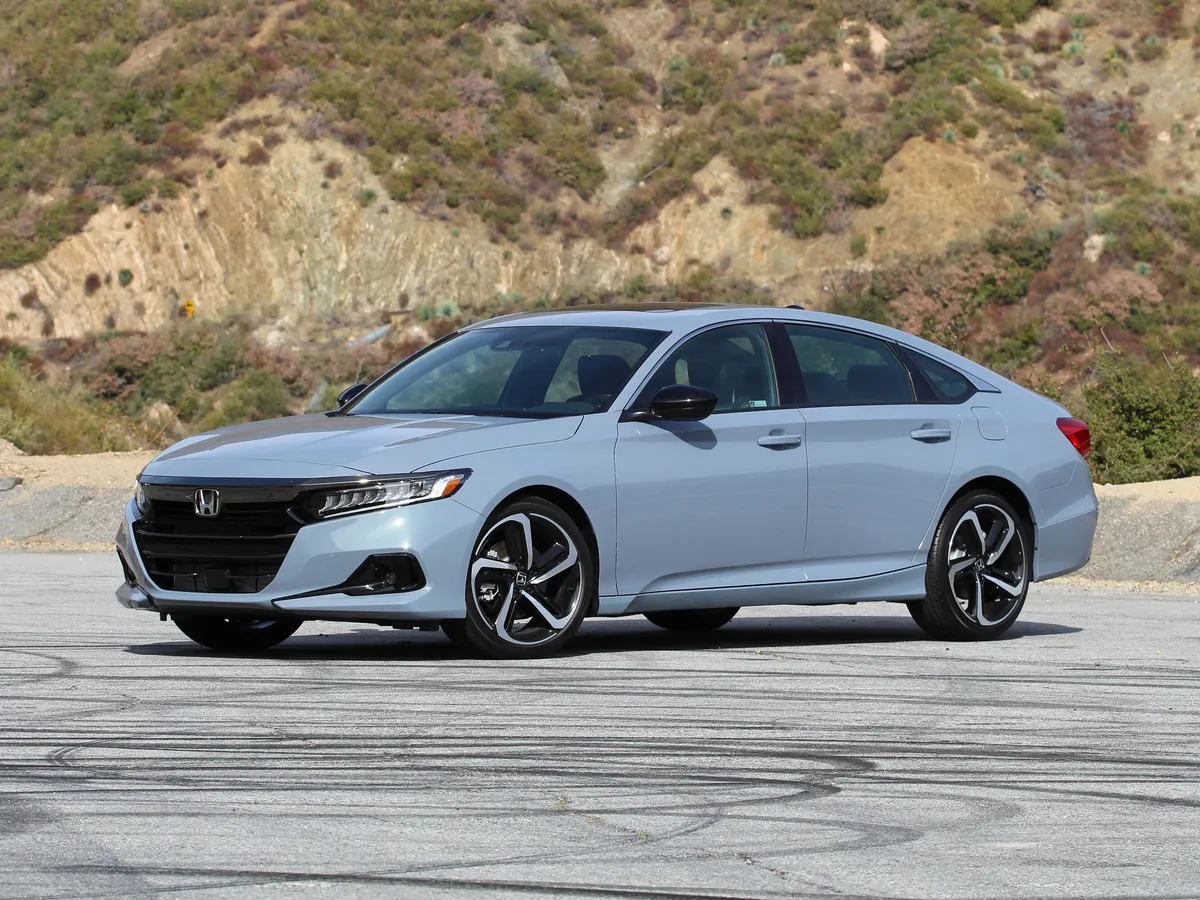
In its latest iteration, the Accord balances efficiency, comfort, and composure with impressive finesse. The Sport-L hybrid variant exemplifies Honda’s commitment to fuel efficiency without sacrificing performance.
In testing, it accelerated from 0 to 60 mph in 7 seconds, making it about a second quicker than many rival midsize hybrids. The continuously variable transmission (CVT) is smartly programmed to mimic the feel of a traditional automatic, enhancing driver engagement.
Handling is well-sorted, with precise steering and composed cornering, though the latest model is slightly larger and less athletic than earlier generations. Ride quality remains excellent, even with 19-inch wheels, absorbing bumps gracefully. Visibility is also a strong suit, thanks to thin windshield pillars and a large rear window, which make driving the Accord both safe and confidence-inspiring.
Honda’s Sensing suite of safety and driver-assist technologies comes standard, offering adaptive cruise control and lane keeping assistance. While effective, the lane-keeping system can occasionally feel overly intrusive.
The Accord’s interior is defined by simplicity, space, and thoughtful ergonomics. Wide door openings and generous legroom make entry and exit easy, though taller passengers may need to duck slightly due to the sloping roofline. Both front and rear seats offer ample room and adjustability, though the driver’s seat could use more cushioning for long trips.
The cabin’s design emphasizes function over flash, with large physical buttons and a user-friendly layout. High-quality materials and excellent sound insulation create a serene atmosphere, while LATCH anchors and a wide rear bench make it easy to install child seats.
The Accord impresses with its 12.3-inch touchscreen, featuring wireless Apple CarPlay and Android Auto integration. The interface is intuitive, though Google Assistant integration is reserved for the top Touring trim, a limitation that feels unnecessarily restrictive. Storage solutions are plentiful, with 16.7 cubic feet of trunk space, a spacious center console, and large cupholders that easily accommodate family life.
As a value proposition, the Accord delivers a mixed message. Its build quality is exceptional, with tight panel gaps, premium materials, and a sense of solidity that belies its price. However, some lower trims lack advanced features found in competitors like the Hyundai Sonata. Still, the Accord’s durability and long-term dependability offset these omissions, offering peace of mind that few rivals can match.
Honda’s warranty coverage includes three years/36,000 miles basic and five years/60,000 miles powertrain, with roadside assistance included. Fuel economy is another highlight, with EPA ratings up to 48 mpg combined for hybrid models on 17-inch wheels. The Sport-L hybrid returns 44 mpg combined, proving both efficient and practical for daily use.
While the modern Accord may no longer push the boundaries of innovation, it continues to embody everything drivers love about Honda: refined engineering, quiet confidence, and reliability that endures. It may lack dramatic flair, but it delivers where it matters most: quality, efficiency, and trustworthiness.
The Honda Accord remains one of the most balanced and dependable sedans on the market, a vehicle that proves smart engineering and thoughtful design can stand the test of time.
Also Read: 10 Cars From the 2000s That Are Already Legends
5. Ford Crown Victoria: The Indestructible American Workhorse
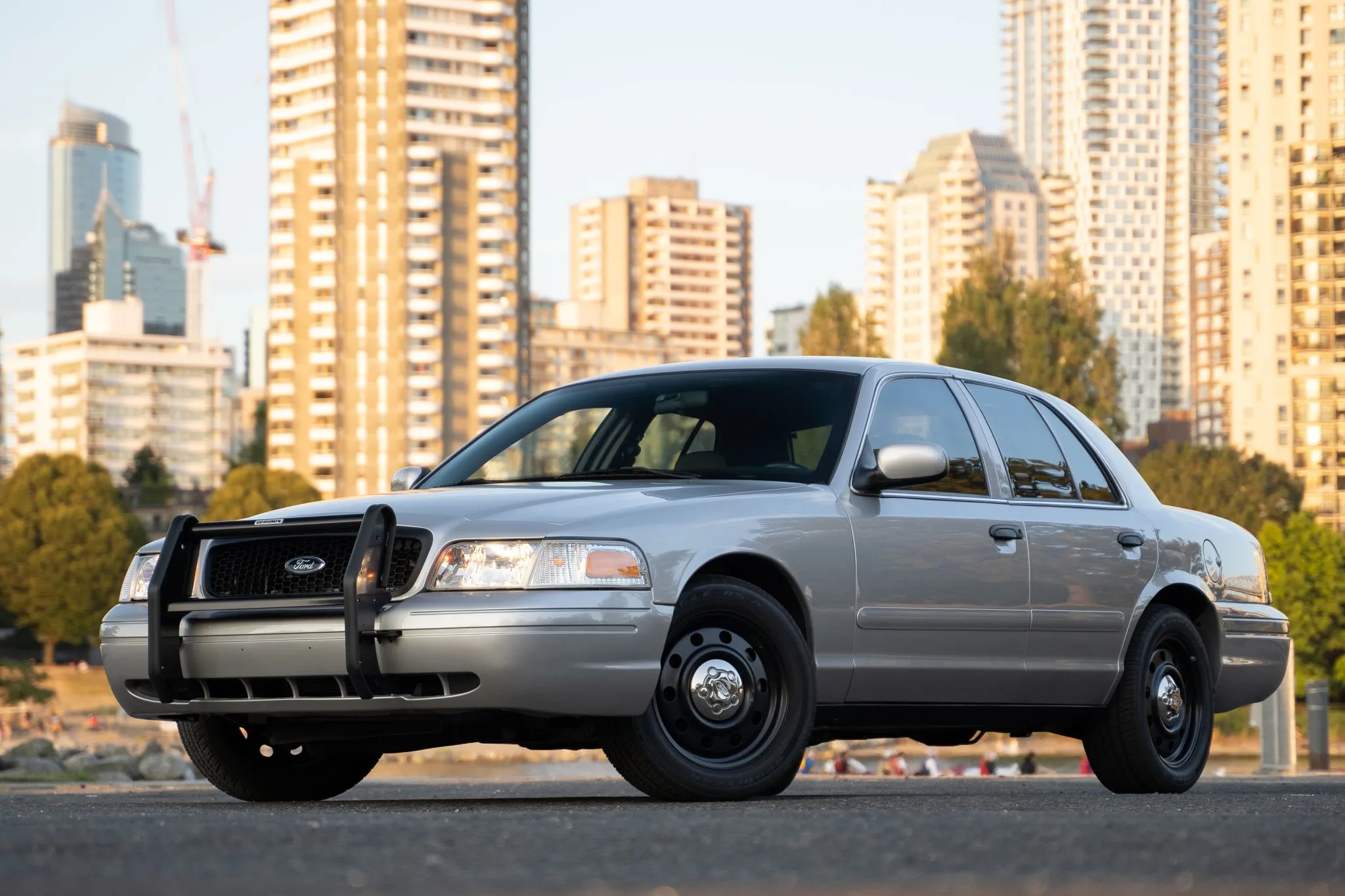
The Ford Crown Victoria stands as one of the most enduring vehicles ever produced, celebrated for its toughness and simplicity. Favored by police departments, taxi companies, and high-mileage drivers across North America, the Crown Vic’s body-on-frame construction and dependable 4.6-liter V8 engine earned it legendary status for reliability. Many examples have exceeded 300,000 miles, often serving multiple owners and remaining roadworthy decades after leaving the factory.
Despite its two-ton curb weight, the Crown Victoria delivers respectable performance. The V8 produces 224 horsepower and 272 lb-ft of torque, while LX models equipped with the Premium Sport Handling and Performance Package boost output to 239 hp and 287 lb-ft.
A four-speed automatic transmission and rear-wheel drive provide smooth, predictable power delivery. With upgraded gearing and a torque converter in sport models, acceleration is noticeably brisker than expected for such a large sedan.
Safety was a strong suit for its era. The 2007 Crown Victoria featured four-wheel antilock disc brakes, electronic brakeforce distribution, and optional traction control. When equipped with side airbags, it achieved five-star crash test ratings from the NHTSA and a top “Good” score from the IIHS, reinforcing its reputation for durability and occupant protection.
On the road, the Crown Vic offers solid acceleration, a smooth ride, and exceptional comfort, though its handling feels dated and heavy. Inside, the cabin is spacious but utilitarian, prioritizing function over luxury. Its bench seat allows seating for six, and the 21-cubic-foot trunk provides generous cargo space.
While it lacks the refinement of modern sedans like the Chrysler 300C or Toyota Avalon, the Ford Crown Victoria remains a symbol of American endurance, simplicity, and strength, a car that truly refuses to quit.
6. Subaru Outback: The All-Terrain Icon of Enduring Dependability
The Subaru Outback has earned a devoted following in regions where rugged terrain and harsh weather are part of daily life. Known for its standard all-wheel drive, resilience, and long lifespan, the Outback has become synonymous with reliability in tough environments.
Stories of Outbacks surpassing 250,000 miles are common, with many passed down through families as trusted companions for snow, gravel, and muddy backroads. Its mix of practicality and toughness makes it one of the few vehicles that genuinely lives up to the term “go-anywhere.”
The Outback’s available turbocharged engine transforms its performance. At the test track, it sprinted from 0 to 60 mph in 6.5 seconds, a significant improvement over the slower base engine. The turbo is worth the upgrade, delivering smooth, confident power for merging or overtaking.
However, the Outback’s handling feels less composed than most midsize SUVs. There’s noticeable body roll through turns, and the steering ratio is slow, requiring more effort in tight maneuvers or parking.
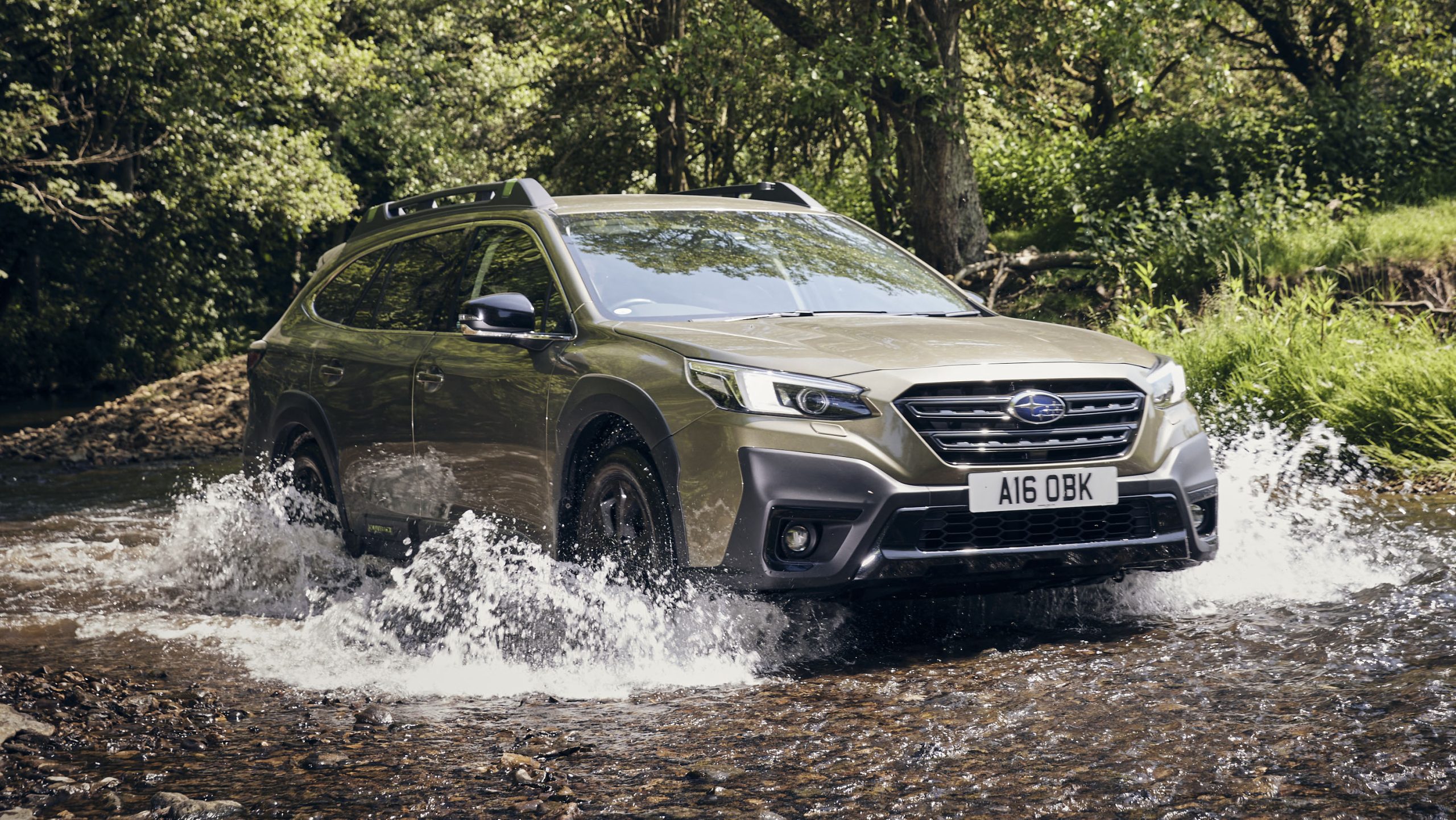
Where the Outback truly shines is off-road. With 8.7 inches of ground clearance and standard all-wheel drive, it can reach destinations that typical SUVs avoid. It remains a favorite among outdoor enthusiasts for its ability to tackle dirt trails, snow-covered roads, and steep mountain paths with ease.
Subaru’s safety technology suite is extensive but not perfectly calibrated. Lane-keeping assistance and driver attention warnings are often overly sensitive, while automatic emergency braking can trigger unnecessarily. These features may frustrate drivers who prefer a more natural driving feel.
Comfort is a standout strength. The Outback’s suspension effortlessly smooths out potholes, speed humps, and rough pavement, creating a ride that’s soft yet stable. The front seats are supportive and cushioned, ideal for long-distance drives, and features like heated seats and a heated steering wheel enhance cold-weather comfort. Ventilated seats, however, are less effective.
Cabin space is generous, offering ample headroom and legroom. The slightly lower seating position compared to traditional SUVs provides a car-like driving feel, while still offering the practicality of a crossover. The main downside is the slow-to-respond touchscreen, which makes simple adjustments like changing temperature or seat settings tedious and distracting.
The Outback’s infotainment system routes most controls through a large touchscreen. While this design reduces button clutter, it comes at the expense of speed and usability. The system can lag, and its resolution is underwhelming compared to newer competitors. On the positive side, physical volume and tuning knobs remain, along with a good-quality sound system and plenty of USB charge ports.
Cargo practicality is one of the Outback’s strongest traits. The low, flat cargo floor makes loading heavy gear effortless, and the roof rails are perfect for carrying bikes, kayaks, or camping equipment. Though total cargo capacity is slightly less than larger SUVs, its clever layout and accessibility make it exceptionally versatile.
The Outback offers solid value, especially in base form, which includes essential features and all-wheel drive at a competitive price. Higher trims with the turbocharged engine approach SUV pricing but add refinement and performance. The interior quality feels durable, though not luxurious, and Subaru’s warranty coverage matches industry norms.
Fuel economy is respectable, with the 2.4-liter turbo engine rated at 25 mpg combined, a figure that aligns well with real-world testing. It’s efficient for its capability and size, particularly for drivers who regularly face challenging road conditions.
Few vehicles embody versatility and endurance like the Subaru Outback. It may not be the most refined or technologically advanced in its class, but it excels where it matters most: dependability, capability, and resilience. For drivers who face unpredictable weather, unpaved roads, or simply crave adventure, the Outback remains a trusted companion.
The Subaru Outback continues to stand as a symbol of rugged reliability, offering the confidence to go anywhere and the durability to keep going for decades.
7. Toyota Hilux: The Global Symbol of Endurance
Few vehicles command as much respect as the Toyota Hilux, a pickup renowned for its unbreakable toughness and legendary reliability. Immortalized by Top Gear’s extreme torture tests, where it famously survived floods, fire, and even being dropped from a building, the Hilux has become a benchmark for durability.
From mining operations and agricultural fields to military service and global expeditions, it has earned its reputation as the truck that simply never dies.
Since its introduction in 1968, over 27 million Hilux trucks have been sold worldwide, serving drivers from remote farmers to Dakar Rally champions. In fact, it’s a four-time Dakar Rally winner (2019, 2022, 2023, 2025), further solidifying its image as the ultimate workhorse. Despite strong competition from the Ford Ranger and Volkswagen Amarok, Toyota has continued to evolve the Hilux without compromising its rugged DNA.
Modern iterations bring refinement alongside resilience. The range-topping models now feature a 2.8-liter diesel engine producing 201 horsepower and 369 lb-ft of torque, delivering ample power for towing and off-road work.
A new 48-volt mild hybrid system offers smoother acceleration, quieter idling, and up to a 7% improvement in fuel efficiency, though performance remains similar, with 0–62 mph taking just over 10 seconds. For those seeking affordability, the 2.4-liter diesel delivers 148 horsepower and dependable, if slower, performance.
Toyota has also addressed the growing demand for comfort and technology. Premium trims include heated leather seats, a JBL sound system, smartphone integration, dual-zone climate control, and LED lighting, a nod to buyers who want practicality with a touch of luxury. Yet the Hilux remains steadfastly functional, with features like panoramic cameras, remote diagnostics, and durable interior materials designed for real-world use.
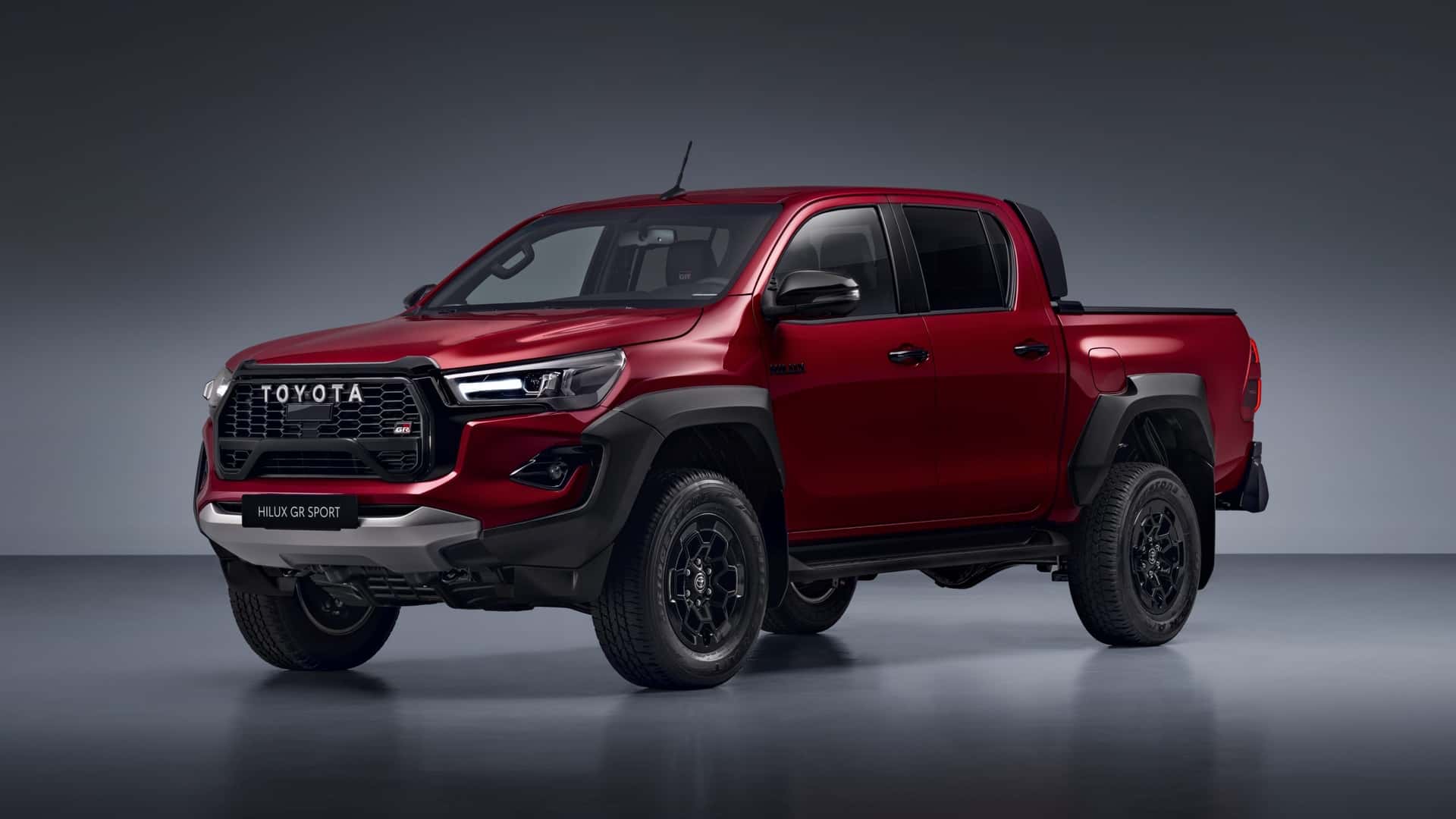
For enthusiasts, the Hilux GR Sport and GR Sport II variants channel the spirit of Toyota’s rally success, offering improved suspension, stiffer springs, wider wheelarches, and a sportier aesthetic, though no extra horsepower. Their upgrades enhance handling and stability, making them the most dynamic Hilux models yet.
Despite modern upgrades, the Hilux’s identity as a no-nonsense utility vehicle endures. Toyota even retuned its suspension for better comfort when unladen, reflecting how most modern buyers use their trucks day-to-day. While some purists may see this as a softening, the Hilux still feels like a tool built for hard work, not for show.
With prices starting around $44,000 USD for the Invincible trim and rising to about $48,000 USD for the Invincible X, the hybrid version crosses $50,000 USD. The Hilux remains a solid investment for those who value longevity, capability, and simplicity over flash. In an era of overcomplicated SUVs, the Toyota Hilux continues to embody reliability in its purest form, a vehicle that earns loyalty through endurance, not luxury.
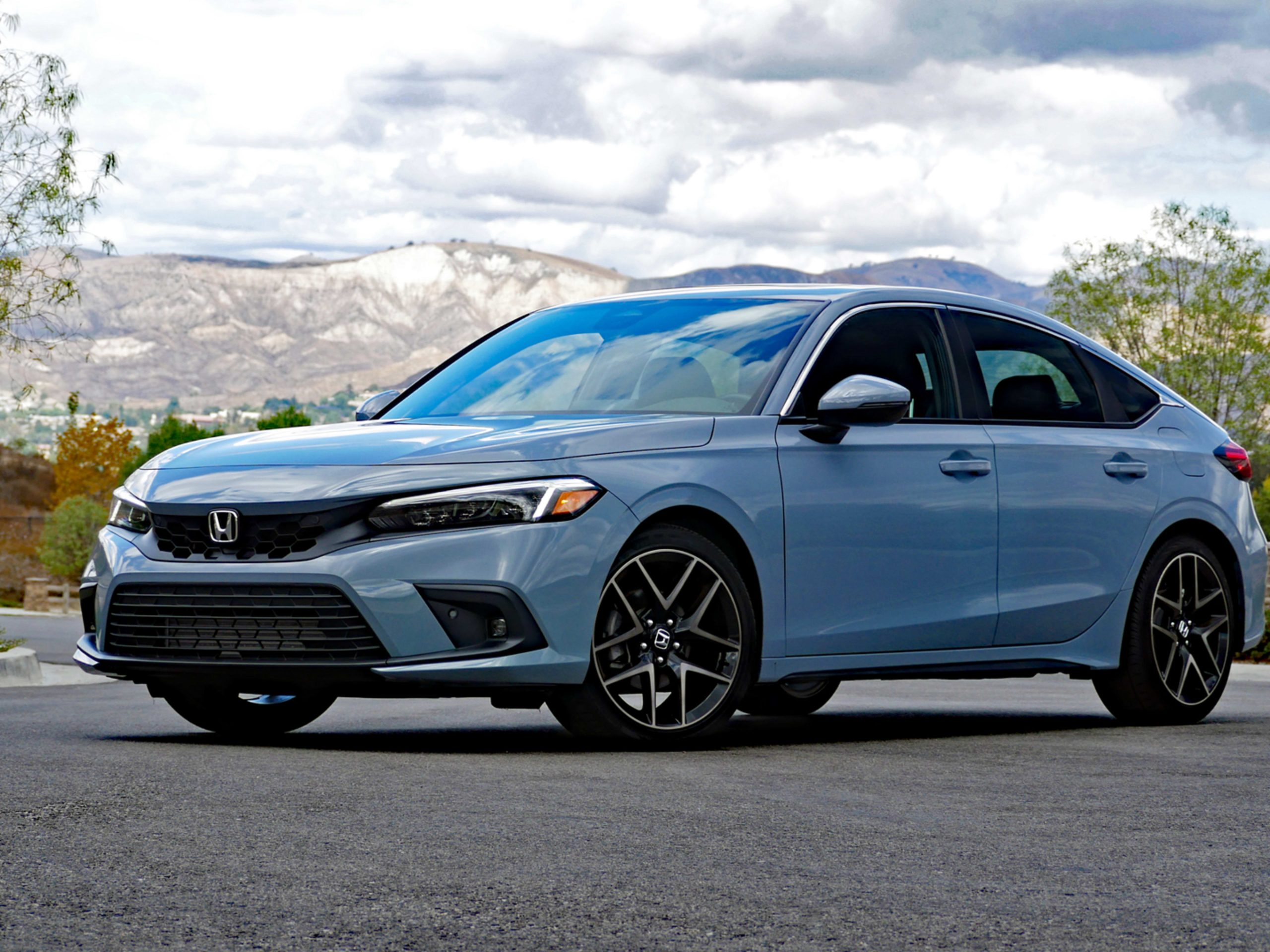
8. Honda Civic: The Everyday Champion of Longevity and Refinement
The Honda Civic has long been celebrated as one of the most dependable and enduring compact cars ever built. Known for its affordable ownership costs, fuel efficiency, and minimal maintenance needs, it consistently earns top marks in reliability rankings.
Many Civics easily surpass 200,000 miles, often staying on the road for decades, thanks to Honda’s meticulous engineering and the car’s straightforward, service-friendly design.
The latest Civic Hybrid combines Honda’s signature fun-to-drive character with exceptional efficiency. Its hybrid powertrain produces ample power, accelerating from 0 to 60 mph in just 6.6 seconds, quicker than the sporty Civic Si and most rival hybrids.
The car delivers a balanced ride, blending taut suspension tuning with excellent handling and stability. Despite its efficiency-focused design, the Civic remains engaging and responsive, offering a rare mix of agility and comfort in its class.
Visibility is generally excellent, aided by narrow roof pillars and well-placed mirrors, while Honda’s standard suite of driver assistance technologies, including adaptive cruise control, lane-keeping assist, and collision mitigation, operates smoothly and reliably.
Inside, the Civic Hybrid boasts a modern, ergonomic cabin with intuitive controls and a clean layout. The seats offer solid comfort for both tall and short occupants, and interior space is generous for a compact sedan.
Rear headroom is slightly limited due to the sloping roofline, but legroom and shoulder space remain class-leading. Cabin materials feel premium, and while some road noise seeps in, wind noise is well-muted, creating a refined and composed driving environment.
The climate controls are refreshingly analog and easy to use, though the absence of rear air vents is a curious omission. The Civic’s trunk offers 14.8 cubic feet of space, more than many hybrid competitors, while the hatchback variant expands that to 24.5 cubic feet, with fold-flat rear seats for added versatility.
Tech features are simple yet effective. Entry-level trims get a 7-inch touchscreen with Apple CarPlay and Android Auto, while the top Sport Touring trim upgrades to a 9-inch display with Google Built-In, wireless smartphone connectivity, and a Bose premium audio system.
Fuel economy is another highlight: the Civic Hybrid delivers up to 49 mpg combined, matching its real-world performance with EPA estimates. While it costs slightly more than rivals like the Hyundai Elantra Hybrid or Toyota Corolla Hybrid, its superior performance, upscale interior, and dynamic handling justify the premium.
Ultimately, the Honda Civic Hybrid reaffirms the model’s reputation as a durable, refined, and genuinely enjoyable compact car, a daily driver that feels anything but ordinary.
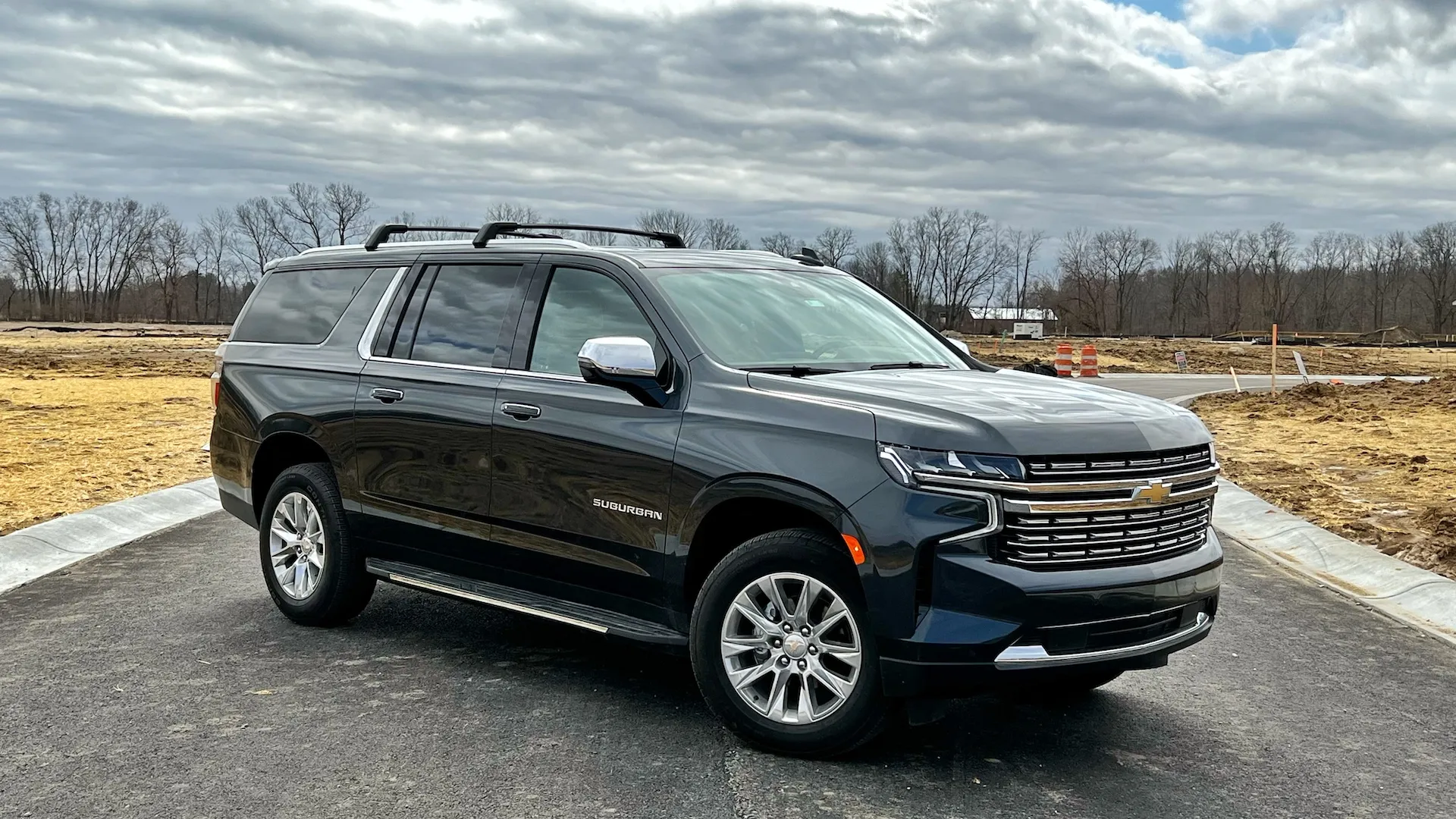
9. Chevrolet Suburban: The Enduring Giant of American Roads
Few vehicles symbolize longevity and utility quite like the Chevrolet Suburban, a nameplate that has been in continuous production since the 1930s. It remains a cornerstone for large families, government fleets, and adventurers needing space, power, and reliability.
Known for its massive interior, towing strength, and long lifespan, countless Suburbans have served faithfully for decades, some surpassing hundreds of thousands of miles while still hauling people, cargo, and memories.
Equipped with a 6.2-liter V8 engine and a 10-speed automatic transmission, the Suburban delivers a surprisingly smooth and confident drive for its size. It sprints from 0 to 60 mph in 6.7 seconds, matching the pace of its chief rival, the Ford Expedition.
Handling remains composed, though the steering feels somewhat detached, better suited for highway cruising and towing than tight maneuvers. The available Magnetic Ride Control and adaptive air suspension improve comfort, absorbing bumps and road imperfections effectively, though the Suburban’s bulk occasionally gives it a floaty, boat-like feel.
Safety and driver aids like adaptive cruise control and lane-keeping assist make long drives less taxing, though their controls can take some time to master. The Suburban thrives on open roads, excelling at stability and power delivery, ideal for long hauls or family adventures.
Inside, the Suburban emphasizes space and practicality above all. The cabin is vast, offering abundant headroom and legroom across all three rows. Adults can sit comfortably even in the third row, something few SUVs achieve.
The leather-trimmed front seats are soft and supportive enough, though some drivers find them too flat for long-distance comfort. Getting in and out is made easier with power running boards, and wide door openings simplify loading children or bulky cargo.
The cargo capacity remains the Suburban’s hallmark: 41.5 cubic feet behind the third row and a staggering 93.8 cubic feet with seats folded. However, smaller storage spaces within the cabin, like modest cupholders and an average center console, feel underwhelming for a vehicle this large.
Chevy’s latest infotainment system is modern and user-friendly, featuring bright digital displays, wireless Apple CarPlay and Android Auto, and numerous USB-C ports throughout. Wireless charging is standard, though system glitches occasionally require a reset.
Despite its size and 6.2-liter engine, the Suburban achieves 16–18.7 mpg combined, surprisingly efficient for its class, aided by cylinder deactivation technology. It tows up to 8,300 pounds, though advanced towing aids cost extra.
Base trims offer strong value, but high-end models like the High Country, starting around $77,000 USD, can feel pricey given the modest interior materials. Still, the Suburban’s warranty is three years/36,000 miles basic and five years/60,000 miles powertrain, and its robust construction ensures peace of mind.
The Chevrolet Suburban remains a true American legend, a vehicle built for families, adventurers, and professionals who demand strength, endurance, and versatility in one imposing package.
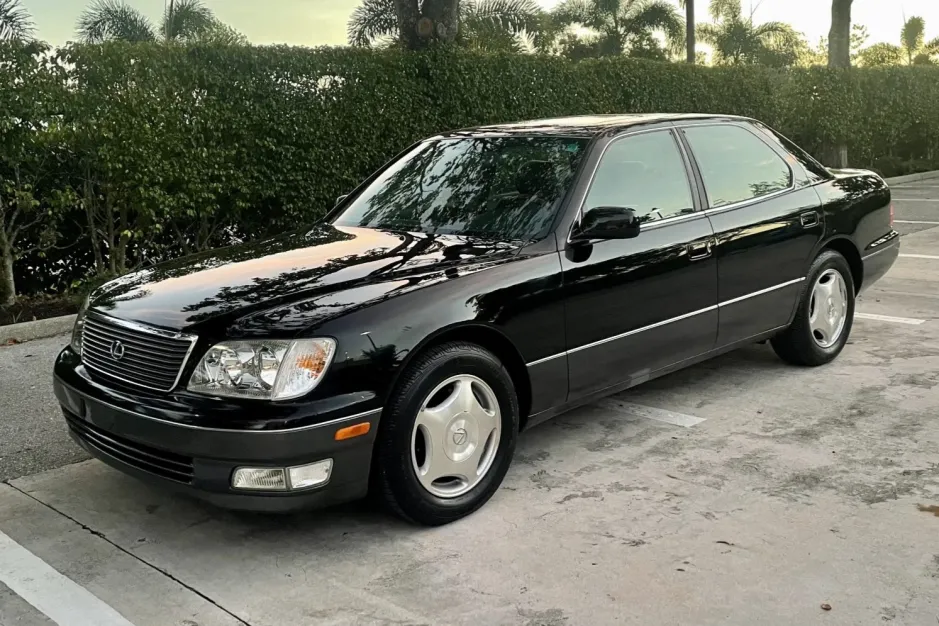
10. Lexus LS400: The Benchmark of Luxury and Longevity
The Lexus LS400 redefined expectations for luxury sedans when it debuted in 1989, combining meticulous engineering with a level of durability that set it apart from its European rivals. Built as Toyota’s flagship for its new luxury brand, the LS400 stunned buyers and critics alike with its refinement, reliability, and understated elegance.
Even decades later, many examples continue to log hundreds of thousands of miles with minimal maintenance, a testament to Lexus’s obsession with precision and quality.
Under the hood, the LS400’s 4.0-liter V8 engine remains one of the smoothest ever produced. Generating 290 horsepower and 300 lb-ft of torque, it delivers effortless acceleration, reaching 0–60 mph in just 6.4 seconds. The addition of Lexus’s Variable Valve Timing (VVT-i) system ensures both power and fuel efficiency, while the five-speed electronically controlled automatic transmission provides seamless gear changes.
The LS400 also introduced innovative safety and stability systems for its time, including Vehicle Skid Control (VSC) and a brake-assist feature that automatically enhances braking pressure during emergencies. These systems, paired with the car’s rigid chassis, make for a confident and secure driving experience, especially valuable in wet or slippery conditions.
Inside, the LS400 showcases classic Japanese craftsmanship blended with high-end luxury materials. Soft leather upholstery, rich walnut wood trim, and carefully designed controls create a serene environment.
The 10-way power-adjustable front seats provide excellent comfort for long drives, while available heated seats add a touch of indulgence. The automatic climate control system goes beyond the basics with an activated charcoal filter and smog sensor that automatically adjusts air recirculation to maintain cabin purity.
The LS400 also incorporated advanced technology for its era. Its touch-operated navigation system integrated audio and climate controls and stored data for highways and major U.S. cities on a 2.0-gigabyte hard drive, an impressive innovation in 2000. The electroluminescent gauge cluster and optional high-intensity discharge xenon headlights further enhanced its futuristic appeal.
What truly defines the LS400 is its refinement. The V8 engine operates with near-silent smoothness, and the suspension isolates passengers from road imperfections, creating an experience that feels more like gliding than driving. Some enthusiasts argue that this isolation removes a sense of driver engagement, yet for most, it’s the defining quality that makes the LS400 so remarkable.
Quick, safe, and supremely comfortable, the Lexus LS400 remains a symbol of reliability and enduring craftsmanship a car built not just to last, but to do so gracefully.
The cars featured in “10 Cars That Outlive Their Stereotypes” share more than just long lifespans; they represent the enduring spirit of automotive excellence. They remind us that true quality isn’t defined by flashy technology or fleeting trends, but by thoughtful engineering, reliability, and purpose-driven design.
Whether conquering deserts, surviving city streets, or carrying families through generations, these vehicles have earned their place in history through consistency and strength.
From the luxury of the Lexus LS400 to the rugged utility of the Subaru Outback and Toyota Hilux, each model proves that lasting value comes from substance, not style. In a world where vehicles are often designed with planned obsolescence in mind, these ten defy the cycle, remaining relevant, respected, and remarkably resilient.
They are not just cars; they are legends of longevity, continuing to inspire trust and admiration long after their contemporaries have faded from the road.
Also Read: 5 Cars Mechanics Call Million-Mile Legends vs 5 That Fail Fast