Some cars manage to stay valuable even when subjected to everyday wear and tear. From nimble Japanese sport compacts to iconic European roadsters, these vehicles combine engineering excellence, timeless design, and a loyal following that keeps their prices strong.
Whether it is the high-revving precision of a Honda S2000, the track-ready excitement of a Lotus Elise, or the enduring ruggedness of a Jeep Wrangler TJ, each model offers a unique blend of practicality, performance, and collectibility. Some appeal through nostalgia, like the Volkswagen Beetle or BMW E30, while others, such as the McLaren F1 or Porsche Boxster S, pair exclusivity with driver-focused thrills.
This list highlights nine cars that deliver exciting driving experiences while retaining their value despite neglect, making them smart choices for enthusiasts, collectors, and everyday drivers alike.
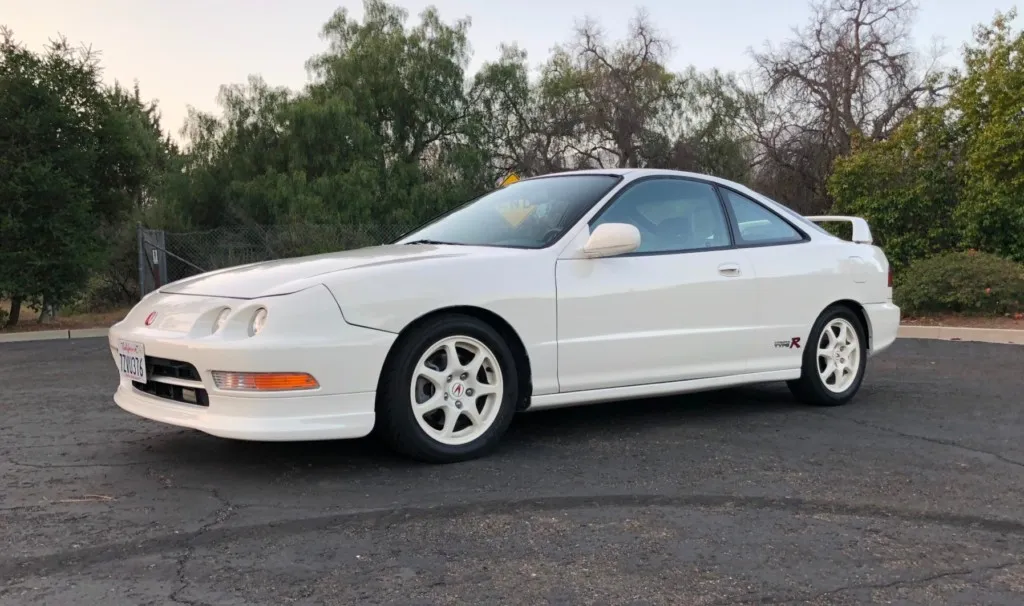
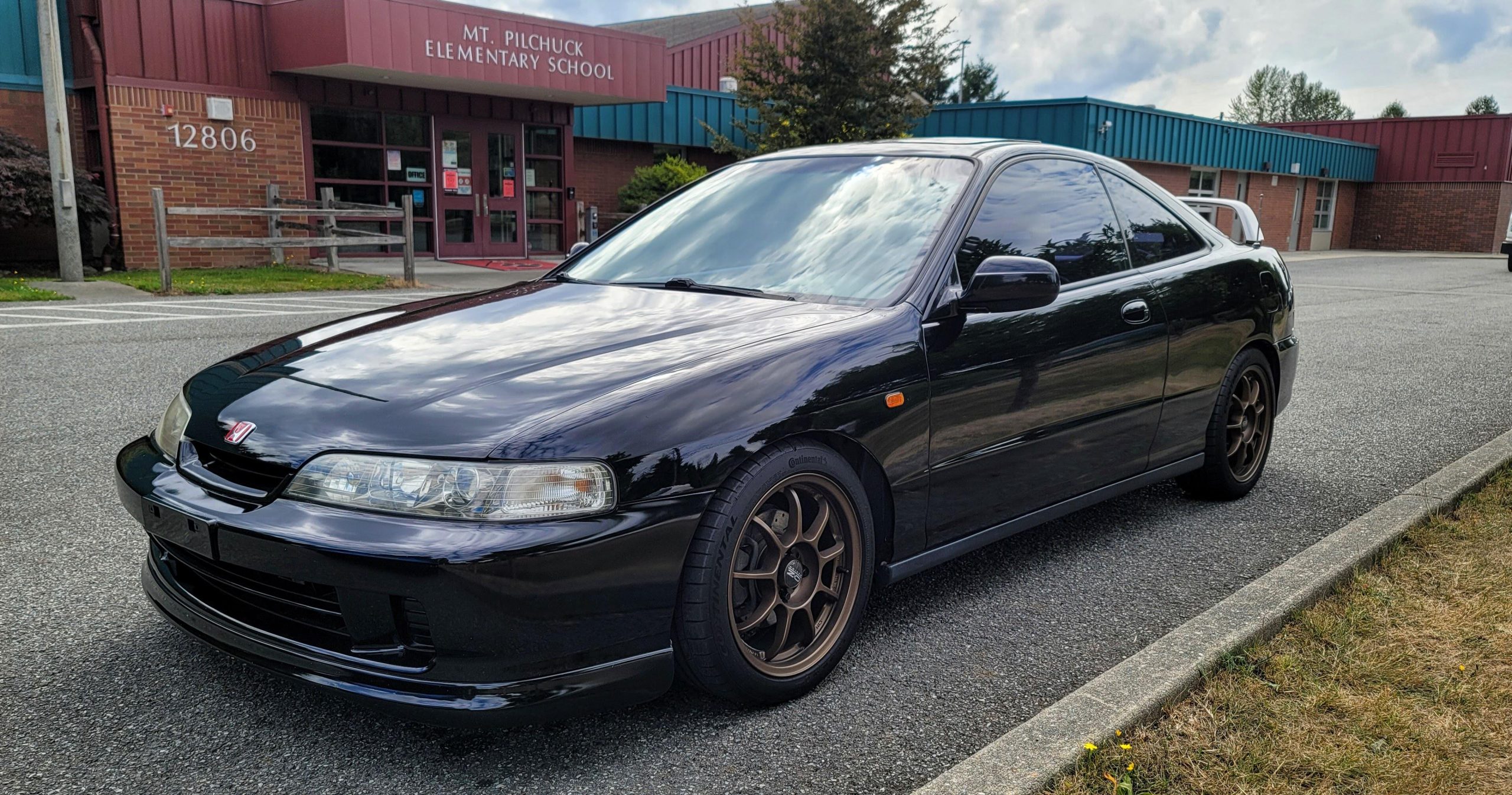
1. Integra GS-R DC2: Affordable Performance and Driving Thrills
The Acura Integra GS-R DC2 is a highly capable yet affordable sports car, offering much of the excitement of the legendary Type R at a fraction of the cost. While a pristine Type R can sell for nearly $65,000 today, the GS-R remains attainable for around $9,000 in good condition, even with higher mileage.
The GS-R does not have specialized features like a seam-welded chassis or limited-slip differential, but it shares a similar 1.8L 4-cylinder engine producing 170 horsepower. With modern tuning, the GS-R’s engine performance can approach Type R levels, making it a practical choice for enthusiasts while retaining strong resale potential.
The GS-R gained recognition in a 1994 “Good Sports” comparison test, outperforming seven other sports coupes, including the Eagle Talon TSi AWD, Ford Probe GT, and Nissan 240SX SE. It was not the fastest car in the test, but it delivered exceptional value and driving pleasure.
Standard handling tests placed it in the middle of the pack, yet it excelled on twisty roads, offering an engaging, precise, and thrilling experience. The car achieved a 0-to-60-mph time of seven seconds and a top speed of 136 mph while maintaining an impressive fuel economy of 30 miles per gallon.
The GS-R combines thoughtful engineering with practical features. Its 1.8-liter DOHC 16-valve engine with VTEC provides spirited performance and fuel efficiency. The all-independent suspension with front unequal-length control arms and a rear multilink layout ensures responsive handling.
Safety and convenience include four-wheel disc brakes with ABS, dual airbags, side-impact protection, air conditioning, cruise control, a power moonroof, and a six-speaker AM/FM cassette stereo. Michelin 195/55 XGT-V4 tires on 15-inch alloy wheels provide grip and enhance the driving experience.
The GS-R proved durable in long-term testing, covering 35,000 miles with few issues. Routine maintenance remained straightforward and affordable, with total service costs for the first 30,000 miles at $653.
Repairs were minor, including valve-clearance checks, brake-pad replacements, and occasional gasket fixes. During the demanding One Lap of America event, the car completed 6,000 miles of intensive driving, demonstrating mechanical resilience and driver comfort under extended stress.
The interior is functional and comfortable but simple in design. Seating accommodates four adults comfortably, and the cabin encourages focused and engaged driving.
Minor drawbacks include the engine noise at high speeds and limited lumbar support, but the interior complements the car’s sporty character. Features such as air conditioning, a moonroof, and a quality stereo system enhance comfort on long drives and daily commutes.
The Acura Integra GS-R DC2 delivers a balance of performance, reliability, affordability, and driving enjoyment. While it does not carry the prestige or specialized engineering of the Type R, it provides spirited performance, strong handling, and long-term dependability at a budget-friendly price.
For enthusiasts seeking a fun-to-drive car without a high cost, the GS-R remains a compelling option that rewards both daily driving and spirited weekend use.
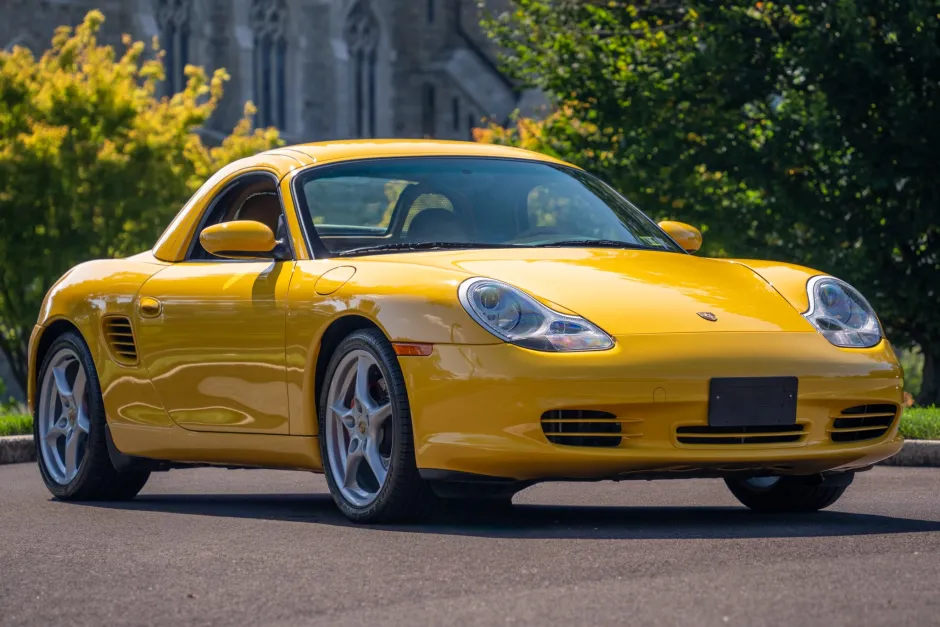
2. Porsche Boxster S 986: Affordable Entry into High-Performance Driving
The Porsche Boxster S 986 is one of the most celebrated driver’s cars of its era, offering a rare combination of performance, luxury, and reliability at an attainable price. When new, it retailed for around $50,000, but today, well-maintained examples can be found for under $10,000.
Its appeal is strengthened by the naturally aspirated flat-six engine found in all 986 models, which enthusiasts favor over the turbocharged four-cylinder engines of modern 718 Boxsters. With up to 258 horsepower and a top speed of 164 mph, the 986 remains a highly engaging sports car nearly 25 years after its debut.
The Boxster S 986 features a 2.5- to 3.4-liter flat-six engine that delivers smooth power, a distinctive exhaust note, and plenty of character. Early models produced 201 horsepower, encouraging drivers to keep the engine above 4,000 rpm for strong acceleration.
The car feels lively and responsive when pushed toward its 6,500 rpm redline. Its mid-engine layout, combined with a kerb weight of just 1,250 kg, creates a car that handles with precision and confidence. The engine’s refinement and the chassis balance make driving the 986 rewarding at both low and high speeds.
The Boxster S 986 provides sharp and confident handling with a low-slung center of gravity. While the steering may feel slightly heavy at first, it becomes precise and responsive during spirited driving. The suspension offers a comfortable ride even on slightly stiffer setups, while brakes provide excellent pedal feel and stopping power.
The car is stable in corners and difficult to unsettle, with power oversteer occurring rarely. Its balance allows drivers to enjoy the dynamics at any speed with confidence, making the chassis engaging and satisfying. Premium Michelin Pilot Sport tires enhance grip, response, and comfort, improving the driving experience compared to the original factory fitment.
The interior is shared with the 911 996 and remains functional, comfortable, and driver-focused. Seats provide strong support, and the cockpit layout encourages precise control, with well-spaced pedals for heel-and-toe techniques and a smooth gearshift.
The Boxster provides surprising practicality for a sports car, with a front and rear boot capable of carrying luggage or gear for long trips. The fabric roof is small and taut, creating a clean line when raised or folded. Leather trim adds refinement, and the thoughtful interior design supports both performance driving and daily usability.
The Boxster S 986 has maintained its appeal thanks to the flat-six engine, mid-engine layout, and excellent chassis balance. While it does not match the performance of the 911, it delivers accessible driving thrills, characterful performance, and practicality for everyday use.
Its success established the foundation for the enduring popularity of the Boxster and Cayman lines. Even 25 years later, the 986 remains a rewarding and capable sports car that continues to attract enthusiasts seeking a reliable, enjoyable, and engaging Porsche.
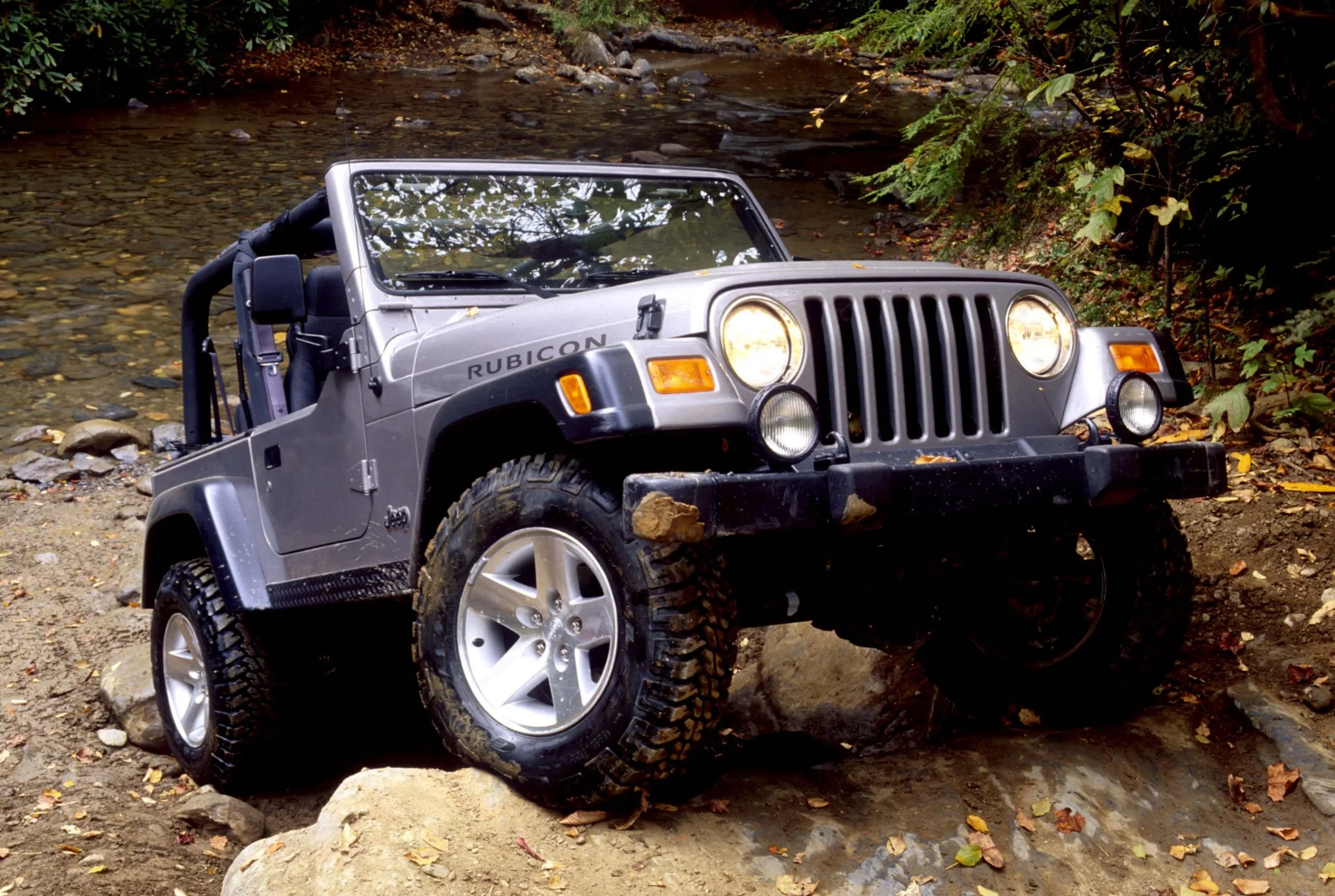
3. Jeep Wrangler TJ: Classic Off-Road Capability with Modern Comforts
The Jeep Wrangler TJ, produced from 1997 to 2006, represents the sweet spot between the rugged simplicity of the original Wrangler and the more sophisticated modern models. Jeep has been making Wranglers for over 30 years, and the TJ stands out as a beloved second-generation model. It combines robust off-road capability with a few modern comforts that make it appealing to both hardcore enthusiasts and casual drivers.
A decent Wrangler TJ with over 100,000 miles can be found for around $12,000, offering a relatively affordable entry into the Jeep world. Many TJs have seen light use, such as occasional camping trips or beach outings, which means well-maintained examples are still available for serious off-roading adventures. Their strong resale value is supported by a passionate community seeking capable off-road vehicles.
The TJ introduced coil-spring suspension in place of the leaf springs used in previous models, significantly improving ride quality and off-road articulation. Its legendary 4.0L inline-six engine is renowned for reliability and low-end torque, making it ideal for challenging trails. The TJ’s simpler, less electronic-heavy design allows for easy maintenance and modifications, contributing to its enduring popularity.
Key strengths include its iconic styling with round headlights and the signature seven-slot grille, excellent off-road performance, and a massive aftermarket community that provides parts for repairs and upgrades. The available Rubicon trim, featuring Dana 44 axles, elevates its off-road credentials further.
However, the TJ has drawbacks that make it less suitable as a daily driver. Its on-road ride is noisy, the boxy design reduces aerodynamic efficiency, and the off-road-tuned suspension can feel floaty on highways. Potential rust issues on older frames and limited storage space are additional concerns.
The Wrangler TJ is ideal for dedicated off-road enthusiasts, collectors, or Jeep fans seeking a raw and engaging driving experience. While it sacrifices some on-road comfort and modern conveniences, it delivers classic Jeep ruggedness, simplicity, and the thrill of tackling trails with a proven, dependable platform.
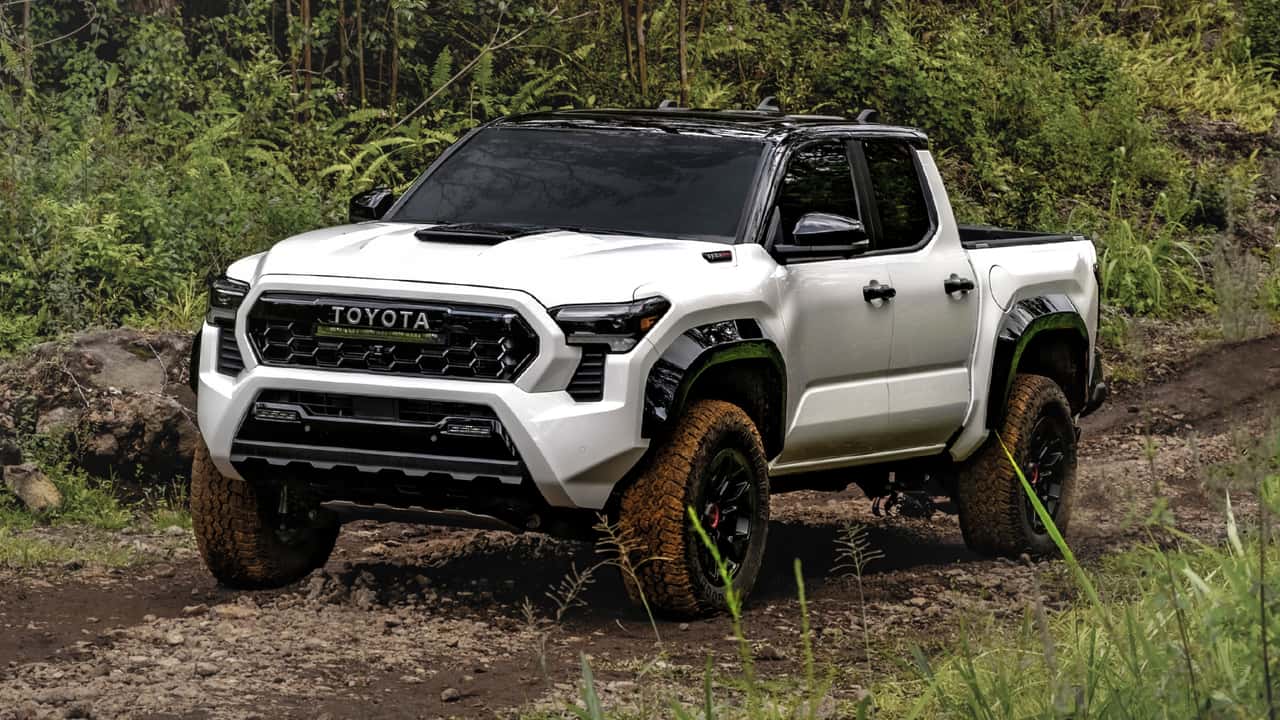
4. Toyota Tacoma: Reliable, Rugged, and Practical Midsize Truck
The Toyota Tacoma has been a staple in the U.S. truck market since its 1995 debut, offering a combination of durability, practicality, and strong resale value. For buyers seeking minimal investment and long-term reliability, the first-generation Tacoma produced between 1995 and 2004 is highly recommended.
Despite being over 20 years old, Tacomas are renowned for their dependability, often surpassing 200,000 miles with proper care. The U.S. Tacoma is essentially a consumer-friendly version of the globally renowned Toyota Hilux, a truck famous for surviving extreme tests of durability, earning the nickname “indestructible.”
The Tacoma’s engines, particularly the reliable V6 paired with a 4×4 drivetrain, deliver solid performance for both daily driving and light-duty towing. In recent testing, a TRD Sport with 278 horsepower accelerated from 0 to 60 mph in 7.6 seconds, while the TRD Pro with the i-Force Max hybrid powertrain achieved 7.4 seconds, demonstrating that off-road hardware adds weight that slightly offsets extra power.
The Tacoma’s transmission shifts smoothly, and its responsive brakes, accurate steering, and stable highway manners make it competent on paved roads. Off-road capability varies by trim, with some models excelling thanks to advanced traction control and shock absorbers.
Inside, the Tacoma blends rugged utility with practical comfort. Front seats are wide and flat, accommodating various body types, while rear seat space is limited, especially in the TRD Pro with its large IsoDynamic seats. Lower trims have stiffer rides, whereas higher trims benefit from advanced suspension systems. Climate controls are clearly marked and easy to operate, even with gloves on.
The interior features durable materials and a straightforward design, highlighted by a touchscreen ranging from 8 to 14 inches, supporting wireless smartphone connectivity, voice commands, and optional wireless charging. Standard driver-assist technologies include automatic emergency braking, lane departure alert, and adaptive cruise control.
The Tacoma excels in utility and storage, offering two cargo bed sizes, multiple interior cubbies, and an available household-style power outlet. Maximum payload capacity reaches 1,710 pounds, and towing capacity is up to 6,500 pounds, suitable for most small to midsize trailers.
Fuel economy is competitive, with four-wheel-drive TRD Sport models averaging about 22 mpg, and the hybrid i-Force Max offering more power without sacrificing efficiency.
With a wide range of trims to match budgets and needs, the Tacoma provides good value for buyers prioritizing durability and practicality over luxury.
Standard warranties of three years/36,000 miles for bumper-to-bumper coverage and six years/60,000 miles for the powertrain, along with two years of free maintenance and roadside assistance, reinforce Toyota’s reputation for reliability. The Tacoma remains a versatile, rugged, and highly practical midsize truck for enthusiasts and everyday users alike.
5. Volkswagen Beetle: Iconic Design with Everyday Practicality
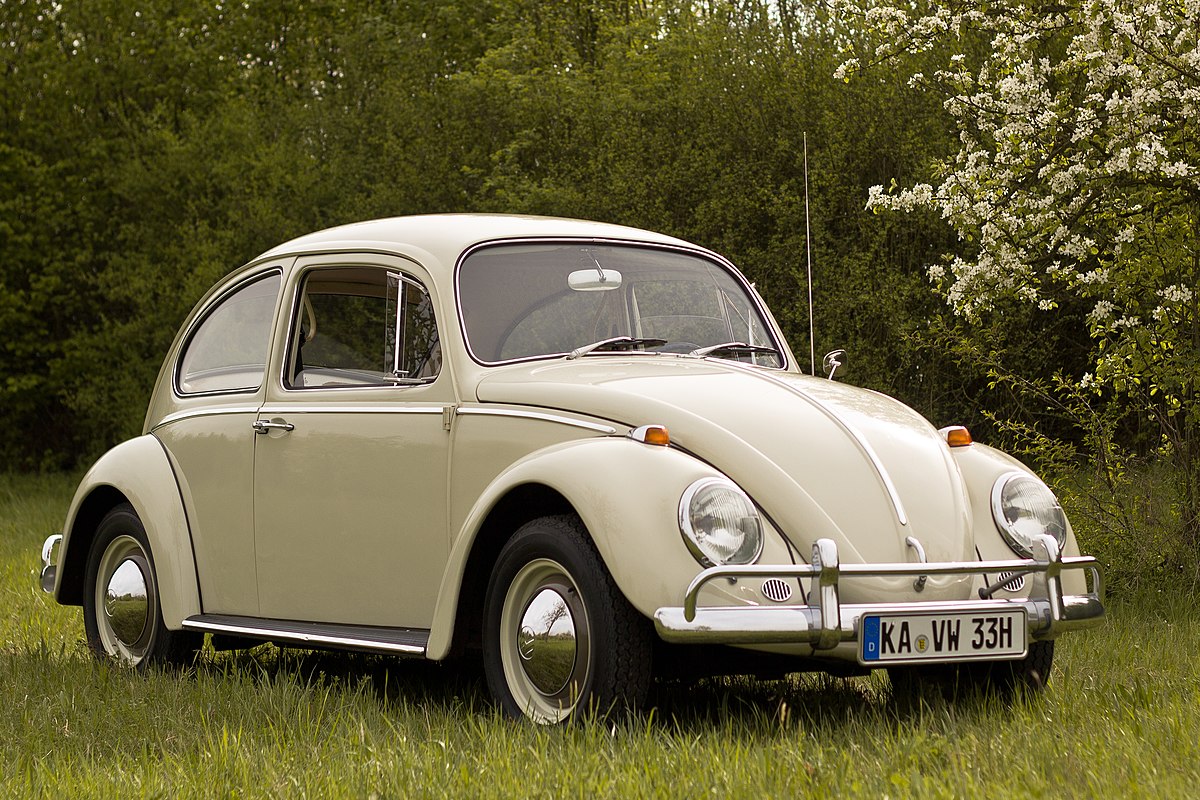
The Volkswagen Beetle is one of the most recognizable and beloved cars in automotive history. With origins dating back to 1925 and mass-market production beginning in the 1940s, the Beetle has maintained its distinctive, rounded exterior while evolving significantly on the inside. Its nostalgic design and charm have created a loyal fanbase, and most Beetles in good condition retain their resale value.
Classic models are increasingly rare, while modern iterations remain affordable, with decade-old examples typically priced between $2,000 and $10,000. Repairs are generally inexpensive, and maintenance is straightforward, making the Beetle an accessible choice for enthusiasts and casual drivers alike.
Production of the most recent Beetle ended globally in 2019, ensuring that these vehicles may become more valuable over time due to scarcity. The car’s primary appeal lies in its retro styling, comfortable cabin, and excellent visibility.
Its high roof and large windows provide a bright, airy interior, while the front seats offer sufficient support for longer journeys. Newer Beetles include modern technology such as touchscreen infotainment systems, Apple CarPlay, Android Auto, and advanced safety features, including blind-spot monitoring.
Drivers who enjoy city traffic often appreciate the Beetle’s nimbleness and compact dimensions, which make maneuvering in tight spaces easy.
However, the Beetle has limitations. Rear seat space and trunk capacity are constrained, making it less practical for families or those needing more cargo room. Performance generally does not match the car’s sporty appearance, even with the 2.0T engine, which delivers quick starts but cannot transform the Beetle into a high-performance vehicle.
Older models also feature outdated infotainment systems, and reliability can vary depending on the year. Handling, while stable, may feel less precise than other Volkswagen models, emphasizing comfort over driving sharpness.
The Volkswagen Beetle is best suited for buyers seeking a stylish, fun-to-drive compact car rather than a performance-oriented vehicle. Its charm, ease of maintenance, and enduring design make it a memorable choice for collectors or those who value individuality in their vehicle. With limited new units available after 2019, the Beetle remains a unique combination of nostalgia, practicality, and everyday usability.
Also Read: 10 Mercedes Cars That Keep Owners Happy Decades Later
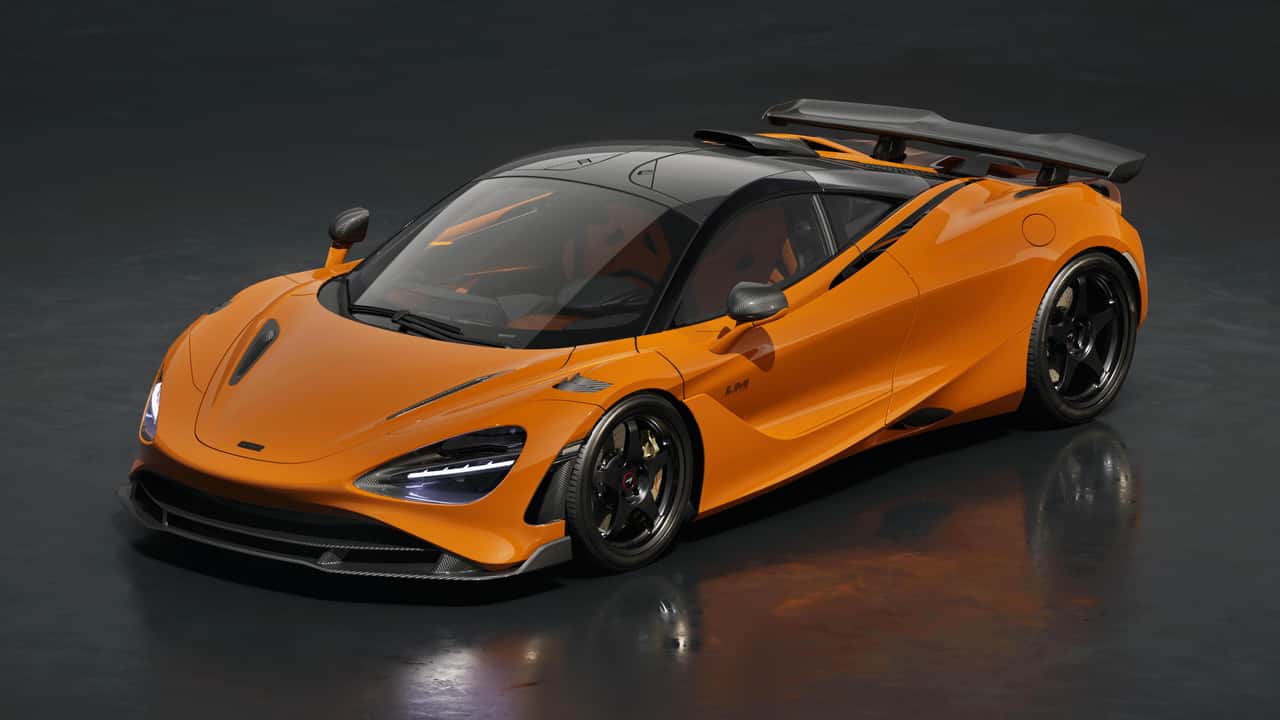
6. McLaren F1: The Pinnacle of Driver-Centric Supercars
The McLaren F1 is widely regarded as one of the greatest driver’s cars ever created. Despite being over two decades old, it remains astonishingly fast, achieving 0-60 MPH in just 3 seconds and approaching speeds near 231 MPH. Its claim to fame is not just raw performance, but the purity of the driving experience.
With almost no driver aids, the F1 demands skill, placing the driver in full control of a machine capable of lapping legendary circuits like the Nurburgring mere seconds behind modern supercars such as the McLaren 720S and P1.
The F1’s rarity adds to its allure. Only 106 units were produced, including prototypes, and nearly all are now owned by collectors. Originally priced at $815,000, a McLaren F1 recently sold at auction for $14.5 million, proving its value as both a performance icon and investment.
Design director Gordon Murray’s vision focused on achieving the ultimate unadulterated driving experience. He mandated a central driving position flanked by two passenger seats, a low centre of gravity, extreme weight reduction, and a high-revving, naturally aspirated engine for linear power delivery.
The F1’s heart is a BMW Motorsport-developed 6.1-liter V12 producing 627 horsepower and 479 lb-ft of torque. This engine, combined with a lightweight carbon-composite chassis, a six-speed manual gearbox, and minimal electronics, ensures unmatched responsiveness.
There is no traction control, ABS servo, power steering, or adaptive suspension, all in service of maximum driver engagement. Even features like dihedral doors and lightweight comfort amenities were engineered with precision, emphasizing function over unnecessary luxury.
Driving the F1 reveals why it remains legendary. The central seating position offers unparalleled visibility and connection to the road. The engine delivers instantaneous, spine-tingling power, with a unique sound that ranges from smooth idling to a ferocious roar when the throttle is opened.
The brakes provide precise modulation, and the suspension is firm yet composed, balancing road feedback and stability. Even in wet conditions, the F1 demonstrates exceptional grip and control, proving that its performance is not limited to dry circuits.
Every aspect of the car prioritizes the driver’s engagement. Pedal placement, gearshift feel, and steering feedback are meticulously crafted, rewarding familiarity with precision.
While initial impressions may suggest the steering is heavy at low speeds, its accuracy and communicative nature quickly earn respect. The McLaren F1 is not a car to be driven casually; it requires skill, attention, and respect, yet it delivers an unmatched sense of exhilaration.
Beyond speed, the F1 exemplifies engineering brilliance. Lightweight construction, innovative packaging, and aerodynamic design make it a vehicle of exceptional efficiency and balance. It combines the raw thrill of a race car with enough comfort for extended drives, including air-conditioning and a basic stereo.
The McLaren F1 is more than a supercar; it is a masterclass in driver-focused design, a technological marvel, and an enduring symbol of automotive excellence that continues to define what a road car can achieve.
7. BMW E30: The Quintessential Classic BMW
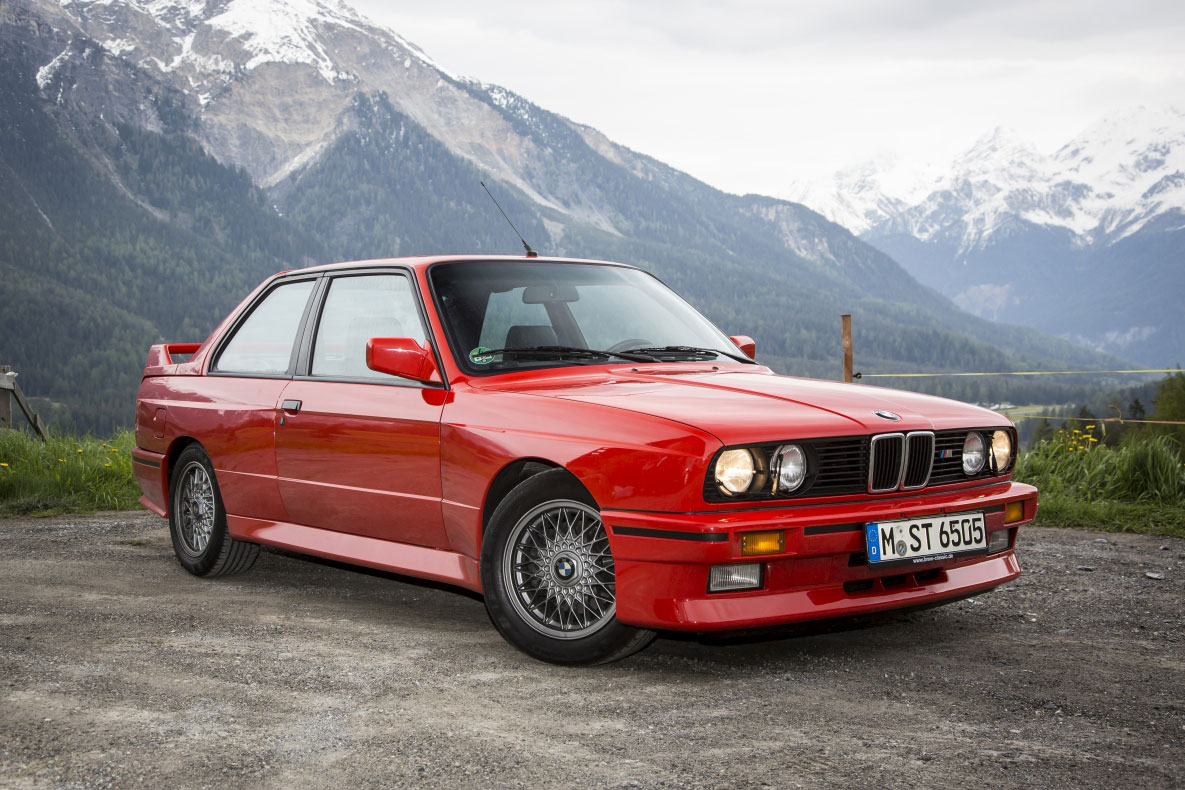
The BMW E30, produced from 1982 to 1994, is often regarded as the pinnacle of classic 3 Series engineering. Building on the foundation of the E21, the E30 introduced a more refined design with softer corners, larger taillights, and a slightly bluffer front end while retaining the sporty silhouette BMW was known for.
Its compact proportions, sharp styling, and driver-focused layout have cemented its status as a timeless classic, appealing to enthusiasts and collectors alike.
One of the E30’s defining features is its versatility. It was available as a two-door or four-door sedan, a Baur convertible, a full factory convertible from 1985, and later as the Touring estate in 1987. Across these body styles, performance ranged widely.
Base models like the 316 and 318 offered modest four-cylinder engines, while the six-cylinder 320, 323, and 325i delivered lively power and driving engagement. The E30 M3, introduced in 1986, is the standout model: a purpose-built motorsport coupe with a 192hp S14 engine, reworked suspension, and race-ready bodywork that turned it into a legendary track and street car.
Driving the E30 remains a rewarding experience. Its compact size, soft suspension, responsive steering, and excellent visibility make it agile in urban settings, while capable engines provide excitement on twisty roads. Manual transmissions are preferred for precision and engagement, whereas automatics require careful maintenance.
Enthusiasts must remain vigilant about rust, particularly on early models, sills, arches, suspension mounts, and convertibles. Post-1987 facelift models improved corrosion protection and introduced smoother, more fuel-efficient engines, making them slightly more practical as daily drivers.
The interior reflects 1980s BMW design, with a driver-oriented dashboard and functional, if compact, seating. Front cabin space is adequate, but rear passengers may find legroom limited. Luggage capacity is small, and rear seats do not fold. Maintenance of the timing belt on six-cylinder engines, suspension bushings, and rust prevention is critical to preserving an E30’s value and reliability.
For buyers, the 318is is often recommended for its light weight, rev-happy four-cylinder engine, and engaging handling, while the 325i Sport and M3 are collector favorites.
While prices for pristine, low-mileage examples can be high, many E30s remain affordable, offering both driving pleasure and long-term investment potential. The E30 is a car that blends classic BMW style, spirited driving dynamics, and enduring appeal, making it a quintessential choice for enthusiasts.
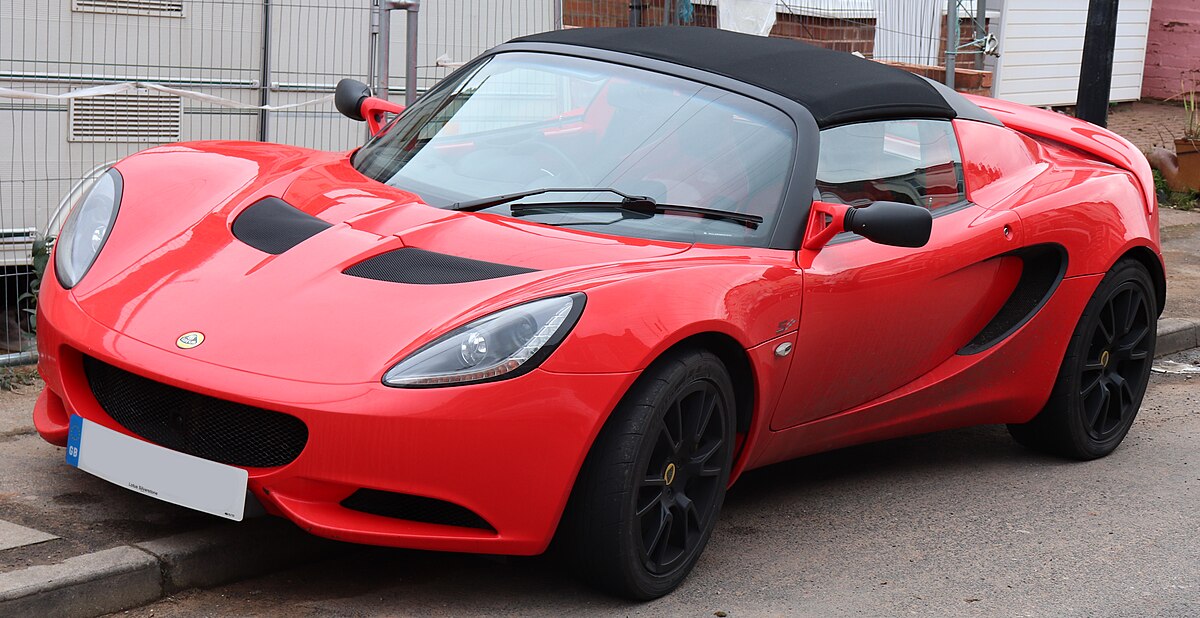
8. Lotus Elise: Pure Driving Excitement
The Lotus Elise is a lightweight, driver-focused sports car that exemplifies Lotus’ commitment to performance and simplicity. Despite its niche manufacturer status, it offers an attainable entry into the world of precision sports cars.
With a strong Formula One heritage, Lotus built the Elise as a car that emphasizes connection, handling, and track-capable performance without unnecessary electronics or weight. Its small size, low weight, and responsive chassis make it one of the most engaging cars to drive.
Power comes from a Toyota-sourced 1.8-liter inline-four engine paired with a six-speed manual transmission. Modifications to the intake, exhaust, and engine controller push output to 190 horsepower at 7,800 rpm and 138 lb-ft of torque at 6,800 rpm.
This setup allows the Elise to accelerate from 0-60 MPH in under five seconds, delivering a thrilling experience on twisty roads or the racetrack. The suspension features a four-wheel independent system with Eibach springs and Bilstein monotube shocks, while an optional limited-slip differential further enhances cornering stability.
Braking is handled by AP Racing two-piston calipers up front and Brembo single-piston calipers in the rear, ensuring precise stopping power.
The Elise’s lightweight design and minimal driver aids are central to its character. Non-power steering and a near-perfect weight distribution make every input feel direct and natural.
However, safety features are basic, with only federally mandated equipment, four-wheel antilock brakes, and optional traction control; there are no side airbags or stability control. This underlines Elise’s focus on performance over modern comfort and electronics.
Inside, the cockpit is minimal and driver-centric. Composite sport seats provide excellent support, while the controls are straightforward and accessible. Low seating and wide door sills require careful entry and exit, emphasizing that this car prioritizes driving engagement over luxury. Storage and comfort are minimal, making it less suited for long trips but perfect for track days or spirited drives.
The Elise also stands out as a relatively affordable sports car. Good examples can be found for $15,000, with some low-end models available for around $10,000. Its value has remained stable over the years, allowing buyers to enjoy its performance with little depreciation risk.
The Lotus Elise is a pure, uncompromised sports car that delivers precision, excitement, and a visceral driving experience, offering one of the closest connections to the road among modern vehicles.
9. Honda S2000: The Ultimate Lightweight Roadster
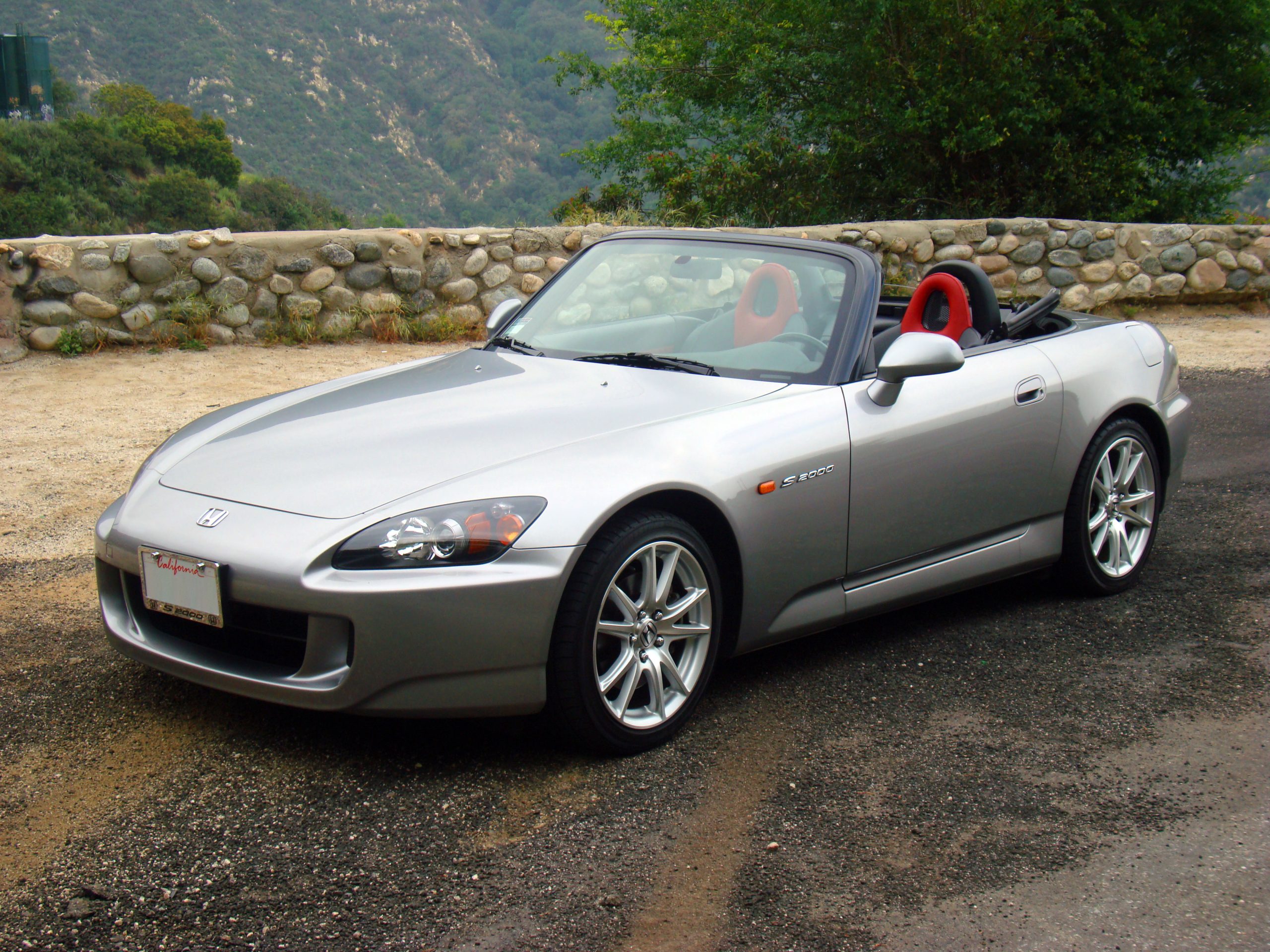
The Honda S2000 is widely regarded as one of the best driver-focused sports cars ever produced, earning a top spot among enthusiast-favorite roadsters. Launched in 1999, the S2000 combines precision engineering, high-revving performance, and timeless design to deliver a driving experience that rivals more expensive competitors like the Porsche Boxster, BMW Z3, and Mercedes-Benz SLK.
Its reputation for reliability, style, and fun makes it a standout choice for both collectors and everyday driving enthusiasts.
At the heart of the S2000 is a 2.0-liter, DOHC four-cylinder engine equipped with Honda’s advanced VTEC system, which adjusts valve timing and lift to maximize both performance and drivability. The engine produces 240 horsepower at 8,300 rpm and 153 lb-ft of torque at 7,500 rpm, with a remarkable redline of 8,900 rpm.
This high-revving character gives the S2000 one of the highest specific outputs per liter of any naturally aspirated production engine in the world. Power is delivered to the rear wheels through a six-speed close-ratio manual transmission and a Torsen limited-slip differential, providing precise control and a highly engaging driving experience.
The S2000’s chassis and suspension are designed for agility and balance. Featuring a rigid frame, ideal 50/50 weight distribution, and four-wheel double-wishbone suspension, the car excels in cornering and stability.
Steering is electrically assisted for sharp responsiveness, and the car’s compact, lightweight design makes it both nimble on twisty roads and planted on the track. Braking and handling are precise, allowing drivers to exploit the car’s full potential without electronic aids interfering with the driving experience.
Design-wise, the S2000 is a compact and angular roadster with a power-operated convertible top. Standard features include 16-inch wheels, high-intensity discharge headlights, leather seats, a digital instrument panel, and a CD audio system.
Safety is addressed through pre-tensioned seatbelts, airbags, roll bars, and a crash-absorbing structure. While the S2000 lacks some luxury and prestige compared to European rivals, it focuses squarely on performance and driver engagement.
Market-wise, low-mileage examples command $20,000 to $30,000, while higher-mileage units can be found for $10,000 to $14,000.
The S2000 holds value well as long as it remains largely stock, making it both a collectible and a practical choice for enthusiasts seeking a thrilling yet reliable roadster. With its high-revving engine, superb handling, and lightweight chassis, the Honda S2000 remains a timeless sports car that delivers pure driving joy.
Cars that maintain value over time share common traits: reliability, enduring design, and a driving experience that continues to excite. From the rugged Tacoma and Jeep Wrangler TJ to performance legends like the McLaren F1 and Acura Integra GS-R, each vehicle on this list proves that thoughtful engineering and passionate followings protect a car’s worth.
Whether looking for a daily driver that keeps its appeal, a weekend toy with thrilling dynamics, or an investment-grade classic, these nine cars show that depreciation is not inevitable.
They reward owners with excitement, practicality, and the assurance that even with age or minor neglect, these vehicles remain desirable. Owning one is more than transportation. It is a chance to enjoy cars that continue to inspire, perform, and retain value year after year.
Also Read: 5 Cars Mechanics Call Million-Mile Legends vs 5 That Fail Fast