When it comes to SUVs, people often think about looks, features, and price tags. But mechanics? They see the real story. The engines, the suspension, the frame, these are the things that decide if a vehicle will last a decade or truly make it 25 years.
Buying a durable SUV isn’t just about picking a model that looks tough; it’s about understanding which parts are built to survive daily abuse, rough roads, and even the occasional missed oil change.
Some SUVs come off the lot with a reputation for longevity that’s almost legendary. They don’t rely on gimmicky tech or complicated electronics that fail after a few years. They have engines that can be overhauled, transmissions that don’t complain easily, and chassis that resist rust and fatigue.
On the flip side, there are SUVs that look appealing and have fancy interiors but fall apart quietly after a few years. Electronics die, engines burn oil, and bodywork starts showing its age faster than you can say “off-road adventure.”
Mechanics have a front-row seat to all of this. They see which SUVs repeatedly make it past 200,000 miles without drama and which ones come back for major repairs every couple of years.
Their experience is often brutally honest, because unlike glossy reviews or marketing hype, they deal with the consequences of engineering choices every day.
In this article, we’ll break down 5 SUVs that mechanics confidently say can survive 25 years with proper care, and 5 SUVs that might look good but won’t go the distance.
We’ll cover what makes the reliable ones tick, and what design flaws doom the others. By the end, you’ll know which SUVs are truly worth your time and which ones are better left in the showroom.
Whether you’re a weekend warrior, a family driver, or someone who just wants a no-nonsense vehicle, this guide will give you the insight mechanics wish everyone knew before buying.
5 SUVs Mechanics Say Can Run 25 Years vs 5 That Won’t
Not all SUVs are created equal. Some are built like tanks, with proven engines, simple electronics, and frames that resist rust and wear. These are the ones mechanics love to see because they’re straightforward to fix and rarely disappoint.
Others are more style over substance flashy interiors, complex tech, and engines that demand constant attention.
Mechanics often see these fail early, leaving owners with expensive repairs and regret. Below, we’ll dive into each side of the spectrum: the 5 SUVs that can realistically last 25 years, and the 5 SUVs that won’t survive the test of time.
ALSO READ: 10 Cars That Outlive Their Stereotypes
The 5 SUVs That Can Run 25 Years
Some SUVs are built to last, not just for a few road trips or commutes, but for decades. In an era where many vehicles are replaced every few years, a select few models prove that longevity and reliability still matter.
These SUVs have earned reputations for their rock-solid engineering, low maintenance needs, and the ability to stay on the road well past the 25-year mark. Here are five SUVs that can truly stand the test of time.
1. Toyota Land Cruiser
The Toyota Land Cruiser has earned its legendary status over the decades. Mechanics swear by it for one simple reason: durability.
Underneath its rugged exterior is an engine and transmission combo that has been refined over years, designed to endure punishing conditions across deserts, mountains, and city traffic alike. The 4.5L V8 and even older inline-six models are known for running hundreds of thousands of miles with minimal fuss.
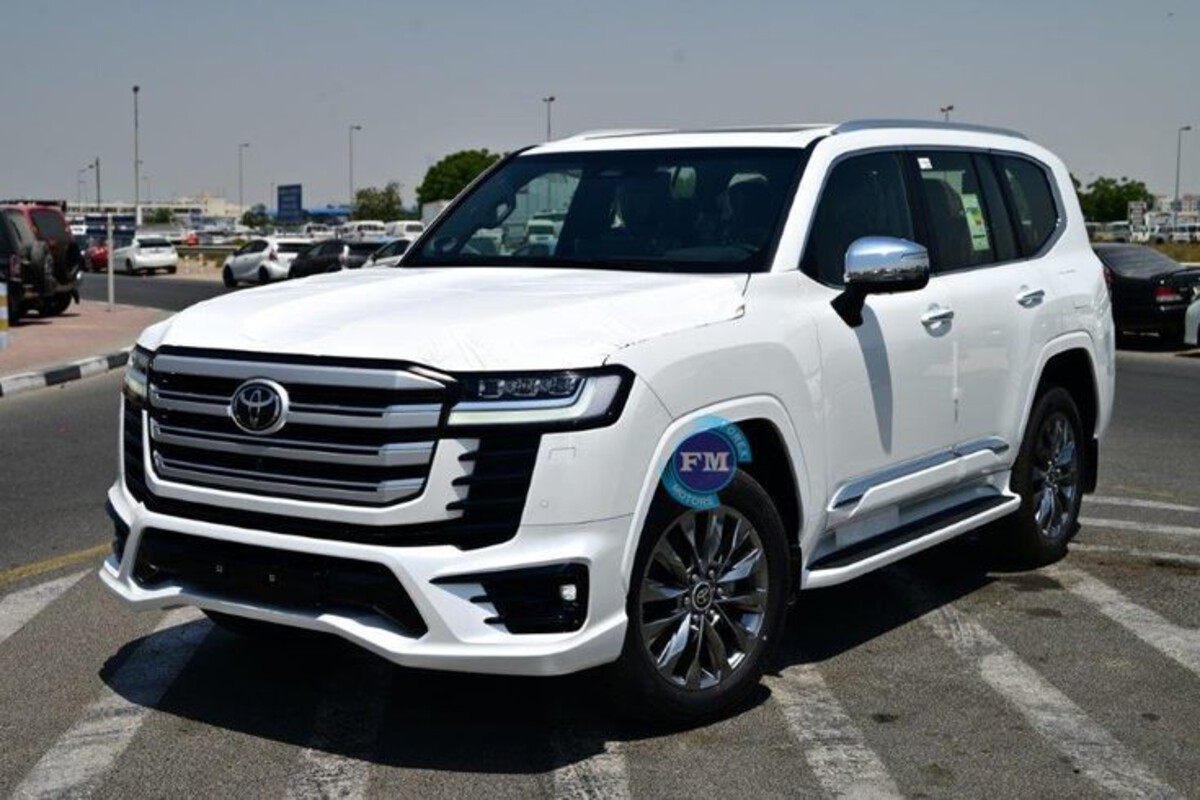
What sets the Land Cruiser apart is its simplicity in key areas. While modern versions come with tech, the mechanical backbone hasn’t been overcomplicated.
Suspension components are tough, drivetrain systems are easy to service, and the frame itself resists rust like very few competitors. Even interiors, though utilitarian, stand up to abuse spills, mud, and sand won’t destroy them.
Another factor is the worldwide parts availability. Mechanics in remote locations have seen Land Cruisers survive for decades because replacement parts are accessible almost anywhere.
Owners who perform regular maintenance oil changes, coolant checks, and brake inspections can drive these vehicles well past the 300,000-mile mark without major overhauls.
The Land Cruiser is also notorious for tolerating neglect better than most. Missing a scheduled service or two rarely results in catastrophic damage, unlike many modern SUVs.
Mechanics appreciate this forgiving nature because it means the car can survive in less-than-perfect hands. Overall, the Land Cruiser is a rare SUV that combines brute strength, reliability, and long-term peace of mind. If longevity is your goal, this is a top pick.
2. Honda CR-V
The Honda CR-V might not have the Land Cruiser’s off-road chops, but it’s one of the most reliable compact SUVs ever made. Mechanics consistently praise the CR-V for its engine longevity, simple design, and forgiving nature. The 2.4L inline-four engine is a workhorse, capable of over 250,000 miles with routine maintenance.
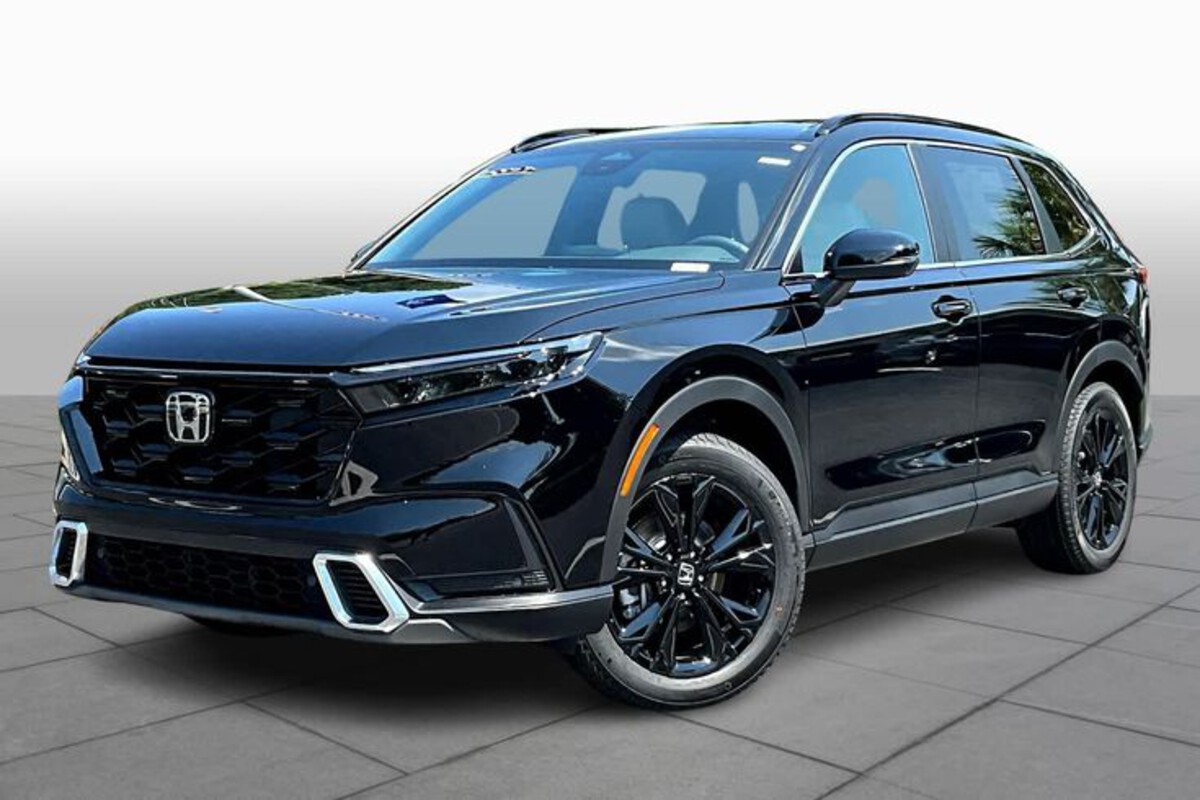
CR-Vs are simple to repair compared to other compact SUVs. Mechanics appreciate easy access to components and straightforward electronics, which minimizes surprise repair costs.
Suspension components are durable, transmissions are proven, and there are no exotic materials that fail after a few years. Even in high-mileage units, oil consumption is minimal, and drivetrain failures are rare.
Another advantage is Honda’s build consistency. Generations of CR-Vs share the same engine layouts and component designs, meaning mechanics are familiar with common issues and solutions.
This predictability makes them a favorite for long-term ownership. Rust is less of a concern, and interior components tend to hold up well under family use.
The CR-V also benefits from widespread parts availability, which is crucial for longevity. If a component does fail, replacements are easy to source and inexpensive.
For anyone looking for an SUV that balances practicality, comfort, and long-term reliability, the Honda CR-V is hard to beat. Mechanics often point to these vehicles as proof that an affordable, compact SUV can last 25 years with consistent care.
3. Toyota 4Runner
The Toyota 4Runner is another SUV that mechanics swear can go the distance. Its body-on-frame construction, combined with reliable engines like the 4.0L V6, allows it to handle heavy-duty use without the typical wear-and-tear issues that plague unibody SUVs.
These are vehicles built for abuse, and mechanics often see them reach 300,000 miles with routine maintenance.
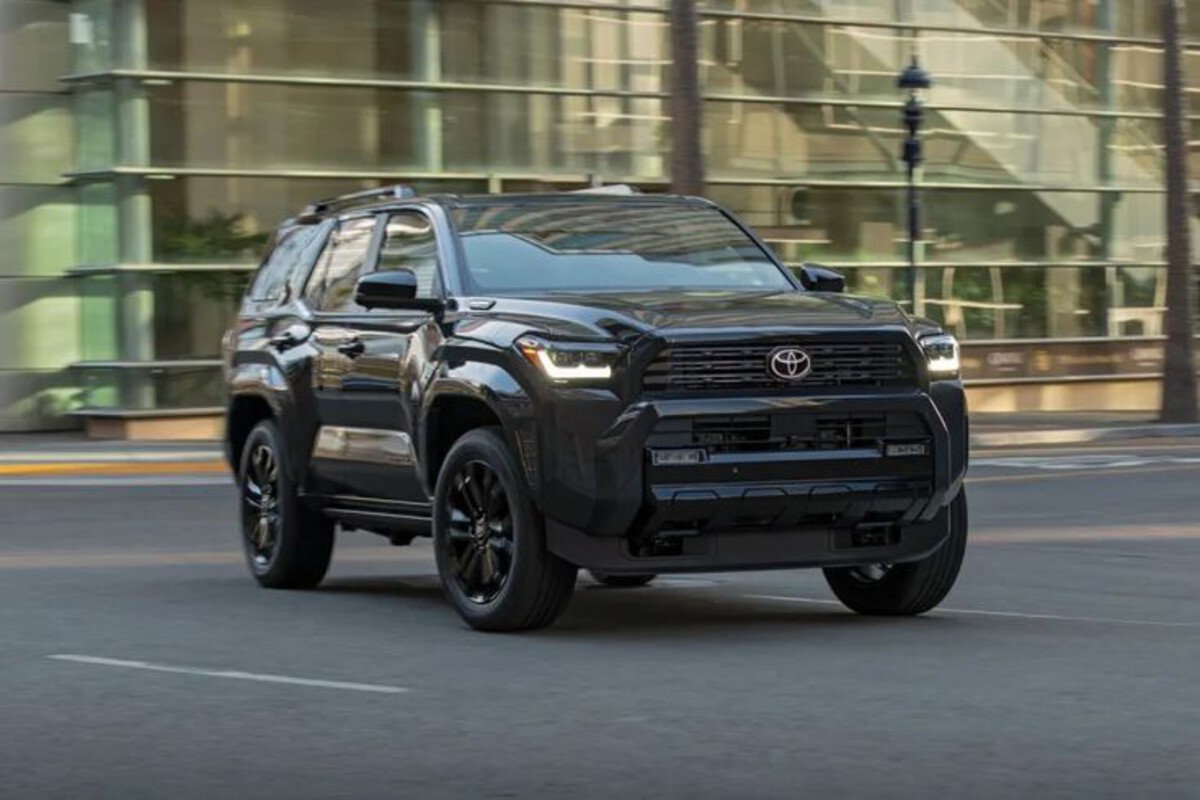
One key to the 4Runner’s longevity is its drivetrain. The 4WD system is simple, durable, and easy to repair. Mechanics like this because it rarely fails under stress, unlike modern, complex AWD systems.
Suspension components are strong, and rust issues are minimal, especially in newer generations. Even heavily used 4Runners rarely have catastrophic failures if serviced properly.
Maintenance is straightforward. Oil changes, brake inspections, and regular checks on the transmission and cooling systems are all that’s typically required.
Mechanics note that owners who keep up with this simple schedule often never see major repairs. Even electronics, which have increased in newer models, are reliable compared to other SUVs in the same price range.
The 4Runner’s reputation for longevity is well-earned. It’s versatile enough for families, rugged enough for off-road adventures, and reliable enough to become a generational vehicle.
Mechanics often highlight the 4Runner as a rare SUV that combines ruggedness, reliability, and real-world usability. If you want an SUV that can comfortably survive 25 years, this is one of the safest bets on the market.
4. Lexus LX 570
Essentially a luxury version of the Land Cruiser, the Lexus LX 570 carries the same legendary mechanical DNA but adds comfort and style. Mechanics often highlight the LX 570 because it inherits the Land Cruiser’s rock-solid engine and chassis but with slightly upgraded components.
The 5.7L V8 has a reputation for smooth power delivery, durability, and tolerance for high mileage, making it a favorite among those who want both luxury and longevity.
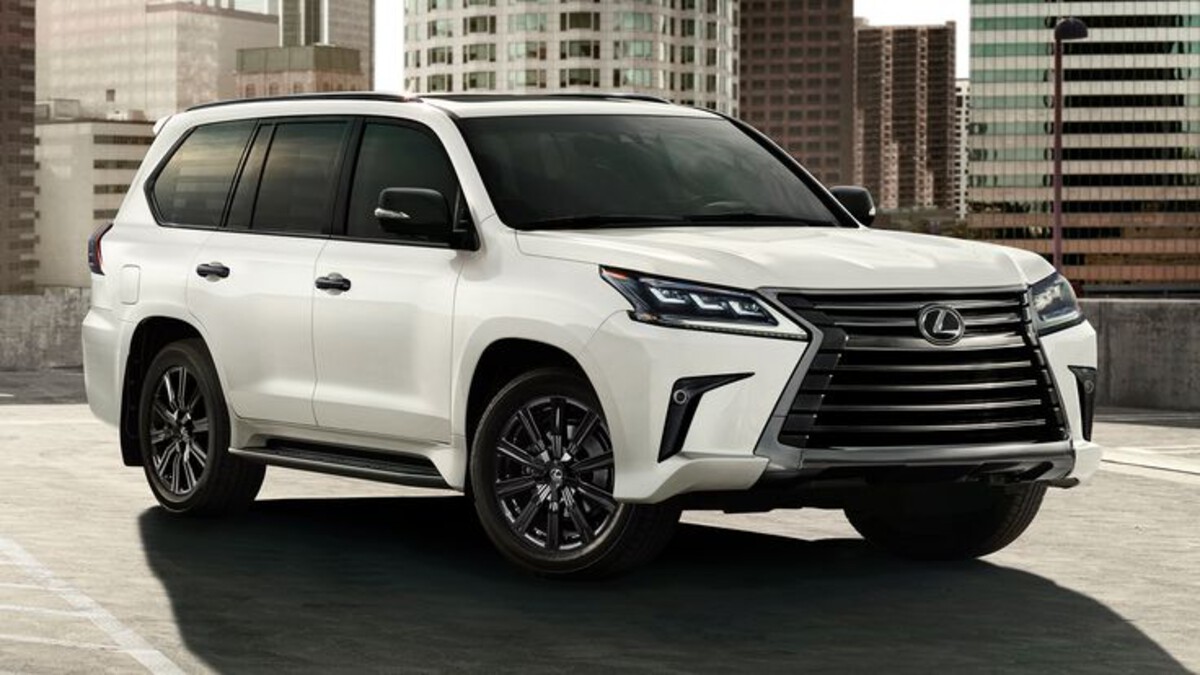
Electronics in the LX 570 are more advanced than the Land Cruiser, but they’re not overly complex, meaning major failures are uncommon.
Suspension systems are beefy, designed for off-road performance while remaining compliant on highways. Mechanics note that these vehicles rarely have frame issues or drivetrain failures if maintained. Interior components are higher quality, so wear and tear is more cosmetic than functional.
Another reason mechanics trust the LX 570 for 25-year life is its strong aftermarket support. Parts are widely available, and there’s a global knowledge base for servicing these SUVs, making repairs straightforward.
Regular maintenance, like oil changes, brake inspections, and timing chain checks, keeps them running smoothly for decades.
Owners also benefit from the Lexus reputation for quality. Even under heavy use, engines tend to be forgiving, electronics fail less frequently than competitors, and overall build quality is high.
While the LX 570 comes with a higher price tag, it’s often cited as a long-term investment. For anyone prioritizing reliability, comfort, and a vehicle that can survive 25 years of varied use, the LX 570 is a smart choice.
5. Subaru Forester
The Subaru Forester isn’t flashy, but it’s the quiet achiever of the SUV world. Mechanics love how predictable it is. The 2.5L boxer engine is reliable if you take care of the oil and cooling system. The symmetrical all-wheel drive setup is bulletproof.
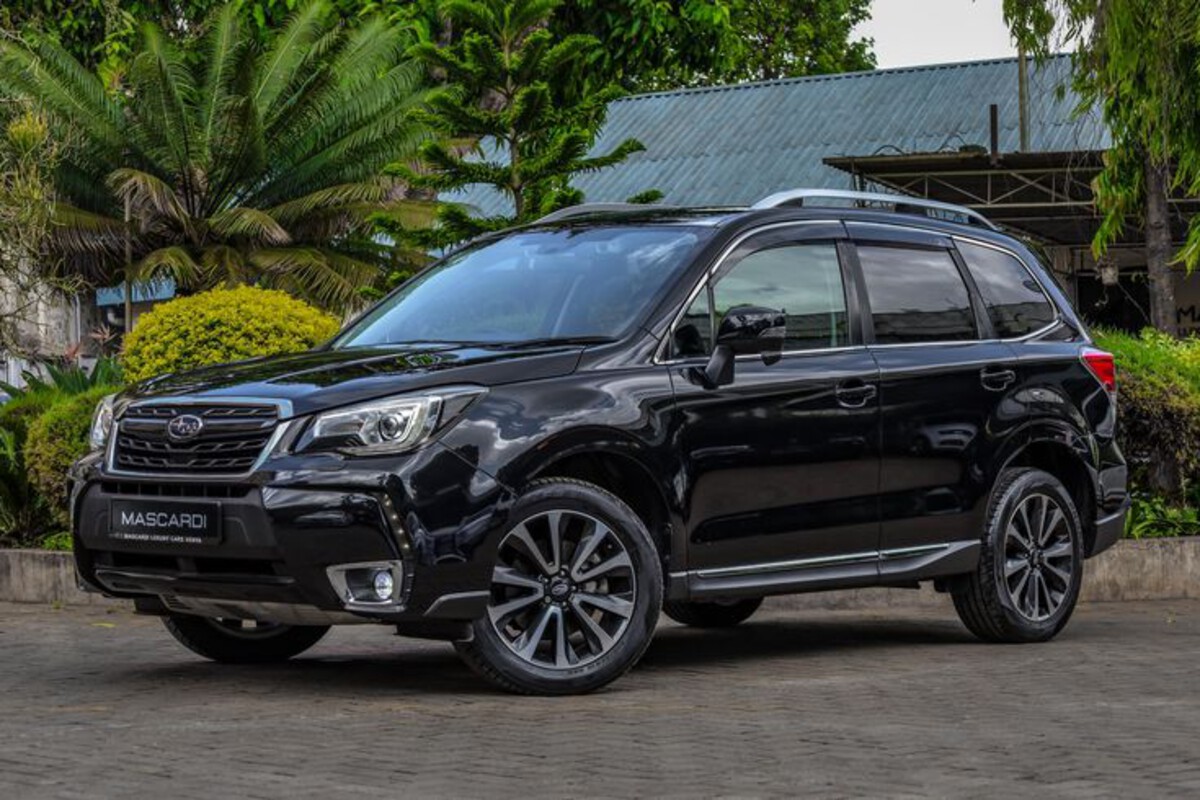
Yes, early 2000s models had head gasket issues, but once that’s fixed (or on newer models, eliminated), the engines run forever. The transmission and drivetrain rarely give problems, and the ride quality stays solid even after years of abuse.
Foresters are a mechanic’s favorite for one big reason simplicity. Everything is accessible, and replacement parts are cheap.
They handle snow, dirt roads, and daily commuting without breaking down. Mechanics say that when a Forester comes in after 200,000 miles, it’s usually for minor maintenance, not life-ending repairs.
It’s not the SUV for people chasing horsepower, but if your goal is “I never want to buy another car again,” it’s one of the smartest picks.
The 5 SUVs That Won’t Run 25 Years
Not every SUV is built to go the distance. While some models earn a reputation for lasting decades, others start showing their age far too soon.
From expensive repairs to unreliable components, these SUVs might look appealing at first but struggle to survive long-term ownership. Here are five SUVs that are unlikely to make it to the 25-year mark, and the reasons why their lifespan falls short.
1. Jeep Grand Cherokee
The Jeep Cherokee has style and off-road appeal but is notorious among mechanics for reliability issues. Engines often burn oil, transmissions are prone to early failure, and electronics frequently malfunction. Body components rust faster than average, especially in older models.
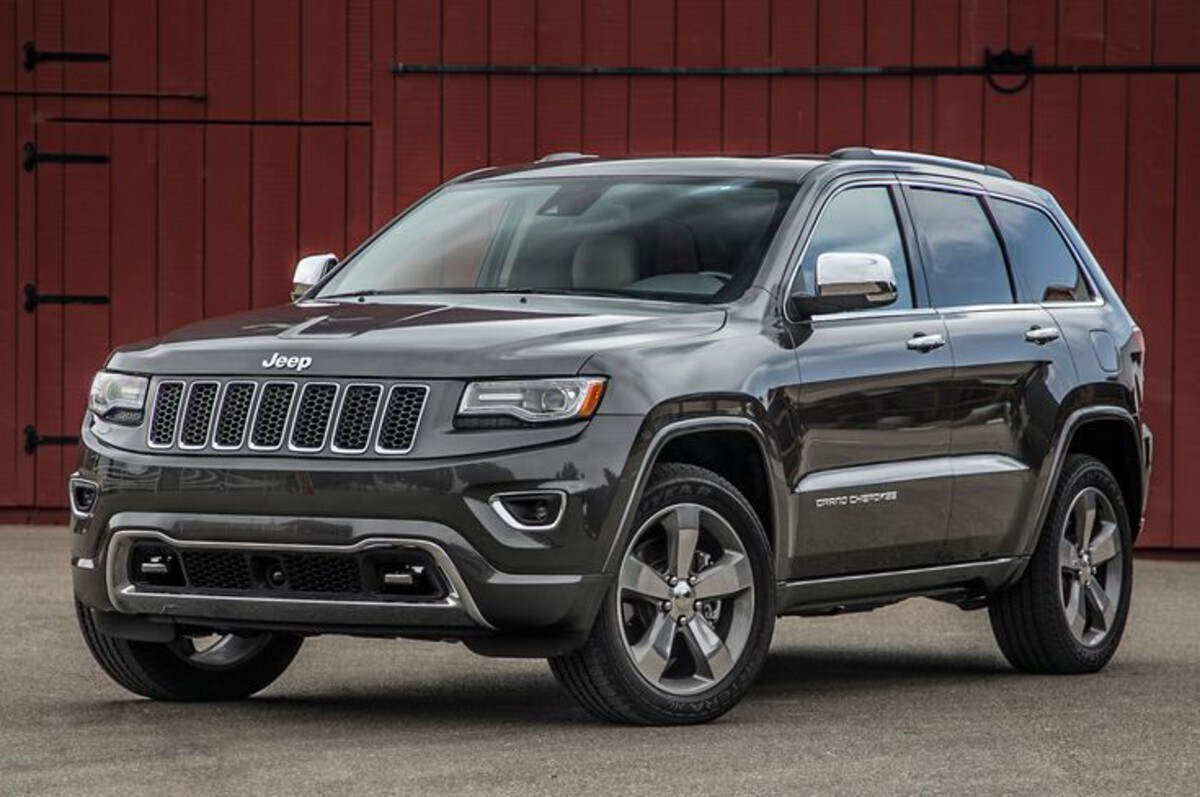
Even with regular maintenance, the Cherokee tends to require expensive repairs, making it one of the least likely SUVs to reach 25 years. Mechanics frequently see repeated failures in the 2.4L inline-four and 3.2L V6 engines, with issues like timing chain tensioner failures and electrical gremlins.
While off-road capable, the Cherokee sacrifices long-term durability for comfort and features. Complex electronics like infotainment systems and 4WD controls often fail earlier than the mechanical parts, driving up repair bills.
ALSO READ: 8 Trucks That Keep Surprising Owners With Durability
2. Range Rover Sport
No surprise here every mechanic’s horror story list starts with Range Rover. The Sport variant is beautiful, powerful, and luxurious, but underneath it’s a ticking time bomb.
Air suspension failures are routine. They’re smooth when new, but once they age, you’ll deal with sagging ride height or complete suspension collapse. Fixing it costs thousands.
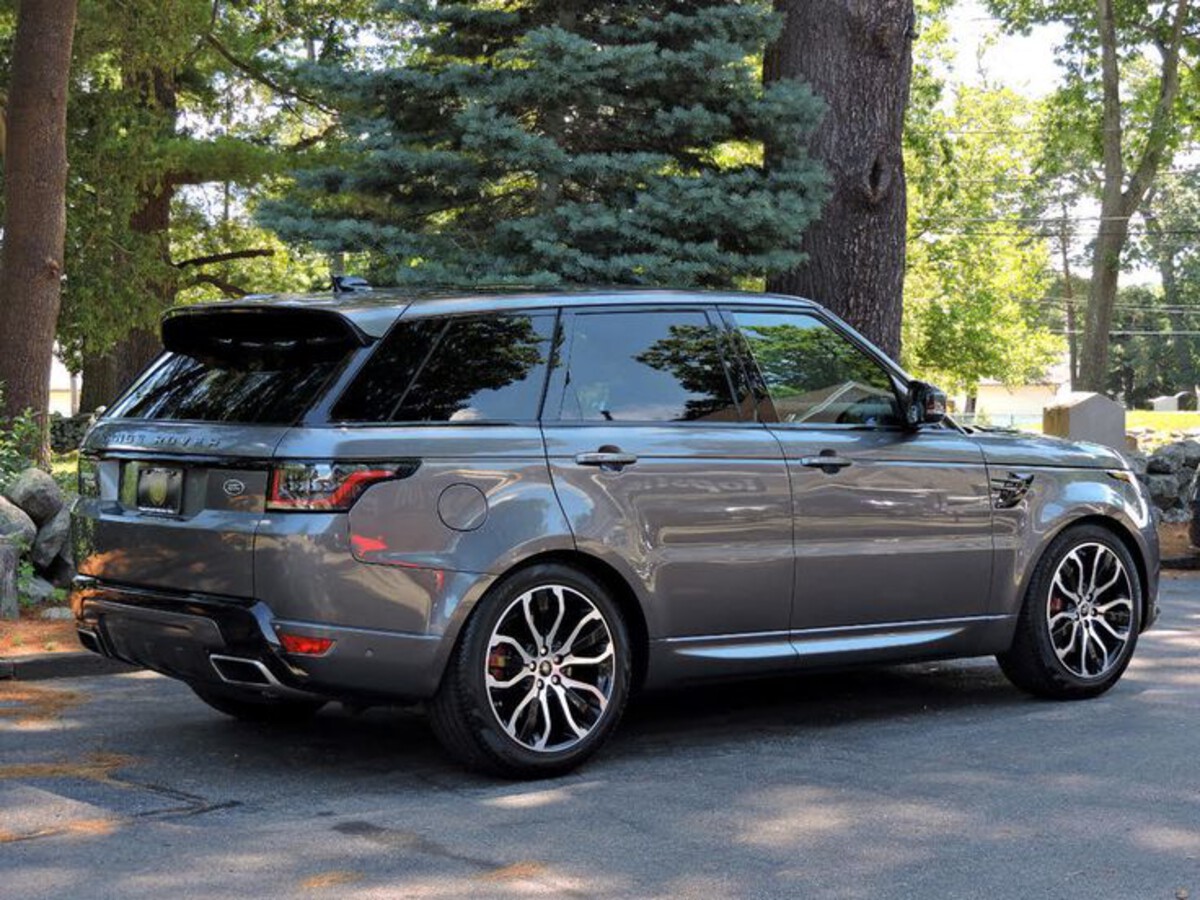
Then there are the endless electrical gremlins random warning lights, dead batteries, malfunctioning sensors. Even simple jobs like replacing a water pump require half the front end to be removed.
Mechanics often say owning a Range Rover out of warranty is financial suicide. They’ve seen customers sink thousands just to keep them running year to year.
The engines are strong, but the supporting systems especially electronics and seals, are weak links. The more luxurious the trim, the more complicated (and failure-prone) it becomes.
It’s the ultimate short-term SUV. Drive it for five years, enjoy the comfort, then move on before the real problems begin. Twenty-five years? Forget it.
3. BMW X5
The BMW X5 is one of those SUVs that feels perfect until it’s not. When it’s new, it’s amazing smooth, fast, premium. But mechanics know they start falling apart once the odometer hits six figures.
The biggest killers? Cooling system failures, oil leaks, valve cover gasket leaks, and failing plastic components. BMW loves plastic under the hood, and plastic doesn’t age well. Combine that with sensitive electronics, and you’ve got a maintenance nightmare.
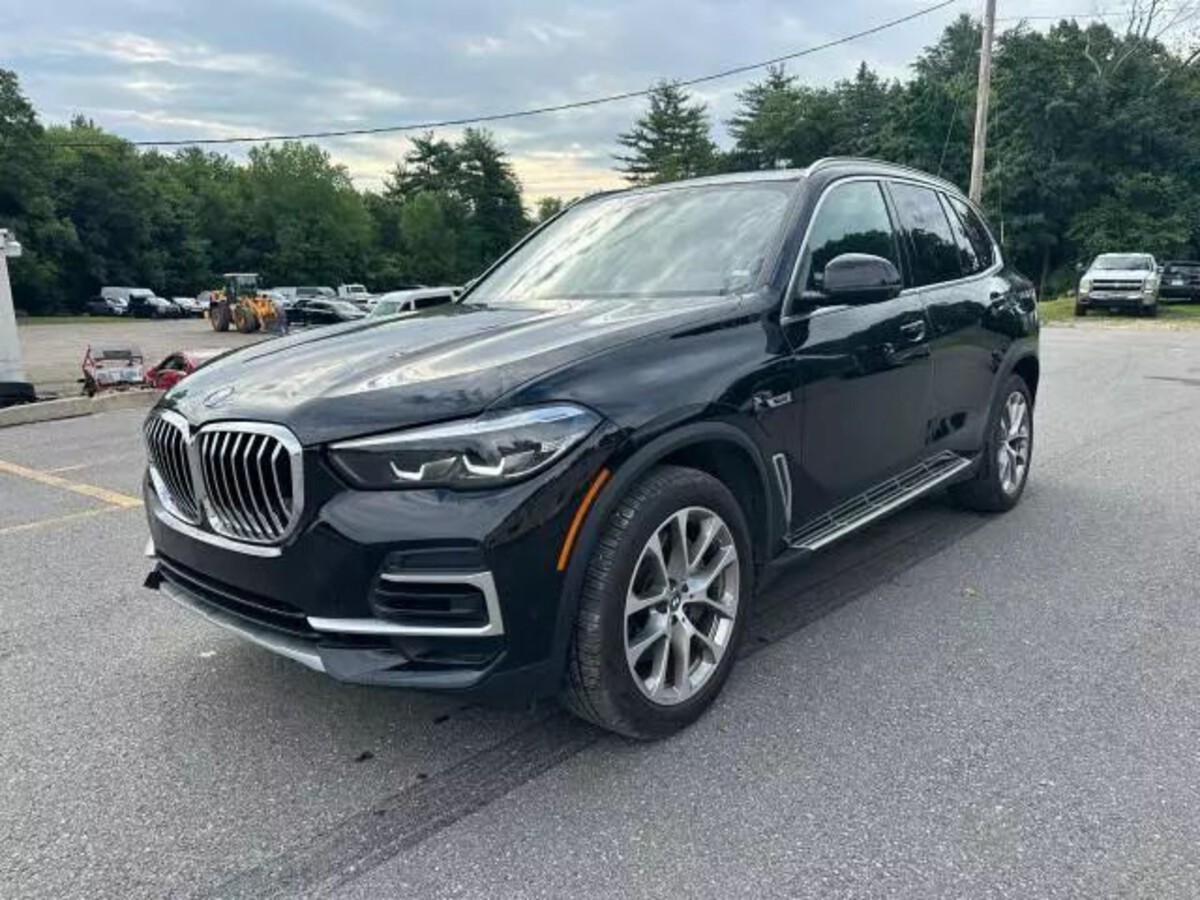
It’s not uncommon to see X5 owners spending over $2,000 a year on repairs after 100k miles.
Mechanics hate working on them because everything’s buried deep and requires specialized tools. Even replacing spark plugs can turn into a full-day job.
Sure, it’s fun to drive, but it’s built for short-term satisfaction, not long-term survival. Most mechanics say 10–12 years is about the realistic life span before the repair bills exceed the SUV’s value.
Luxury SUVs like the X5 prove one thing performance and longevity rarely go hand-in-hand.
4. Chevrolet Traverse
The Traverse looks like a solid family SUV, but mechanics know its weaknesses too well. The 3.6L V6 engine is infamous for timing chain and oil flow problems, and the automatic transmissions don’t hold up great either.
Older models (especially 2009–2017) suffer from transmission slipping and complete failure before 150,000 miles. Even newer ones haven’t fully escaped those issues. Once it starts acting up, repairs cost more than the car’s worth.
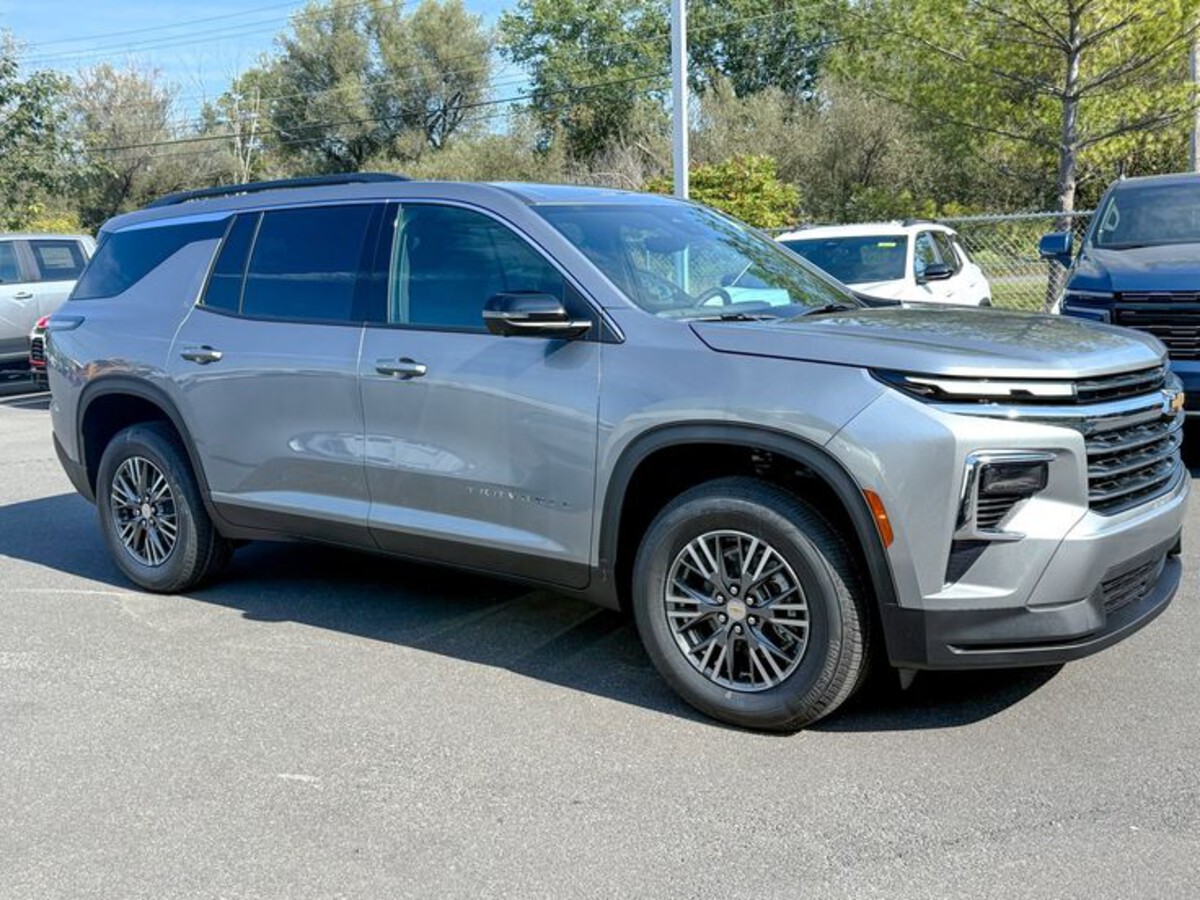
Mechanics also complain about how difficult it is to access key components, making labor costs high. Interior wear and failing sensors add to the headache.
The Traverse does everything okay, comfort, space, style, but nothing exceptionally well, especially longevity. Mechanics call it “a great lease SUV,” meaning it’s best enjoyed new, not old.
5. Nissan Pathfinder
The Pathfinder used to be a beast when it was built on a truck frame. But when Nissan turned it into a crossover with a CVT transmission, mechanics lost faith.
That CVT is the main culprit overheating, shuddering, total failure you name it. Even with Nissan’s “updated” designs, problems persist. Mechanics see failed Pathfinders under 100,000 miles more often than they’d like.
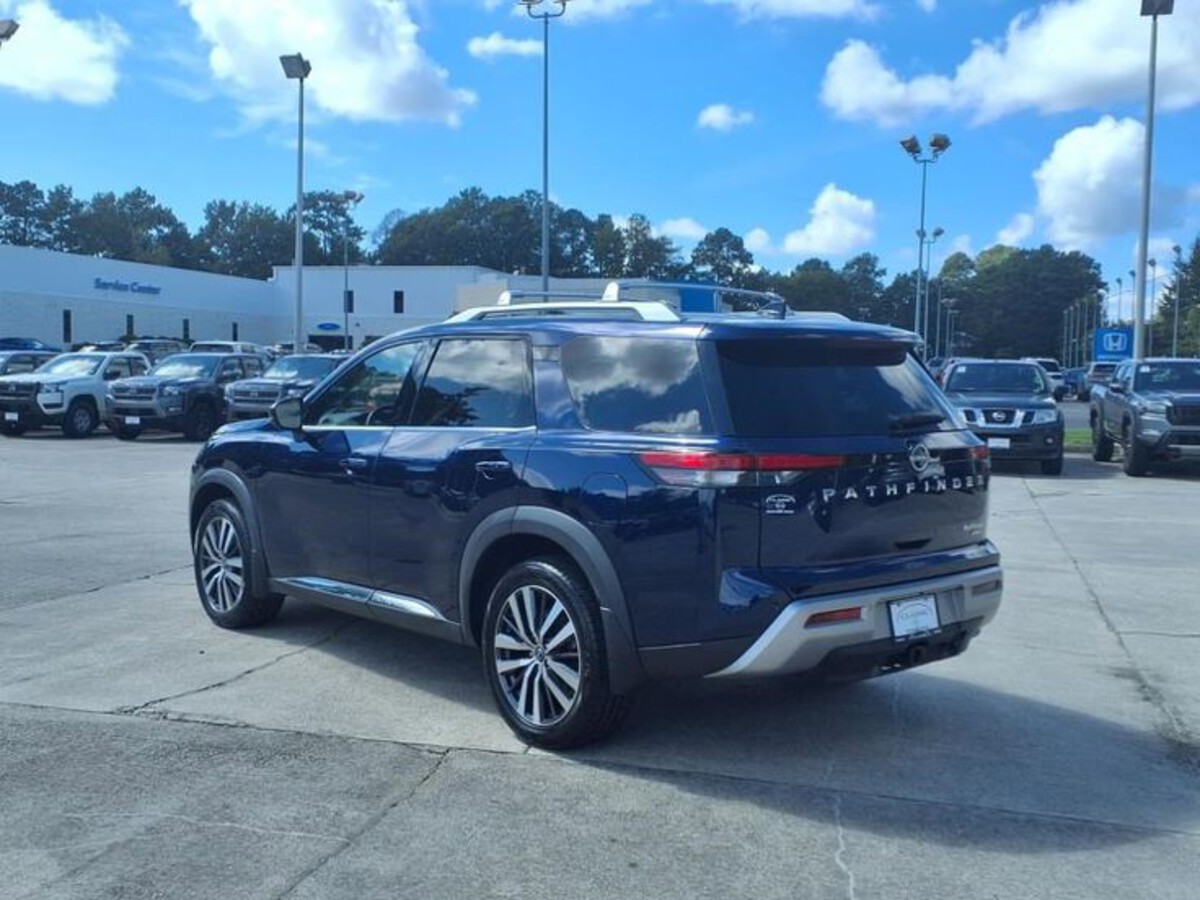
Engines are okay, but the rest of the SUV feels built to a price. Cheap interior materials, average suspension, and underwhelming electronics don’t help.
Most long-time Nissan fans still miss the old, rugged Pathfinder that could go toe-to-toe with the 4Runner. The modern ones? They’re fine for the first owner, but not something you’d want to pass down.
Mechanics say it’s one of those SUVs that looks reliable until it’s not. By the time you hit 10 years, you’re either rebuilding the transmission or shopping for something else.
On the other hand, SUVs like the Jeep Cherokee, Range Rover, Chevrolet Traverse, Nissan Pathfinder, and Hyundai Santa Fe may impress at first glance but often fail under the microscope of long-term ownership.
Electronics fail, transmissions and engines require repeated repairs, and rust and suspension issues accumulate. Mechanics repeatedly see these SUVs fall short of the 25-year mark, leaving owners frustrated and facing expensive repairs.
The takeaway is clear: if your goal is a long-lasting SUV, go for models with simple, proven engineering and widespread parts availability.
Reliability isn’t sexy, but it’s what keeps you on the road and saves you thousands in repair costs over decades. Mechanics see the patterns, understand which components are built to last, and know which SUVs will quietly crumble over time.
Choosing a durable SUV isn’t about chasing style or high-tech features. It’s about listening to those who deal with these machines daily, mechanics who see the good, the bad, and the ugly. Stick with the proven options, perform routine maintenance, and you could realistically own a vehicle for 25 years.
The difference between a reliable SUV and one that fails early isn’t just luck it’s engineering, design, and a little mechanical common sense. For anyone serious about longevity, the lesson is simple: trust what mechanics say.