
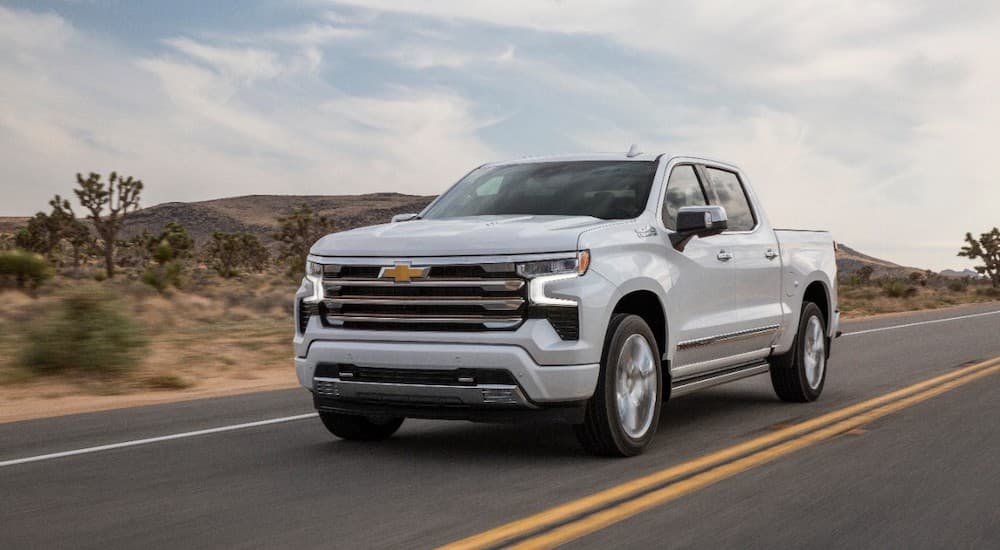
The pickup trucks, longevity isn’t just a selling point it’s a badge of honor that separates the legends from the pretenders.
While some trucks seem destined to run forever, passing from generation to generation like treasured heirlooms, others limp into salvage yards long before their odometers hit six figures.
The difference between these two categories often comes down to a complex interplay of engineering philosophy, build quality, maintenance requirements, and the fundamental DNA of the manufacturer.
The pickup truck market represents one of the most fiercely competitive segments in the automotive industry, with billions of dollars riding on reputation and reliability ratings.
For many truck owners, their vehicle isn’t just transportation it’s a work partner, a family hauler, and often the single largest investment they’ll make besides their home. This reality makes the question of longevity not merely academic but deeply practical and financially significant.
This comprehensive analysis examines ten trucks that represent both ends of the longevity spectrum. We’ll explore what makes the survivors so indestructible and identify the fatal flaws that doom the failures.
Whether you’re shopping for your next truck or simply curious about automotive durability, understanding these differences can save you thousands of dollars and years of frustration.
5 Trucks That Outlive Their Owners
These exceptionally engineered vehicles feature body-on-frame construction with galvanized steel frames, simple mechanical systems prioritizing serviceability over complexity, and drivetrain components built with such substantial durability margins that routine maintenance becomes their only requirement for multi-decade service life.
Their thoughtful engineering includes cast-iron engine blocks with deep-skirt designs providing superior main bearing support, manually adjustable mechanical systems eliminating failure-prone electronic modules, and body panels manufactured from thick-gauge steel with comprehensive rust-proofing treatments protecting vulnerable areas from corrosion throughout decades of exposure.
From farm duty spanning generations of family ownership to commercial fleet service accumulating millions of combined miles across identical platforms, these remarkable trucks continue operating reliably without developing catastrophic failures, unavailable parts situations, or economic total-loss scenarios that plague lesser designs.
1. Toyota Tundra (2007-2013)
The second-generation Toyota Tundra represents perhaps the most bulletproof full-size truck ever built by a Japanese manufacturer, and its legendary reliability has earned it a cult following among those who prioritize longevity above all else.
These trucks routinely surpass 300,000 miles with only routine maintenance, and examples exceeding 500,000 miles are surprisingly common in online owner forums and social media groups dedicated to high-mileage vehicles.
At the heart of the Tundra’s longevity lies its magnificent 5.7-liter i-FORCE V8 engine, a powerplant that embodies Toyota’s conservative engineering philosophy.
This engine doesn’t chase horsepower records or fuel economy milestones instead, it focuses relentlessly on durability through under stressed components, excellent lubrication systems, and thermal management that prevents the hot spots that destroy lesser engines.
The engine block itself is exceptionally robust, with thick cylinder walls that resist wear even after hundreds of thousands of miles of operation.
The transmission paired with this engine, a six-speed automatic, is equally overbuilt. Toyota engineered this gearbox with larger clutch packs, more robust planetary gear sets, and superior fluid cooling compared to competitive offerings.
The result is a transmission that can handle the Tundra’s maximum towing capacity year after year without the slipping, shuddering, or premature failure that plagues other manufacturers’ products. Many Tundra owners report never needing transmission service beyond fluid changes, even after a quarter-million miles.
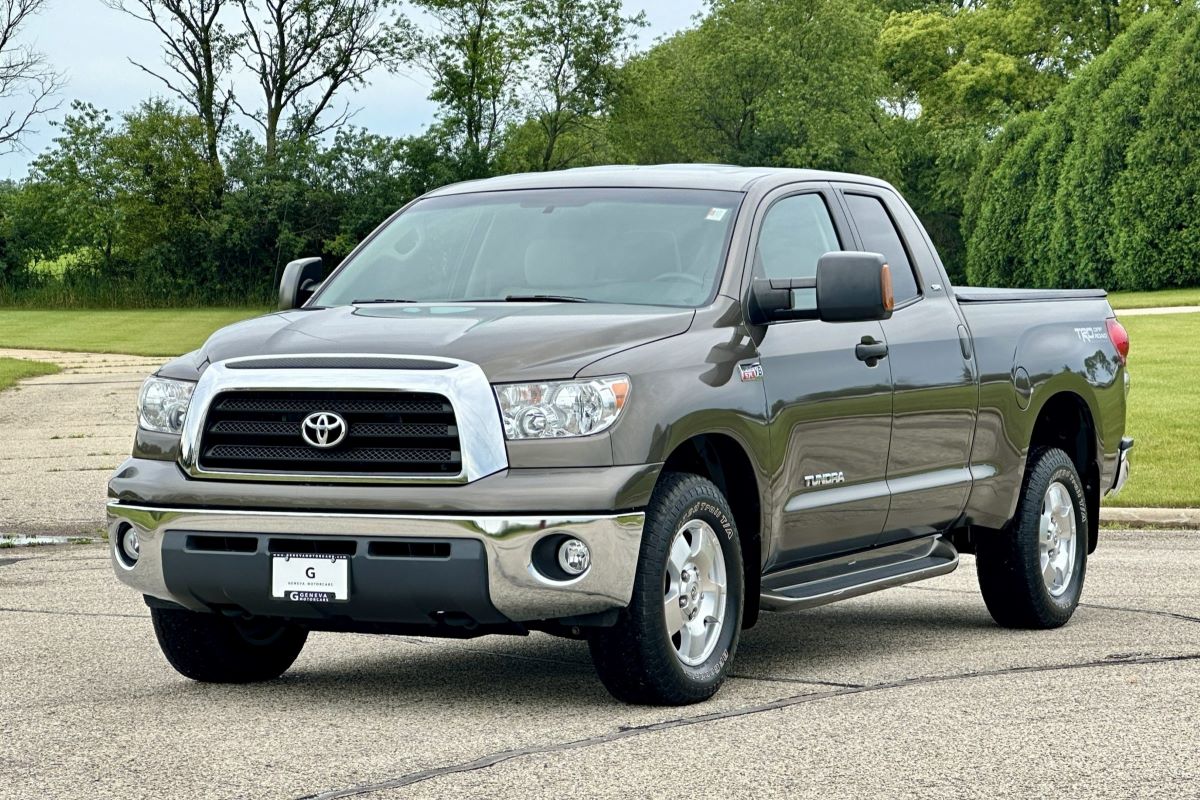
The truck’s frame is constructed from fully boxed high-strength steel, with substantial cross-members and mounting points that resist the twisting forces that cause other trucks’ frames to crack over time.
Toyota’s rust-proofing process is also notably superior to American competitors, with multiple layers of protective coatings applied during manufacturing. Tundras driven in salt-belt states show remarkably little frame corrosion even after fifteen or twenty years of winter driving.
Suspension components are another area where the Tundra excels in longevity. The truck uses straightforward, proven suspension geometry with robust ball joints, tie rod ends, and control arm bushings sized for trucks in a heavier class.
While these components do eventually wear and require replacement, they typically last two to three times longer than equivalent parts on competing trucks.
The leaf spring rear suspension, while criticized by some for ride quality, is nearly indestructible and maintains its load-carrying capacity virtually indefinitely.
Interior quality in these Tundras is workmanlike rather than luxurious, but this simplicity contributes to longevity. The trucks feature durable cloth upholstery that resists wear, straightforward climate control systems without complex zone controls, and electrical systems built with appropriate wire gauges and robust connectors.
The instrument cluster uses traditional analog gauges rather than failure-prone digital displays, and the interior design prioritizes function over style.
Perhaps most importantly, Toyota’s parts network and the truck’s mechanical simplicity mean that when components do eventually wear out, repairs are straightforward and reasonably priced. Independent mechanics can service virtually every system on the truck without proprietary diagnostic equipment, and parts availability remains excellent even for older models.
This combination of durability and repairability ensures that Tundras remain economically viable to maintain even as they accumulate truly astounding mileages.
2. Ford F-150 (2011-2014 with 5.0L V8)
The twelfth-generation Ford F-150 equipped with the naturally aspirated 5.0-liter Coyote V8 represents a sweet spot in modern truck engineering, combining contemporary capabilities with old-school durability that ensures these trucks remain on the road long after their contemporaries have been scrapped.
While newer F-150s have embraced turbocharged EcoBoost engines and aluminum body construction, these earlier models with the proven V8 engine and traditional steel bodies have demonstrated exceptional longevity in real-world use.
The Coyote engine that powers these F-150s is a masterpiece of modern V8 engineering, derived from the high-performance engine used in Mustang GT sports cars but detuned slightly for truck duty.
This engine features dual overhead camshafts, four valves per cylinder, and variable valve timing sophisticated technology that delivers strong performance while maintaining excellent durability.
The engine’s aluminum block with pressed-in iron cylinder liners provides an ideal balance of light weight and wear resistance, while the forged steel crankshaft can withstand enormous stress without failure.
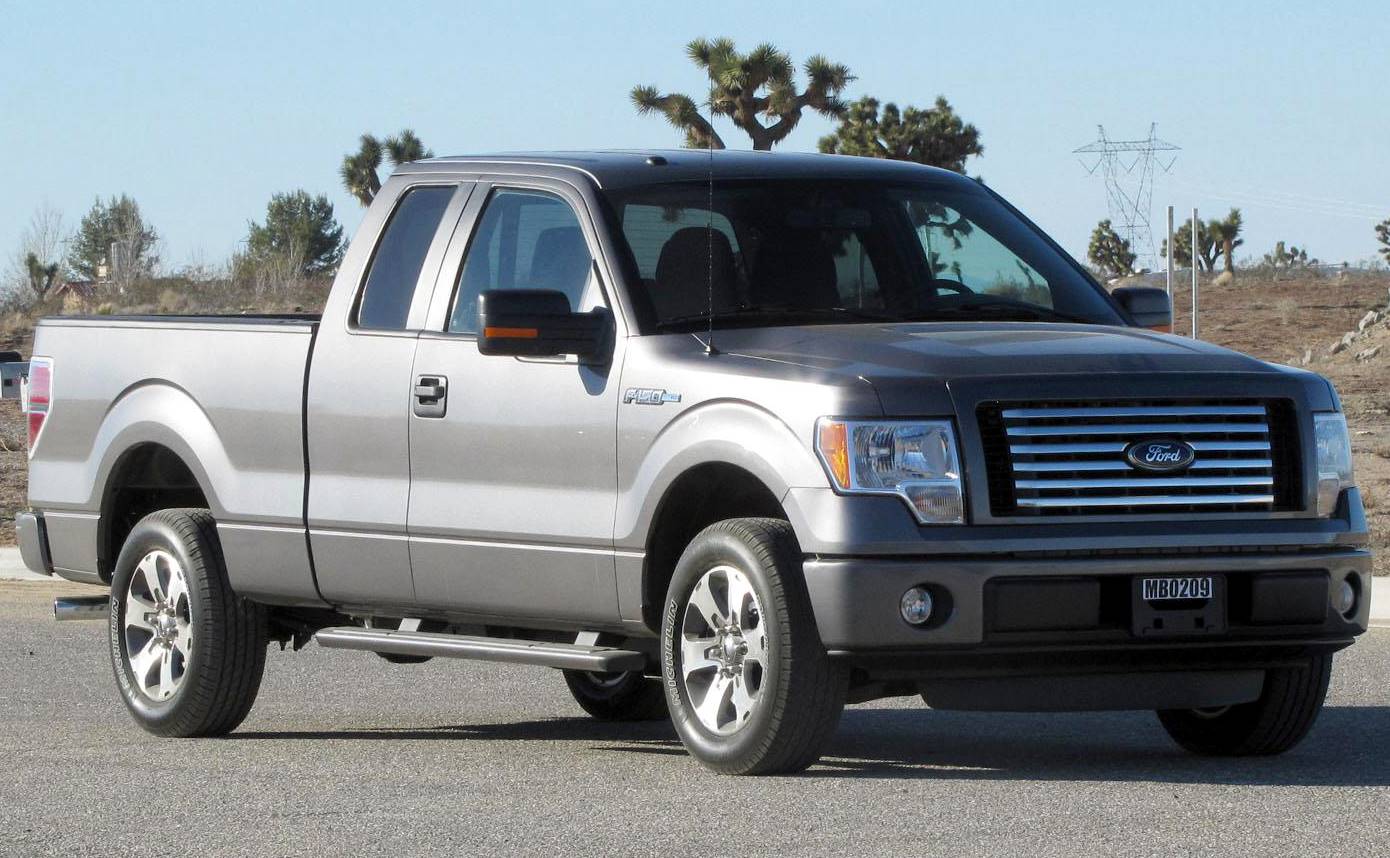
What makes these particular F-150s outlast many of their peers is the relative simplicity of the naturally aspirated V8 compared to turbocharged alternatives.
Without turbochargers, intercoolers, complex boost control systems, and the extreme thermal cycling that turbos create, the 5.0-liter engine avoids the numerous failure points that plague forced-induction engines as they age.
The engine runs cooler, maintains more consistent oil temperatures, and subjects its internal components to less extreme stress cycles all factors that contribute to multi-hundred-thousand-mile longevity.
Suspension components are appropriately sized and robust, with the independent front suspension using substantial control arms, quality ball joints, and rack-and-pinion steering that remains tight even after 200,000 miles of service.
The rear leaf spring suspension continues Ford’s decades-long tradition of overbuilding these components, with springs and shackles that maintain their integrity virtually indefinitely unless subjected to severe overloading. Many owners report original suspension components still functioning perfectly after fifteen years and 300,000 miles.
The electrical system in these F-150s represents pre-modern levels of complexity, meaning fewer electronic modules to fail and more straightforward diagnostic and repair procedures when problems do arise.
The body control module, powertrain control module, and ABS module are the primary electronic components, and these have proven remarkably reliable compared to the dozens of modules found in newer trucks.
3. Chevrolet Silverado 1500 (1999-2006 with 5.3L V8)
The GMT800 generation Chevrolet Silverado represents what many truck enthusiasts consider the last truly simple, overbuilt, and infinitely repairable full-size pickup truck from General Motors.
These trucks have achieved legendary status among those who value longevity, with countless examples surpassing 400,000 miles and some documented cases exceeding 700,000 miles while still serving as daily drivers.
The combination of proven small-block V8 architecture, straightforward mechanical systems, and robust construction has created trucks that simply refuse to die.
The heart of these Silverados’ longevity is the LS-series small-block V8, specifically the 5.3-liter version that became the volume engine for this truck line.
This engine represents the culmination of decades of small-block V8 development at General Motors, incorporating modern technology like aluminum blocks, sequential fuel injection, and coil-on-plug ignition while retaining the fundamental architecture that made previous small-blocks so durable.
The iron cylinder liners pressed into the aluminum block provide exceptional wear resistance, while the deep-skirt block design and four-bolt main caps create a rigid structure that maintains precise tolerances even under extreme stress.
What makes the LS engine particularly long-lived is its conservative state of tune. Producing around 285 horsepower and 325 lb-ft of torque, the 5.3-liter engine operates well within its mechanical limits during normal truck duty.
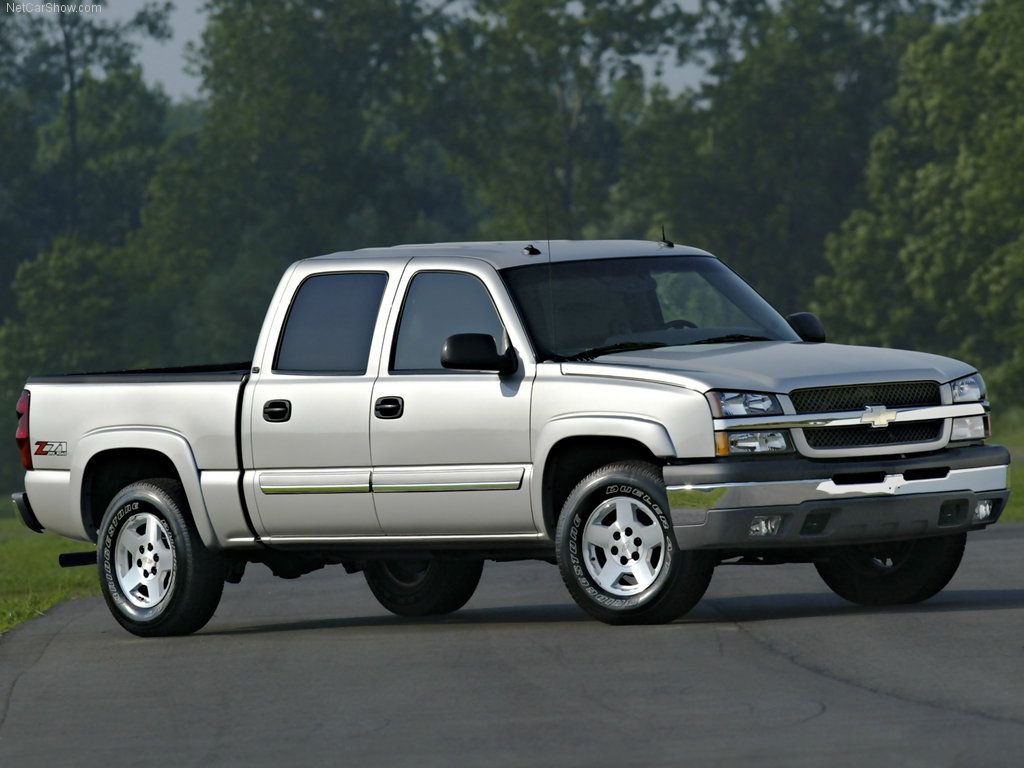
The relatively low compression ratio allows it to run on regular gasoline without detonation issues, and the generous displacement means the engine doesn’t have to work particularly hard to move the truck or tow moderate loads.
This relaxed operating state translates directly into longevity, as components experience less stress and wear more slowly. Interior durability in these Silverados is excellent by the standards of the era, with cloth seats that wear well, straightforward HVAC systems that continue functioning for decades, and electrical systems simple enough that troubleshooting and repair remain manageable for competent DIY mechanics or independent shops.
The gauge cluster uses traditional analog instruments with proven stepper motors, and while some clusters do eventually develop issues, replacement is inexpensive and straightforward.
Perhaps the GMT800 Silverado’s greatest longevity advantage is the vast aftermarket support and parts availability these trucks enjoy.
Virtually every wear component is available from multiple suppliers at competitive prices, and the mechanical simplicity means that most repairs can be performed with basic tools and moderate mechanical knowledge.
This combination ensures that even as these trucks age, they remain economically viable to maintain and repair, avoiding the death spiral of repair costs exceeding vehicle value that dooms many modern trucks.
4. Ram 2500/3500 (2003-2009 with 5.9L Cummins)
The third-generation Ram heavy-duty trucks equipped with the 5.9-liter Cummins inline-six diesel engine represent the pinnacle of diesel truck longevity, with these powertrains routinely achieving mileages that would destroy gasoline engines multiple times over.
These trucks are so legendary for their durability that well-maintained examples with 300,000 or 400,000 miles often sell for surprisingly high prices, as knowledgeable buyers understand that the truck is barely broken in at those mileages.
The 5.9-liter Cummins engine is the primary reason these trucks outlive virtually everything else on the road. This inline-six diesel, particularly in its 2003-2007 common-rail injection form, represents a perfect balance of power, efficiency, and bulletproof construction.
The cast-iron block is massively overbuilt, with cylinder walls thick enough to accommodate multiple rebores over the engine’s lifetime.
The forged steel crankshaft rides in seven main bearings, providing exceptional rigidity and durability that allows the engine to operate smoothly even as it approaches and exceeds a million miles.
The engine’s inline-six configuration contributes significantly to its longevity. Unlike V-configuration engines, inline engines have inherently better balance and simpler valve trains, resulting in less vibration and more uniform wear patterns.

The single cylinder head eliminates the complexities and potential leak points of dual heads, and the straightforward valve train with a single camshaft means fewer components to wear or fail.
The Cummins engine’s massive displacement of 5.9 liters spread across six cylinders means each cylinder only displaces about one liter a moderate amount that results in relatively low stress on pistons, rings, and other reciprocating components.
The engine’s fuel system, particularly in the 2003-2004.5 models with the simpler injection pump, is remarkably durable and maintainable.
While the later common-rail injection systems added power and refinement, they also introduced additional complexity. Nevertheless, even these more complex systems have proven far more durable than competing diesel injection systems from Ford and GM during the same era.
The high-pressure injection pump and injectors, while expensive when they do eventually need service, typically last 200,000 miles or more before requiring attention.
The transmissions paired with these Cummins engines vary in reliability depending on specification. Manual transmission models, particularly the NV4500 and later G56 six-speed units, are nearly as indestructible as the engine itself, with many examples exceeding 500,000 miles on original clutches and internal components.
The automatic transmission options, including the 47RE and later 48RE four-speed automatics, are less legendary but still quite durable when properly maintained with regular fluid and filter changes.
Many owners who tow heavy loads regularly opt to rebuild their automatics with upgraded components around 150,000-200,000 miles as preventive maintenance.
The truck’s frame and suspension components are appropriately robust for heavy-duty service, with a fully boxed frame constructed from thicker steel than light-duty trucks and suspension components sized for one-ton payload capacities and 15,000+ pound towing capacities.
These components are massively overbuilt for anyone using the truck for personal rather than commercial purposes, which translates directly into longevity.
Ball joints, tie rods, and leaf springs that might last 100,000 miles on a light-duty truck often last 250,000 miles or more on these Rams.
The combination of diesel engine longevity, robust drivetrain components, and the strong demand for these particular trucks creates a self-reinforcing cycle that ensures their continued survival.
Owners are willing to invest in maintenance and repairs because they know the truck will last, and the availability of parts and experienced mechanics means that keeping these trucks running remains economically feasible even as they accumulate truly astounding mileages.
Also Read: 5 SUVs With Interiors That Stay Tight vs 5 That Rattle Early
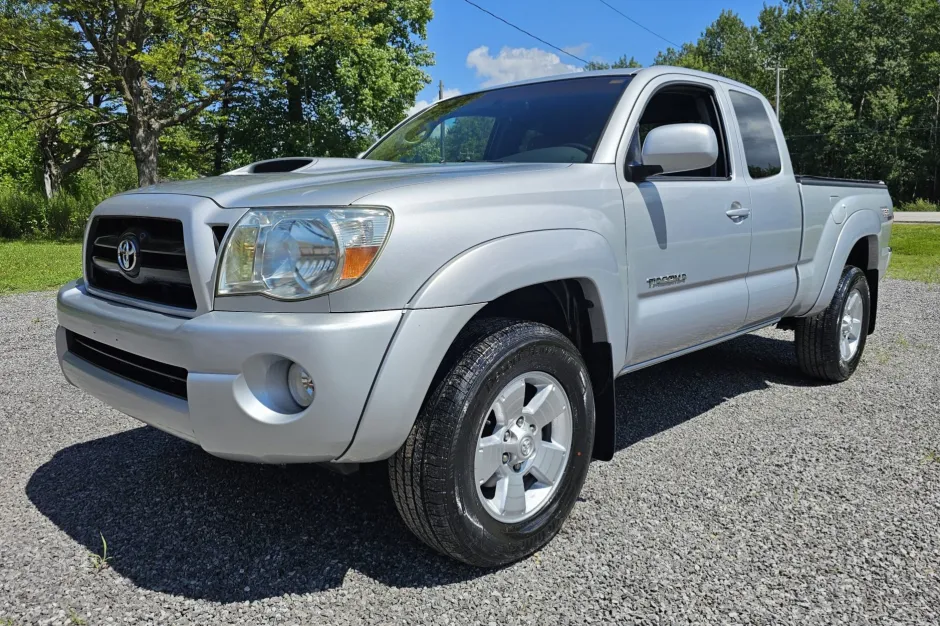
5. Toyota Tacoma (2005-2015)
The second-generation Toyota Tacoma has achieved near-mythical status among mid-size truck enthusiasts for its exceptional reliability and longevity, with these trucks commanding premium prices in the used market even with high mileage and older age.
The Tacoma’s reputation is so strong that ten-year-old examples with 150,000 miles often sell for 60-70% of their original purchase price—resale values that are virtually unprecedented in the automotive world and speak volumes about the truck’s durability.
The Tacoma’s longevity begins with its engines, particularly the 4.0-liter V6 that became the preferred powerplant for most buyers. This engine is a development of Toyota’s legendary 3.4-liter V6, incorporating variable valve timing and other modern technologies while retaining the conservative engineering philosophy that makes Toyota engines so durable.
The engine block is cast iron, providing superior wear resistance compared to aluminum blocks, while the aluminum heads reduce weight and improve thermal efficiency. The engine’s relatively modest power output of 236 horsepower means it operates well within its mechanical limits during normal truck use.
The transmission options in these Tacomas include both manual and automatic units, and both have proven exceptionally durable. The six-speed manual transmission is straightforward, with robust synchronizers and a forgiving clutch that lasts 200,000 miles or more even in the hands of inexperienced drivers.
The five-speed automatic transmission is less refined than modern six-speed or eight-speed units, but its mechanical simplicity and conservative engineering ensure that it continues functioning long after more complex automatics would have failed.
Many owners report original automatic transmissions still shifting smoothly at 300,000 miles with nothing more than regular fluid changes.
The Tacoma’s frame is fully boxed high-strength steel, and Toyota’s comprehensive rust-proofing process ensures that these frames resist corrosion better than virtually any competitor’s product.
This is particularly important because mid-size trucks often serve in harsh environments construction sites, beaches, mountains where corrosion accelerates.
The frame’s robust cross-members and mounting points provide excellent rigidity that prevents the body flex and door alignment issues that plague some competing mid-size trucks as they age.
What truly sets the Tacoma apart is the comprehensive parts availability and the strong community of owners who share maintenance information, DIY repair guides, and troubleshooting advice.
Parts remain readily available from Toyota and aftermarket suppliers, and the truck’s mechanical simplicity means that competent DIYers can handle most maintenance and many repairs without specialized tools. This ecosystem of support ensures that even as Tacomas age, they remain practical and affordable to maintain.
5 Trucks That Retire Early
These problematic vehicles suffer from fundamental design choices prioritizing initial appeal over longevity including aluminum body panels that corrode galvanically when contacting dissimilar metals, complex electronic systems becoming obsolete within years, and proprietary components unavailable for repair once manufacturers discontinue support for aging platforms.
Their flawed engineering includes engines with insufficient bearing surface area leading to premature wear, transmissions controlled by modules that fail and become unobtainable, and structural designs utilizing thin materials with inadequate corrosion protection that develop frame rot and body perforation distressingly quickly despite relatively low mileage accumulation.
From electronic parking brakes that fail without manual release alternatives to turbocharged engines requiring expensive repairs that exceed vehicle values, these troublesome trucks create economic total-loss situations with alarming frequency.
1. Ford F-150 (2015-2019 with 2.7L EcoBoost)
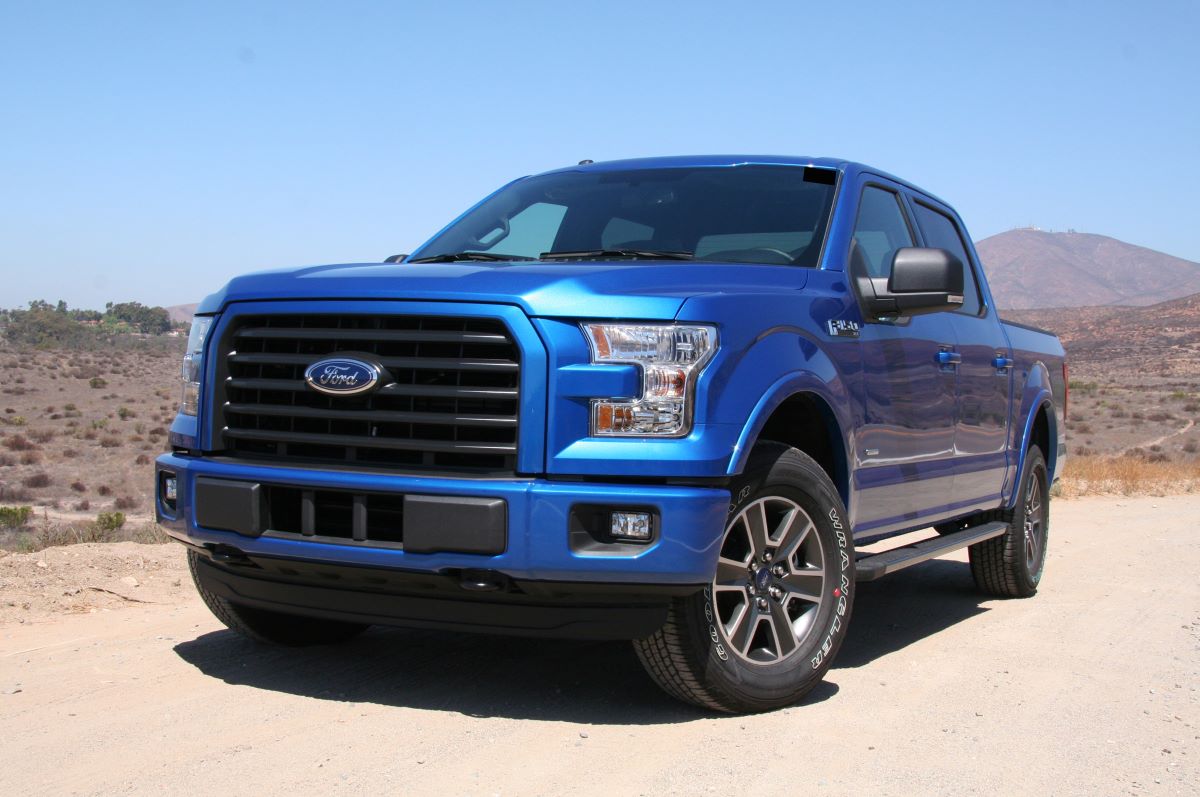
The thirteenth-generation Ford F-150 represented a revolutionary departure from traditional truck construction with its aluminum body and turbocharged engine lineup, but the 2.7-liter EcoBoost V6 has proven to be a reliability liability that sends many of these trucks to early retirement.
While the aluminum body itself has generally performed well, the small-displacement turbocharged engine has demonstrated numerous problems that become progressively worse and more expensive to repair as the trucks accumulate mileage.
The 2.7-liter EcoBoost engine represents Ford’s aggressive downsizing strategy, attempting to deliver V8-like power from a twin-turbocharged V6 with barely more displacement than many four-cylinder engines.
While this approach delivers impressive initial performance and fuel economy, it subjects the engine’s components to extreme stress through high combustion pressures, tremendous heat cycling from the turbochargers, and raised operating temperatures throughout the engine bay. These factors combine to create premature wear and failure of multiple engine systems.
One of the most common and expensive problems affecting these engines is turbocharger failure, typically occurring between 80,000 and 120,000 miles. The turbochargers operate at extremely high temperatures and speeds, and when they begin to fail, they can cause catastrophic damage by ingesting metal debris into the engine’s intake system.
Turbocharger replacement is expensive, often costing $2,500 to $4,000 per side when performed at dealerships, and some owners find themselves facing dual turbocharger failures that effectively total an otherwise decent truck because the repair cost exceeds the vehicle’s depreciated value.
The engine’s timing chain system has also proven problematic, with numerous reports of stretched timing chains causing rattling noises, rough running, and eventually catastrophic failure if not addressed.
The problem is exacerbated by Ford’s extended oil change intervals, which leave the timing chain and its tensioners operating in degraded oil for too long.
Timing chain replacement requires extensive engine disassembly, often costing $2,000 to $3,500, and many owners don’t discover the problem until engine damage has already occurred.
Perhaps most concerning is the pattern of Ford dealerships and independent mechanics expressing reluctance to service these engines as they age, particularly for major repairs like turbocharger or timing chain replacement.
The labor-intensive nature of these repairs, combined with the risk of additional problems being discovered once work begins, means that many shops provide inflated estimates or decline the work entirely. This lack of repair infrastructure effectively dooms these trucks to early retirement when major engine problems inevitably occur.
2. Ram 1500 (2009-2012 with 5.7L HEMI)
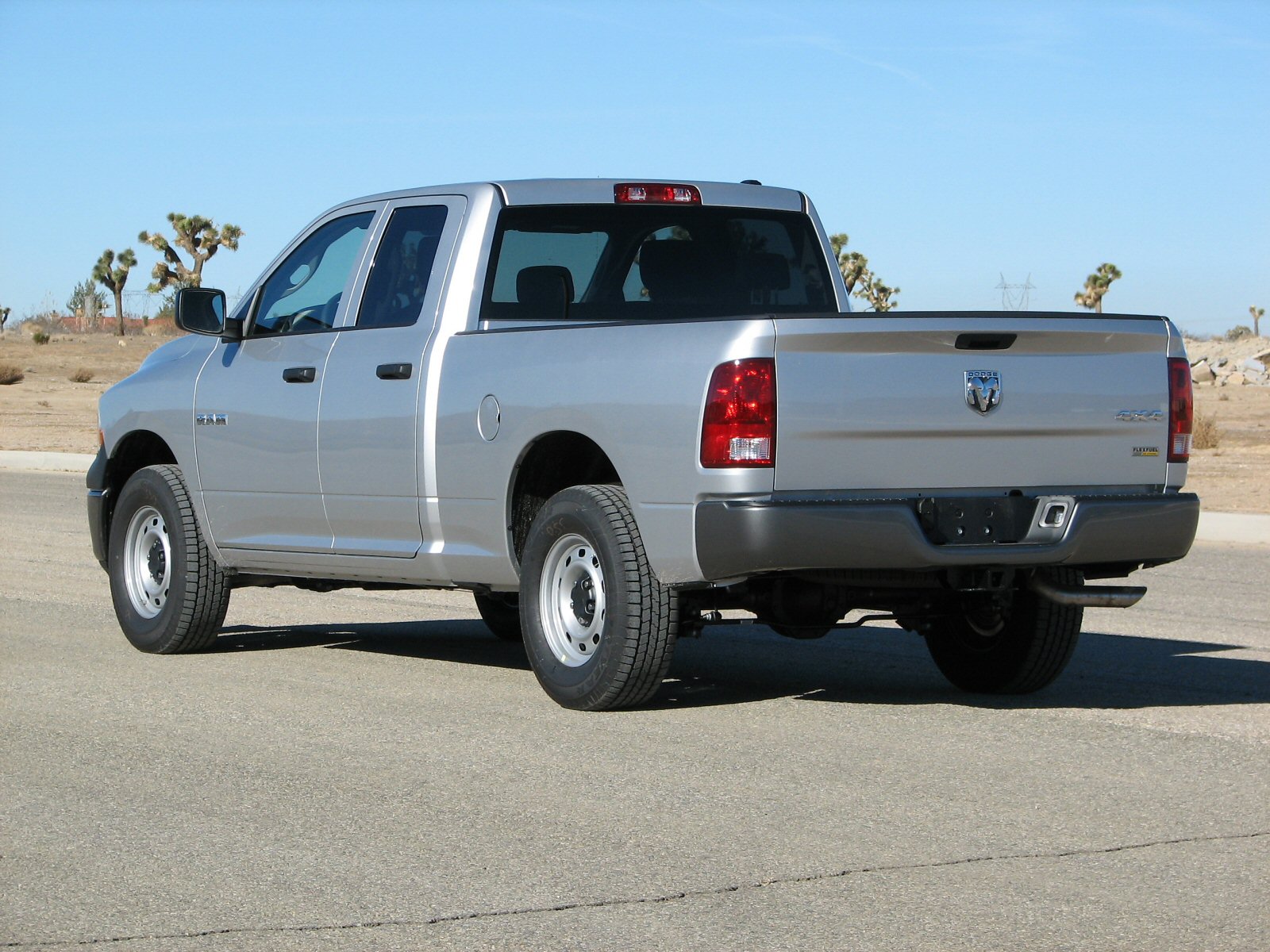
The fourth-generation Ram 1500 equipped with the 5.7-liter HEMI V8 seemed like a solid choice when new, combining proven engine architecture with contemporary truck capabilities, but these specific model years have developed numerous problems that frequently lead to premature retirement.
While the HEMI engine itself is fundamentally robust, surrounding systems and components have proven troublesome enough that many owners find themselves facing repair bills that exceed their truck’s value before reaching 150,000 miles.
The most notorious problem affecting these Rams is the failure of the engine’s valve seat inserts, particularly in the cylinder heads. This metallurgical defect causes the hardened steel valve seats to separate from the aluminum cylinder head, dropping into the combustion chamber and causing catastrophic engine damage.
The problem typically manifests between 70,000 and 120,000 miles with sudden loss of power, severe misfires, or complete engine failure. Repair requires replacement of at least one cylinder head, often both, with total costs ranging from $3,500 to $6,000 effectively totaling many trucks.
The Multi-Displacement System (MDS) that allows the HEMI engine to run on four cylinders during light-load cruising has proven to be a reliability liability rather than the fuel-saving feature Chrysler intended.
The system’s solenoids frequently fail, causing check engine lights, rough running, and poor fuel economy. More problematically, the system’s operation creates uneven wear patterns within the engine, with cylinders that deactivate experiencing different wear characteristics than cylinders that remain active.
Many mechanics recommend disabling the MDS system entirely to improve reliability. Exhaust manifold failures are endemic to these model years, with the cast-iron manifolds cracking and developing leaks that create loud ticking noises and exhaust odors in the cabin.
The manifolds’ proximity to critical components like the starter motor means that hot exhaust gases from the leak often cause premature failure of adjacent parts.
Manifold replacement requires extensive labor to remove and reinstall components in the crowded engine bay, with repair costs typically exceeding $1,500 per side even at independent shops.
The front suspension and steering systems wear rapidly, particularly on trucks equipped with four-wheel drive. Ball joints, tie rod ends, and control arm bushings often require replacement before 75,000 miles, and the repairs are expensive because of the complicated four-wheel-drive suspension architecture.
Many owners report spending $1,500 to $2,500 on front-end components multiple times over the truck’s life, creating an expensive maintenance cycle that discourages continued ownership as the truck ages.
3. Nissan Titan (2004-2015)
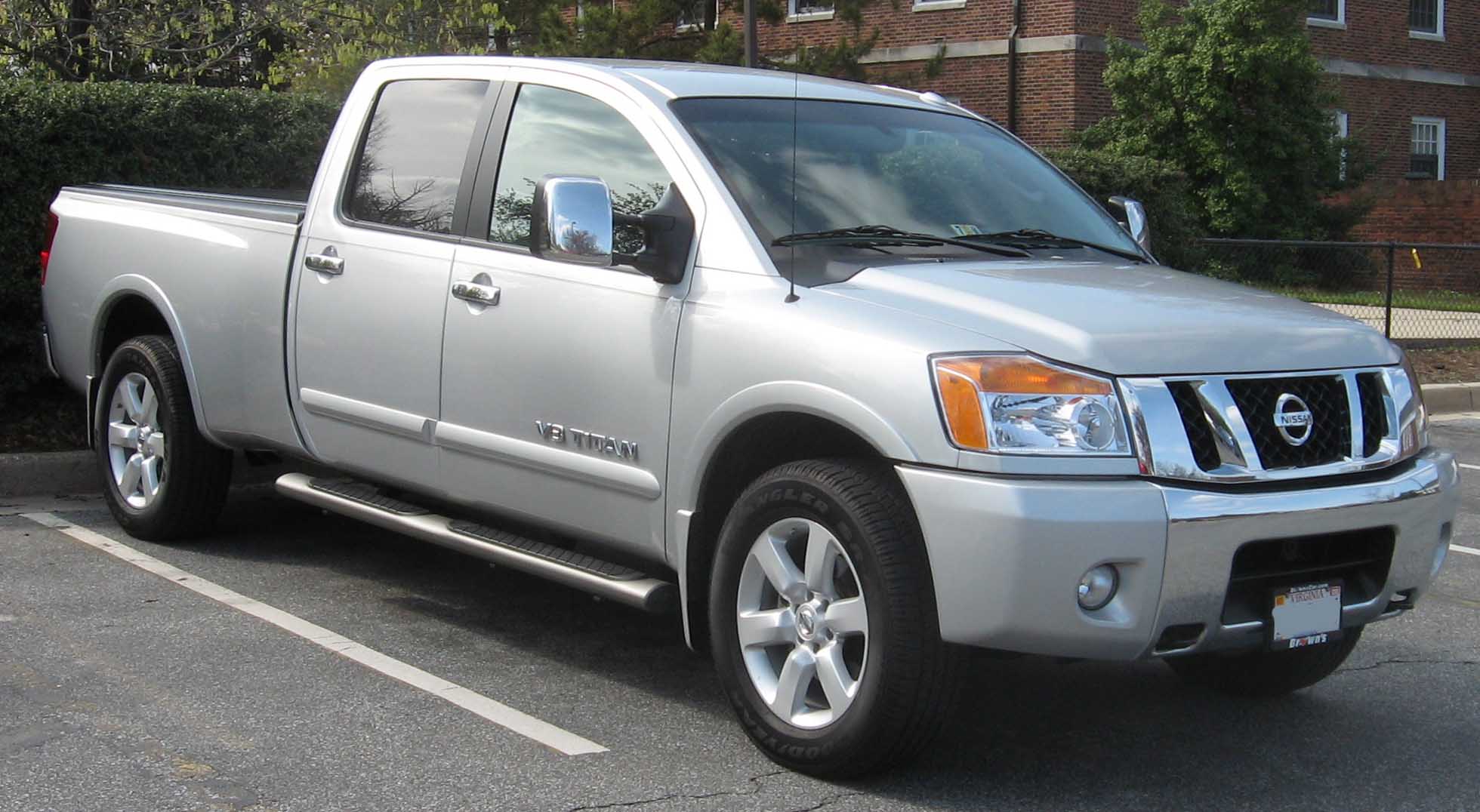
The first and second-generation Nissan Titan represented the Japanese manufacturer’s ambitious entry into the full-size truck market, but these trucks have proven to be disappointingly unreliable compared to Nissan’s excellent reputation in other vehicle segments.
While the trucks offered competitive capabilities when new, numerous problems have emerged that lead to premature retirement, and the trucks’ poor resale values mean that owners often find major repairs economically unjustifiable.
The Titan’s 5.6-liter V8 engine, while powerful and smooth when running properly, has developed a reputation for consuming excessive amounts of oil as it accumulates mileage.
Many owners report needing to add a quart or more of oil every 1,000 miles once the truck surpasses 100,000 miles, despite the engine showing no visible external leaks.
The problem stems from worn piston rings and cylinder wall glazing, and the only proper repair requires complete engine disassembly and rebuilding a repair that costs more than most used Titans are worth.
The timing chain system has proven problematic across virtually all model years, with the chains stretching prematurely and the plastic chain guides breaking apart.
When the timing chain fails completely, it typically causes catastrophic engine damage with bent valves and damaged pistons. Even when caught early, timing chain replacement requires extensive disassembly and costs $2,000 to $3,500.
The problem is exacerbated by Nissan’s recommendation of extended oil change intervals that leave the timing chain system operating in degraded oil.
Transmission failures are surprisingly common in these Titans, with the five-speed automatic transmission developing shuddering, harsh shifts, and complete failure often before 120,000 miles.
The transmission’s internal components appear undersized for the V8 engine’s torque output and the truck’s towing capacity, leading to premature clutch pack and planetary gear wear.
Transmission rebuilds cost $2,500 to $4,000, and many transmission shops report that rebuilt Titan transmissions often fail again within 50,000 to 80,000 miles.
Perhaps the most damaging problem for the Titan’s long-term prospects is the near-complete absence of aftermarket support and the limited availability of replacement parts compared to American trucks.
When components fail, owners often face lengthy waits for parts shipped from limited suppliers, and prices tend to be higher than equivalent parts for Ford, Chevy, or Ram trucks.
This lack of infrastructure means that as Titans age, they become progressively more difficult and expensive to maintain, accelerating their retirement from the fleet.
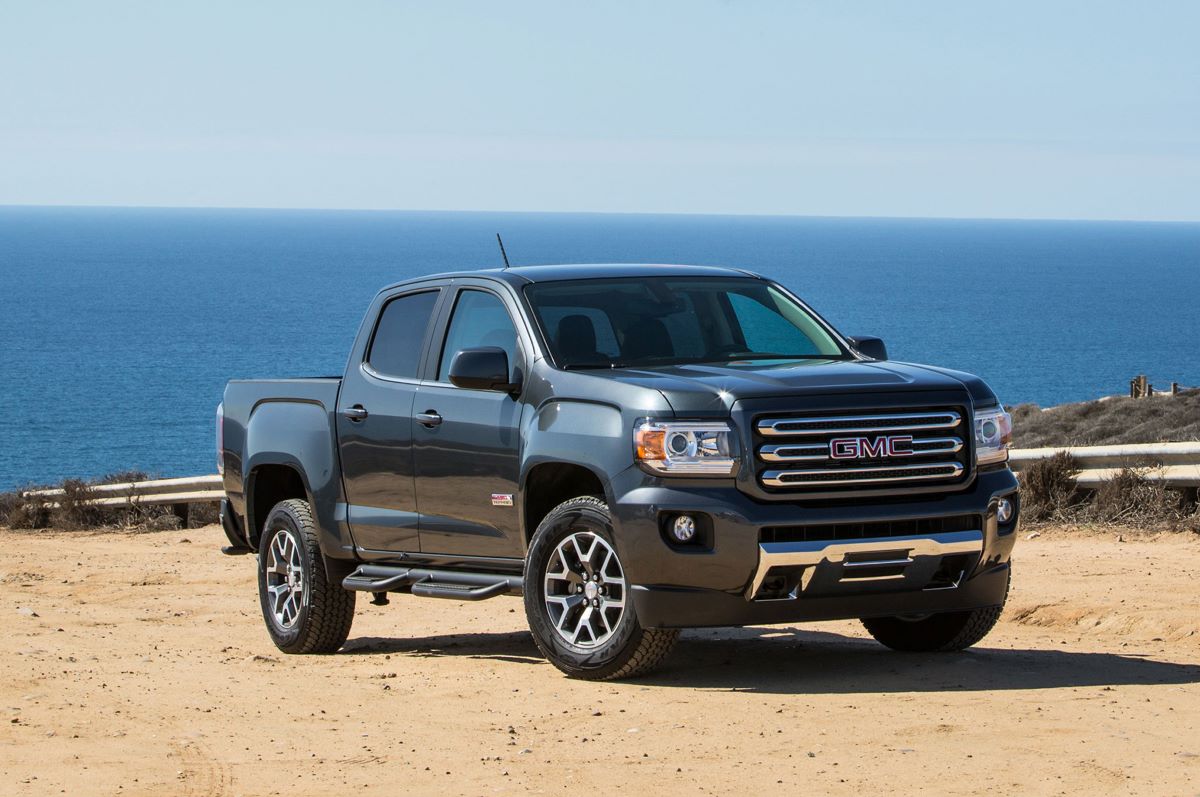
4. Chevrolet Colorado/GMC Canyon (2015-2020 with 2.8L Duramax)
The second-generation Chevrolet Colorado and GMC Canyon with the 2.8-liter Duramax diesel engine seemed like the perfect mid-size truck for buyers seeking diesel efficiency and torque, but these trucks have developed numerous expensive problems that lead to premature retirement.
While diesel engines traditionally last much longer than gasoline equivalents, this particular powerplant has proven to be a maintenance nightmare and reliability disaster.
The 2.8-liter Duramax engine suffers from serious emission system problems that create both driveability issues and expensive repair bills.
The diesel particulate filter (DPF) system frequently clogs, requiring expensive regeneration services or complete replacement. DPF replacement costs $2,000 to $3,000, and many owners find themselves needing multiple replacements over the truck’s lifetime.
The exhaust gas recirculation (EGR) system also fails frequently, causing poor running, reduced power, and black smoke from the exhaust. Fuel system problems plague these engines, with injectors failing prematurely and the high-pressure fuel pump developing leaks and performance issues.
When injectors fail, they can dump raw diesel fuel into the combustion chamber, diluting the engine oil and potentially causing catastrophic wear to engine bearings and other lubricated components.
Injector replacement costs $500 to $800 per cylinder, and the high-pressure fuel pump costs $1,500 to $2,500 to replace repairs that quickly exceed the depreciated value of these trucks.
The engine’s turbocharger has proven disappointingly fragile, with many units failing before 100,000 miles. Turbocharger failure often results from the engine’s emission system problems causing excessive heat and contamination, creating a cascade effect where one system’s failure damages others.
Turbocharger replacement costs $2,500 to $4,000, and many owners discover that emission system problems that caused the original turbocharger failure persist even after replacement.
Perhaps most frustrating for owners is that many of these problems occur repeatedly even after expensive repairs. The interconnected nature of the engine’s emission, fuel, and turbocharging systems means that one system’s failure often causes damage to others, creating an expensive cycle of repairs that quickly exceeds the truck’s value.
Combined with the Colorado/Canyon’s average resale values and the high cost of diesel-specific repairs, many owners find themselves effectively trapped in vehicles they can neither afford to repair nor sell for enough to escape their loans.
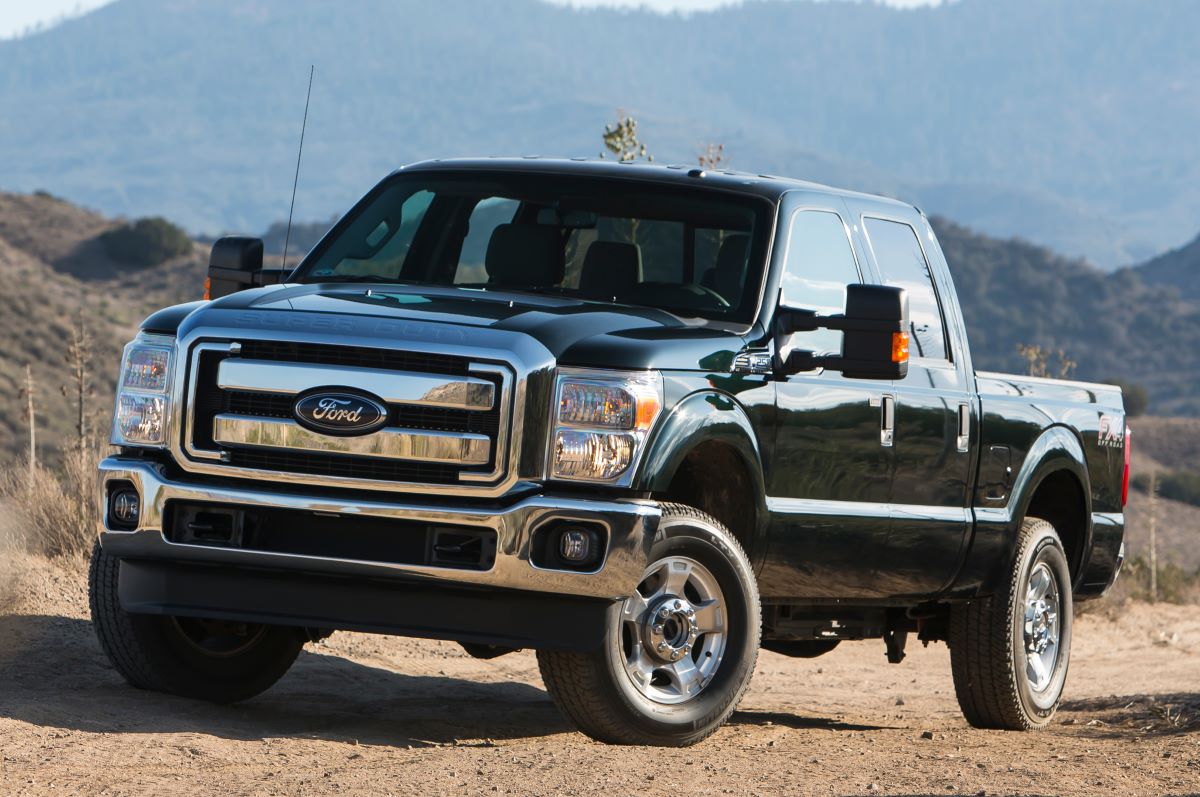
5. Ford F-250/F-350 (2011-2014 with 6.7L Power Stroke)
The Super Duty trucks equipped with Ford’s first-generation 6.7-liter Power Stroke diesel engine represented Ford’s attempt to move away from Navistar-supplied diesel engines and develop in-house diesel powerplants, but these early 6.7L engines have proven troublesome enough that many owners find themselves facing repair bills that exceed their truck’s value before reaching 150,000 miles.
While later revisions improved reliability, these early model years have serious problems. The engine’s turbocharger system is particularly problematic, with the variable-geometry turbo developing sticking vanes, failed actuators, and complete turbocharger failure often before 100,000 miles.
When turbocharger problems occur, they’re often accompanied by check engine lights, significantly reduced power, and black smoke from the exhaust.
Turbocharger replacement costs $3,000 to $4,500 at Ford dealerships, and the problem frequently recurs within 50,000 to 75,000 miles of the replacement. Perhaps most concerning is the pattern of multiple simultaneous or cascading failures that affect these trucks.
It’s not uncommon for owners to face turbocharger failure, EGR problems, and DPF issues all within a short timeframe, creating repair estimates that exceed $8,000 to $10,000.
For trucks that have already depreciated to $25,000 or $30,000 in value, such repairs are economically unjustifiable, leading owners to trade in or sell their trucks for scrap value rather than invest in repairs.
This pattern has created a glut of early-retirement Super Duty trucks in salvage yards, their diesel engines and drivetrains harvested for parts to repair other failing examples.
Also Read: 5 SUVs With Interiors That Stay Tight vs 5 That Rattle Early
